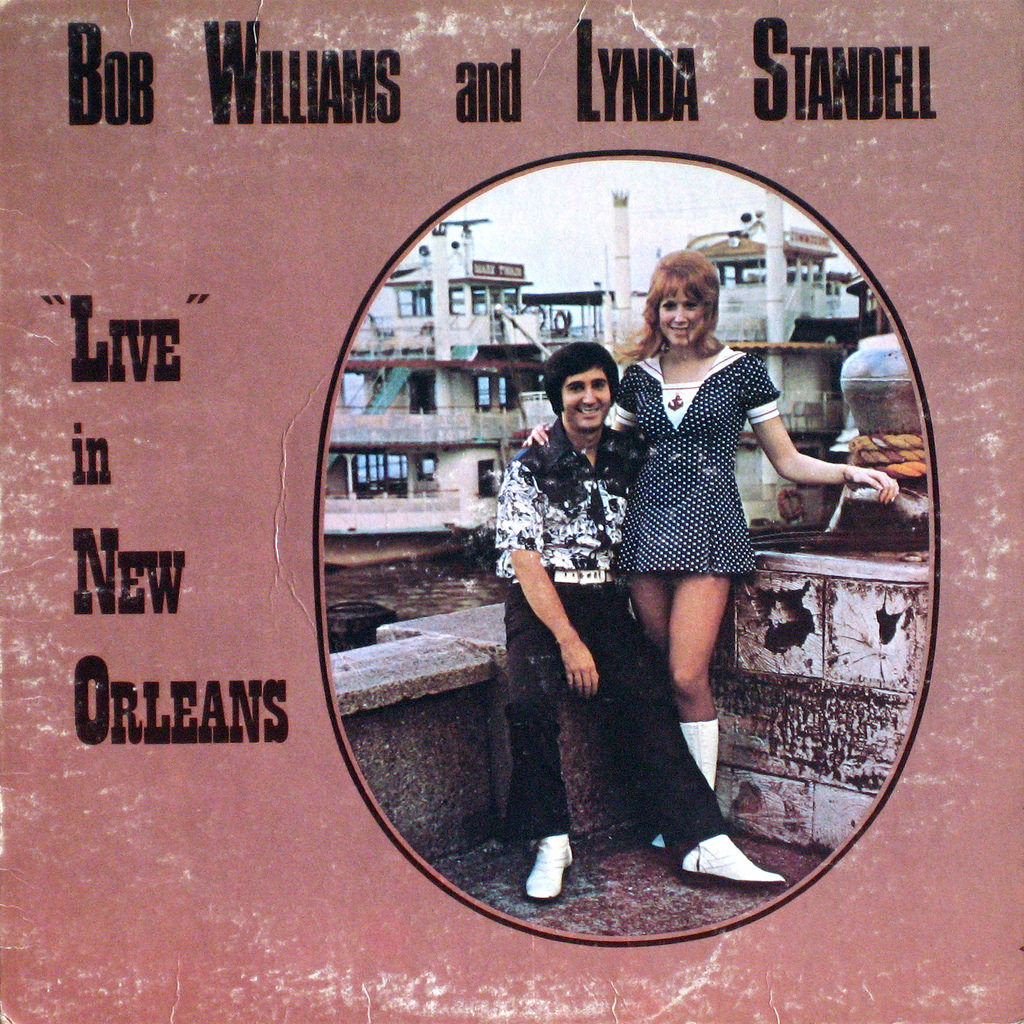
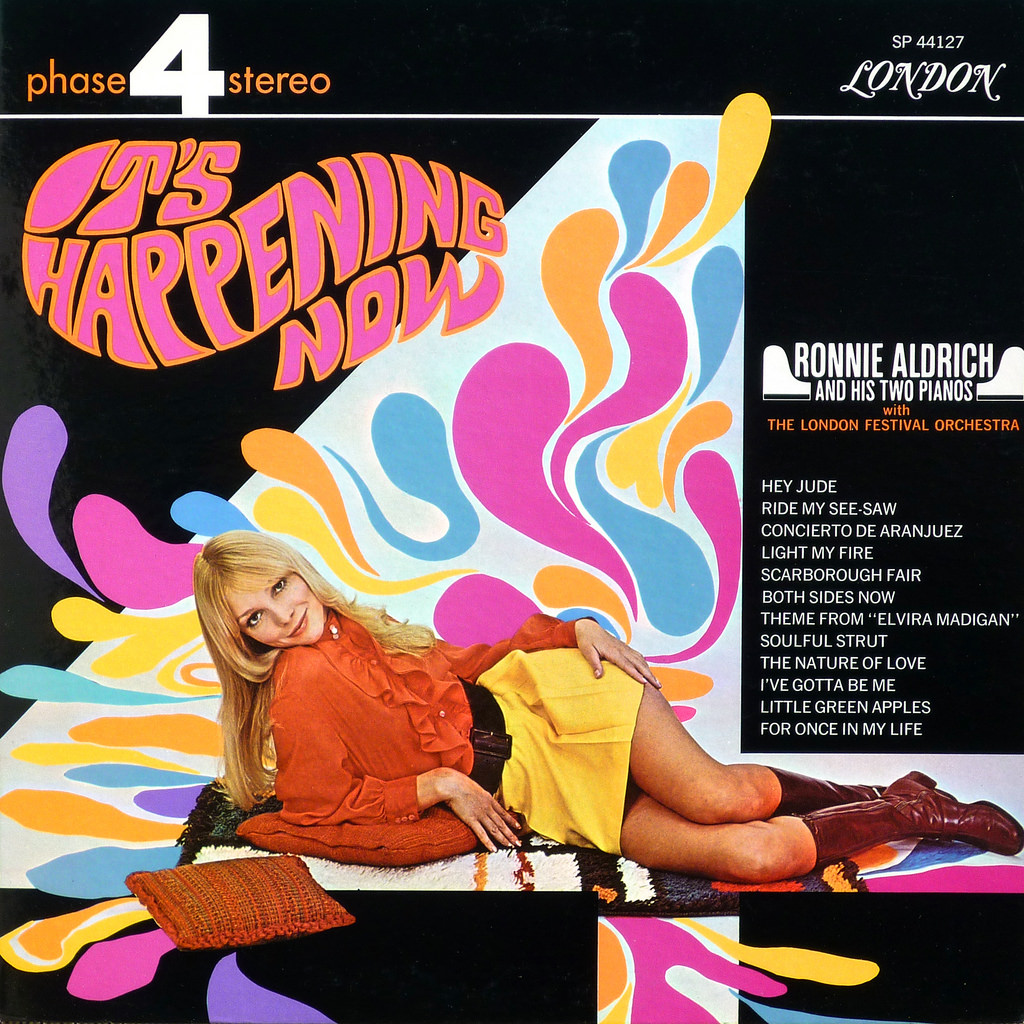
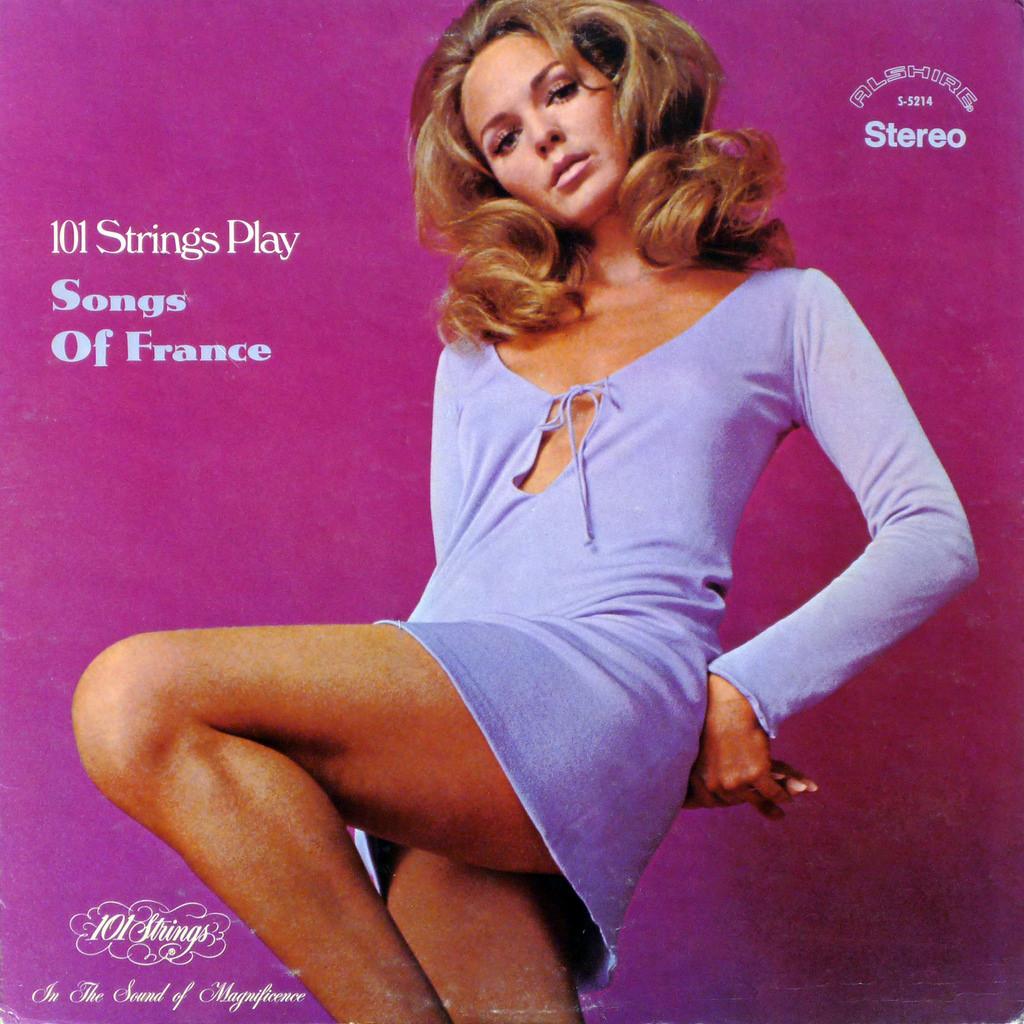
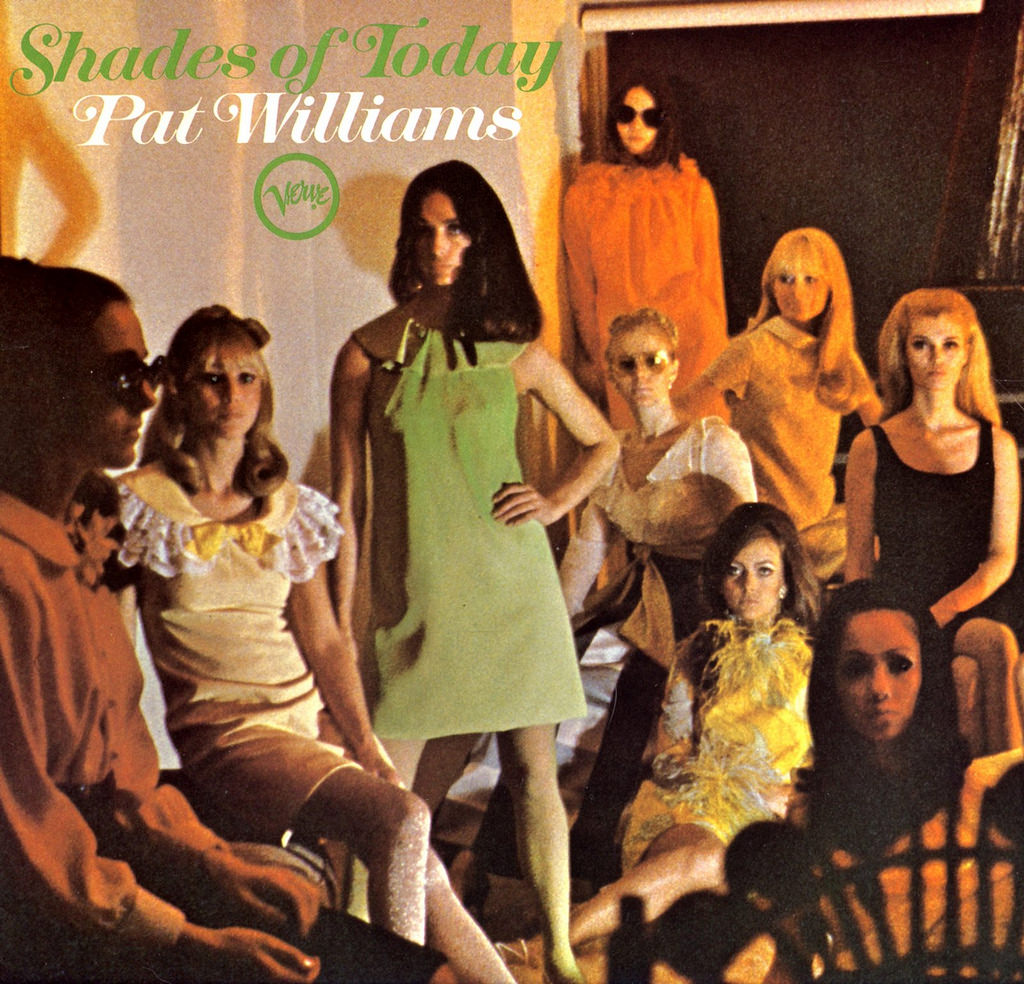
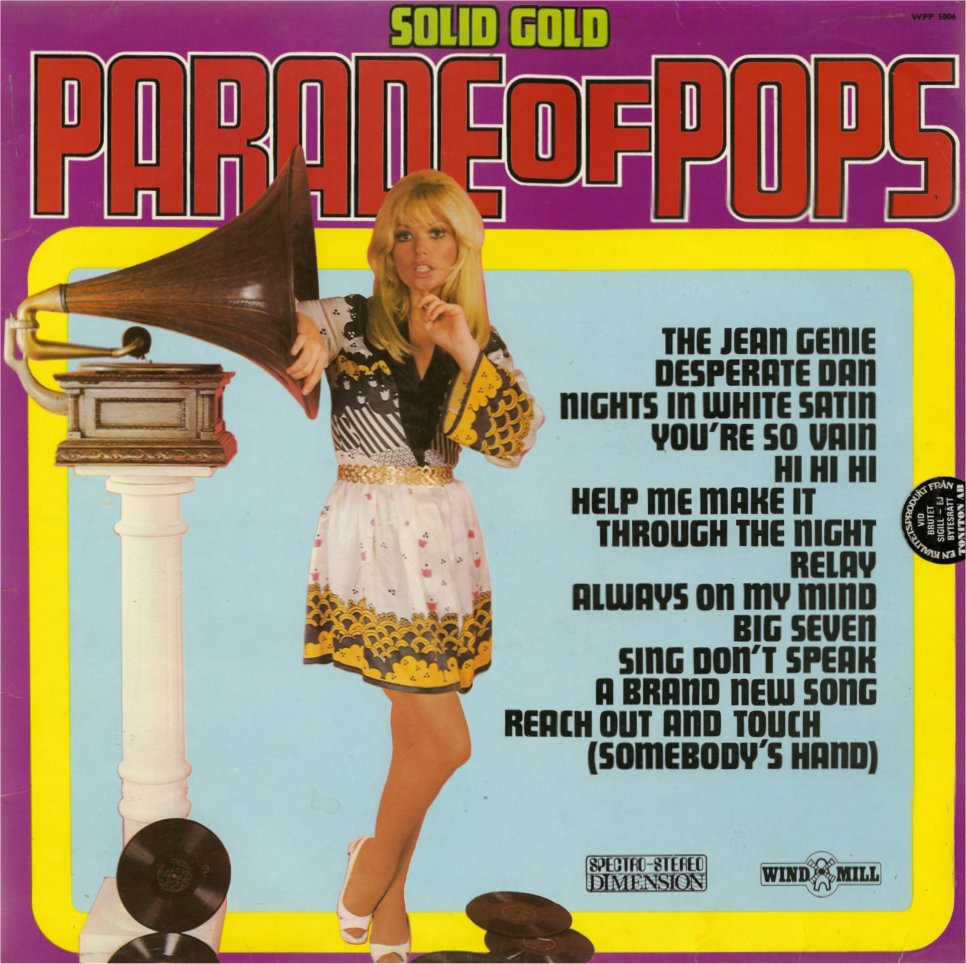
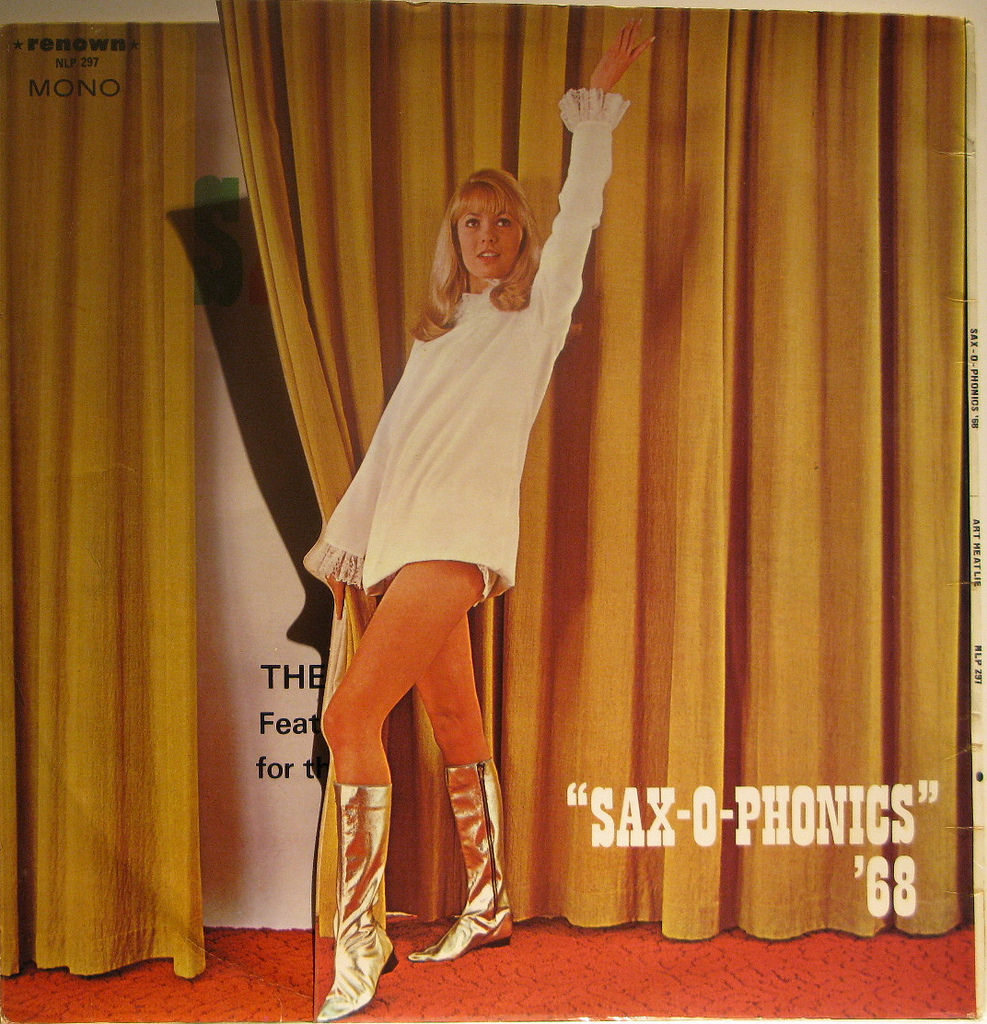
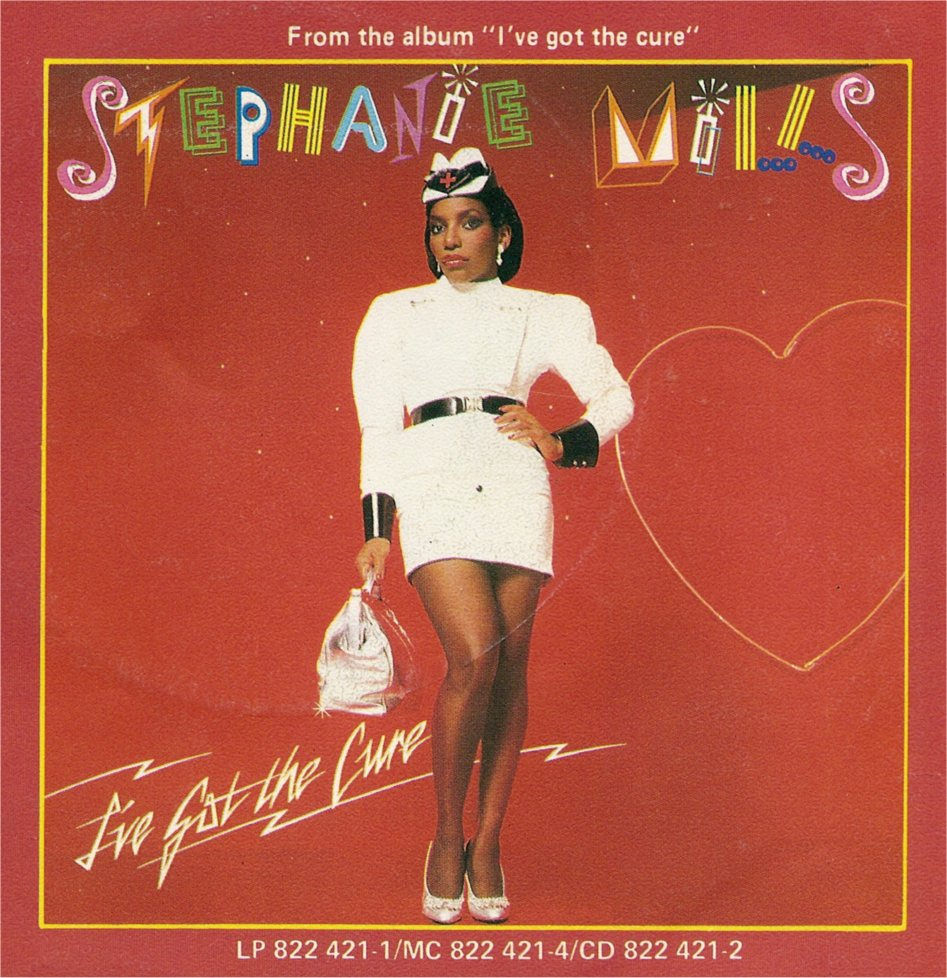
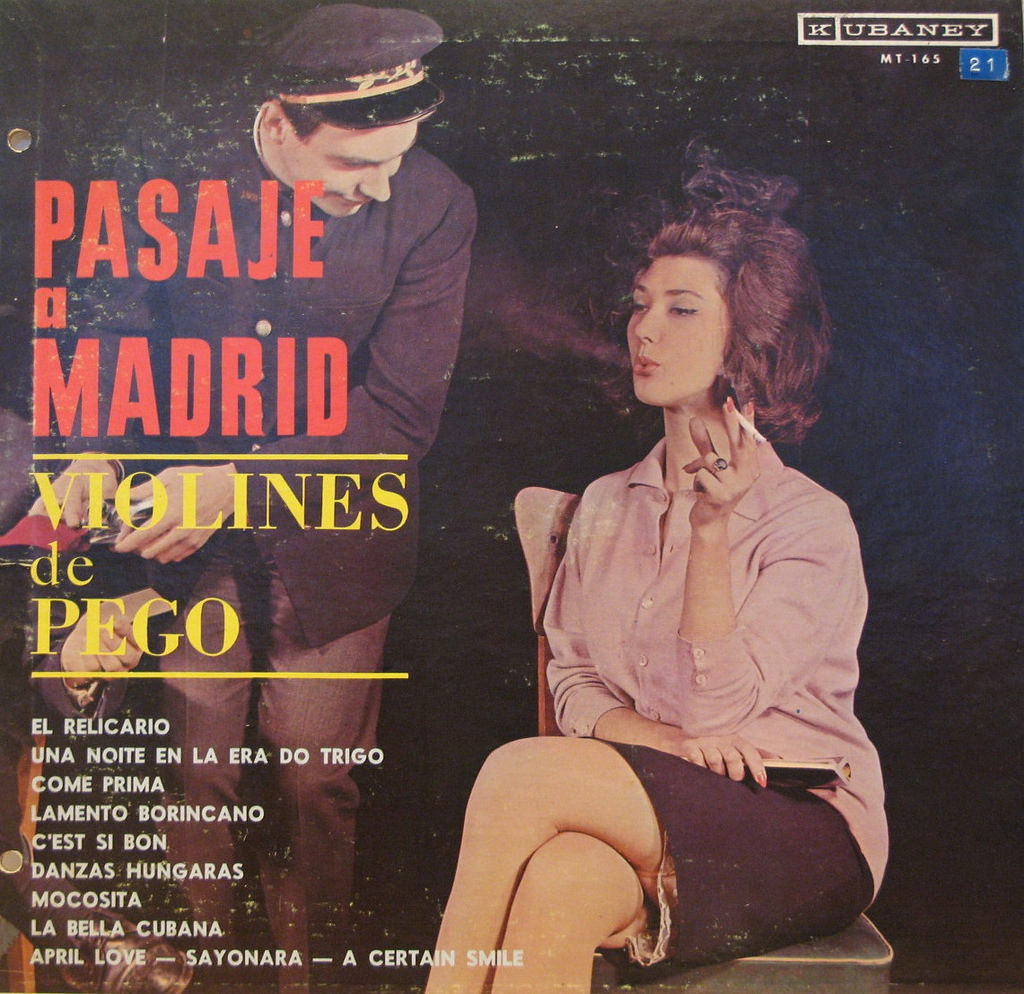
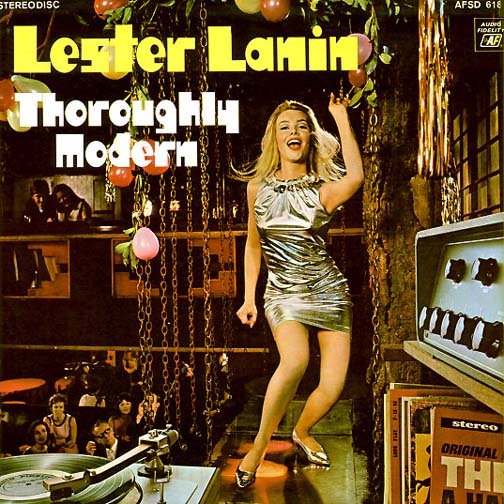
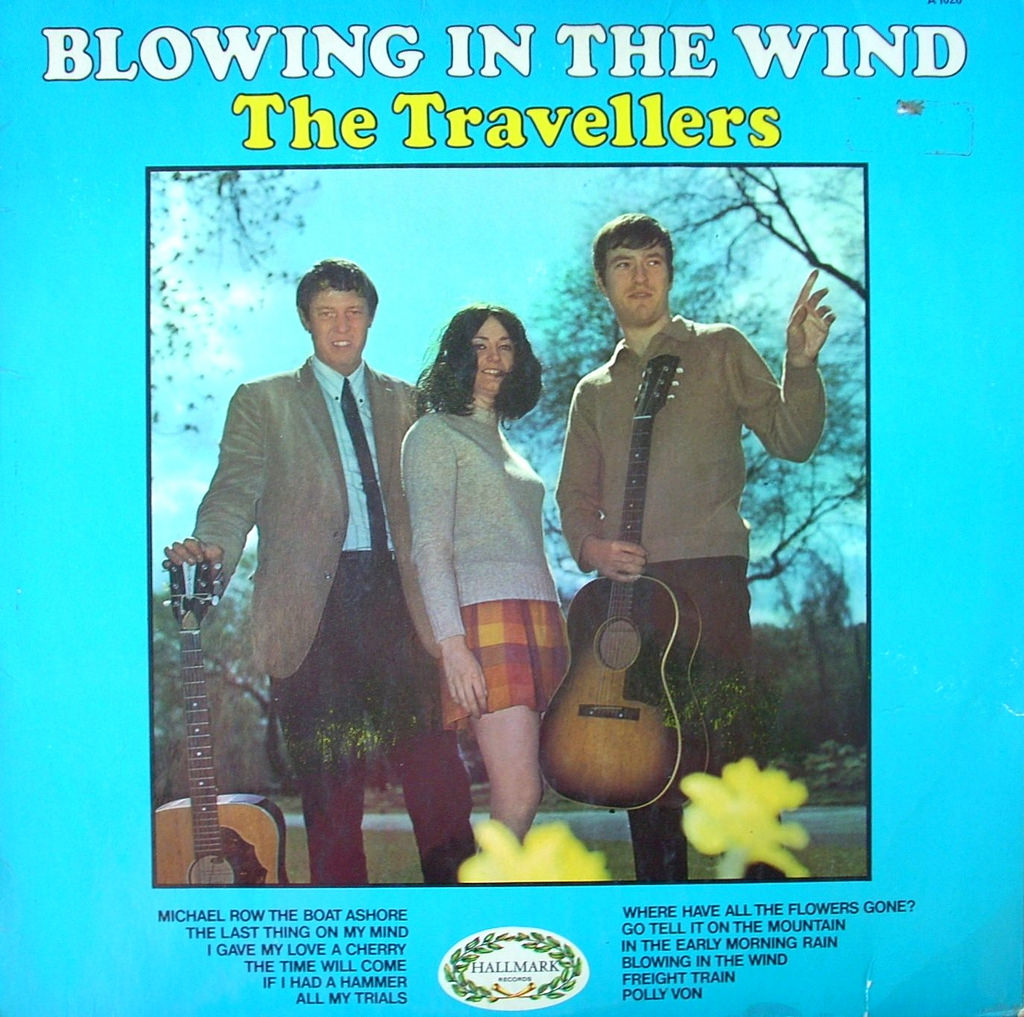
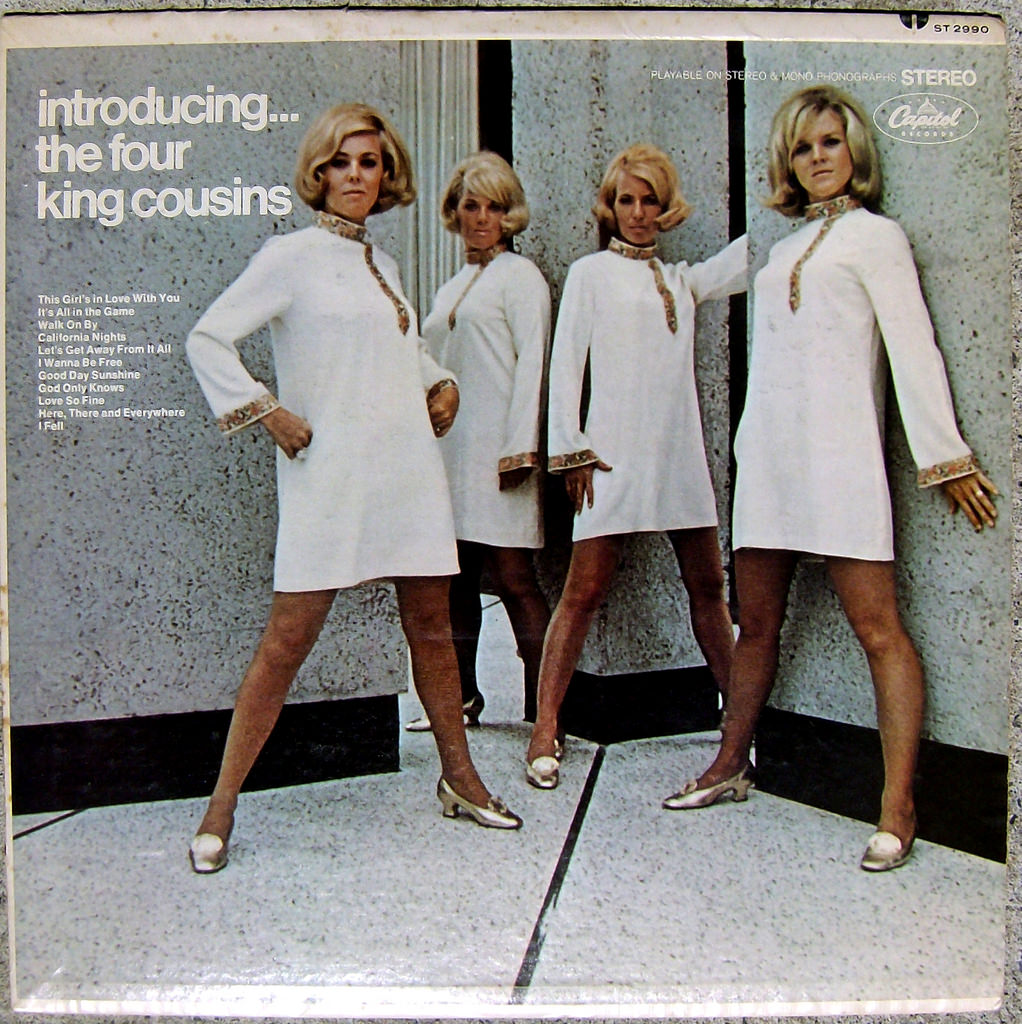
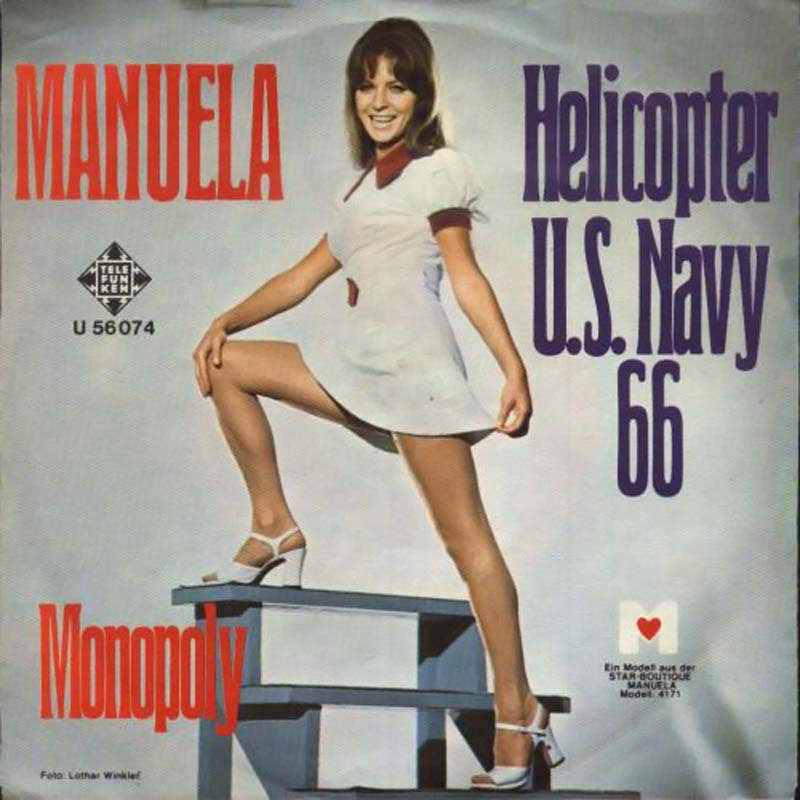
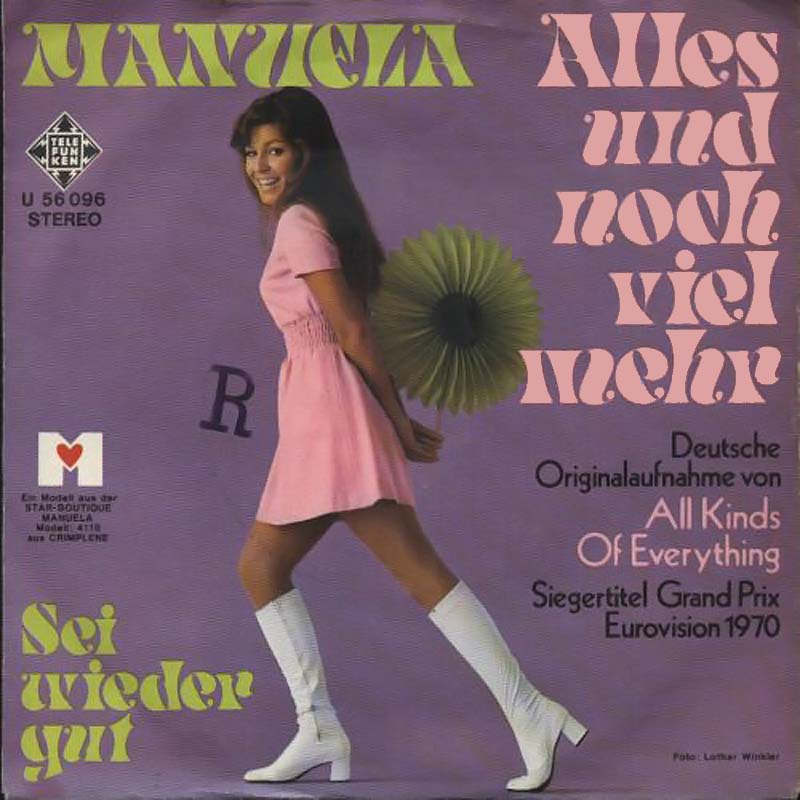
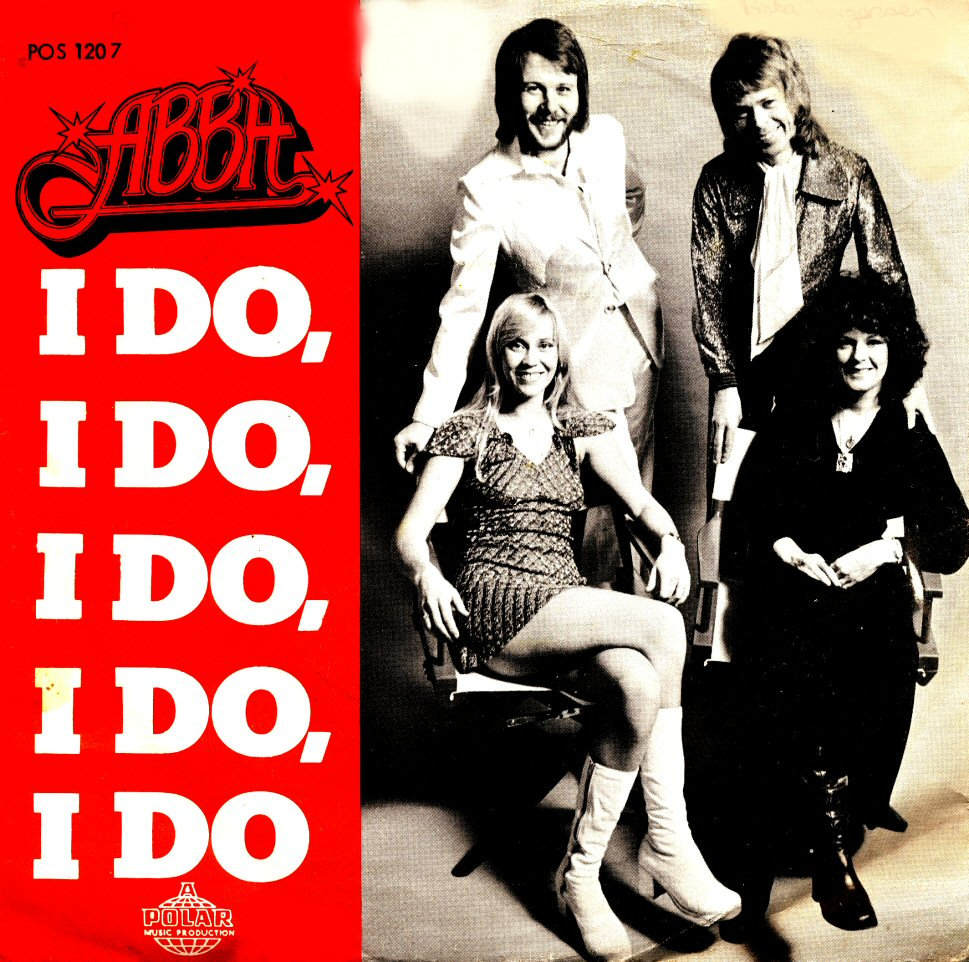
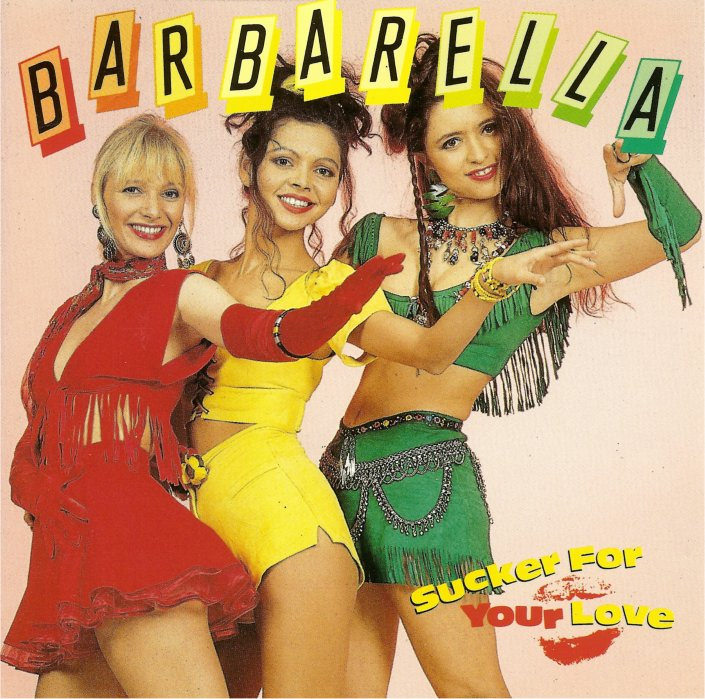
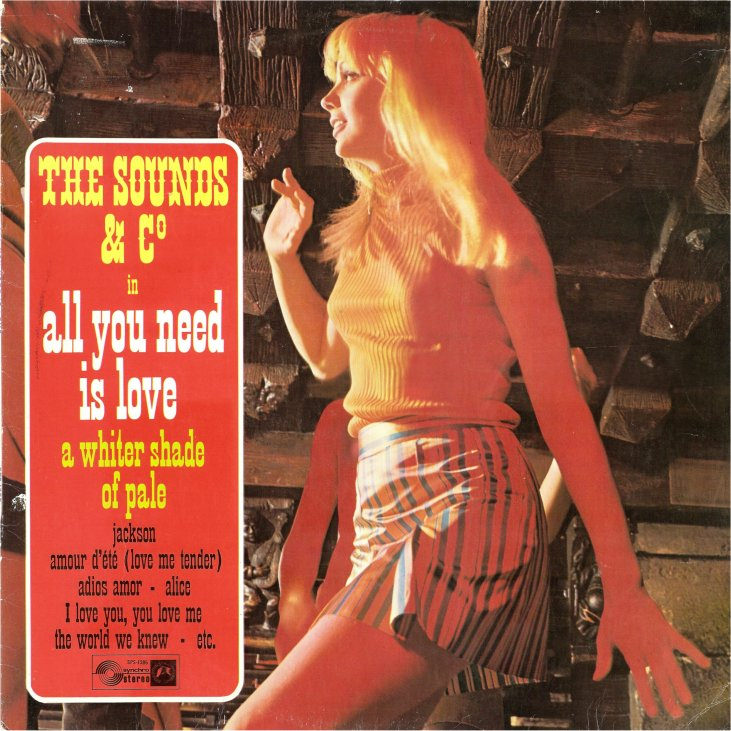
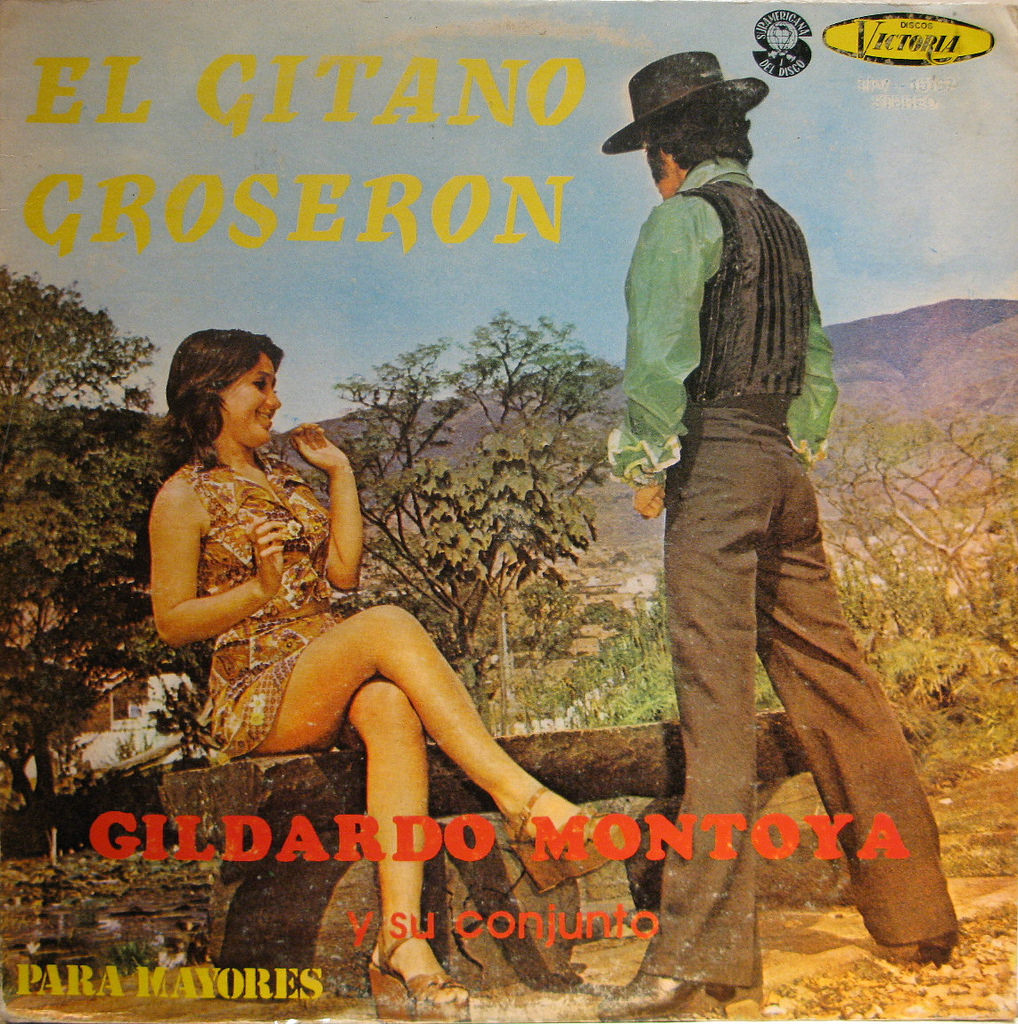
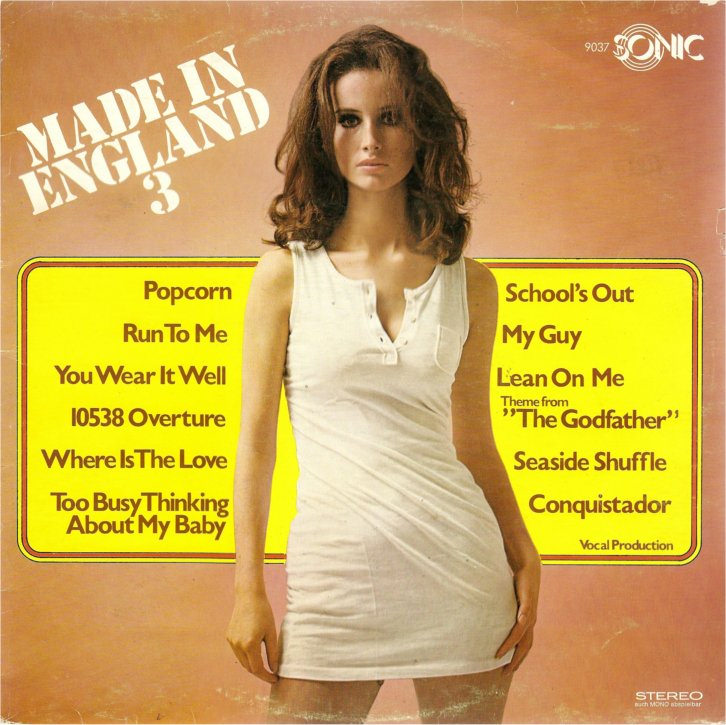
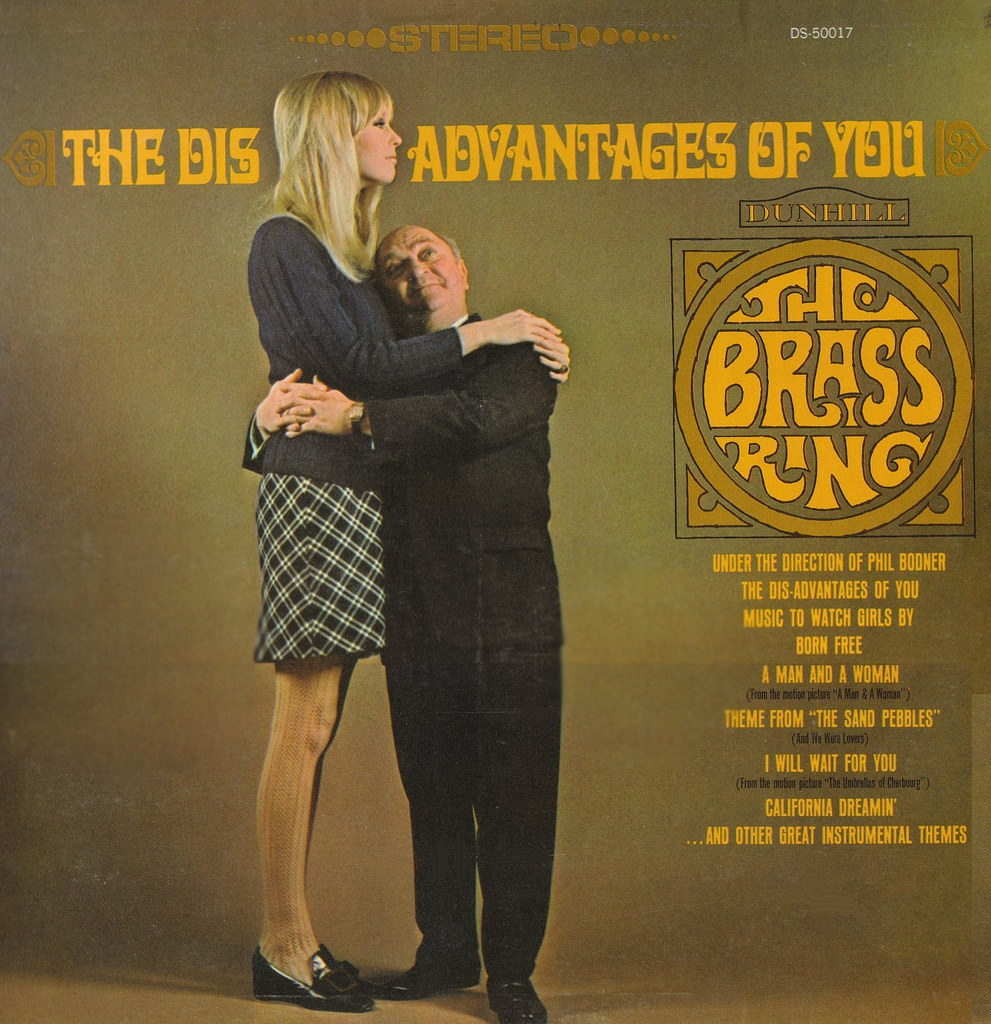
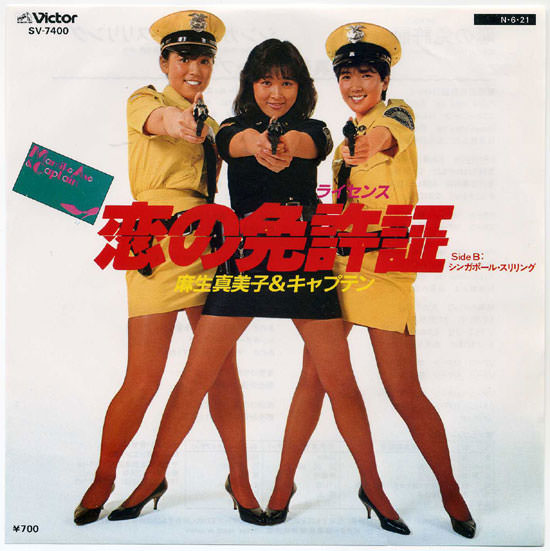
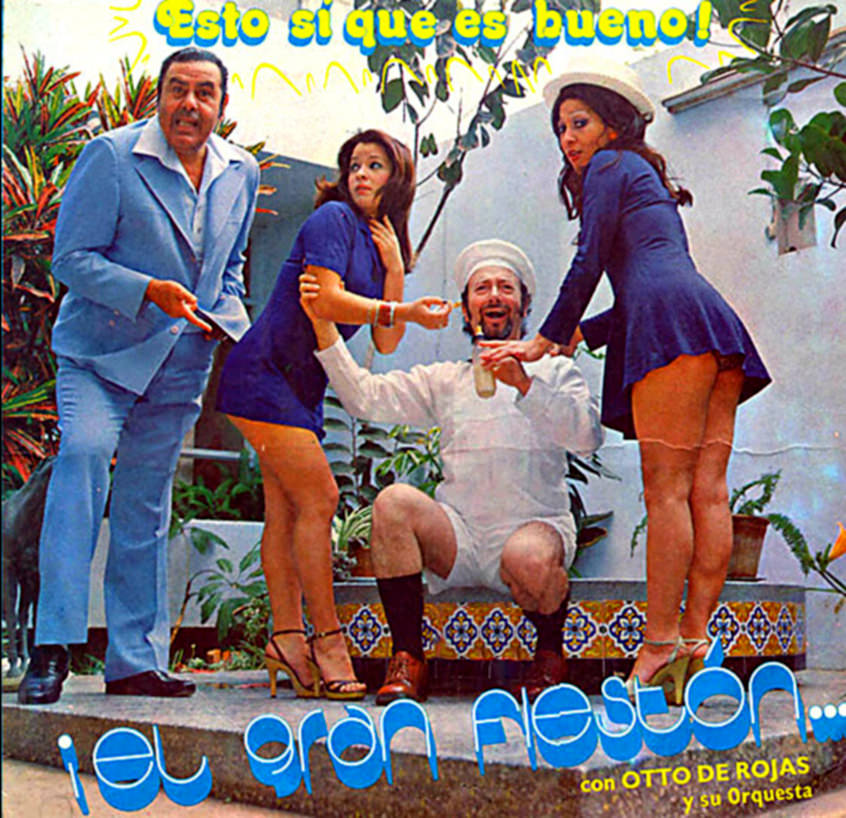
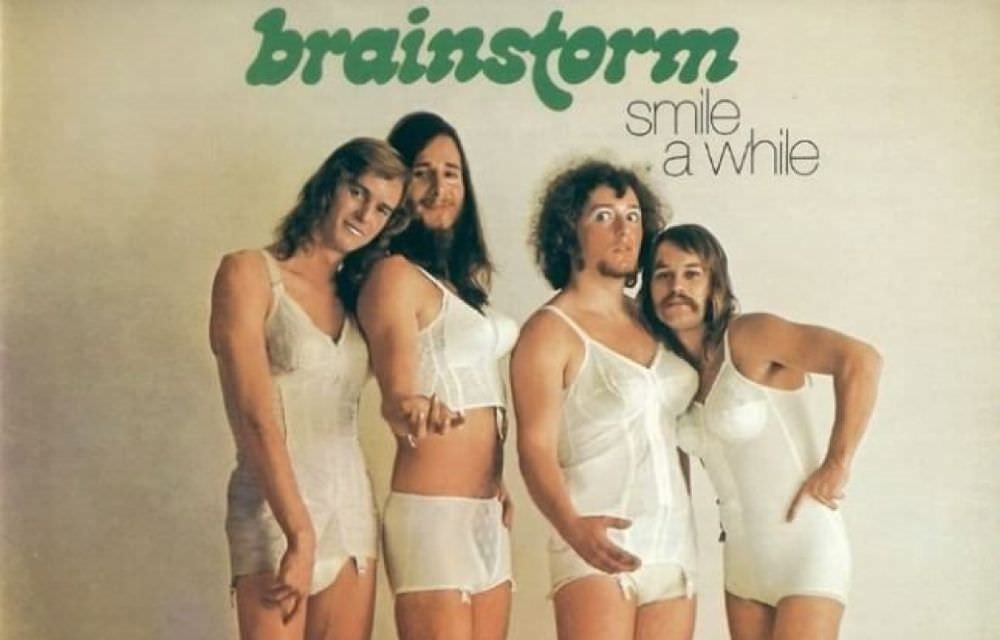
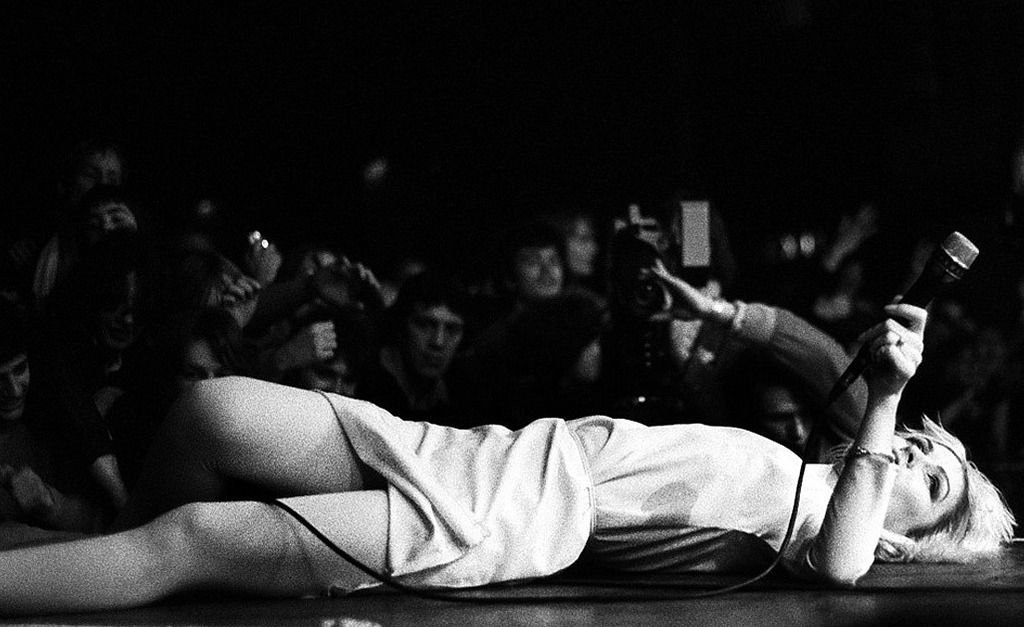
Vinyl album covers have always been more than packaging. They are snapshots of culture, fashion, and attitude frozen in time. Few images from the 1960s and 1970s are more recognizable than a confident woman in a miniskirt staring back from a record sleeve.

The miniskirt exploded onto the fashion scene in the early 1960s. Designer Mary Quant is widely credited with making it a mainstream staple. The garment became a direct signal of women’s growing independence and a willingness to break from conservative dress codes.
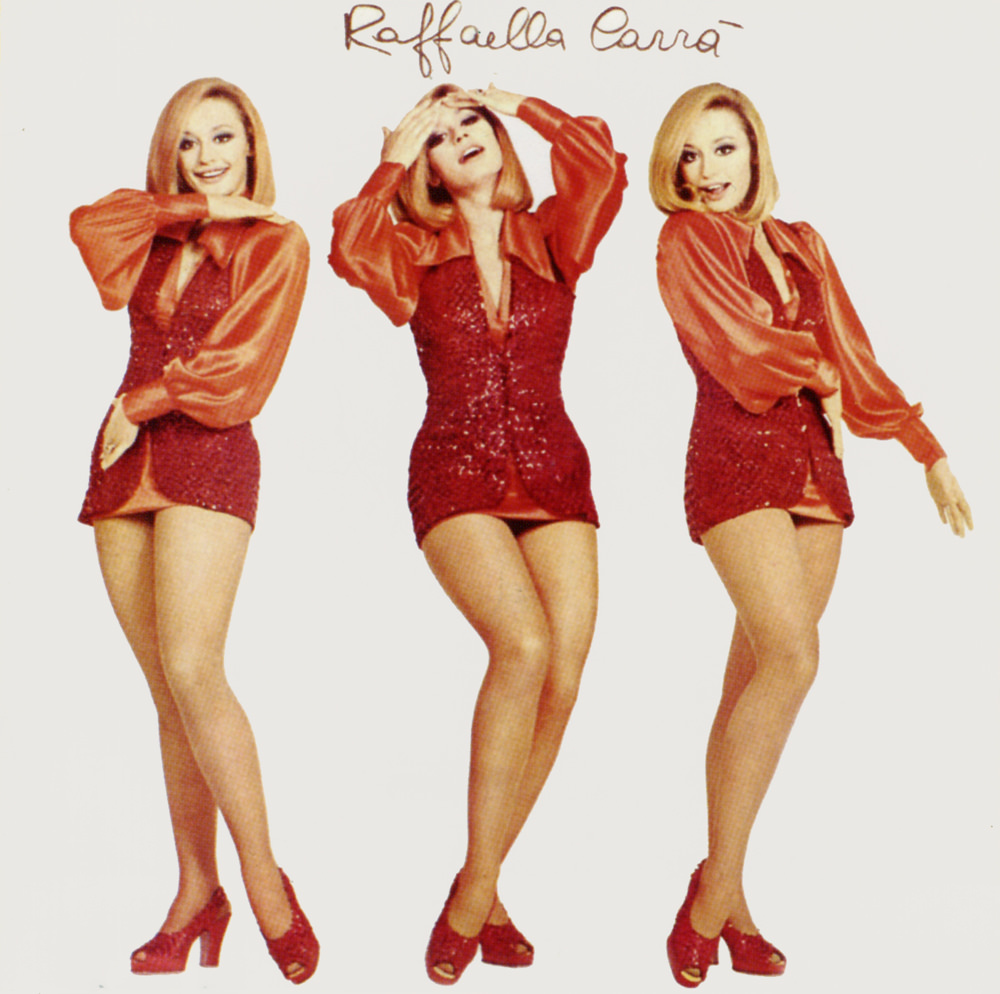

Album art directors took notice fast. Labels knew that bold, eye-catching covers sold records, and a woman in a miniskirt delivered exactly that. The look matched the playful, upbeat energy that artists like The Mamas & The Papas were putting on wax.

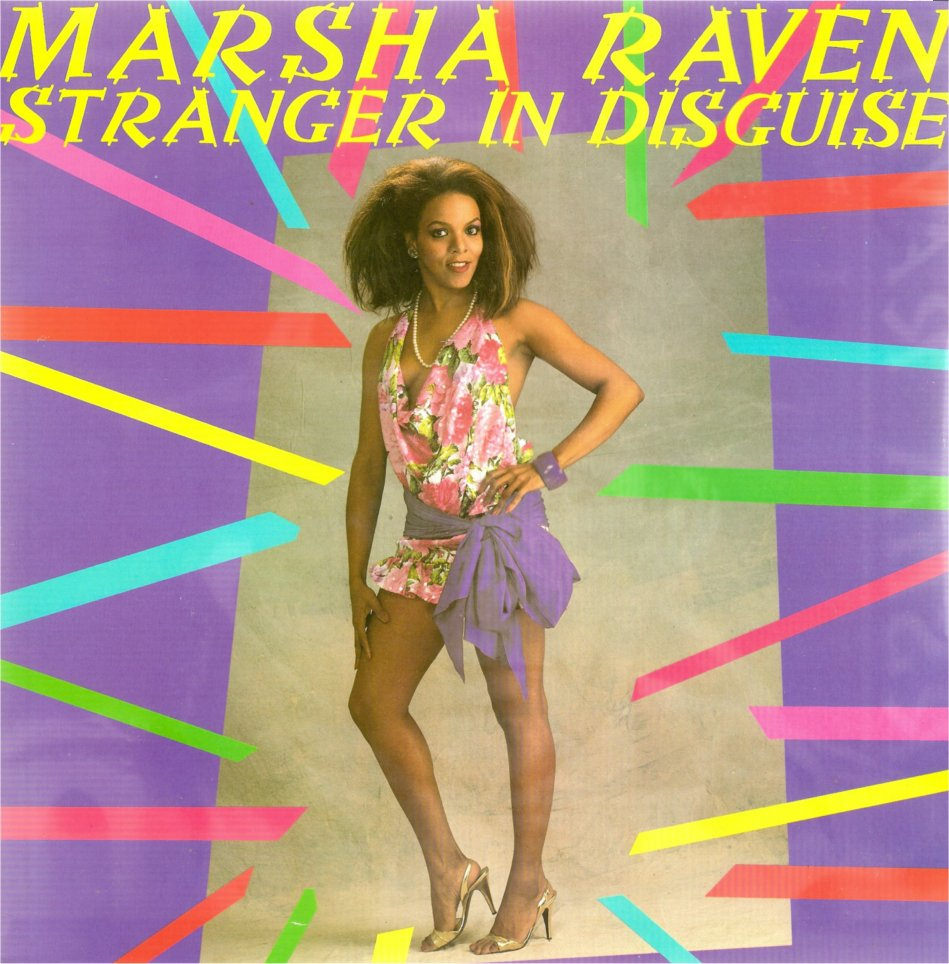
Bobby Goldsboro’s “Honey” is a good example of how the style worked on softer, pop-leaning records too. The cover pairs a smiling woman in a miniskirt with a lighthearted mood that mirrors the song’s tone perfectly.

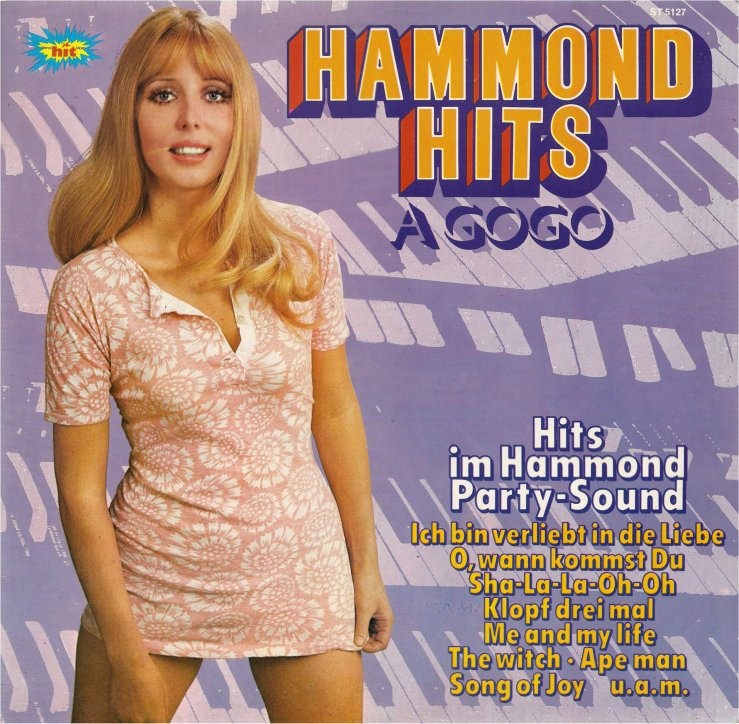
Rock and roll ran with the trend just as eagerly. Covers from this era used the miniskirt to project a sense of edge and rebellion. The Rolling Stones were known for pushing boundaries in their album art, and women’s fashion played a direct role in that visual identity.
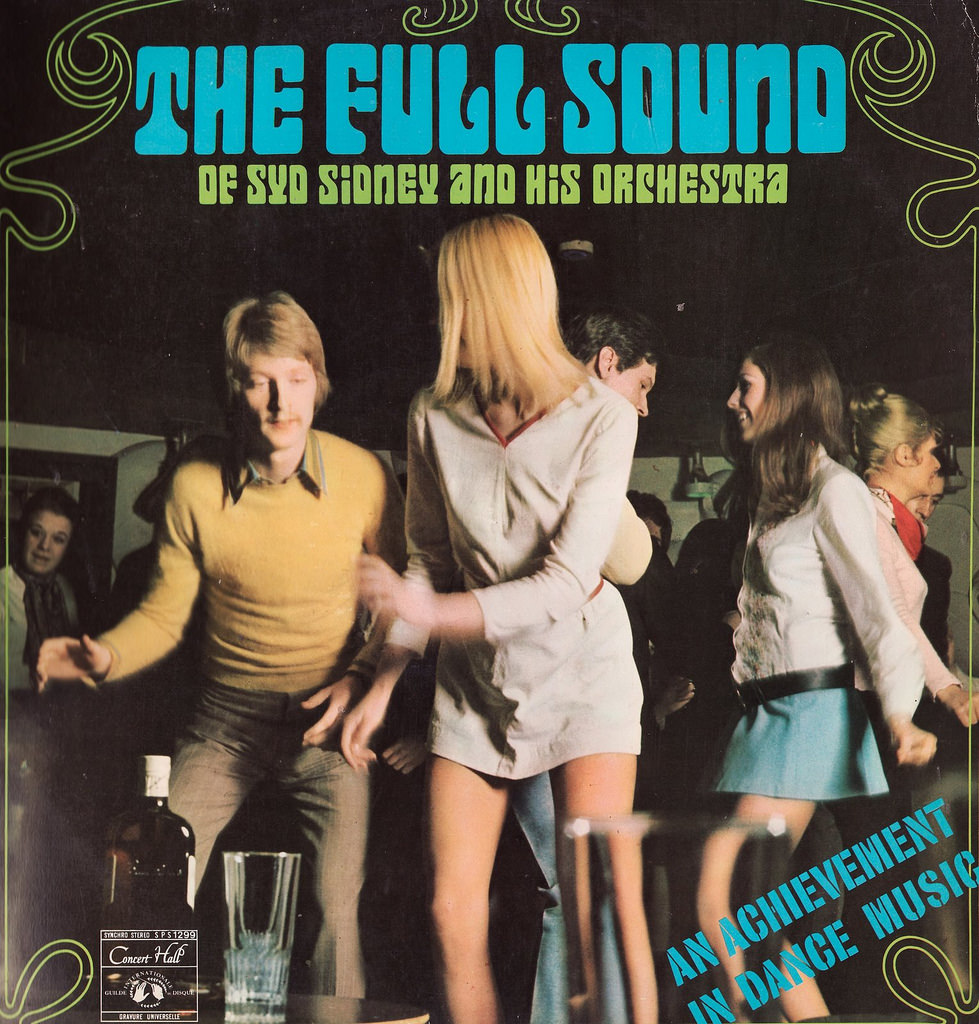
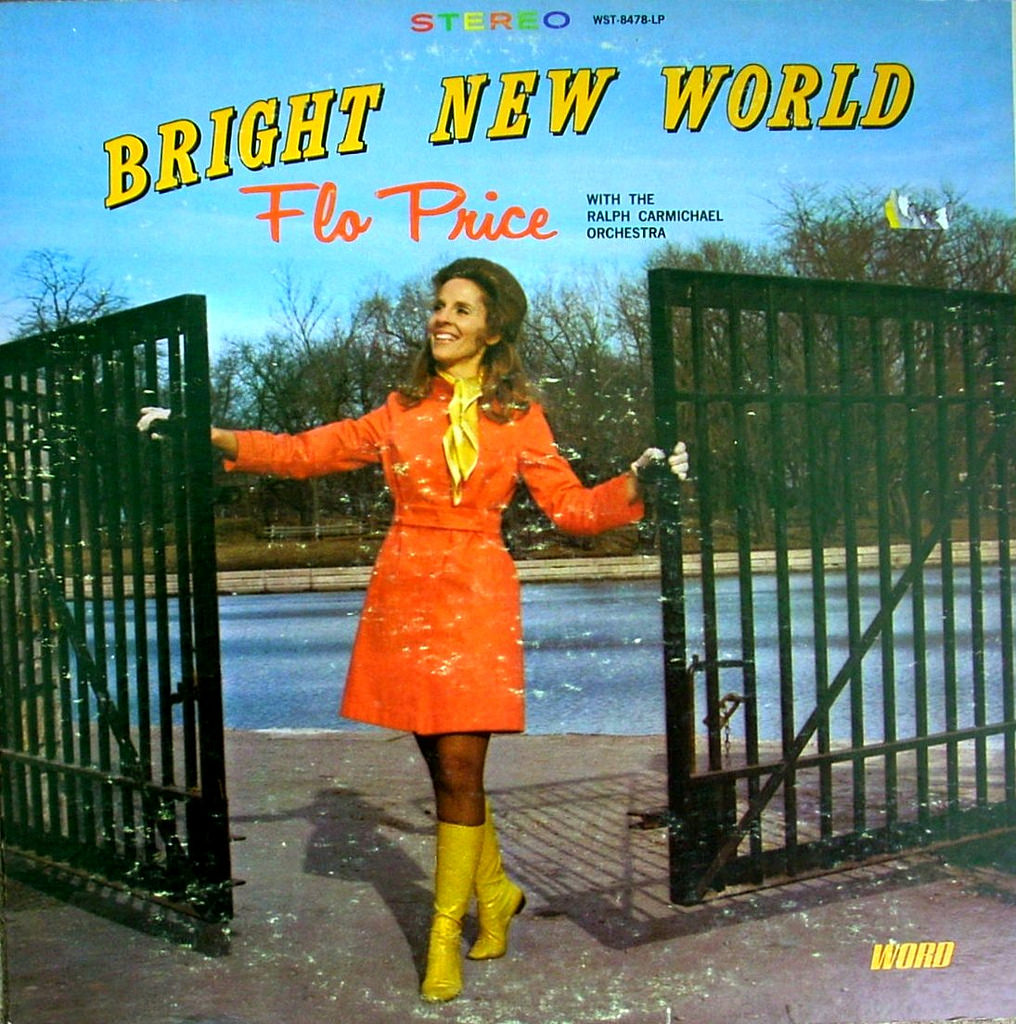
As the decade turned, disco picked up where rock left off. Donna Summer’s “Love to Love You Baby” cover featured her in a striking miniskirt pose that became inseparable from the disco era’s glamour and excess.

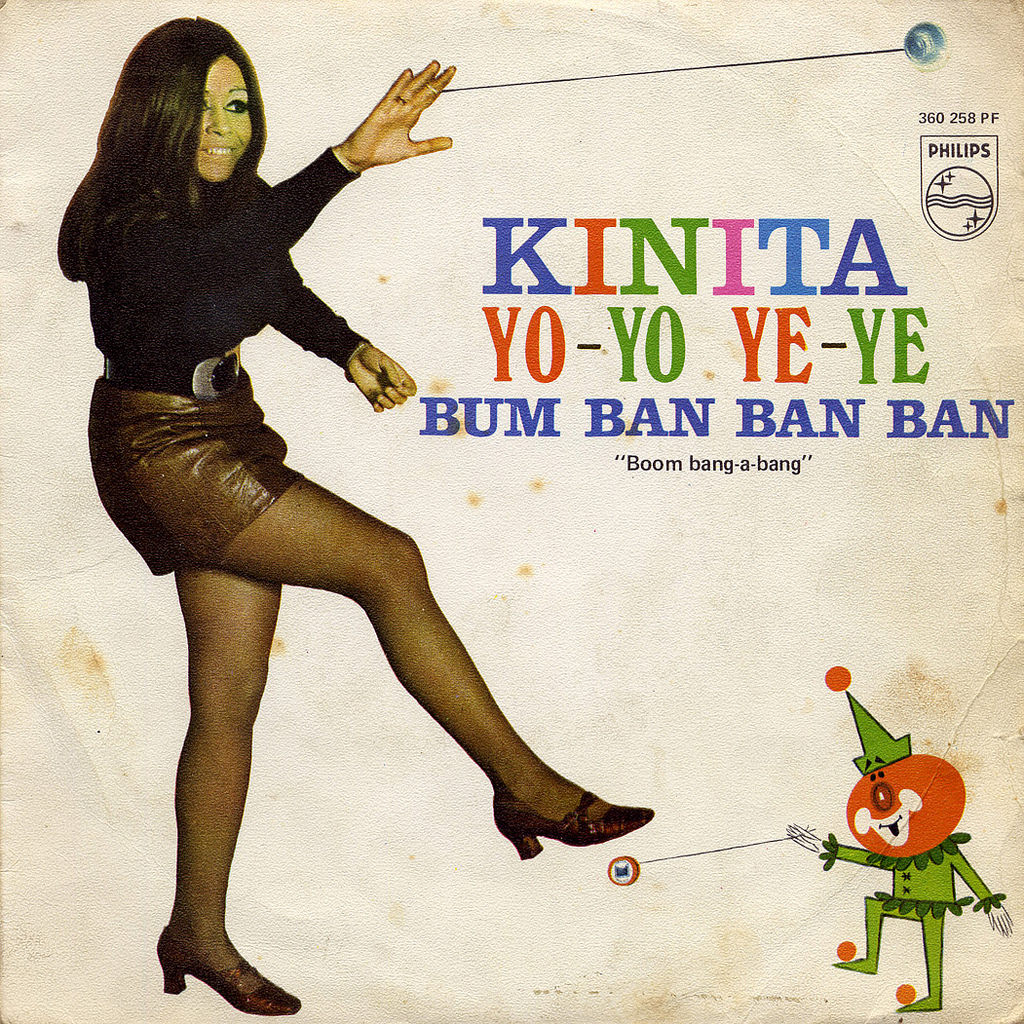
The Jacksons’ self-titled album brought the 1970s version of the look to a massive audience. Vibrant colors and sleek styling made the cover a visual statement that matched the group’s high-energy sound.
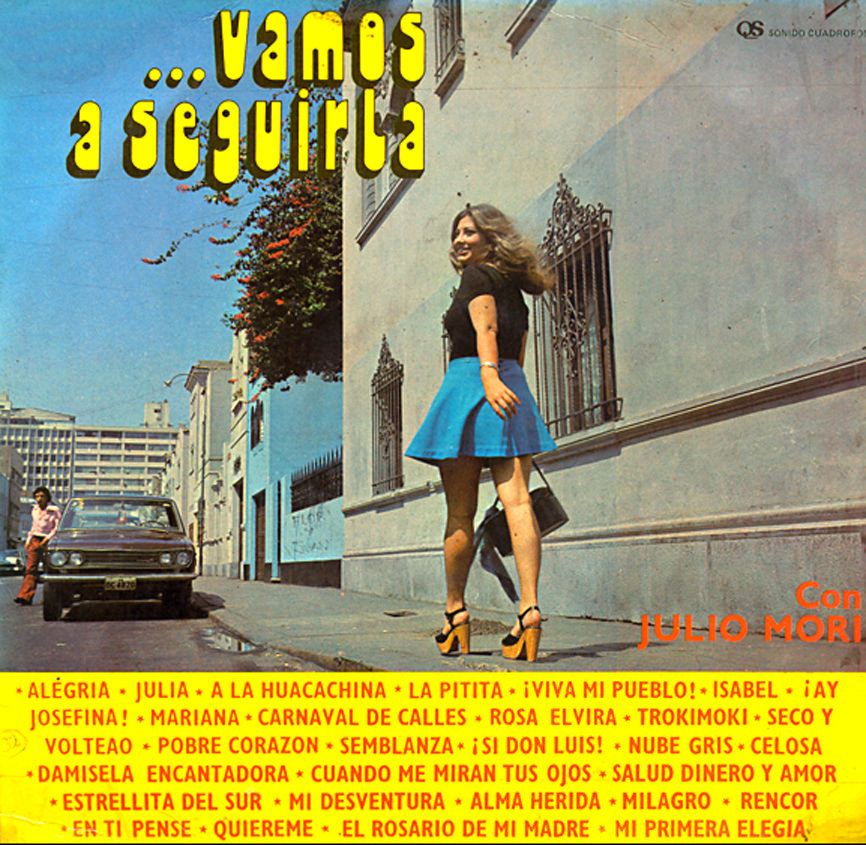

Across pop, rock, soul, and disco, the miniskirt appeared on album covers in every corner of the music world. It wasn’t tied to one genre — it was a universal shorthand for the spirit of the times.
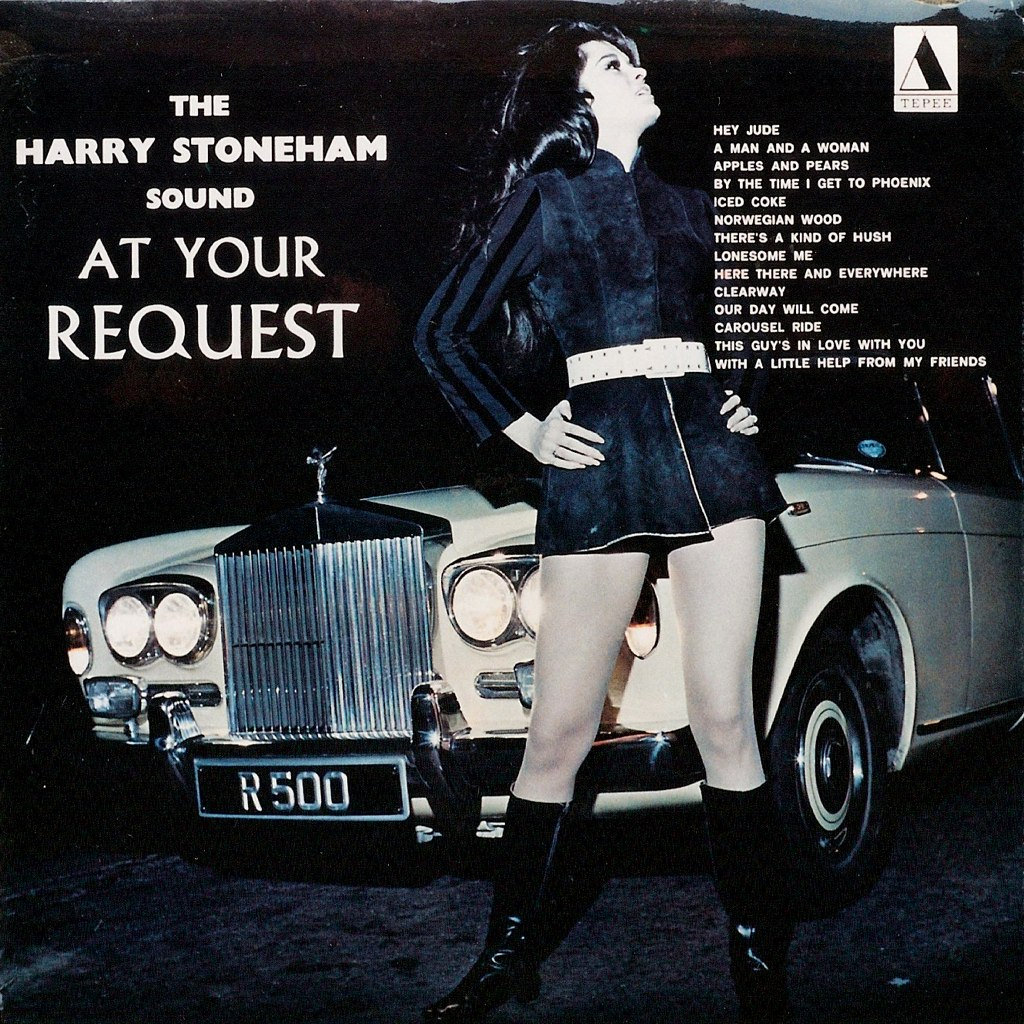


Photographers and art directors used the style to frame women as bold, modern, and self-assured. These weren’t passive images — they projected confidence directly at the viewer flipping through the record bin.


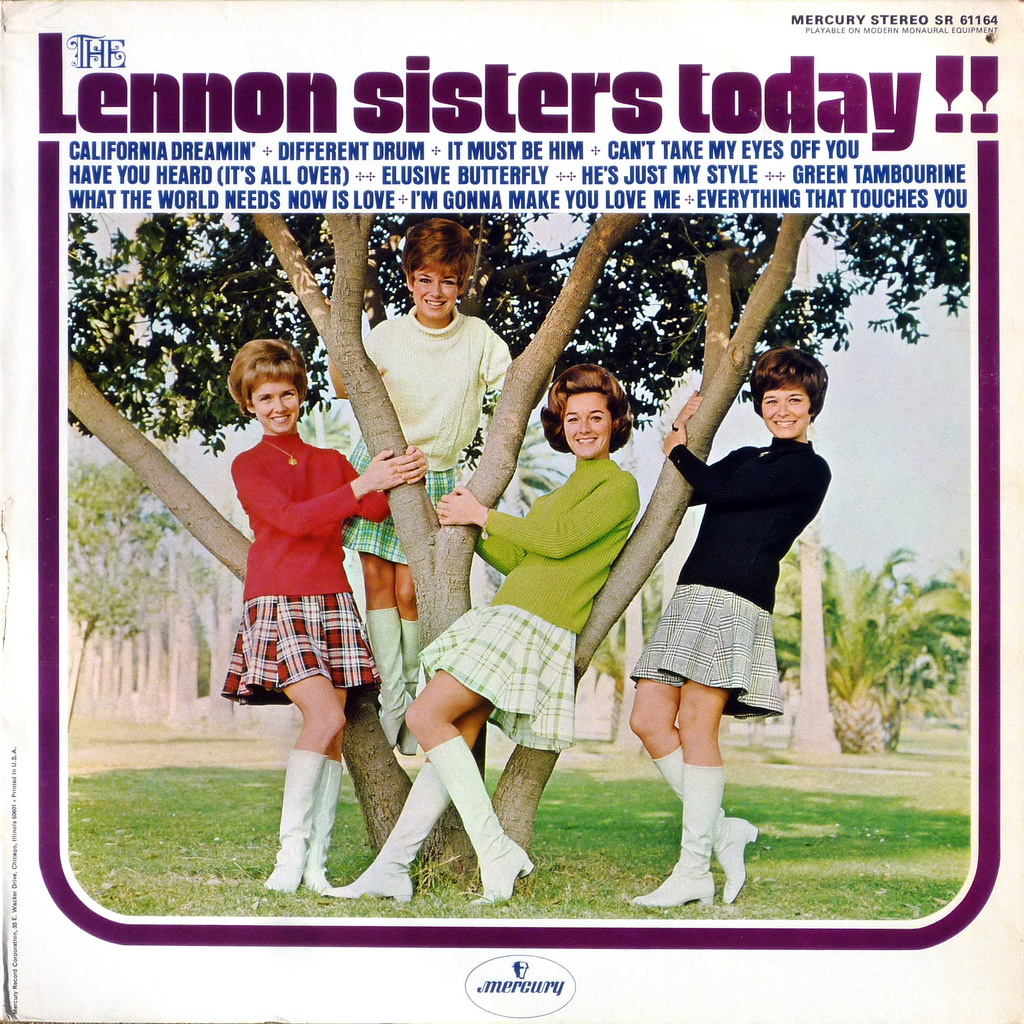
By the mid-1970s, the miniskirt on album art had become a genuine visual code. Collectors and fans today recognize the look immediately as a marker of a specific, energetic moment in music history.