Debbie Harry was born Angela Trimble on July 1, 1945, in Miami, Florida. She grew up in Hawthorne, New Jersey, and developed an early love of music, drawn to artists like Elvis Presley and the Beatles. After studying at the College of New Jersey, she moved to New York City, where she worked as a waitress and model while absorbing the city’s electric art and music scene.
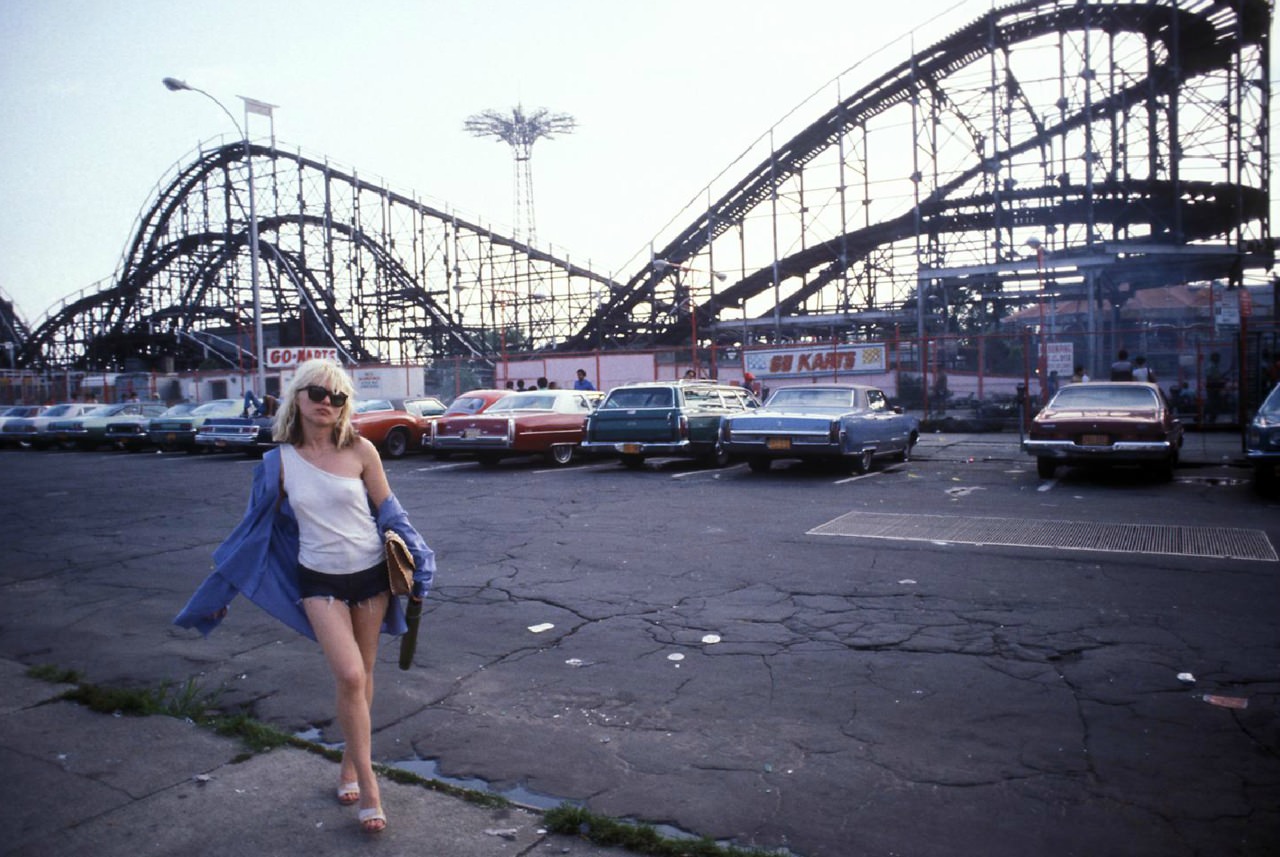
In 1974, Harry joined a band called The Stilettos, marking her first real step into the music world. She soon partnered with guitarist Chris Stein to form Blondie. The two built the band from the ground up, playing New York City clubs — especially in the East Village — where their mix of rock, punk, and pop set them apart from everything else on the scene.
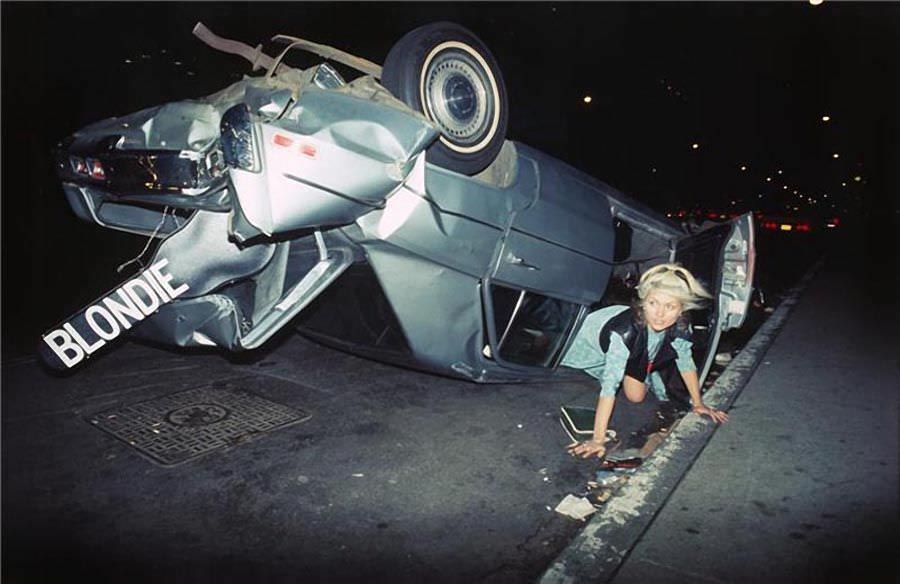
Blondie released their debut album, simply titled “Blondie,” in 1976. It announced a band with a sound that didn’t fit neatly into any single genre. Harry’s striking blonde hair, bold makeup, and confident stage presence made her an immediate standout. Fans and critics alike took notice.
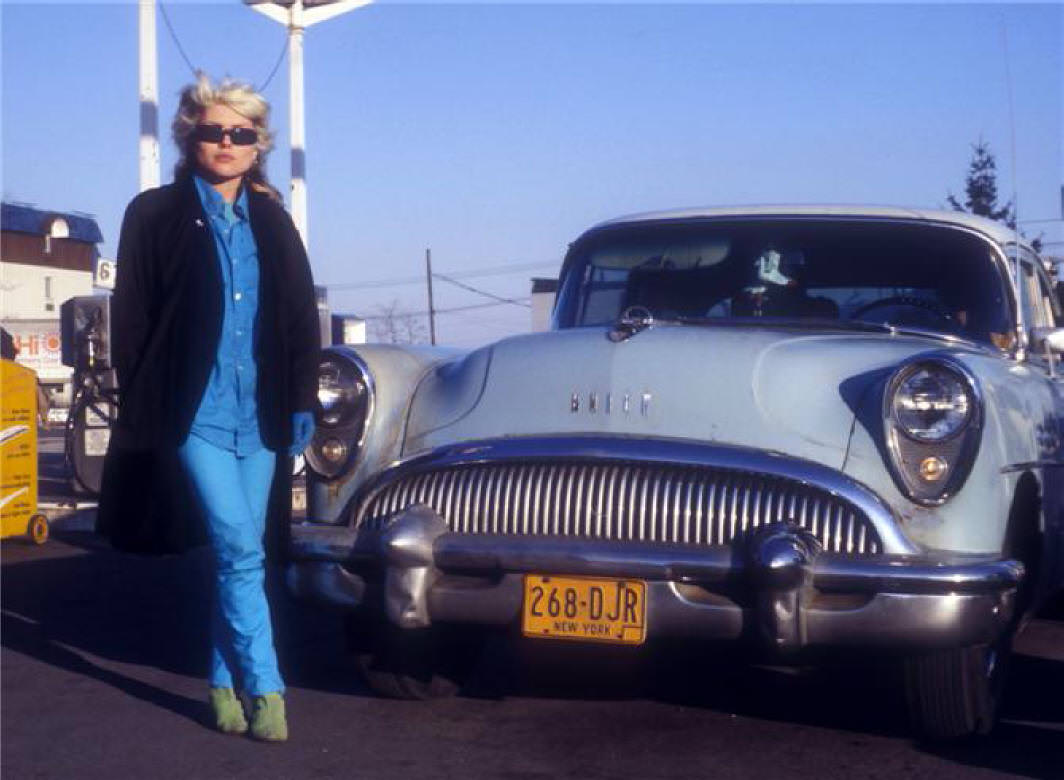
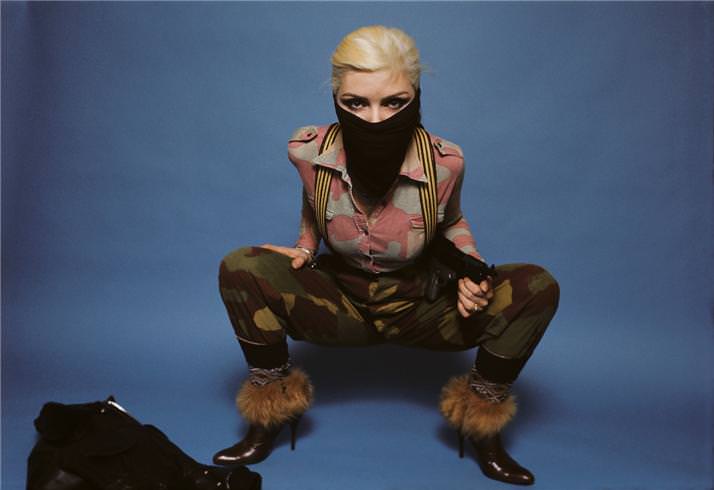
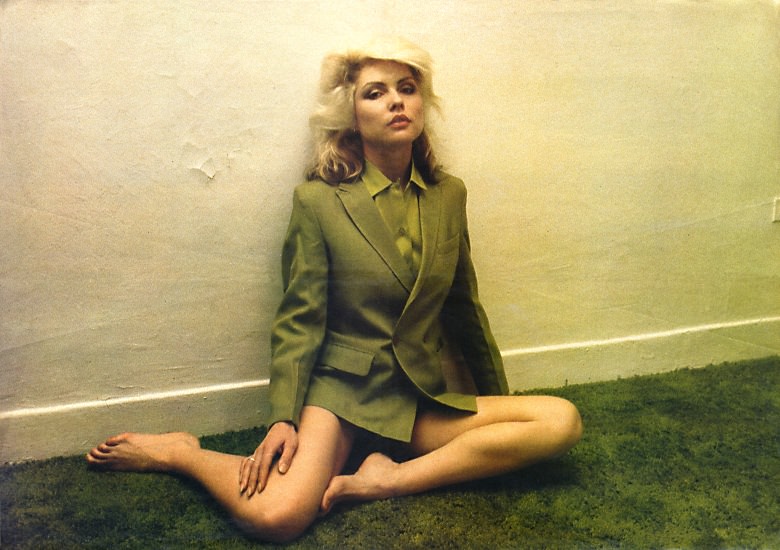
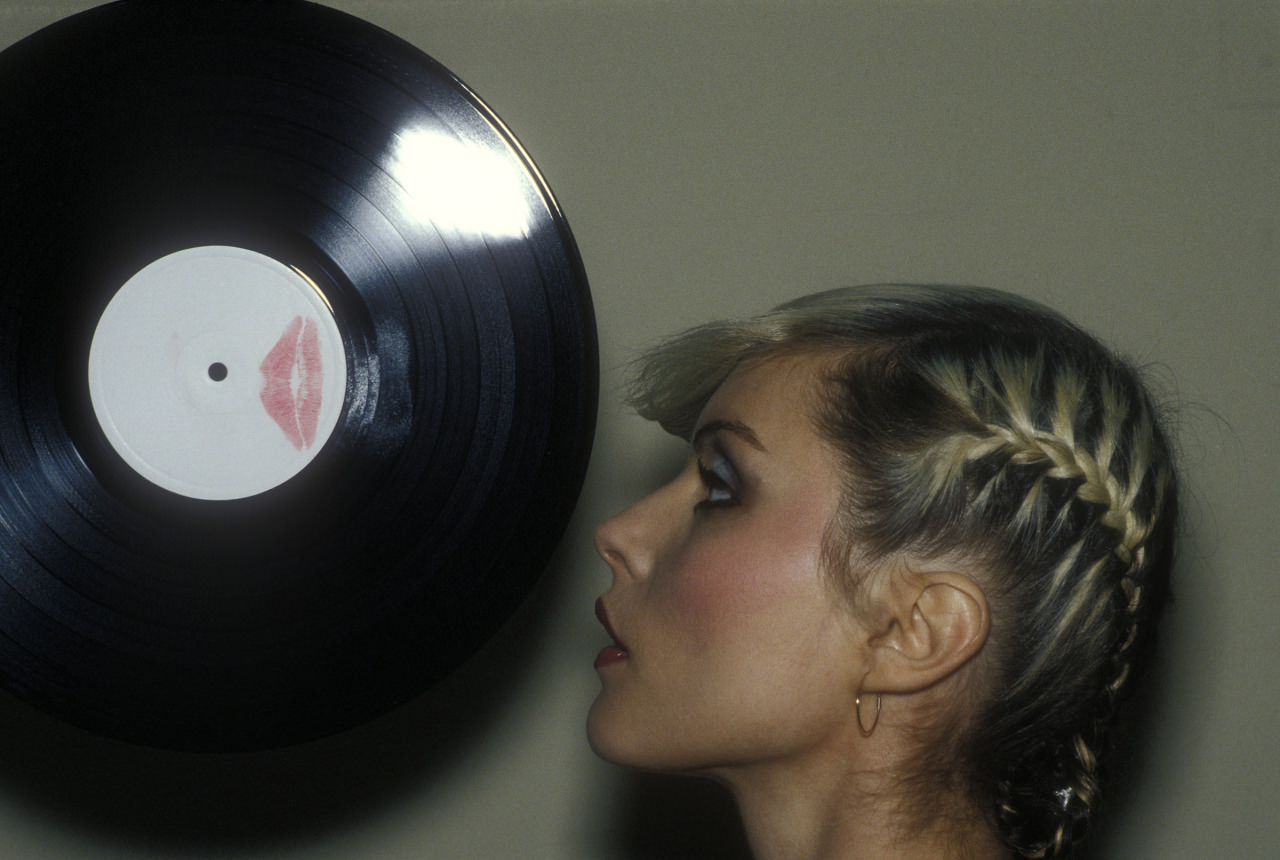
Before Blondie’s rise, Harry had already been carving out her identity. These earlier photos offer a glimpse of the person she was before the spotlight fully found her.

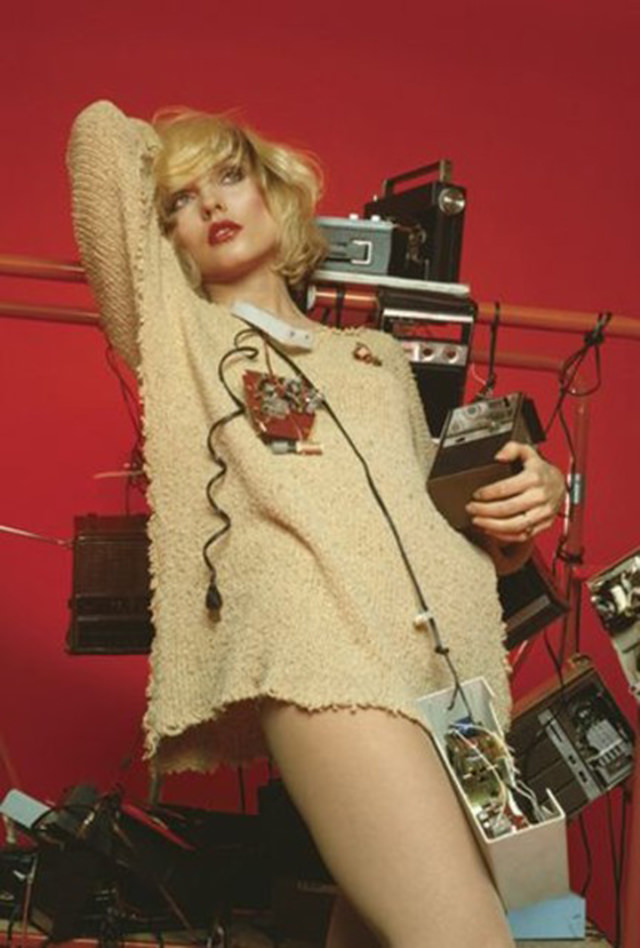
Blondie’s 1978 album “Parallel Lines” was the turning point. It produced massive hits including “Heart of Glass” and “One Way or Another.” “Heart of Glass” was a bold fusion of disco and punk — a combination that felt genuinely new. The song topped charts worldwide and cemented Harry as one of the most exciting frontwomen in rock.
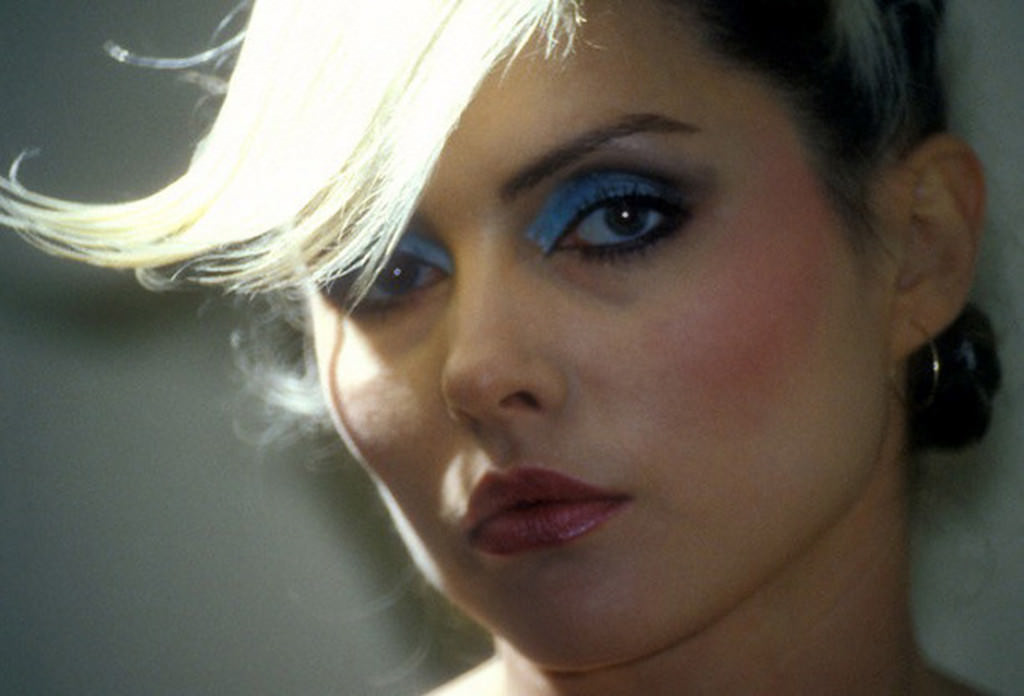
Harry moved in the same circles as some of the biggest names in late-70s punk and new wave. Backstage encounters with artists like Joan Jett were common in that era, when the punk scene was tightly knit and fiercely creative.
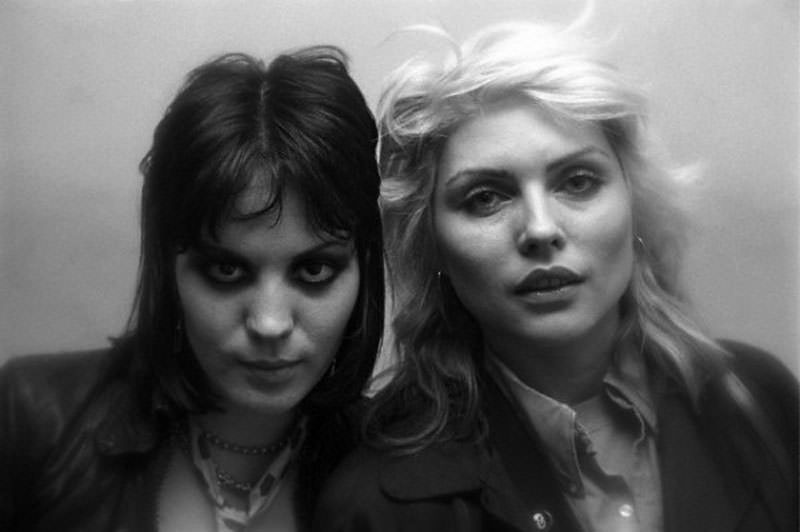
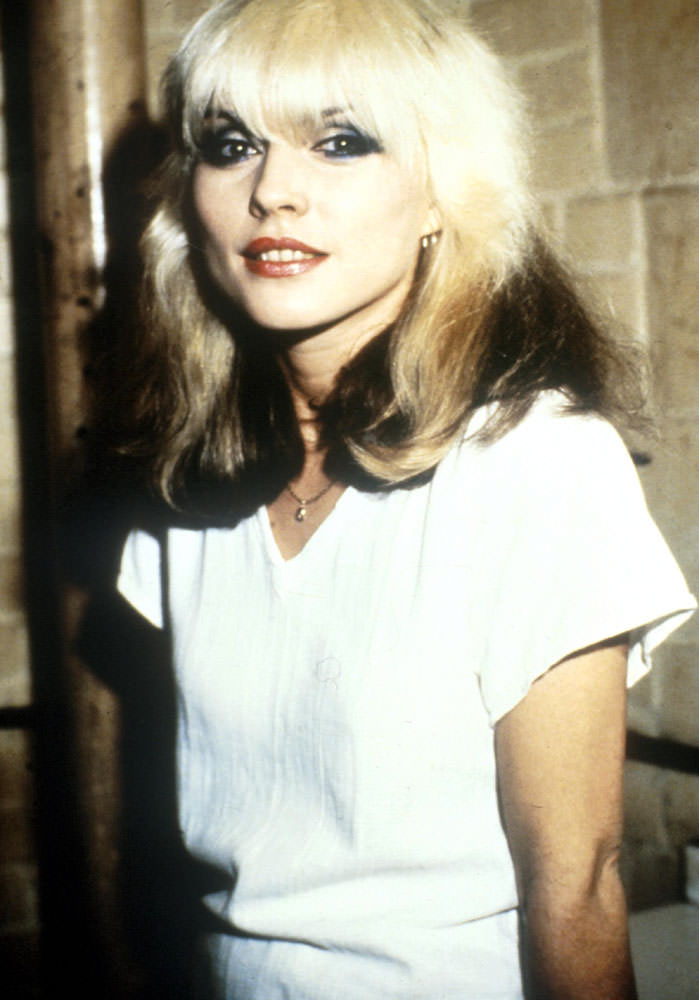
Her style was a defining feature of the decade. Tight clothes, leather jackets, and heavy eyeliner combined punk edge with glamour. Young women across the country took cues from her look. She wore her image with total conviction, which made it all the more powerful.
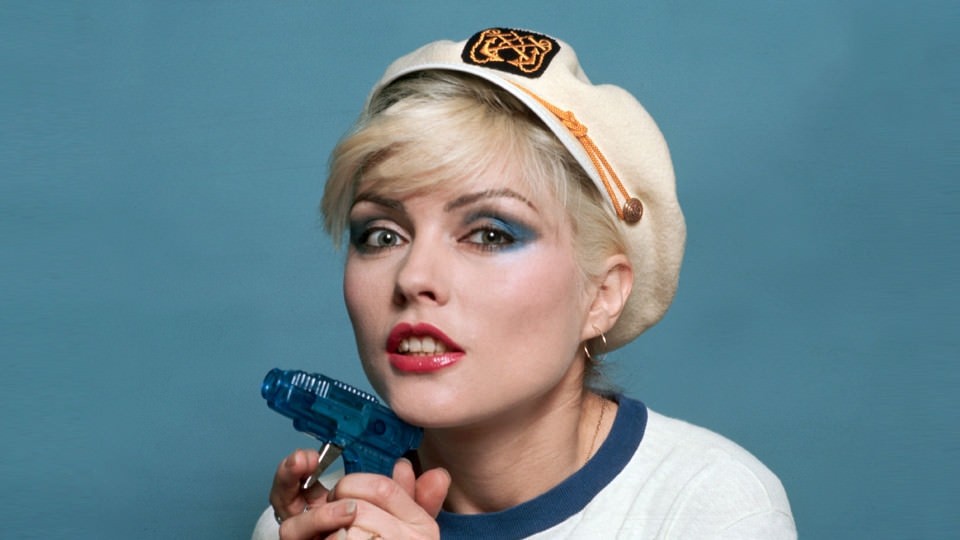
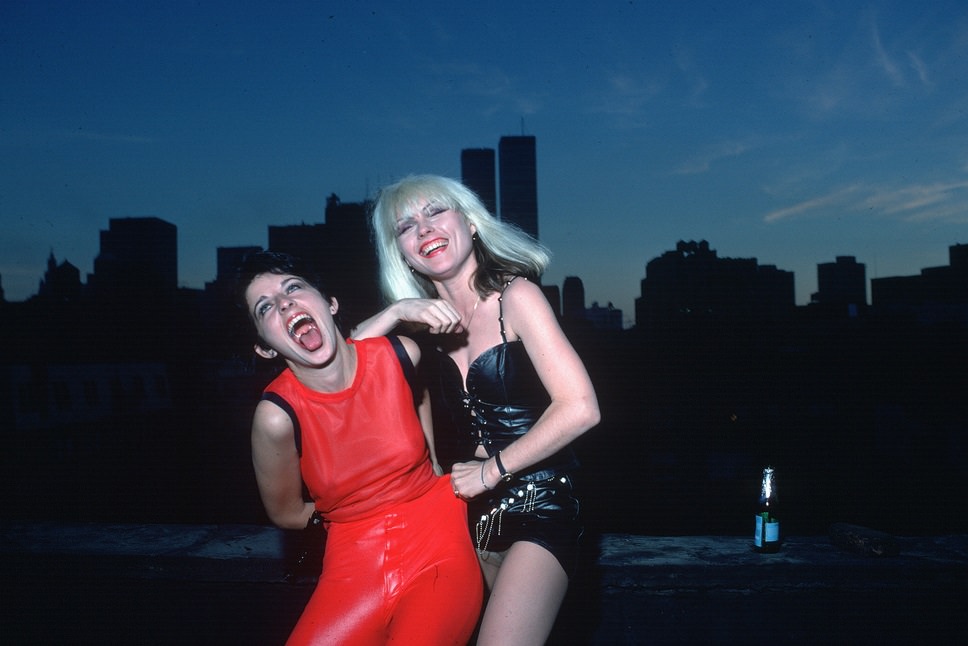
Harry also moved through the underground social world of New York, crossing paths with figures like Nancy Spungen — a reminder of just how intertwined the music, art, and punk scenes were in late-70s Manhattan.
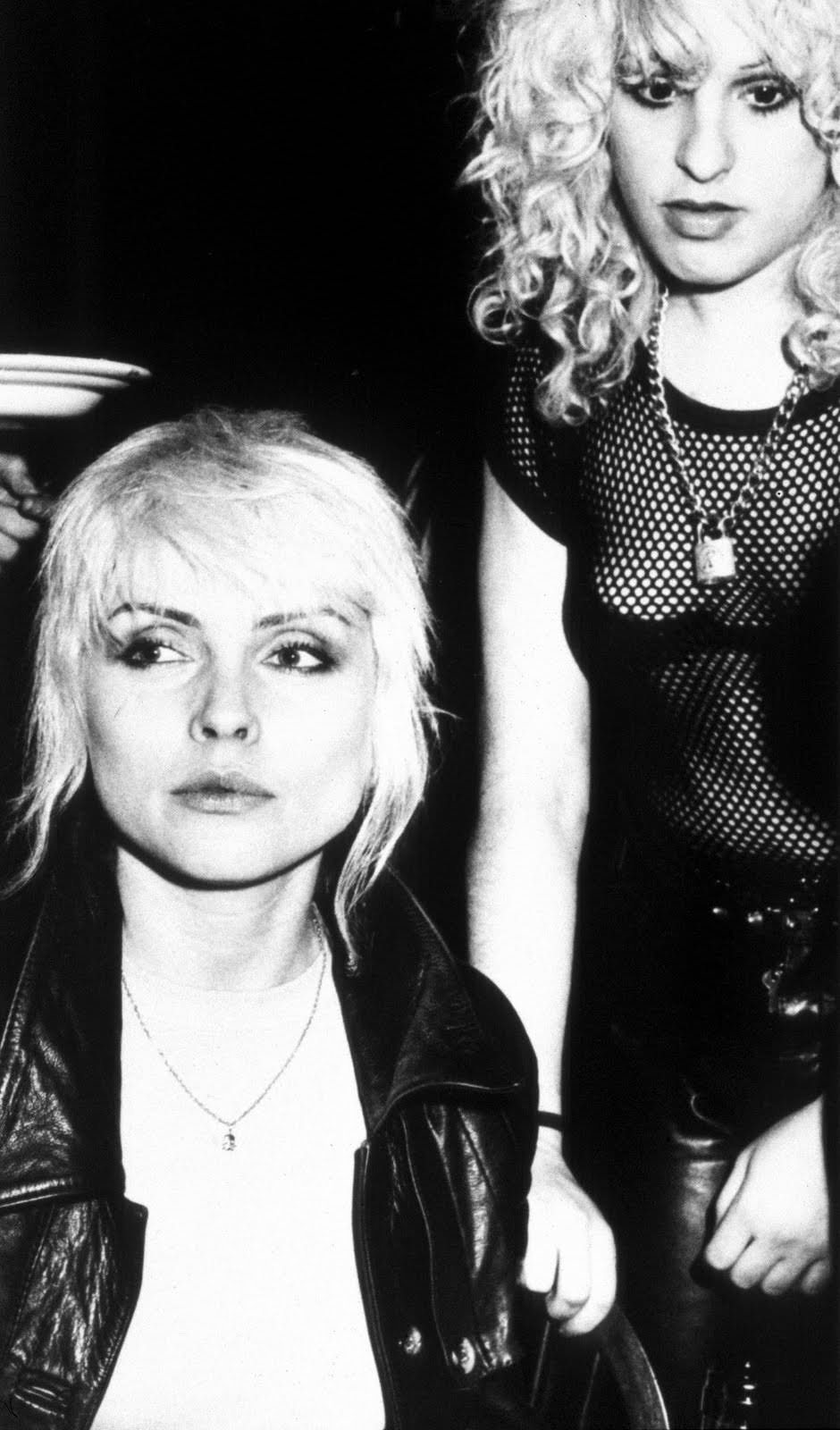
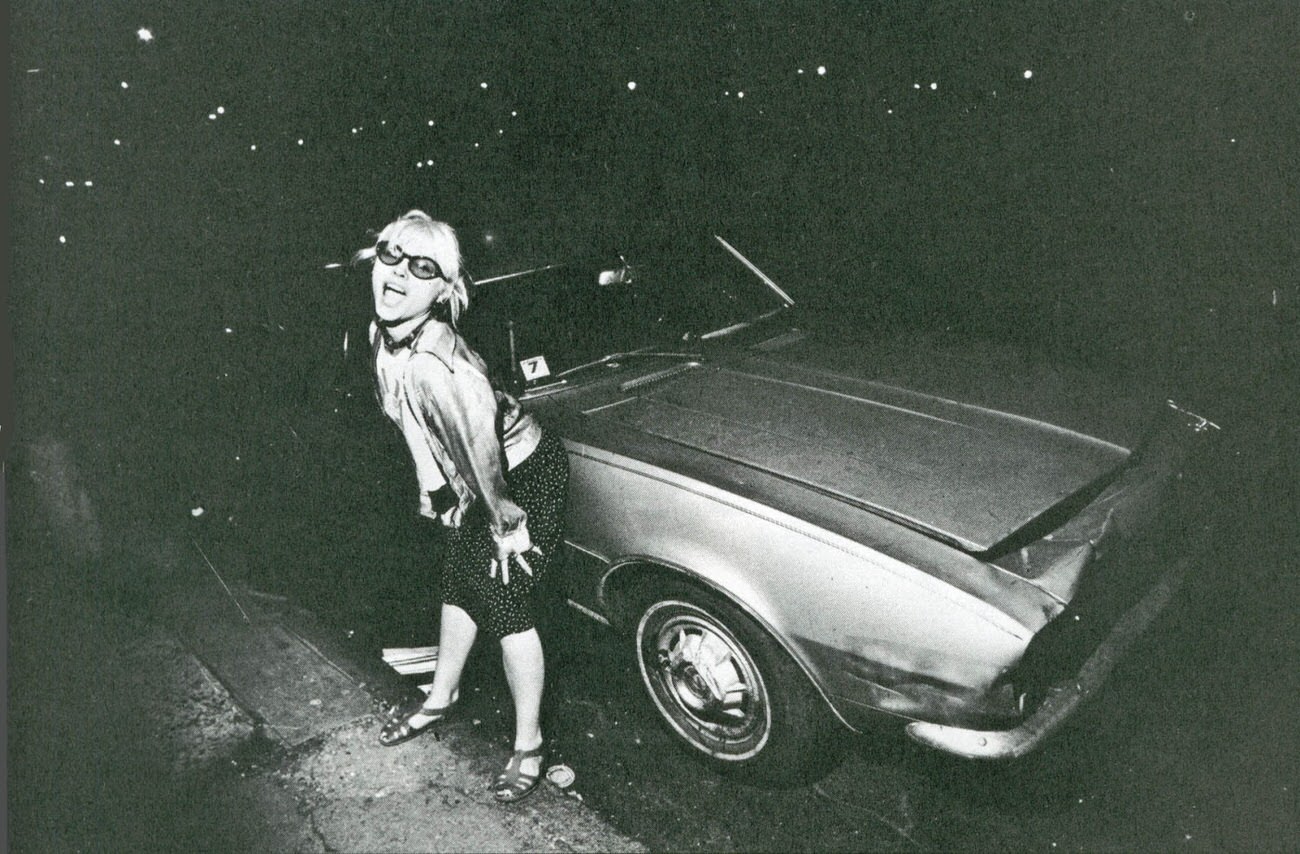
By 1978, Blondie’s cultural footprint had grown large enough to warrant gallery exhibitions. Harry and Chris Stein appeared at the opening of the “Blondie in Camera” exhibition at the Mirandy Gallery, reflecting how the band had crossed from music into art.
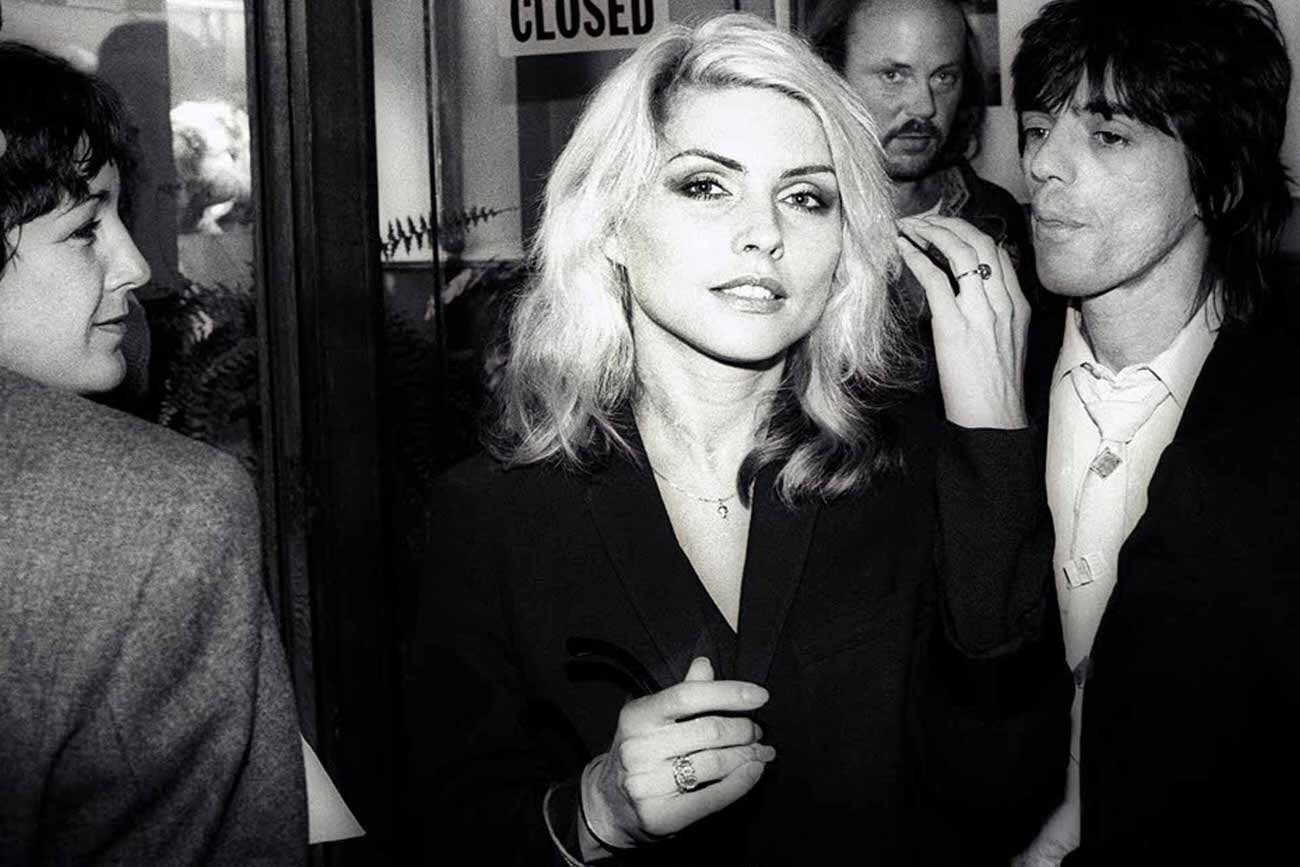
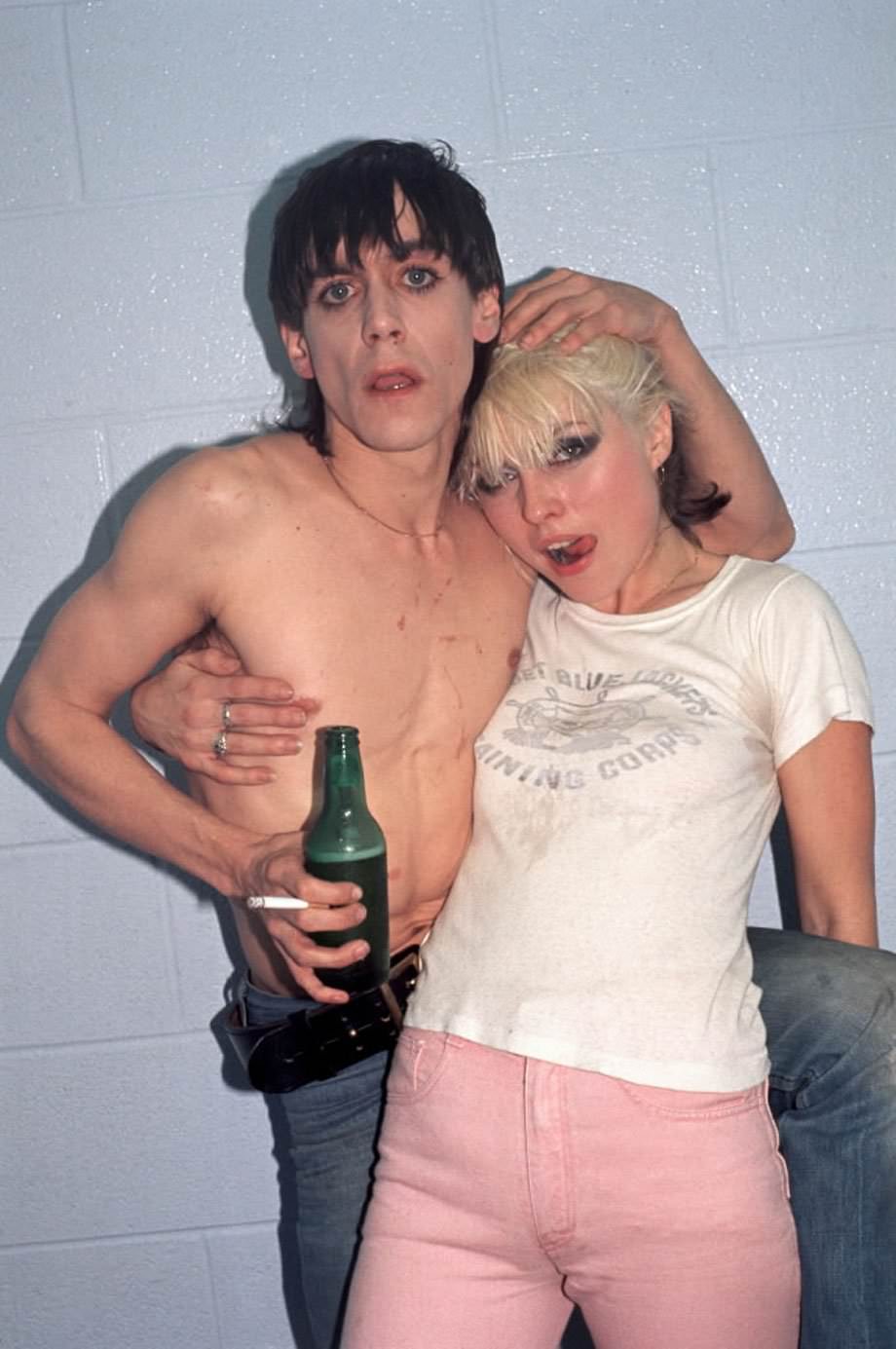
Harry also toured extensively, bringing Blondie’s sound to audiences across North America. Toronto in 1977 saw her share stages and backstage spaces with fellow rock icons, including Iggy Pop.
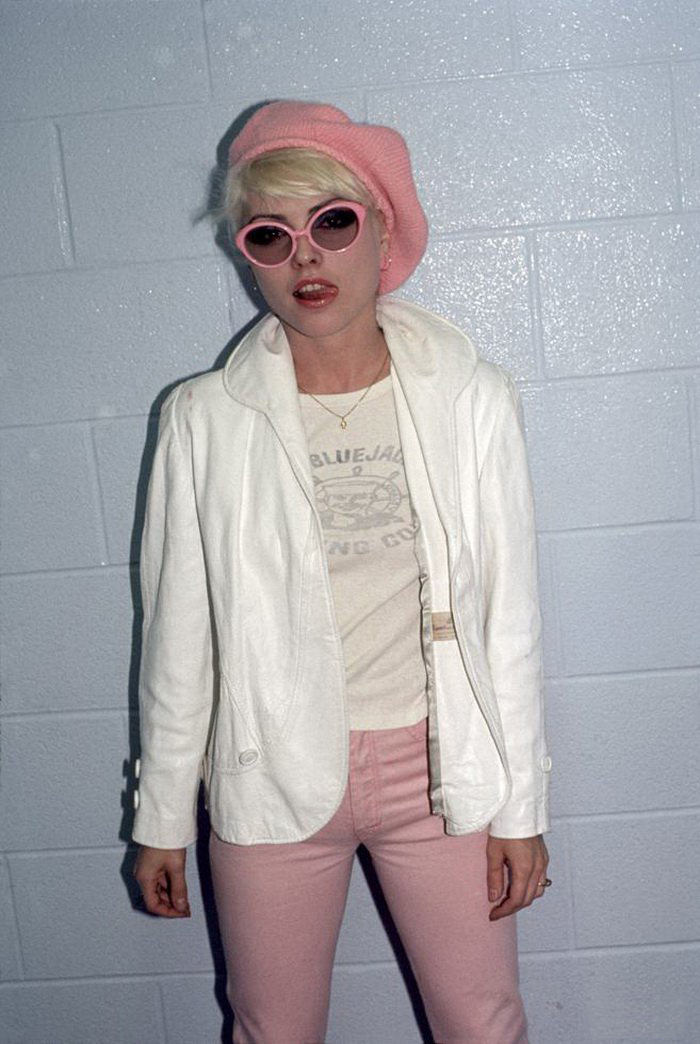
Back in New York, Harry remained a constant presence in the city’s creative underground. She also made her film debut in 1978 with a role in “Union City,” showing she was more than a rock frontwoman.
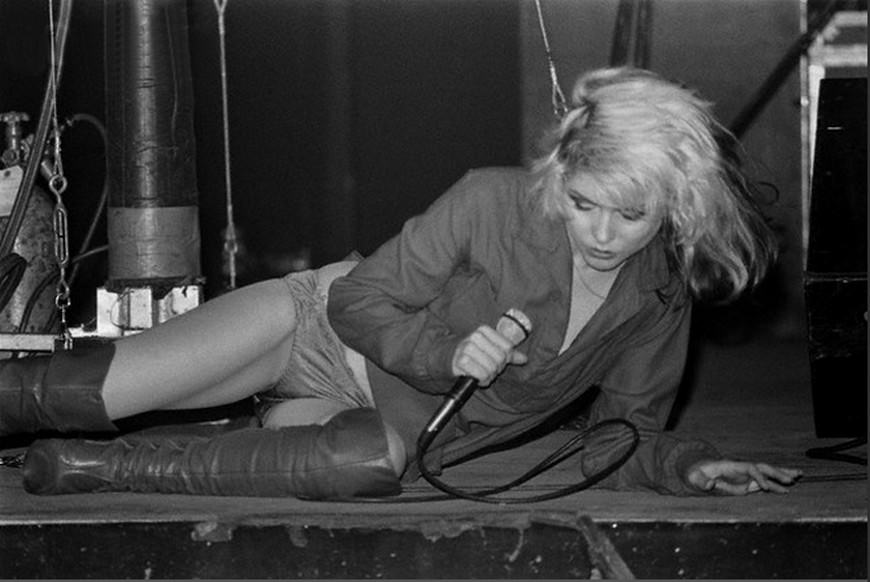
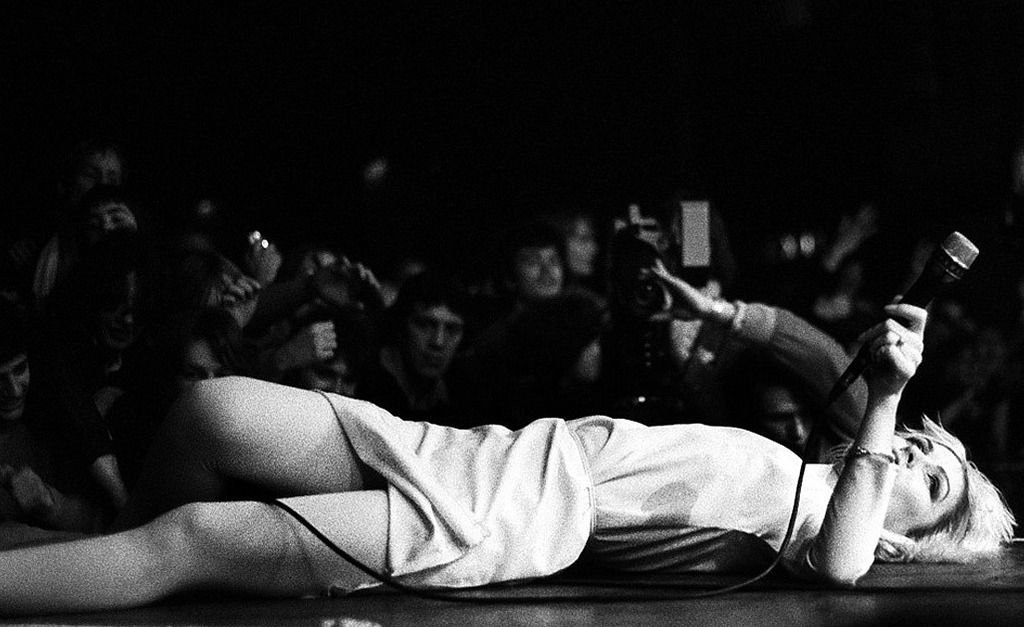
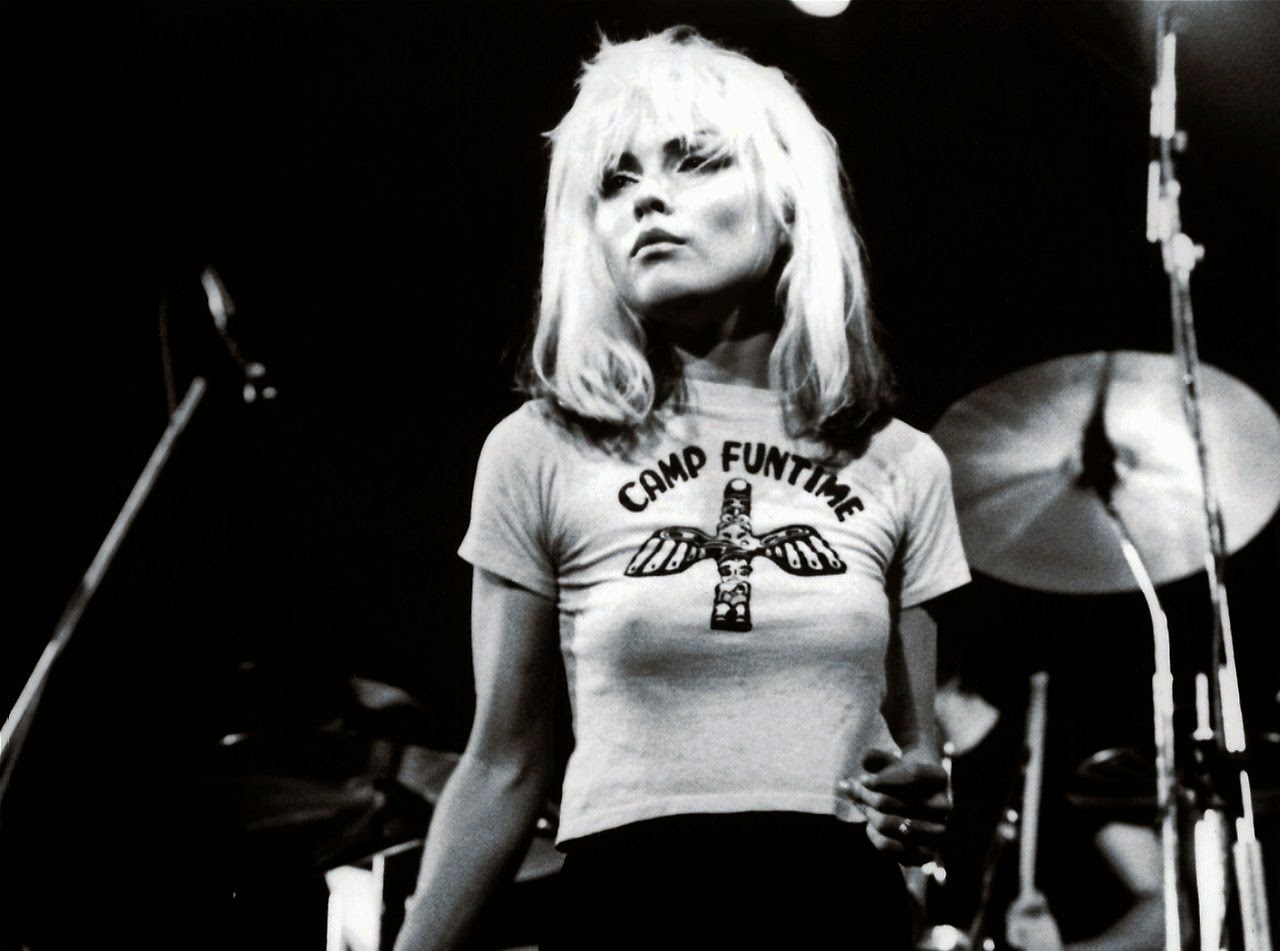
On stage, Harry was magnetic. Photographer Lynn Goldsmith captured her in 1977 at the height of Blondie’s early momentum — a moment that perfectly encapsulates what made her so compelling as a live performer.