Jean-Philippe Charbonnier was a French photographer whose work captured the everyday reality of postwar France with a deeply human eye. Born into a world reshaped by conflict, he developed his craft during World War II while in Switzerland, spending two years training in the studios of White and Demilly. The war cut that period short. When he returned to France at the end of 1944, photography had to wait — he took a job as a typesetter for the newspapers Liberation and France-Sunday just to get by.

His break came in 1950 when he was appointed reporter for Réalités, a French magazine known for its in-depth photo essays on society and culture. He became the magazine’s specialist on French daily life, and his assignments took him across France and around the world. His photography from this period is rooted in observation — he did not stage scenes but recorded them as they unfolded.


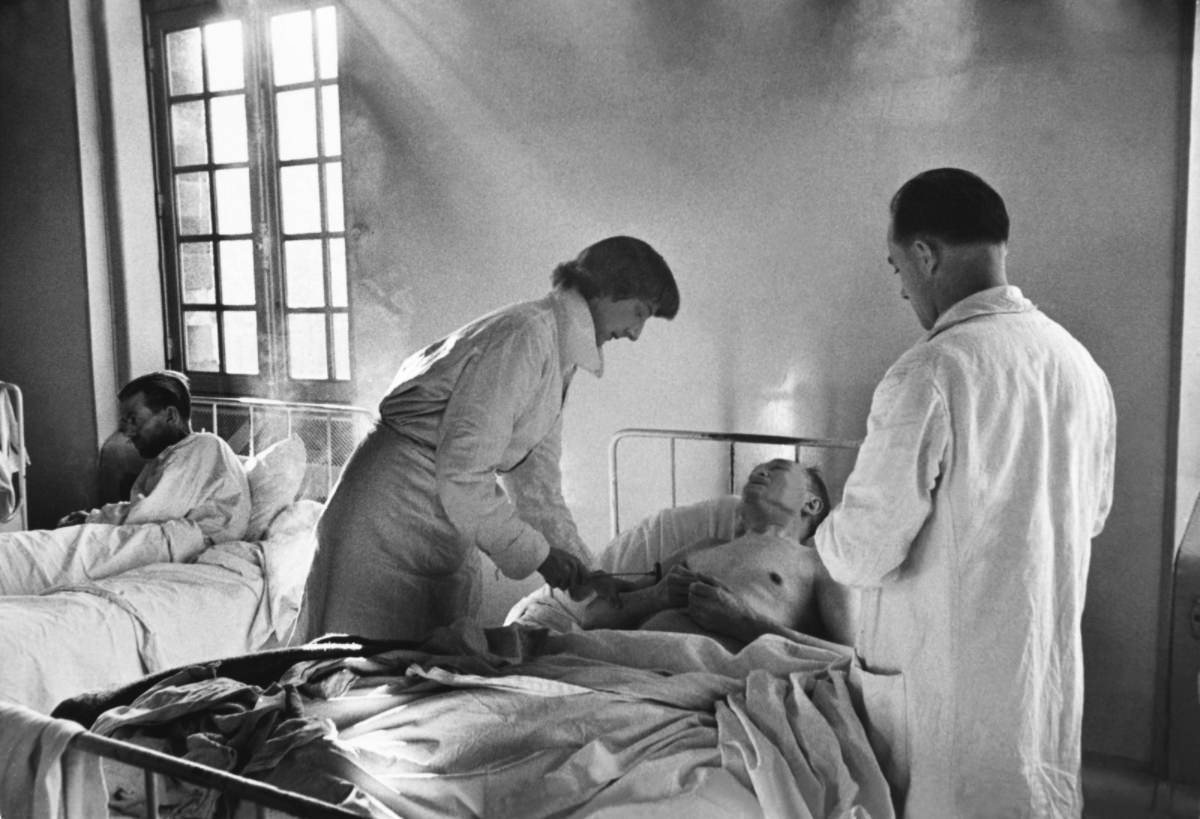
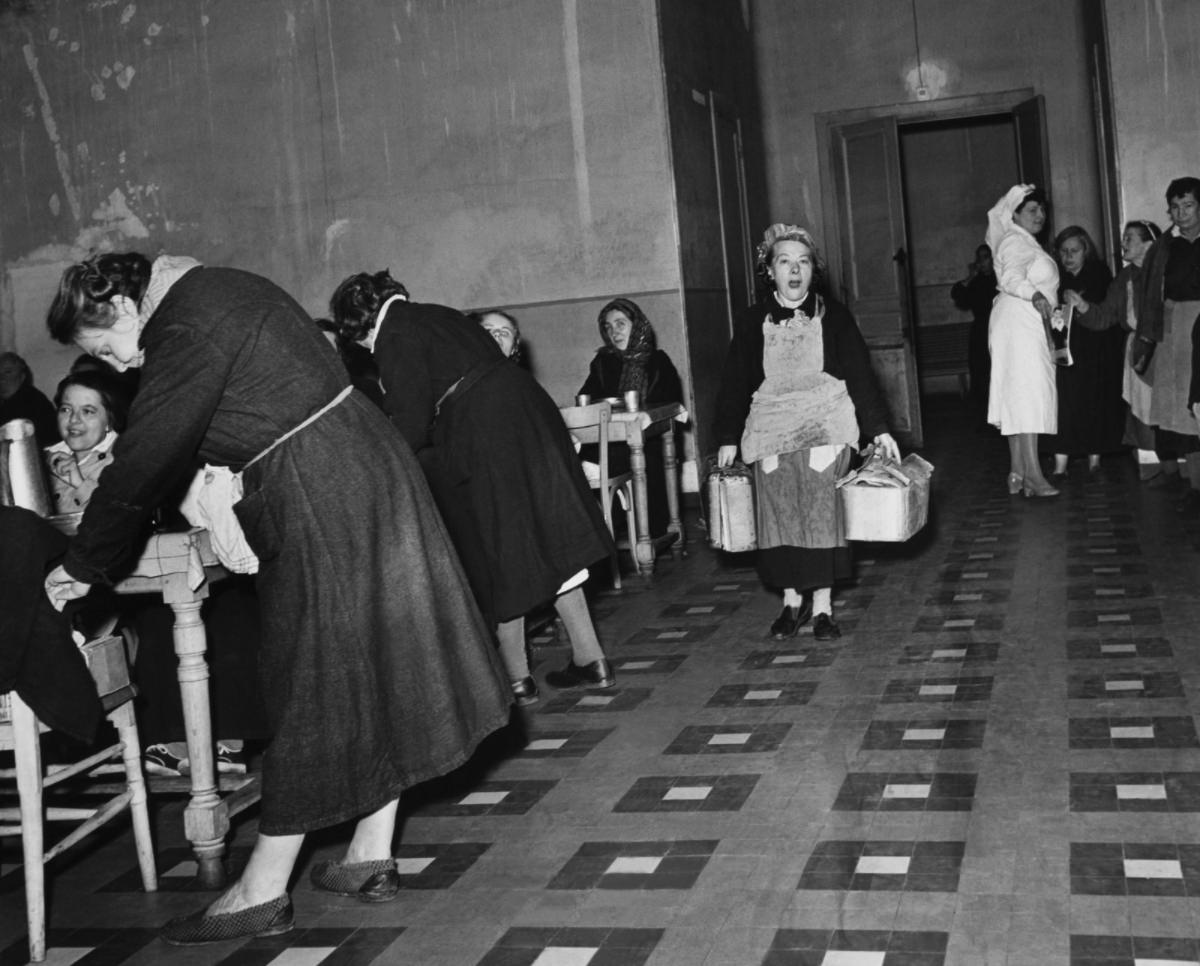
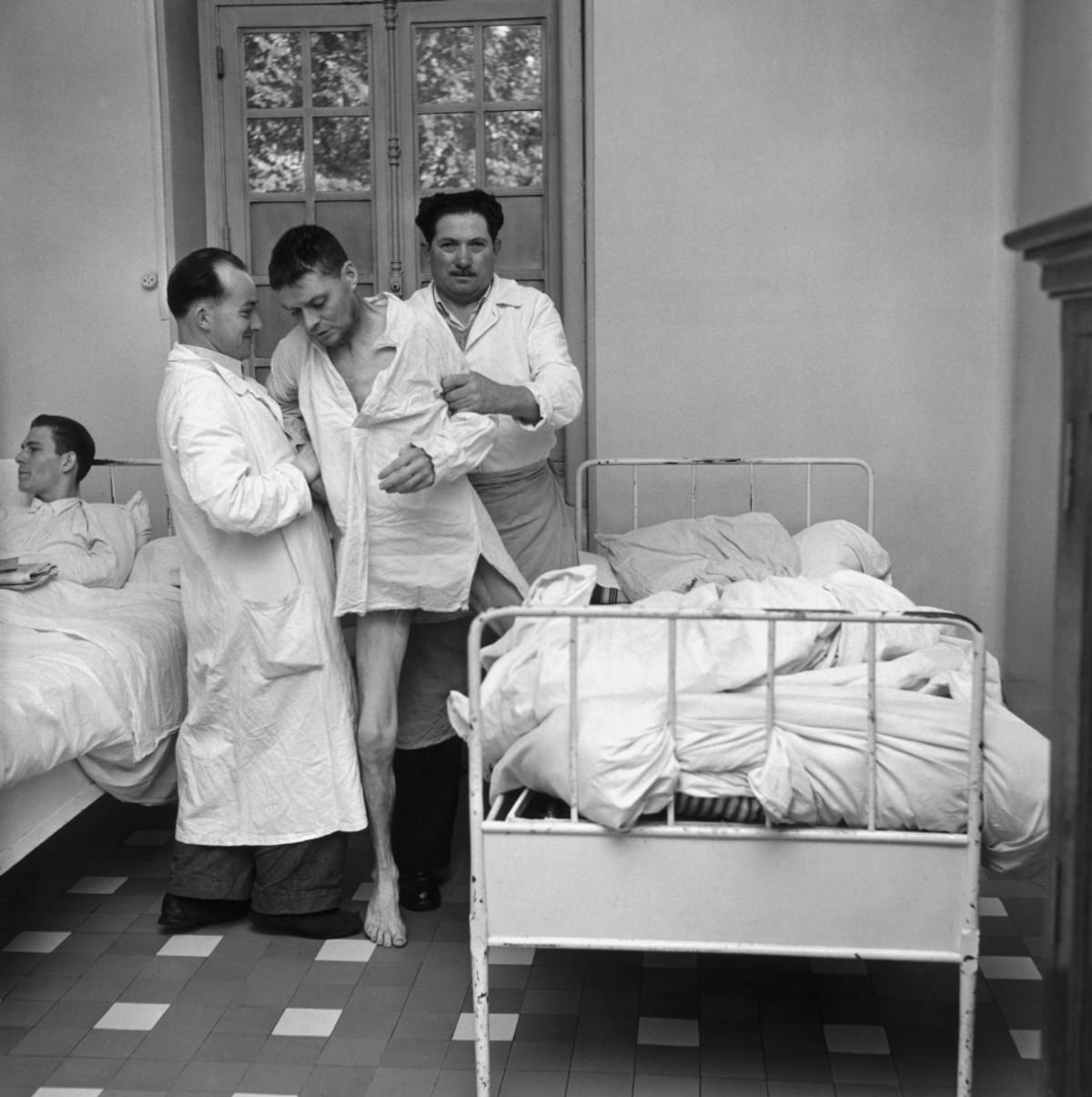
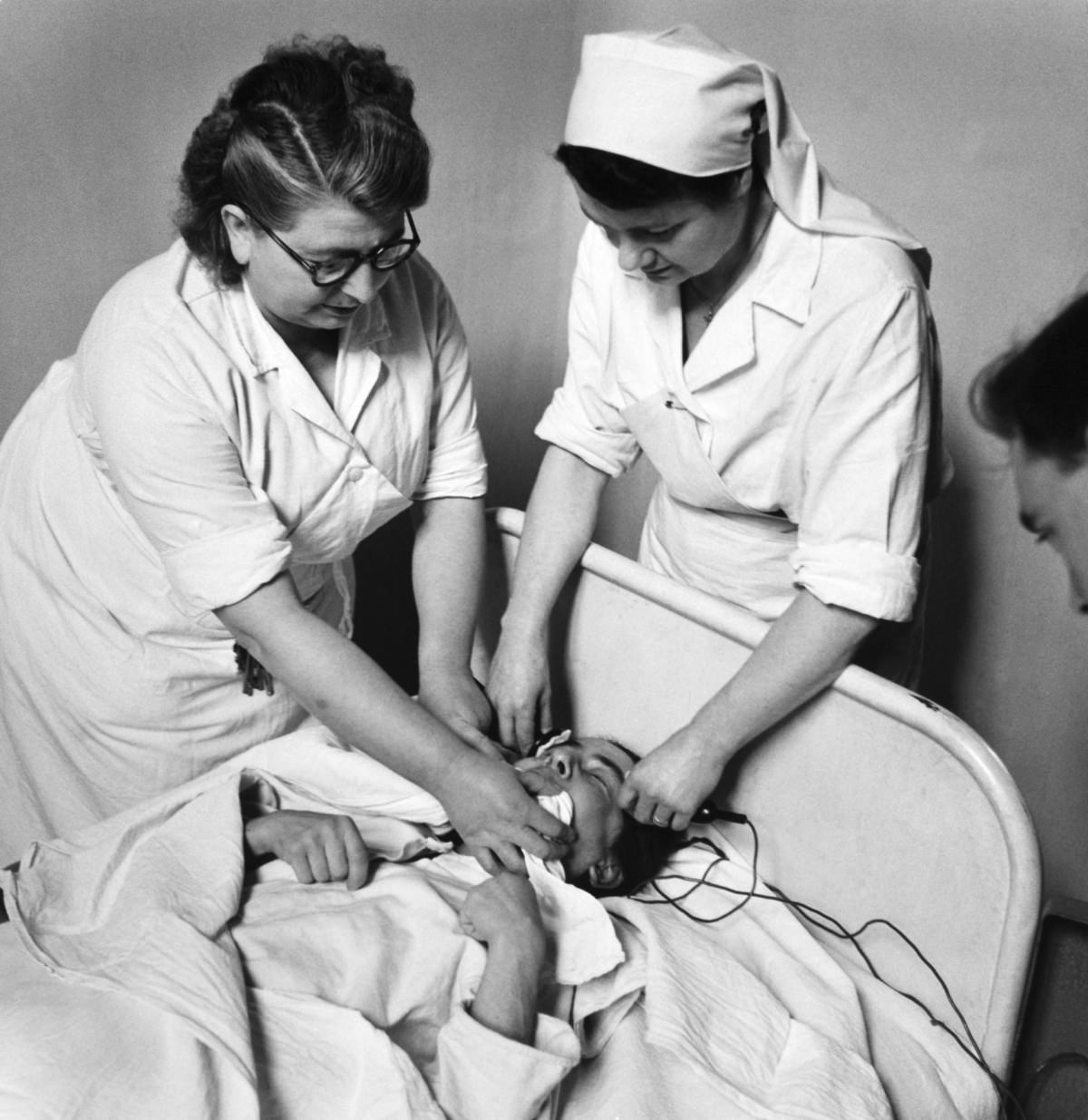
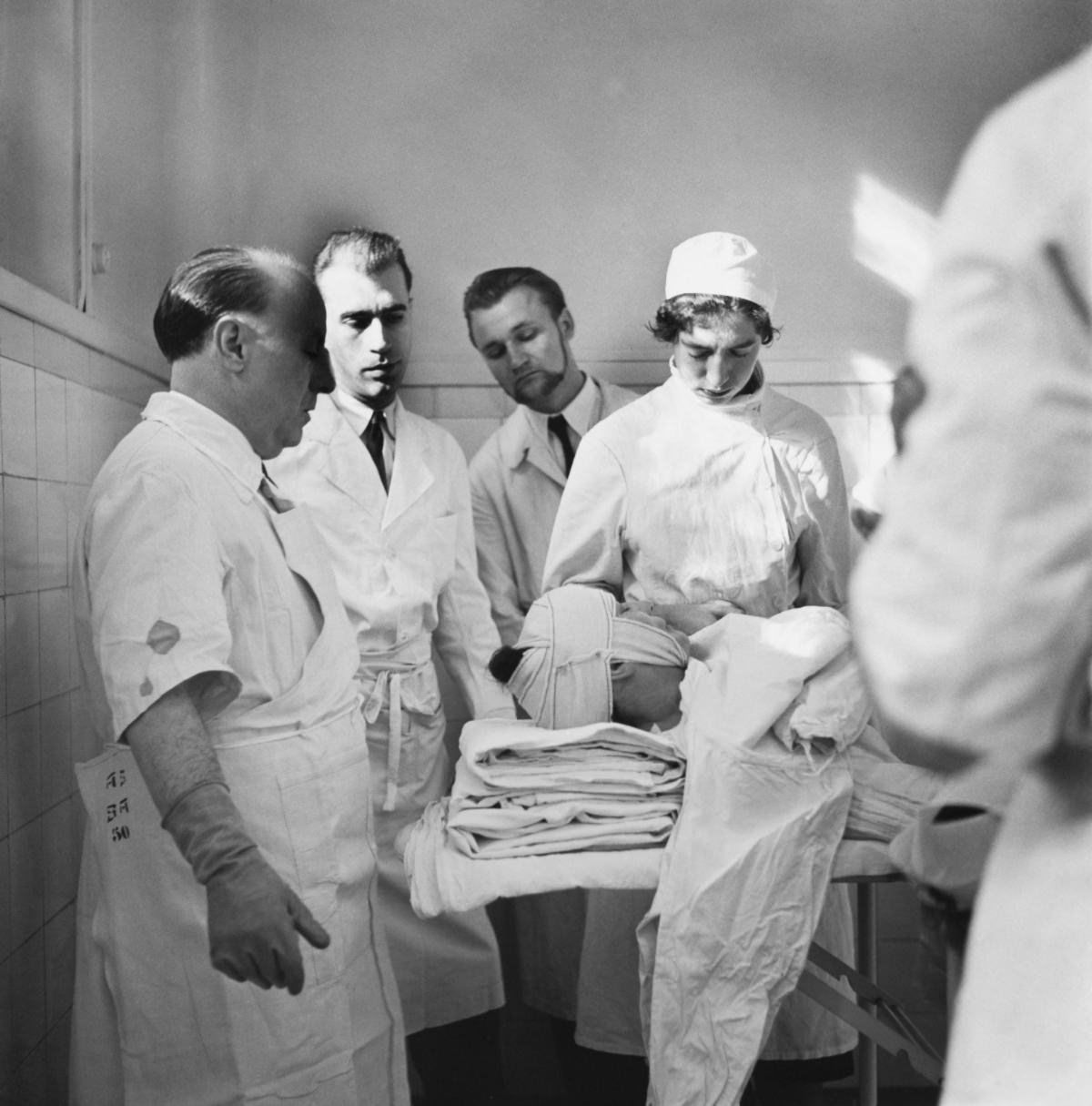
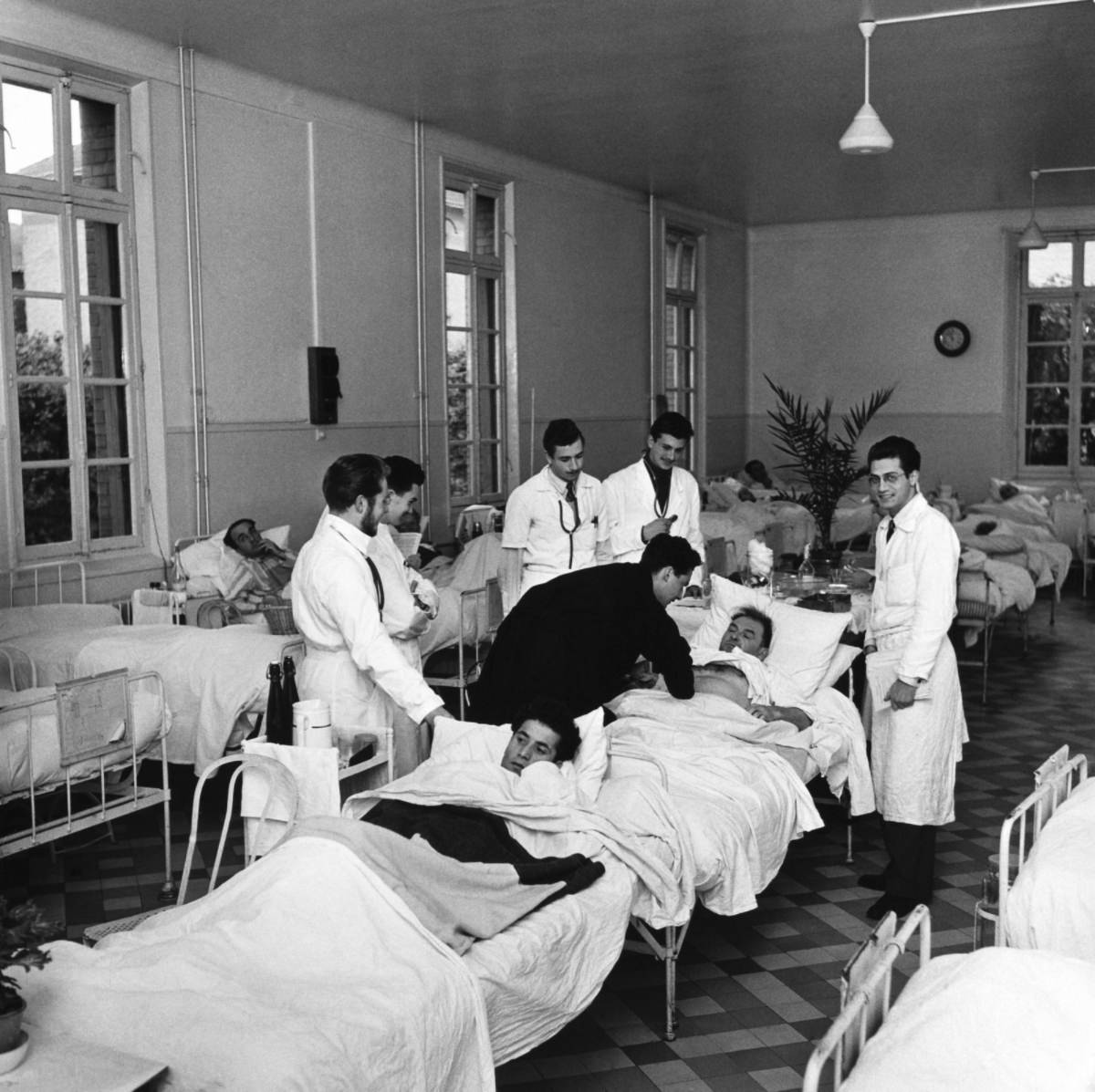
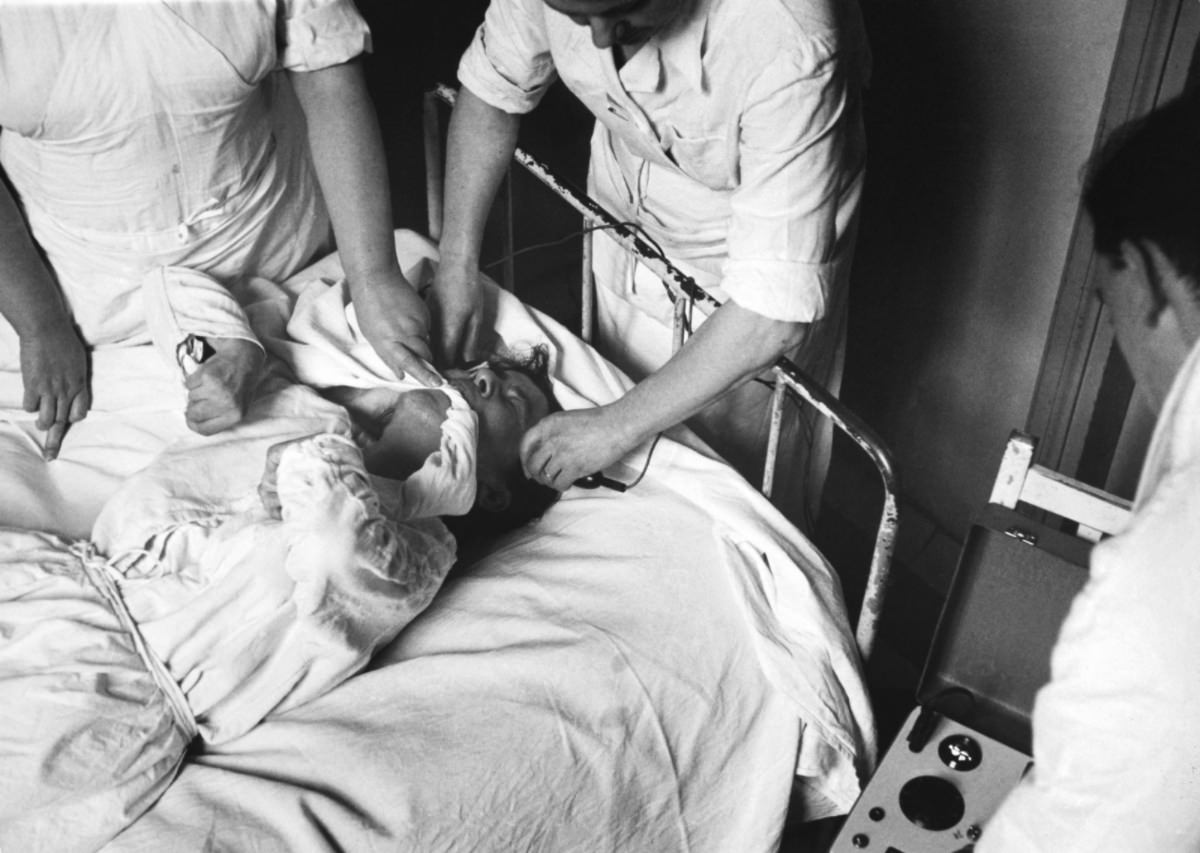
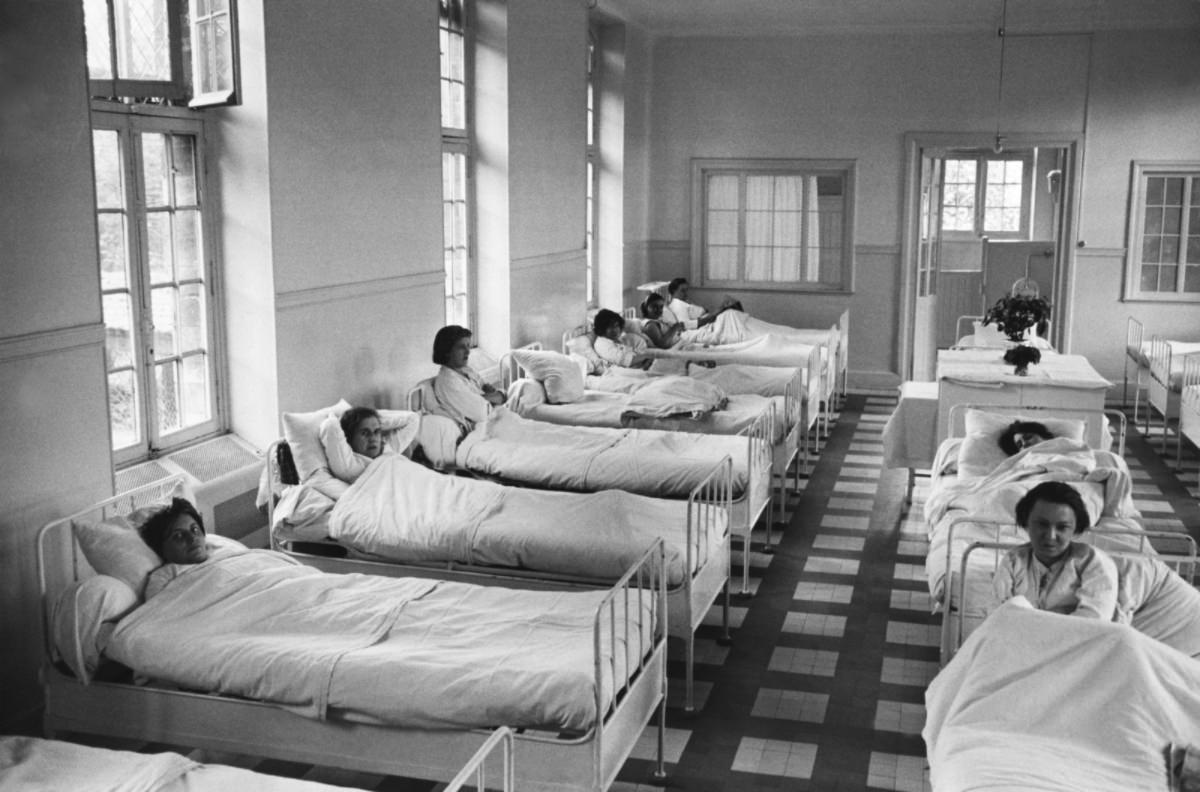
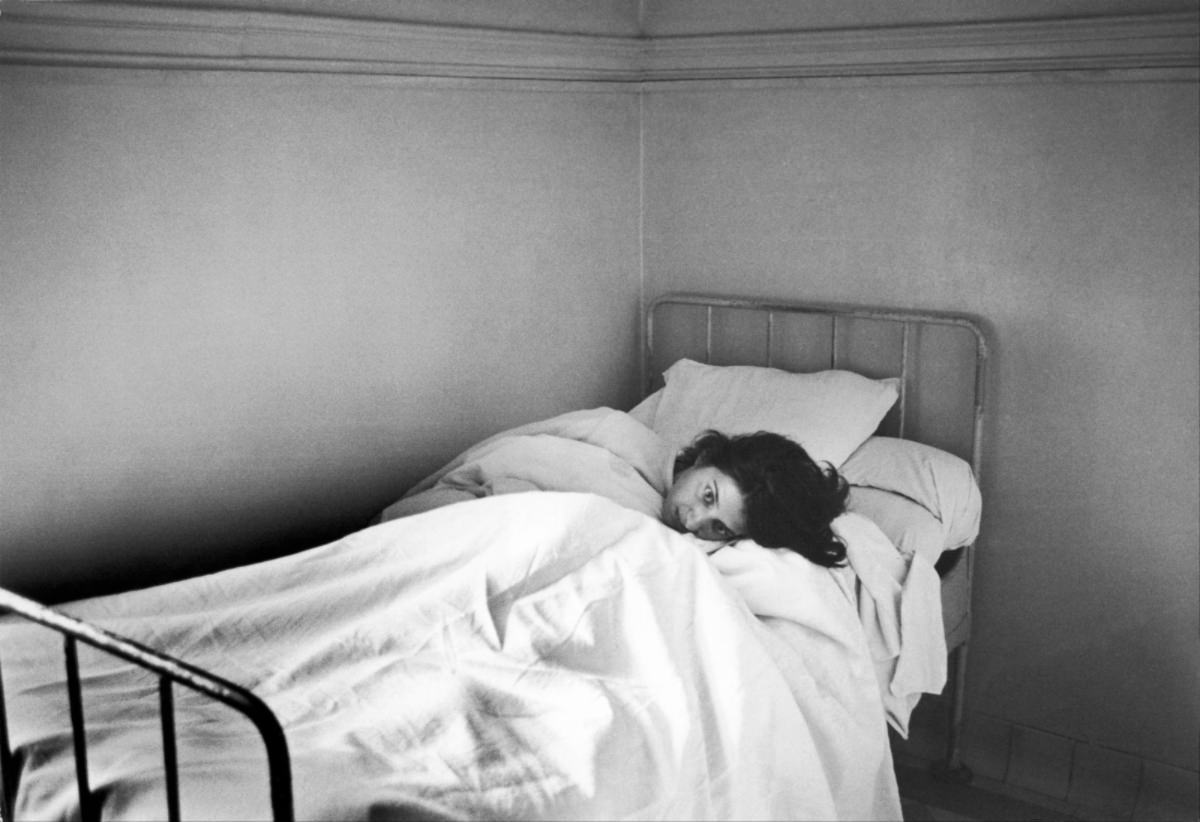
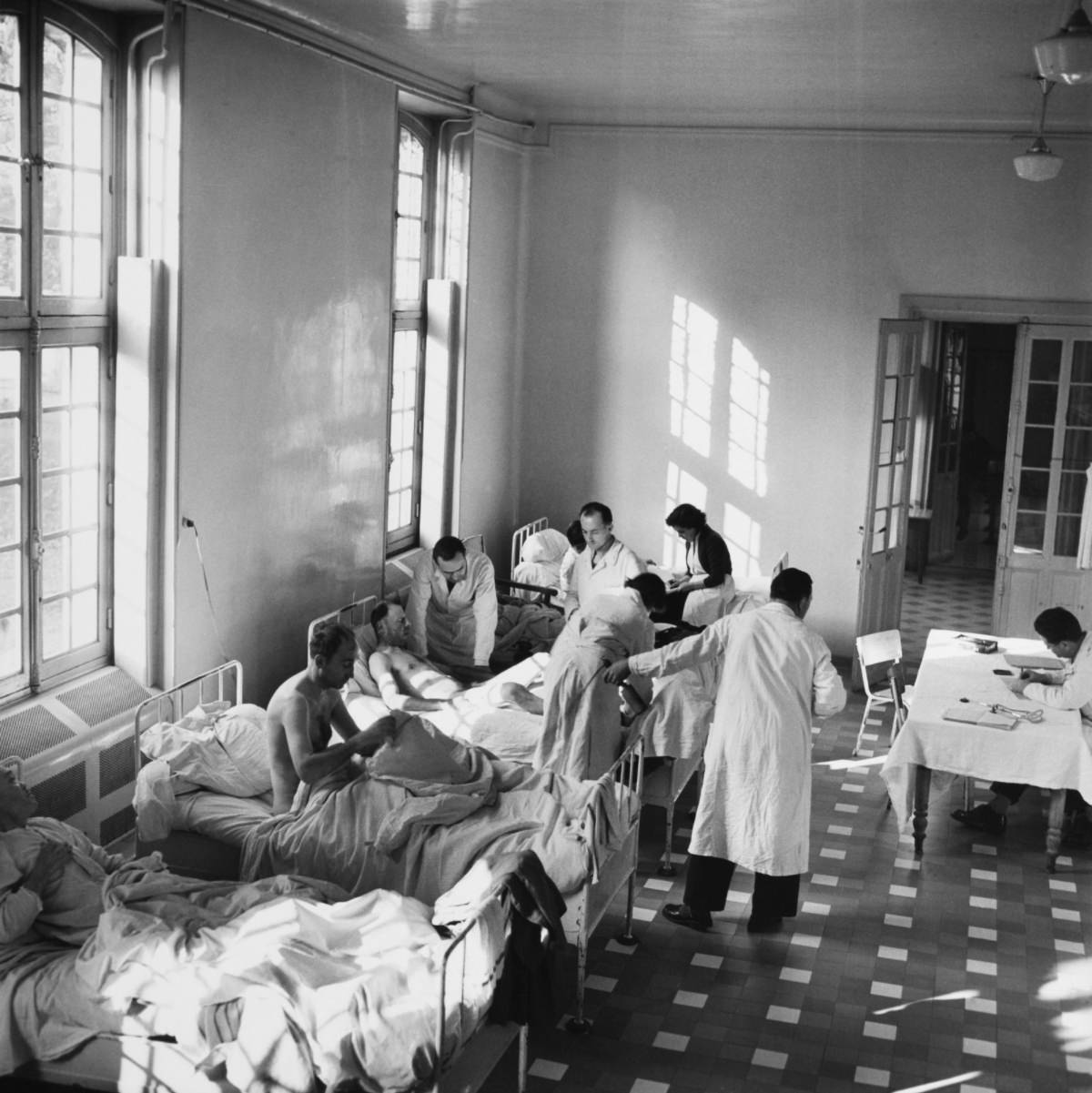
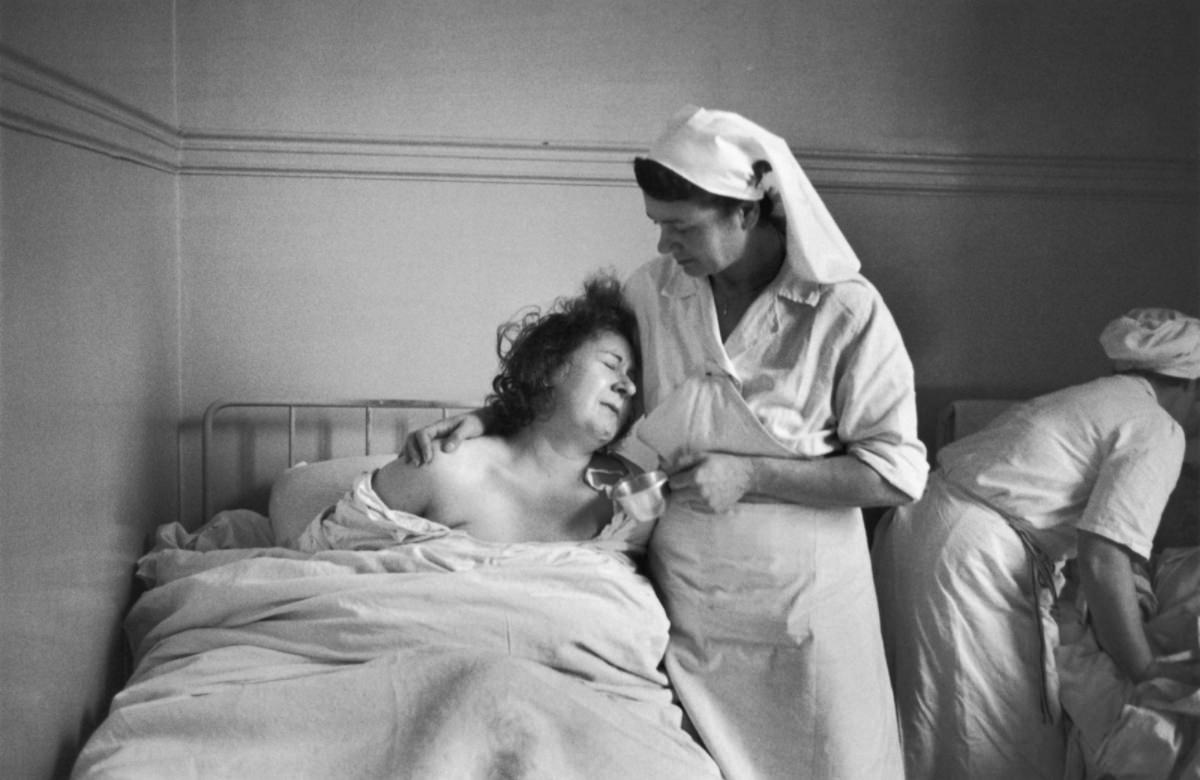
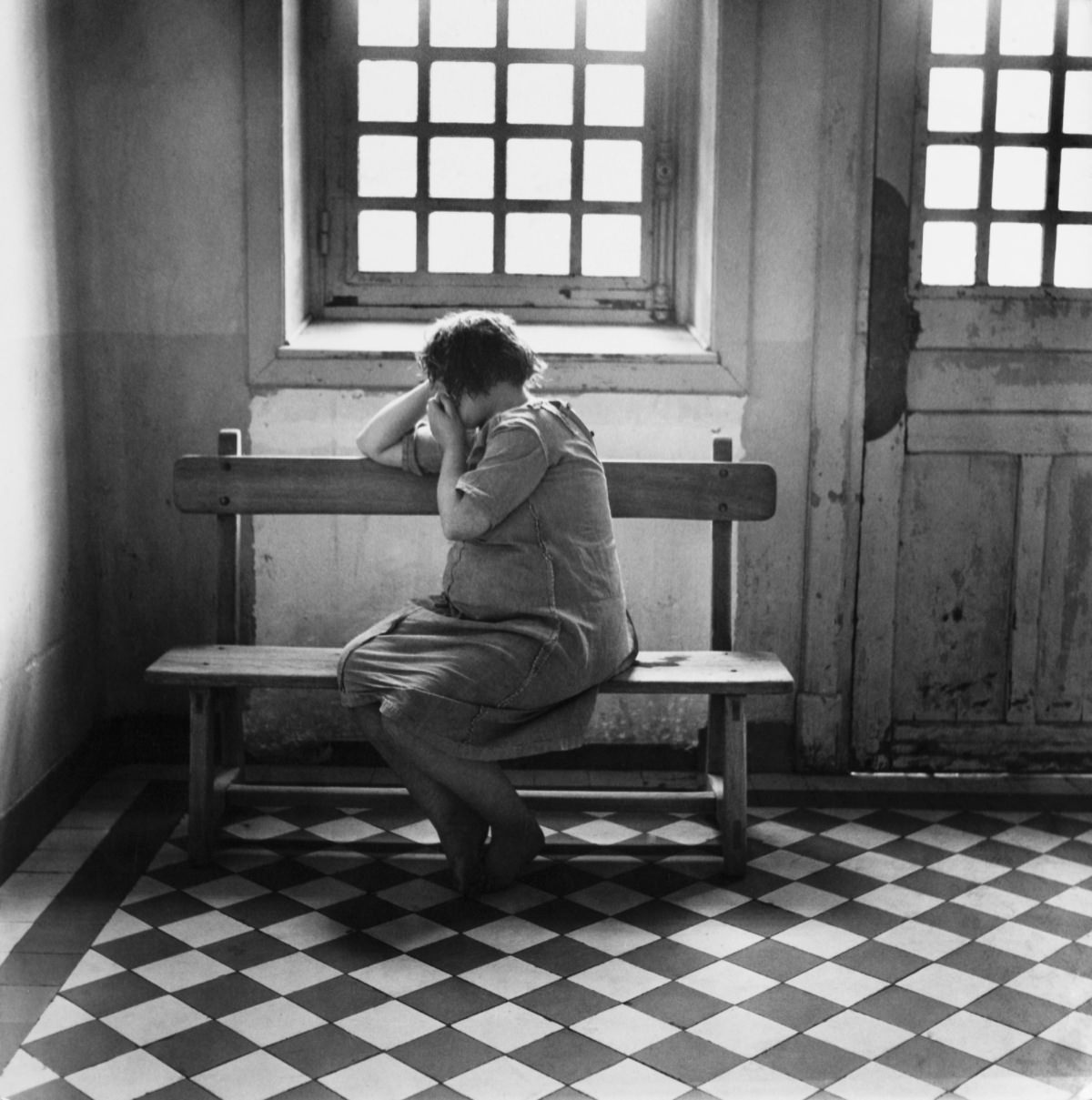
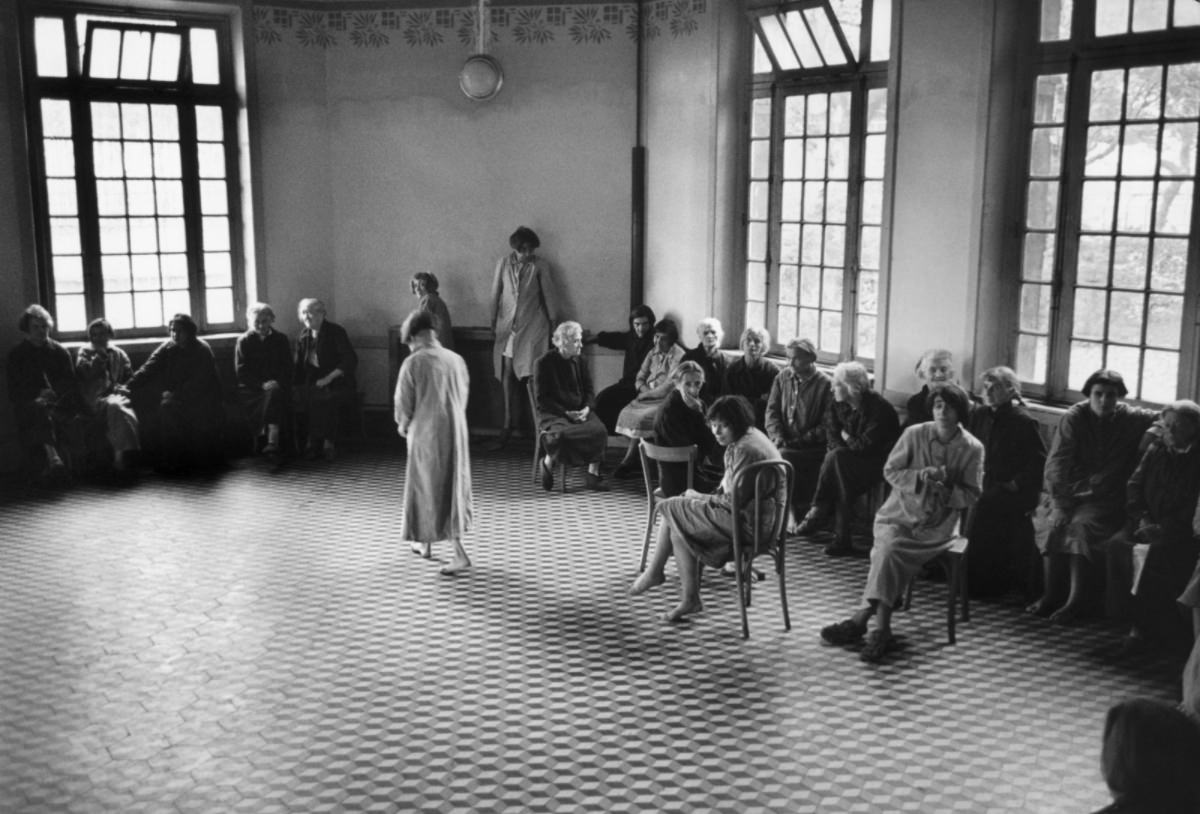
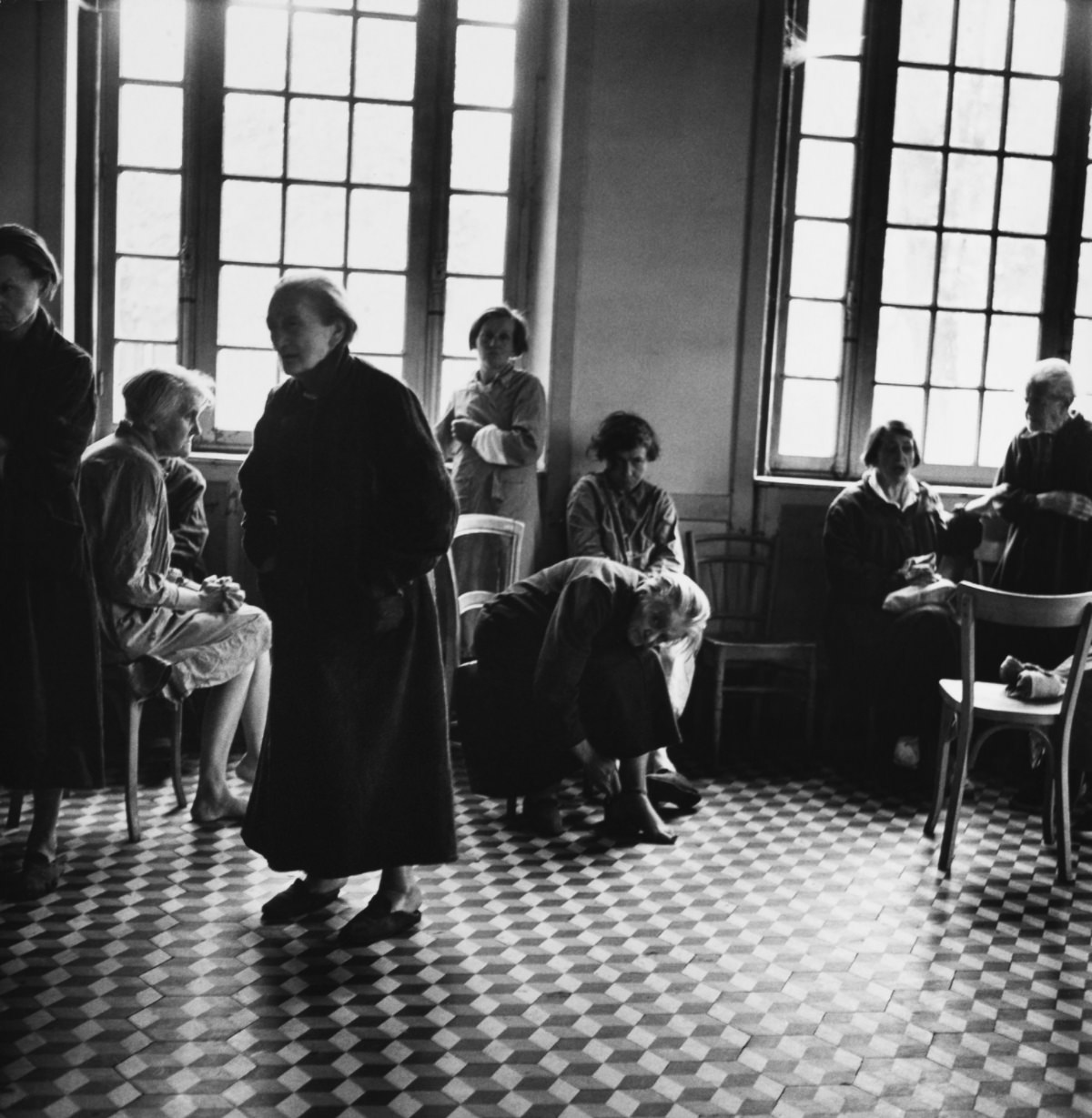
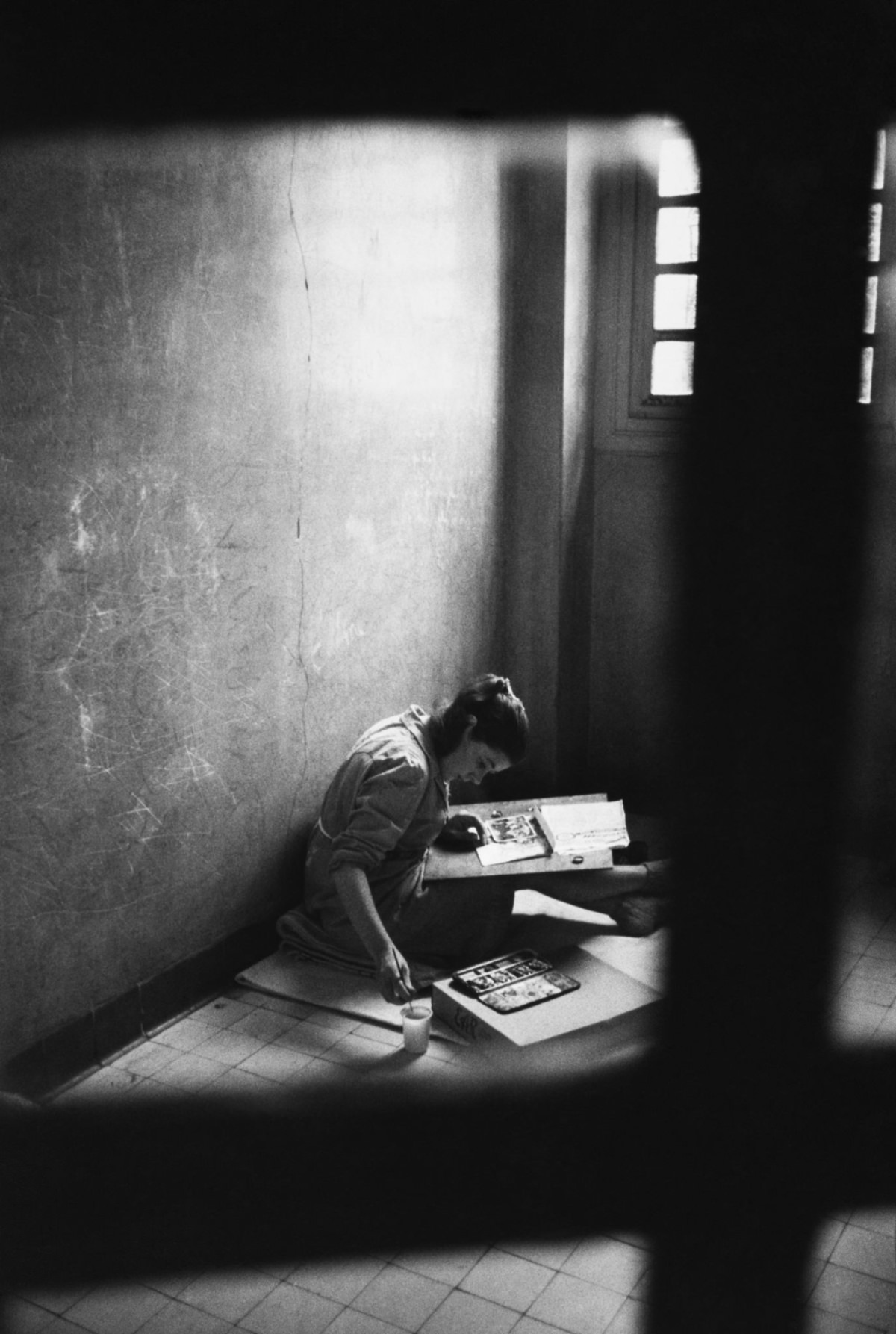
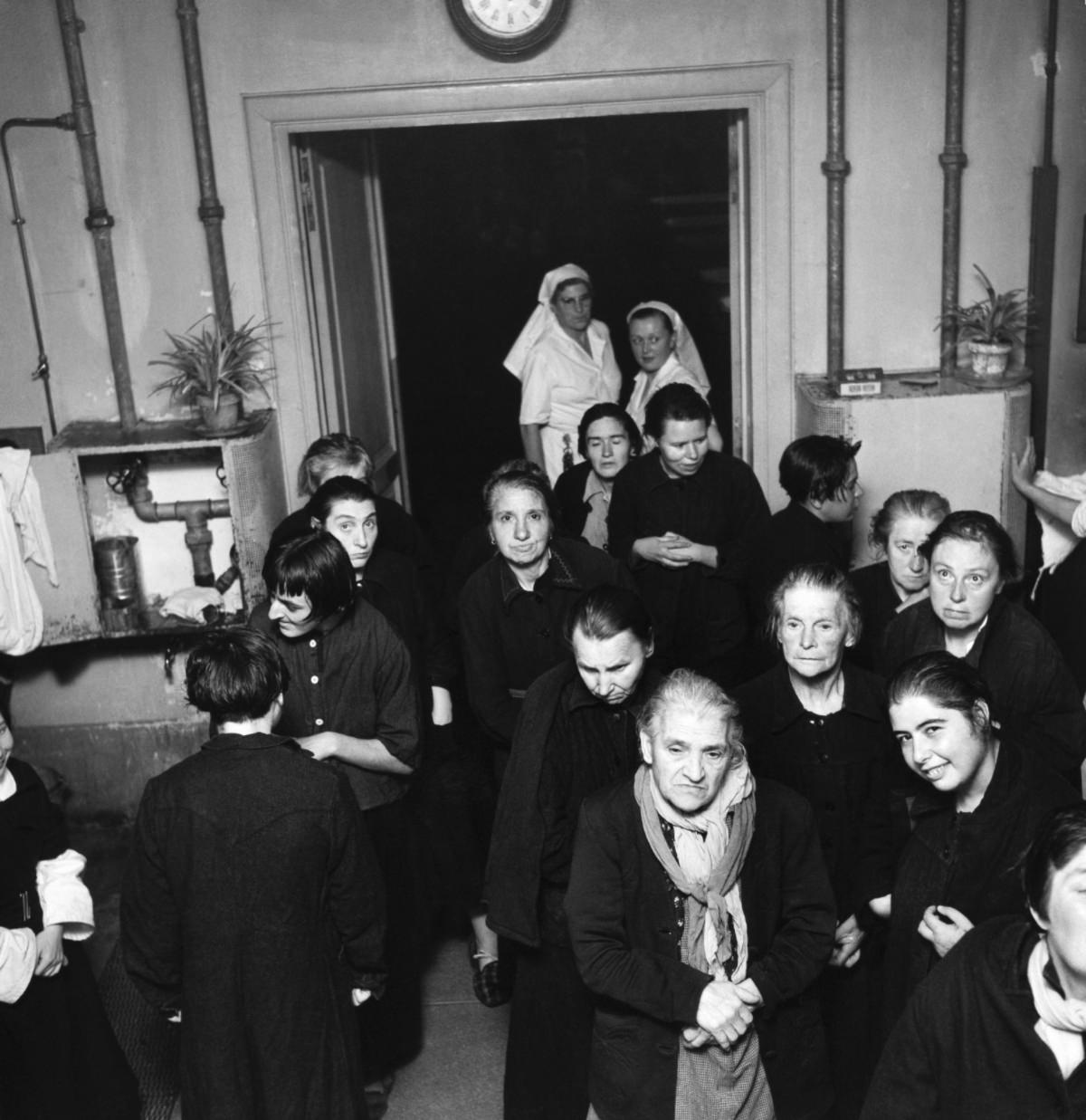
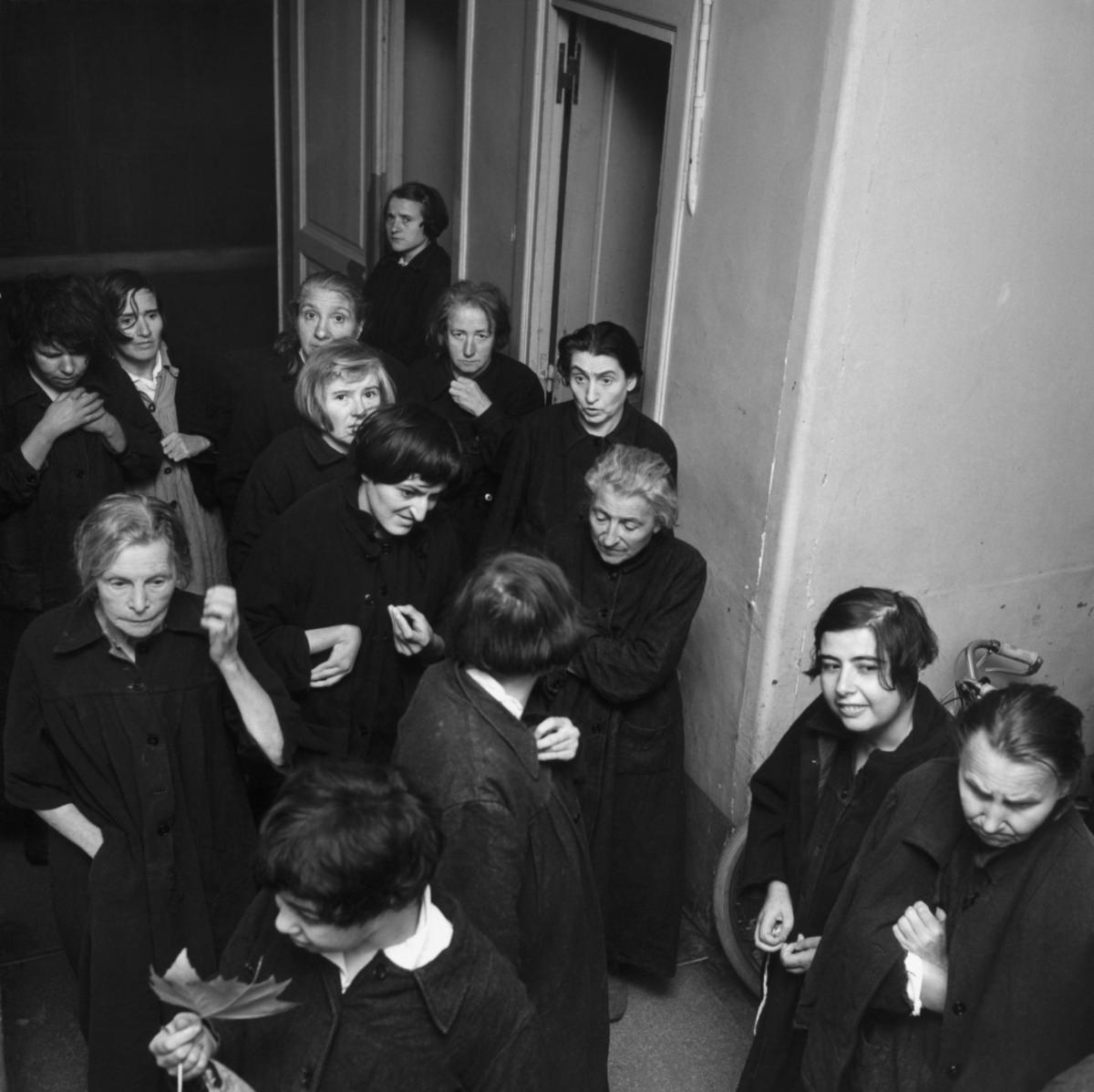
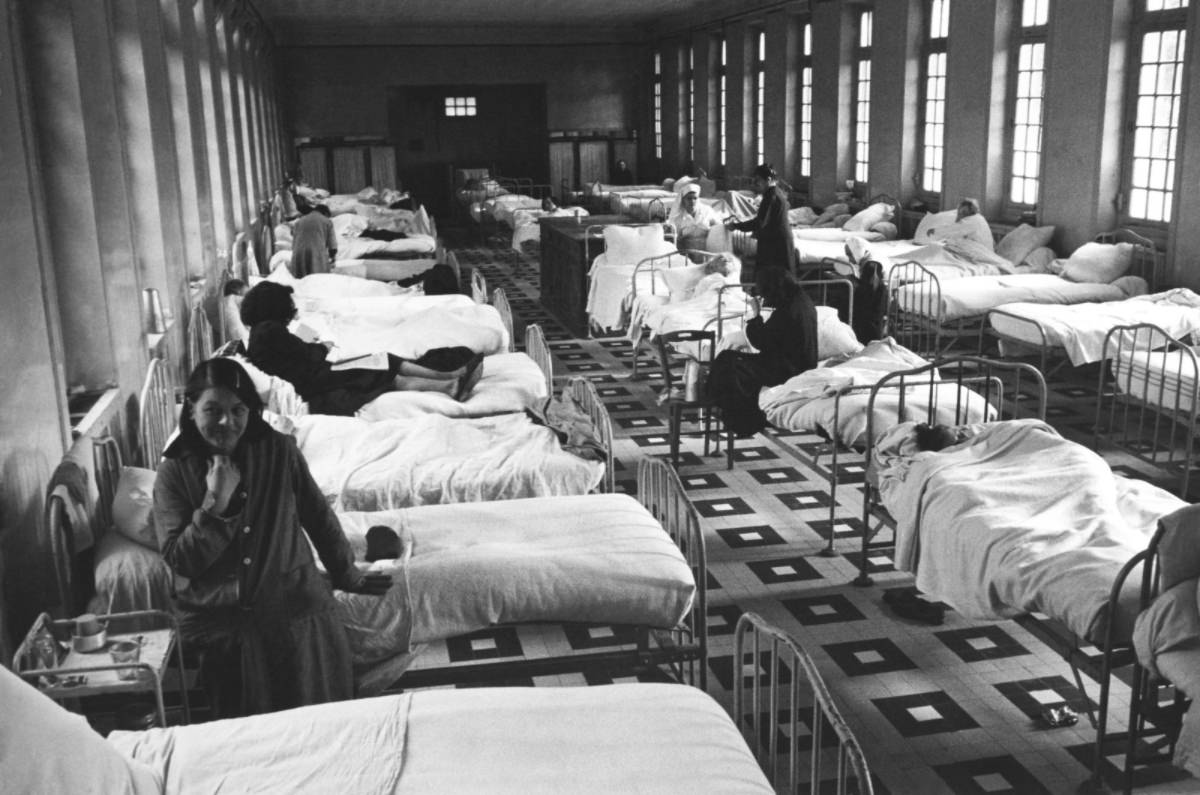
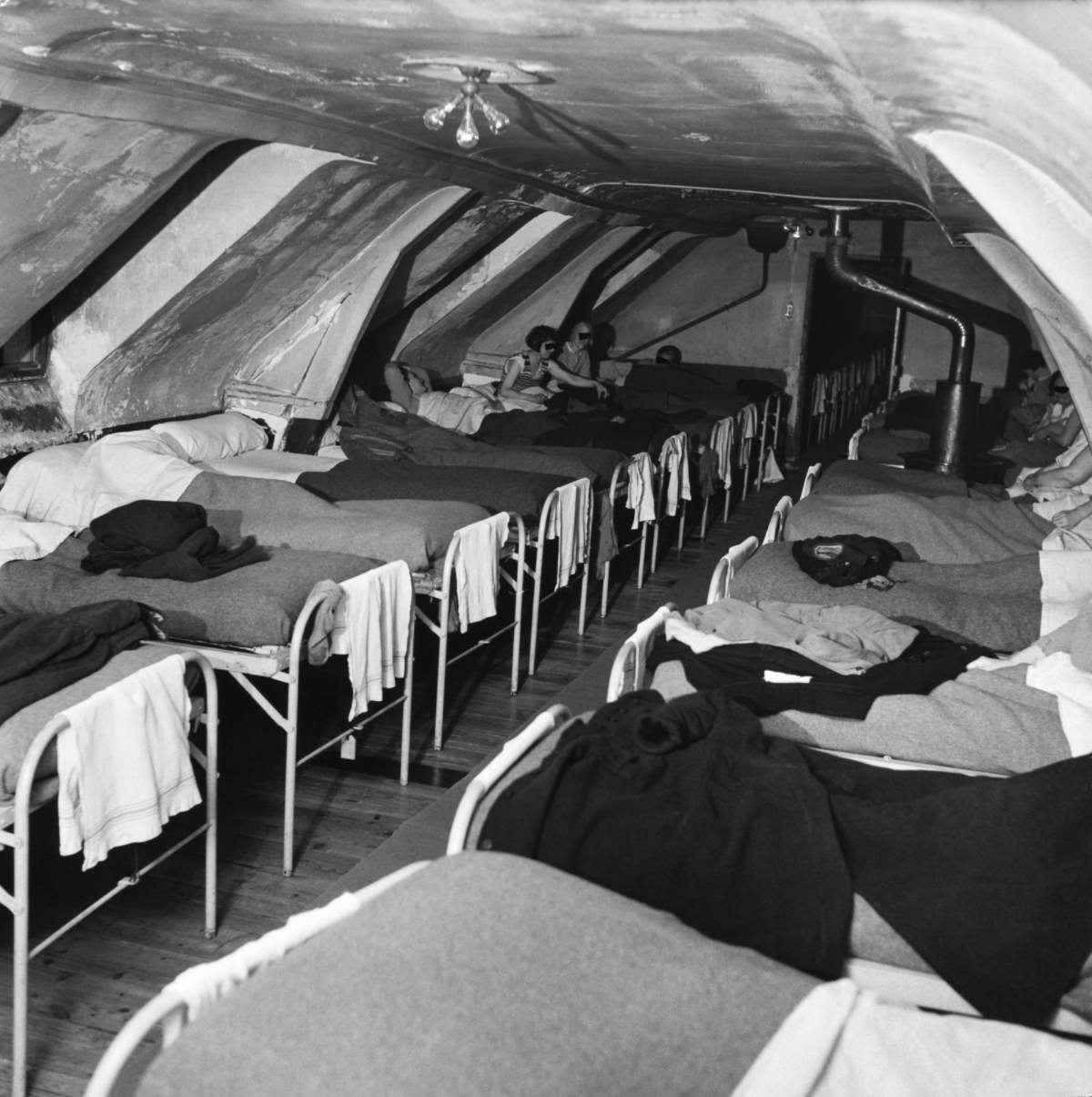
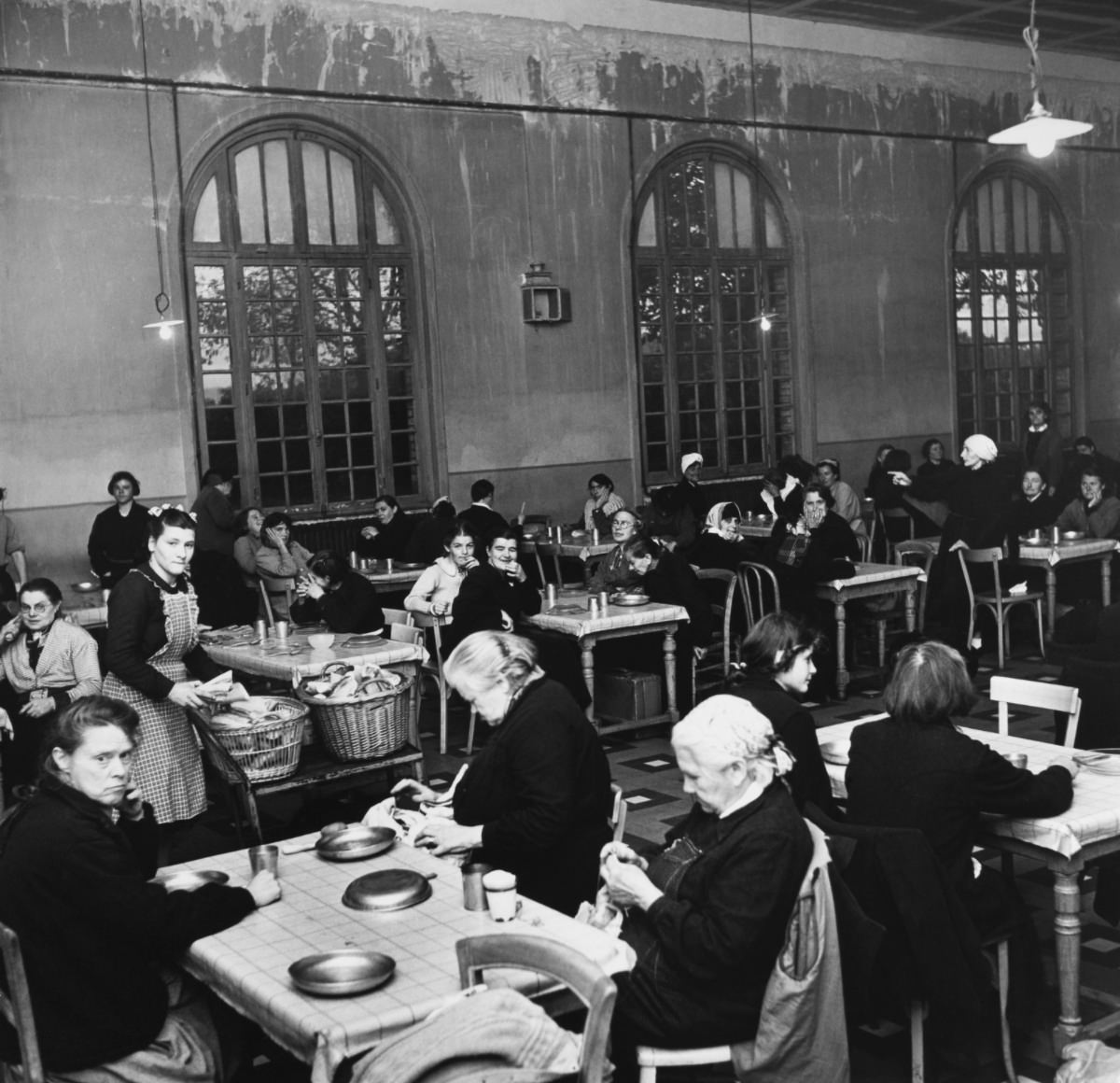
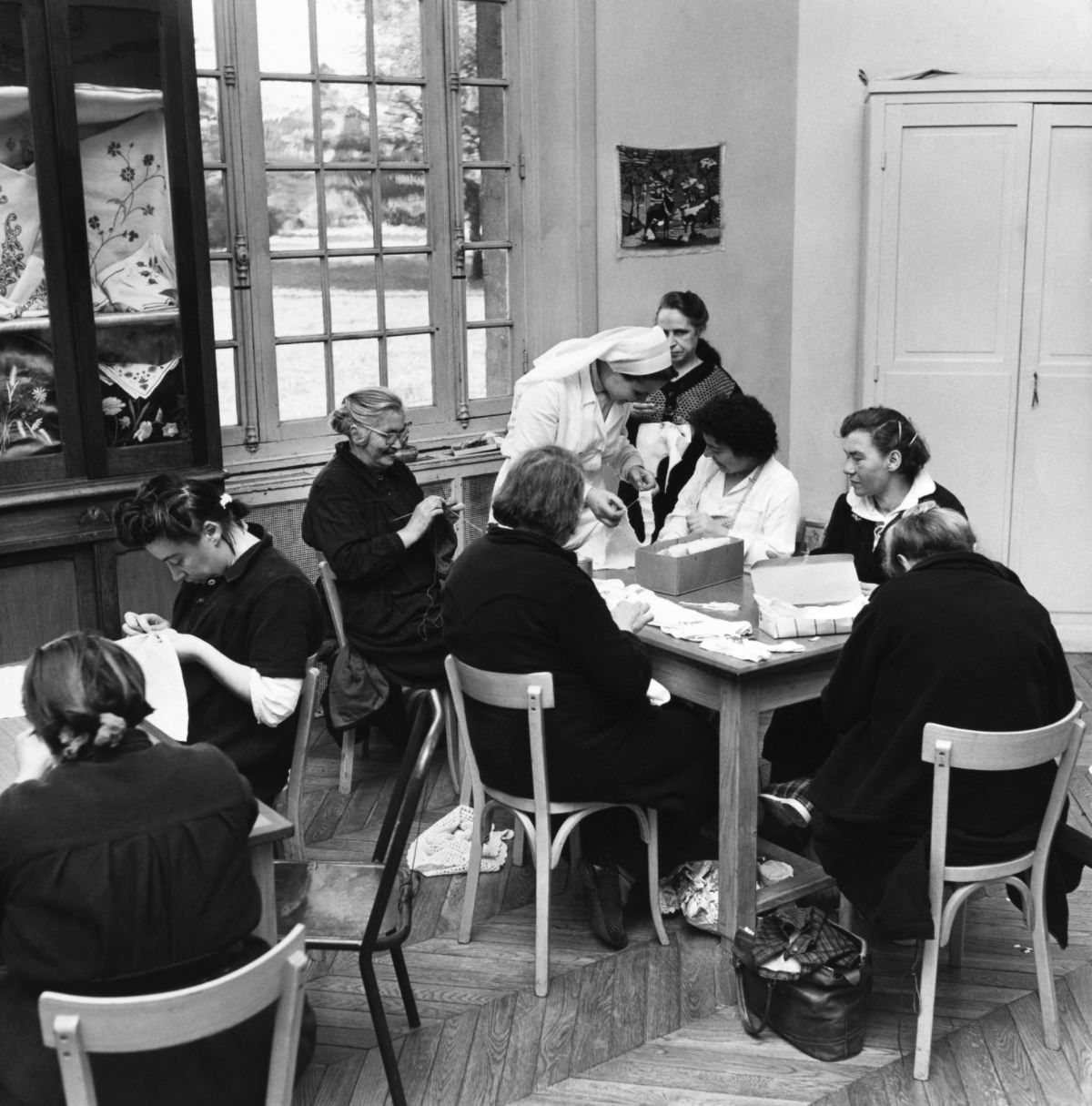
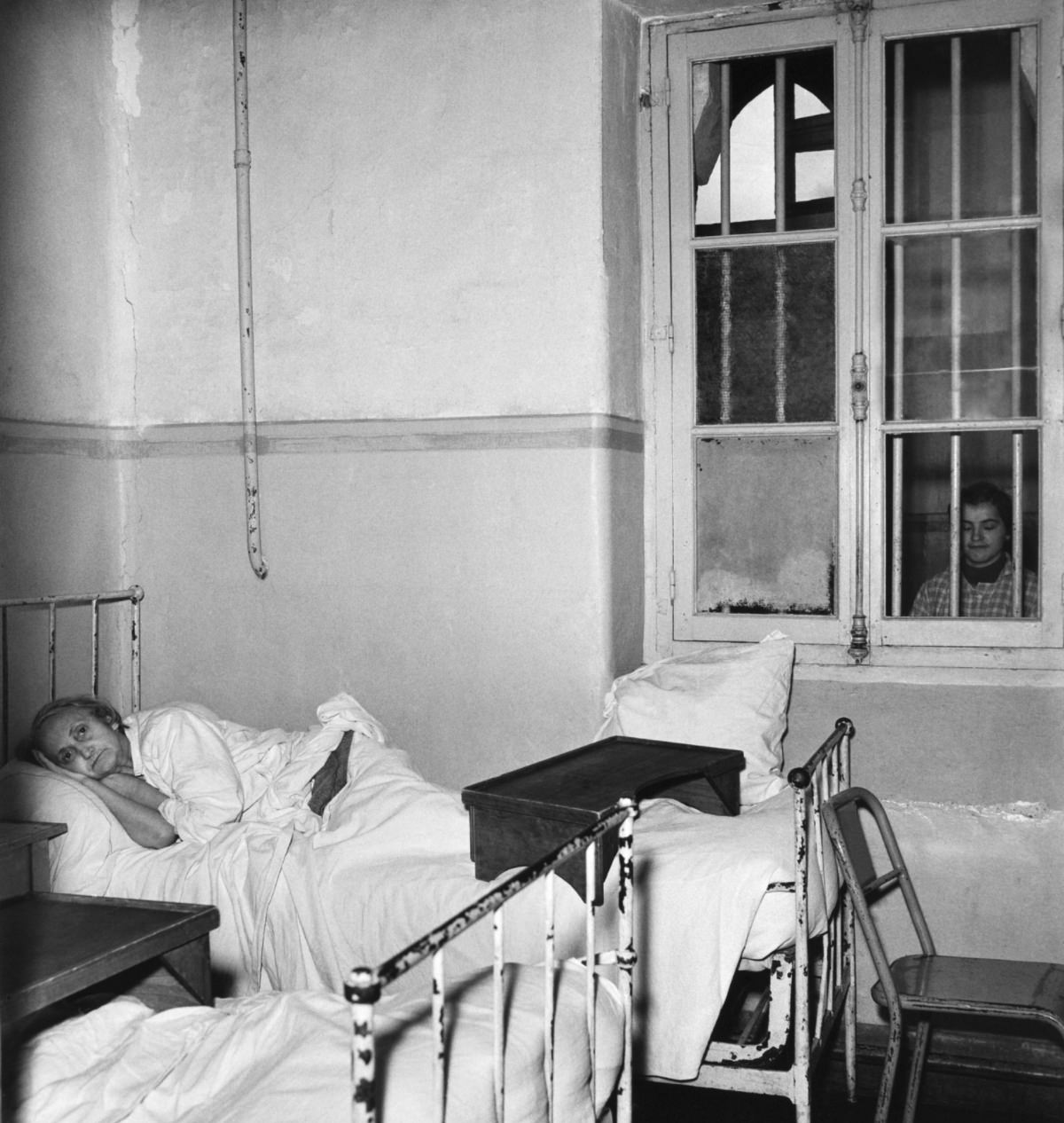
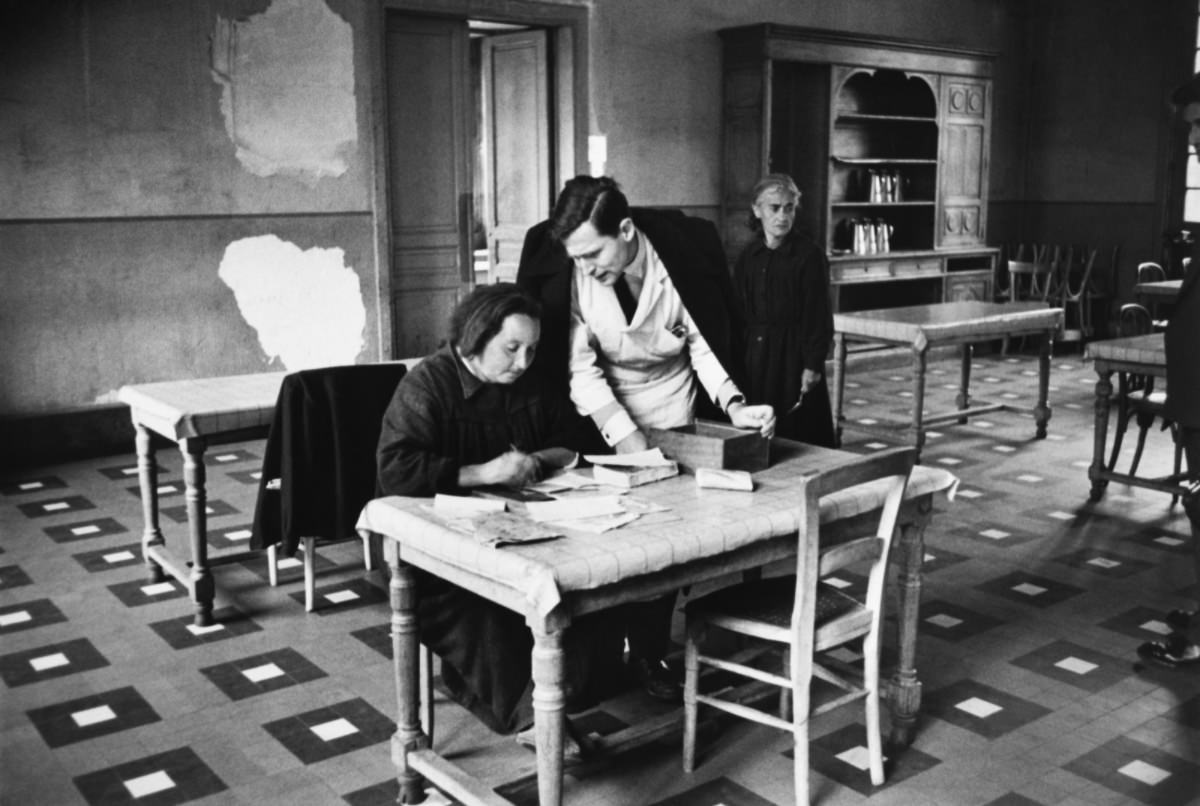
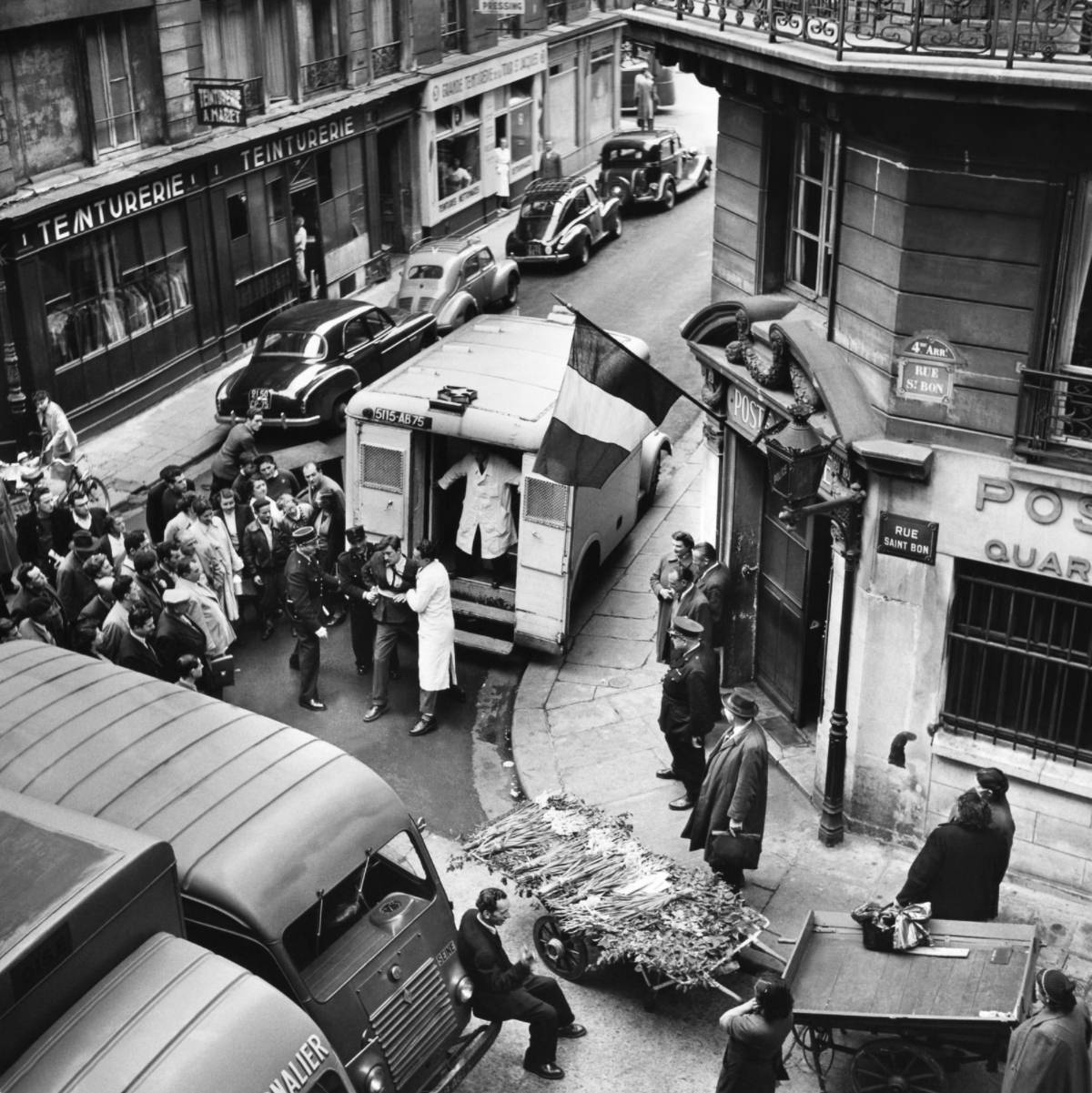
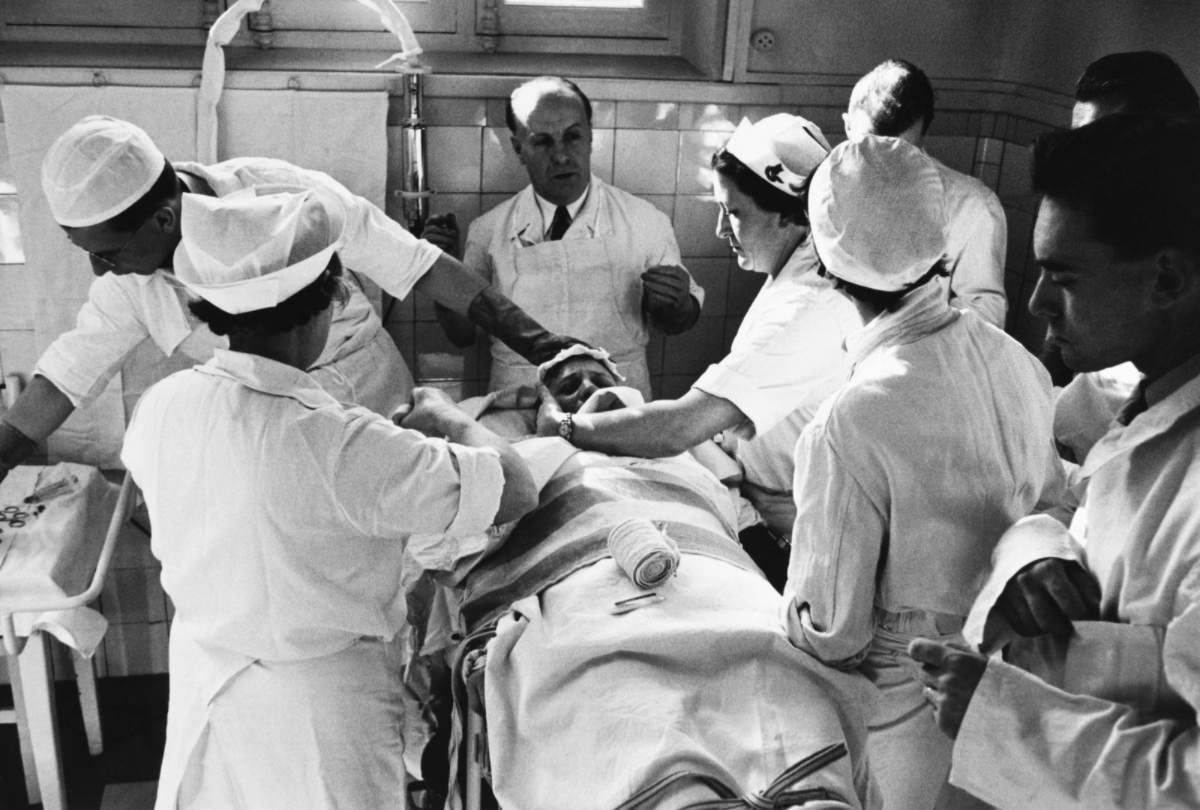
In the early 1950s, Charbonnier turned his lens toward one of France’s most closed-off institutions: the psychiatric hospital. He spent six weeks inside these facilities, documenting the lives of patients and the staff who cared for them. It was not a brief visit with controlled access — he embedded himself long enough to witness the full texture of daily life inside the wards.


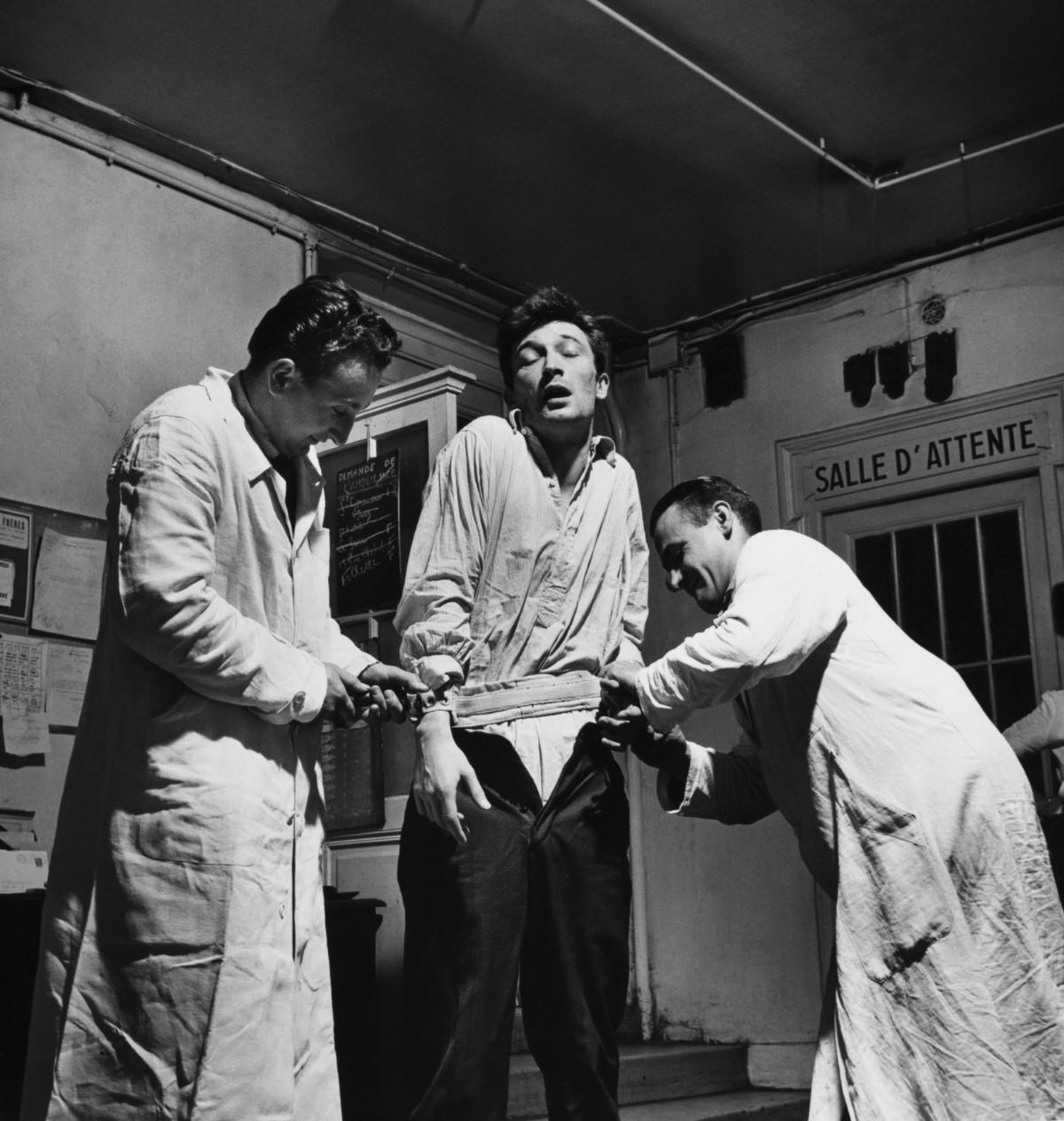
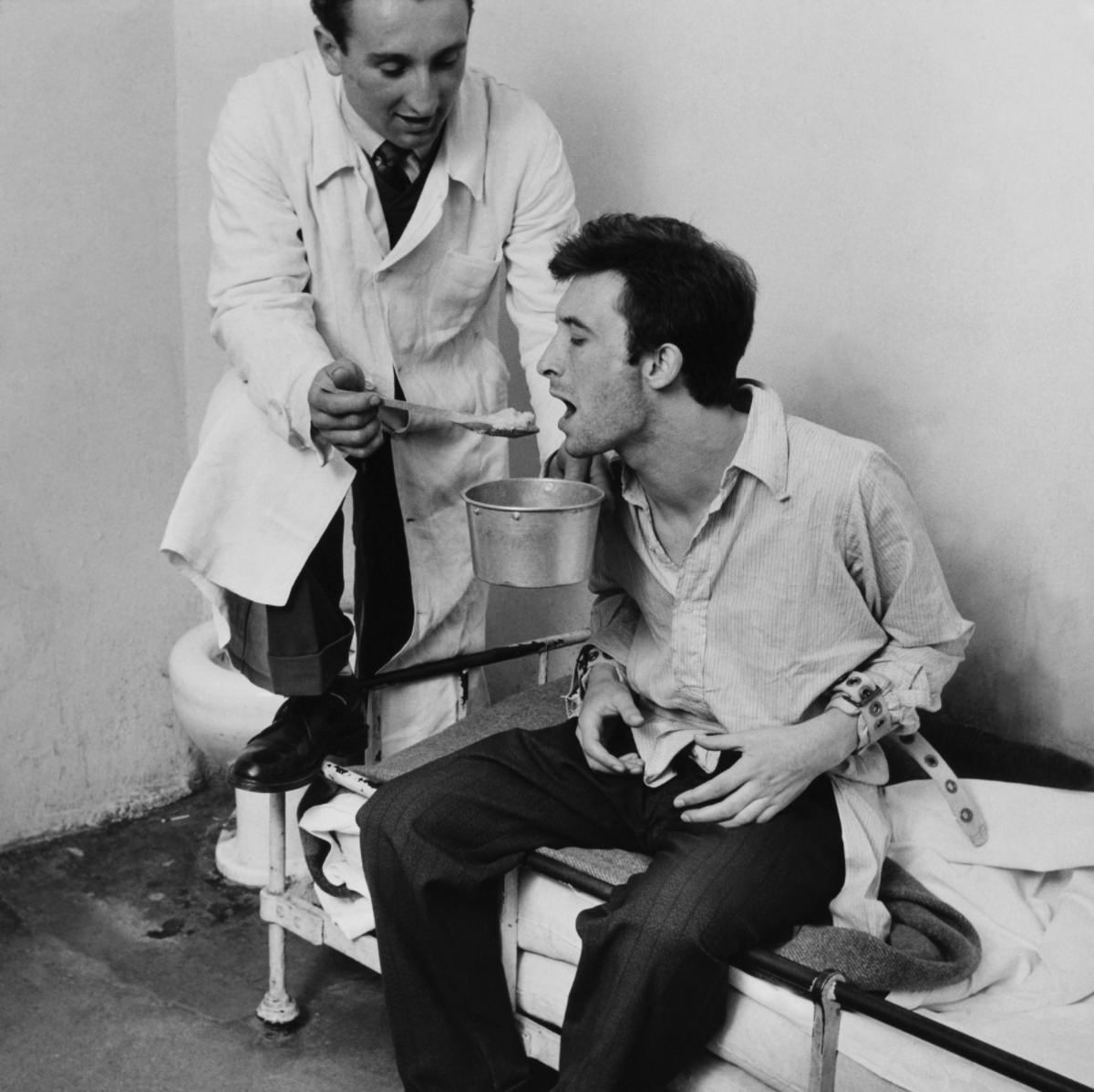
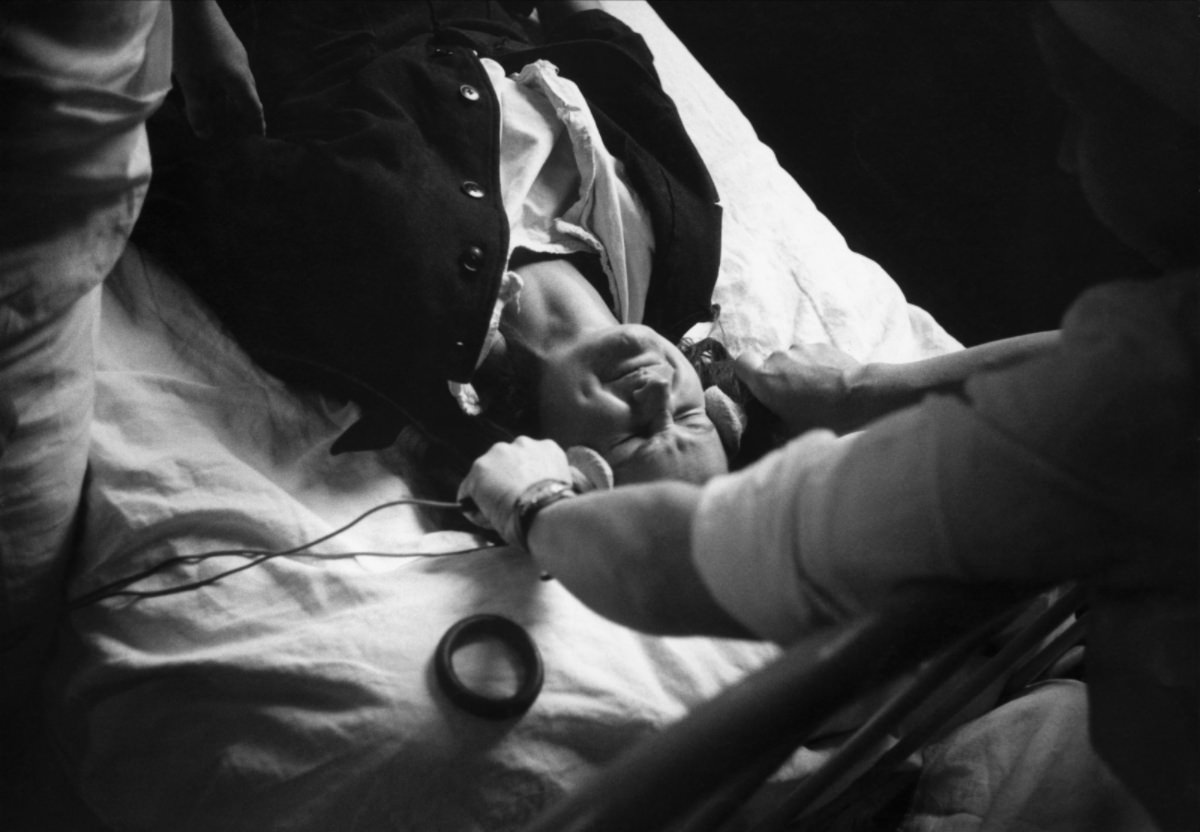
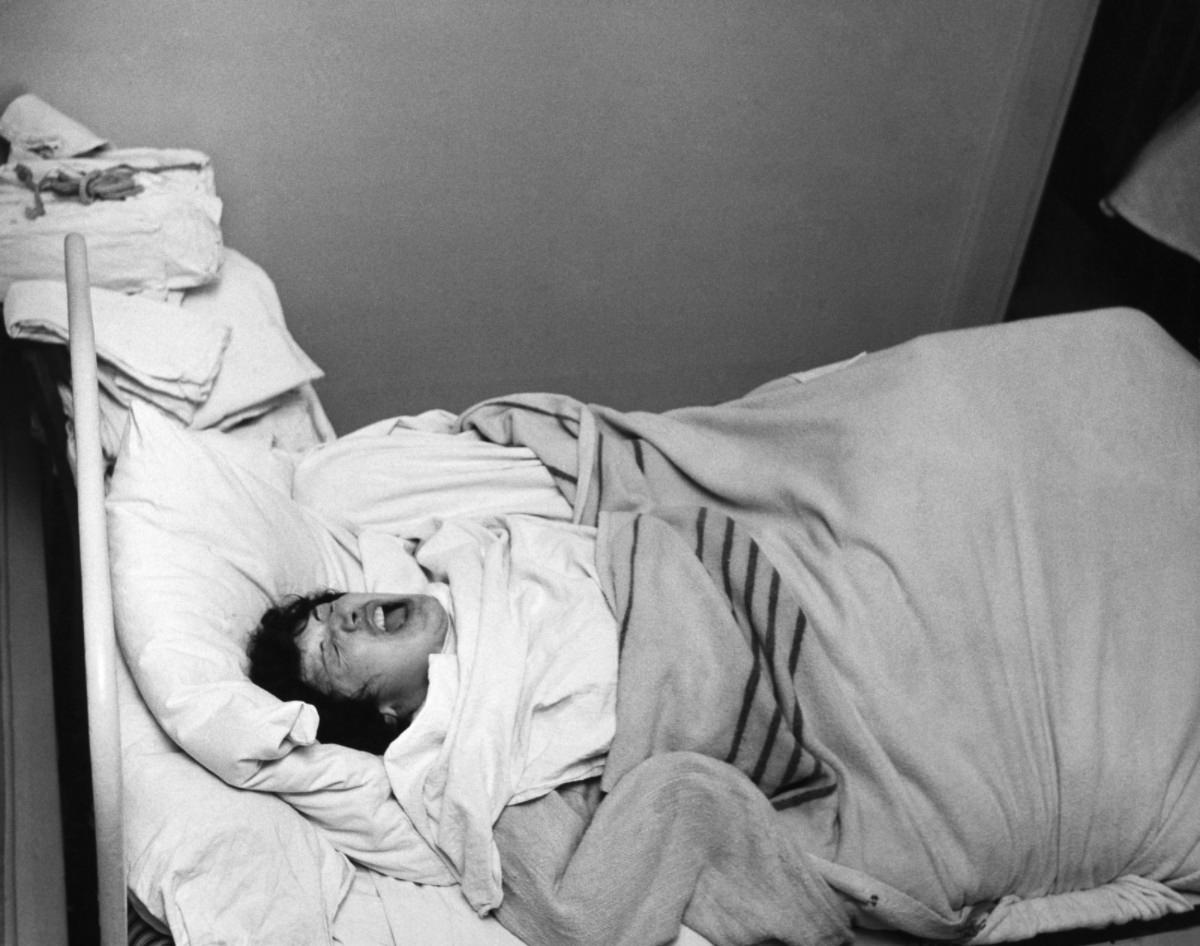
What he saw was stark. He documented patients in acute distress — men who destroyed their surroundings and lived unclothed in cells covered with dirty straw. He recorded alcoholic patients undergoing drug treatment, their nights broken by violent vomiting that could be heard and seen flowing beneath the doors of their rooms. He photographed women in straitjacket-like camisoles, physically deteriorated and heavily medicated, who reached out desperately for the doctors around them.


A selection of these photographs was published in Réalités in January 1955. The published images drew attention to conditions inside French psychiatric institutions at a time when such facilities operated largely out of public view. The photographs functioned as a rare, unfiltered look at a world most people never saw and most institutions never invited scrutiny of.


Not everything Charbonnier captured made it to print. The social sensitivities of 1950s France meant that some of his most powerful images were held back from publication. Editors and publishers at the time operated within limits — what the public was believed ready to see, and what institutions would tolerate being shown. The unpublished photographs remained part of the archive, unseen by the broader public for years.


The hospitals Charbonnier documented were not outliers — they were representative of psychiatric care across France during the period. Overcrowding, physical restraints, and limited treatment options were common features of institutional psychiatry in postwar Europe. Drug-based treatments were beginning to emerge in the mid-1950s, with chlorpromazine introduced as a psychiatric medication in France in 1952, but its adoption across all facilities was uneven and slow.


Patients in these hospitals came from across the social spectrum. Some had been committed involuntarily by family members or authorities. Others had chronic conditions with no clear path to release. The wards ranged from acute units — holding the most severely disturbed patients — to longer-term sections where individuals had lived for years or even decades. Charbonnier moved through all of it.


The doctors and nurses in the photographs appear as workers navigating an overwhelming environment. Staff-to-patient ratios were poor. The physical infrastructure of many hospitals dated back to the 19th century, and many buildings had never been designed with patient comfort or rehabilitation in mind. They were built for containment.


Charbonnier’s account of his time inside these hospitals is blunt and direct. He described the experience in plain terms without softening the details. His descriptions of patients — their physical states, their behaviors, the conditions of their rooms — read as notes from a witness, not a critic. He recorded what was there.


The photographs themselves carry the visual weight of long exposure to difficult environments. They are not dramatic compositions aimed at shock — they are patient, close, and consistent. Charbonnier photographed meals, corridors, examination rooms, and the quiet moments between crisis and calm. The range of what he captured across six weeks is wide.


His access to these hospitals was significant. Psychiatric institutions in France at the time were not accustomed to outside scrutiny. The fact that Réalités secured and published even a portion of this work reflected a growing postwar appetite in French media for documentary journalism that addressed difficult social realities directly.


The full body of work from Charbonnier’s six weeks inside French psychiatric hospitals remains one of the most complete photographic records of institutional mental health care in mid-20th century France. The images — both those published in 1955 and those withheld — stand as a detailed historical document of what these places looked like and how the people inside them lived.


Jesus. Crimes against humanity include this, and they are not recognized, mainly because psychiatry is still deeply rooted in it.