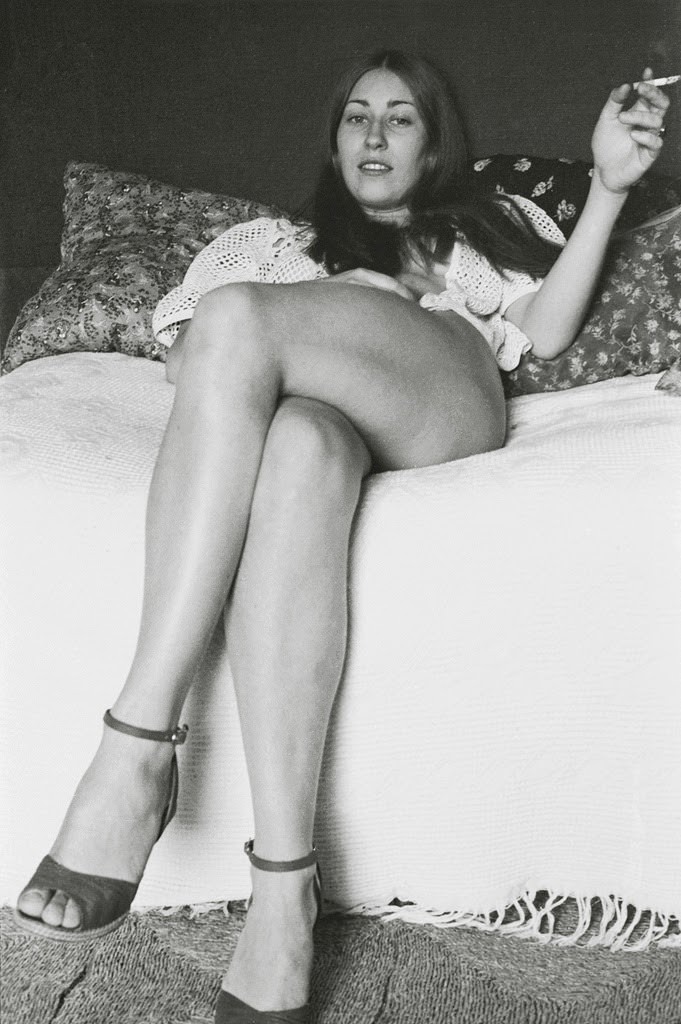
In the 1970s, the streets of Paris belonged to teenagers and young adults who rejected the strict traditions of their parents. Young people gathered on the steps of universities, crowded into smoky cafes, and walked along the banks of the Seine. They wore bell-bottom jeans, heavy wool coats, and patterned scarves. The city streets served as their living rooms.
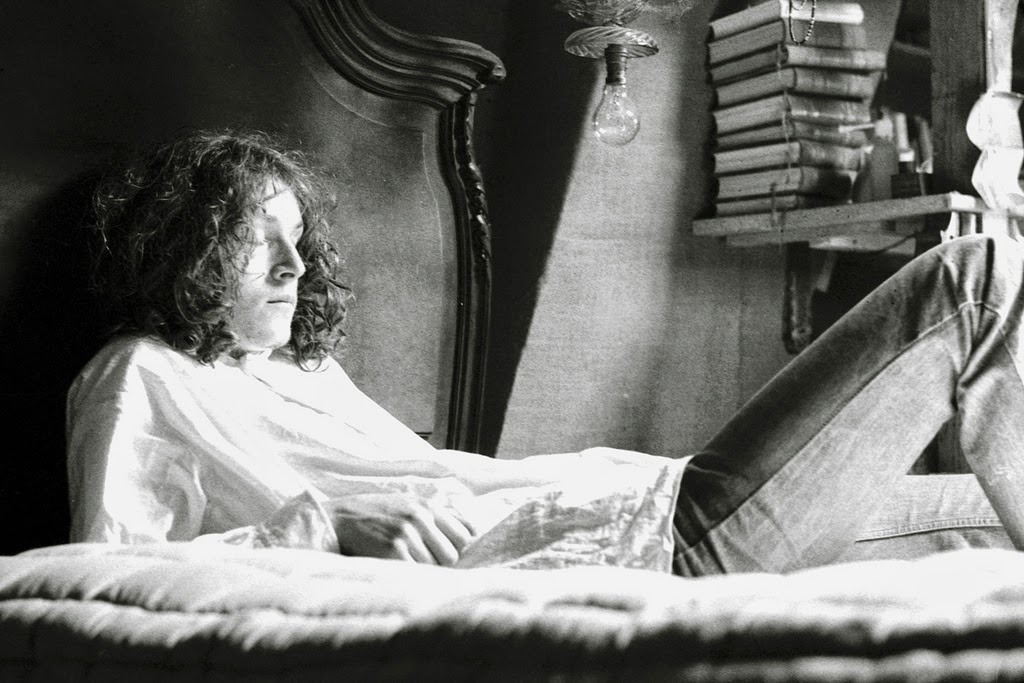
Cafes in the Latin Quarter filled with students drinking espresso and smoking cigarettes for hours. Conversations turned toward politics, art, and the films of the French New Wave. Pocket change paid for cheap coffee and shared newspapers.
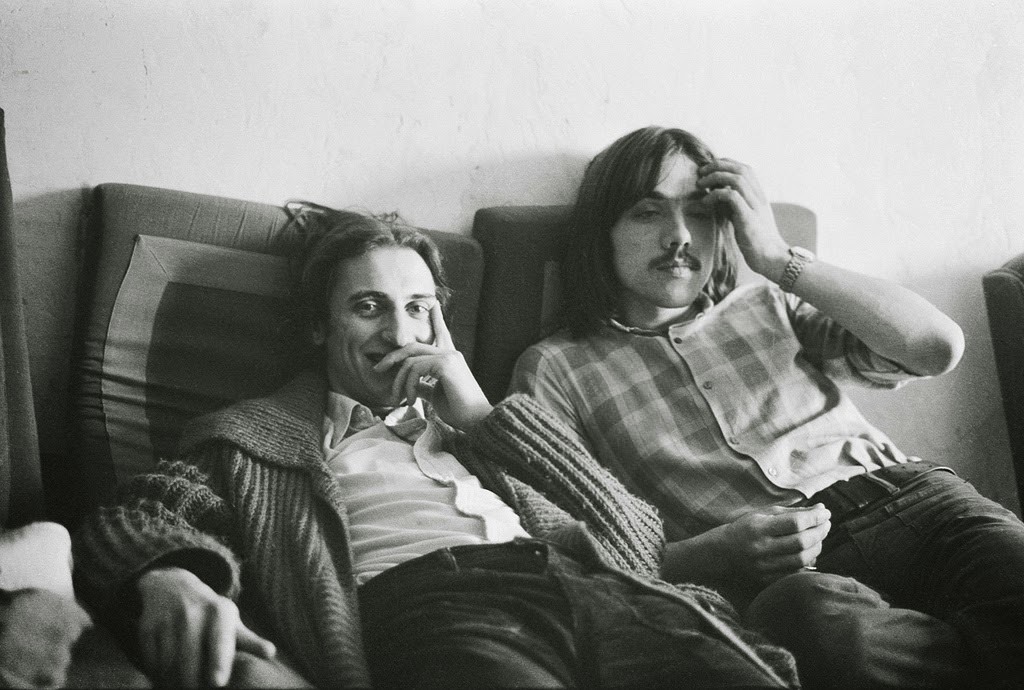
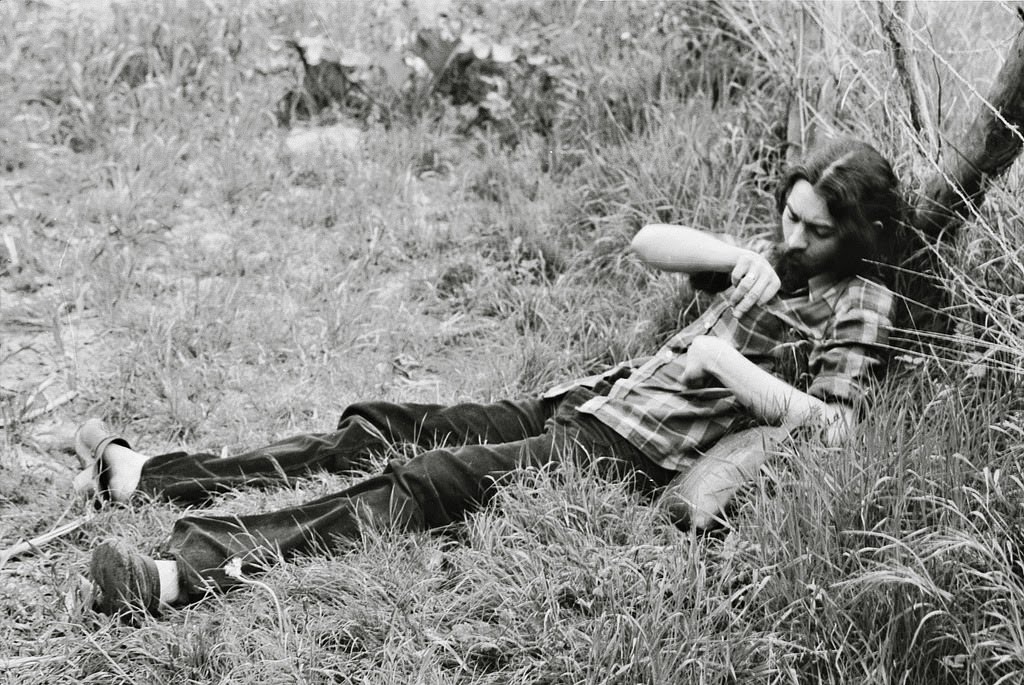
Fashion changed rapidly during this decade. Thrift stores and outdoor markets offered secondhand military jackets and bright sweaters. Young women wore knee-high boots and short skirts. Men grew their hair long and wore wide-collared shirts.
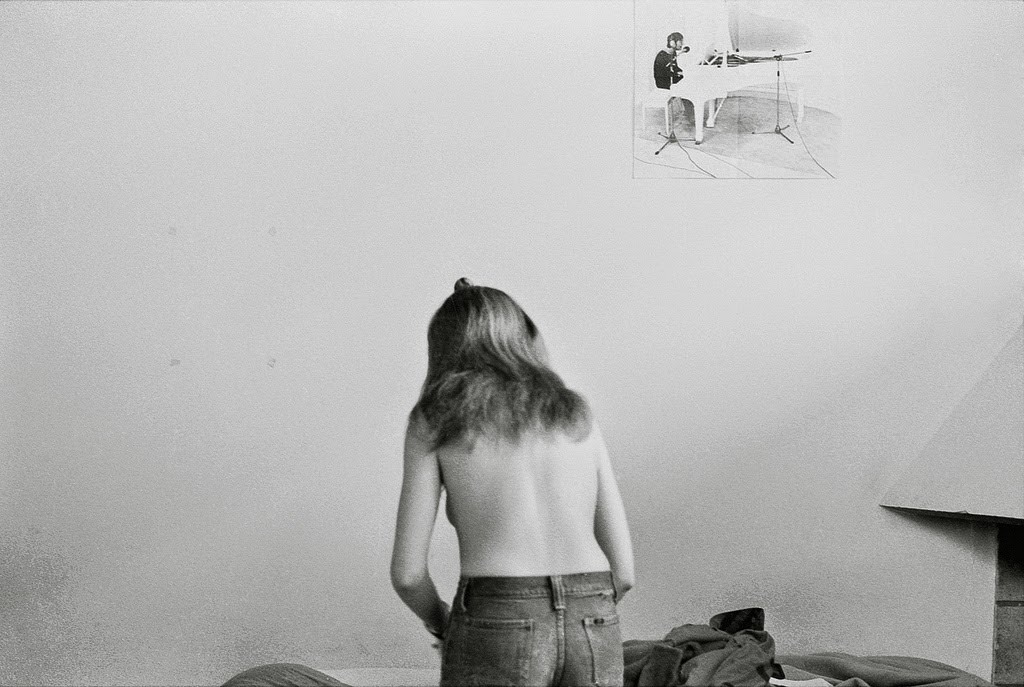
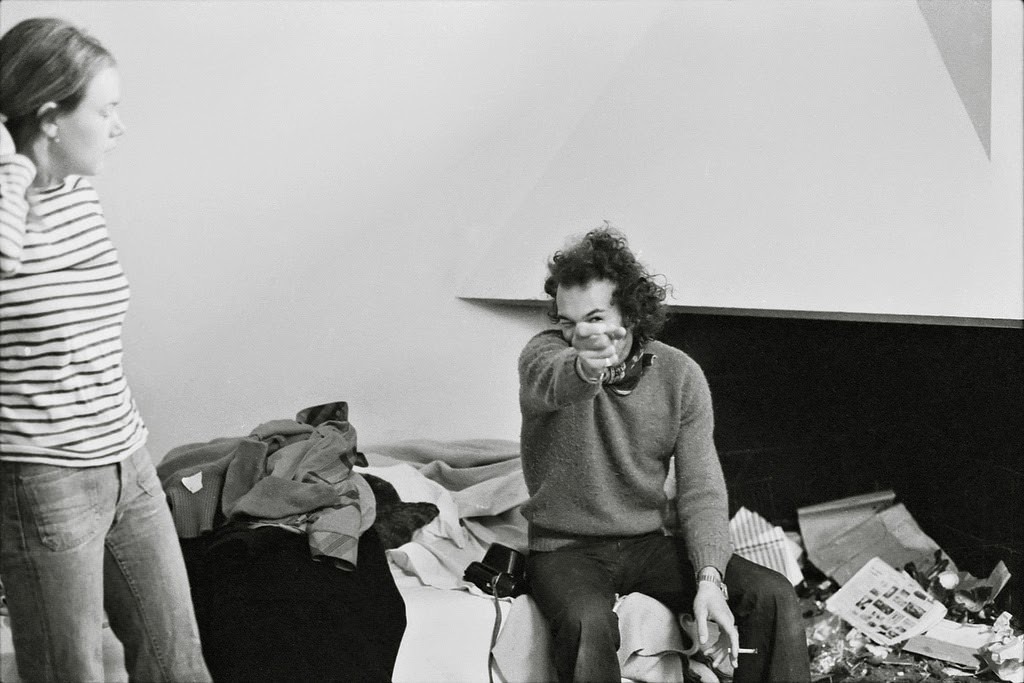
Music echoed from apartment windows and record shops. Rock and roll records from the United States and Britain played alongside local French pop tunes. Radios blared in public parks where youths gathered on weekend afternoons.
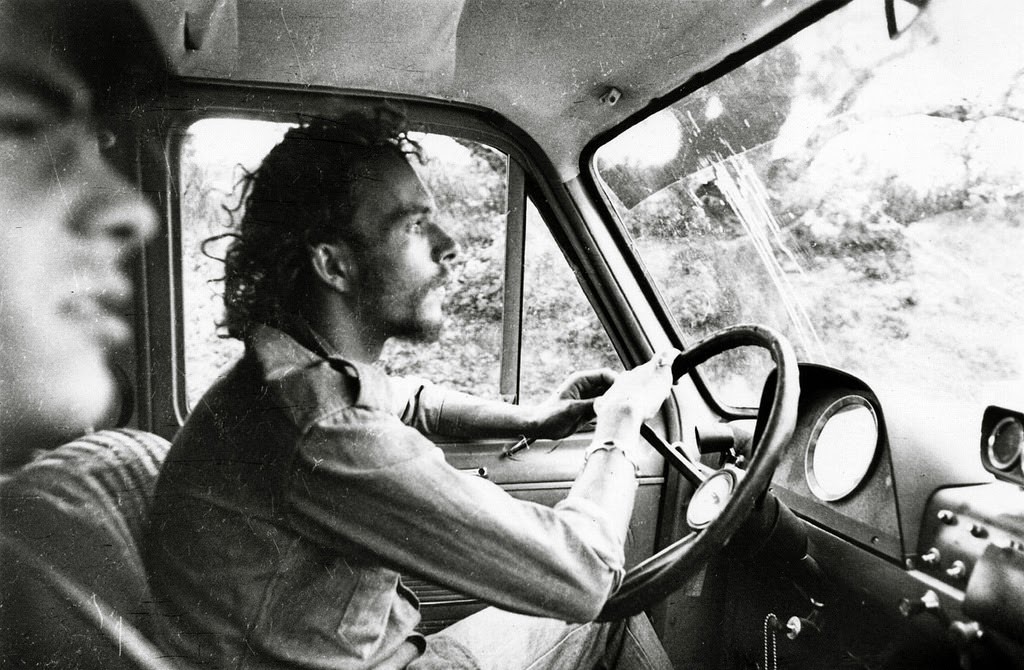
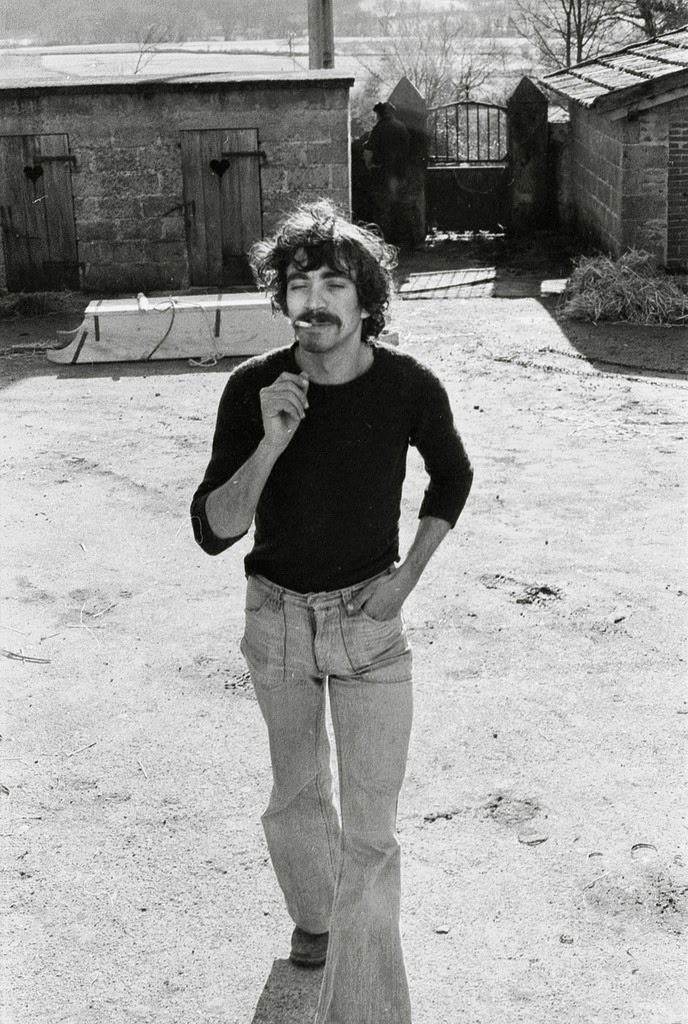
Political activism remained a strong force after the massive student protests of May 1968. Small groups handed out pamphlets on street corners. Demonstrators marched past stone buildings to demand labor reforms and lower tuition costs.
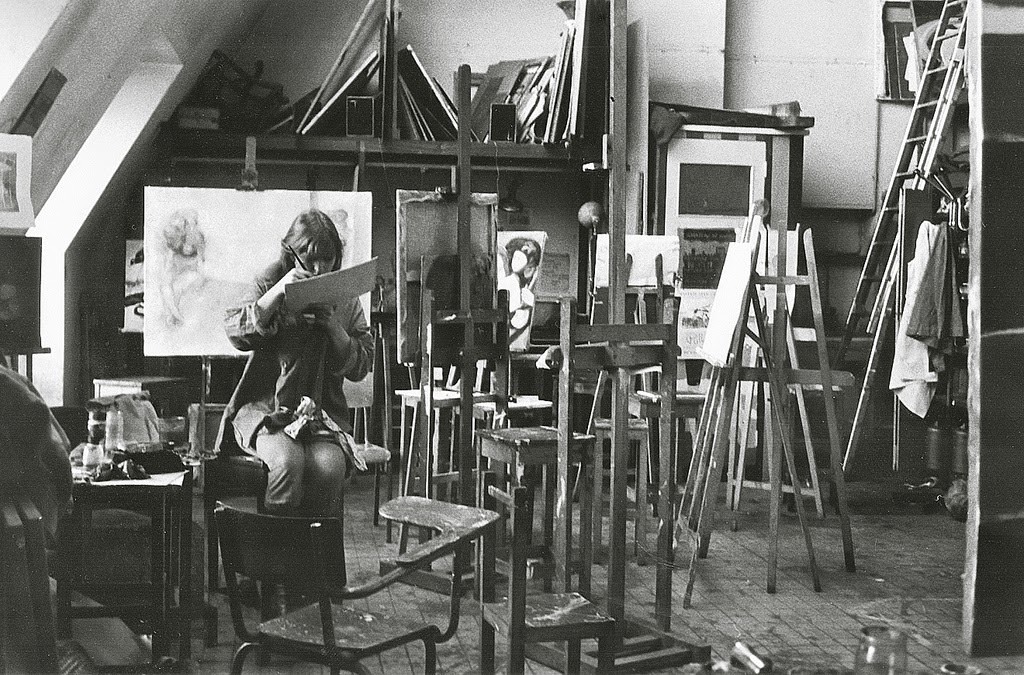
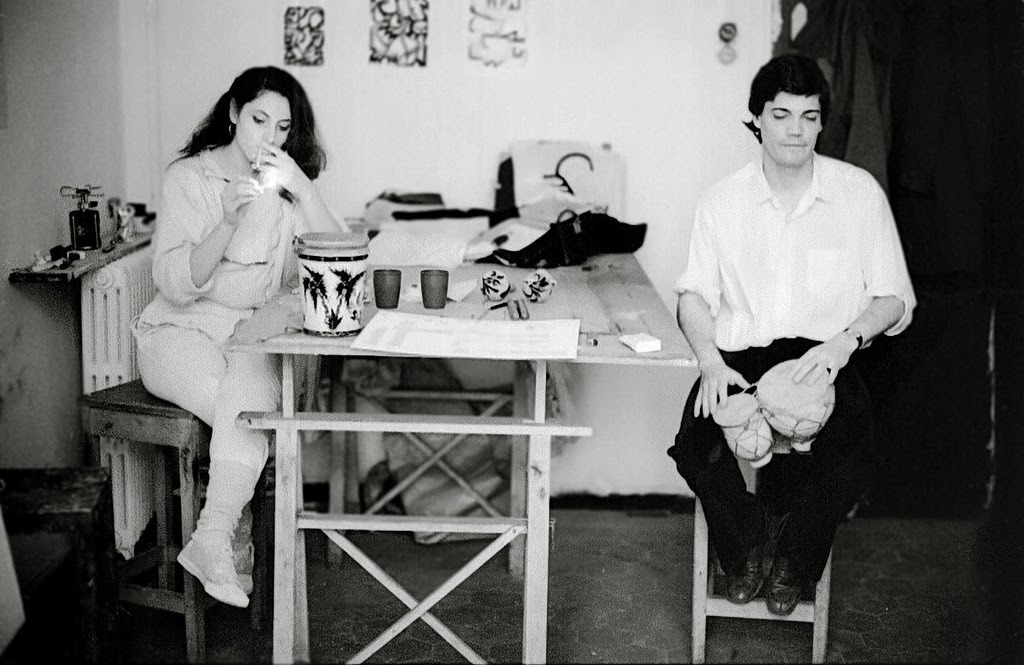
Skateboards and bicycles became popular transportation methods for teenagers navigating narrow cobblestone alleyways. Delivery vans and small cars honked at pedestrians who crossed streets without looking.
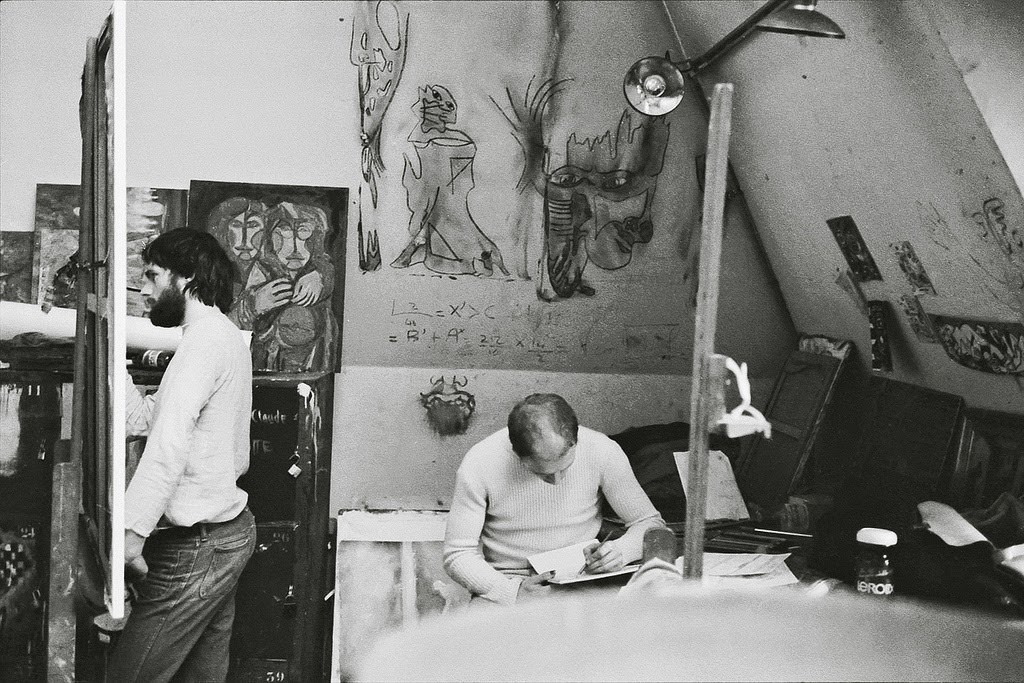
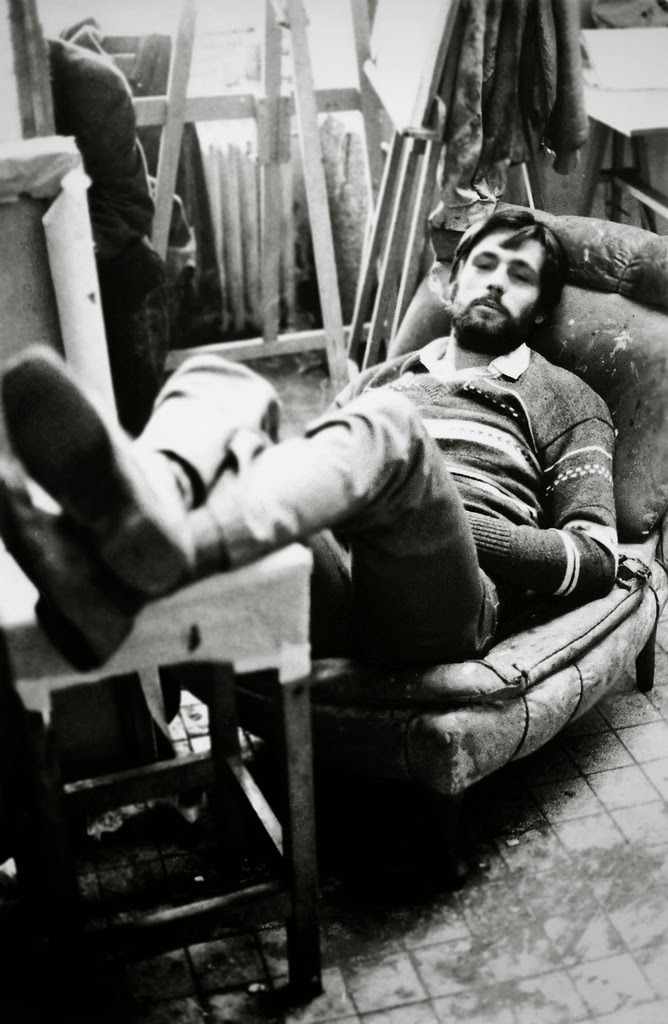
Movie theaters on the Champs-Élysées drew huge crowds of teenagers waiting for late-night screenings. Ticket prices were low enough for students to afford weekend entertainment.
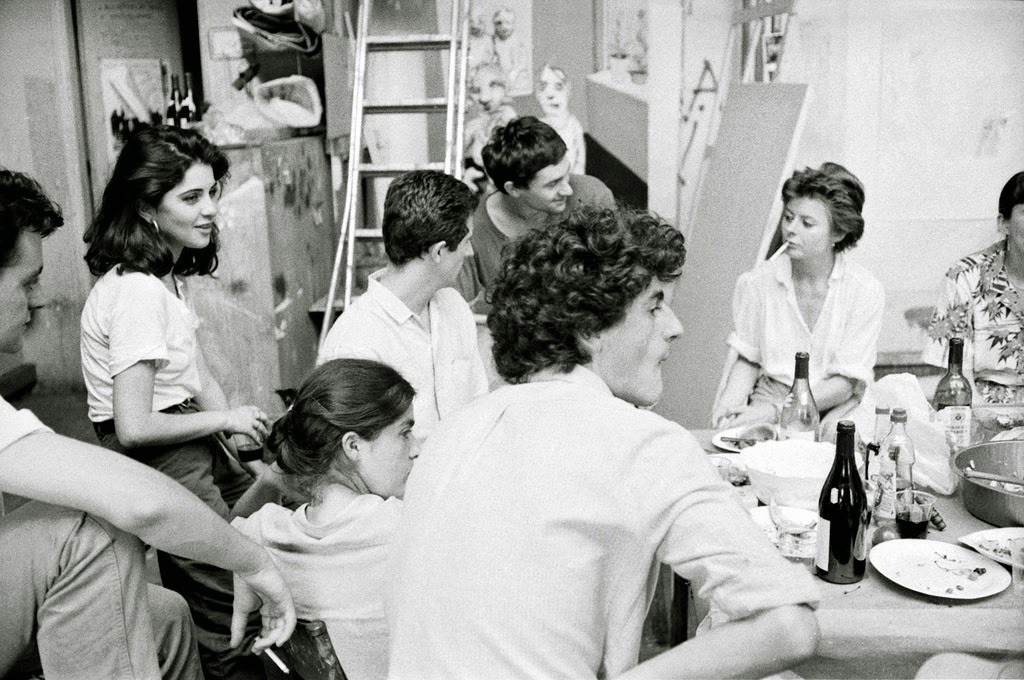
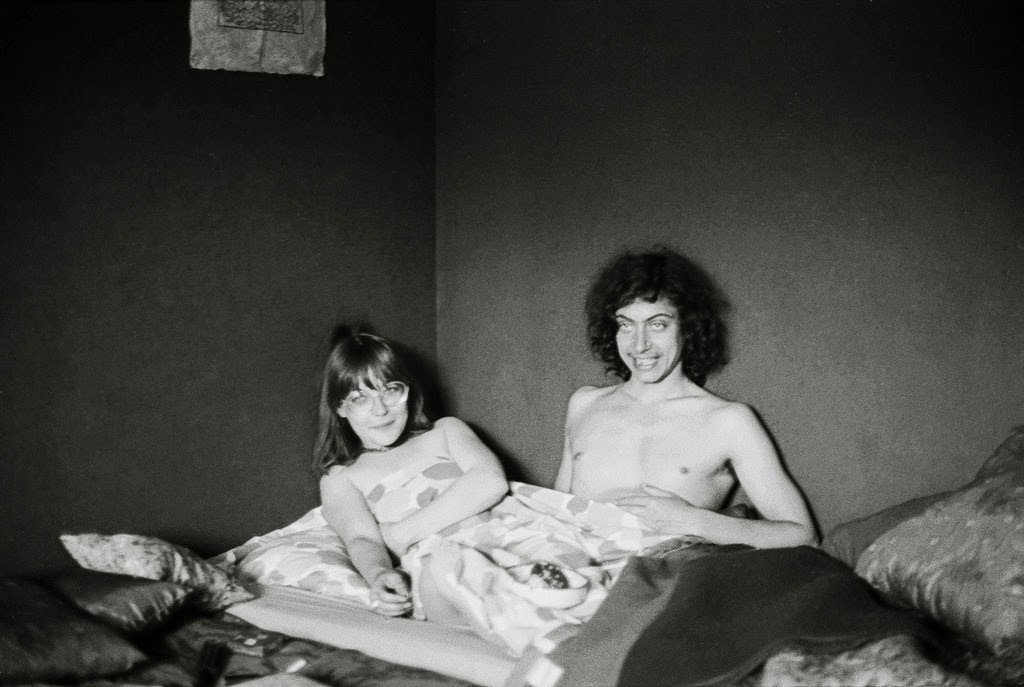
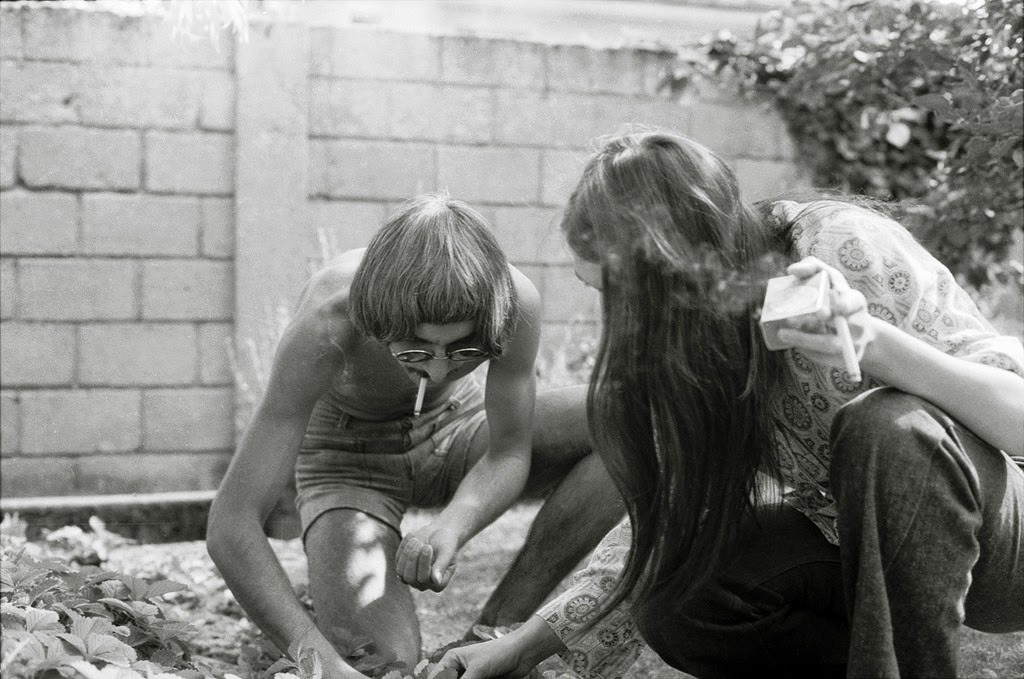
Romance played out on park benches and metro platforms. Couples shared cigarettes and whispered secrets while waiting for the underground train to arrive.
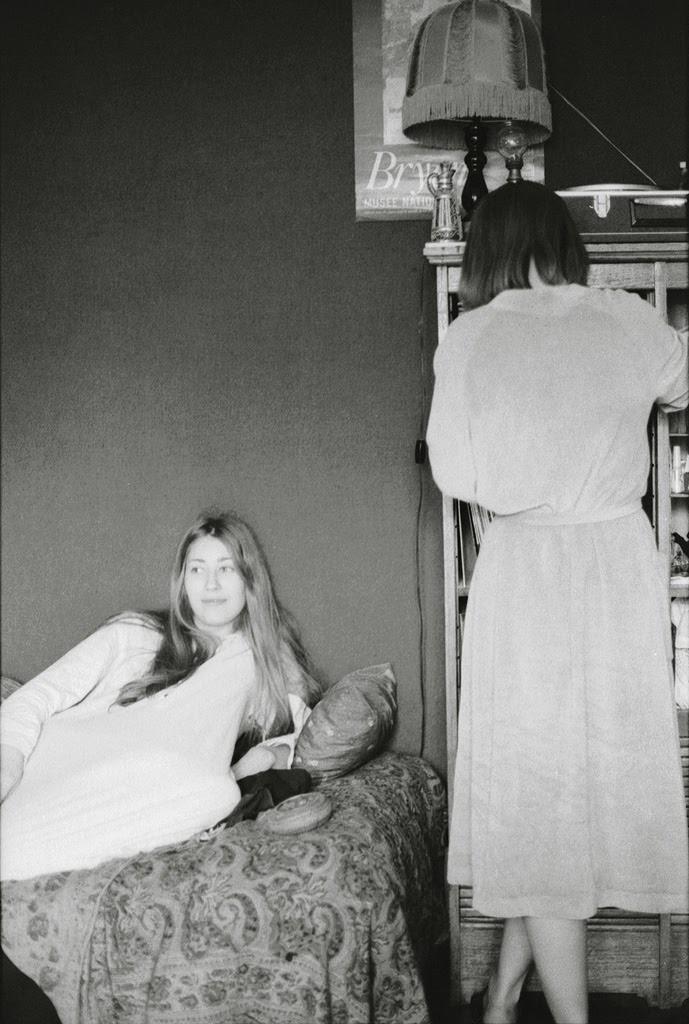
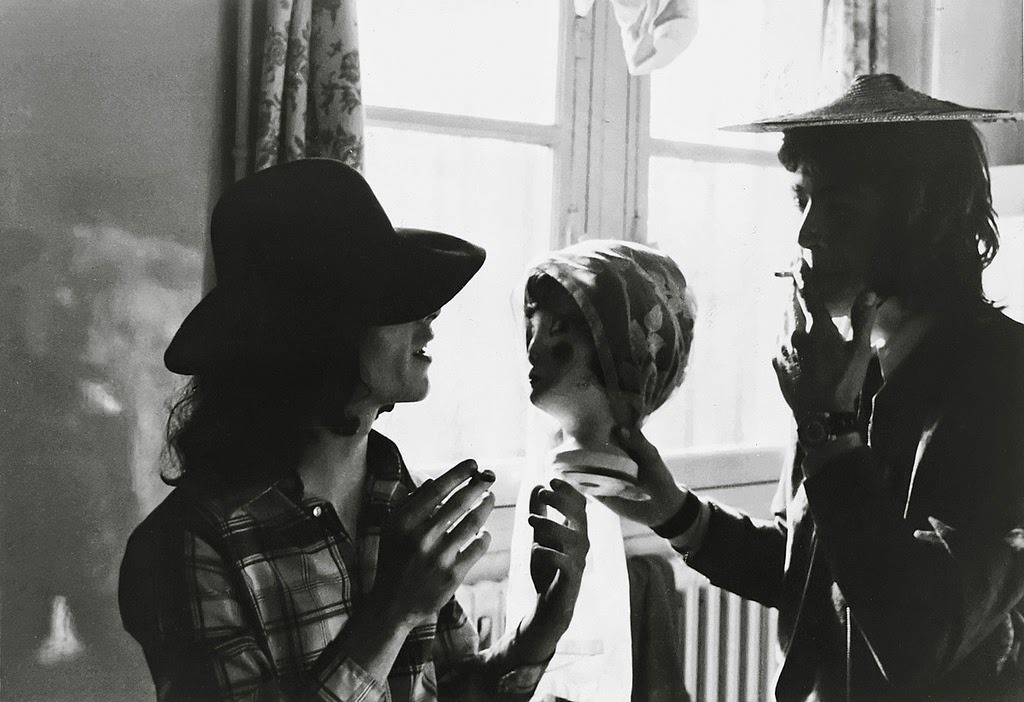
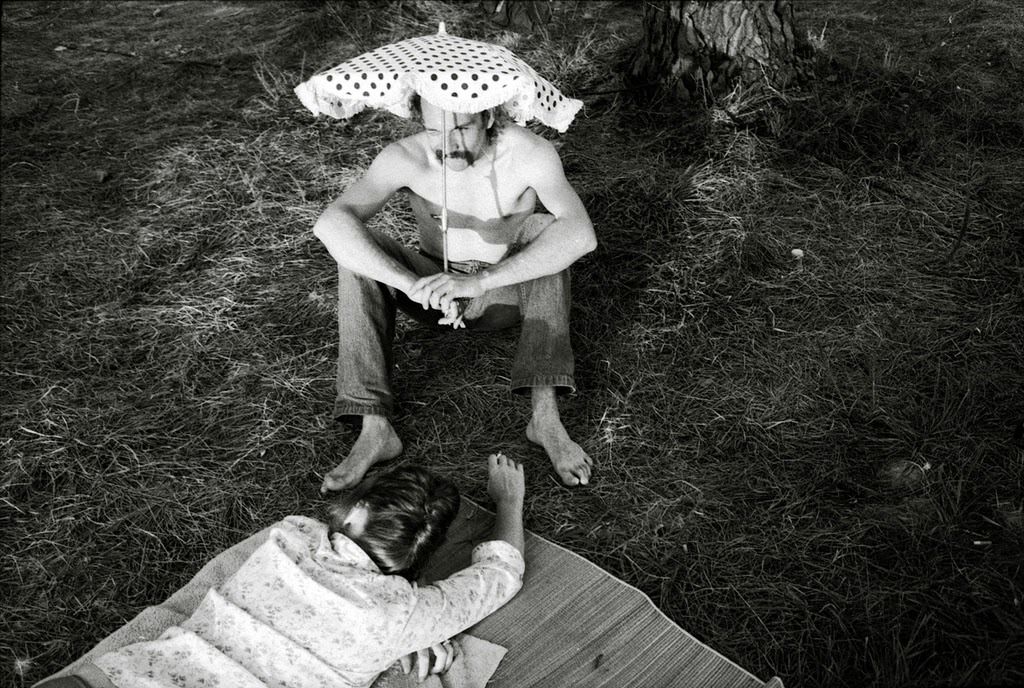
Weekend trips outside the city center brought groups to public parks like the Bois de Boulogne. They brought portable record players, blankets, and wine bottles for afternoon picnics.
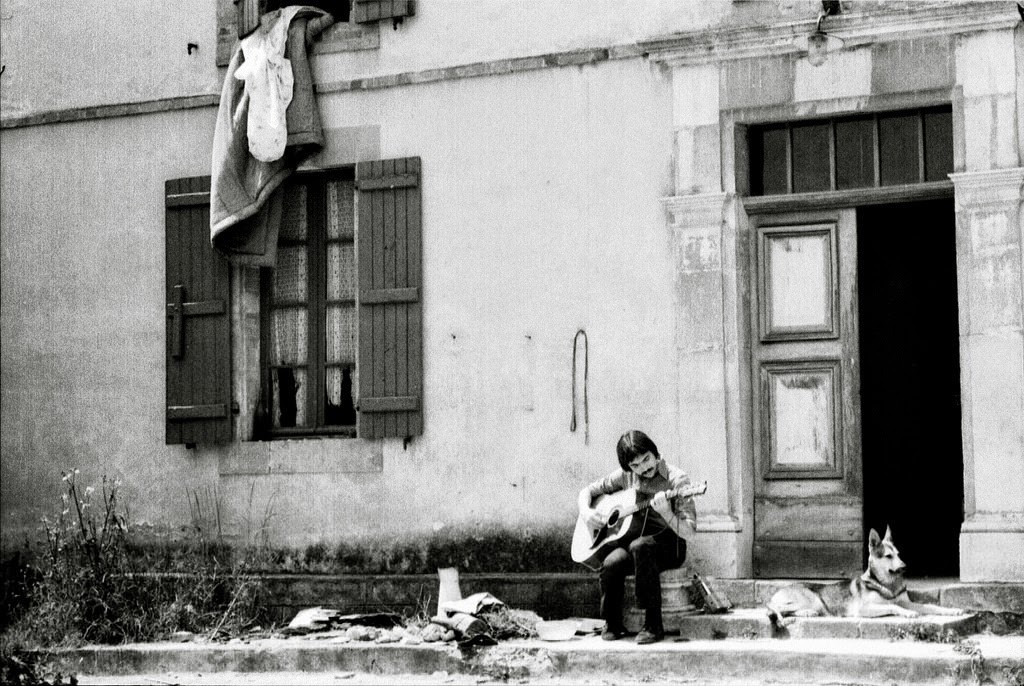
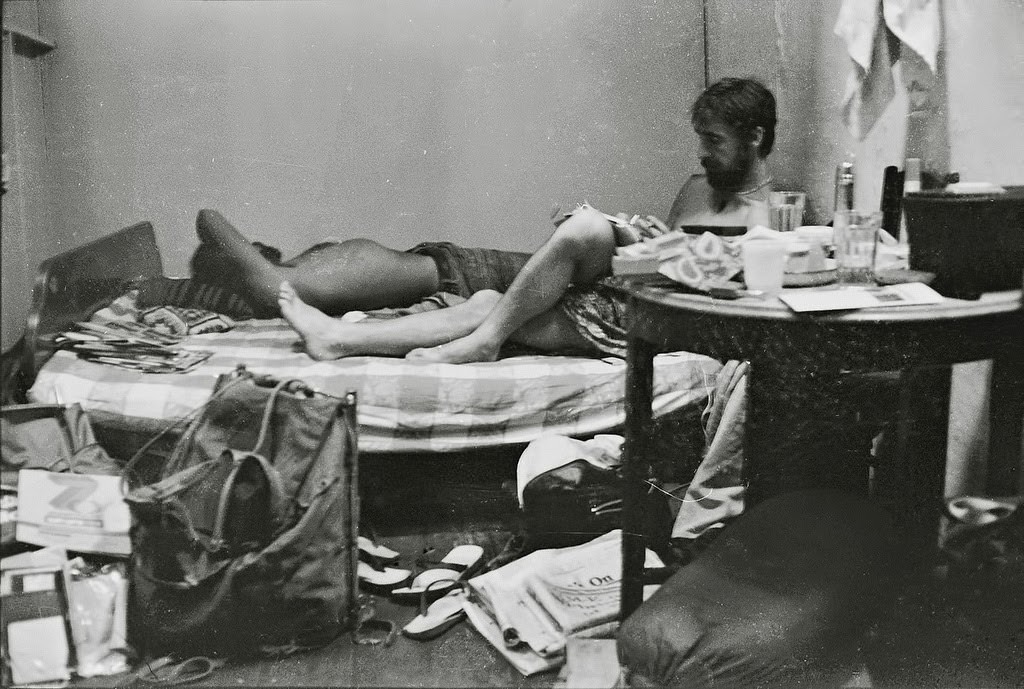
Part-time jobs at bakeries and bookstores helped students pay for small rented rooms in older apartment buildings. These rooms often lacked private bathrooms and heat.
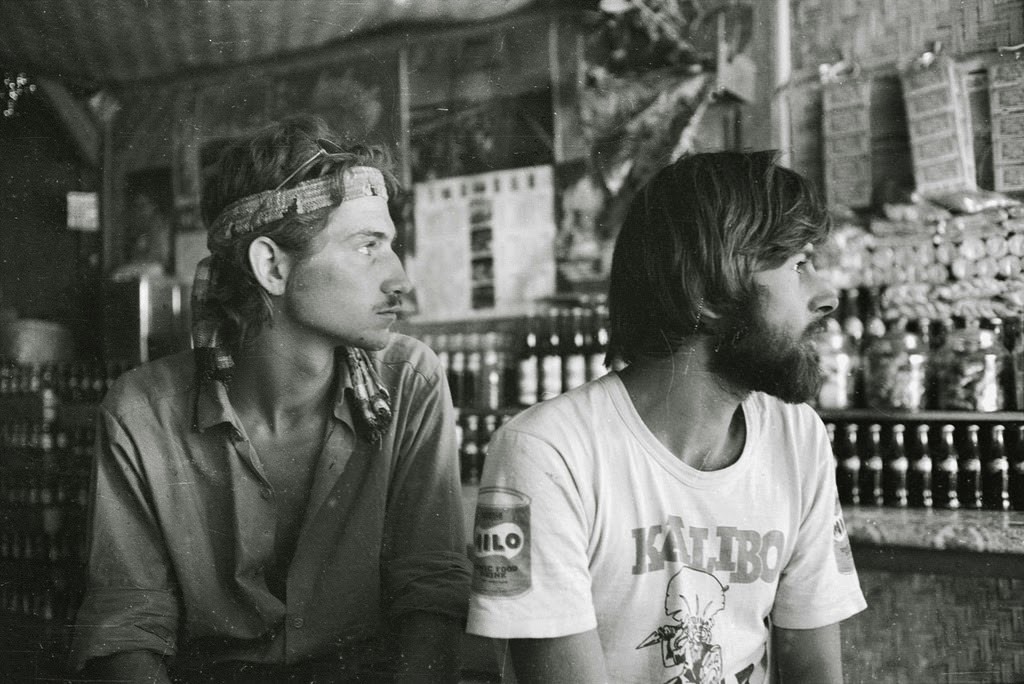
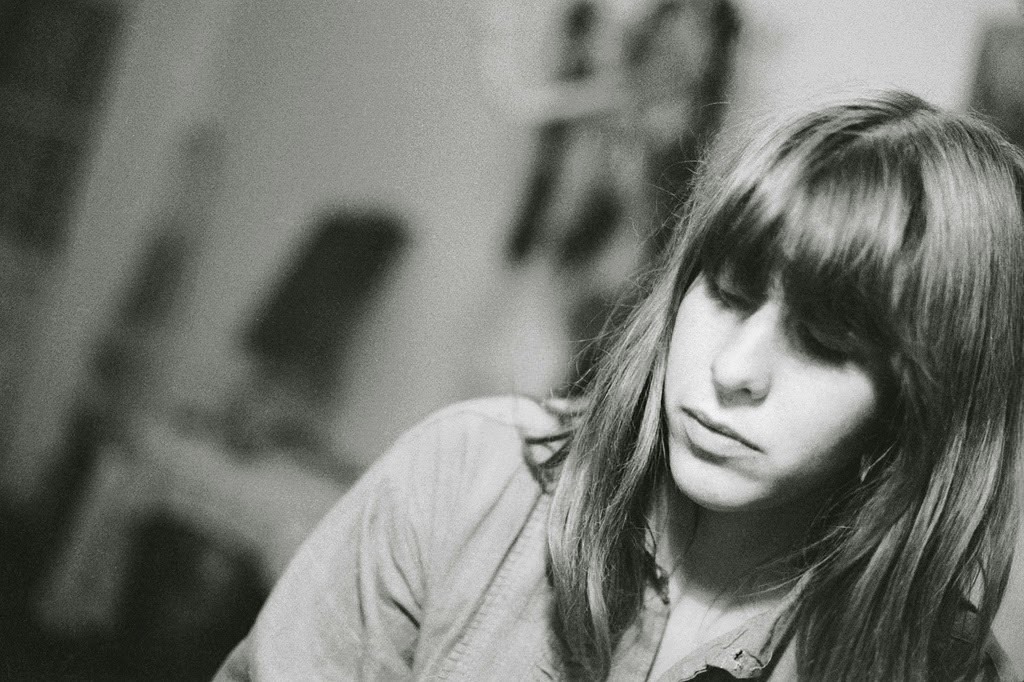
Art students carried heavy portfolio cases filled with charcoal sketches and oil paintings. They attended classes at the École des Beaux-Arts before heading to local bars.
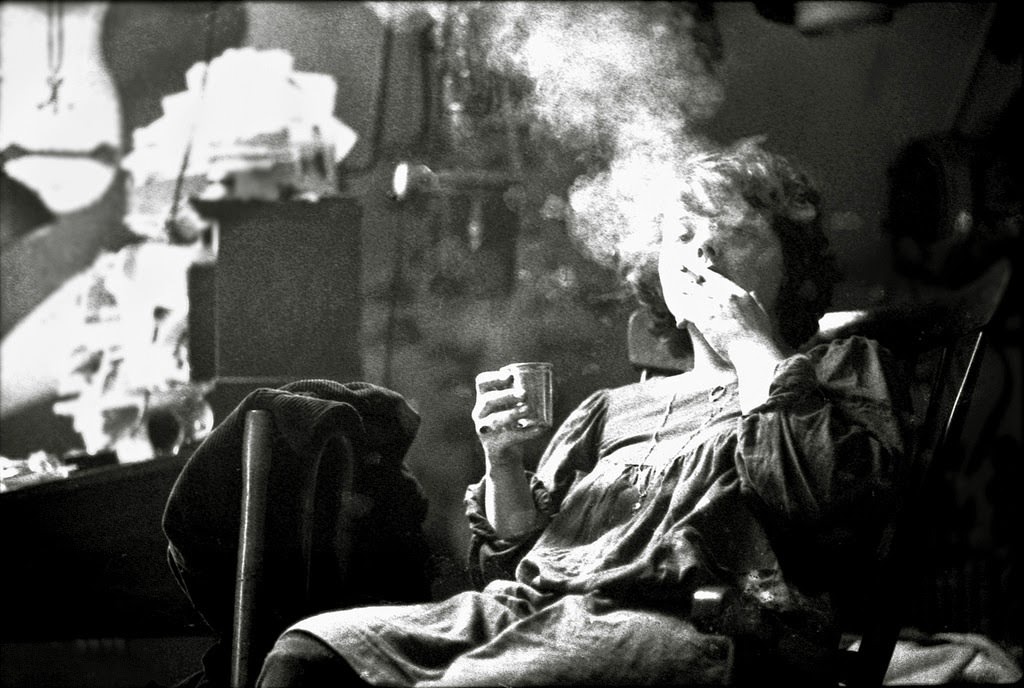
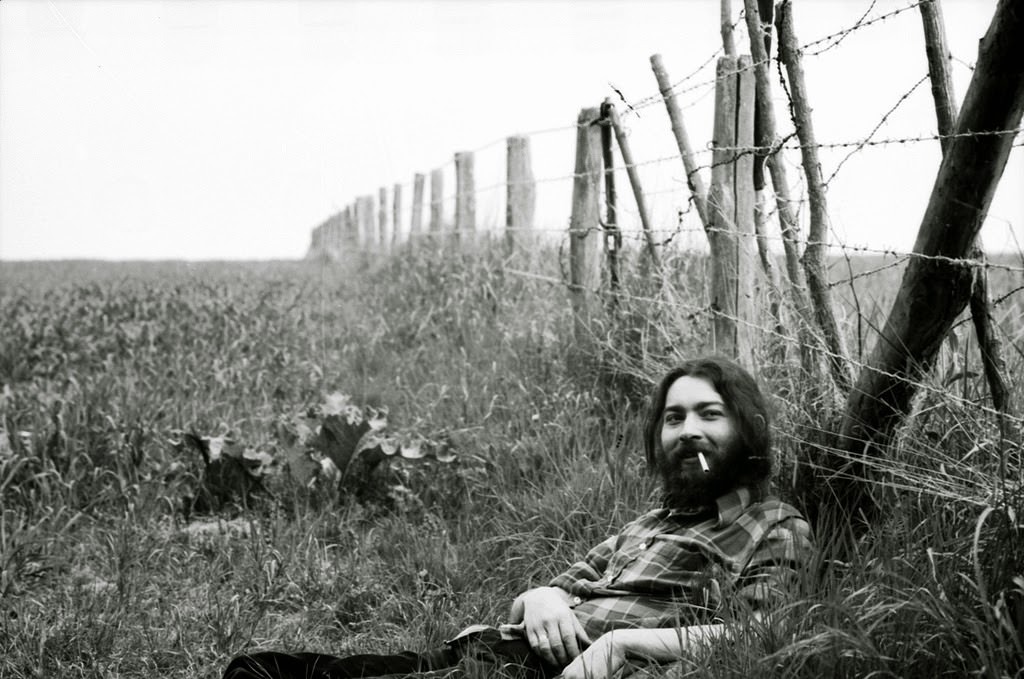
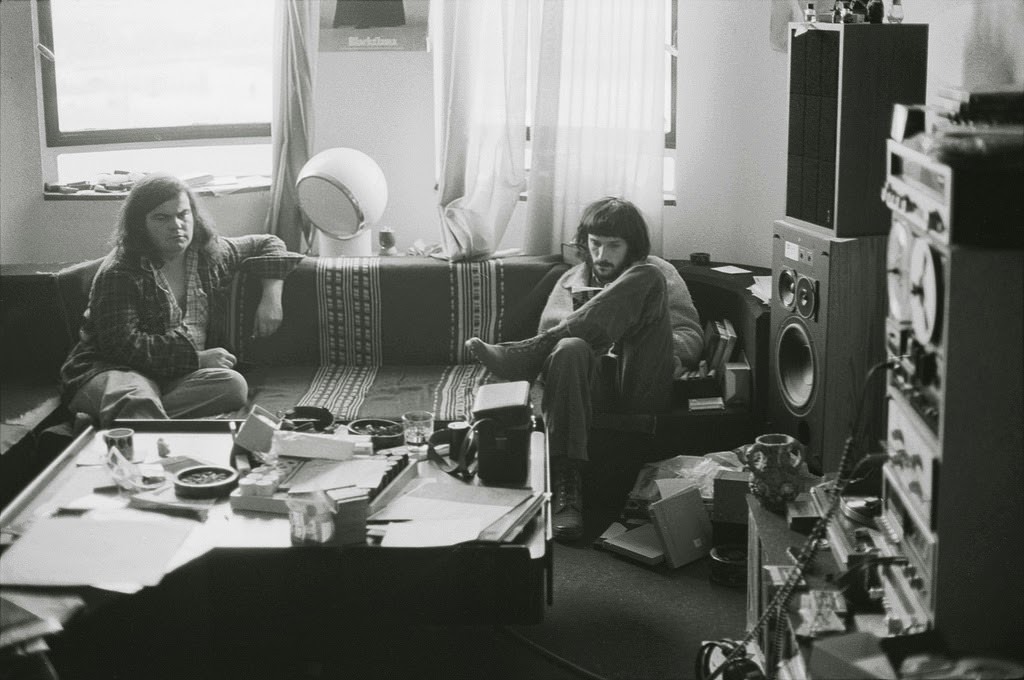
Public transportation systems ran late into the night. Crowded metro cars carried tired teenagers home after long evenings spent talking in dimly lit apartments.
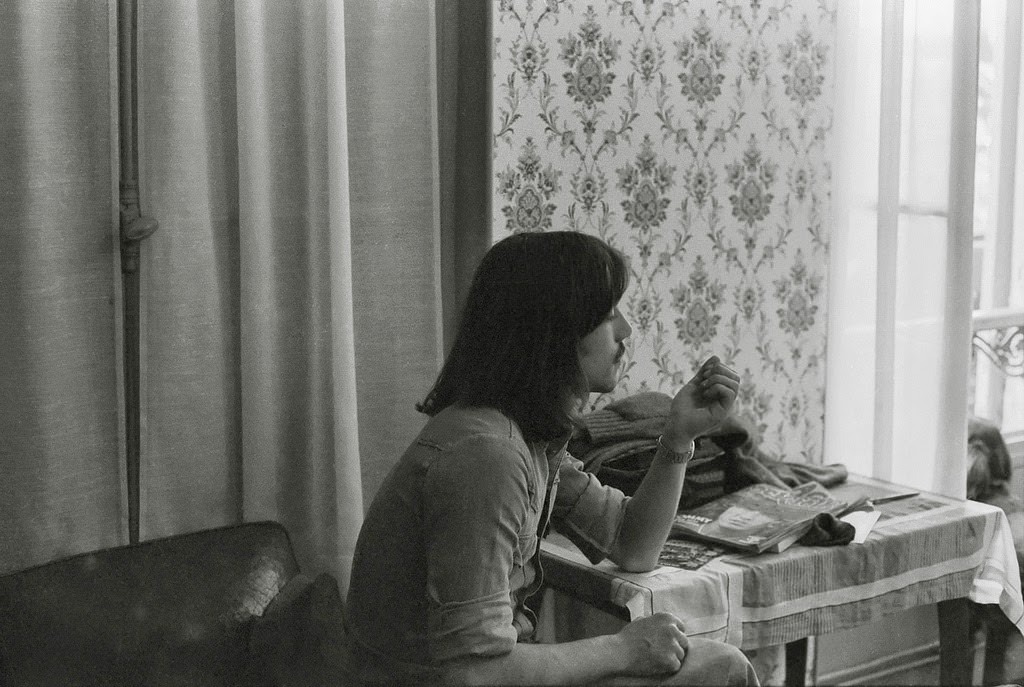
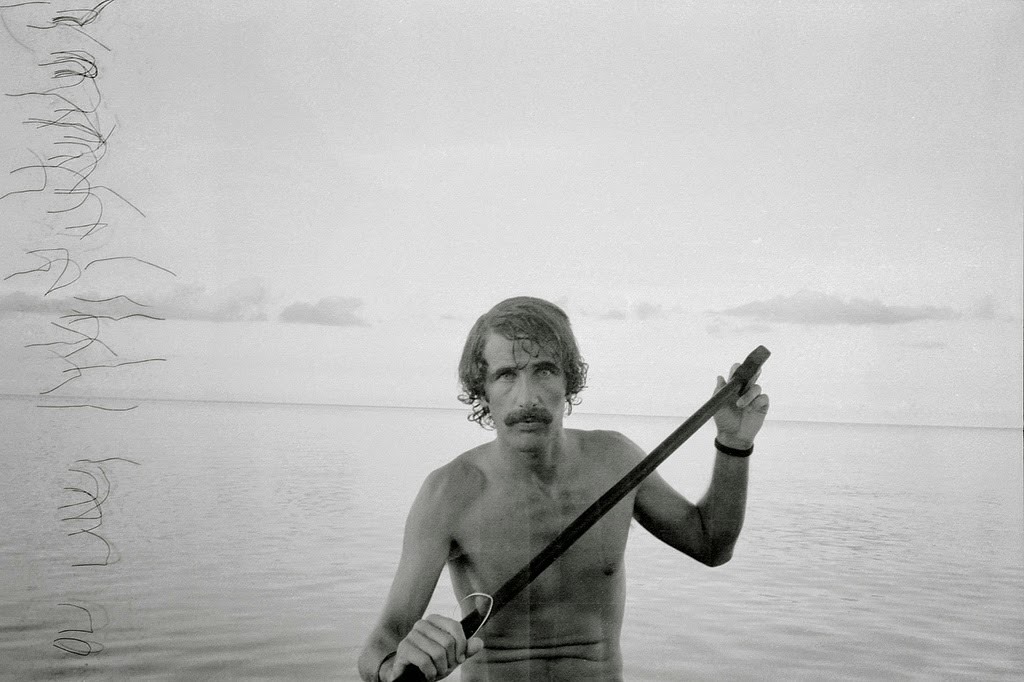
Street markets buzzed with noise as vendors sold fresh bread, cheese, and vegetables. Young buyers searched for cheap ingredients to cook communal meals in cramped kitchens.
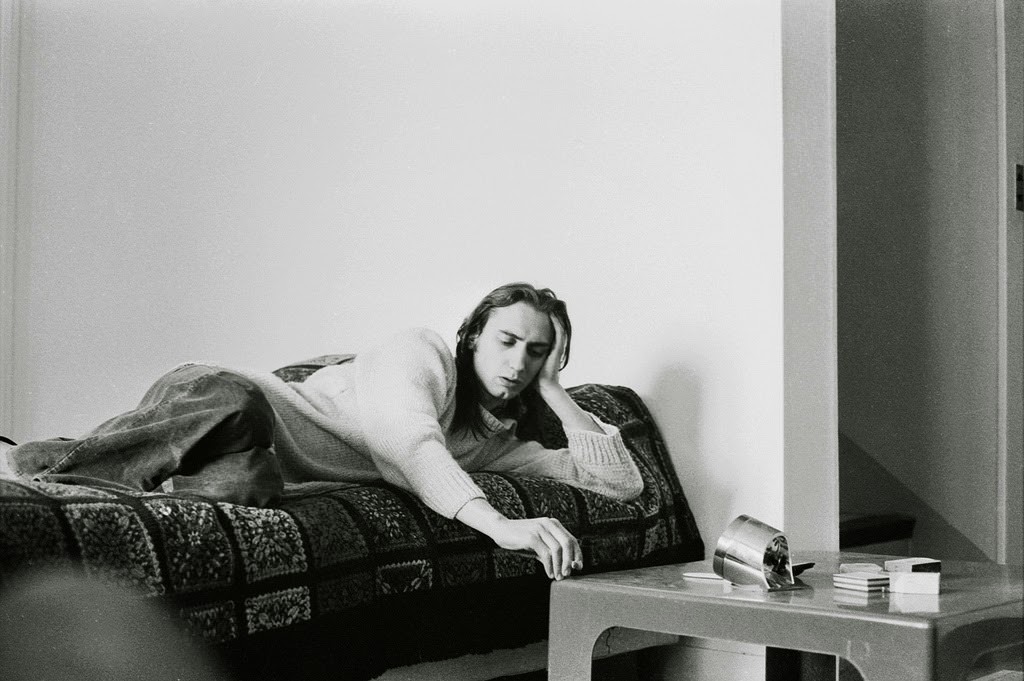
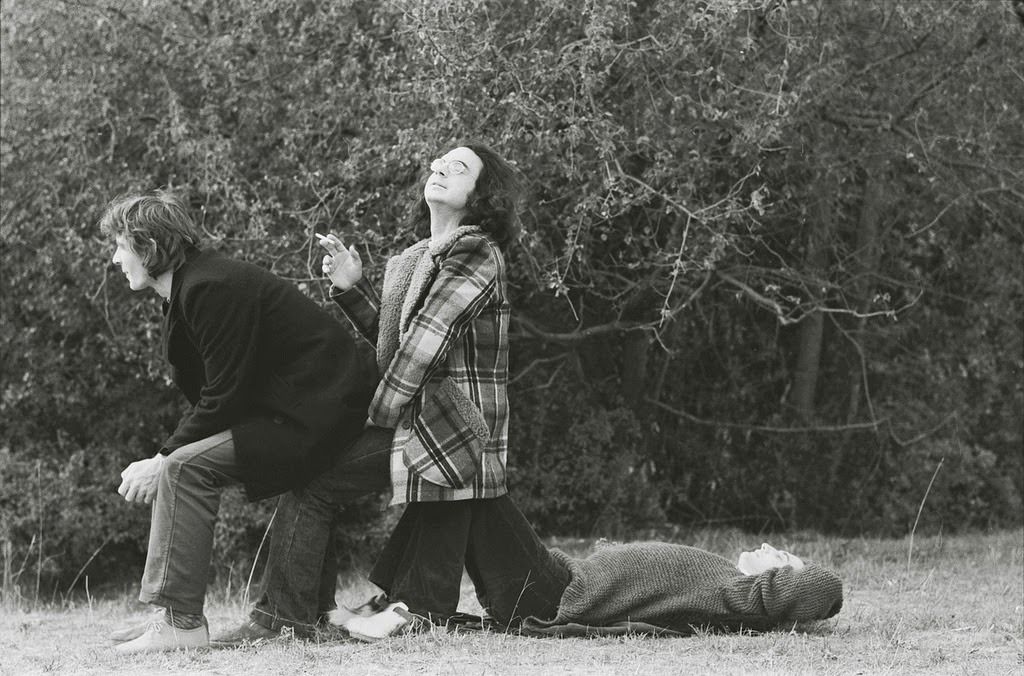
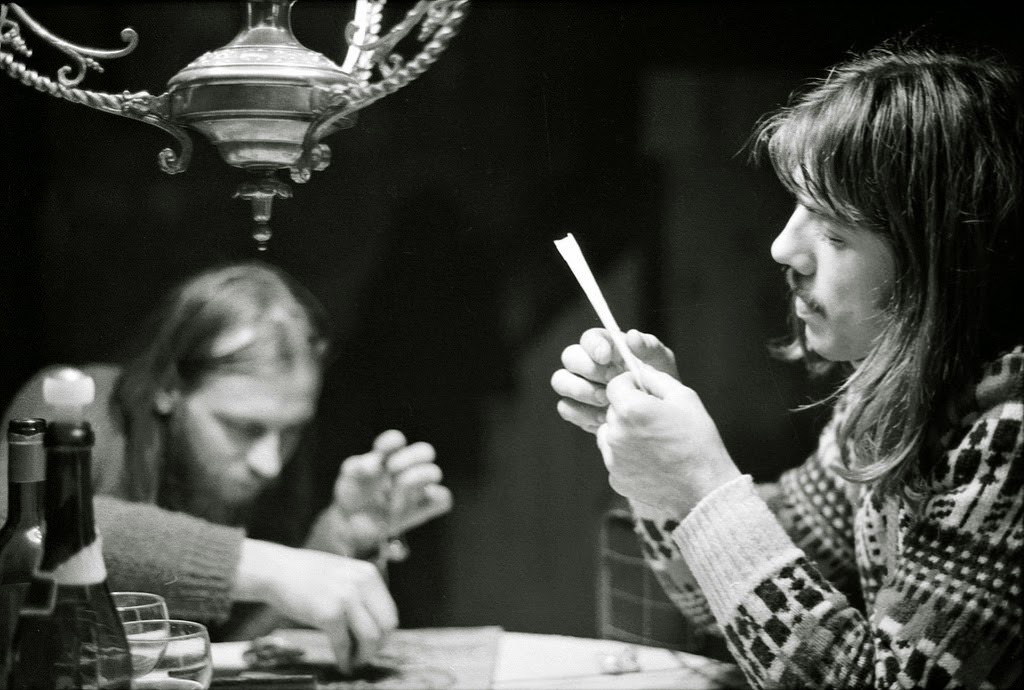
Photography clubs and amateur cameras captured these unfiltered moments. Friends took pictures of one another on cheap film cameras without posing for formal portraits.
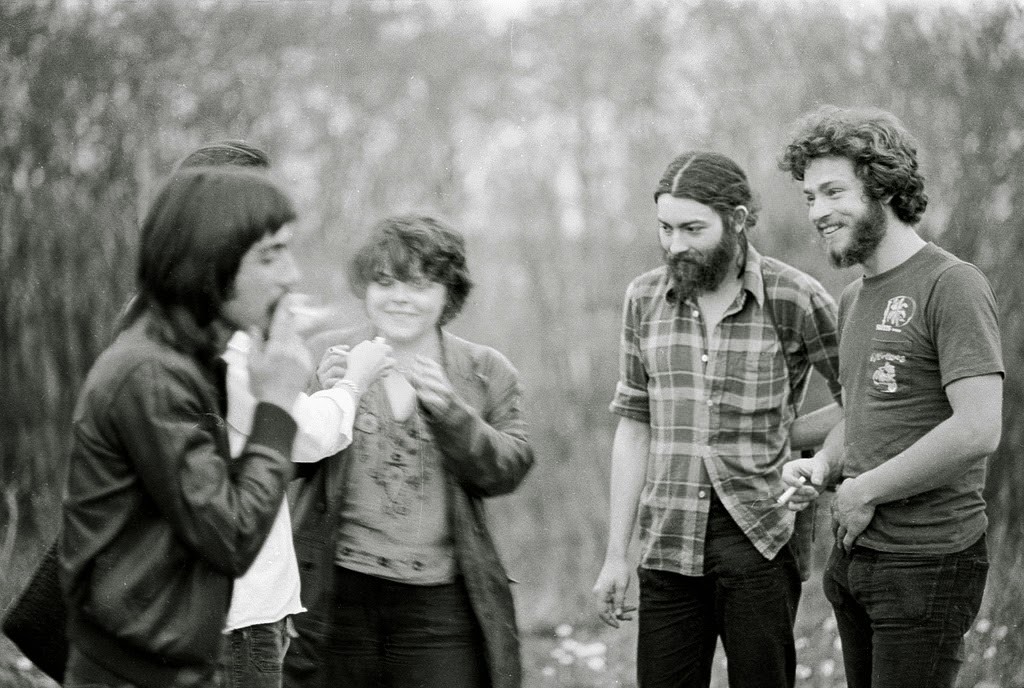
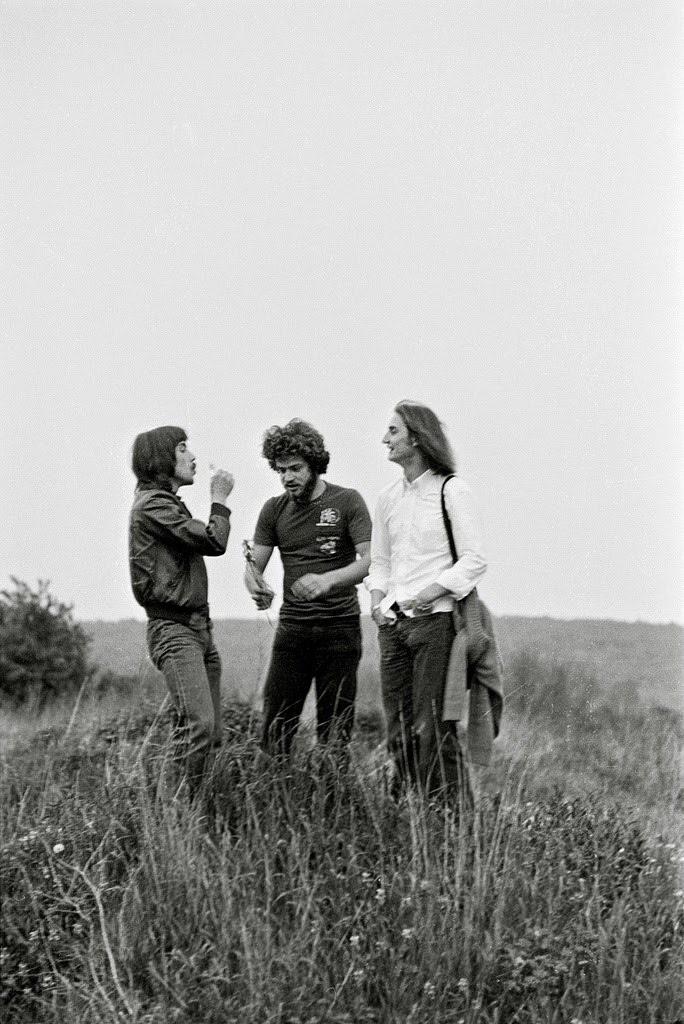
Winter weather brought heavy coats and scarves. Snow fell on the metal rooftops of Paris, and teenagers walked along the frozen bridges of the river.
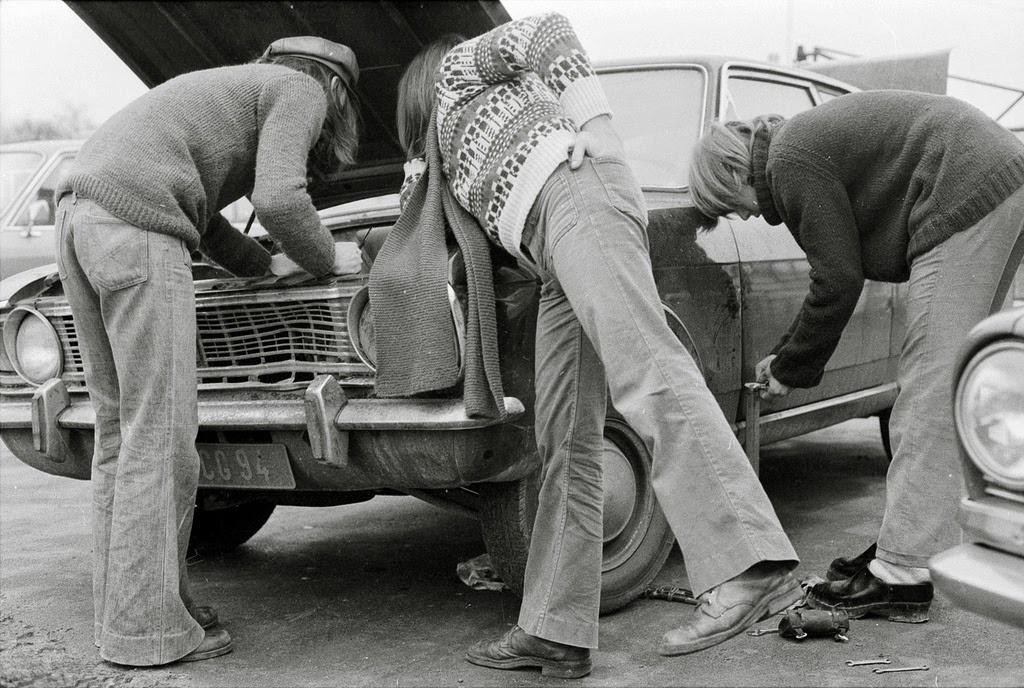
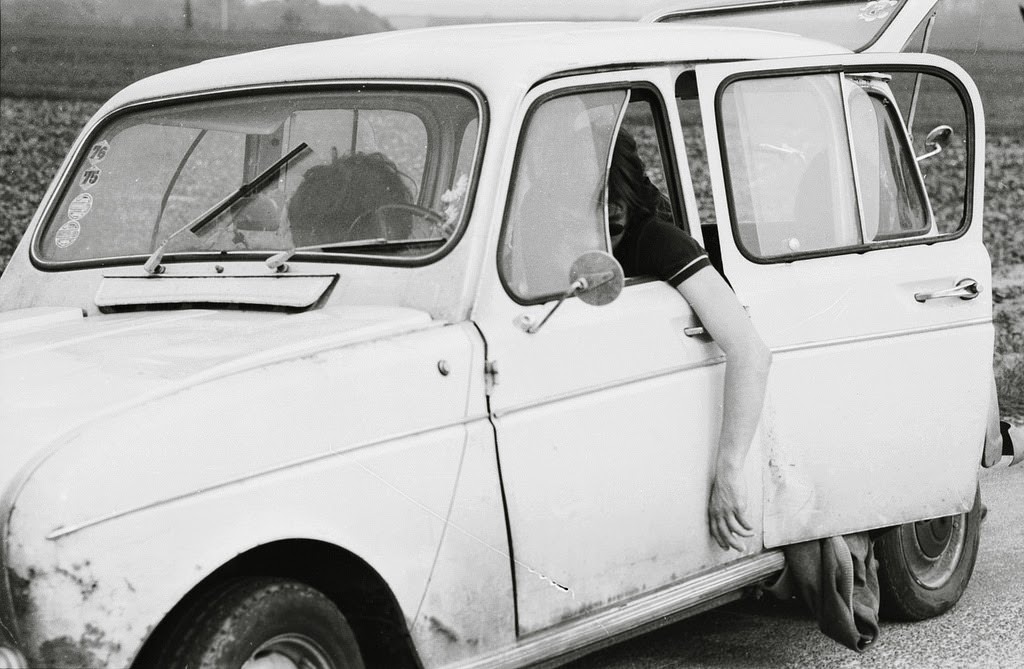
Summer heat sent people to public fountains where children splashed. Young adults sat on the stone ledges to cool their feet in the water.
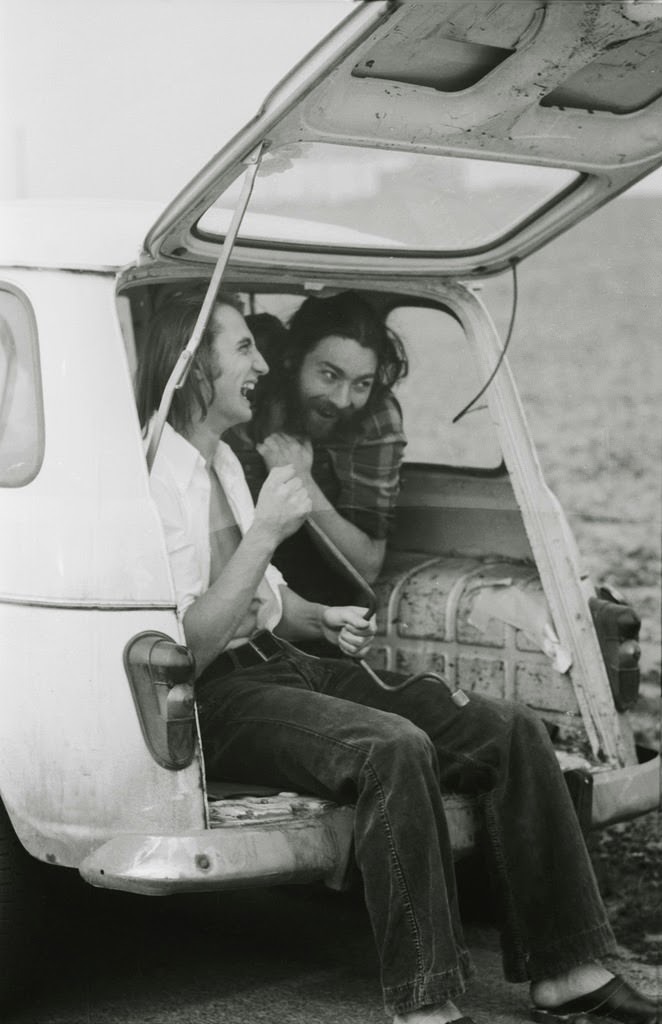
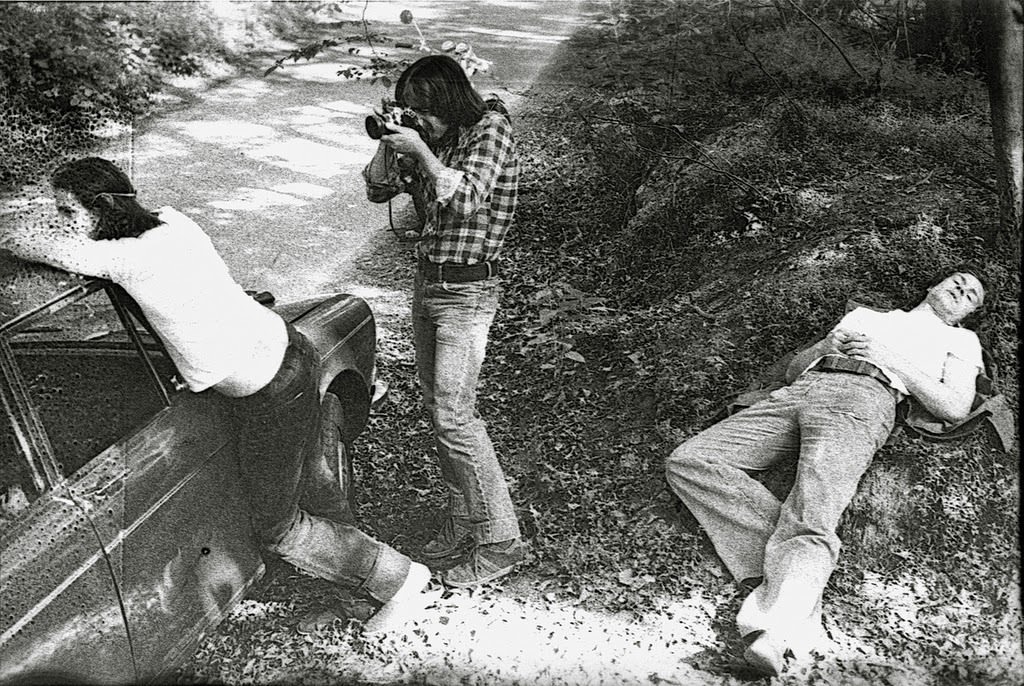
Nightlife extended past midnight in clubs playing early electronic music and disco tracks. Neon signs flashed against the dark stone facades of historic buildings.
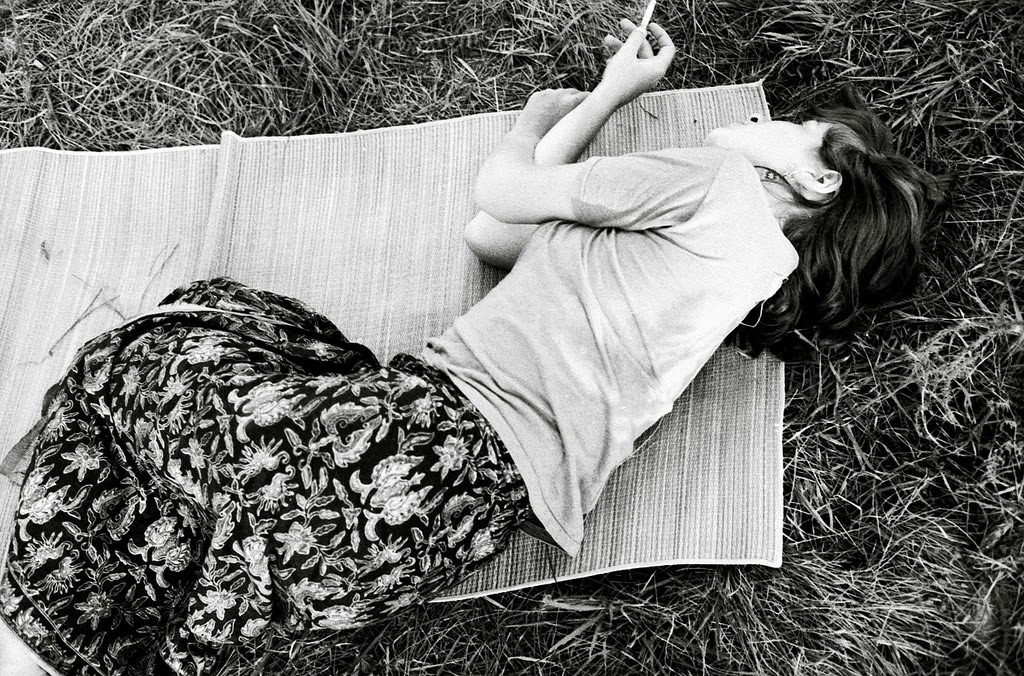
Newspapers reported on rising youth unemployment rates by the end of the decade. Economic shifts began to alter the daily routines of the generation.
By December 1979, the municipal government closed several old student meeting spots for urban renewal projects. The generation of 1970s youths entered the workforce as the new decade approached.