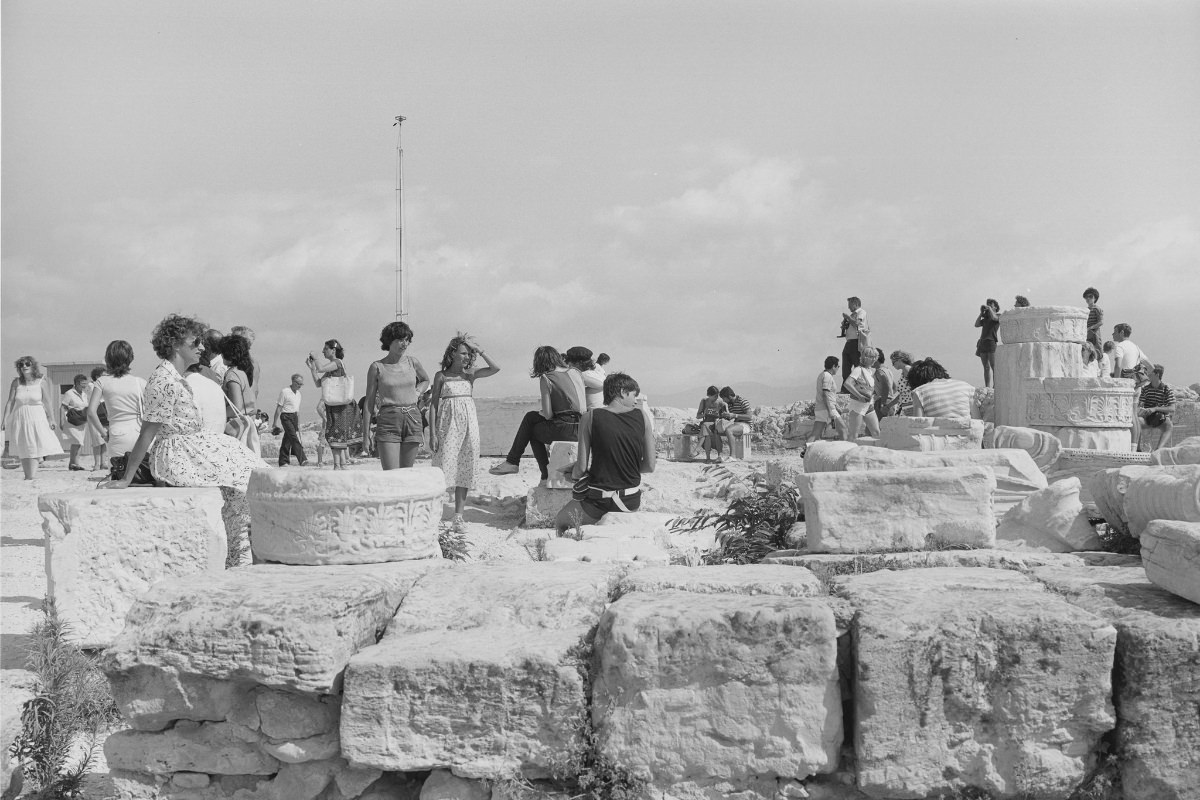
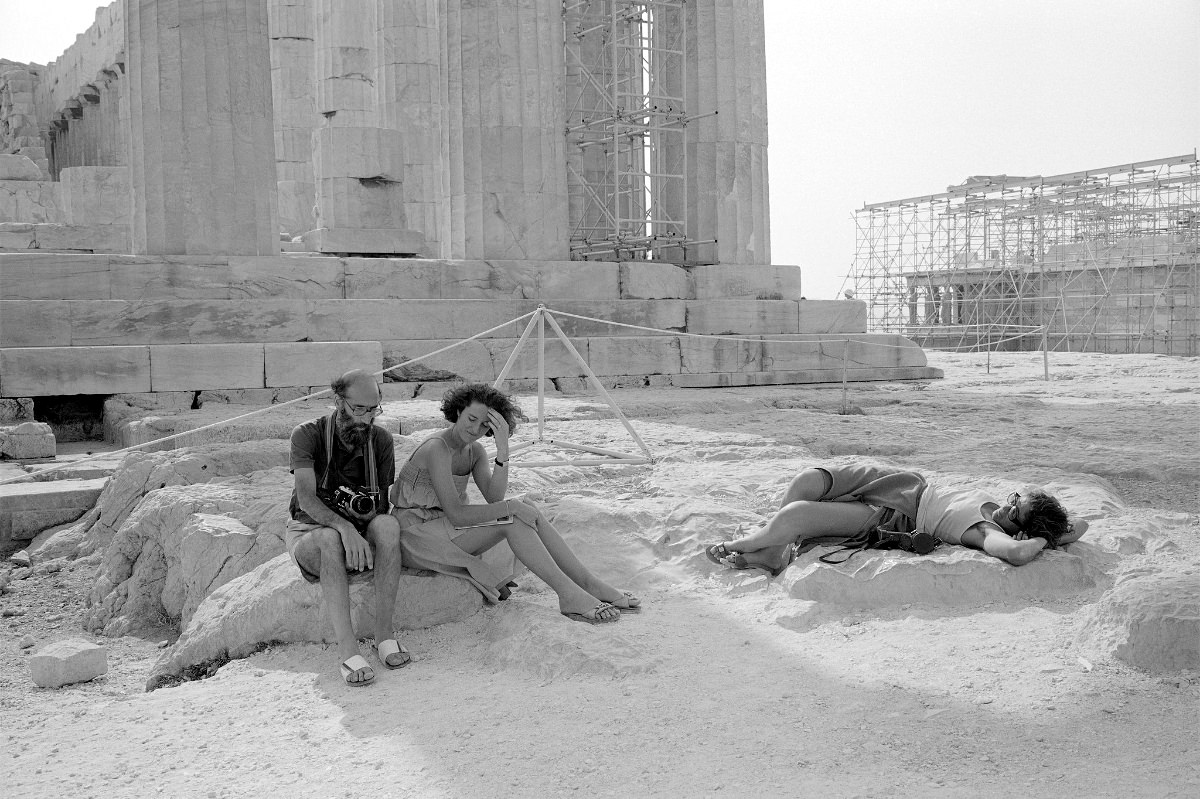
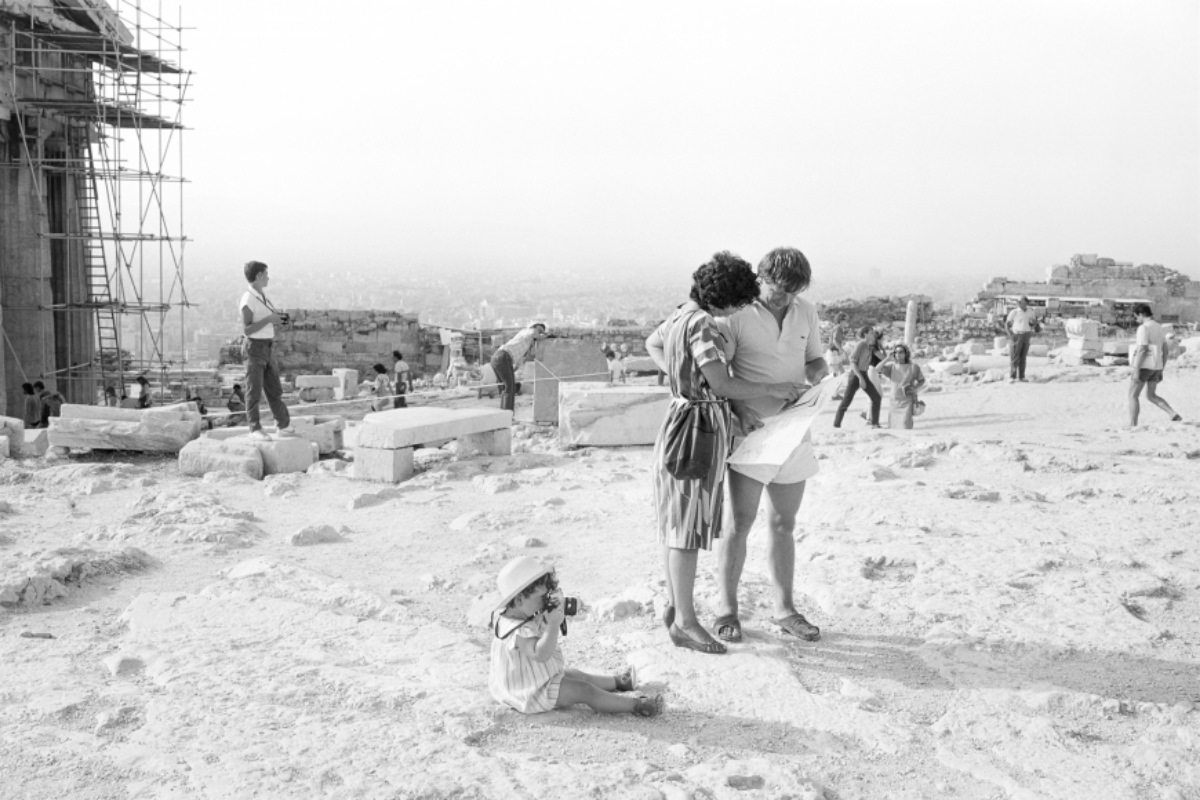
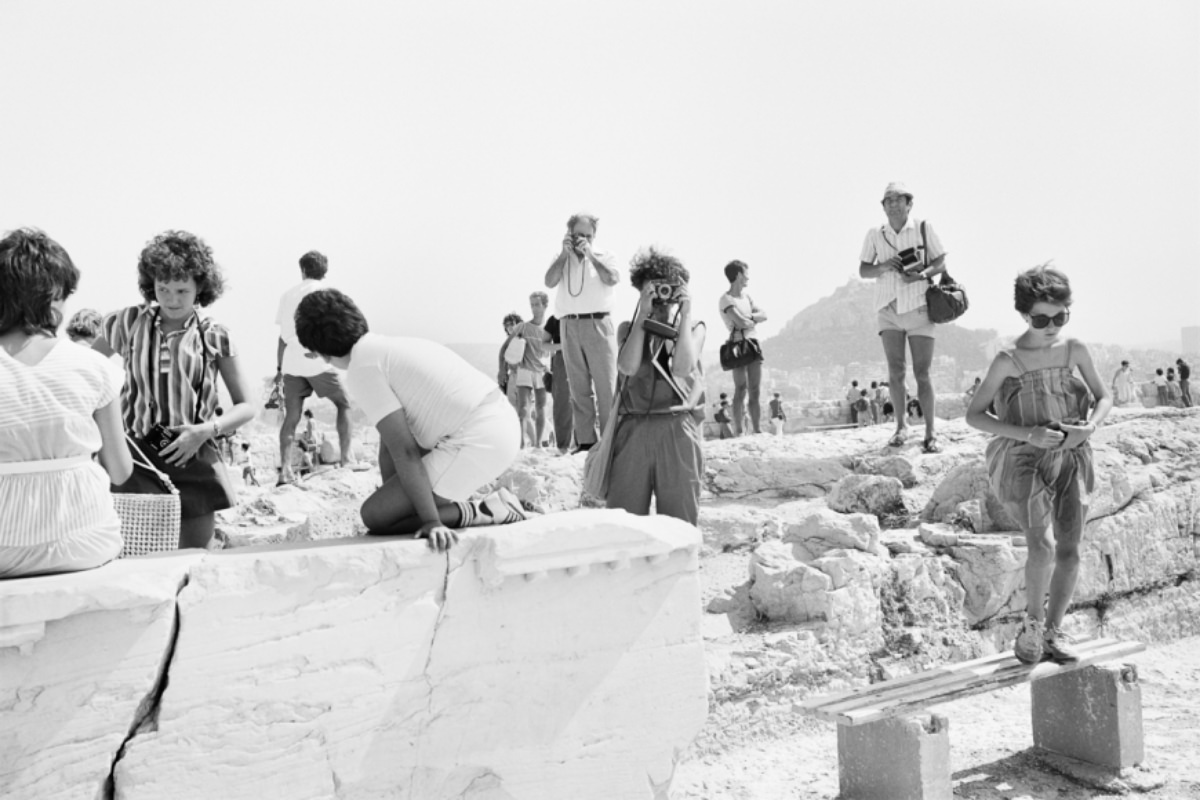
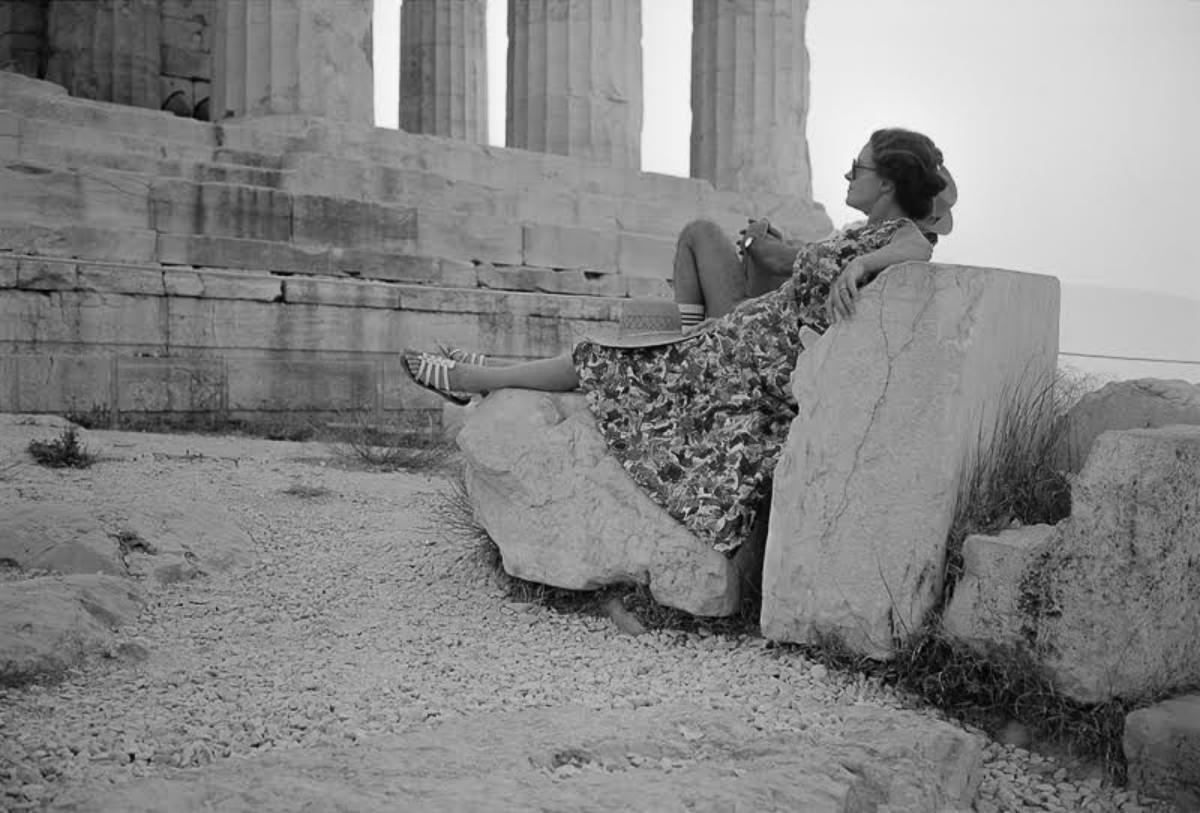
In the summers of 1983 and 1984, American photographer Tod Papageorge climbed up to the Acropolis in Athens with his camera. His goal was to photograph the people who made that same climb — tourists from around the world who came to see one of the most famous ancient sites on earth.
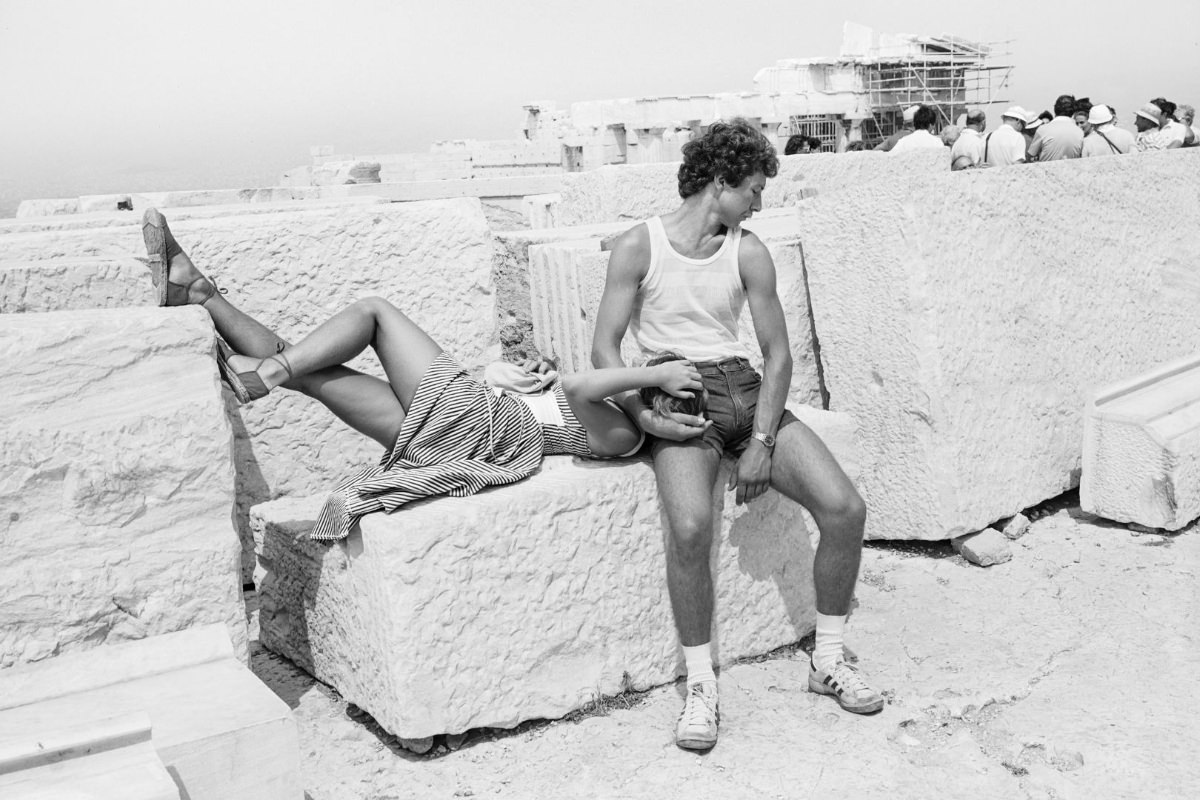
Papageorge shot in intense summer sunshine and heat. The bright light pushed his images to the far end of the tonal scale, turning figures into sharp silhouettes and clean shapes. That contrast made every posture and gesture stand out clearly — a raised arm, a turned head, two people standing side by side.
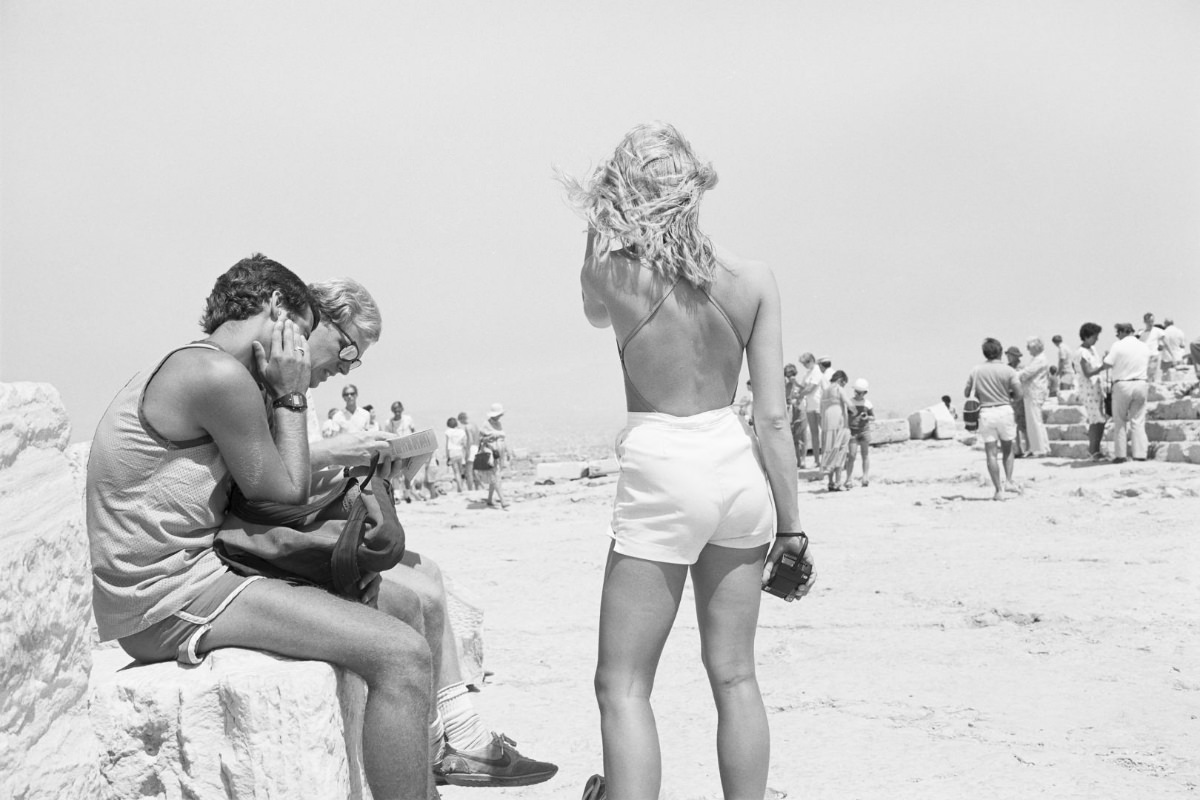
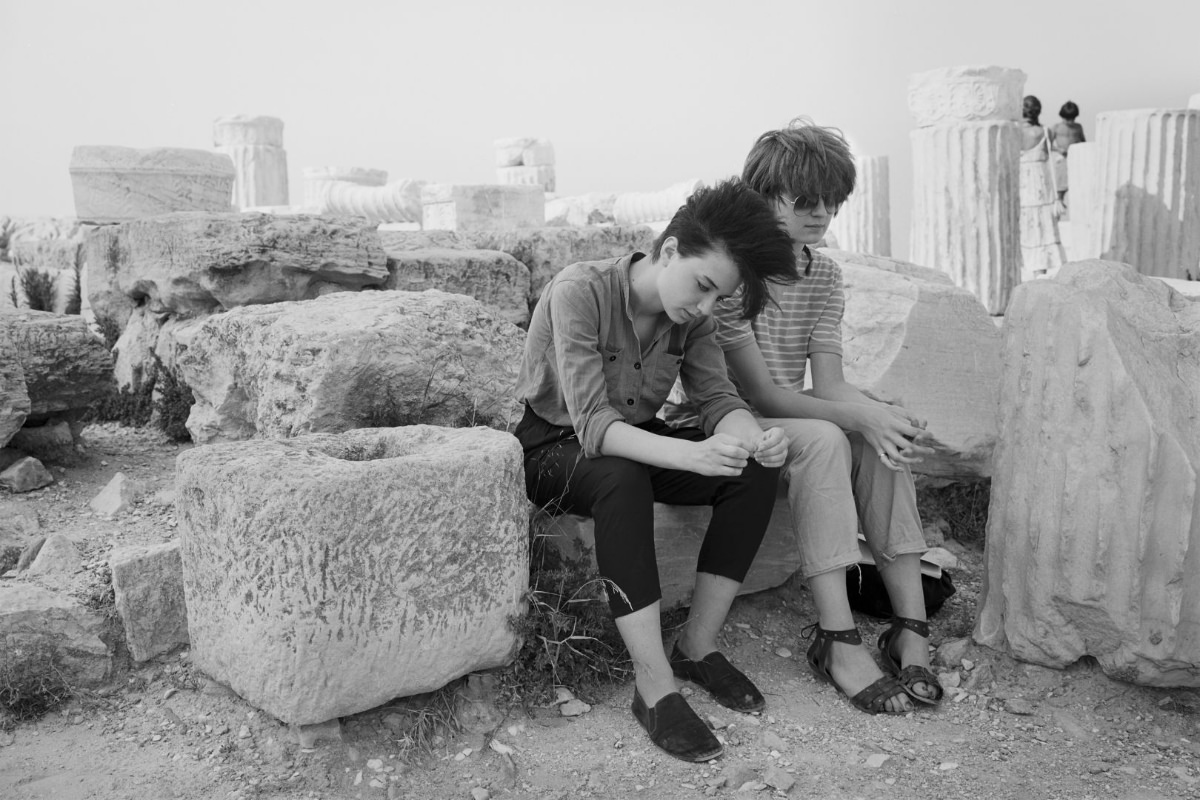
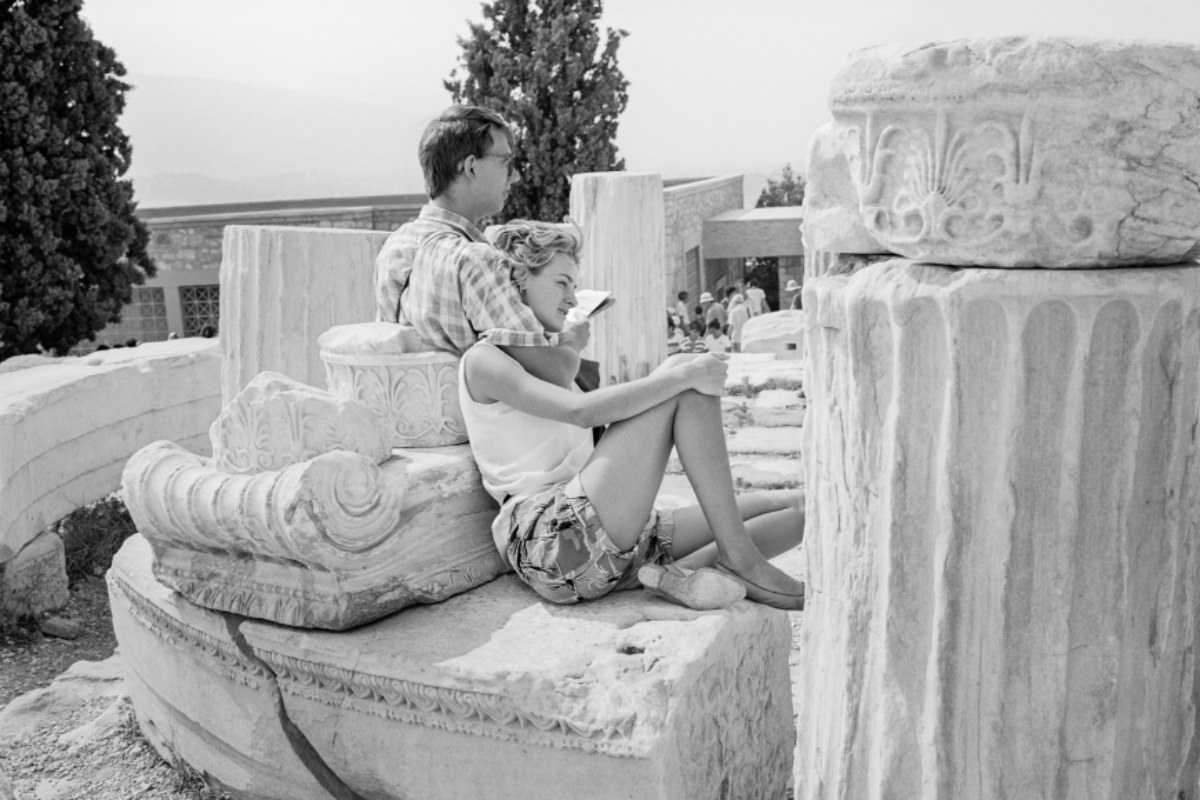
Some of his frames reminded him of figures painted on ancient Greek vases — two people arranged symmetrically, frozen in a moment that felt both old and entirely modern. The ancient stone ruins around them only added to that feeling.
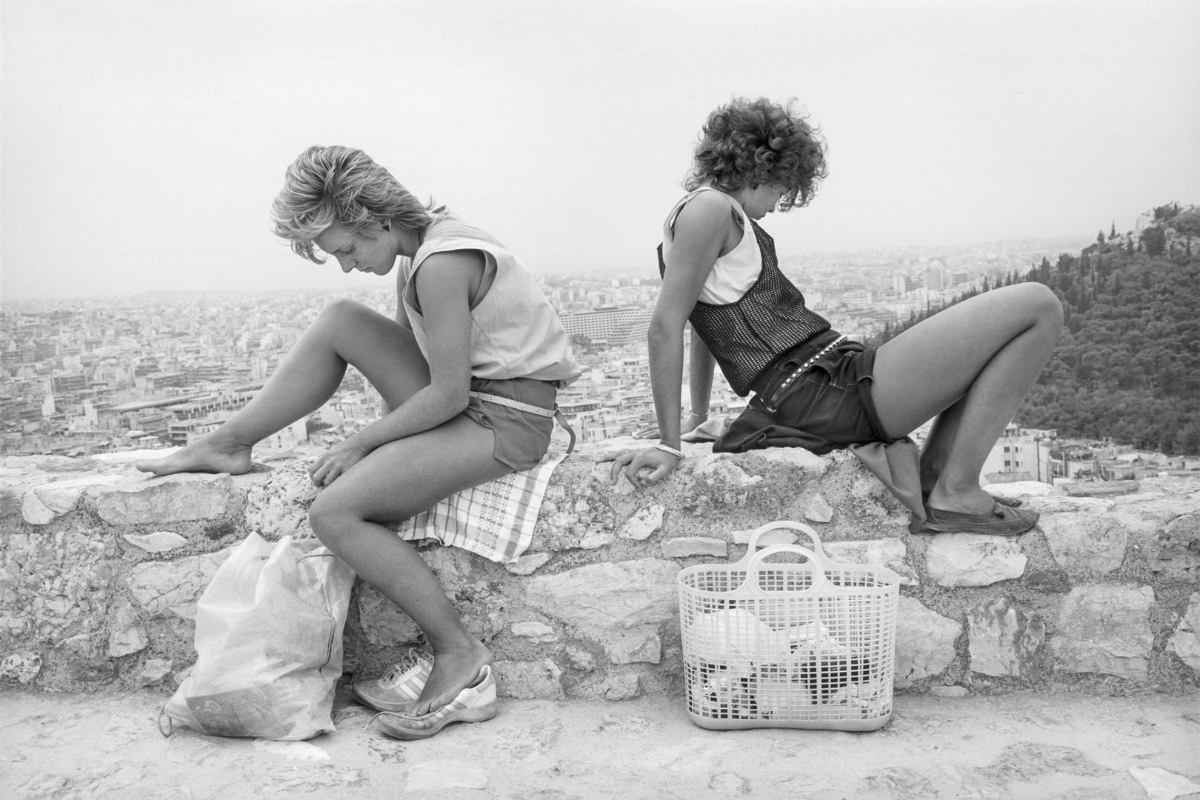
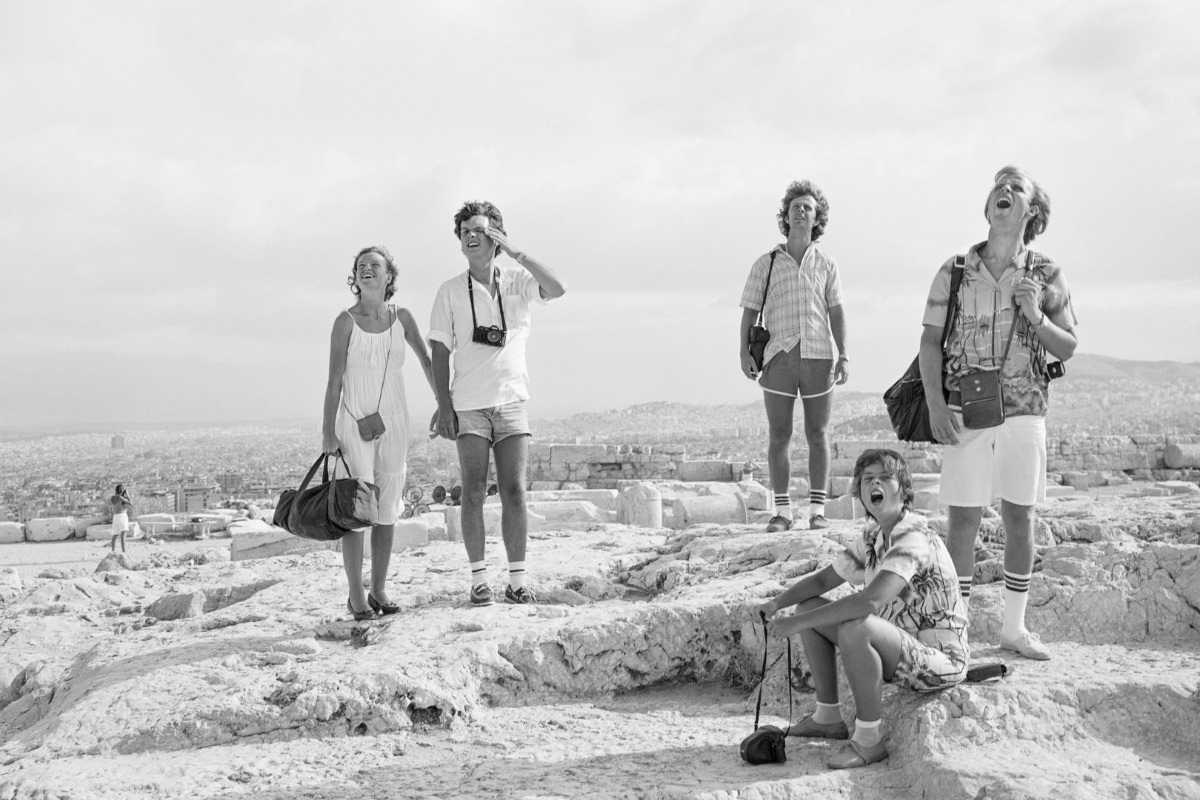
Papageorge later told The Guardian that the Acropolis set him buzzing every time he visited. He described the thrill of approaching the site — Athena’s mythical home — as something that never faded across his two summers of work there.
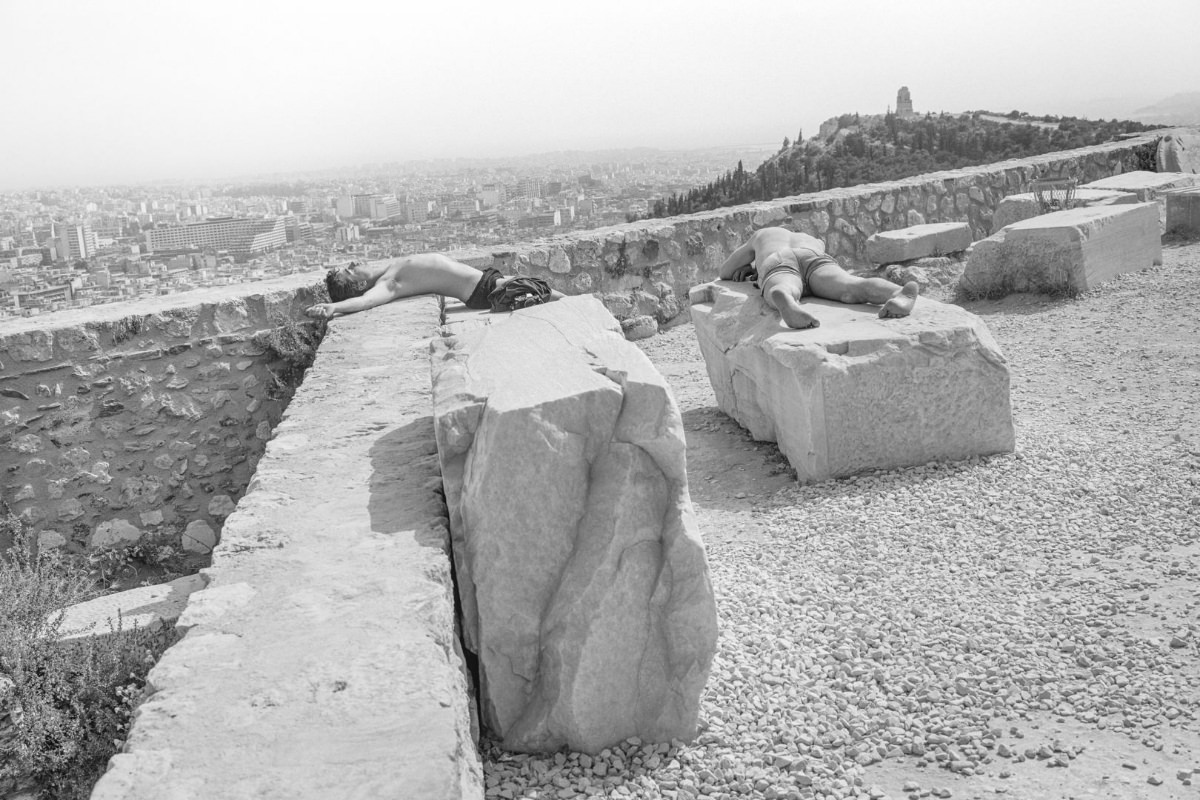
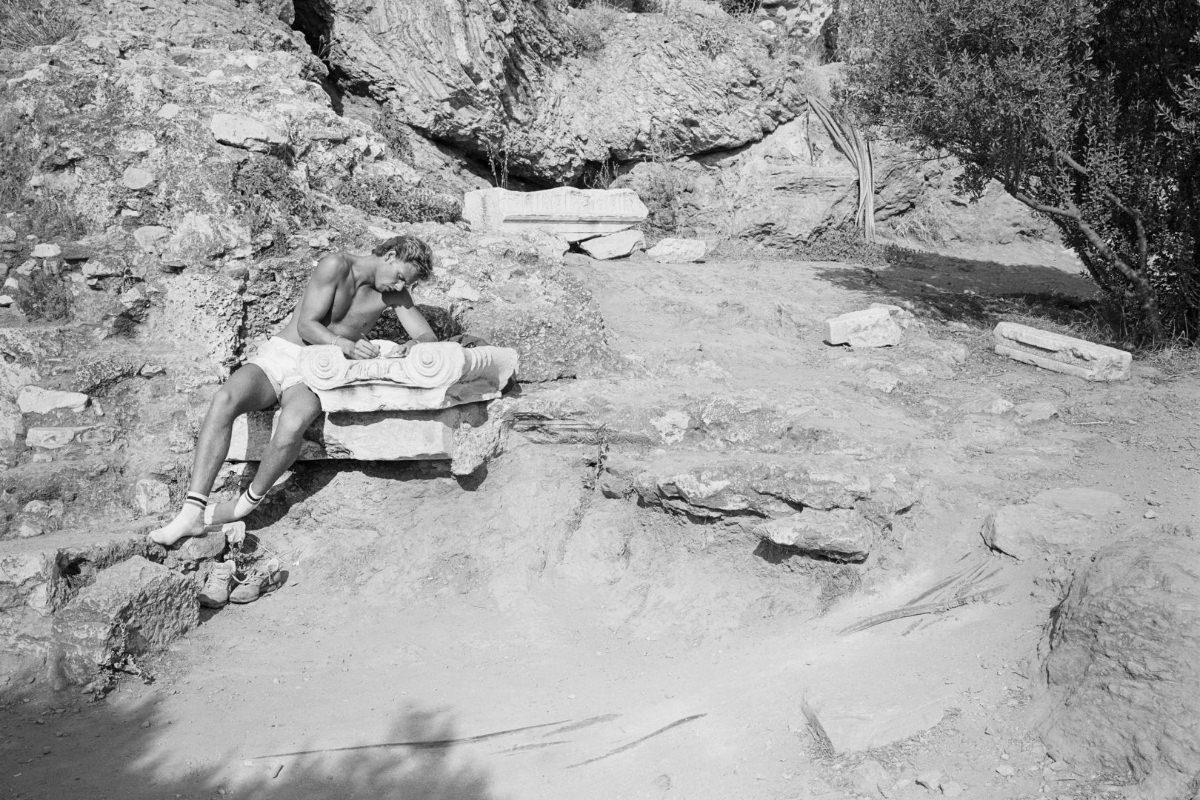
The tourists in these photos came to prove they had been there. They walked the same ancient ground that millions had walked before them, smartphones not yet in hand, cameras hanging from straps around their necks. Their reasons for being there were simple and human.
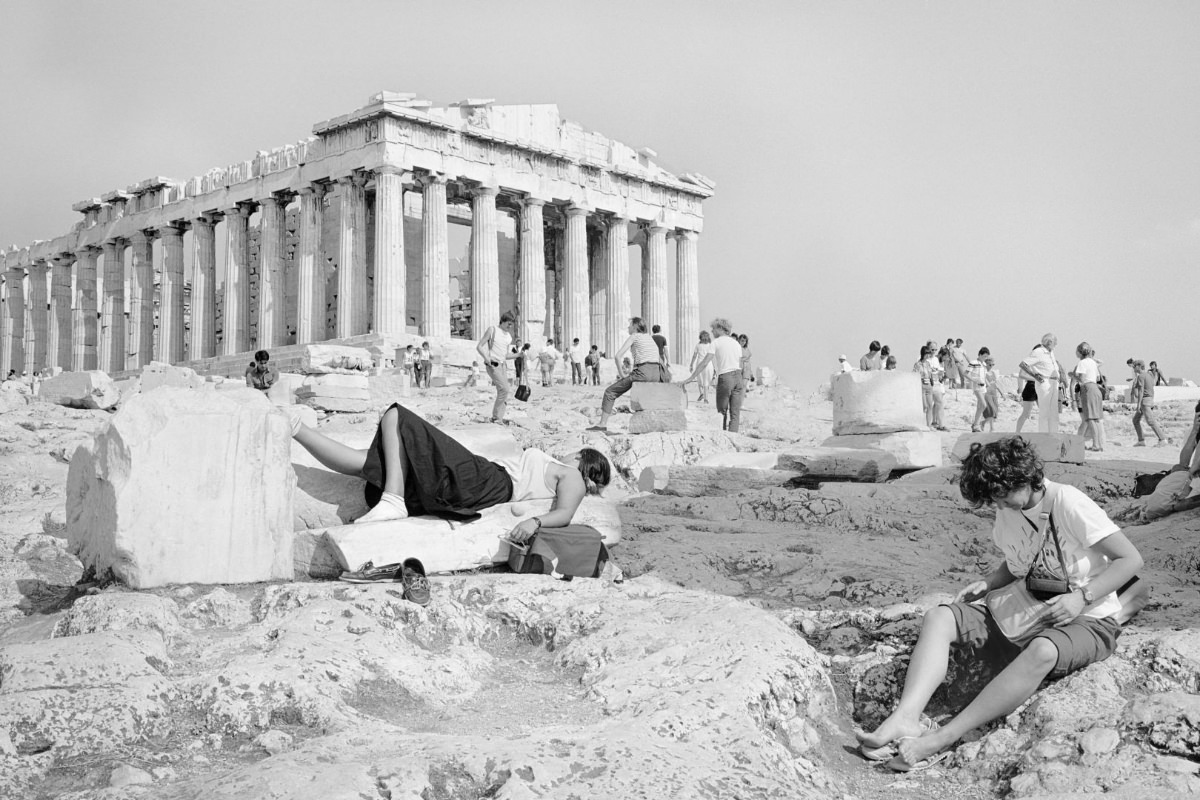
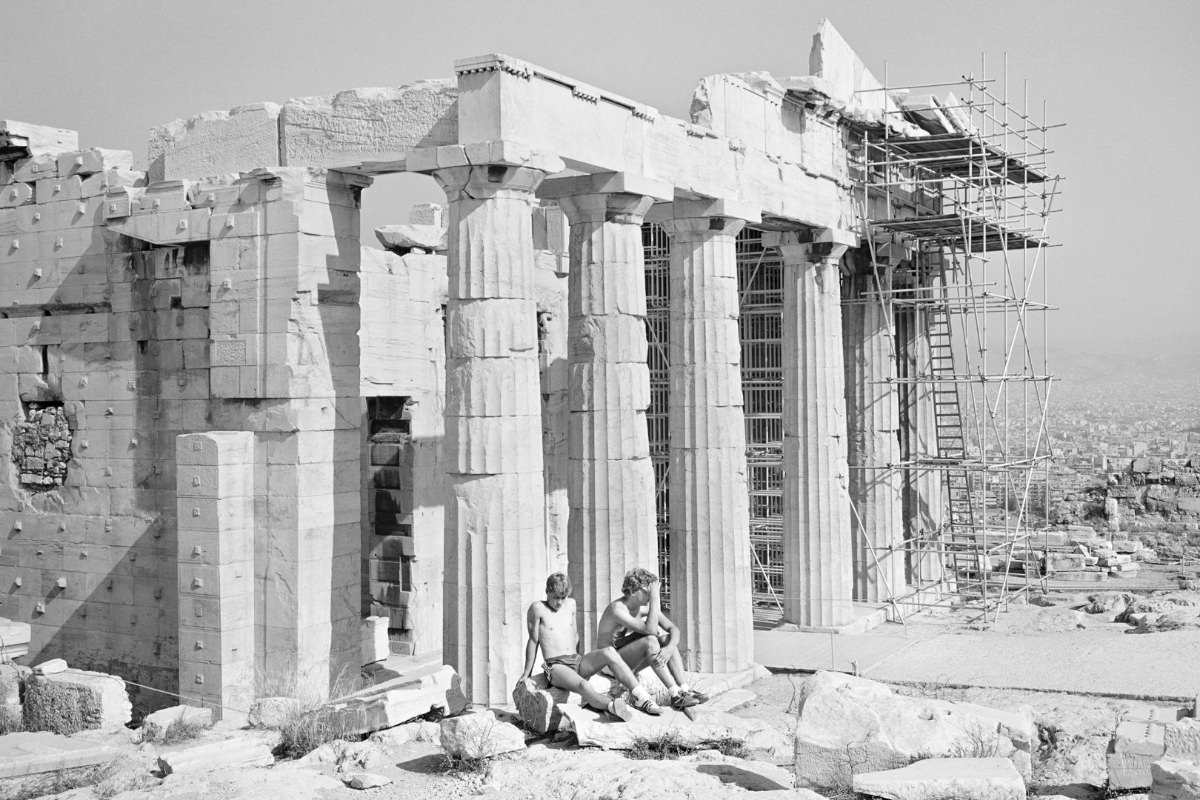
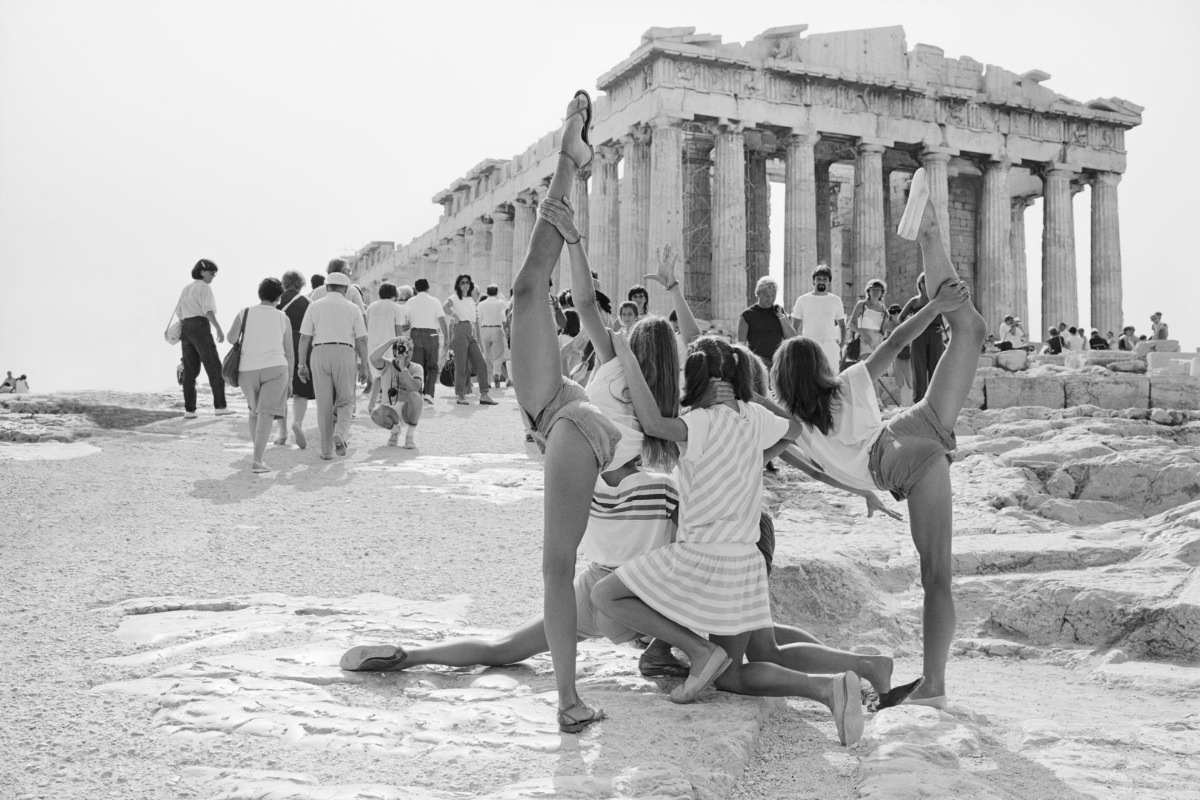
What Papageorge captured without knowing it was a time capsule. The haircuts, the clothes, the shoes — all distinctly early 1980s. Yet when viewed decades later, those same details feel strangely timeless. They belong to a specific era but don’t feel dated in the way you might expect.

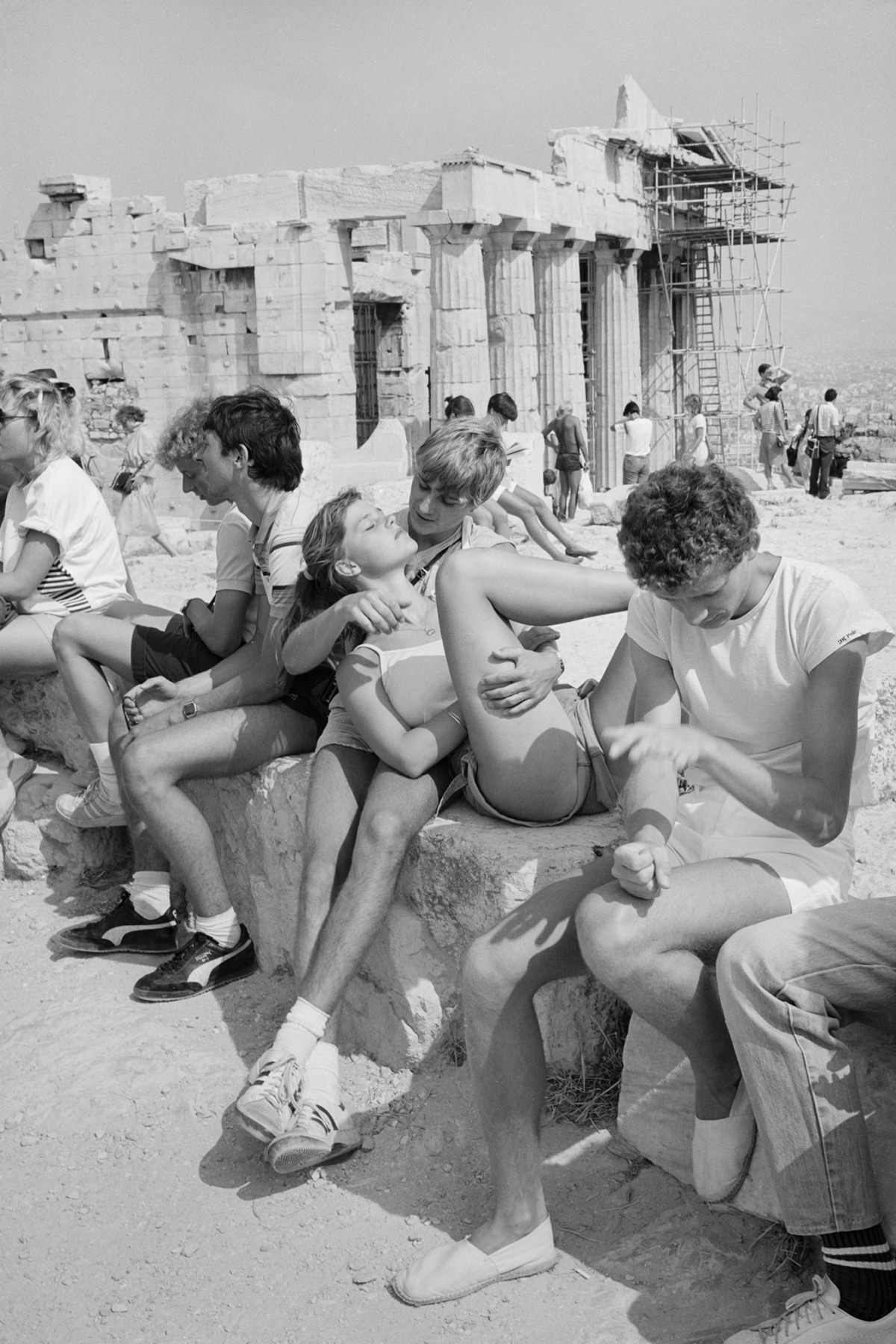
That quality — where the past looks both frozen and alive — is something Papageorge called a gift of photography. No one standing on the Acropolis in 1984 knew that their outfit or haircut would one day look like it could belong to any decade at all.
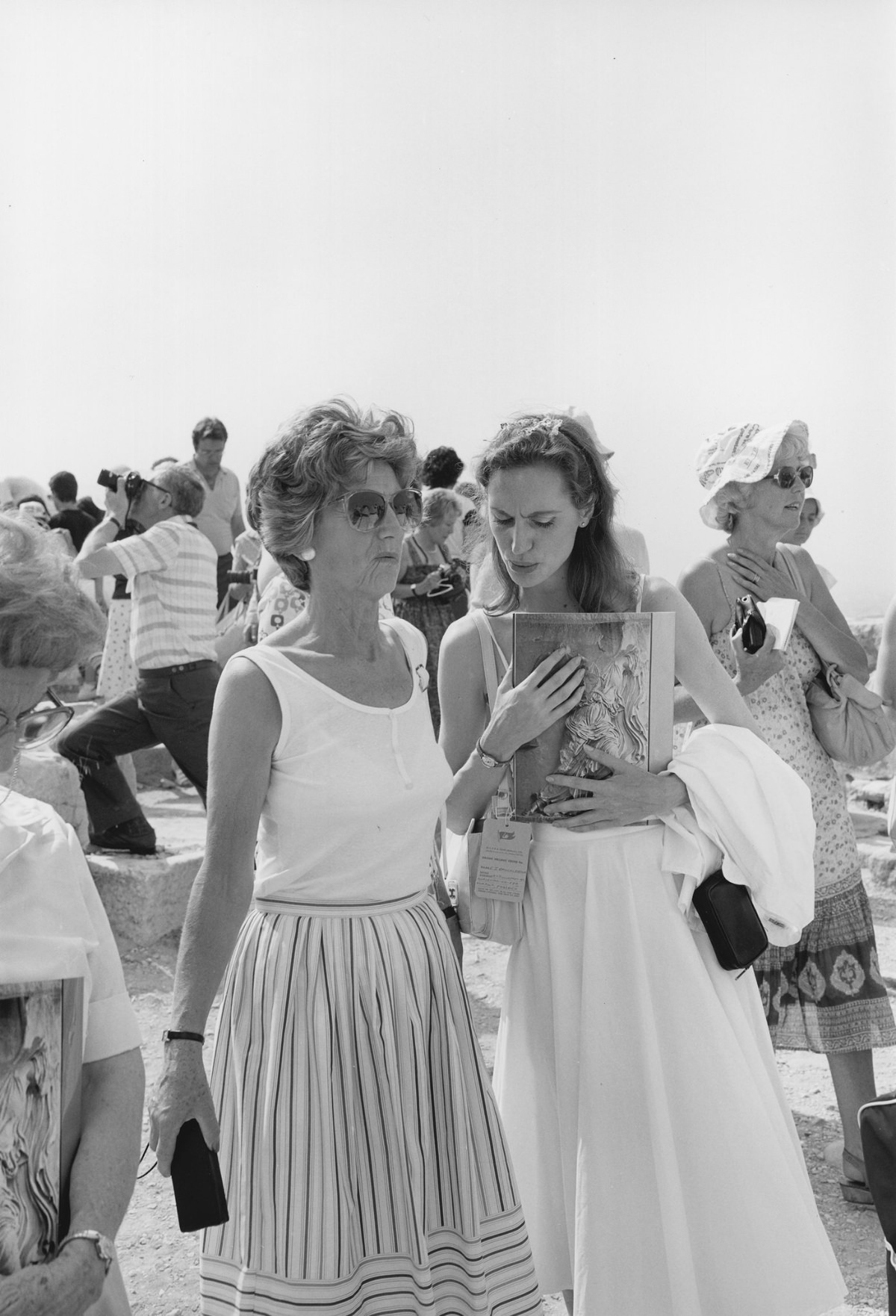
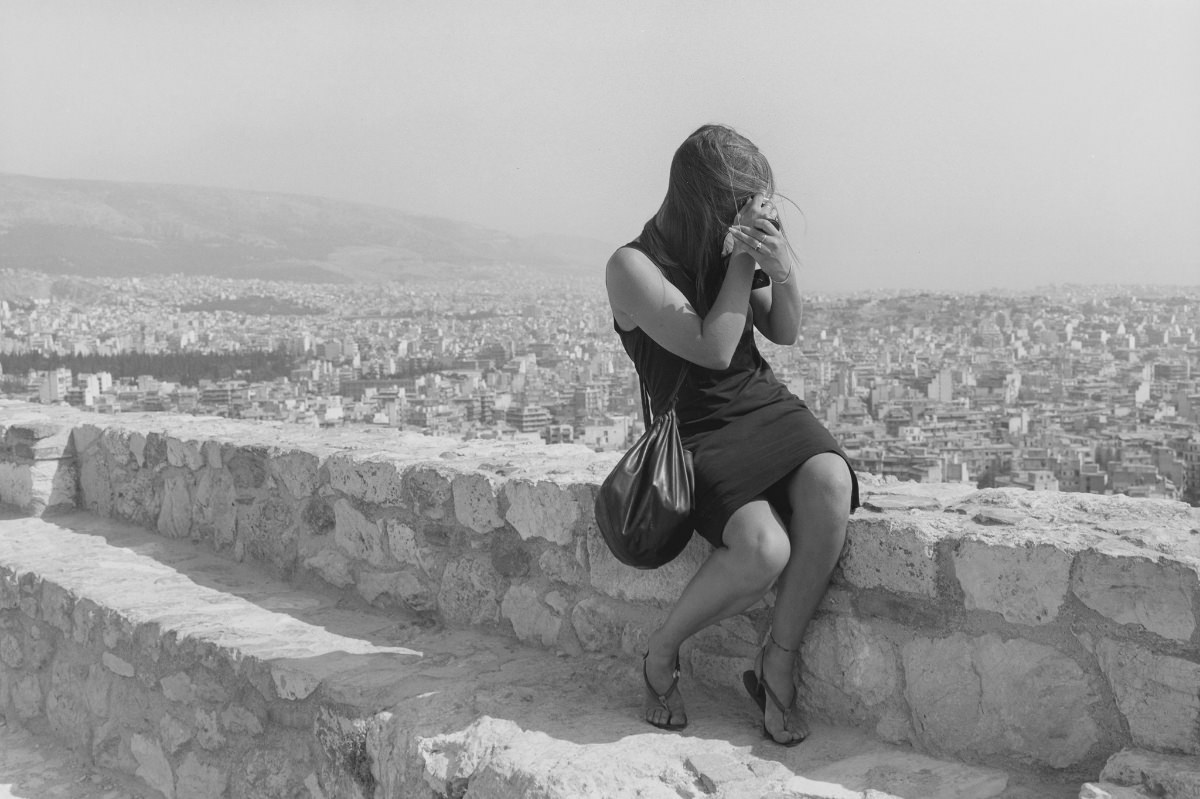
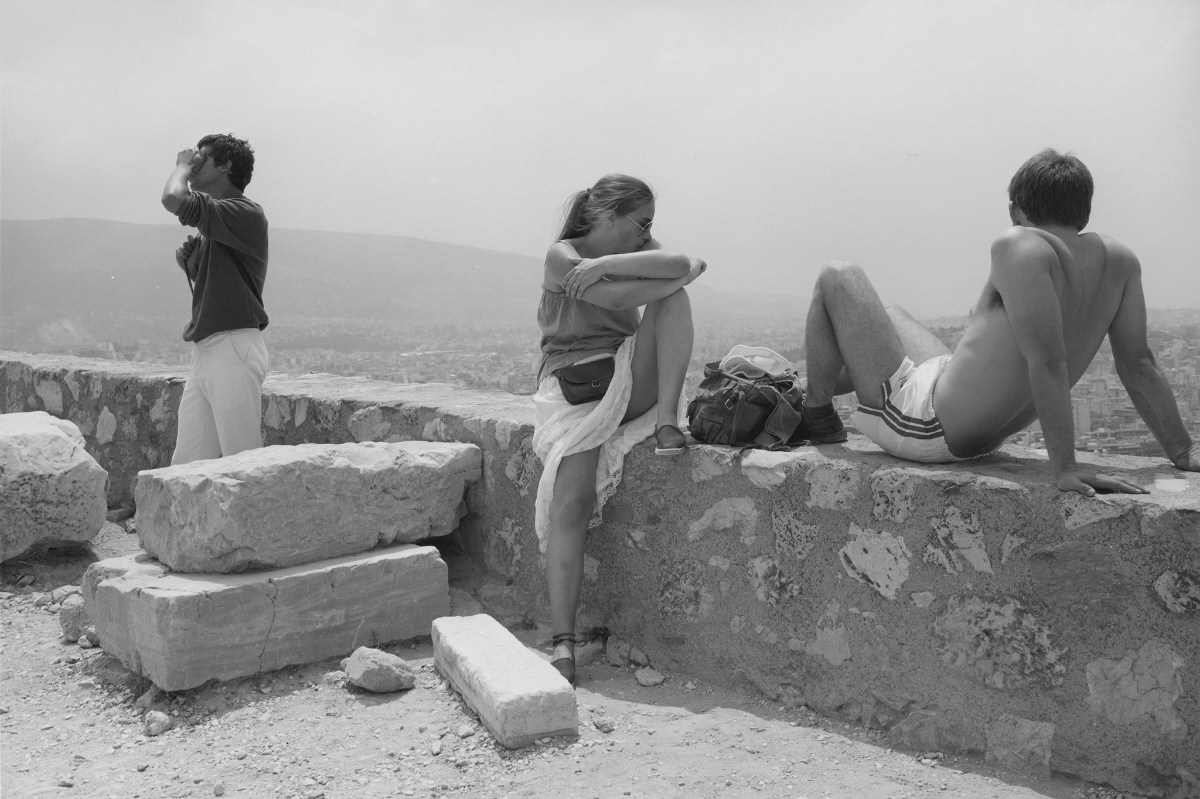
His work sits in a rare space where ancient history and everyday modern life collide. The Parthenon’s columns frame ordinary people in shorts and sandals. Crumbling marble thousands of years old becomes a backdrop for a couple taking a rest in the midday heat.
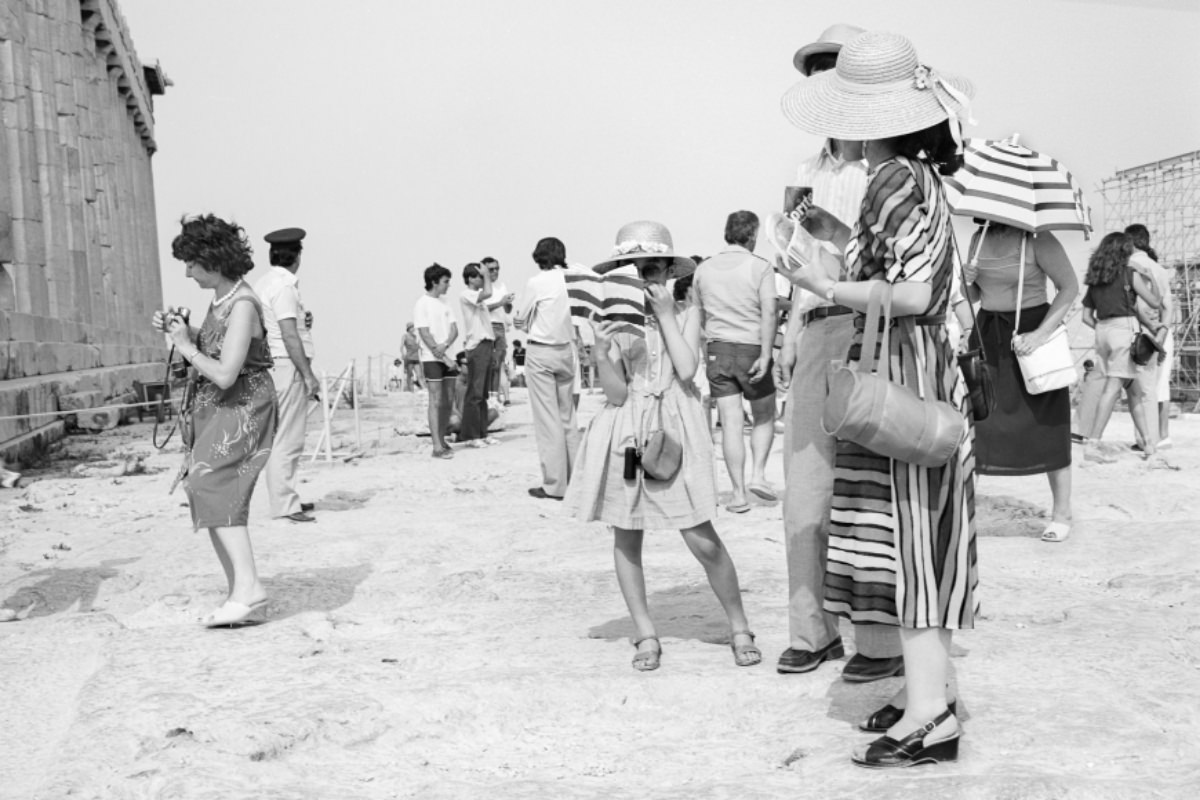
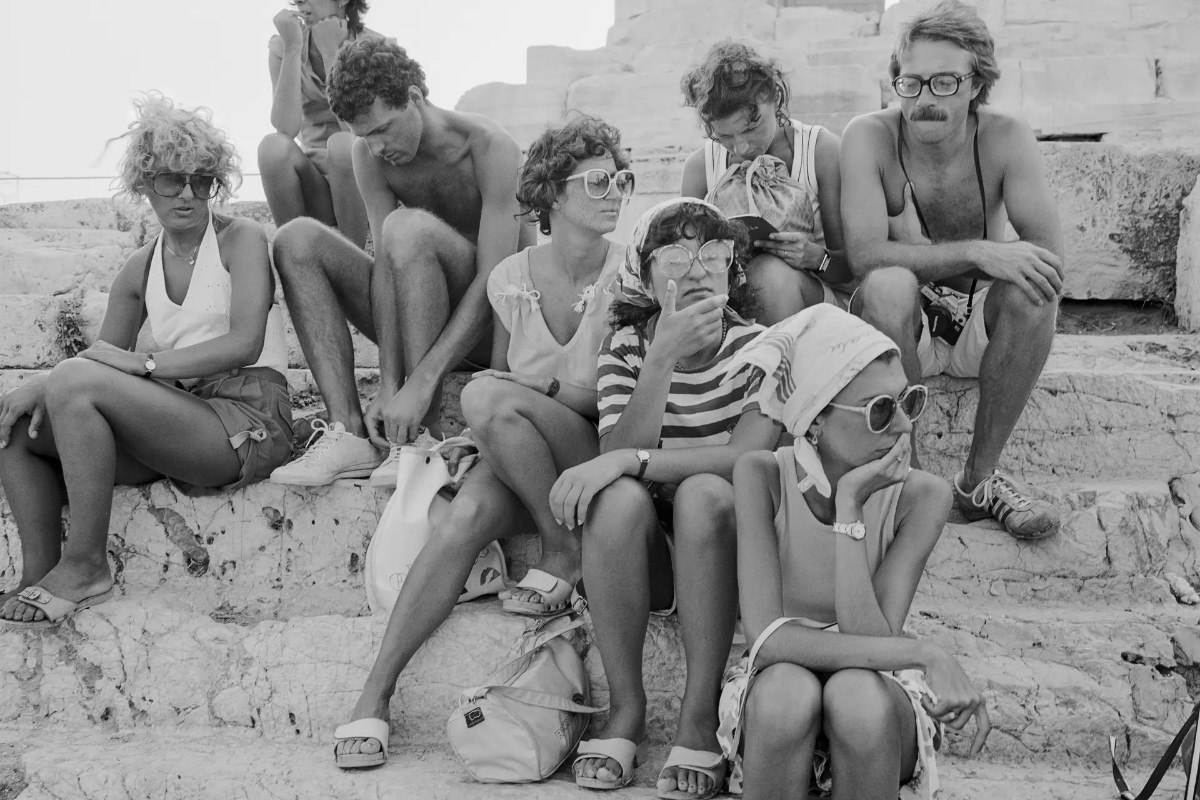
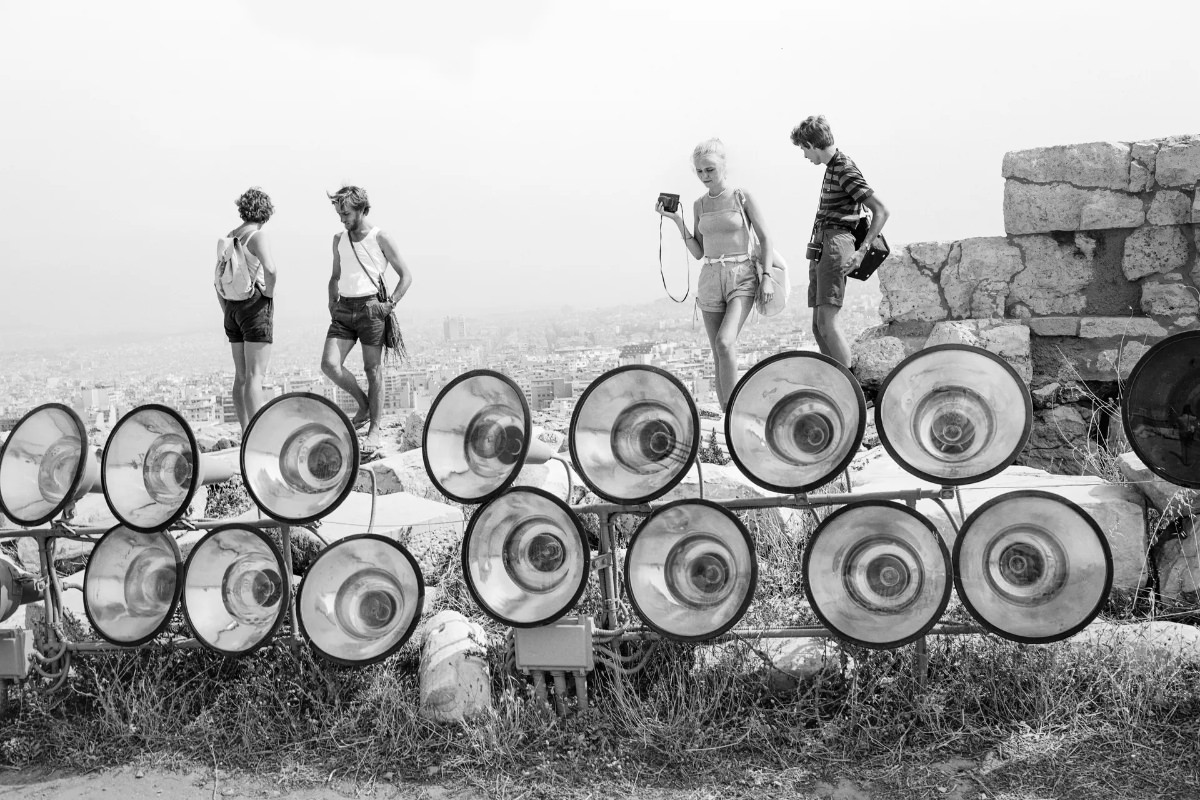
Papageorge’s lens found something genuine in these visitors. They weren’t posed or directed. They were simply people doing what people have always done — traveling, looking, standing in awe, or just catching their breath after a steep climb.
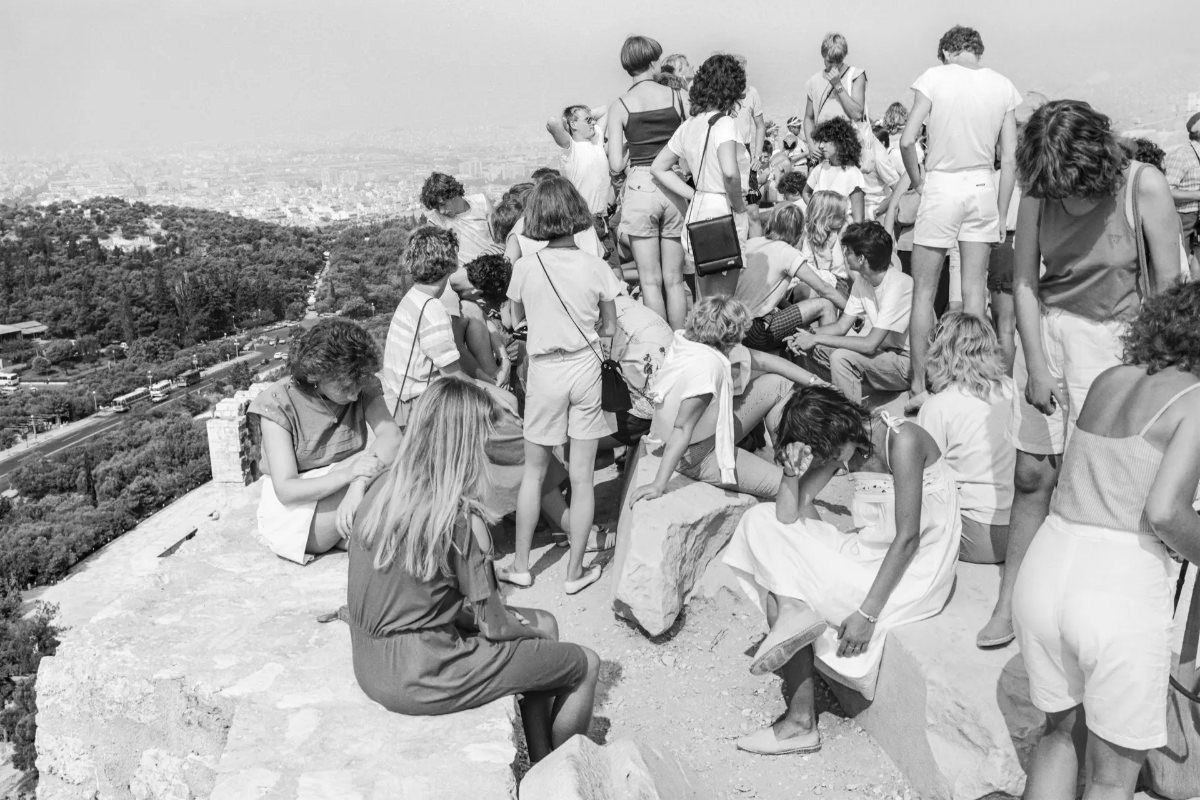
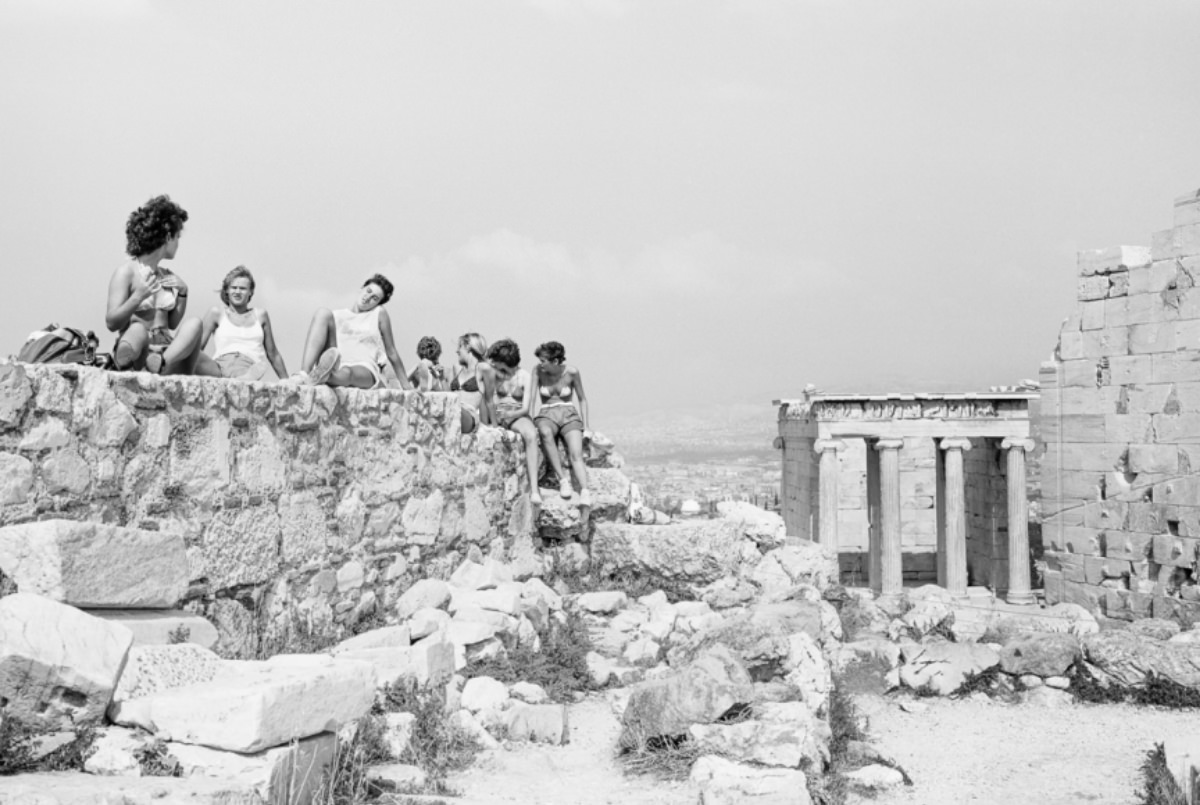
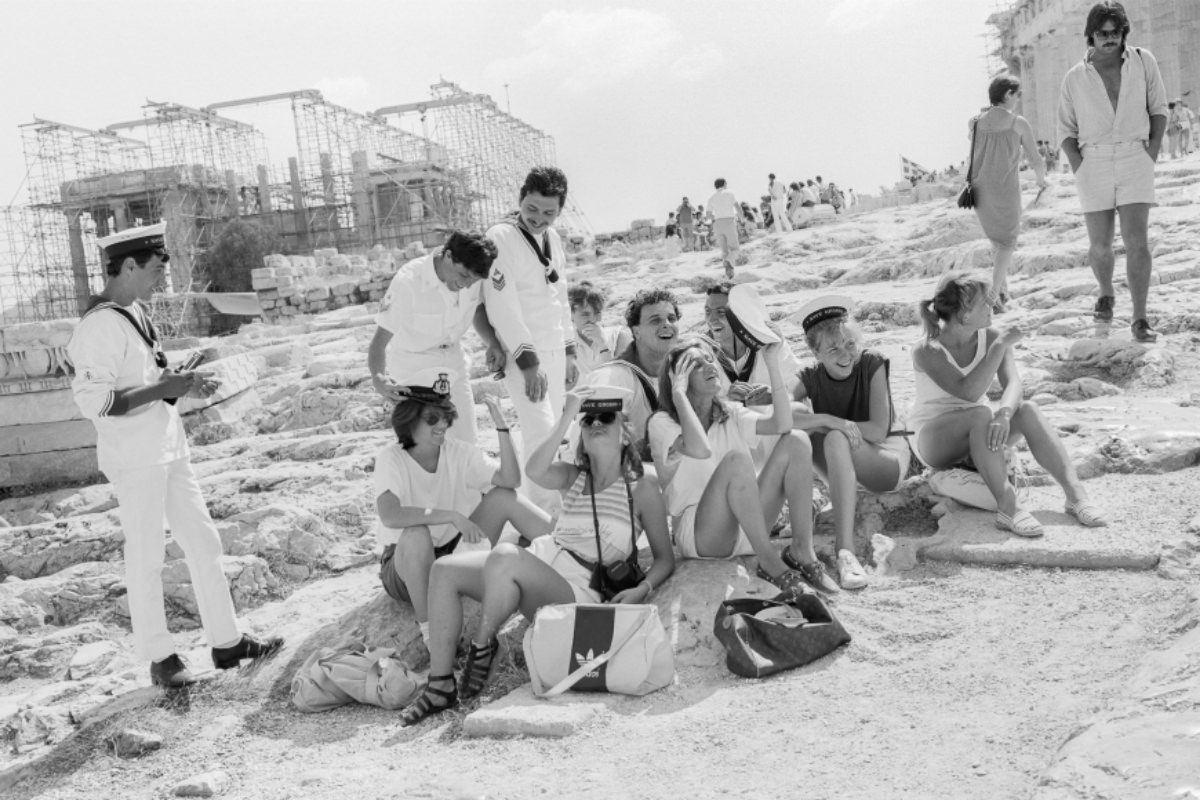
The series blends documentary photography with something closer to art. Each frame is a careful study of light, shadow, and human form set against one of the world’s most recognizable ancient structures.