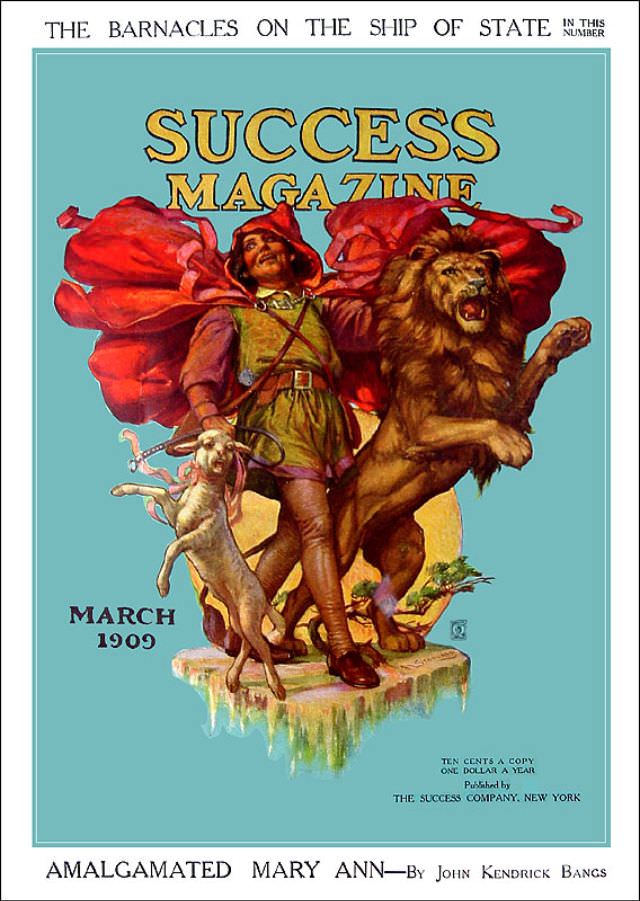
In 1897, Orison Swett Marden launched Success Magazine with a clear mission: spread the New Thought Philosophy to every corner of America. This was not a business journal focused on profits or market trends. It was built around positive thinking, personal discipline, and mastering everyday life skills. Readers picked it up each month for real stories of determination and practical advice on self-improvement.
The magazine drew some of the most influential writers of the era. Napoleon Hill, Samuel Merwin, and W. Clement Stone all contributed to its pages. Their articles pushed readers to believe in their own potential and set ambitious goals. This lineup of contributors gave Success a credibility that set it apart from other publications of the time.
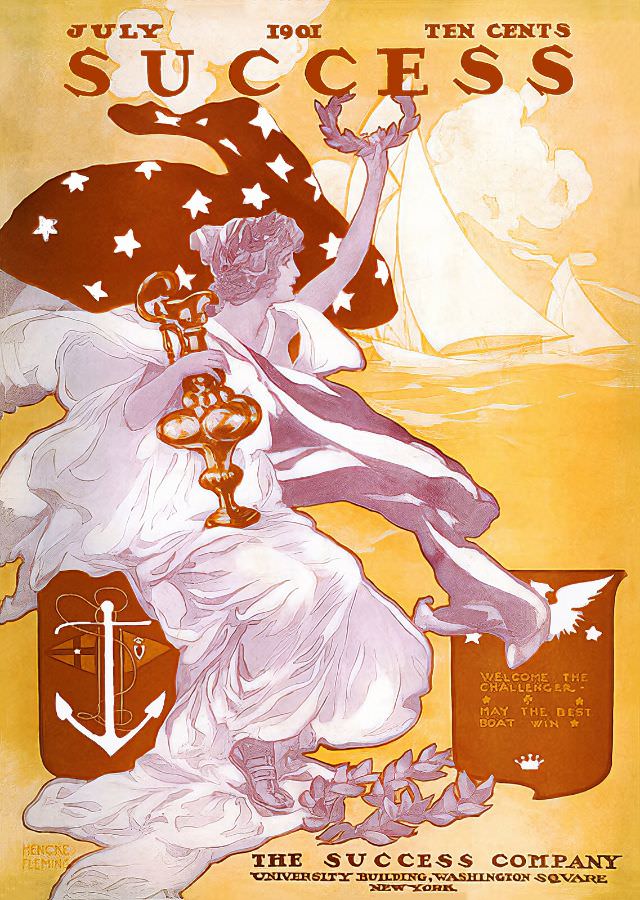
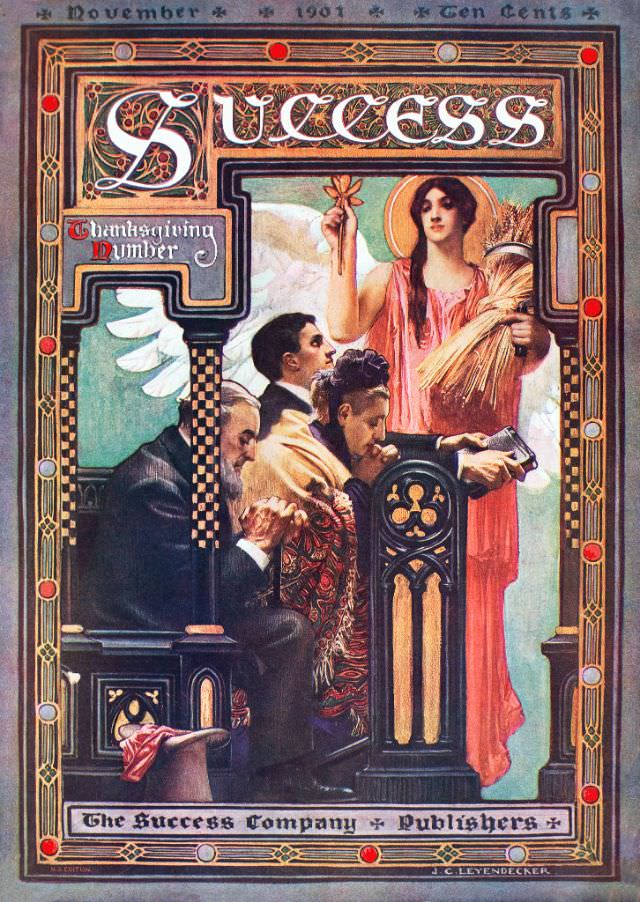
Success ran its original course until 1911, when it merged with The National Post. But the name proved hard to bury. It was revived as New Success in 1918, then relaunched again in 1921 under its original title. By the close of 1921, the publication shifted identity once more, becoming New Age Illustrated — marking the definitive end of the Success era.
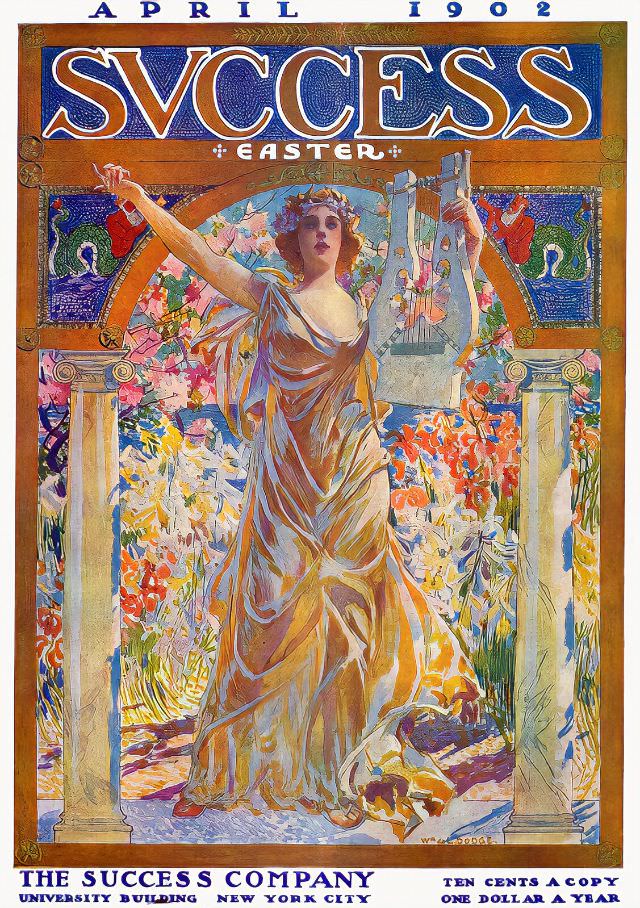
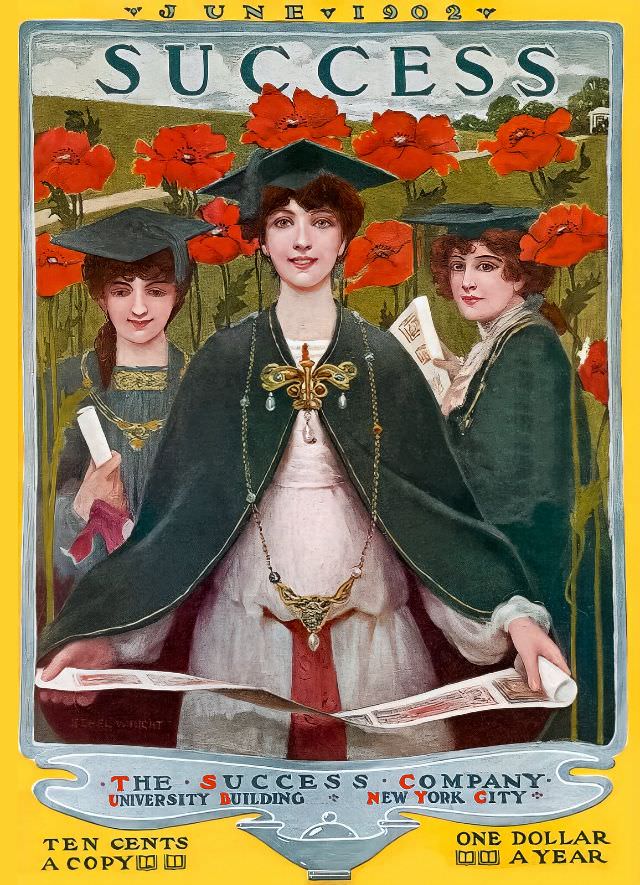
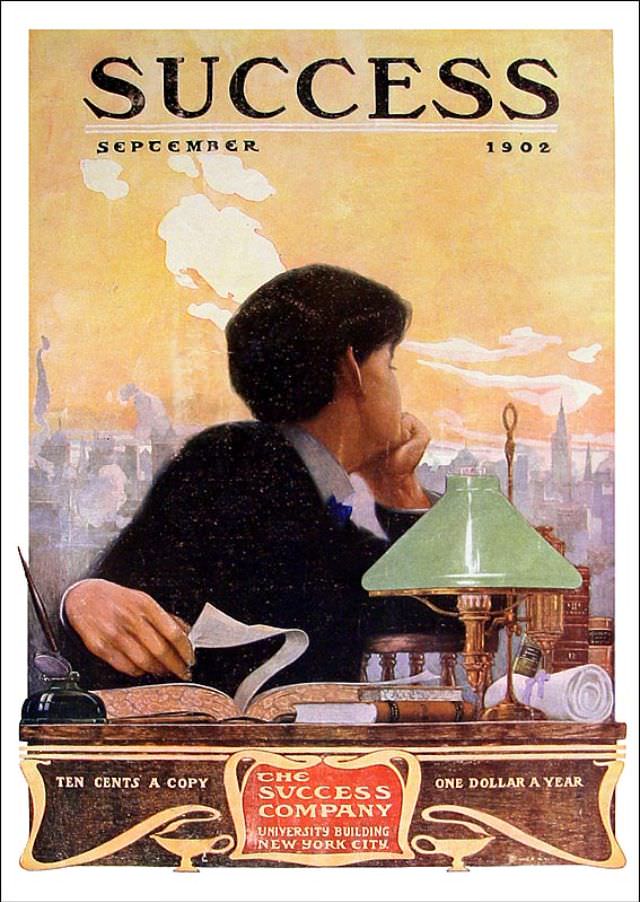
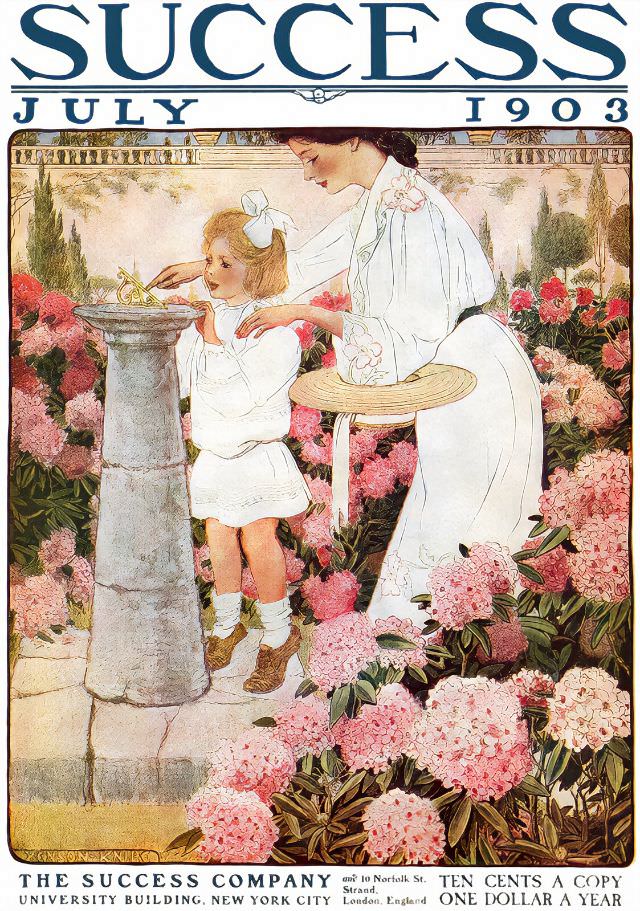
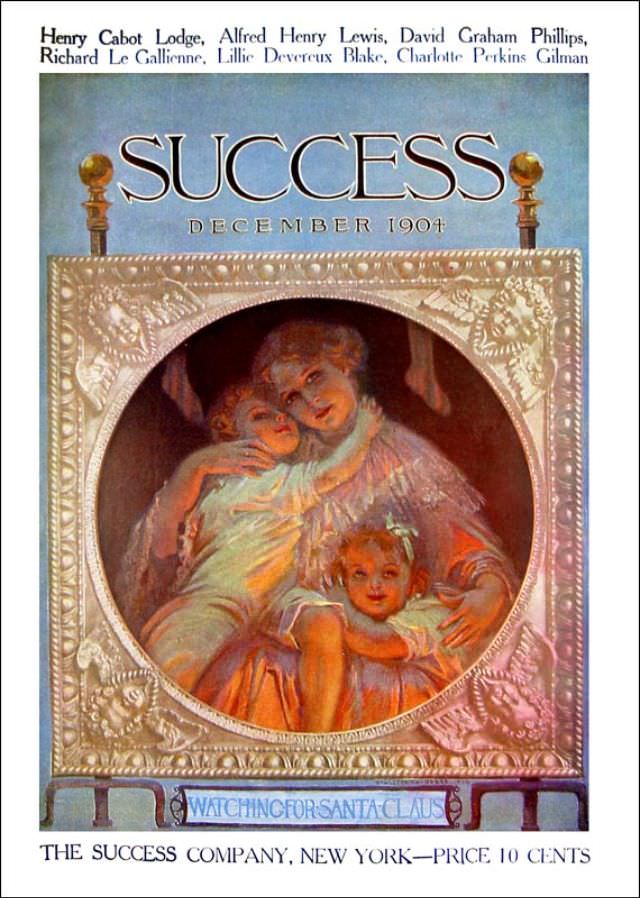
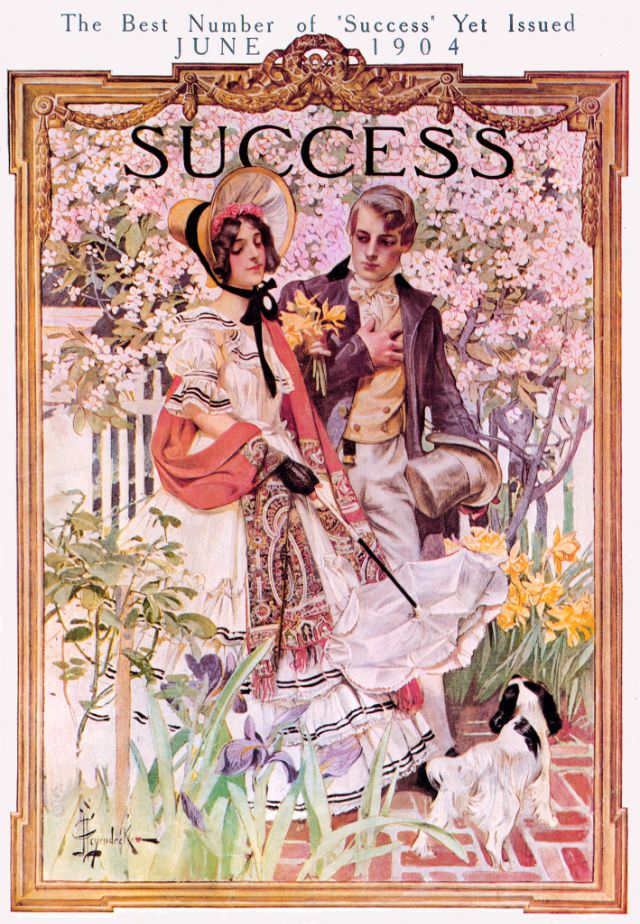
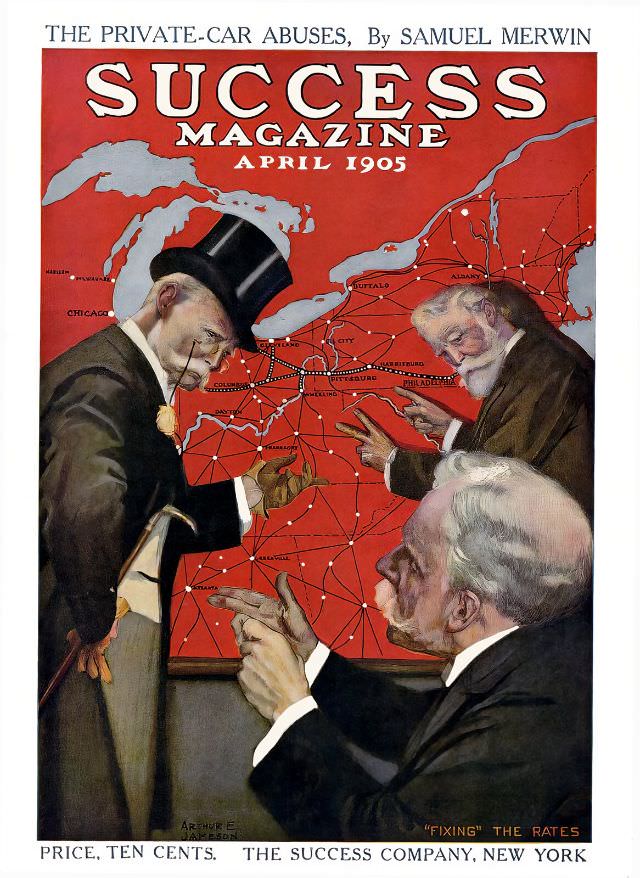
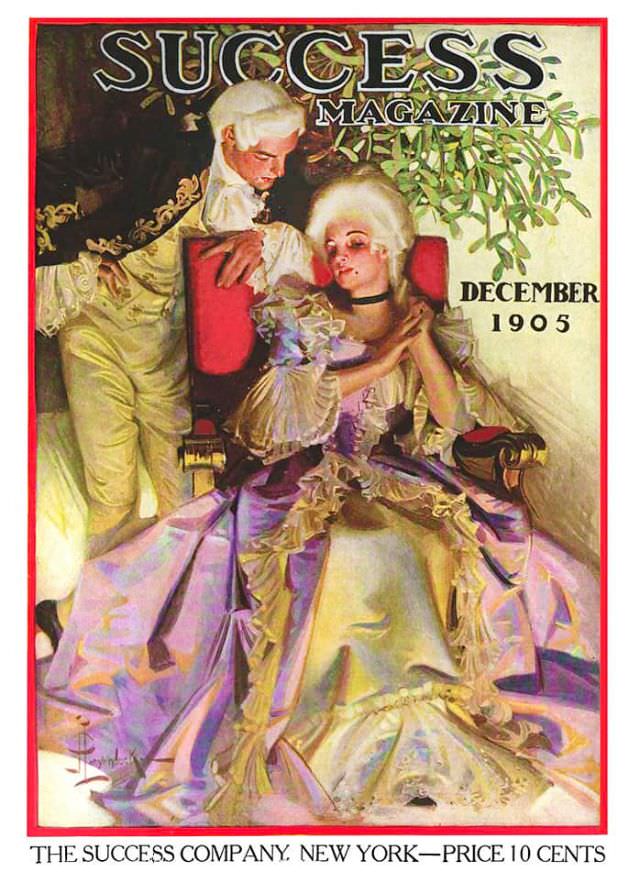
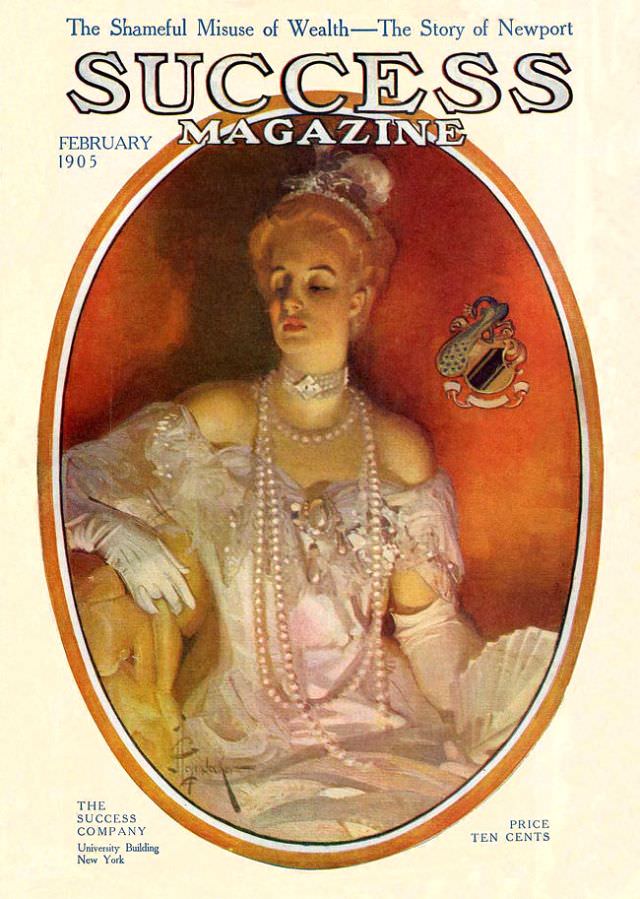
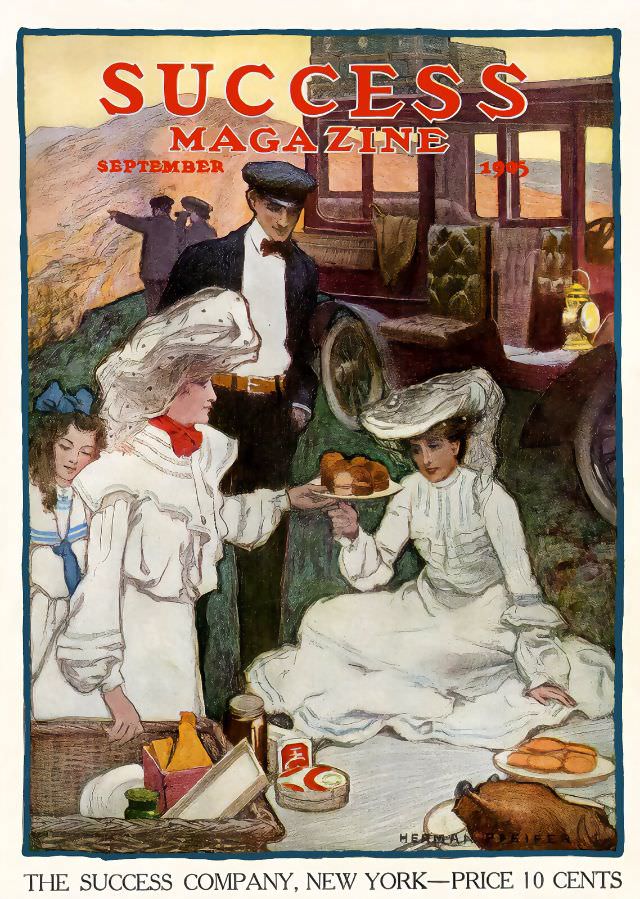
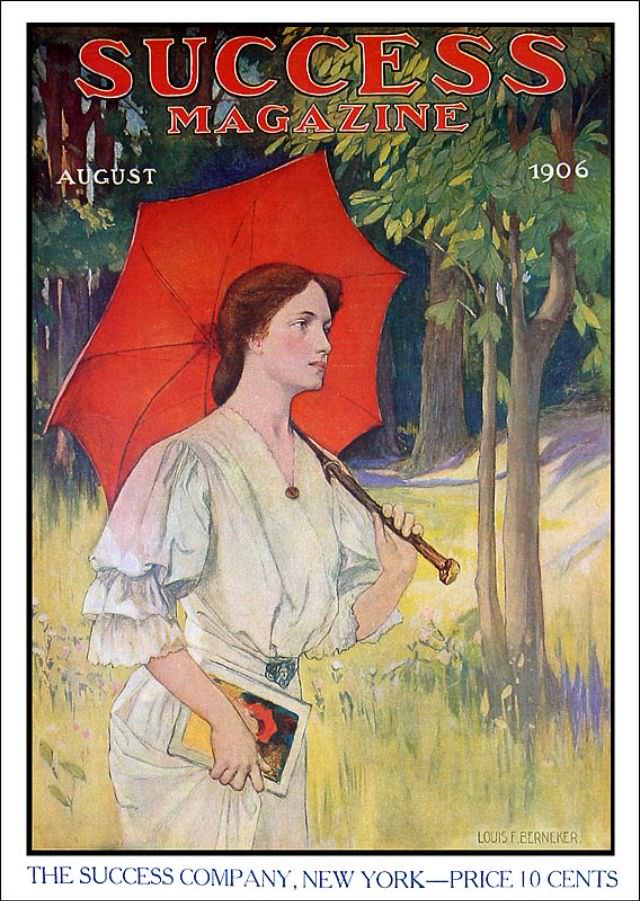
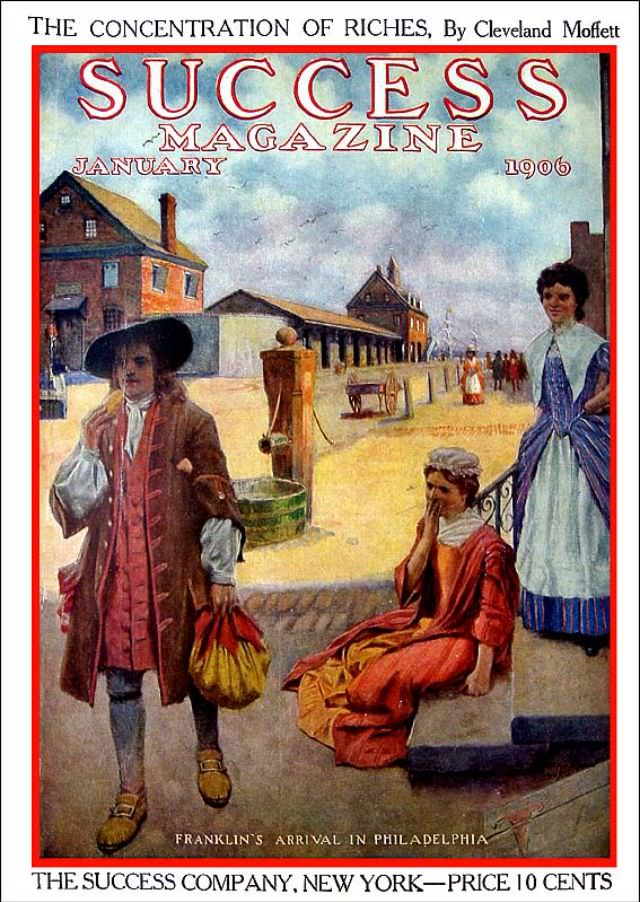
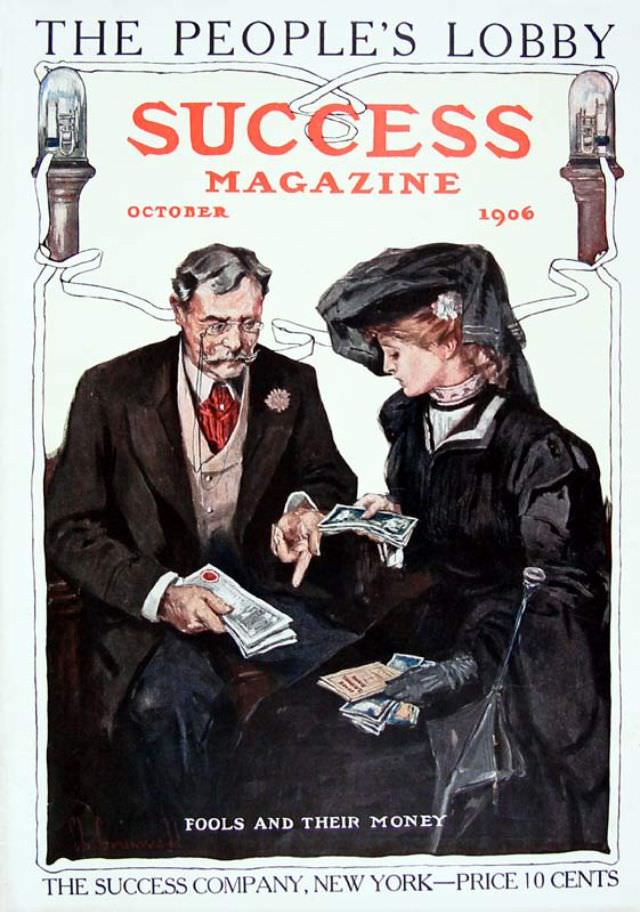
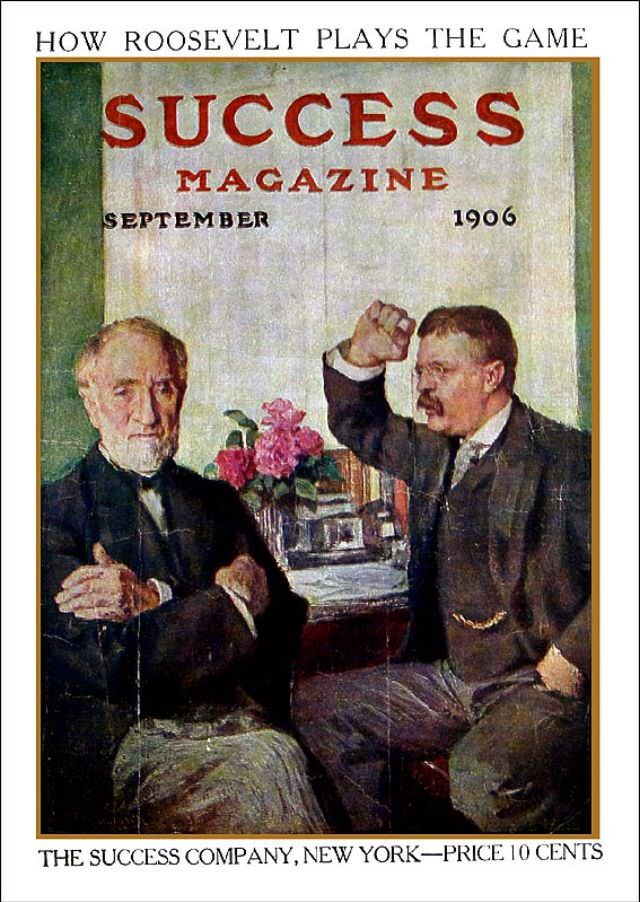
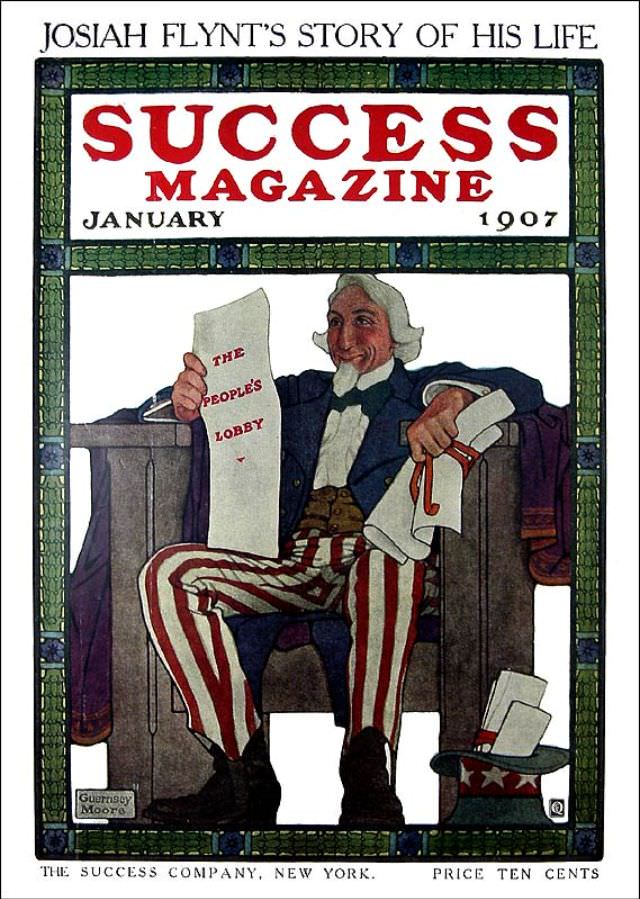
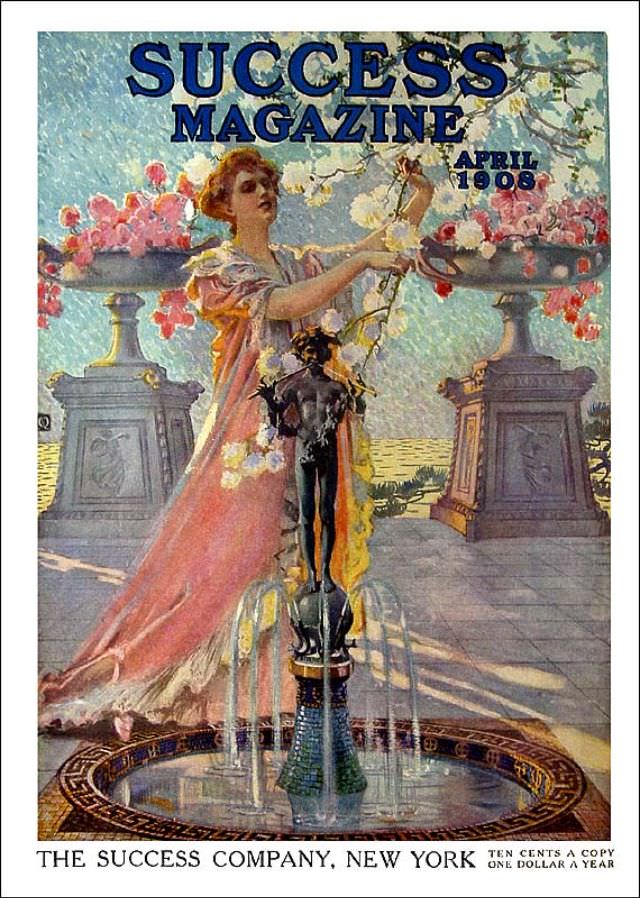
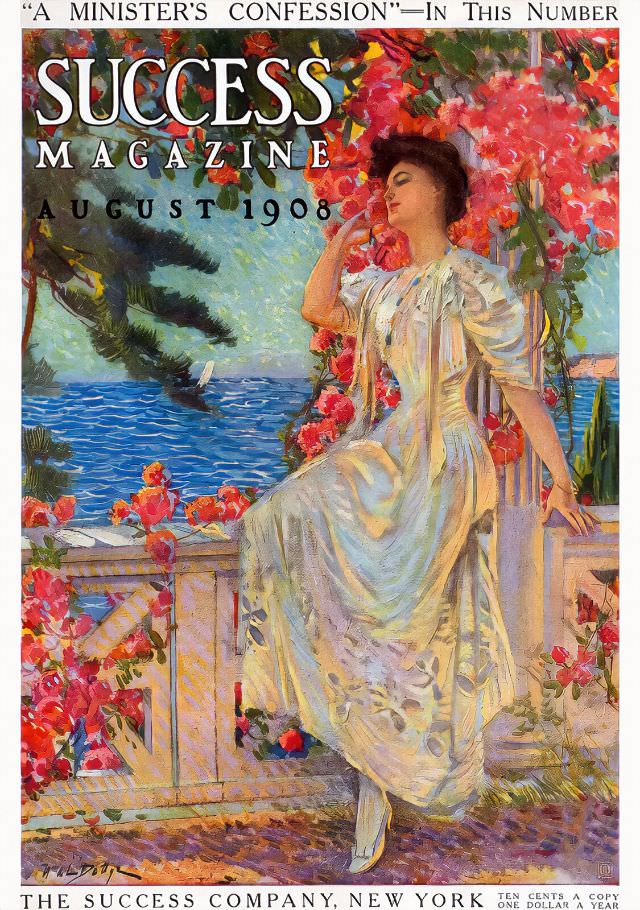
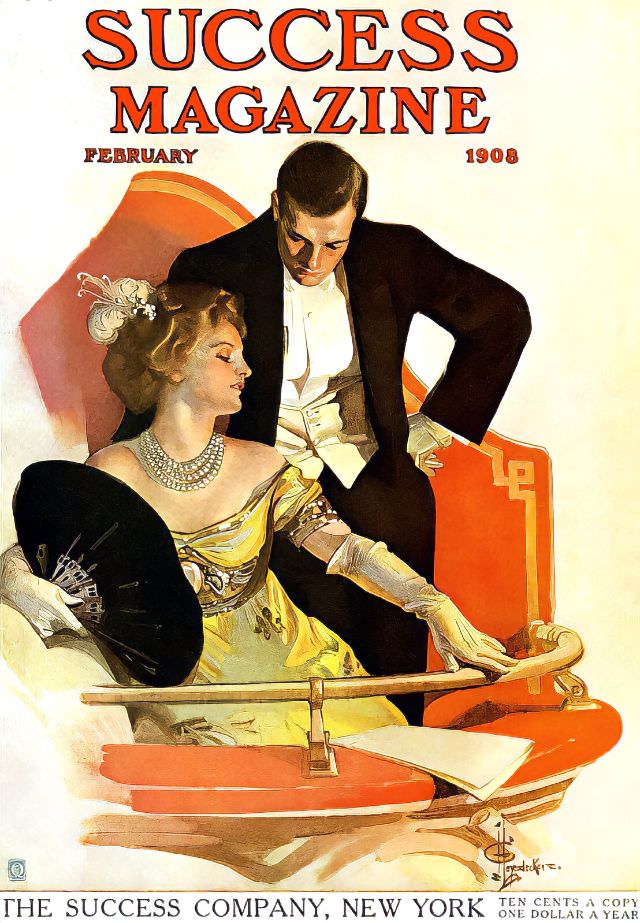
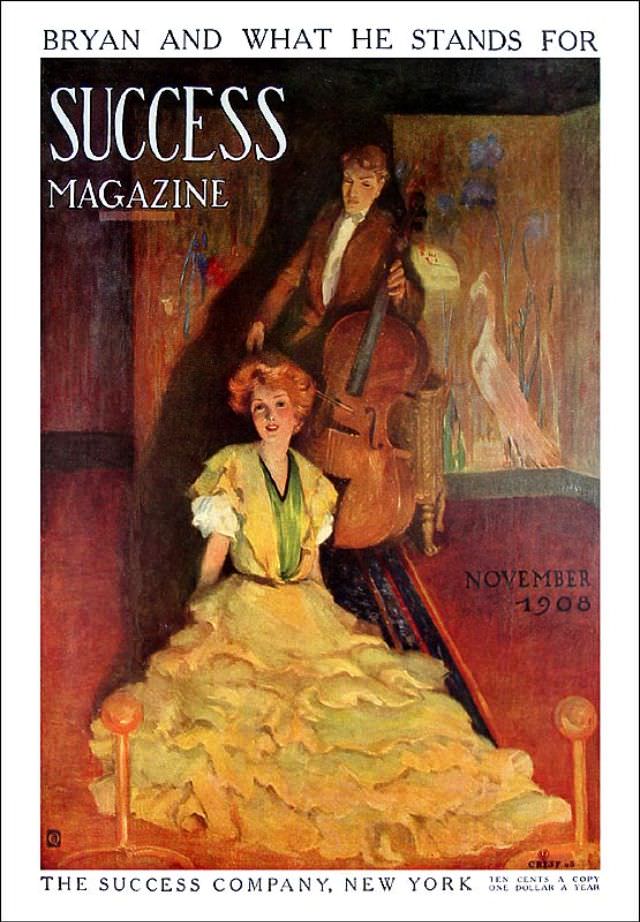
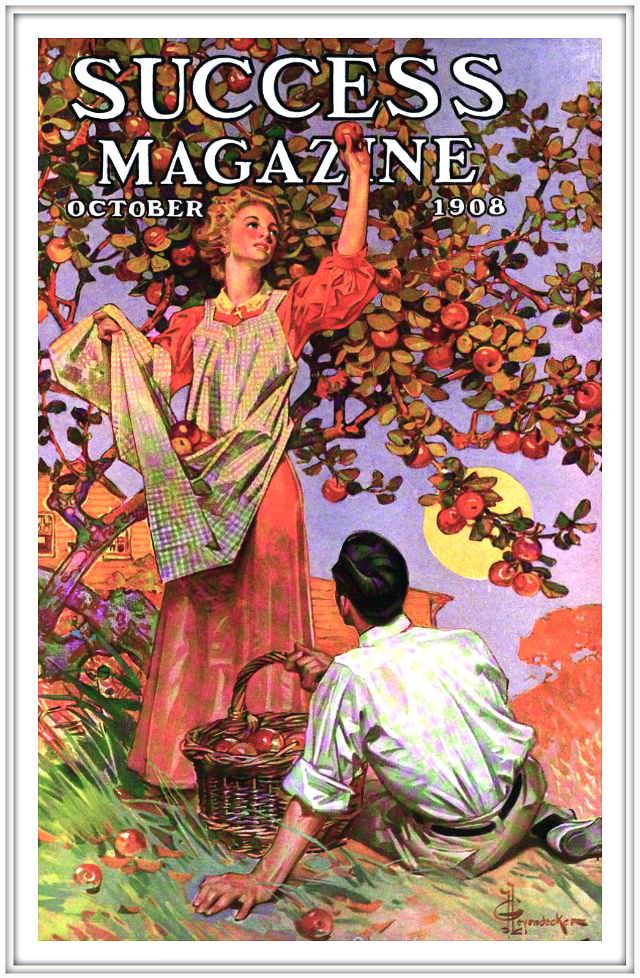
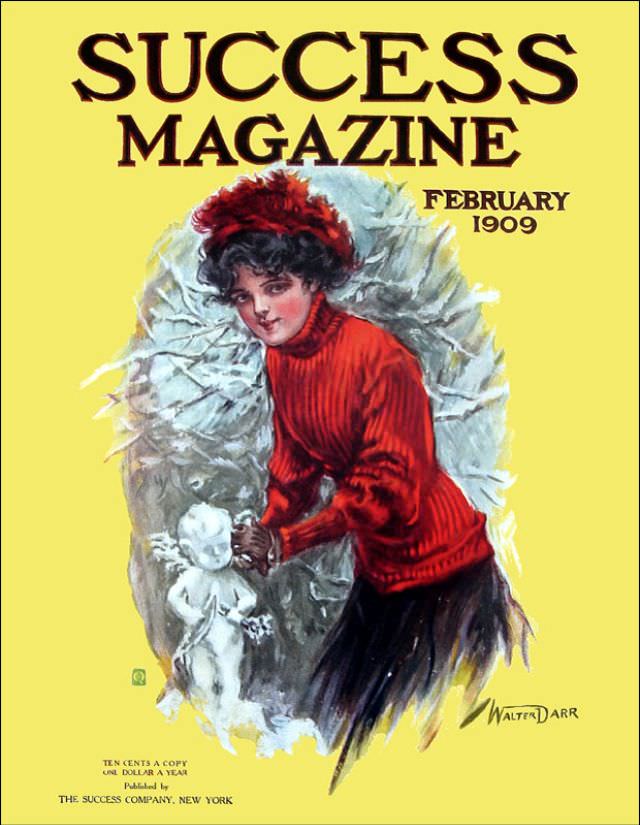
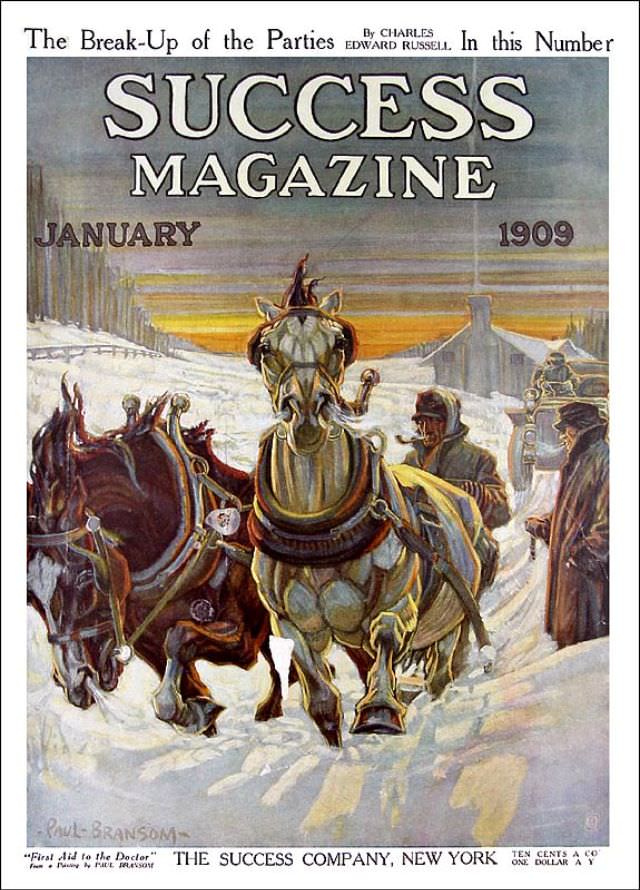
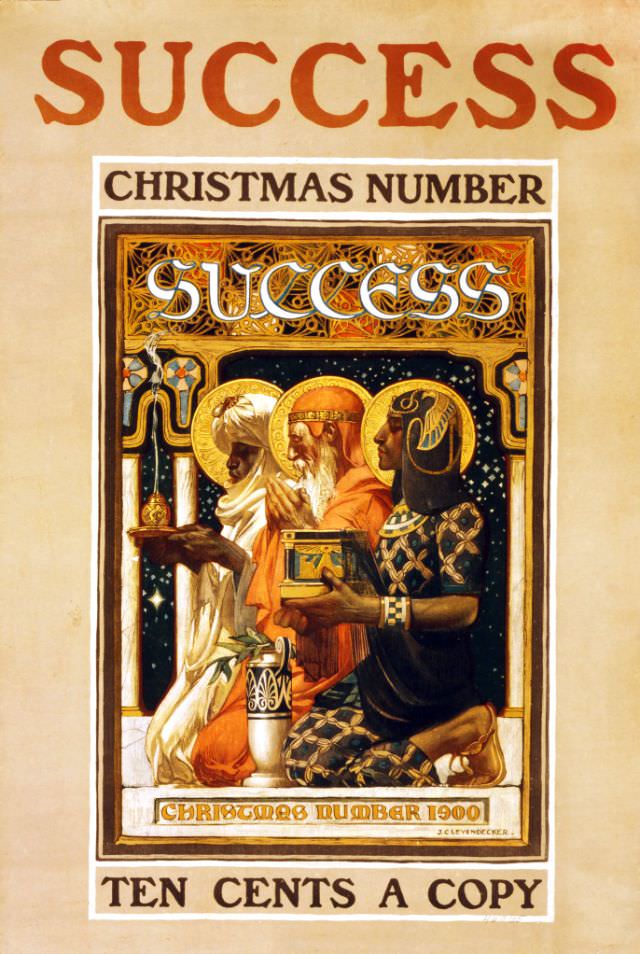
Beyond its words, Success made a strong visual statement. Its covers were bold, detailed, and often symbolic — designed to capture a reader’s attention before a single page was turned. Each cover reflected the ambitions of the era it represented. The artwork was vibrant and purposeful, mirroring the magazine’s core belief that presentation and aspiration go hand in hand.