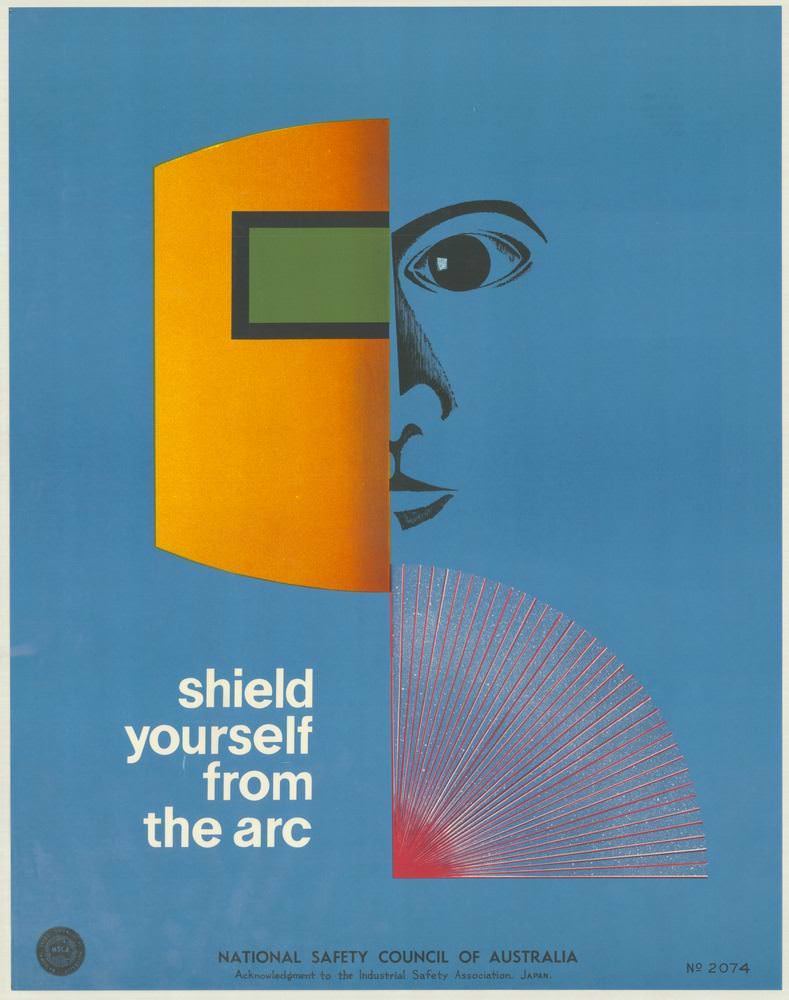
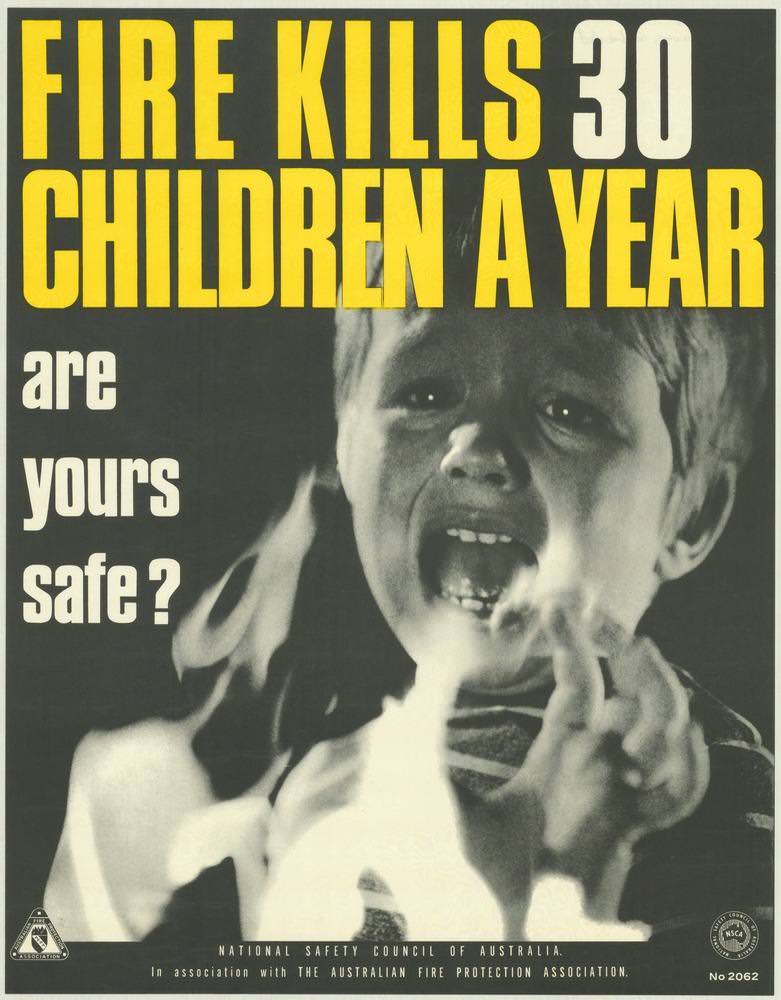
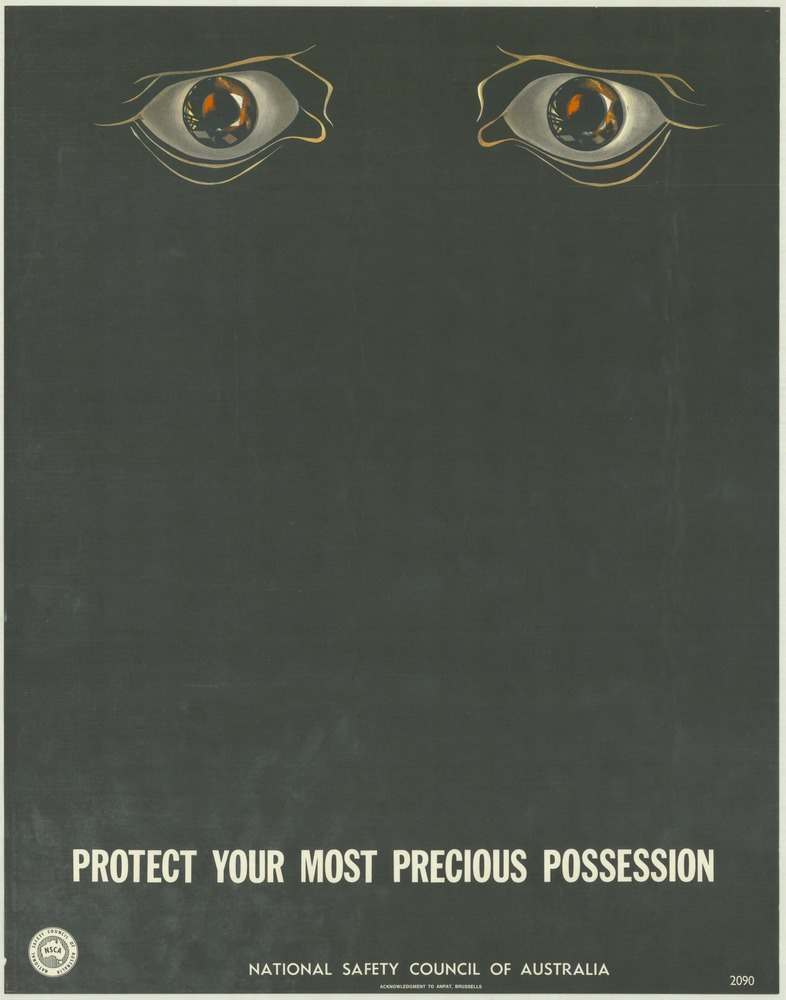
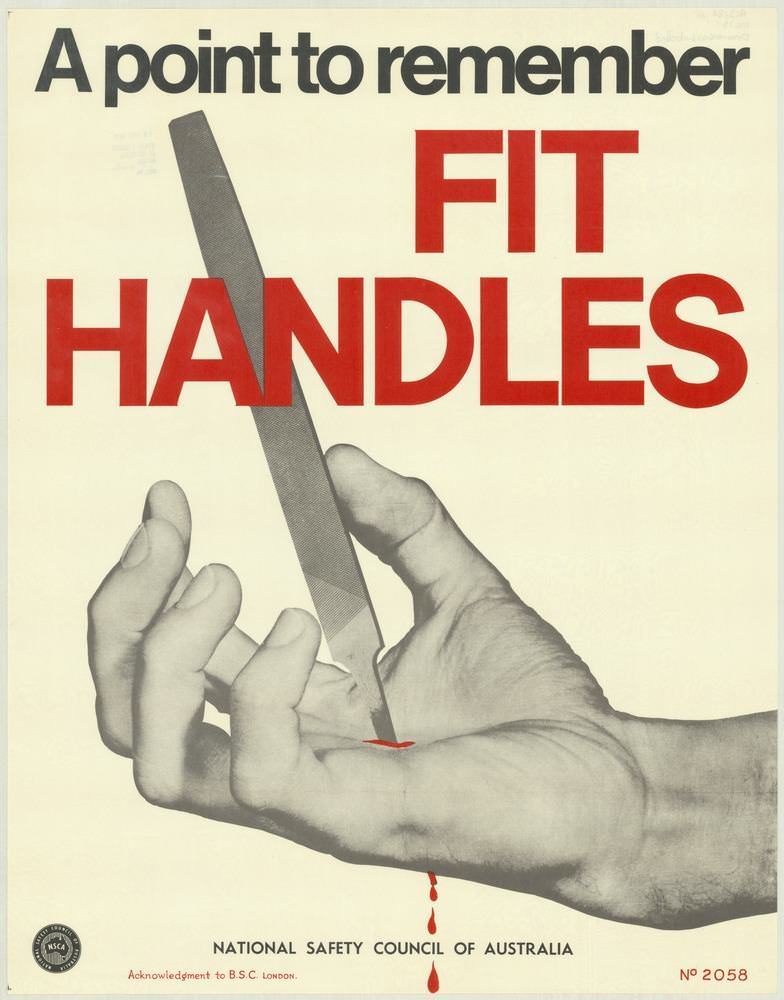
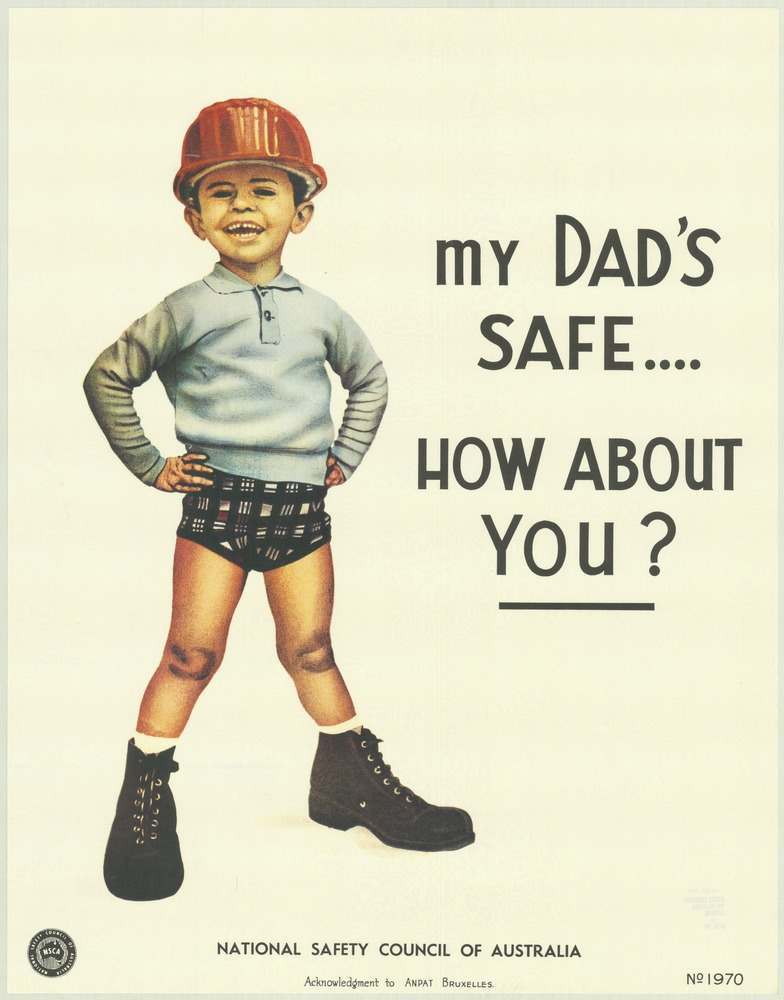
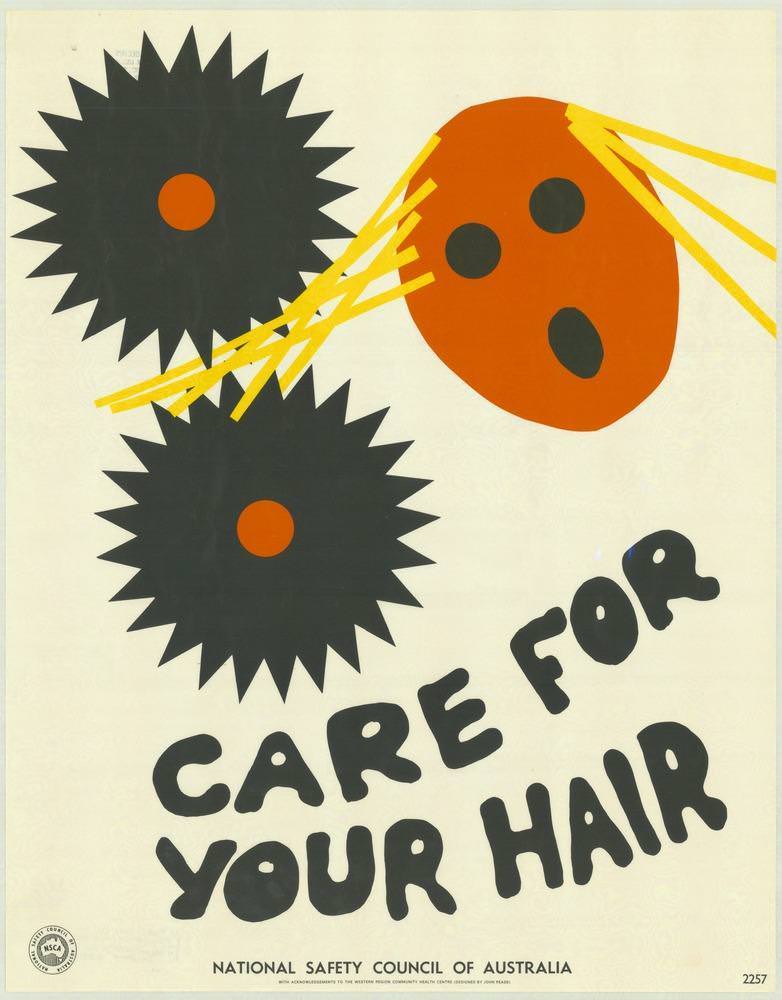
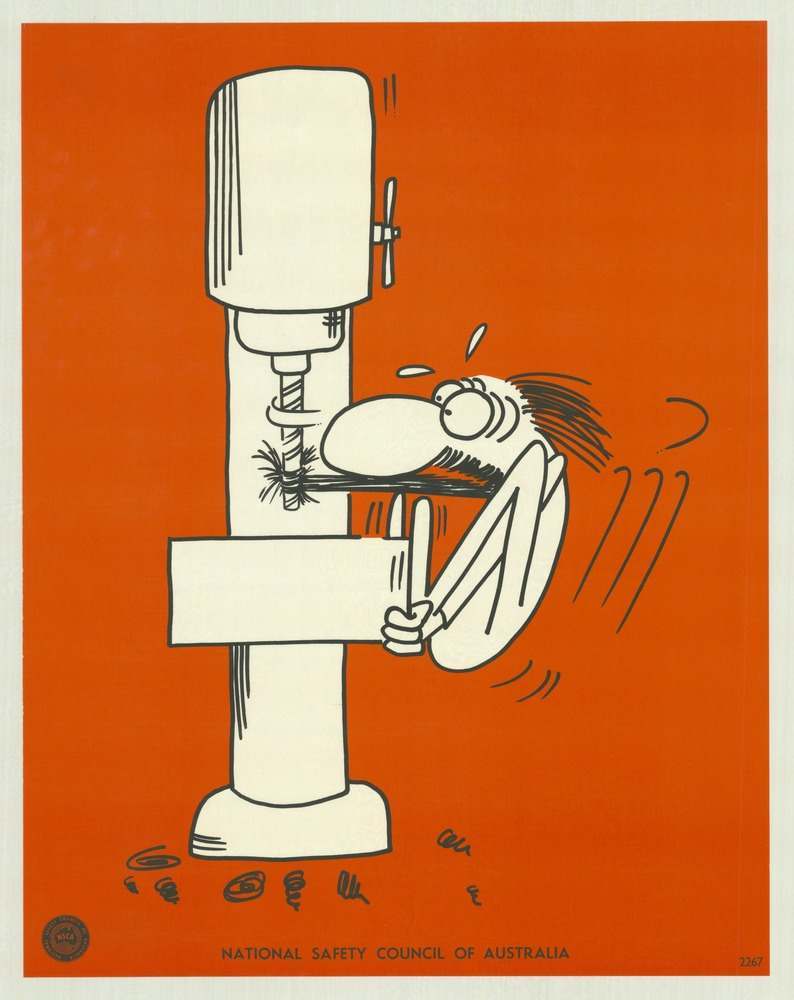
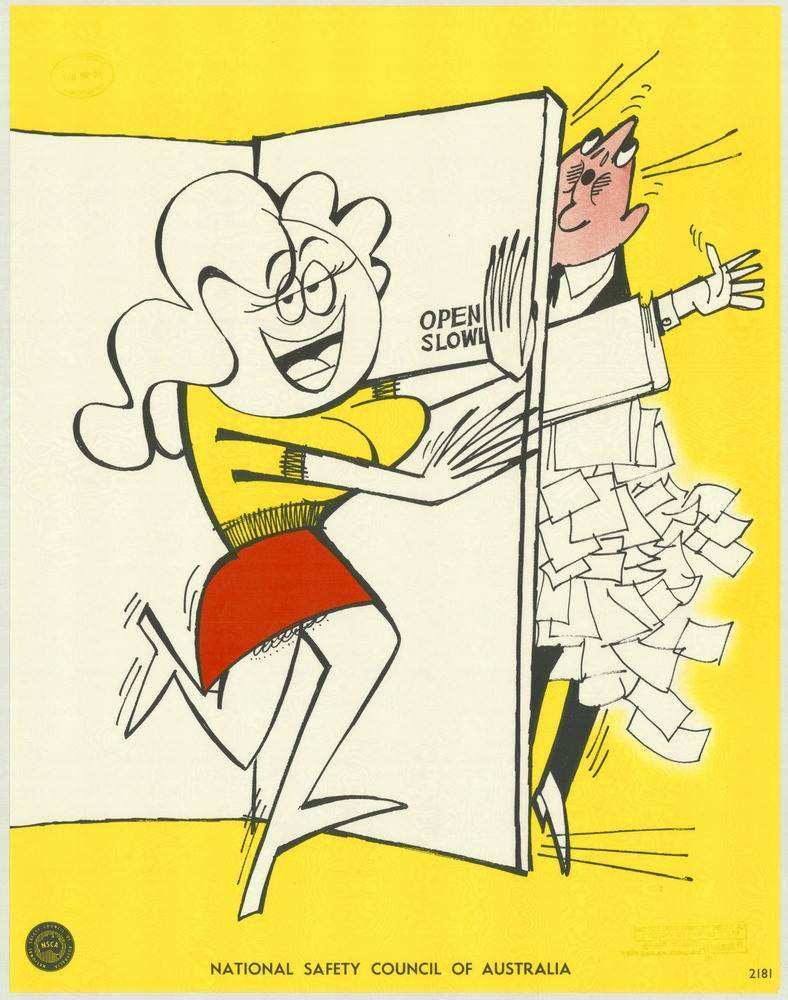
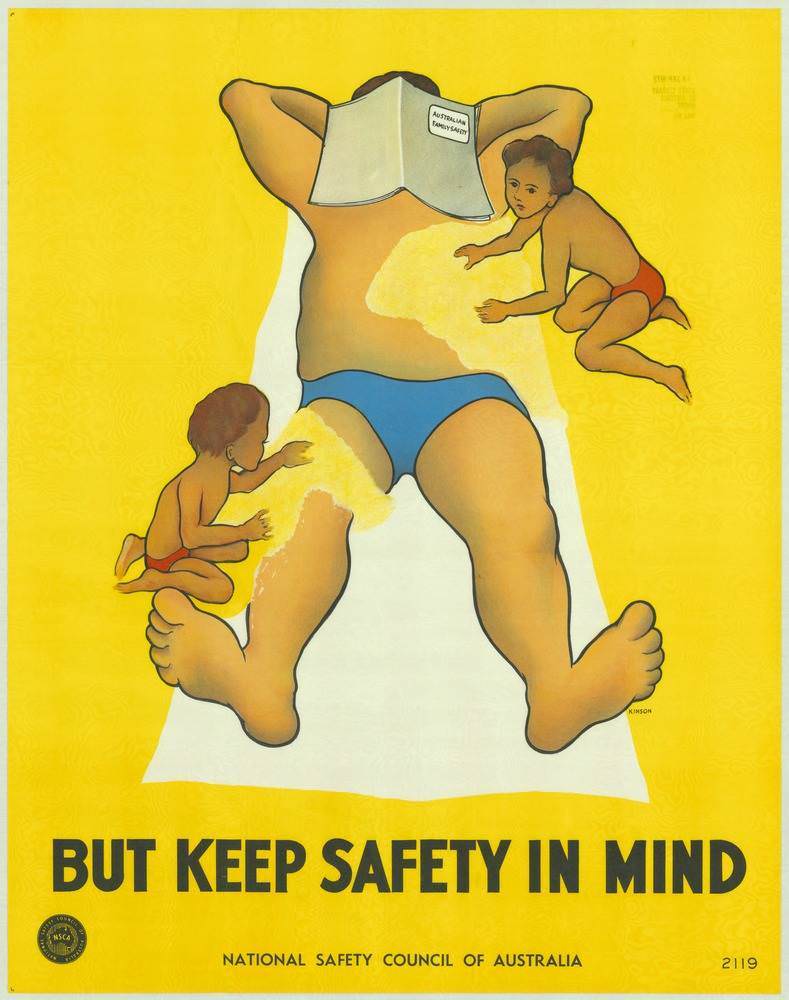
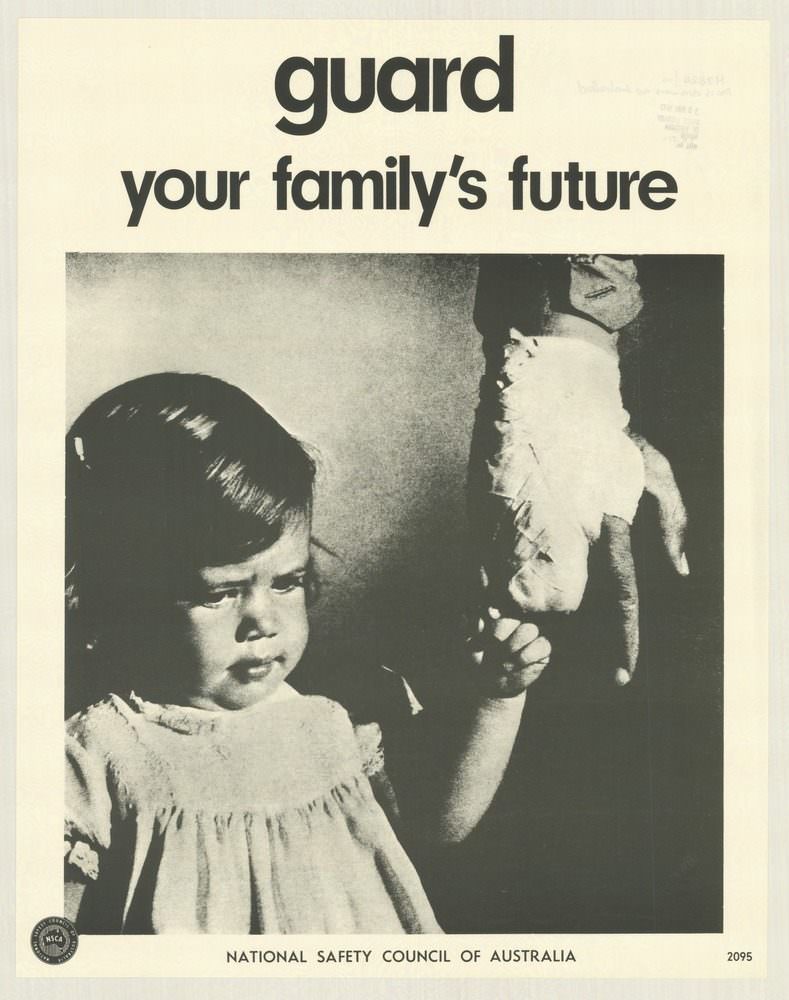
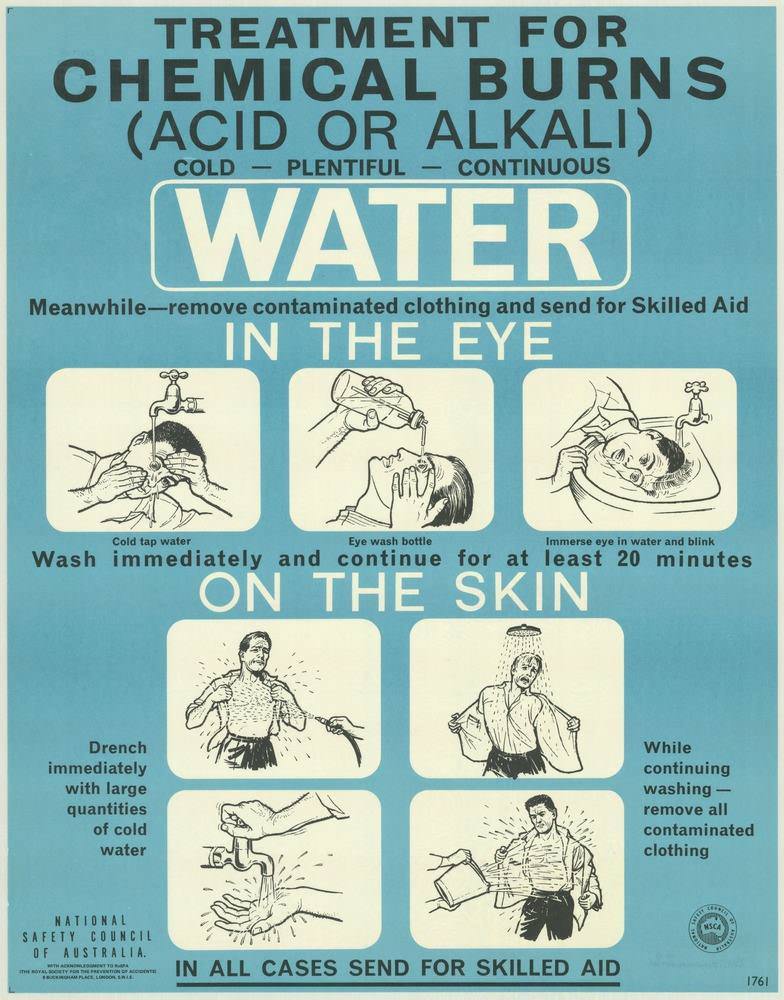
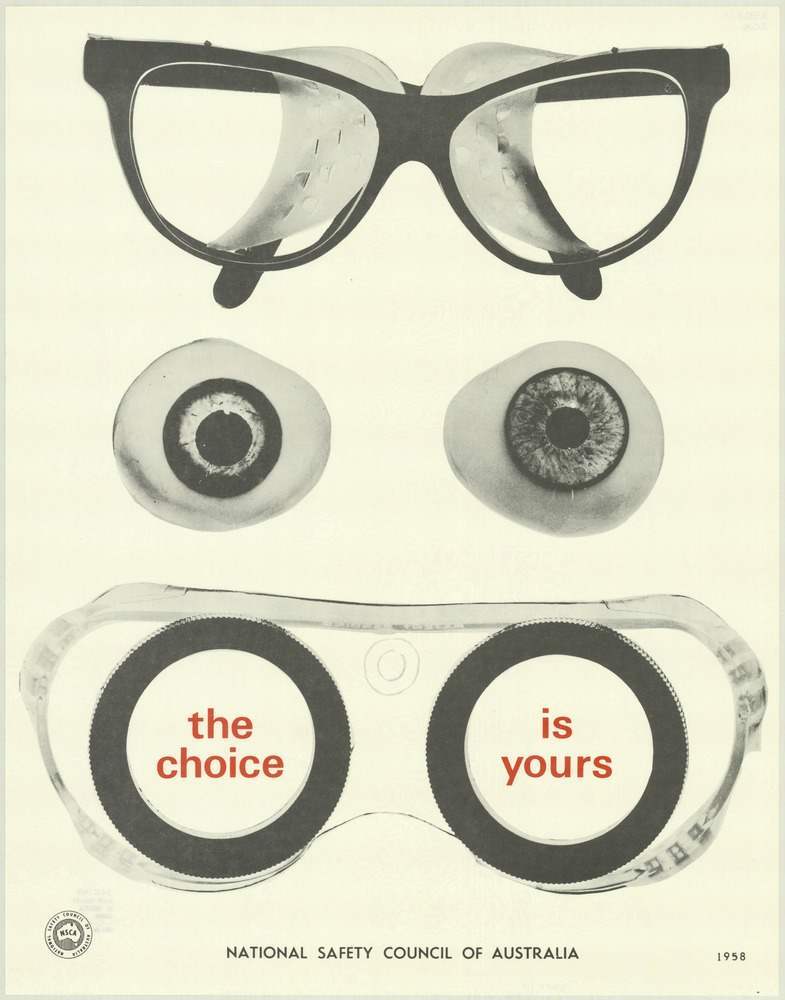
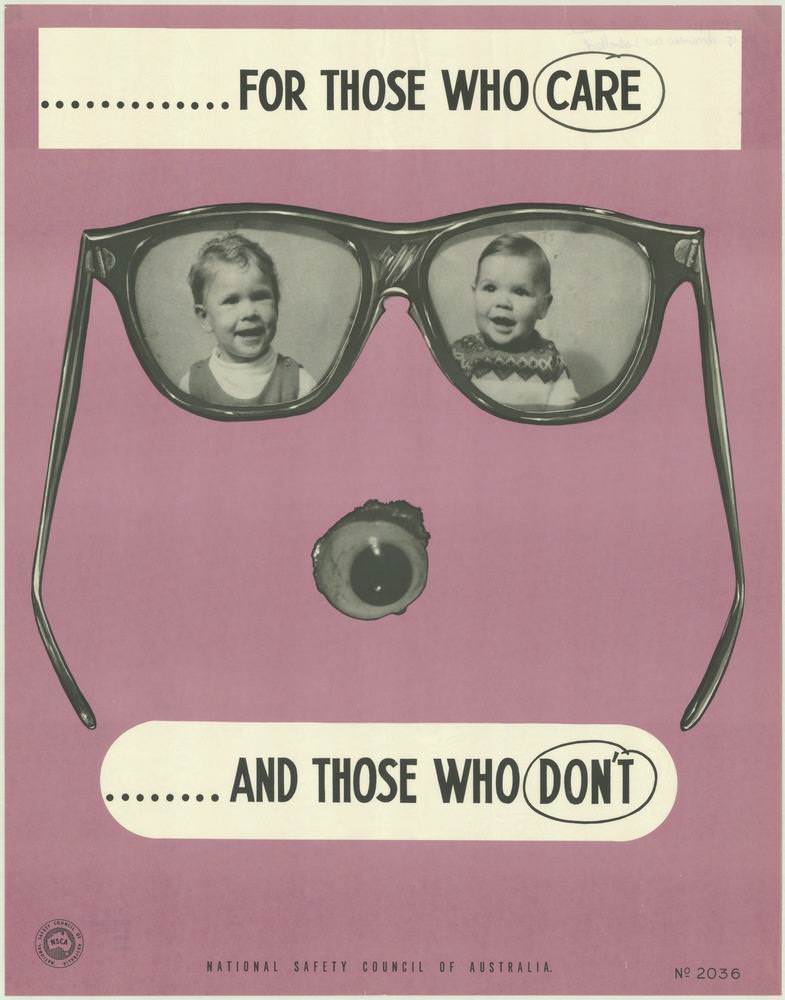
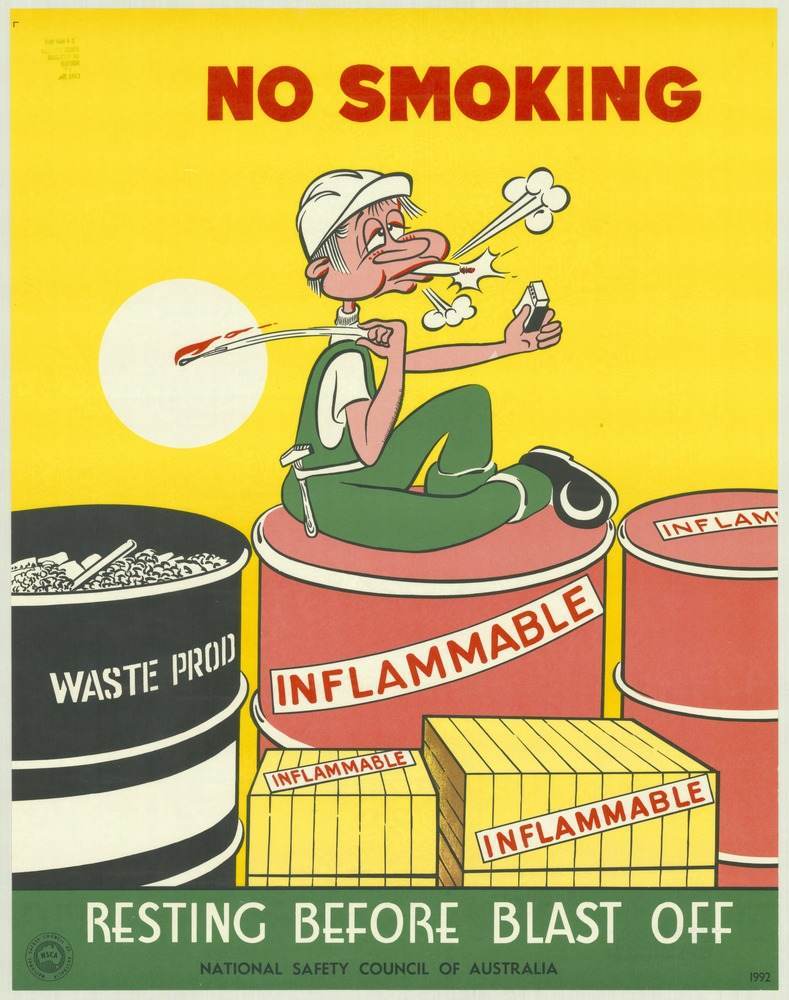
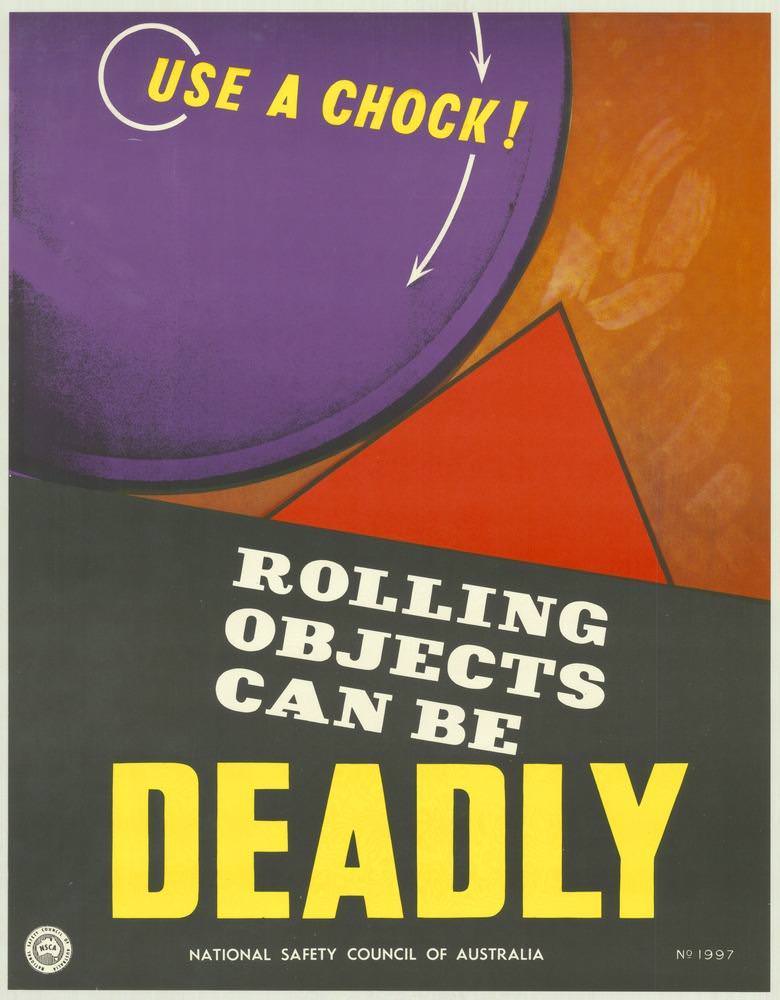
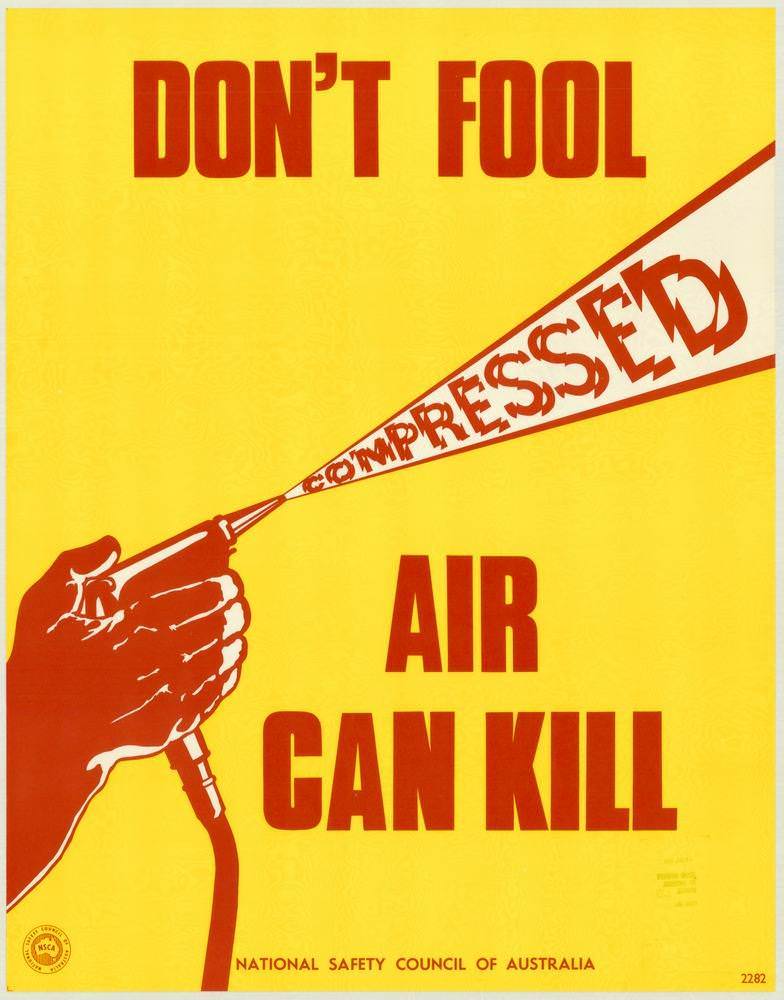
The National Safety Council of Australia (NSCA) was a non-government, non-profit organization with one clear purpose: preventing accidents and keeping people safe. In the 1970s, it became one of Australia’s most active voices for safety, reaching workers and the general public through a wide range of printed materials. Posters were among its most powerful tools.
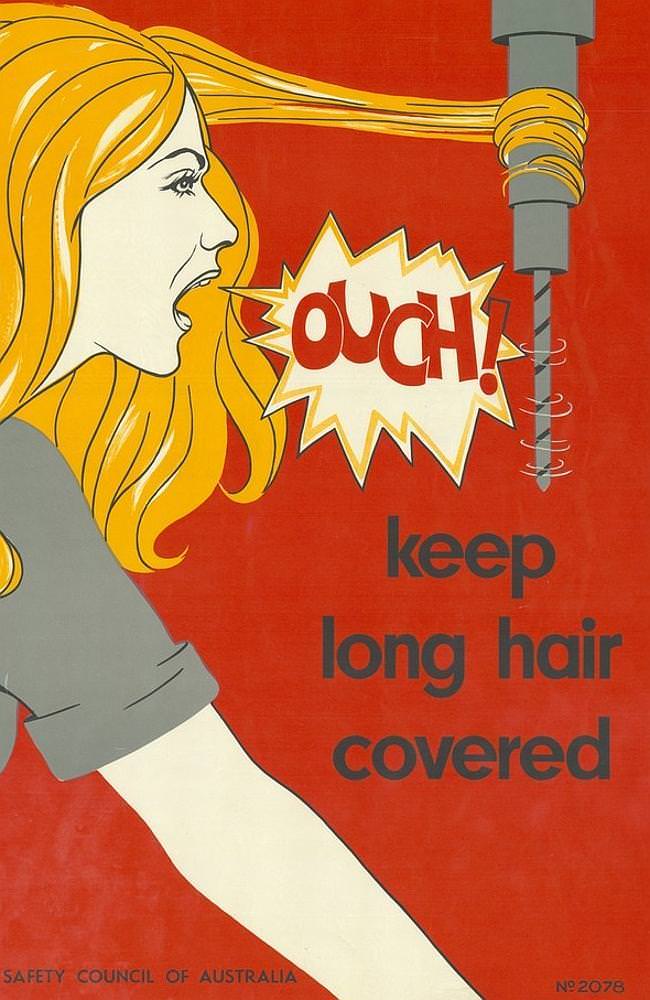
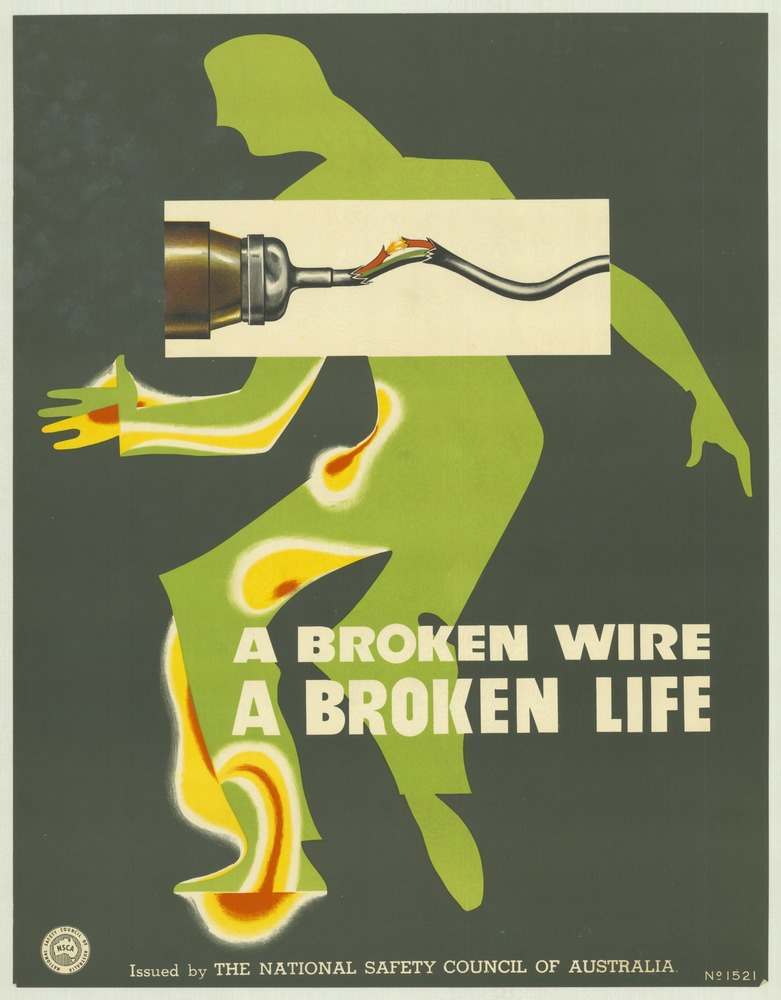
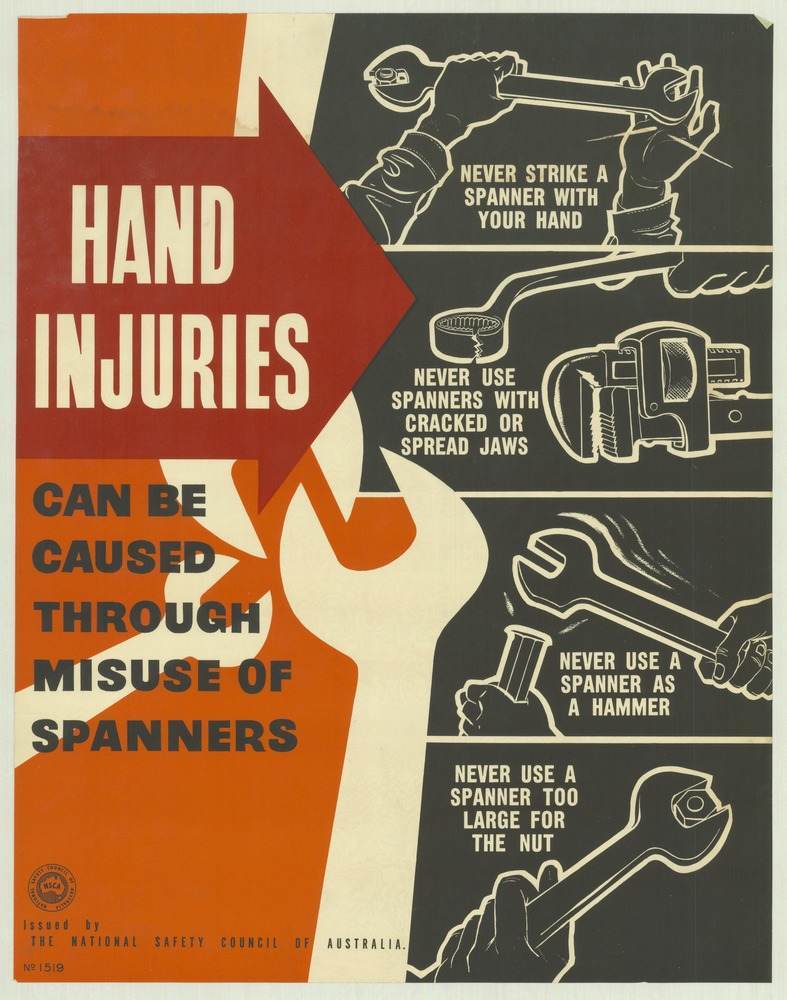
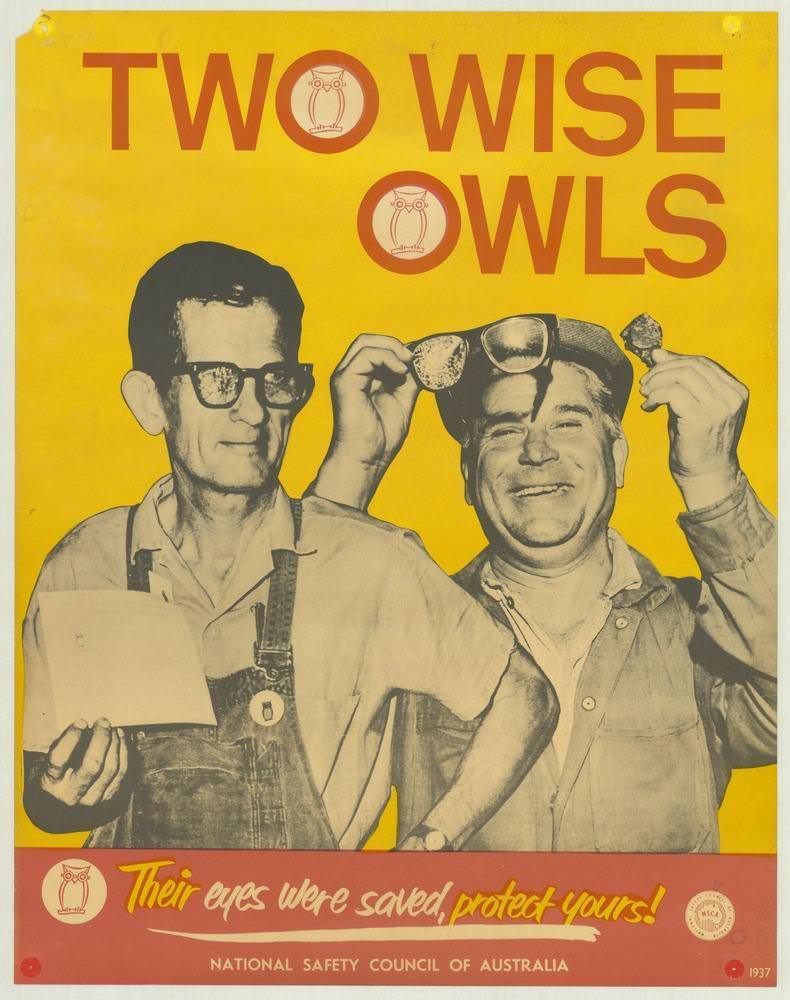
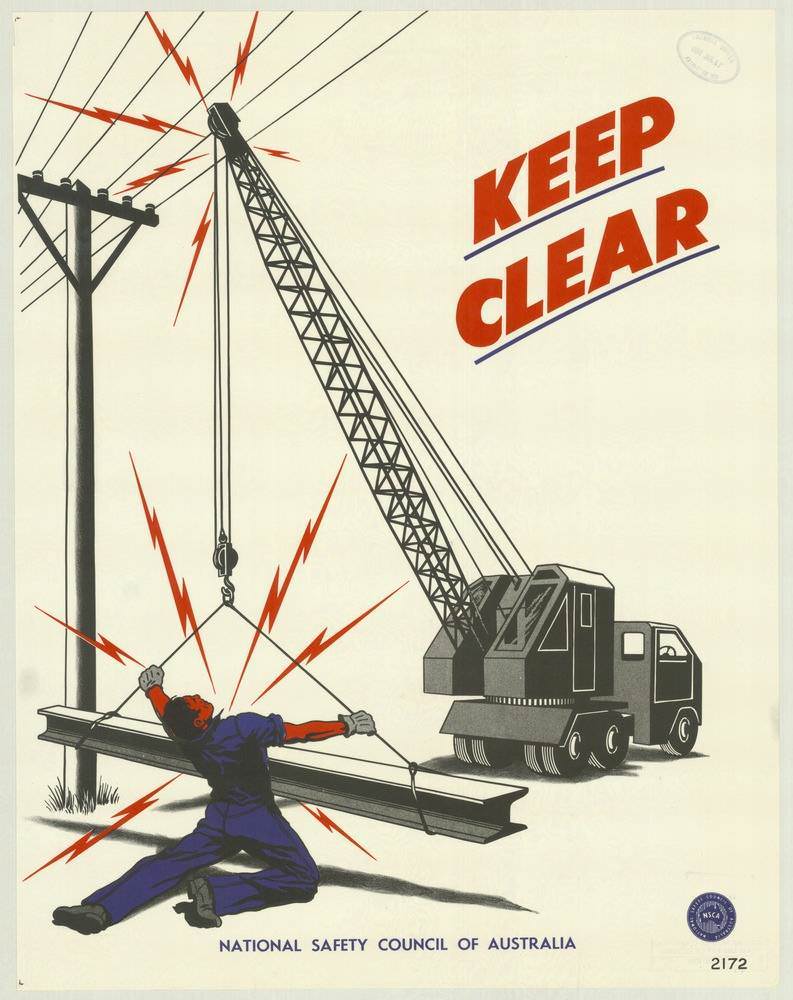
Workplace safety was the NSCA’s biggest focus. Australian workers in the 1970s regularly faced hazards from heavy machinery, electrical systems, and manual lifting. The NSCA produced posters that named these dangers directly and showed workers what proper protective equipment looked like — hard hats, eye shields, and more.
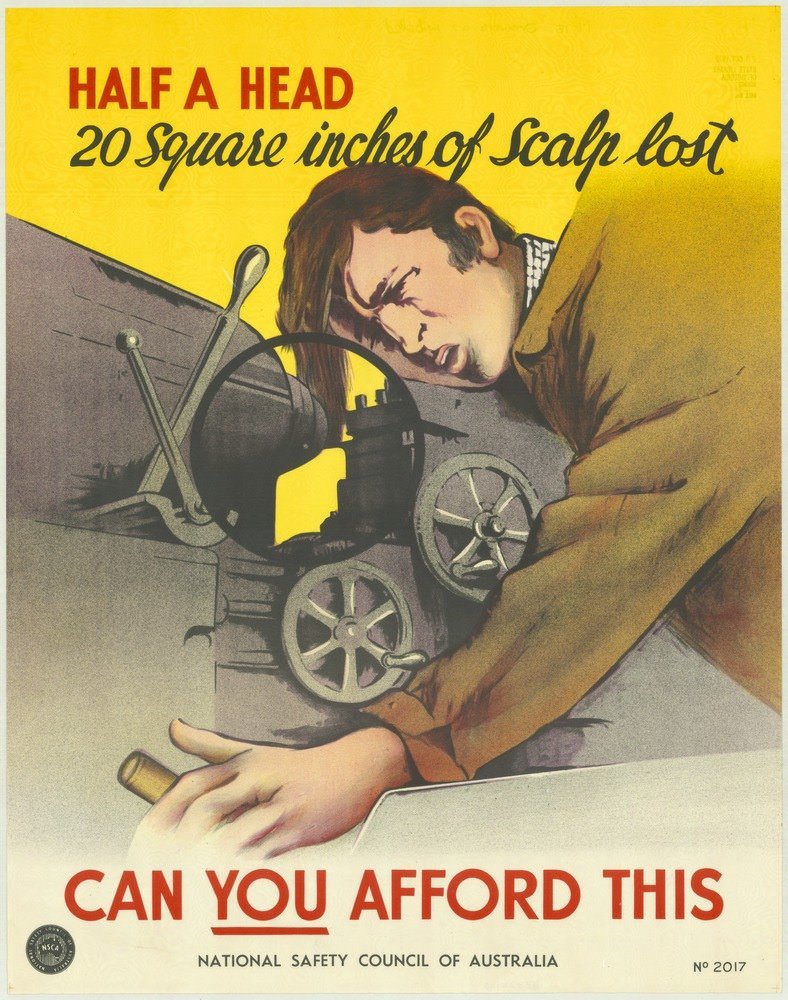
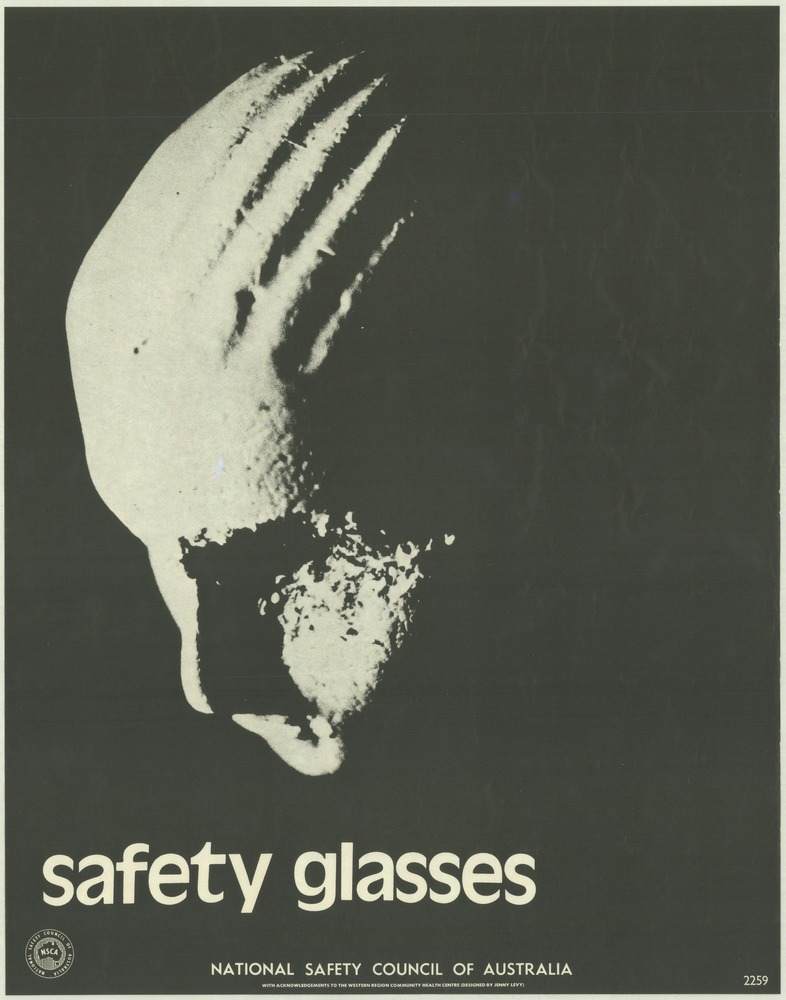
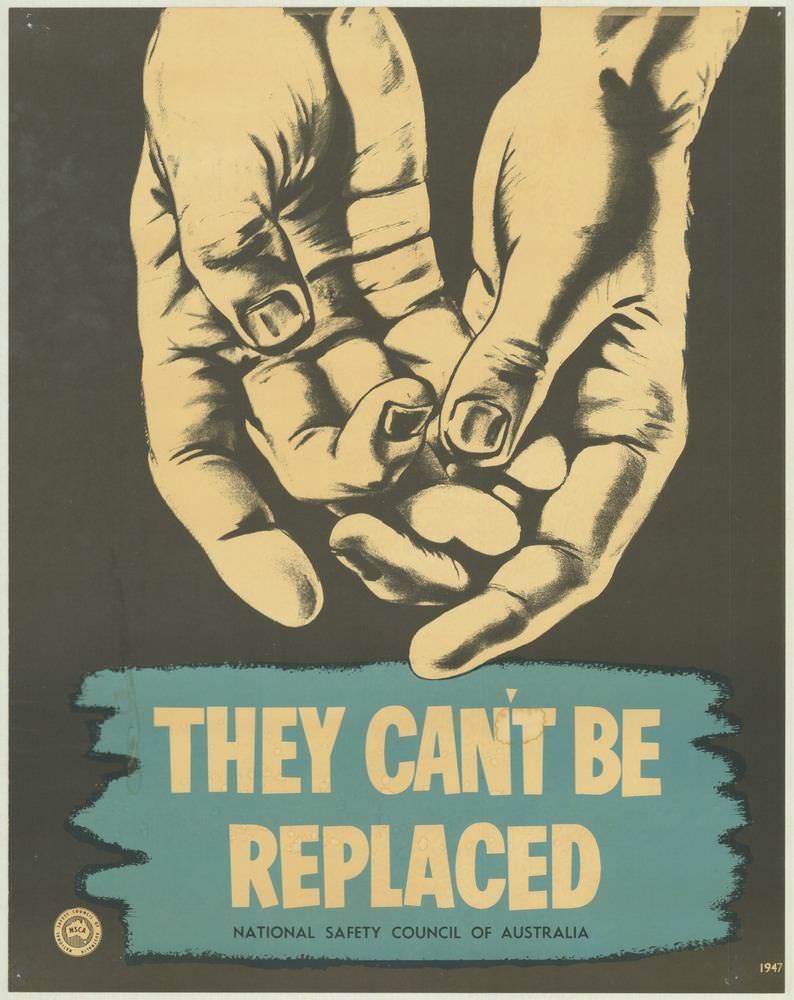
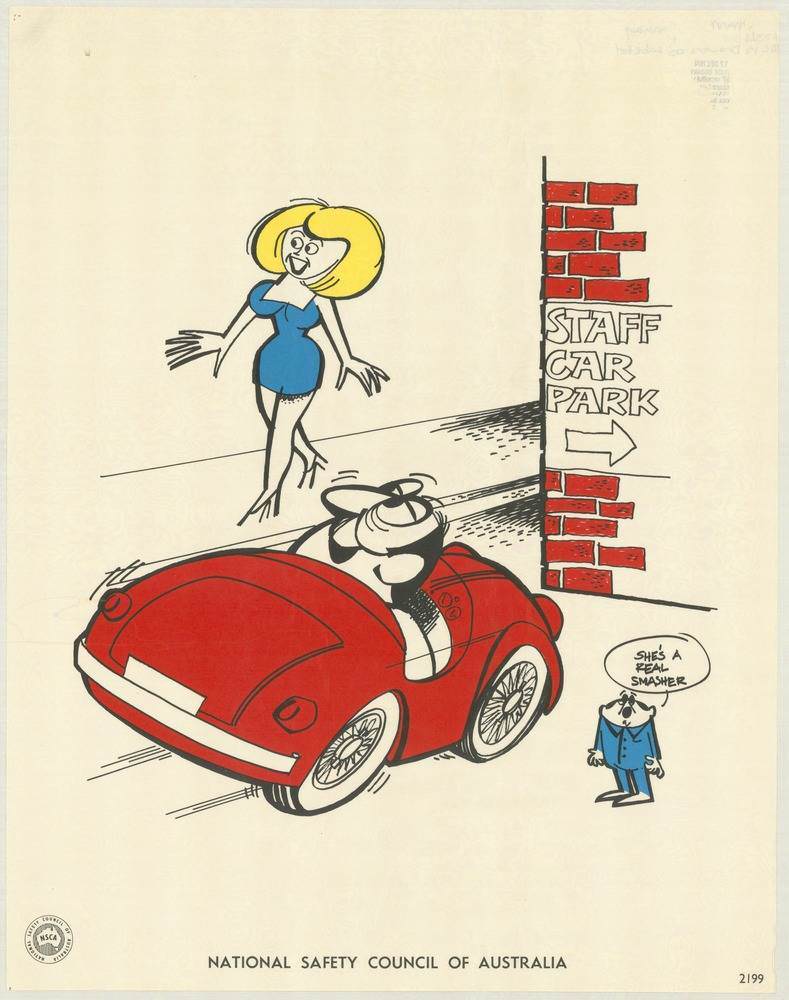
The posters were designed to grab attention fast. Bold graphics and short, sharp messages made them easy to read on a factory wall or a busy noticeboard. The goal was to change habits — to get a worker to stop and think before making a move that could cause injury.
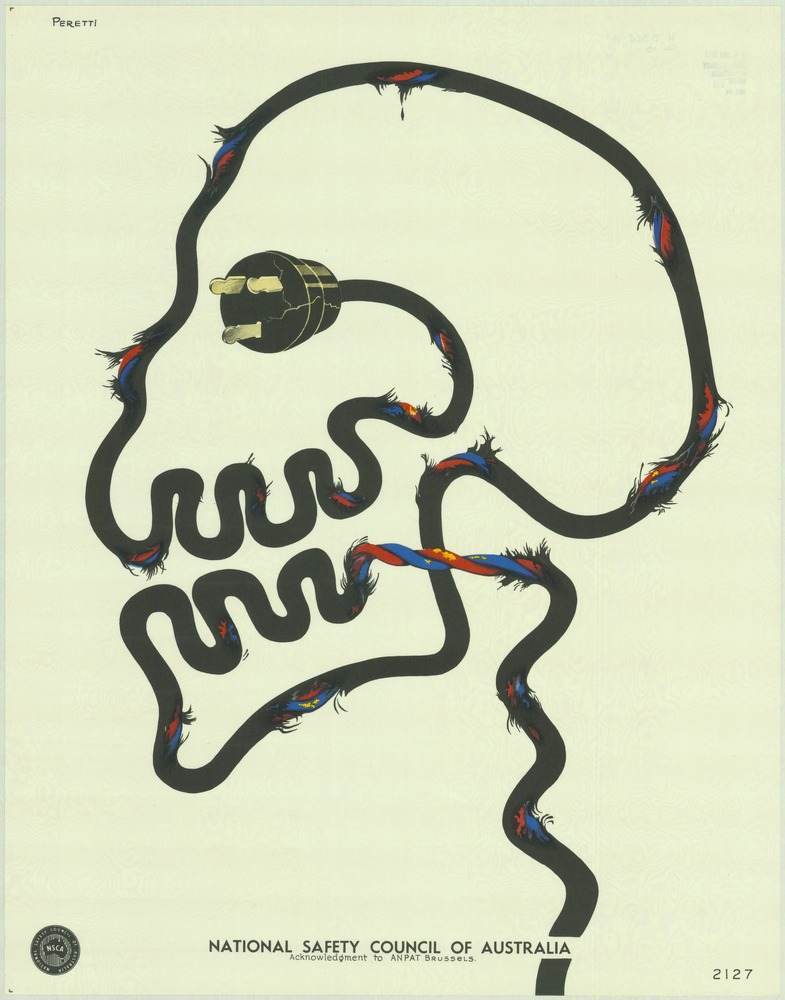
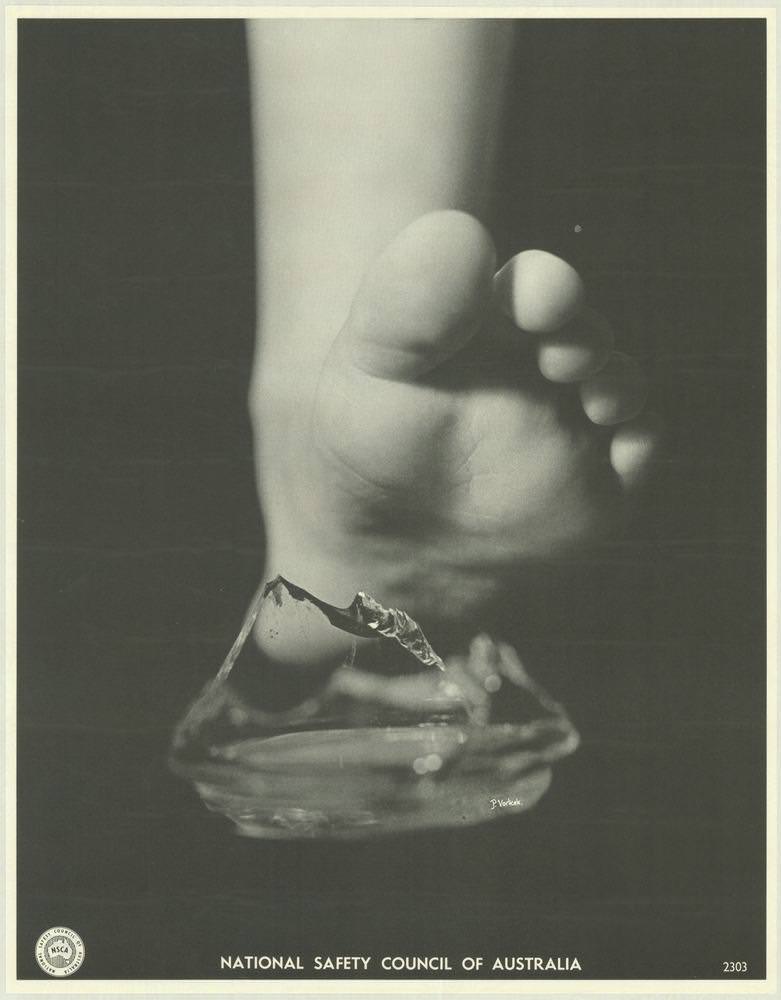
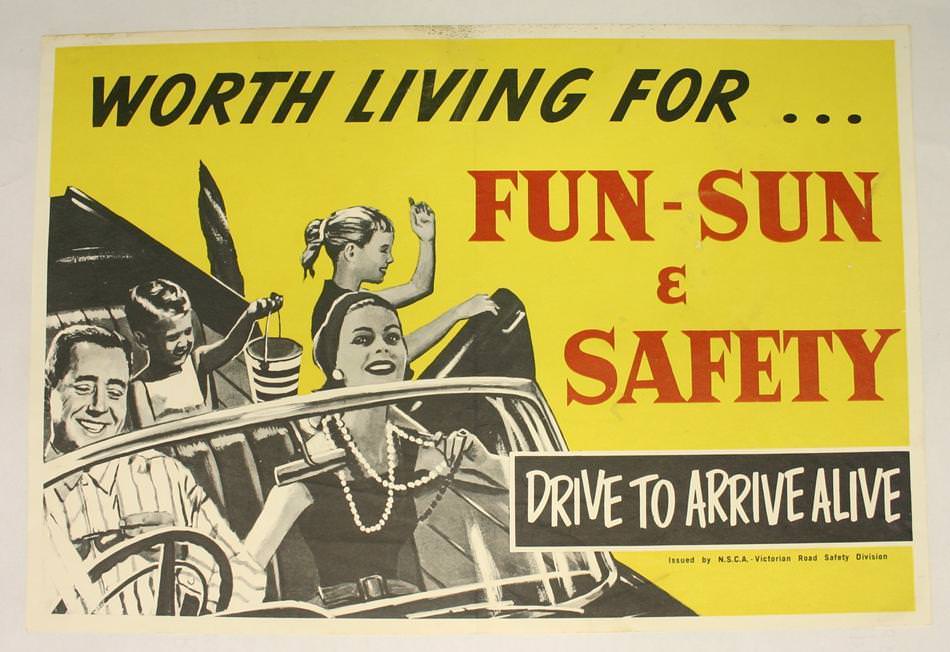
Road safety was the other major theme. Car ownership across Australia grew steadily through the 1970s, and with it came more accidents. The NSCA tackled specific behaviors: speeding, drunk driving, ignoring seat belts, and distracted driving. These weren’t vague warnings — they pointed to real, documented causes of death on Australian roads.
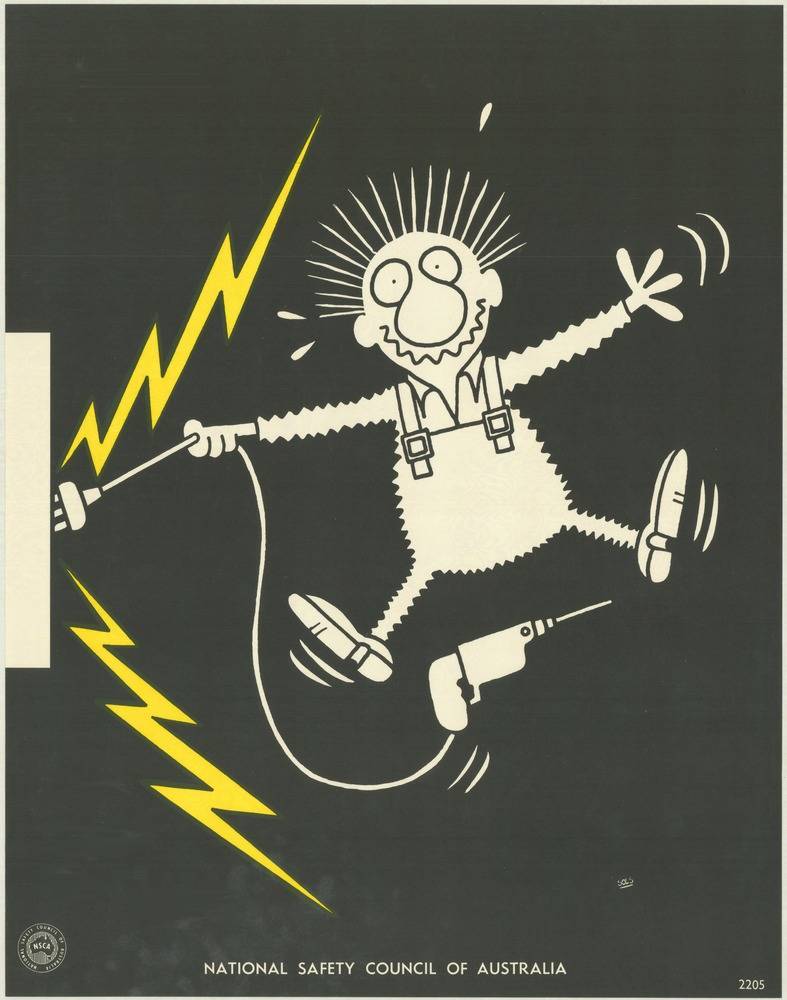
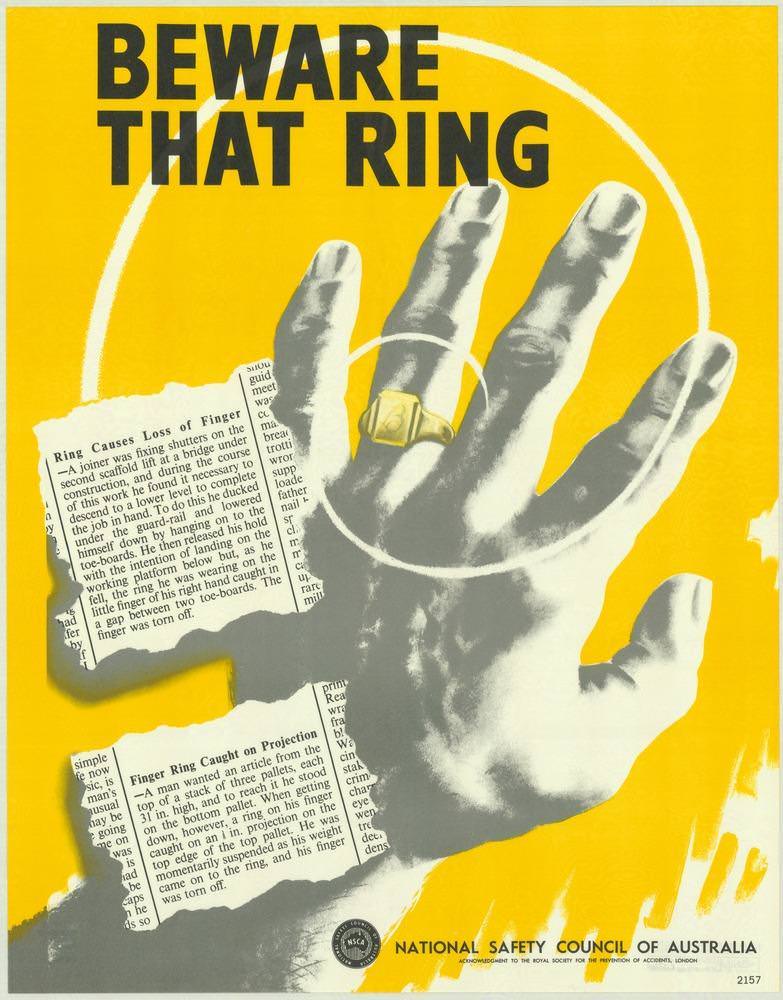
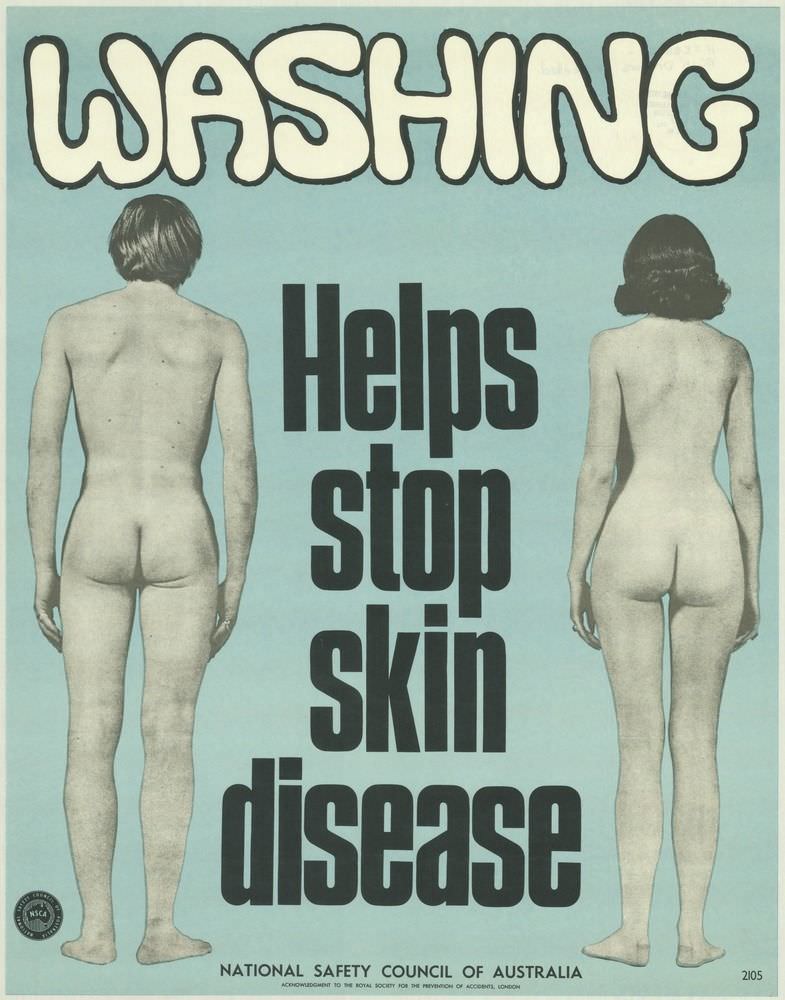
Some posters addressed dangers outside of work and the road. Home safety and general public hazards also appeared in the NSCA’s campaigns, broadening the reach of its message beyond industrial settings.