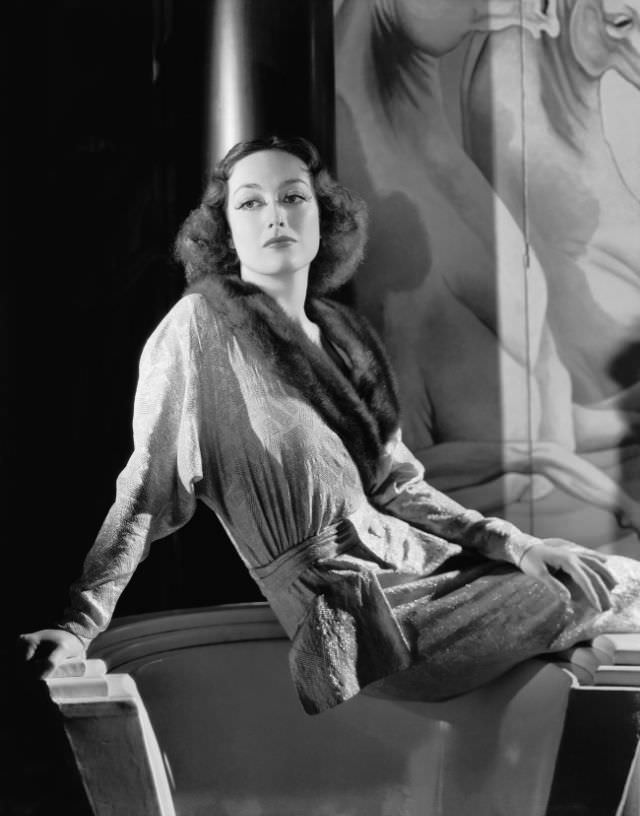
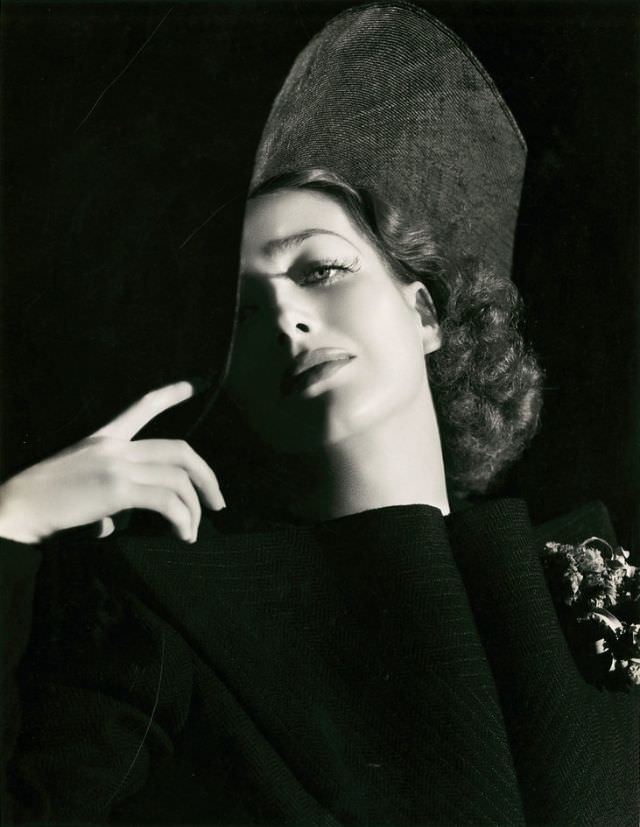
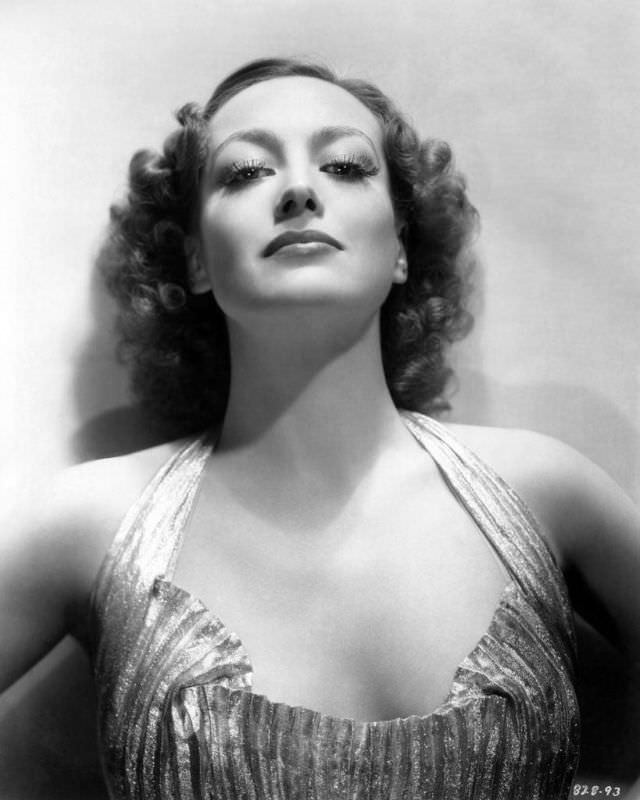
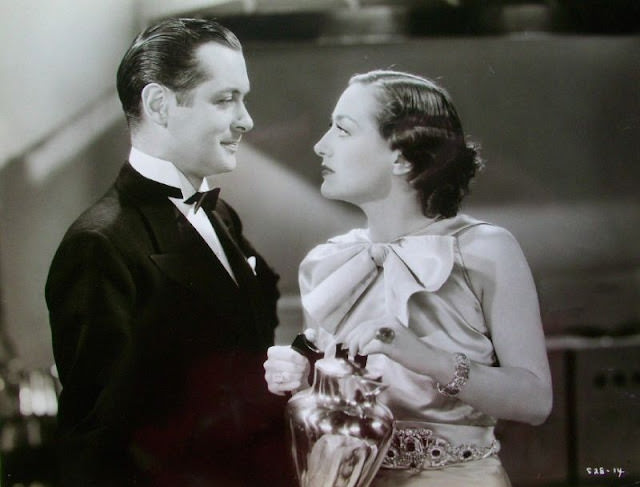
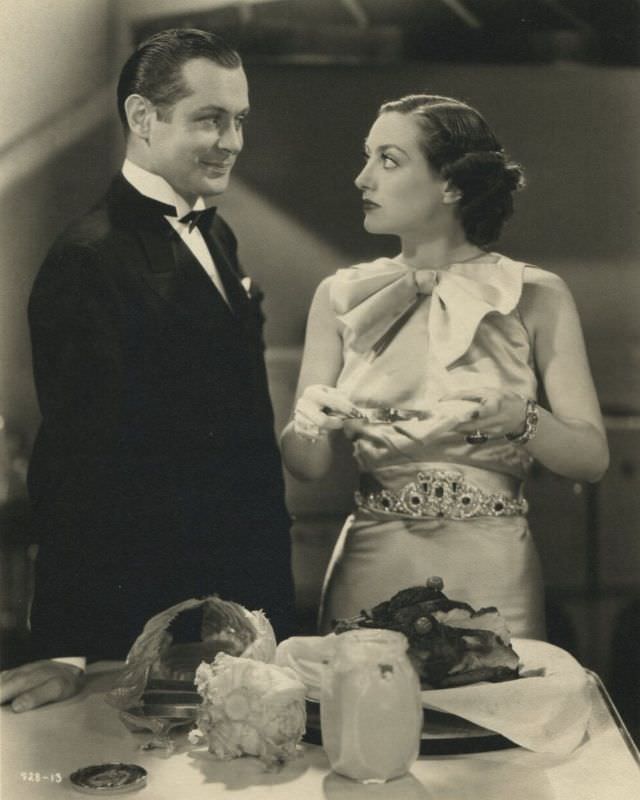
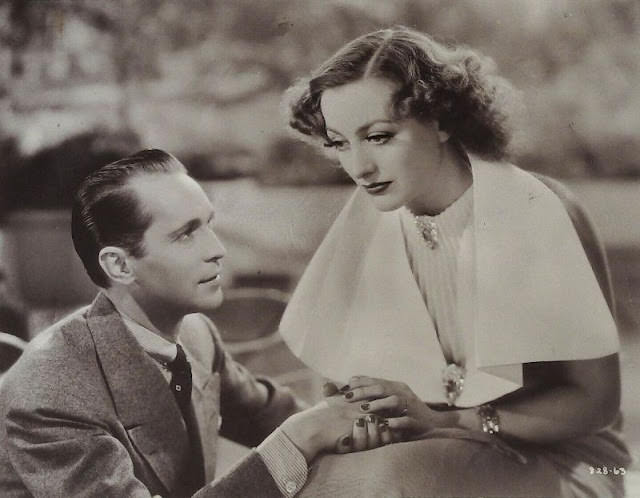
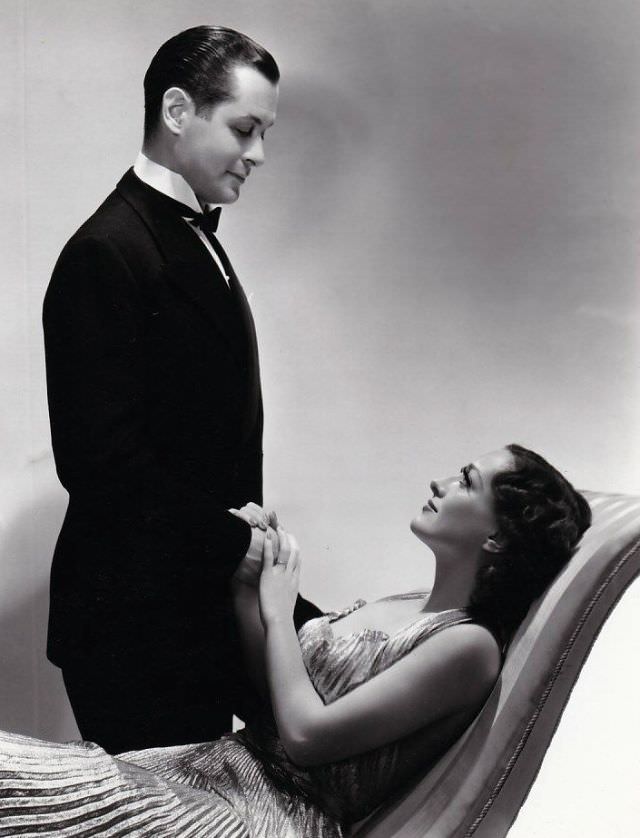
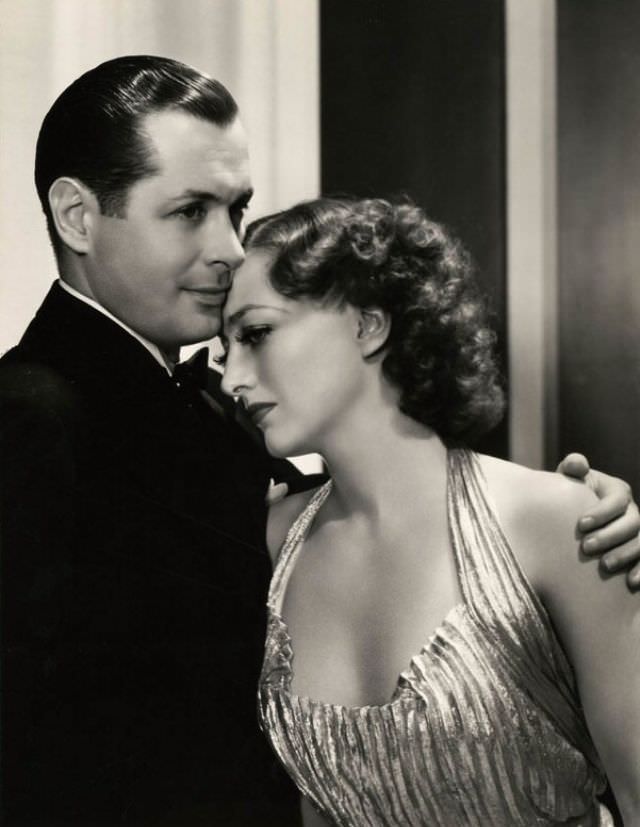
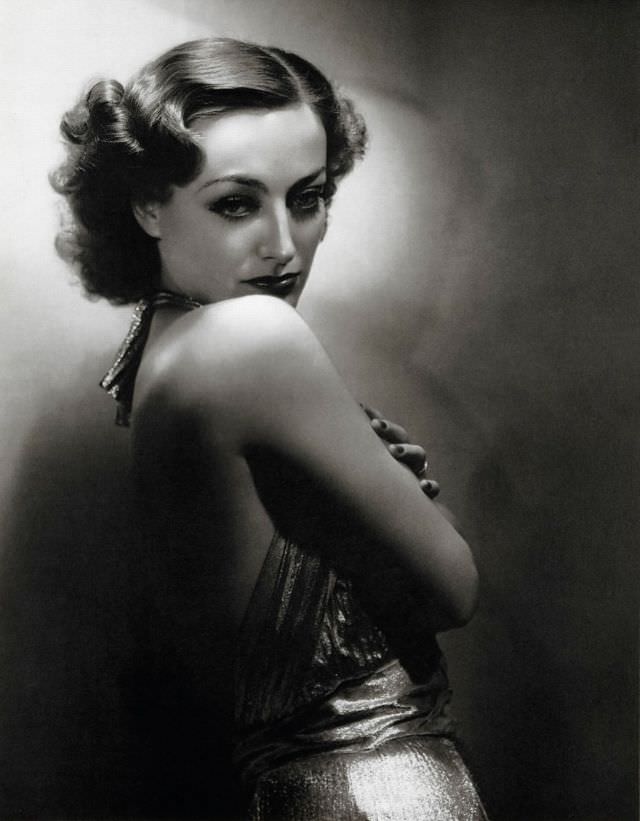
Released in 1935, No More Ladies is an MGM comedy built around love, marriage, and infidelity. The film stars Joan Crawford, Robert Montgomery, and Charlie Ruggles, and is based on a stage play by A.E. Thomas. Edward H. Griffith directed the bulk of the picture, with George Cukor handling some scenes before being replaced — a behind-the-scenes shift that quietly shaped the final product.
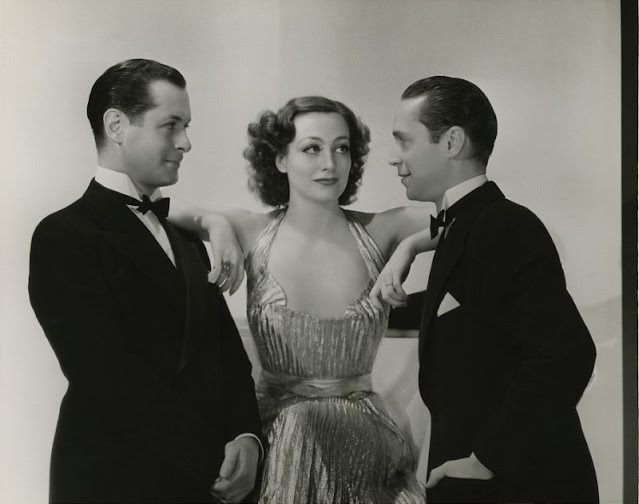
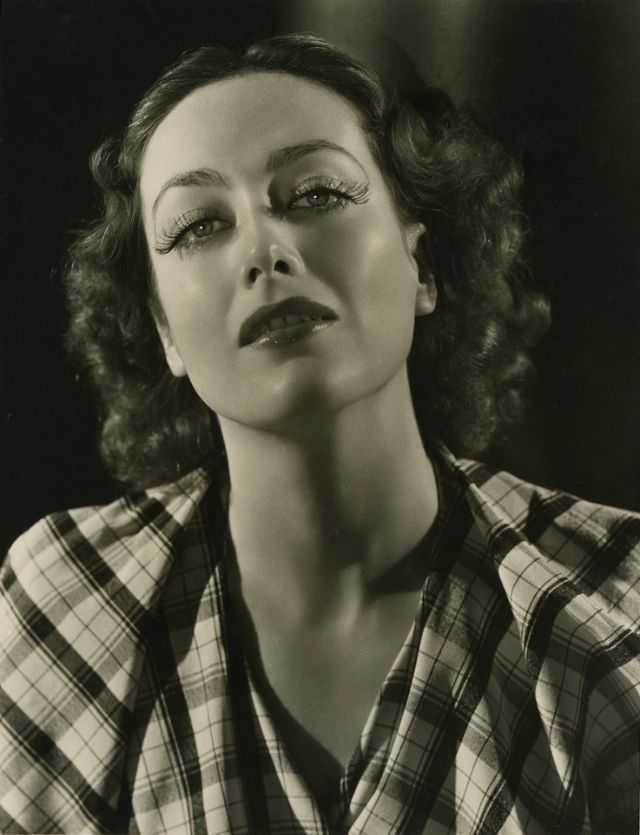
Crawford plays Marcia Townsend, a woman who marries the serial womanizer Sherry Warren, played by Montgomery, fully intending to reform him. When that plan stalls, she takes a sharper approach: she hosts a party and invites every woman from his past. The script was written by Donald Ogden Stewart and Horace Jackson, and Crawford worked closely with them to make sure Marcia came across as a fully realized character, not a passive lead.
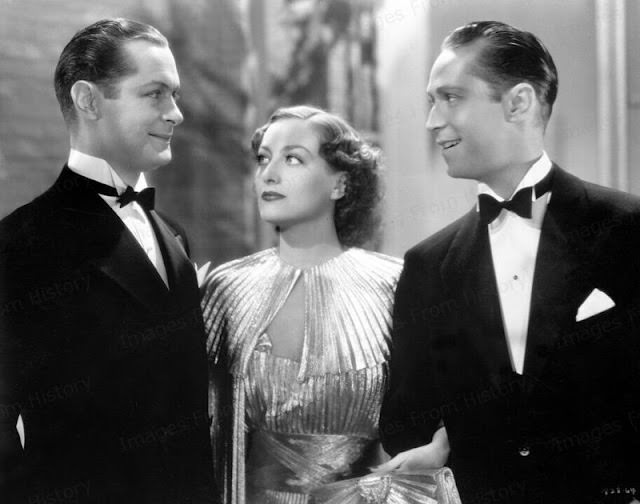
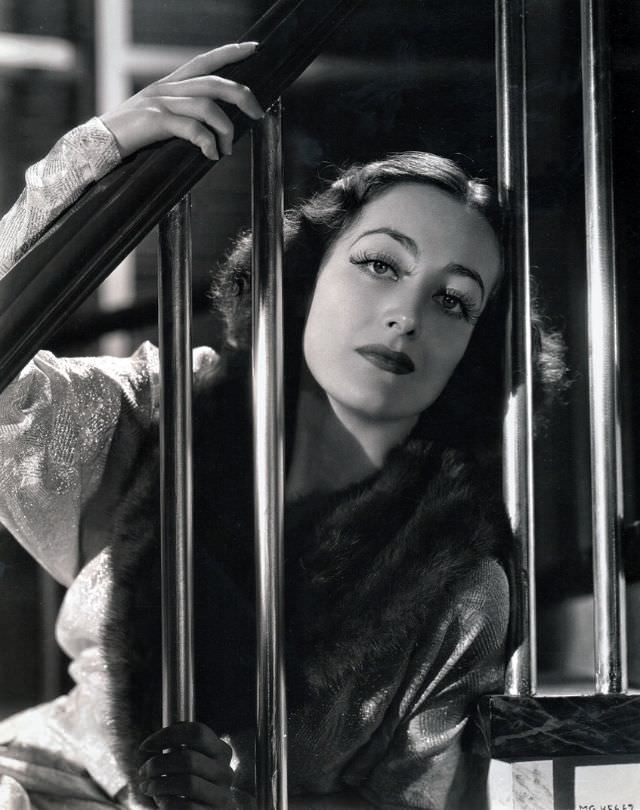
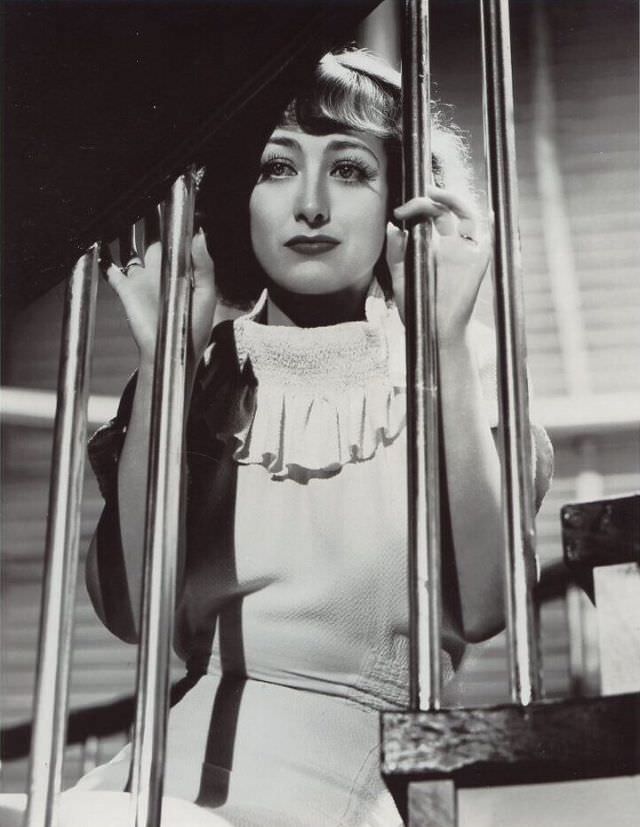
Crawford’s preparation for the role went beyond memorizing lines. She pushed for changes to the script in the early stages, raising concerns about specific plot points. The production took her input seriously, and adjustments were made. Her goal was clear — Marcia needed emotional weight, not just elegance.
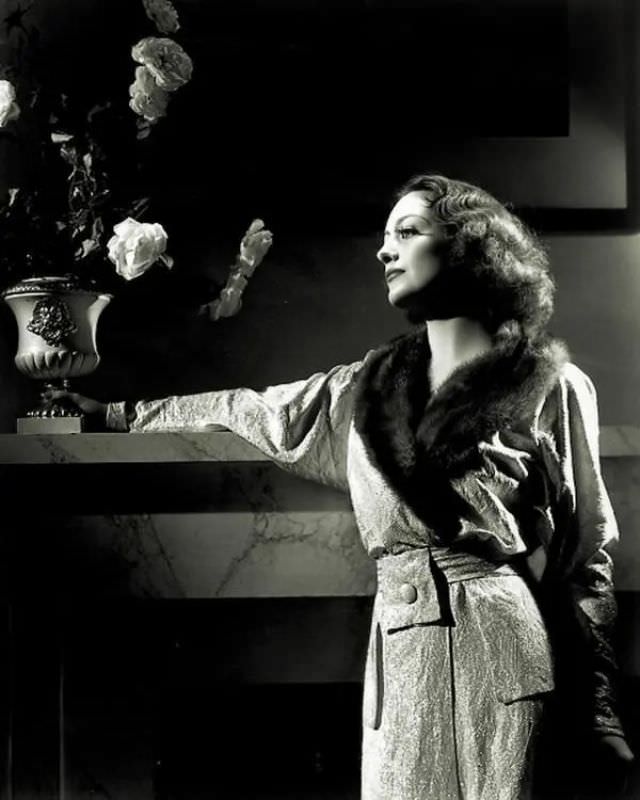
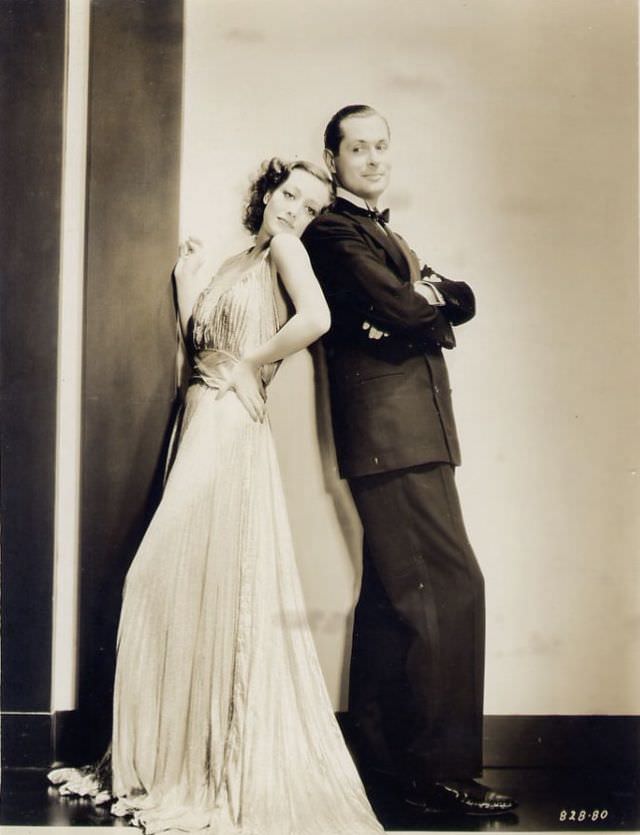
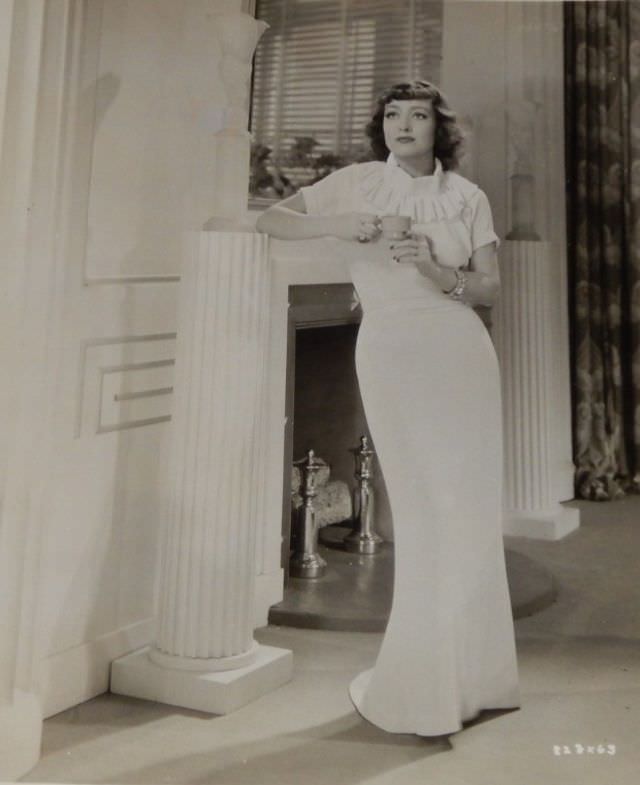
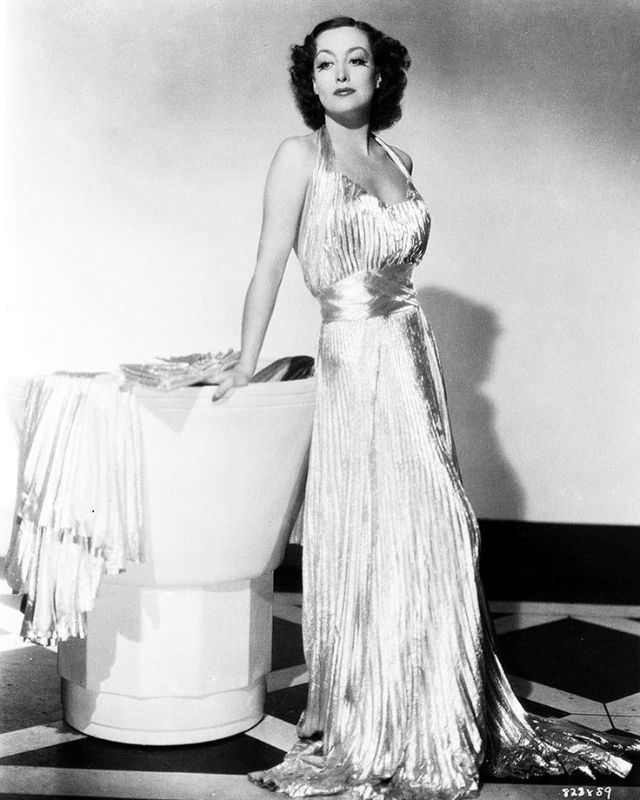
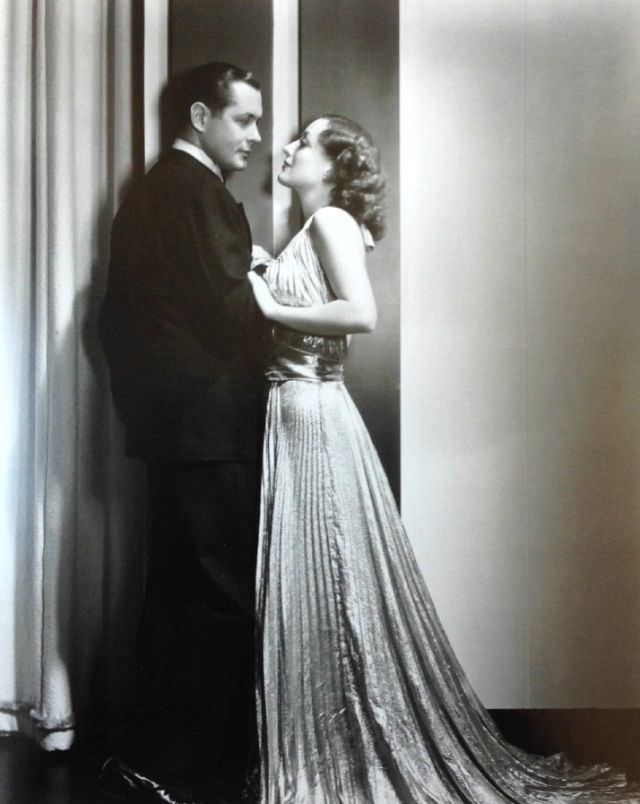
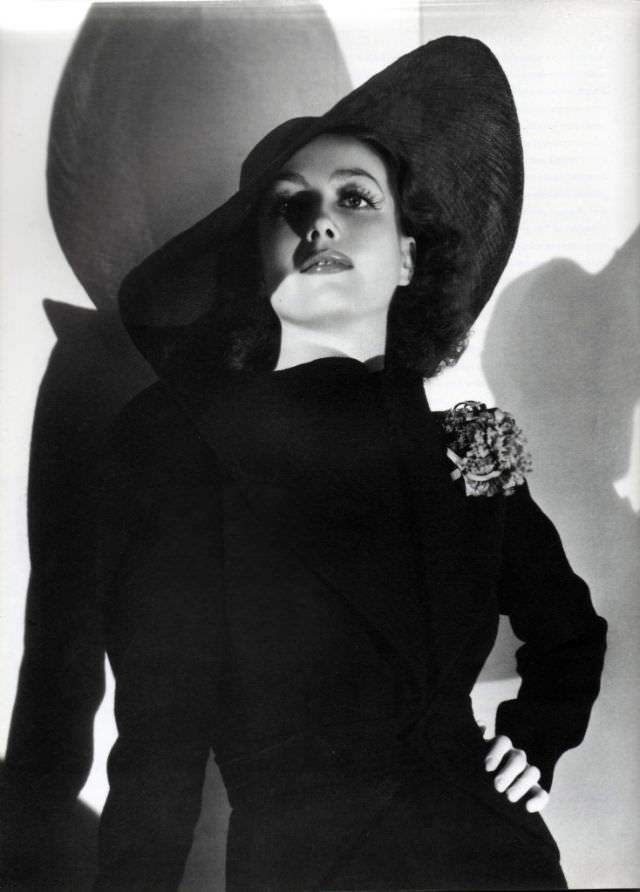
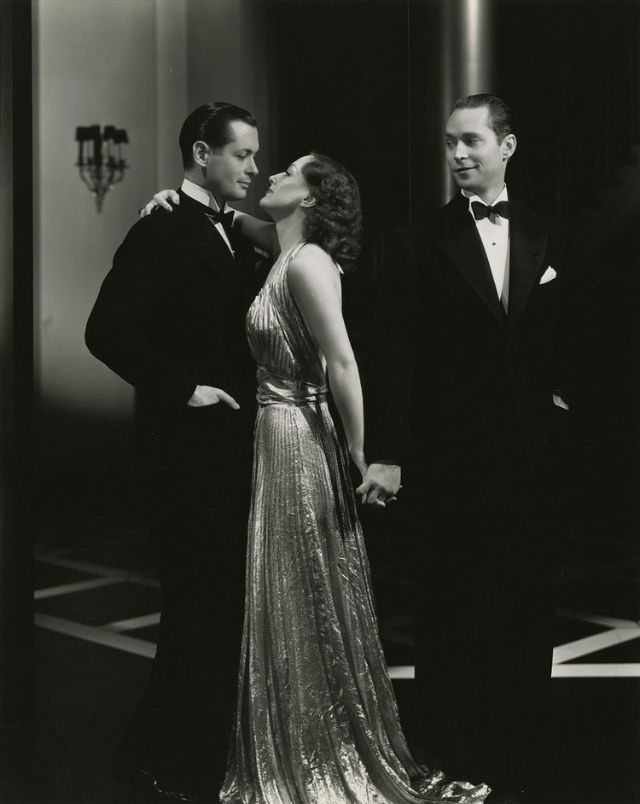
The costumes were designed by Adrian, MGM’s chief costume designer throughout the studio’s golden years. Crawford paid close attention to every gown and outfit, understanding that Marcia’s wardrobe had to signal her high-society status while also reflecting her shifting emotional state across different scenes. Each piece was built with that dual purpose in mind.
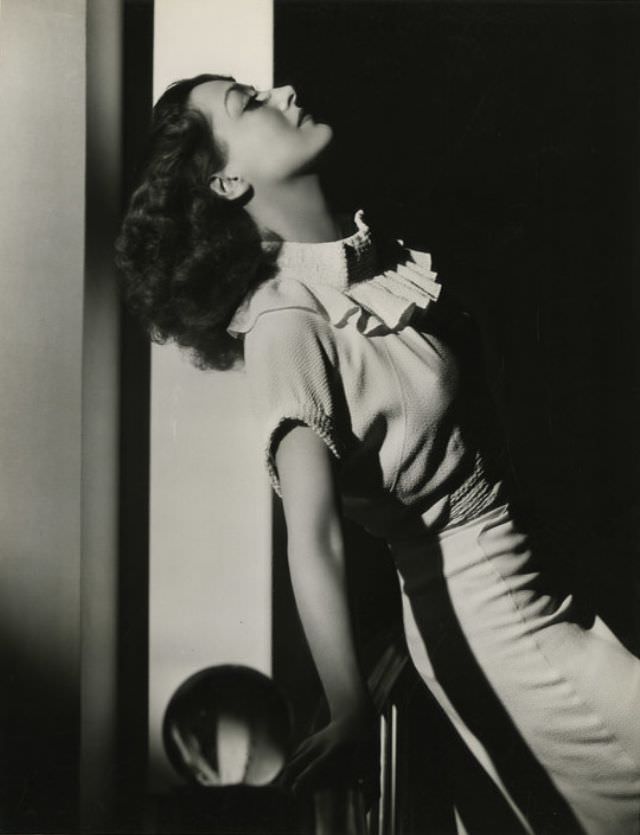
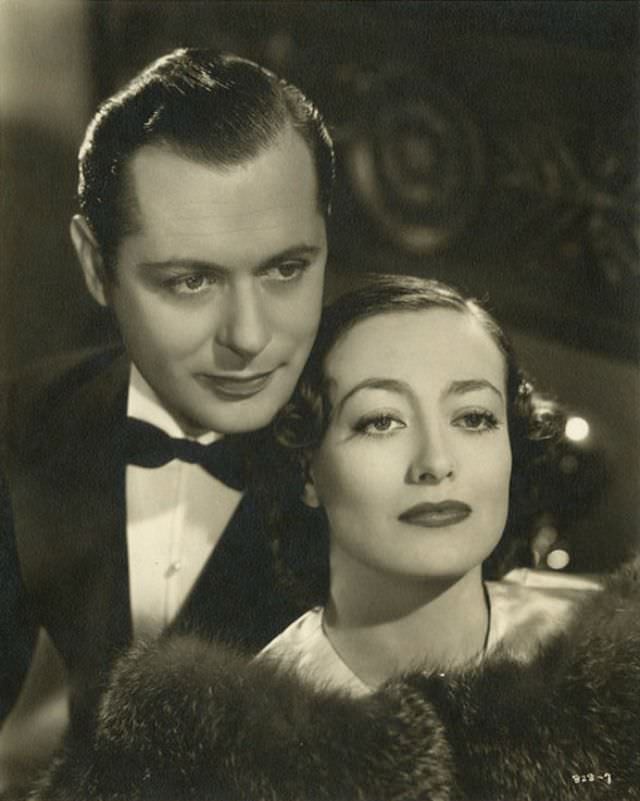
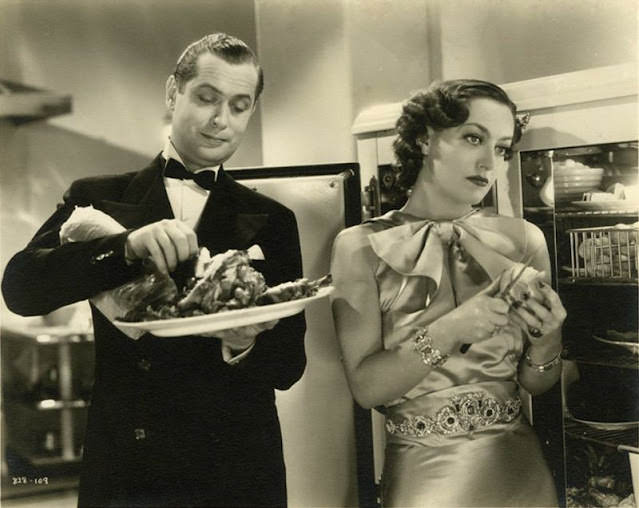
On set, Crawford was known for arriving first and leaving last. The long hours and repeated takes that wore others down did not seem to affect her routine. She maintained steady focus throughout production, and her professionalism earned consistent respect from both the crew and her fellow cast members.
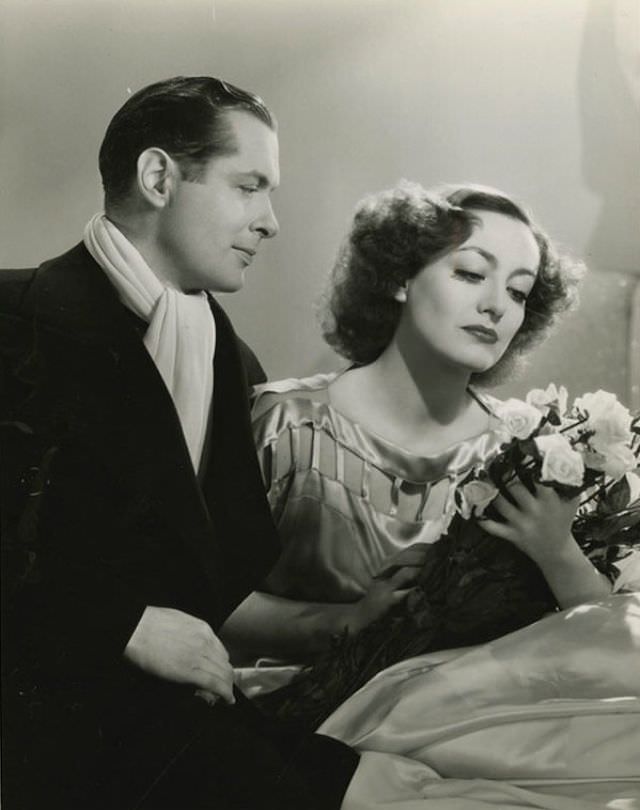
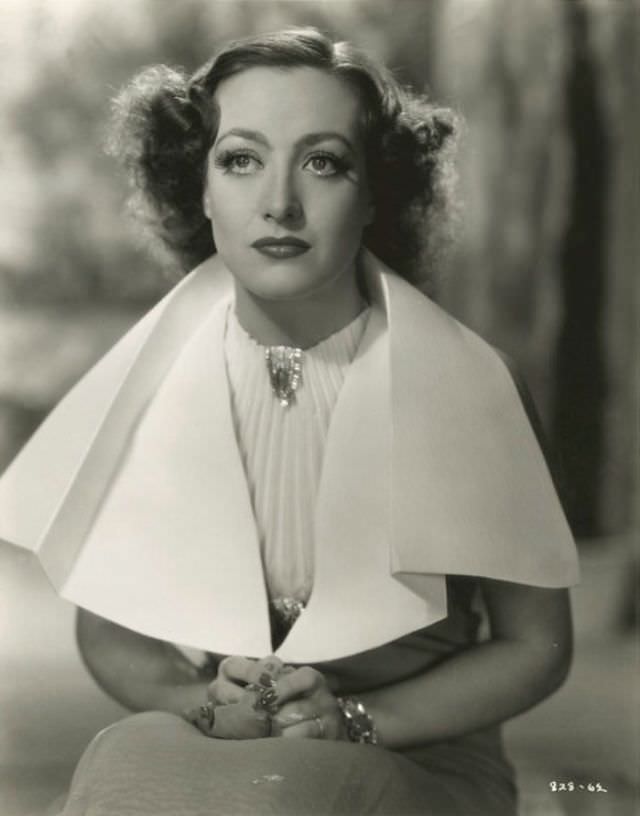
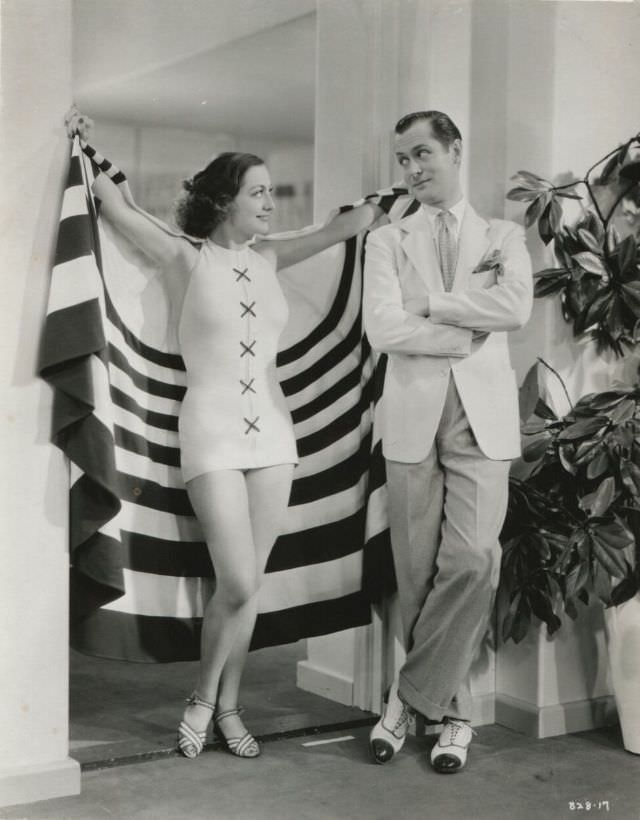
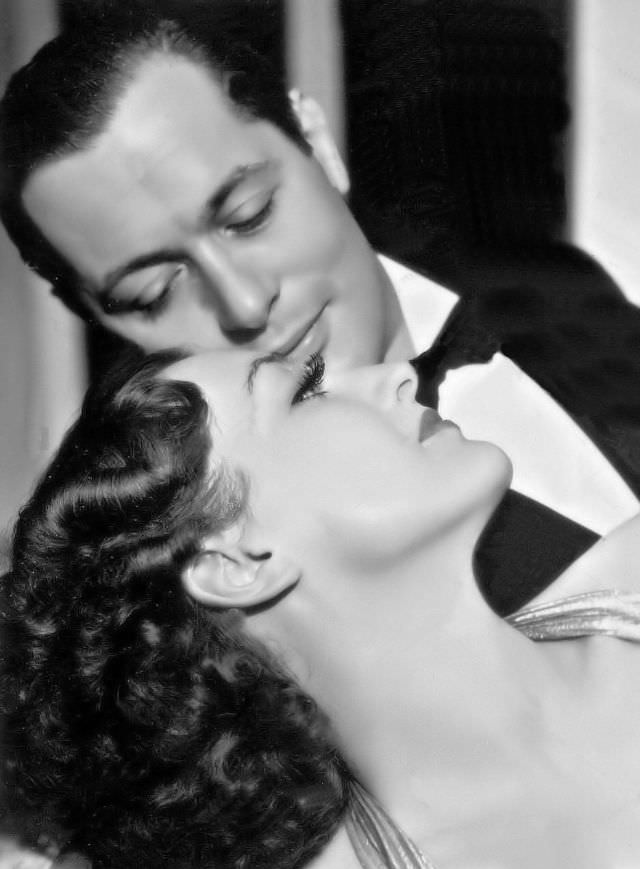
Her working relationship with Robert Montgomery was a strong one. The two had a clear rapport that translated directly onto the screen. Their scenes together carry a natural tension that comes from two performers who understood and respected each other’s approach to the craft.
When Cukor was replaced by Griffith mid-production, the tone and direction of certain scenes shifted. Crawford adapted without disrupting the cast around her. She stayed consistent to her reading of Marcia regardless of the directorial changes, and that consistency held the production together during an unstable stretch.
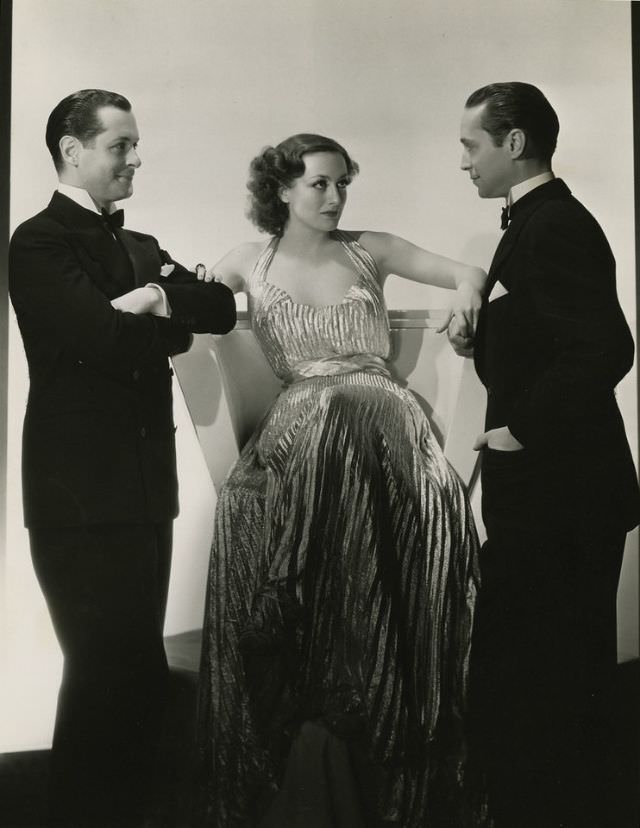
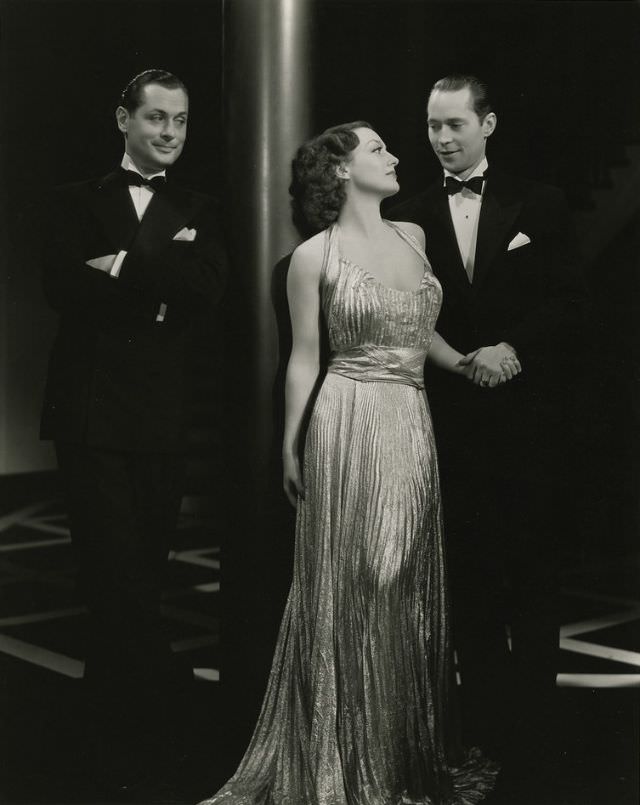
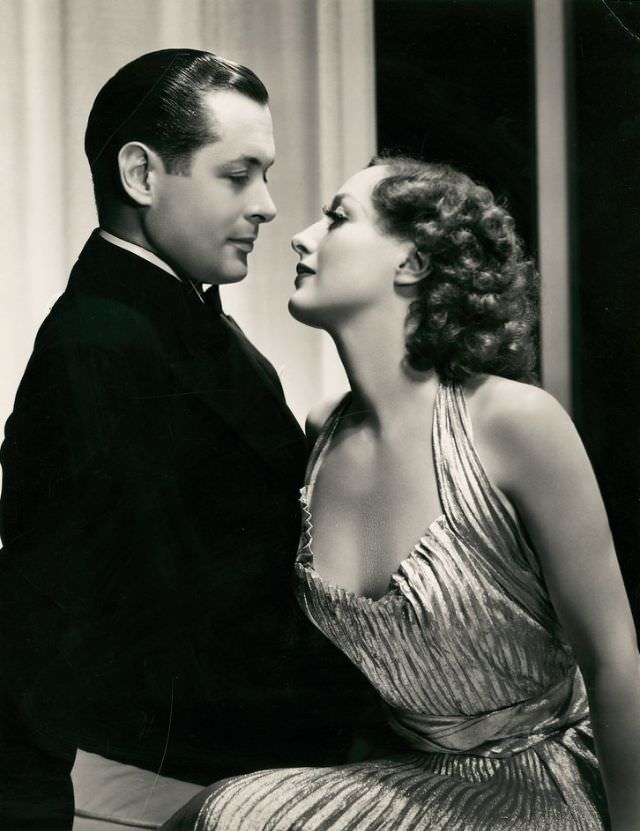
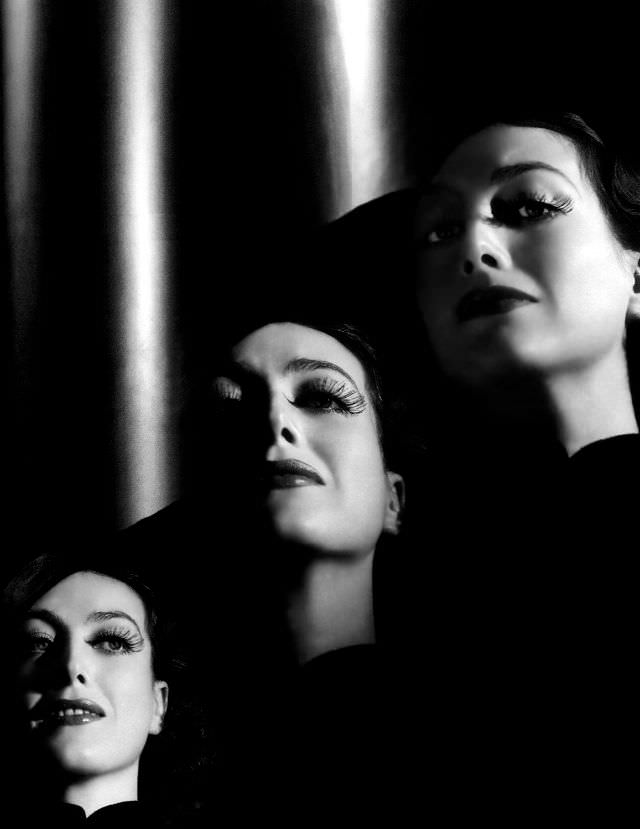
The set itself was a busy environment. High production values, a star-studded cast, and the weight of an MGM release all added pressure to the daily shoot. Crawford’s steady presence helped set the tone for everyone working around her.