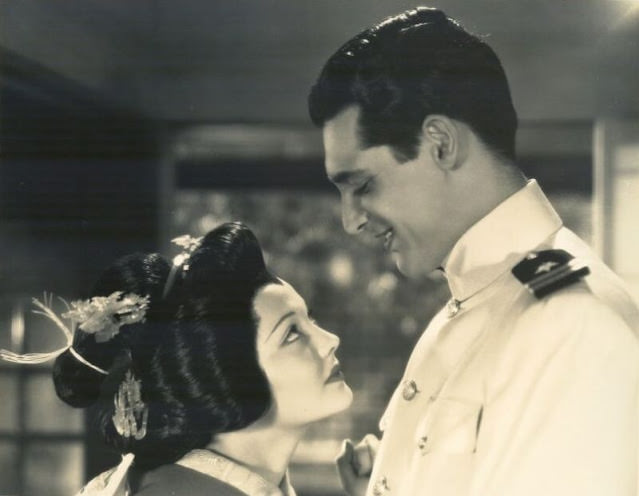
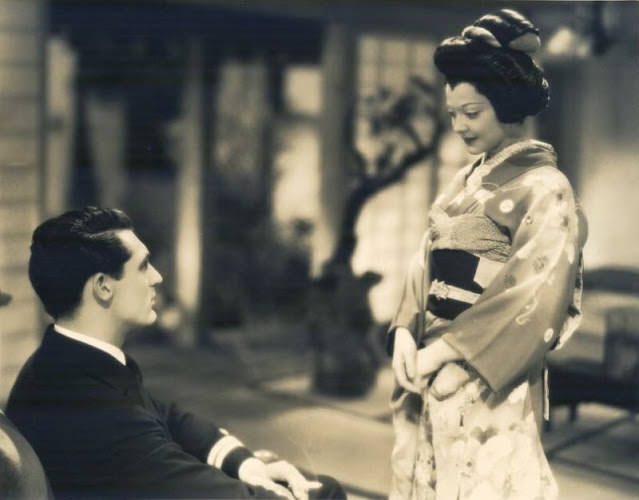
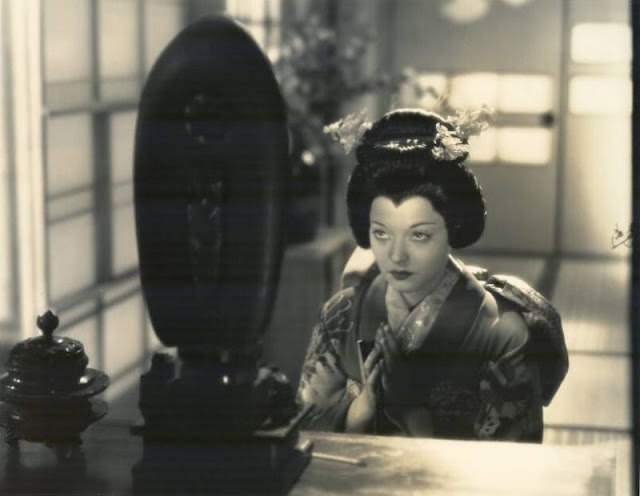
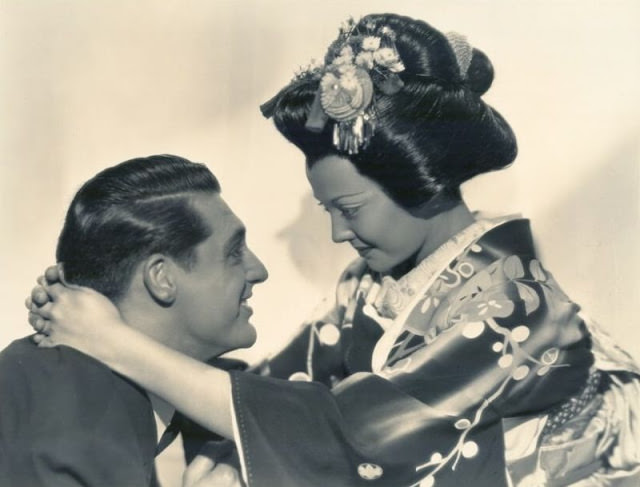
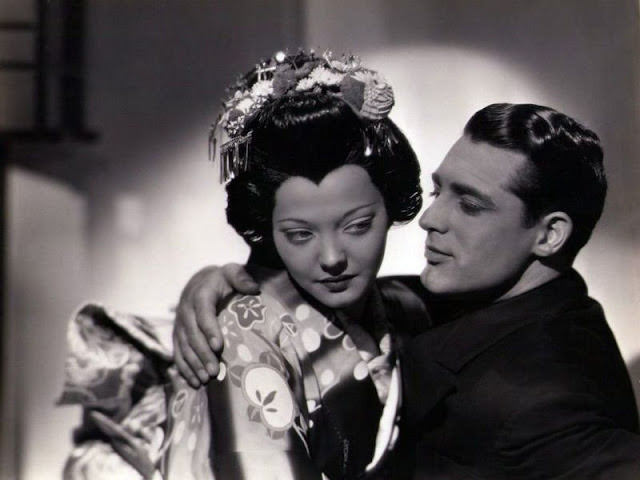
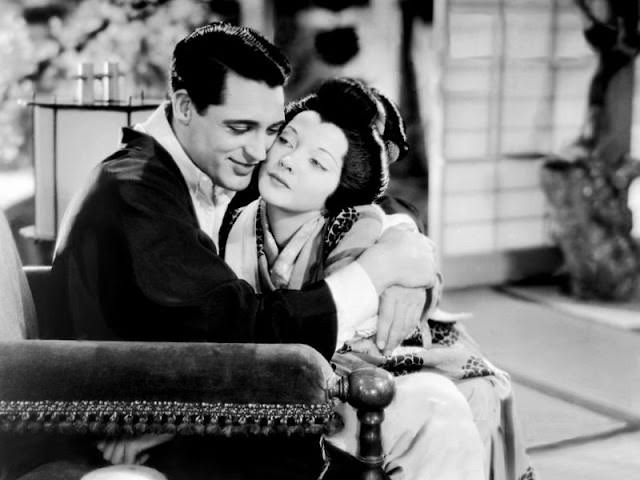
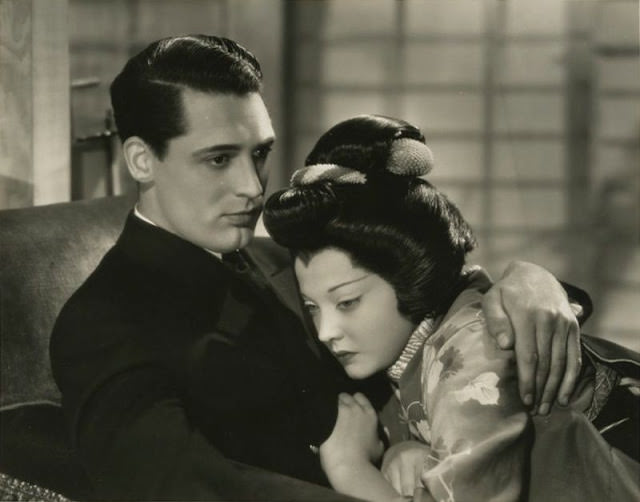
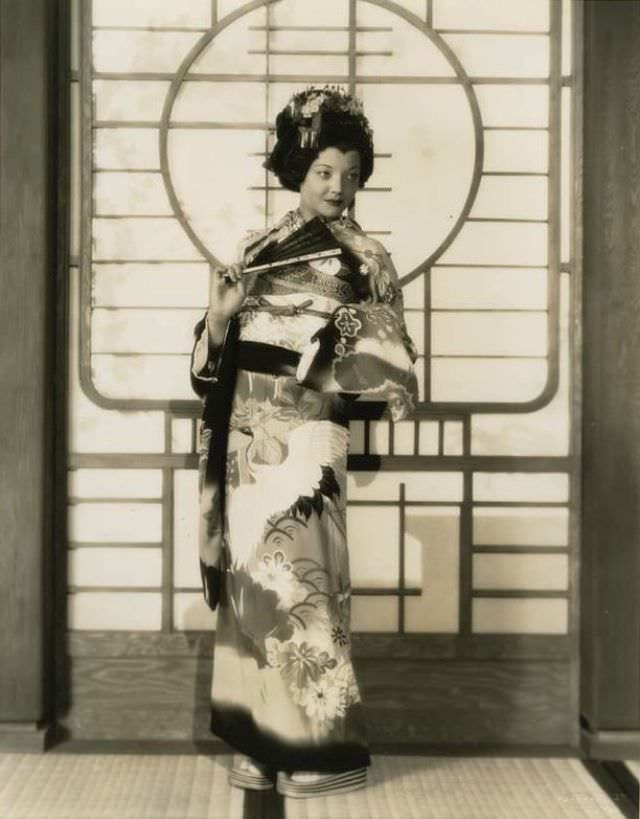
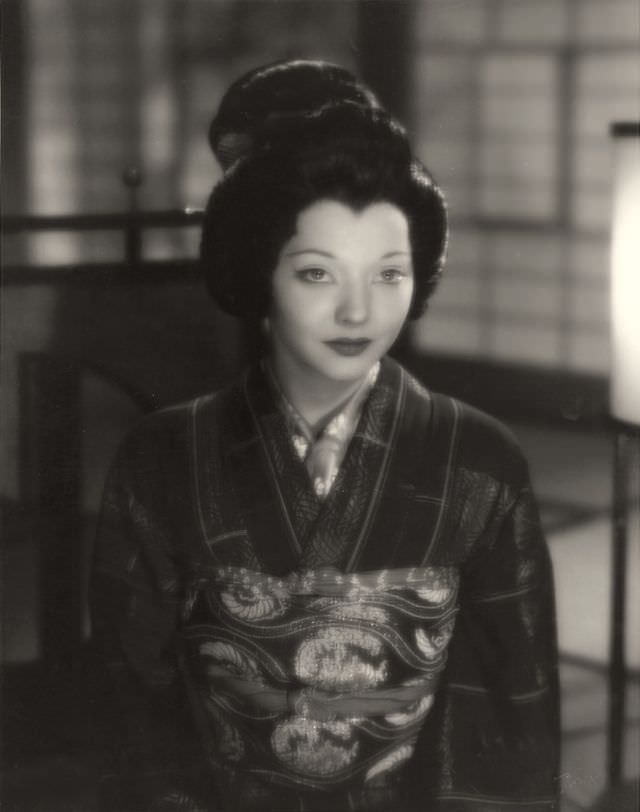
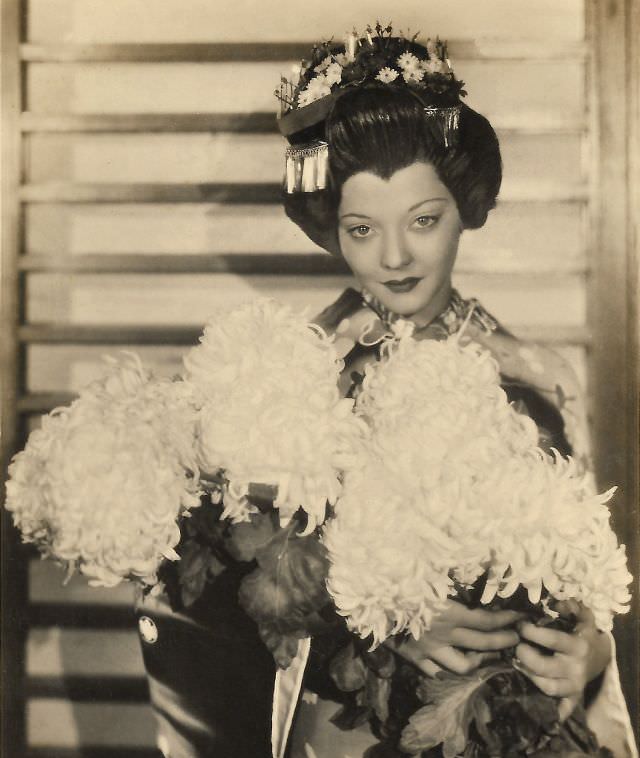
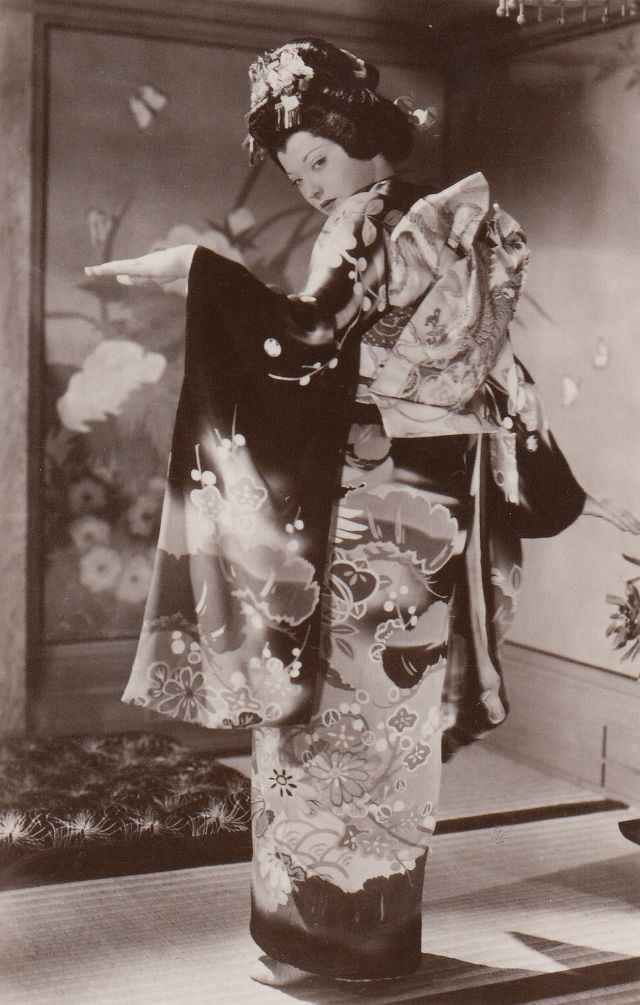
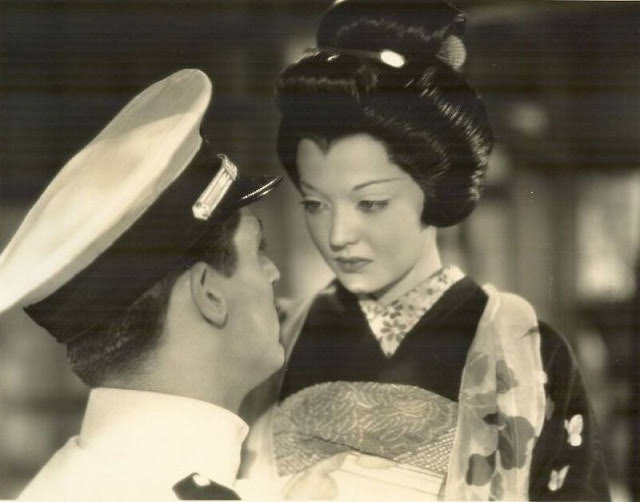
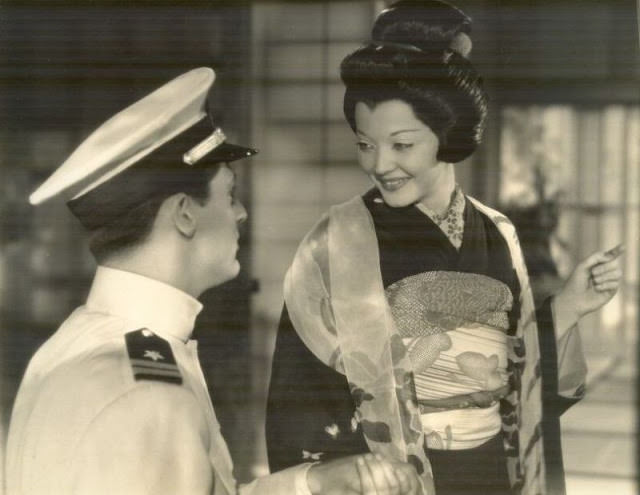
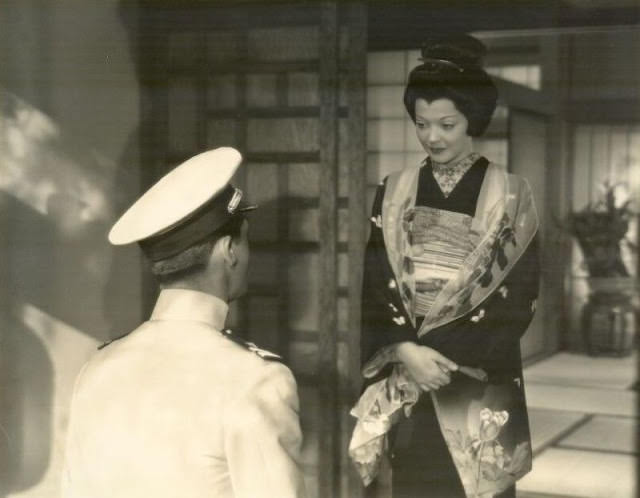
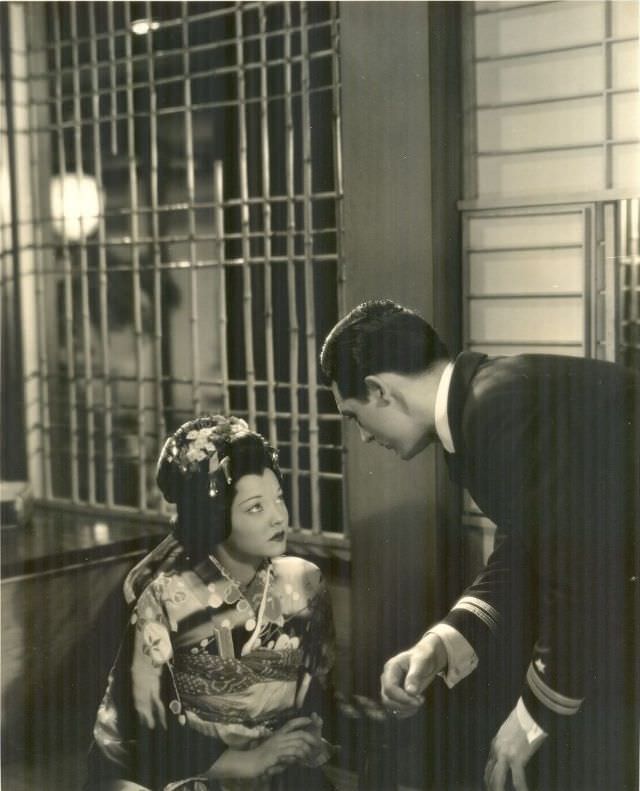
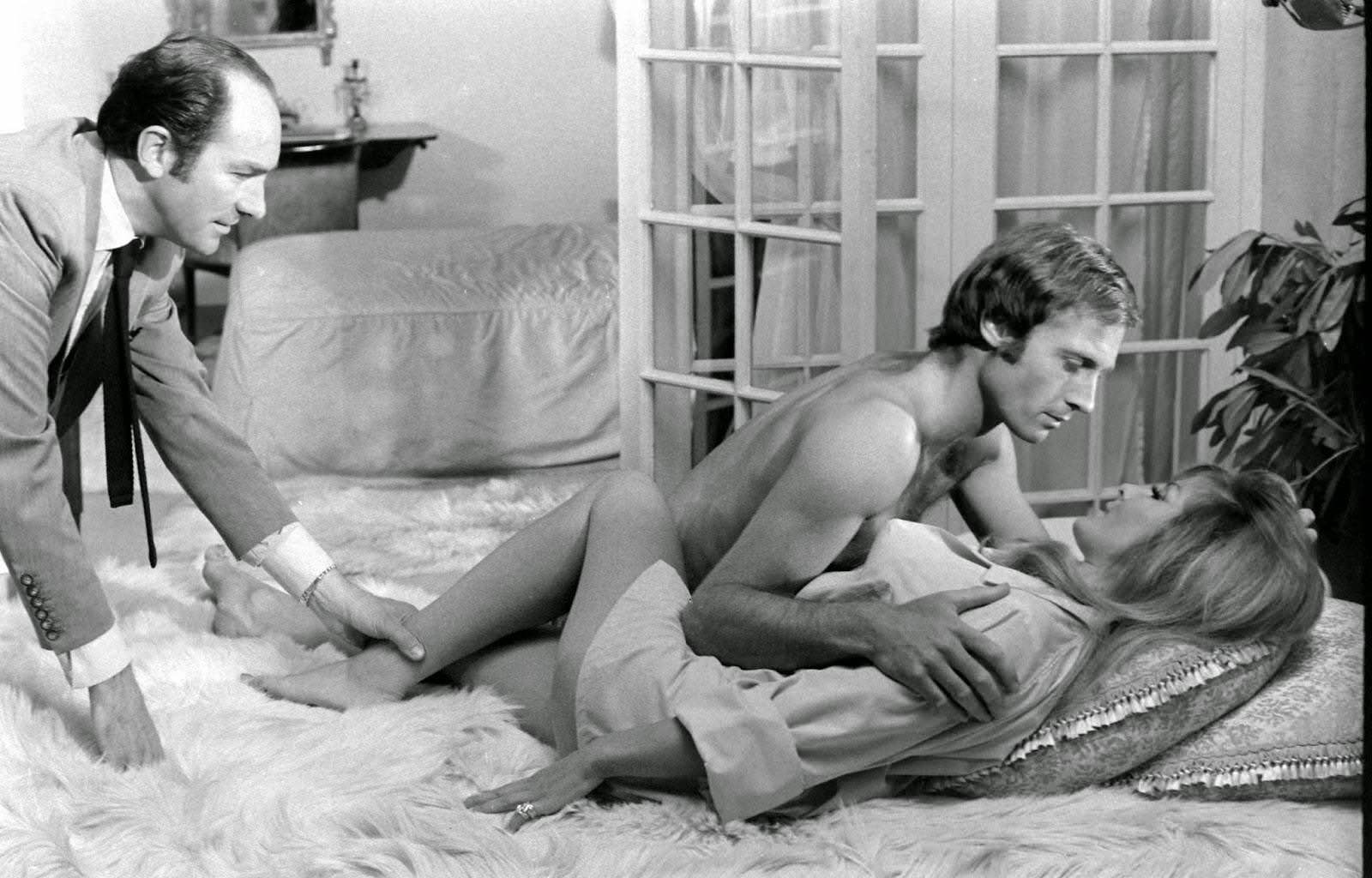
Sylvia Sidney was one of the most compelling actresses of the 1930s. Her large, expressive eyes and emotional range made her a natural fit for dramatic roles. In 1932, she took on one of her most demanding parts — Cio-Cio San, the doomed Japanese geisha at the center of “Madame Butterfly.”
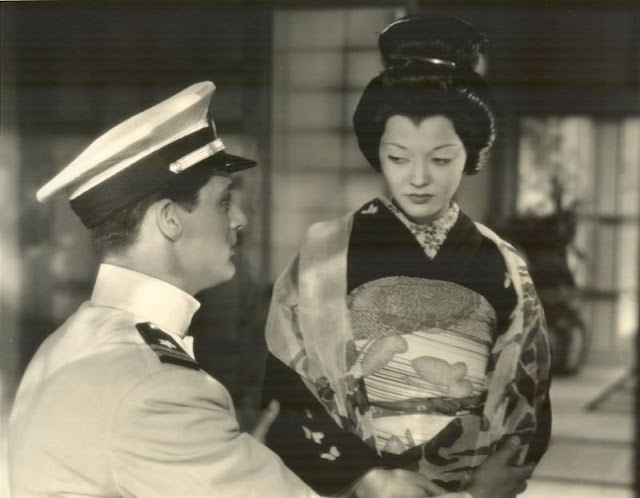
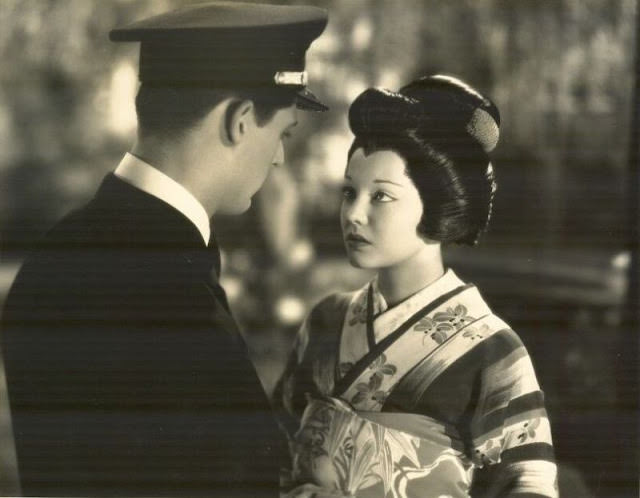
The story itself comes from John Luther Long’s short story, which later inspired Puccini’s famous opera. Set in Nagasaki, Japan, it follows Cio-Cio San — known as “Butterfly” — a young geisha who falls in love with Lt. B.F. Pinkerton, an American naval officer. Their relationship is built on an unequal foundation, and Butterfly pays the heaviest price.
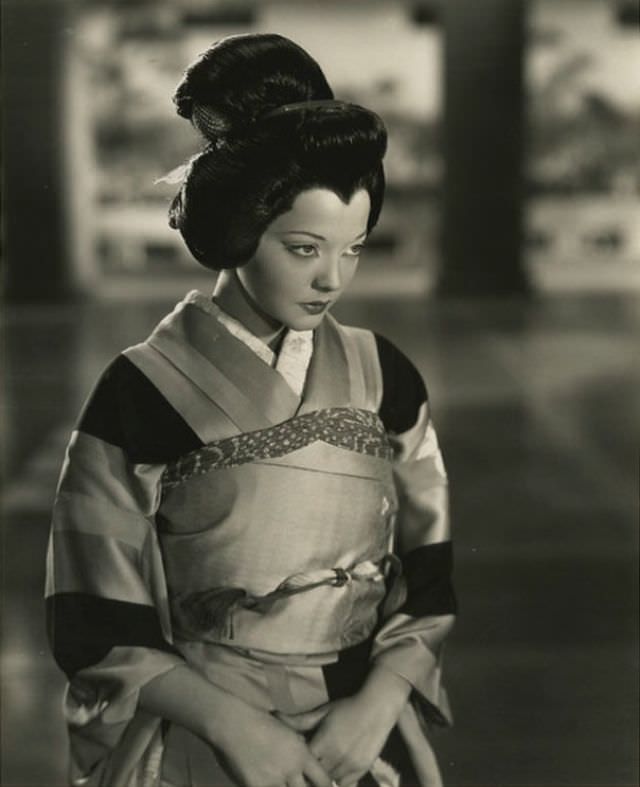
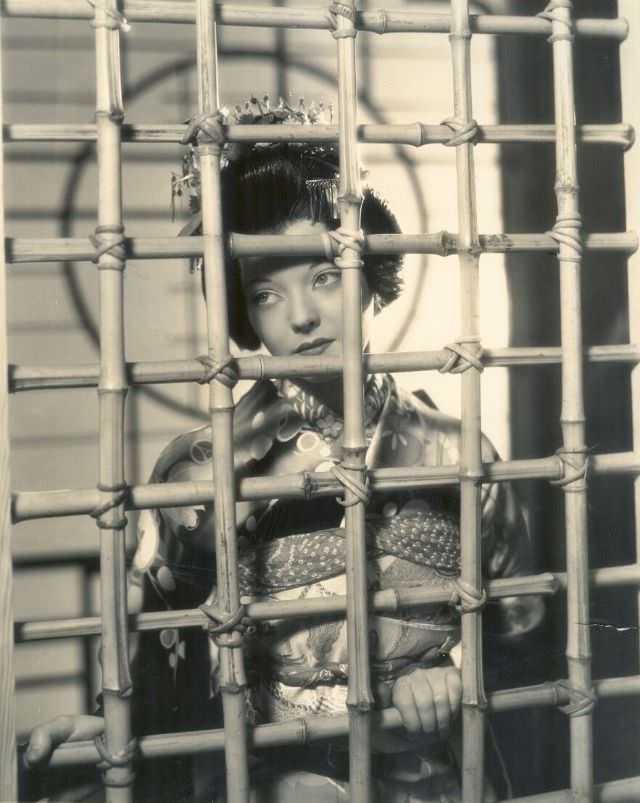
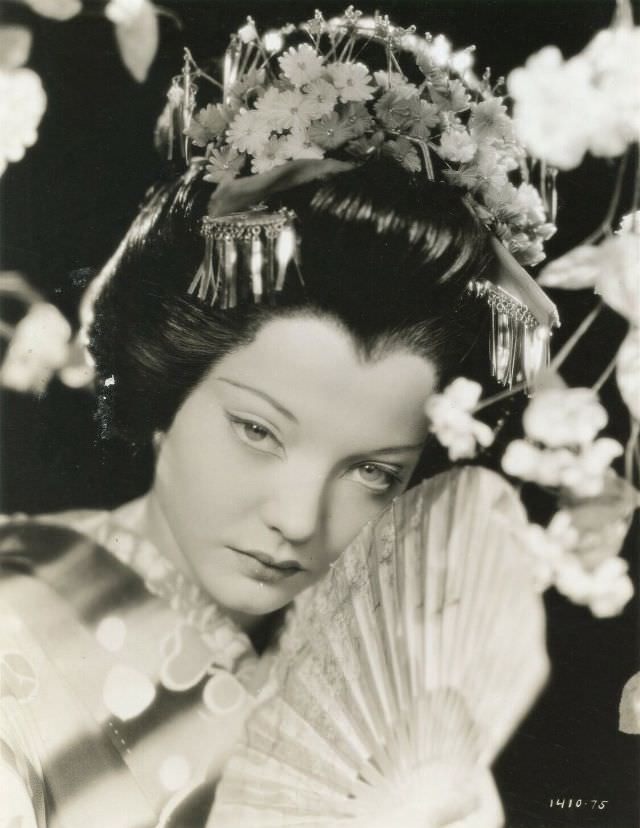
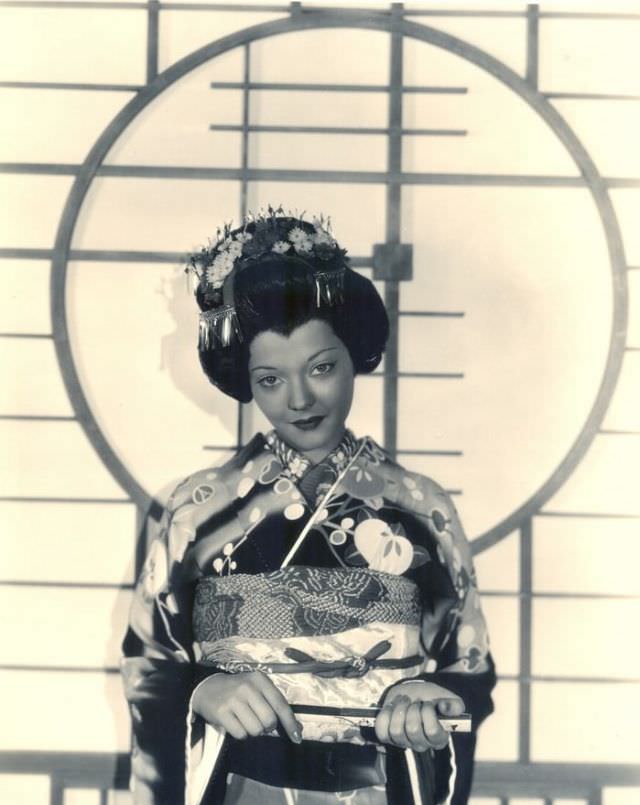
Sidney, of European descent, spent hours in the makeup chair for each shoot. Her features were carefully reshaped through cosmetics to reflect the look of a Japanese woman from the early 1900s. Hairstyles, costumes, and accessories were all designed with close attention to period detail.
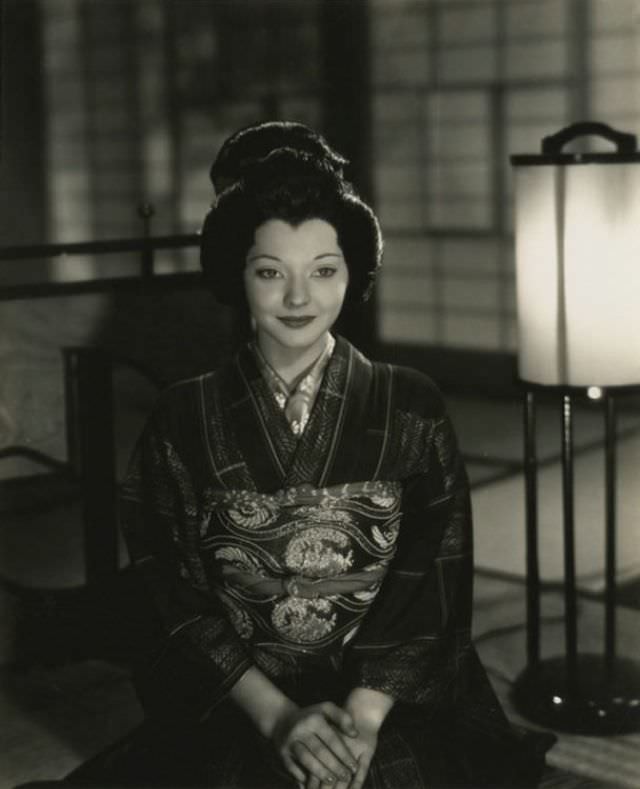
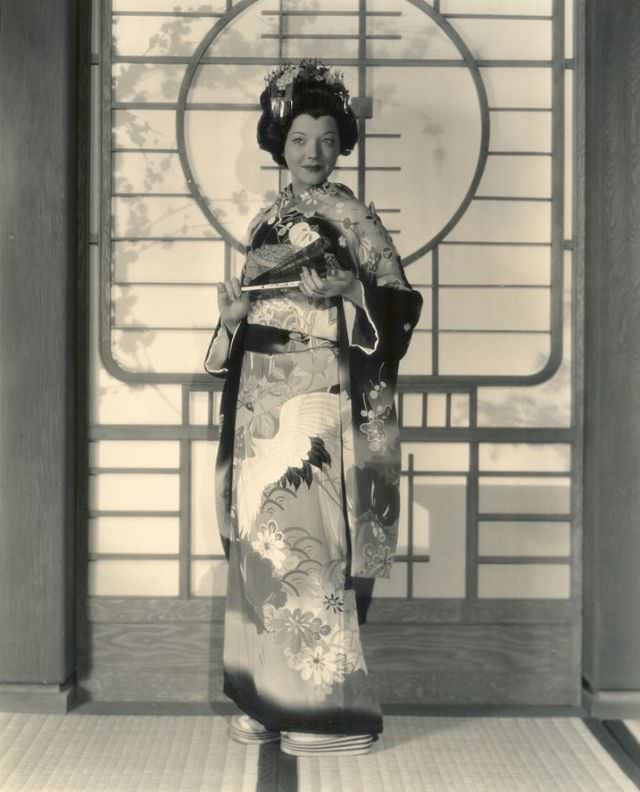
But the physical transformation was only part of the challenge. Sidney had to carry the full emotional weight of Butterfly’s story — hope, devotion, abandonment, and despair. She did this without overplaying a single moment. Each glance and pause told the audience exactly where Butterfly stood emotionally.
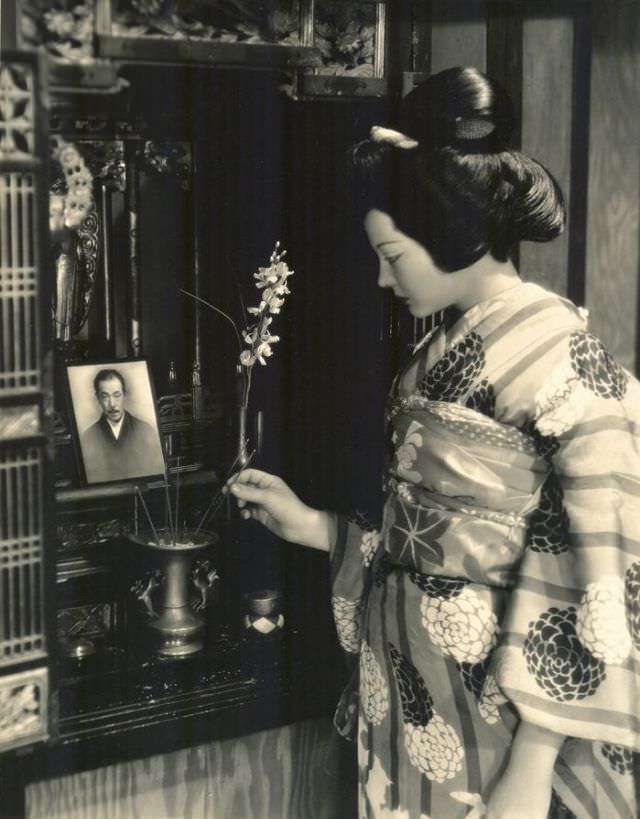
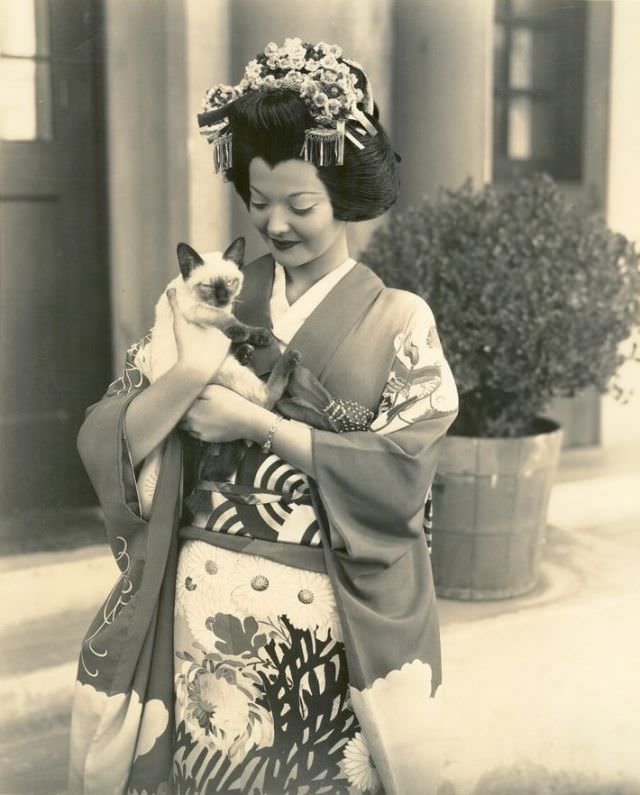
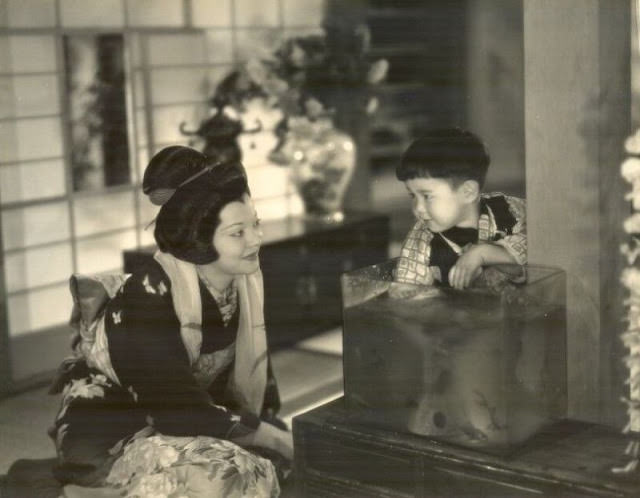
One of the film’s most powerful scenes shows Butterfly waiting at the harbor, scanning the water for Pinkerton’s returning ship. Her face holds both desperate hope and quiet dread. In another scene, she sings to her young child about his father coming home — a moment where her forced optimism makes the tragedy feel even sharper.
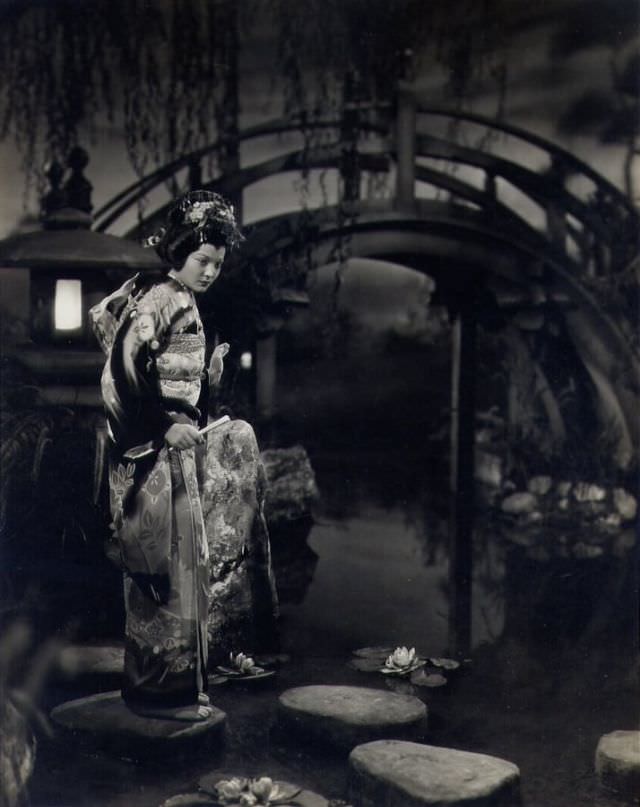
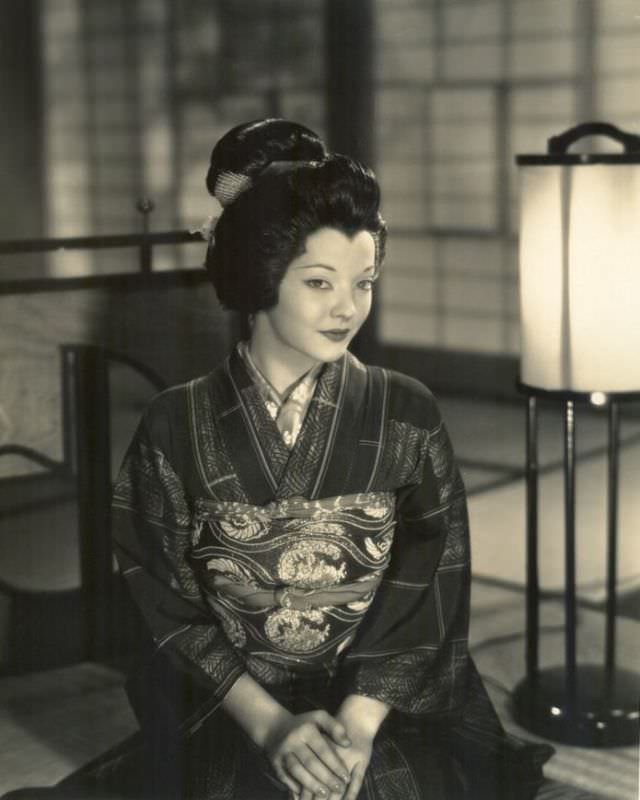
The love story between Butterfly and Pinkerton required Sidney to walk a fine line between strength and fragility. The cultural tension between East and West runs through every scene, and Sidney held that tension with steady, layered acting.
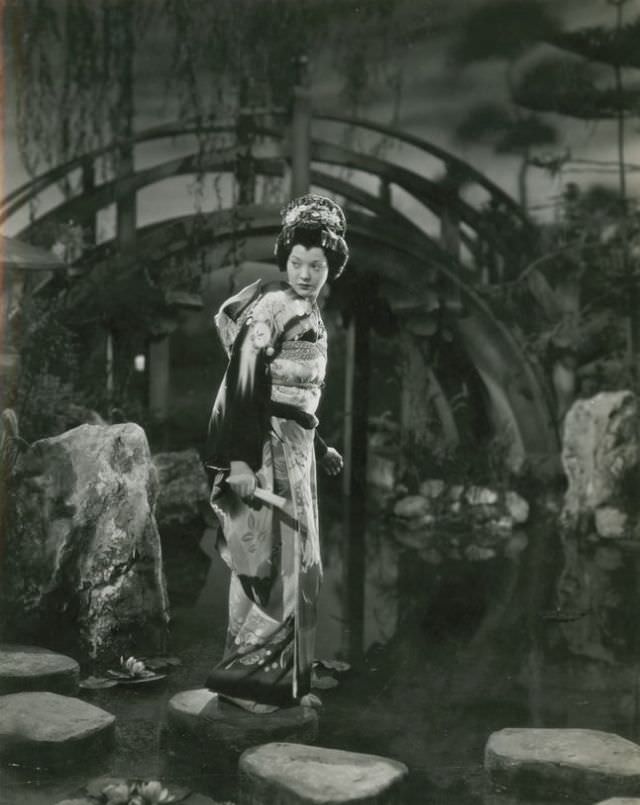
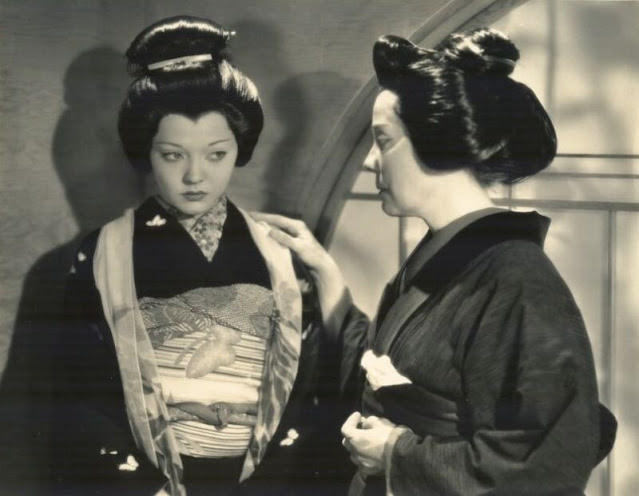
Film critics at the time praised her portrayal as sensitive and precise. At a time when Hollywood frequently reduced foreign cultures to broad stereotypes, Sidney’s Cio-Cio San stood apart as a fully realized human being — a woman audiences genuinely grieved for by the film’s end.