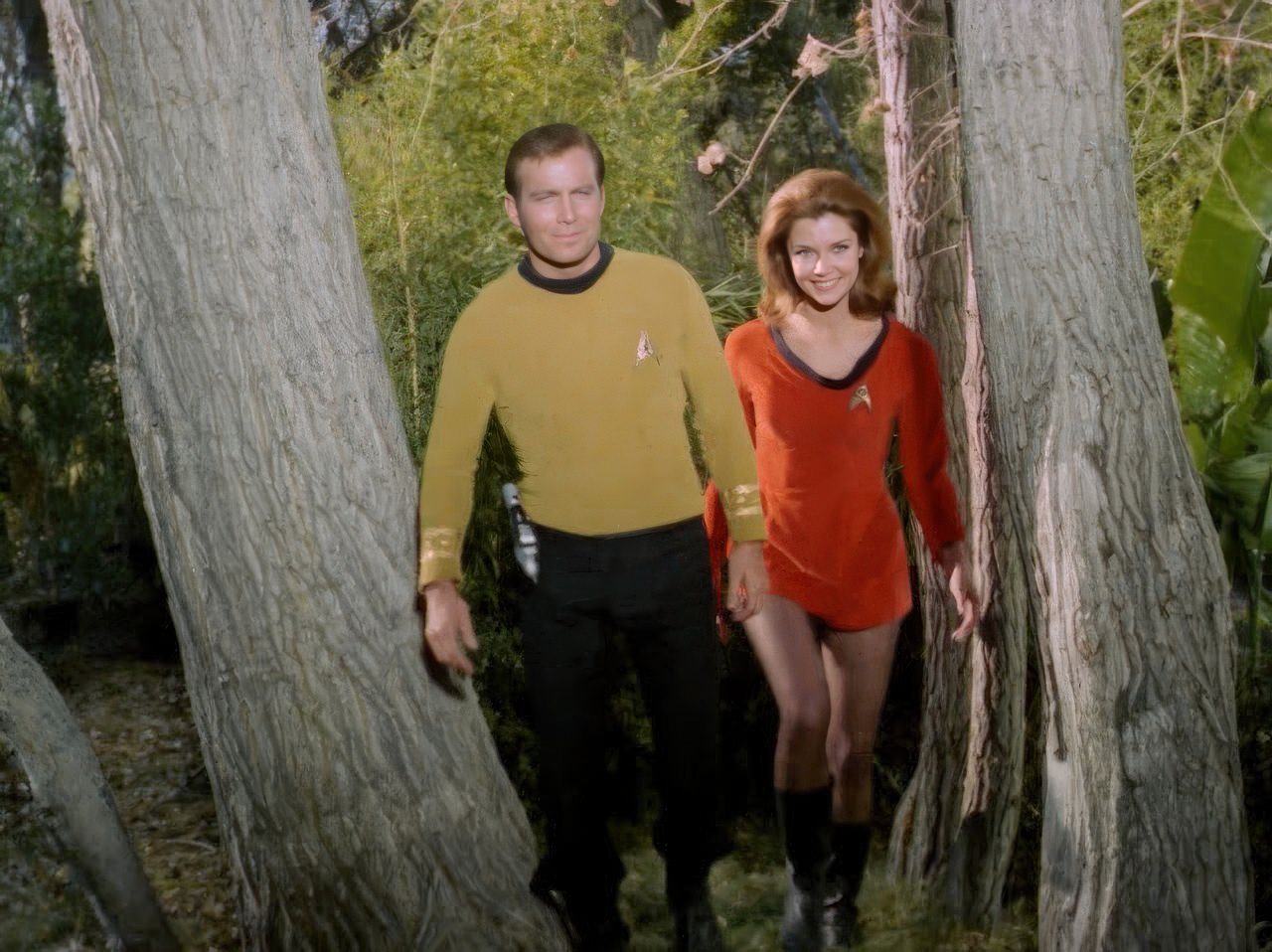
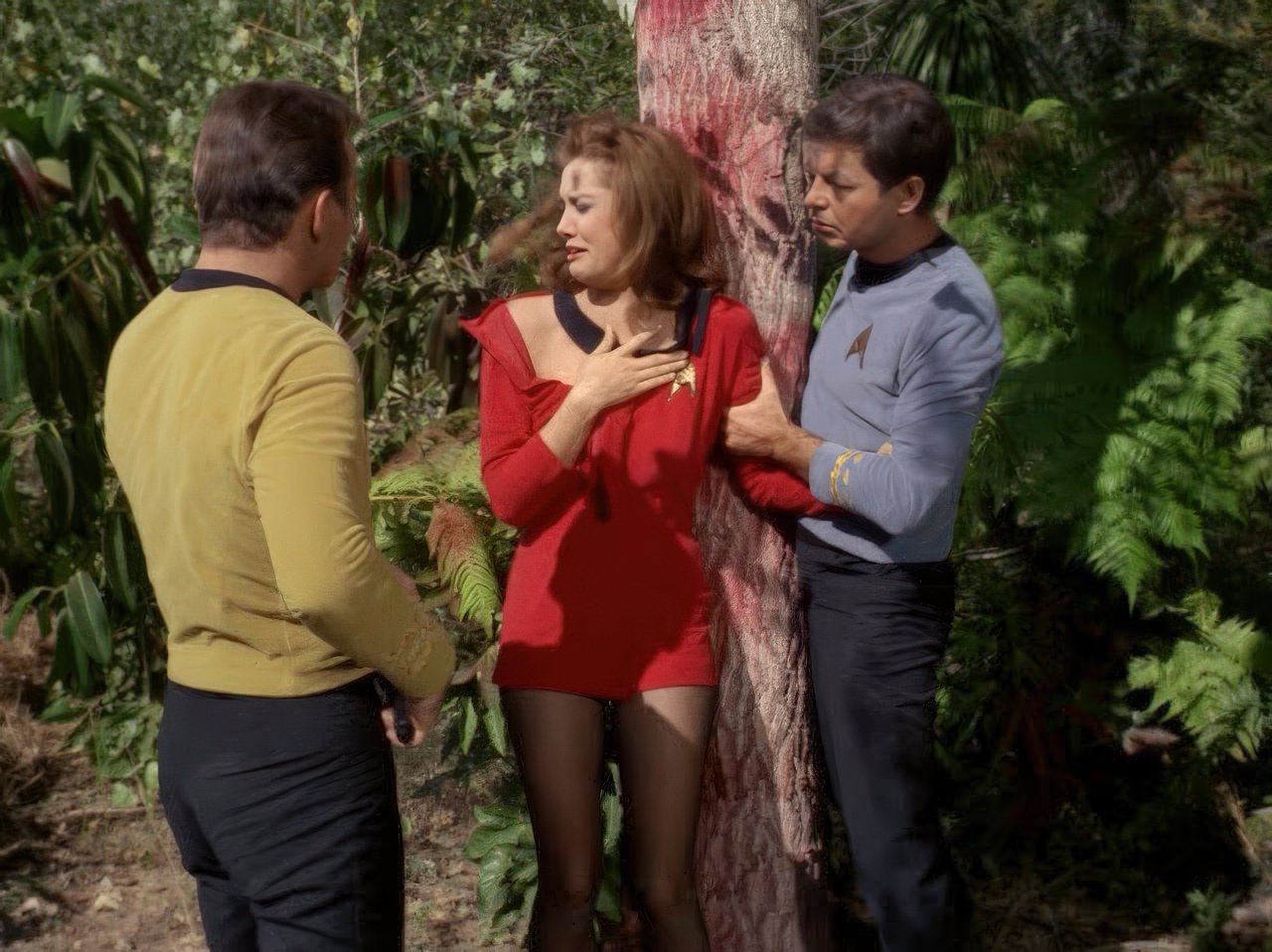
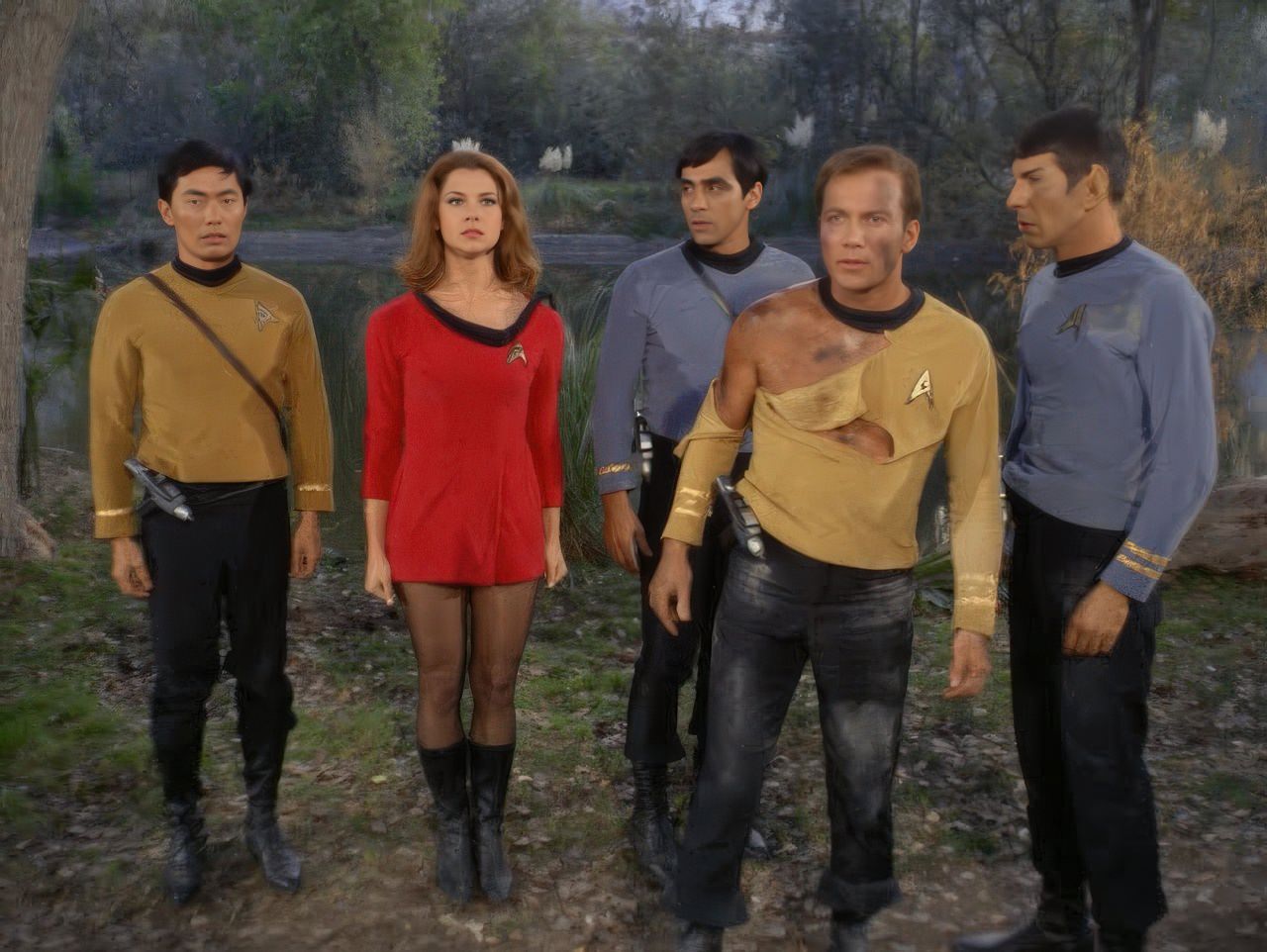
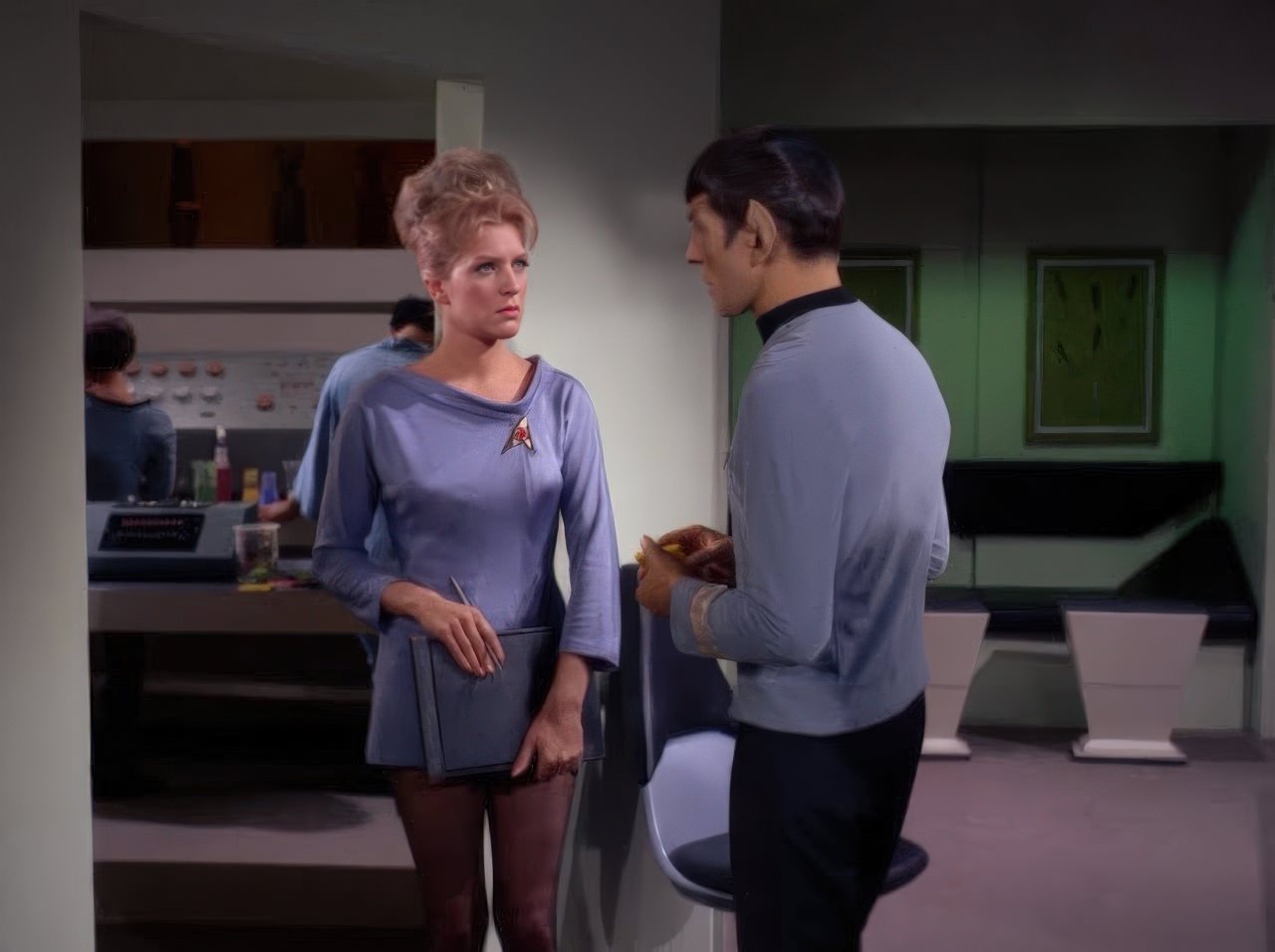
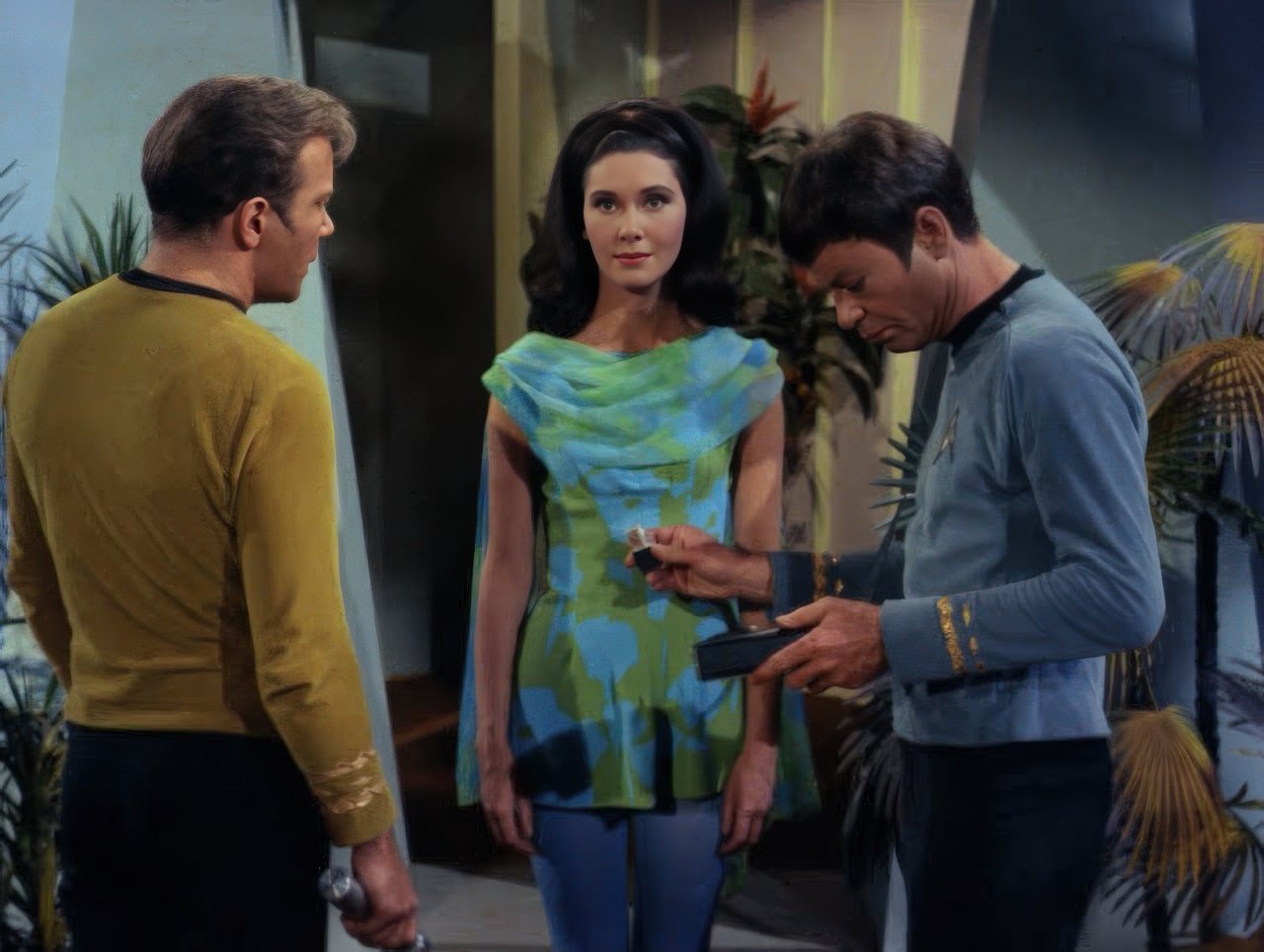
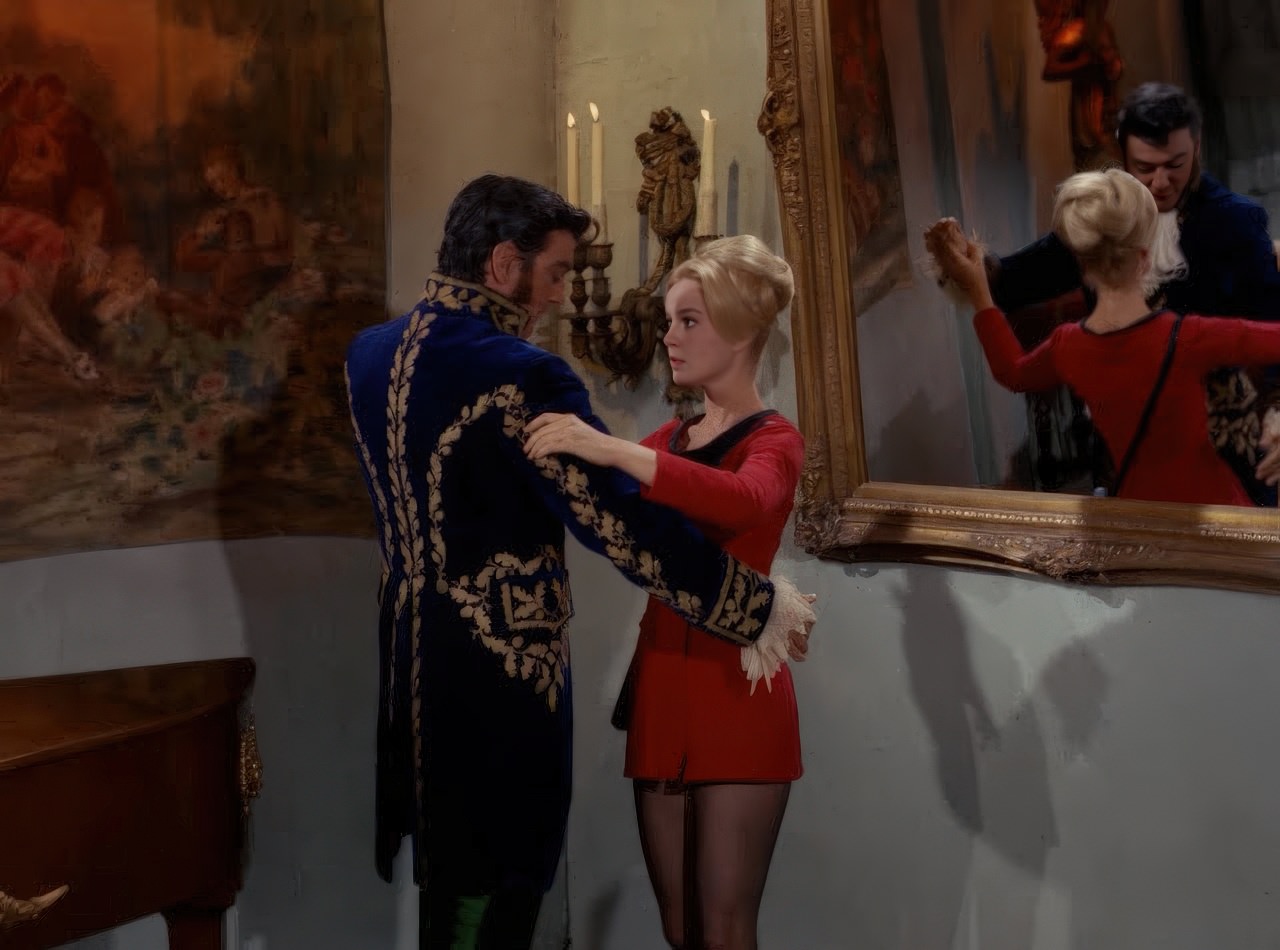
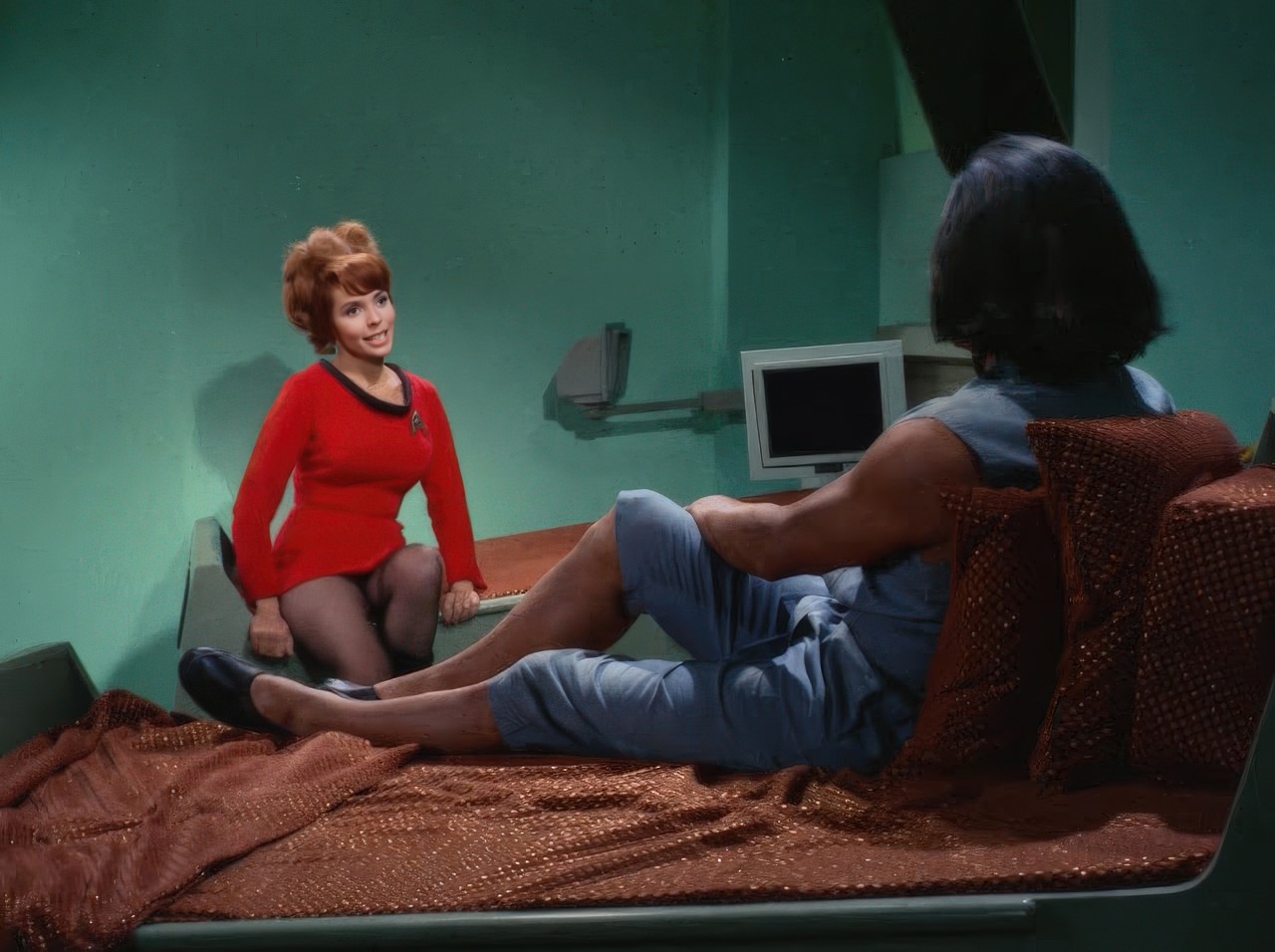
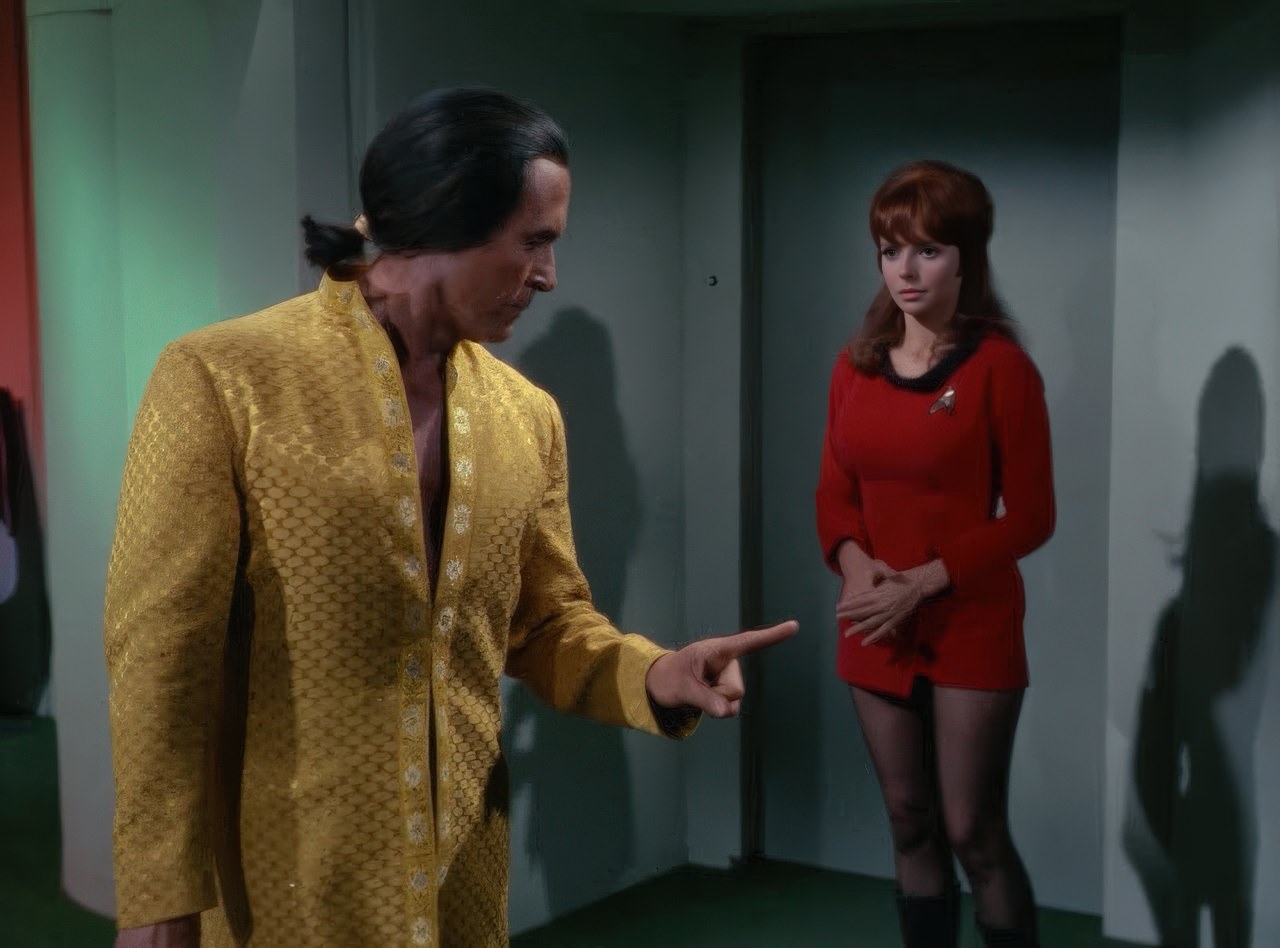
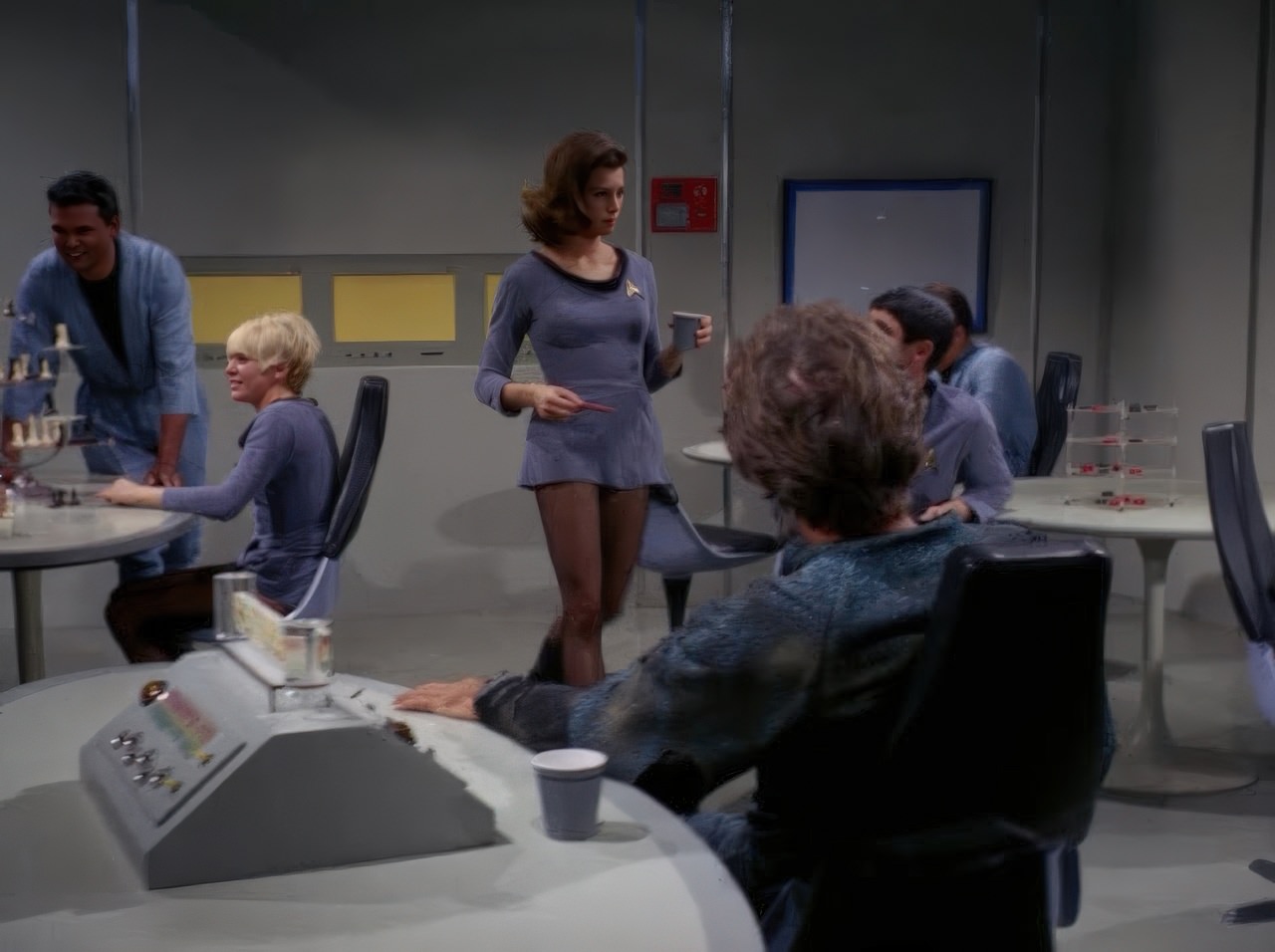
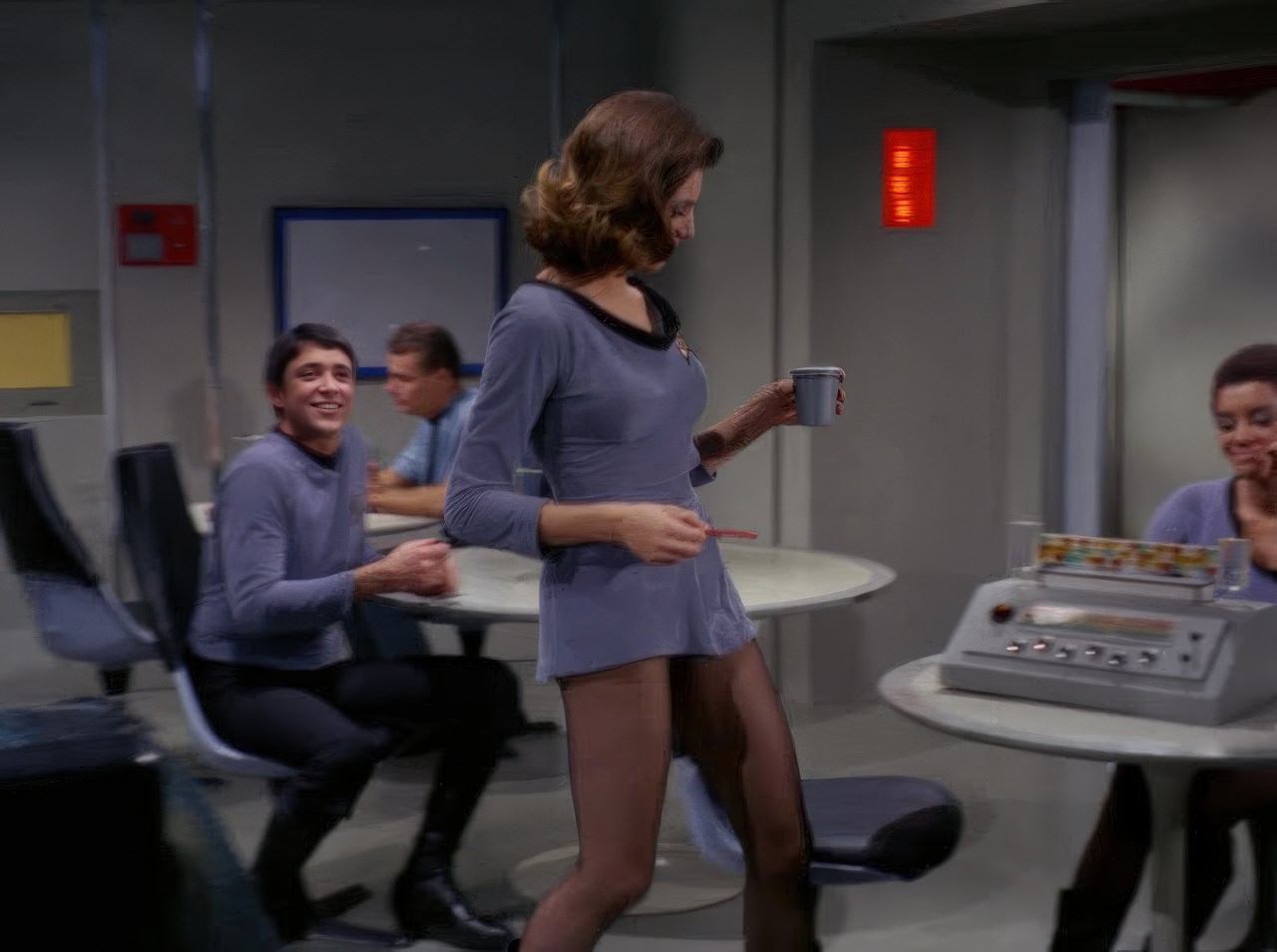
When Star Trek premiered on NBC in September 1966, audiences noticed more than the starships and alien worlds. The short-skirted uniforms worn by female Starfleet officers stood out immediately — and for good reason. They were a direct reflection of what was happening in fashion at that exact moment in history.
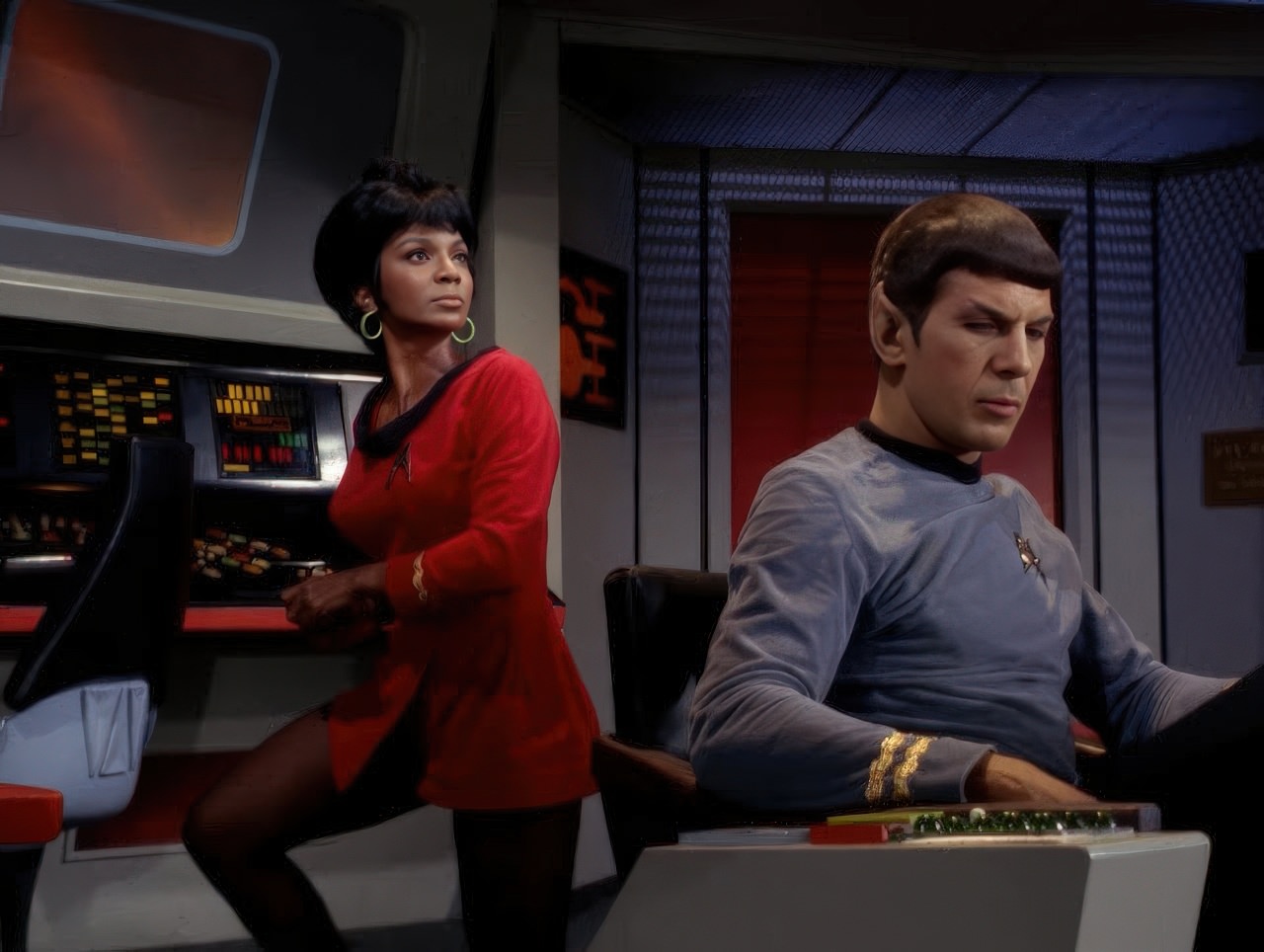
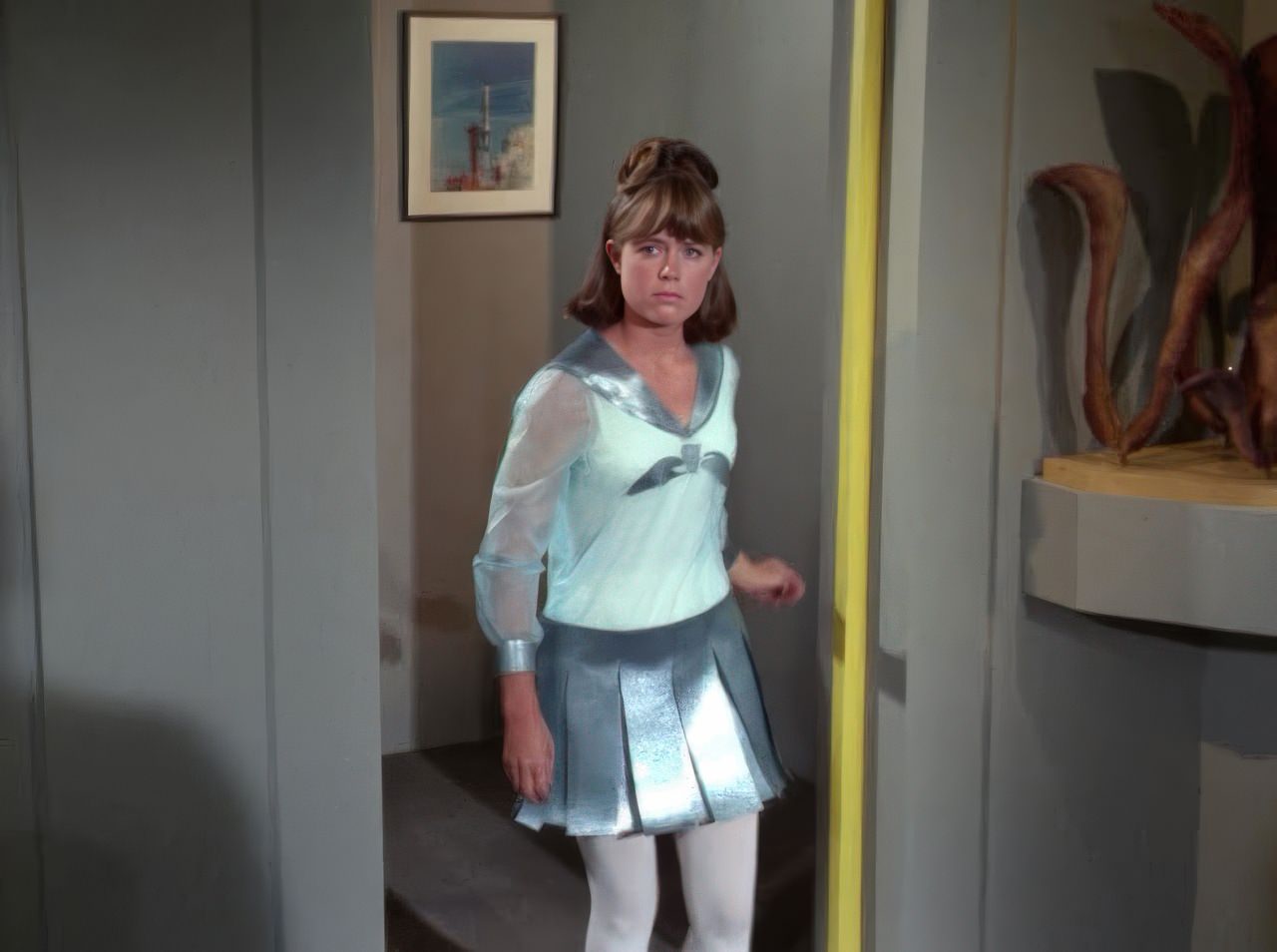
The costumes were designed by William Ware Theiss, who was still early in his career when he took on the show. The mid-1960s was a period of rapid change in women’s fashion. Hemlines were rising across all areas of dress, from street clothes to professional attire. Airline stewardesses were wearing shorter skirts. The miniskirt was brand new and defining the era. Theiss designed the Starfleet women’s uniforms squarely within that moment.
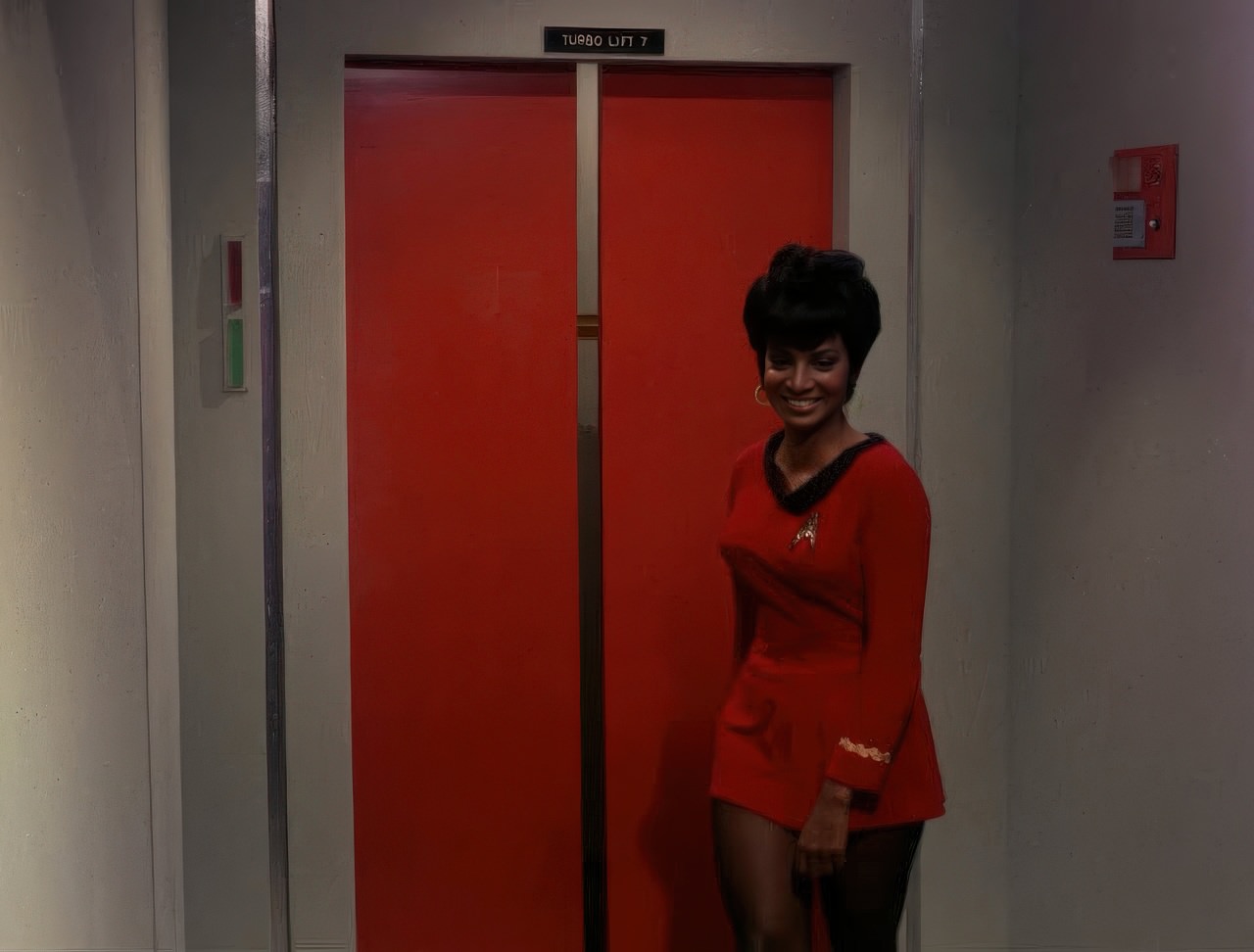
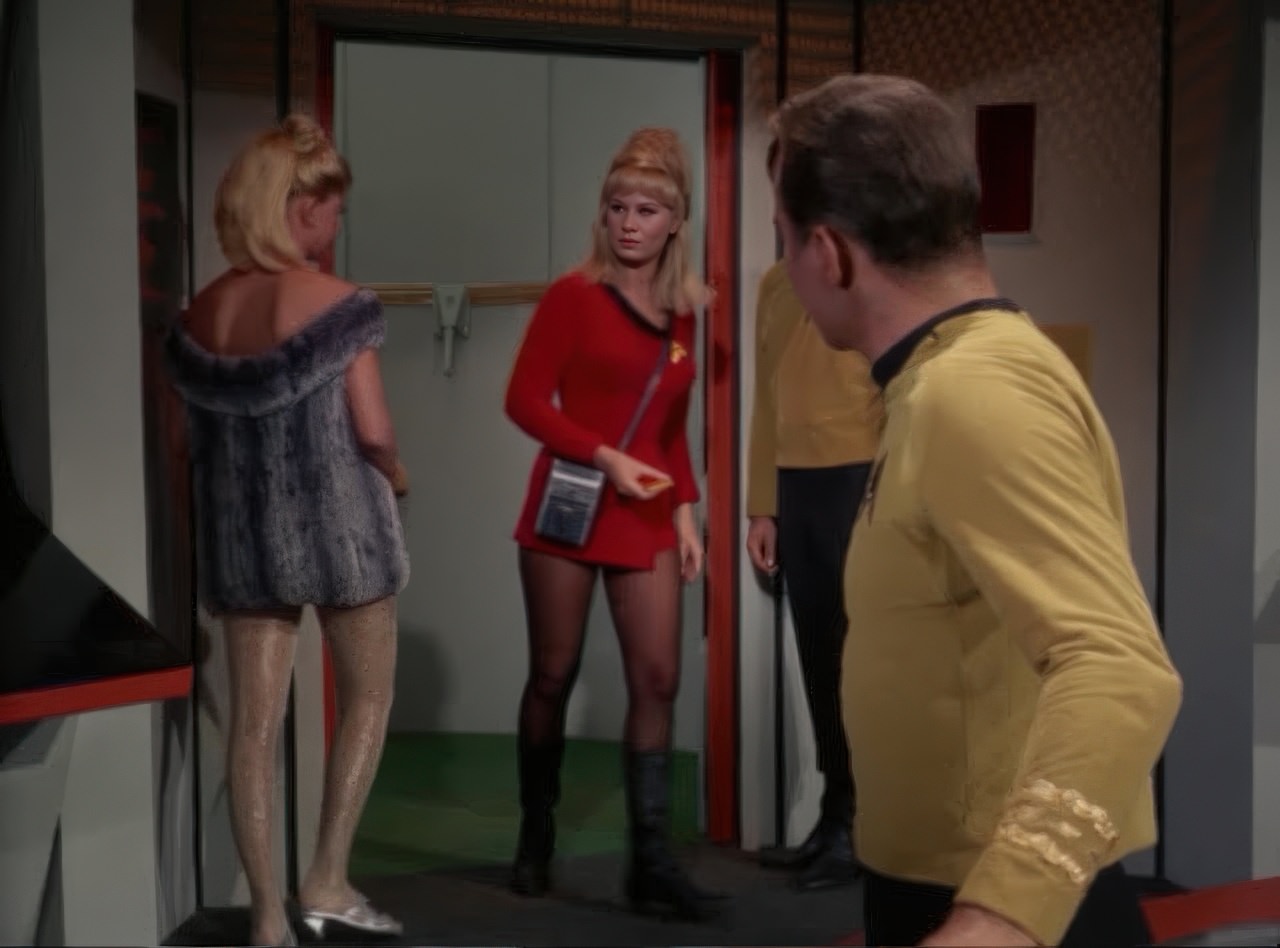
Some design details reportedly came straight from popular magazines. The checkerboard pattern in Yeoman Janice Rand’s signature hairstyle and a flap detail on the skirt front were both said to echo trends appearing in LIFE magazine just before the costumes were finalized.
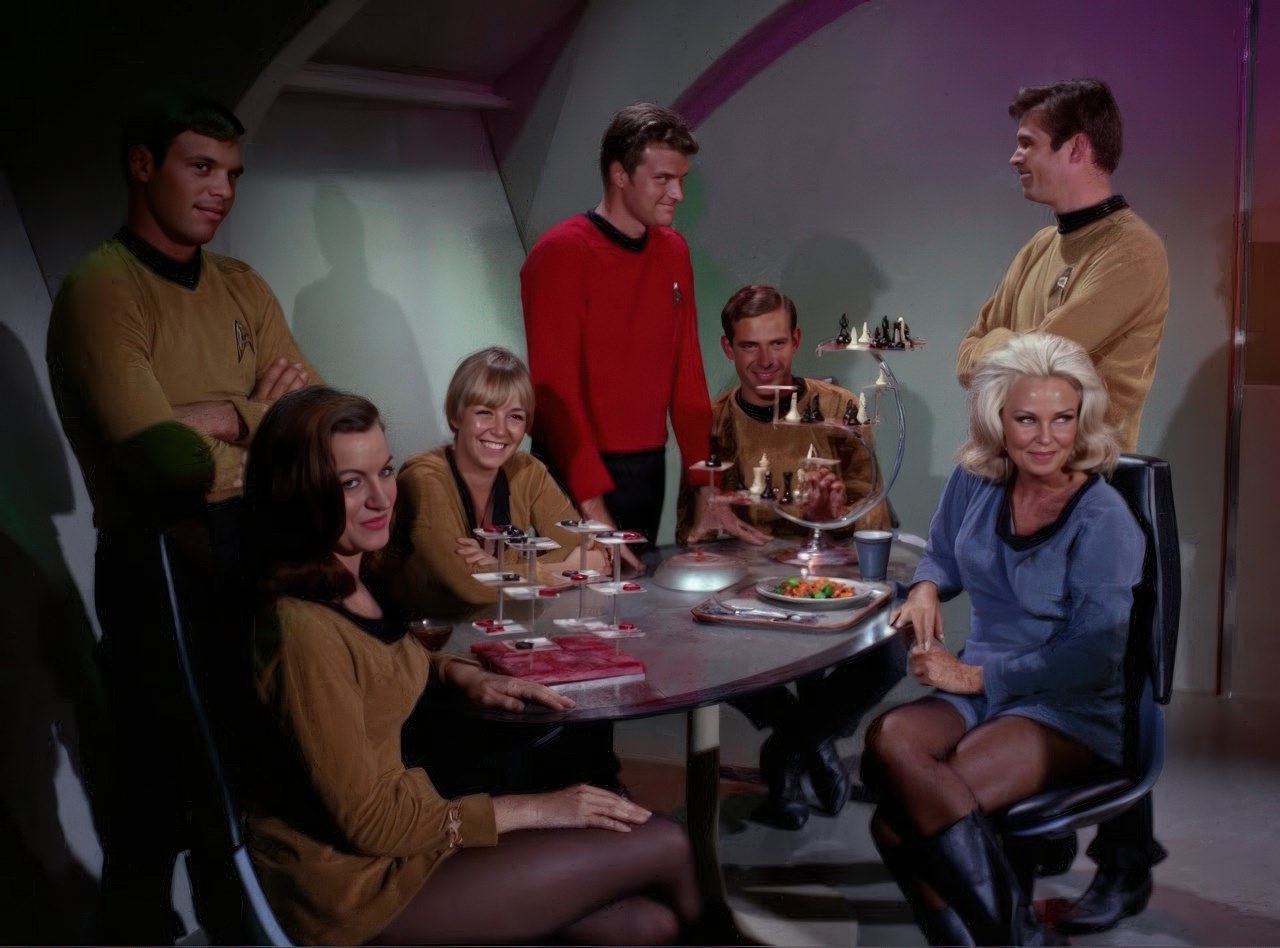
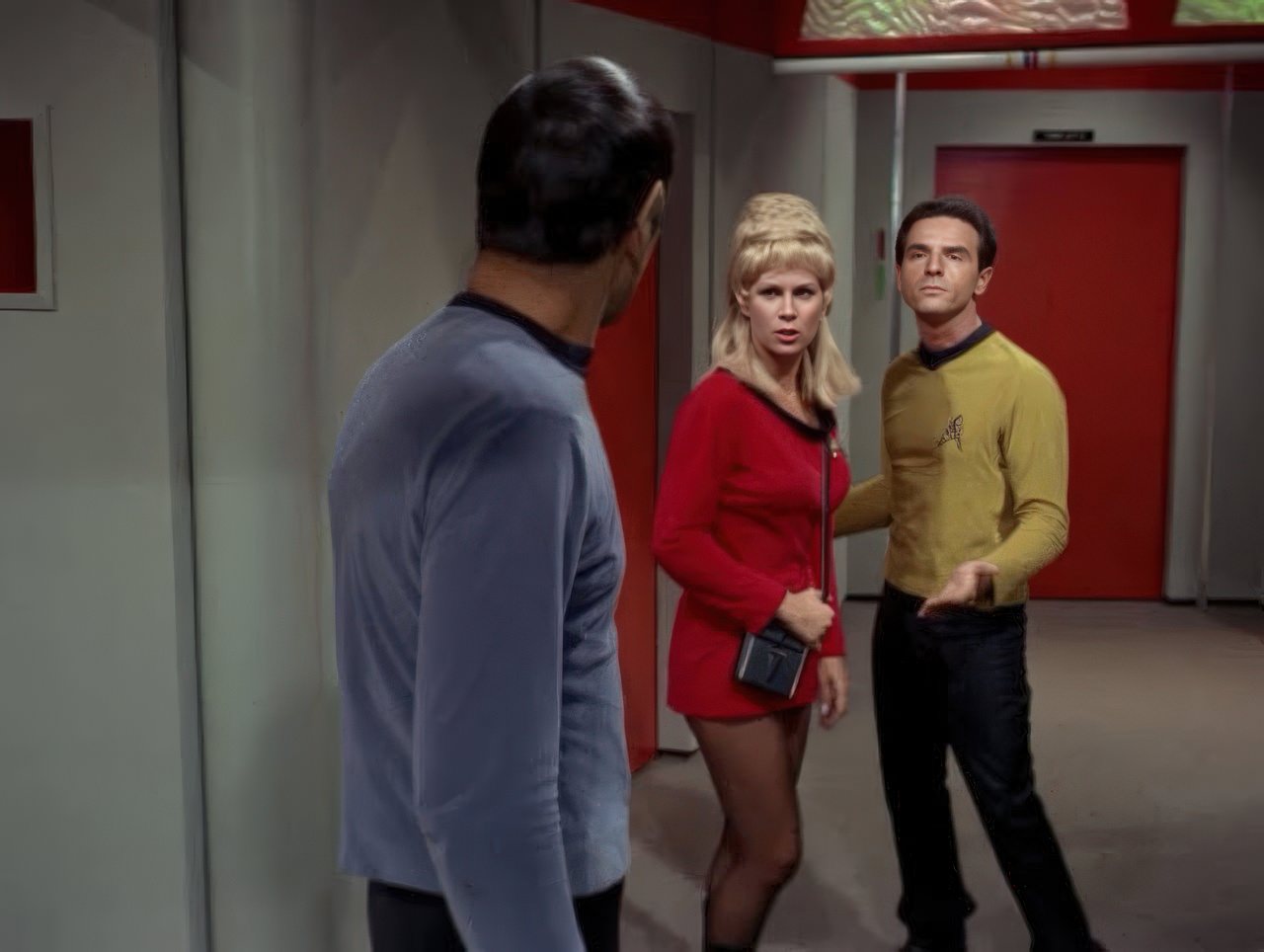
The early Star Trek pilot episodes had used more unisex costumes, with both male and female crew members wearing velour tunics over black pants. For the regular series, the television studio stepped in and asked that the costumes be made sexier. That directive pushed the female uniforms in a shorter direction.
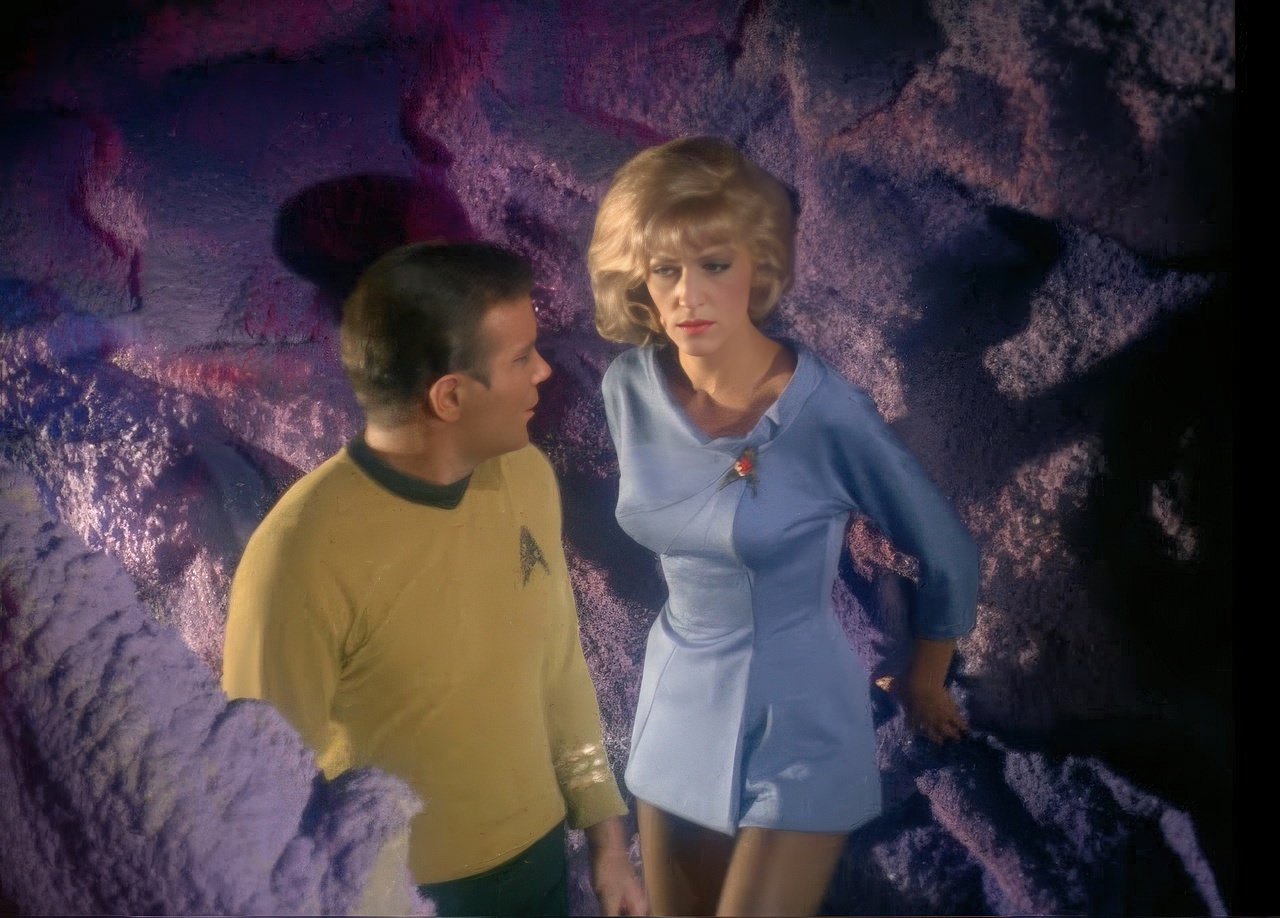
There was also a separate account involving actress Grace Lee Whitney, who played Yeoman Rand. She reportedly suggested shorter skirts herself, arguing it would create an undercurrent of tension between her character and Captain Kirk. Both factors — studio pressure and on-set input — shaped the final look.
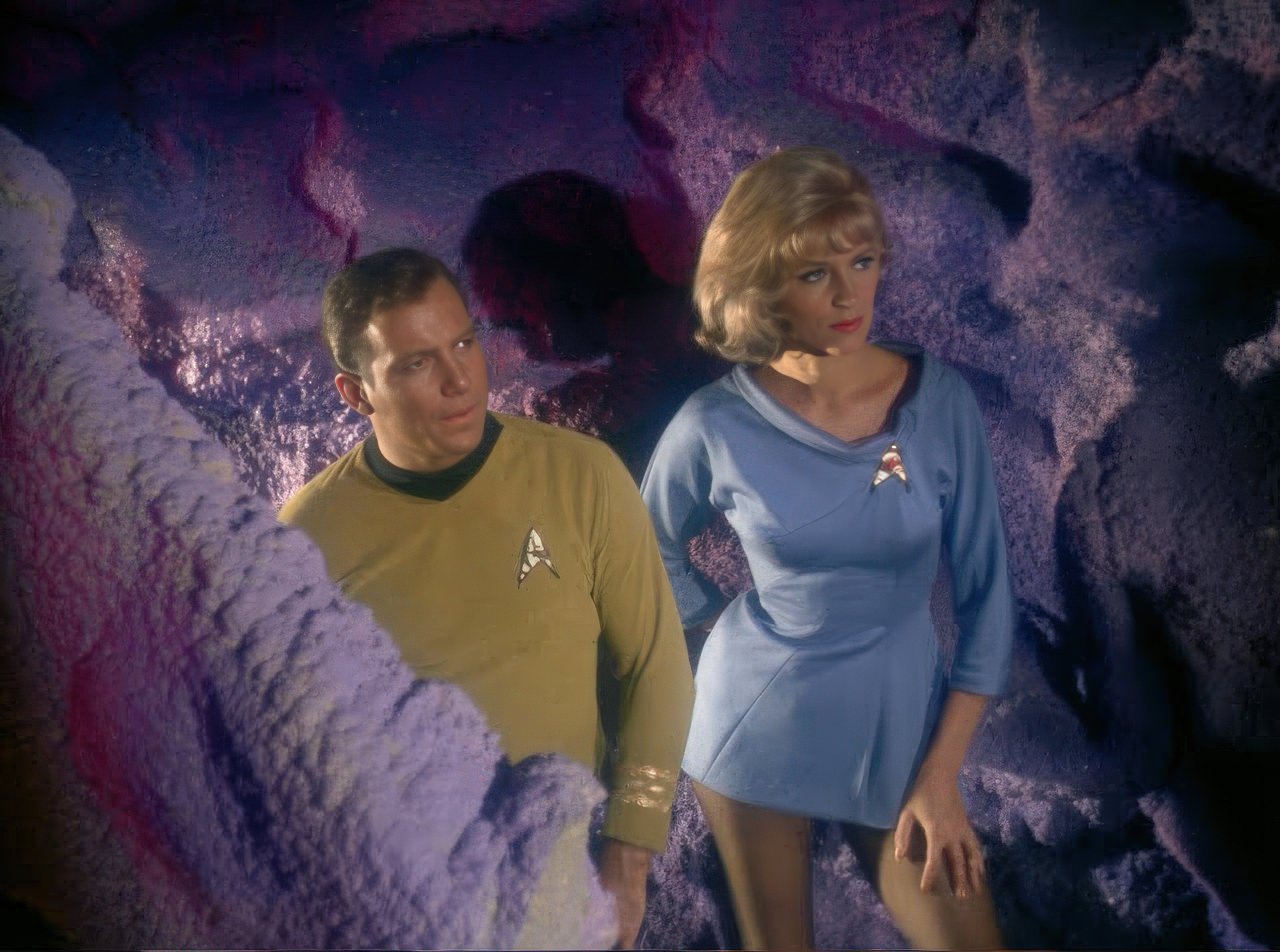
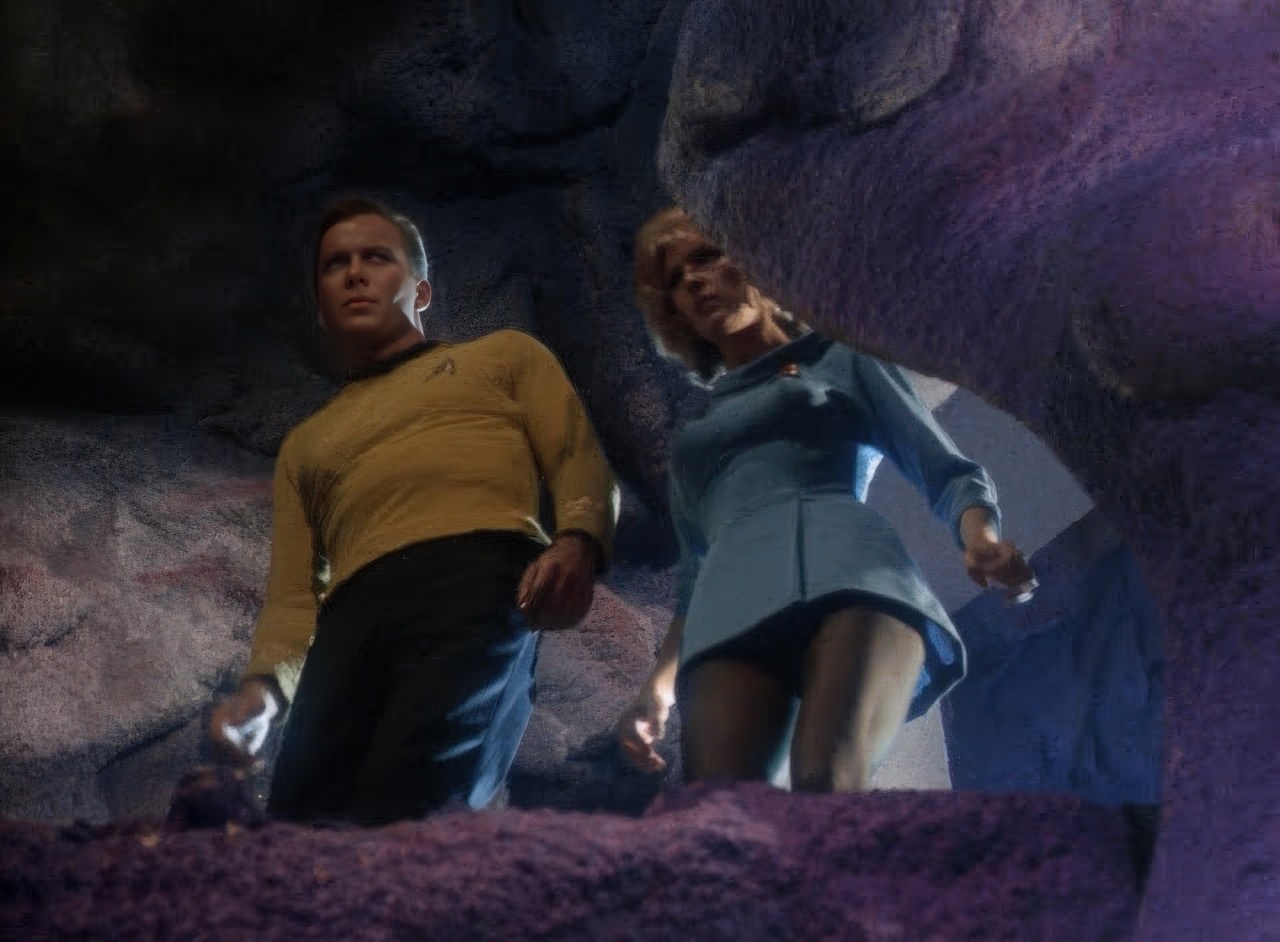
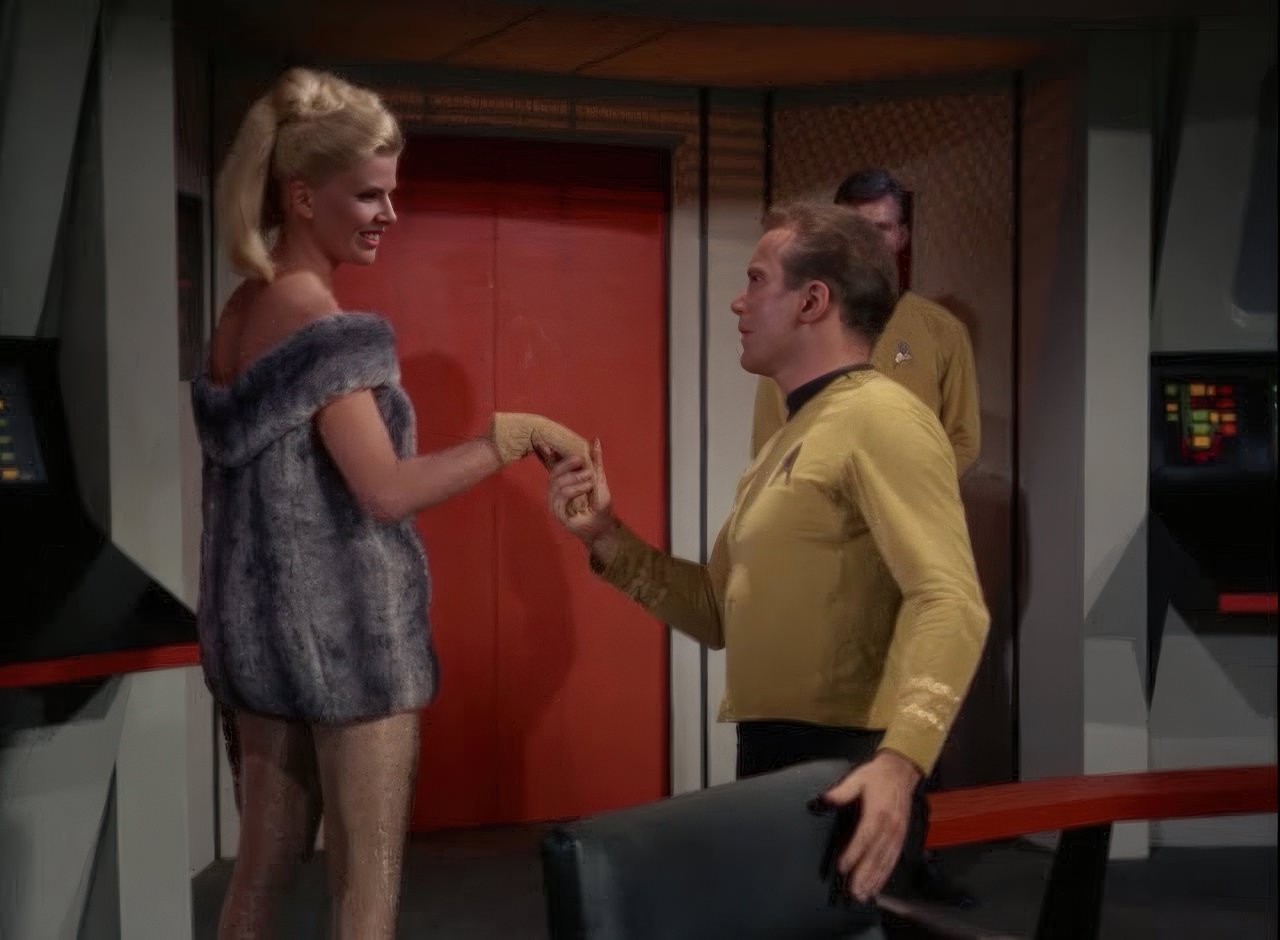
Theiss is also connected to what fans and critics later called the “Theiss Titillation Theory.” The idea holds that a costume creates allure not simply by showing skin, but by suggesting the garment might shift or fall — a sense of structural precariousness. This theory applied more directly to the elaborate, barely-held-together outfits Theiss designed for female guest stars. The standard women’s duty uniform, by contrast, was relatively secure and practical in its construction.
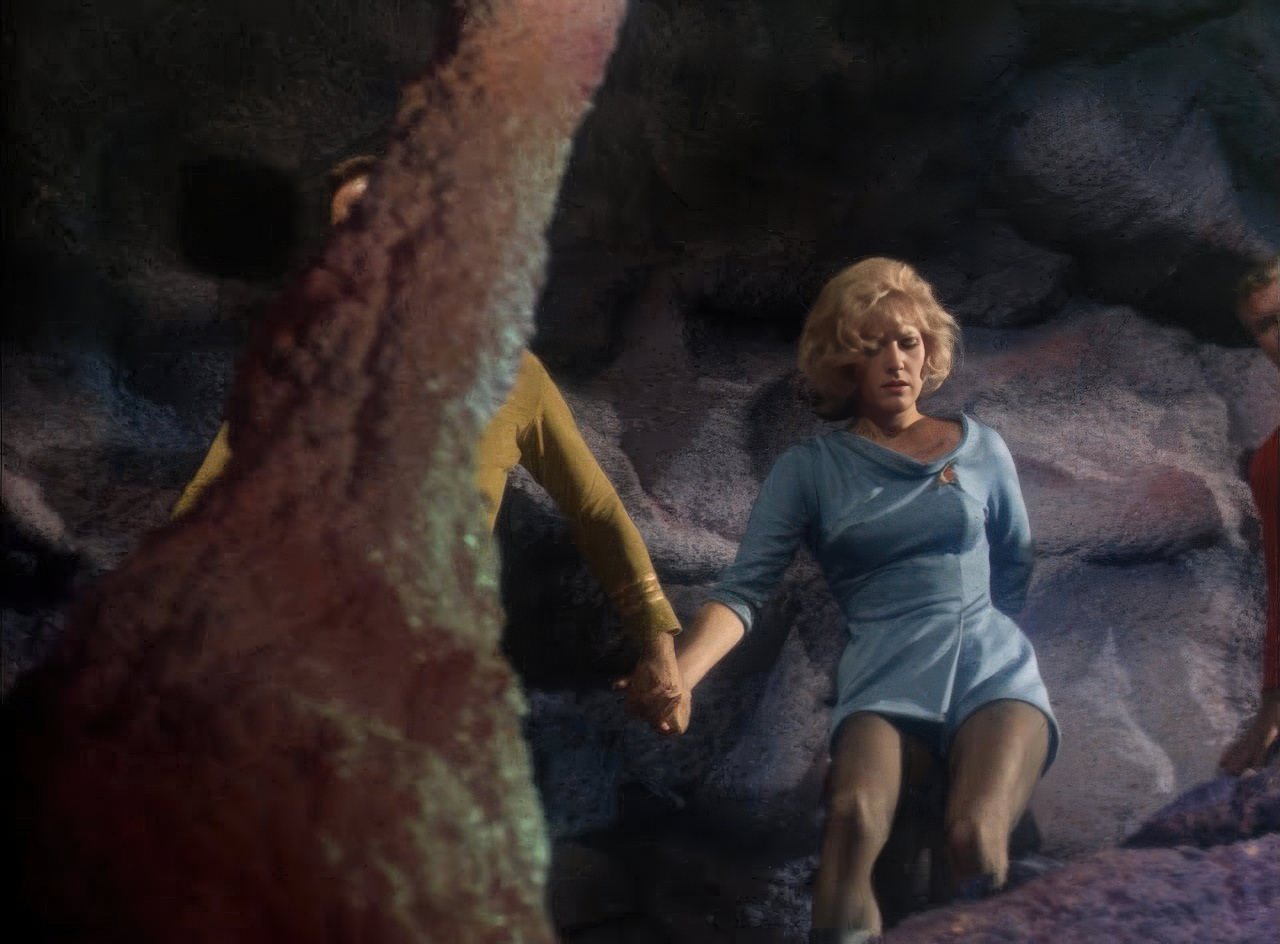
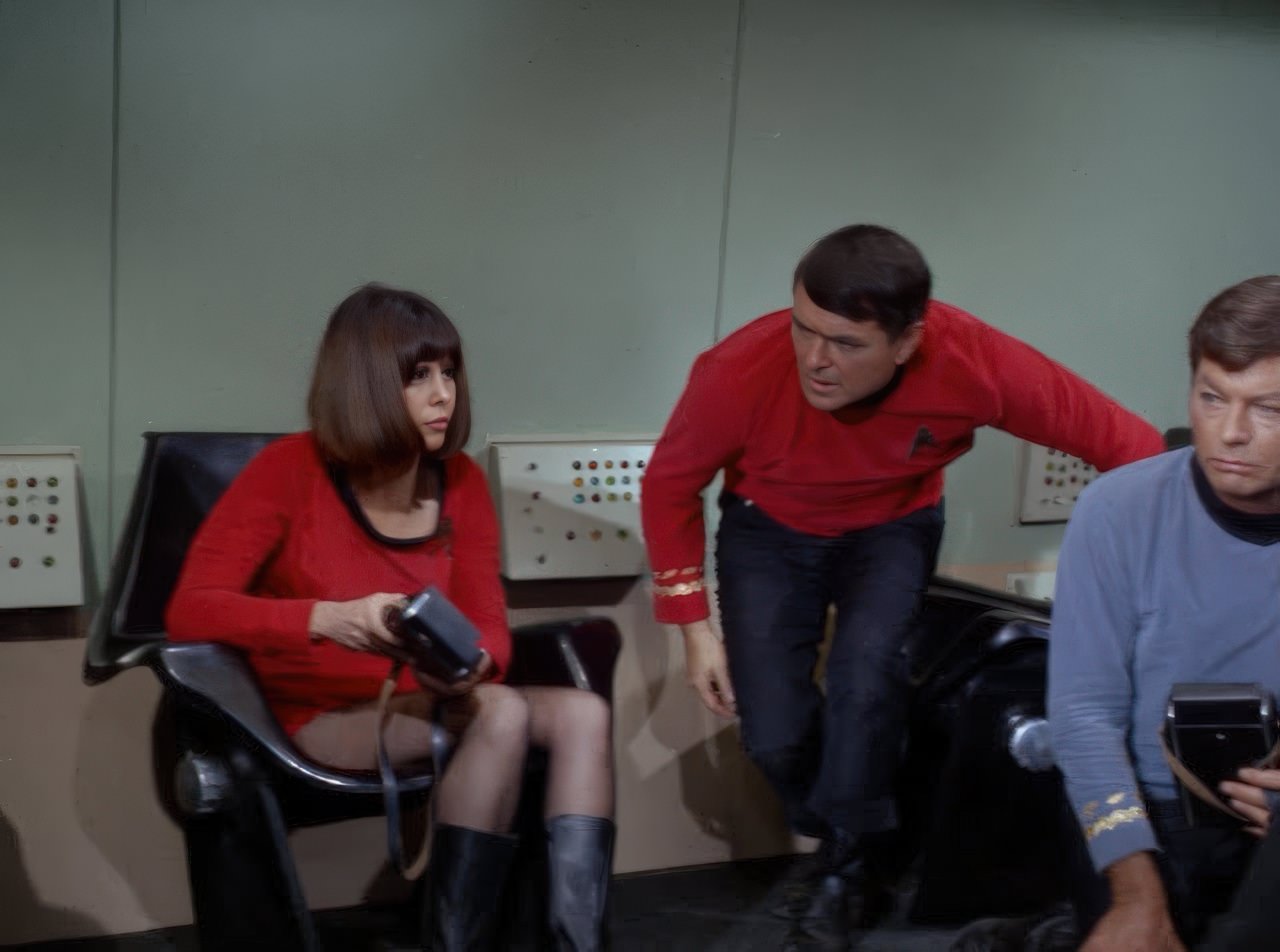
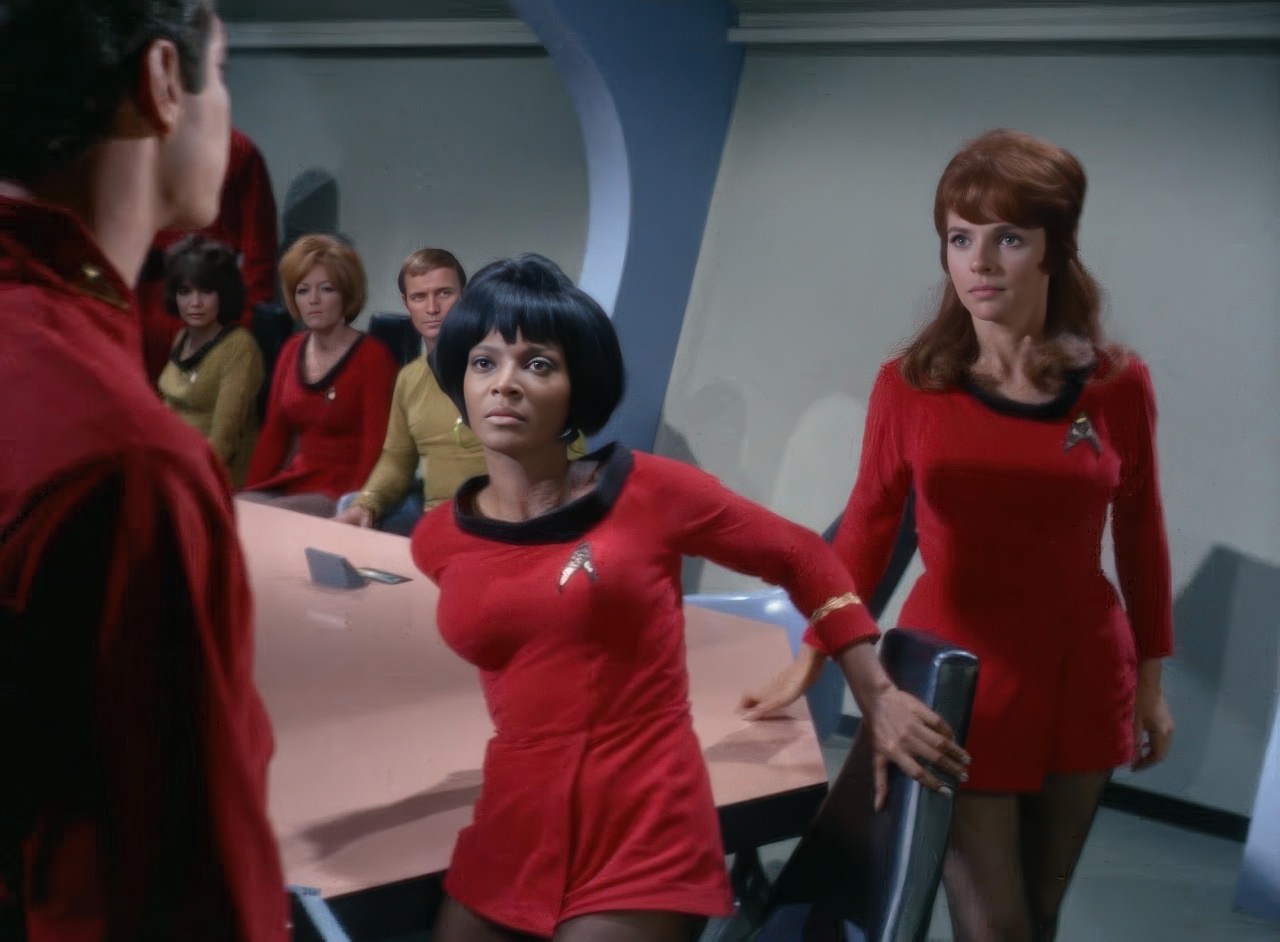
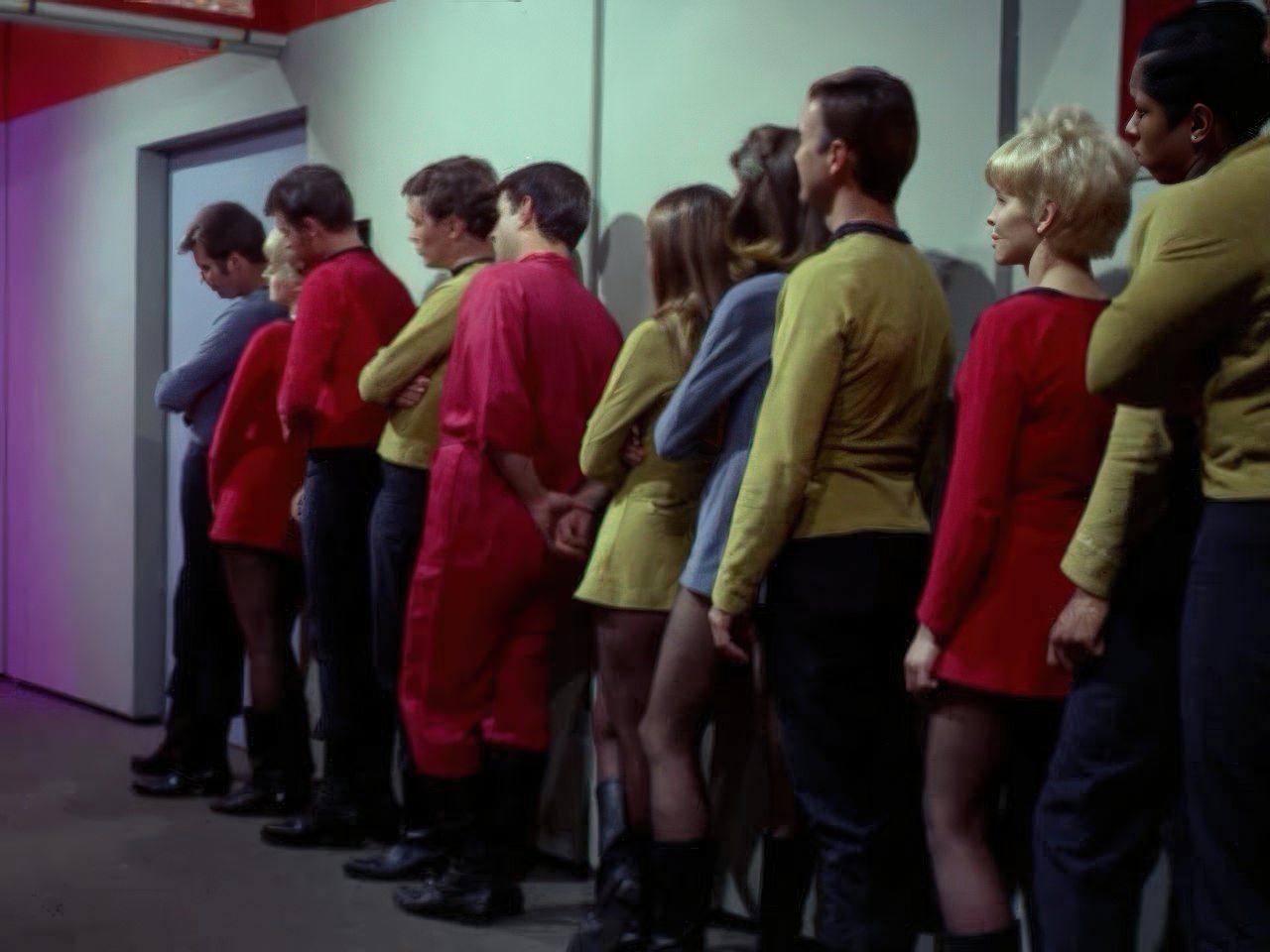
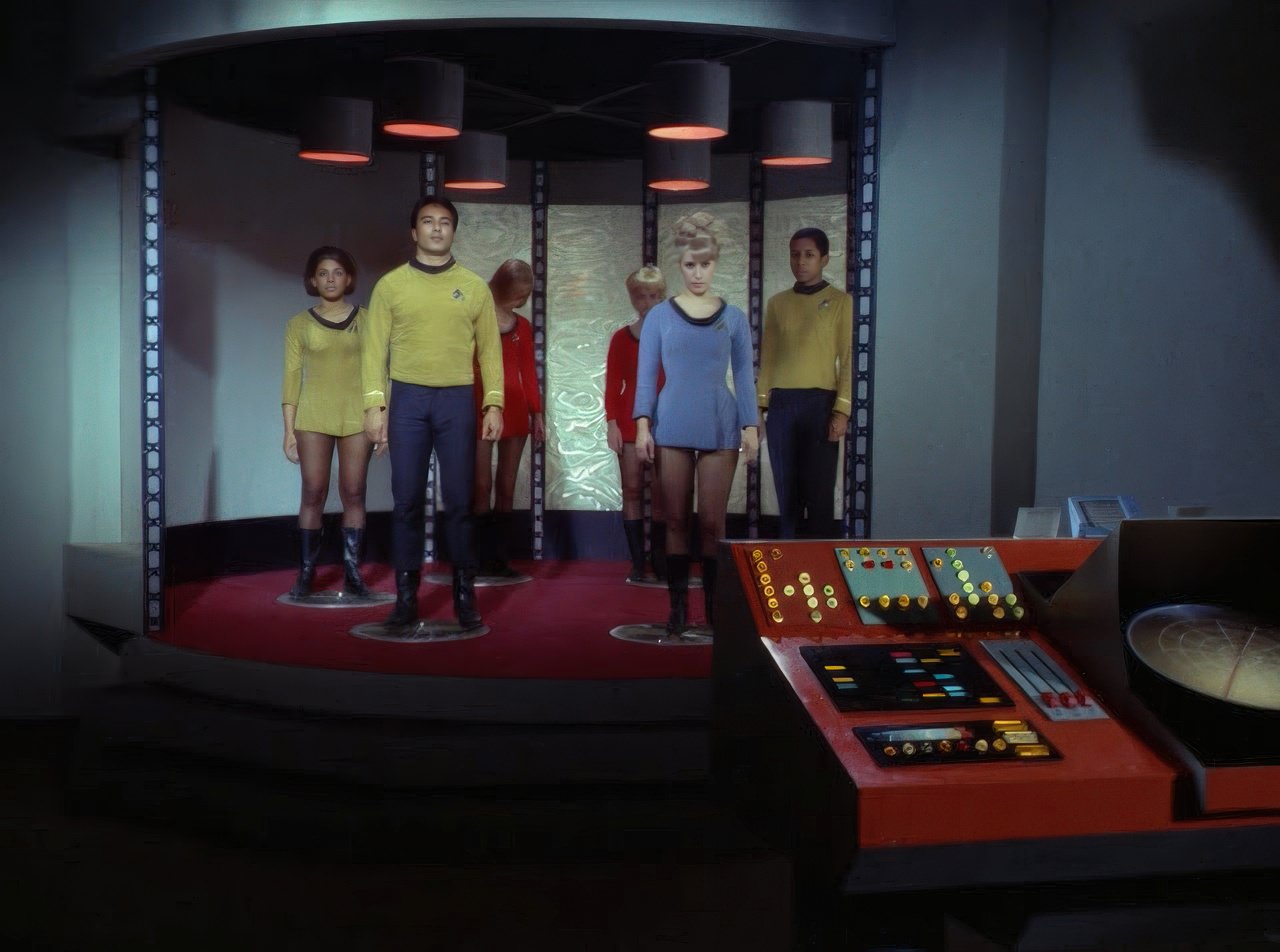
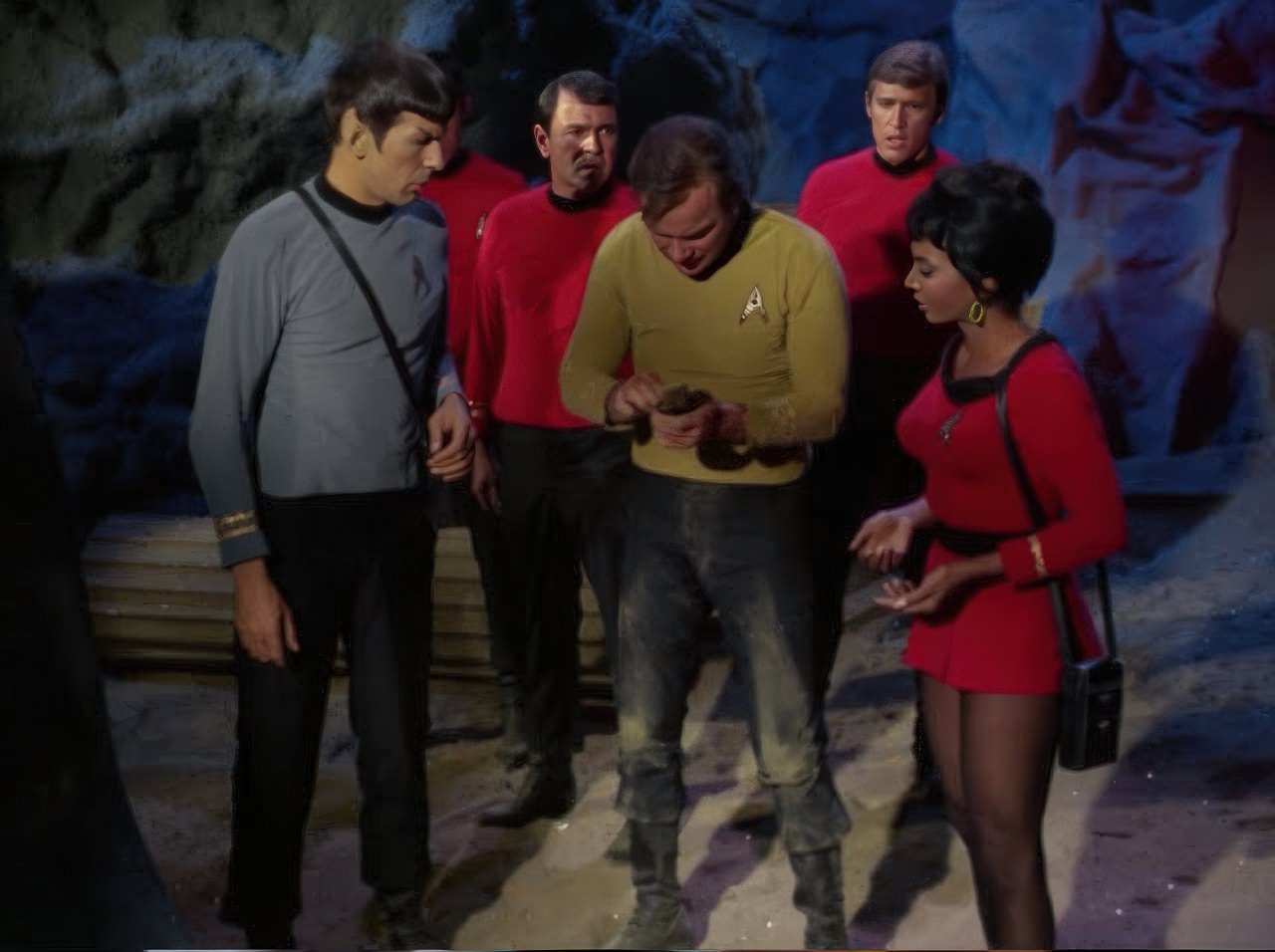
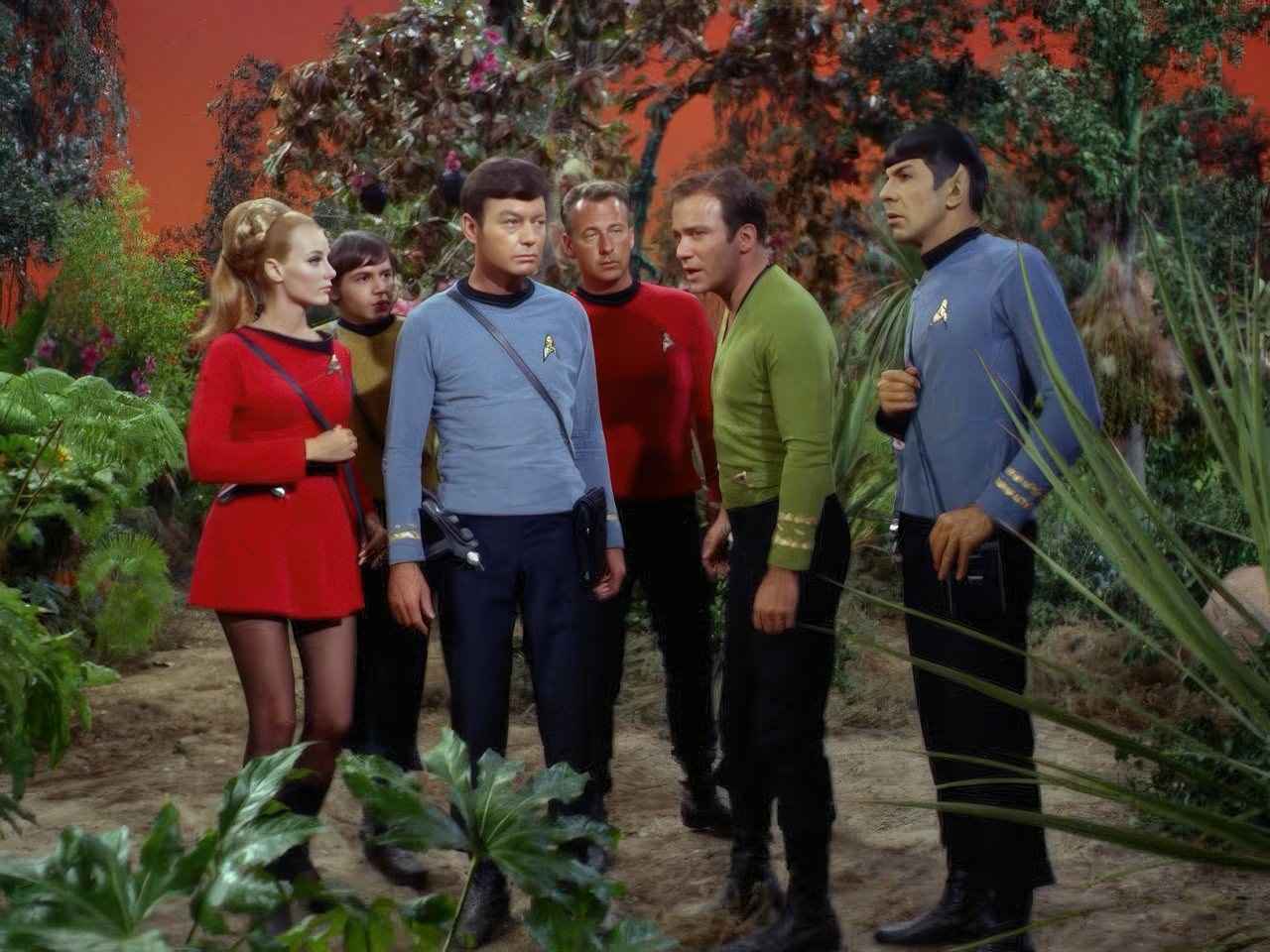
The duty uniform itself followed a clear system. A brightly colored tunic indicated a crew member’s division: gold for command, blue for sciences and medical, red for operations, engineering, and security. The tunic was worn over thick black tights and paired with black boots. The skirt matched the tunic in color and fabric, giving the uniform a unified, coordinated look.
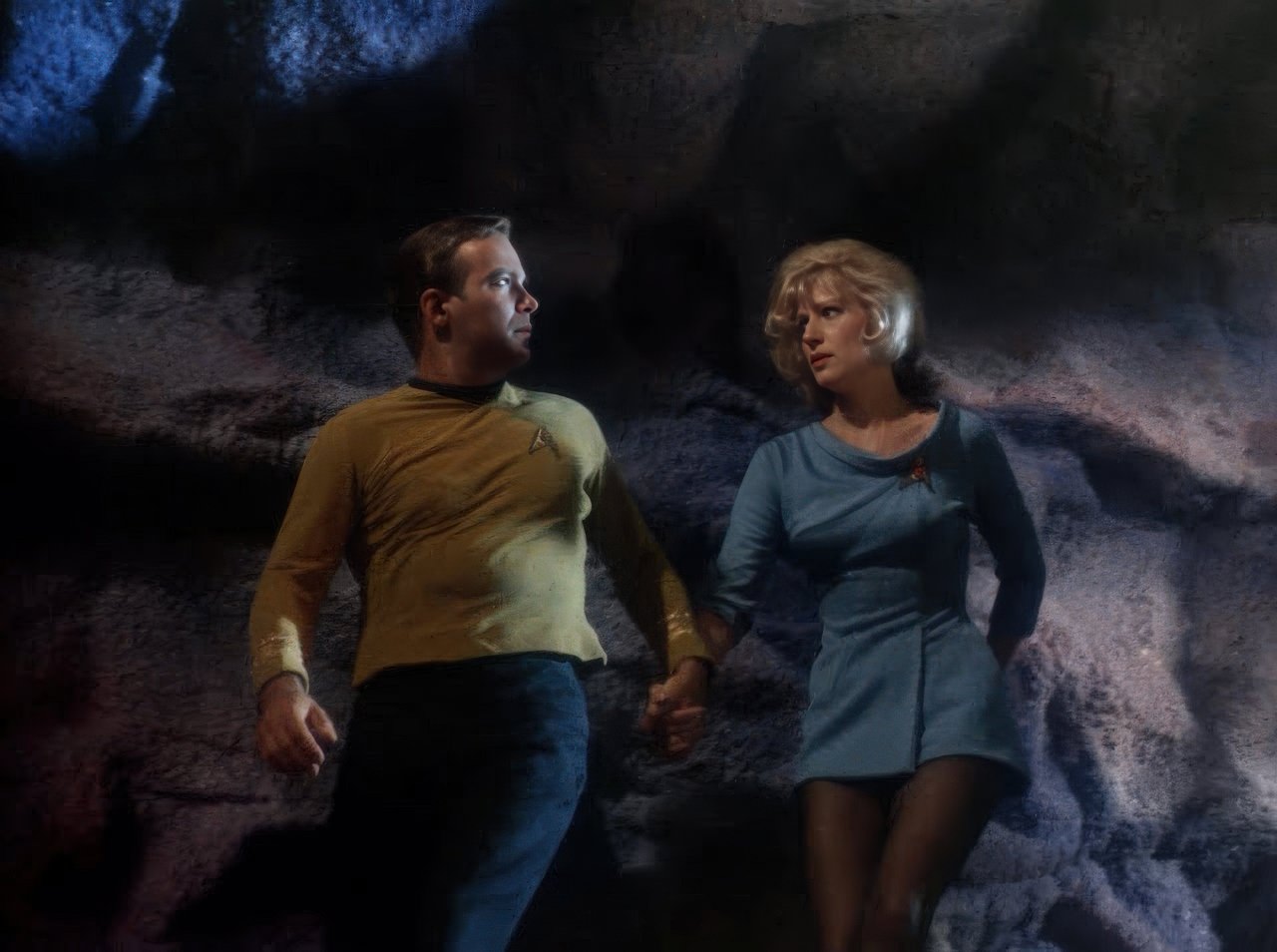
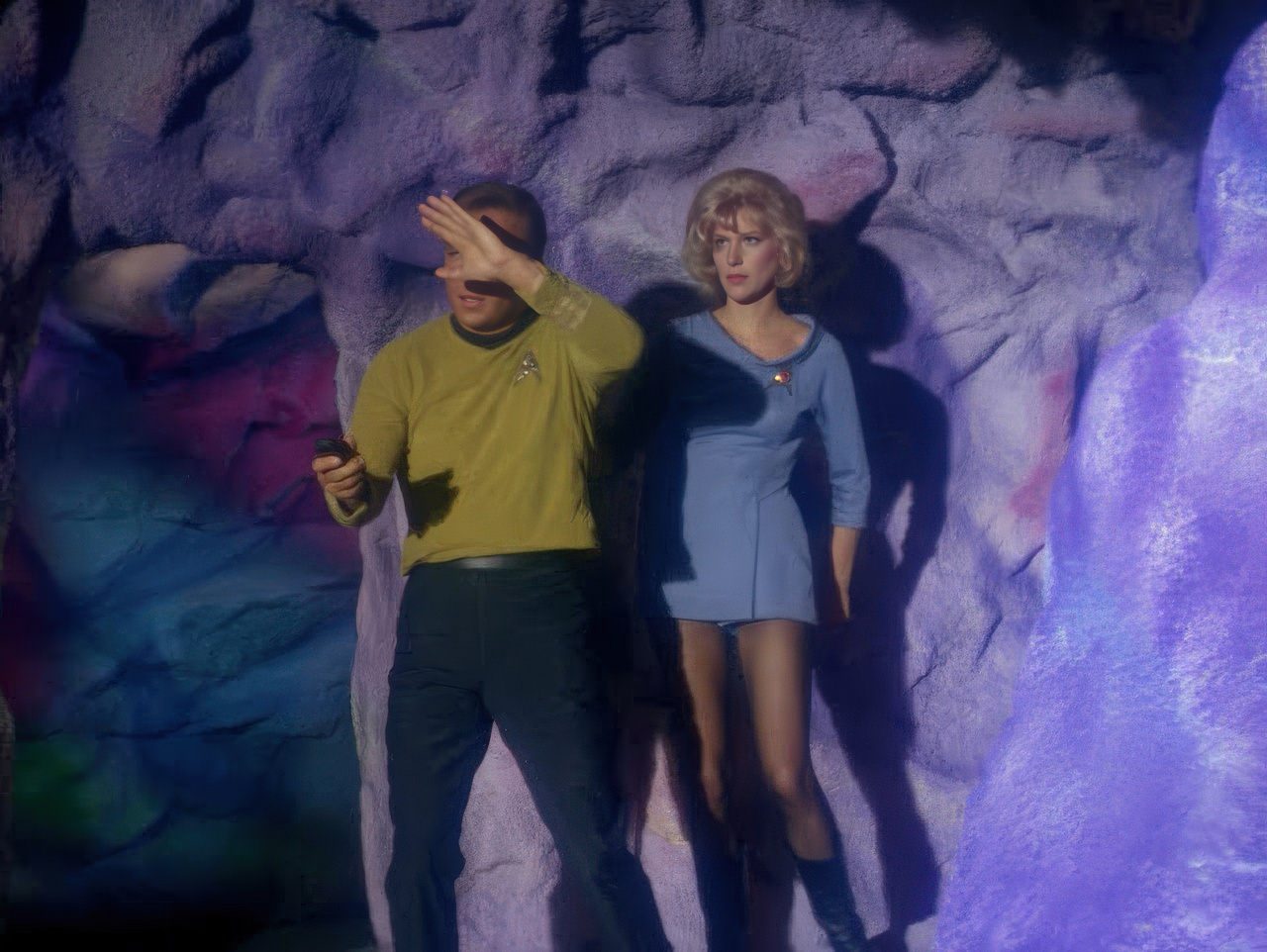
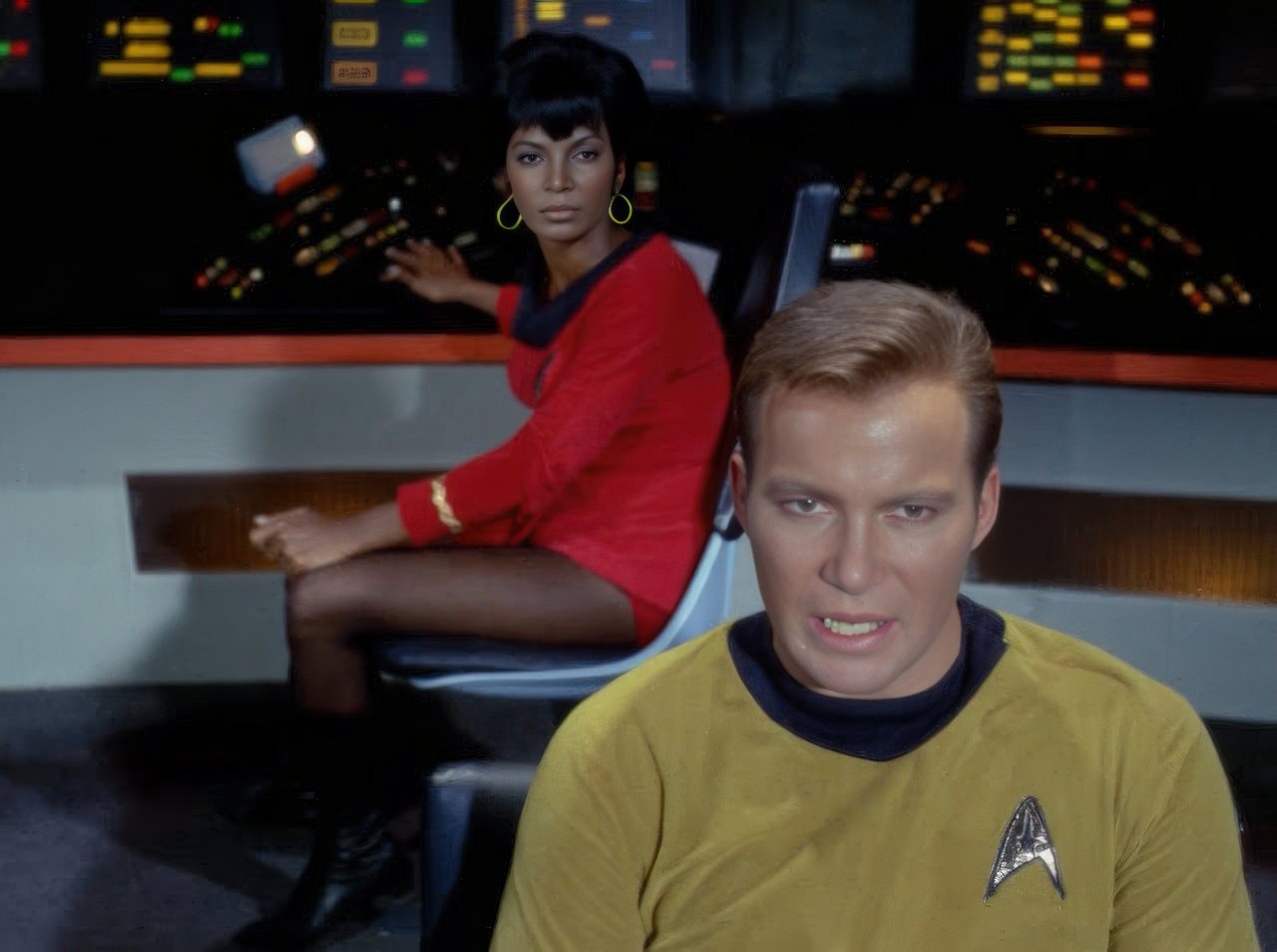
Lt. Uhura, played by Nichelle Nichols, wore the red communications uniform throughout the series. Her role was itself groundbreaking — one of the first prominent roles for an African American woman on American television. Nichols later addressed her personal perspective on wearing the uniform in her autobiography.
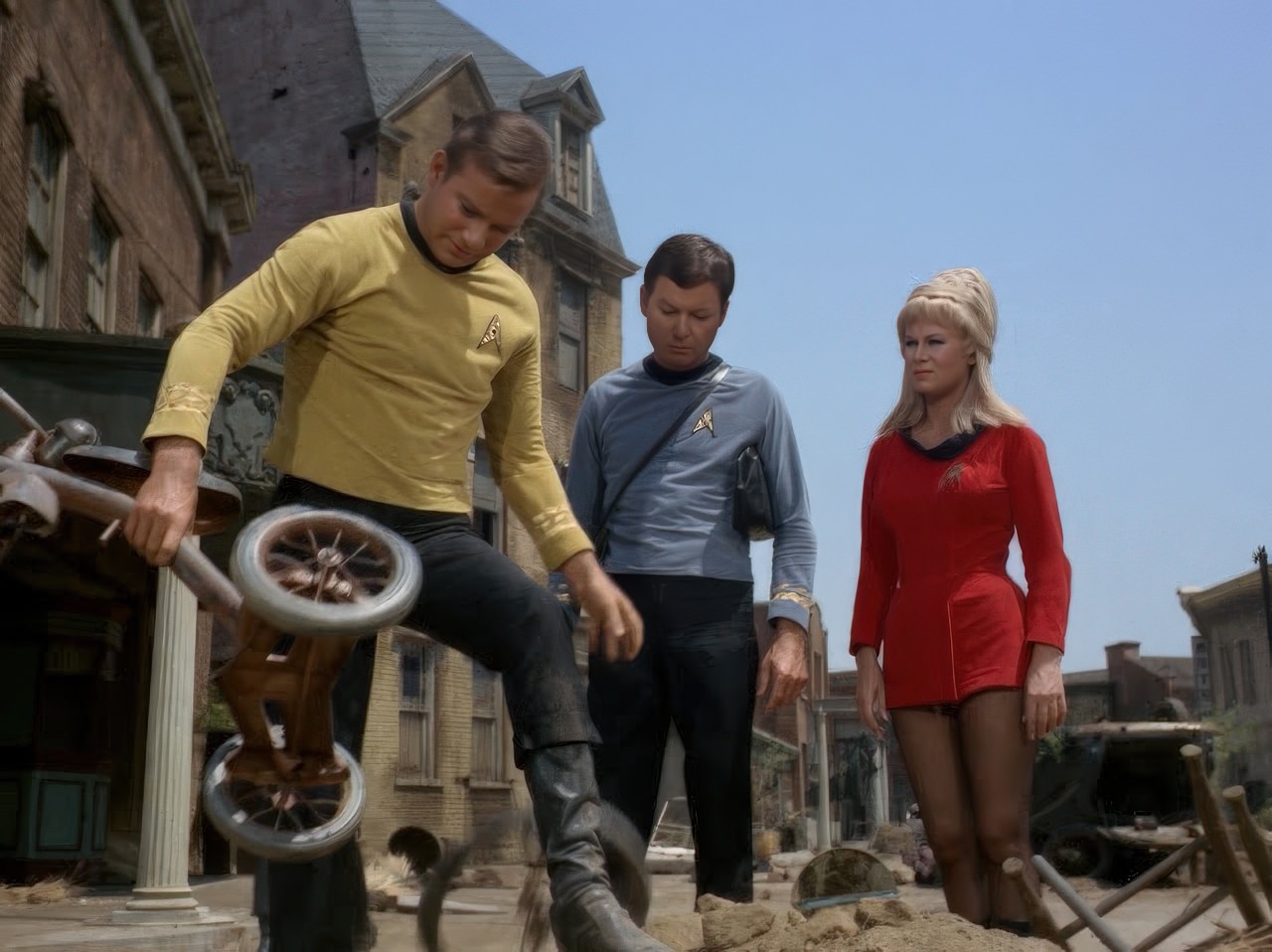
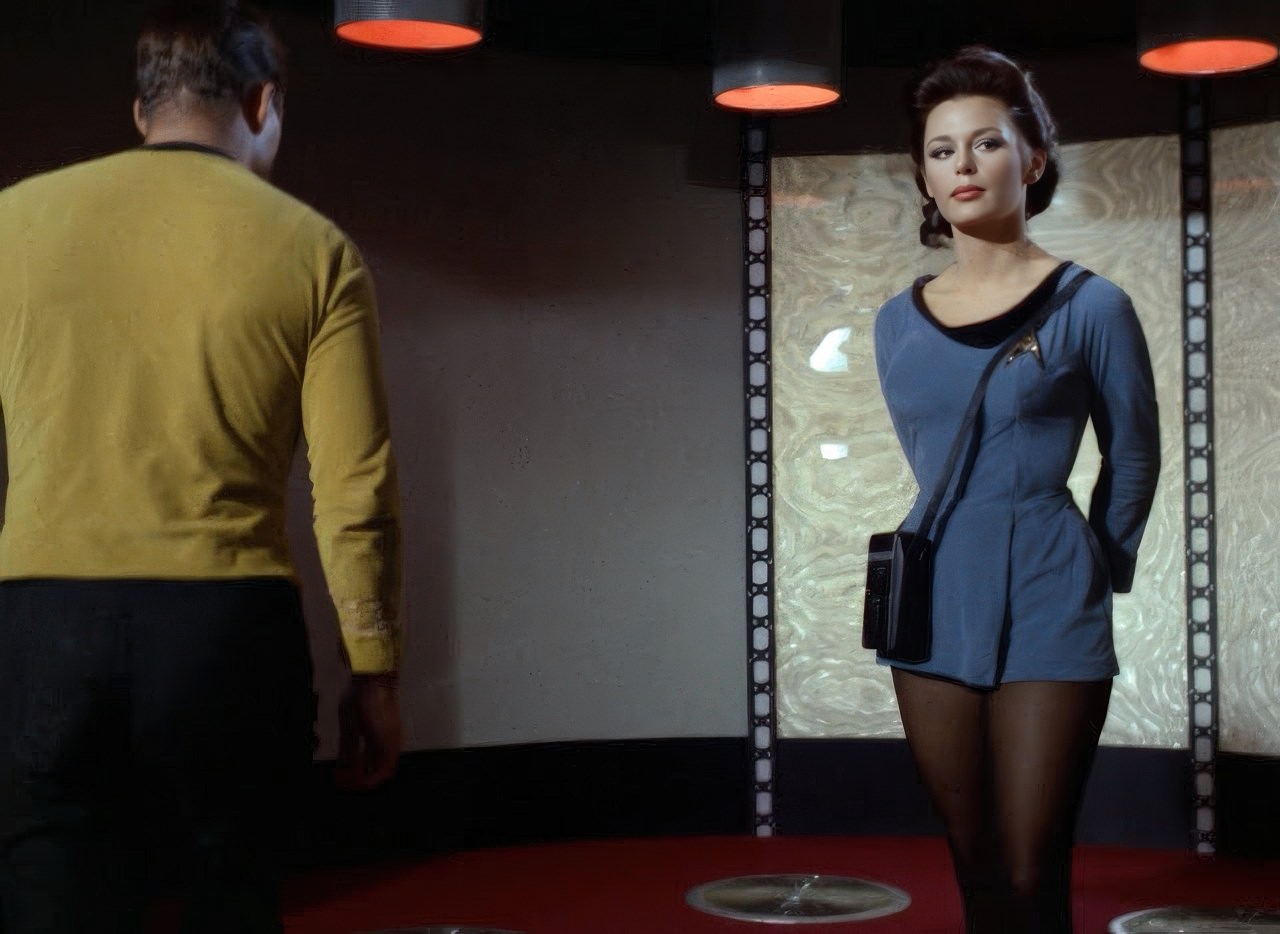
In later decades, feminist critics pointed to the miniskirt uniforms as evidence of sexism embedded in the show, arguing that female characters were dressed impractically compared to their male counterparts. But in 1966, the miniskirt was a fresh and widely embraced fashion statement — one many women wore as a sign of modernity, not restriction. The uniform existed at the intersection of those two very different readings.