Hans Richter was one of the most daring filmmakers of the early 20th century. A central figure in the Dada movement, he pushed cinema beyond storytelling and into the realm of pure visual experiment. His films treated the screen as a canvas, using rhythm, movement, and abstraction to create something audiences had never seen before. Among his many ambitious projects, one stands apart — not for what it became, but for what it never was.
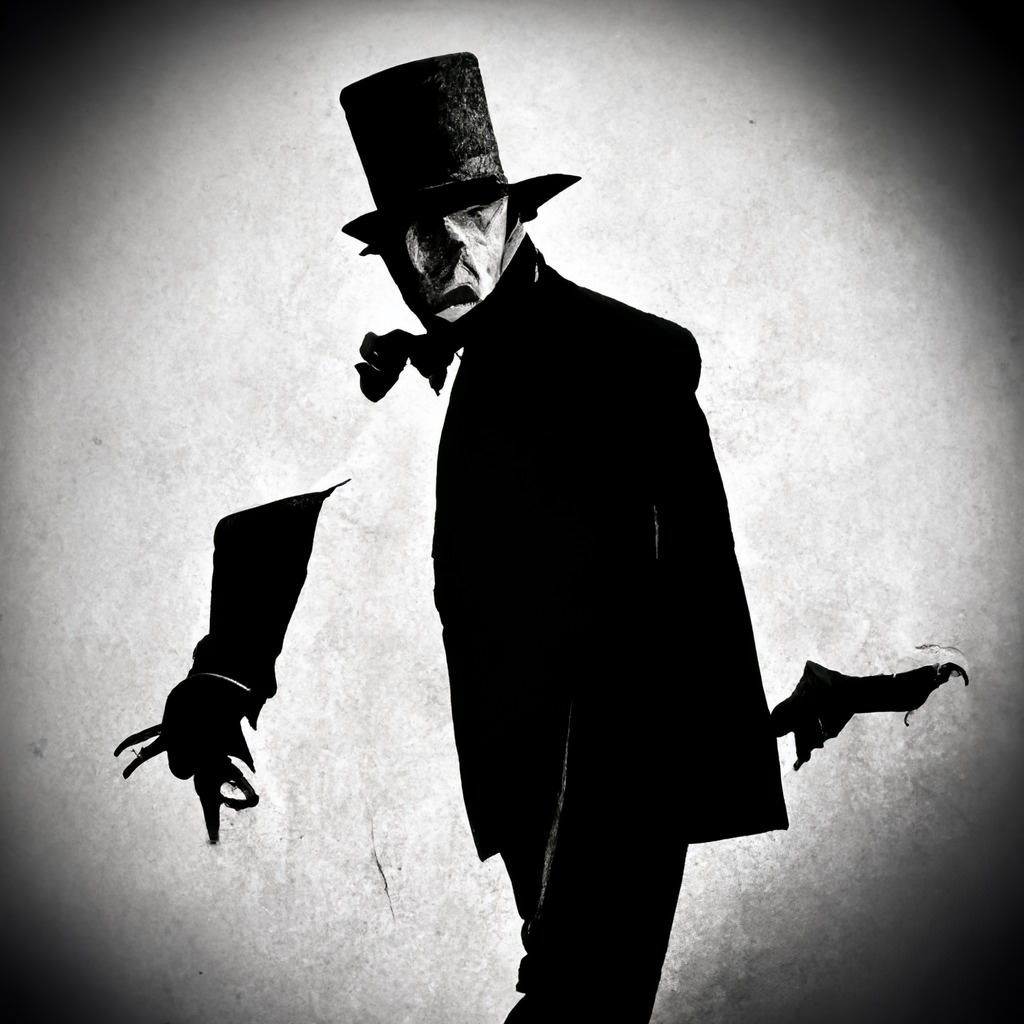
“The House at the Last Lantern” was a film Richter began but never finished. At its core, the project was built around the life of Gustav Meyrink — a German playwright, novelist, and occultist whose writing was steeped in the supernatural. Meyrink’s work explored dark, mystical worlds, and his name was well known in early 20th-century literary circles across Europe.
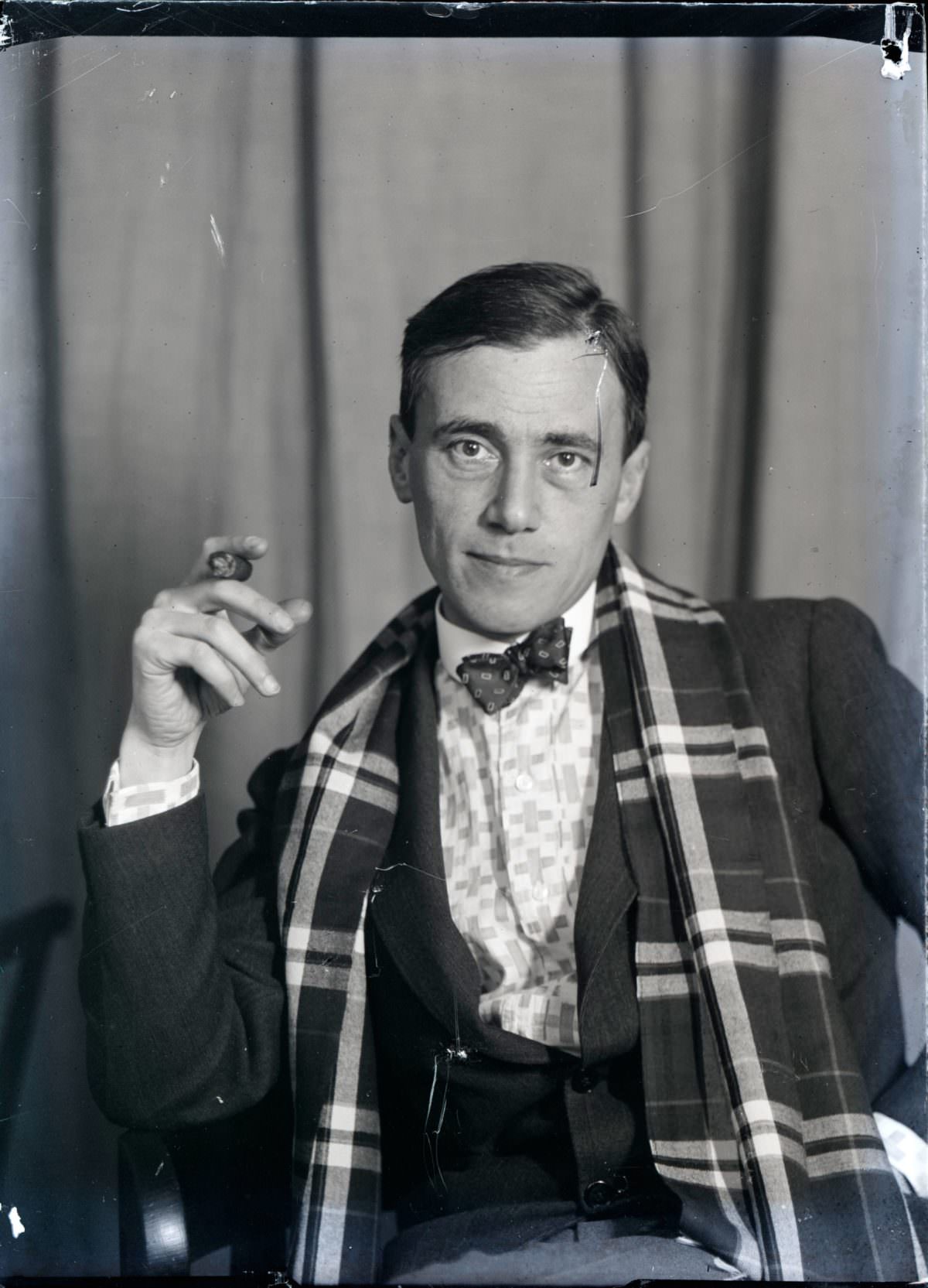
The film also carried a parodic thread drawn from Goethe’s “The Sorrows of Young Werther,” the famous German novel about obsessive love and despair. Richter layered this literary reference beneath the broader story of Meyrink’s life, giving the project both satirical and dramatic weight. It was designed to be a horror film — a genre Richter had not worked in before.
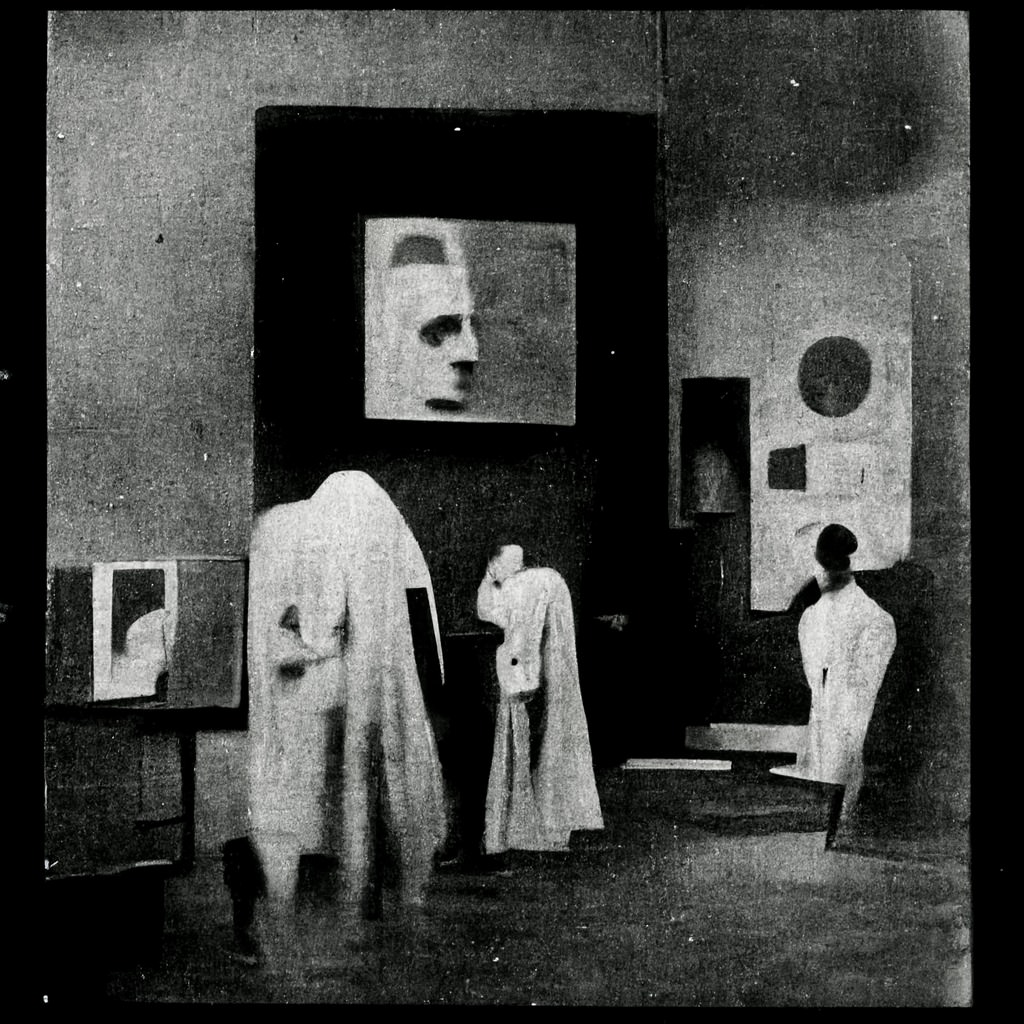
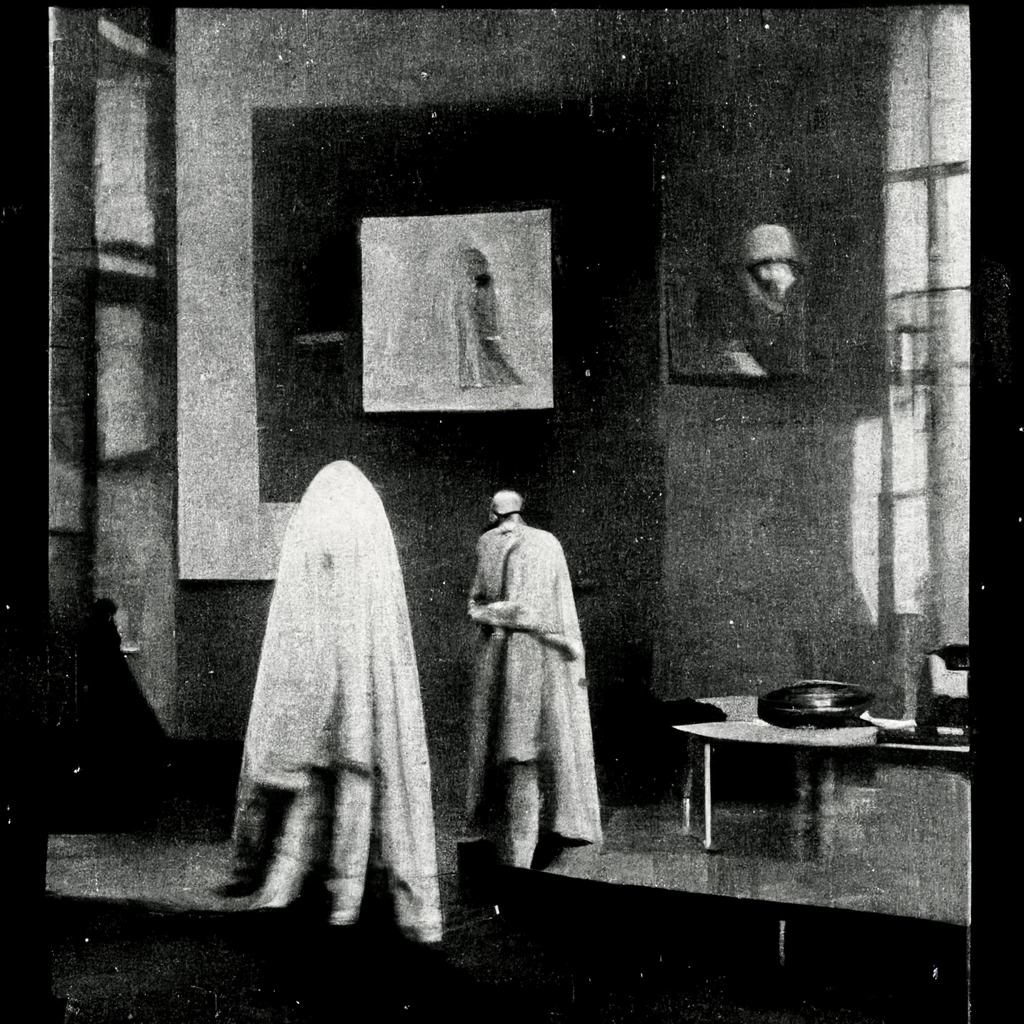
What made the project so unusual was the collision of styles it promised. Richter’s Dadaist instincts placed him firmly in the avant-garde, yet horror cinema in that era was already carving out its own visual language — expressionist shadows, uncanny settings, and dread-soaked atmosphere. A film that merged both worlds would have been genuinely rare.

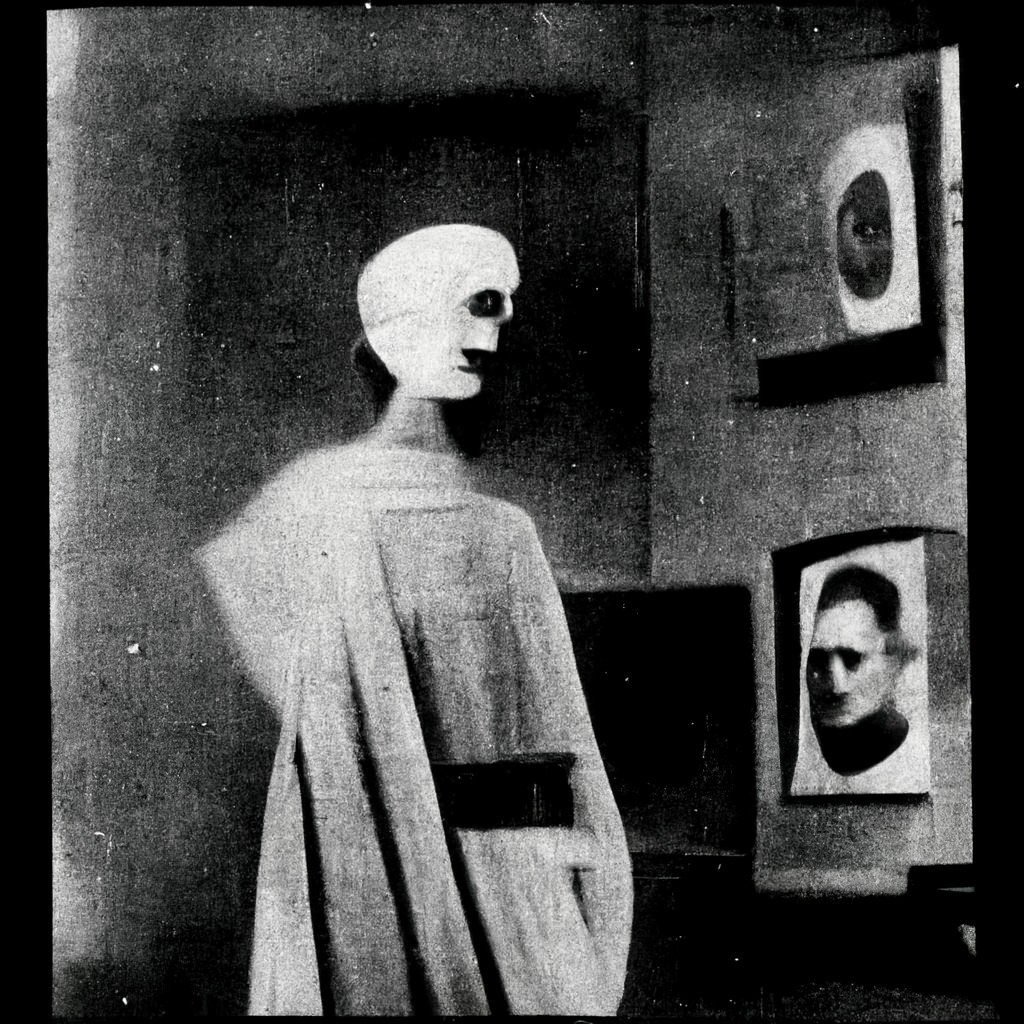
Richter believed cinema had a duty to the senses — specifically to sight. He saw film as a modern art form capable of fulfilling promises that older arts, like painting and theater, had long made but couldn’t fully keep. Sound and image, in his view, were partners that needed to be explored together with precision and creativity.
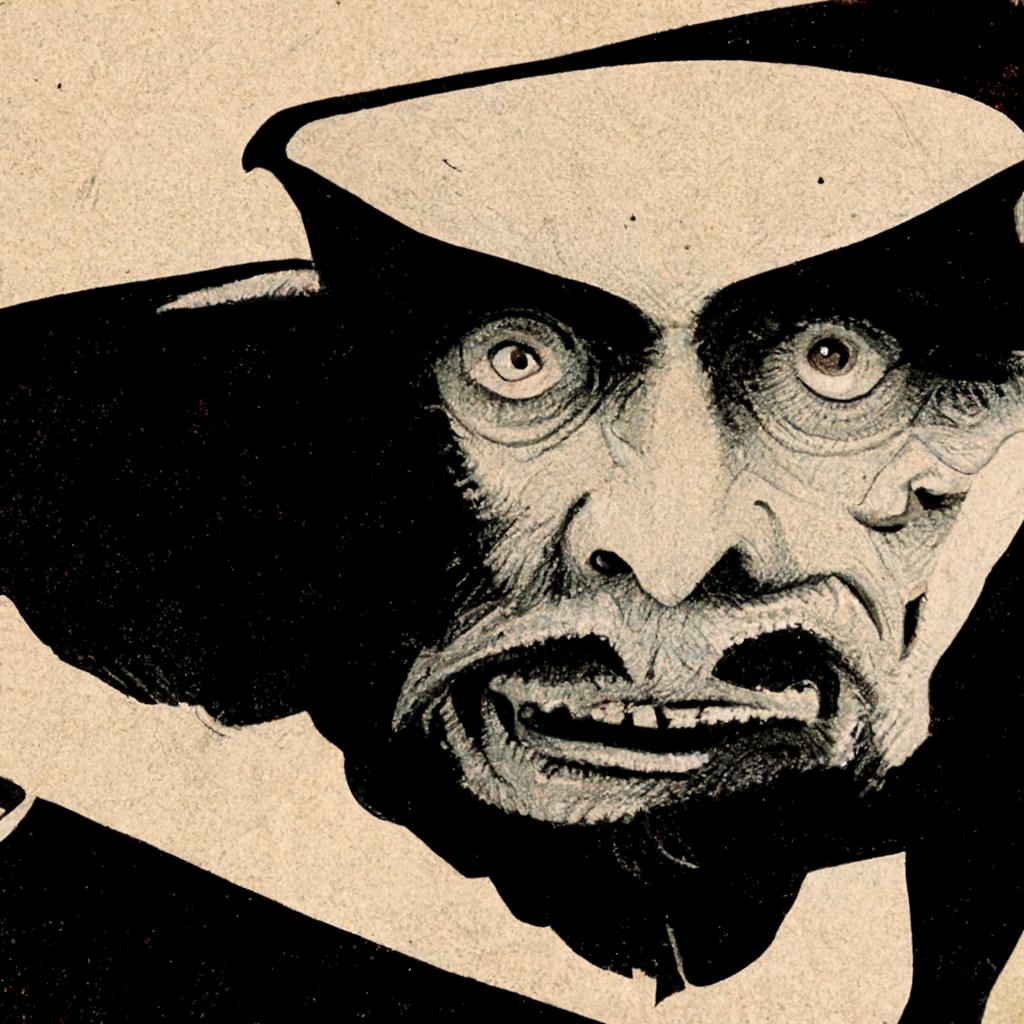
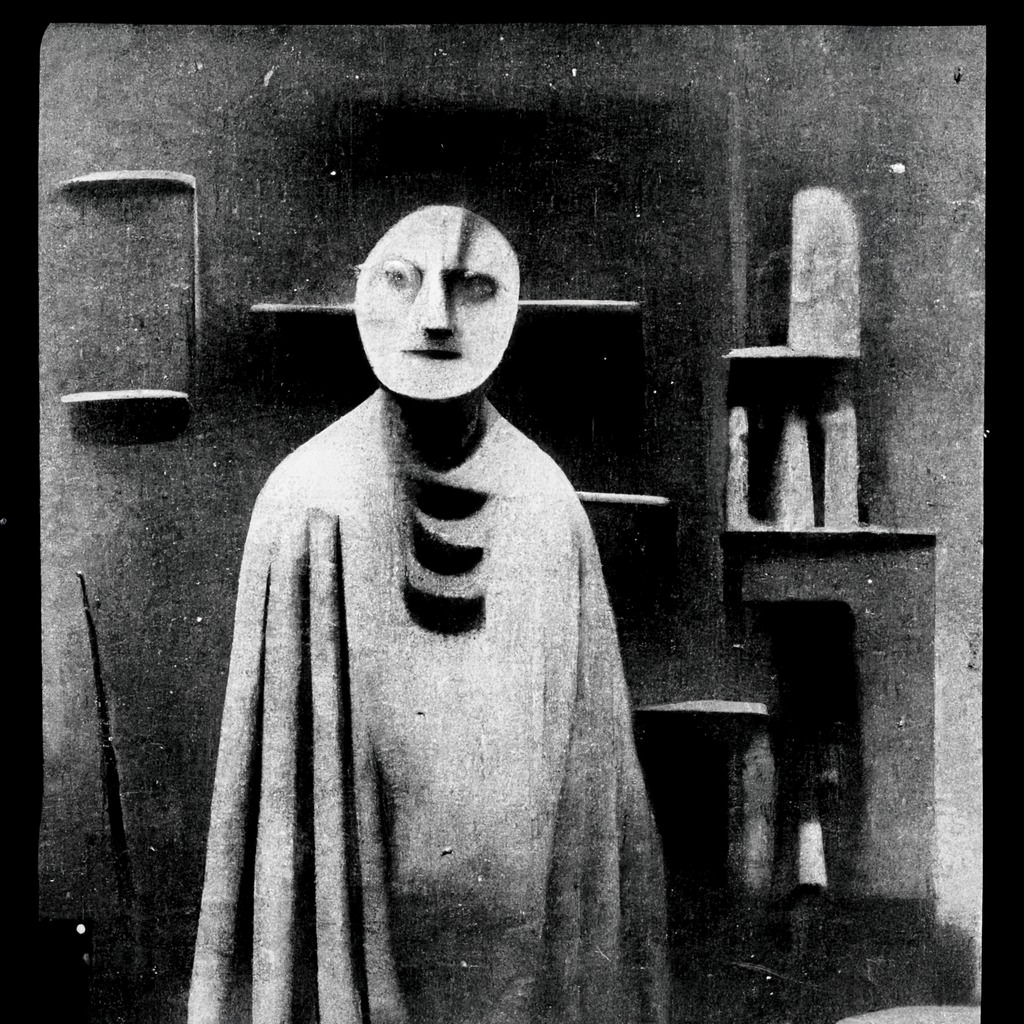
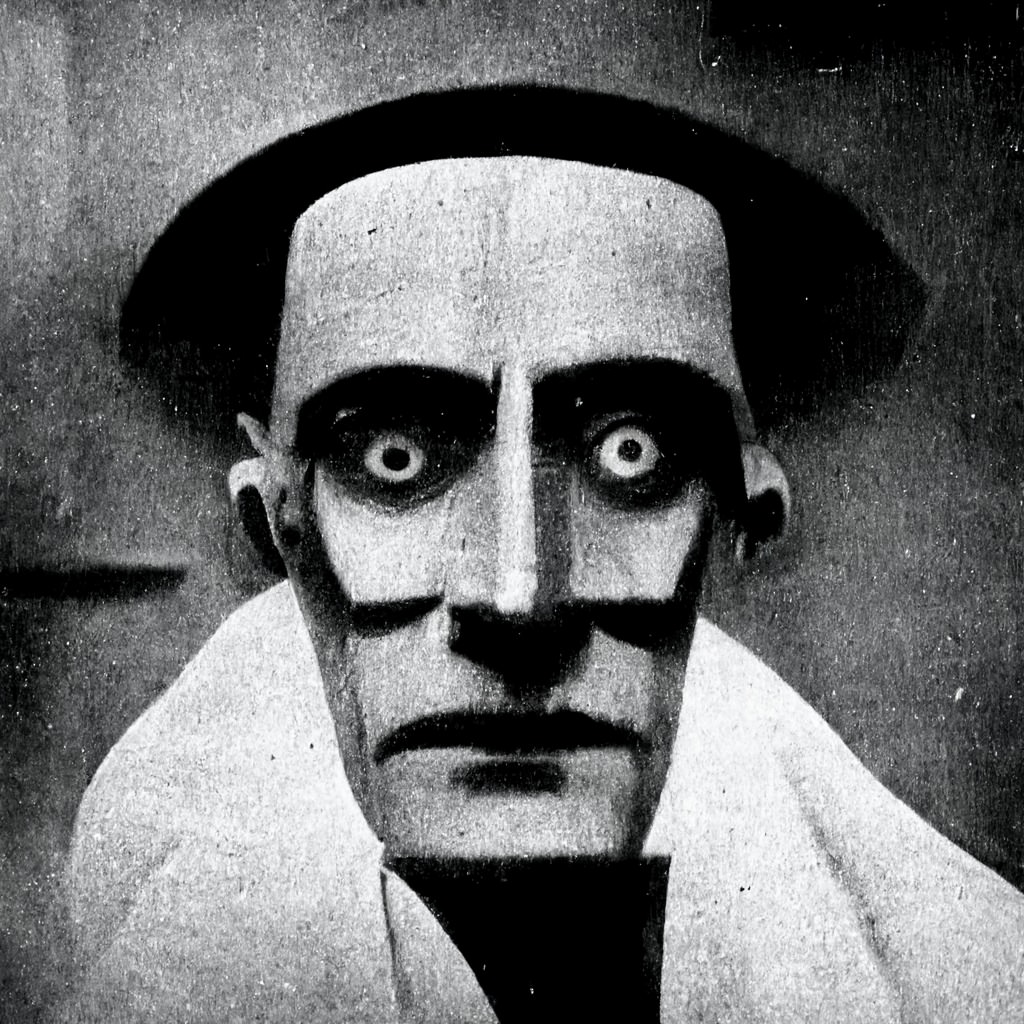
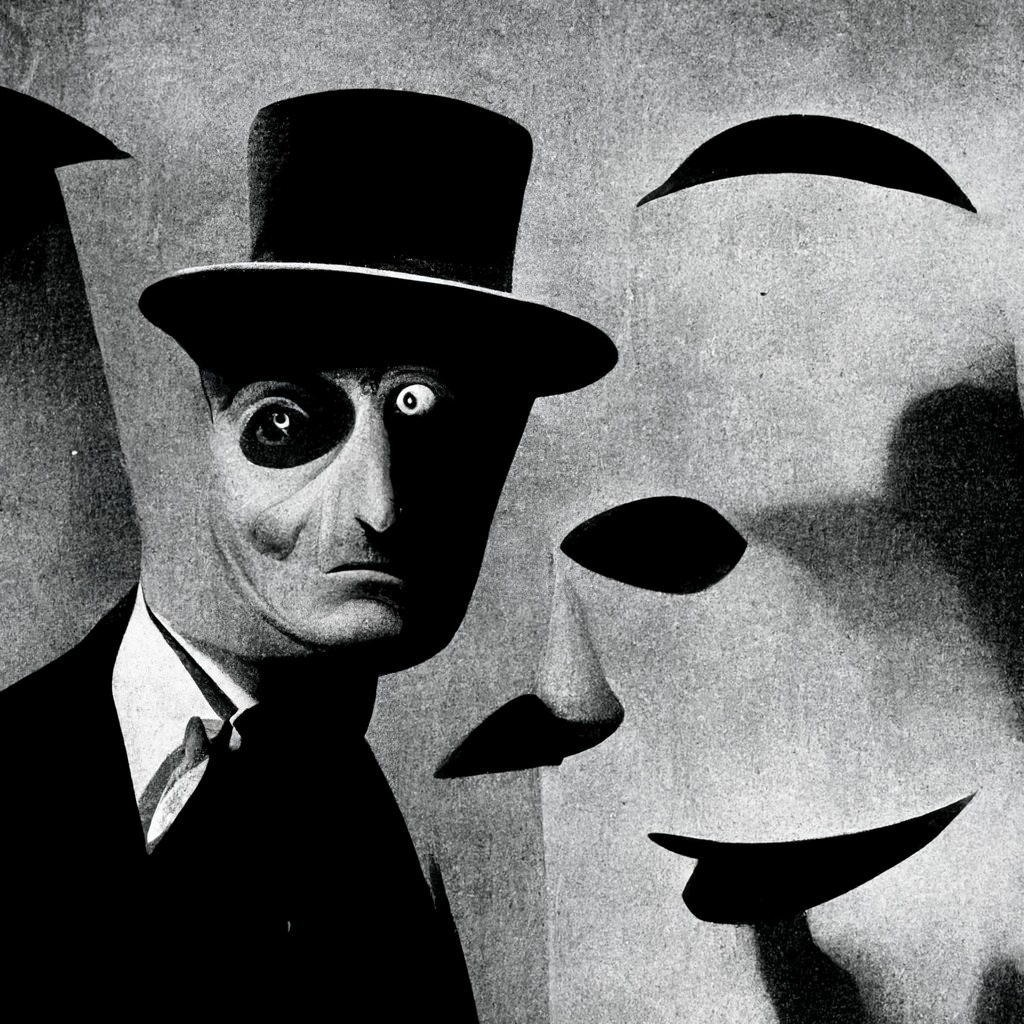
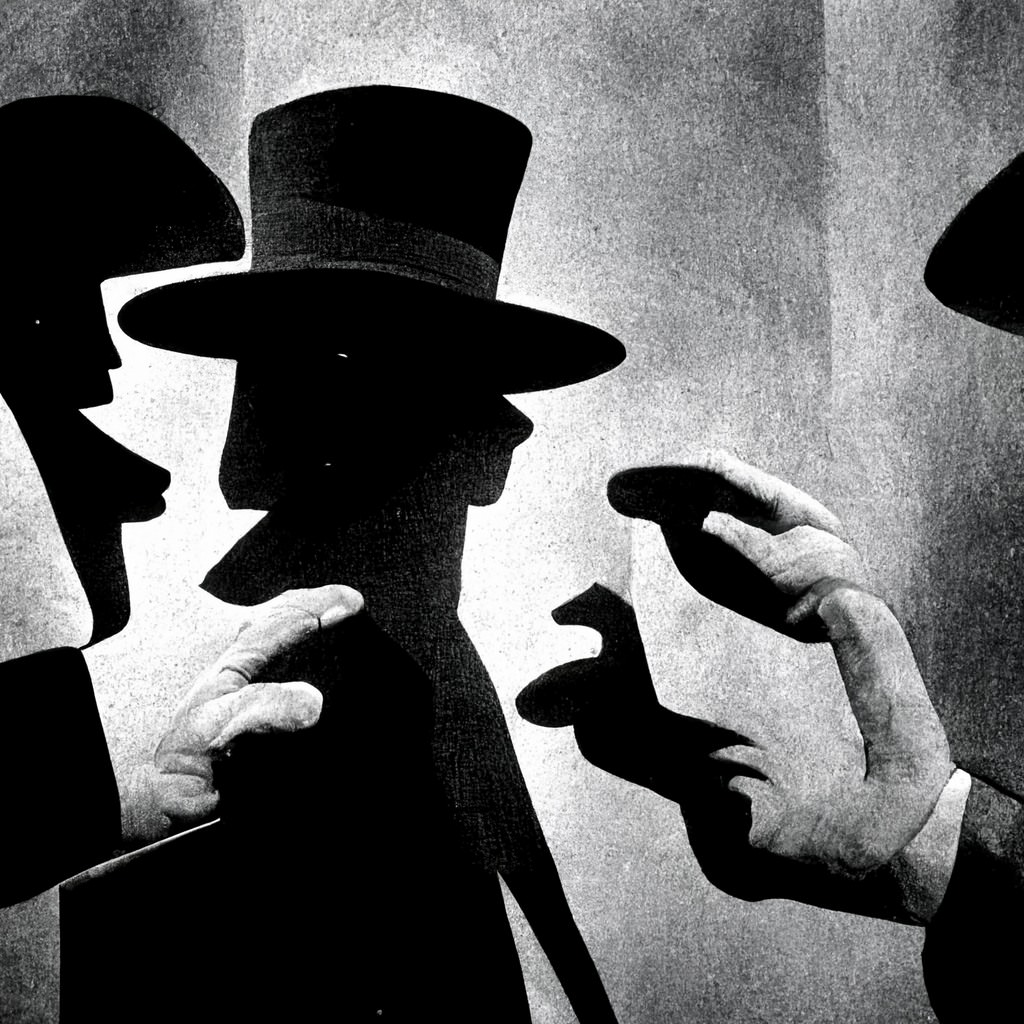
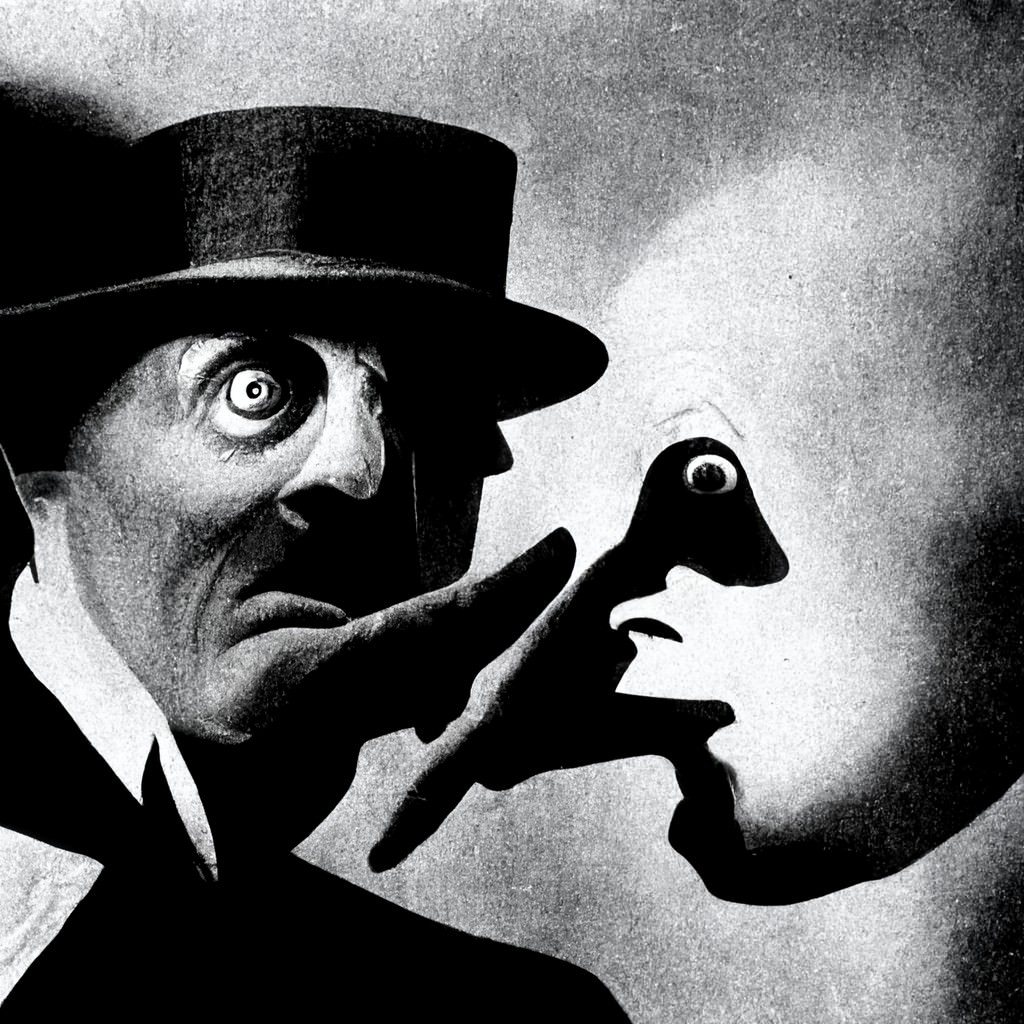
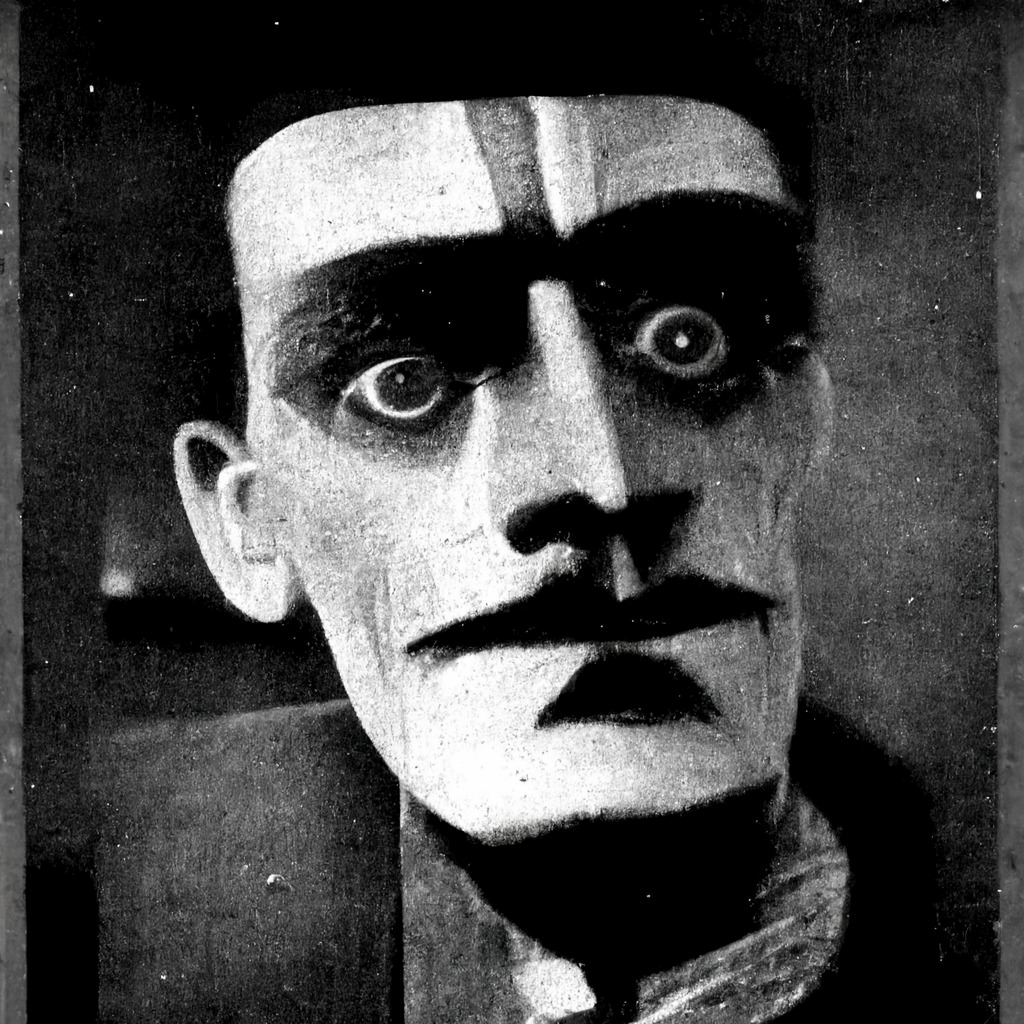
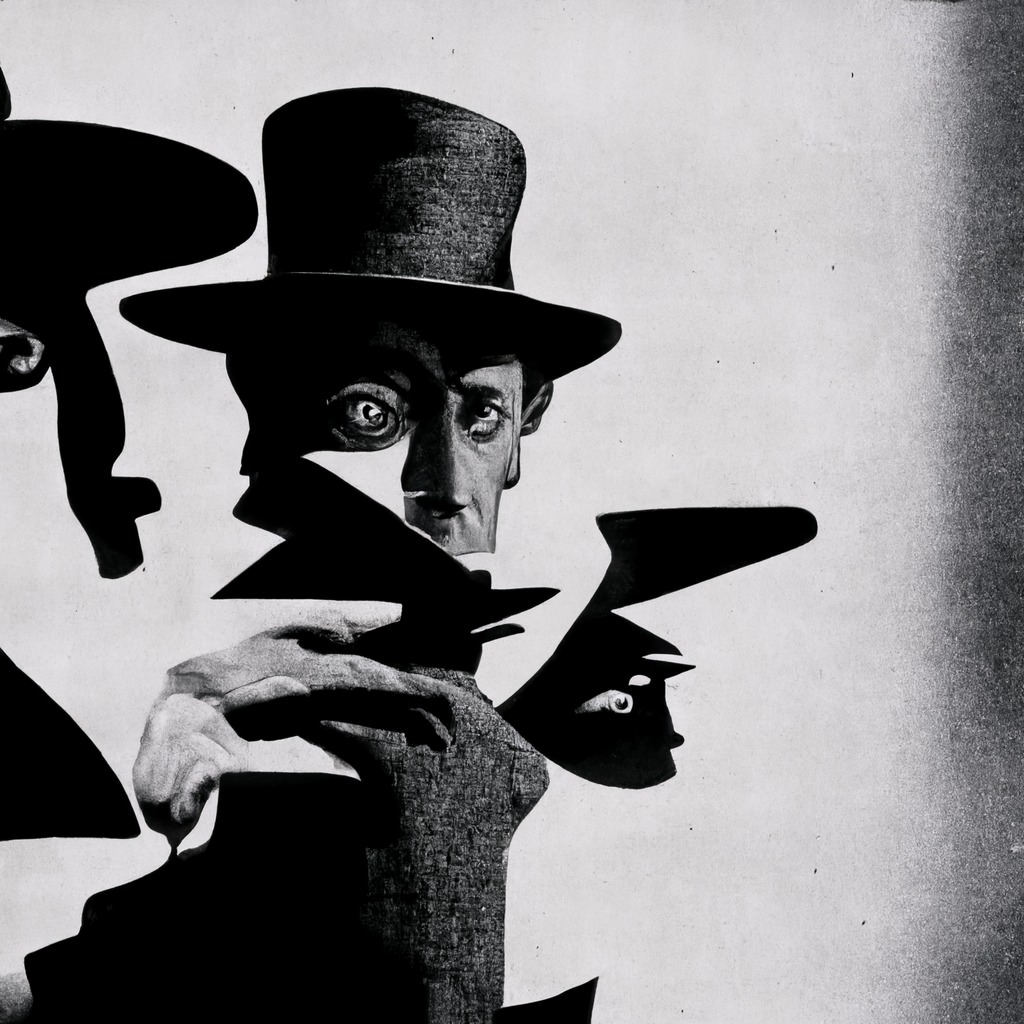
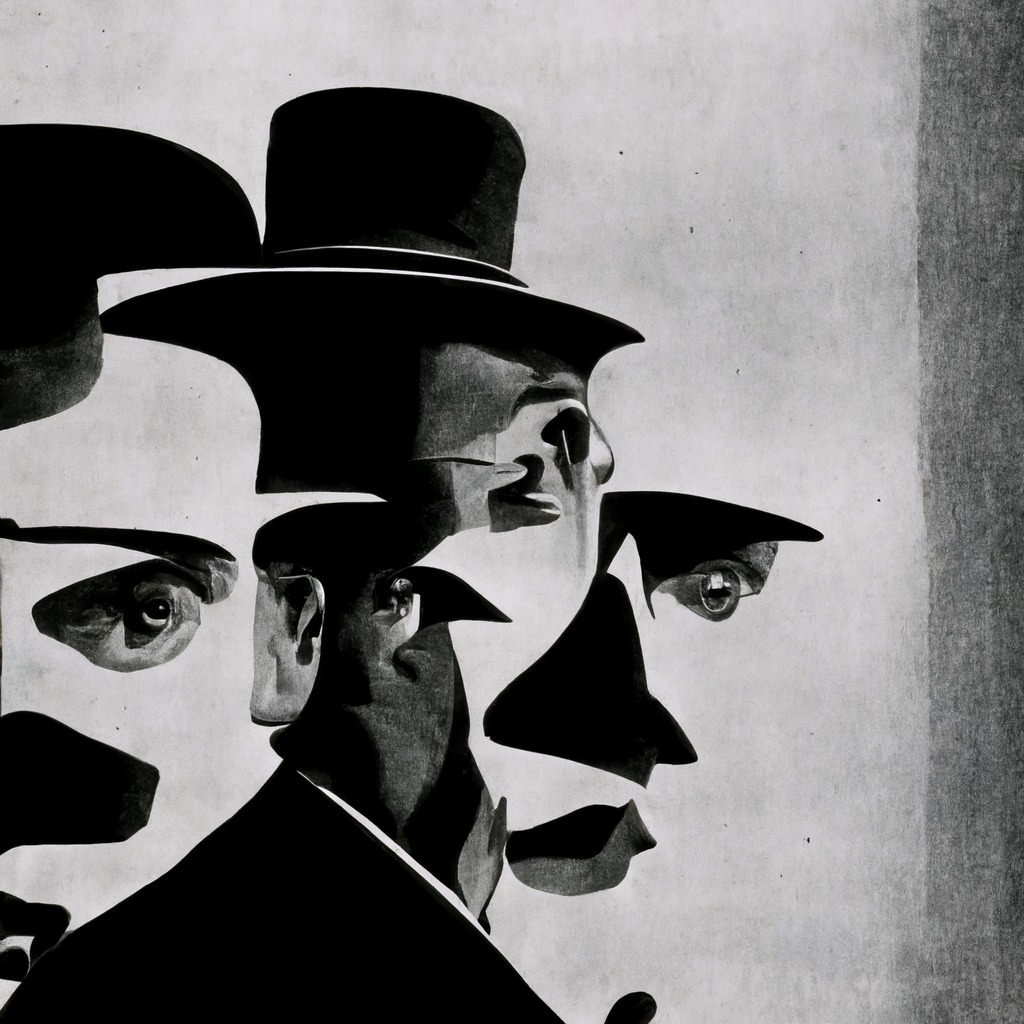
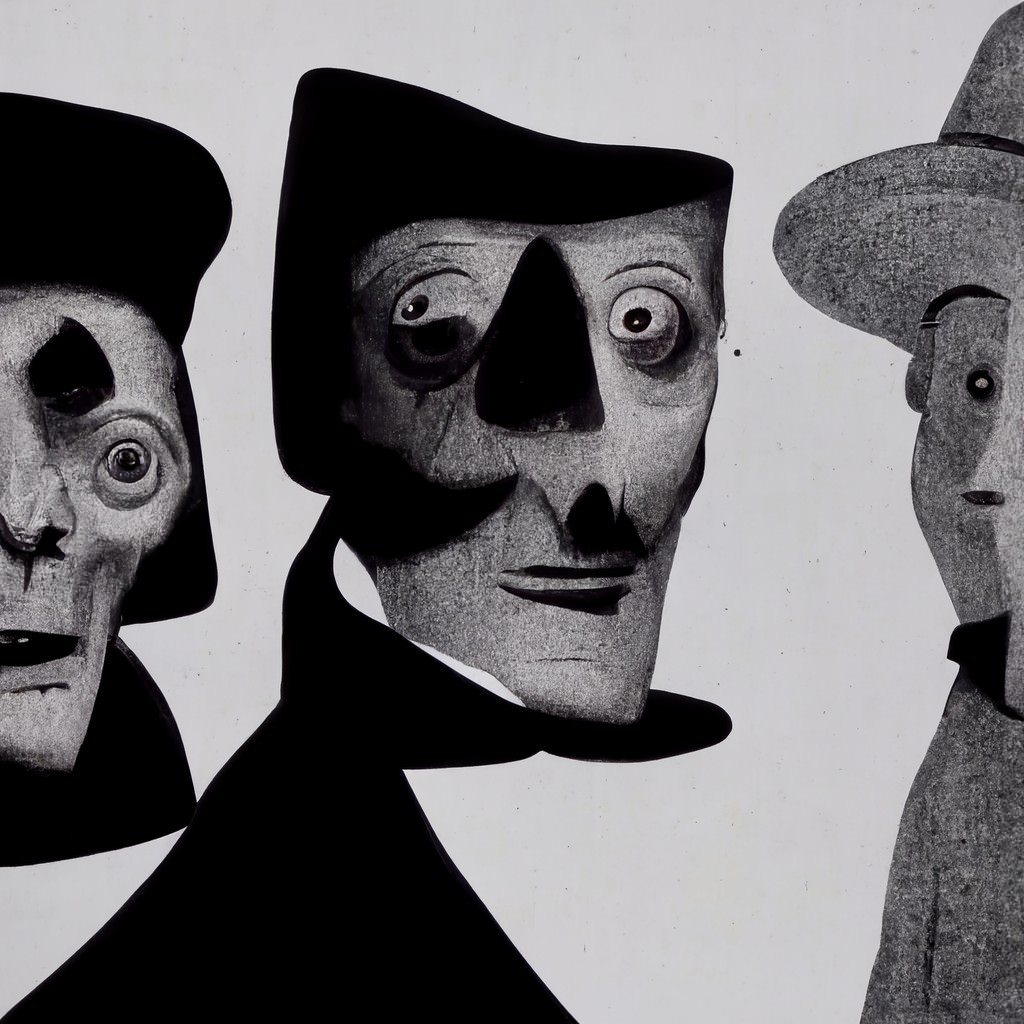
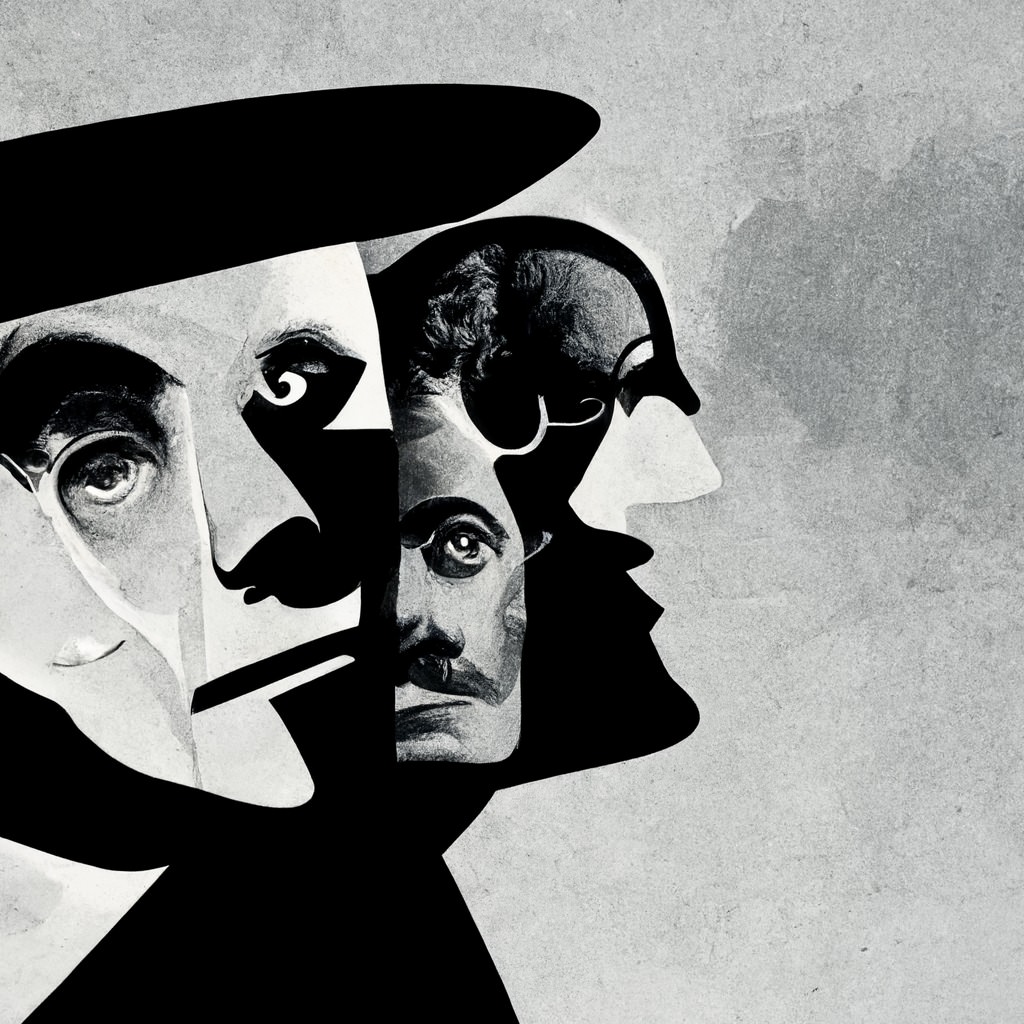
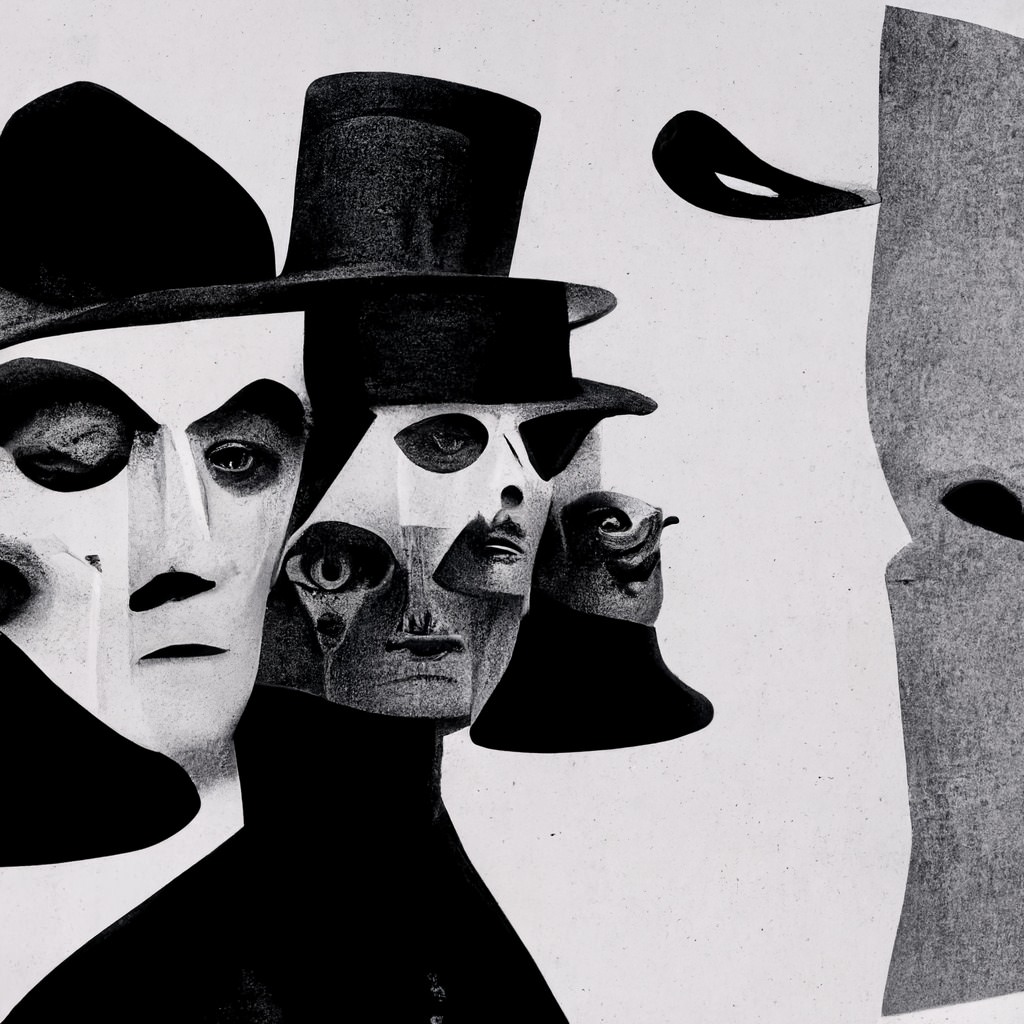
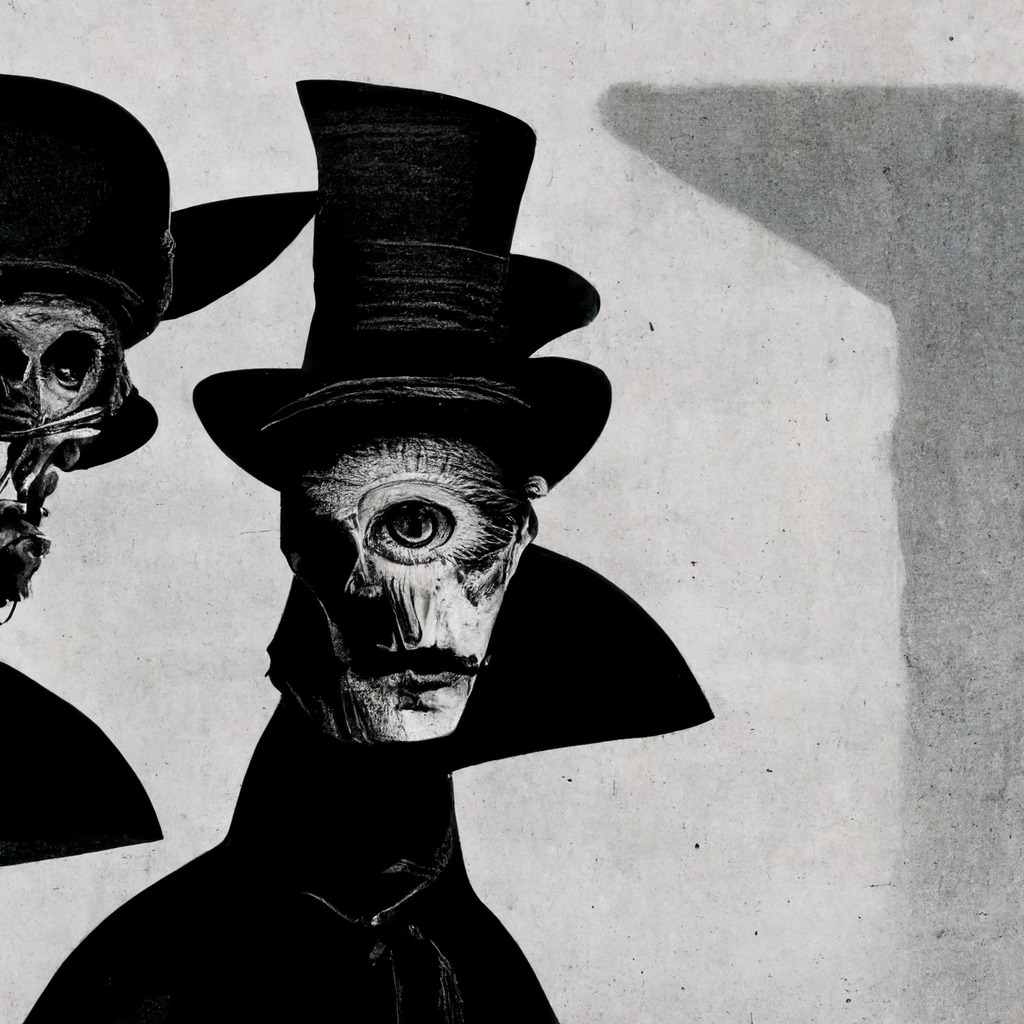
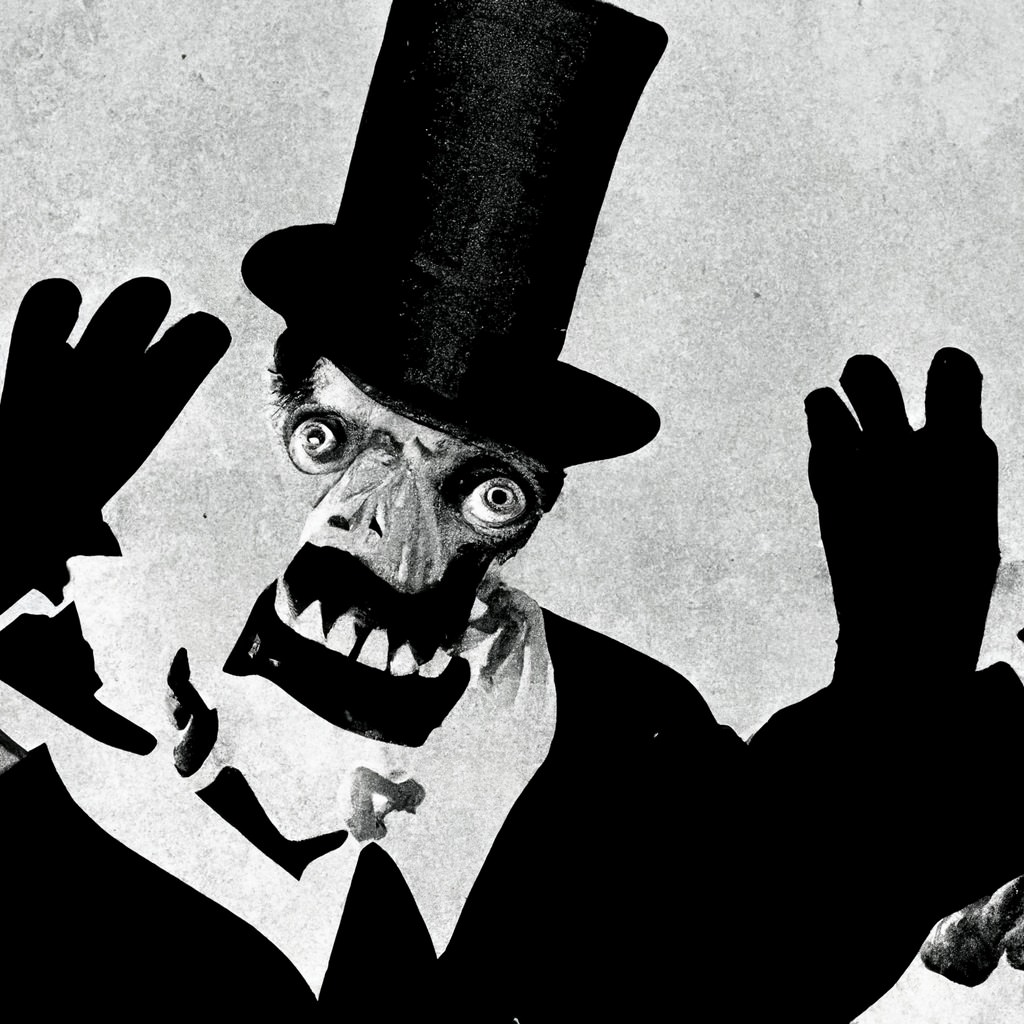
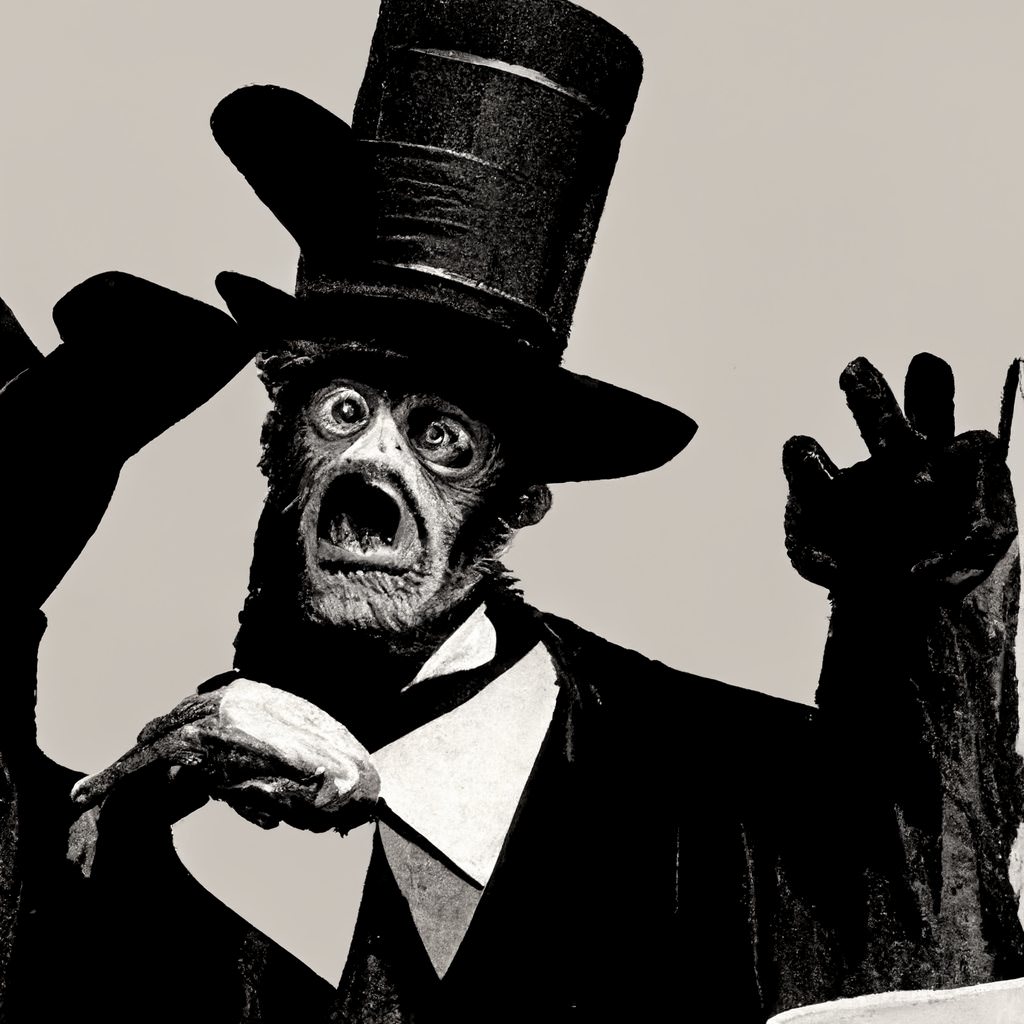
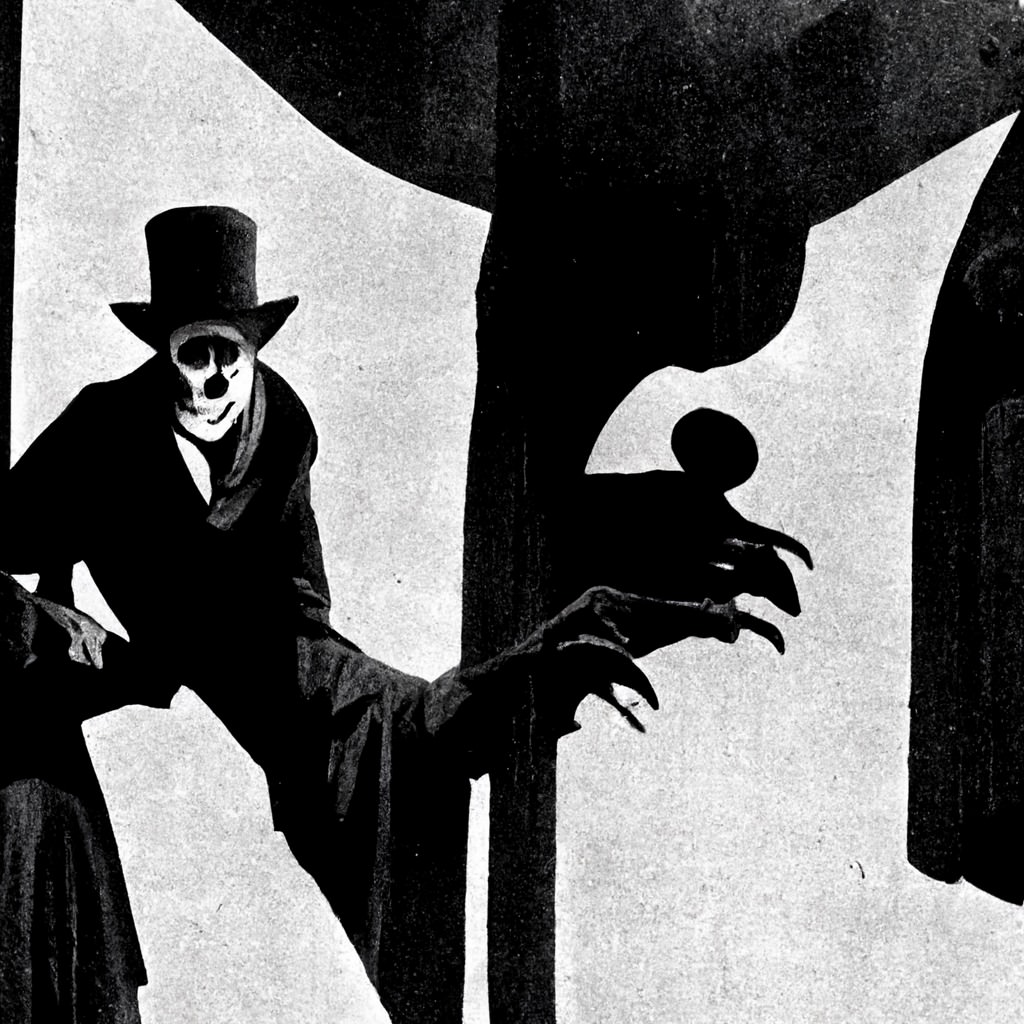
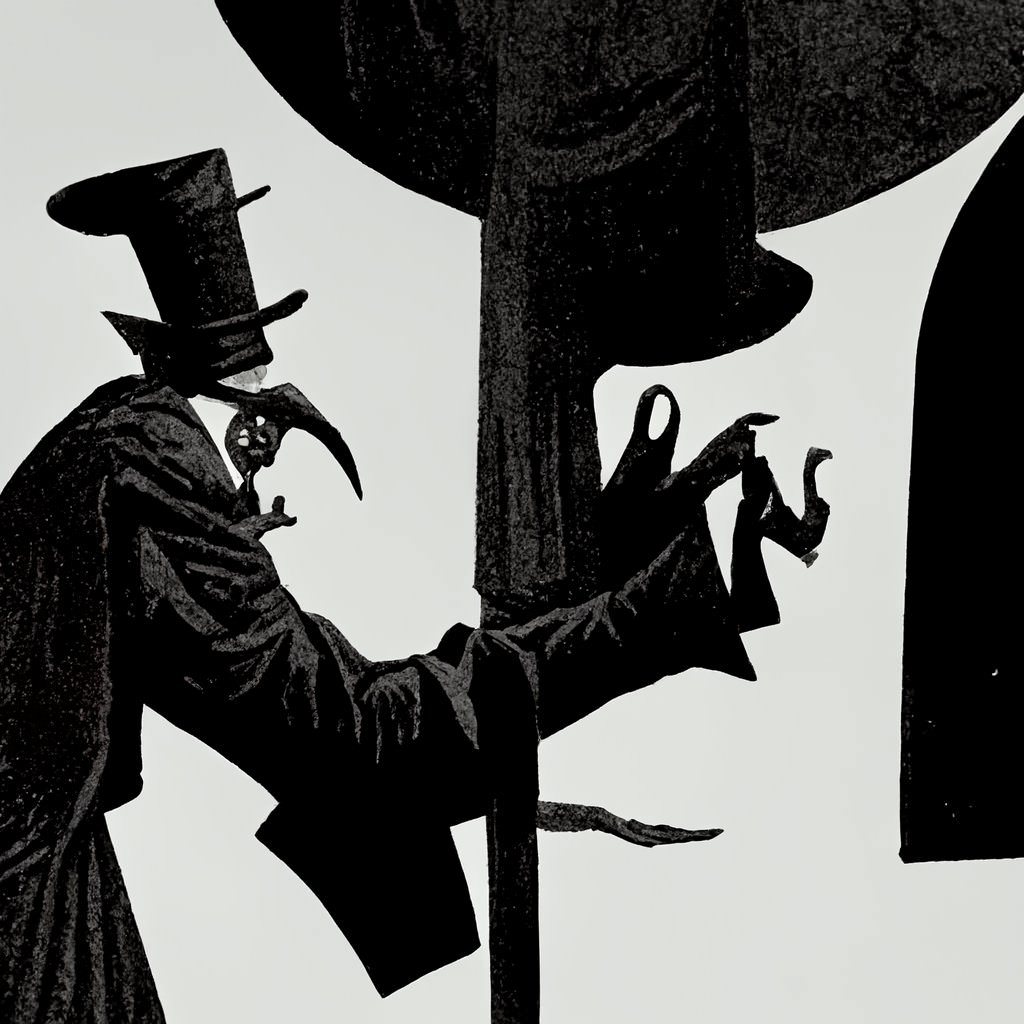
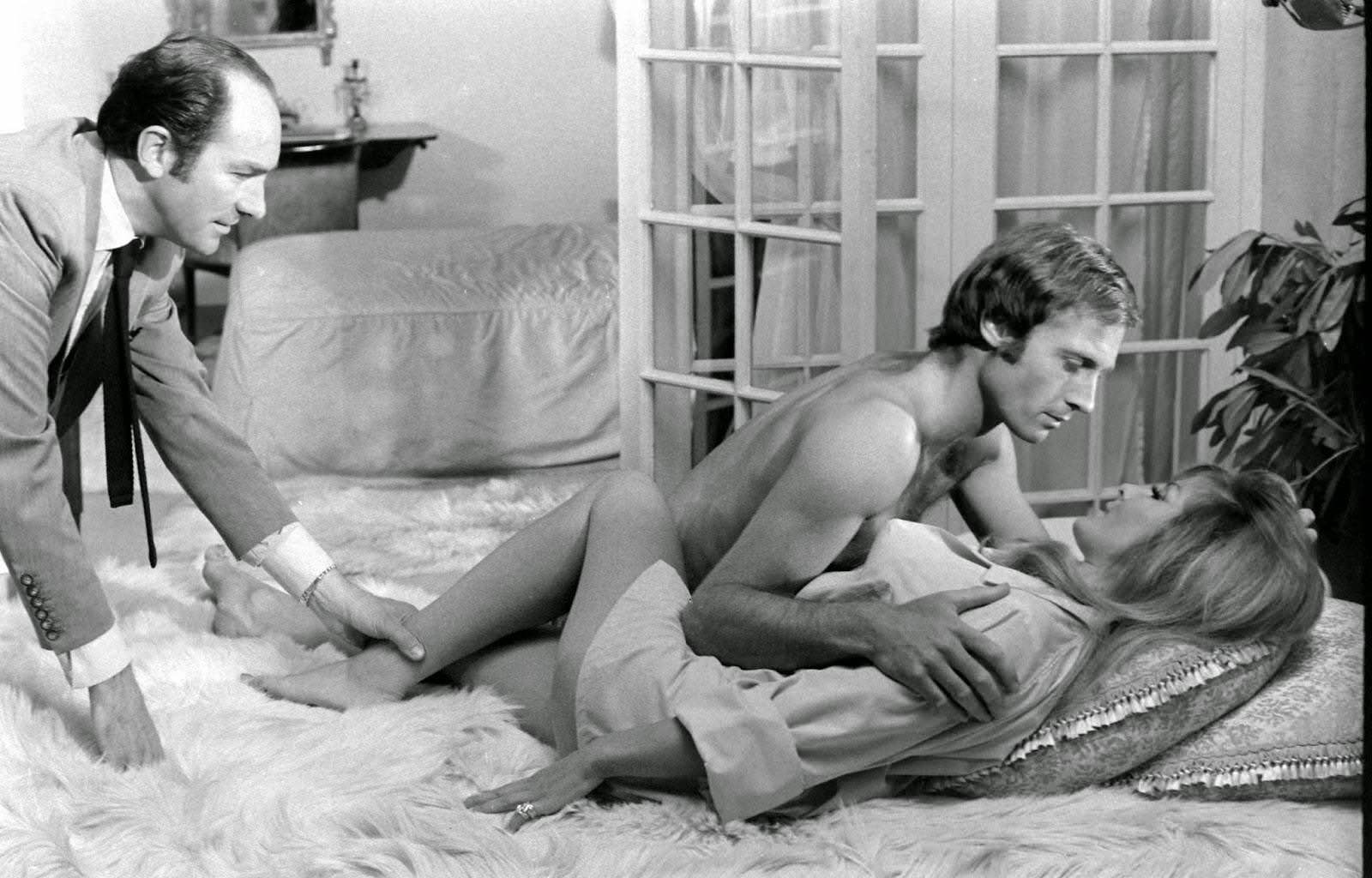
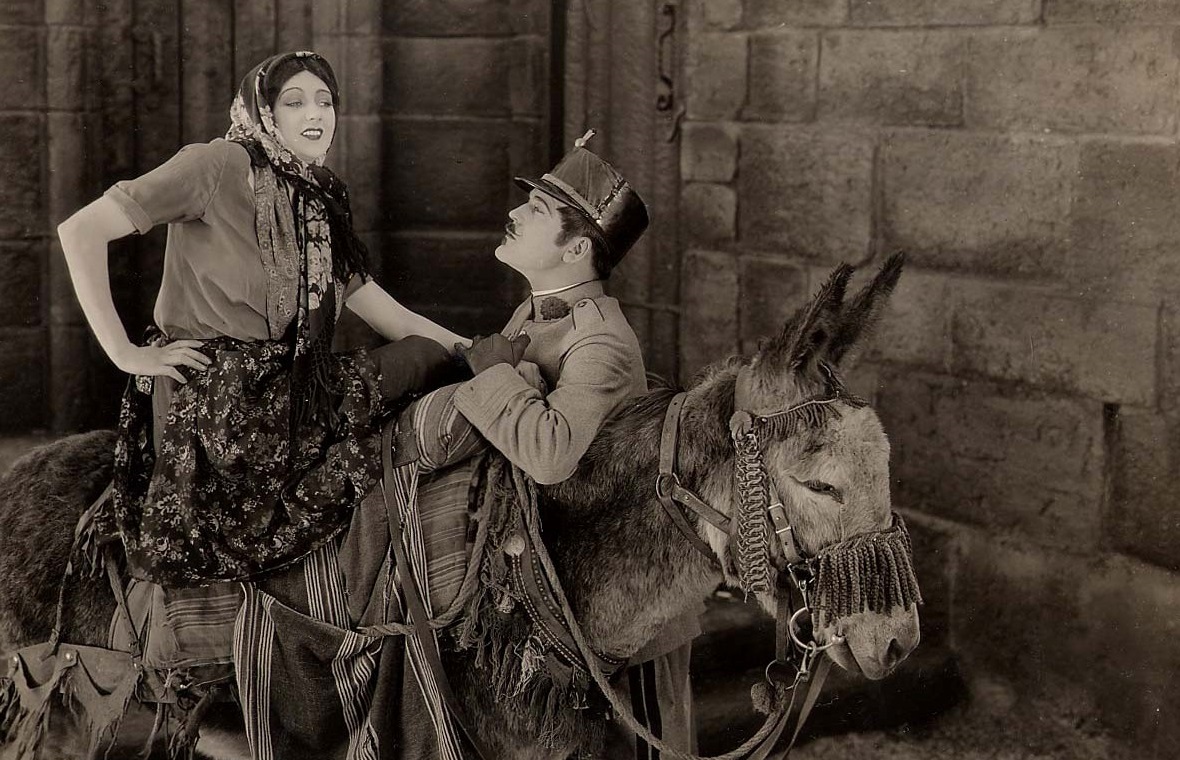
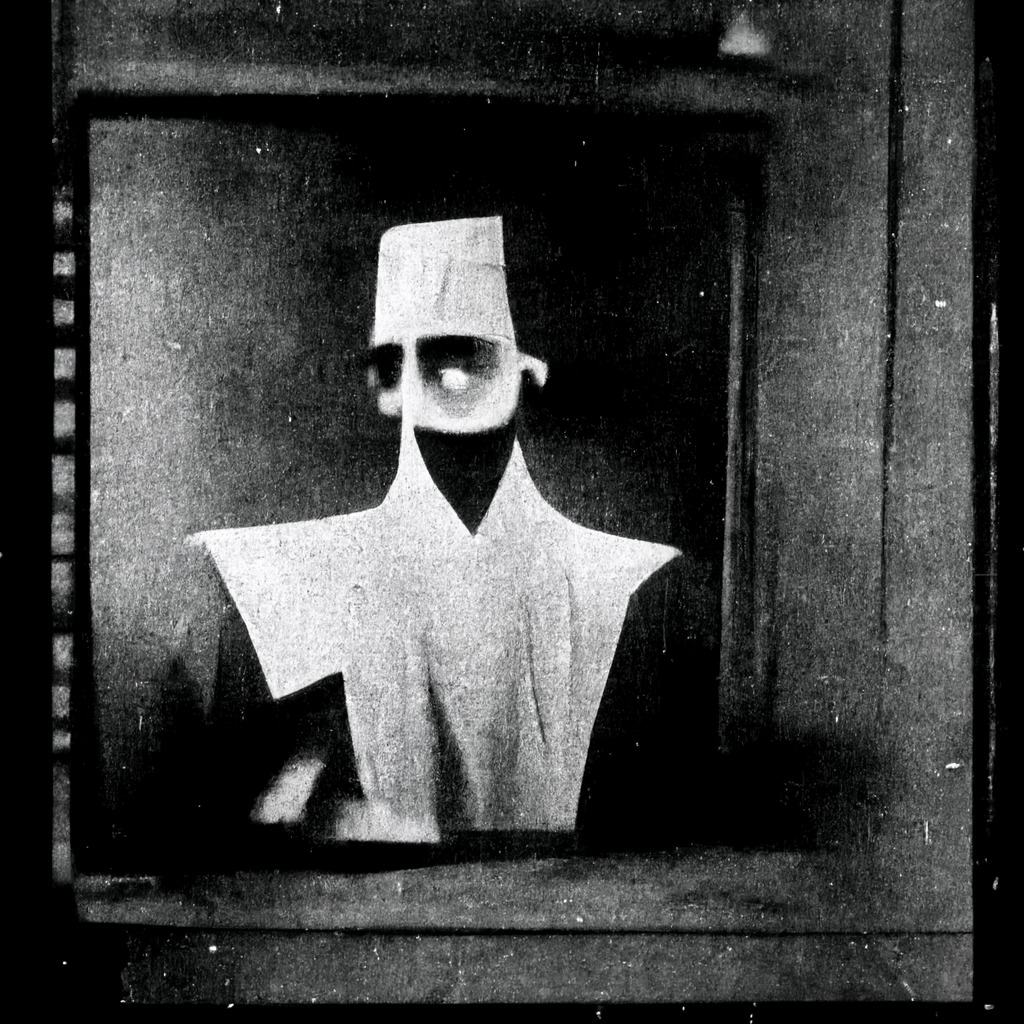
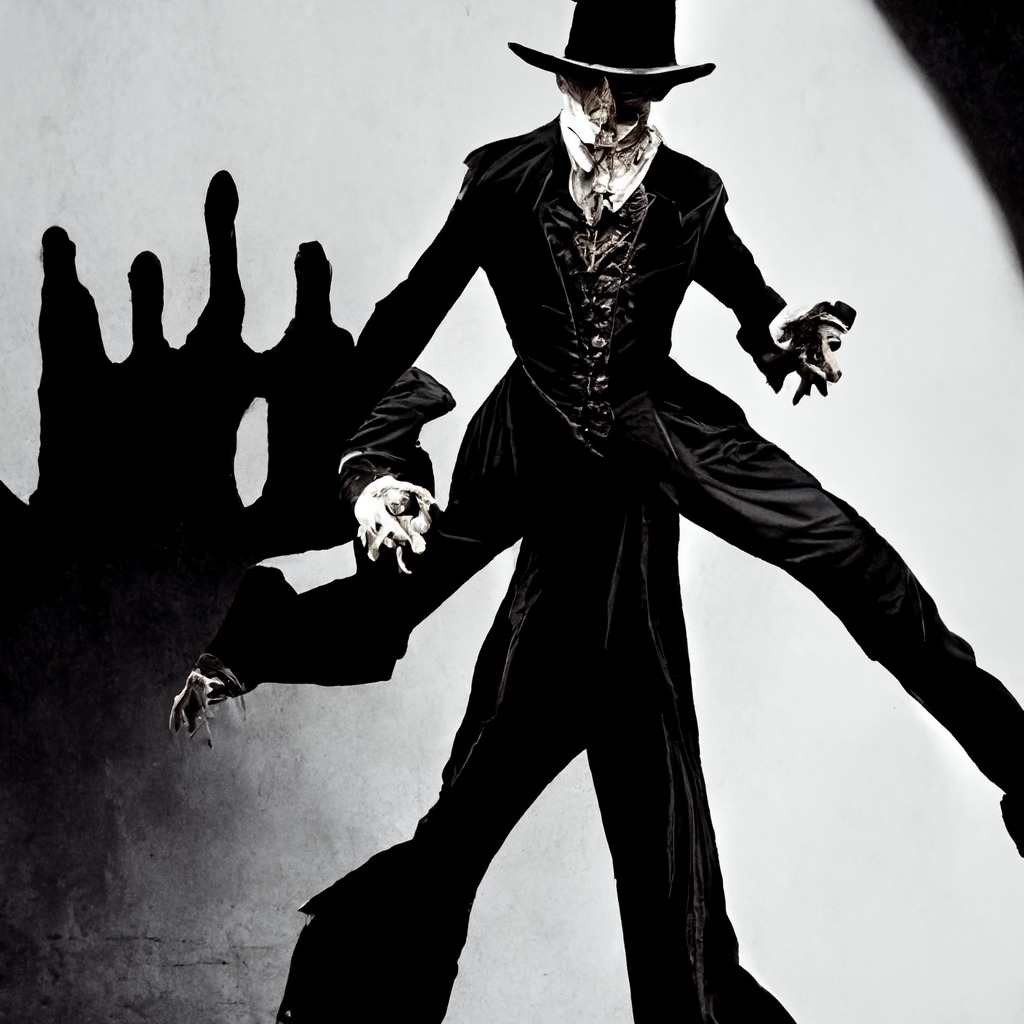
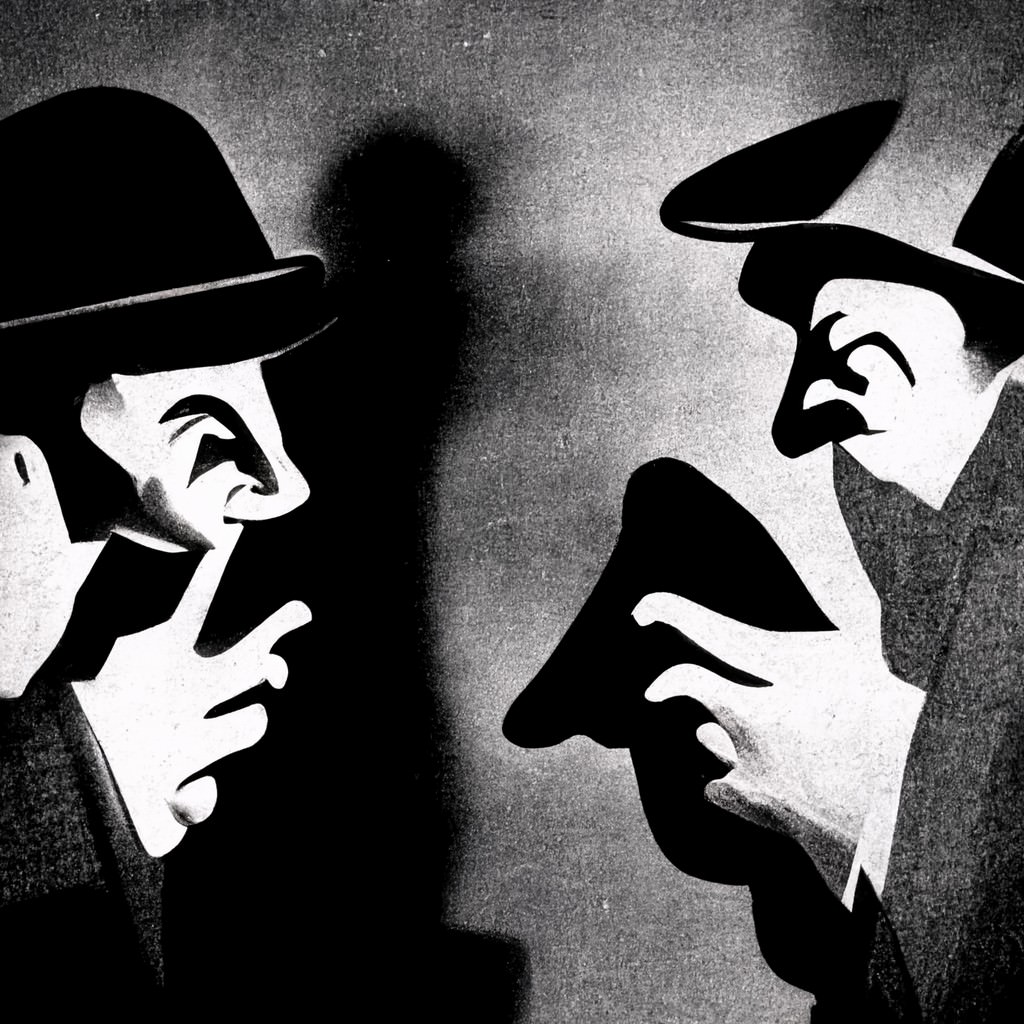
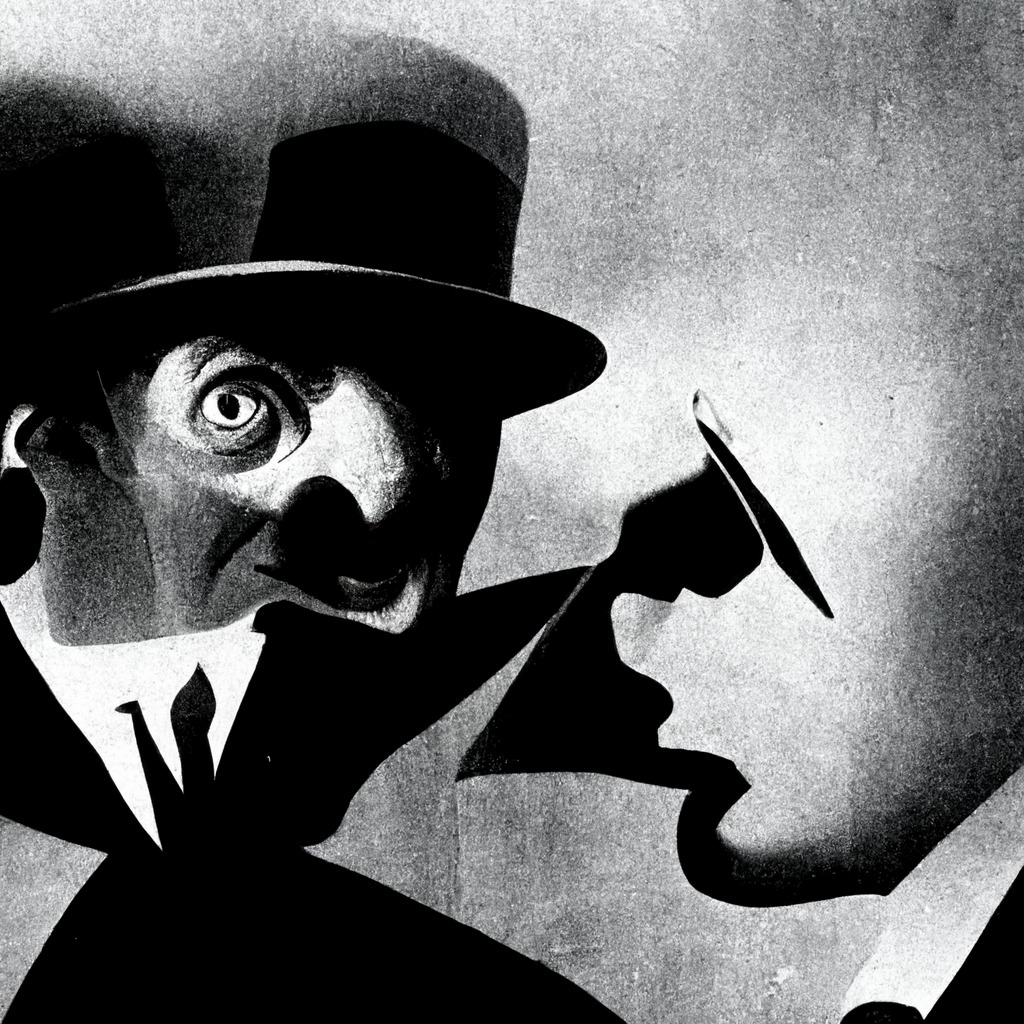
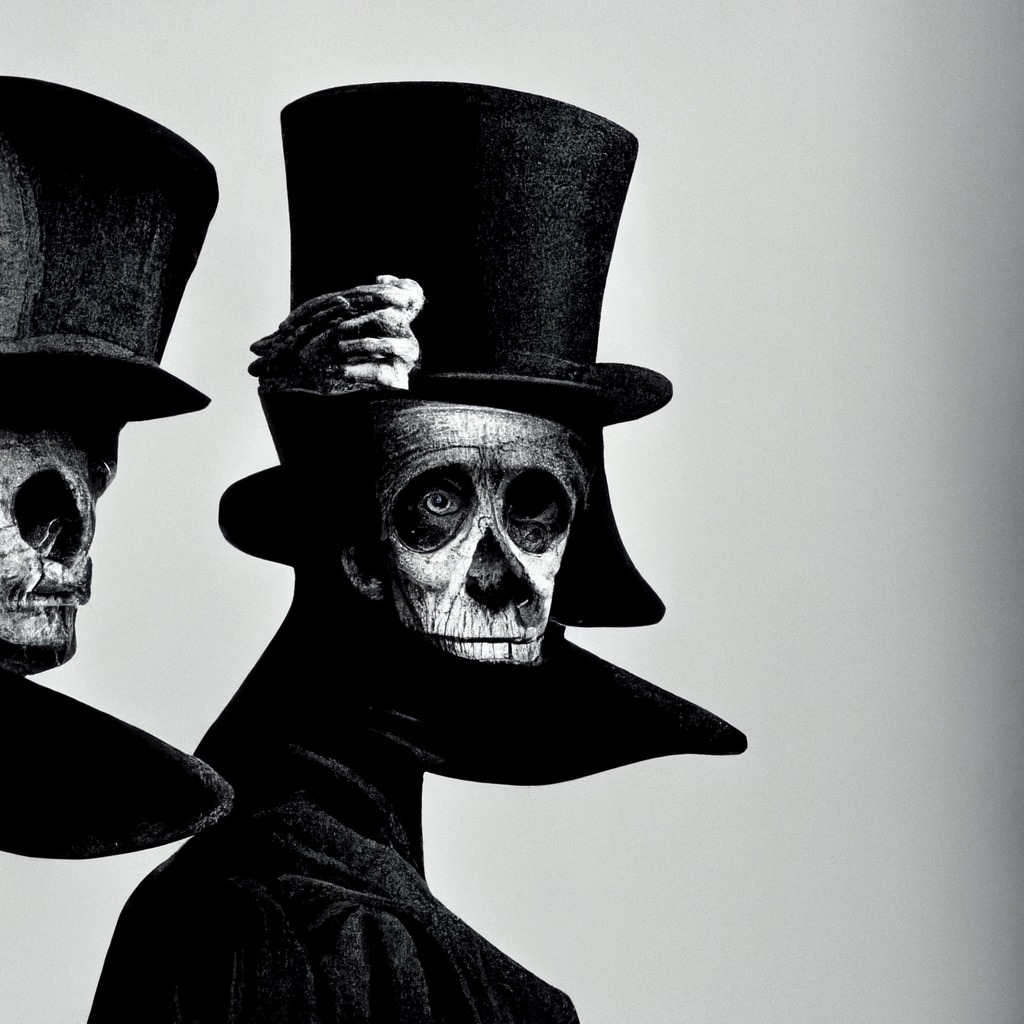
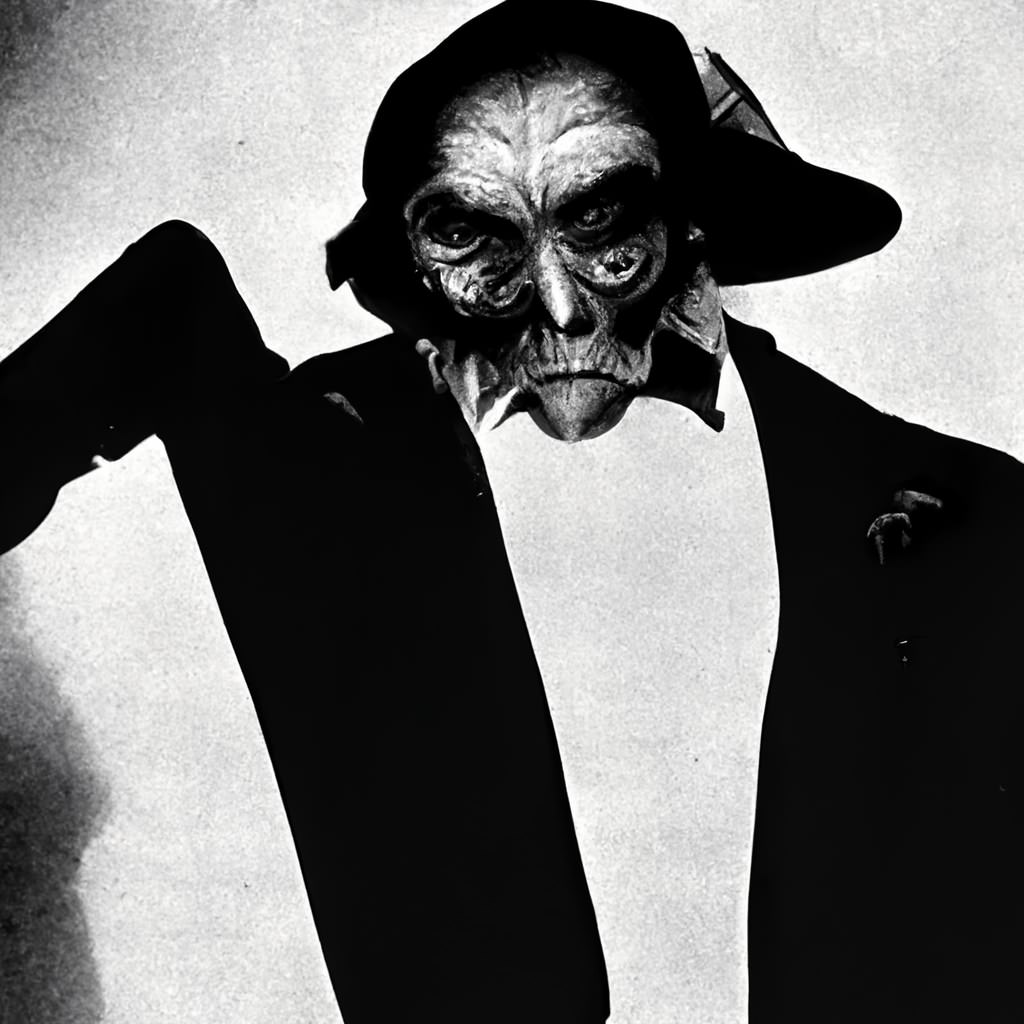
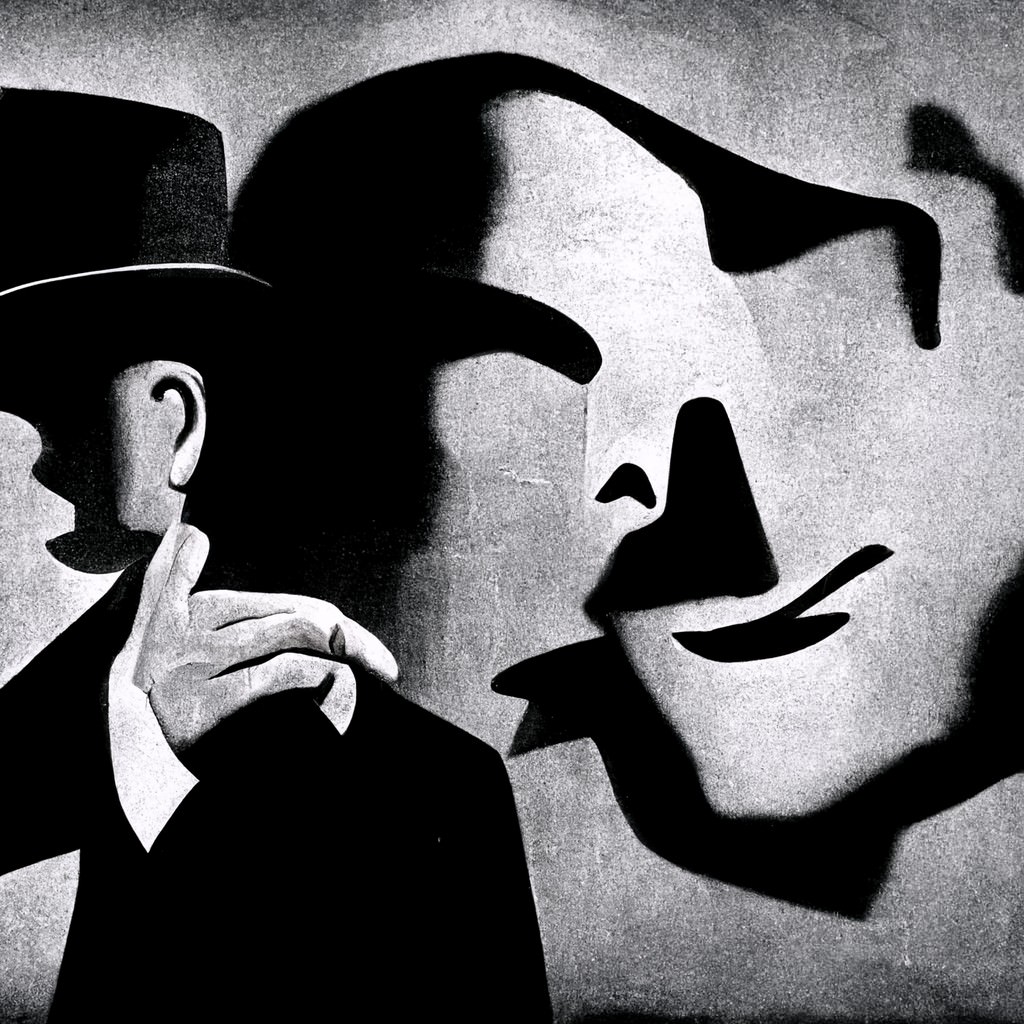
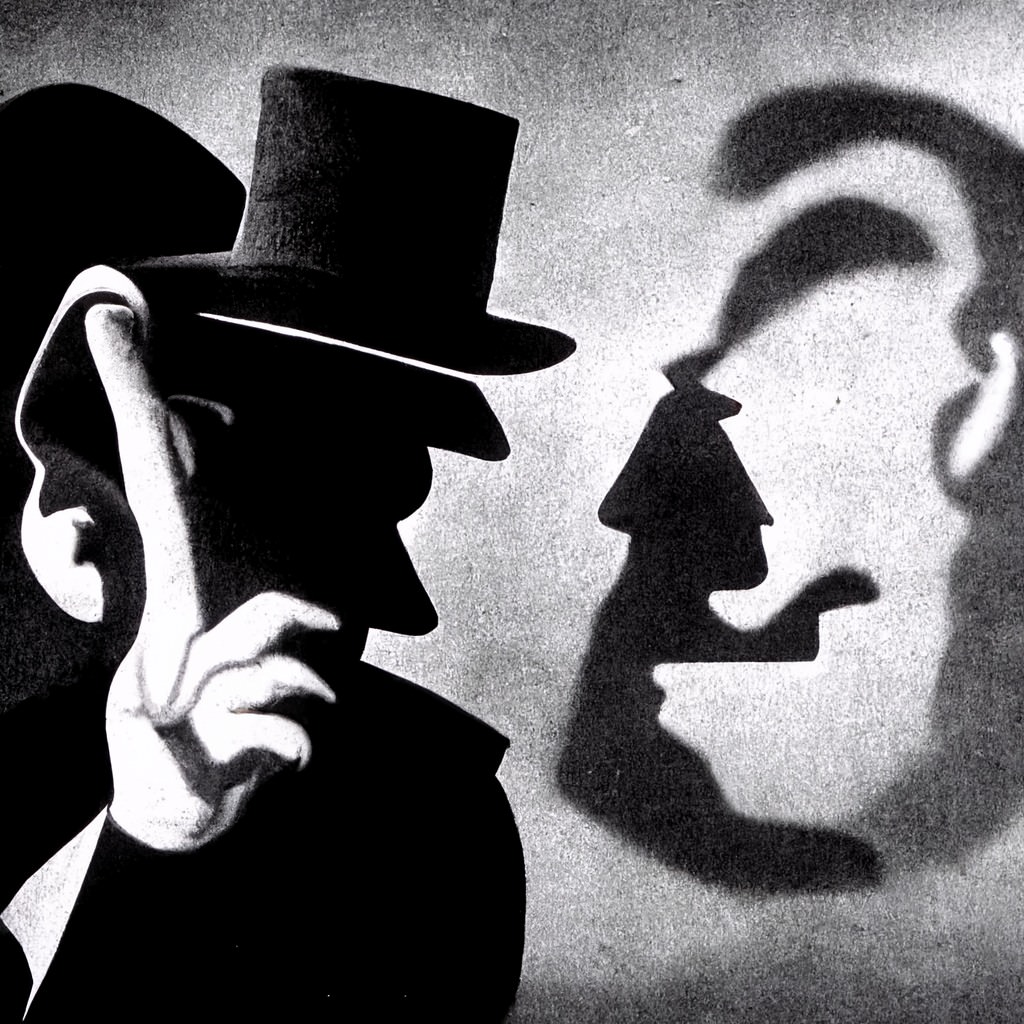
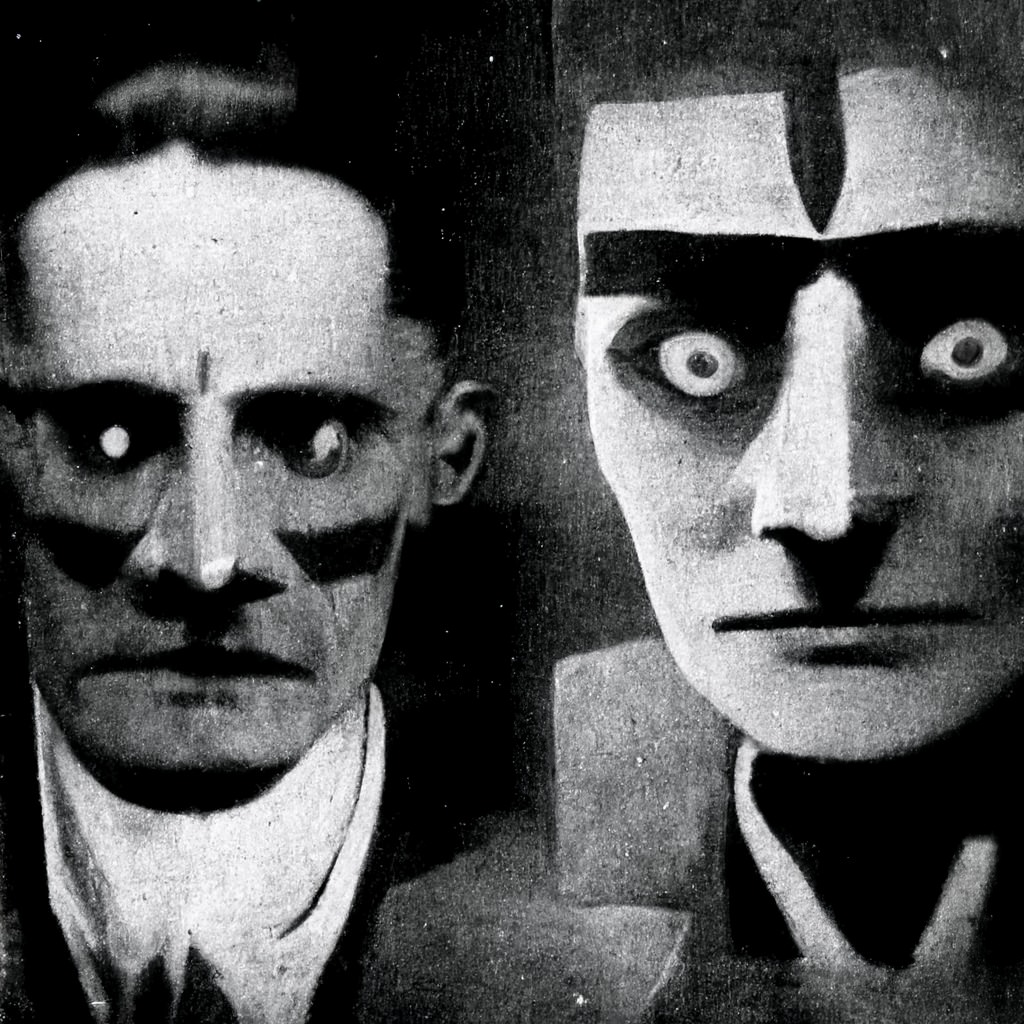
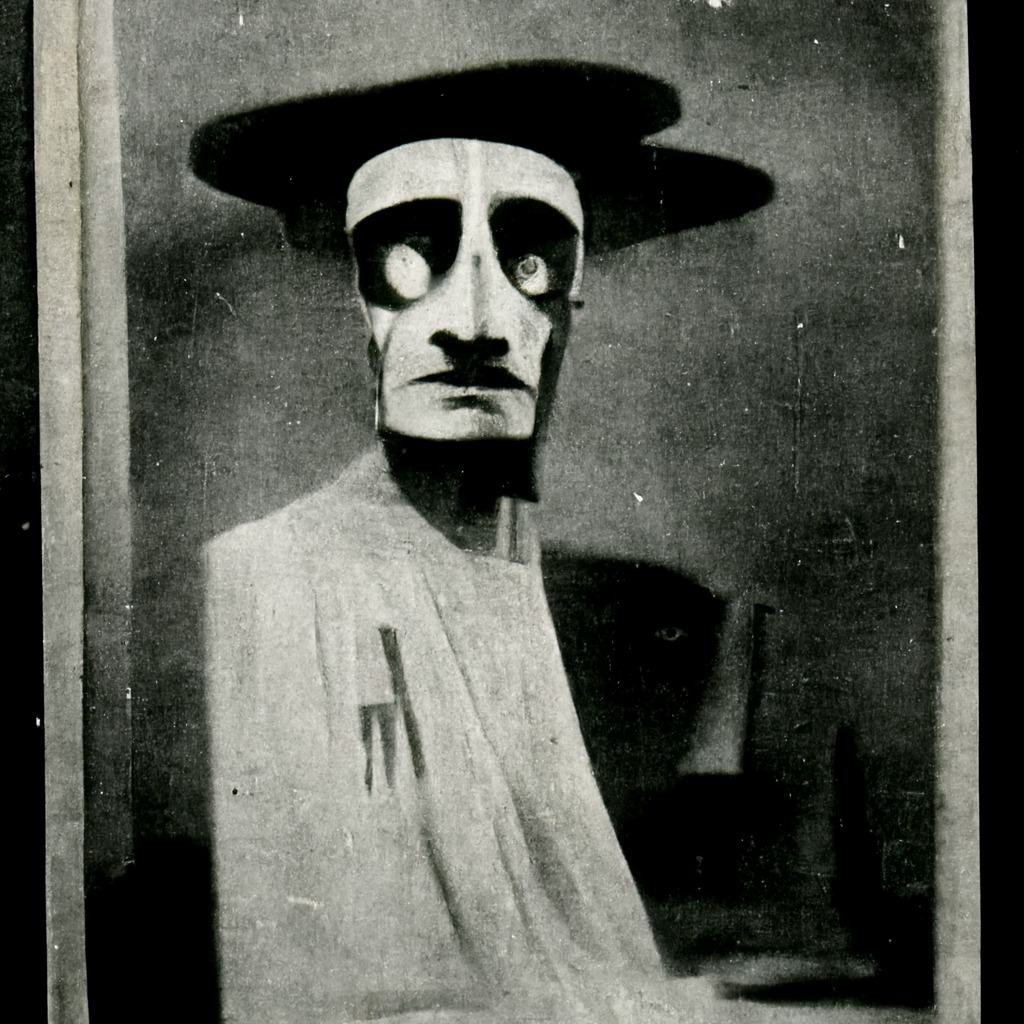
These photographs are what remain of “The House at the Last Lantern.” They offer a rare window into a production that never crossed the finish line. Richter’s camera clearly captured something — actors, sets, moments frozen in production — but the final cut never came together.
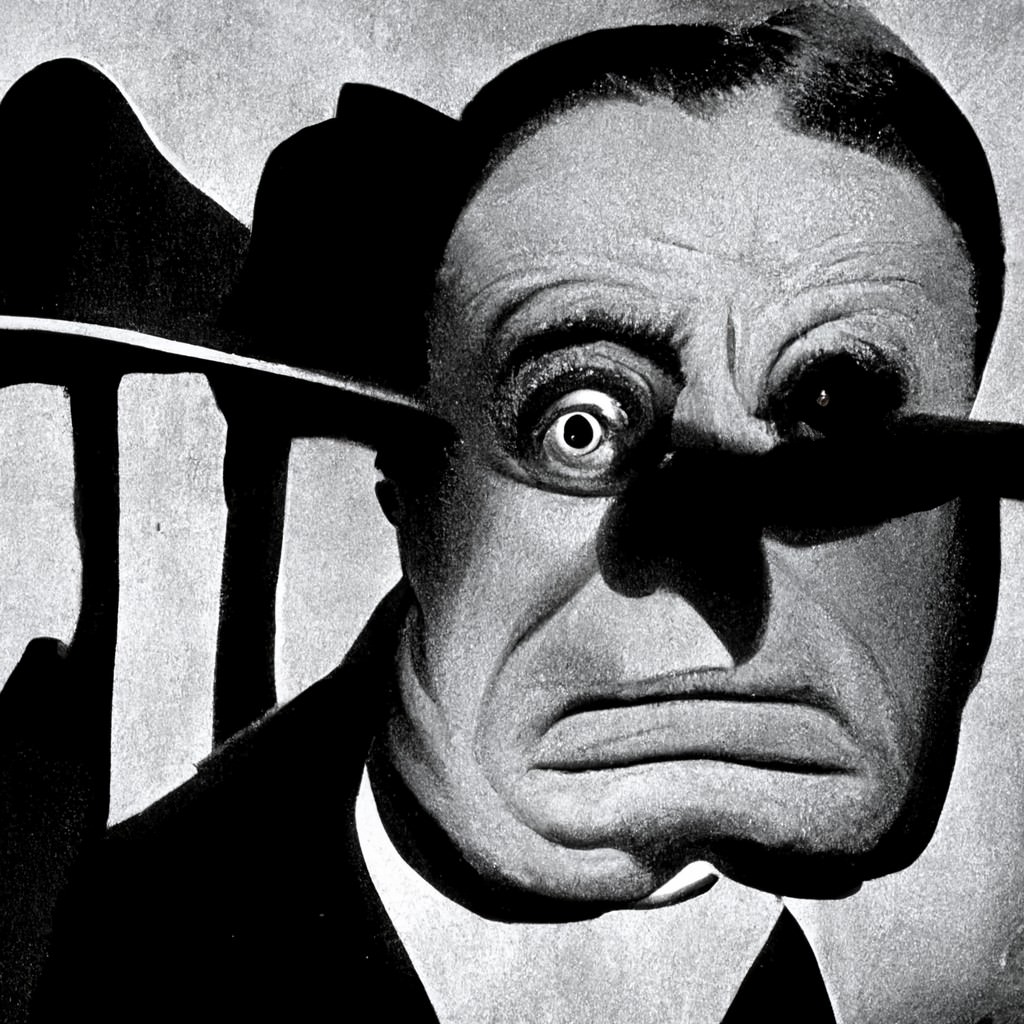
The story of Meyrink himself adds another layer of intrigue. His novels, particularly “The Golem,” blended Prague’s Jewish folklore with occult mysticism and psychological terror. He was a divisive and magnetic figure, and his life provided Richter with rich, dark material to work with.
Richter’s broader filmography gives context to just how ambitious this project was. His earlier works — abstract films like “Rhythmus 21” — showed a mind obsessed with structure and motion. Turning that obsession toward a horror narrative rooted in a real person’s biography was a sharp creative turn.
Film historians have studied the fragments and photographs that survived. They point to a project full of potential — one that sat at a crossroads between serious artistic theory and popular genre filmmaking. That combination was bold, and its incompletion remains one of cinema’s more intriguing dead ends.
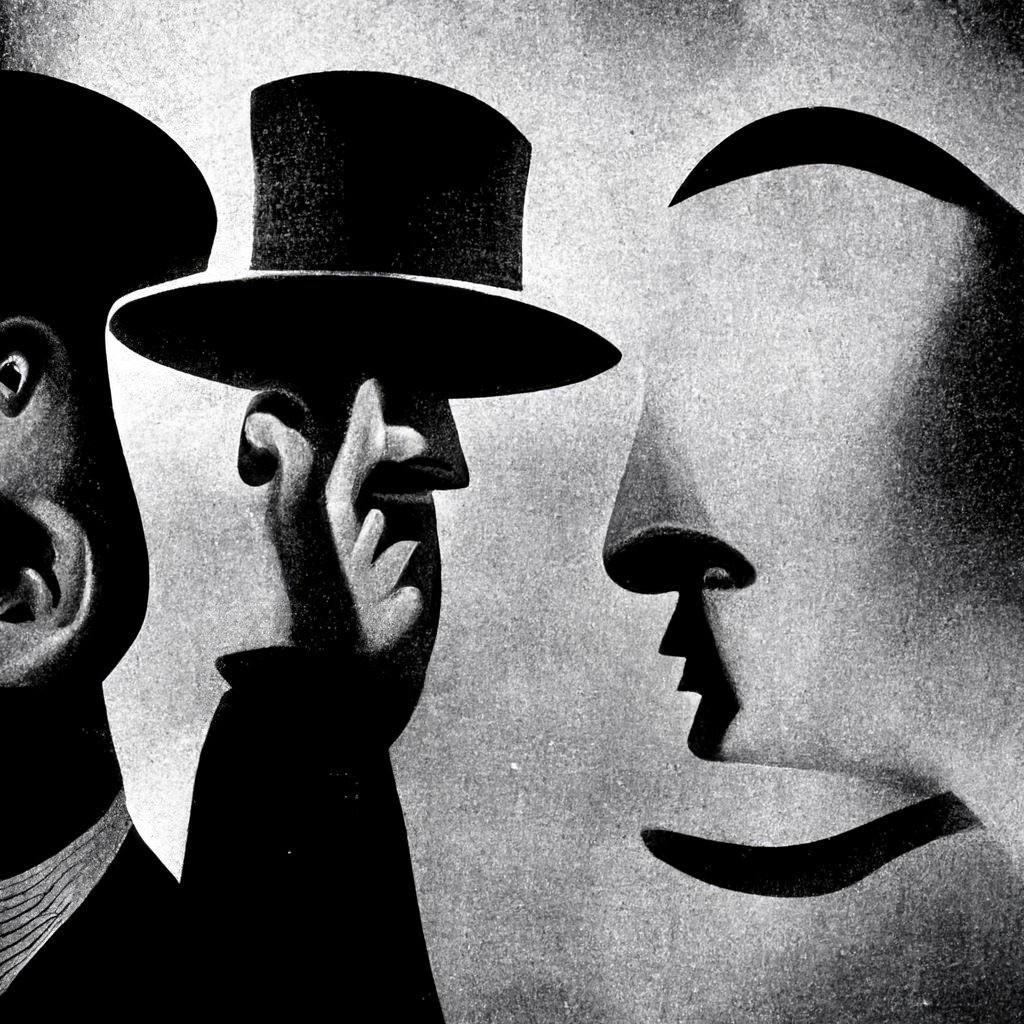
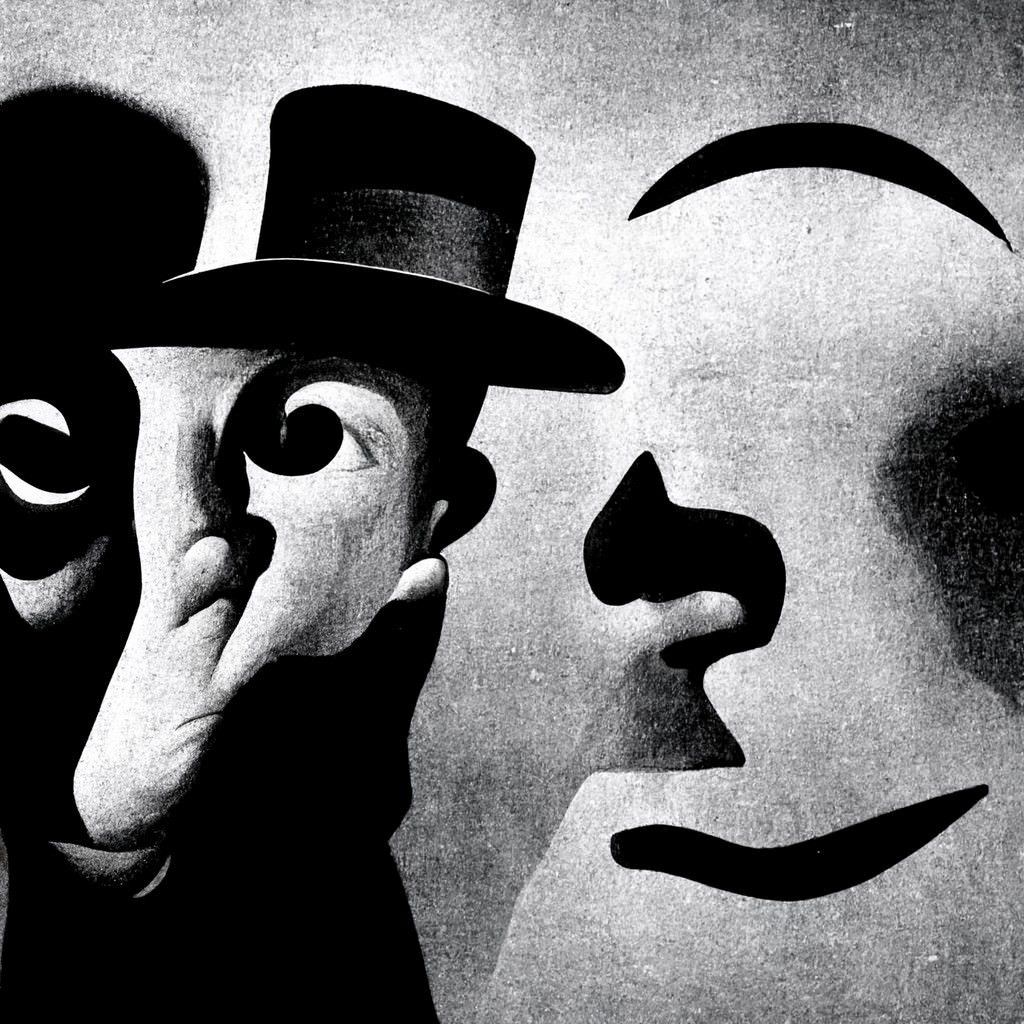
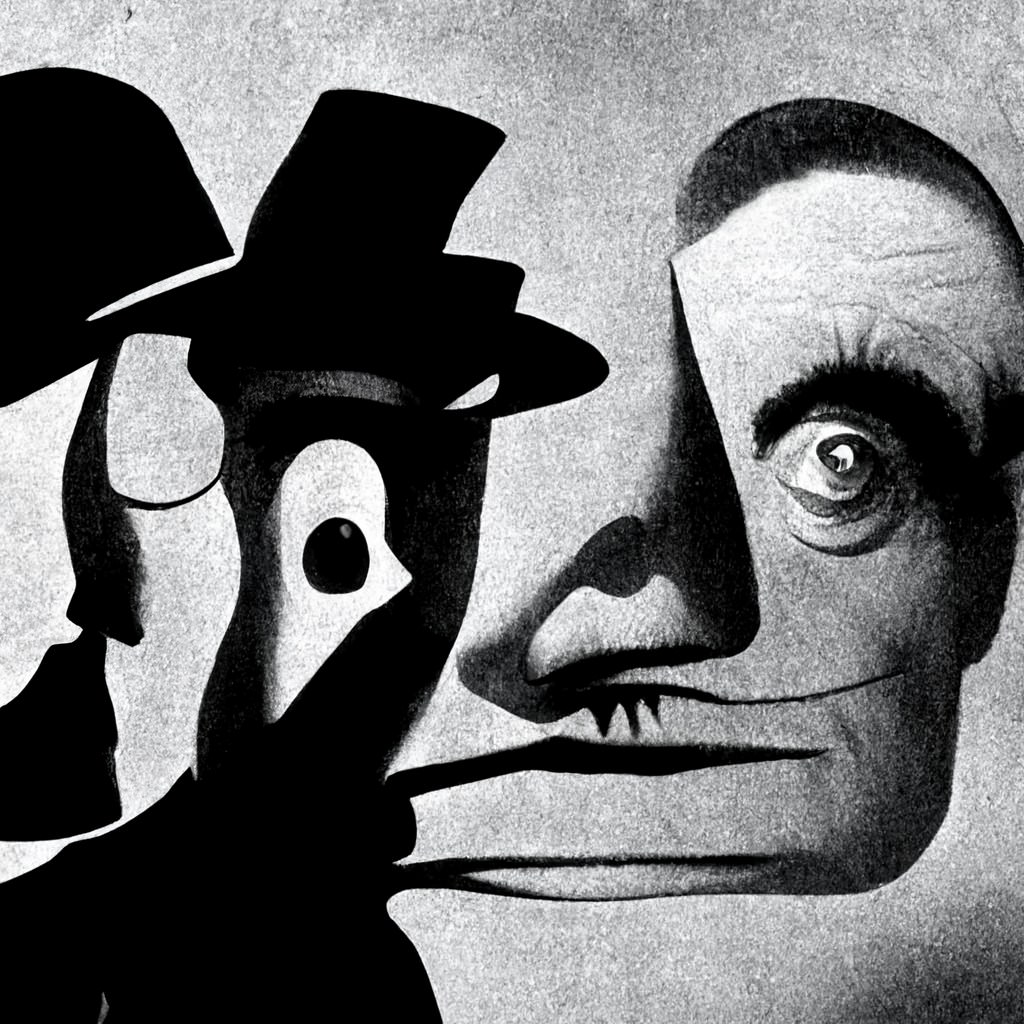
The photographs shown here document that lost effort. Each image is a fragment of something larger — a film that existed in Richter’s mind, in his plans, and briefly on set, but never on a screen for an audience to see.