Before sound changed everything, silent films ruled Hollywood. In the 1920s, a new kind of celebrity was born — actors who could hold an entire audience without speaking a single word. They used their faces, bodies, and raw screen presence to tell stories that crossed every language barrier. The result was a generation of stars unlike any before or since. Here is a closer look at some of the most iconic figures from that era.
Bebe Daniels started performing before most children learn to read. Born in 1901, she was a child stage performer who transitioned smoothly into silent film. By the 1920s, she had built a strong reputation as a versatile leading lady, starring in comedies and dramas alike. She later made the jump to sound films and even found success in Britain, proving her talent extended well beyond the silent era.
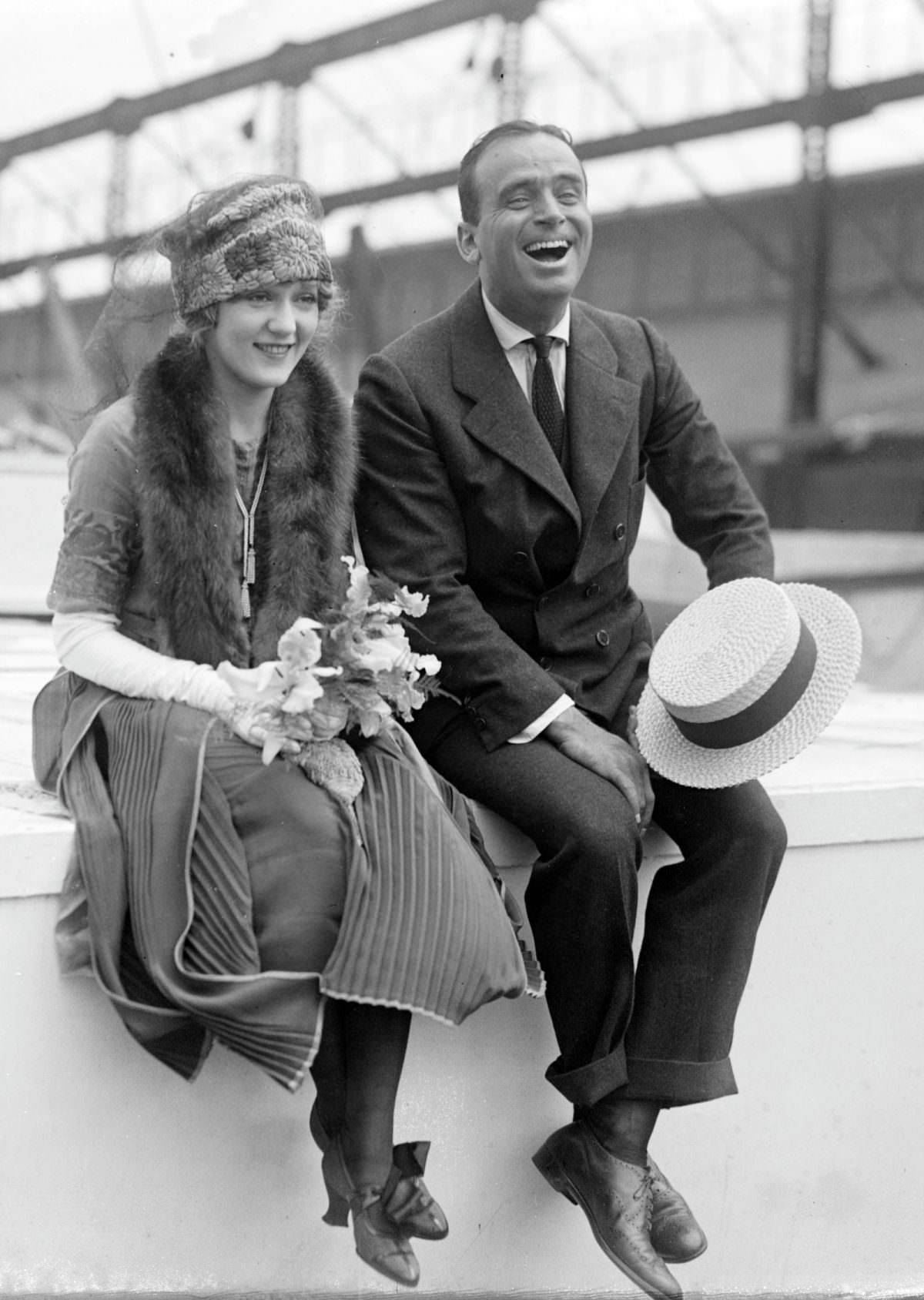
Mary Pickford and Douglas Fairbanks were Hollywood royalty in the truest sense. Pickford, nicknamed “America’s Sweetheart,” was one of the most powerful women in the film industry — not just as an actress, but as a co-founder of United Artists in 1919. Fairbanks was the king of the action-adventure film, known for swashbuckling roles in films like “The Mark of Zorro” and “Robin Hood.” Together, they were the most glamorous couple in the world.
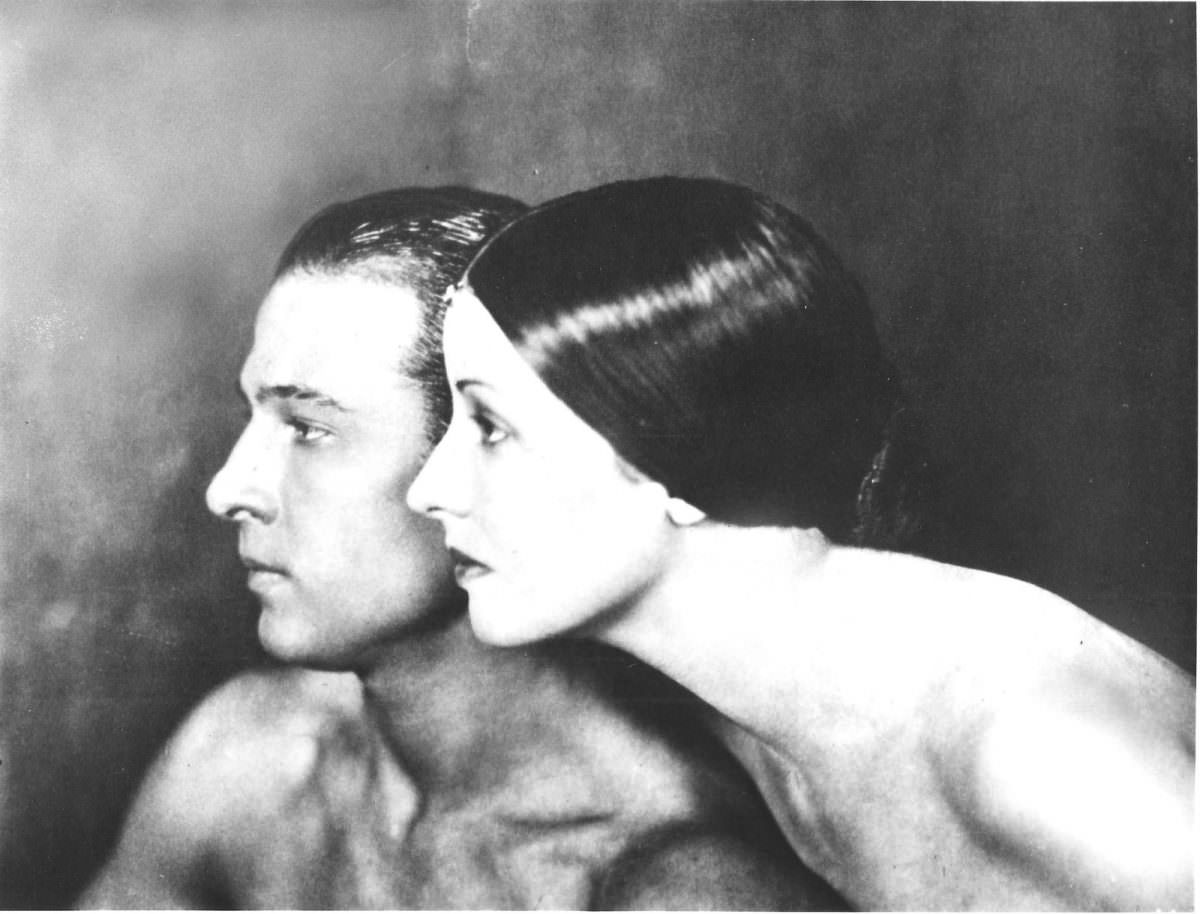
Rudolph Valentino became the screen’s first great male sex symbol. Born in Italy, he moved to the United States and quickly became a sensation with films like “The Sheik” (1921) and “Blood and Sand” (1922). Women packed theaters to watch him, and fan mail flooded the studios. His wife, Natacha Rambova, was a formidable figure in her own right — a costume and set designer who had significant influence over his film projects.
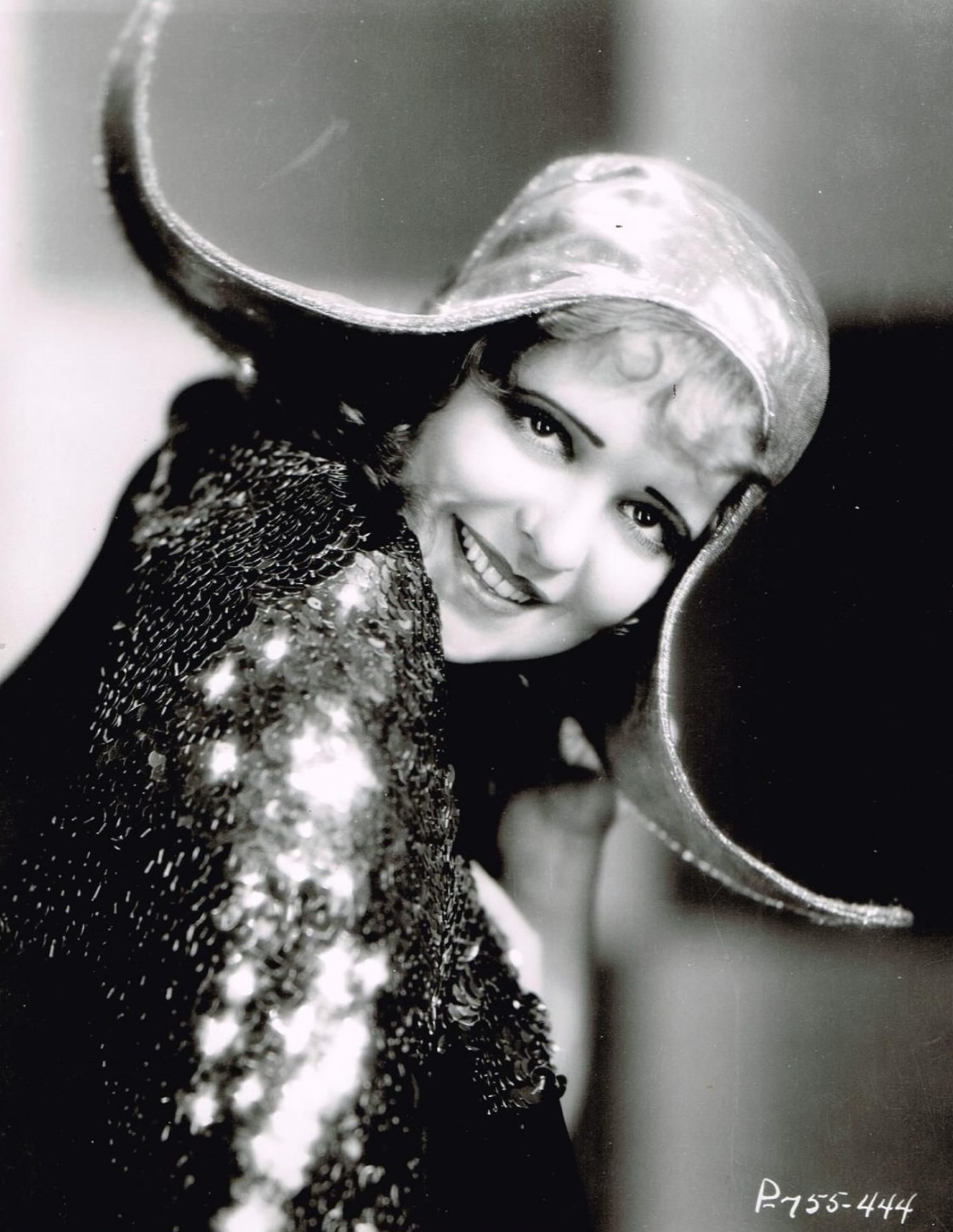
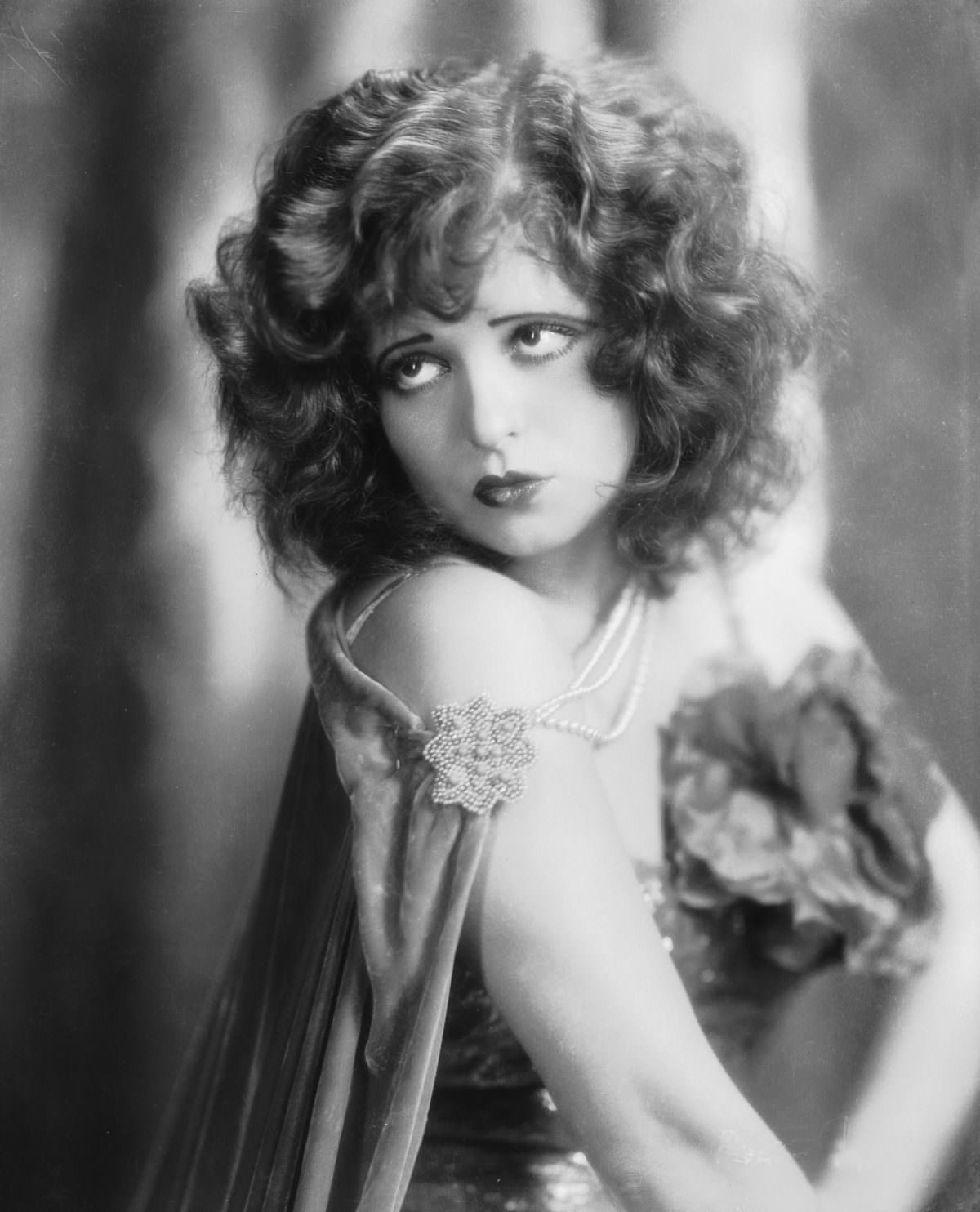
Clara Bow defined the “It Girl” — a term that literally came from her 1927 film “It.” She radiated energy and confidence on screen at a time when many actresses played demure, delicate roles. Her performance in “Wings” (1927), the first film to win the Academy Award for Best Picture, showed she could hold her own in any production. Bow received up to 45,000 fan letters per week at the height of her fame.
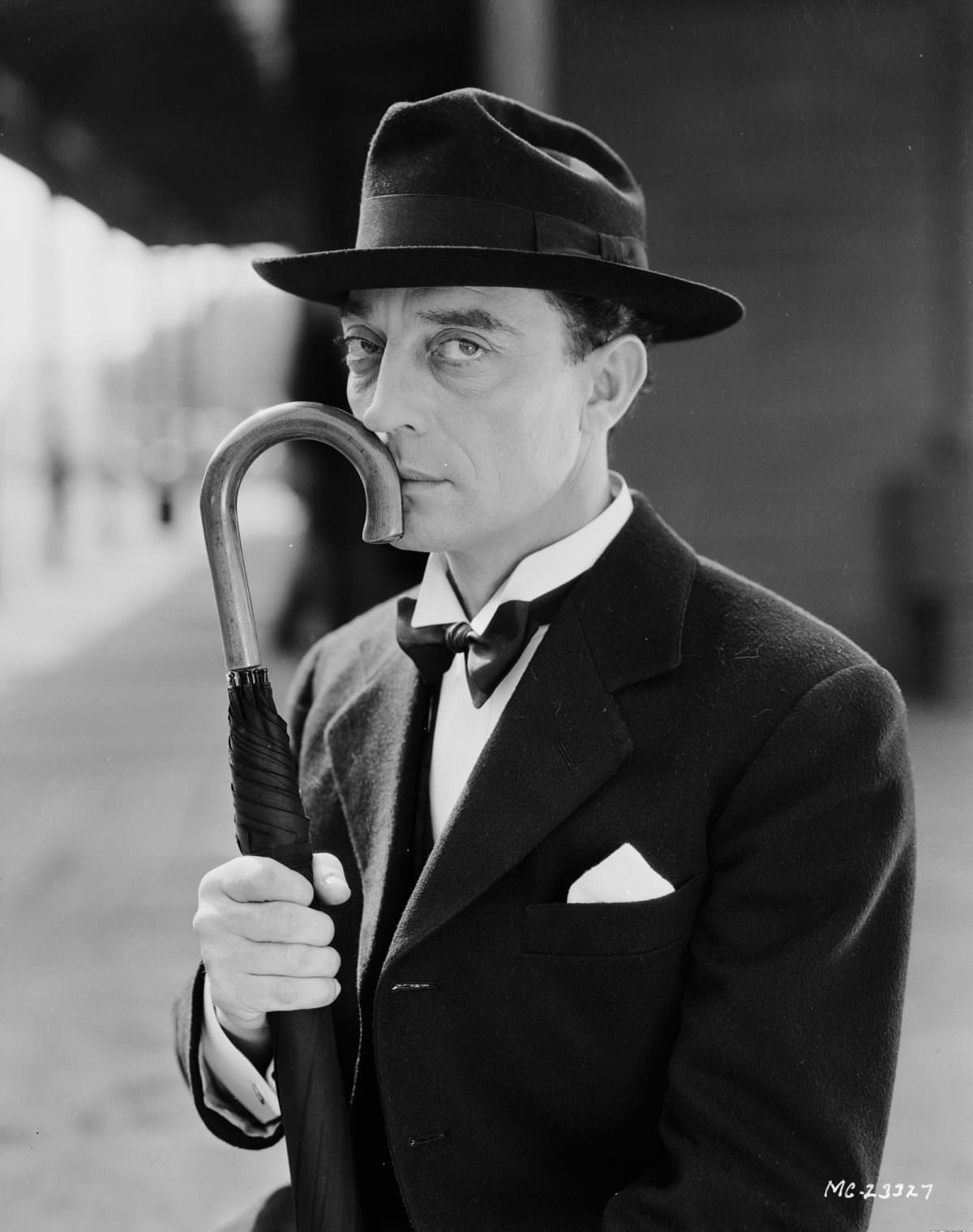
Buster Keaton never smiled on screen — and that was entirely the point. His stone-faced expression became his trademark, a perfect contrast to the wild physical chaos happening around him in every scene. Keaton performed his own stunts, many of which were genuinely dangerous. His 1926 film “The General” is now regarded as one of the greatest films ever made. He wrote, directed, and starred in most of his work.
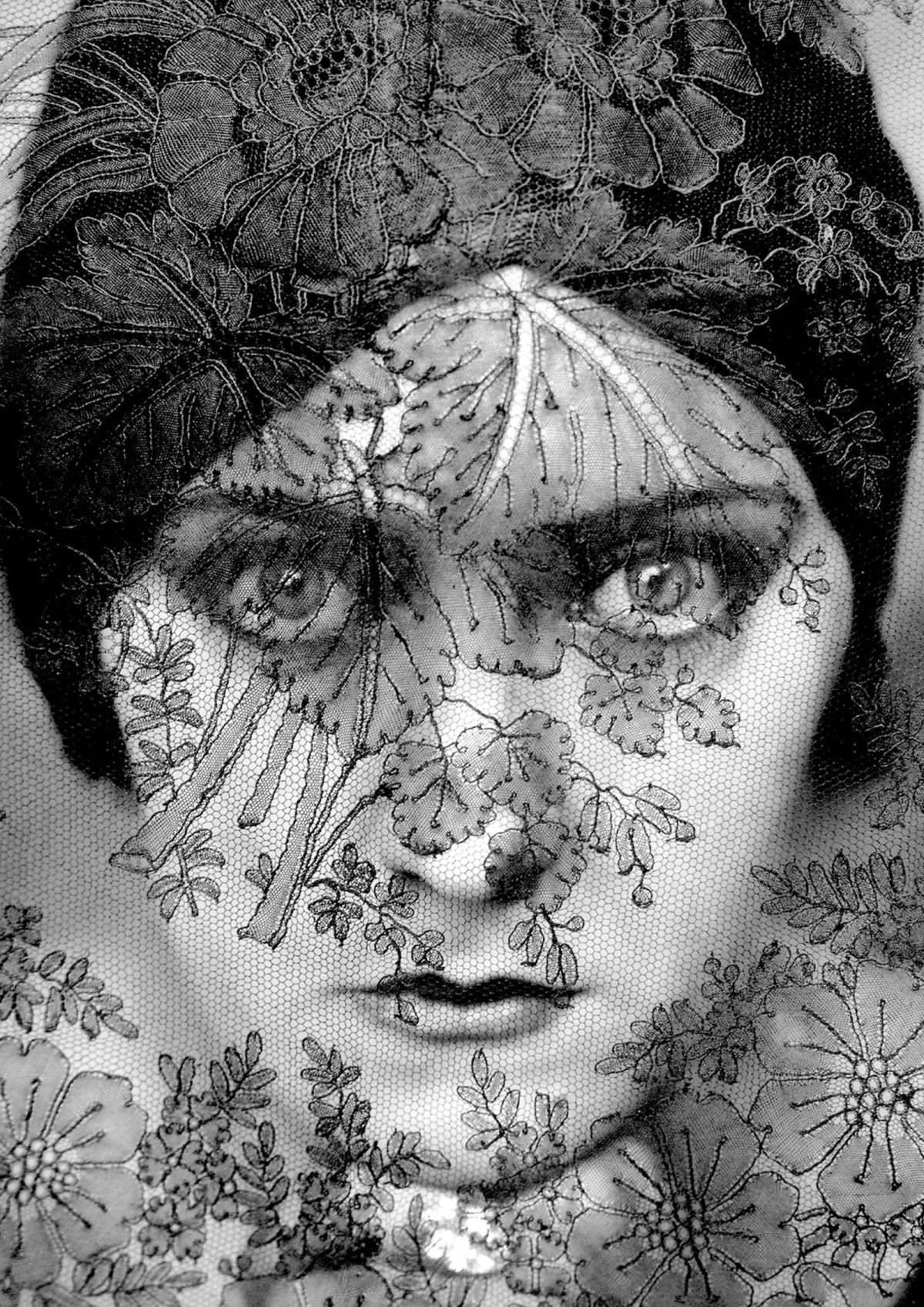
Gloria Swanson was both a movie star and a fashion icon. Her performances in films like “Sadie Thompson” (1928) and “Queen Kelly” (1929) earned her serious critical acclaim. She was nominated for the Academy Award for Best Actress three times. Off screen, her wardrobe was as talked about as her films. Swanson was one of the first celebrities to understand and use her public image as a brand.
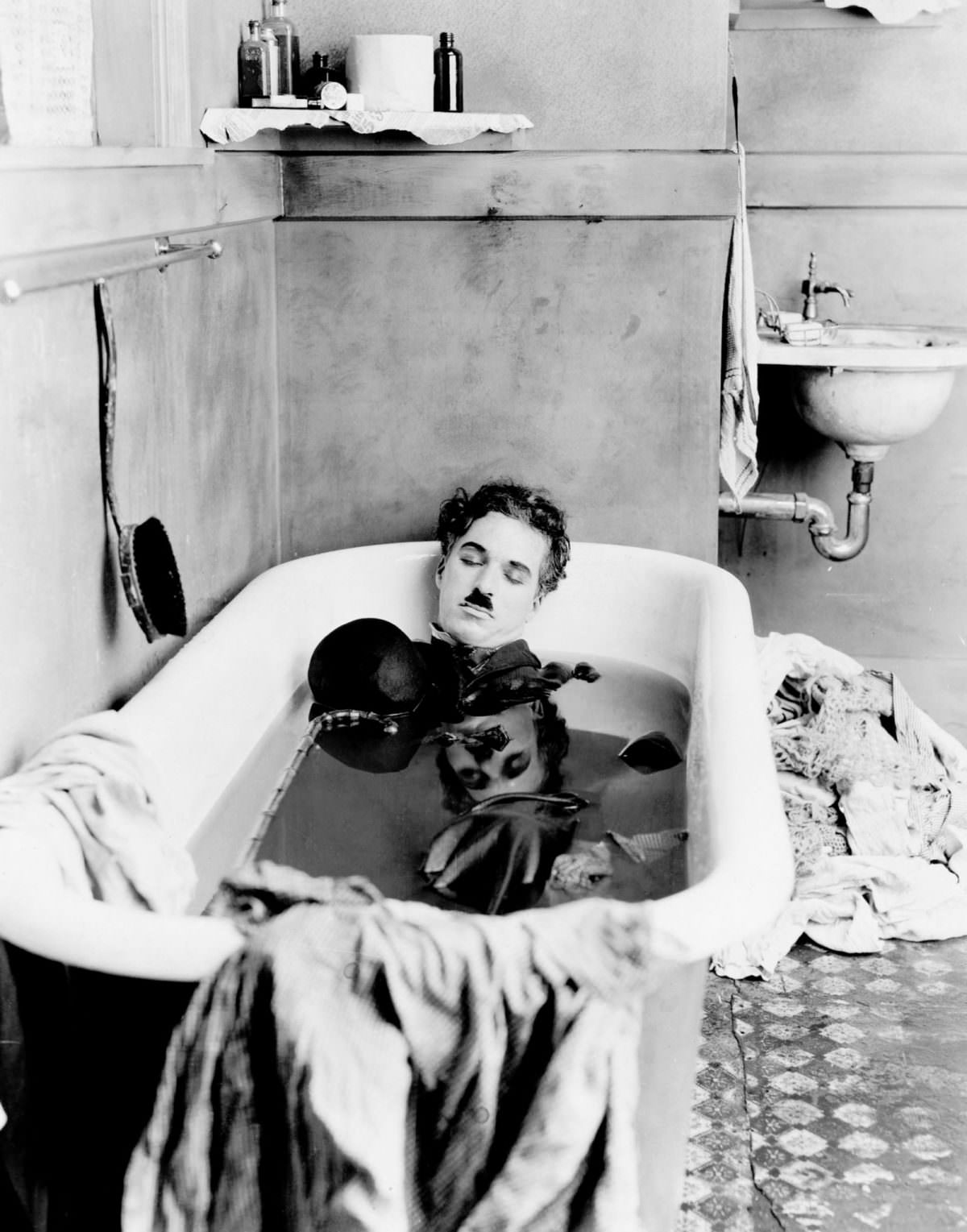
No name from the silent era is more recognized than Charlie Chaplin. His character “The Tramp” — with the bowler hat, cane, and shuffling walk — became one of the most iconic figures in the history of entertainment. Chaplin wrote, directed, produced, and composed music for his films. He founded United Artists alongside Pickford, Fairbanks, and D.W. Griffith. His films blended physical comedy with genuine social commentary, often touching on poverty, injustice, and the struggles of ordinary people.
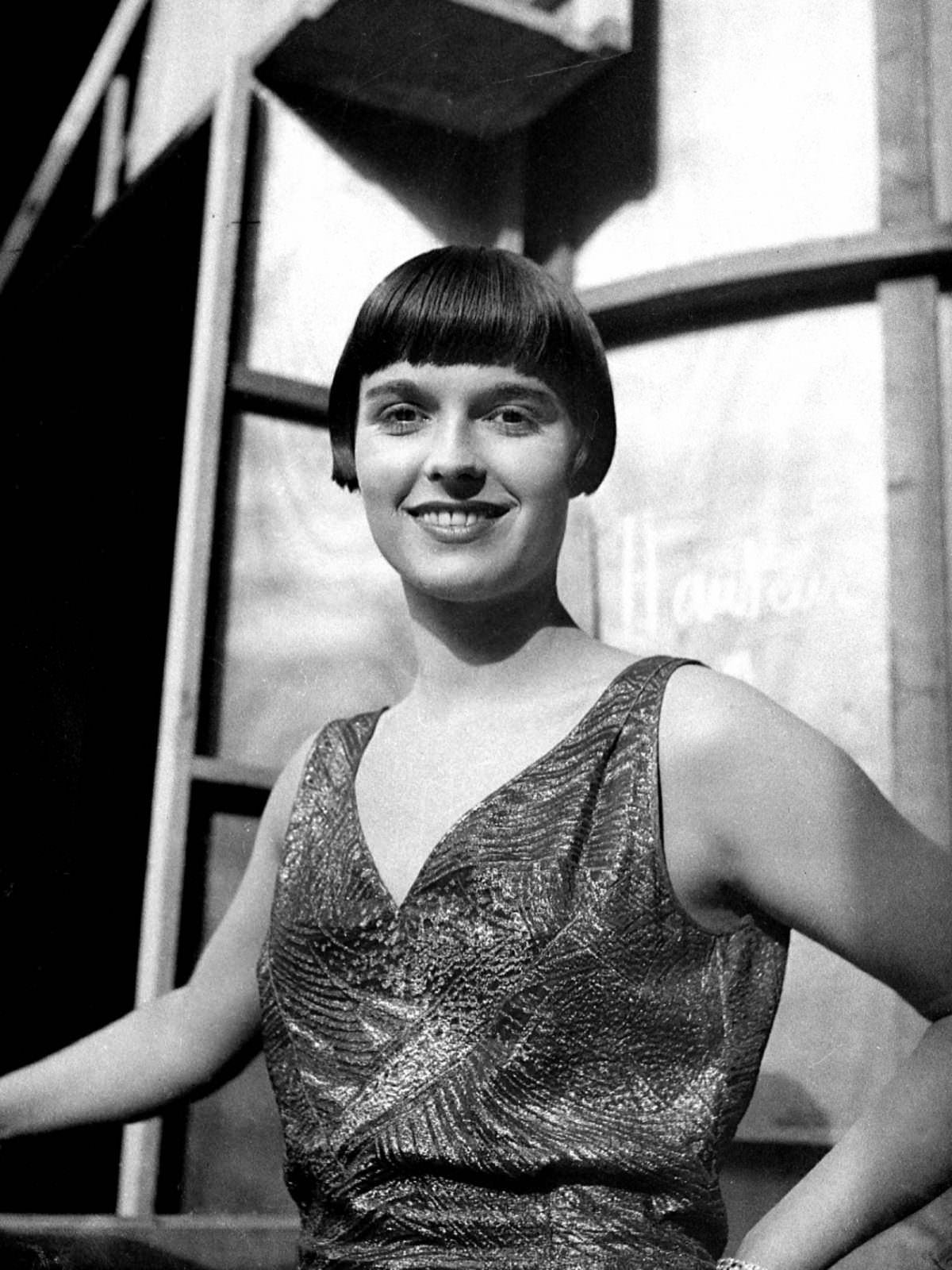
Louise Brooks brought a cool, modern edge to the screen. Her sharp black bob haircut became one of the most copied looks of the decade. Born in Kansas, Brooks worked in Hollywood before heading to Germany, where she made her most celebrated films — “Pandora’s Box” (1929) and “Diary of a Lost Girl” (1929) — under director G.W. Pabst. Film critics later recognized her performances as far ahead of their time.
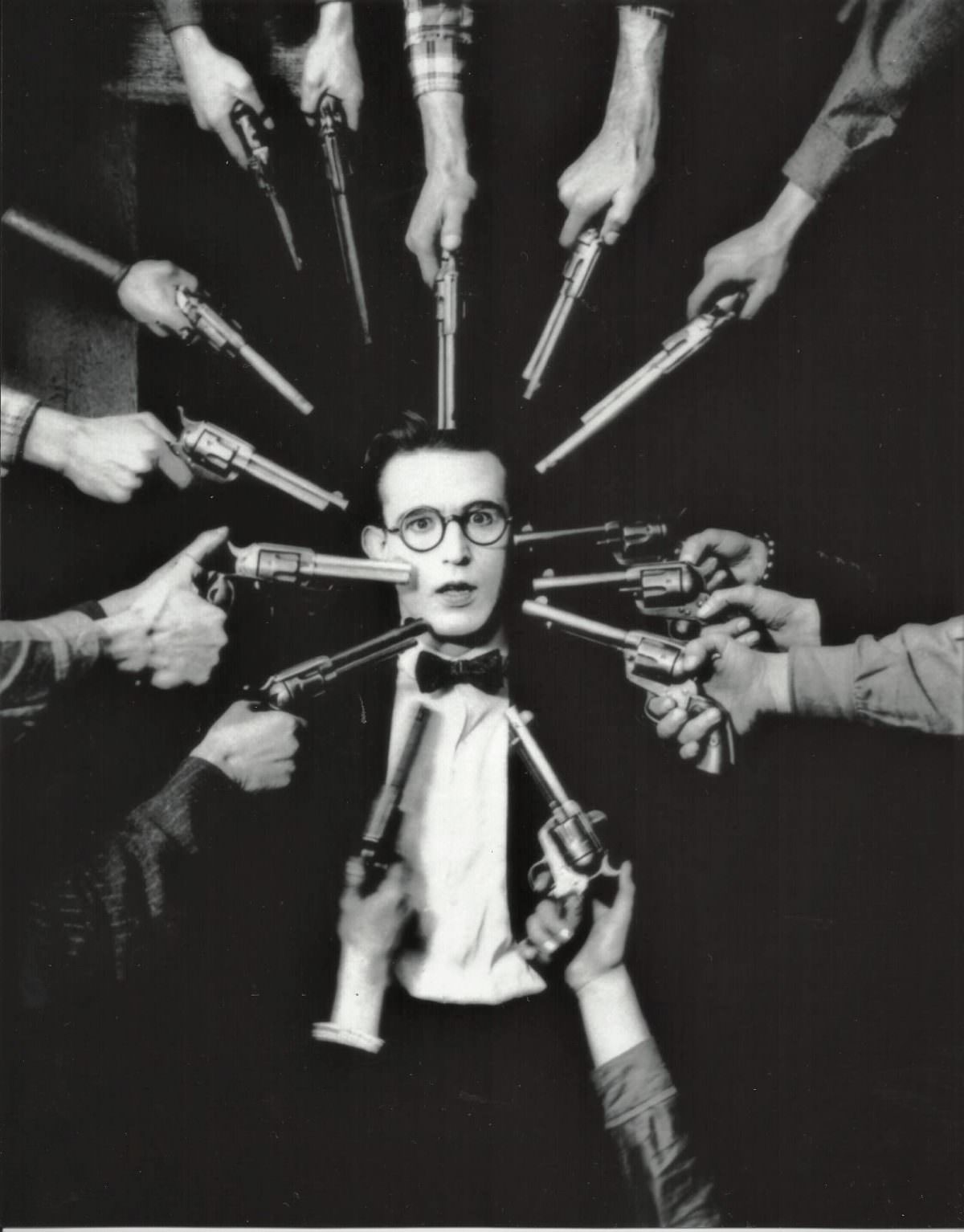
Harold Lloyd was one of the three kings of silent comedy alongside Chaplin and Keaton, though he is often the least remembered of the trio today. His specialty was the “thrill comedy” — films built around genuinely dangerous physical stunts. His most famous image, hanging from the hands of a clock high above a city street in “Safety Last!” (1923), remains one of cinema’s most recognizable moments. Lloyd lost his right thumb and index finger in a 1919 on-set explosion and still performed his own stunts.
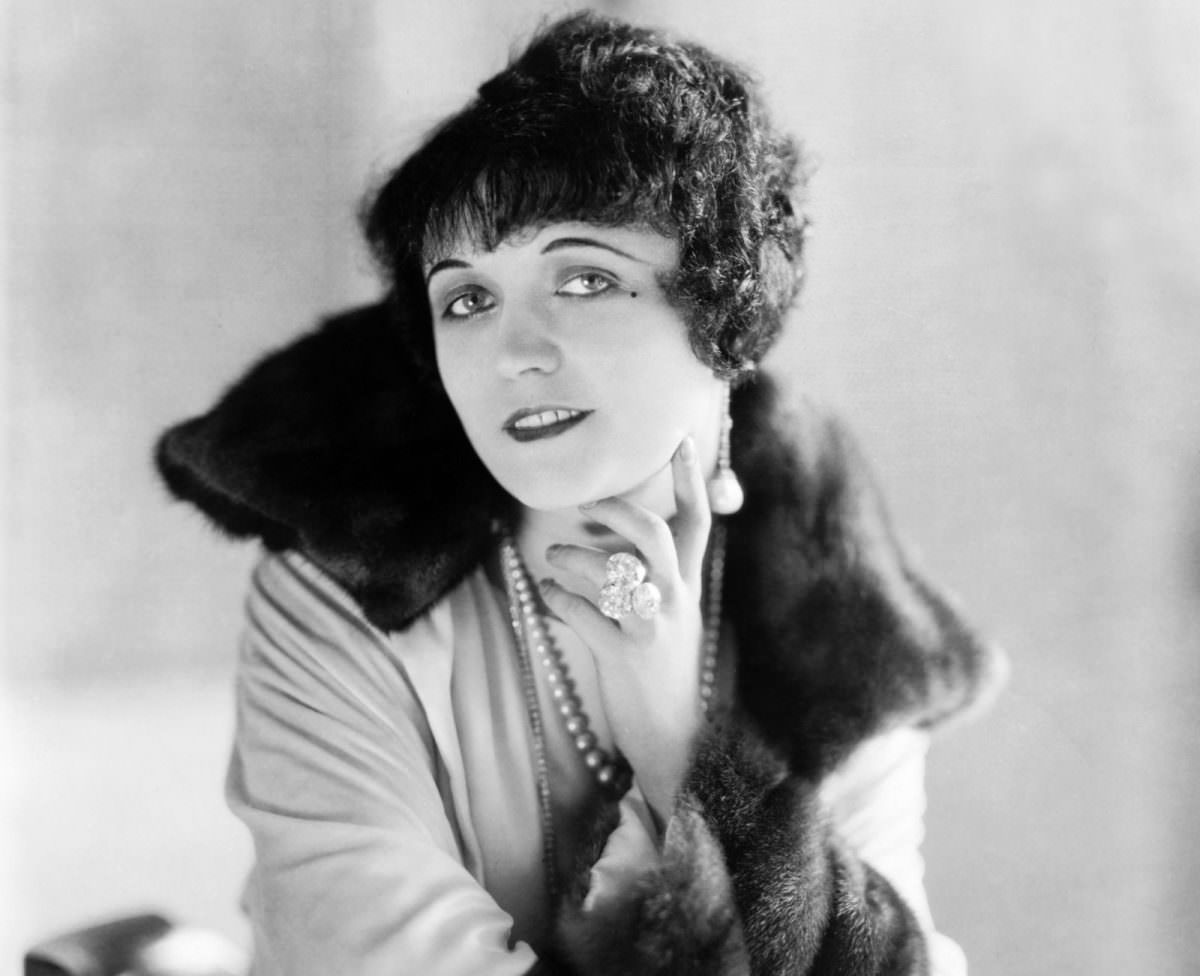
Pola Negri was one of Hollywood’s first true foreign imports. Born in Poland, she was already a major star in Germany before Paramount Pictures brought her to the United States in 1922. She was known for her intense dramatic performances and fiery public persona. When Rudolph Valentino died suddenly in 1926, Negri — who had been romantically linked to him — collapsed at his funeral in a display of grief that made front pages across the country.
John Gilbert was MGM’s biggest male star of the late silent era. His on-screen chemistry with Greta Garbo in films like “Flesh and the Devil” (1926) made them one of Hollywood’s most celebrated pairings. Gilbert was passionate, intense, and wildly popular with audiences. His career declined sharply when sound arrived — a fate that befell many silent stars, though in Gilbert’s case studio politics played a significant role in accelerating that fall.
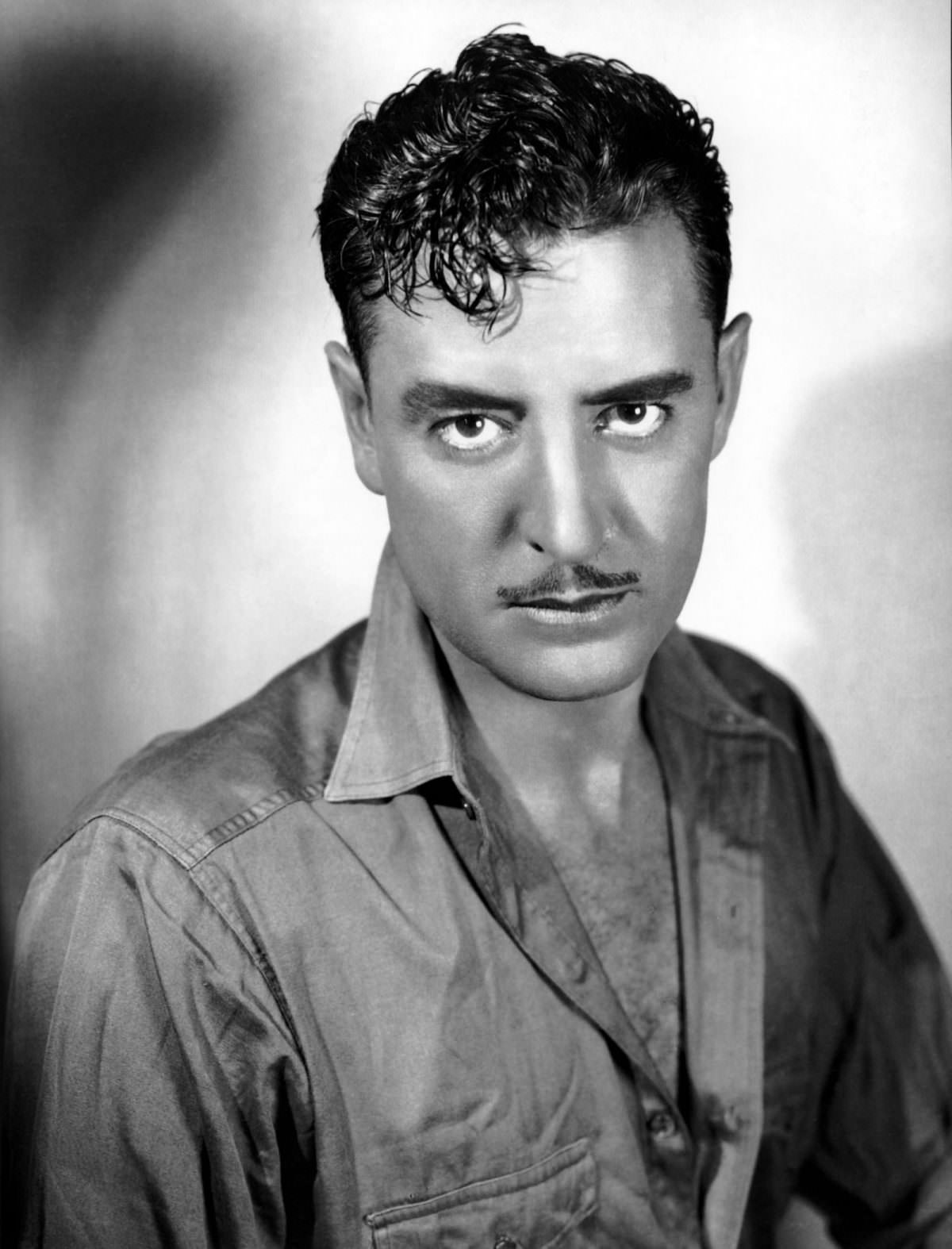
Katherine Perry was a stage-trained actress who appeared in a number of productions during the silent era. Her theatrical background gave her a disciplined, expressive screen presence at a time when many performers were still finding their footing in the young medium of film.
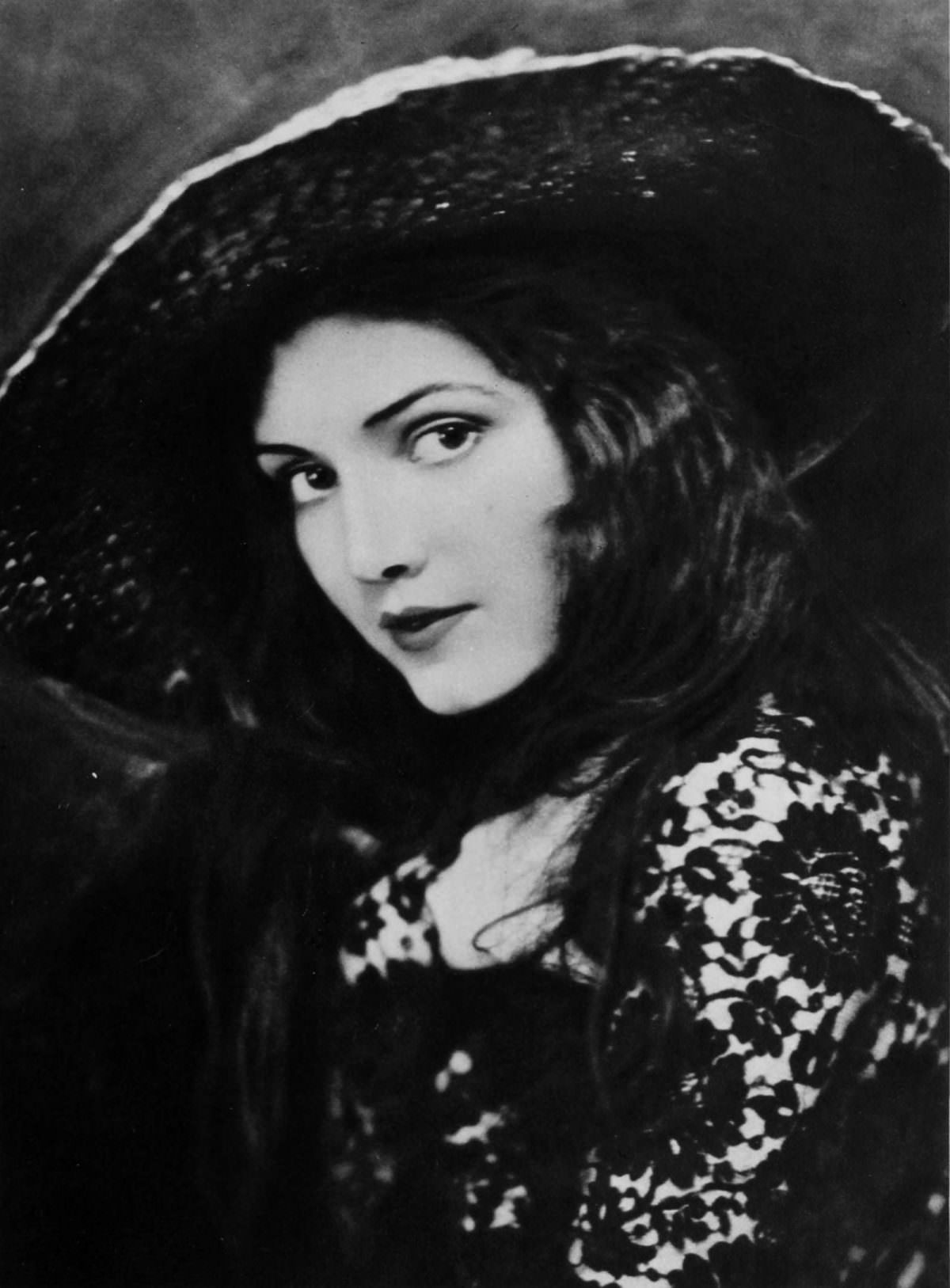
Lon Chaney earned the title “The Man of a Thousand Faces” through sheer commitment to physical transformation. He designed and applied his own makeup, often using painful methods to alter his appearance beyond recognition. His performances in “The Hunchback of Notre Dame” (1923) and “The Phantom of the Opera” (1925) drew massive audiences and set a standard for character acting that still stands. Chaney was also one of the rare silent stars who brought his own son, Lon Chaney Jr., into the industry.
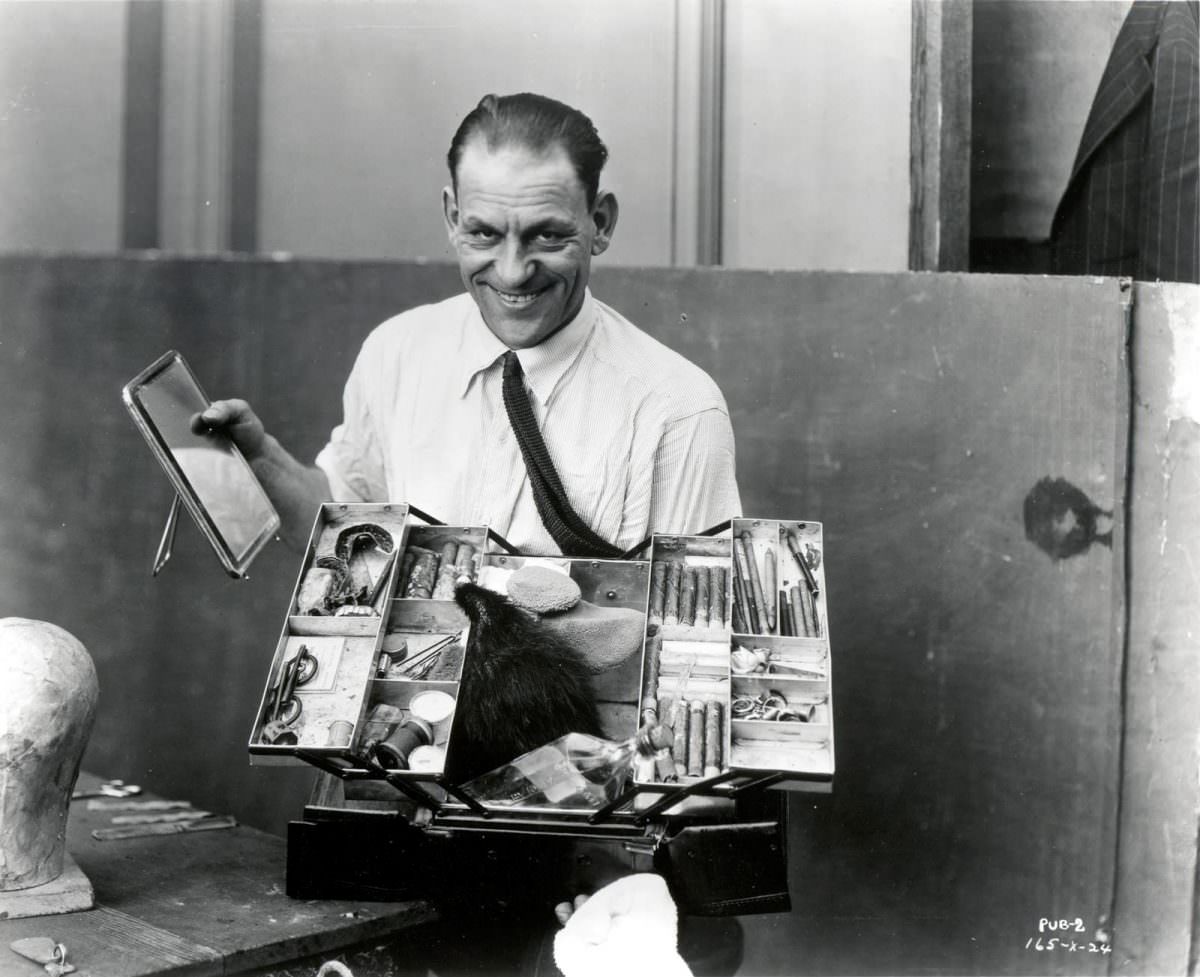
Colleen Moore was the actress who popularized the flapper image on screen. Her role in “Flaming Youth” (1923) launched a new archetype: the bold, modern young woman who rejected the social rules of the previous generation. Moore’s bobbed hair and direct screen presence made her one of the top box-office draws of the mid-1920s. She was also a shrewd businesswoman who managed her own finances and investments carefully — rare for any Hollywood star of the era.
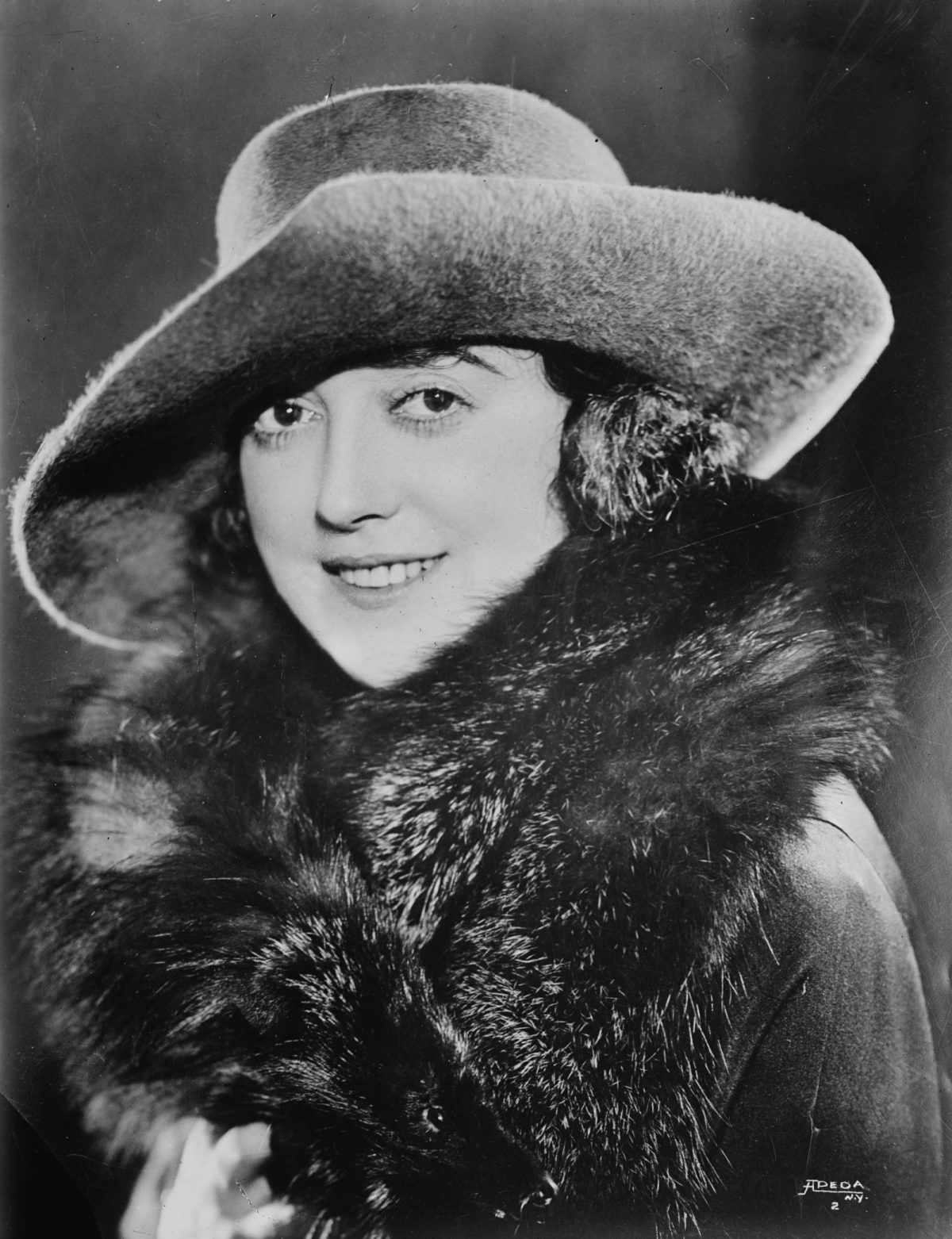
John Barrymore came from one of America’s most celebrated theatrical families and brought that stage pedigree to both silent and early sound films. Known as “The Great Profile” for his striking features, Barrymore gave powerful performances in films like “Dr. Jekyll and Mr. Hyde” (1920) and “Don Juan” (1926). He was widely considered the finest serious actor working in Hollywood during the 1920s.
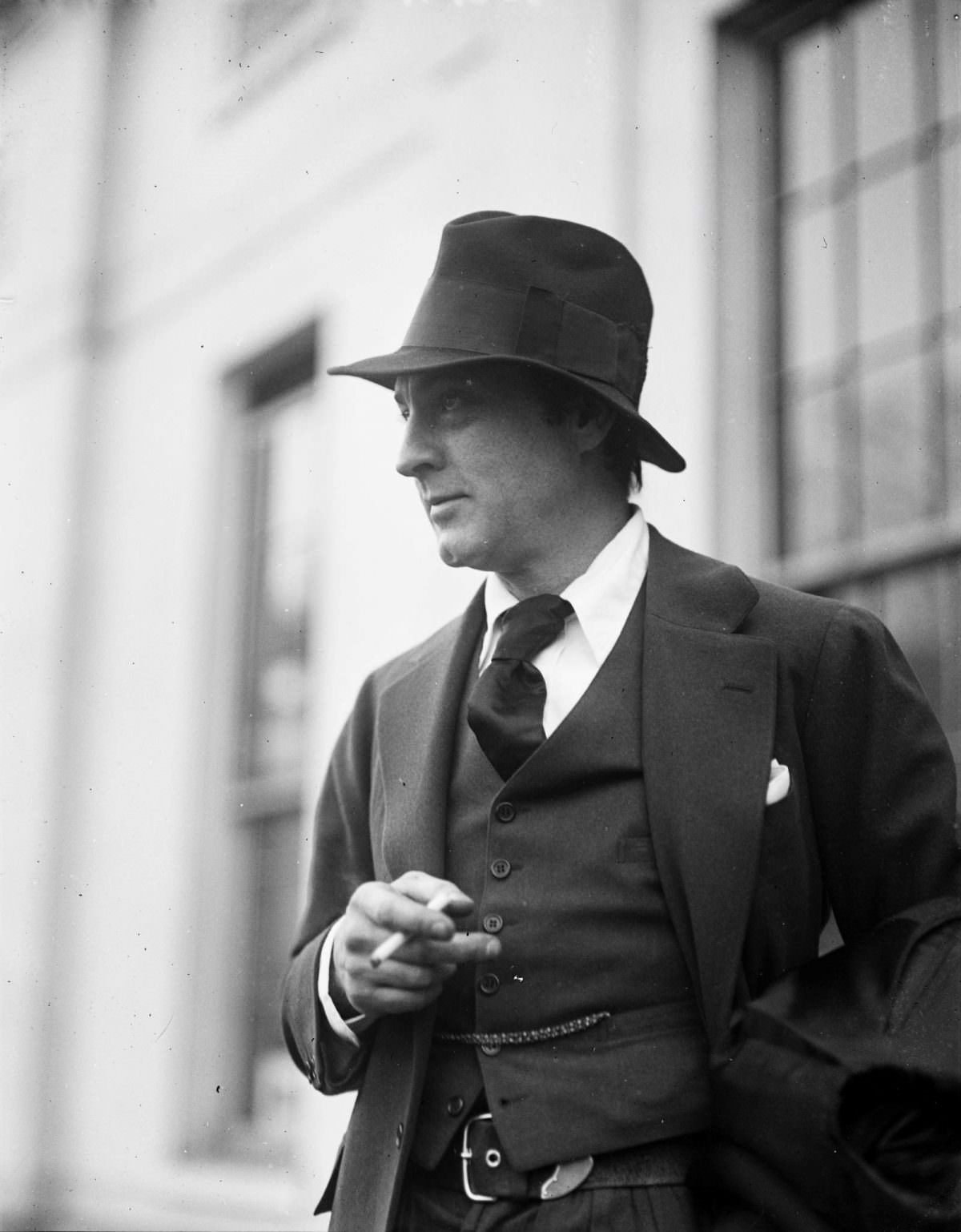
Greta Garbo arrived in Hollywood from Sweden in 1925 and was an immediate sensation. MGM paired her with John Gilbert, and their films together broke box-office records. Where other actresses performed for the camera, Garbo seemed to be unaware of it — her naturalistic style was years ahead of what most of her peers were doing. She made a successful transition to sound films and became one of the defining stars of the 1930s.
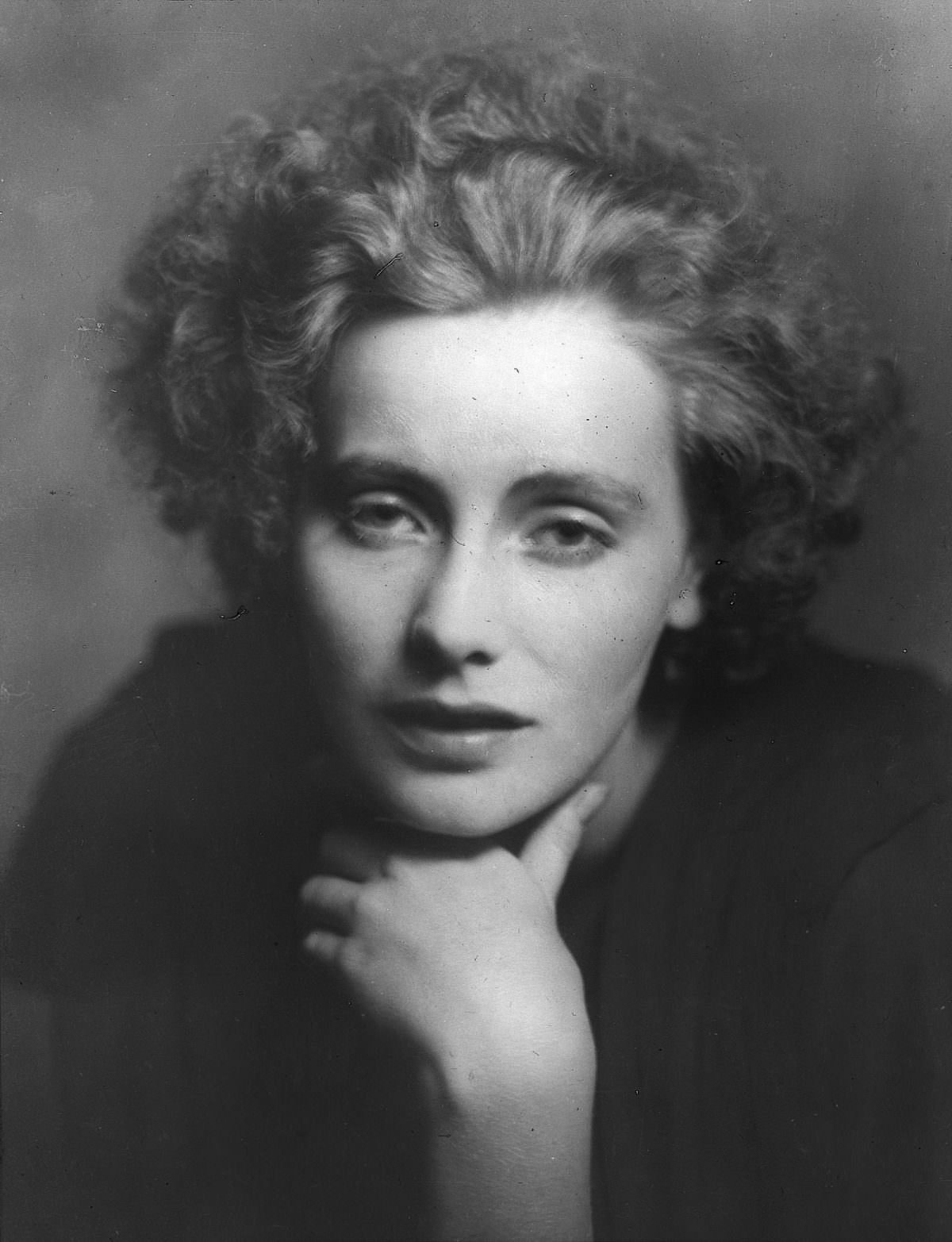
Conrad Veidt was a German actor whose intense, angular features made him one of the most striking presences in early cinema. His role as the somnambulist Cesare in “The Cabinet of Dr. Caligari” (1920) is one of the most studied performances in film history. Veidt worked across Germany and Hollywood, and his career survived the transition to sound with ease. He later fled Nazi Germany and became a staunch anti-fascist voice in Hollywood.
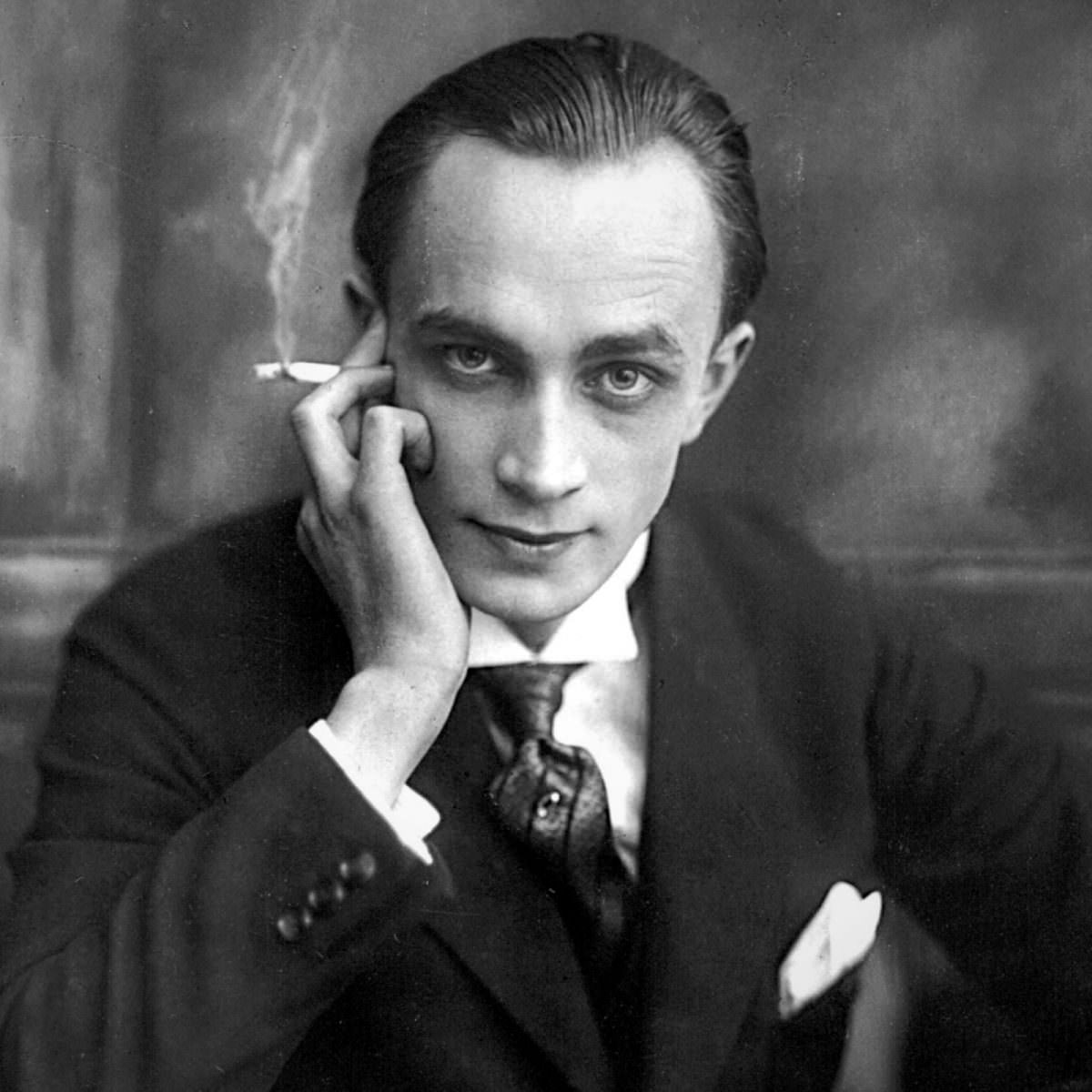
Joan Crawford began her career as a dancer before MGM signed her in 1925. She appeared in numerous silent films and built a strong following among younger audiences drawn to her energy and style. Crawford was one of the few performers who managed to fully reinvent herself when sound arrived, going on to have one of the longest and most decorated careers in Hollywood history.
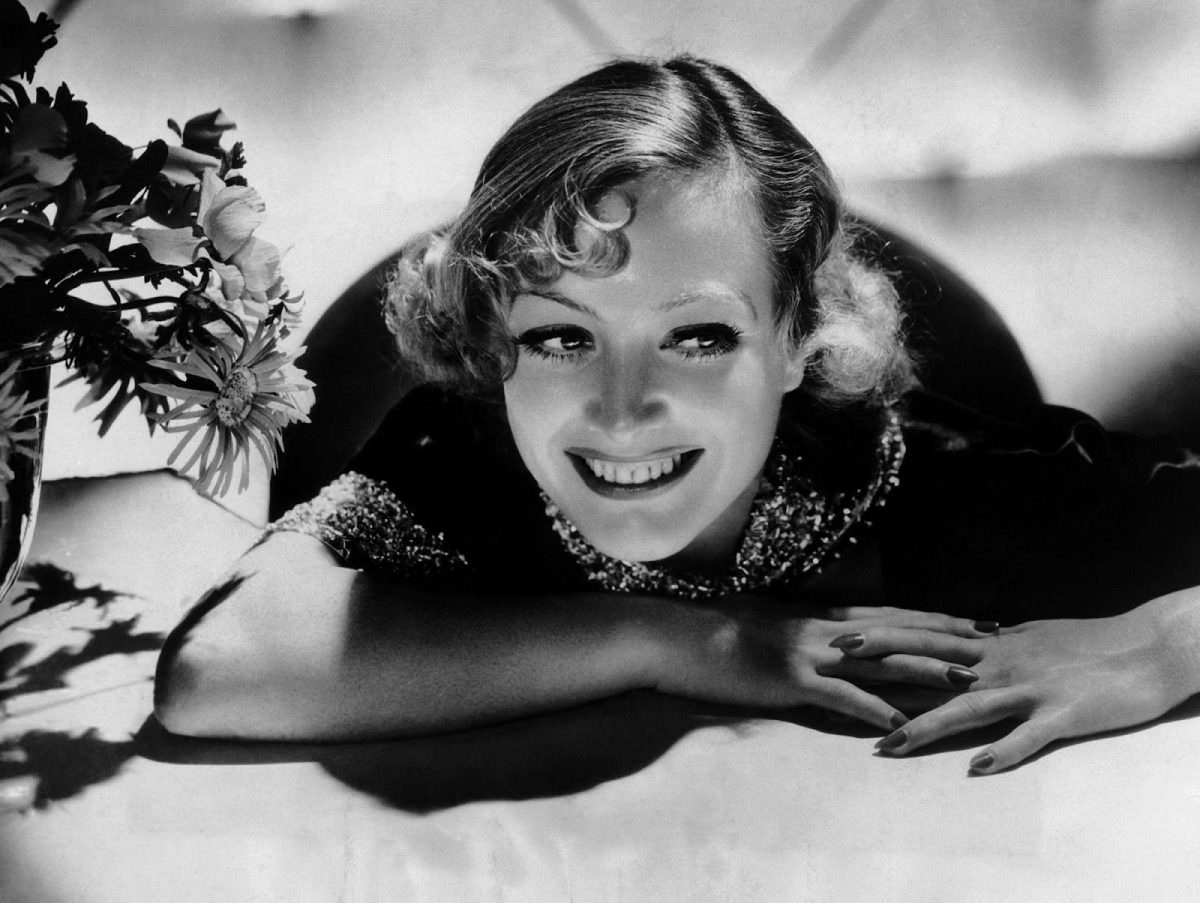
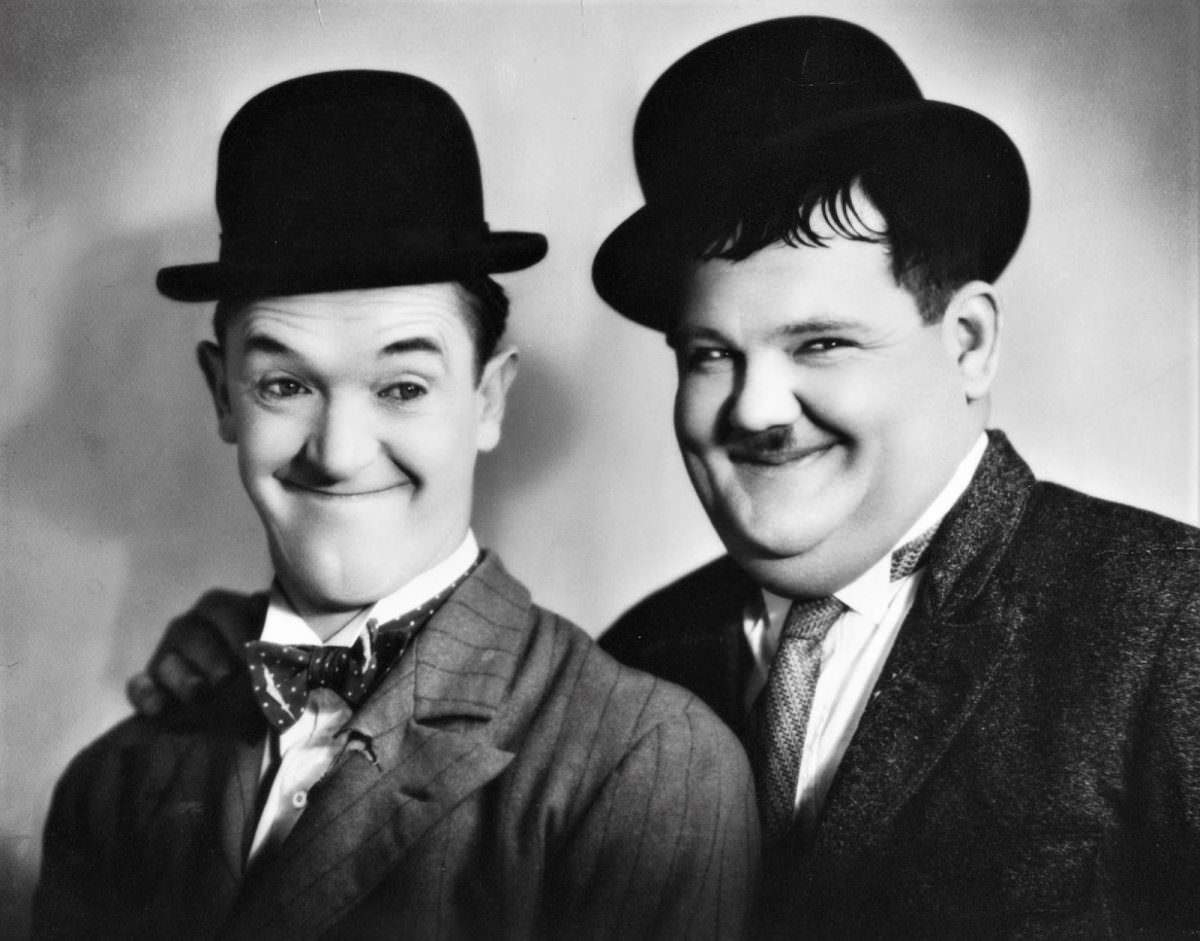
Stan Laurel and Oliver Hardy did not officially form their legendary comedy duo until 1927, but the groundwork was laid throughout the silent era. Laurel, born in England, and Hardy, from Georgia, were working separately at the Hal Roach Studios before being paired together. Their dynamic — Laurel’s childlike bumbling against Hardy’s self-important exasperation — clicked immediately with audiences. They went on to make over 100 films together, spanning silent and sound eras.