Universal-International Pictures released Creature from the Black Lagoon in 1954, and it quickly became one of the defining monster films of the decade. The story follows a scientific expedition into the Amazon that stumbles upon something no one expected — a living prehistoric creature. A geology team first discovers a fossilized hand with webbed fingers embedded in rock near an Amazon tributary. That find launches a larger, better-equipped expedition aboard a chartered steamer called the Rita, captained by a man named Lucas.
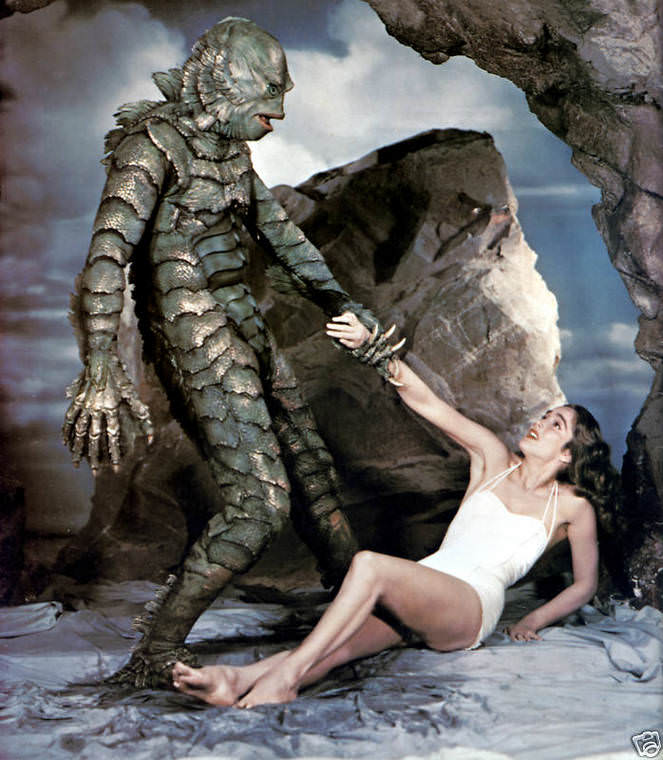
The team includes ichthyologist Dr. David Reed, his partner Kay Lawrence, and the ambitious Dr. Mark Williams. Their destination is a remote, largely uncharted stretch of water known as the Black Lagoon. What they don’t know is that something already lives there — an amphibious humanoid, the last of its kind, known as the Gill-man.
The Gill-man takes notice of the expedition almost immediately. It watches from below, fixating in particular on Kay. As the crew collects water samples and explores the lagoon, the creature attacks boat crew members and makes its presence impossible to ignore. Dr. Williams pushes to capture it, driven by the fame such a discovery would bring. Dr. Reed urges caution.
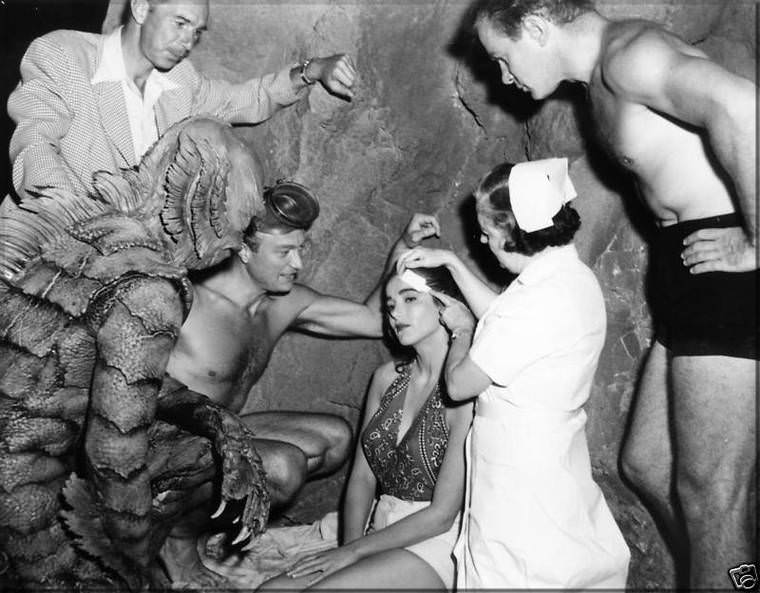
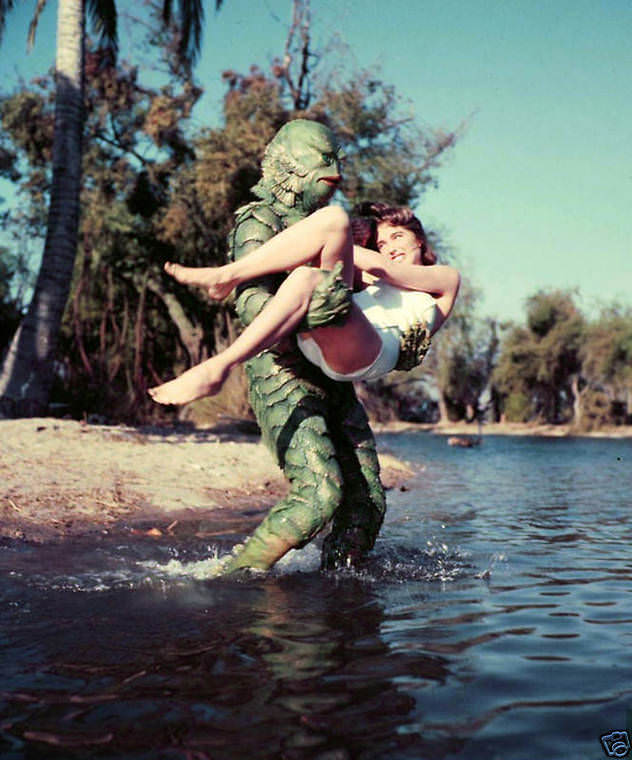
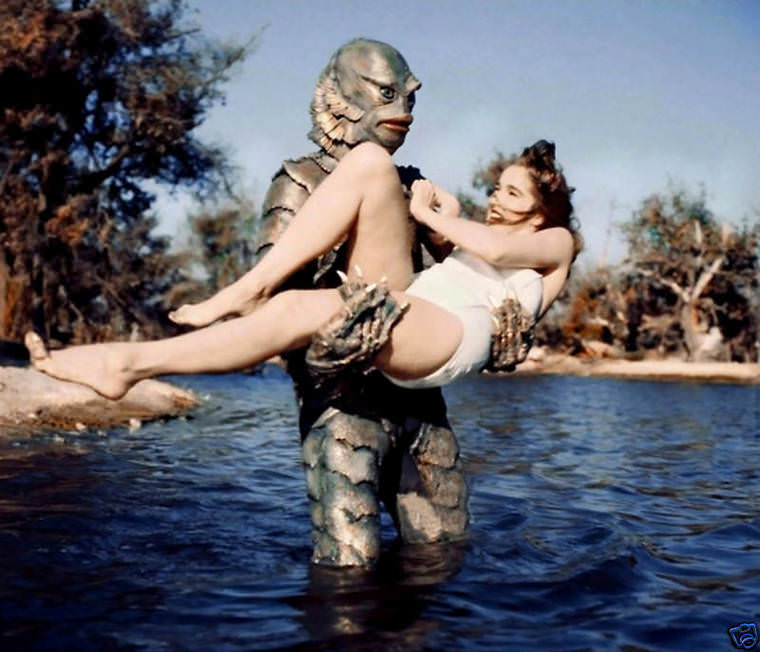
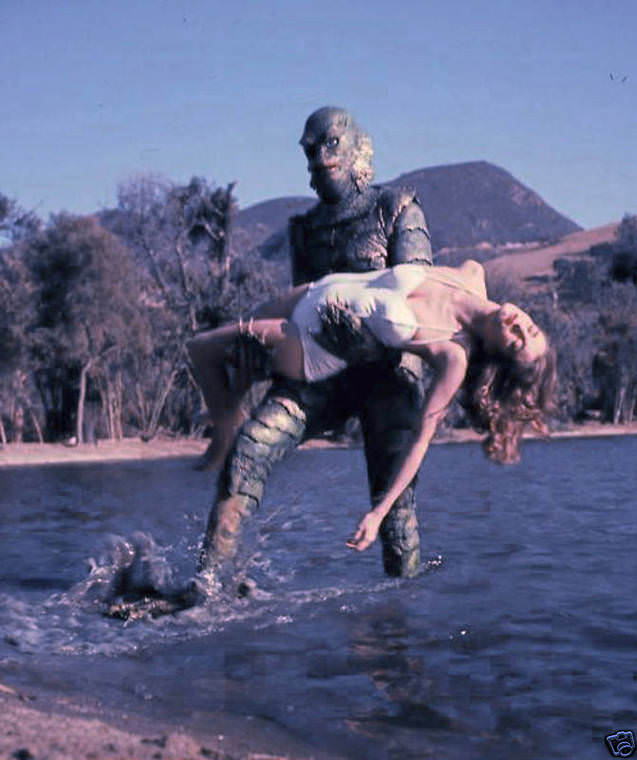
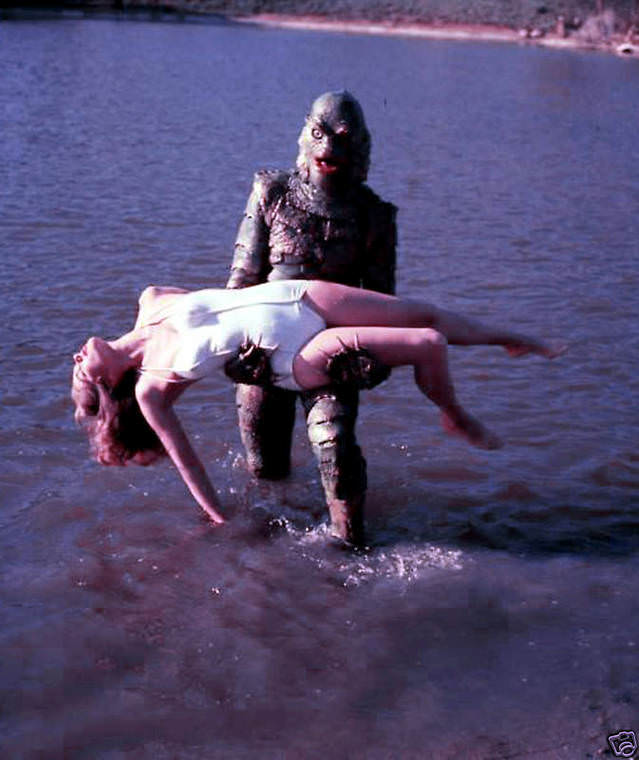
The team manages to sedate the creature and trap it in a cage beneath the Rita, but the Gill-man breaks free. It then blocks the only channel out of the lagoon, stranding the entire expedition. In the film’s climax, the creature seizes Kay and carries her to its underwater grotto. David leads a rescue, and the Gill-man is shot multiple times before retreating into the dark water.
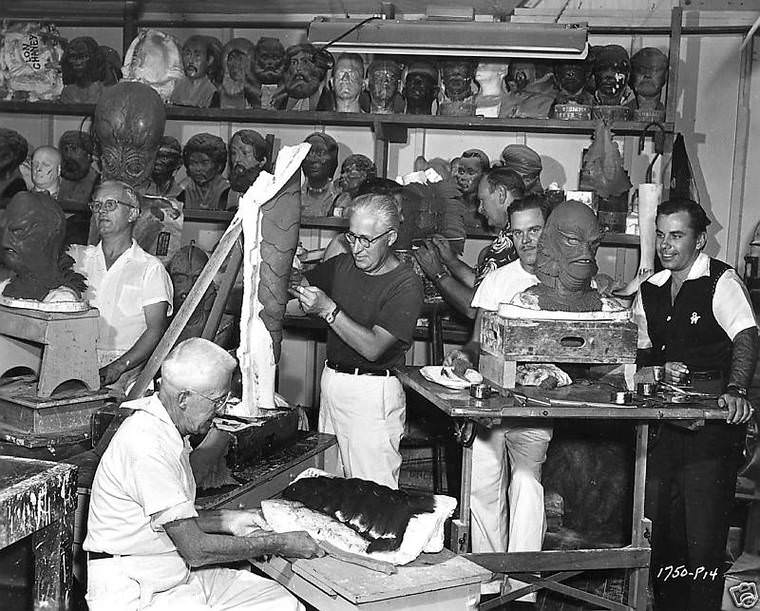
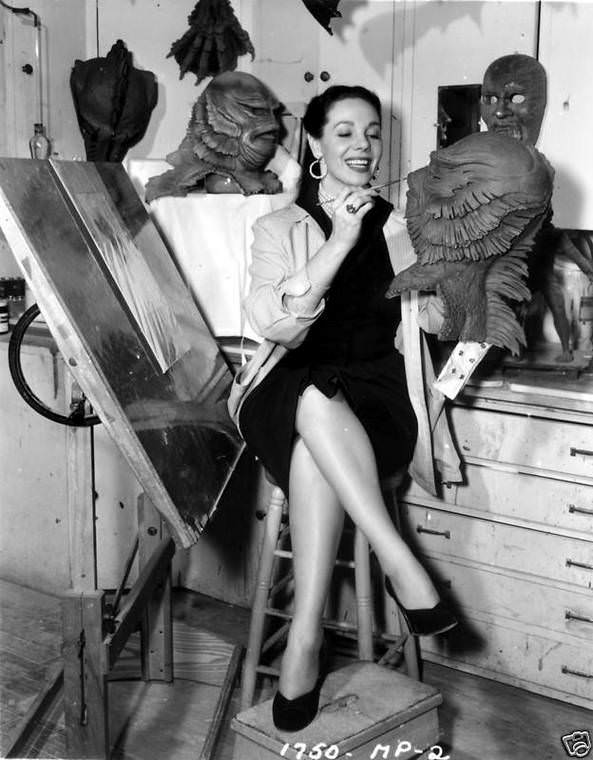
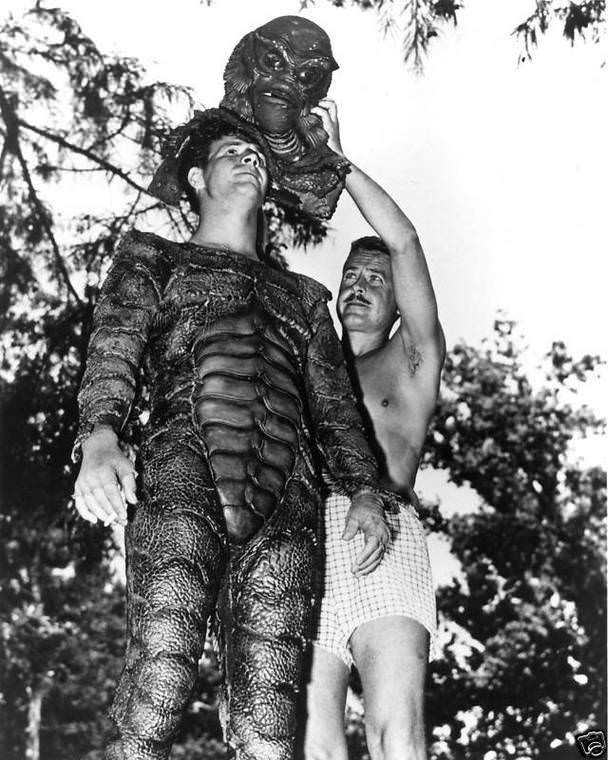
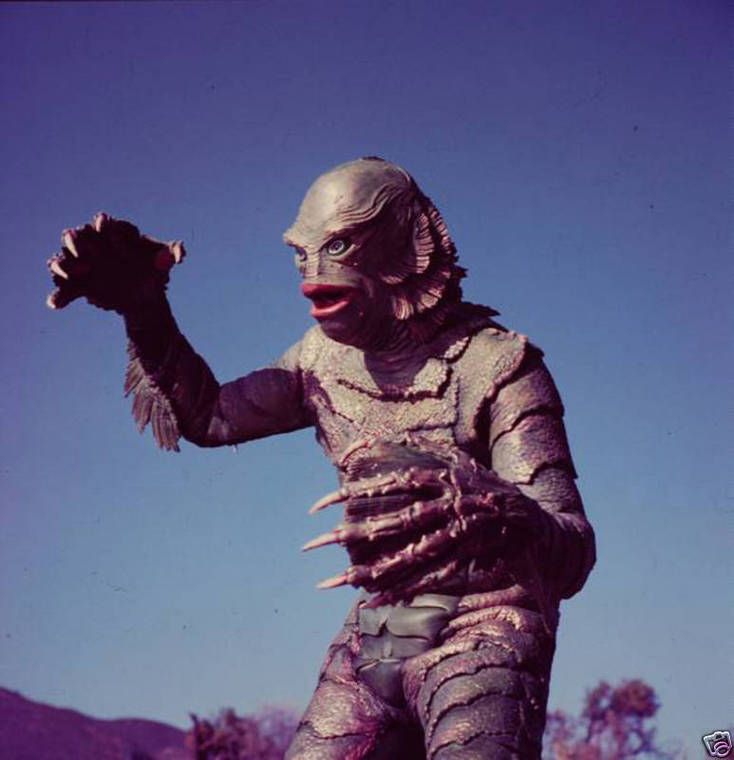
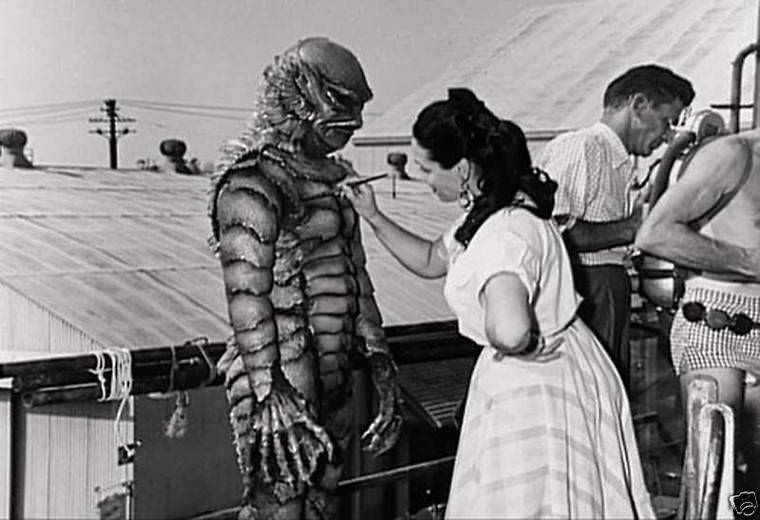
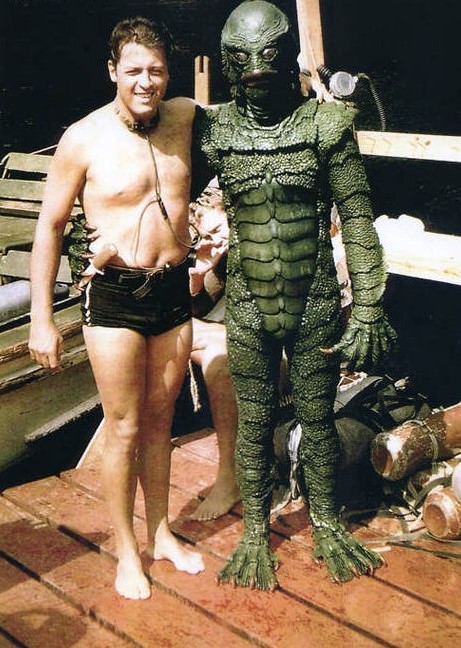
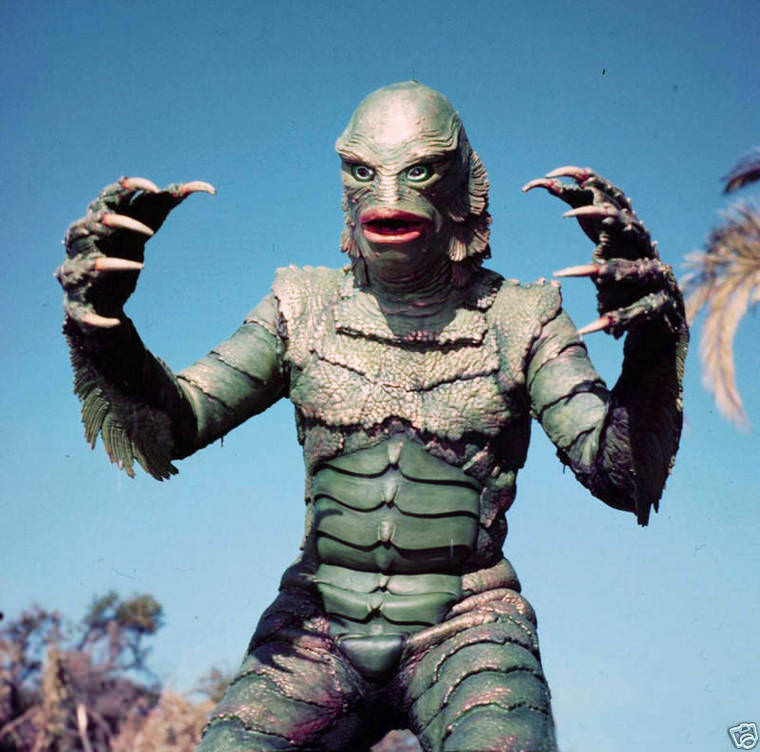
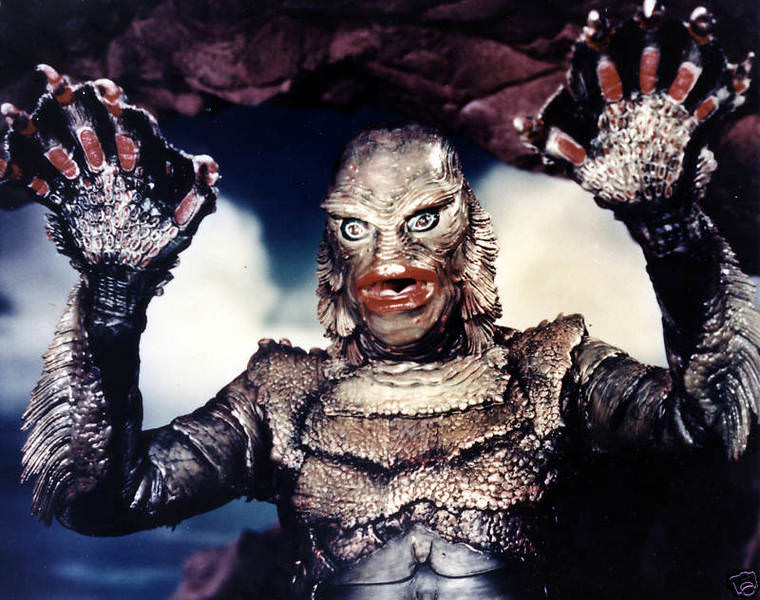
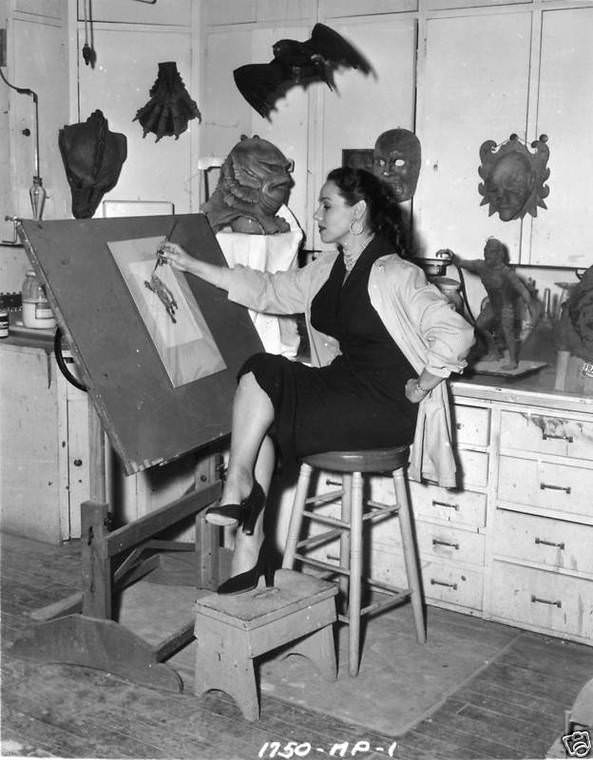
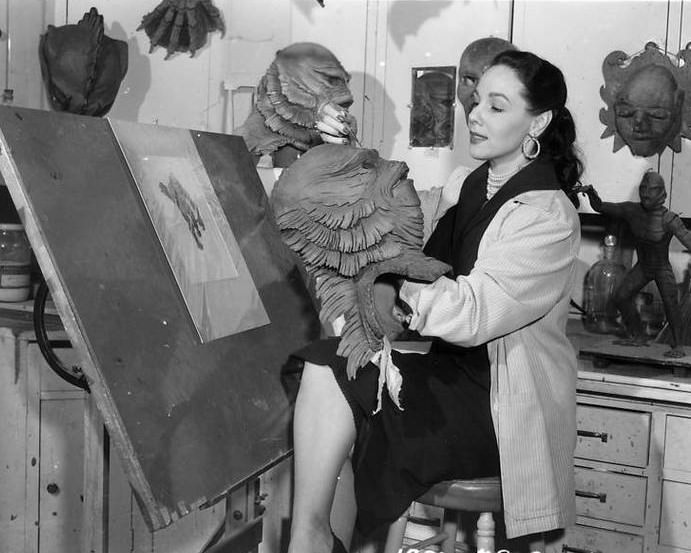
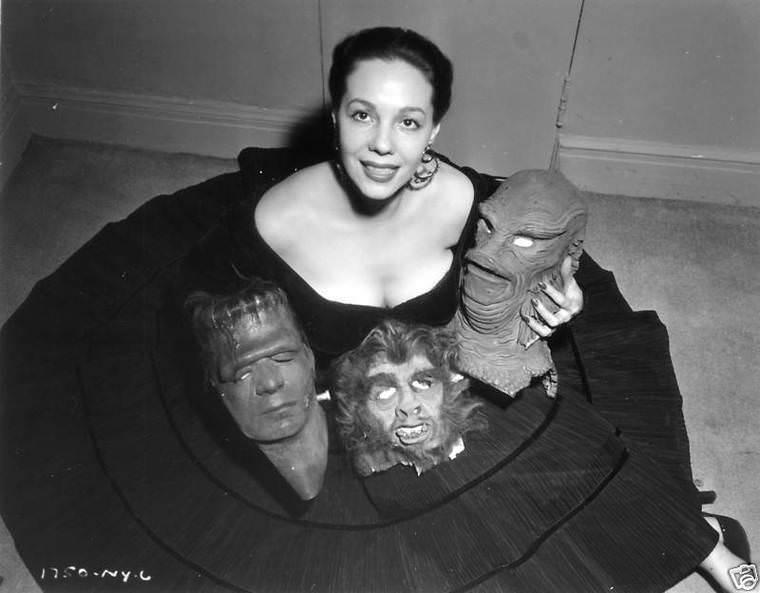
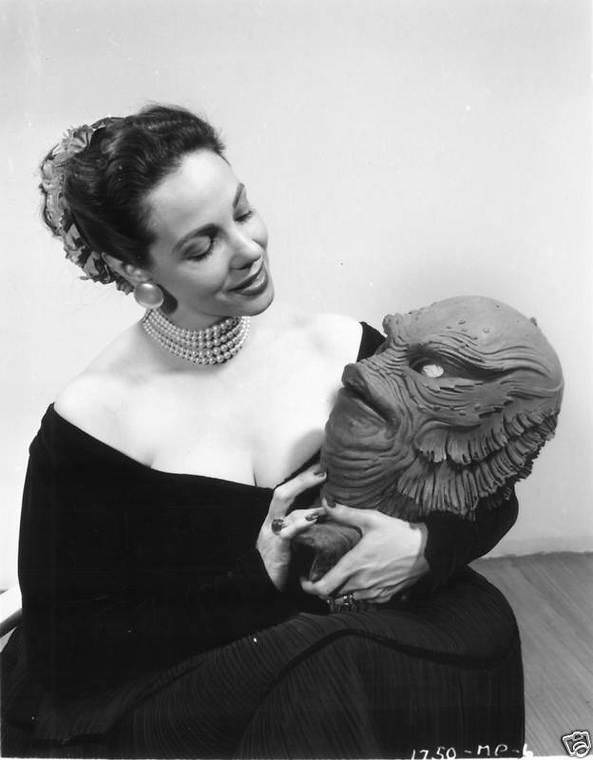
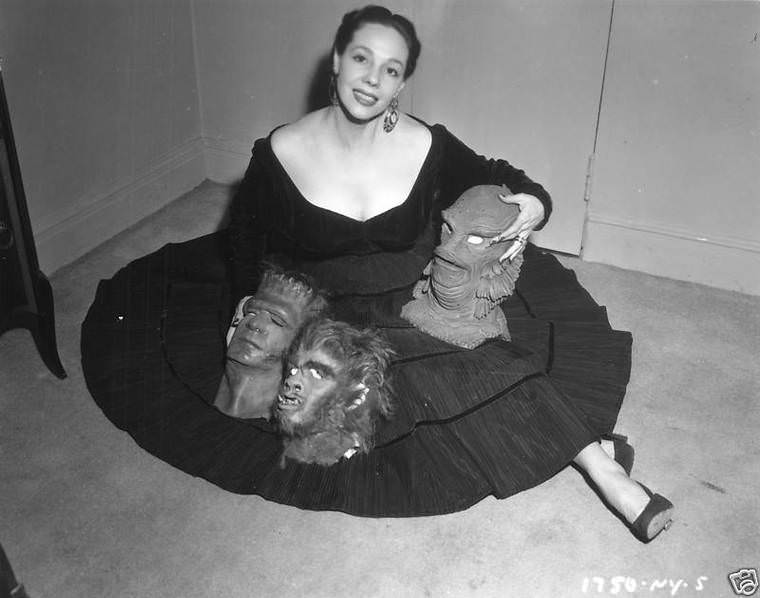
Bringing the Gill-man to life was one of the production’s biggest challenges. The suit design is largely credited to Millicent Patrick, an artist in Universal’s makeup department, though department head Bud Westmore typically received the official credit. The final costume was built from molded rubber and featured scaly skin, dorsal fins, large webbed hands and feet, and detailed gills along the neck.
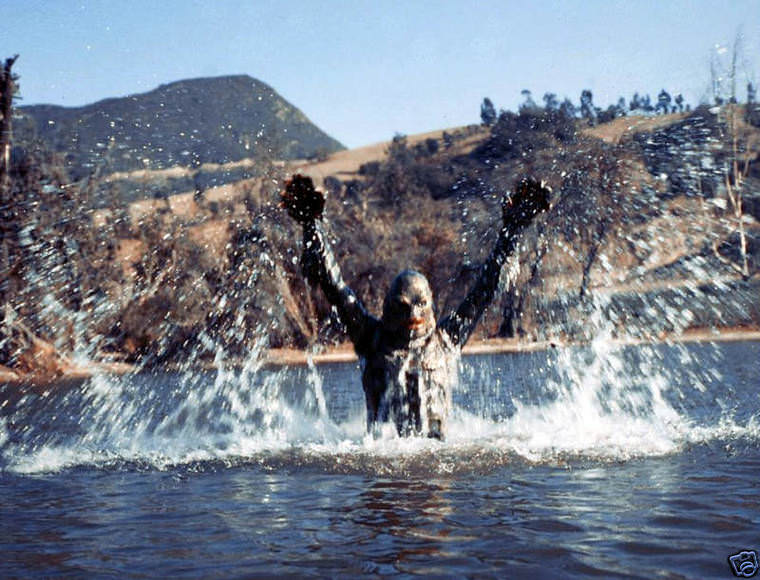
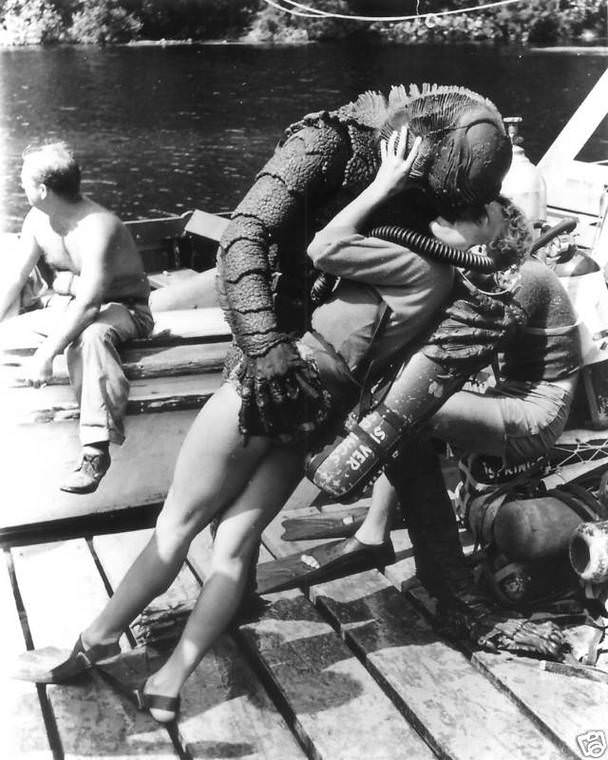
Two different actors wore the suit depending on the scene. Ben Chapman, a tall performer, wore a darker version of the costume for all land and boat sequences. For the underwater scenes, the production turned to Ricou Browning, an experienced swimmer and diver who wore a lighter, more flexible green suit built specifically for movement in the water.

The underwater photography set this film apart from nearly everything else made at the time. Most of those sequences were shot on location at Wakulla Springs, Florida, chosen for its natural clarity. Browning performed every underwater stunt without scuba gear. He held his breath for extended periods — sometimes several minutes per take — and grabbed quick breaths from air hoses held by safety divers just off-camera.
Among the most memorable underwater shots is the sequence where the Gill-man glides silently beneath Kay as she swims on the surface, mirroring her movements without her knowing. Julie Adams, who played Kay, wore a now-iconic white swimsuit for those scenes. The combination of Browning’s fluid movement and the crystal-clear spring water made those sequences look unlike anything audiences had seen before.
Filming underwater required heavy, specialized waterproof camera housings and operators trained specifically for that environment. Some additional underwater footage was also shot back in Hollywood in a large studio tank at Universal. The combination of location shooting and studio work gave the film a visual depth that held up even against later productions with larger budgets.