
Sylvia Sidney built one of Hollywood’s most enduring careers across more than seven decades. She was known for her sharp acting instincts, striking looks, and deeply expressive eyes — a combination that made her impossible to ignore on screen. Her voice, distinctively raspy, became one of her most recognizable traits. Sidney started out on the stage at just sixteen years old, and within a year she had already broken into film with an uncredited role. From those early days, she drew rave reviews. Critics and audiences responded to her immediately.
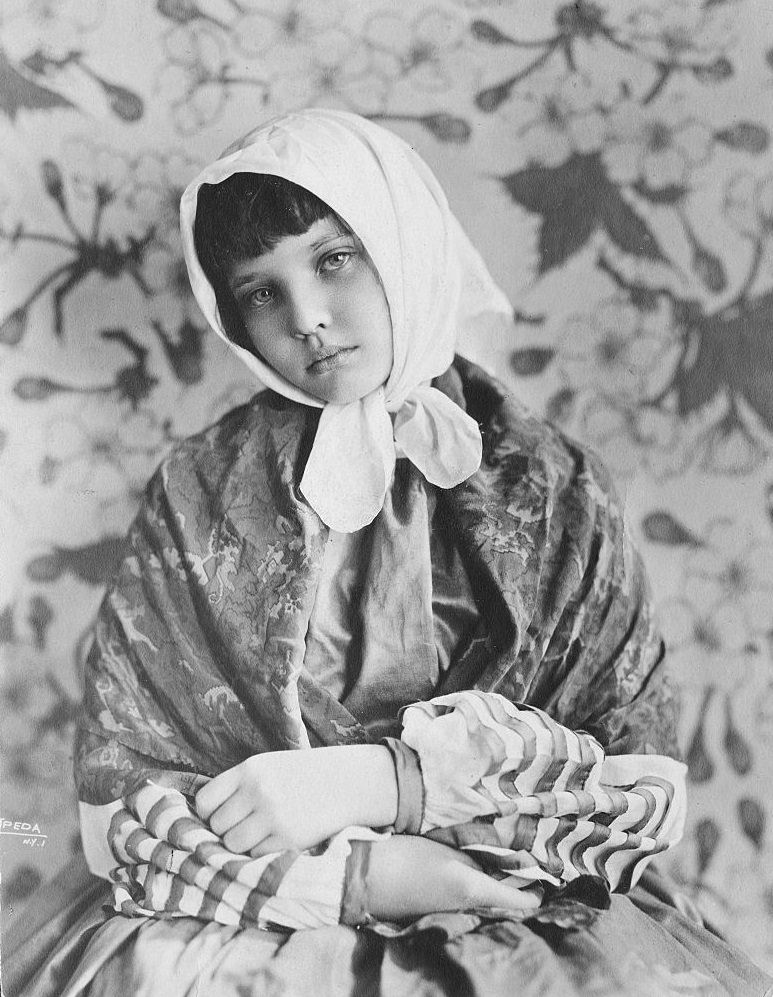
Sidney was born on August 8, 1910, in the Bronx, New York. Her talent showed early, and her drive to perform was clear from childhood. She trained seriously and pursued the stage with purpose, not as a hobby but as a profession. By her mid-teens, she was already working toward the career that would define her life.
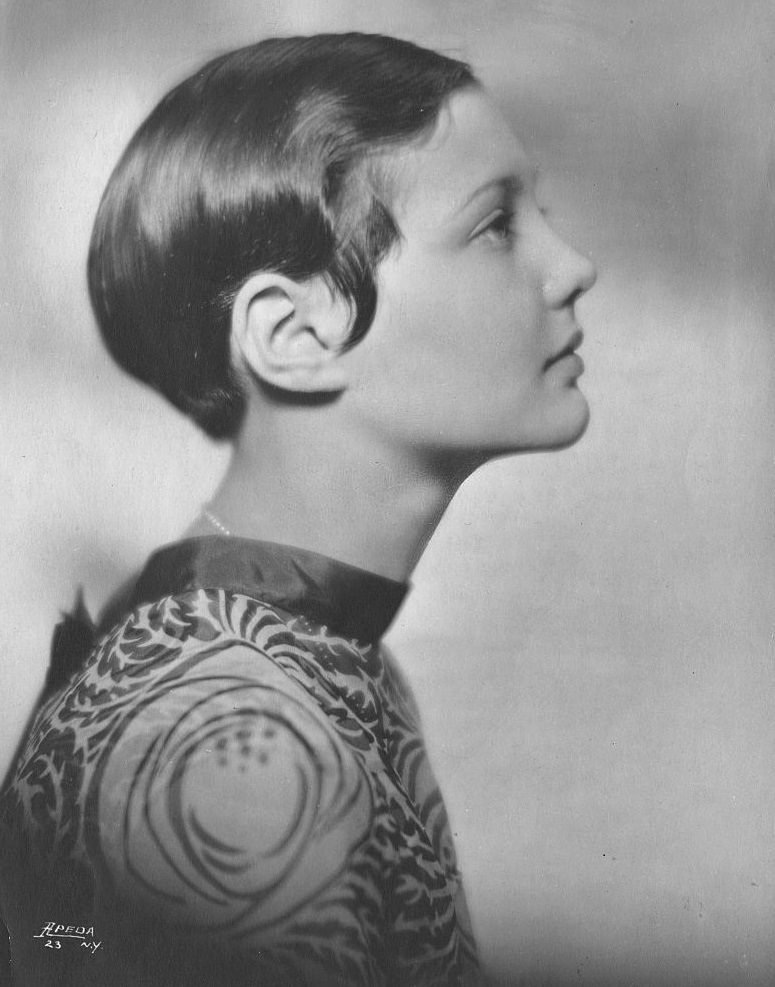
Her film debut came quickly after her stage work began. Though her first screen appearance was uncredited, it opened the door to a world she would inhabit for decades. By the late 1920s, Sidney was appearing in productions that gave audiences their first real look at her screen presence. She had a natural ability to pull emotion to the surface, and the camera captured it well.
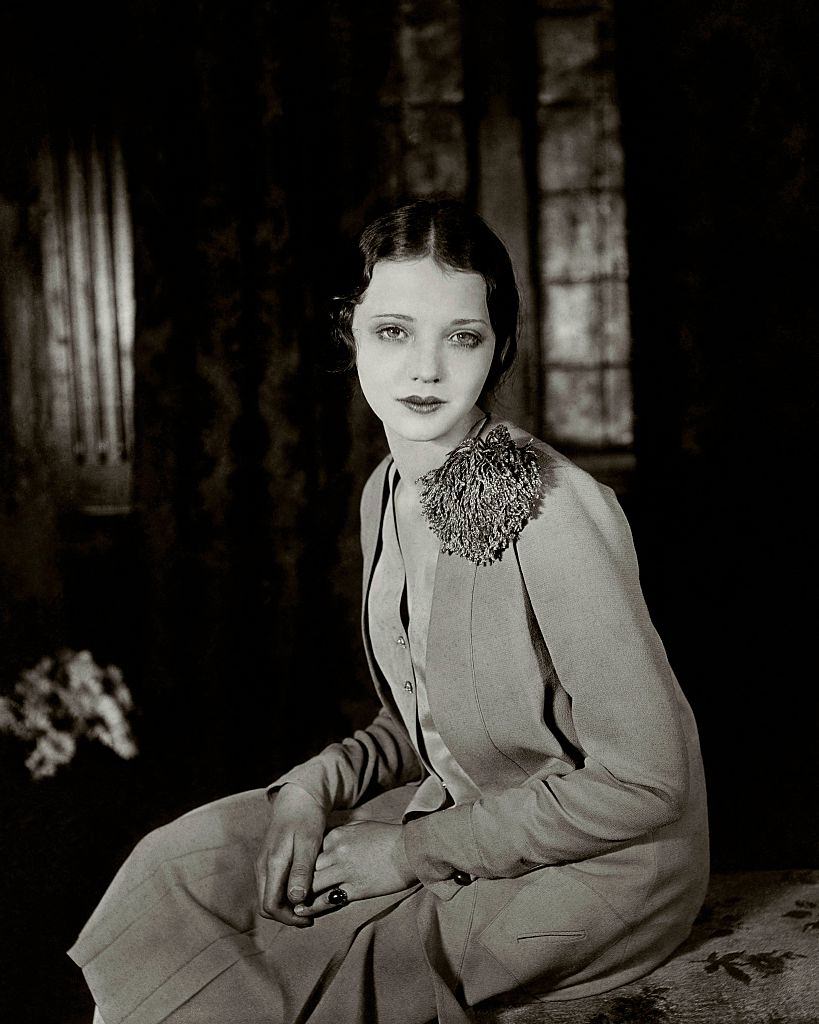
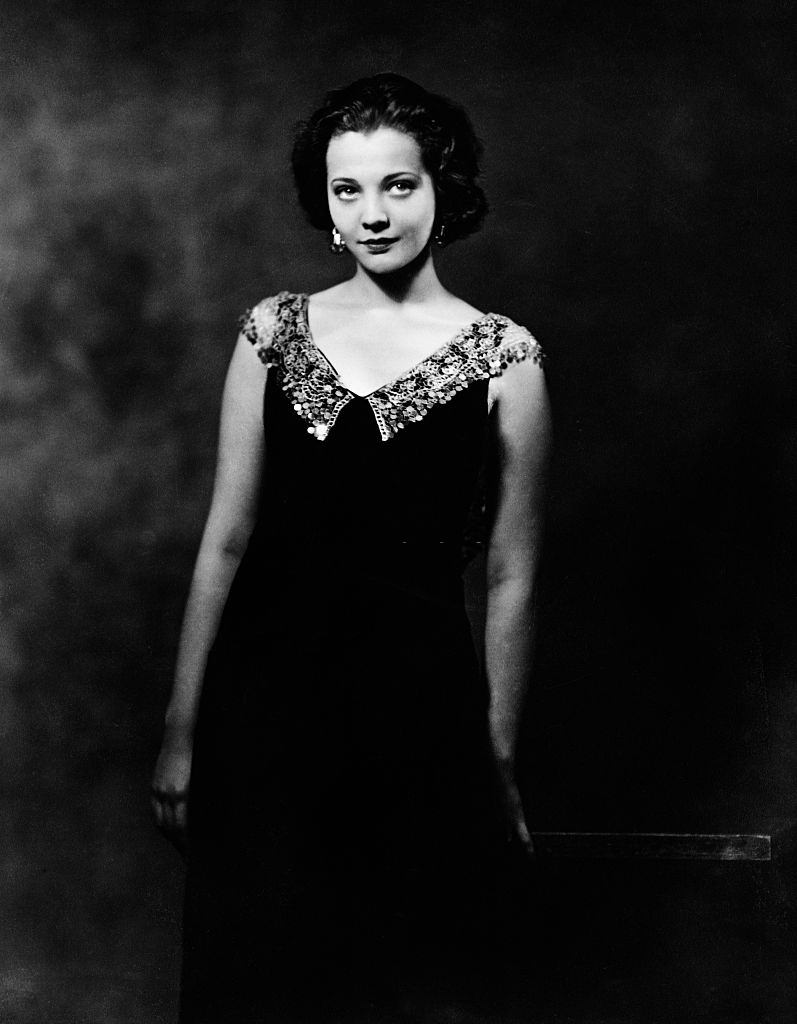
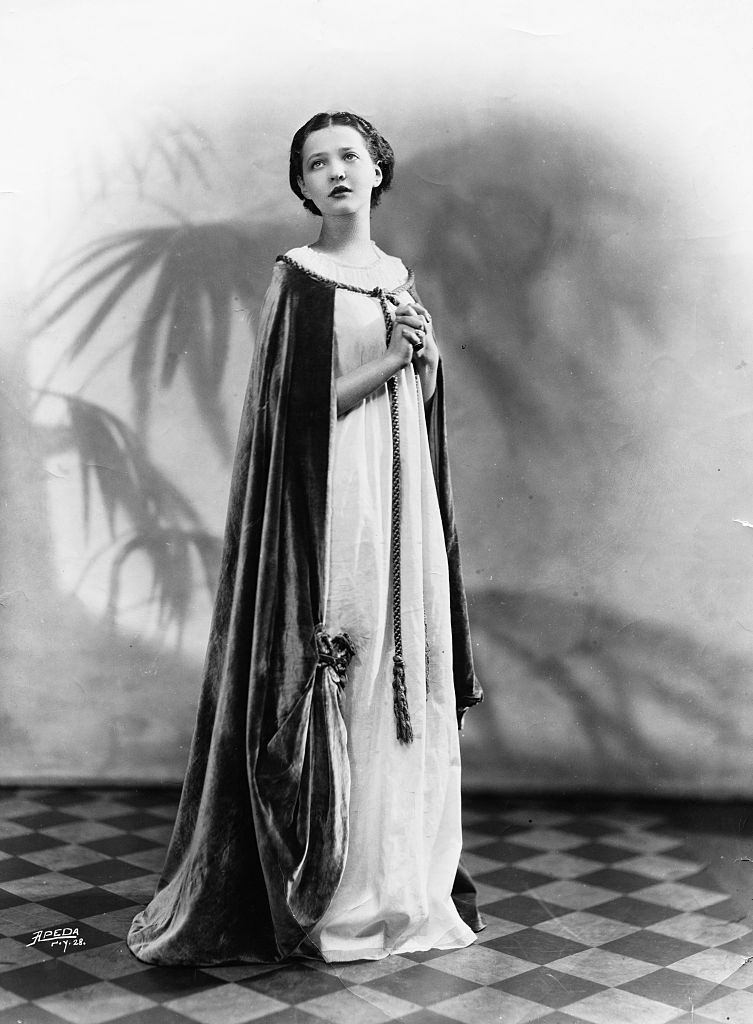
Her early film work in 1928 placed her alongside established actors and gave her valuable experience in front of the camera. Productions like ‘Thru Different Eyes’ showed Sidney holding her own in proper film roles, even as she was still developing her craft. The late 1920s were formative years — she was absorbing everything the industry had to teach her.
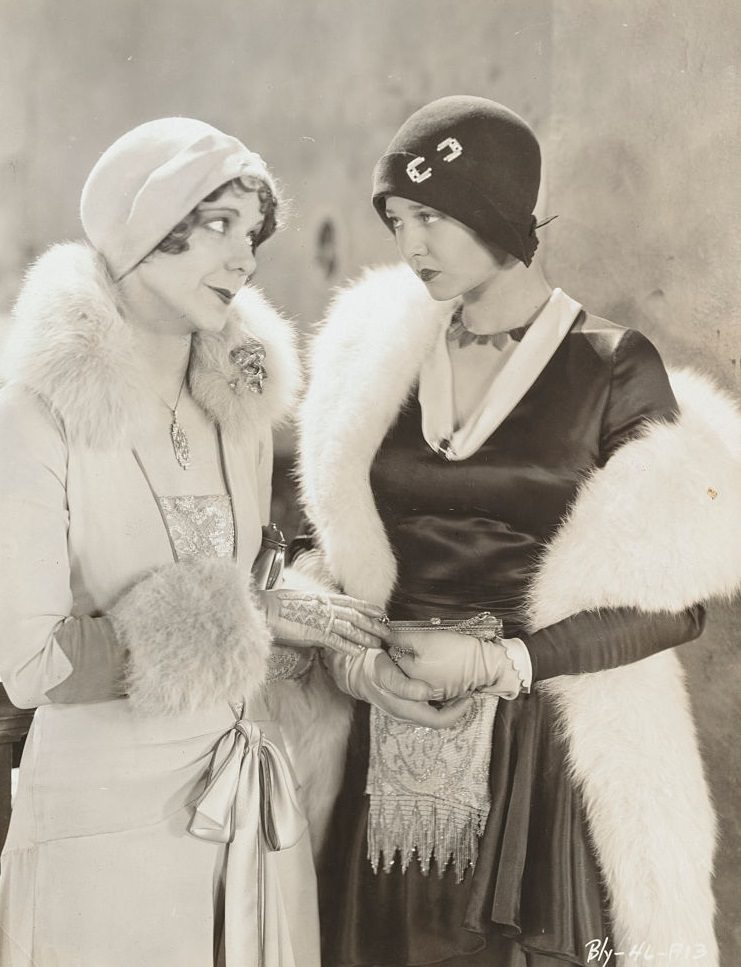
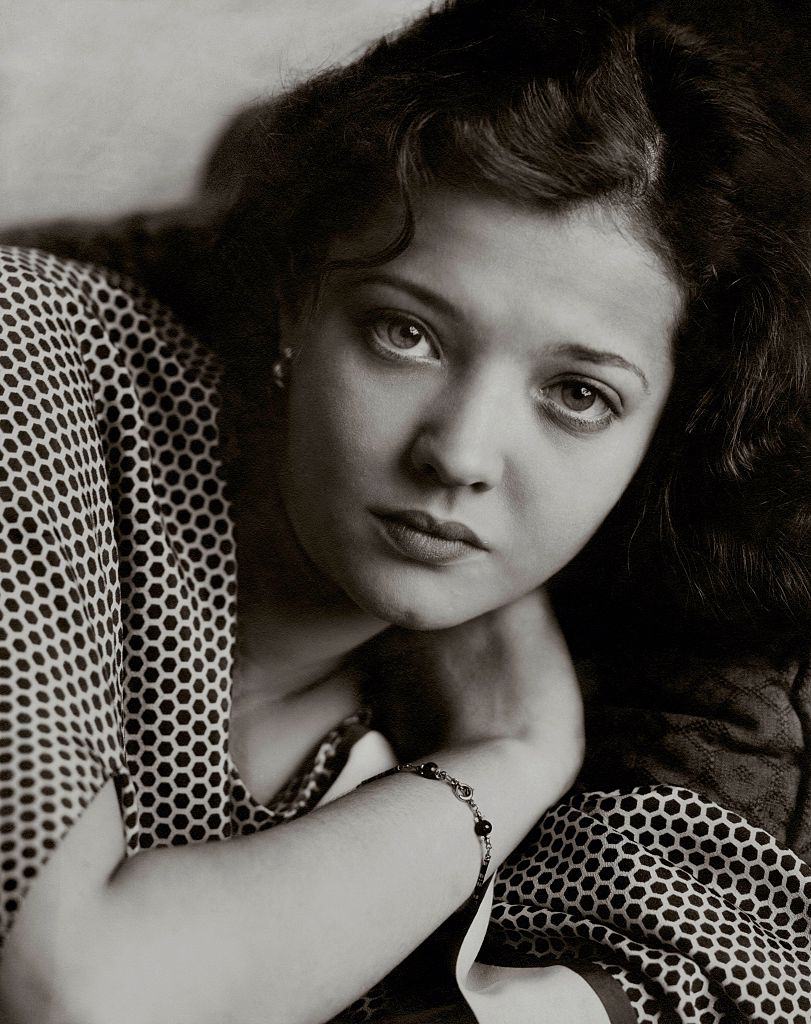
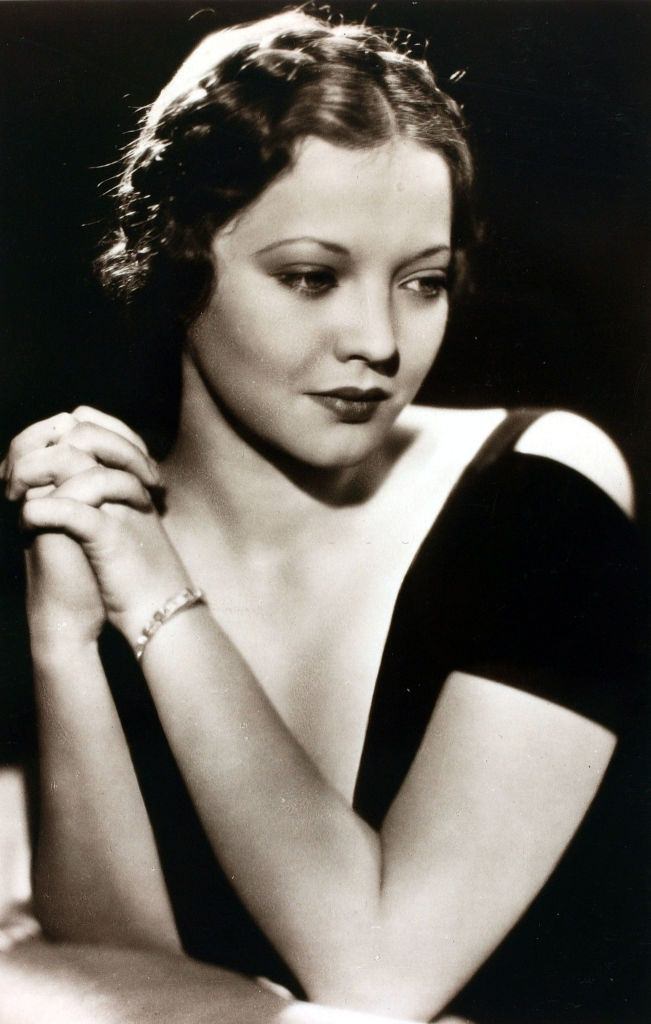
By 1930, Sidney was a recognizable name in Hollywood. She appeared in studio productions alongside some of the biggest stars of the era, including Gary Cooper. Her looks — dark hair, wide eyes, and an expressive face — made her a natural fit for the dramatic roles that dominated early sound-era cinema. Audiences responded to her warmth and intensity in equal measure.
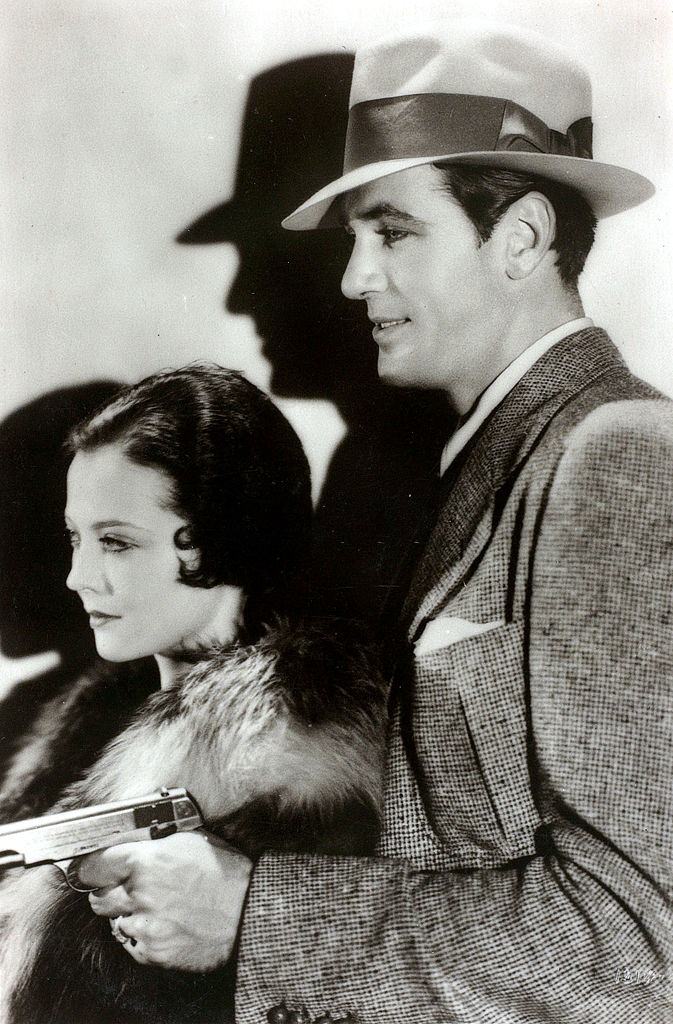
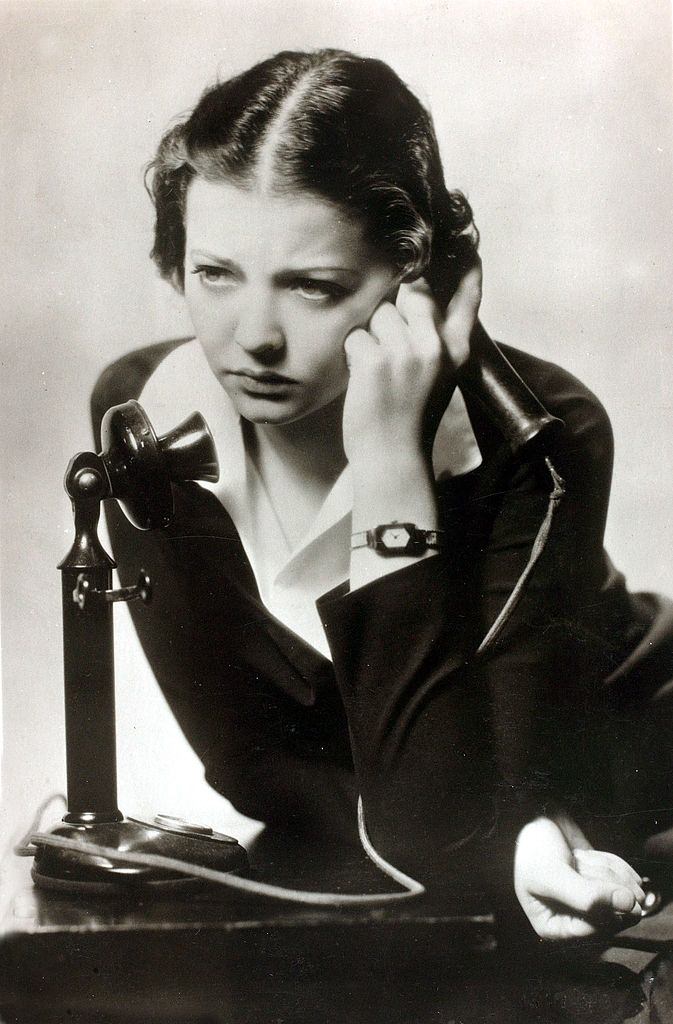
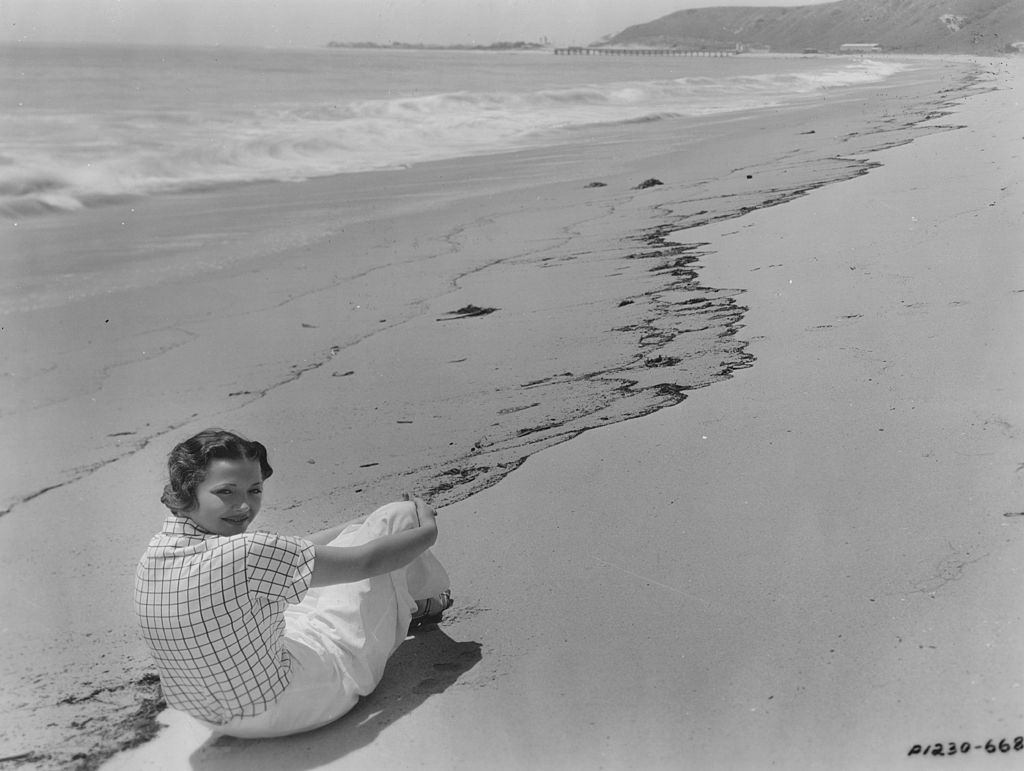
In 1931, Sidney appeared in ‘An American Tragedy,’ one of the most talked-about films of the year. Directed by Josef von Sternberg, the film was a serious dramatic production, and Sidney’s performance anchored it. Her portrayal of a vulnerable young woman caught in tragic circumstances was exactly the kind of emotionally charged work she excelled at. That same year, she took on the prison drama ‘Ladies of the Big House,’ further cementing her reputation as one of the screen’s most committed dramatic actresses.
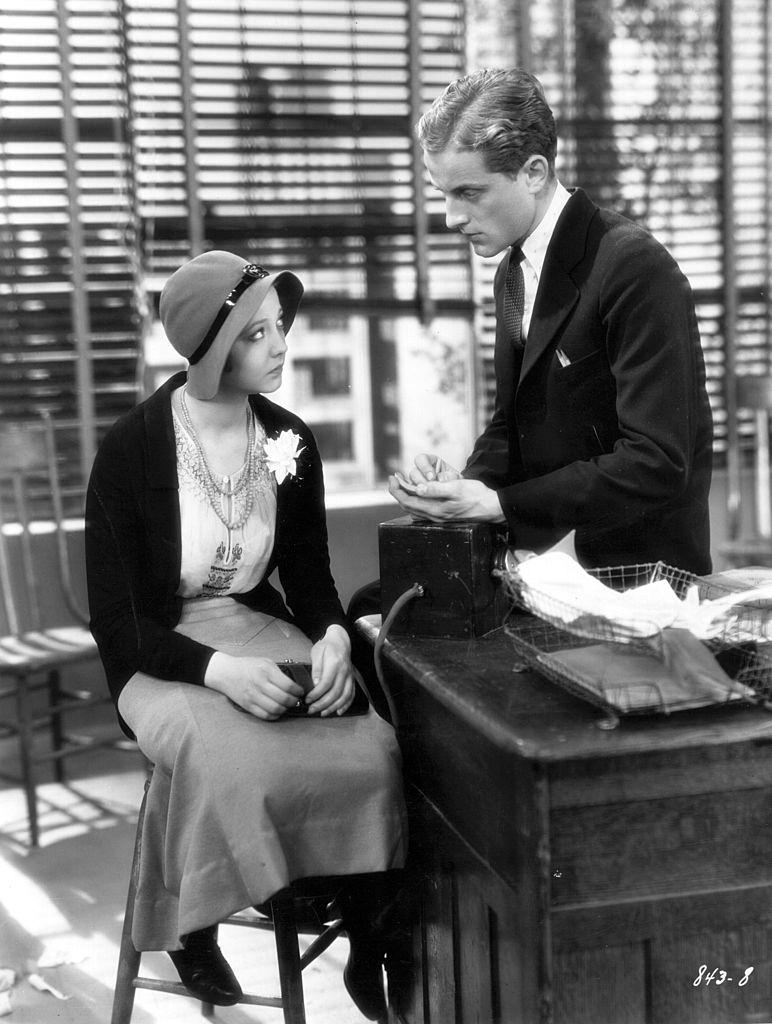
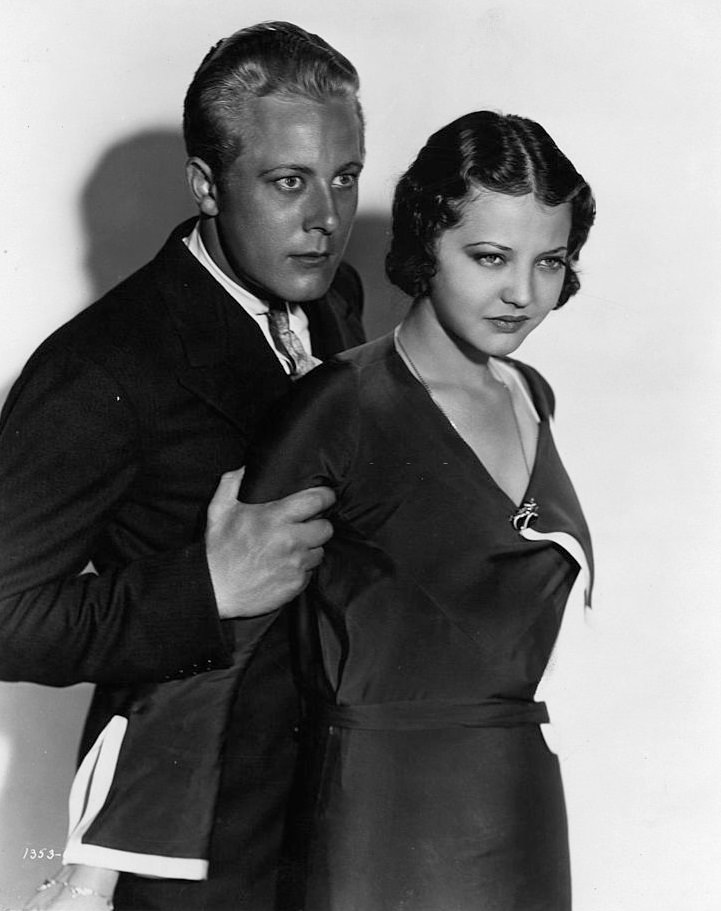
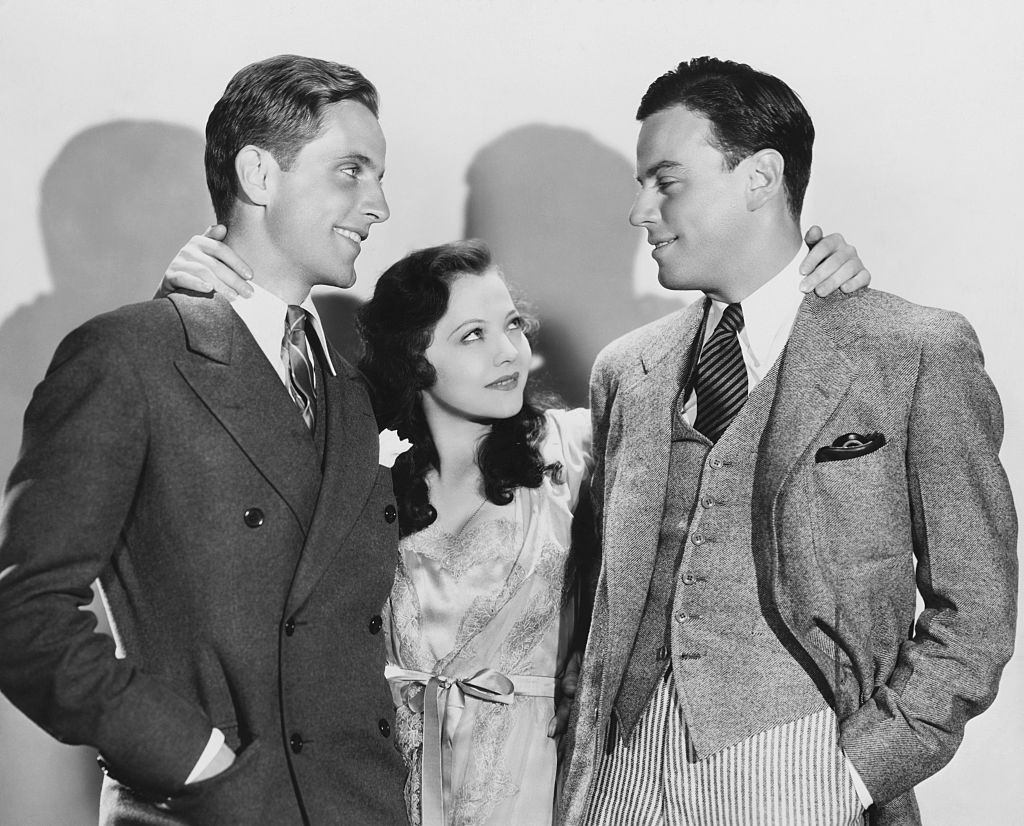
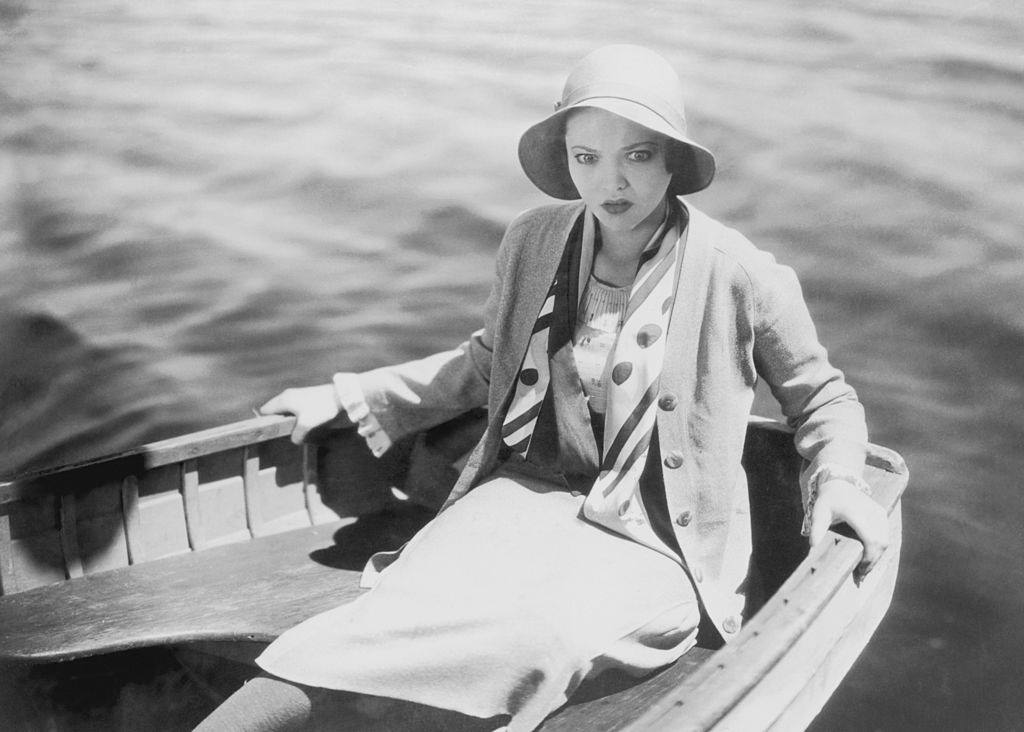
Throughout this period, Sidney was frequently cast as a suffering or victimized character. Her naturally moist, expressive eyes made her convincing in tearful scenes, and studios leaned into that quality heavily. The result was a pattern of roles that, while well-received, began to typecast her. She played the downtrodden woman so convincingly and so often that audiences and casting directors started to see her in no other light. She later worked to break out of that mold, deliberately seeking out roles with more range and grit.
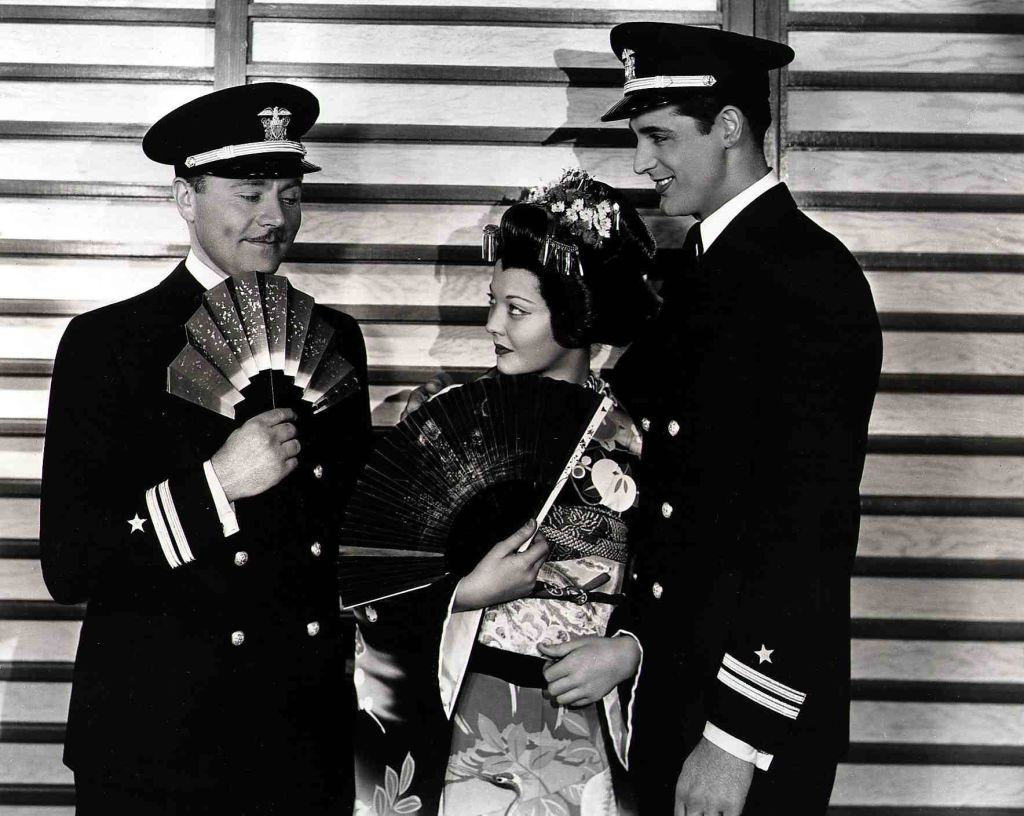
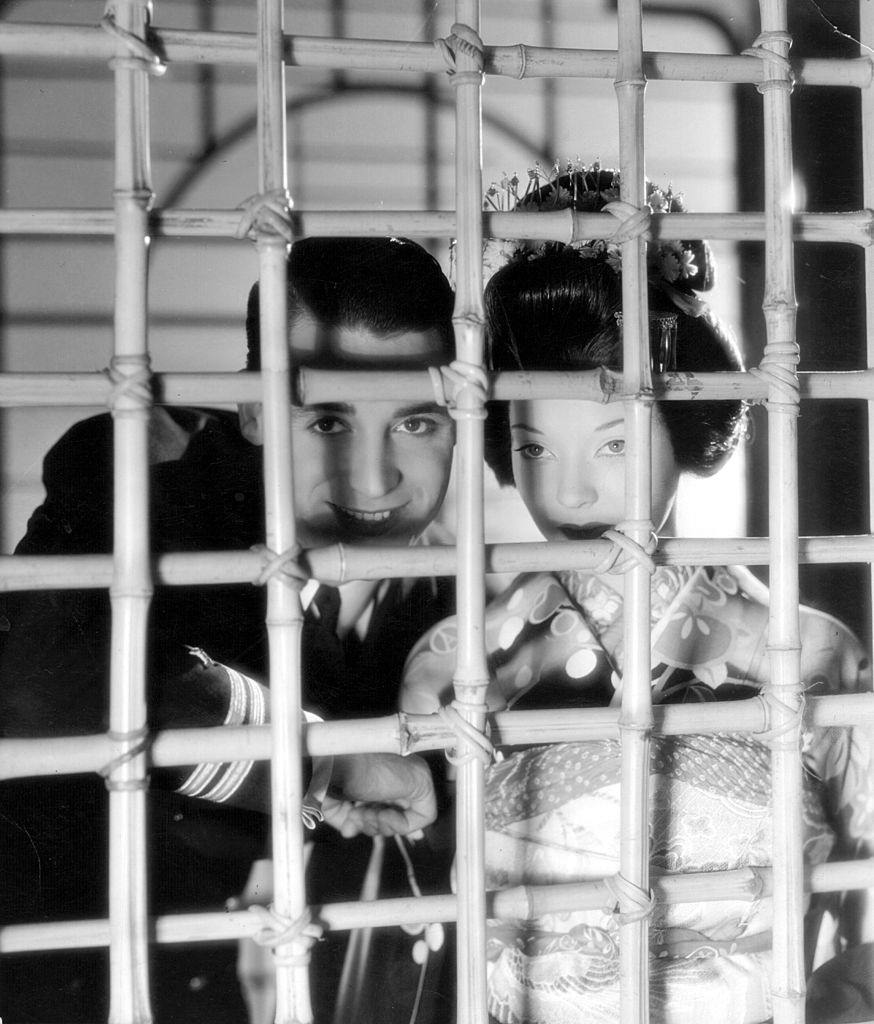
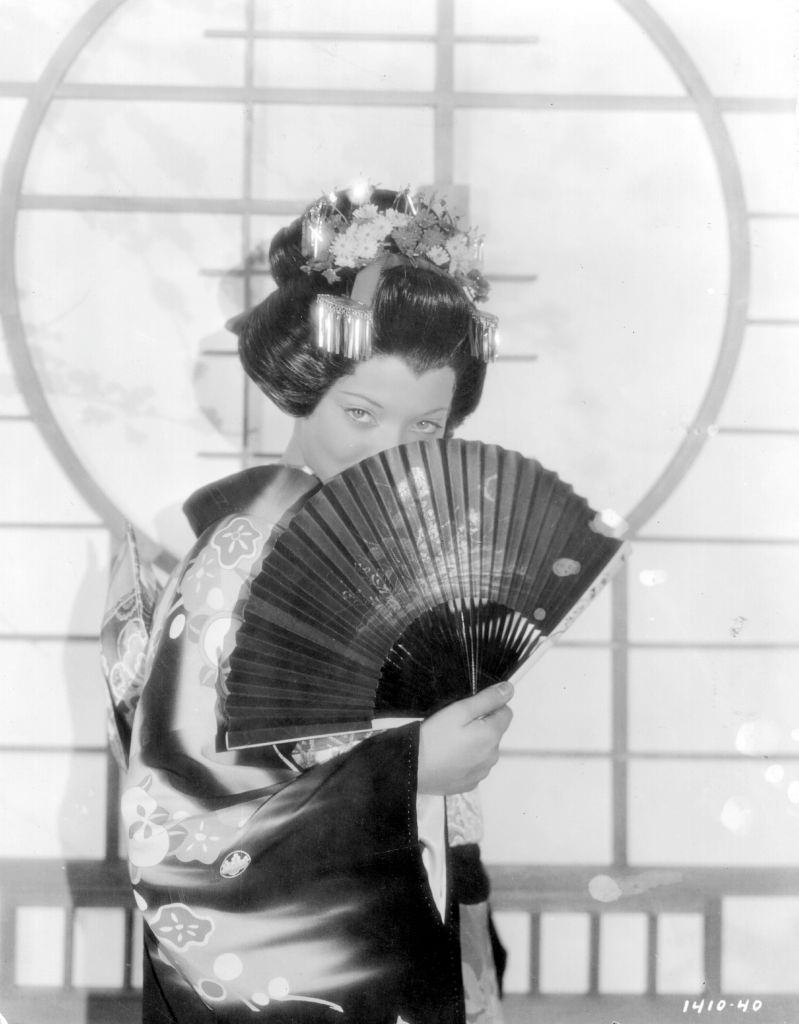
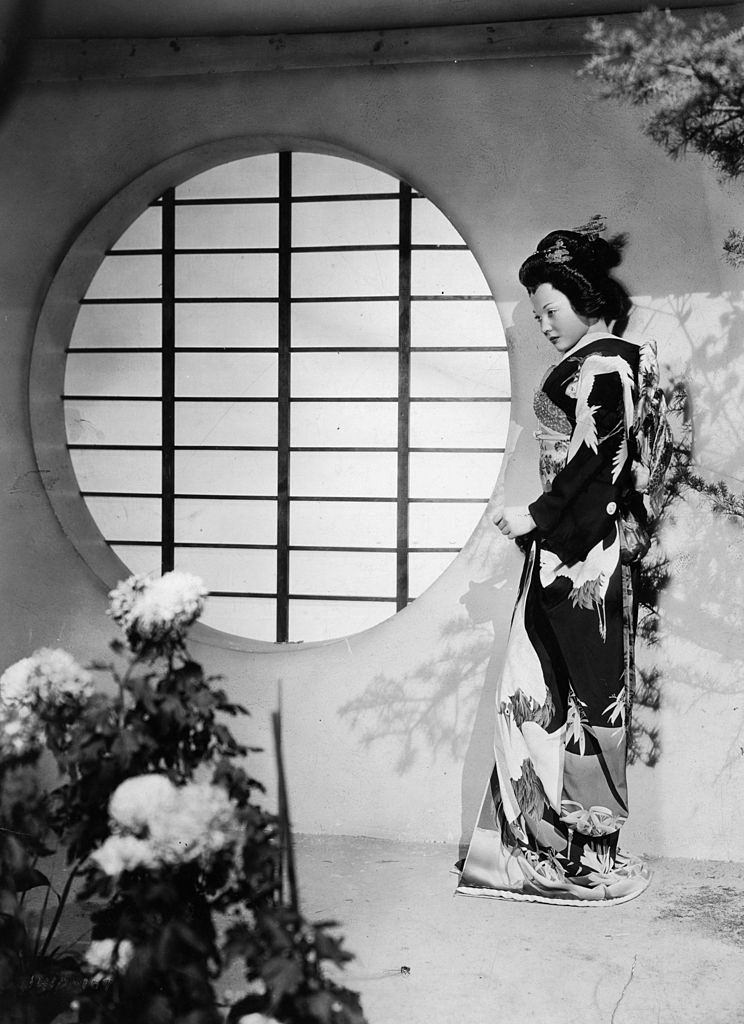
In 1932, Sidney took on one of her most ambitious roles — Cho Cho San in Paramount’s adaptation of ‘Madame Butterfly,’ opposite Cary Grant. The role demanded emotional depth and physical transformation, both of which she delivered. Playing a Japanese woman waiting faithfully and tragically for a man who would never return, Sidney brought genuine pathos to the screen. The film was a major studio production, and her performance kept her in the upper tier of Hollywood’s leading ladies.
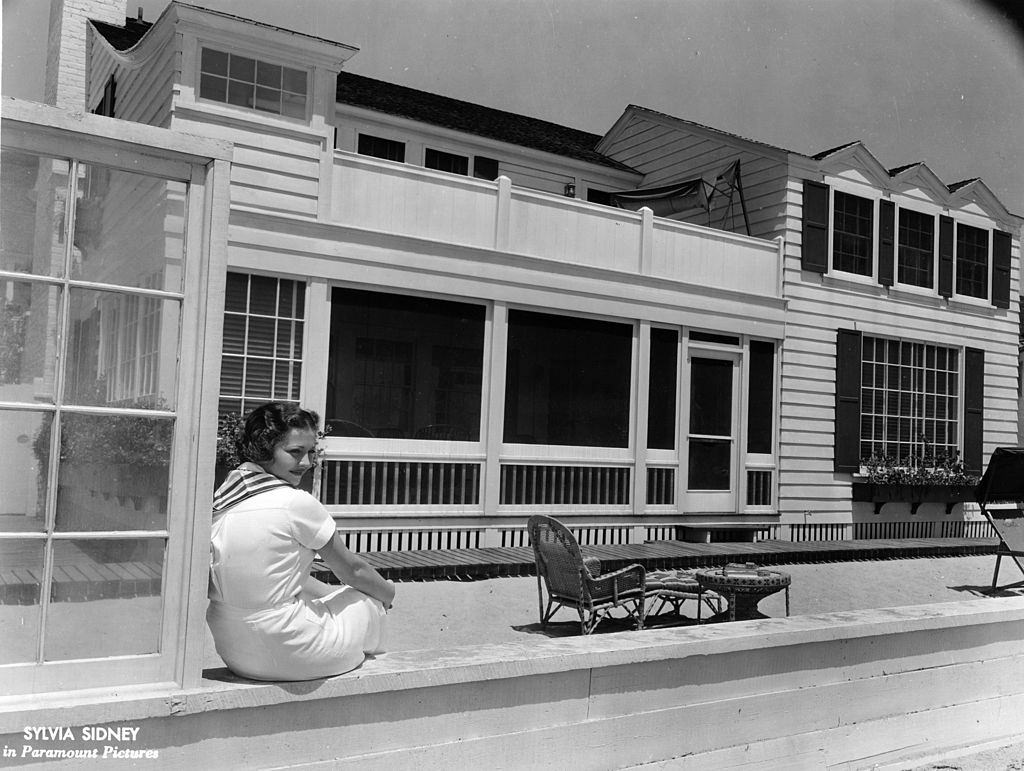
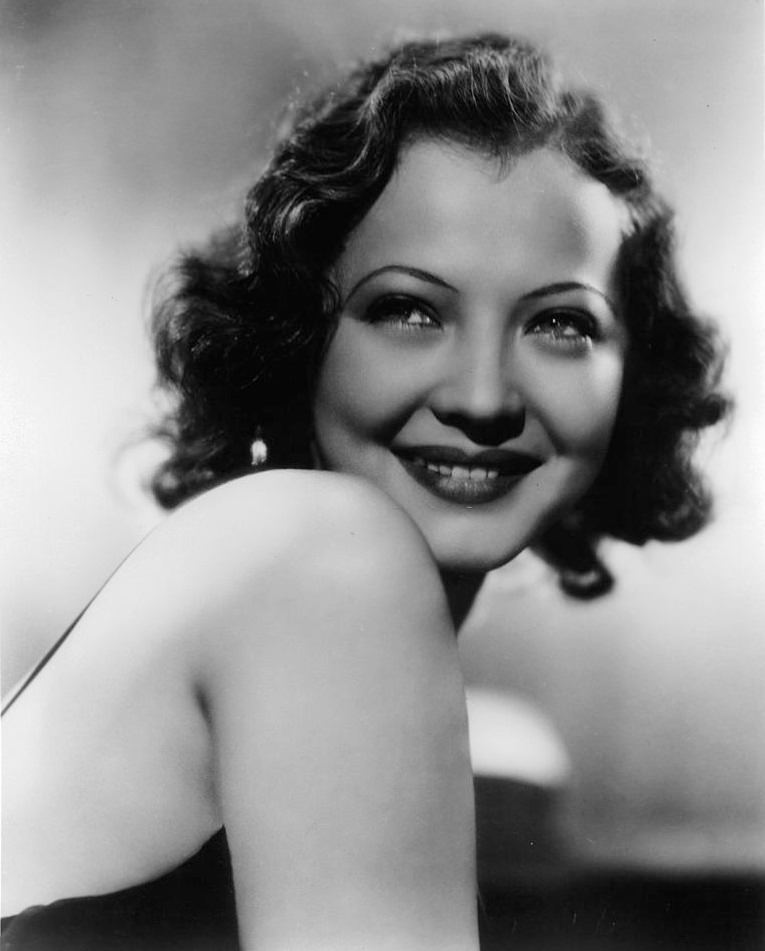
By 1933, Sidney was one of the most photographed and profiled actresses in Hollywood. She appeared in multiple films that year, including ‘Pick-Up’ with George Raft and ‘Jennie Gerhardt,’ in which she played a maidservant in the title role. Her screen pairings with Raft drew attention, and the films performed well at the box office. She was a reliable draw, and the studios kept her busy.
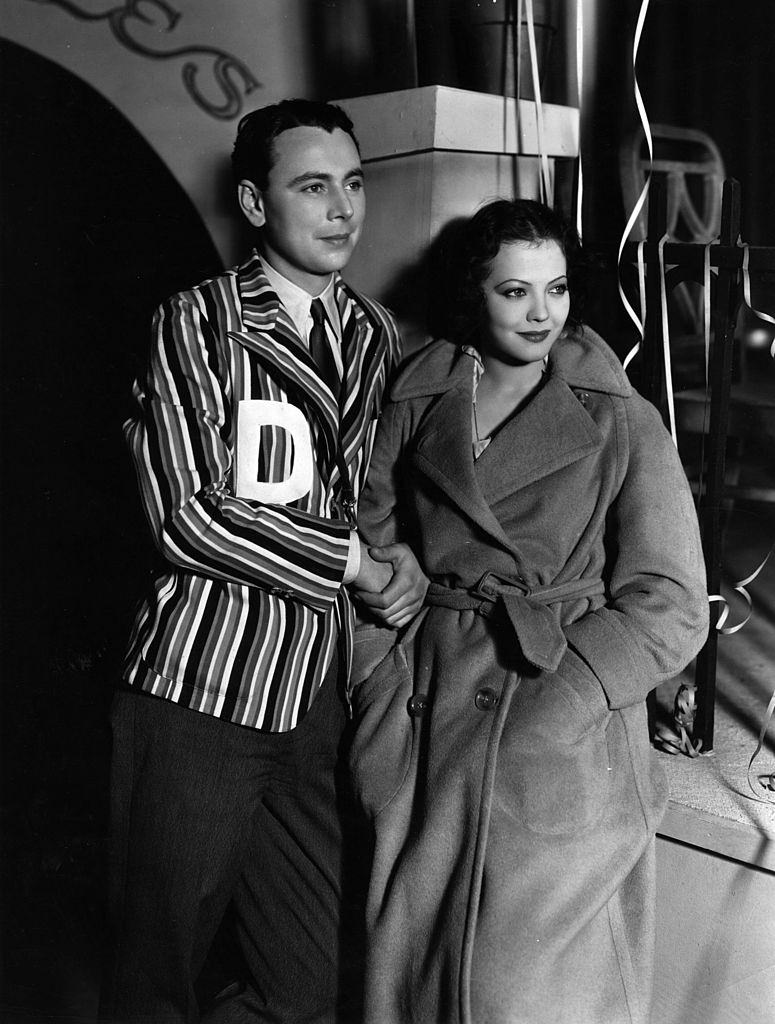
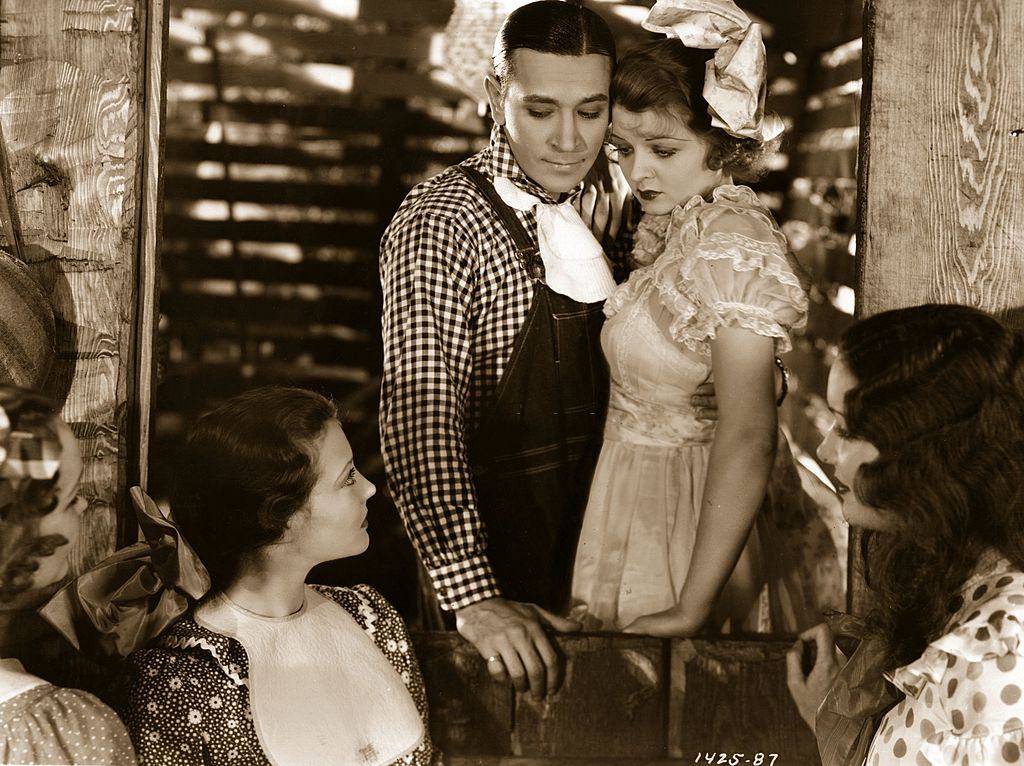
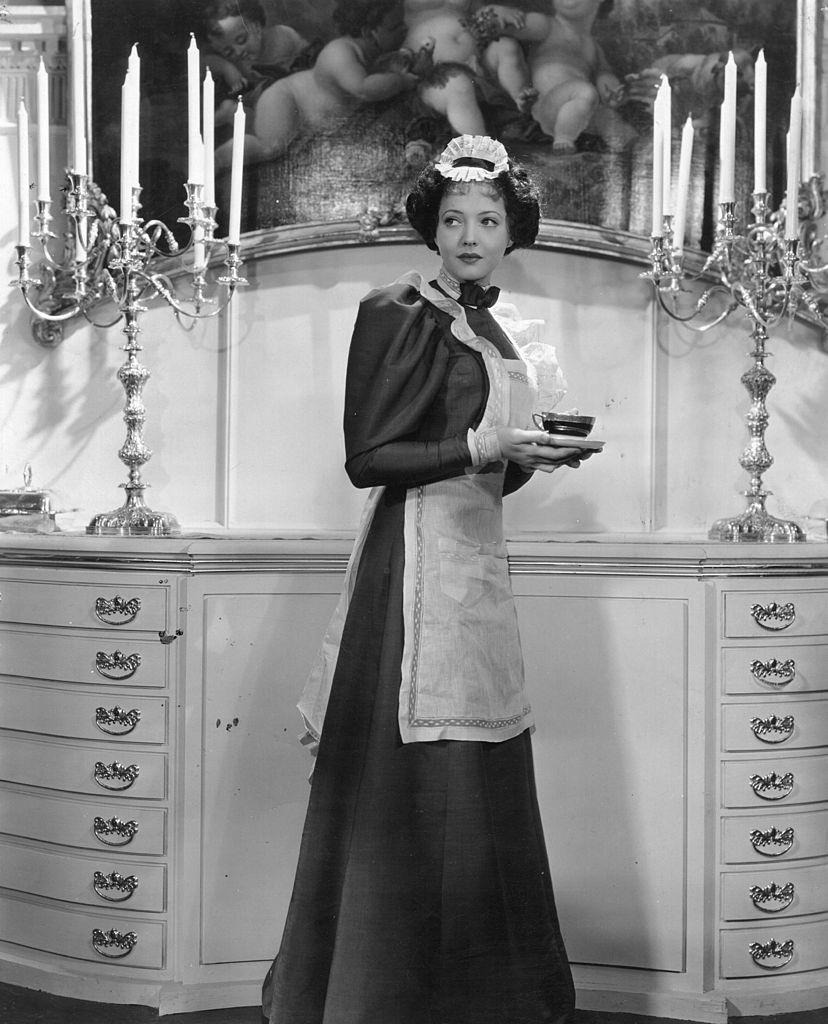
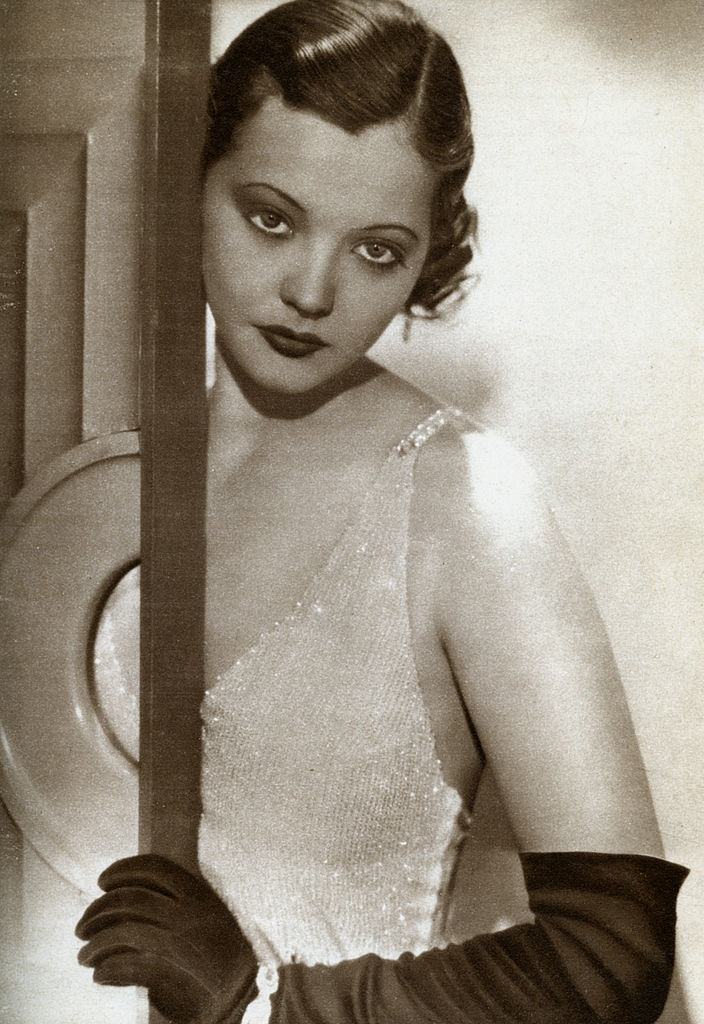
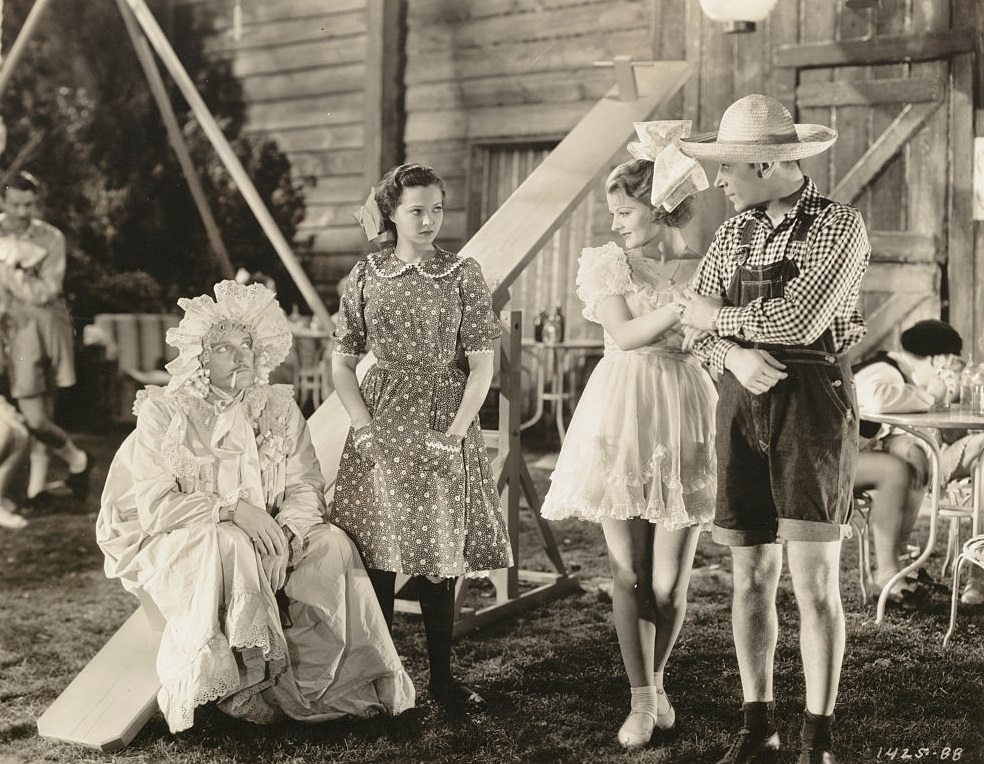
In 1934, Sidney continued her streak of high-profile films, starring alongside Cary Grant again in ‘Thirty-Day Princess.’ The film showed a lighter, more comedic side of her range — a deliberate shift from the heavy dramatic roles she had been carrying. That same year, she appeared in ‘Good Dame,’ playing Lillie Taylor, a role that gave her room to develop a more complex character. Sidney was thirty-one years old and finally receiving fair leading roles after years of building her reputation from the ground up.
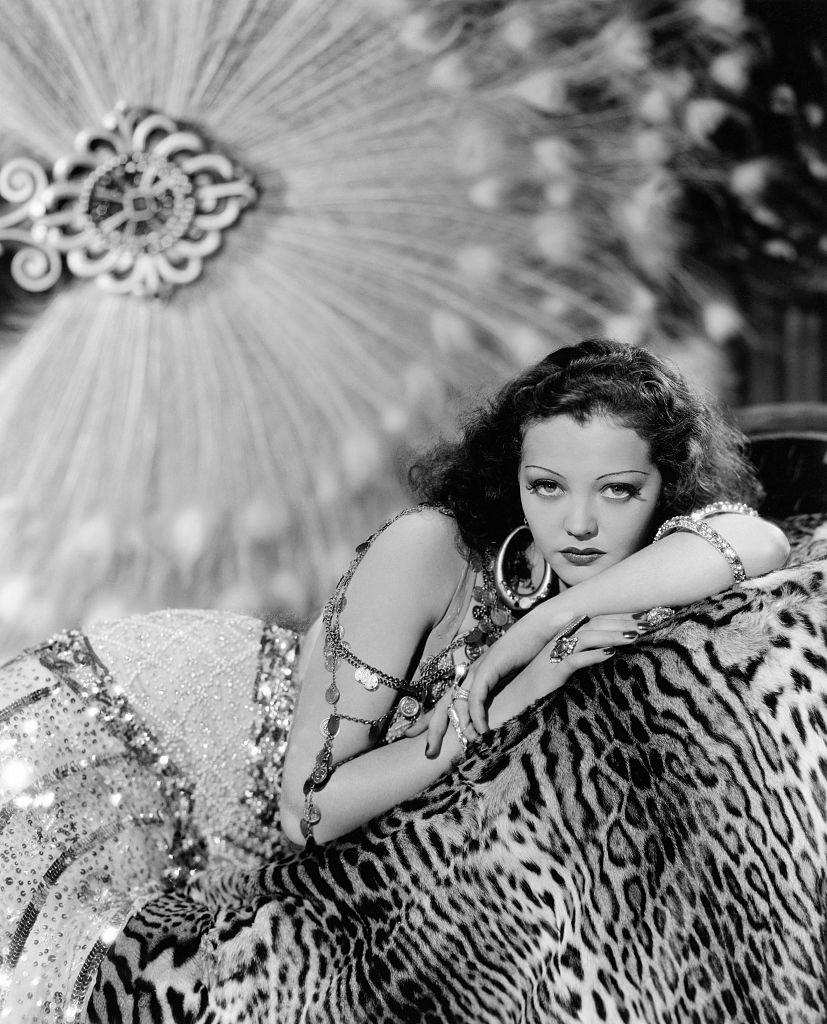
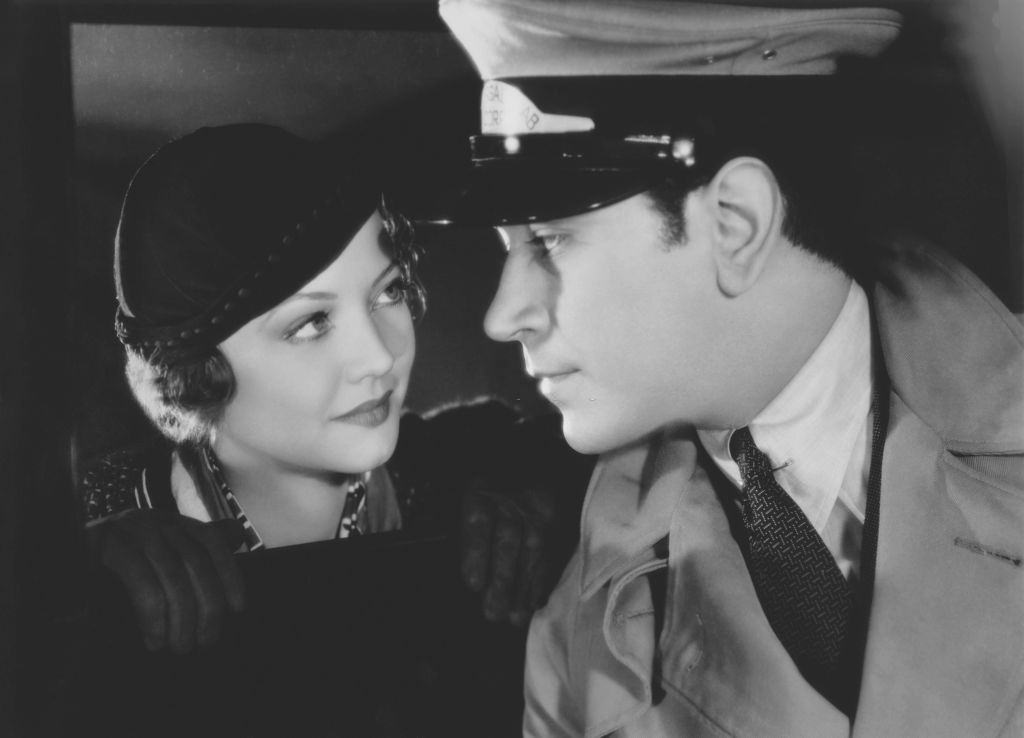
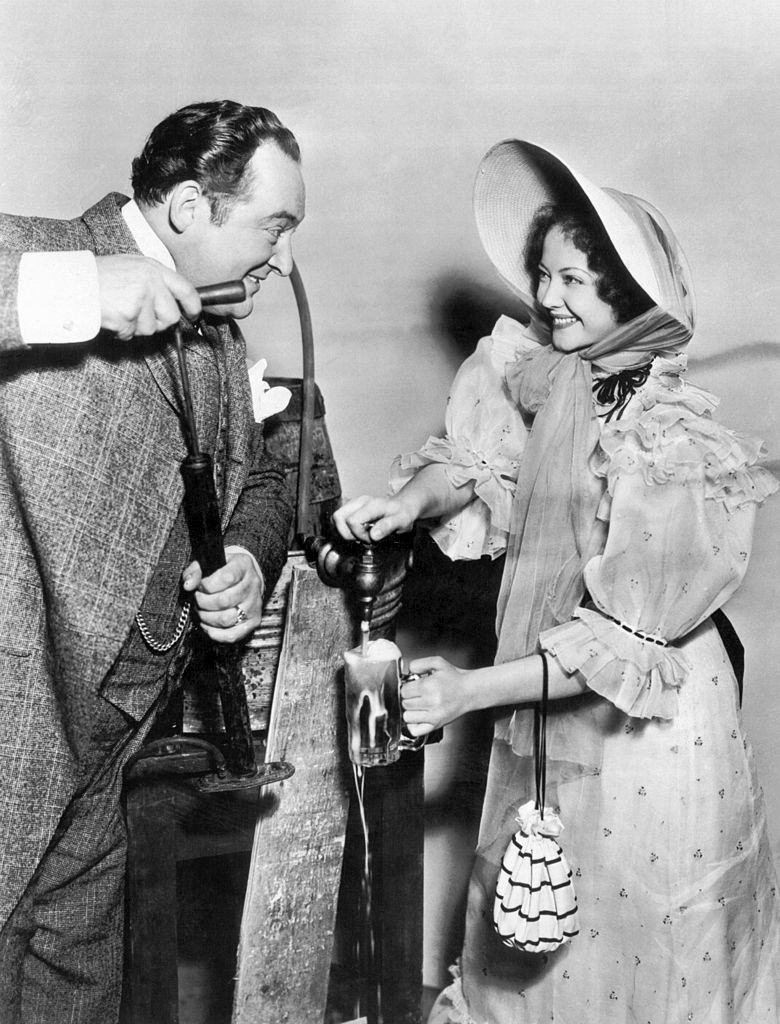
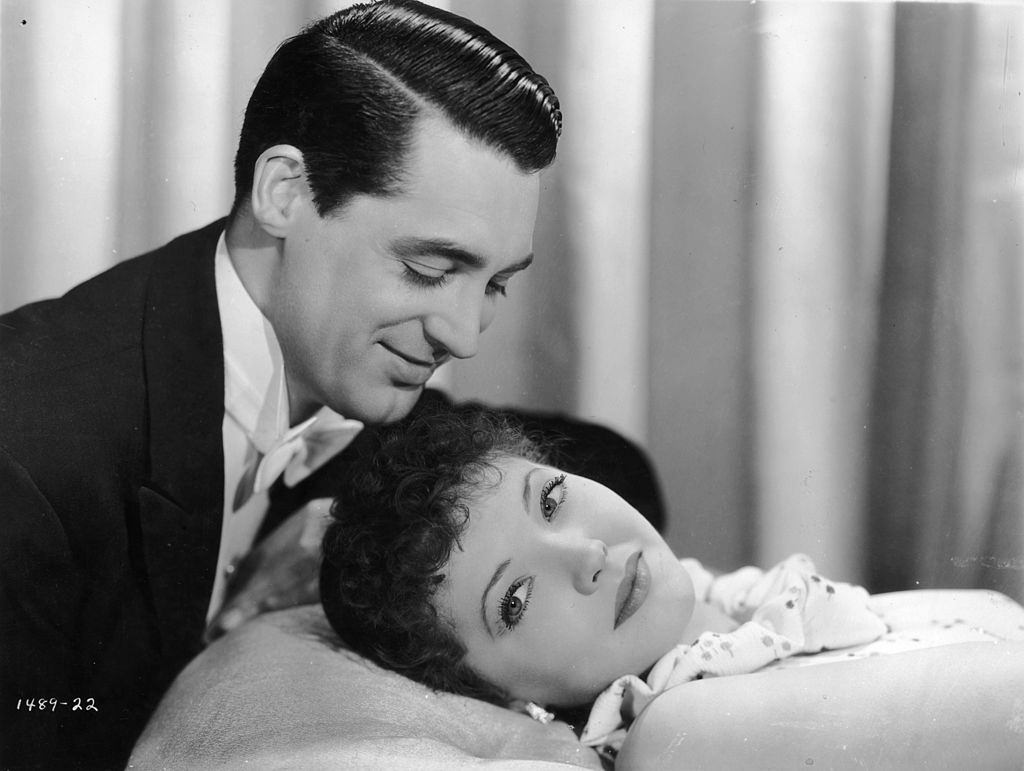
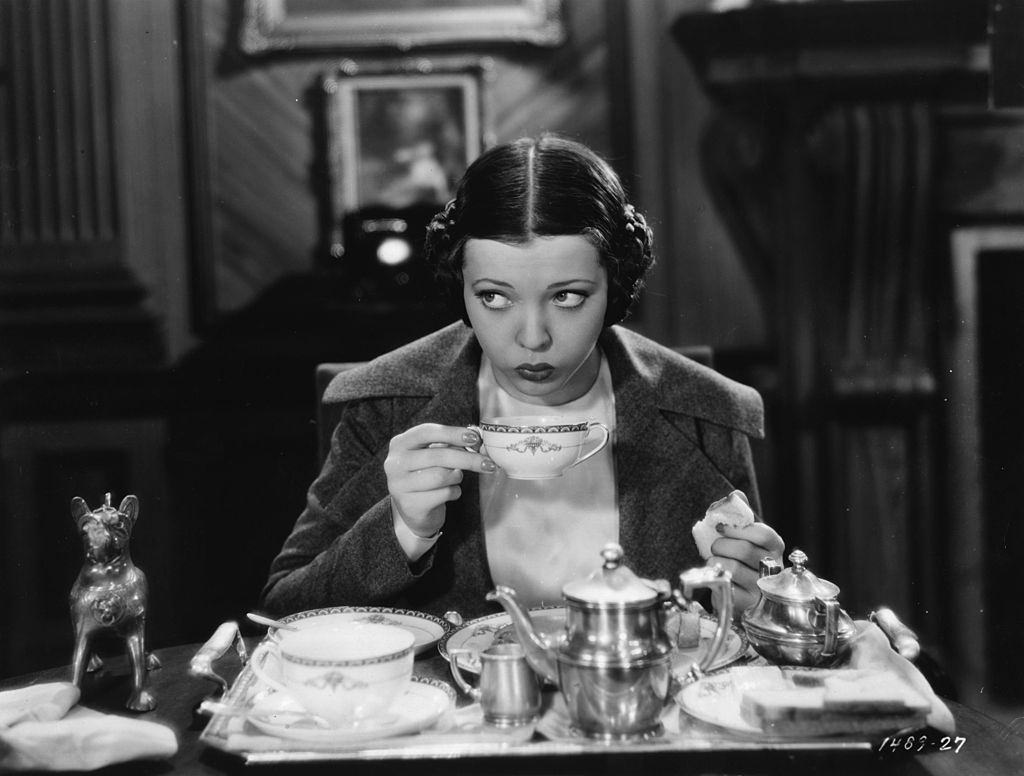
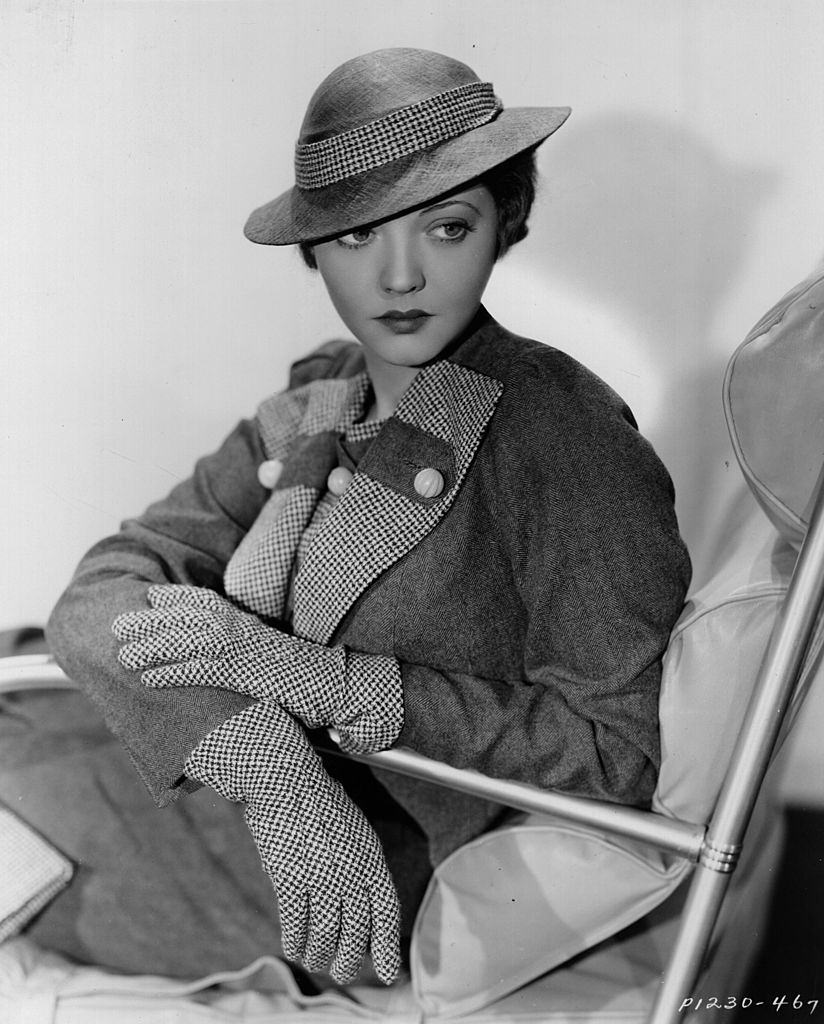
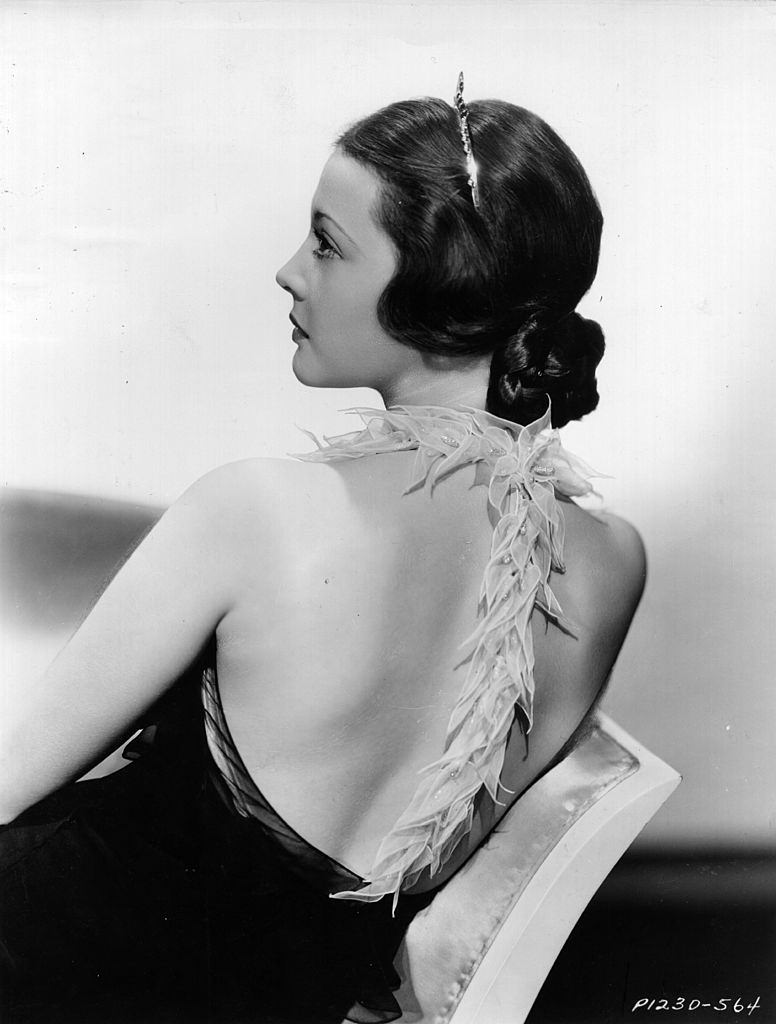
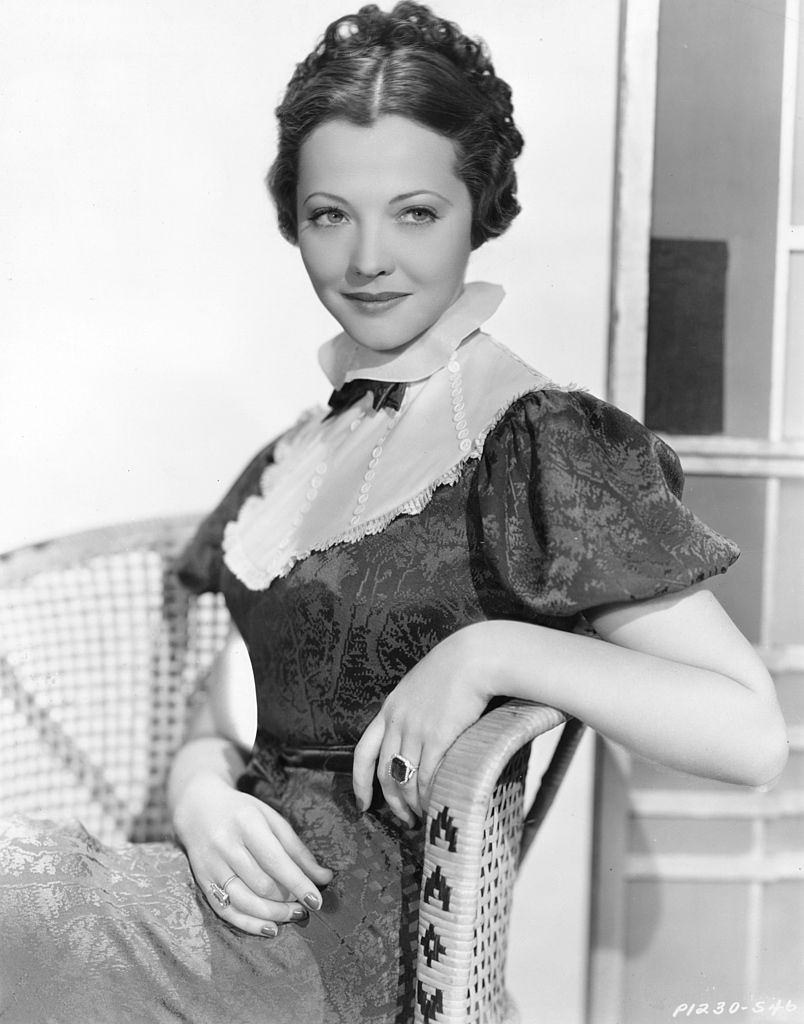
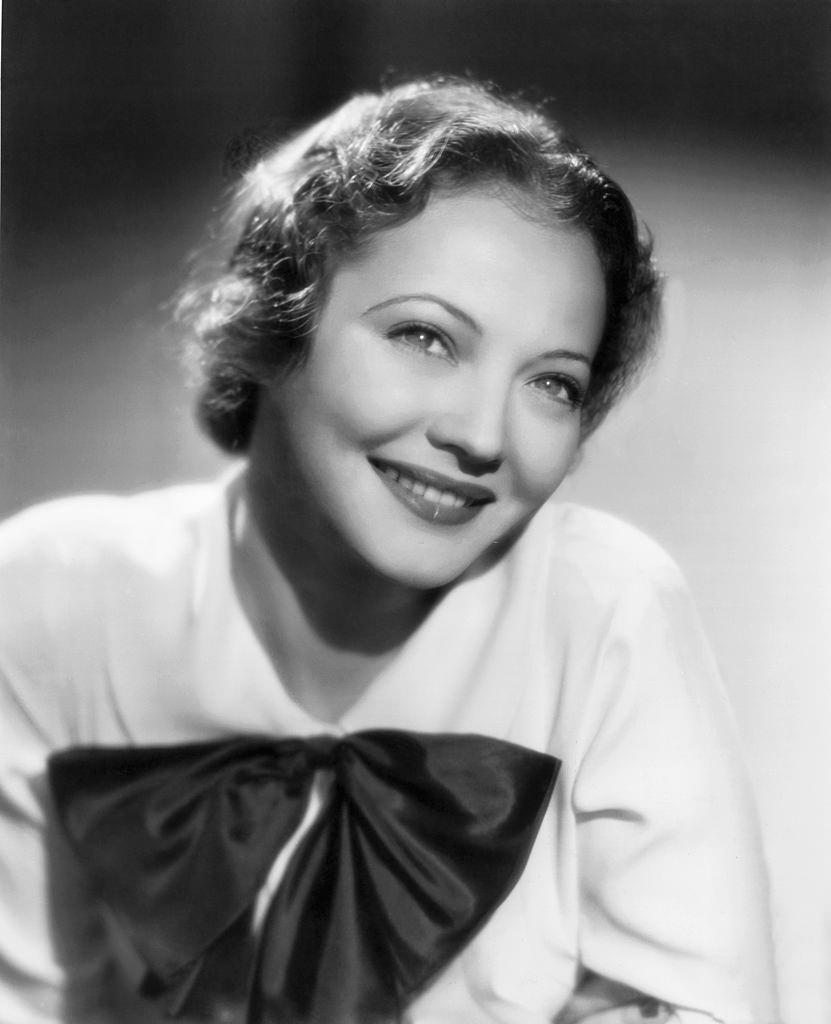
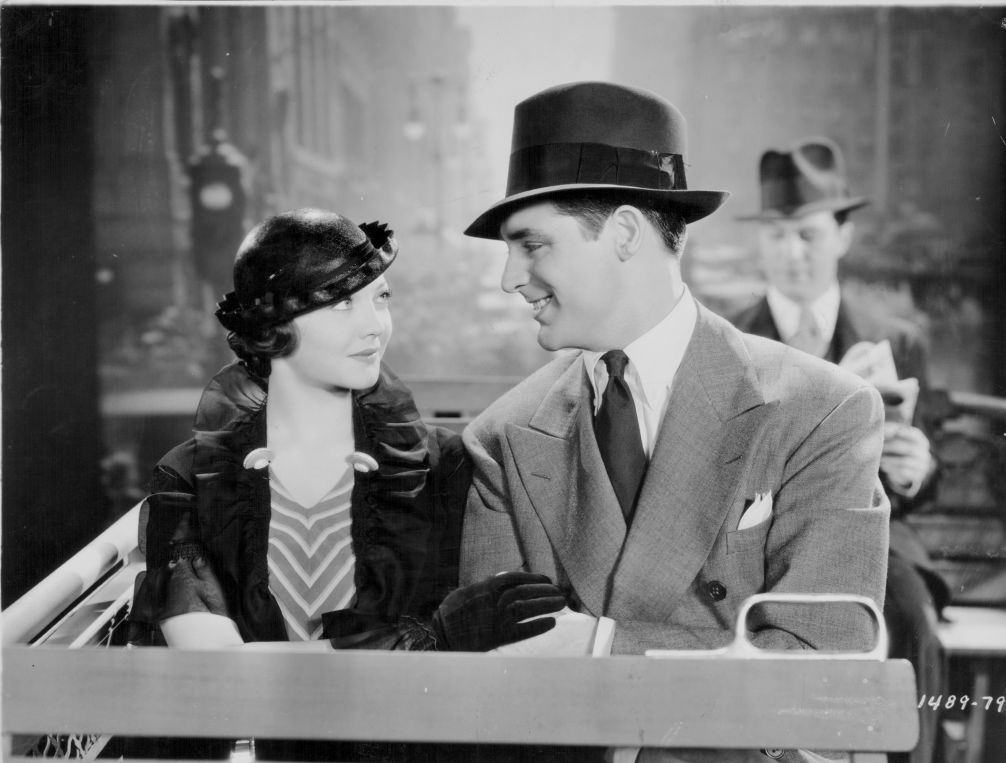
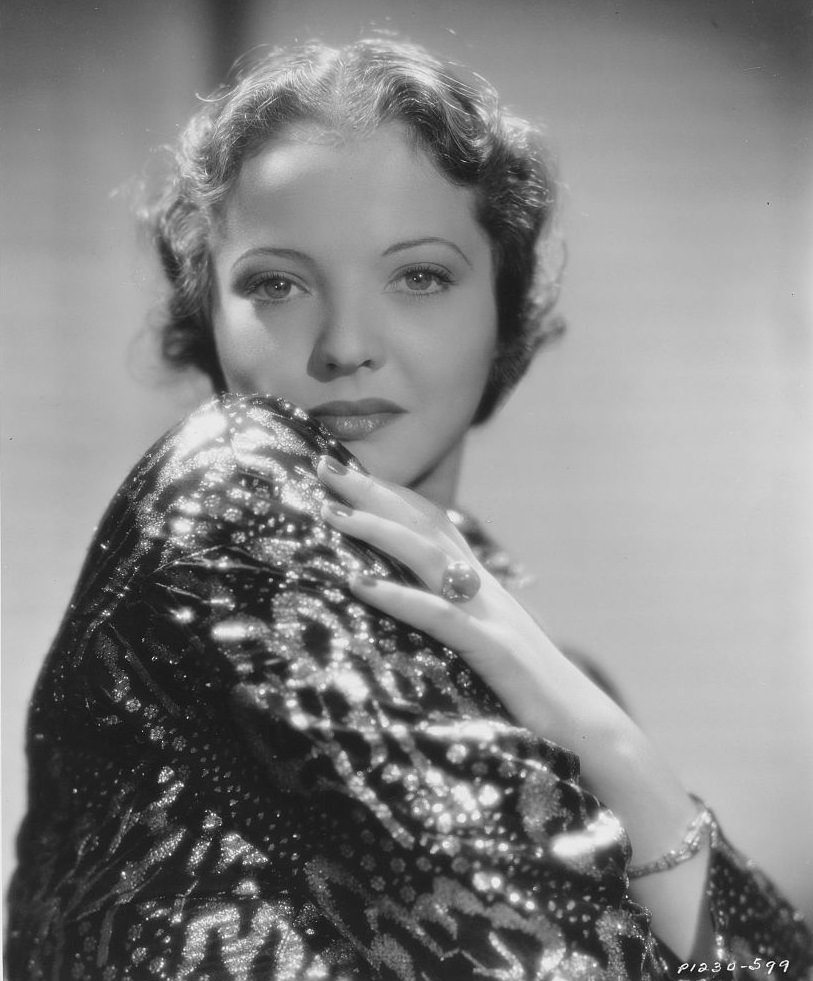
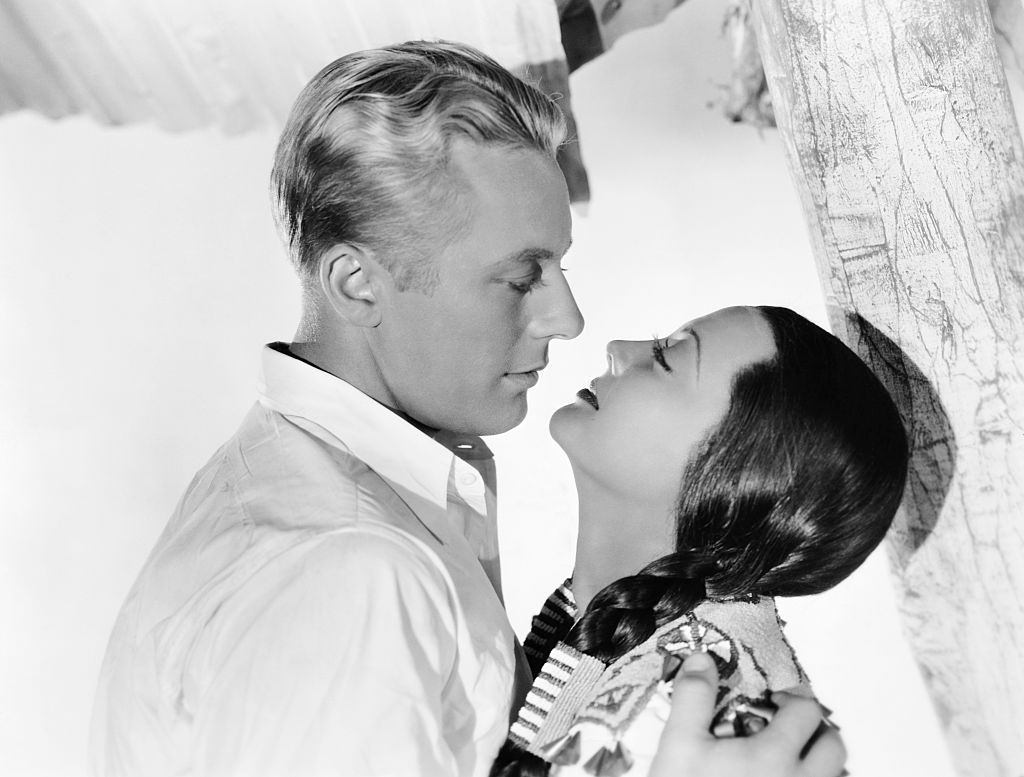
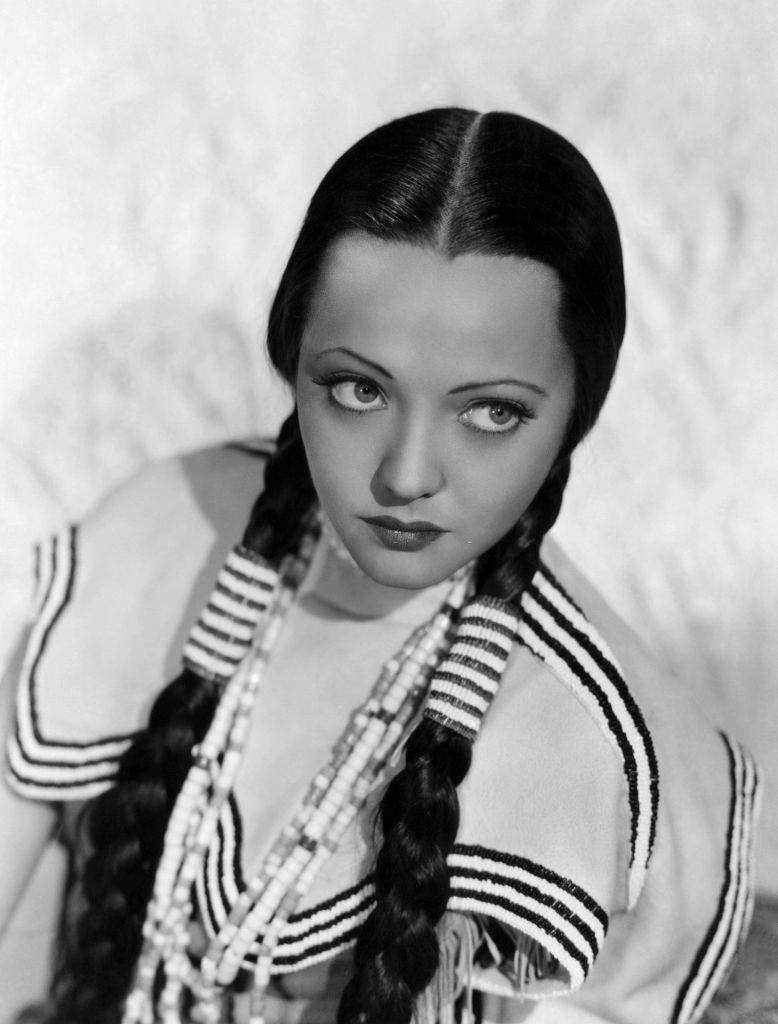
The year 1935 was a full one for Sidney both professionally and personally. On screen, she appeared in ‘Accent on Youth’ with Herbert Marshall and ‘Mary Burns Fugitive,’ continuing to demonstrate her dramatic range. Off screen, she married Bennett Cerf, the publisher and co-founder of Random House, that same year. The marriage lasted only a year before ending in divorce. Sidney’s personal life moved quickly — she would marry two more times before settling into a long period of independence.
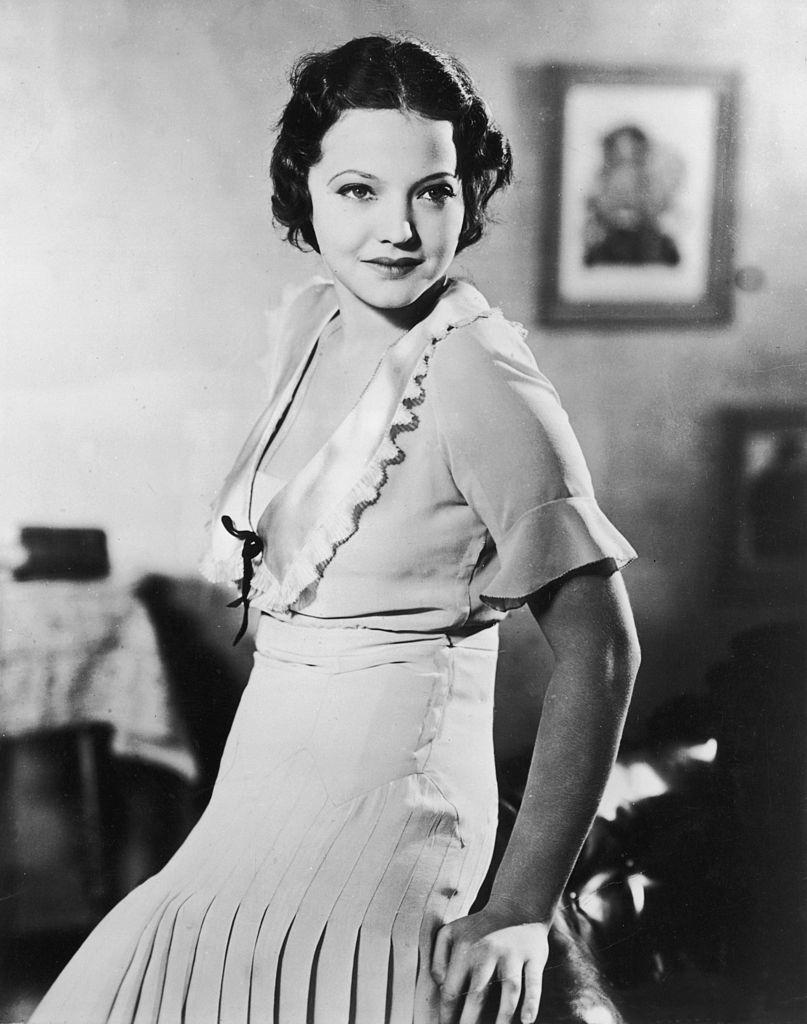
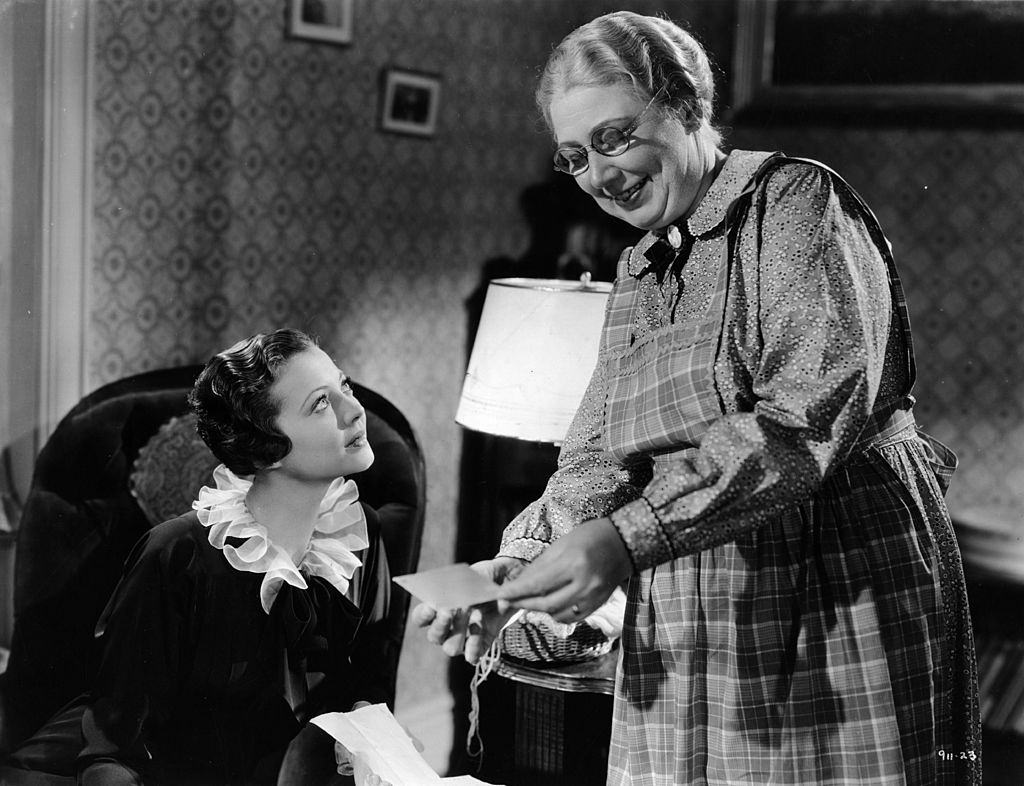
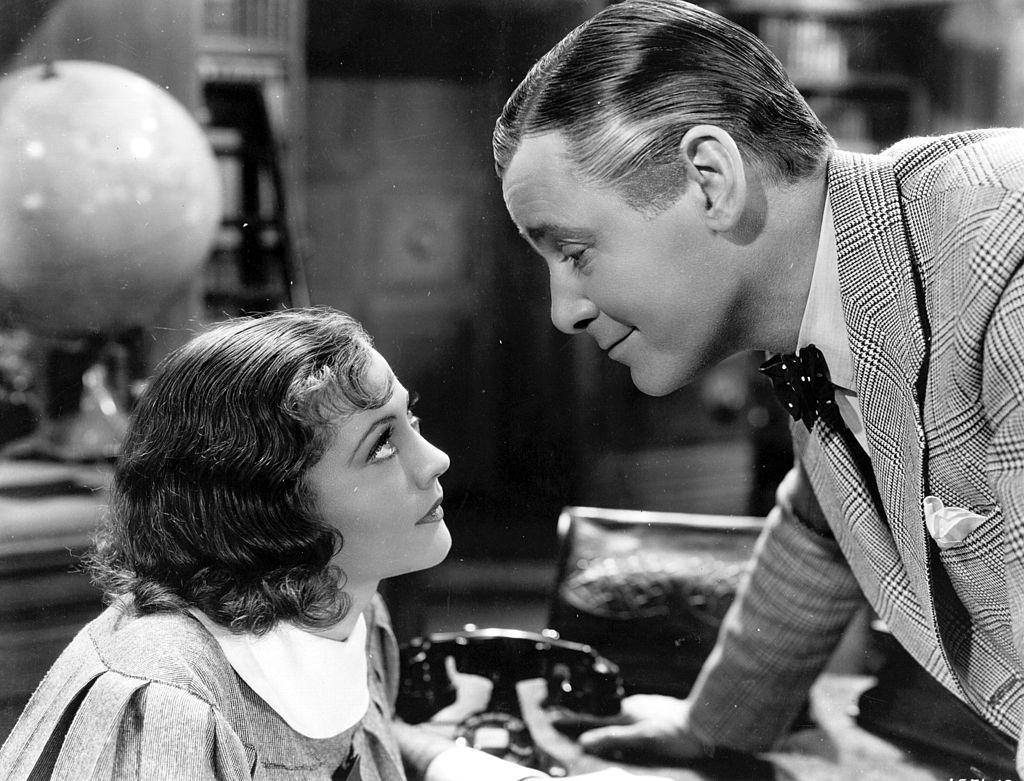
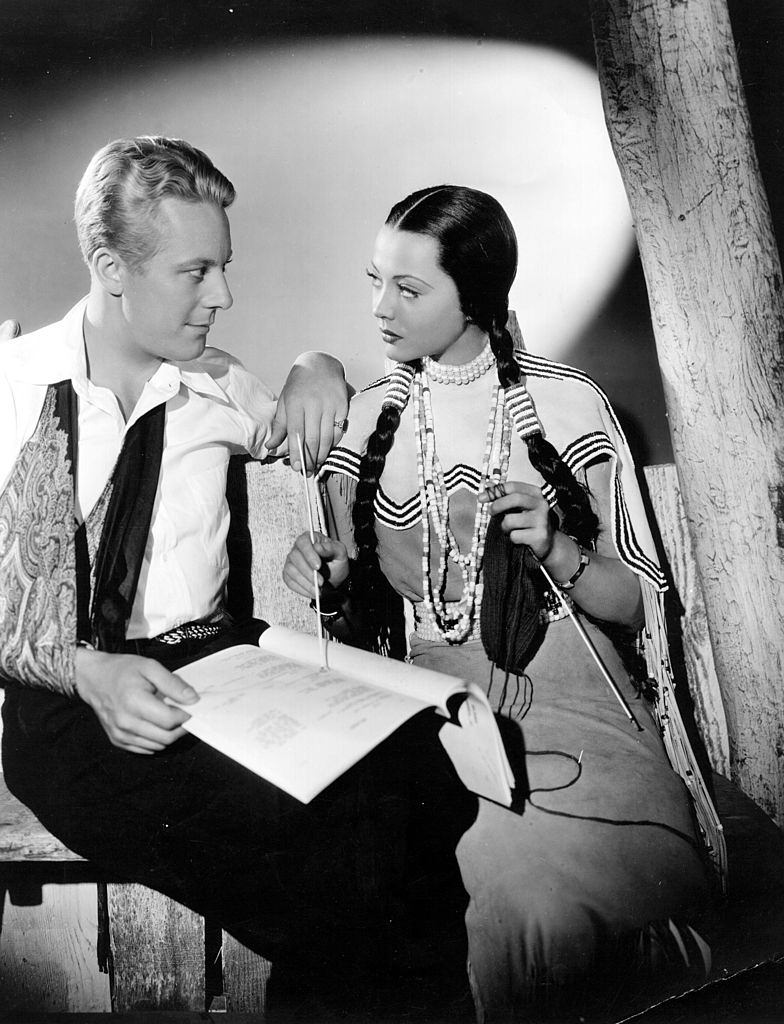
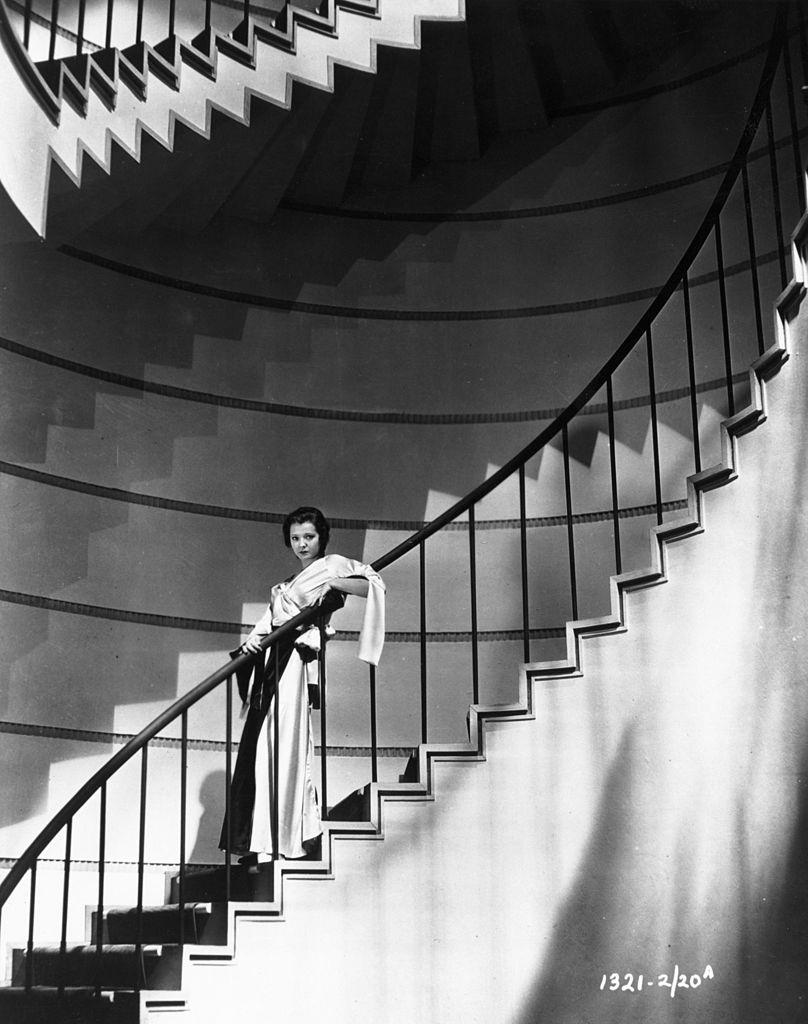
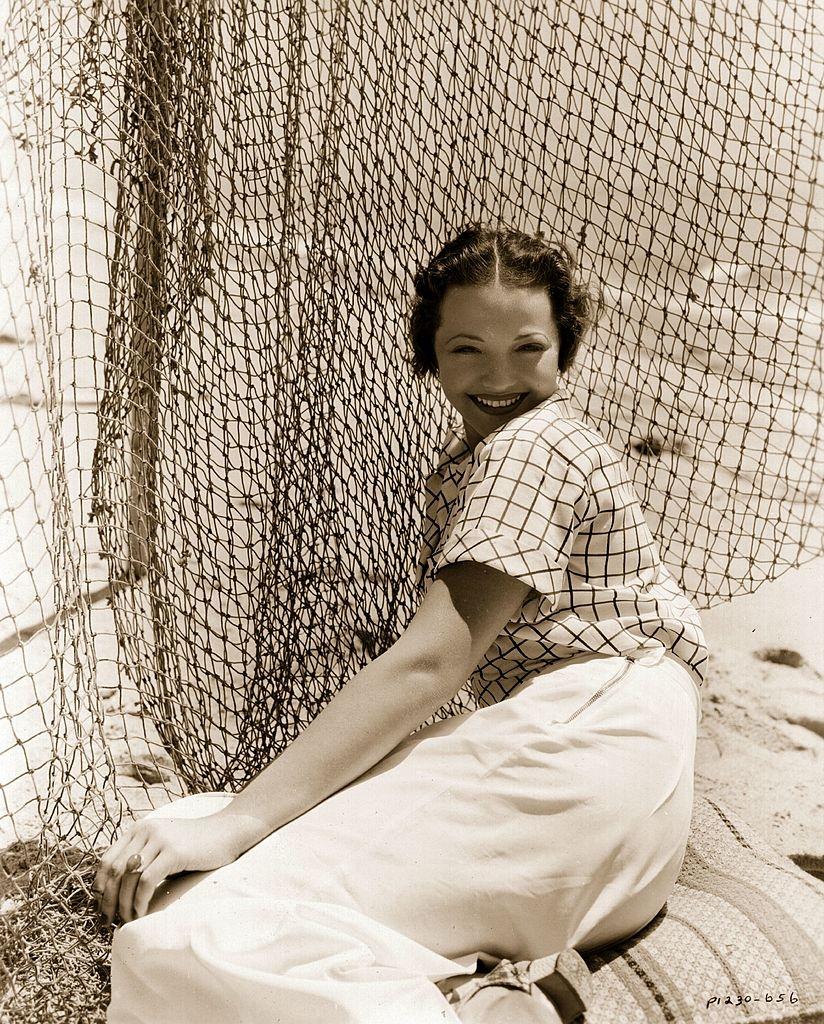
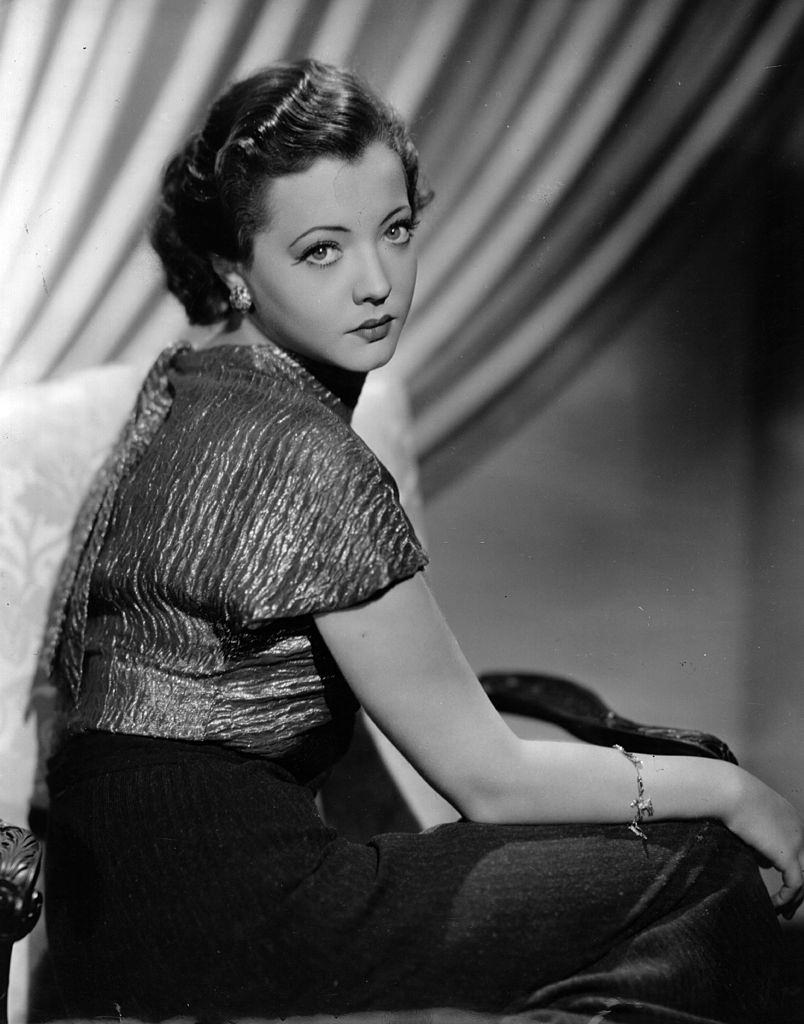
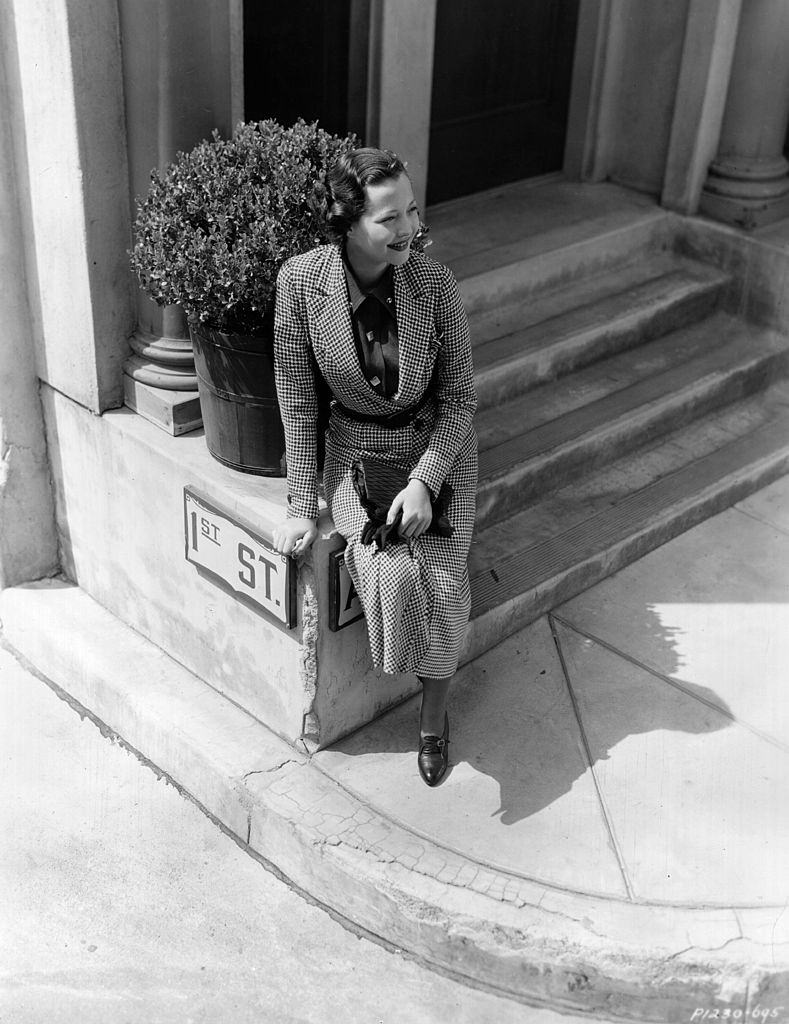
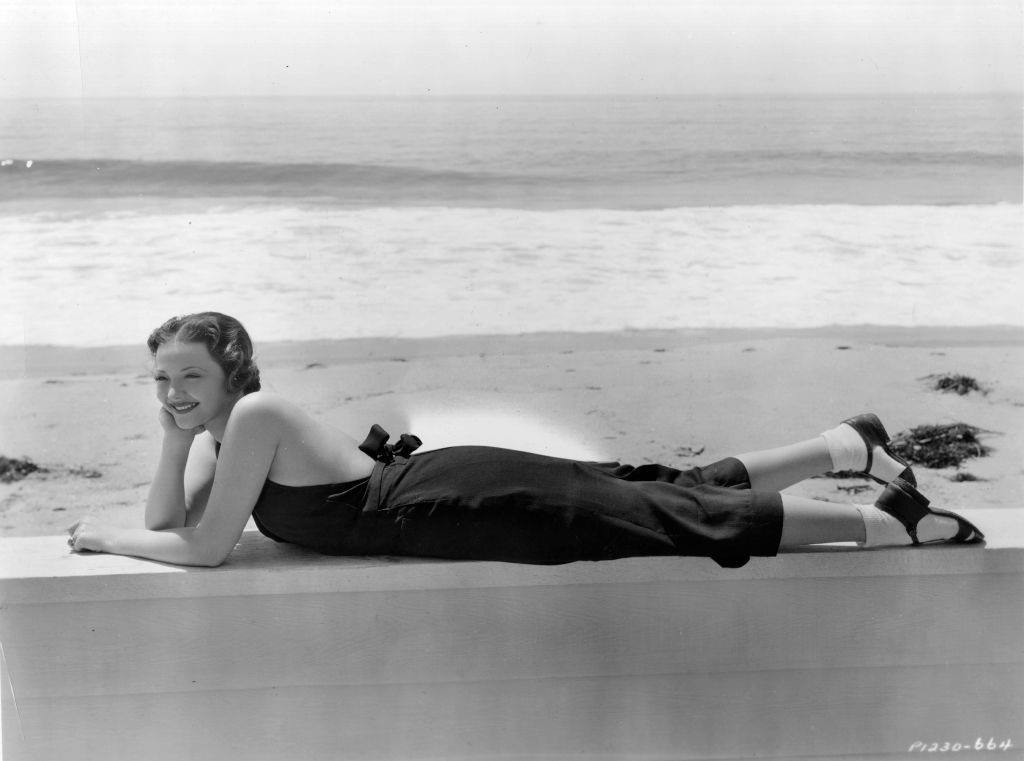
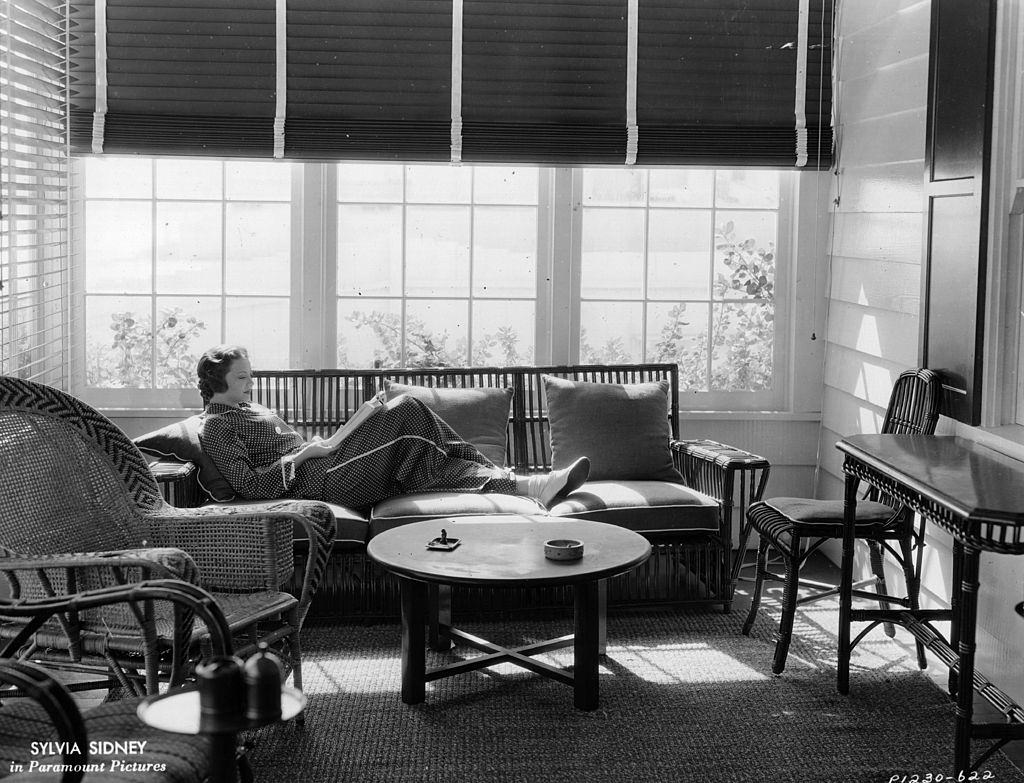
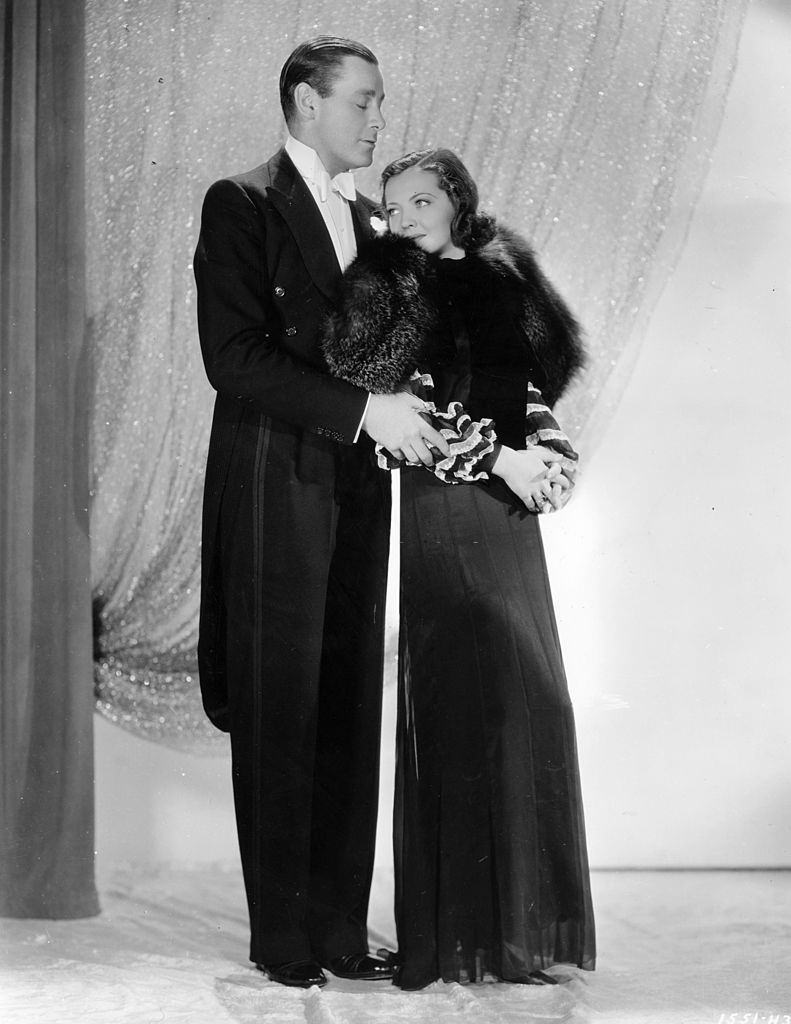
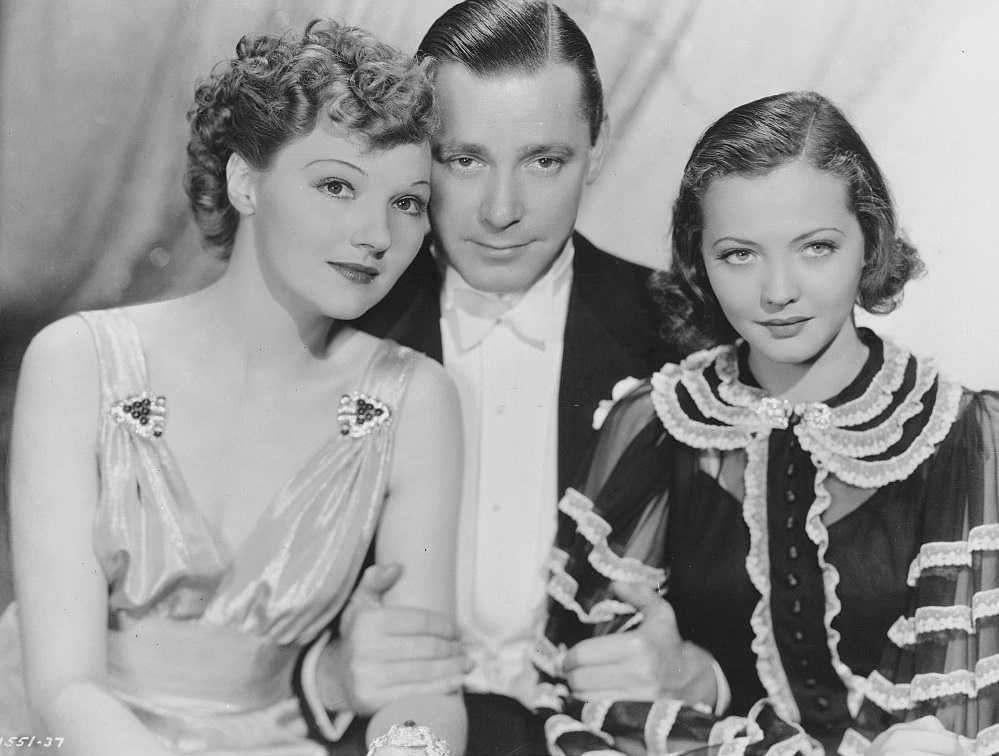
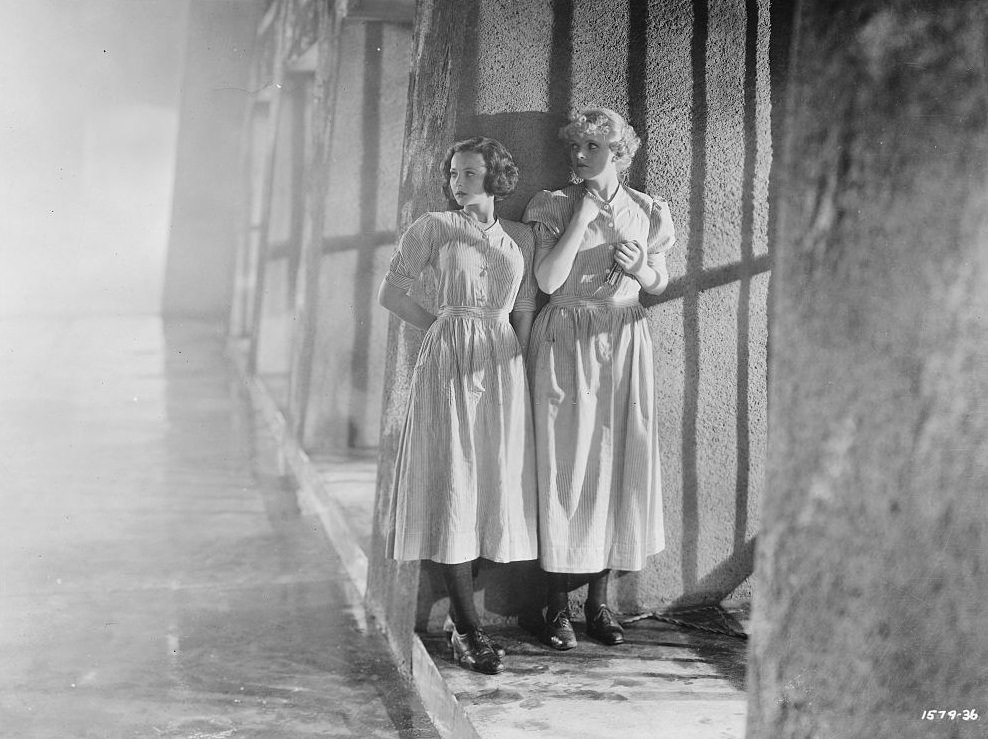
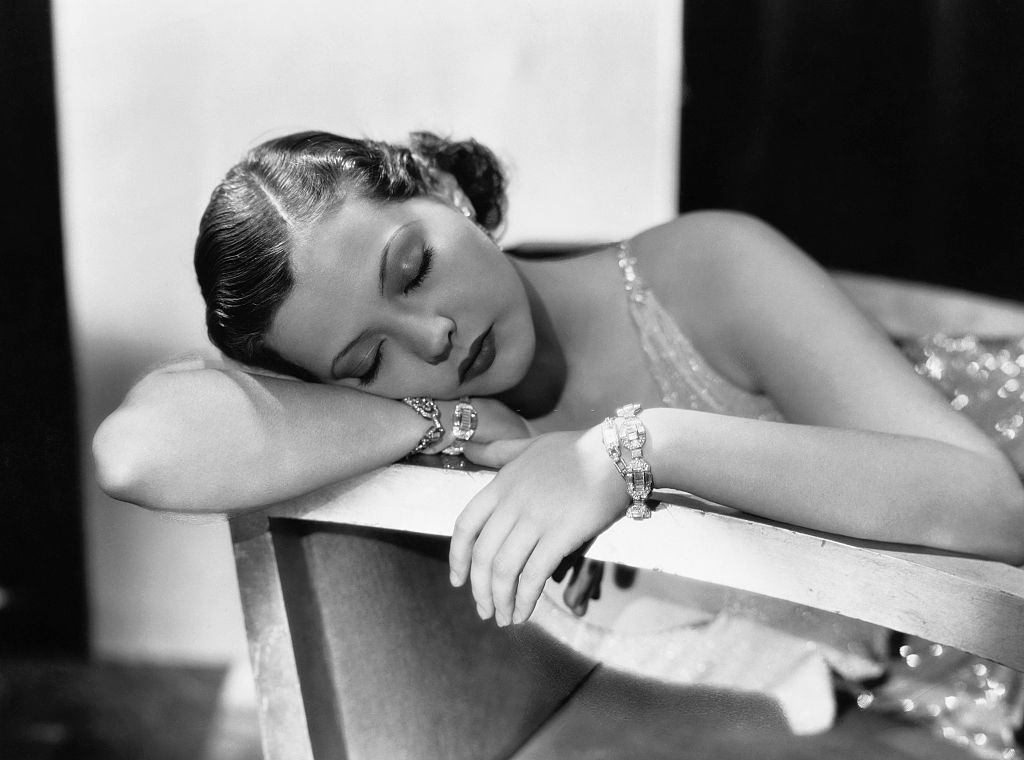
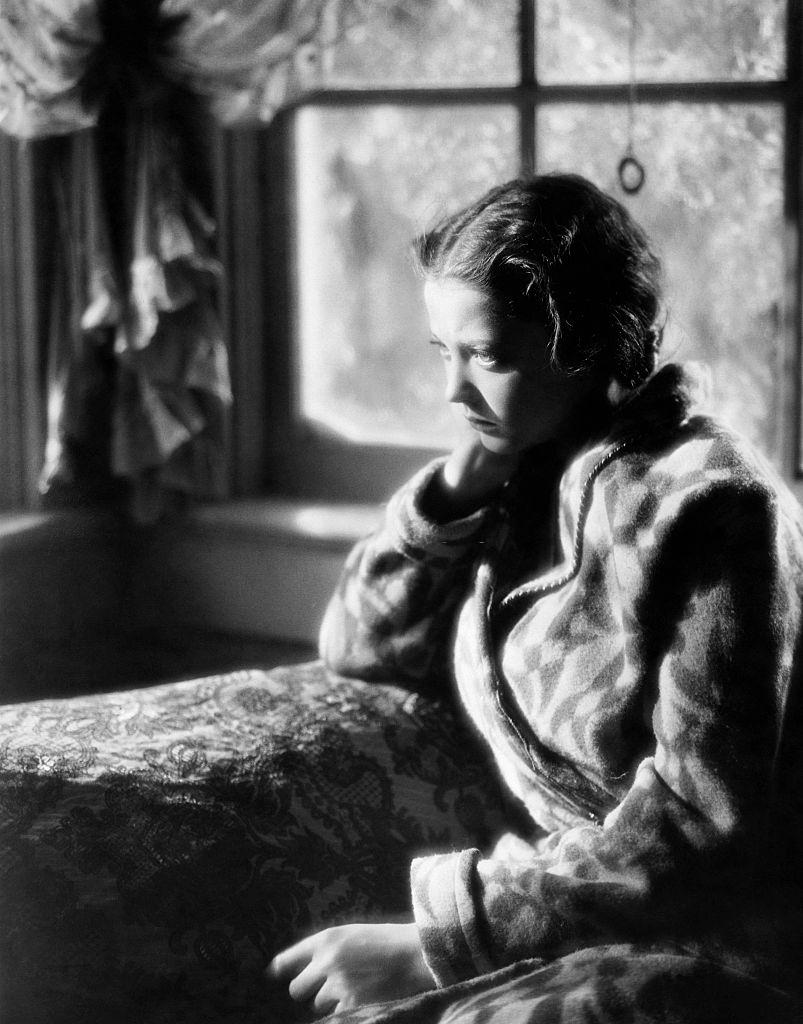
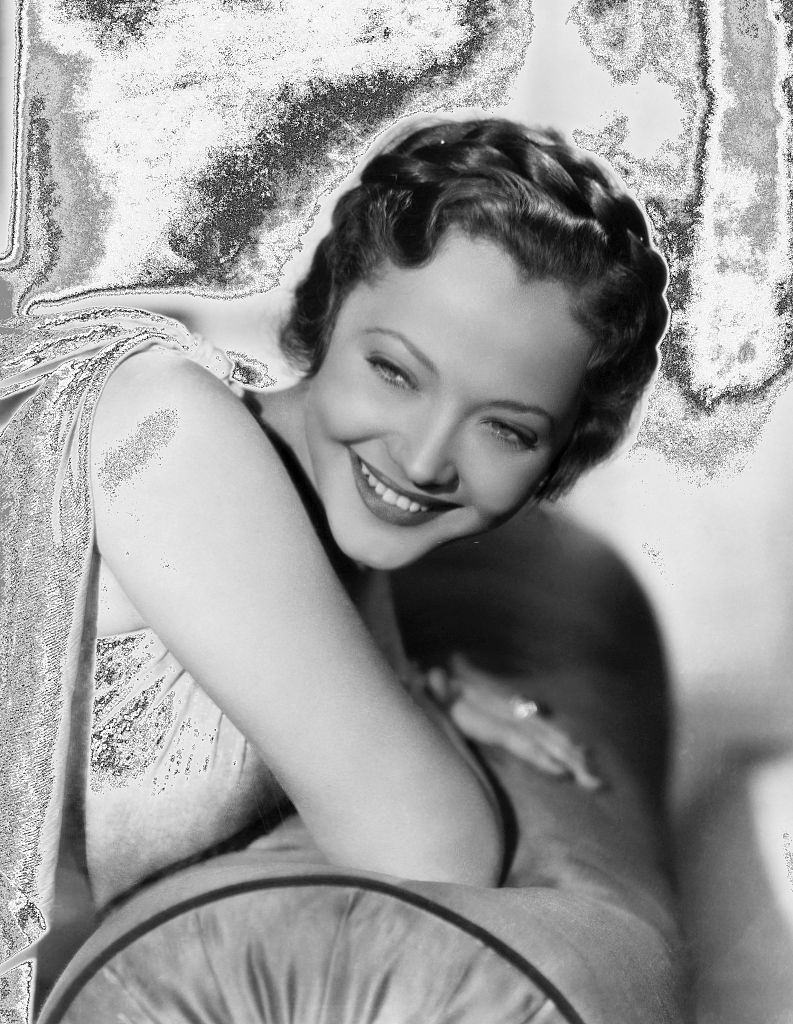
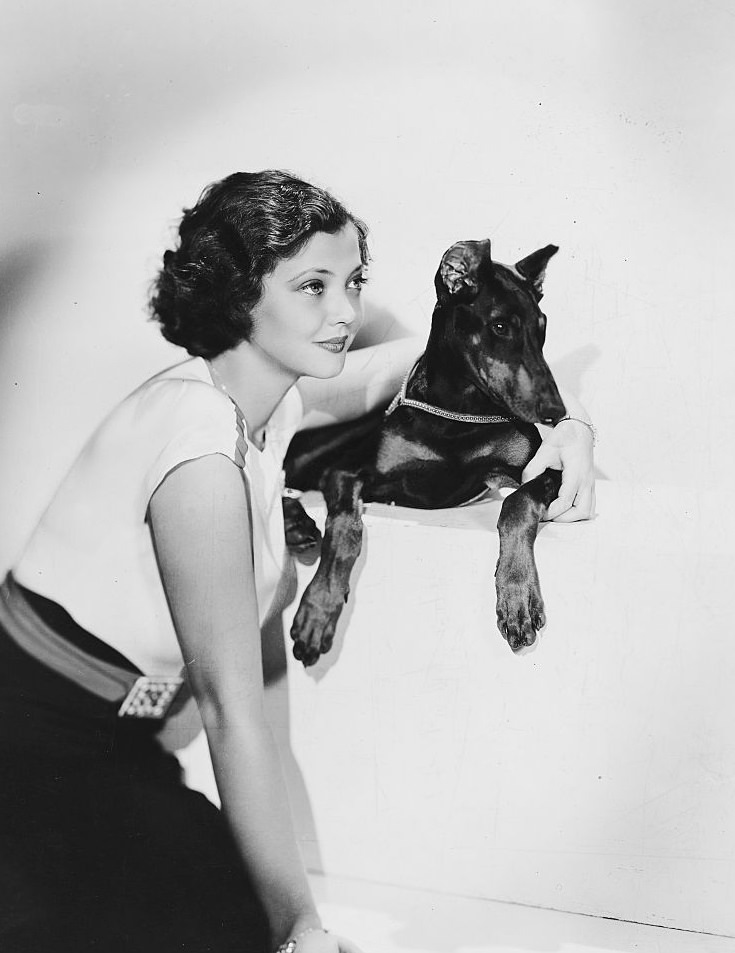
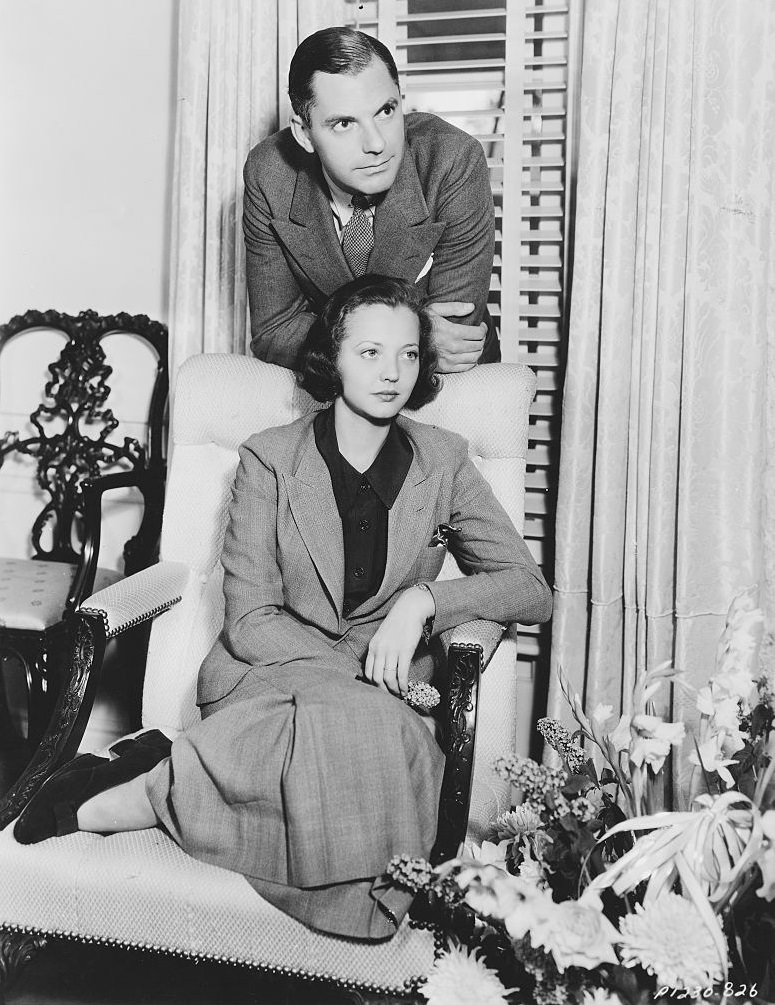
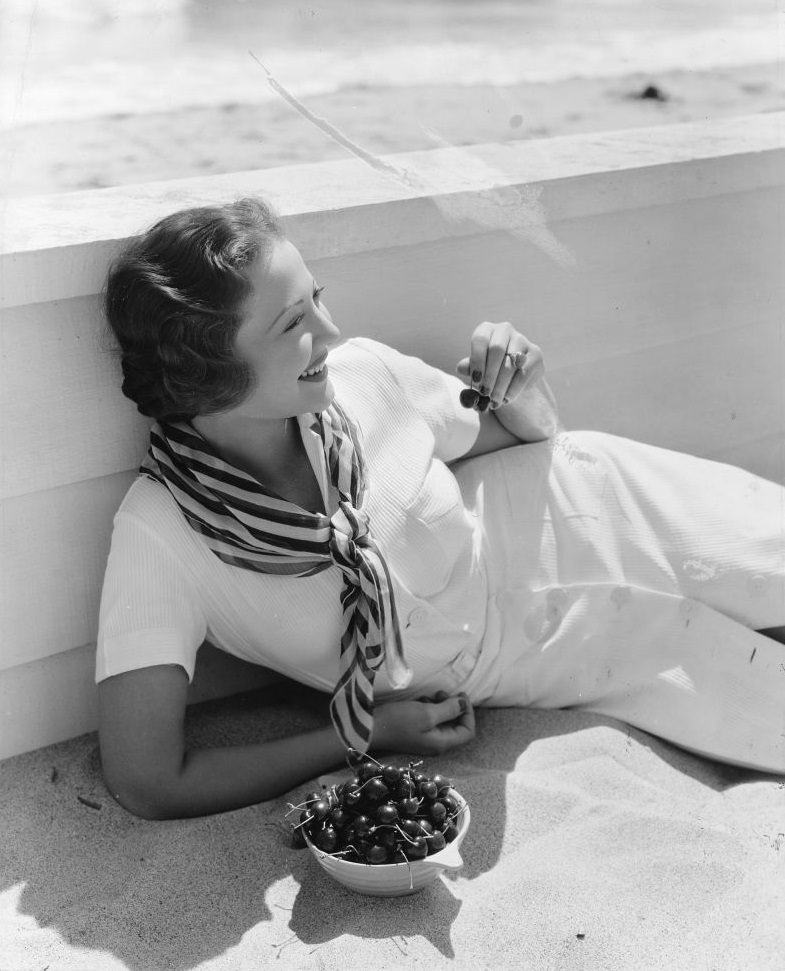
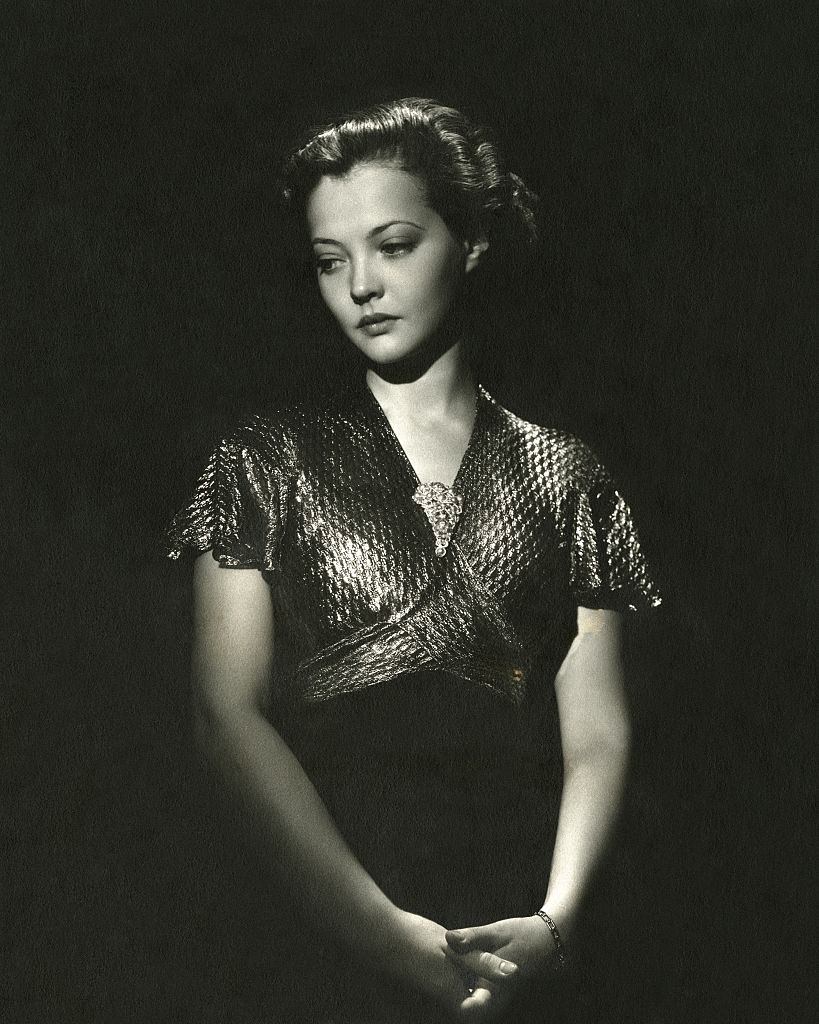
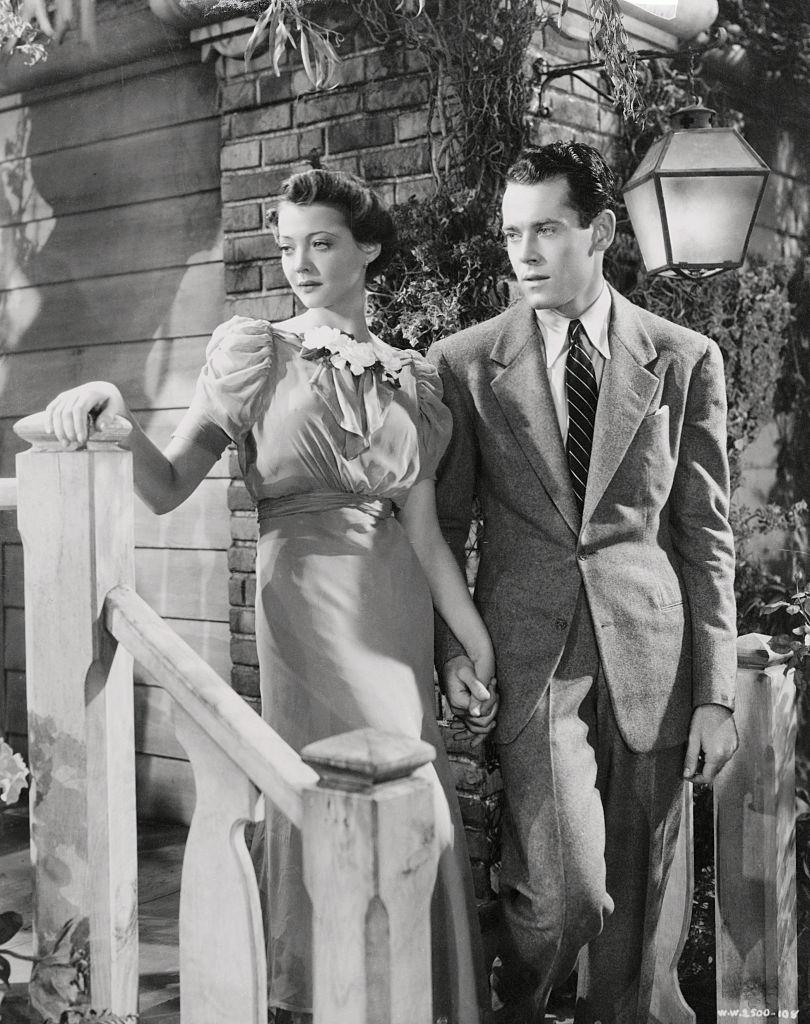
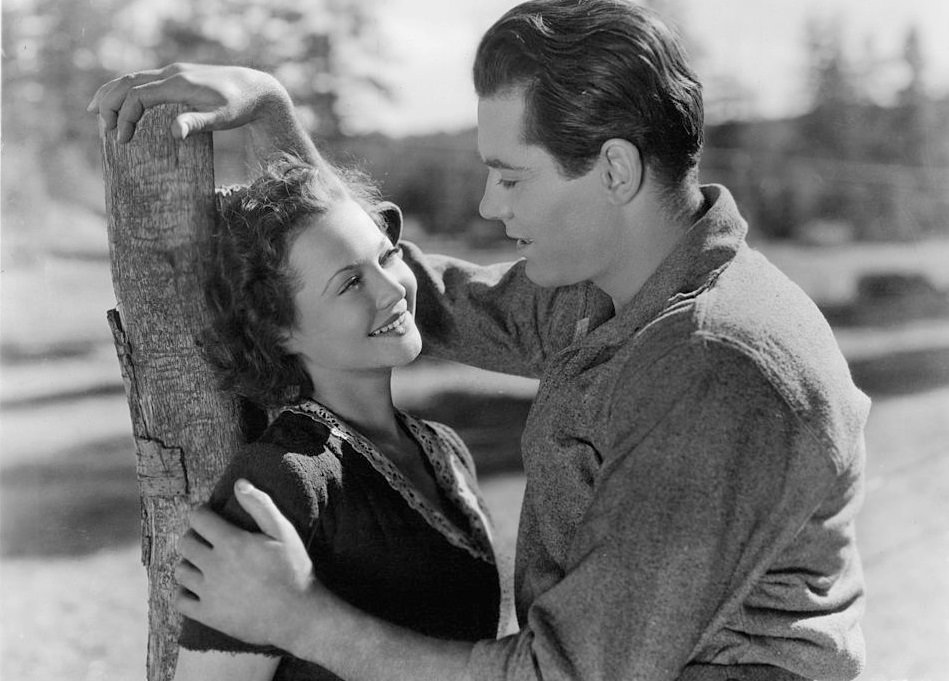
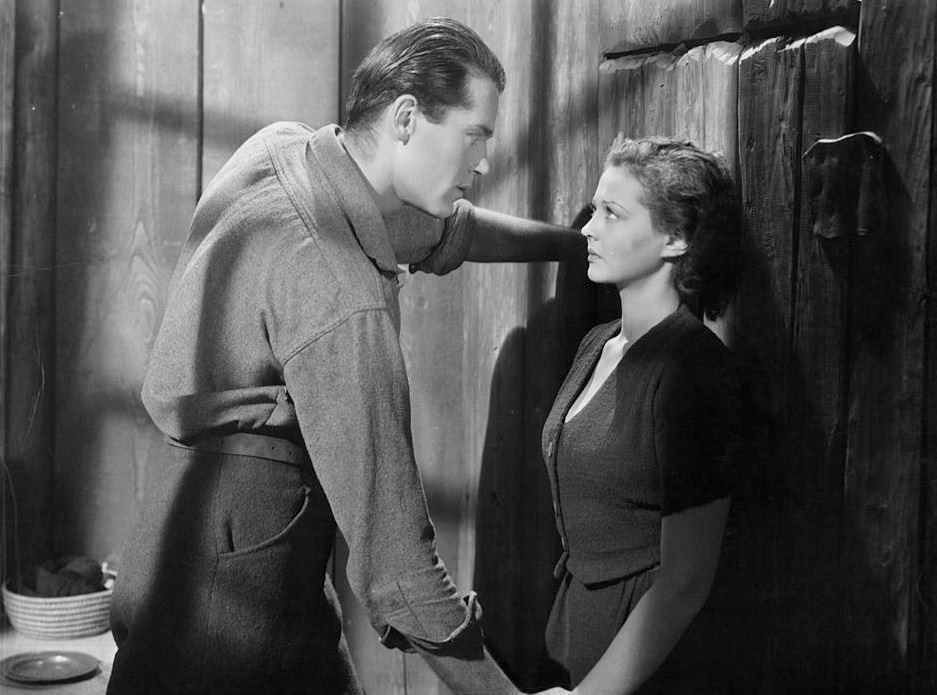
In 1936, Sidney worked with Alfred Hitchcock on ‘Sabotage,’ a British thriller that placed her at the center of a tense, suspenseful story. It was a significant artistic pairing. That same year, she starred alongside Henry Fonda in ‘The Trail of the Lonesome Pine,’ which made history as one of the first three-strip Technicolor films shot outdoors. Fonda’s steady on-screen presence complemented Sidney’s emotional style well, and the film was a major commercial success.
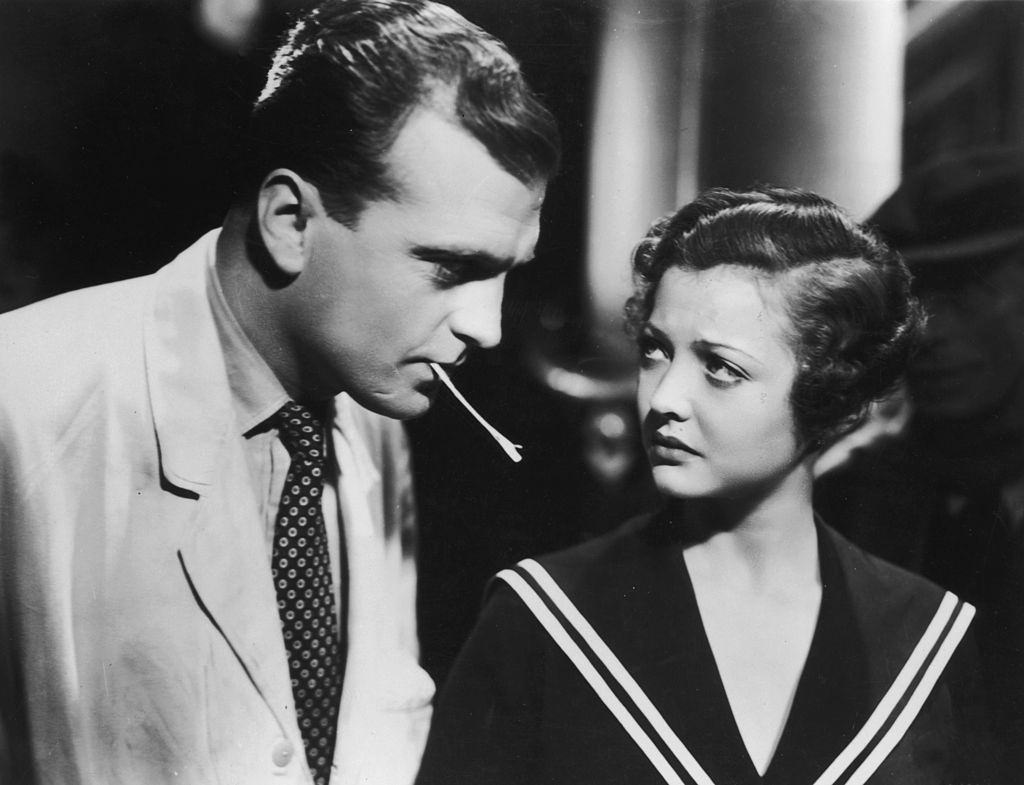
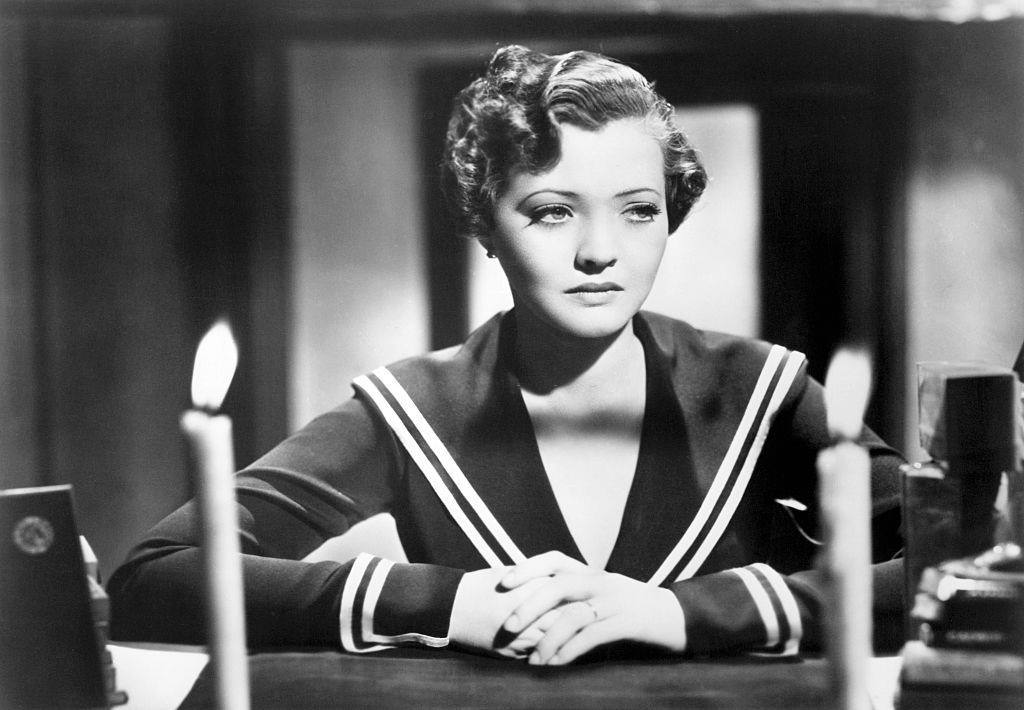
By the late 1930s, Sidney’s second marriage — to actor Luther Adler in 1937 — was underway. The couple had a son together, Jacob. The marriage lasted until 1946. During these years, she continued to work steadily, appearing in films like ‘You and Me’ in 1938. She also had a radio presence, making appearances at CBS Radio in 1940. Her second marriage to Adler was her longest, and Jacob remained her only child.
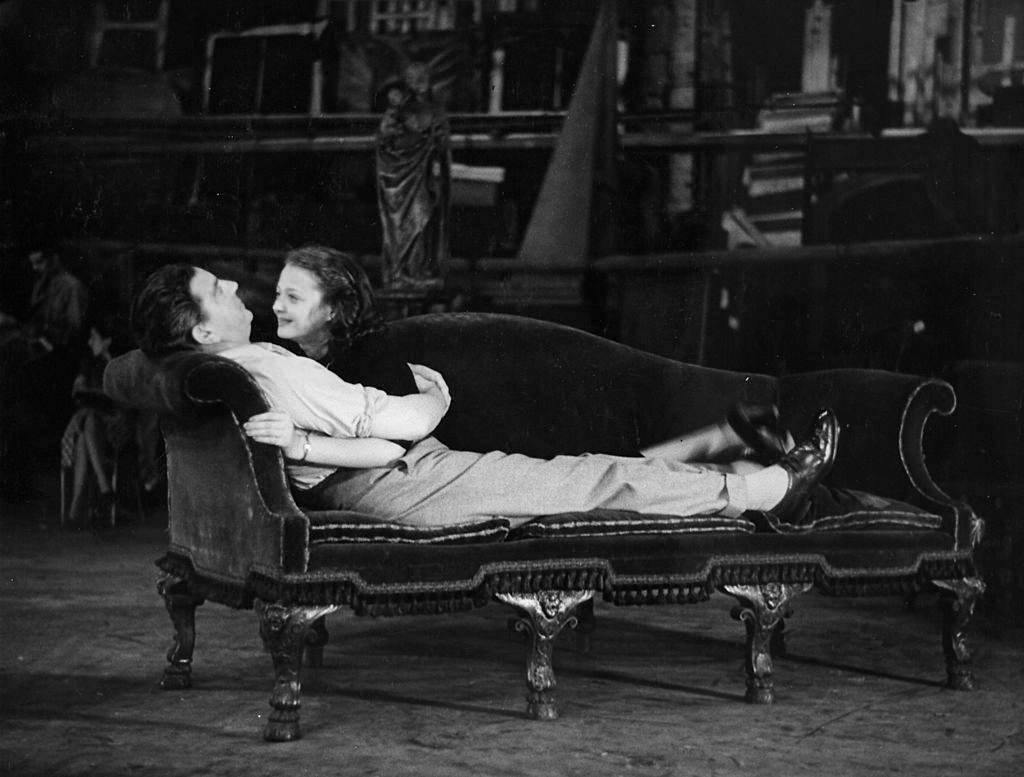
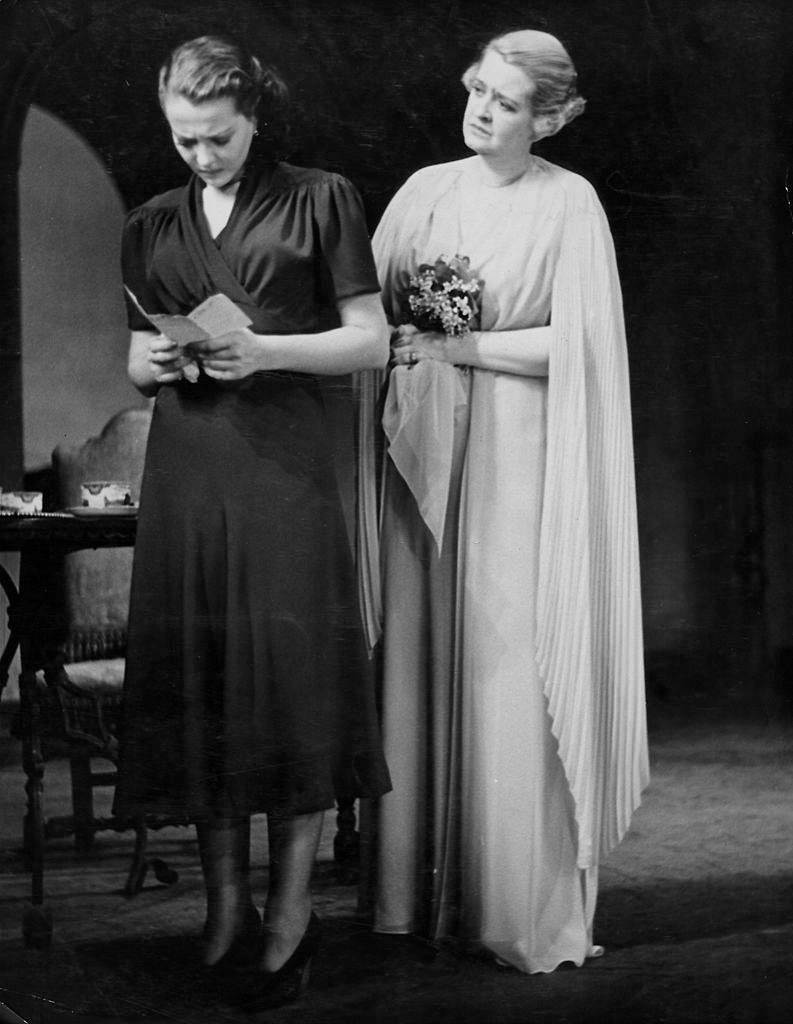
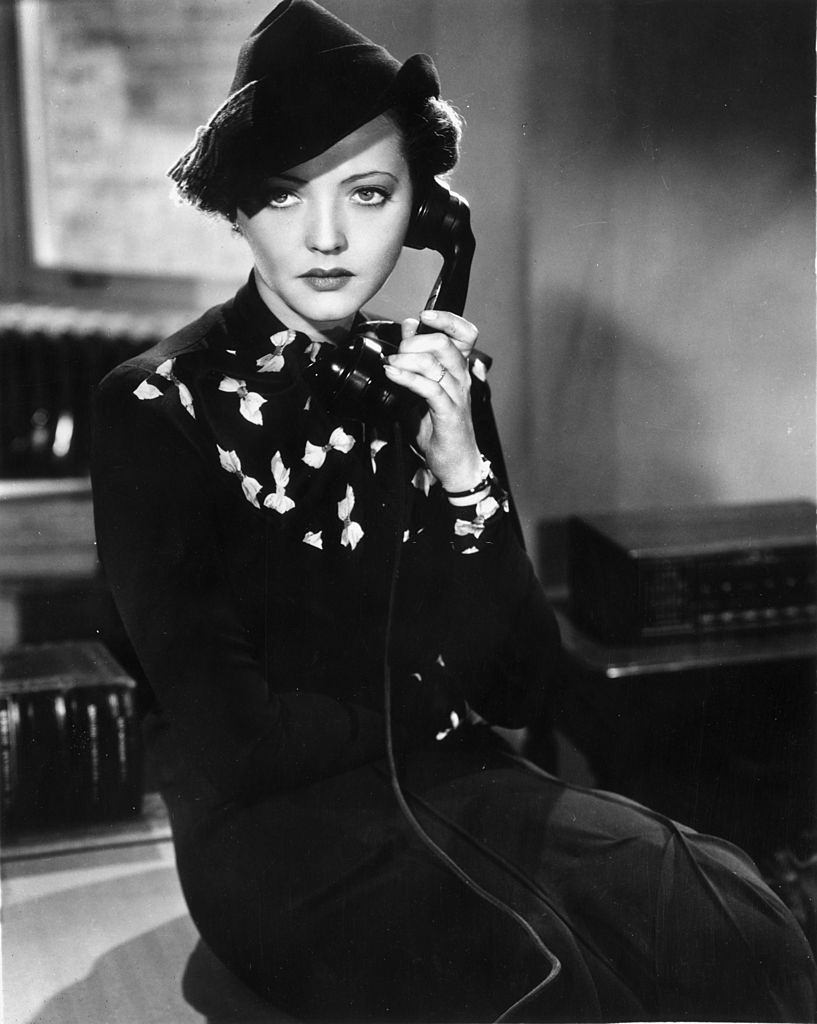
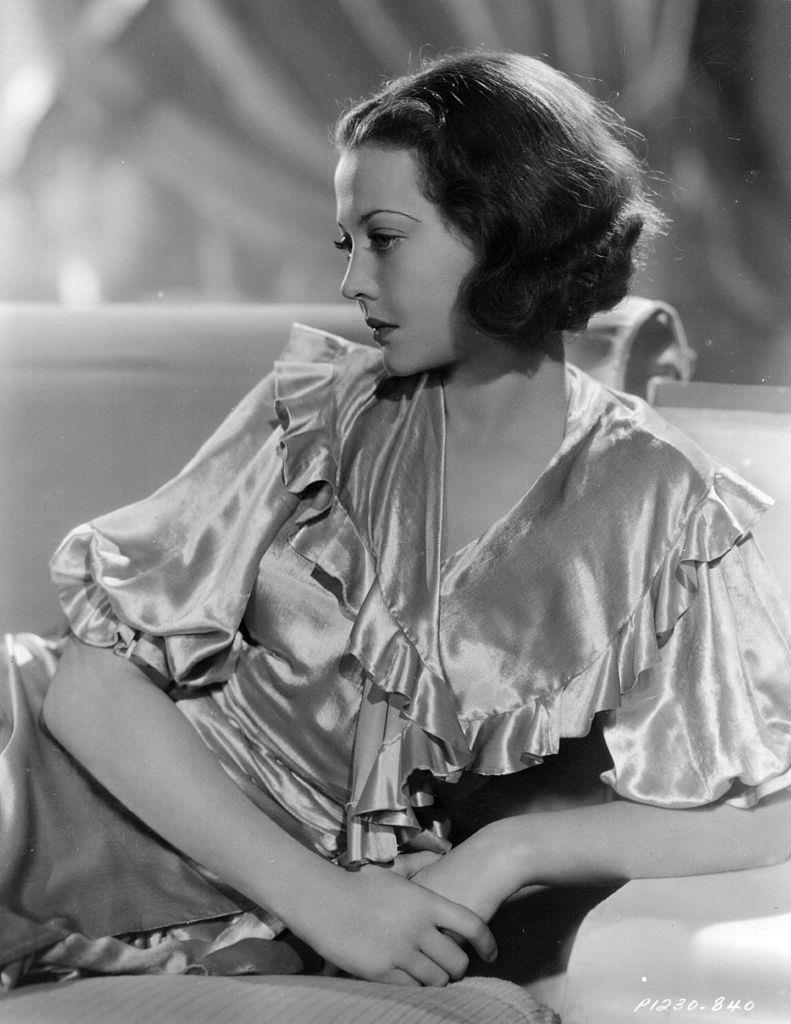
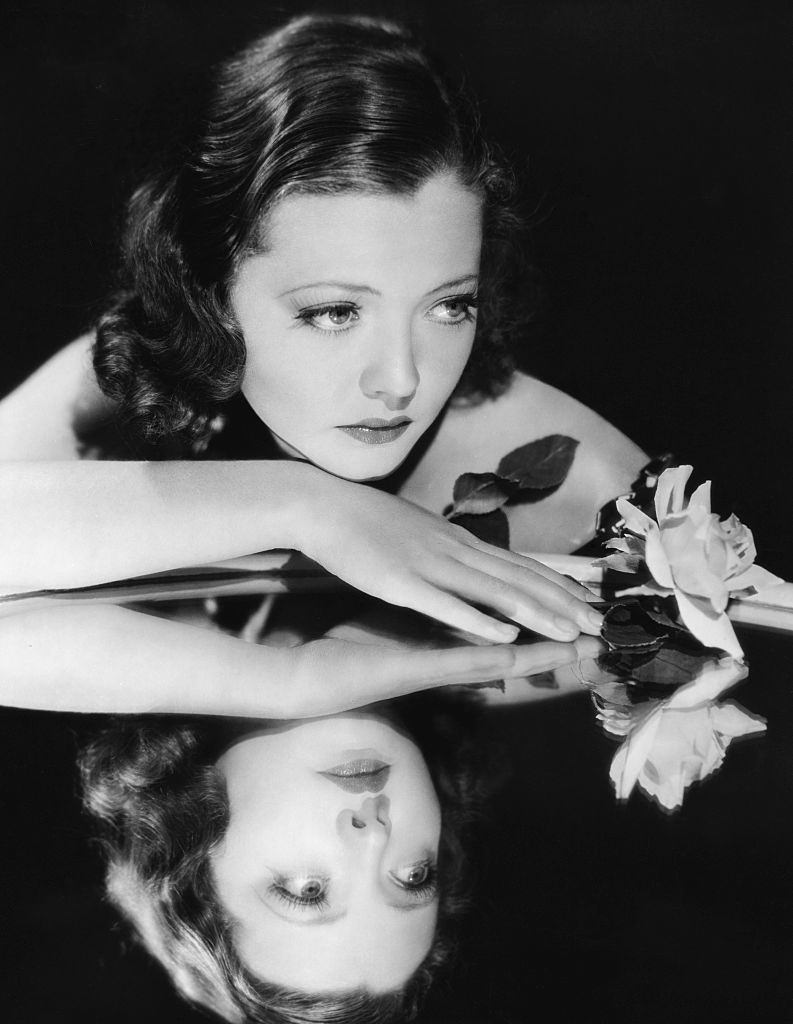
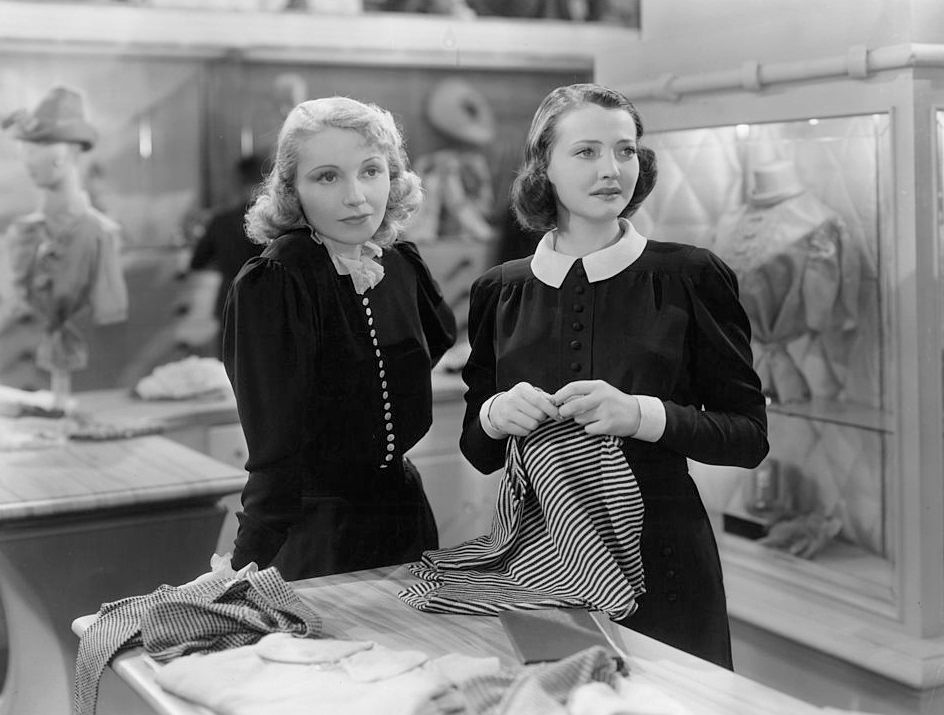
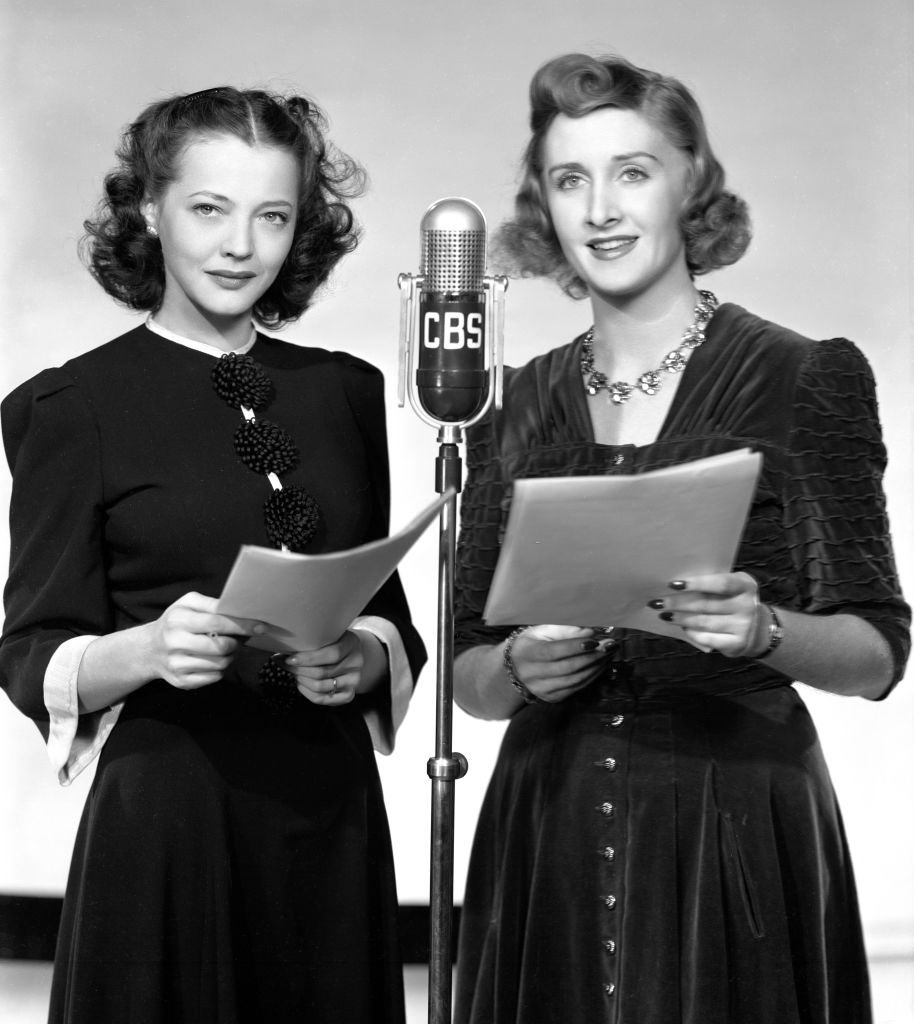
The 1940s were a difficult stretch for Sidney professionally. Her film career slowed, and in 1949, theater exhibitors voted her “box-office poison” — a blunt industry verdict that reflected declining ticket sales tied to her name. It was a harsh label, but Sidney was not finished. She continued to work through television, making her TV debut at age forty-two. She appeared in series including Route 66, The Defenders, and My Three Sons, finding a new audience through the small screen while keeping her skills sharp. Her third marriage, to Carlton Alsop in 1947, lasted four years before they separated.
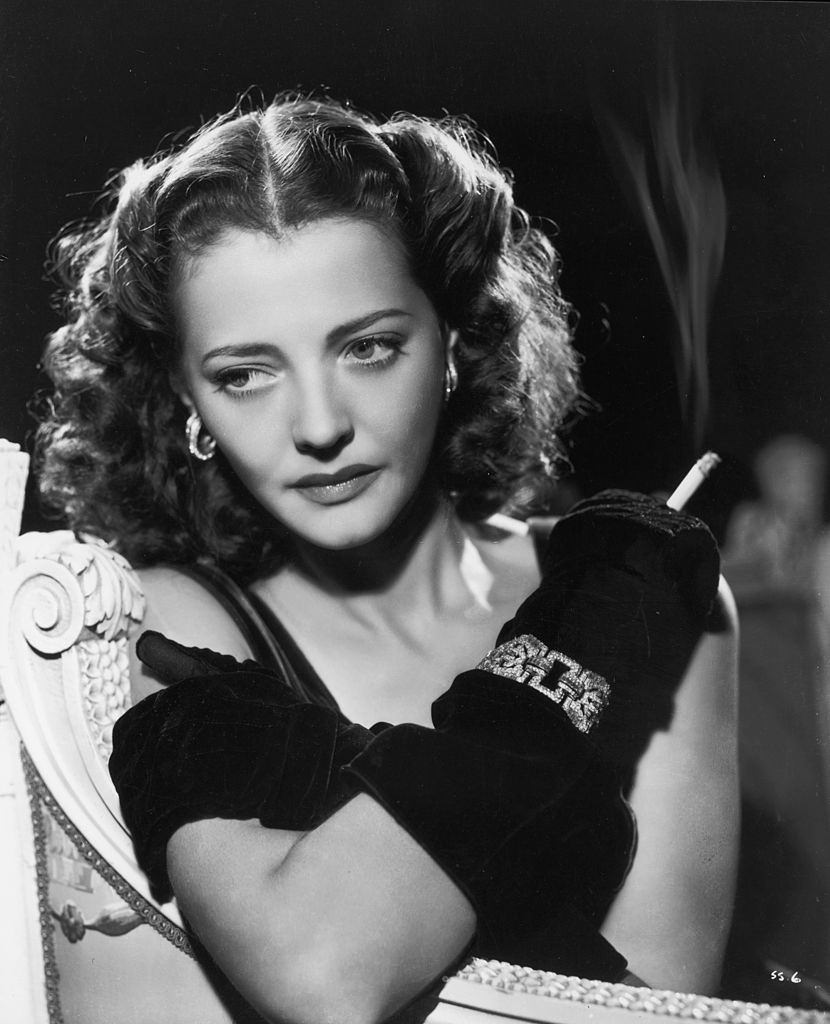
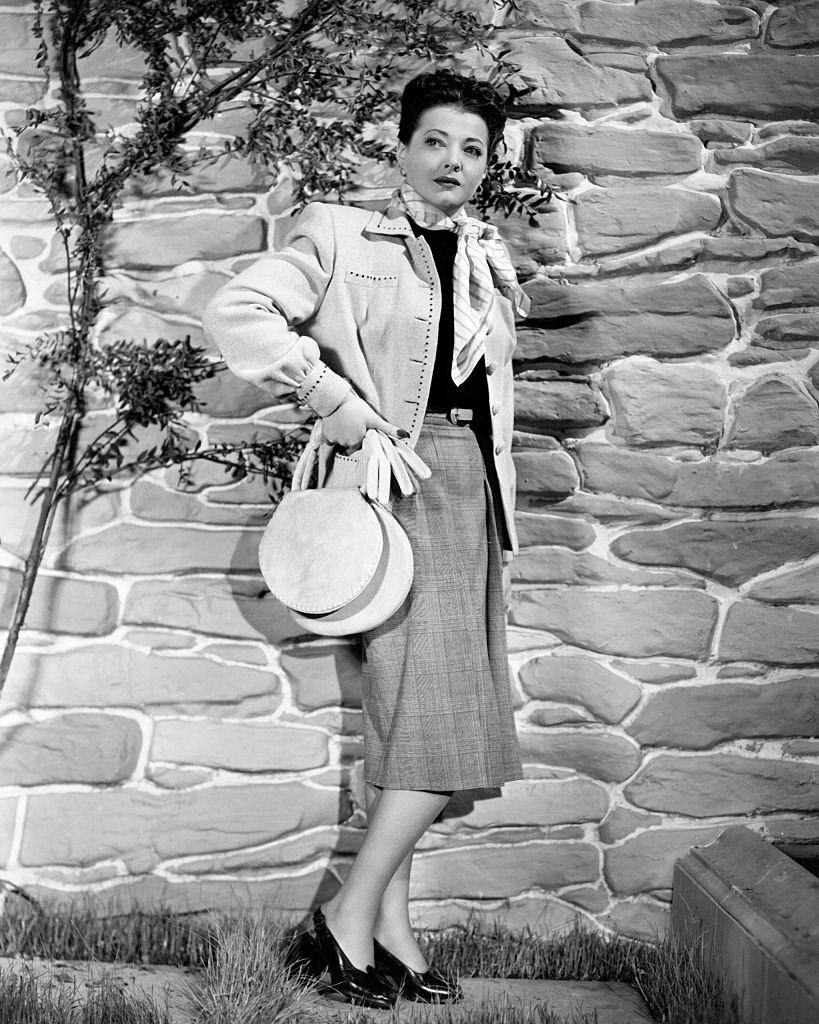
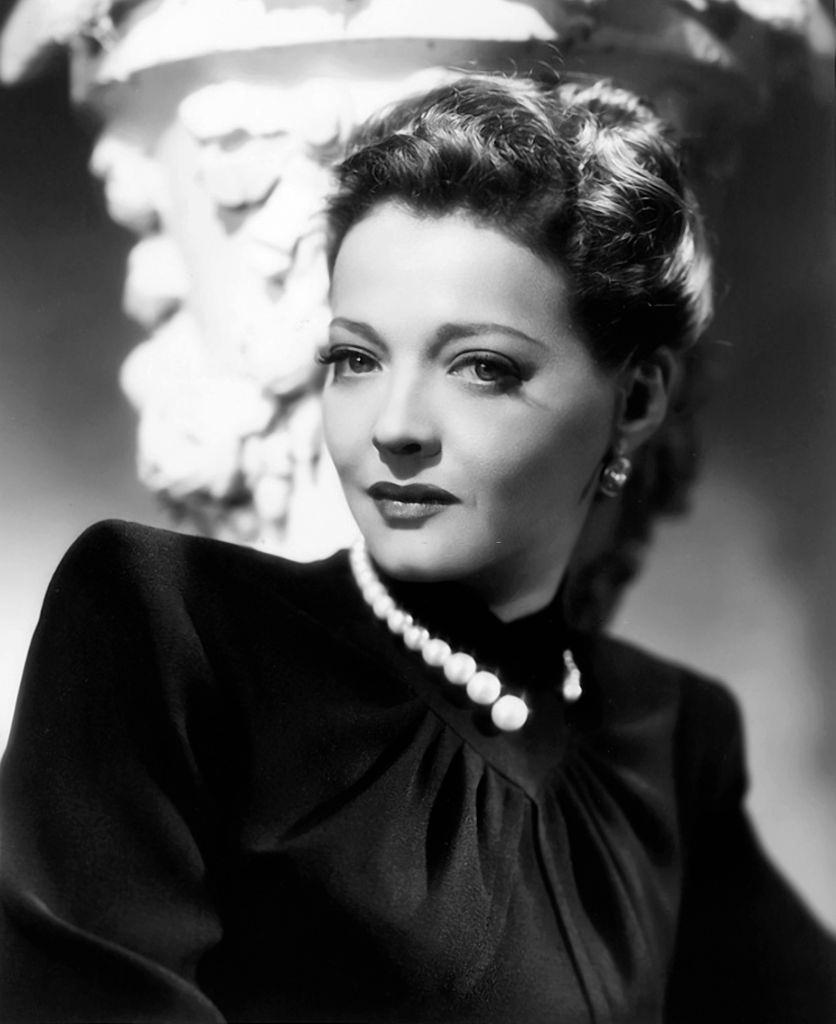
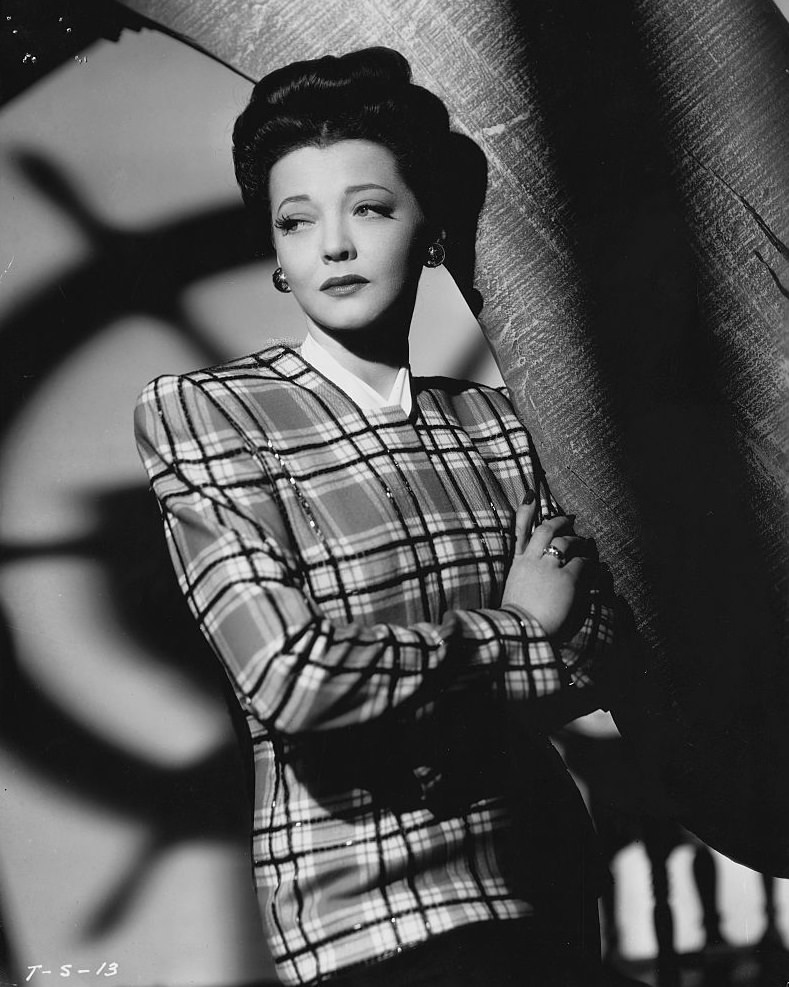
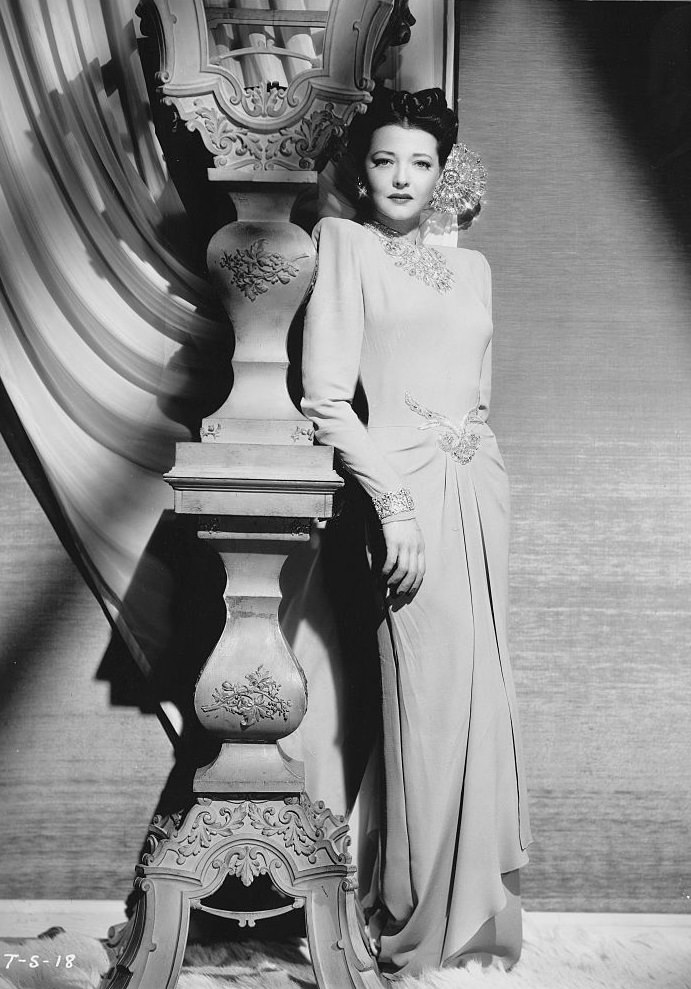
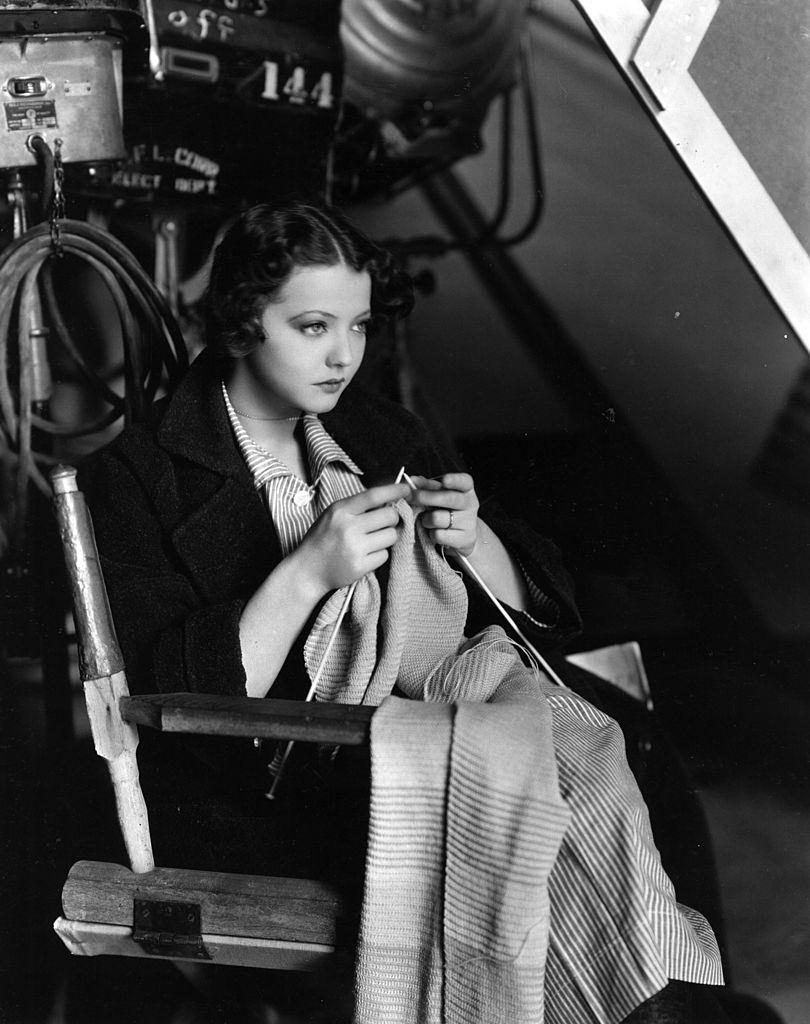
Sidney made a significant comeback in 1952 with ‘Les Misérables,’ a film that reminded audiences and critics alike what she was capable of. The performance opened doors to character actress roles — a category that allowed her greater freedom and depth than the leading lady parts of her youth. She embraced this new phase wholeheartedly. In 1973, she starred in ‘Summer Wishes, Winter Dreams’ alongside Joanne Woodward and earned an Academy Award nomination for Best Supporting Actress. It was a well-deserved recognition from an industry that had once written her off. Beyond acting, Sidney published two books on needlepoint in the 1970s, both of which sold well. She had practiced the craft for years and brought the same focus to writing about it that she brought to her roles. Sylvia Sidney died from esophageal cancer in New York City on July 1, 1999, one month before her 89th birthday. She had been a lifelong smoker and continued smoking even during chemotherapy treatment. Her raspy voice, one of her most distinctive qualities throughout her career, was a direct result of decades of smoking. She never hid that fact and made no apologies for it.
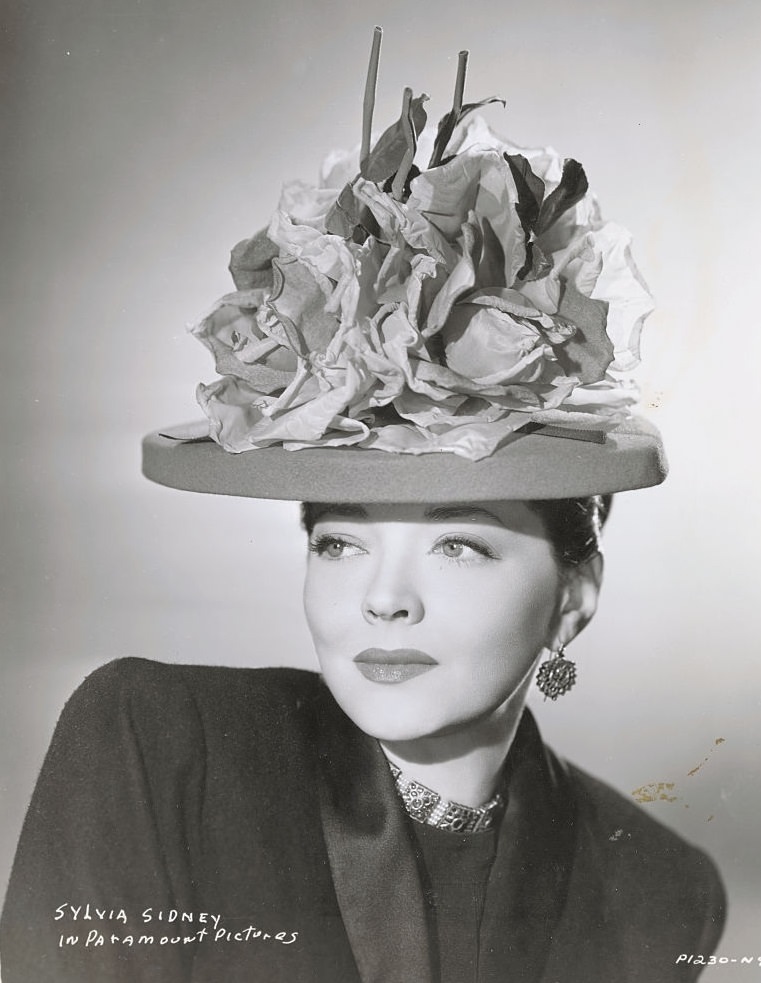

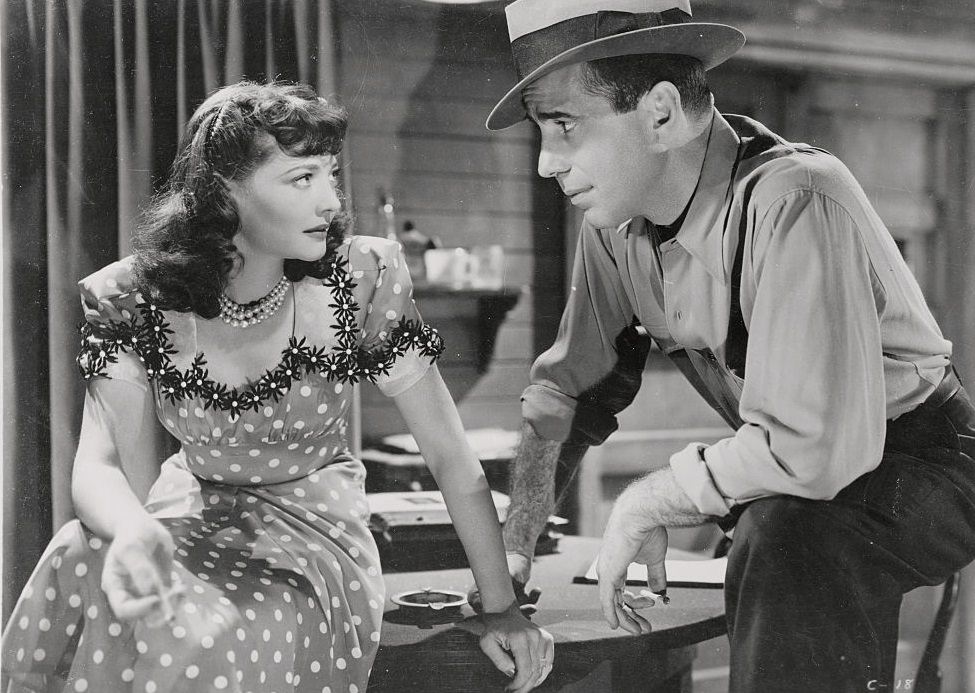
Photo #15 Sylvia is with Humphrey Bogart not Eddie Albert.Really great album of a great actress.Thanks