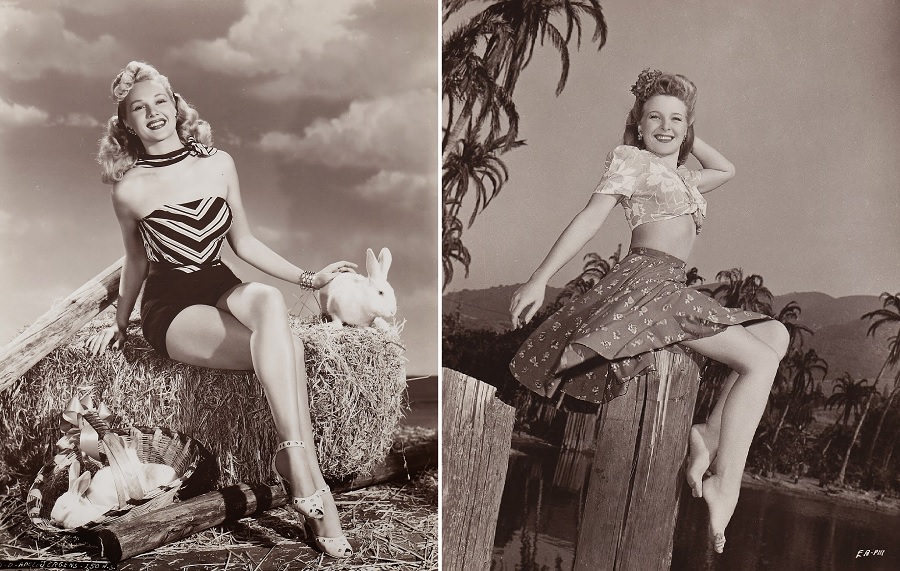
The Victorian era was not kind to women who wanted to work in the theater. Acting was considered a low-status profession, and for women, it carried a social stigma that could follow them for life. Respectable society often looked down on female performers, and many actresses faced pressure from their families and communities to give up the stage entirely. Despite this, a remarkable group of women pushed forward and built real careers in front of audiences across Britain and beyond.
Victorian actresses typically played one of four defined roles: the ingénue, the flirt, the chaperon, or the wicked woman. These categories were rigid. Playwrights and theater managers assigned women to types based on their looks and age, and stepping outside those boundaries was rare. To succeed, an actress had to be assertive enough to fight for better parts while remaining patient through long stretches of smaller roles. Most women in the profession did not last long — many left the stage in their early careers, either by choice or because the work dried up.
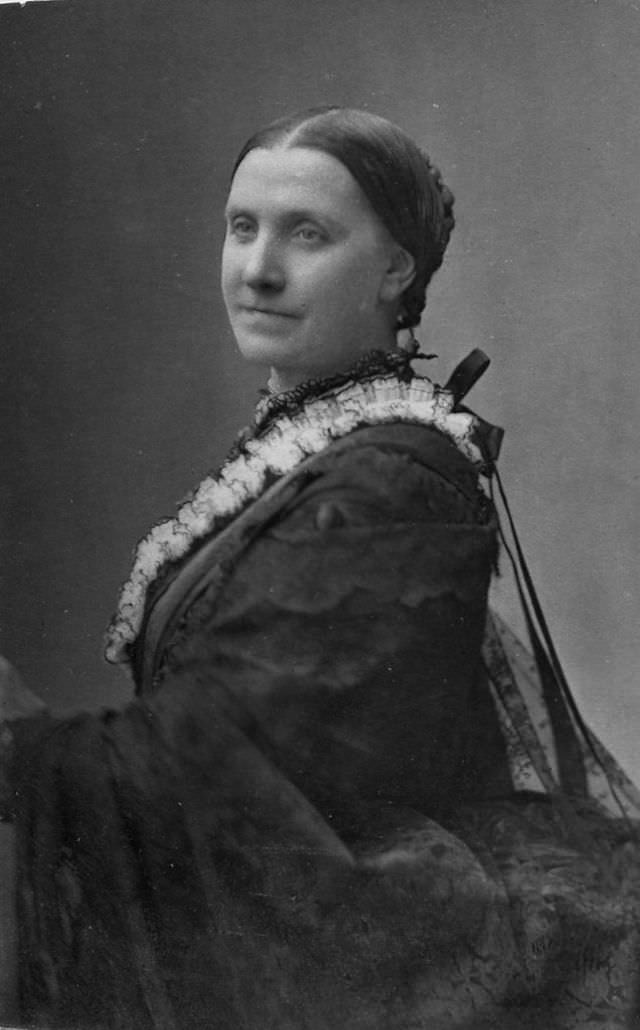
Photography gave these women something earlier generations of performers never had: a lasting image. Cabinet cards and cartes de visite — small photographic portraits mounted on cardboard — became enormously popular in the second half of the 19th century. Actresses sat for formal studio photographs that were then sold to the public, making their faces recognizable far beyond the theaters where they performed. These portraits are some of the most vivid records we have of the women who shaped Victorian stage culture.
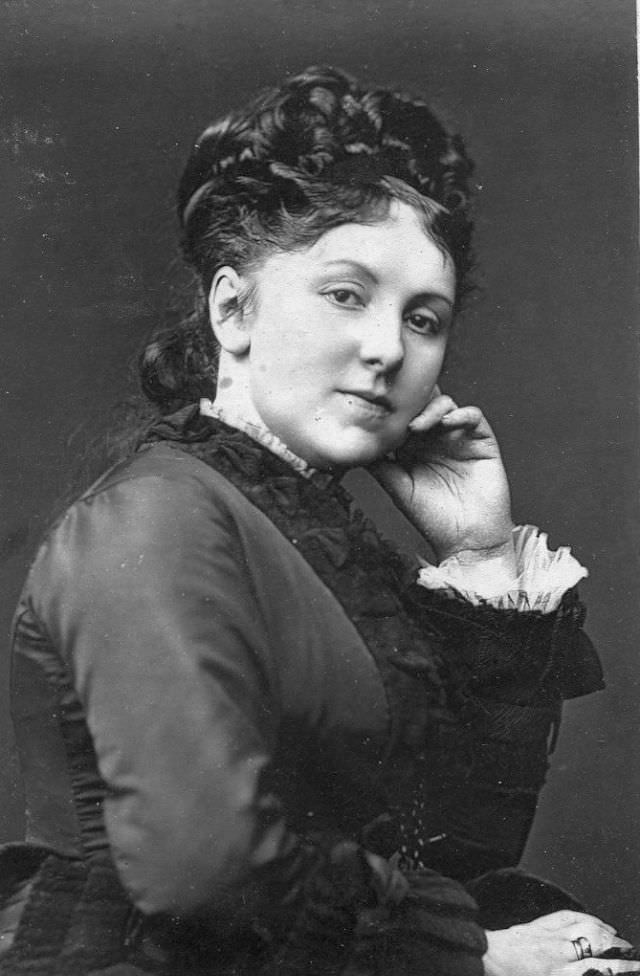
Marie Roze-Perkins was a French soprano who performed across Europe and in the United States, becoming one of the most recognized opera singers of her generation. Her portrait from the 1870s captures the formal elegance that studios of the period worked hard to project — every detail of dress and posture carefully arranged.
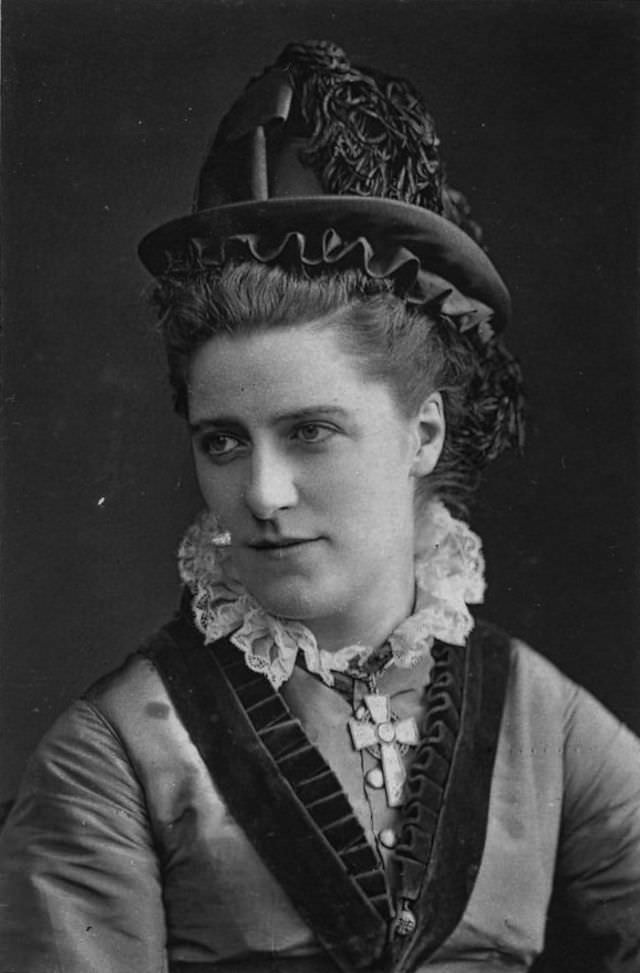
Ada Cavendish was known for taking on dramatic, demanding roles at a time when female performers were usually steered toward lighter material. She appeared in productions of Shakespeare and became particularly associated with strong leading parts. Her career in the 1860s and beyond showed that audiences were willing to accept women in serious dramatic roles.
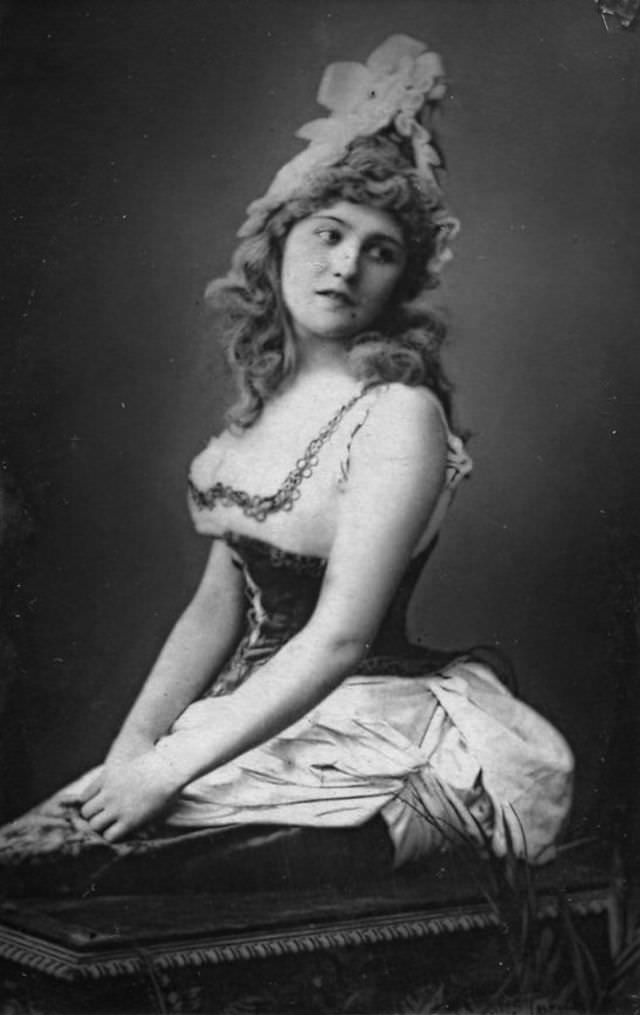
Belle Bilton was a music hall performer whose fame extended well beyond the stage. In the 1880s, she and her sister Flo were among the most photographed entertainers in Britain. Belle later married William Cowers, the 5th Earl of Clancarty, a match that caused a significant public stir given the social gap between an earl and a music hall actress.
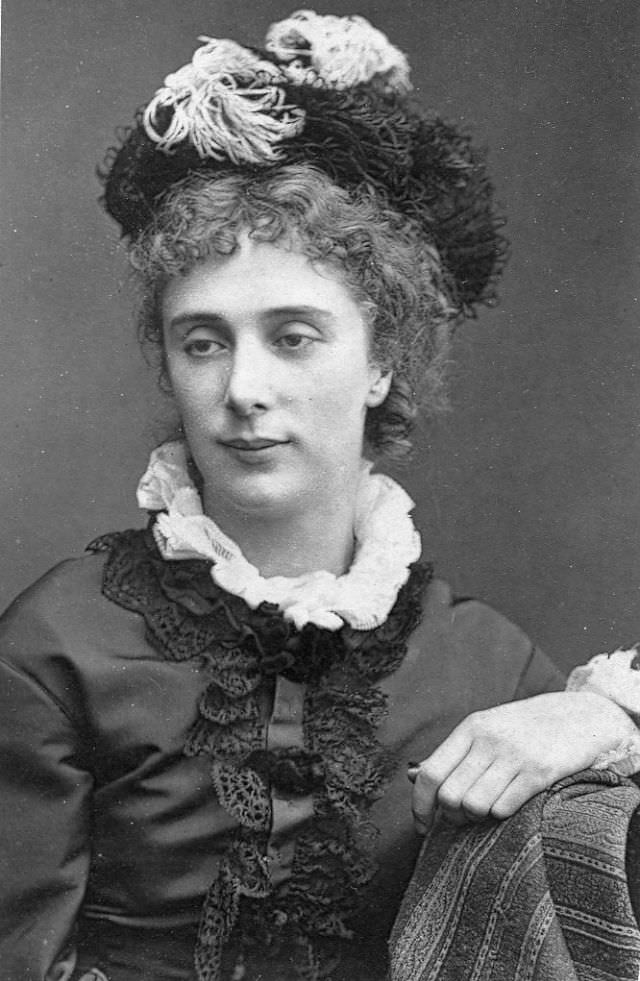
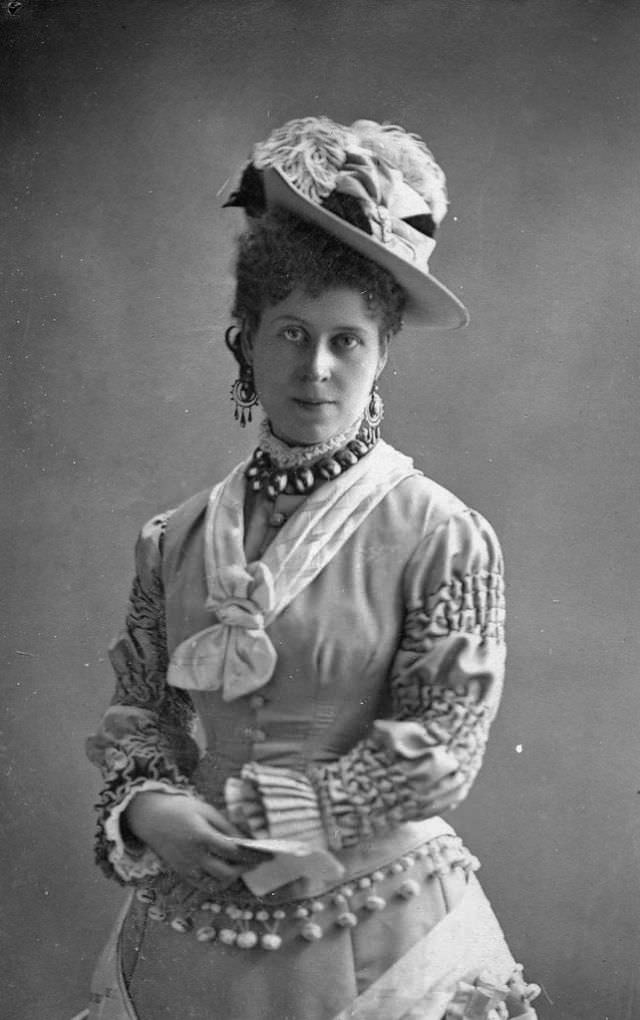
Ellen “Nellie” Farren was one of the most beloved comic performers of the Victorian stage. She spent decades at the Gaiety Theatre in London, where she became famous for her burlesque roles and her ability to play male characters with enormous energy and humor. Audiences adored her, and her retirement due to illness in the early 1890s was treated as a genuine public loss.
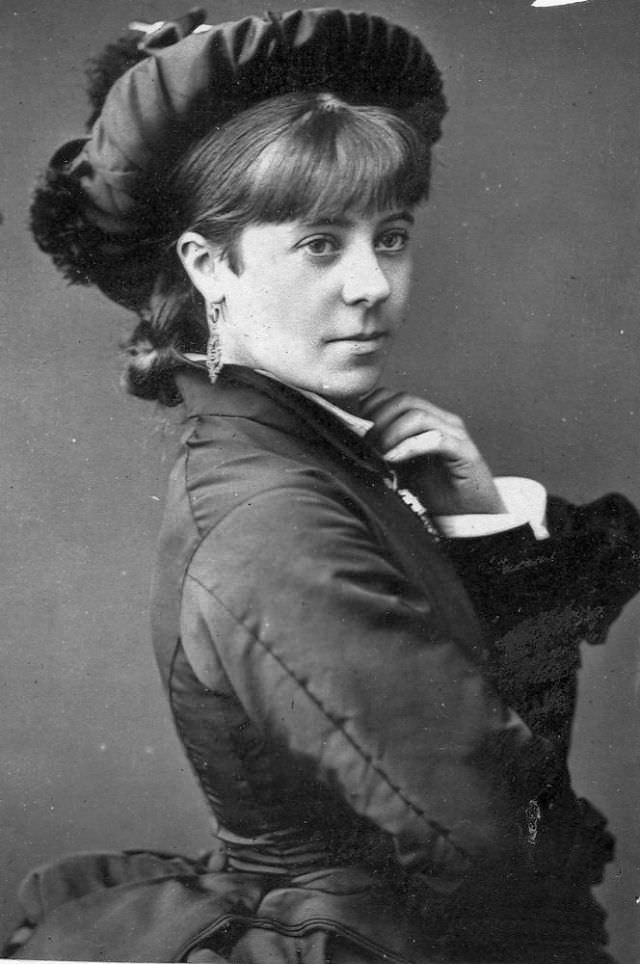
Ellen Terry stands as one of the most celebrated actresses of the entire Victorian period. She was the leading lady of the Lyceum Theatre for over two decades, performing alongside Henry Irving in productions that drew London’s most prominent audiences. Her expressive style and natural delivery set her apart from the more declamatory acting that had been standard on the English stage.
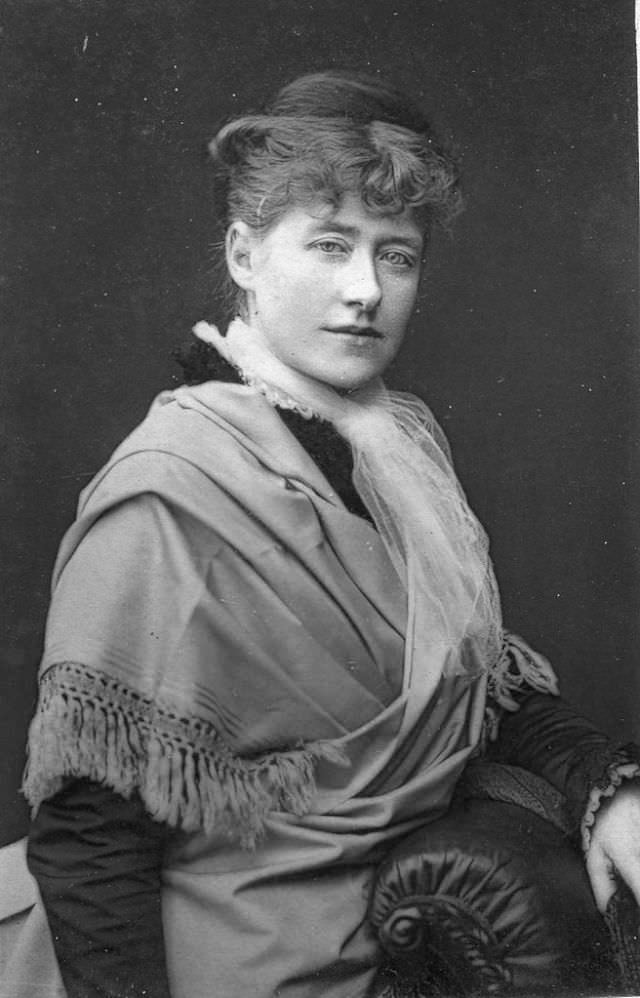
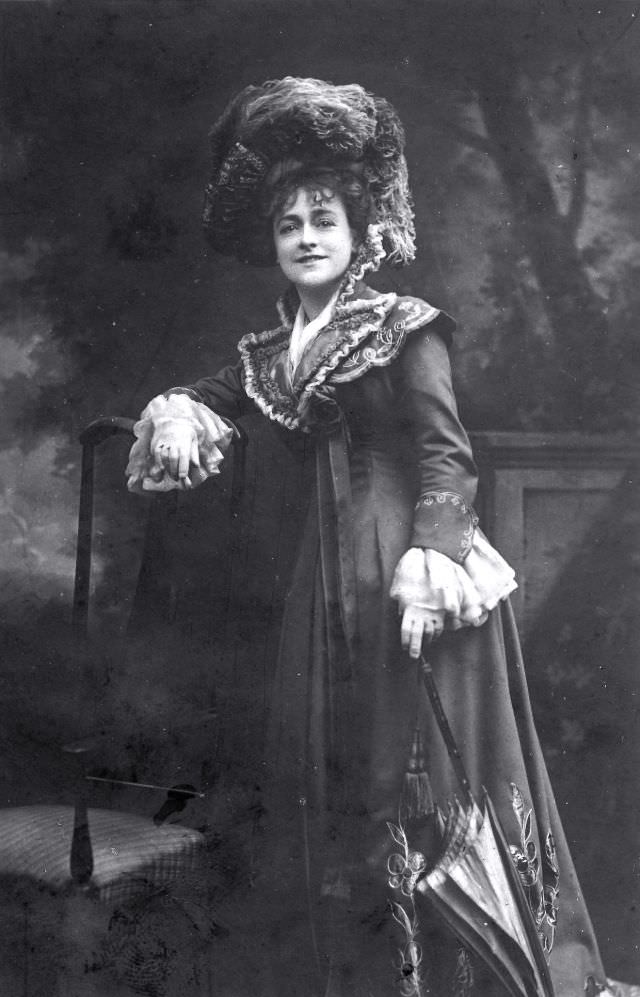
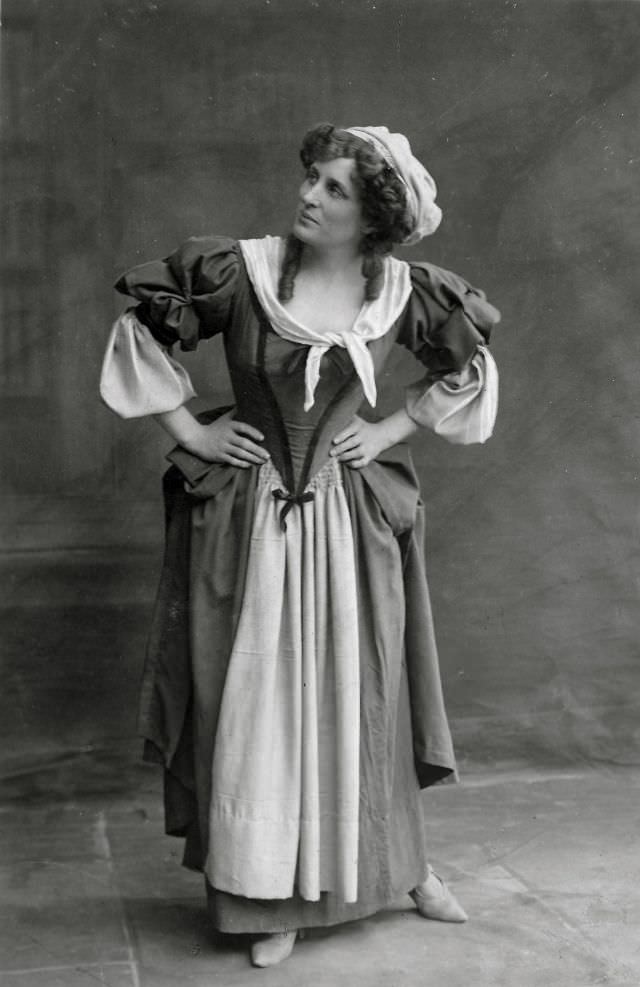
Evelyn Mary Millard was a prominent stage actress in the 1890s, closely associated with Oscar Wilde’s work. She appeared in the original production of “The Importance of Being Earnest” in 1895, playing Cecily Cardew — a role that required exactly the kind of delicate comic timing Wilde’s writing demanded.
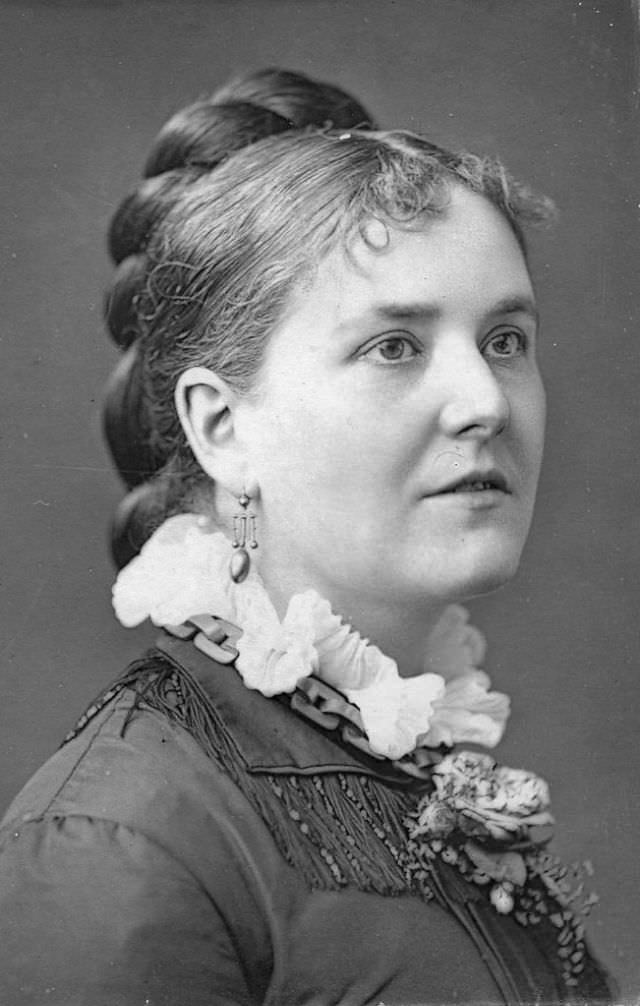
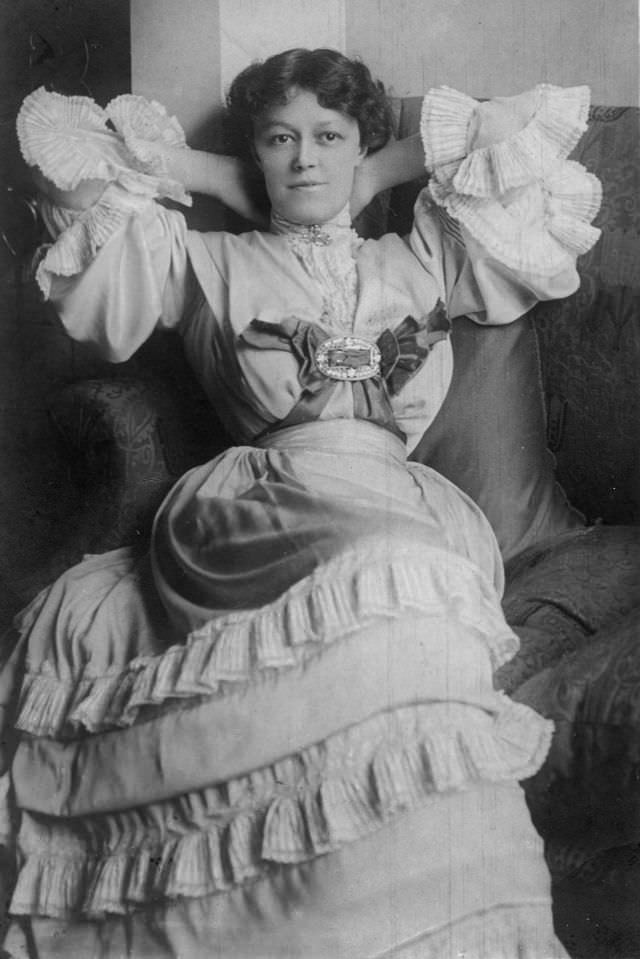
Irene Vanbrugh built one of the most sustained careers of any actress of her era. She, too, performed in Oscar Wilde’s work and went on to become a leading figure in Edwardian theater. Her career stretched well into the 20th century, and she was eventually made a Dame of the British Empire — a recognition that would have been unthinkable for a stage actress just a generation earlier.
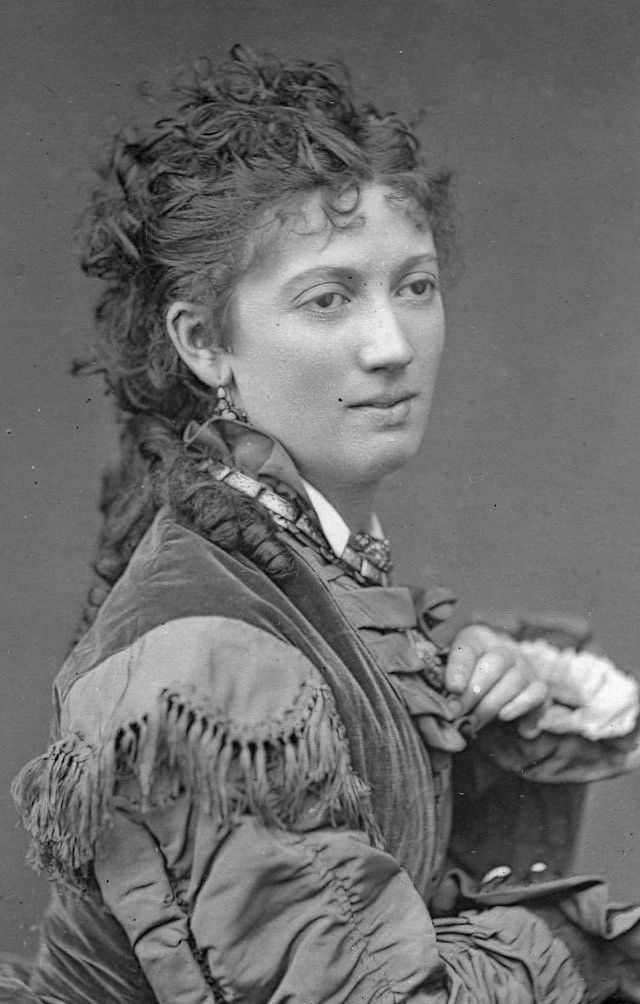
The Vokes family were one of the most famous theatrical families in Victorian Britain. Jessie, Rosina, and Victoria Vokes — along with their siblings — performed together as a troupe and became fixtures at the Drury Lane pantomimes. Their combination of dancing, acrobatics, and comedy made them a favorite with audiences of all classes.
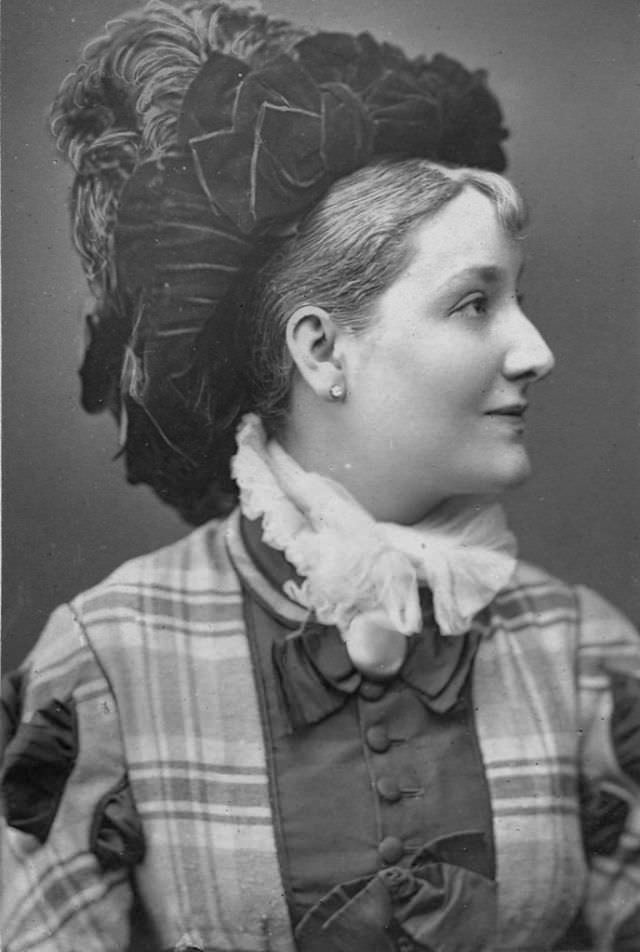
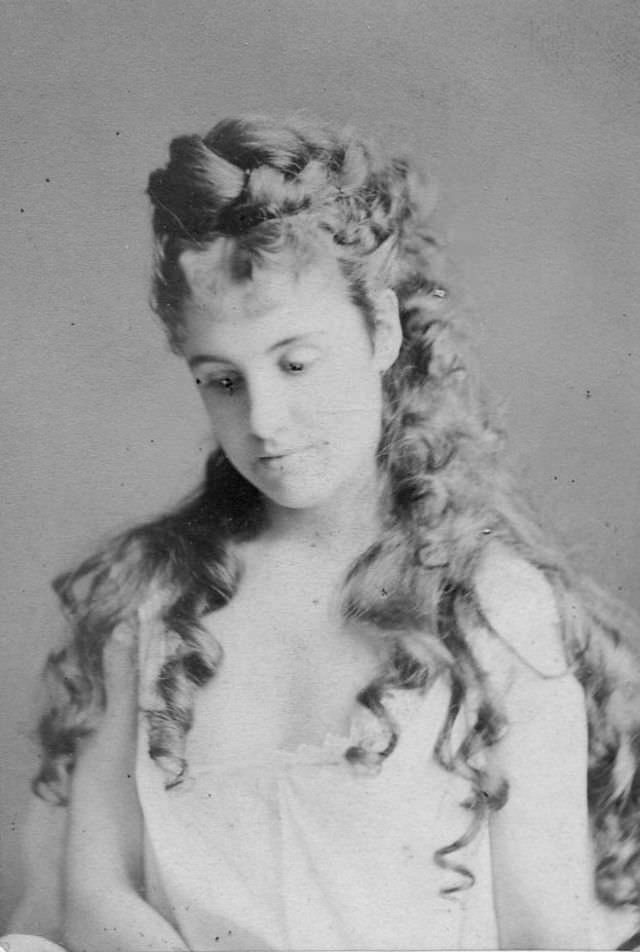
Lilian Adelaide Neilson was widely regarded as the finest Juliet of her generation. Born into poverty, she taught herself to act and eventually performed to packed houses in London and New York. Her rise from obscurity to international fame was one of the most remarkable stories in Victorian theater.
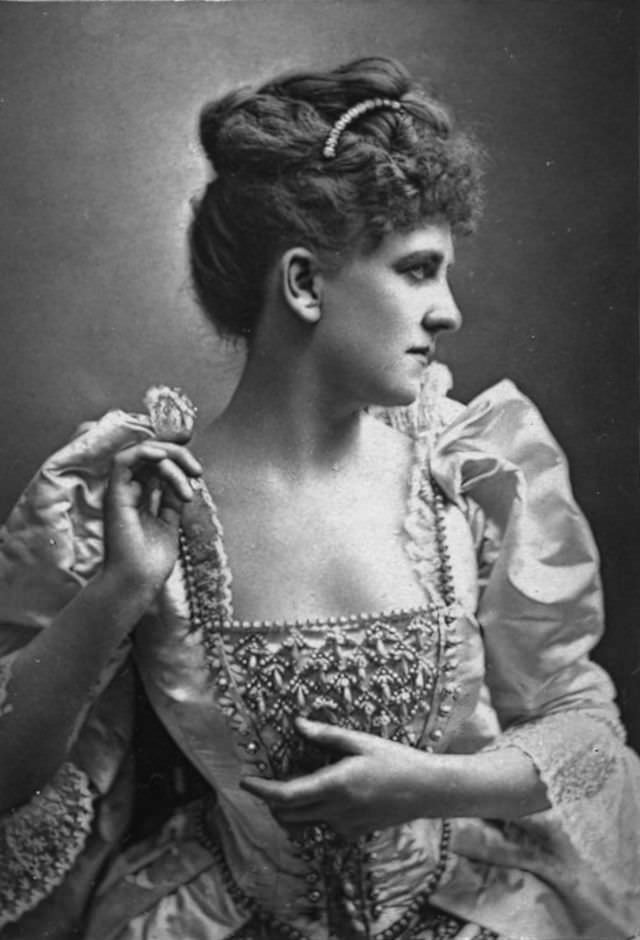
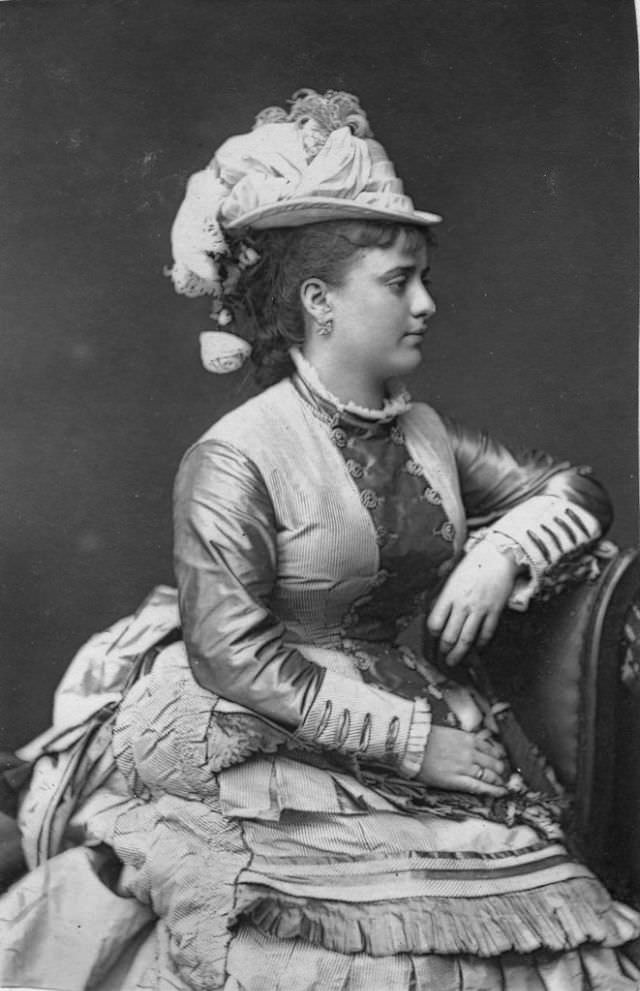
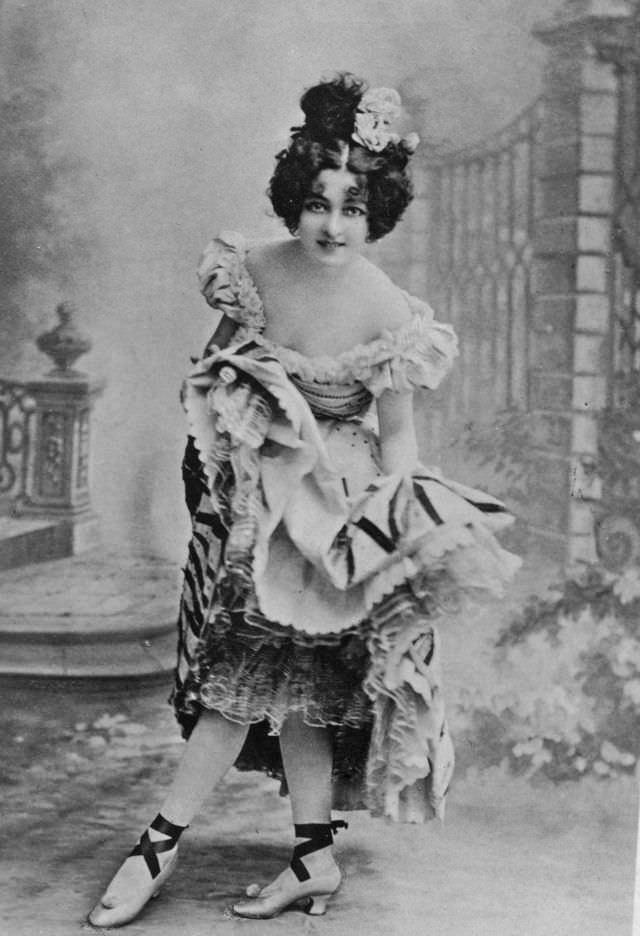
Saharet, born Paulina Clarissa Molonym in Australia, became one of the most talked-about dancers in Europe at the end of the 19th century. She performed in London, Paris, and Berlin, where her style — energetic and unconventional — drew both large crowds and sharp criticism from those who found her performances too bold.
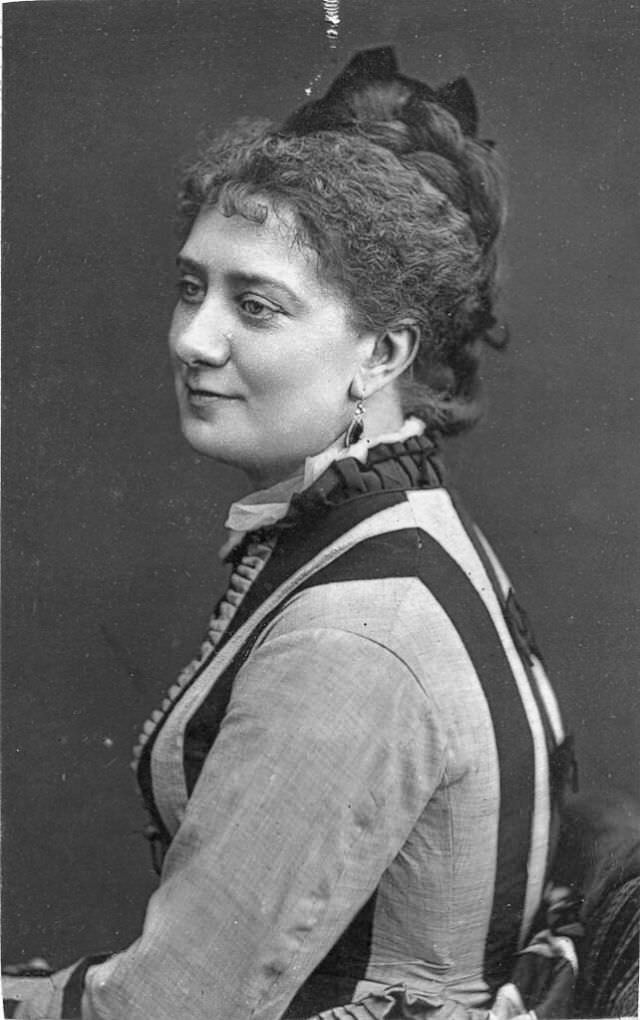
Rose Leclercq was a well-known comedic actress whose career spanned several decades on the London stage. She was particularly skilled in older character roles and continued performing well into her later years, which was itself unusual for women in the Victorian theater world.
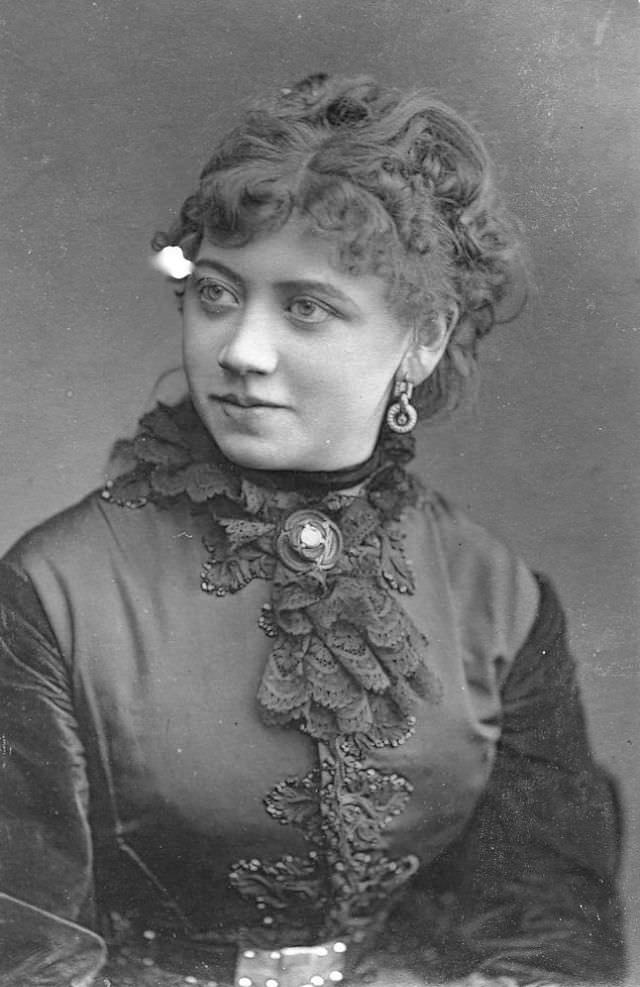
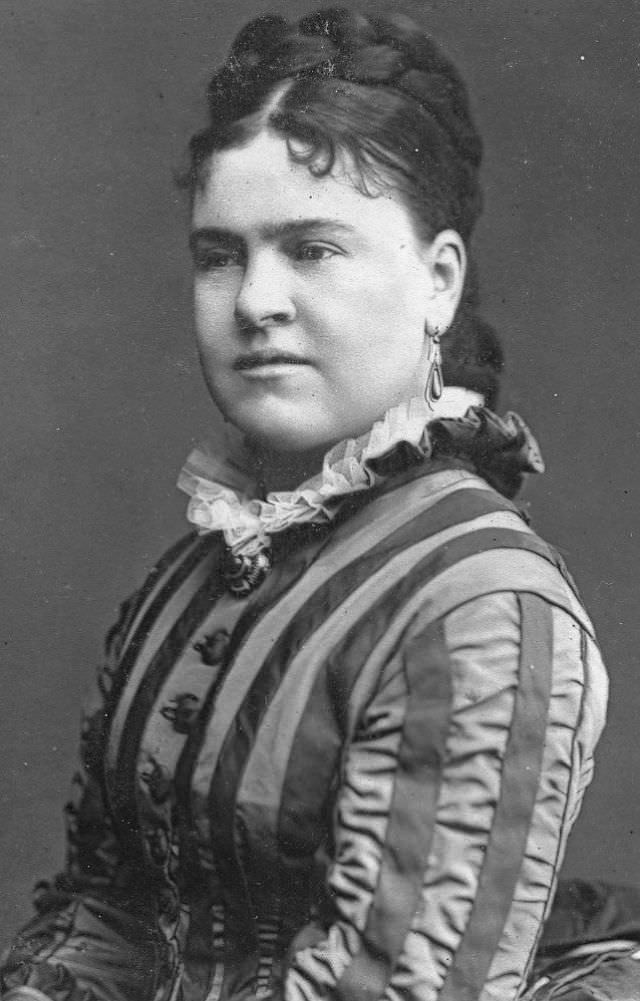
Sarah Edith Wynne was a Welsh contralto celebrated for her powerful voice and stage presence. Known as “Eos Cymru” — the Nightingale of Wales — she performed in oratorios, concerts, and operatic productions, earning a devoted following on both sides of the Atlantic.
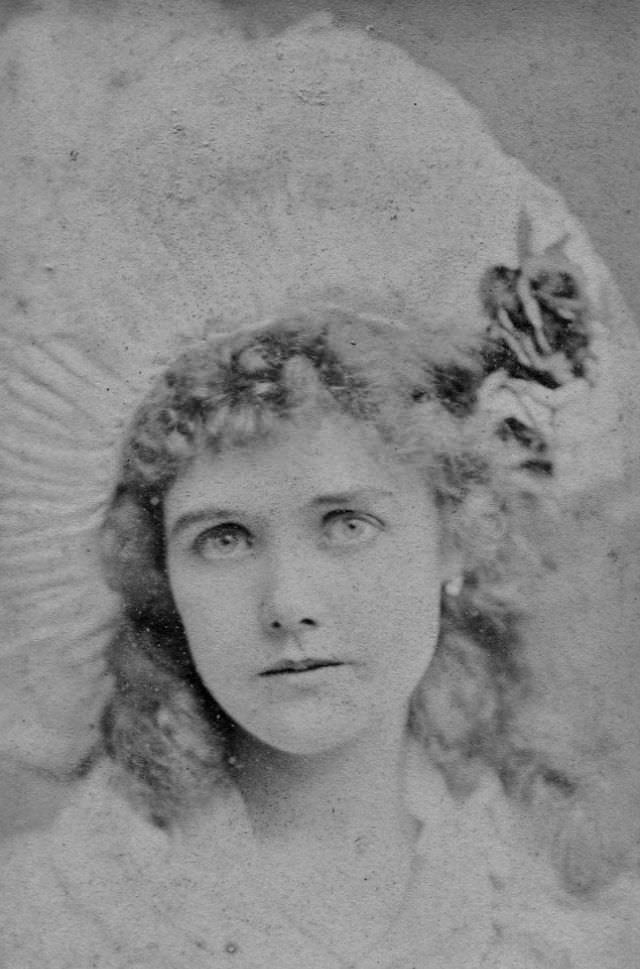
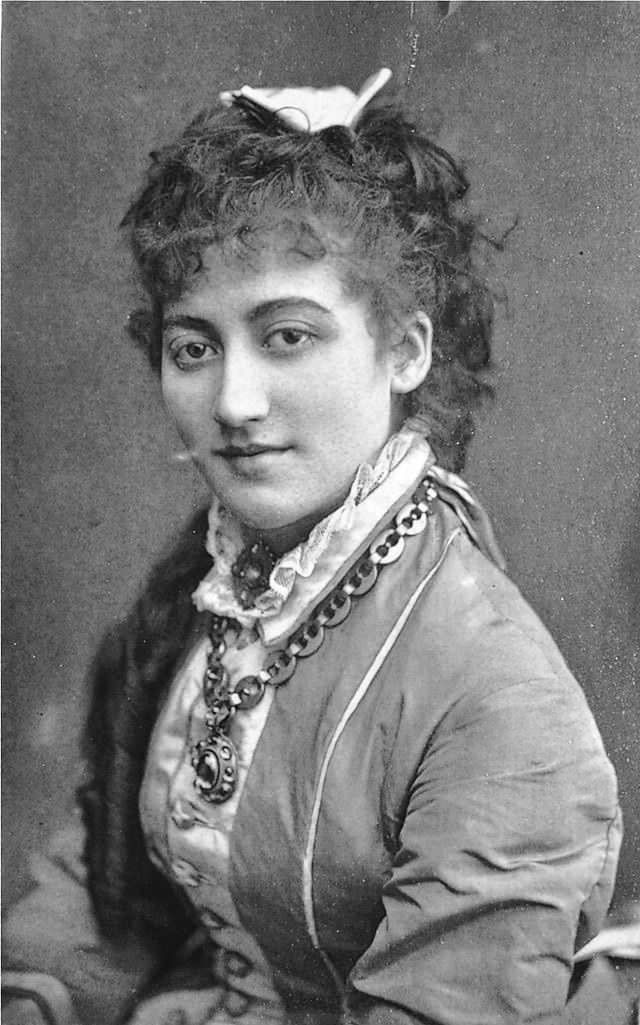
Kate Terry, who appears here under her married name Mrs. Arthur Lewis, was the older sister of the more famous Ellen Terry. Kate had a highly praised stage career of her own before retiring from acting upon her marriage in 1867 — a decision that reflected exactly the kind of social pressure female performers faced. Her retirement was considered appropriate and expected; her talent was never in question.
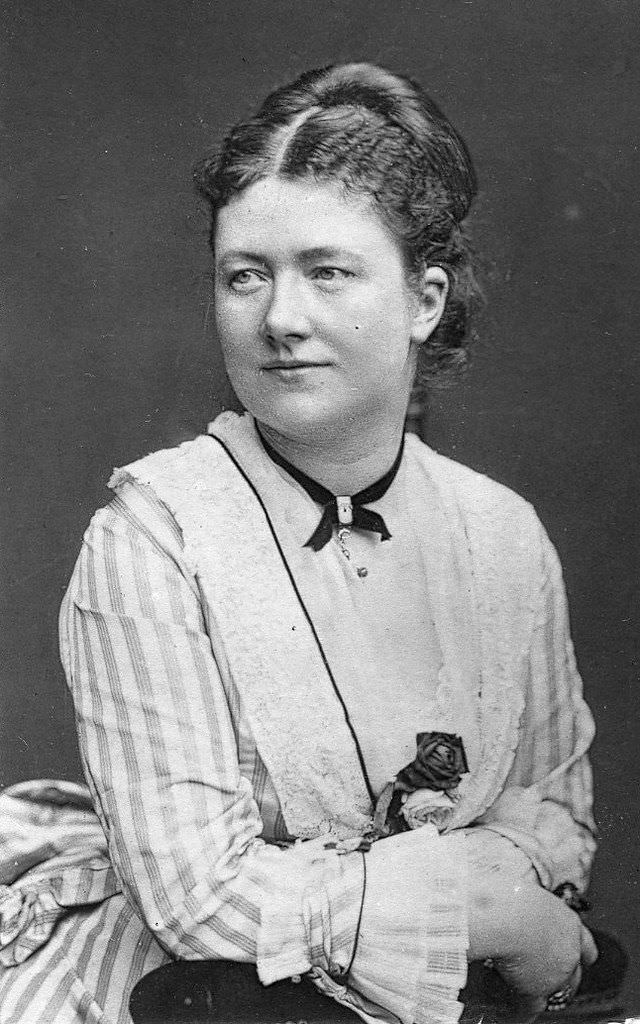
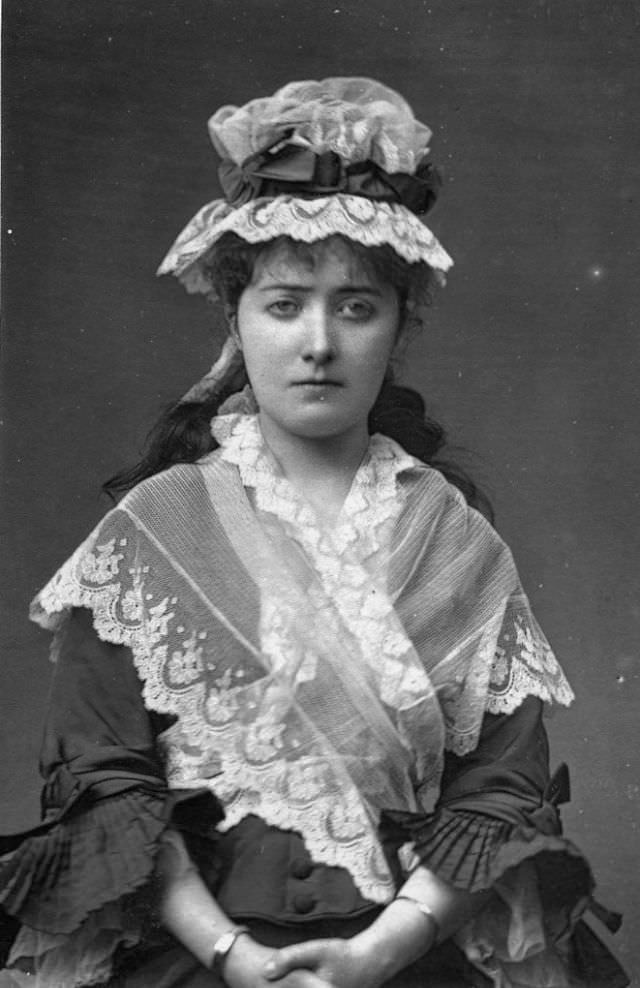
Clara Rousby was a dramatic actress who performed at the Royal Court Theatre in London during the 1870s. She was known for intense performances in tragedy and melodrama, and her early death at thirty-three cut short a career that had already attracted significant critical attention.
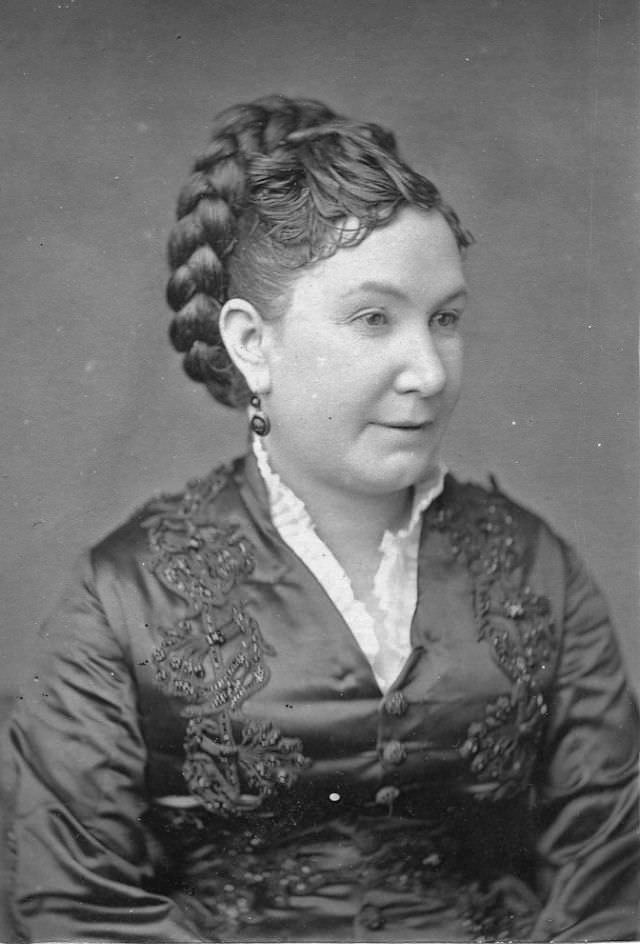
Sarah Jane Woolgar, who performed and later became known as Mrs. Alfred Mellon, was a prominent actress in mid-Victorian London. She appeared frequently at the Adelphi Theatre, where she built a reputation in both comedy and drama over a career lasting more than three decades. Her longevity in the profession made her something of an institution on the London stage.