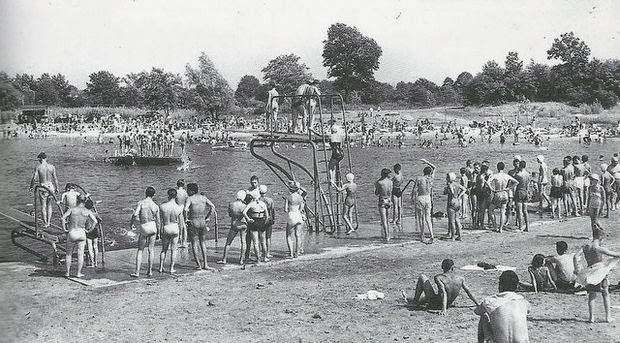
Long before air conditioning was common, New Jersey summers meant one thing: get outside and find water. From the Atlantic shore to inland rivers, lakes, and backyard pools, generations of Garden State residents built their warm months around whatever kept them cool. These vintage photos capture exactly how they did it.
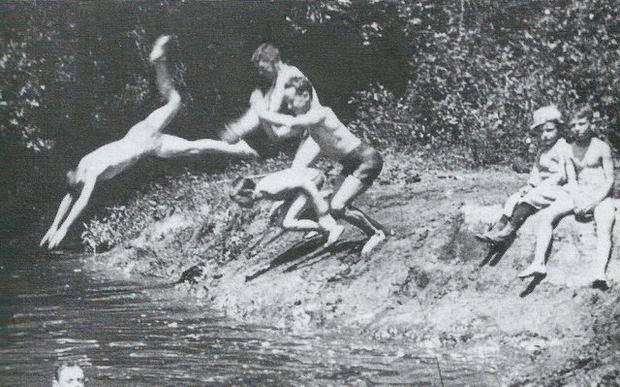
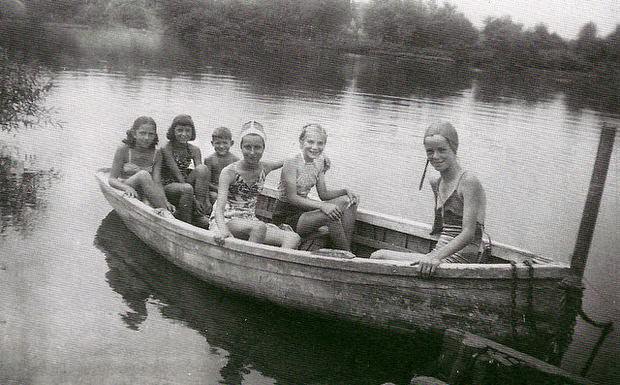
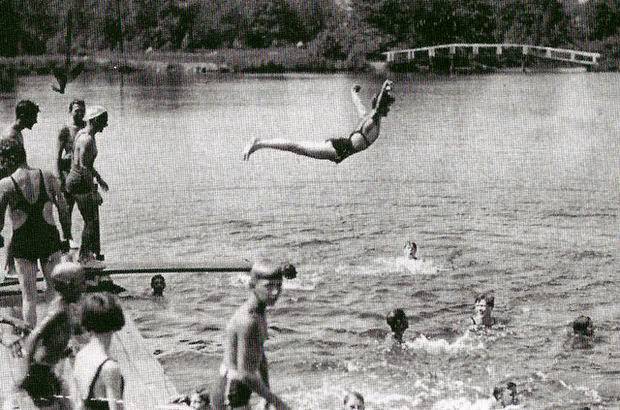
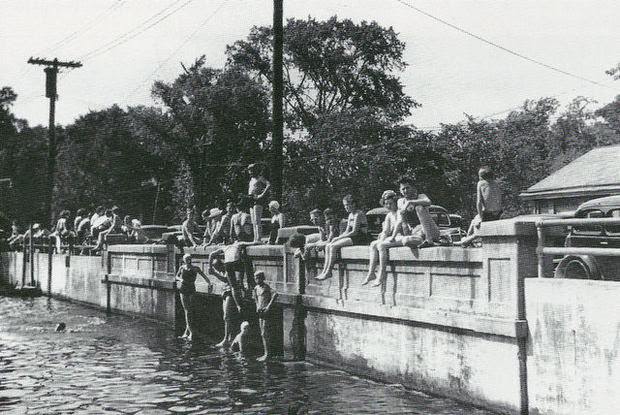
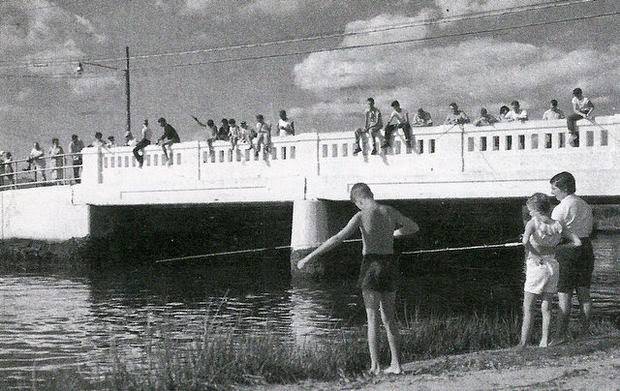
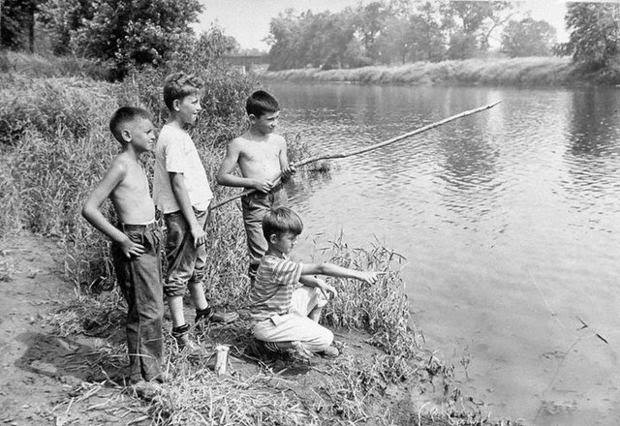
Rivers served as the original swimming holes long before public pools existed. Kids jumped from banks and bridges without much ceremony — just a hot afternoon and a body of water within walking distance. The Rahway, the Raritan, and the Shrewsbury all became seasonal gathering spots for locals who needed relief from the heat.
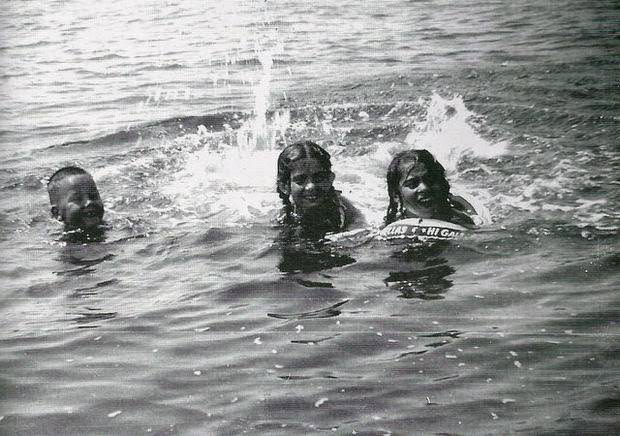
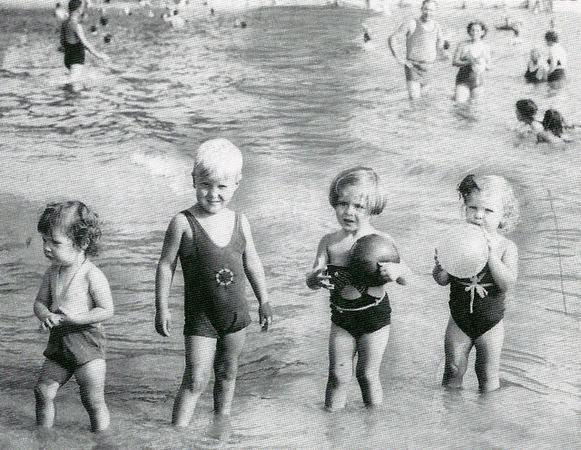
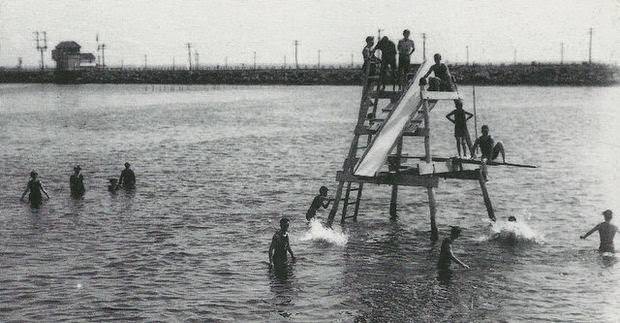
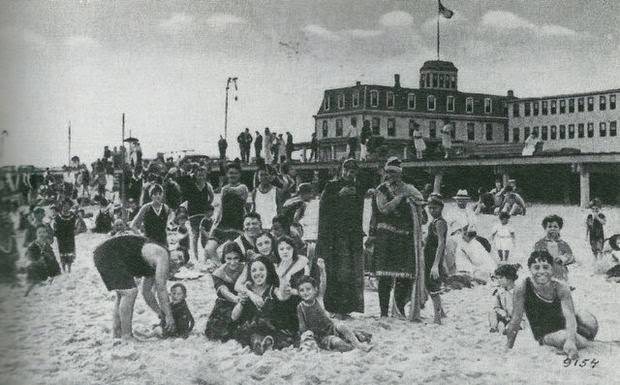
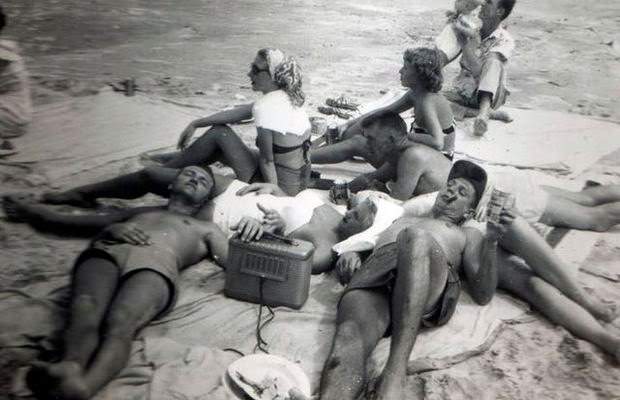
The Jersey Shore drew the biggest crowds. Beaches from Belmar to Wildwood filled with families hauling towels, radios, and folding chairs. In the early decades, bathers wore heavy wool suits that covered most of their bodies. By mid-century, lighter fabrics and transistor radios had changed the scene considerably.
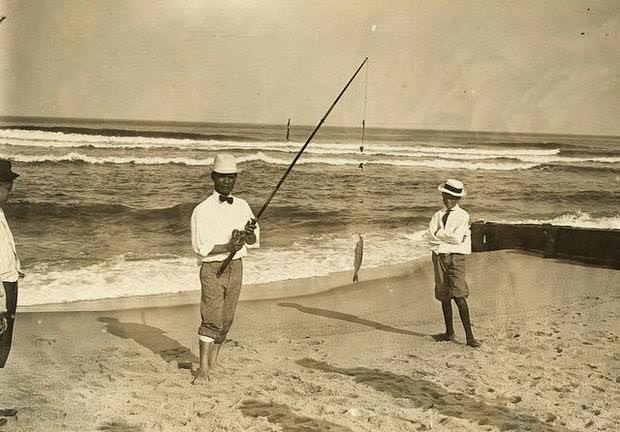
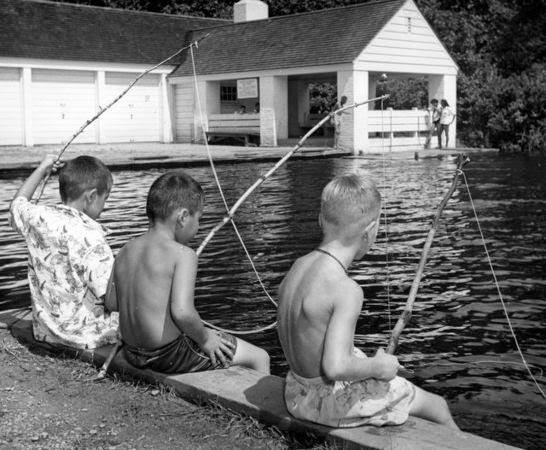
Fishing was both a pastime and a practical pursuit. Anglers lined piers and bridges throughout the summer, casting for flounder, striped bass, and bluefish. In the back bays, families used chicken necks on hand lines to pull blue claw crabs out of shallow water, filling bushel baskets for evening feasts cracked open with wooden mallets.
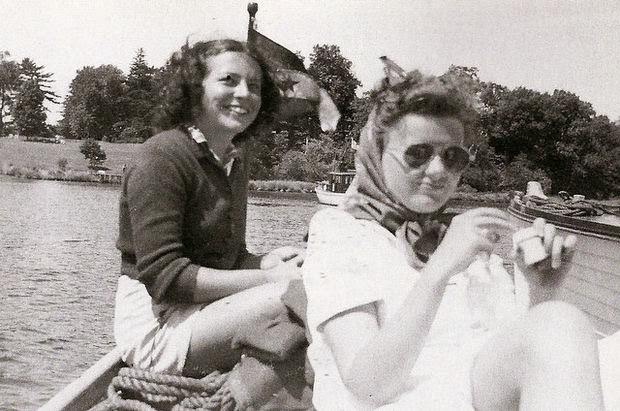
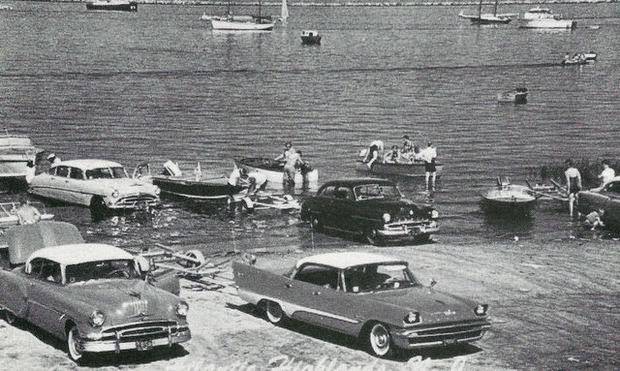
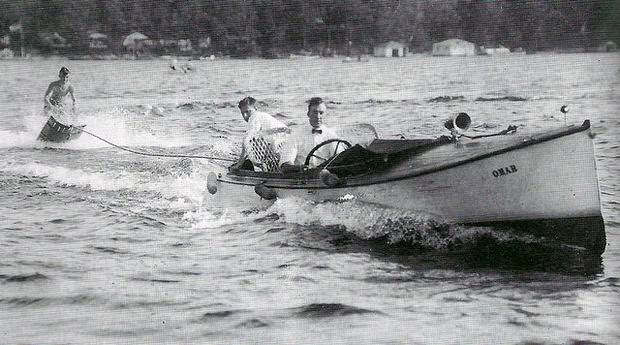
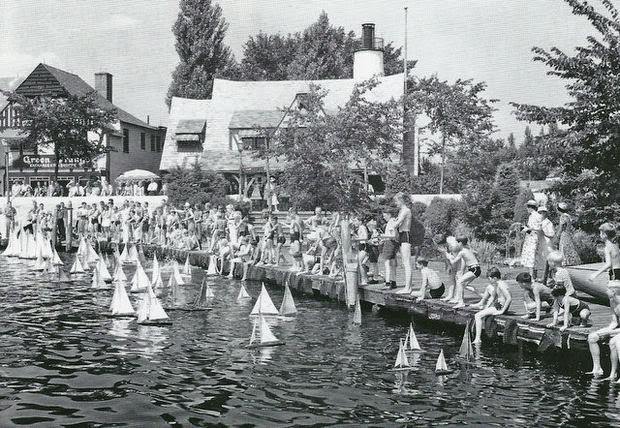
Away from the shore, lakes across northern and central New Jersey hosted their own summer rituals. Lake Hopatcong and Lake Mohawk drew boaters, swimmers, and competitors to regattas and water carnivals. Aquaplaning — an early form of water skiing using a flat wooden board — was already drawing spectators on Lake Hopatcong by the 1930s.
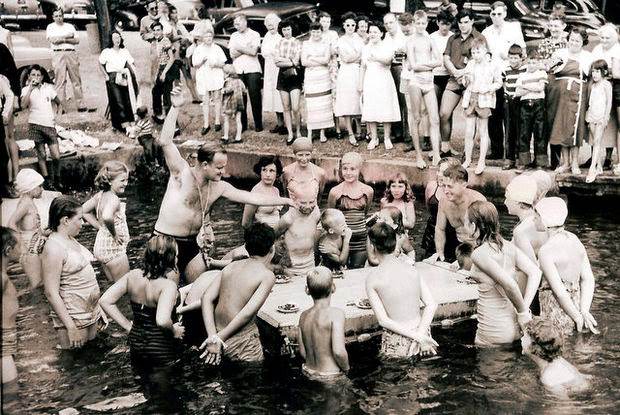
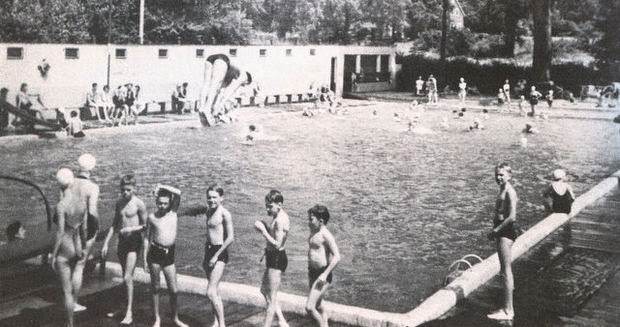
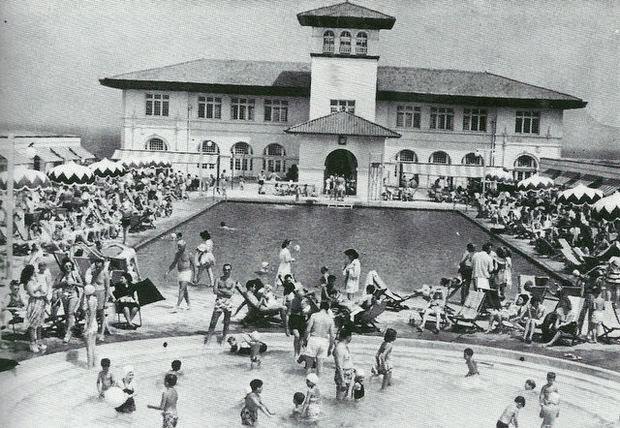
Public pools gave landlocked communities their own version of the shore. Towns built municipal facilities where residents paid a small fee to swim, dive, and float through the afternoon. These pools became social hubs just as much as the beach ever was.
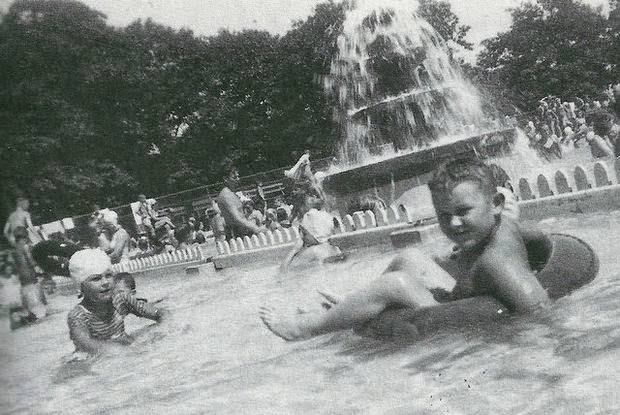
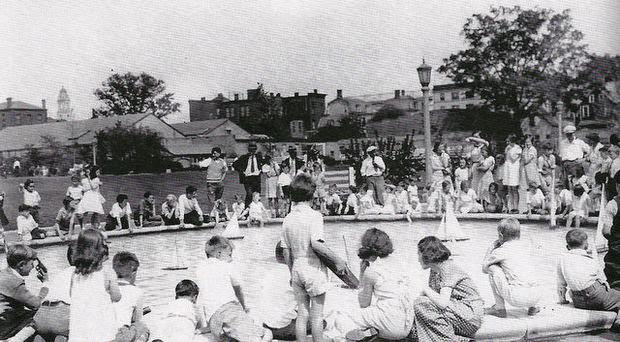
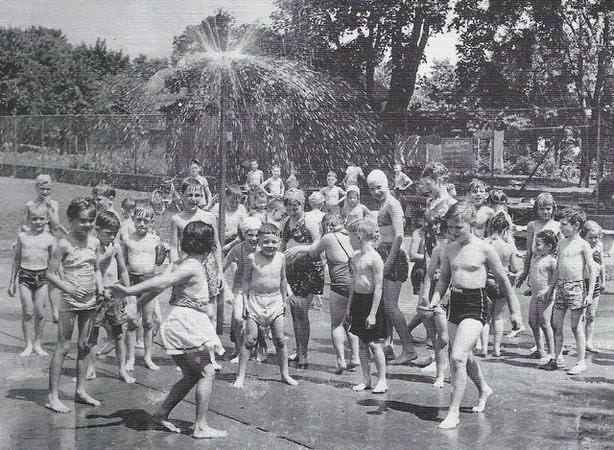
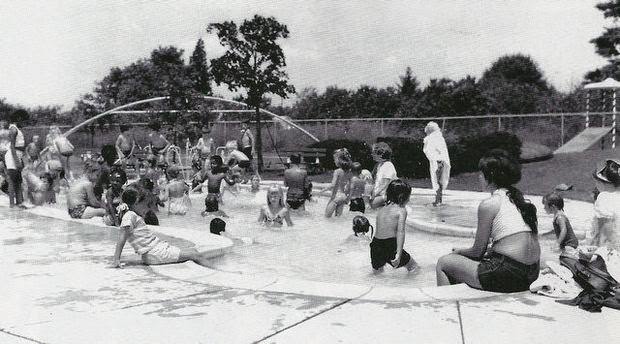
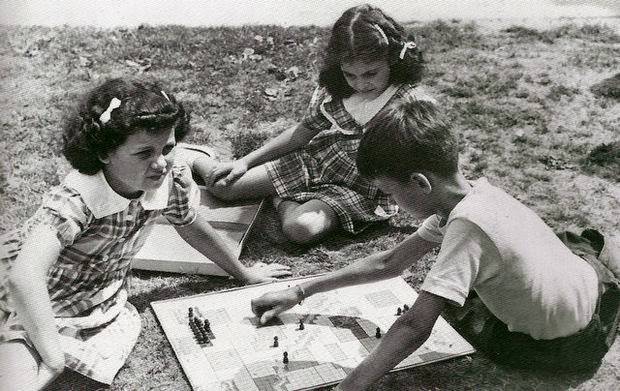
For younger children, wading pools and sprinkler programs at local schools and parks filled the gap. Playground summer programs organized games and activities, keeping kids busy from morning through early afternoon in neighborhood settings that cost families nothing.
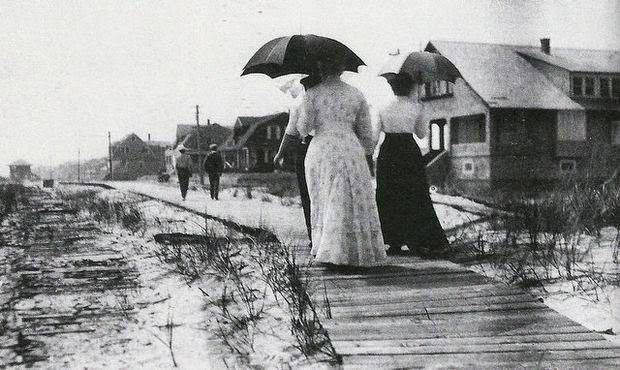
The boardwalks tied it all together. In Atlantic City, visitors rode in wicker rolling chairs pushed by attendants while watching the crowds pass by. Amusement piers stretched over the ocean with Ferris wheels and roller coasters running from late morning until well past dark, their lights reflecting off the water below.
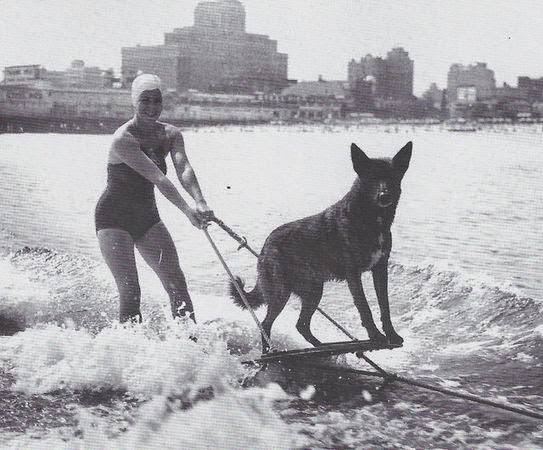
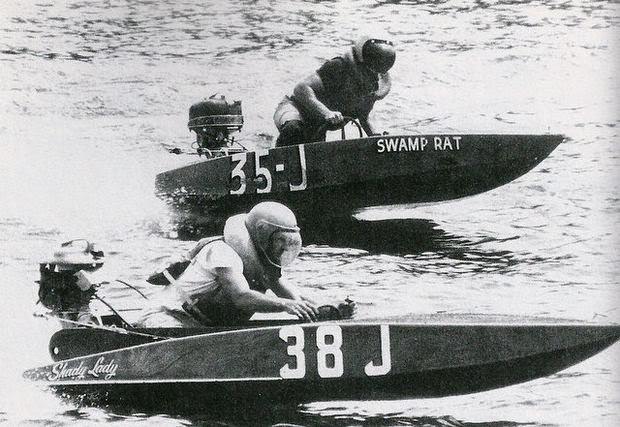
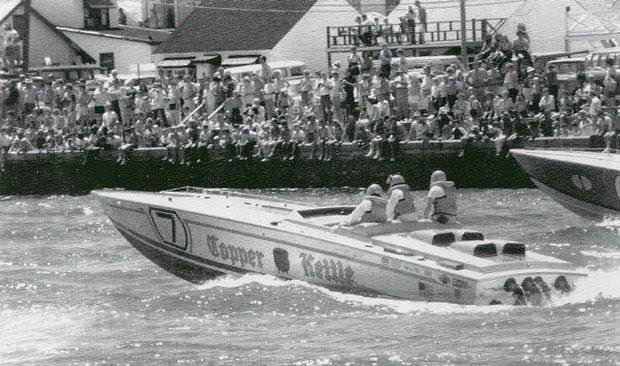
Water spectacles drew crowds on their own. Water ballet performances staged in bays and pools attracted audiences looking for something beyond swimming. Speedboat races off the coast at Brielle and Union Beach pulled in spectators who lined the shore to watch the action.
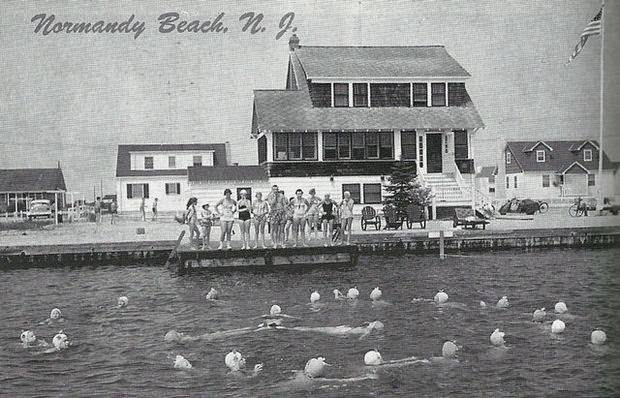
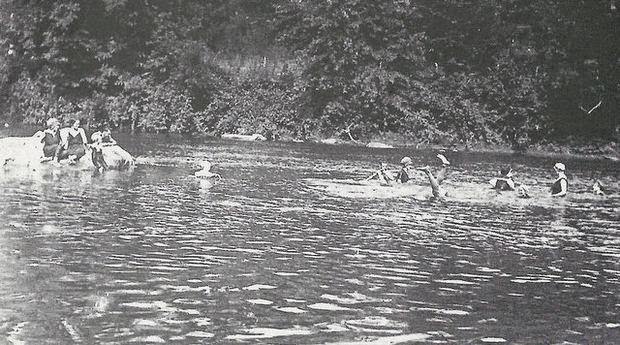
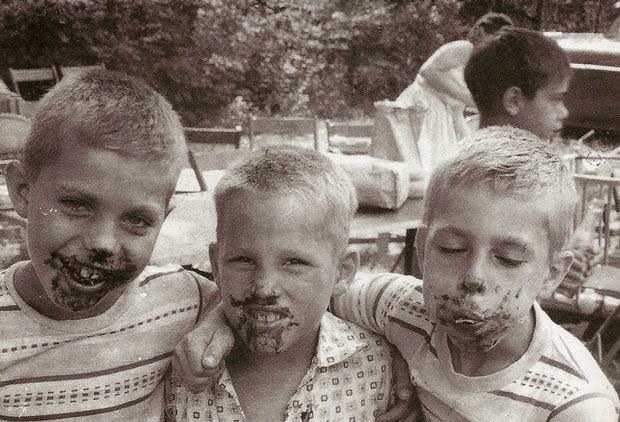
Community events filled out the calendar. Fire companies held annual picnics with pie-eating contests. Neighbors gathered at lakes and docks simply to spend time together. These weren’t elaborate outings — they were ordinary days that the people living them understood to be the best part of the year.