In 1928, Mercedes-Benz unveiled a car that stopped traffic before it even reached full speed. The SSK — short for “Super Sport Kurz,” meaning “Super Sport Short” in German — combined a shortened chassis with raw, supercharged power in a way the automotive world had never seen. Designed by Ferdinand Porsche, who would later found his own legendary marque, the SSK was built to be both a road car and a racing machine.
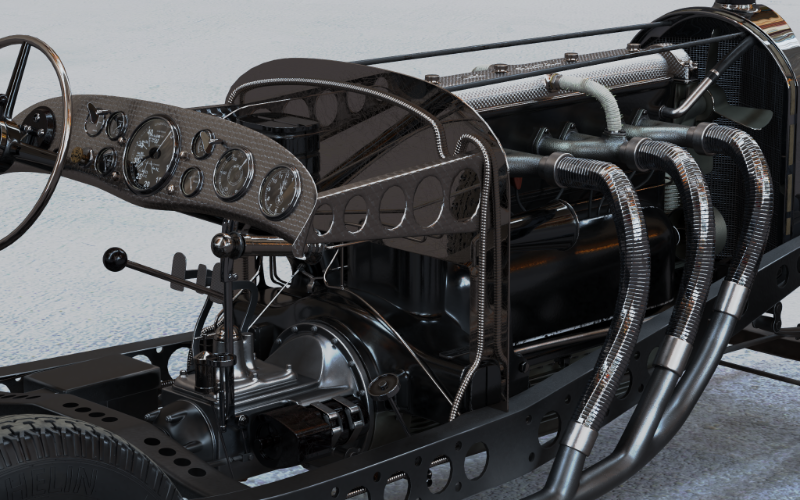
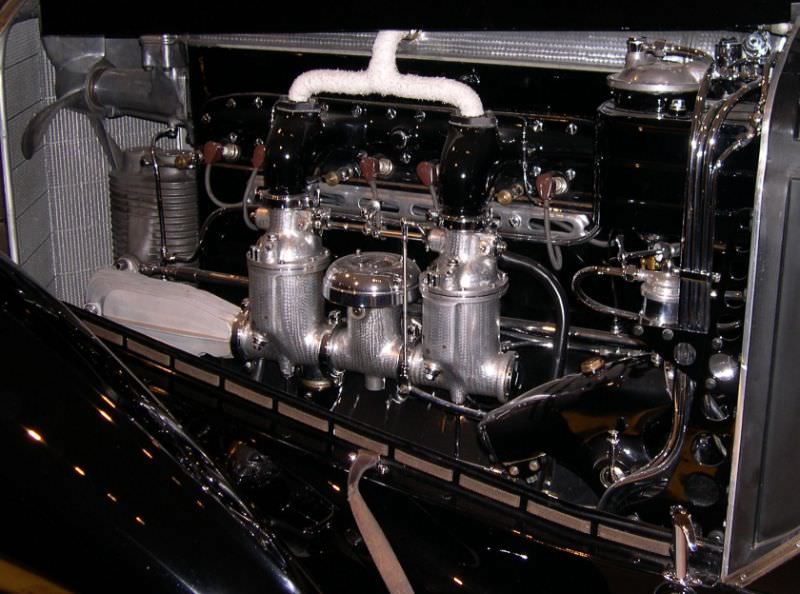
At the heart of the SSK sat a massive 7.1-liter supercharged inline-six engine. When the supercharger engaged, it produced a shrieking wail that was unmistakable. The car pushed out enough power to hit top speeds of around 120 mph — a number that was extraordinary for the late 1920s. That kind of performance put the SSK in a class almost entirely by itself.
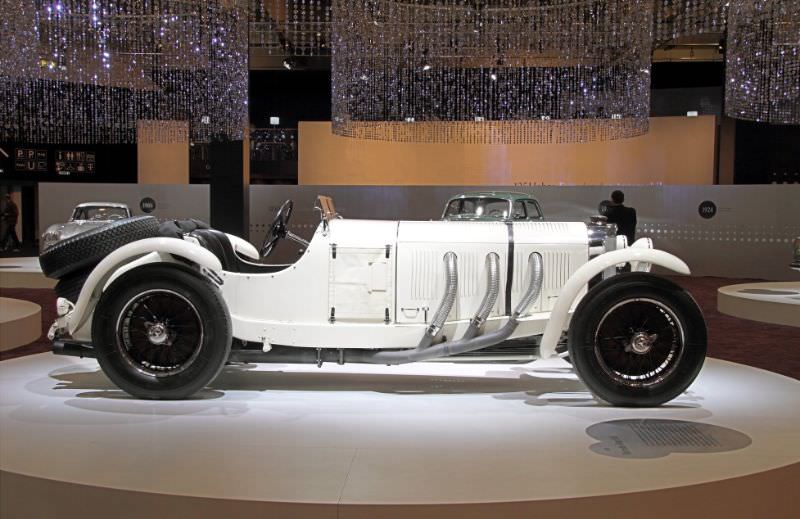
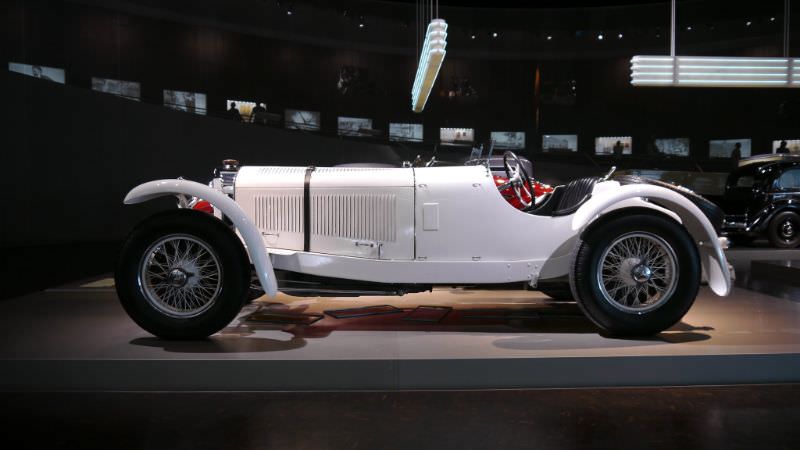
The SSK’s body matched its performance. A long, sweeping hood dominated the car’s profile, covering the huge engine beneath. The prominent radiator grille, flowing fenders, and sculpted bodywork gave the car an air of authority. Nothing about it was subtle. Wherever an SSK appeared, it commanded attention.
The car earned its most famous nickname on the racing circuit. In 1931, German driver Rudolf Caracciola piloted an SSK to victory in the Mille Miglia — a punishing 1,000-mile road race across Italy. It was the first time a non-Italian driver had won the event in its history. The win earned the SSK the nickname “White Elephant,” a nod to both its pale finish and its imposing size.
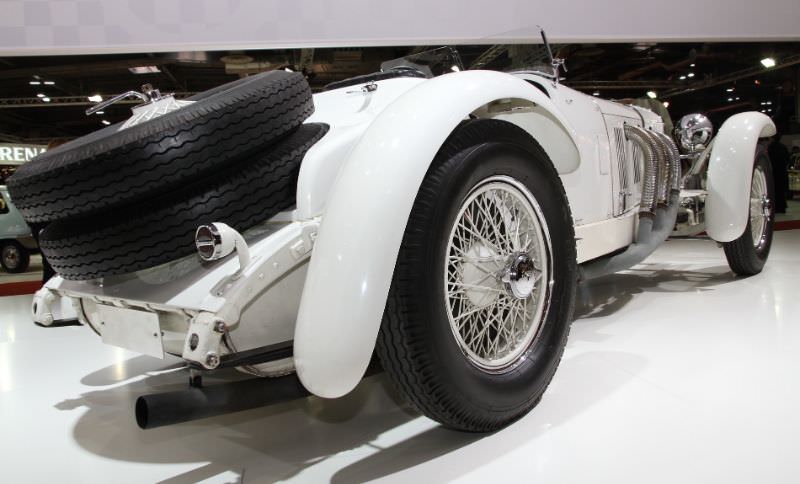
Caracciola’s 1931 Mille Miglia victory wasn’t an isolated result. The SSK racked up wins across European motorsport throughout its production years. Its shortened wheelbase, compared to the earlier SS model, made it more agile through corners while losing none of the straight-line speed. Engineers trimmed the chassis specifically to sharpen the car’s handling on demanding race courses.
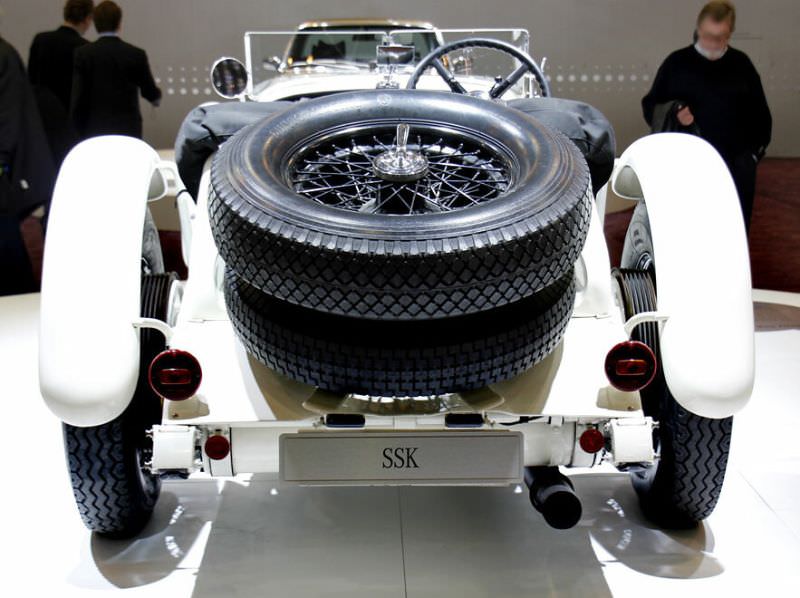
Production of the SSK was never meant to be large-scale. Mercedes-Benz built only around 40 examples in total, making it one of the rarest automobiles ever produced during that era. Each car was hand-built and finished to the exacting standards expected of a flagship Mercedes-Benz product. Buyers were wealthy, well-connected, and fully aware of what they were acquiring.
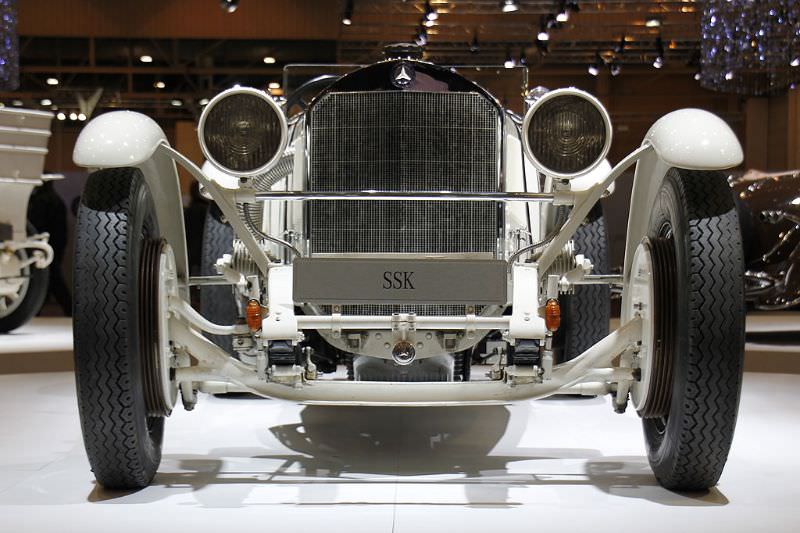
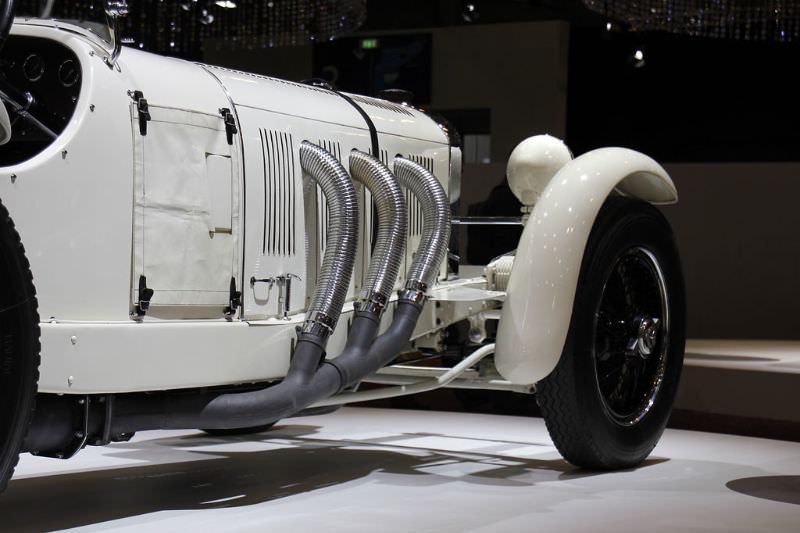
The supercharger system on the SSK was a deliberate design choice that served a specific purpose. Under normal driving conditions, the engine operated without it. When the driver floored the throttle, a clutch engaged the Roots-type supercharger, forcing more air into the engine and producing a dramatic surge of power along with that signature mechanical scream.
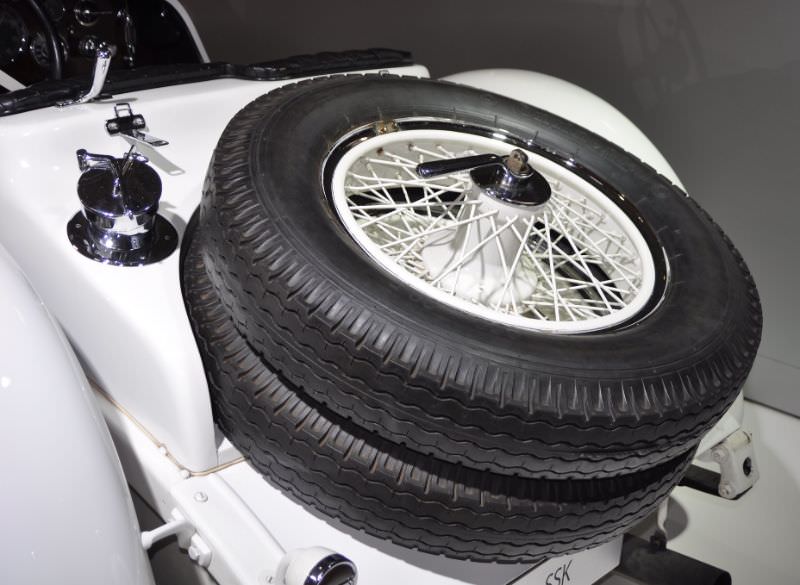
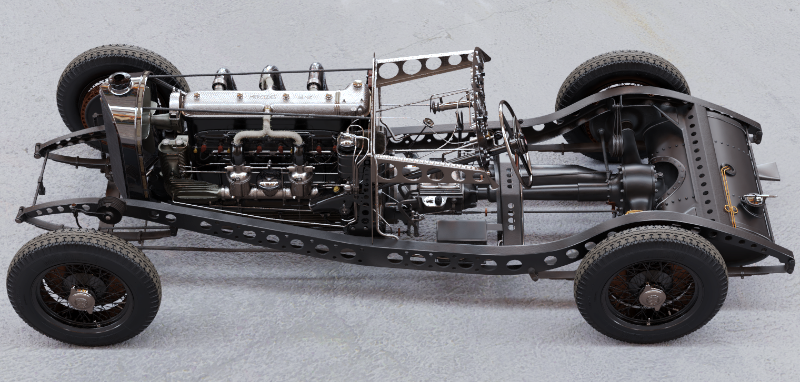
The SSK also appeared in a lighter, more powerful variant known as the SSKL — the “L” standing for “Leicht,” or “Light.” Engineers drilled holes throughout the chassis and body components to reduce weight, pushing the car’s performance even further. The SSKL was the racing-focused evolution of an already extreme machine.
Porsche’s engineering fingerprints were all over the SSK’s design. The car built on the earlier Mercedes-Benz S and SS models, each iteration refining the formula. Porsche understood that reducing chassis length lowered weight and improved balance, two factors that translated directly into faster lap times and better driver control on the road.
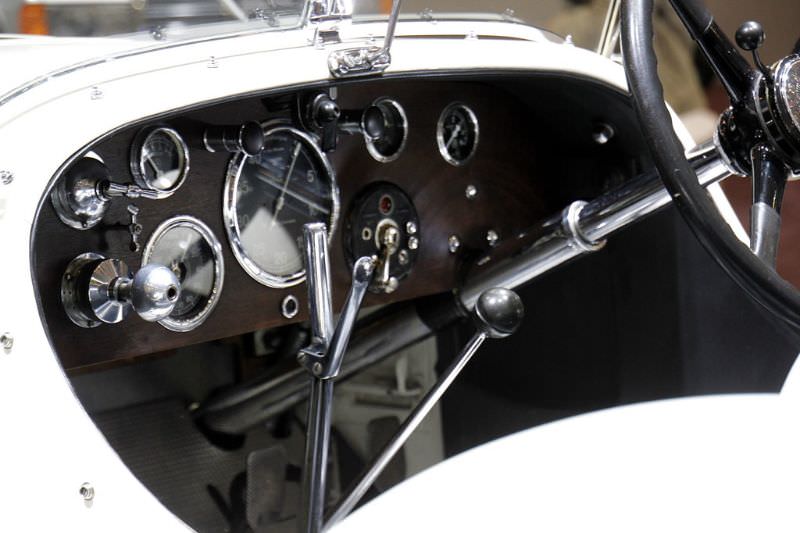
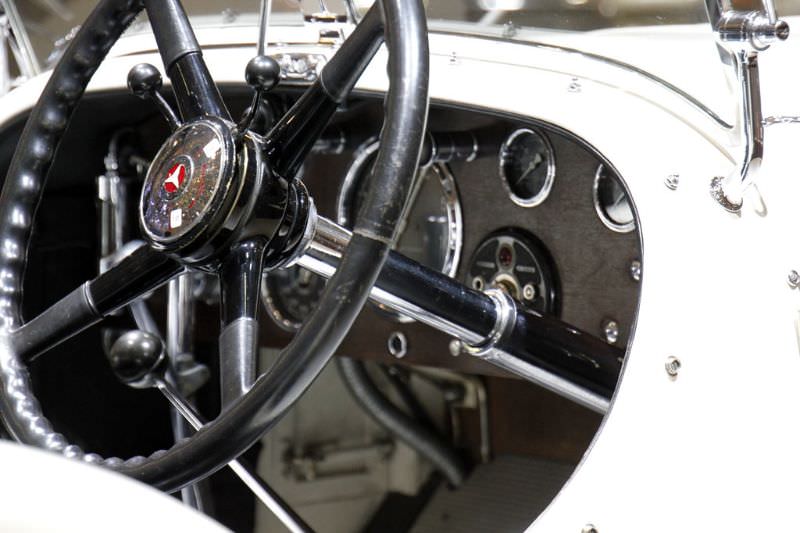
The SSK’s open two-seat body style reflected the sporting priorities of its era. There were no creature comforts designed to coddle the driver. The cockpit was functional and focused — a wide steering wheel, large instrumentation, and nothing extra to add weight or distraction. Driving an SSK was a full physical experience, demanding skill and strength from whoever sat behind the wheel.
Several of the surviving SSK examples have sold at auction for prices well into the millions of dollars. The combination of historical significance, racing pedigree, Porsche’s design authorship, and extreme rarity places the SSK among the most valuable pre-war automobiles in existence. Collectors and museums across the world compete for the chance to own one.
With only around 40 built and fewer than that still in existence, each remaining SSK carries the full weight of its history. These are cars that actually raced, actually won, and actually pushed the limits of what was mechanically possible in the late 1920s and early 1930s. The SSK was not a concept or a prototype — it was a working expression of what Mercedes-Benz and Ferdinand Porsche believed a performance car should be.