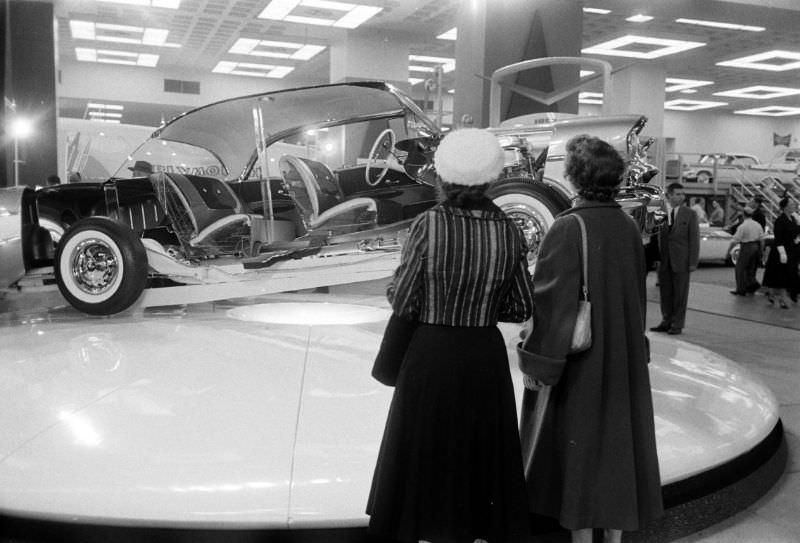
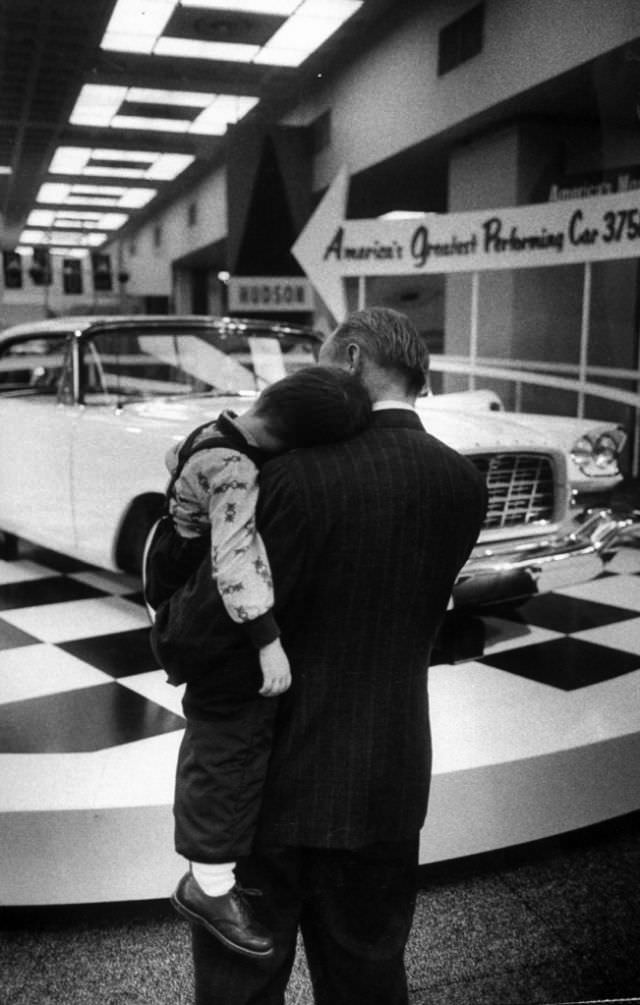
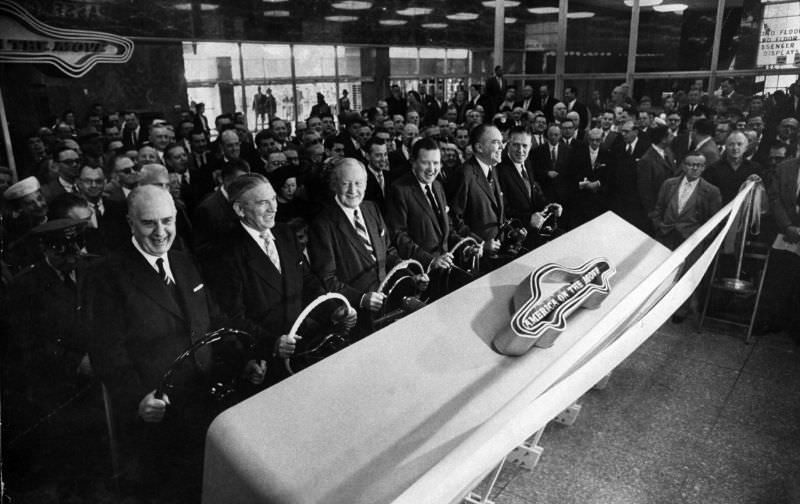
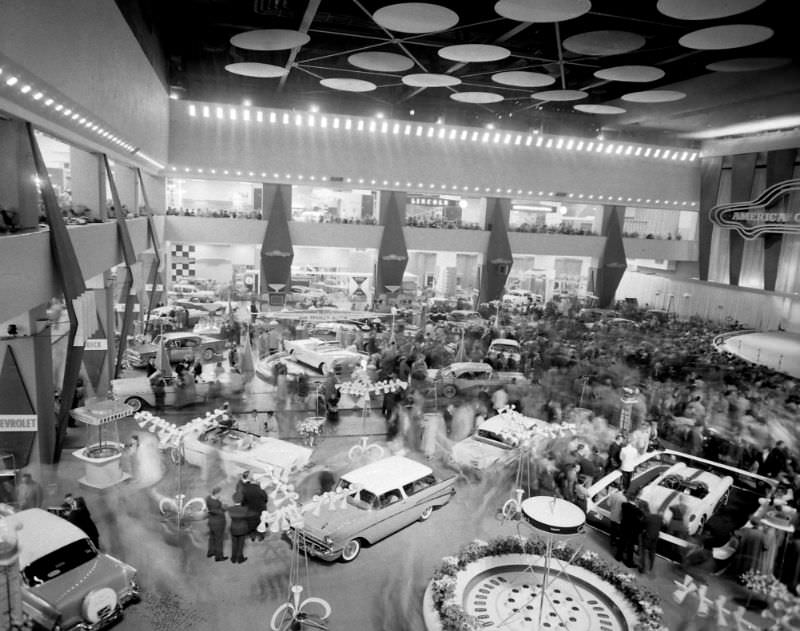
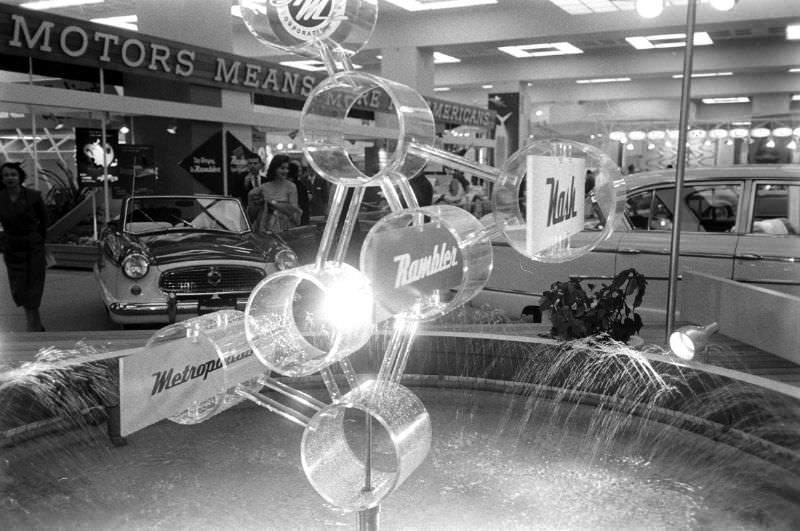
Each year, the National Automobile Show in New York served as the country’s biggest stage for the auto industry. Carmakers arrived ready to outshine one another, and the 1956 edition was no exception. Crowds poured in from across the country to see what Detroit had been building behind closed doors. The show floor was packed with gleaming machines, and the energy inside the hall was electric.
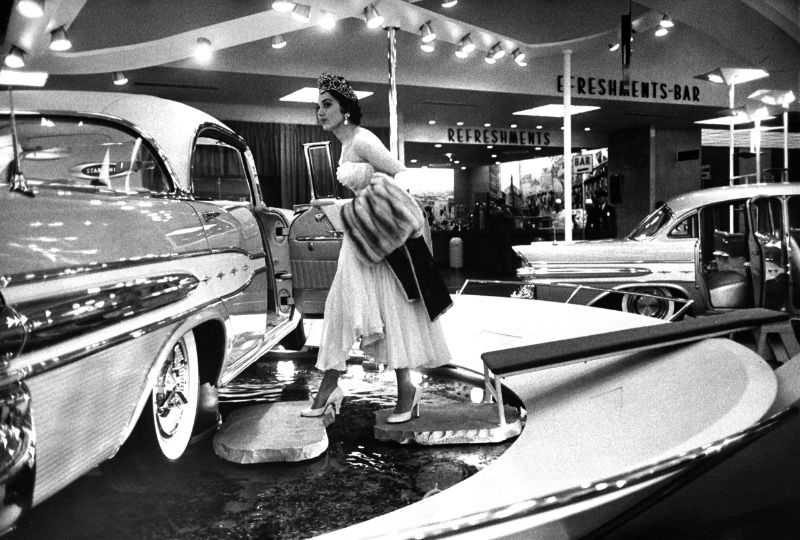
The cars on display were bigger than ever. Manufacturers in 1956 were locked in a fierce competition for size, power, and luxury. Longer wheelbases, wider bodies, and larger engines were the order of the day. Buyers wanted more of everything, and the automakers delivered. No detail was too small, and no feature too extravagant.
Chrome was everywhere. Bumpers, grilles, side trim, and hood ornaments all caught the light from every angle. It wasn’t purely decorative — chrome signaled prosperity and modernity to postwar American consumers. The more chrome a car wore, the more desirable it appeared on a showroom floor.
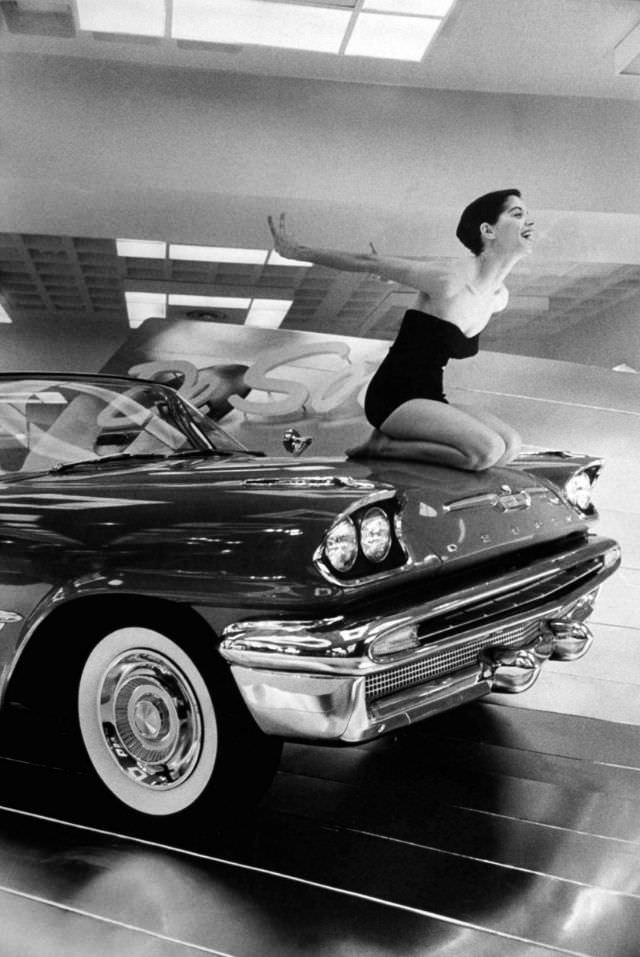
Tailfins were another defining feature of the show. Designers had drawn inspiration from jet aircraft, and the fins that rose from the rear quarters of American cars grew more dramatic with each passing year. By 1956, they were bold, sculpted statements — a visual language that tied the automobile to the speed and ambition of the jet age.
Concept cars drew some of the largest crowds at the show. These weren’t production vehicles — they were rolling experiments in design and engineering. Sweeping bodywork, bubble canopies, and push-button dashboards gave attendees a look at what designers believed the next decade of motoring might hold. Some features were purely visual, while others hinted at real mechanical advances.
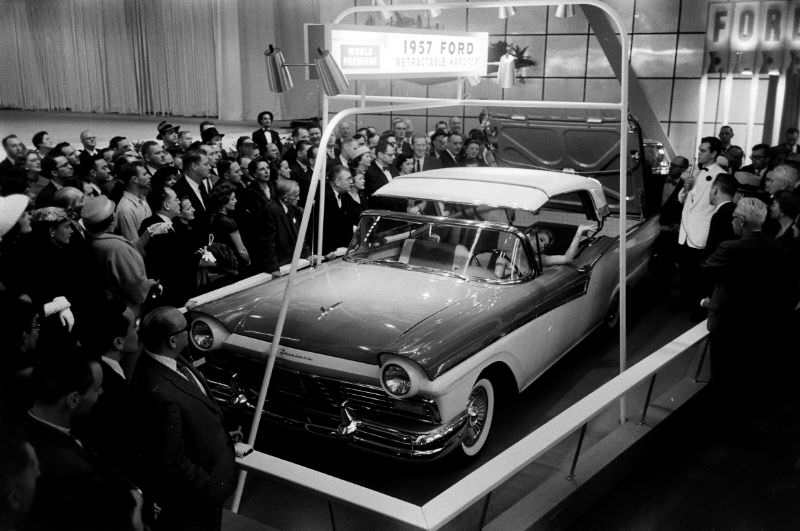
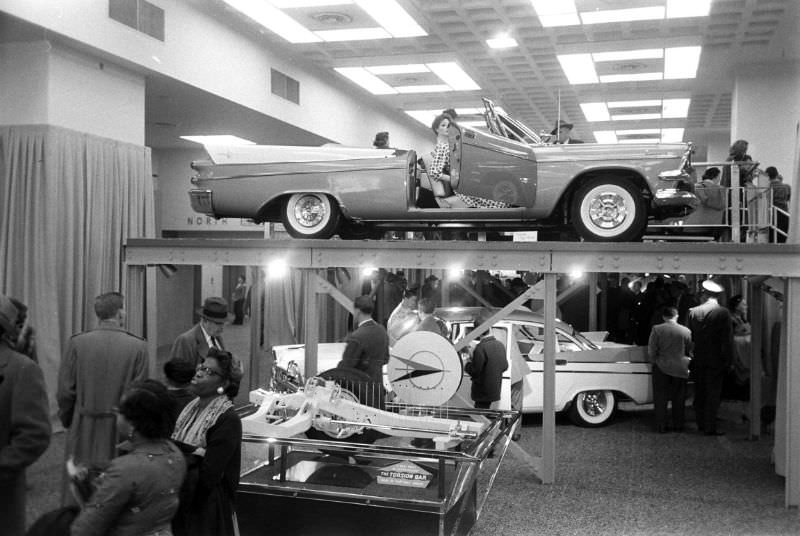
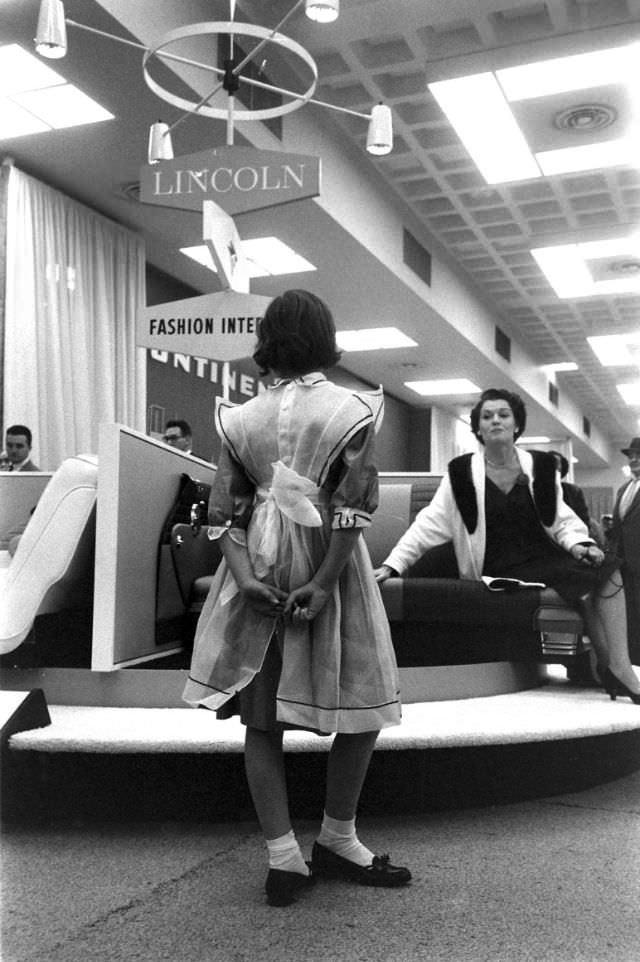
The major American automakers — General Motors, Ford, and Chrysler — each brought extensive lineups to the floor. Every brand within those corporate families competed for attention. Chevrolet, Buick, Oldsmobile, Cadillac, Ford, Mercury, Lincoln, Plymouth, DeSoto, and Dodge all had models on display, each angled at a different slice of the buying public.
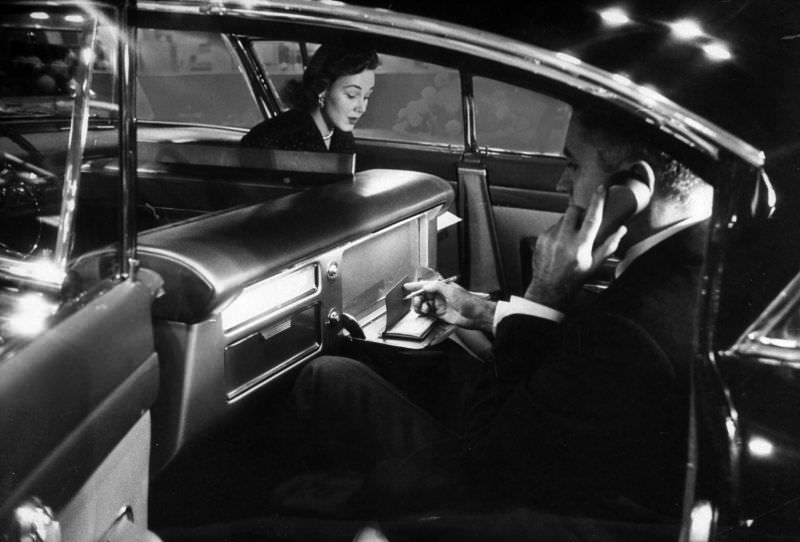
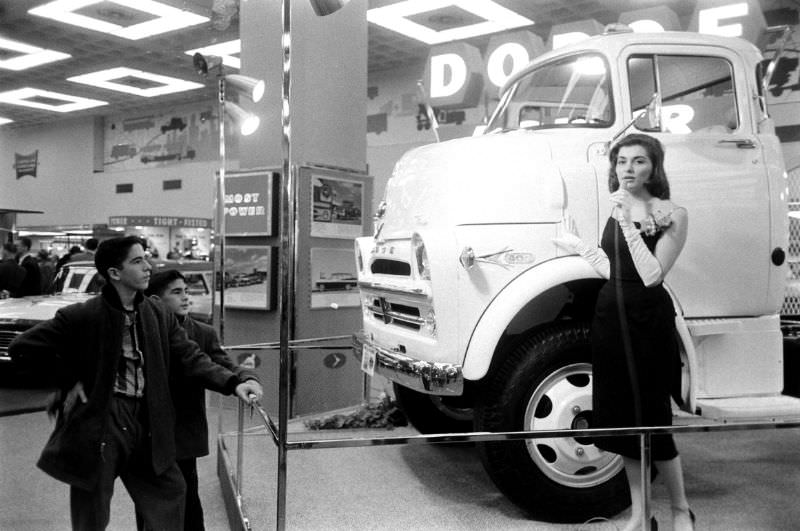
Interior design received serious attention in 1956. Two-tone color schemes carried from the exterior into the cabin. Seats were wide and thickly padded. Dashboards were styled like aircraft instrument panels, loaded with gauges, switches, and chrome accents. Power windows, power steering, and automatic transmissions were becoming standard expectations rather than rare options.
The show also reflected the rapid growth of the American highway system. The Federal Aid Highway Act was signed in 1956, the same year as the show, authorizing the Interstate Highway System. Cars with powerful V8 engines and long, comfortable interiors were being designed precisely for the kind of open-road travel that the new highways promised.
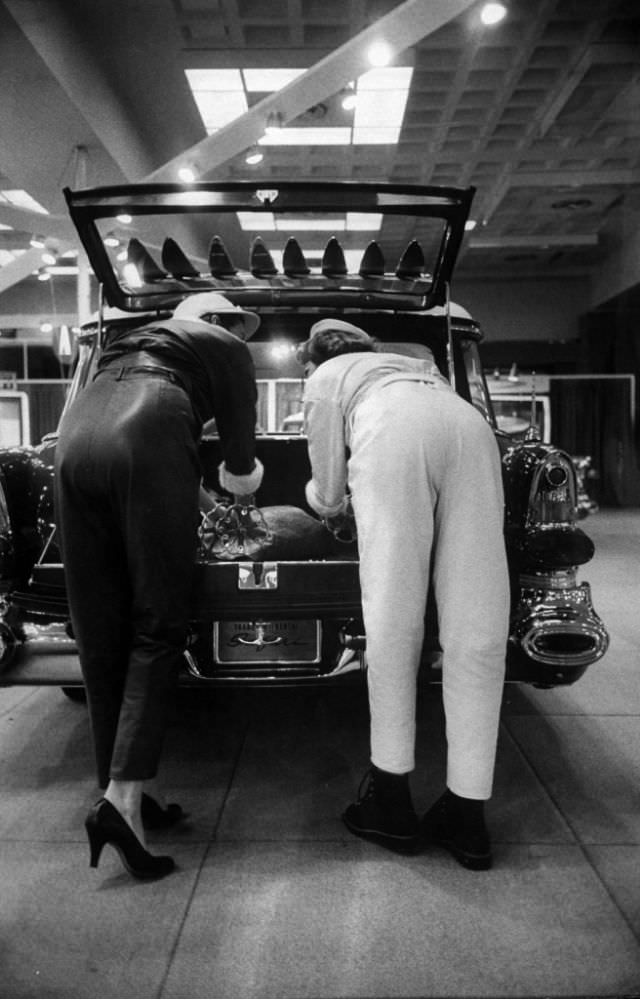
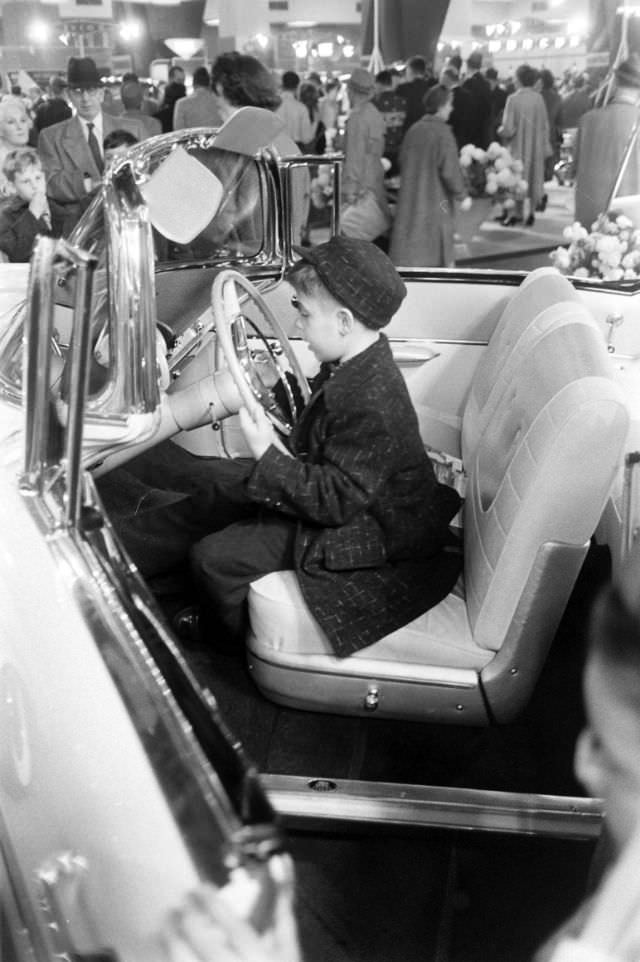
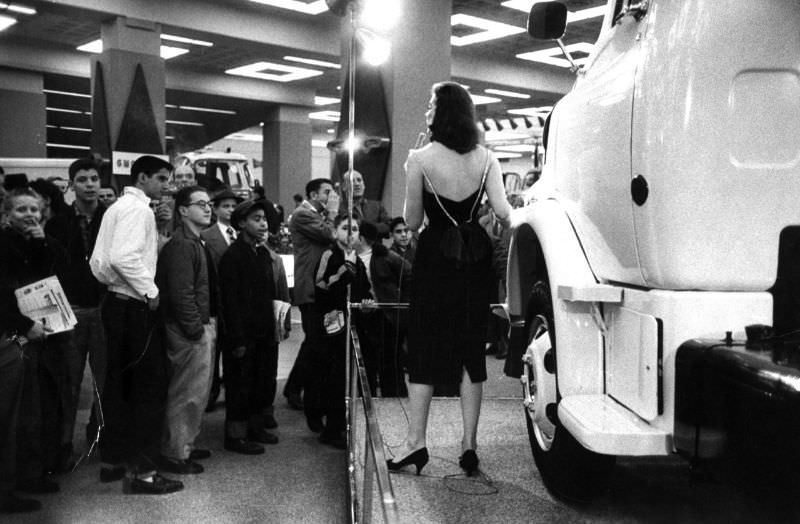
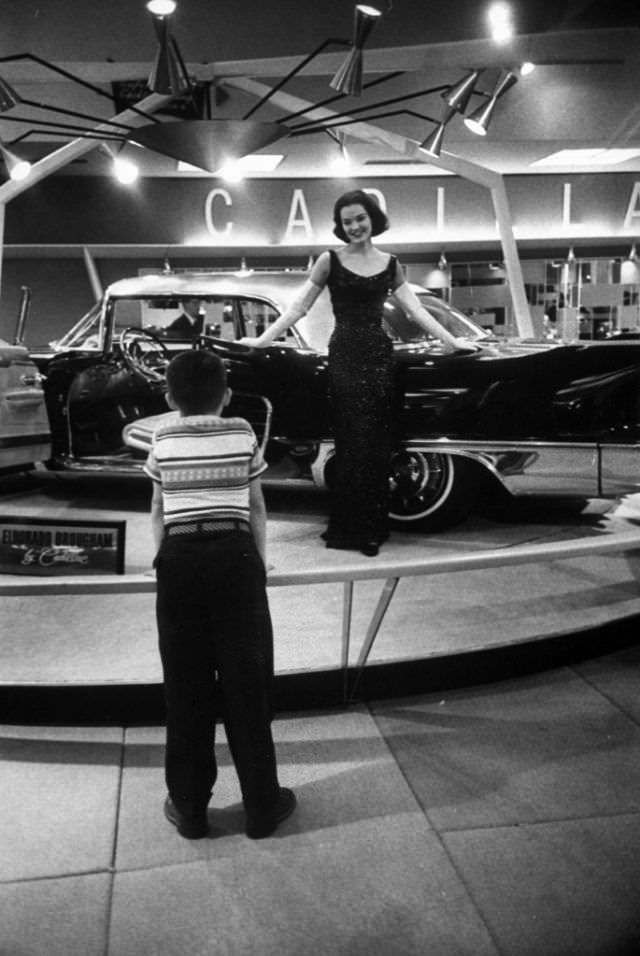
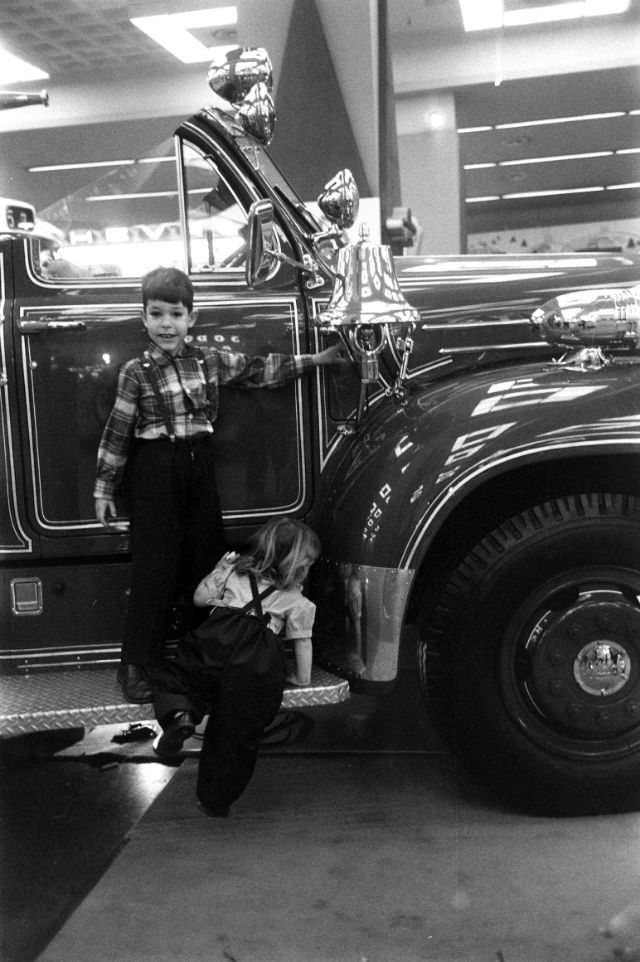
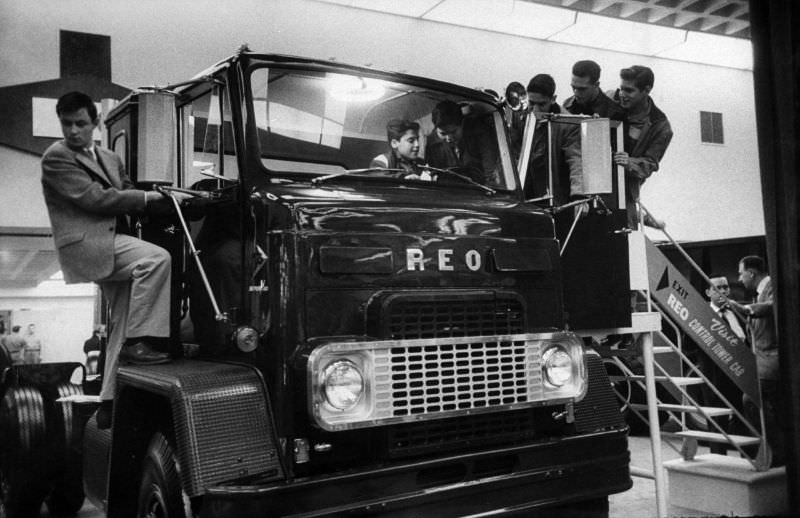
Attendance figures at the 1956 show reflected just how deeply car culture had taken hold in postwar America. Families came not just to shop but to experience the spectacle. Children pressed against rope lines to get a closer look at concept cars. Adults studied brochures and compared trim levels. The show was as much a cultural event as a commercial one.
Outside the main exhibit halls, the parking lots and surrounding streets filled with the cars people had driven to the show — a testament to how thoroughly the automobile had reshaped American daily life. By 1956, owning a car wasn’t aspirational for most Americans. It was simply expected.