In August 1913, Folkestone — a busy port town on the English Channel — became the centre of one of the most talked-about events in Edwardian Britain. The International Beauty Show returned to the town for the second time, having first been held there in 1908. Behind the event was Robert Forsyth, a local entrepreneur who managed Folkestone’s pier and had built a reputation for staging spectacular public entertainments. This year’s show was set to be bigger than ever.
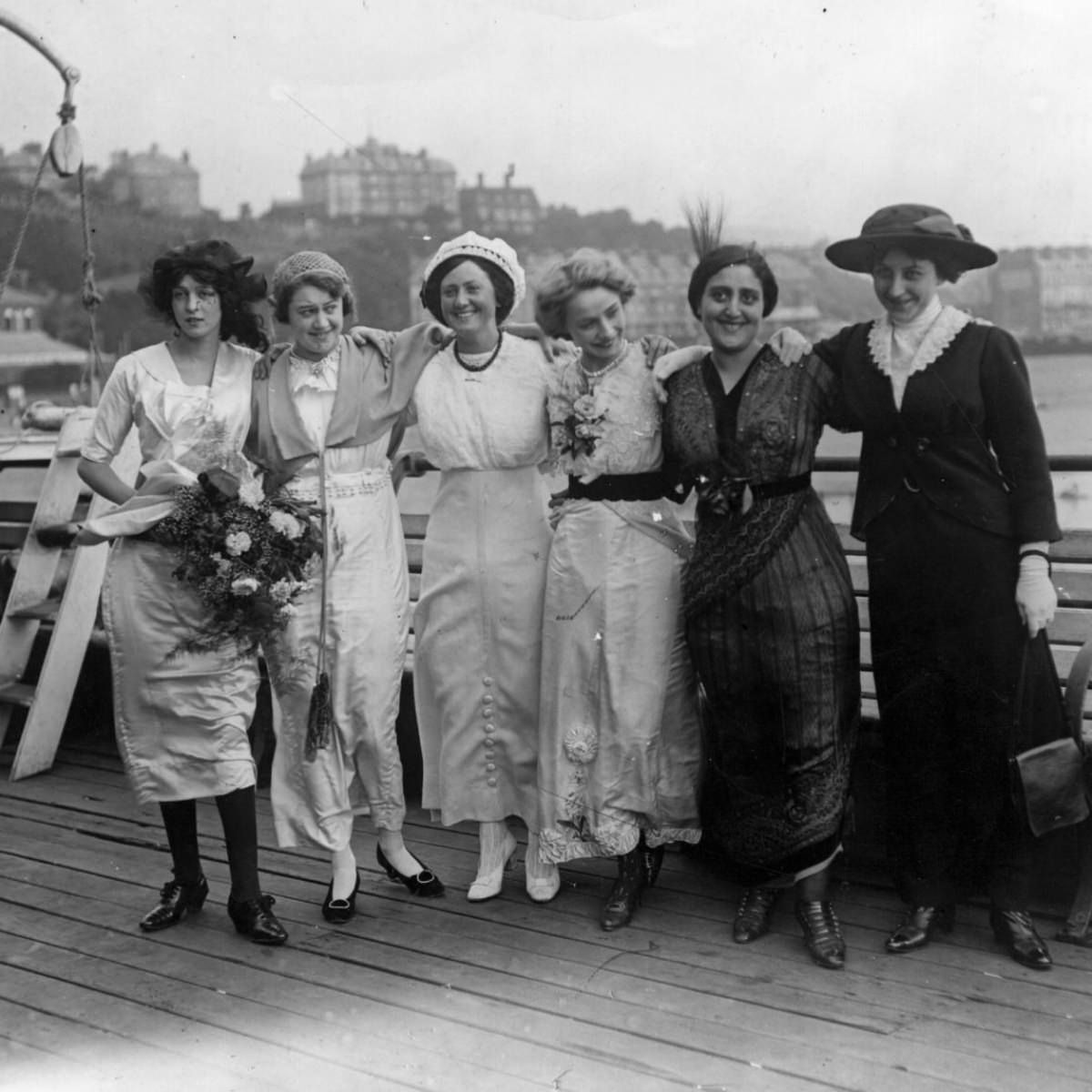
Women traveled from across Europe to compete, representing countries including England, France, Denmark, Germany, Italy, and Spain. Contestants were judged on physical appearance, poise, personality, and charm. The pier itself served as both stage and backdrop, with the sea air and summer crowds adding to the electric atmosphere. Photographers descended on Folkestone to capture every moment.
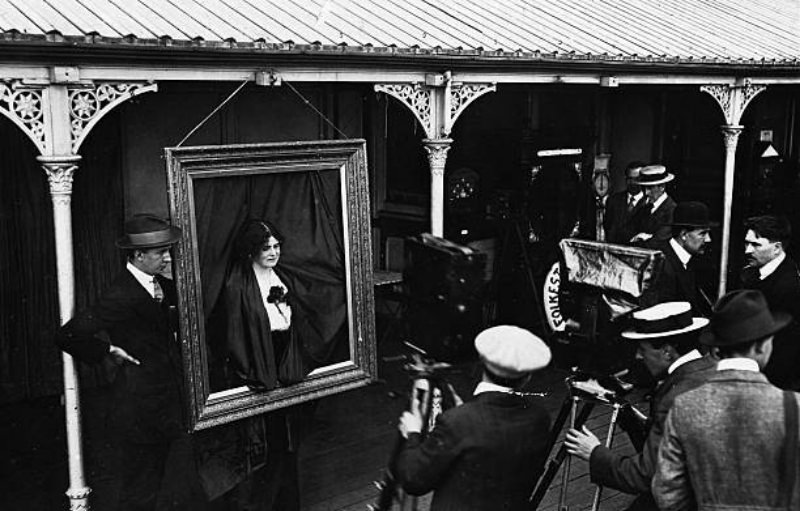
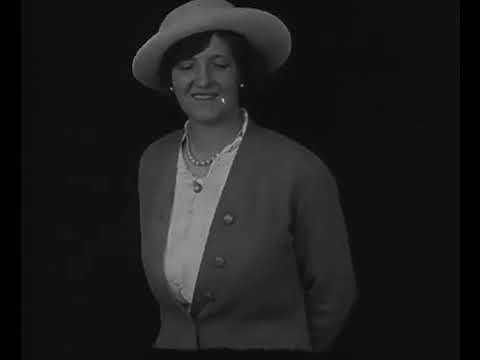
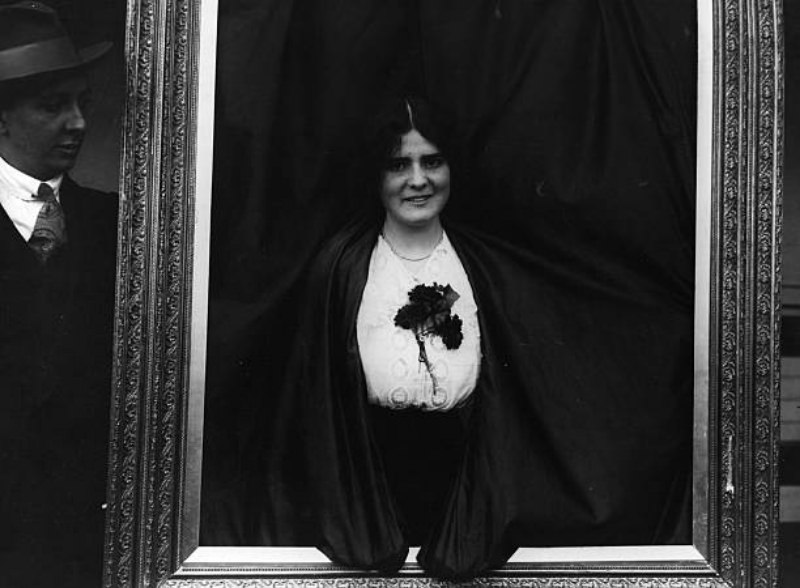
When the judging concluded, Miss Myrtle Grove was named the overall winner — a result that drew widespread attention and earned her the distinction of being recognised as the most beautiful woman in the world at the competition. Her win was celebrated both on the pier and in the press.
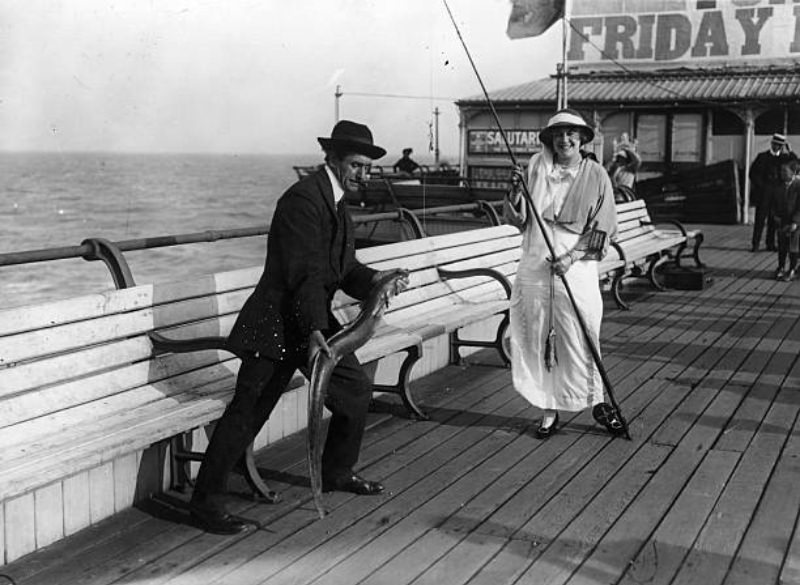
Not all of the contestants spent their time waiting to be judged. Mlle Simone Mariex, one of the most prominent competitors, was photographed landing a conger eel on the pier — a candid moment that showed another side of the women who had come to Folkestone not just to compete, but to enjoy themselves.
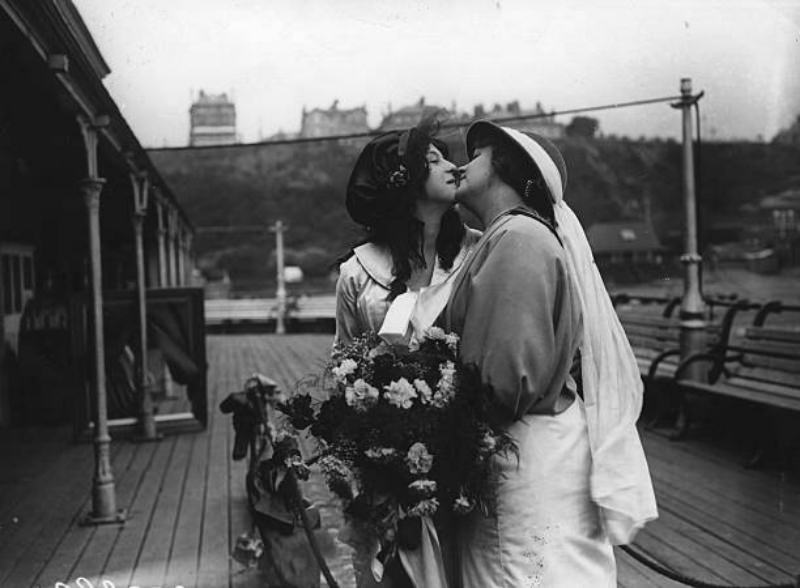
Among the top finishers were Miss Constance Clark and Mlle Simone Mariex, who both placed as prize winners. After the results were announced on August 23rd, the two women were photographed together on the pier, congratulating one another — a gracious moment between two of the show’s standout competitors.
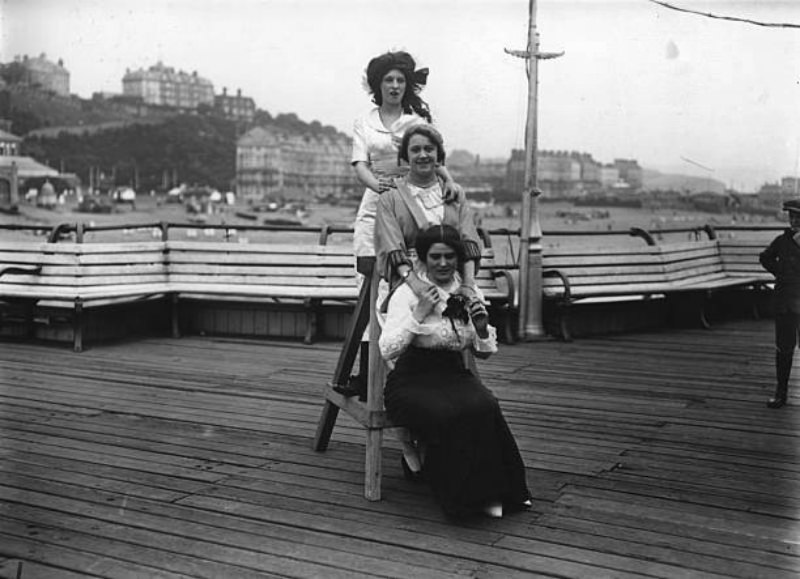
The three prize winners — Miss Constance Clark, Mlle Simone Mariex, and Myrtle Grove — posed together for a formal photograph on the pier. Folkestone itself was no stranger to grand events. The town already offered theaters, a racecourse, and sea bathing, but the International Beauty Show drew a different kind of crowd and a level of international press attention that few local events could match.
The 1913 show took place at a time when women across Britain and Europe were pushing for greater rights and public recognition. Events like the International Beauty Show gave women a platform on the world stage, attracting serious press coverage and genuine international competition at a moment when such visibility for women was far from common.