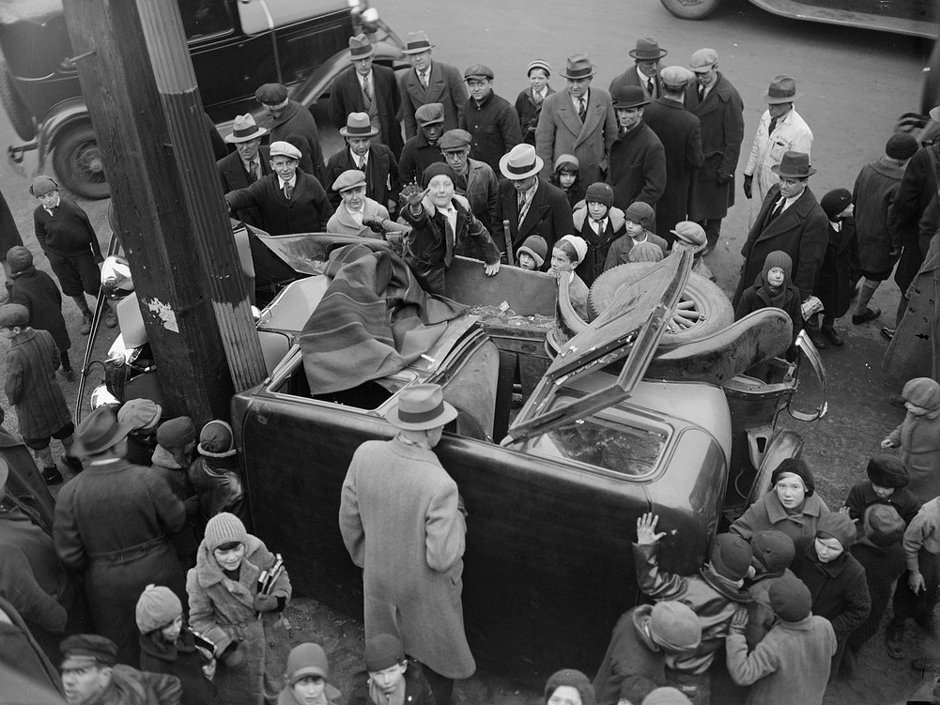
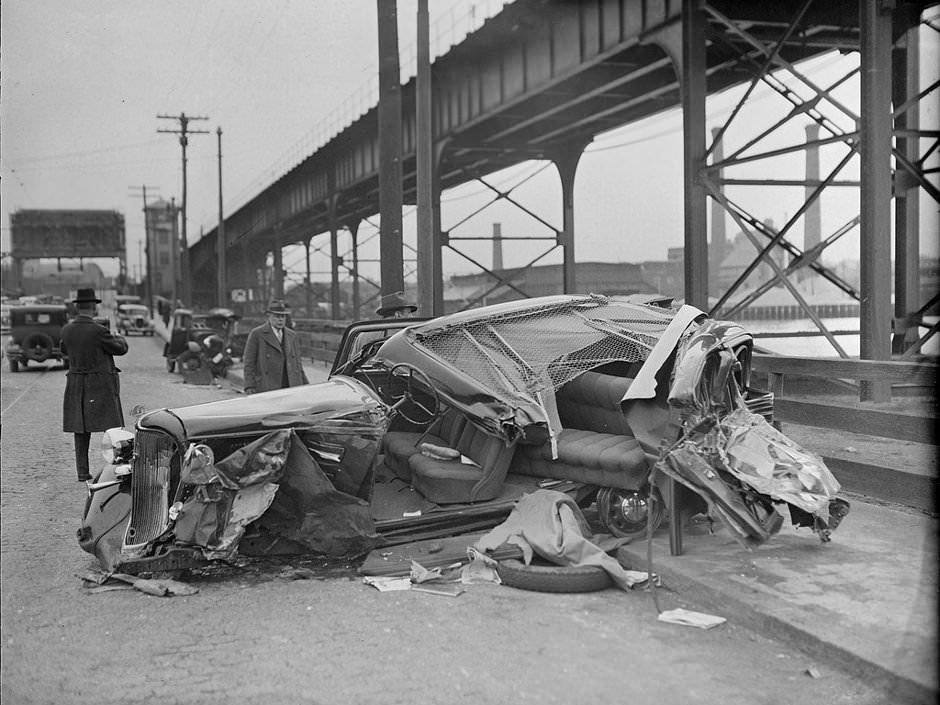
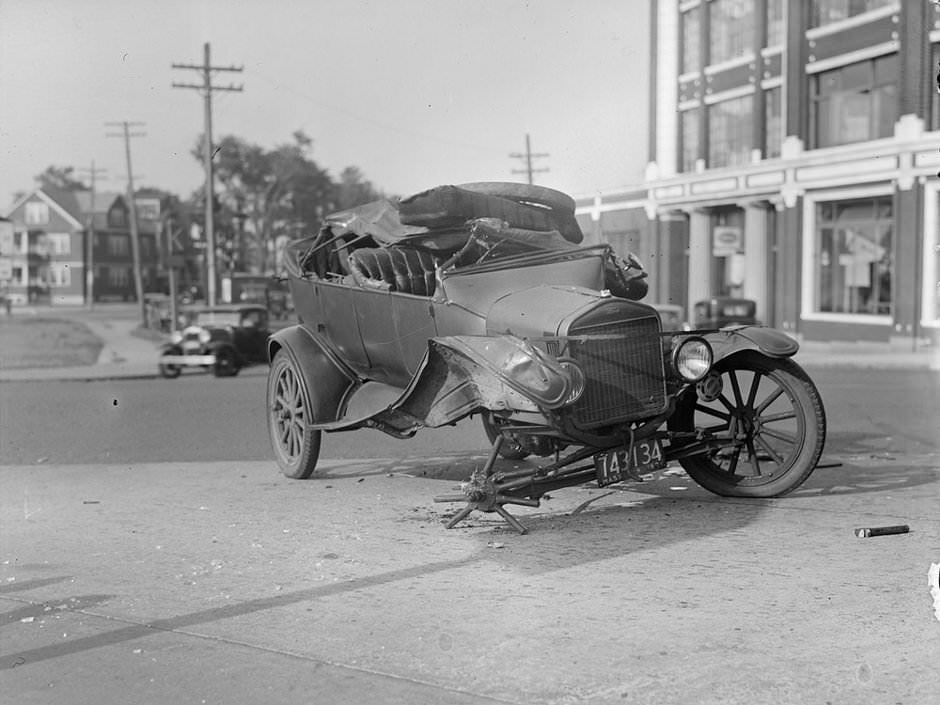
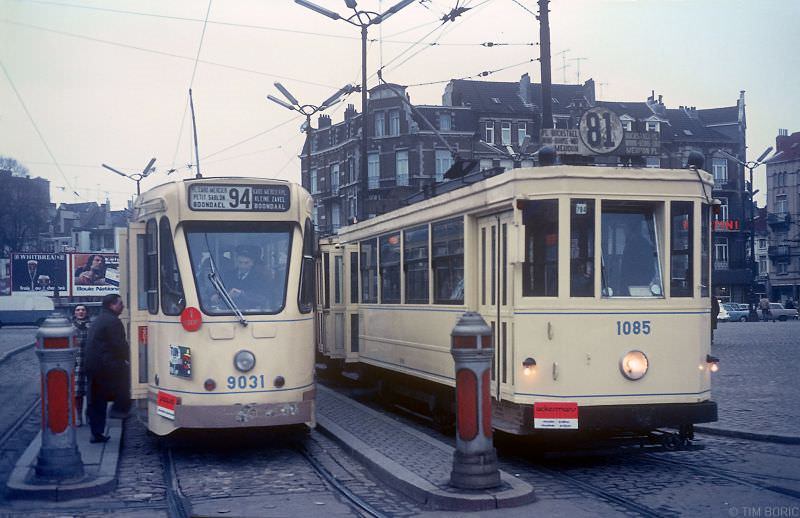
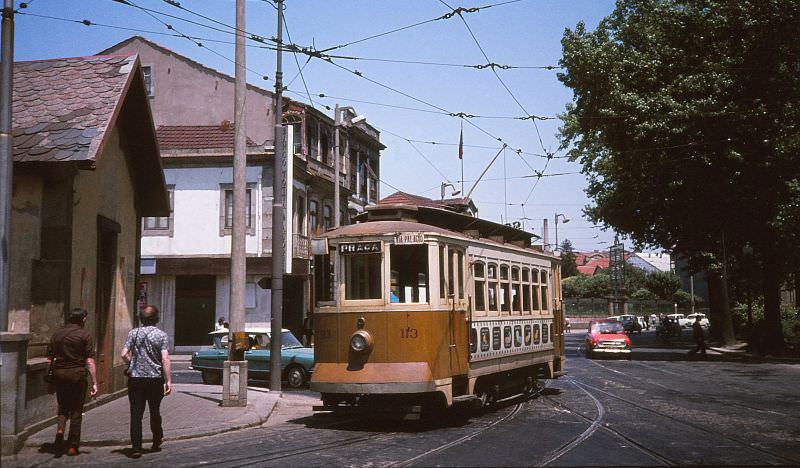
Boston’s roads grew busier throughout the 1930s, and the cars filling them were built nothing like the vehicles we drive today. Bodies were heavy steel, but there were no seat belts, no airbags, and no crumple zones. Steering columns were solid metal rods aimed directly at the driver’s chest. Windows used standard glass that shattered into sharp, jagged pieces on impact. A sudden stop or a collision meant the people inside were thrown hard against whatever was in front of them.
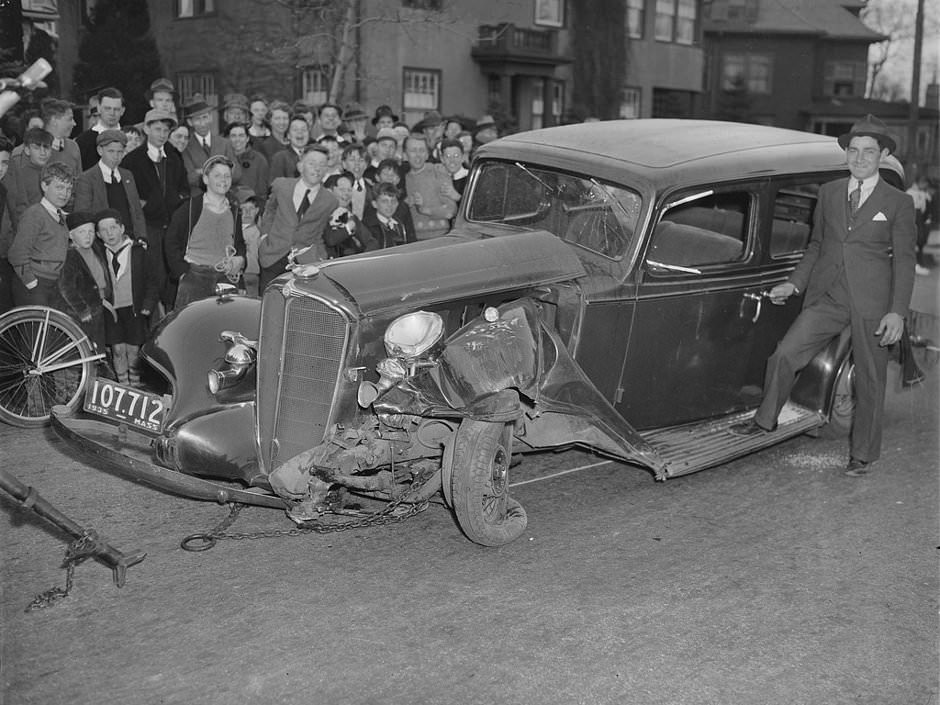
Boston’s streets added to the danger. Many roads were narrow, poorly paved, or still unpaved outside the city center. Lane markings were inconsistent, and traffic signals were not yet on every corner. Driving habits were still catching up to faster, heavier cars. Crashes happened at intersections, along streetcar lines, and on the outskirts of the city where roads offered little forgiveness.
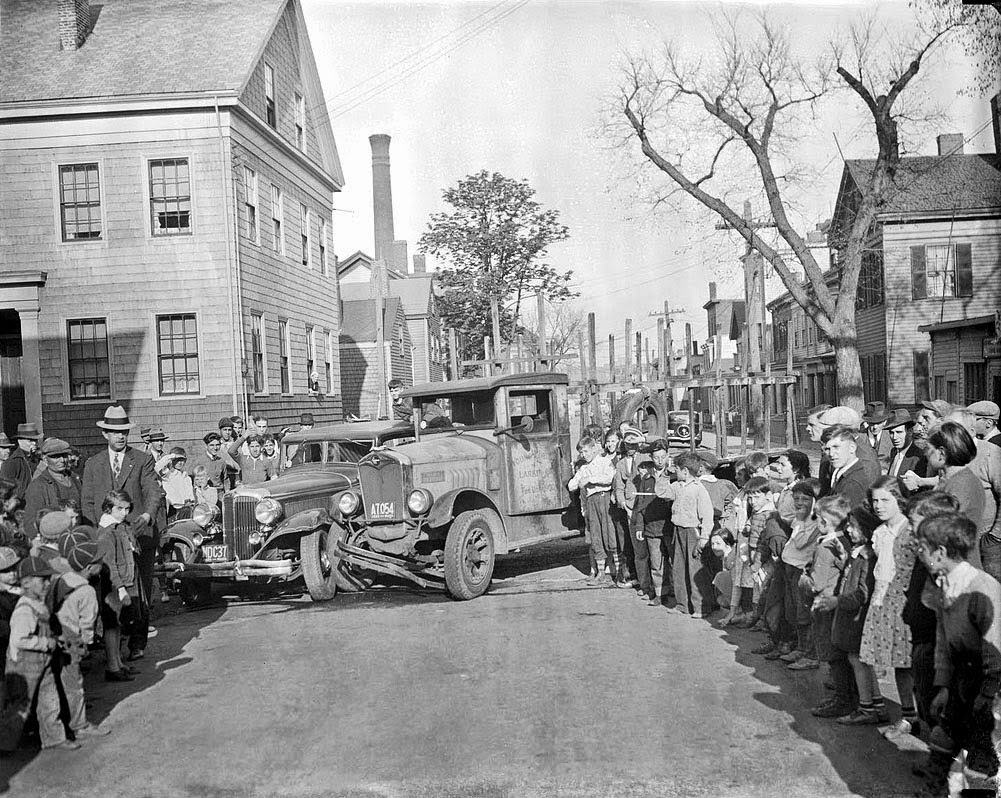
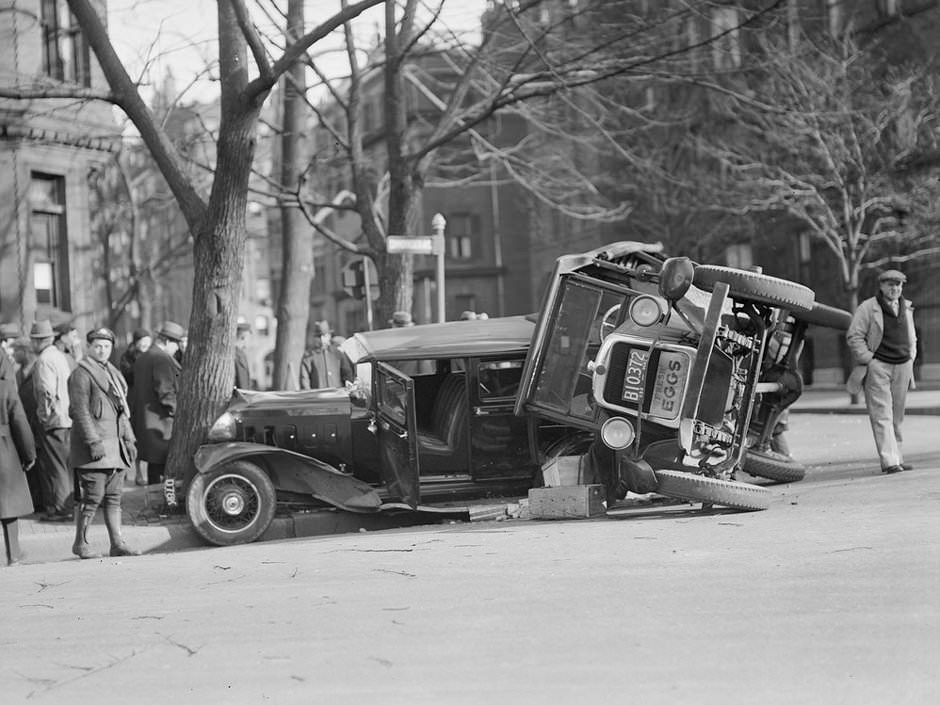
South End was a frequent scene of collisions. The neighborhood’s grid of streets, trolley tracks, and heavy foot traffic created countless conflict points for drivers.
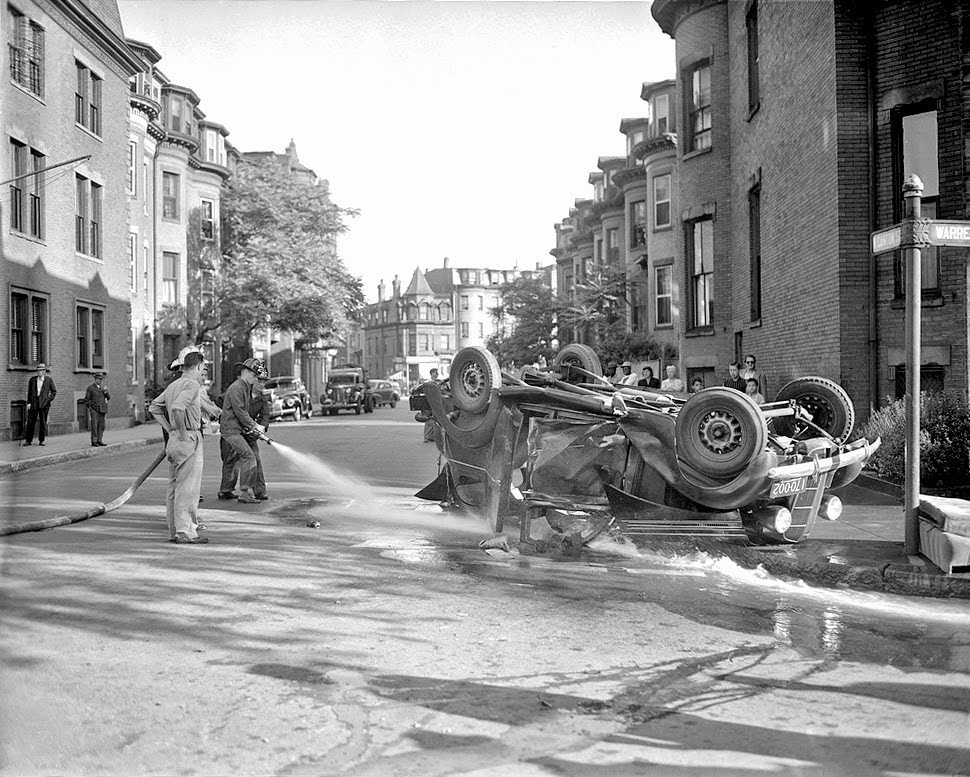
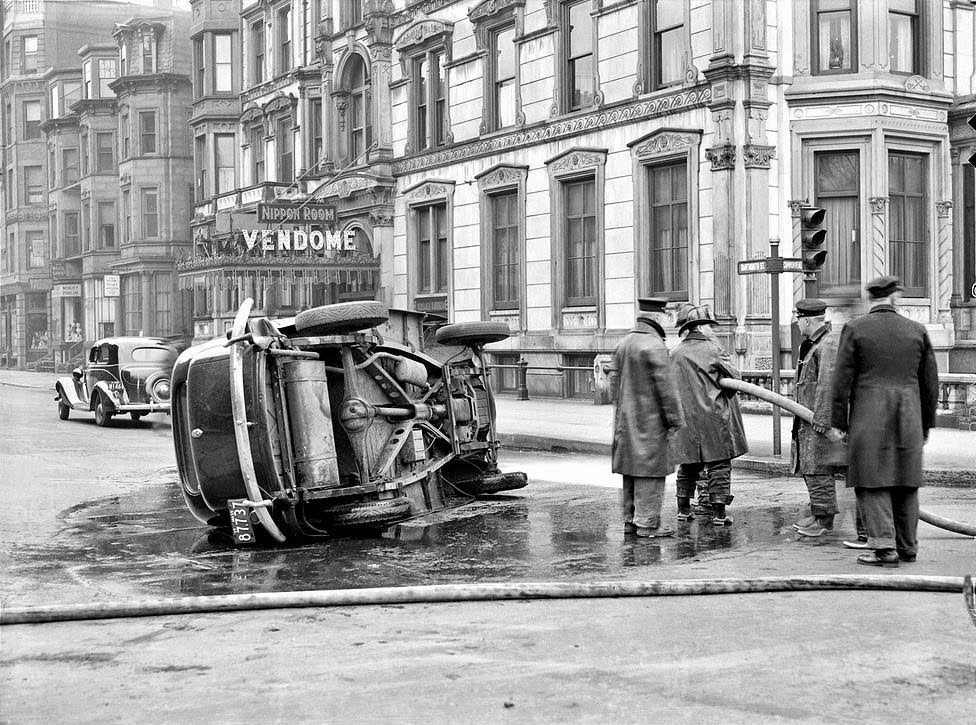
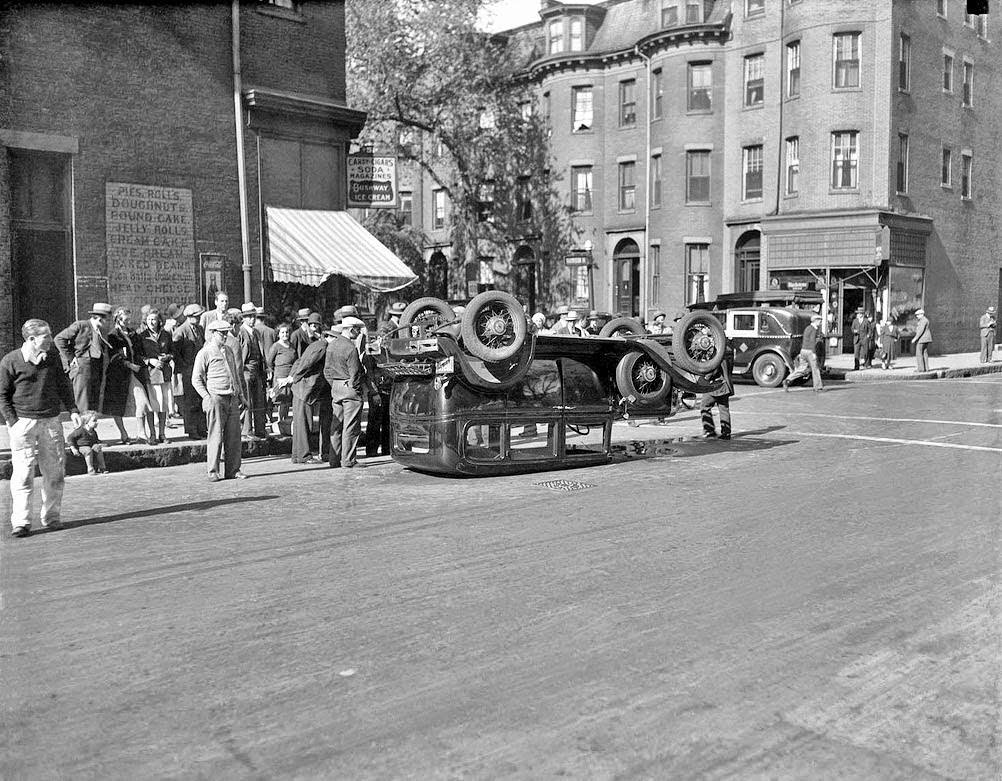
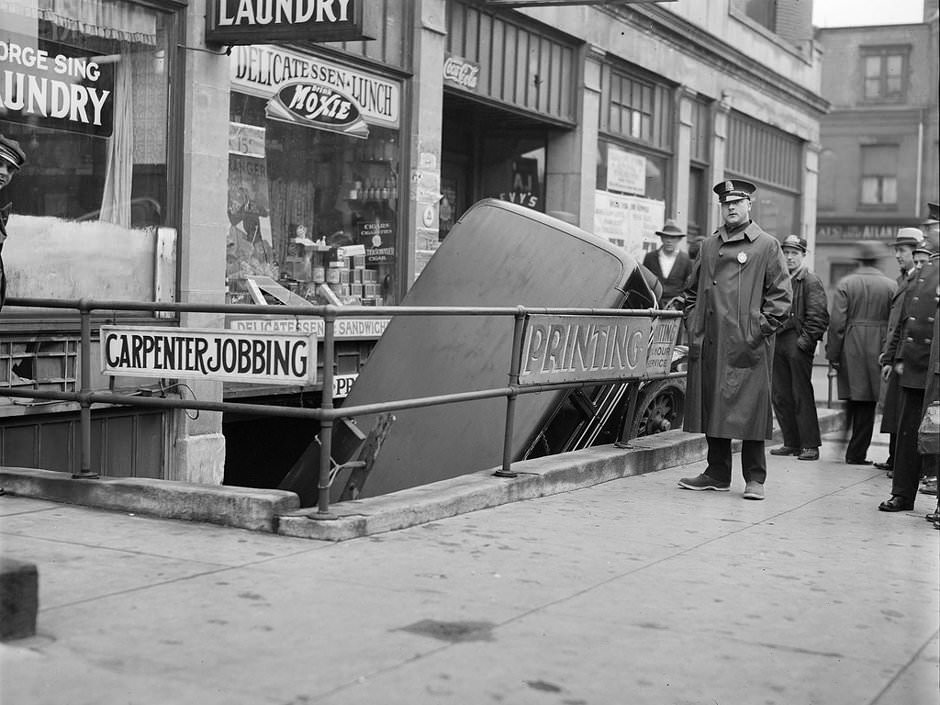
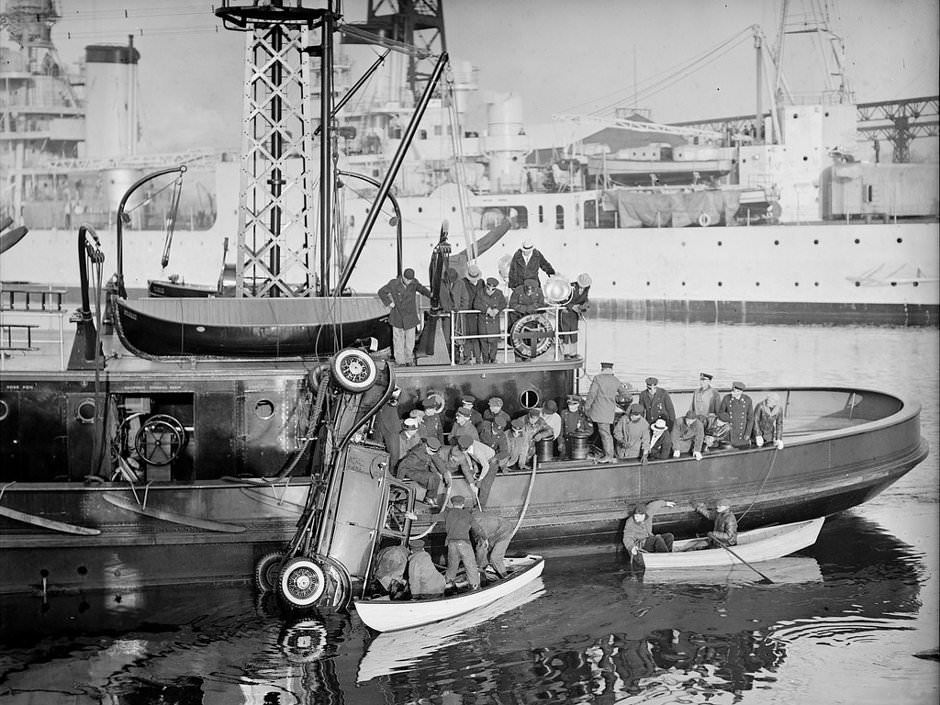
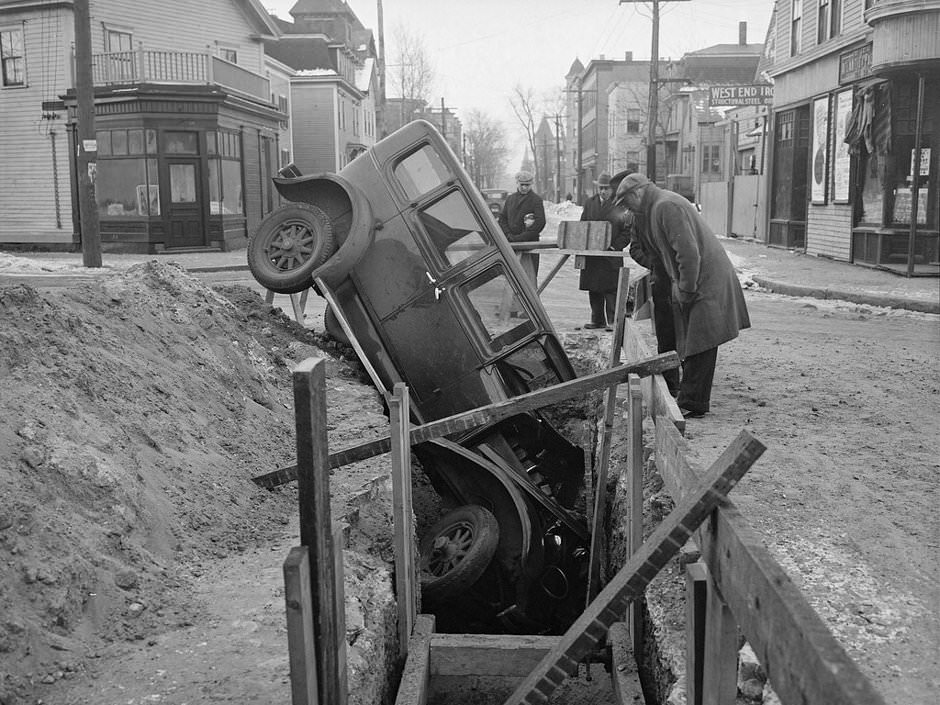
Cars didn’t only collide with each other. They went into ponds, trenches, and rivers. In 1933, an auto plunged into the Fore River, drowning three people — it took a fireboat to pull the vehicle out. In 1938, another car went into a pond entirely. Open excavation sites and unguarded embankments turned ordinary roads into serious hazards.
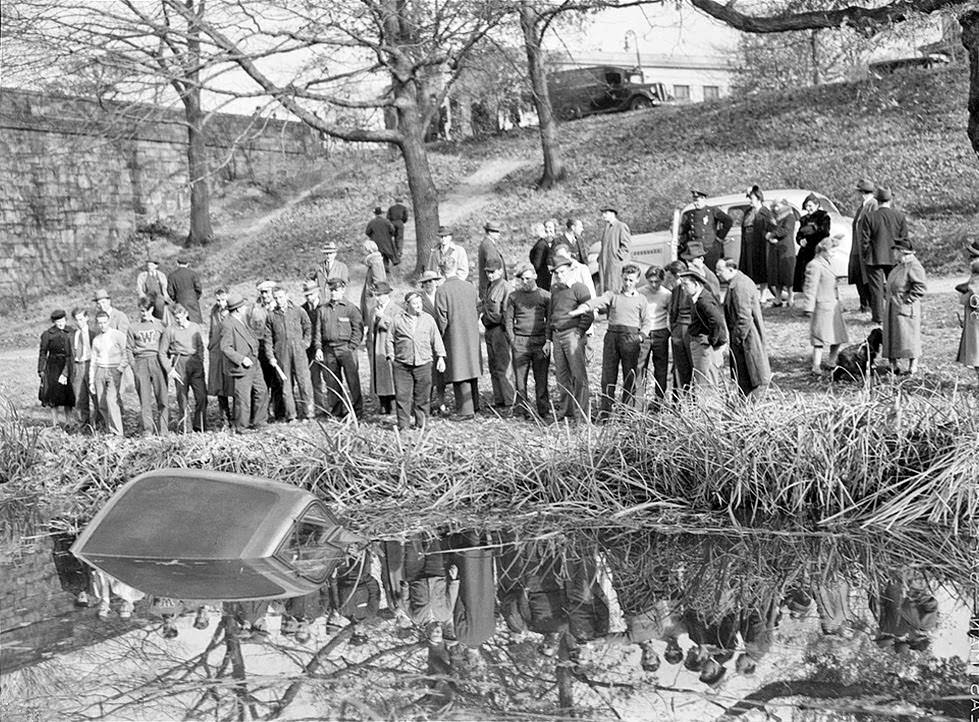
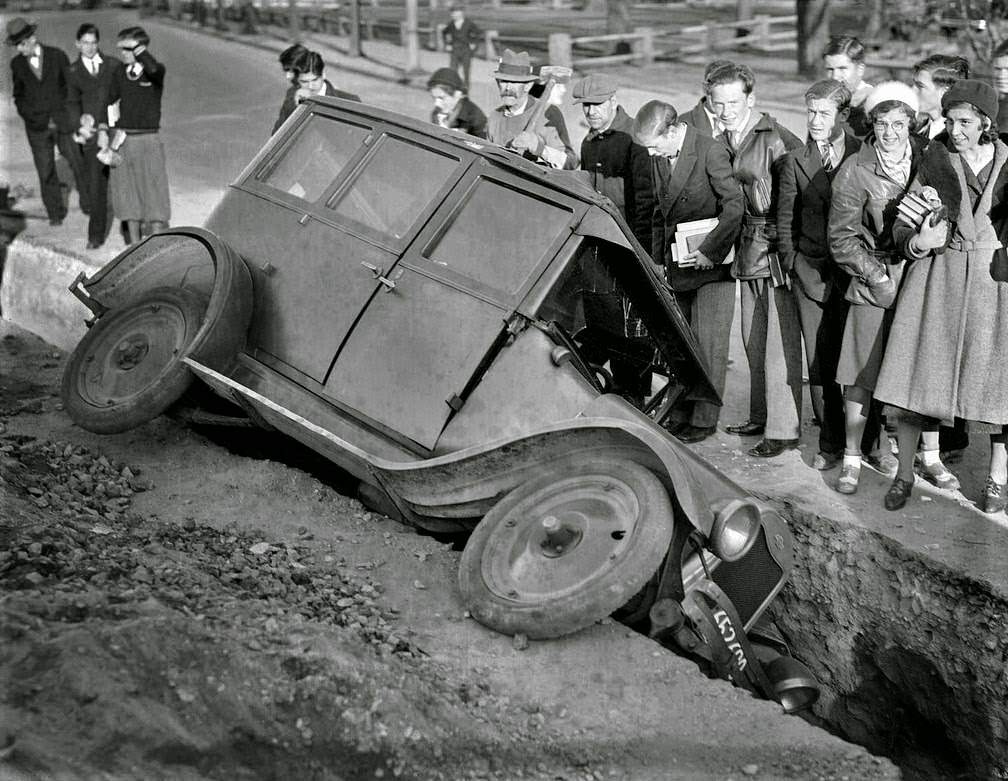
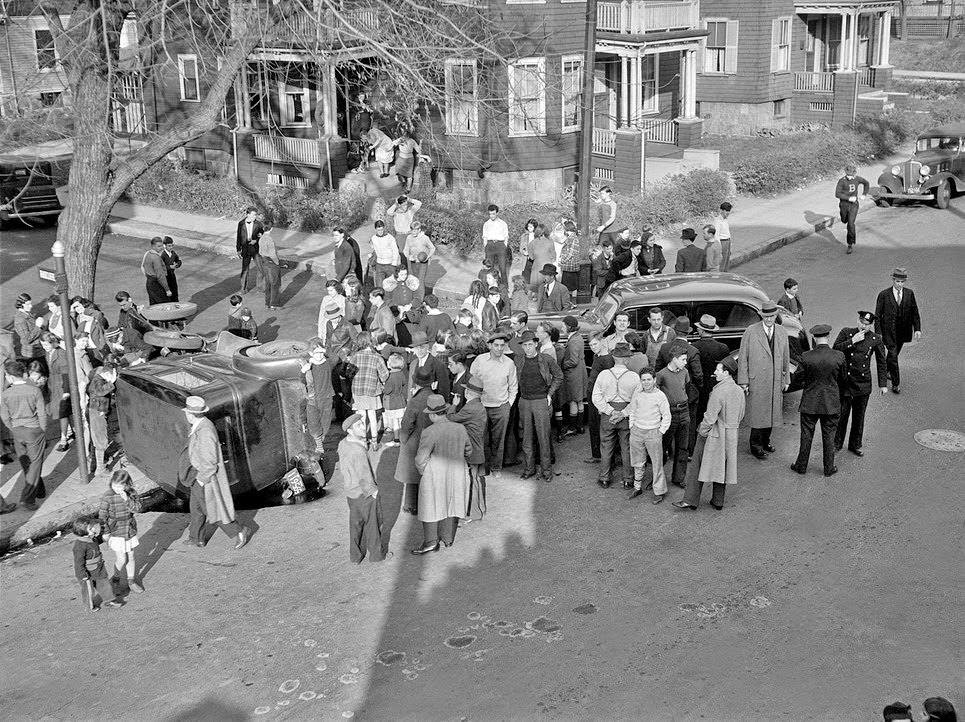
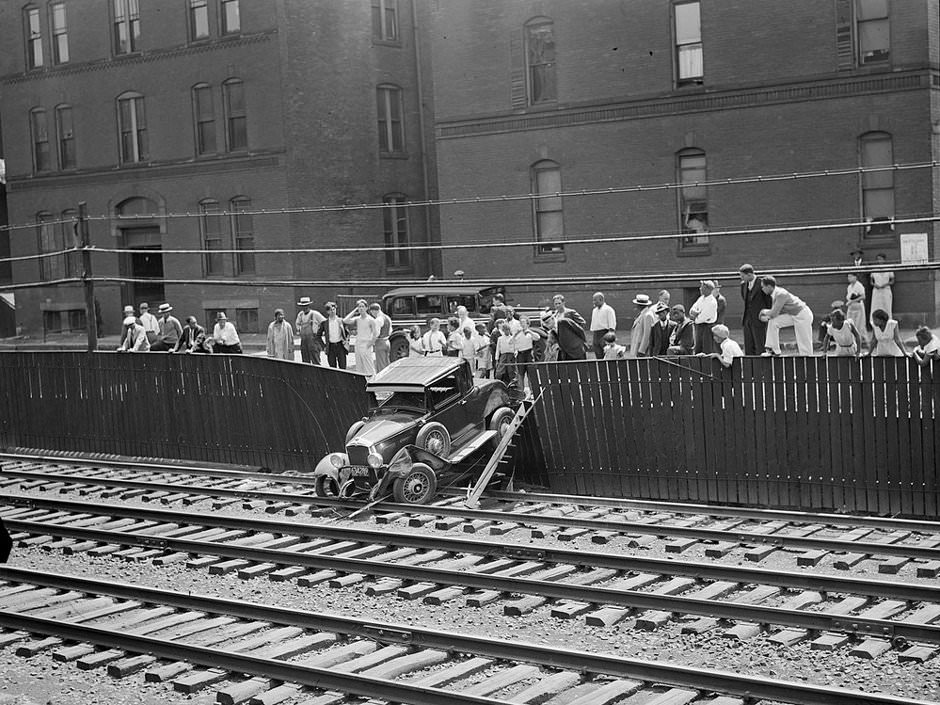
Crashes outside Boston proper were just as severe. Wrecks were recorded in Burlington, at Roxbury’s Columbus Avenue crossing, and near the Charles River in Cambridge. In Belmont in 1933, a car struck by a train killed two people outright.

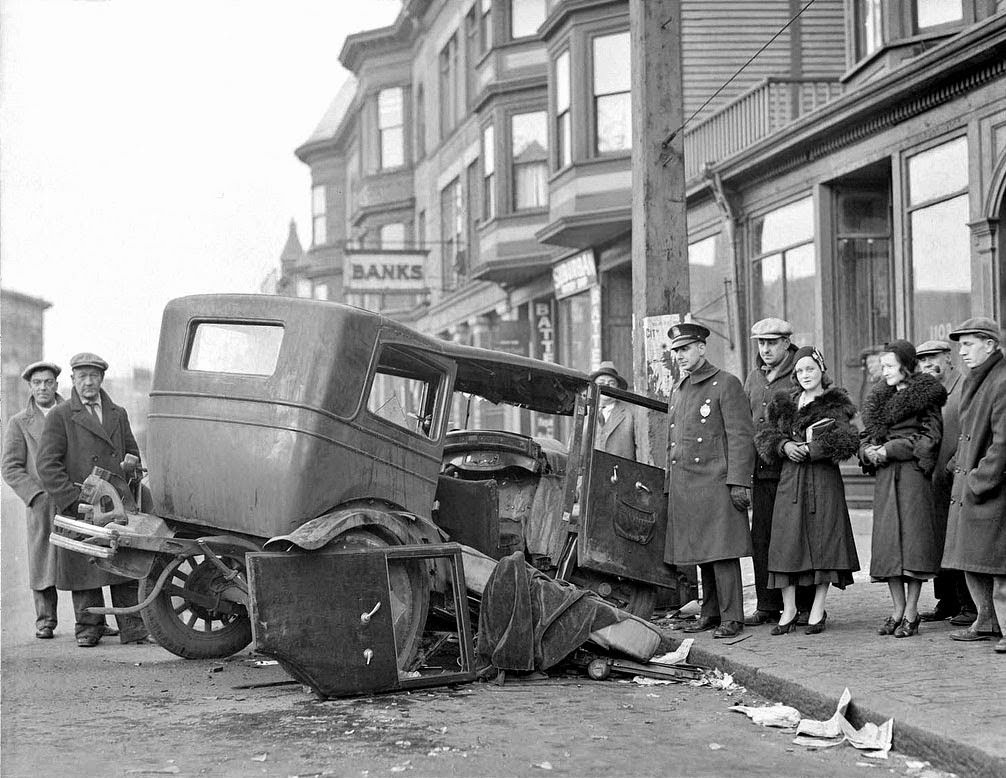
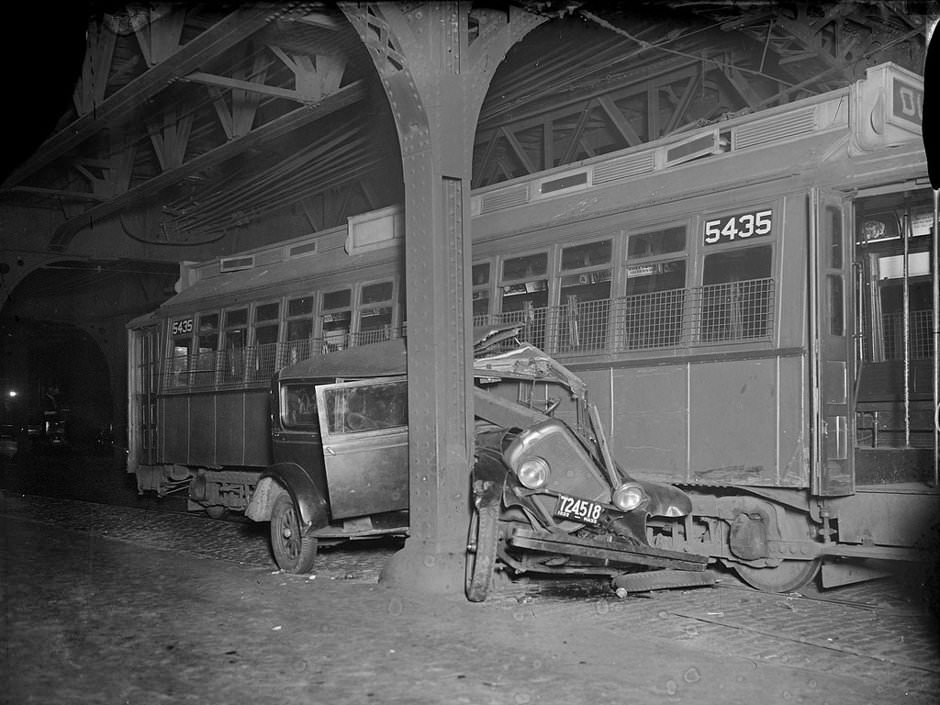
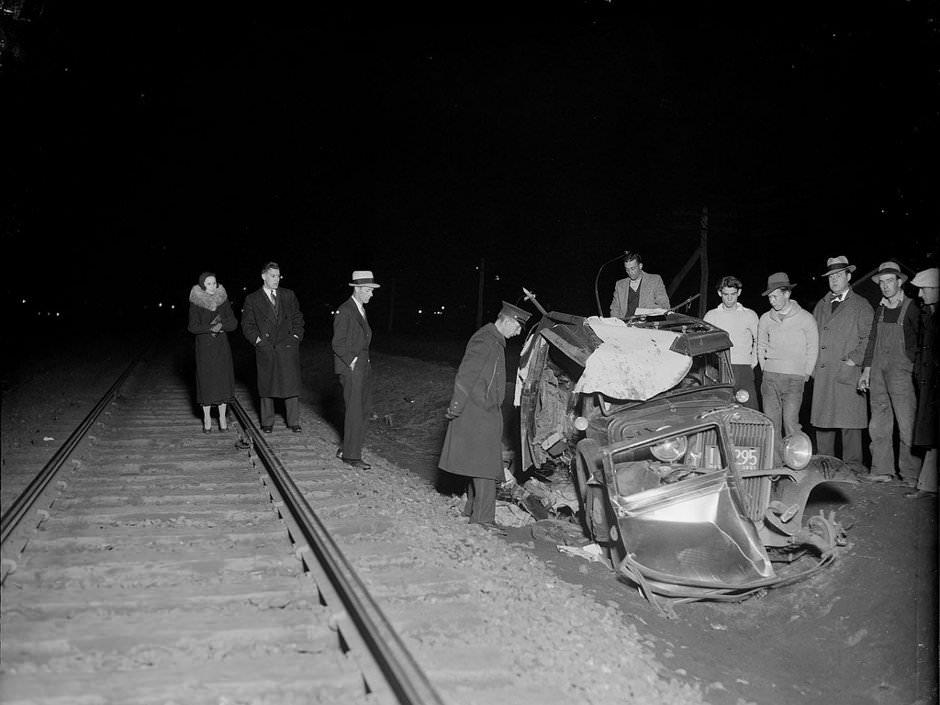
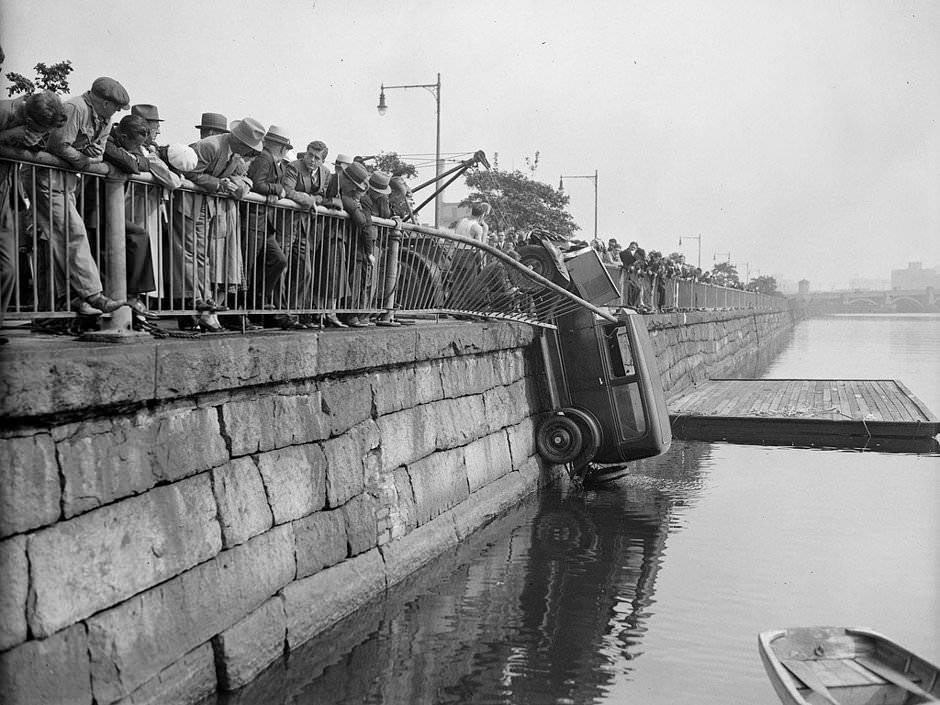
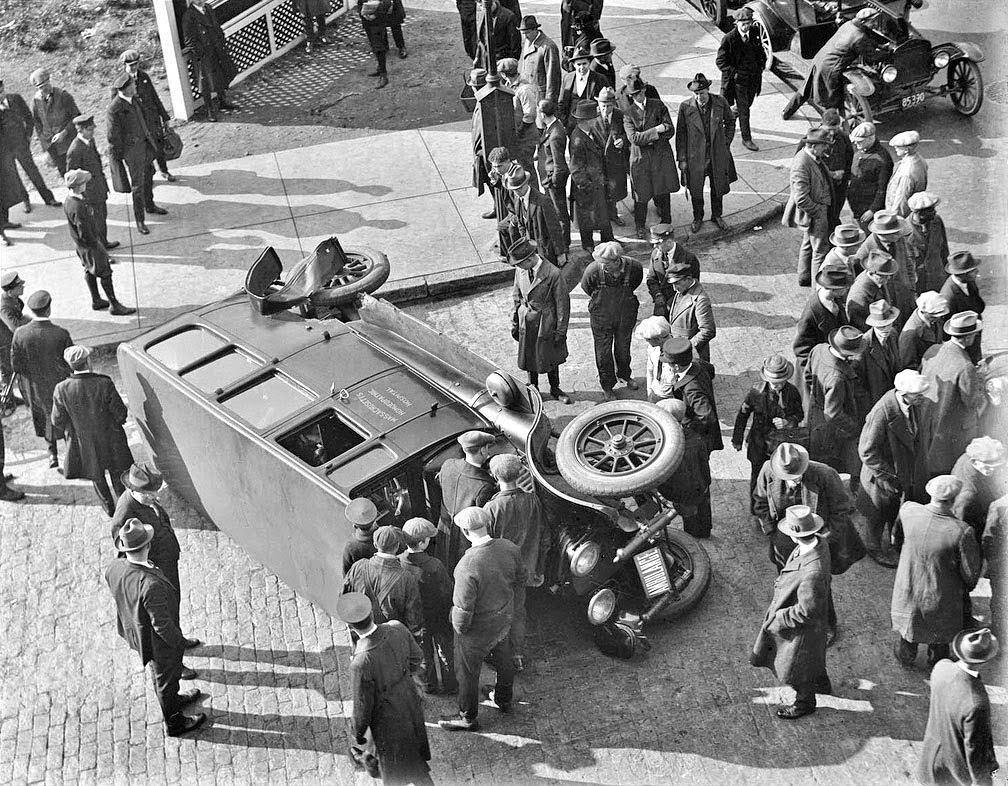
Emergency response was slow by modern standards. Police officers were usually the first on the scene, with bystanders often stepping in before any medical help arrived. Ambulances were limited, and as one Stuart Street photo shows, they were not immune to crashes themselves.
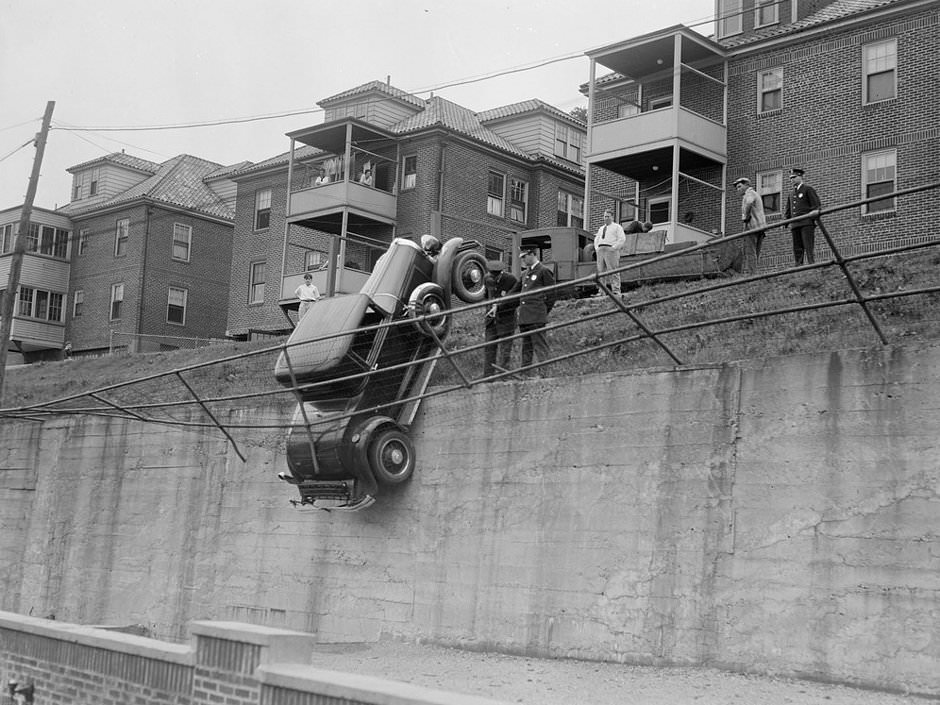
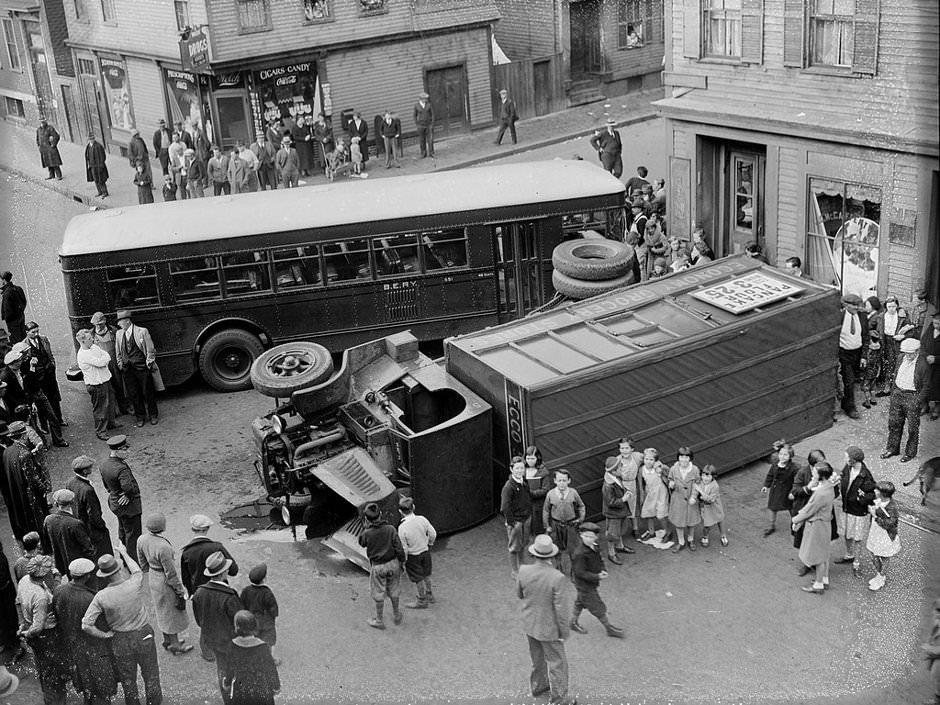
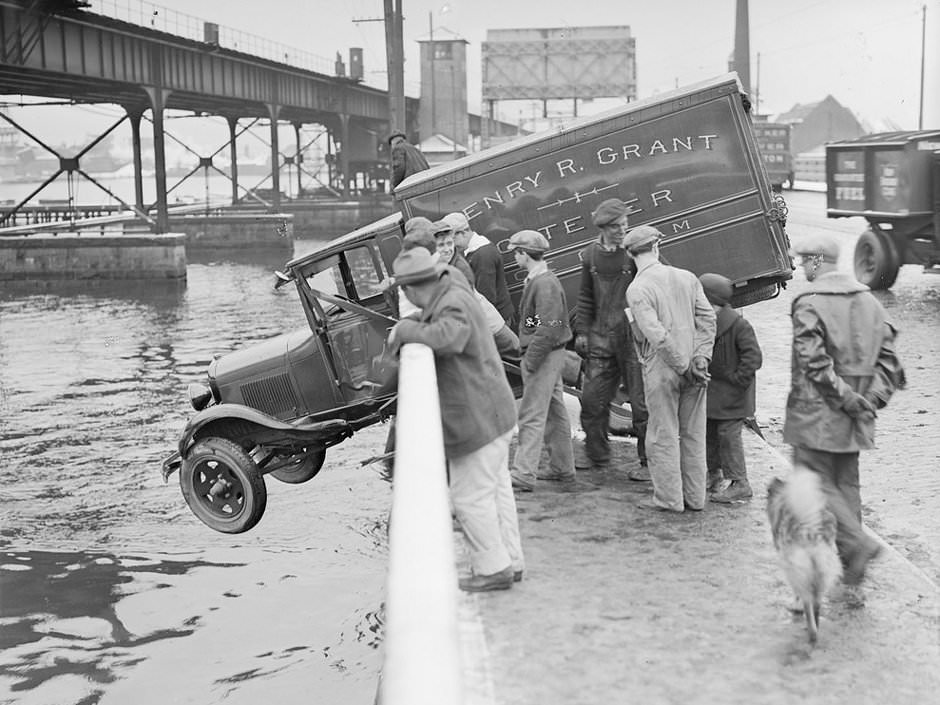
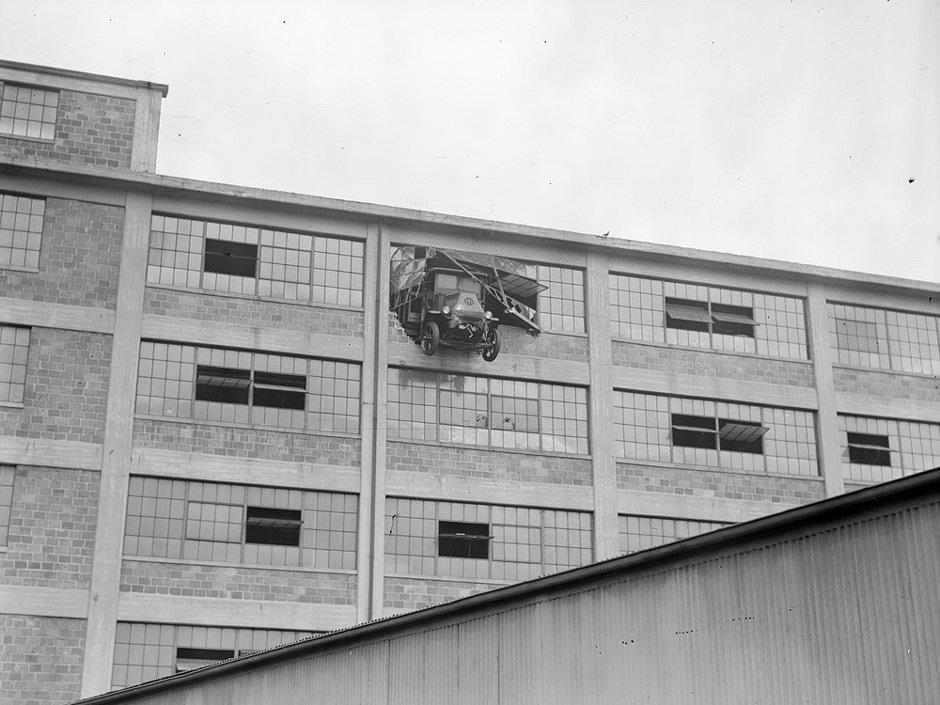
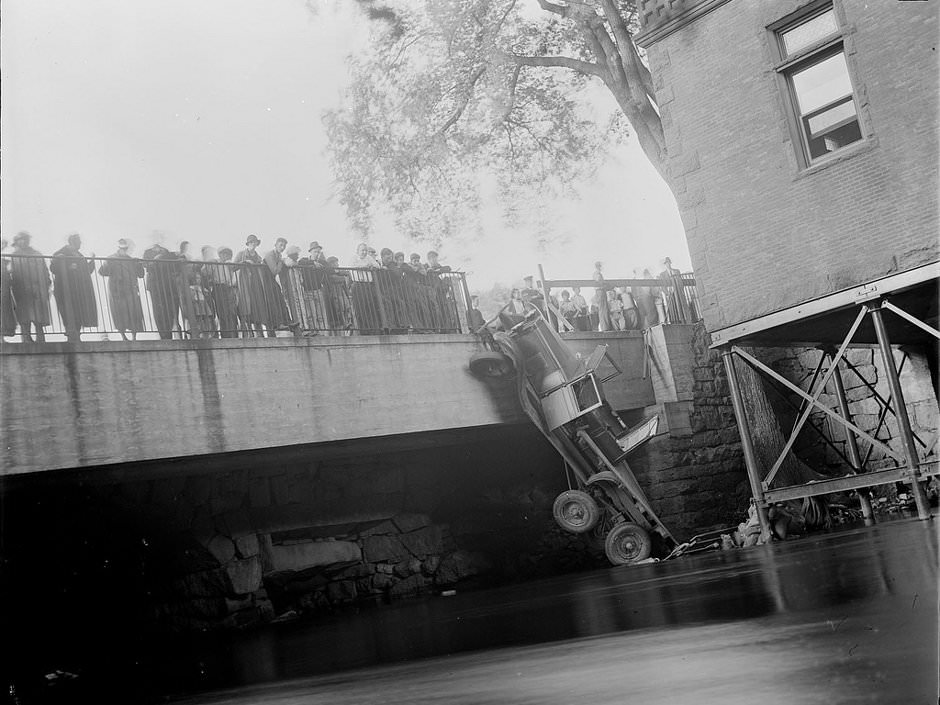
Trucks brought their own brand of destruction. A truck hanging off a bridge by one wheel, another crashing through a multi-story garage in East Cambridge, and a truck-bus collision in South Boston all demonstrated that larger vehicles created larger disasters on roads not designed to handle them.
Some crashes carried a criminal edge. In 1935, a car stolen by kids slammed into a lawyer’s vehicle and killed him. Not every wreck on these streets was simply an accident.