When World War II began in 1939, the British government introduced rationing — a system designed to distribute limited supplies of essential goods fairly across the entire population. It stayed in place long after the war ended, finally closing out in 1954. That’s fifteen years of controlled shopping, careful cooking, and strict limits on what families could buy each week.
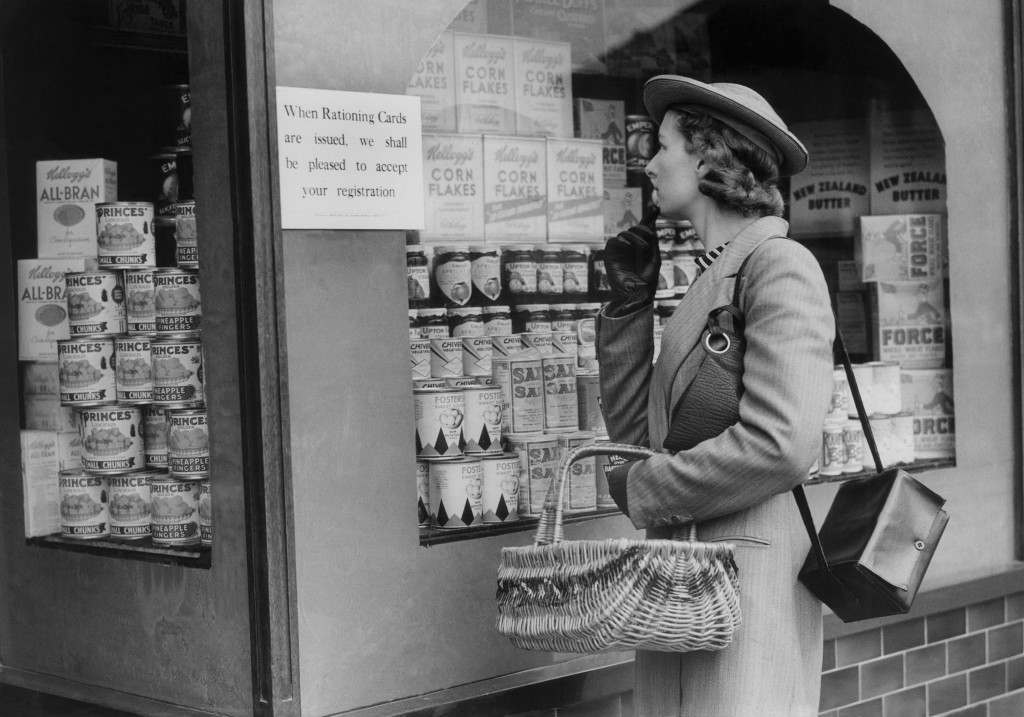
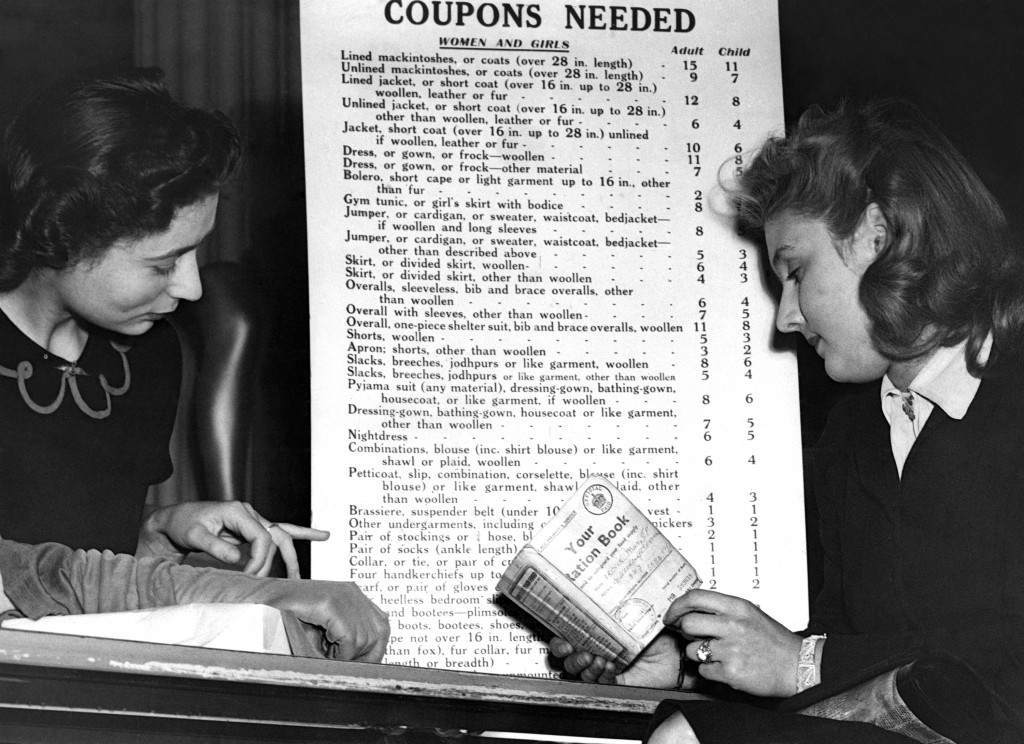
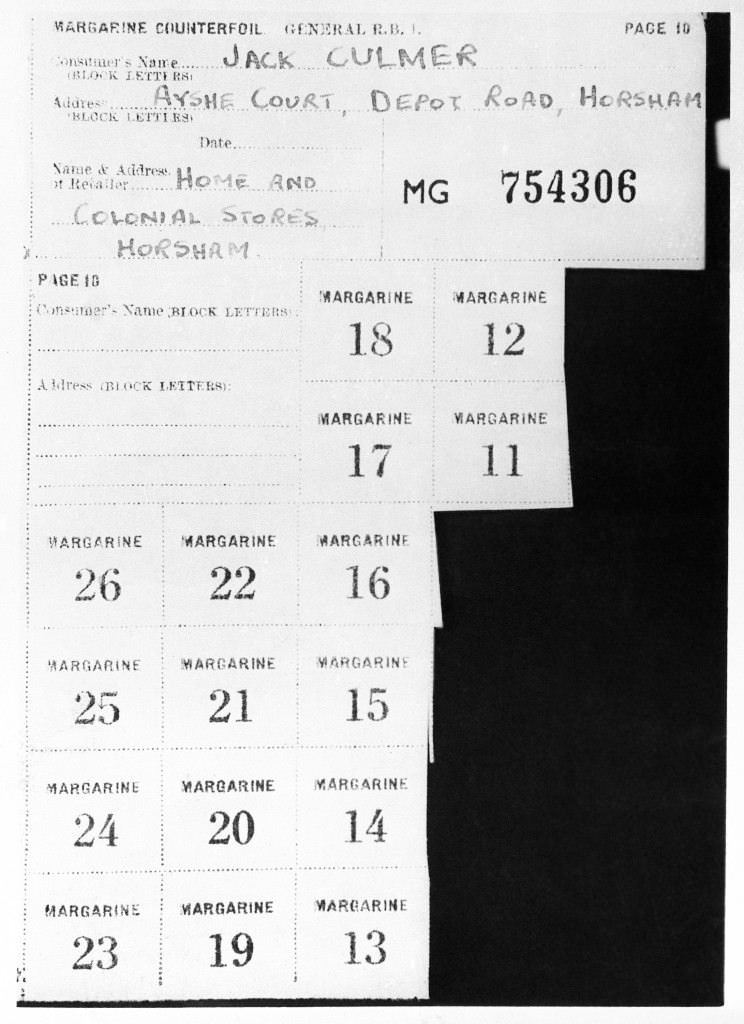
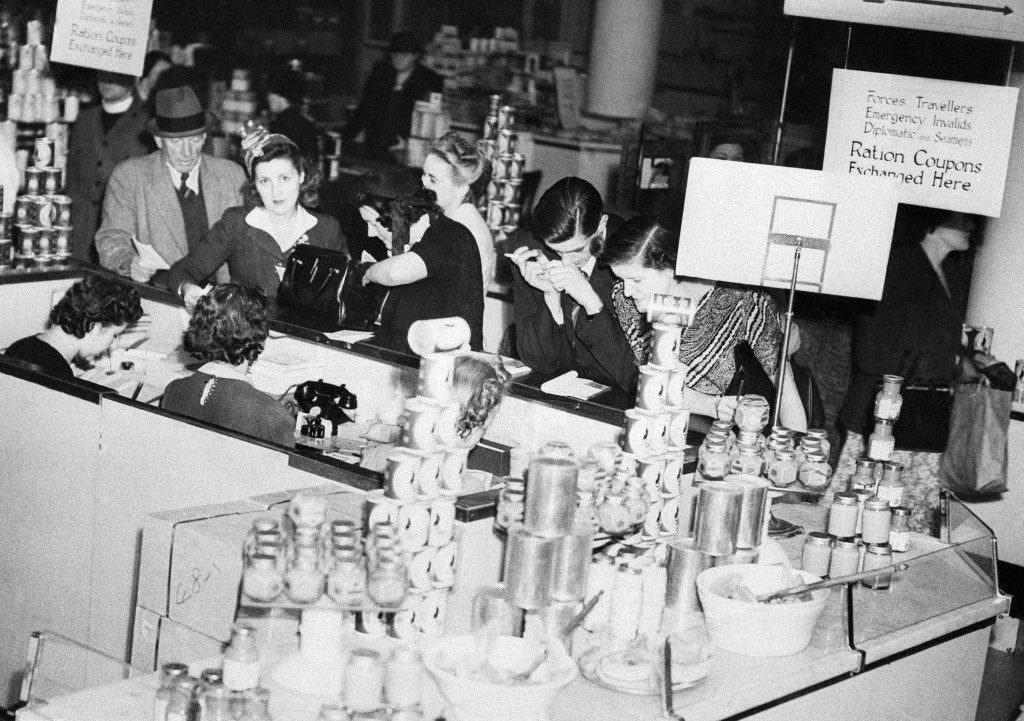
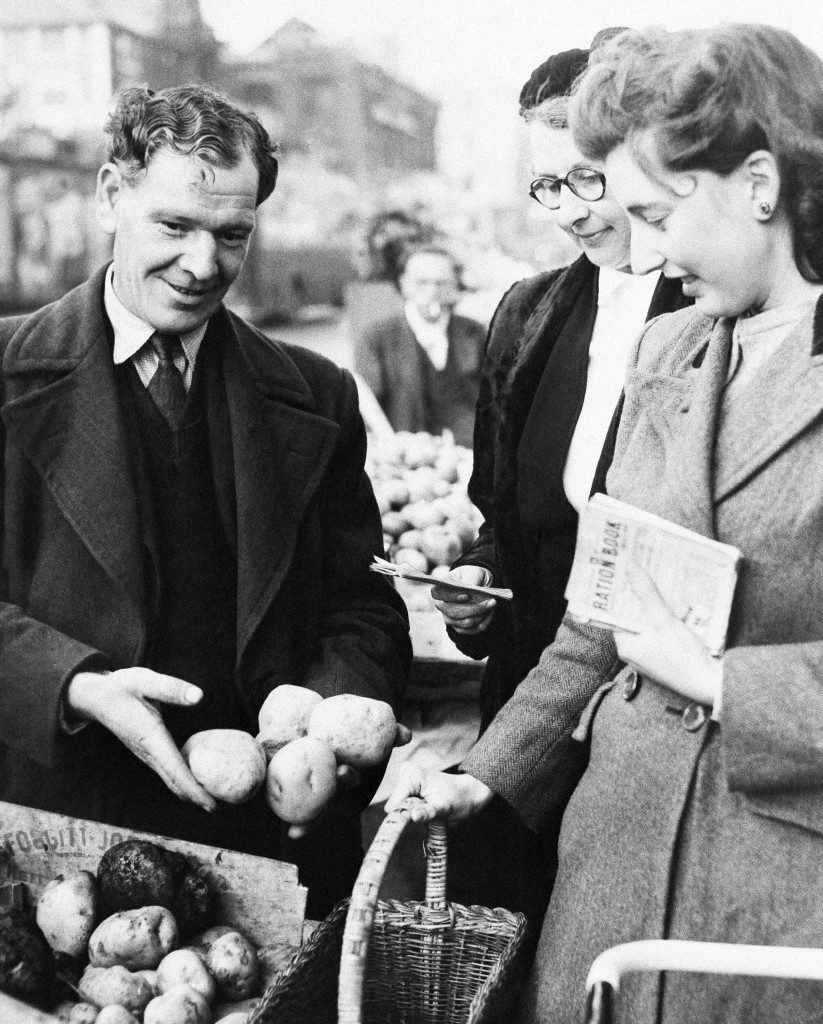
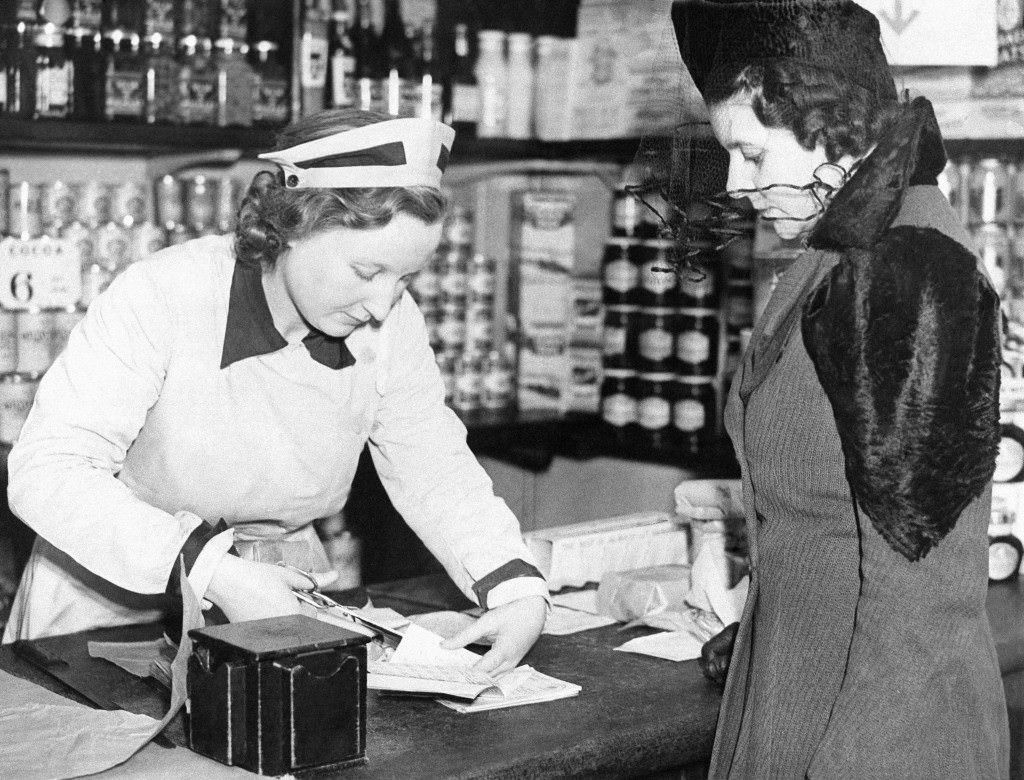
The war disrupted the shipping routes that brought food and raw materials into Britain from overseas. With fewer imports arriving, demand quickly outpaced supply. Rationing was the government’s answer to prevent hoarding and ensure that rich and poor alike received the same basic allowance. Every man, woman, and child was issued a ration book filled with coupons. At the shop, a customer handed over the correct coupon alongside their payment. The shopkeeper tore it out, and that was the week’s allowance — gone. No amount of money could buy more.
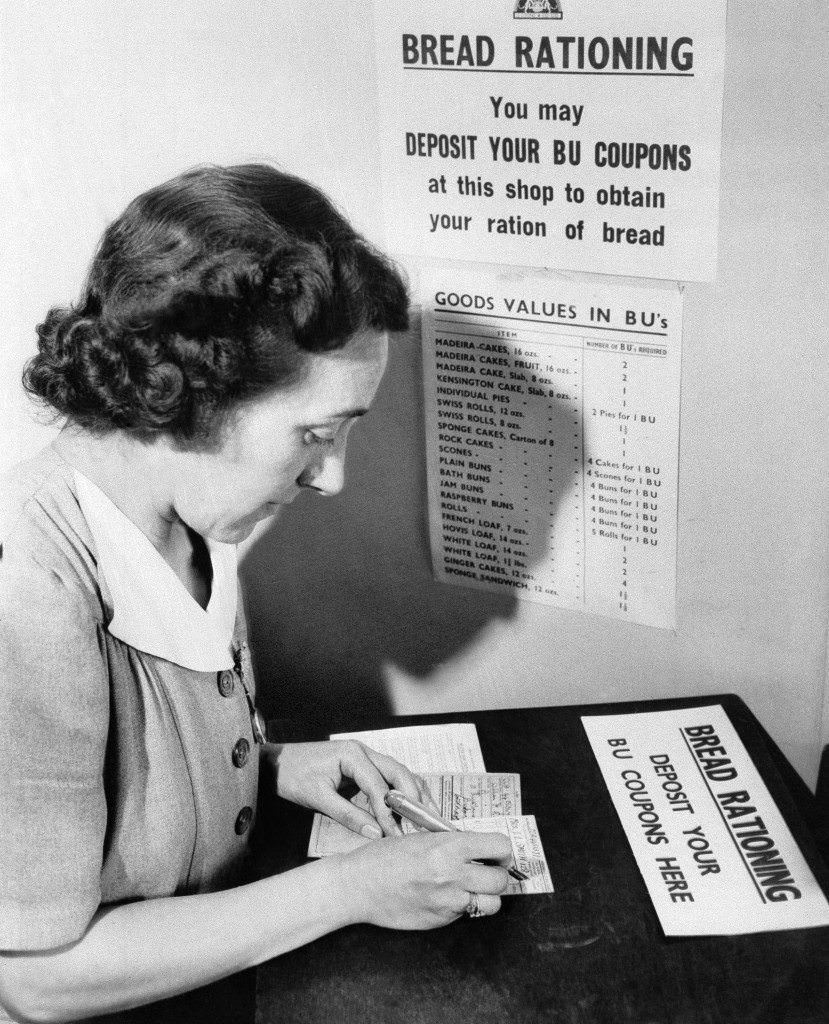
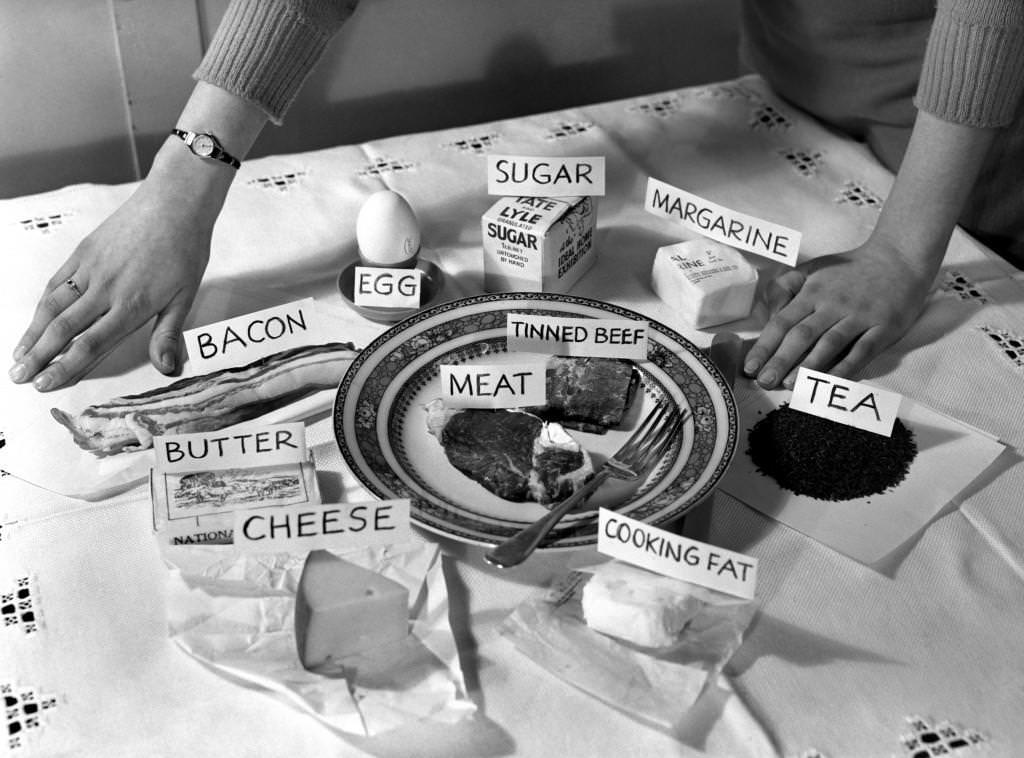
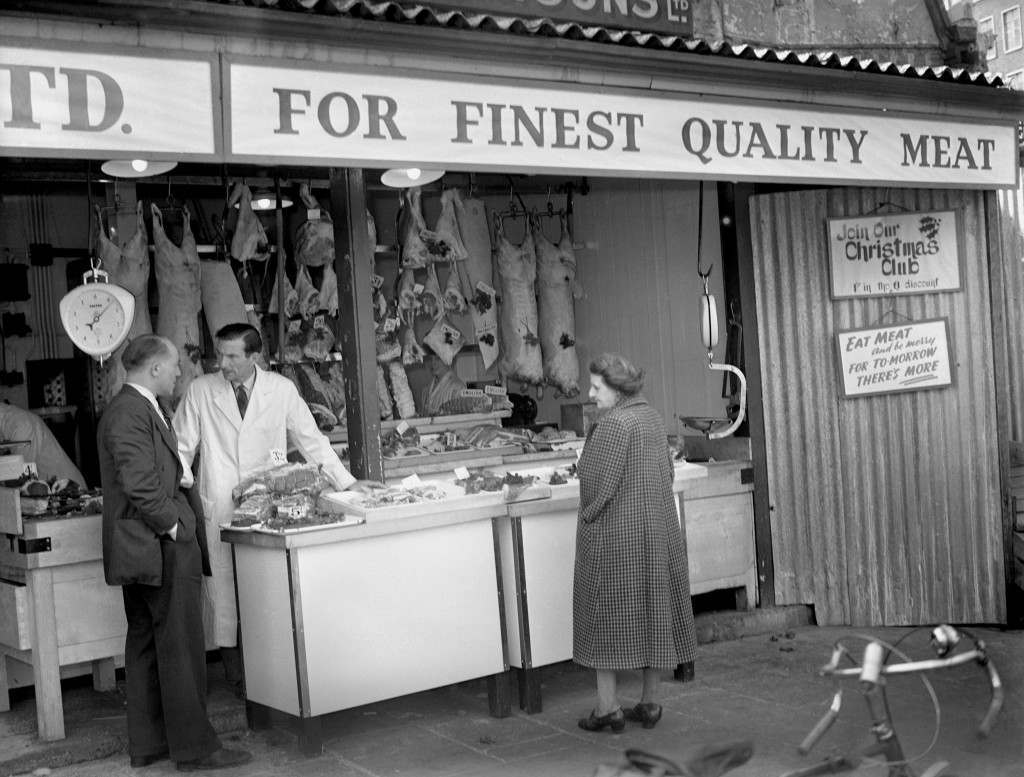
The list of rationed foods grew steadily. Sugar, butter, margarine, meat, cheese, tea, and eggs all fell under control. Bread escaped rationing at first but was brought in from 1946 to 1948 as postwar shortages bit harder. Potatoes were briefly rationed in 1947. Weekly amounts were small — a family’s meat ration for the week could fit in the palm of a hand.
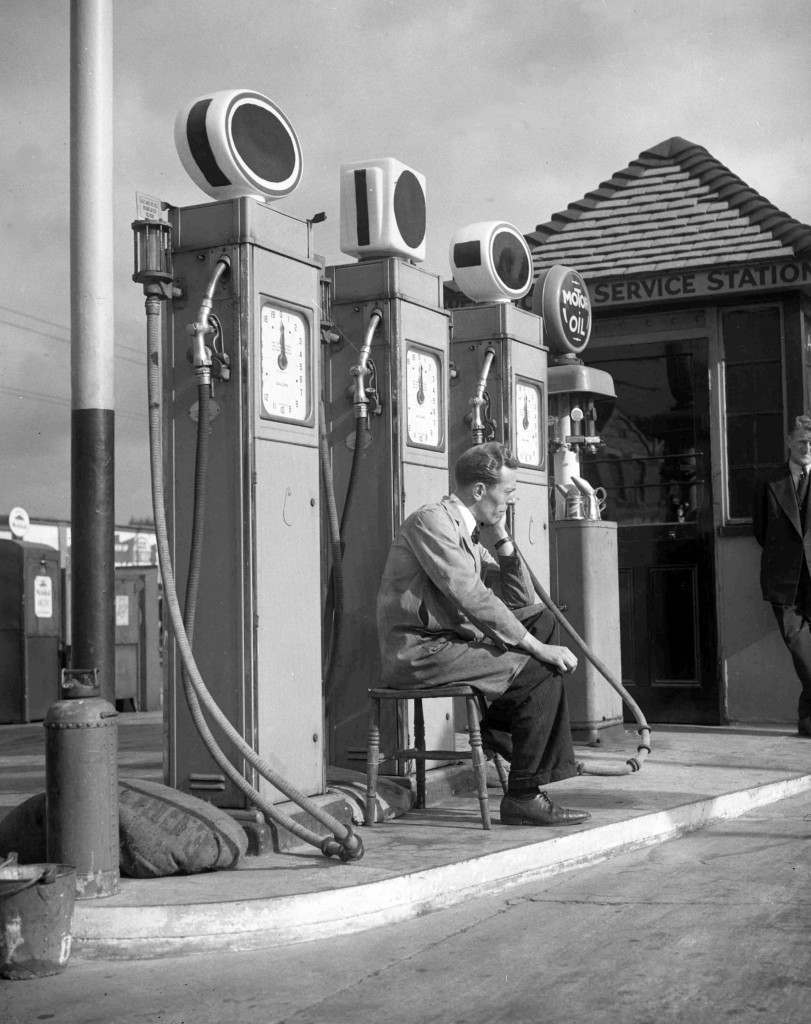
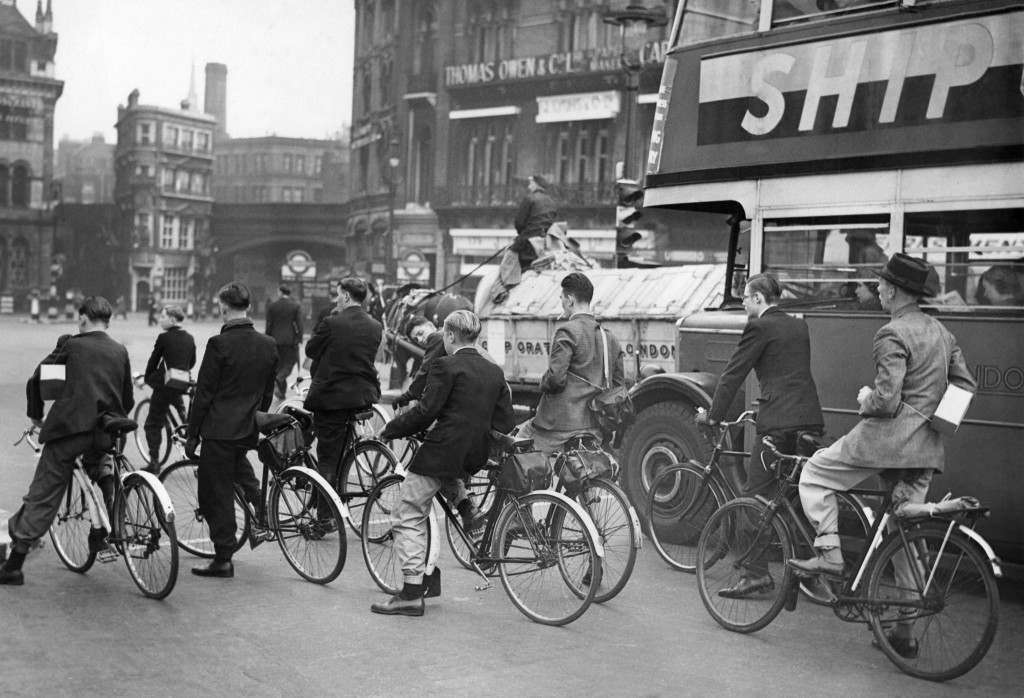
Rationing didn’t stop at food. Petrol was among the first things controlled, forcing Londoners to dust off bicycles and rely on horse-drawn carts during the opening weeks of the war.
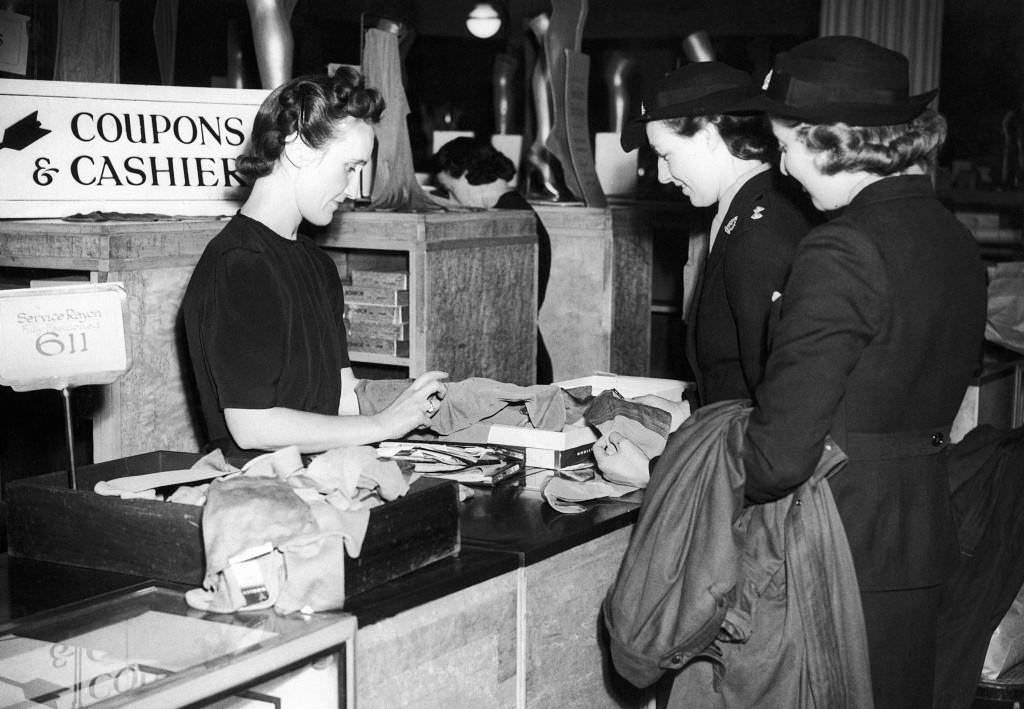
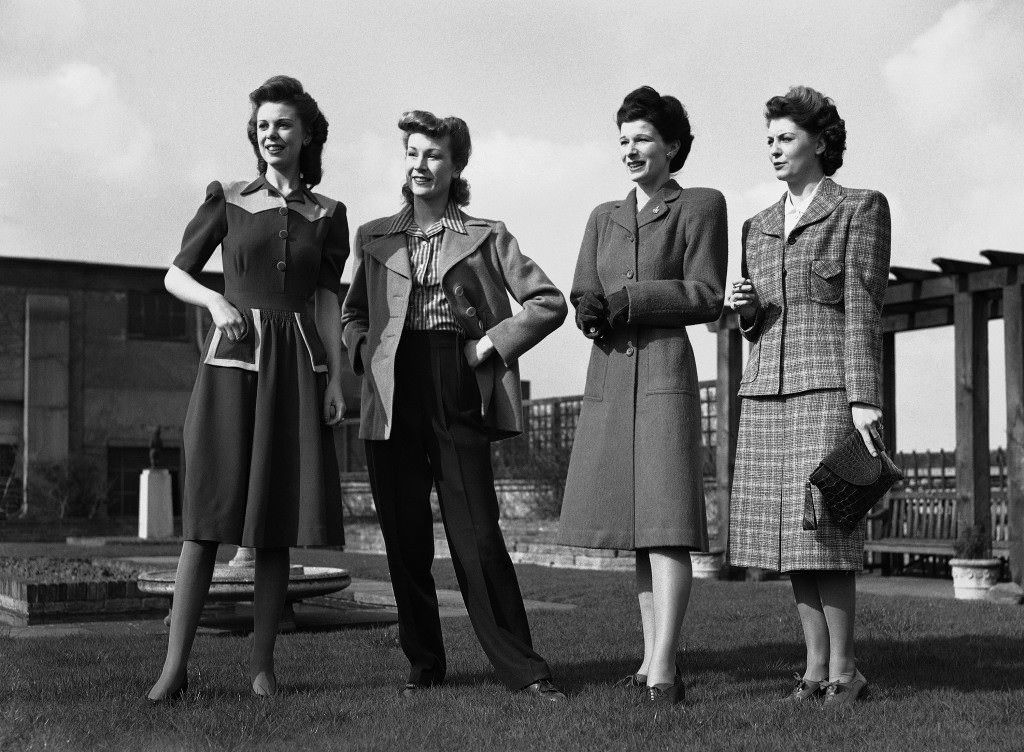
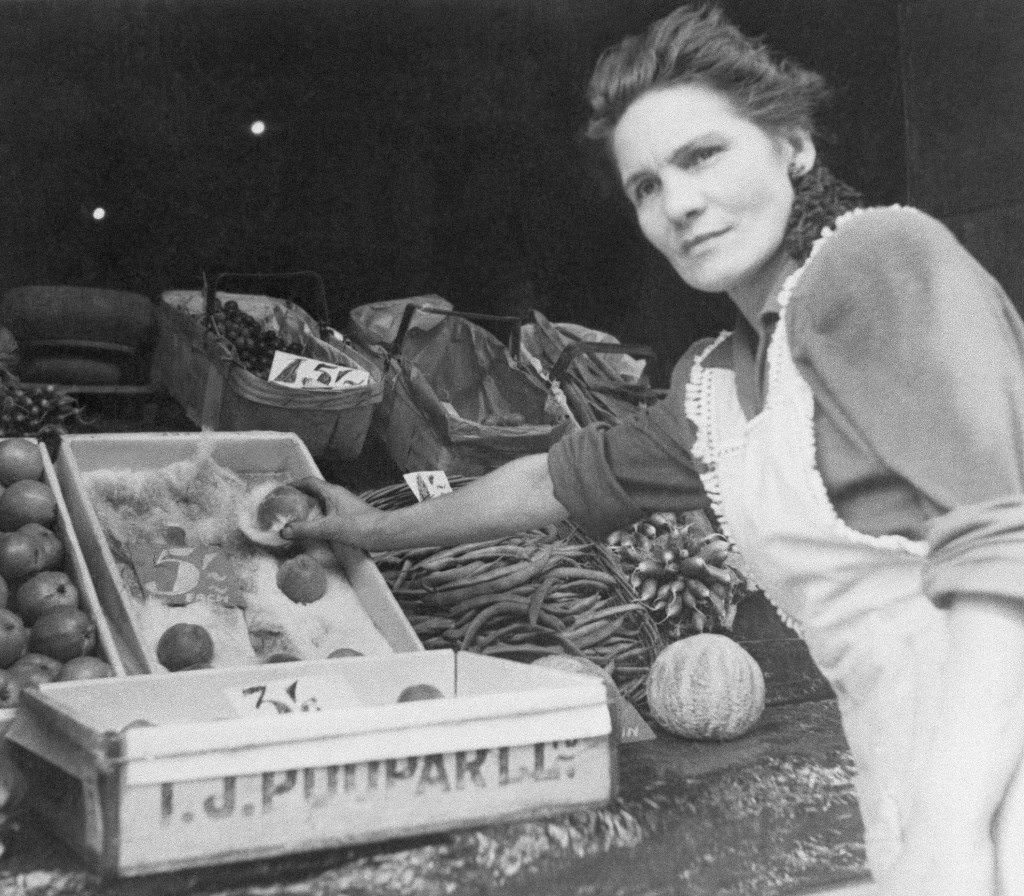
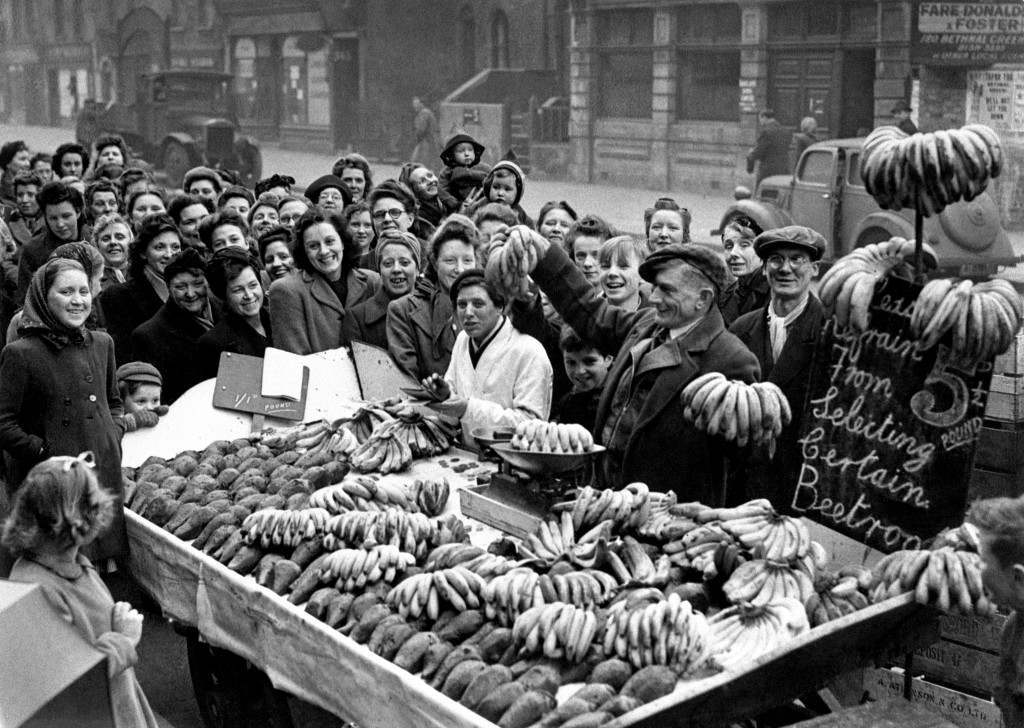
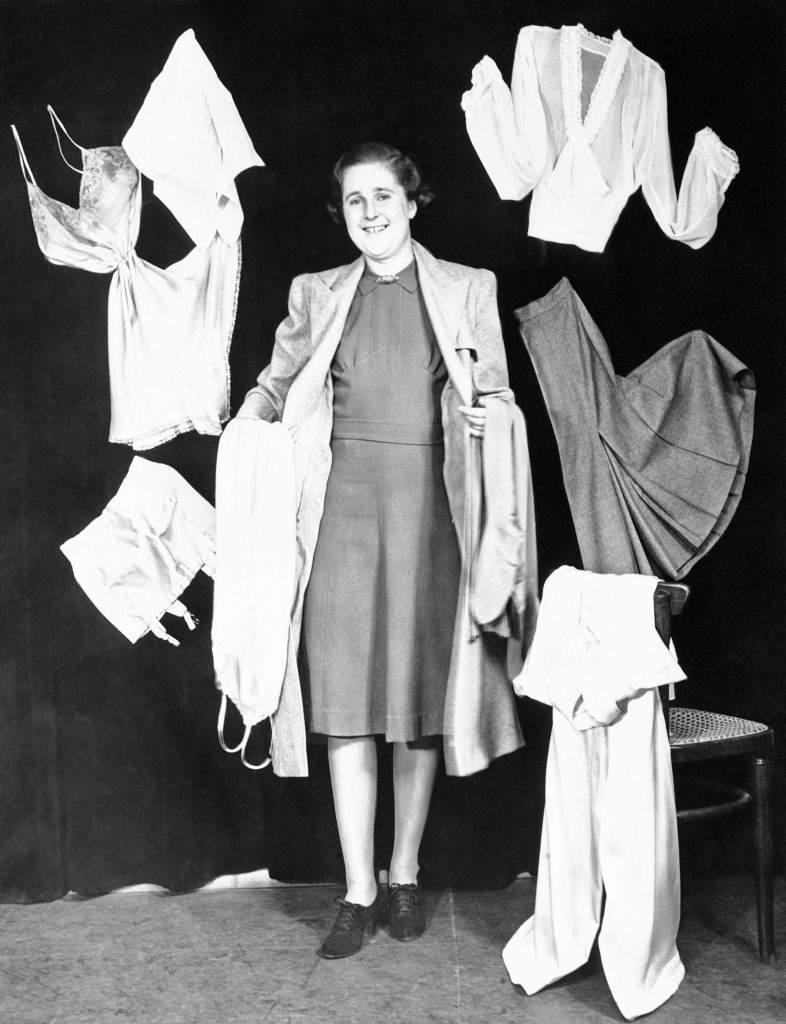
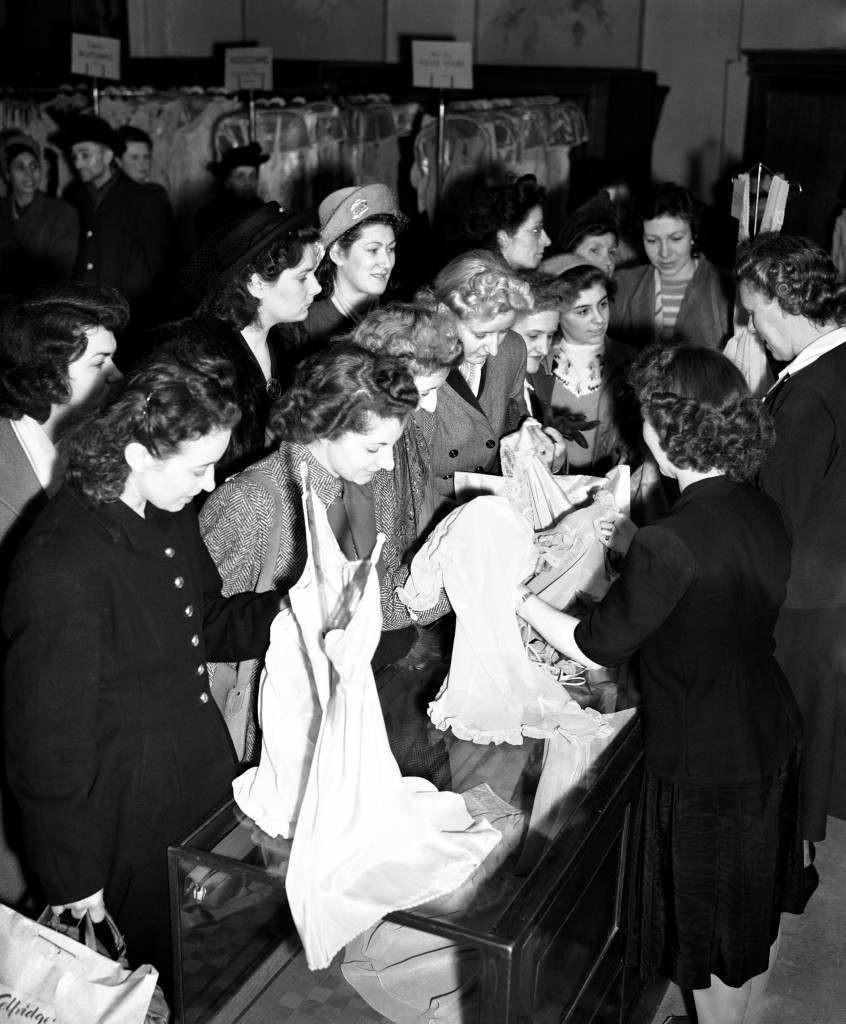
Clothing rationing began in 1941, with each person allowed 66 coupons per year. Every item of clothing had a coupon value, so a winter coat cost far more coupons than a pair of socks. People queued at department stores and market stalls alike, handing over coupons for silk stockings or a new blouse the same way they did for a week’s worth of butter.
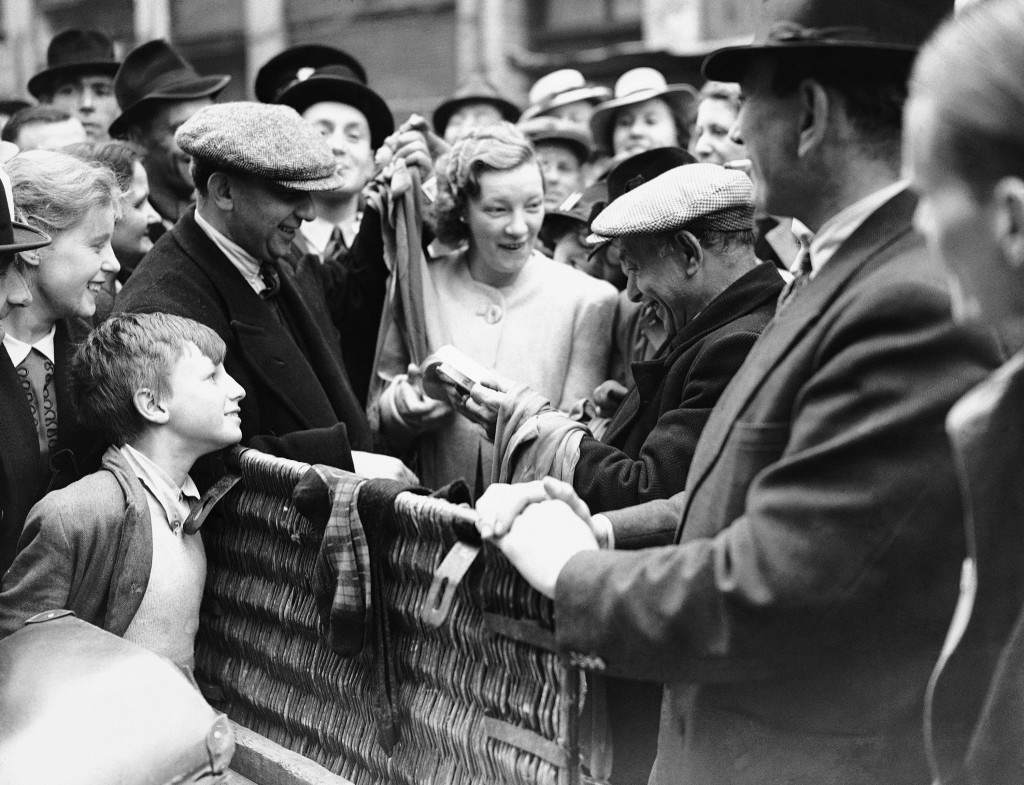
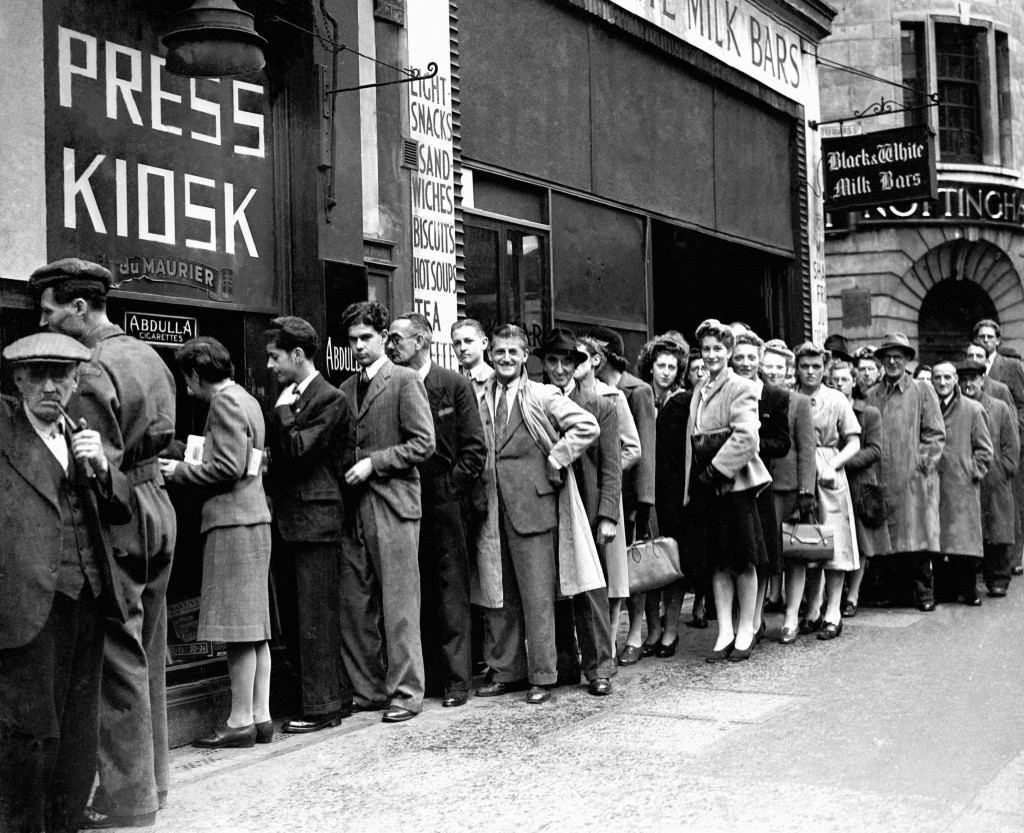
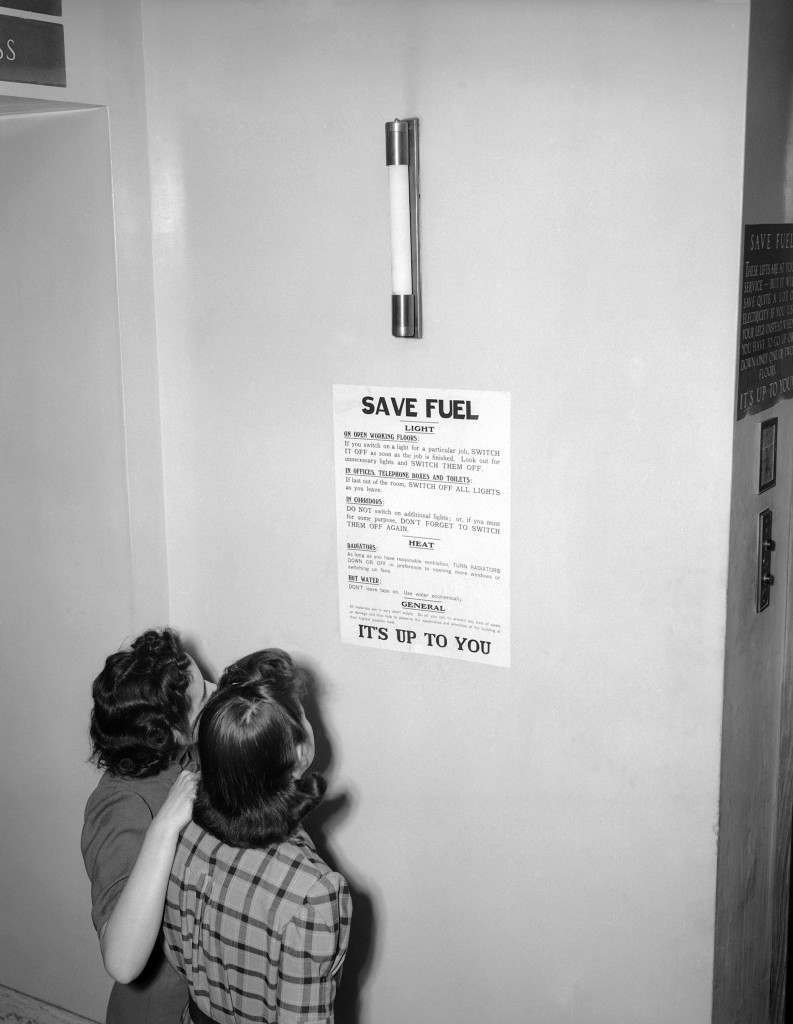
Fuel rationing touched offices and workplaces too. Notices posted on every floor of office buildings reminded workers to use less heat and light. Queues became a routine part of daily life — outside butcher shops, bakeries, and even cigarette sellers.
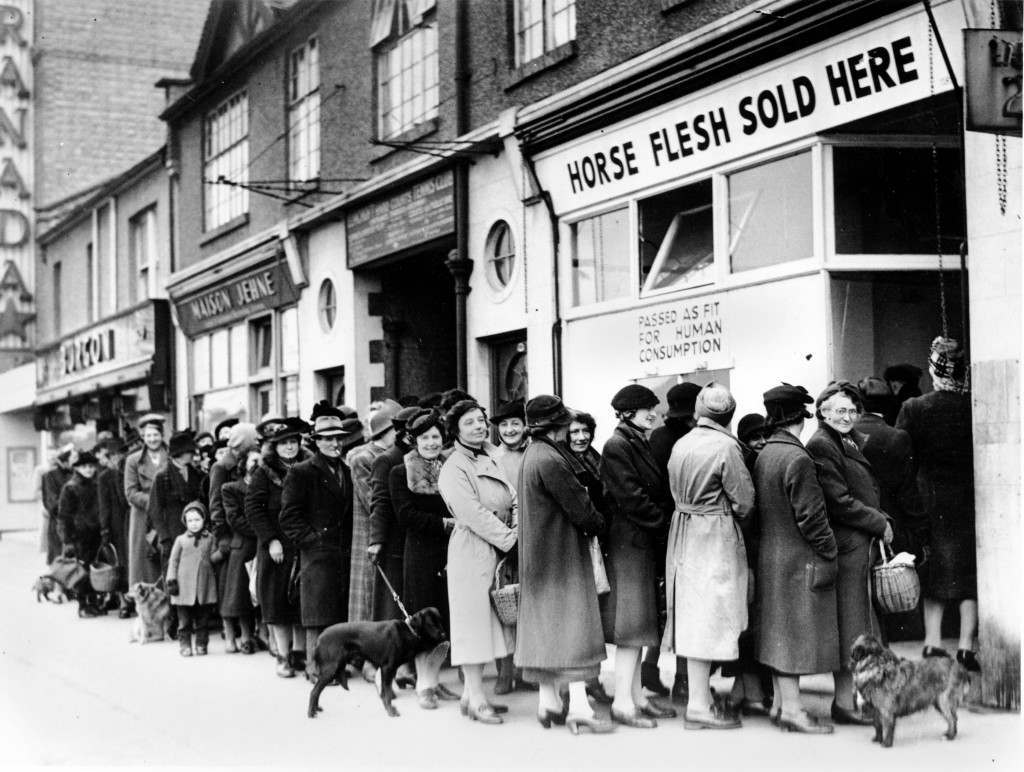
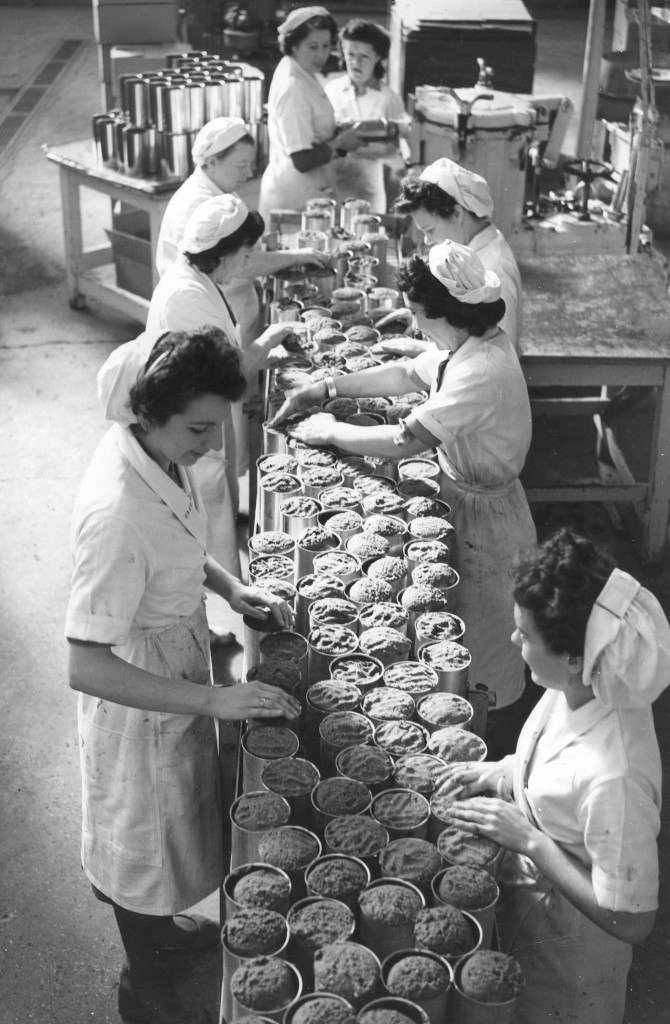
Some unusual foods entered the market to fill gaps left by shortages. Whalemeat was processed and sold commercially, rolled out on factory conveyor belts in Slough as late as 1949. Reindeer meat also appeared on the market as an unrationed alternative, meaning shoppers could buy it freely without surrendering coupons.
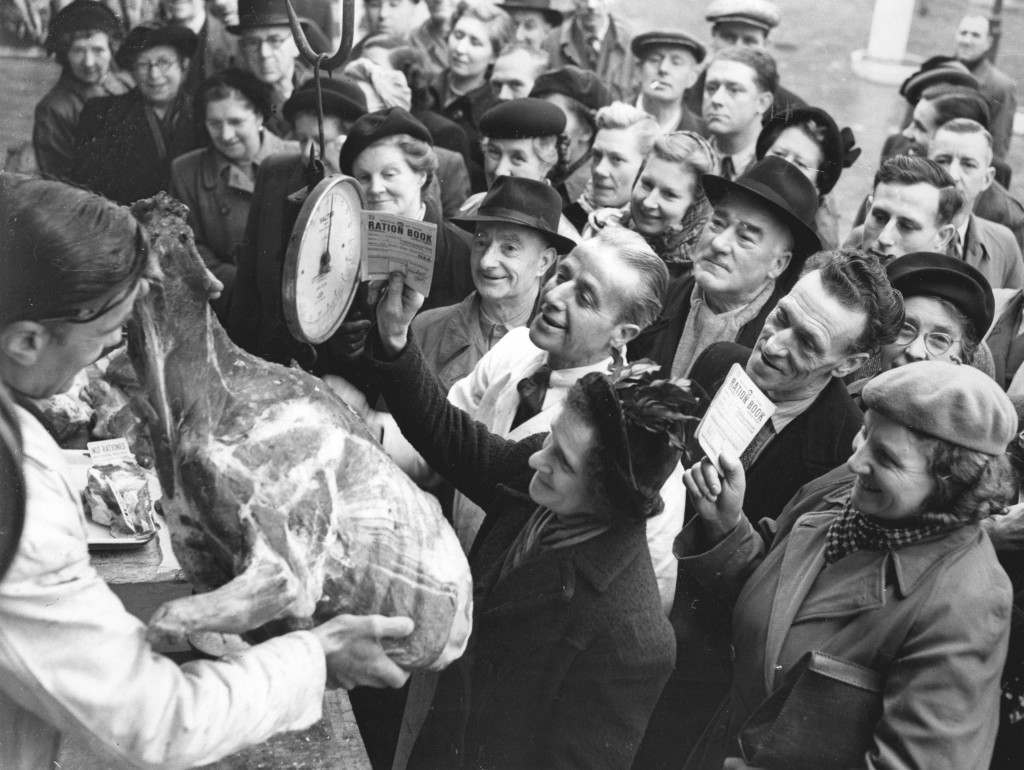
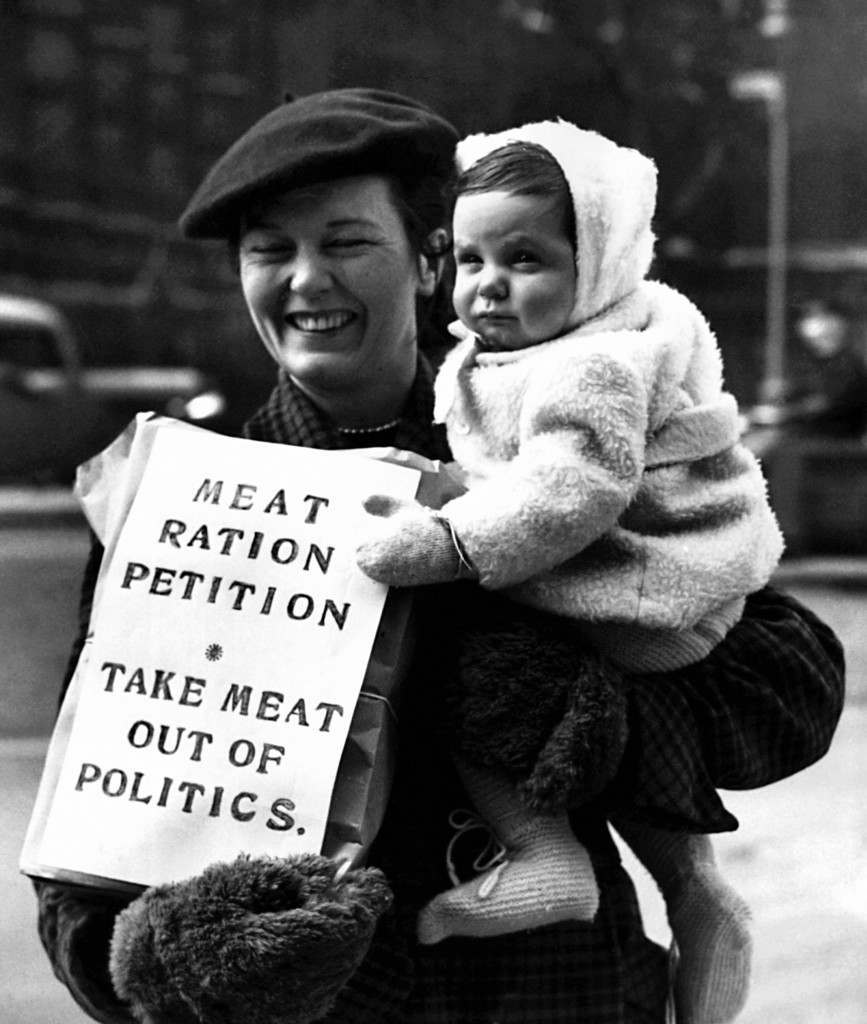
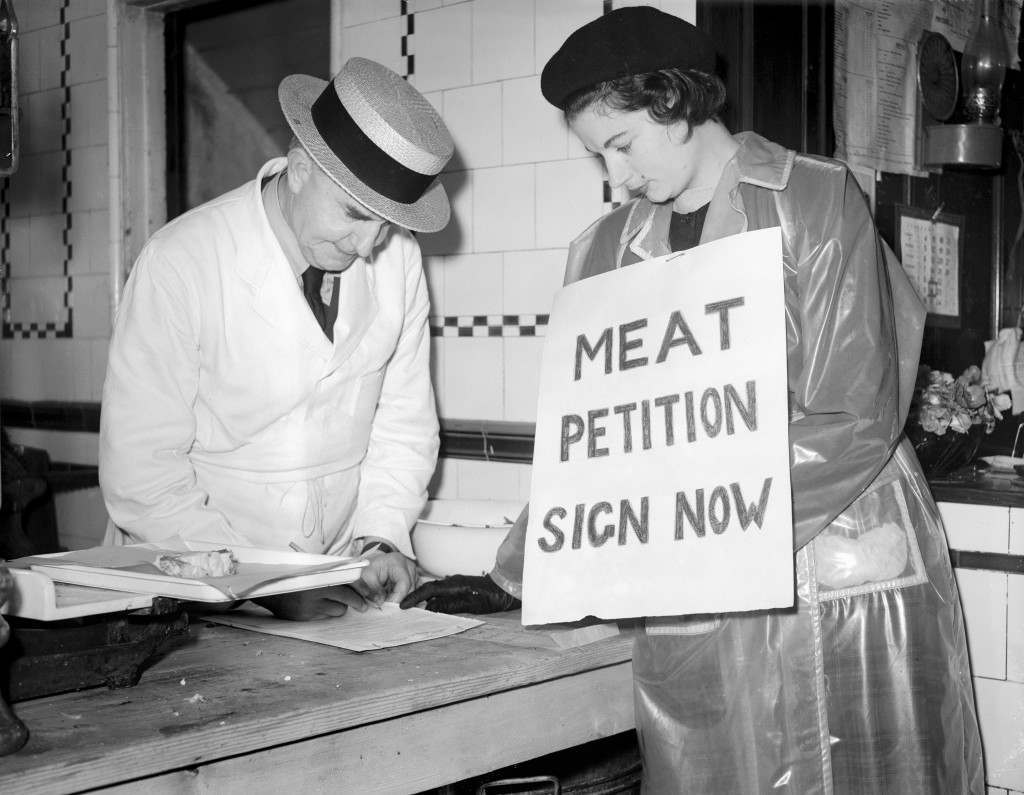
By the early 1950s, public frustration with rationing was growing. Housewives organized petitions and marched to the House of Commons. Butchers lobbied for meat sales to be returned to private traders. The protests reflected a population exhausted by more than a decade of restrictions.
The government gradually removed goods from the rationed list as supply chains recovered. Clothes came off the list in 1949. Tea followed in 1952. Sugar and eggs became freely available in 1953. The last controls — on cheese and meat — were lifted in 1954.
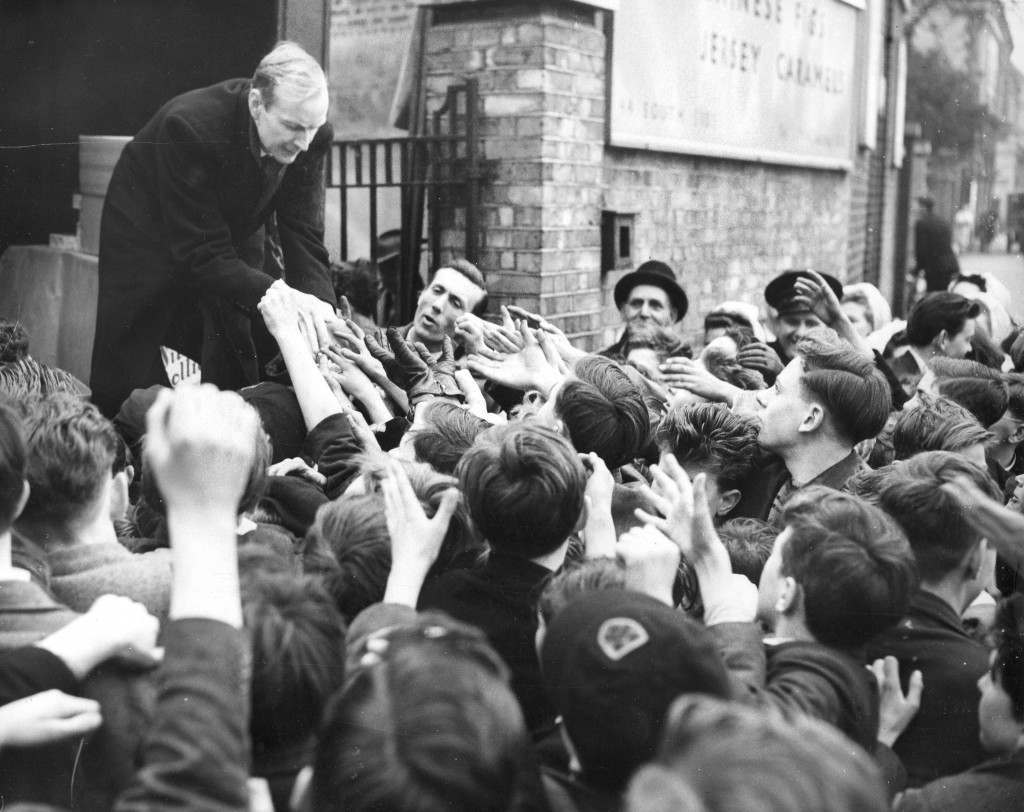
For children in particular, the end of sweet rationing in 1953 was a moment of pure joy. Scenes of kids stretching out their hands for freely distributed sweets on London streets captured something the previous fifteen years had largely denied them — abundance without a coupon.