Hey There! Before You Go. 😧
Get the best vintage content straight into your inbox!

Don't worry, we don't spam

England Before the Launching of D-Day in 1944: Waiting for the Great Invasion Across the Channel

By the spring of 1944, England had been at war for nearly five years. But something felt different. The country had become a massive staging ground for the largest amphibious invasion in history. Allied forces — American, British, Canadian, and others — poured into the south of England by the tens of thousands, filling camps, towns, and open fields from coast to coast.
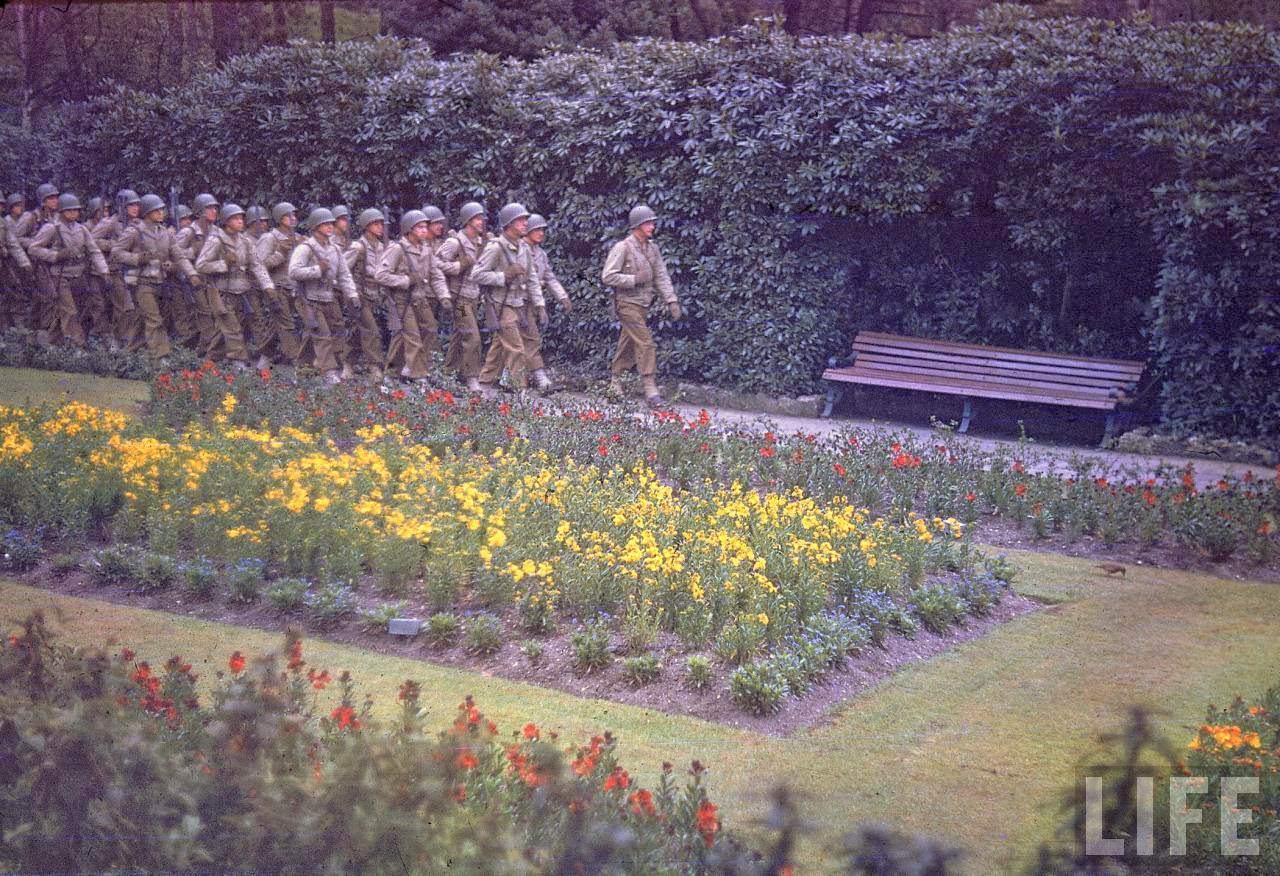
American infantrymen marching in an unident. park in England shortly before D-Day.

The physical transformation of the English countryside was staggering. Roadsides were lined with military vehicles — tanks, trucks, and jeeps — parked bumper to bumper for miles. Fields that had grazed livestock now held rows of tents and stacks of equipment. Airfields were packed with bombers, fighters, and transport aircraft. Ports along the coast were dense with ships and landing craft of every size.
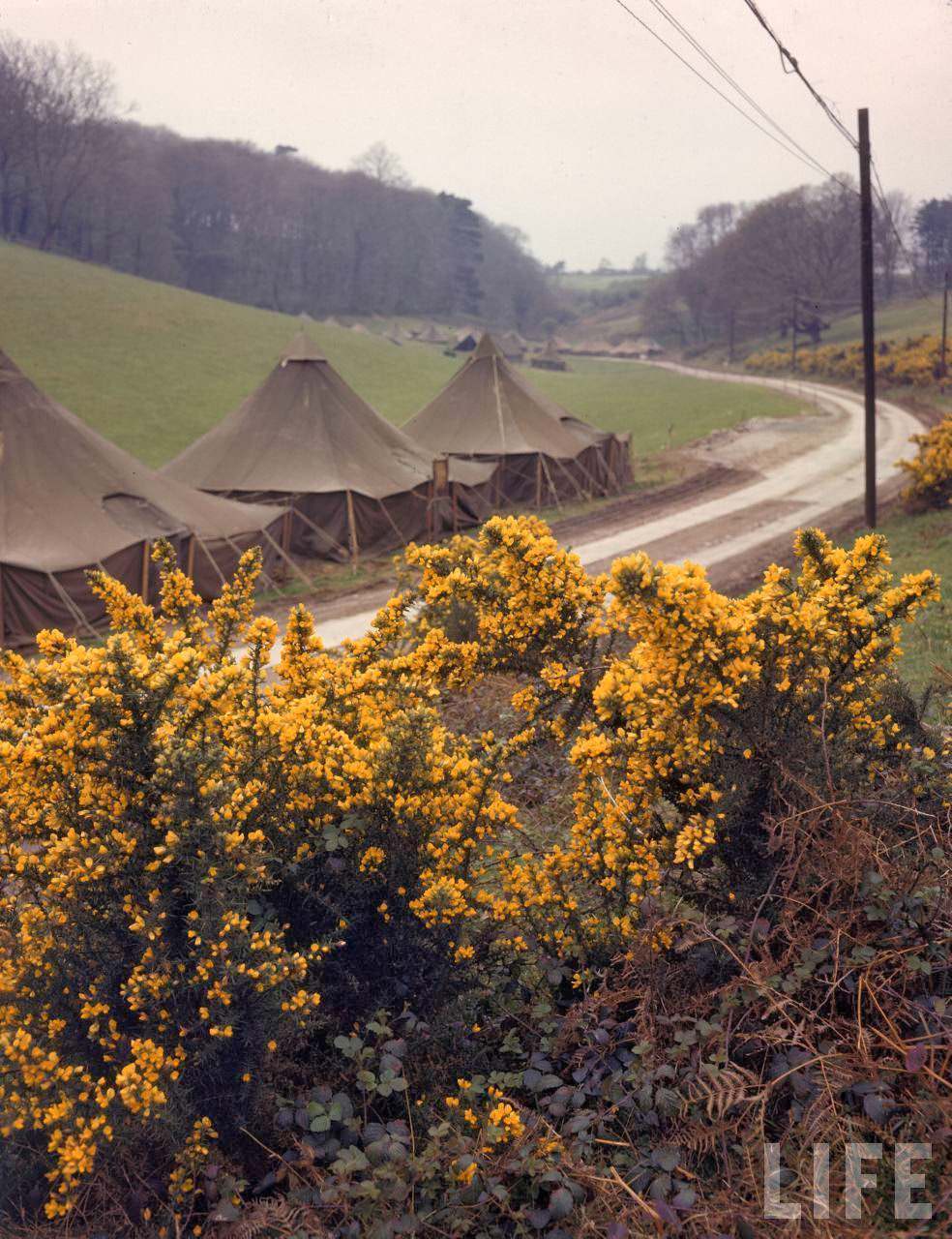
Roadside tents awaiting soldier occupants shortly before the D-Day invasion of France during WWII.
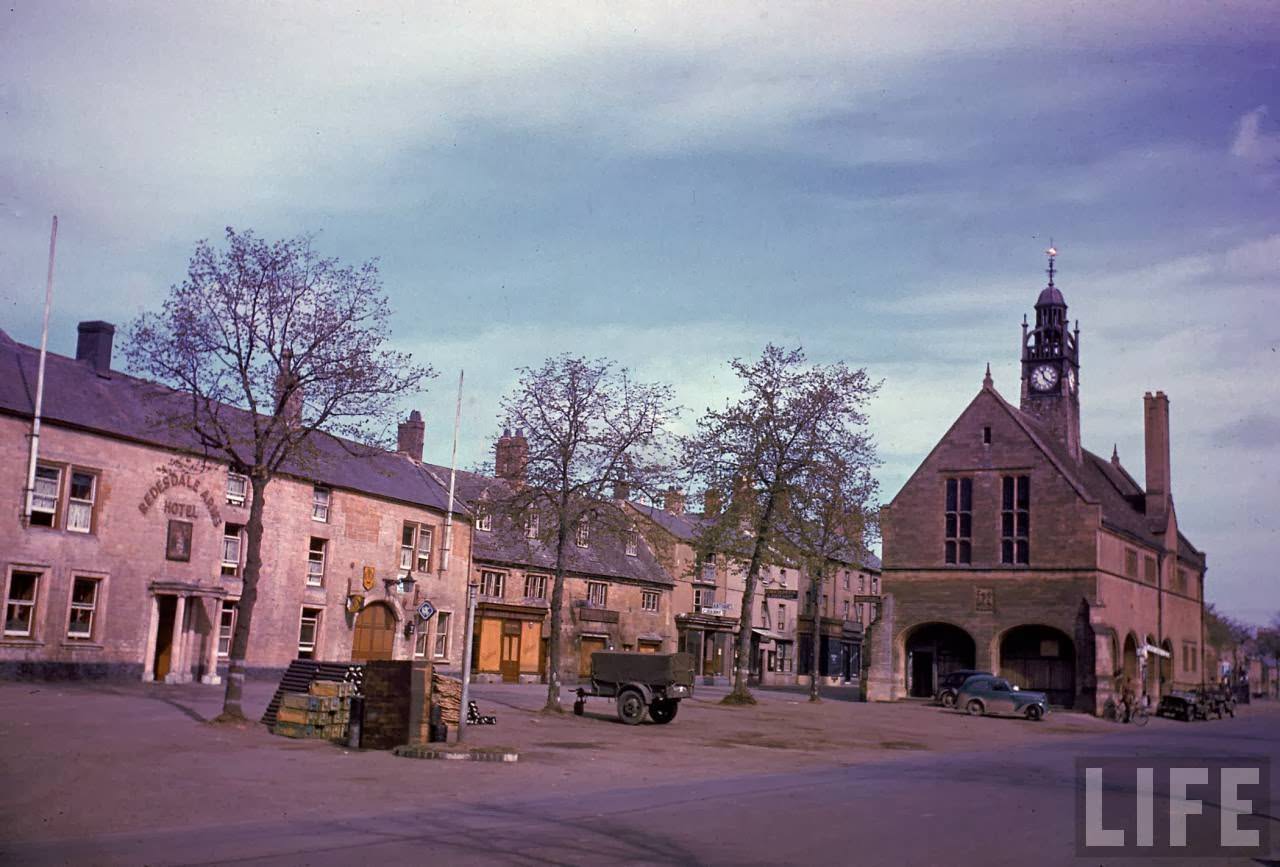
Ammunition stockpiled in the town square for the impending D-Day invasion of France.

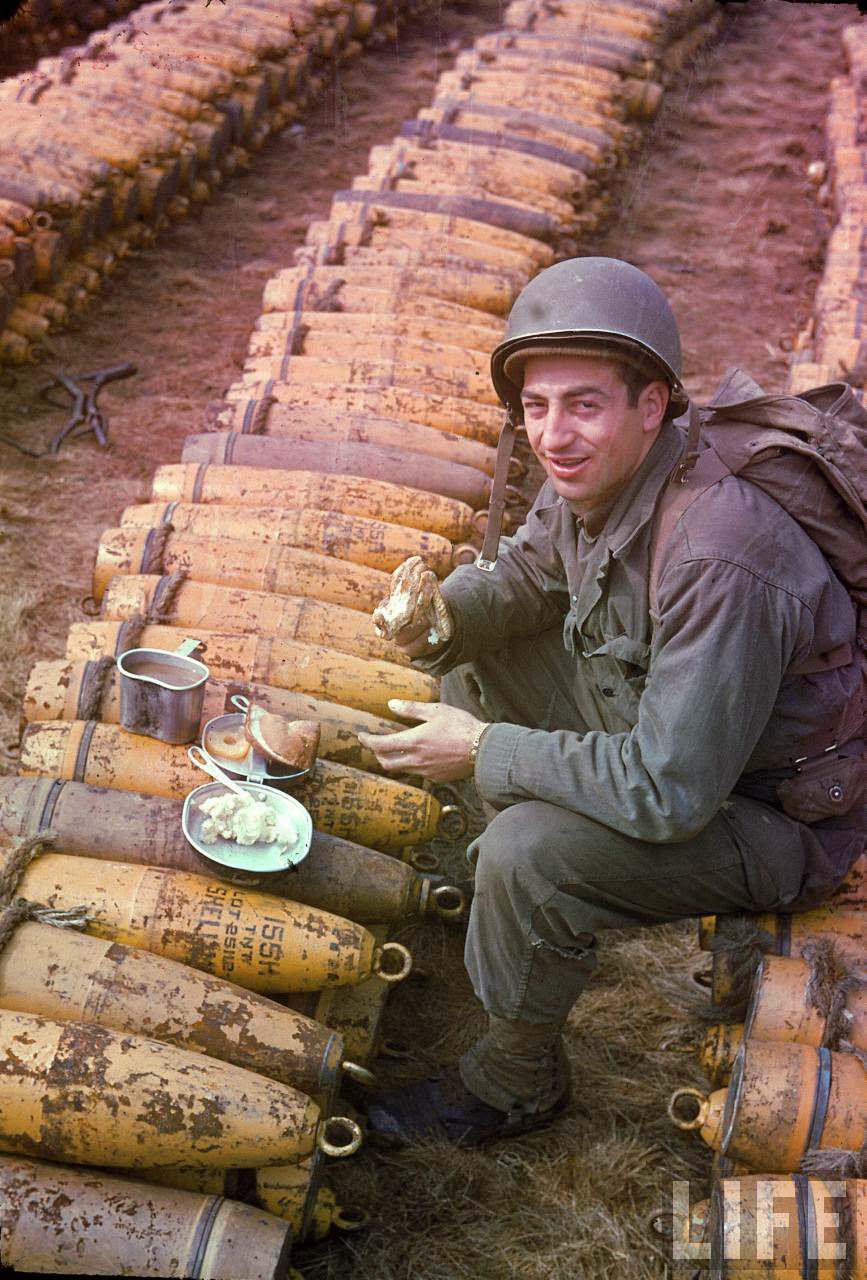
Ammunition and fuel were stockpiled in plain sight — in town squares, along roadsides, and in open lots. The sheer volume of supplies being gathered made it impossible to hide that something enormous was coming. Soldiers ate their meals sitting atop crates of ammunition, the war reduced to a routine of waiting and preparing.
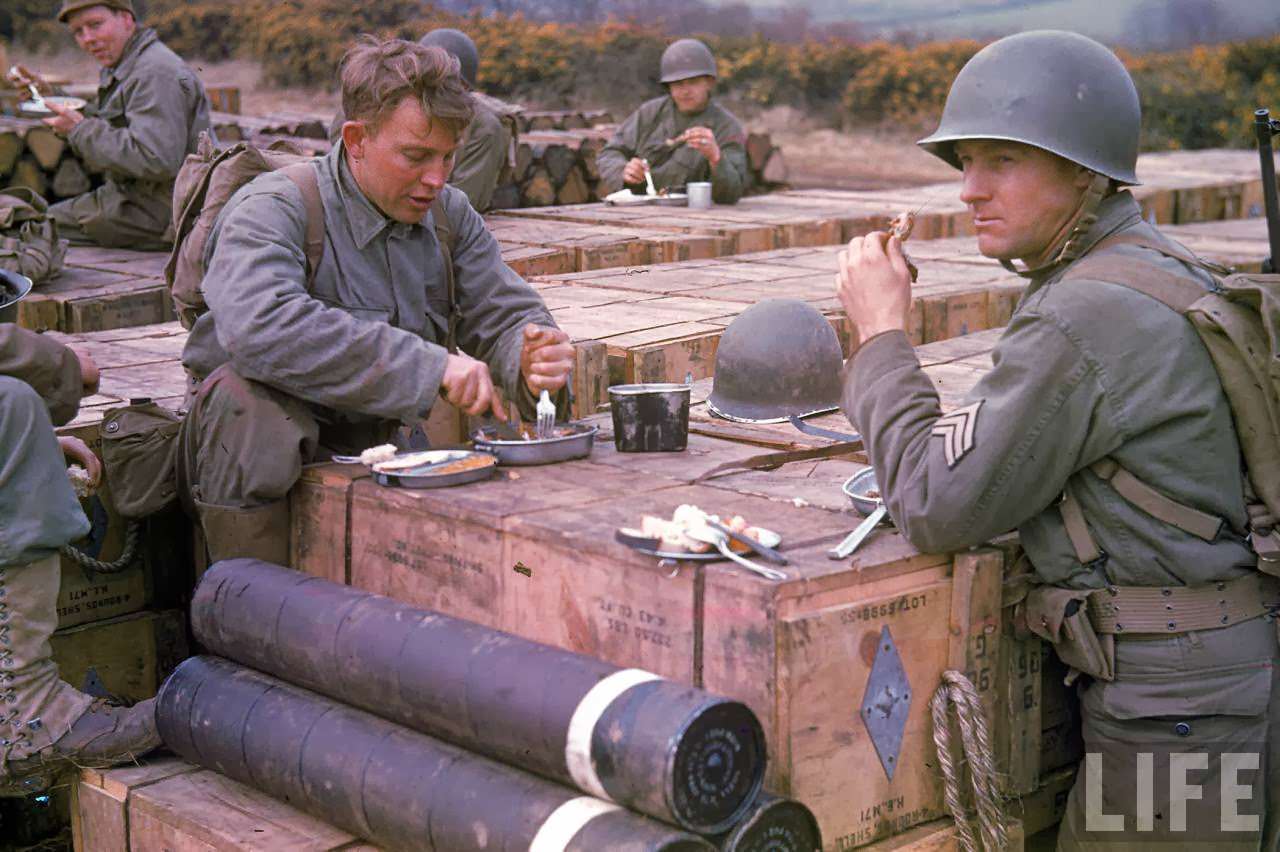
American combat engineer soldiers eating meals atop boxes of ammunition being stockpiled for the impending D-Day invasion of France.
American soldier eating his dinner atop ammunition stockpiled for the impending D-Day invasion of France.

African American soldiers were among the hundreds of thousands of American troops stationed across England, performing essential logistical work — stacking fuel cans, moving supplies, and keeping the war machine running. The U.S. military was still segregated at the time, and Black soldiers served in separate units, yet their labor was critical to every phase of the invasion’s preparation.
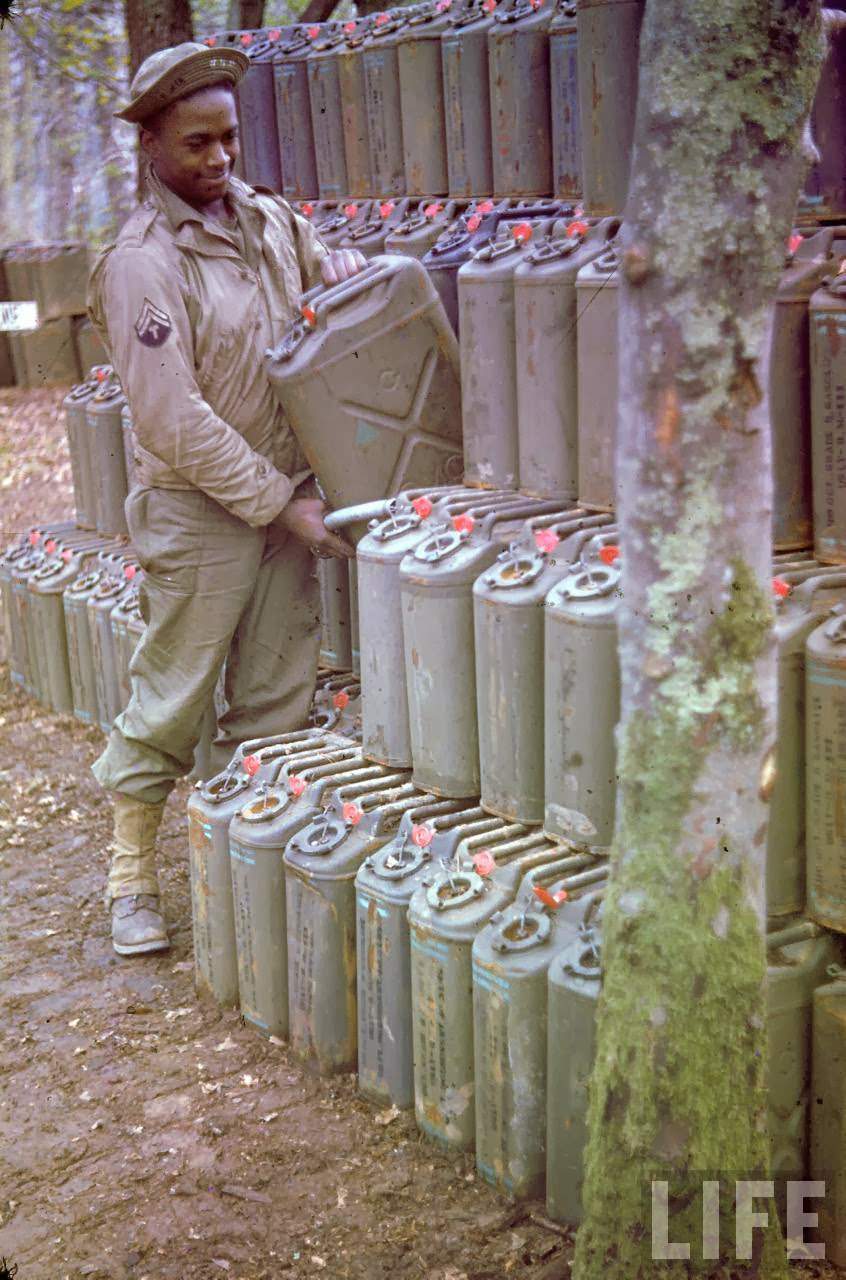
African American soldier piling up gas cans in preparation for the upcoming D-Day invasion of France.
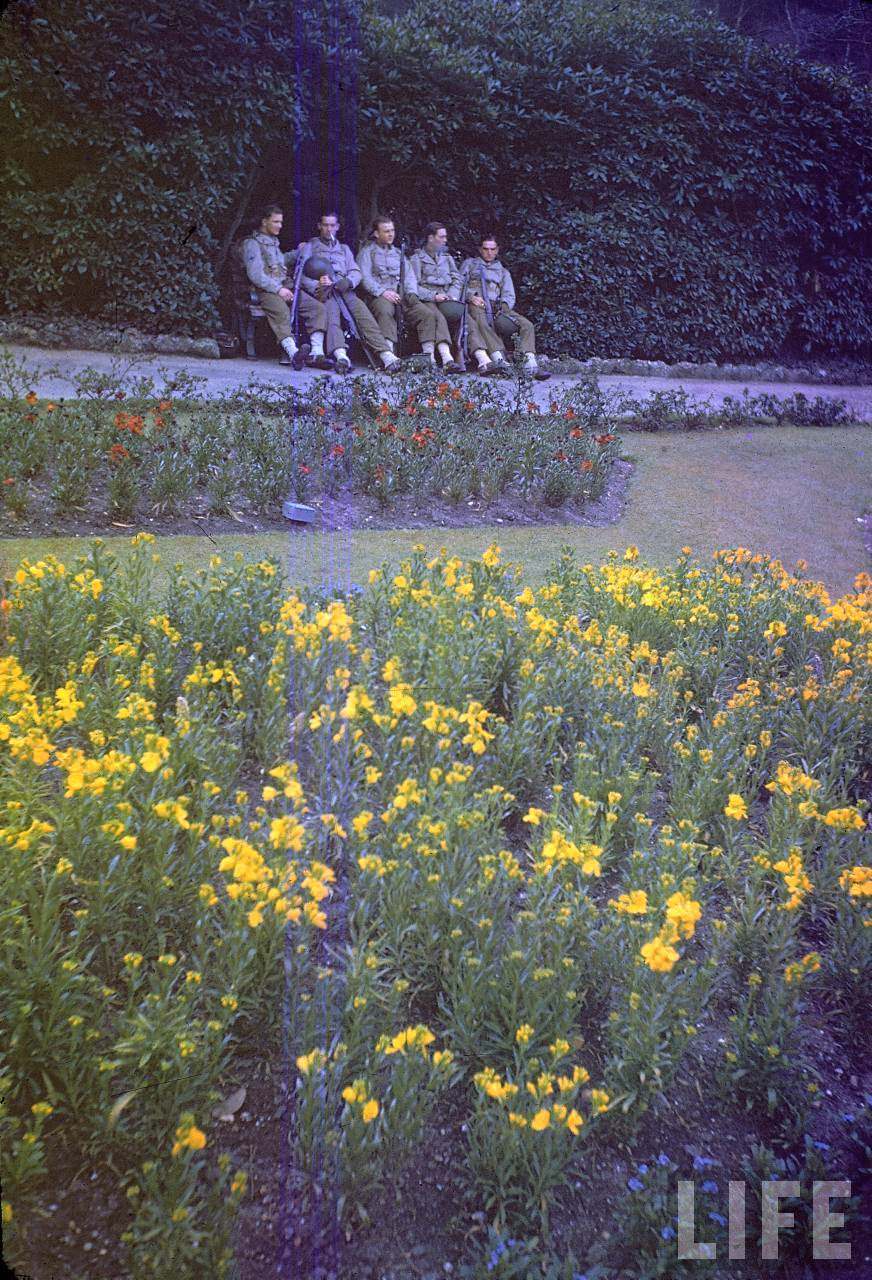
American infantrymen taking breather during a march in an unident. park shortly before D-Day.

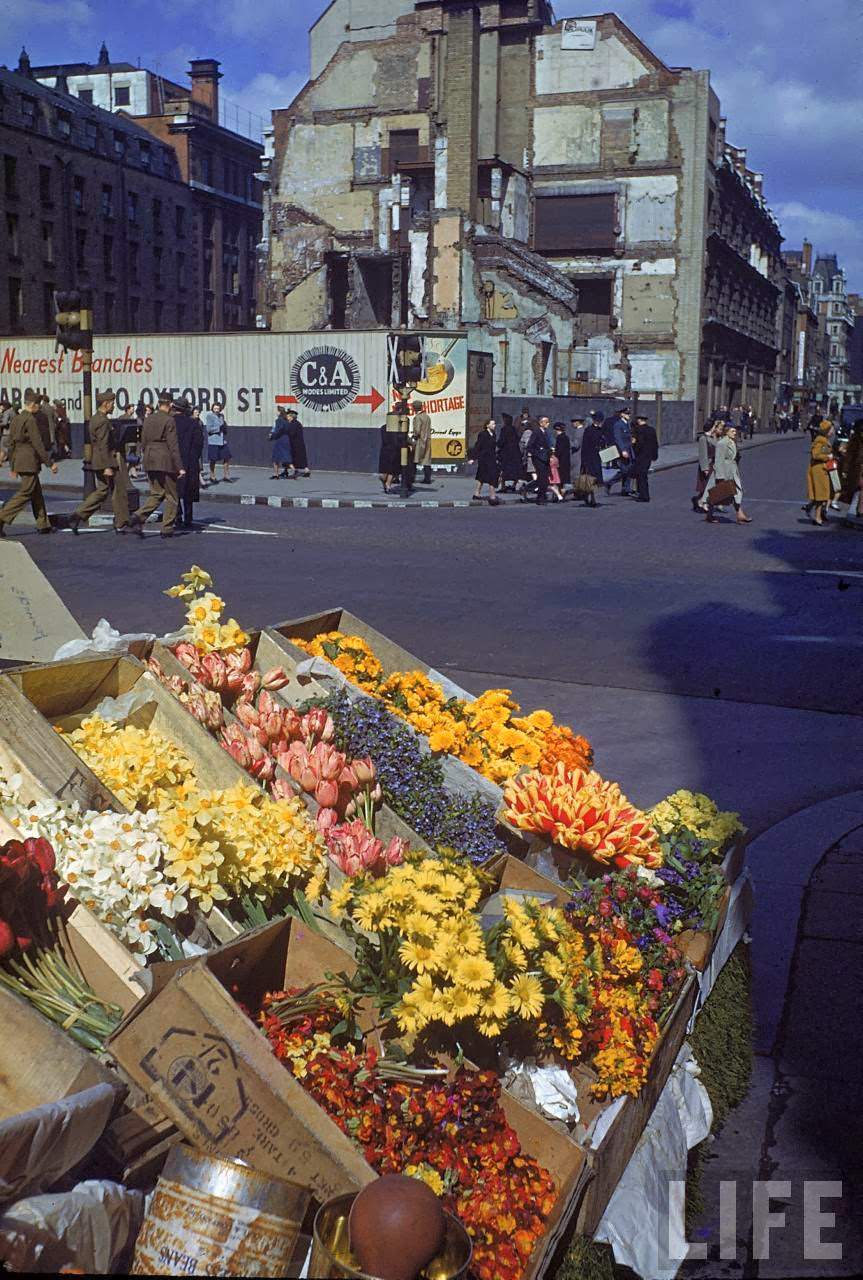
Despite the military buildup, civilian life continued alongside it. On Oxford Street in London, shoppers moved past storefronts while soldiers walked the same pavements. Parks still drew people looking for a moment of calm. Flower markets stayed open. The contrast between ordinary daily routines and the enormous military machine surrounding them was sharp and constant.
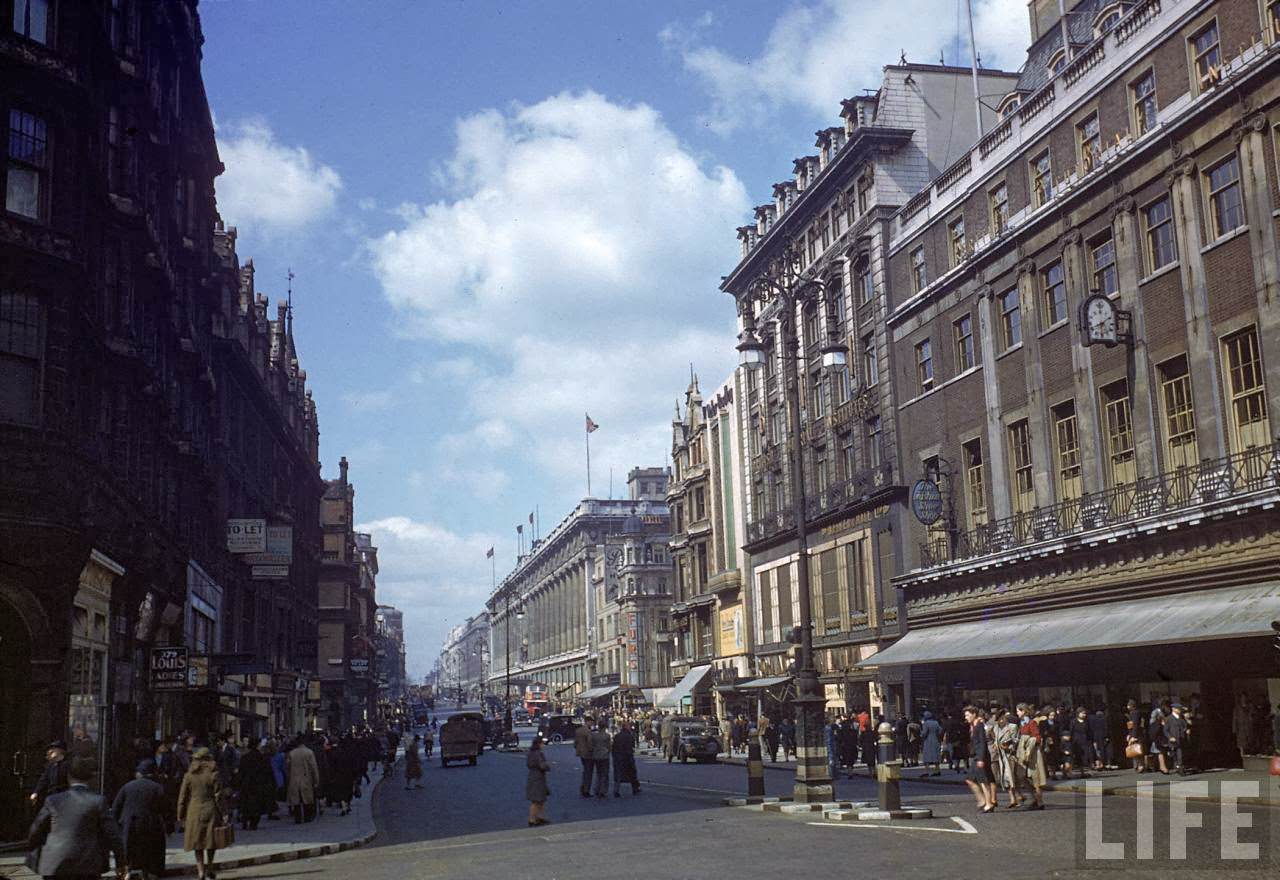
Oxford Street in London shortly before the launching of the D-Day invasion of France during WWII.
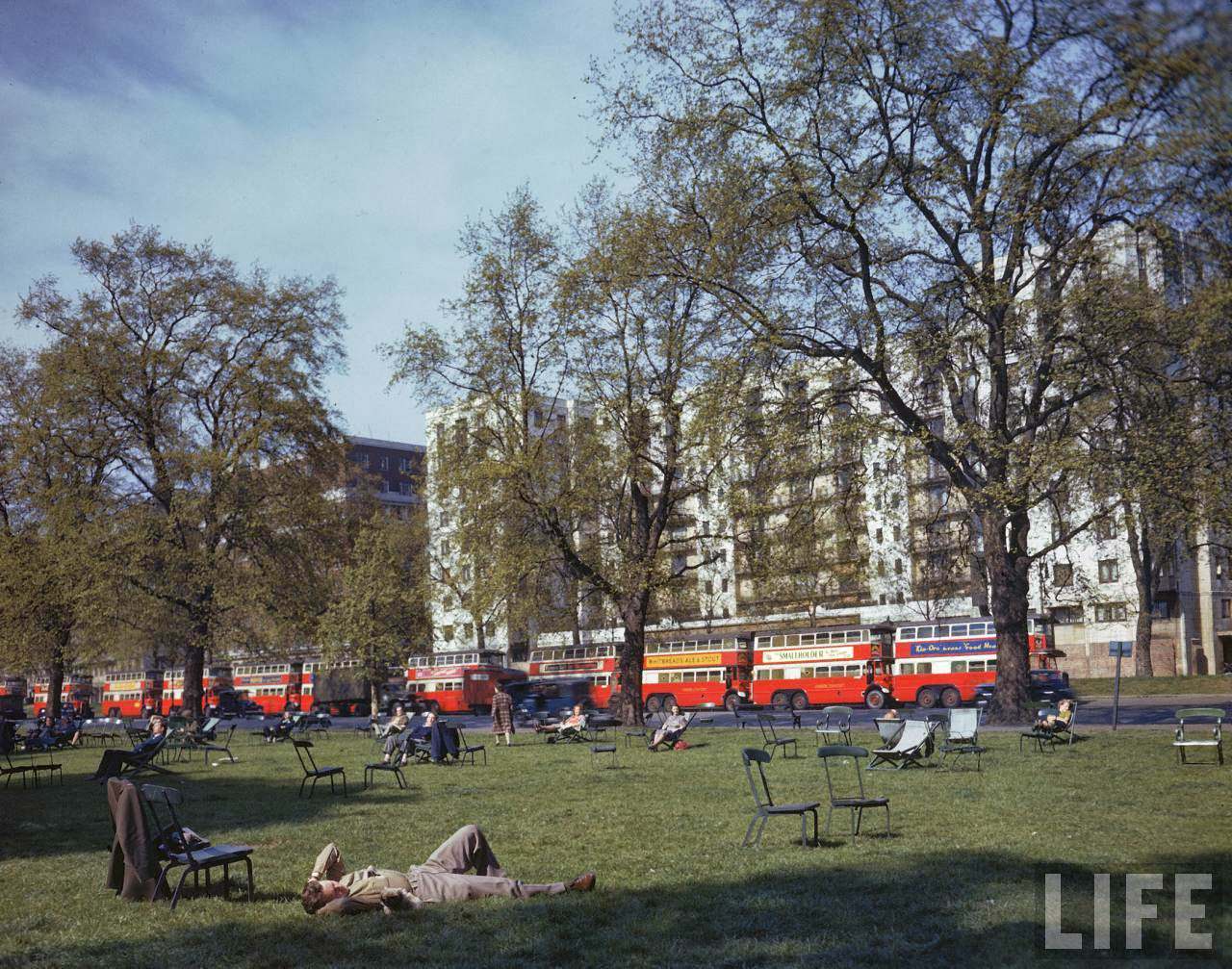
People relaxing in Hyde Park during WWII.
Small flower market (note American soldiers walking in background, L) during WWII.

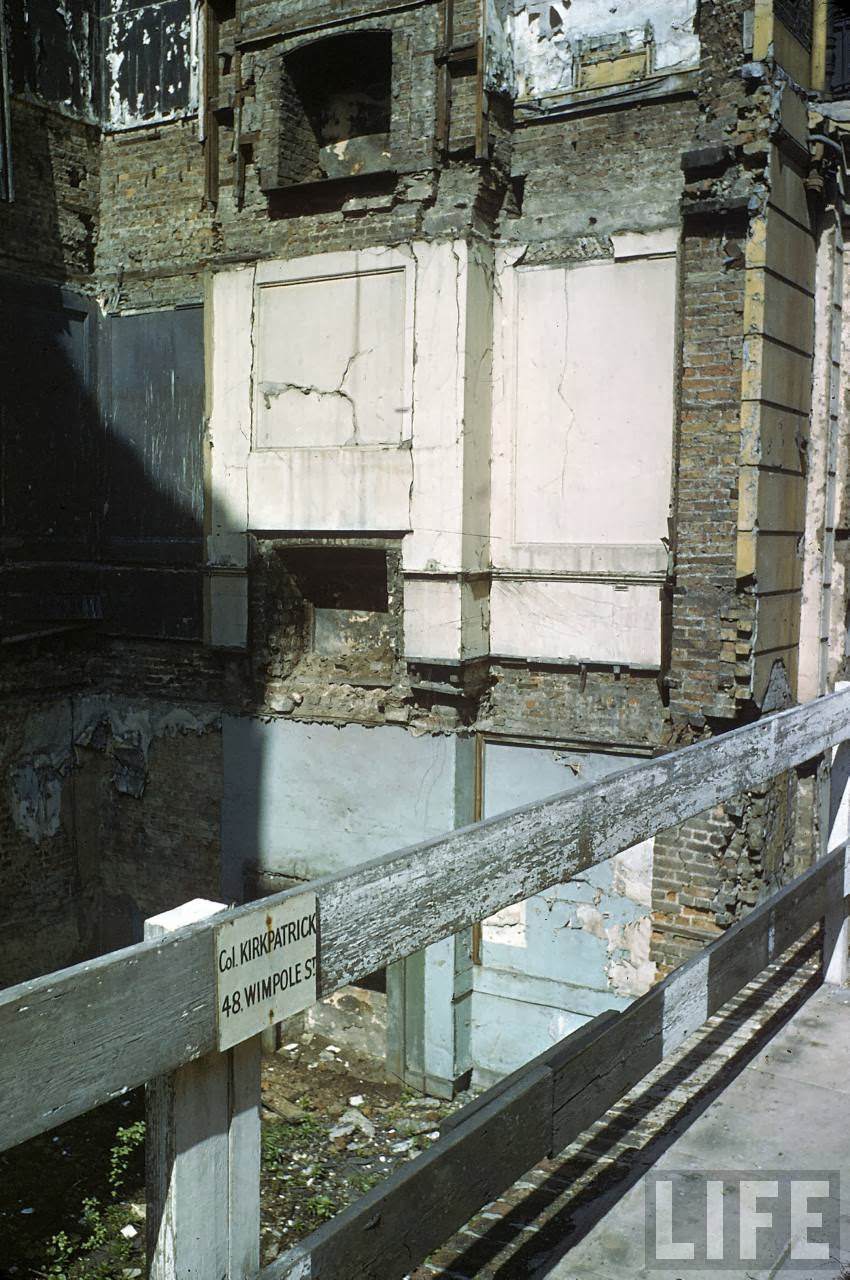
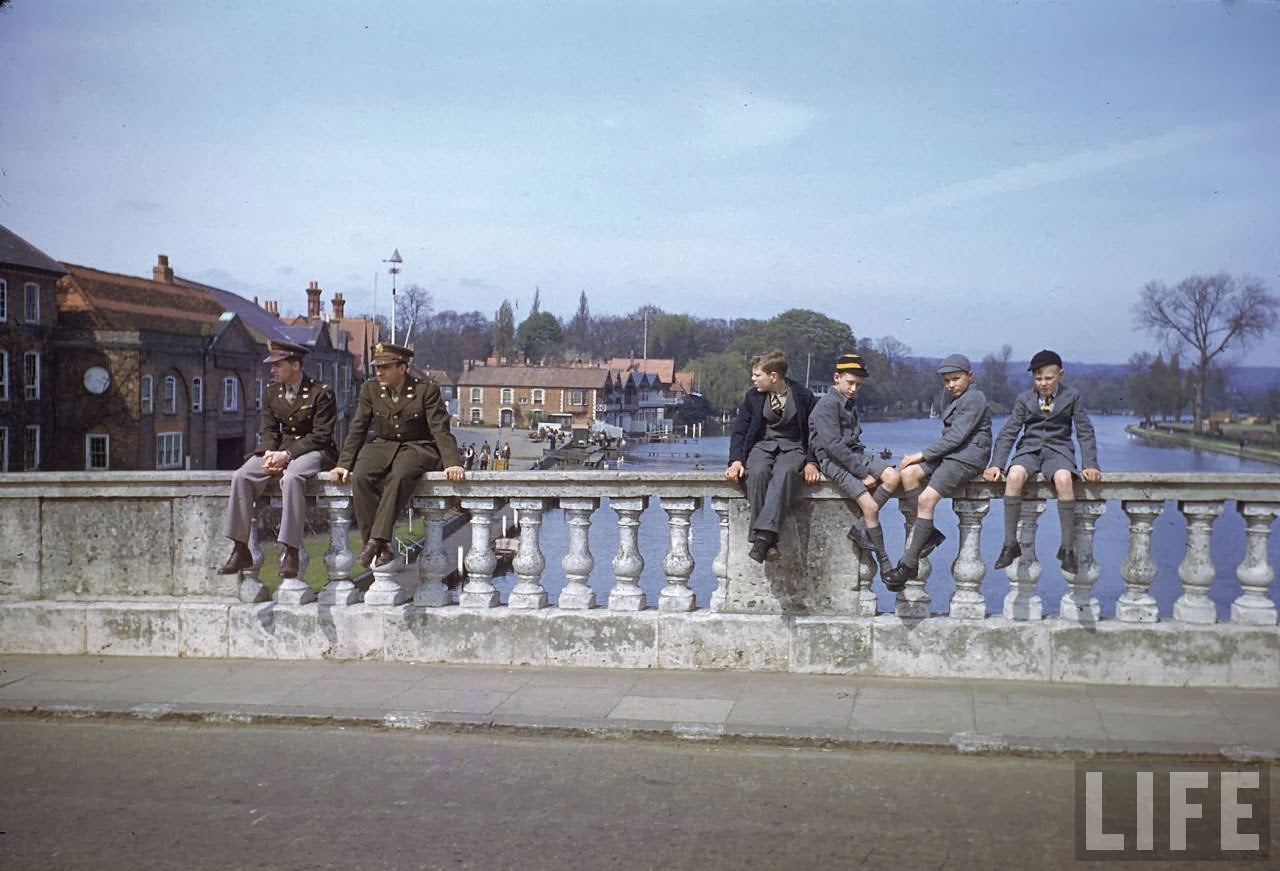
American soldiers became a familiar sight in English towns and villages. They walked through parks with local women, sat with schoolchildren on bridges over the Thames, and mingled with a population that had already endured years of bombing and rationing. The scars of the Blitz were still visible — bombed-out lots on streets like Wimpole Street stood as open wounds in otherwise intact neighborhoods.
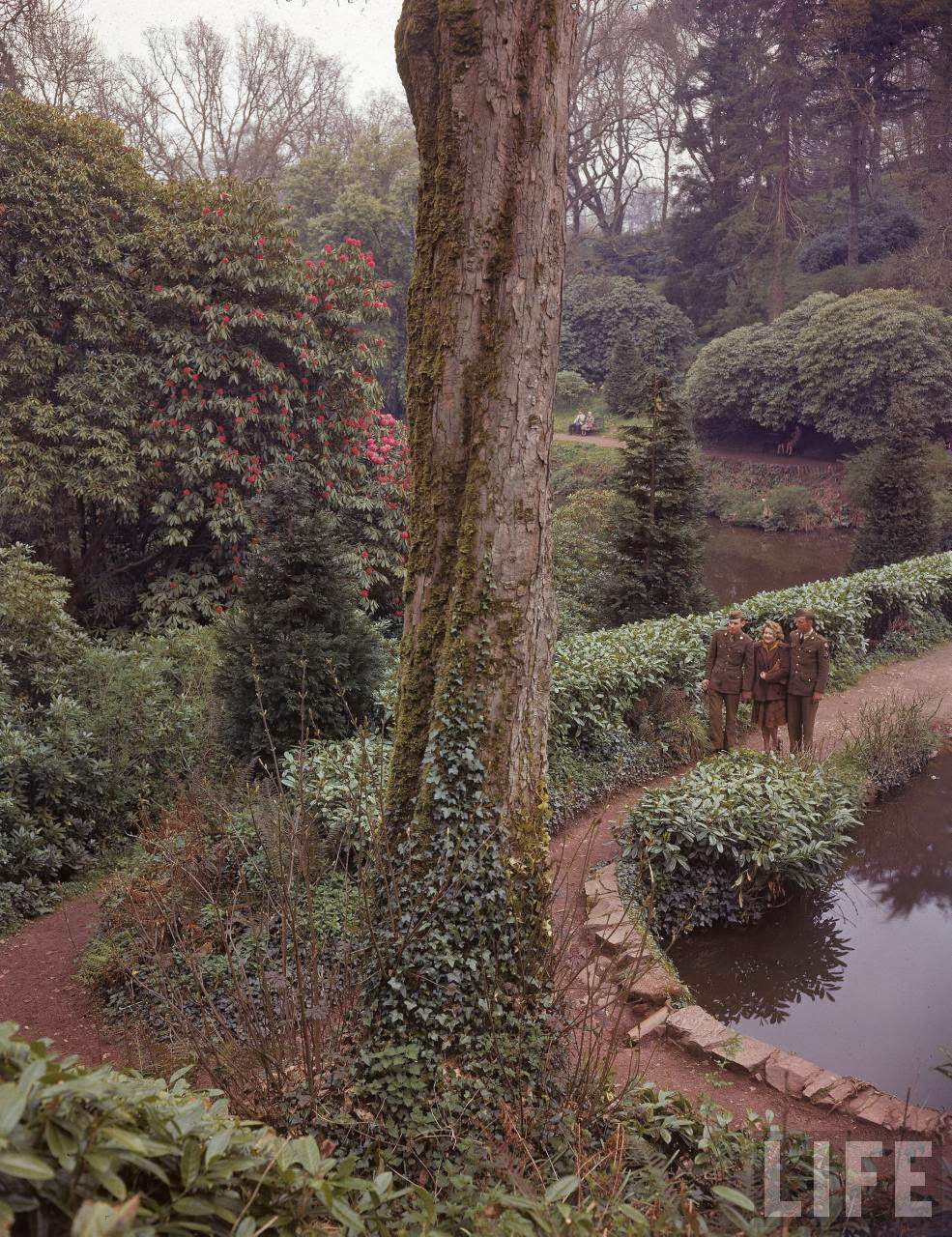
Pair of American servicemen walking w. civilian woman in a bucolic park during WWII.
American soldiers and a group of English school children sitting on bridge over the Thames River.
Vacant lot, former site of a building on Wimpole Street bombed out during the Blitz.

Security across England was extremely tight. Coastal zones where troops were concentrated were restricted to civilians, and movement was heavily controlled. Military and government authorities repeatedly reminded the public that loose talk could cost lives. The exact date and location of the invasion were among the most tightly held secrets of the entire war.
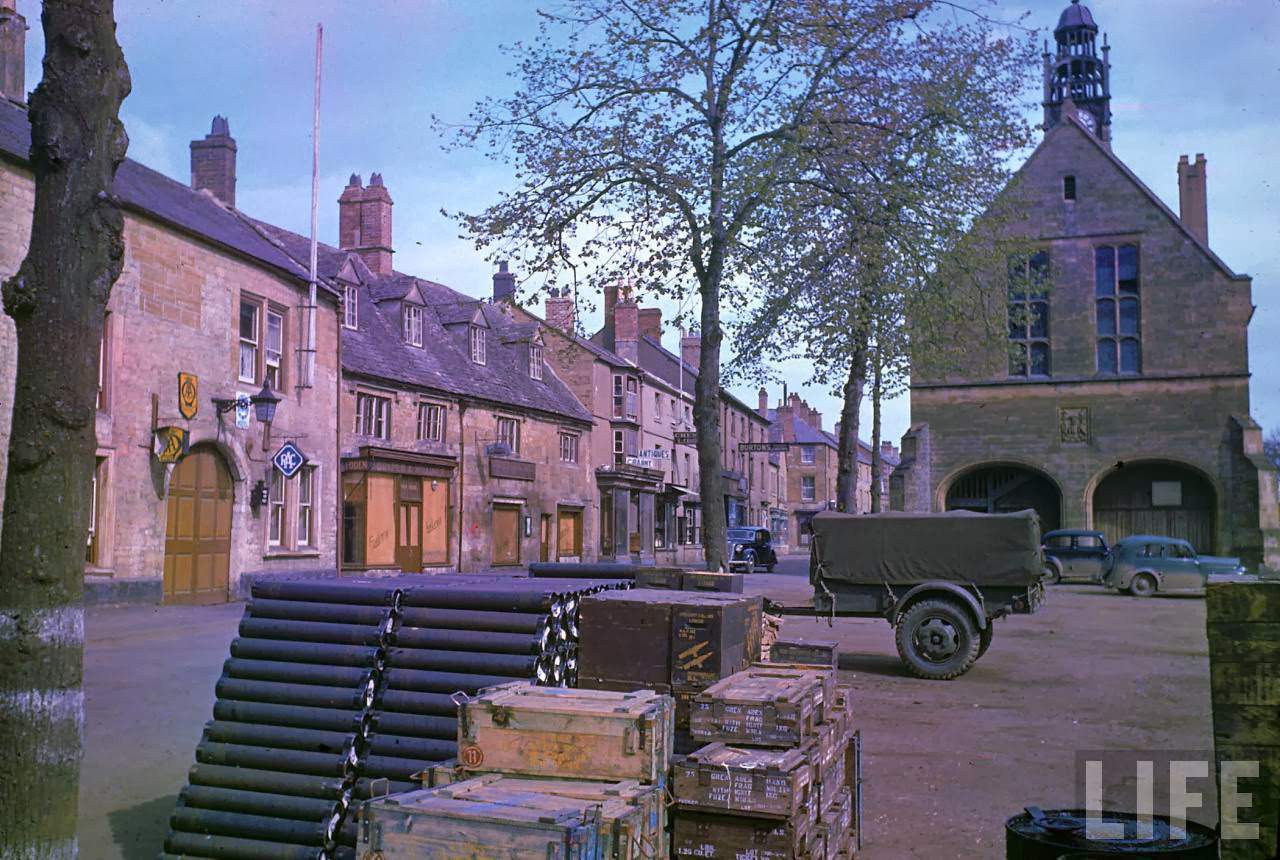
Ammunition stored in the town square shortly before D-Day.

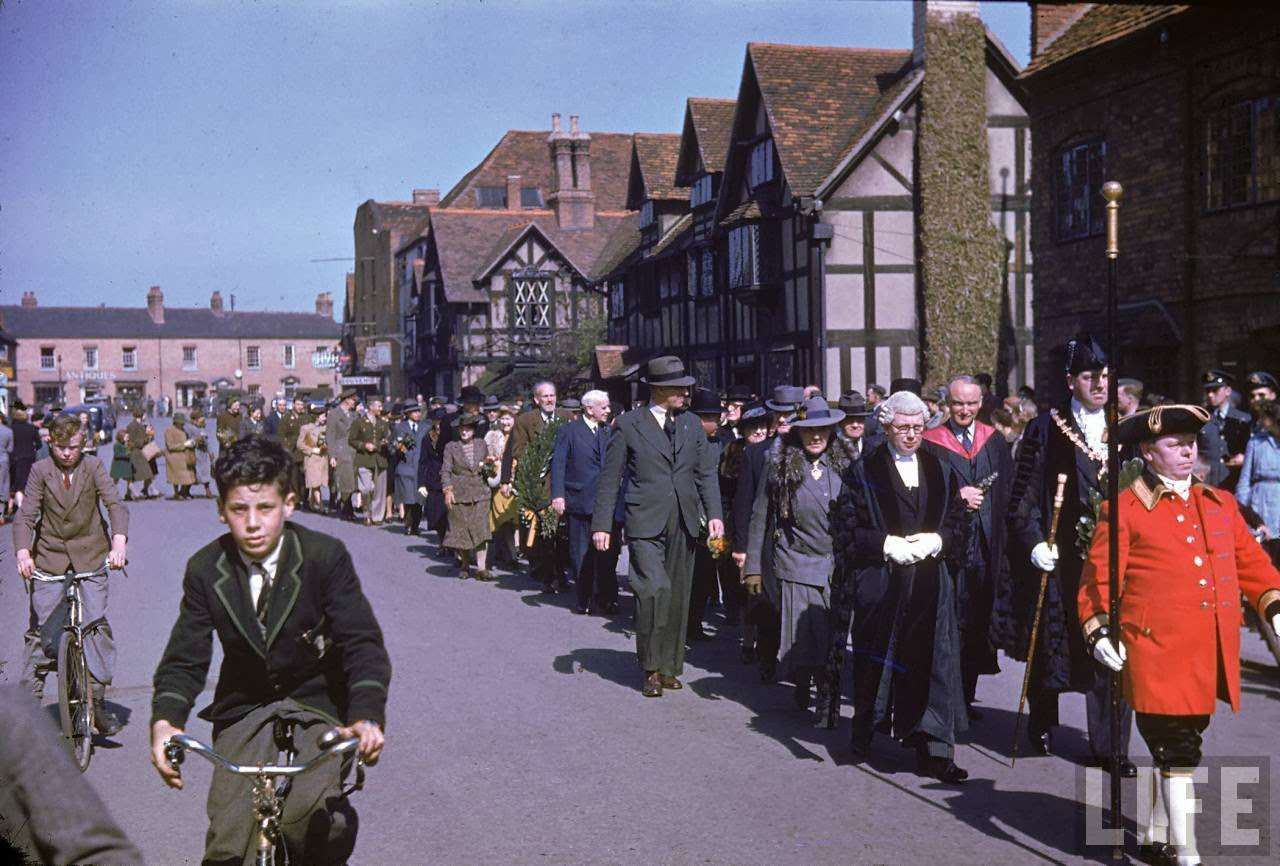
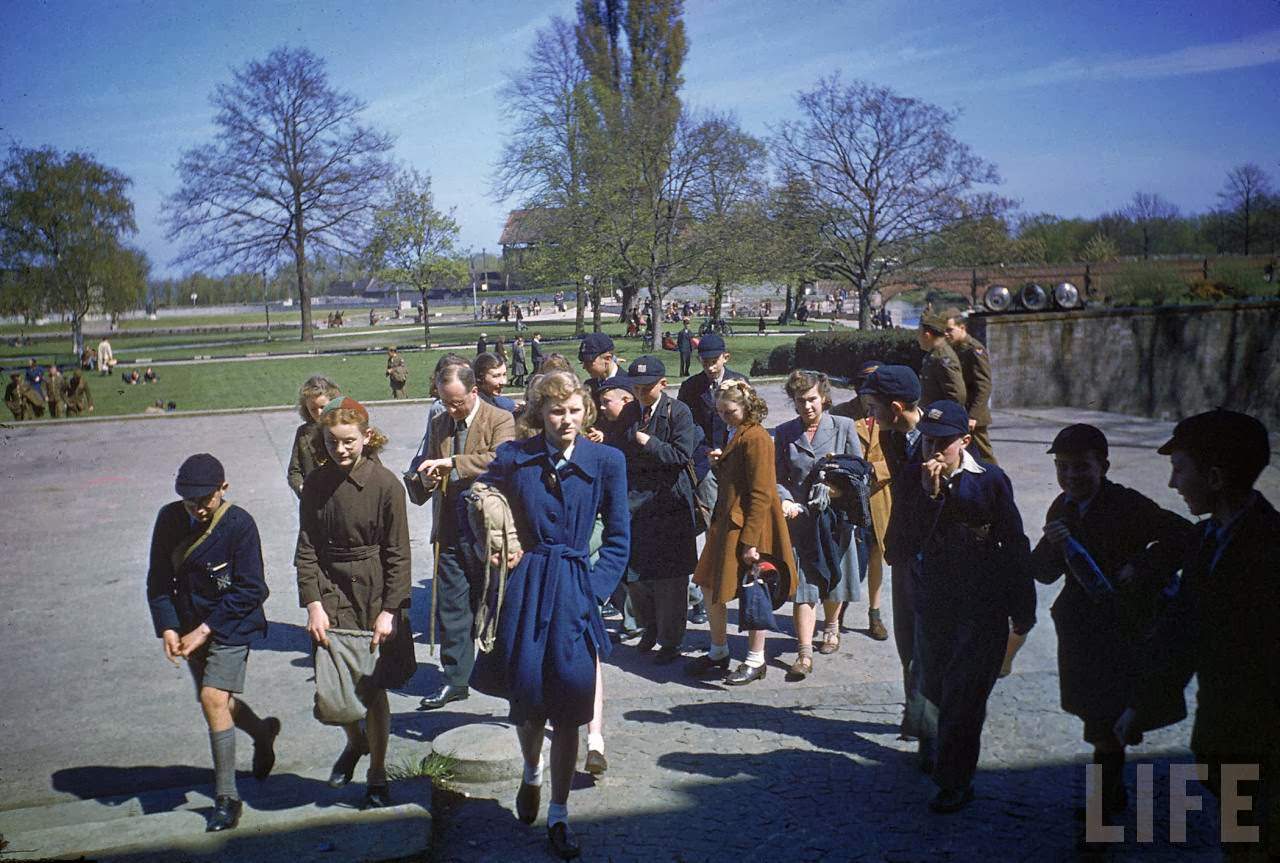
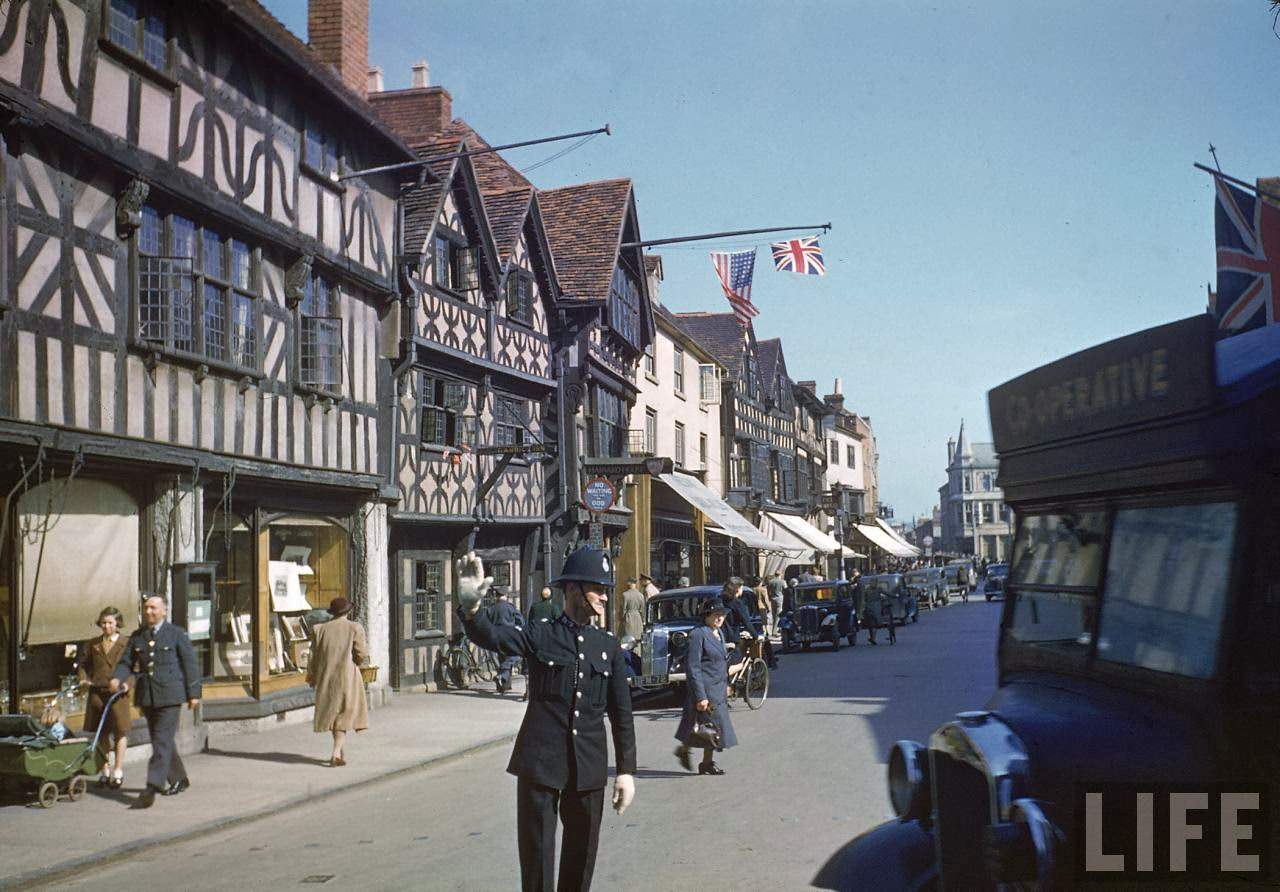
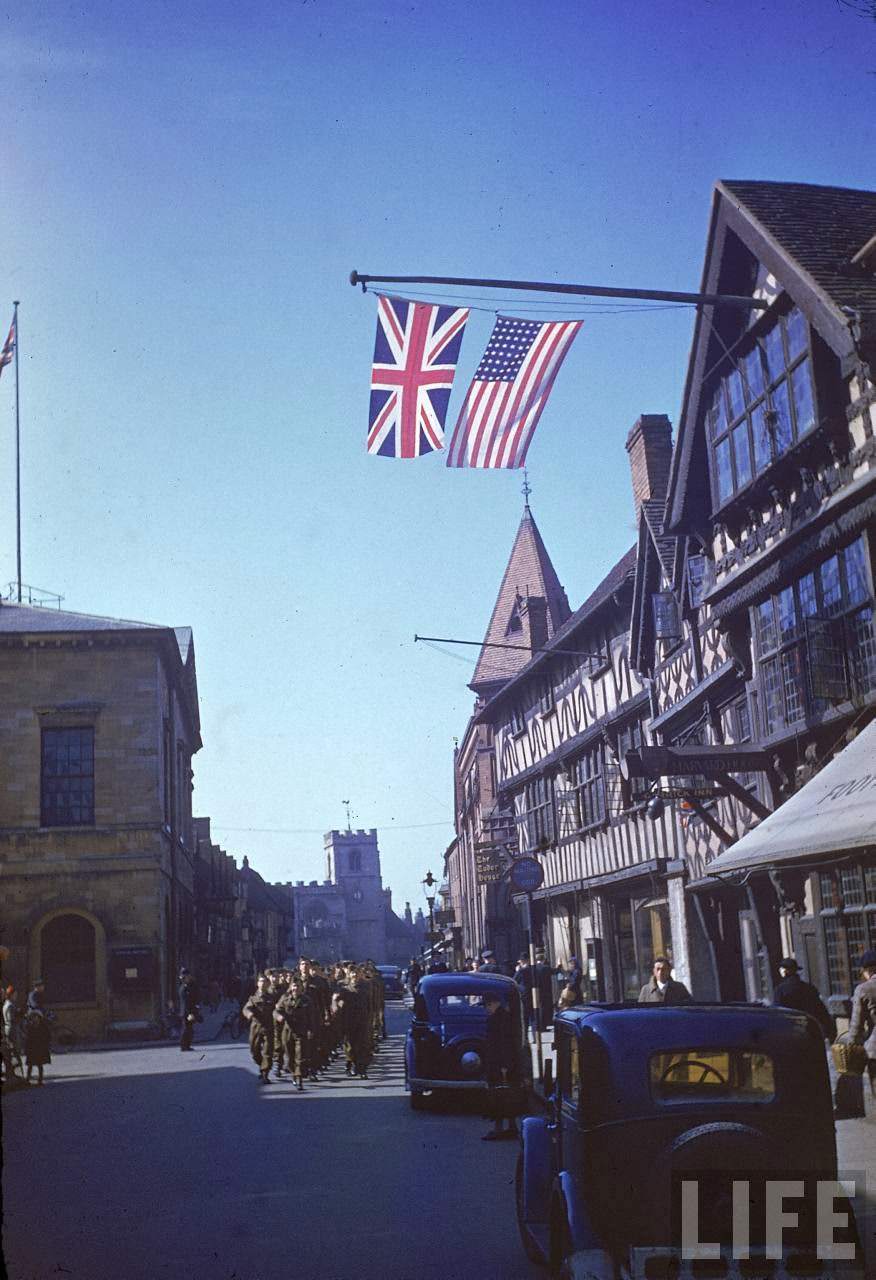
Not all of England in those months was consumed by military grimness. In Stratford-upon-Avon, the annual Shakespeare Birthday Festival went ahead. The Lord Mayor led processions through the streets. A U.S. Army band marched to Holy Trinity Church. British and American flags flew side by side from buildings. Schoolchildren arrived at the Shakespeare Memorial Theatre. The festival was a deliberate act of cultural normalcy in the middle of a war.
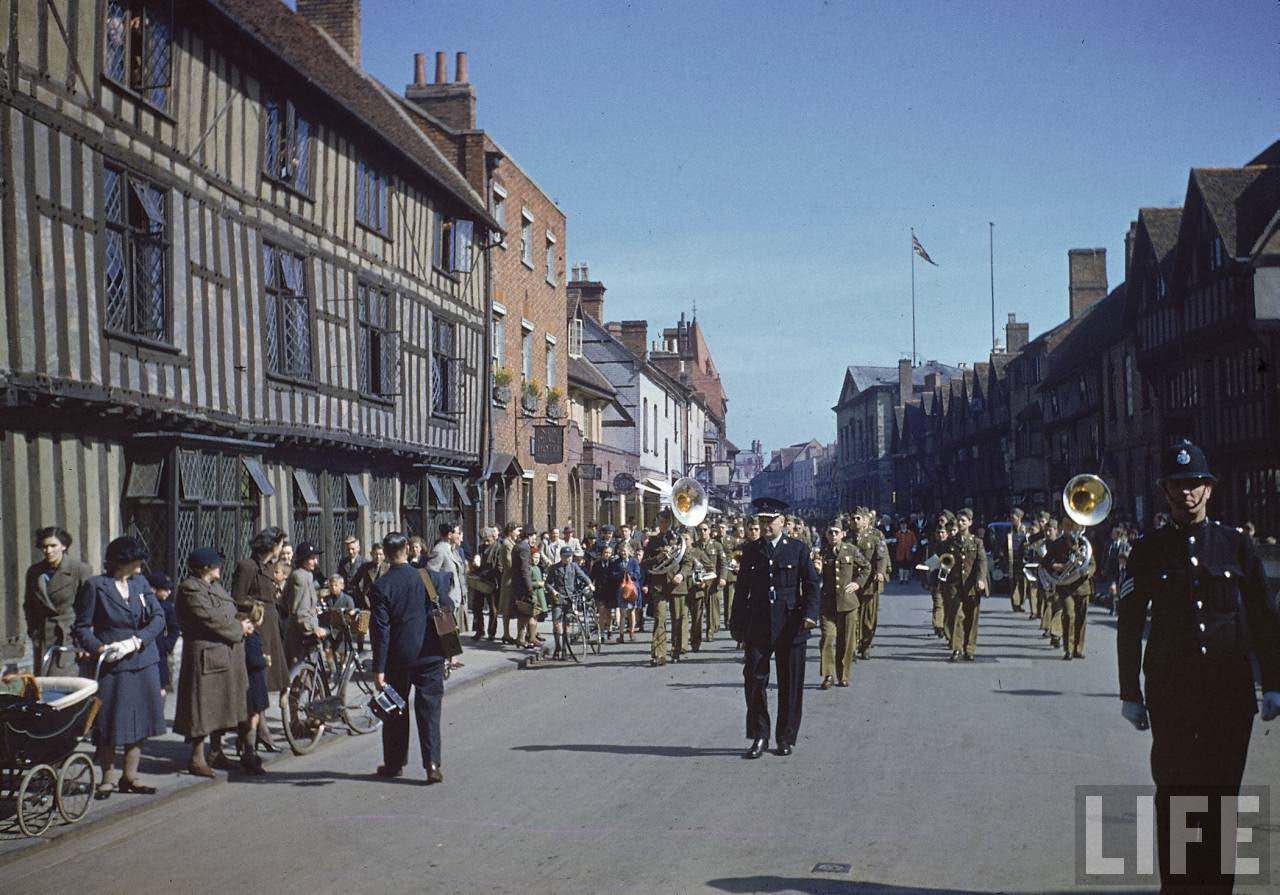
US Army band leading a procession during birthday celebrations honoring William Shakespeare.
British and American flags flying from building as US Army band leads procession to Holy Trinity Church during birthday celebrations honoring William Shakespeare.
Procession of townspeople led by the Lord Mayor (W. gold chains) during birthday celebrations honoring William Shakespeare
School children arriving at the Shakespeare Memorial Theater during the Shakespeare Festival.
Policeman directing traffic during birthday celebrations honoring William Shakespeare.

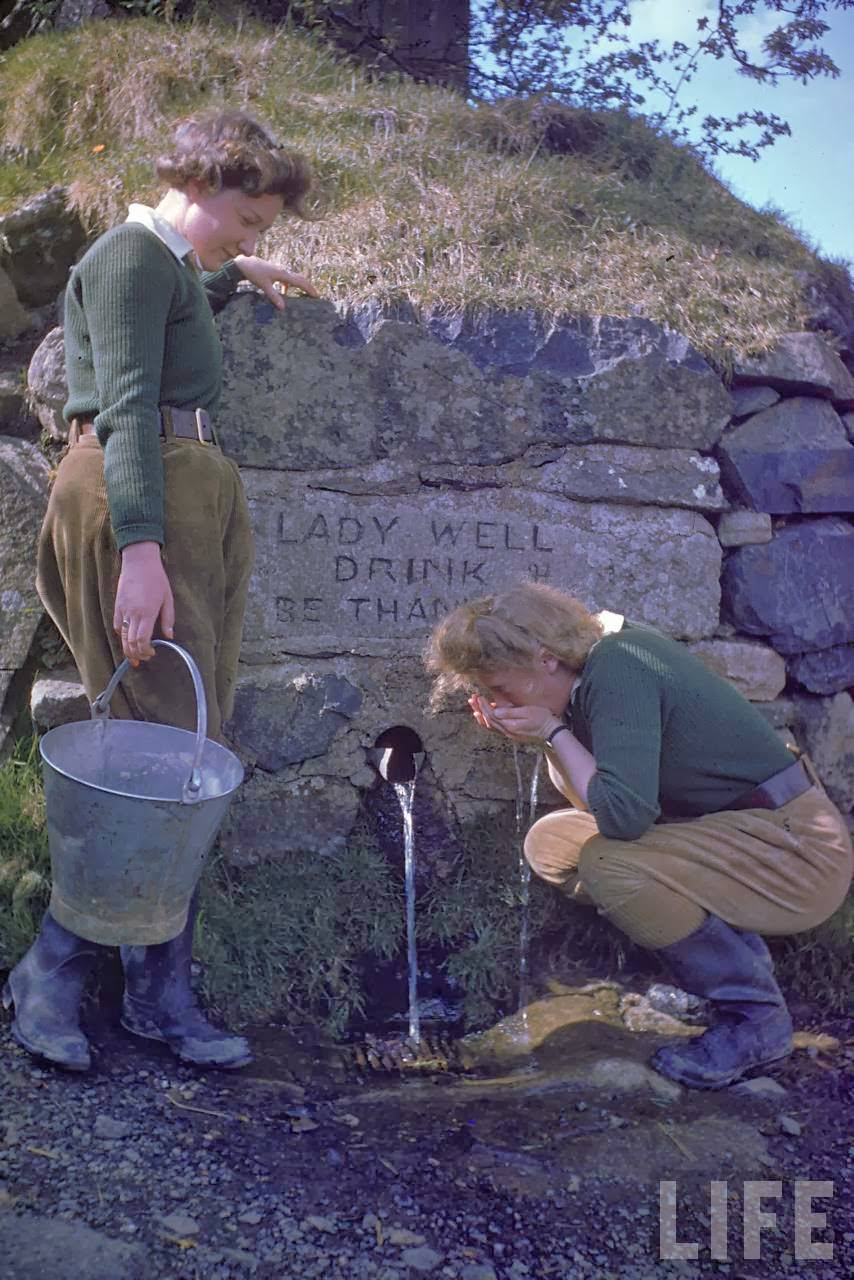
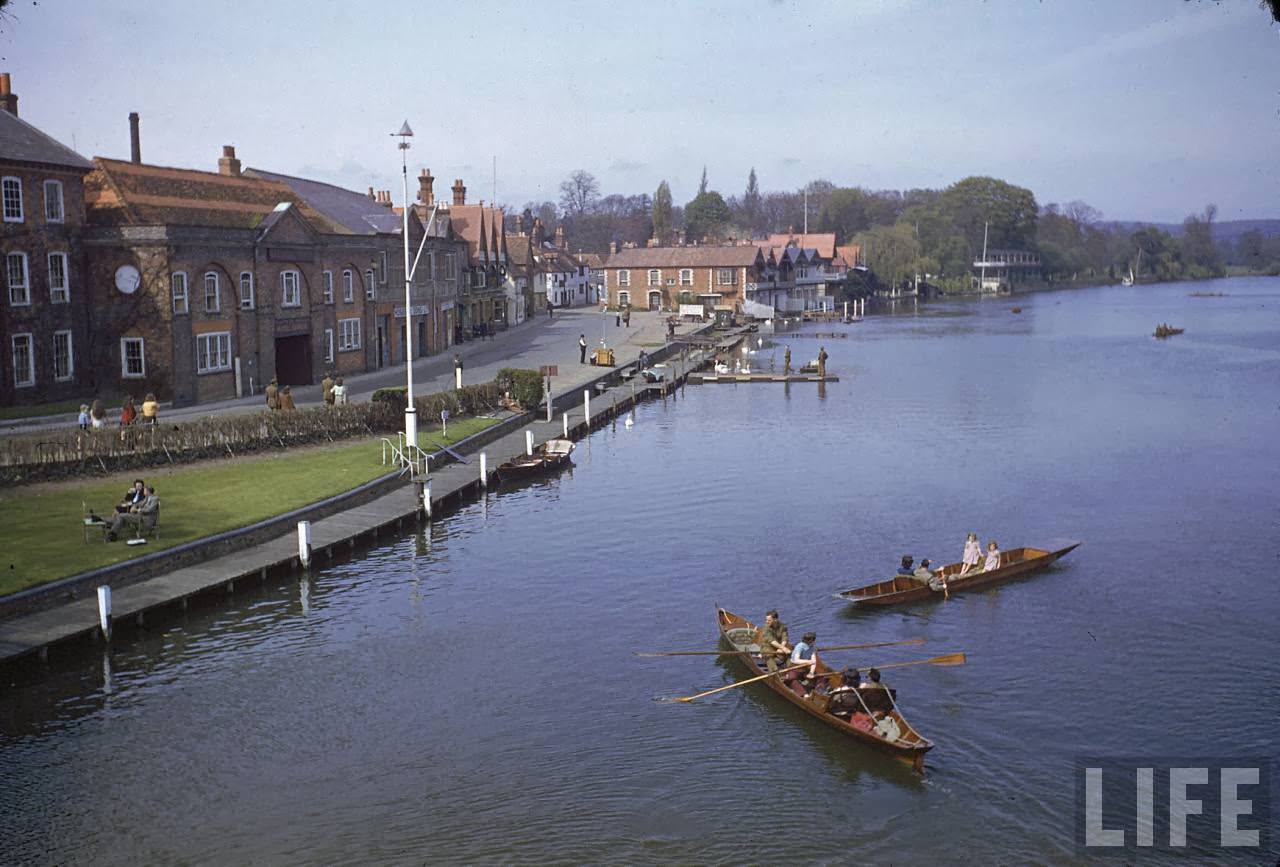
On the River Avon and the Thames, people still went punting. Land Army girls — women who worked the farms to replace men gone to fight — stopped at roadside wells for a drink of water. Village roads and quiet country lanes looked much as they always had, even as convoys rolled through them.
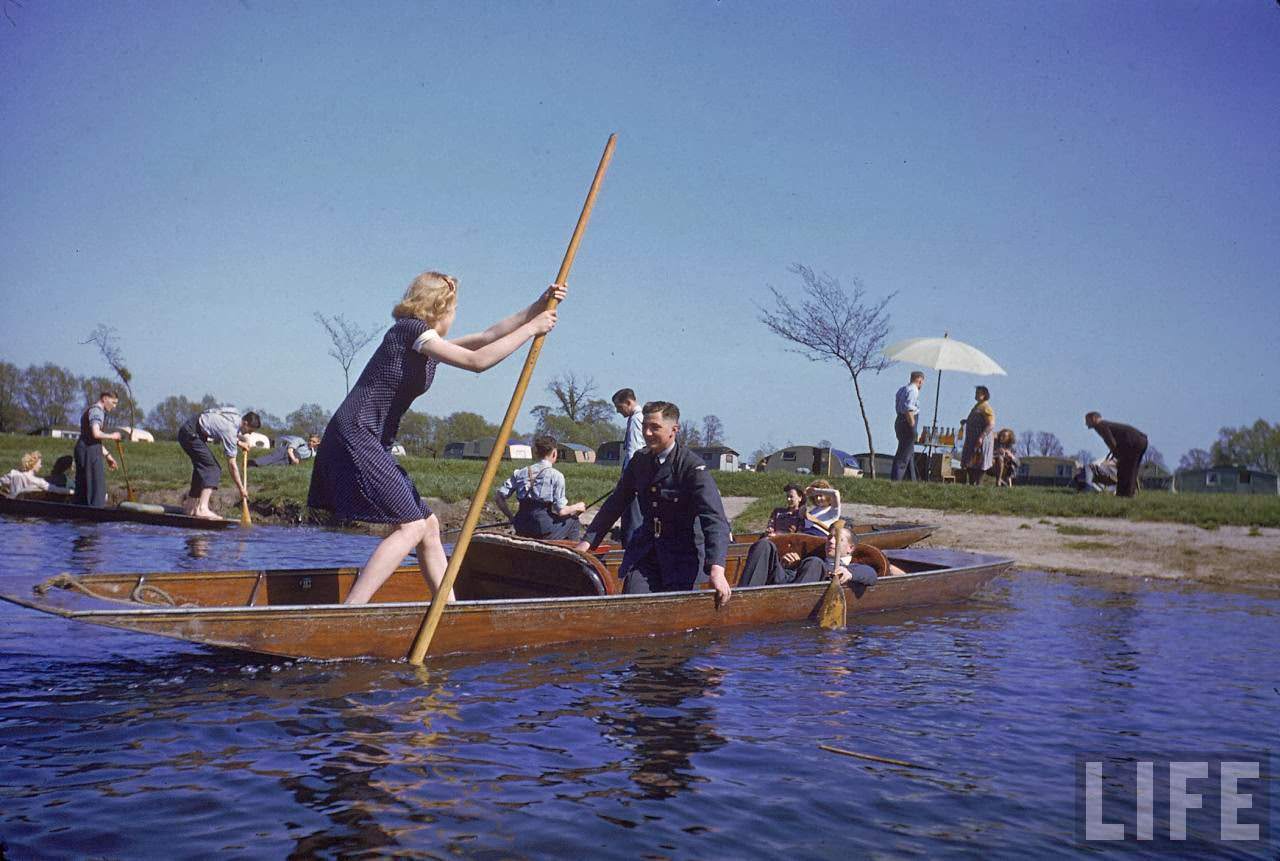
Woman pilot taking pair of soldiers punting on the River Avon.
Boaters punting on the Thames River.
Pair of English Land Army girls taking a drink from a roadside well during WWII.
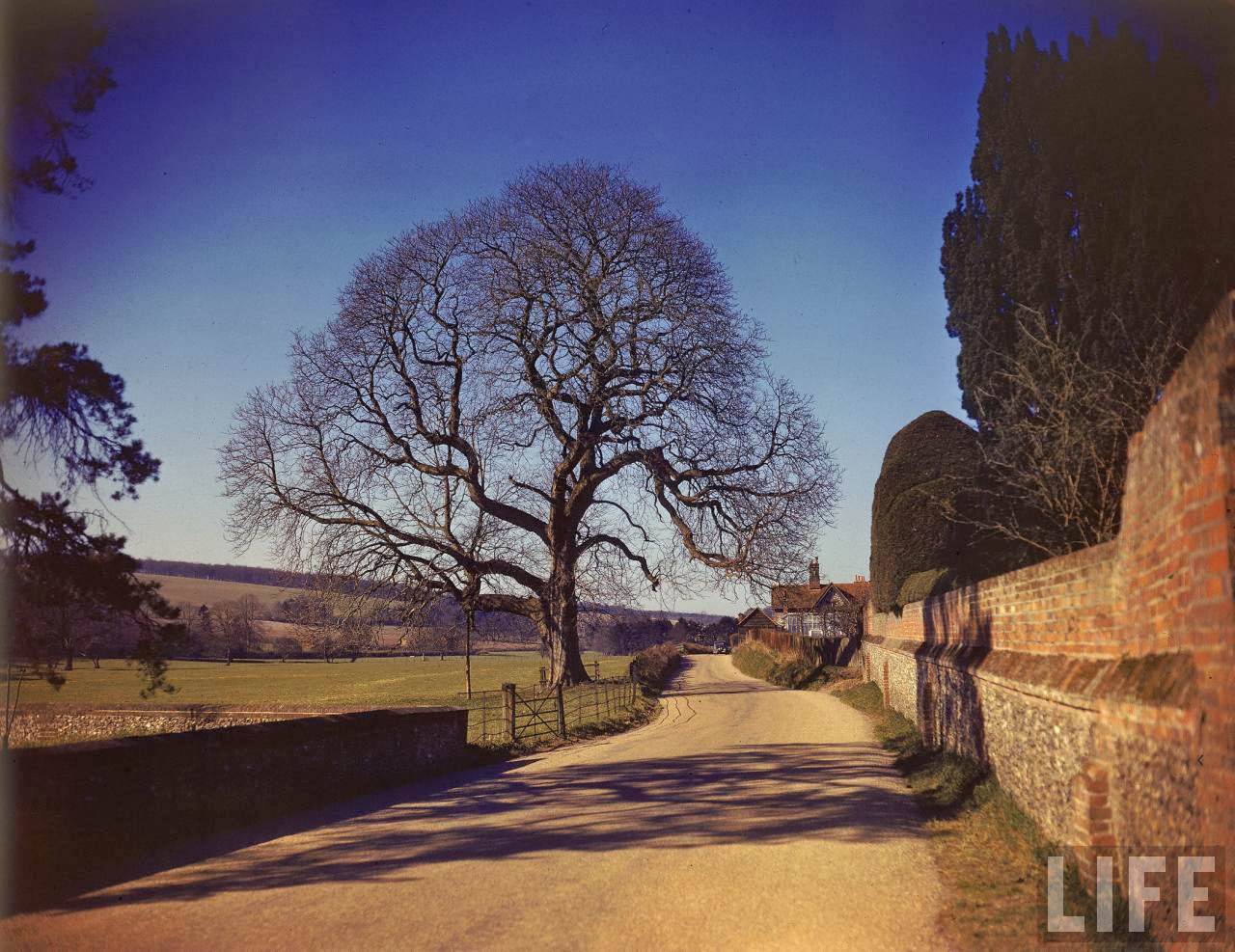
Road leading out of village of Hambledon during WWII.

The skies above England told their own story. Vapor trails crisscrossed overhead — the visible marks of RAF aircraft running constant patrols and training missions. Those trails echoed the aerial combat of 1940, when British and German pilots fought the Battle of Britain in those same skies. Now, in 1944, the air belonged to the Allies, and the next fight would be across the Channel.
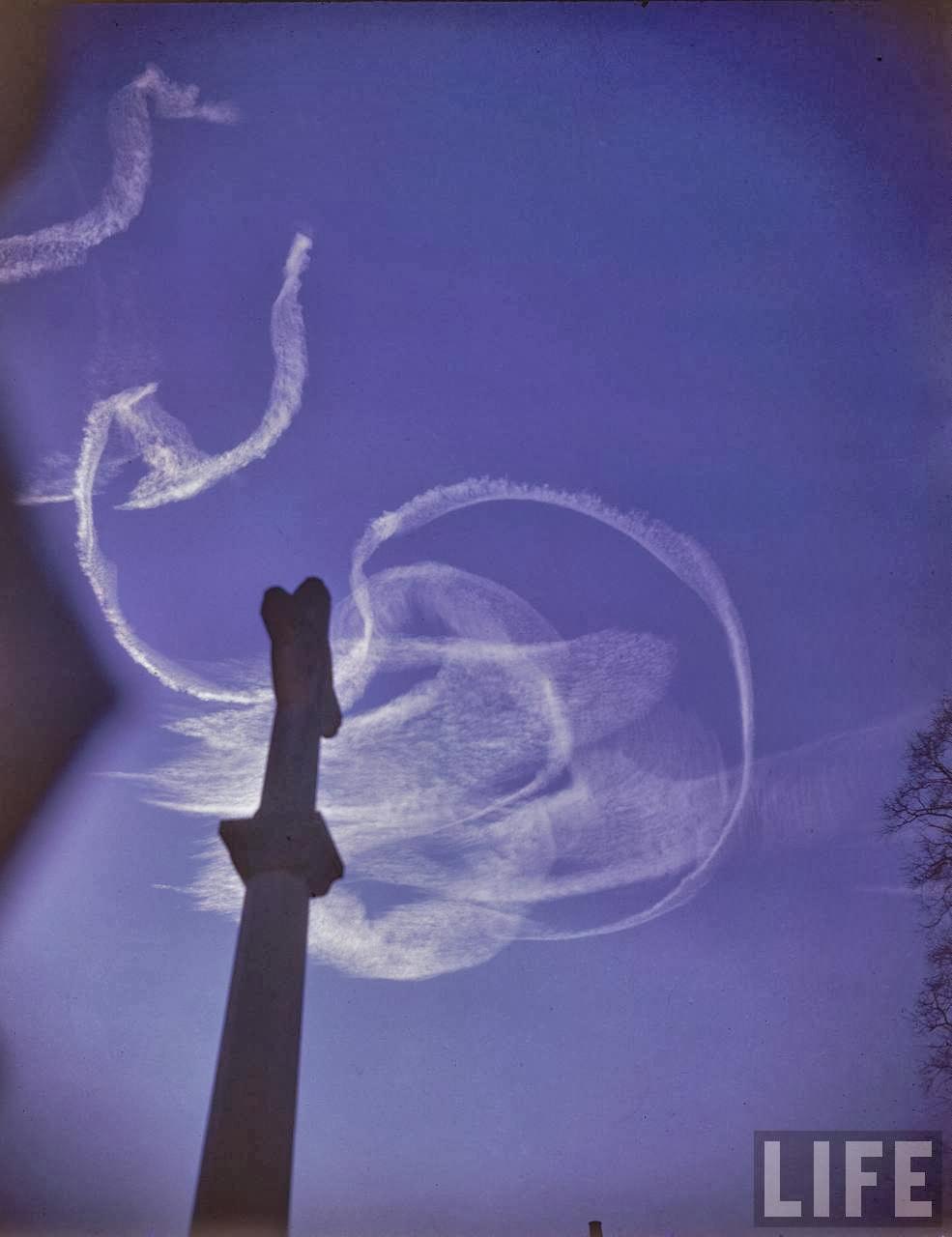
Vapor trails from RAF planes in the skies over England recall the convolutions of British & German pilots fighting air duels throughout the summer of 1940 during the Battle of Britain.
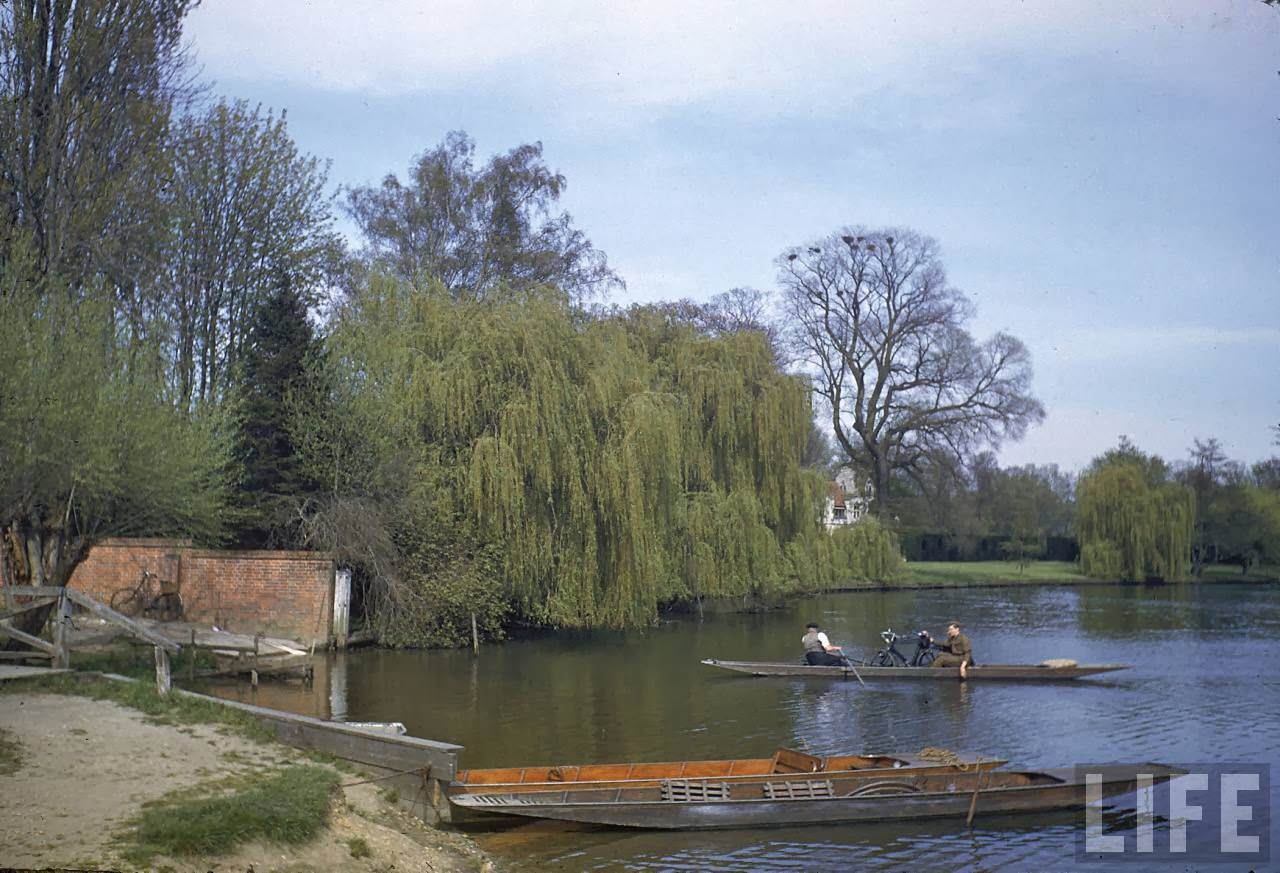
Pastoral riverside scene along the Thames.
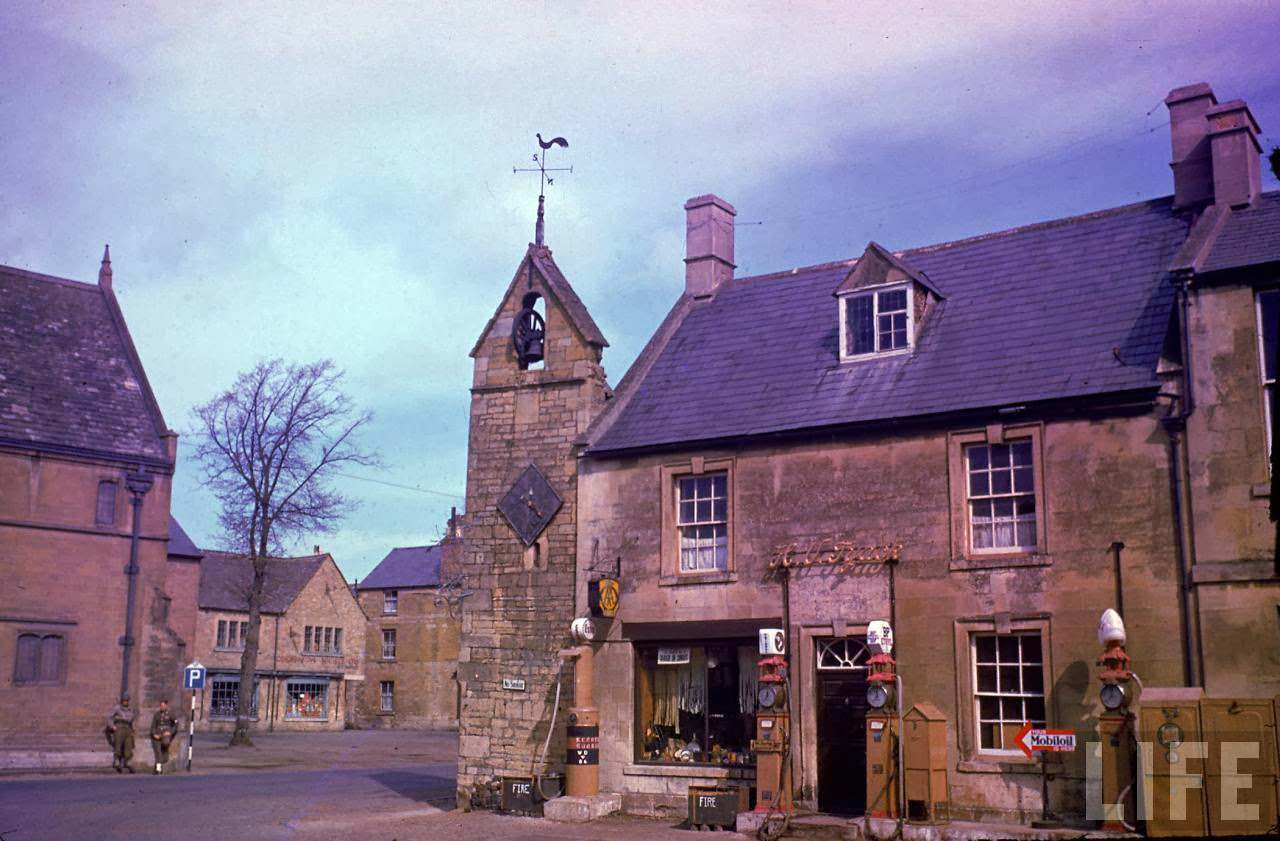
Small gas station during WWII (note pair of soldiers, L)
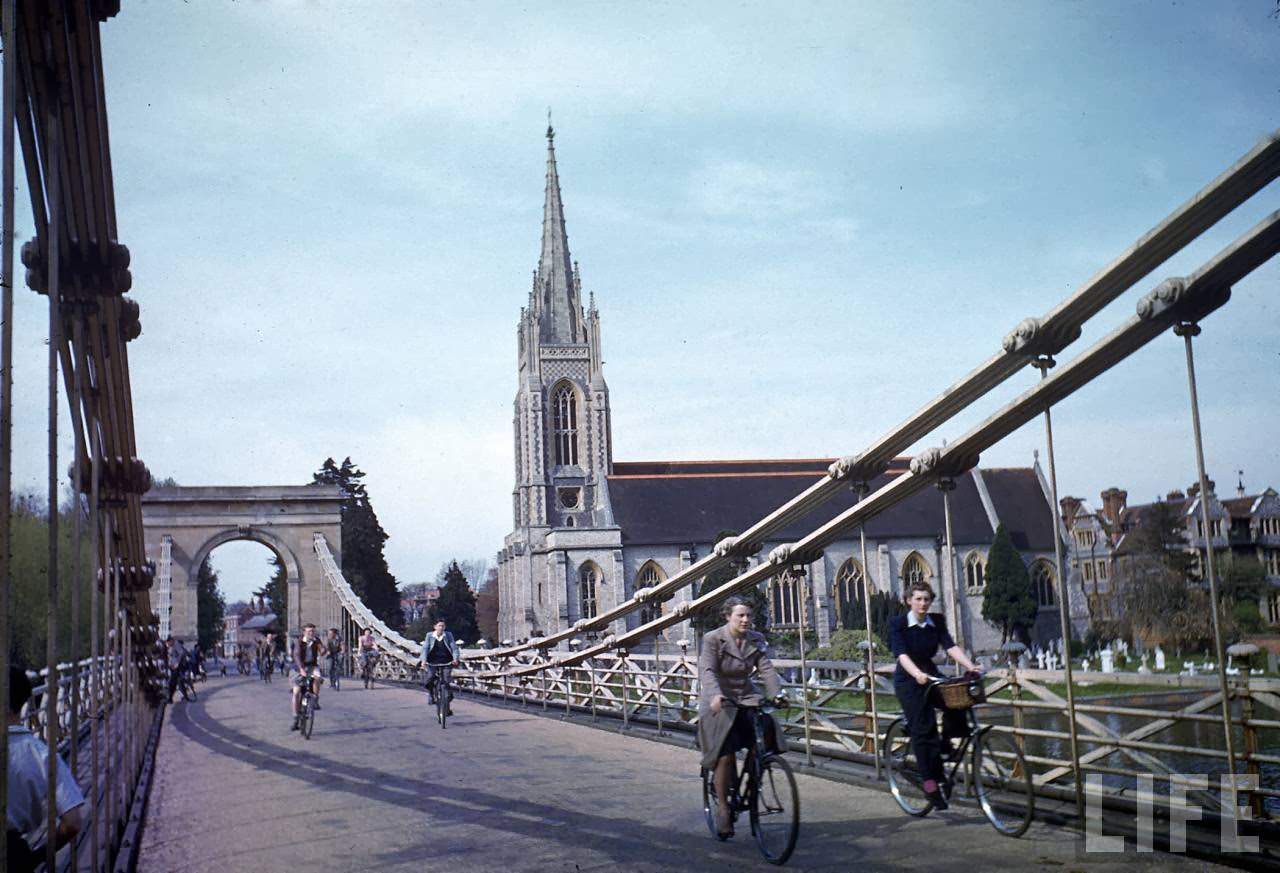
Cyclists crossing suspension bridge past unident. church during WWII.
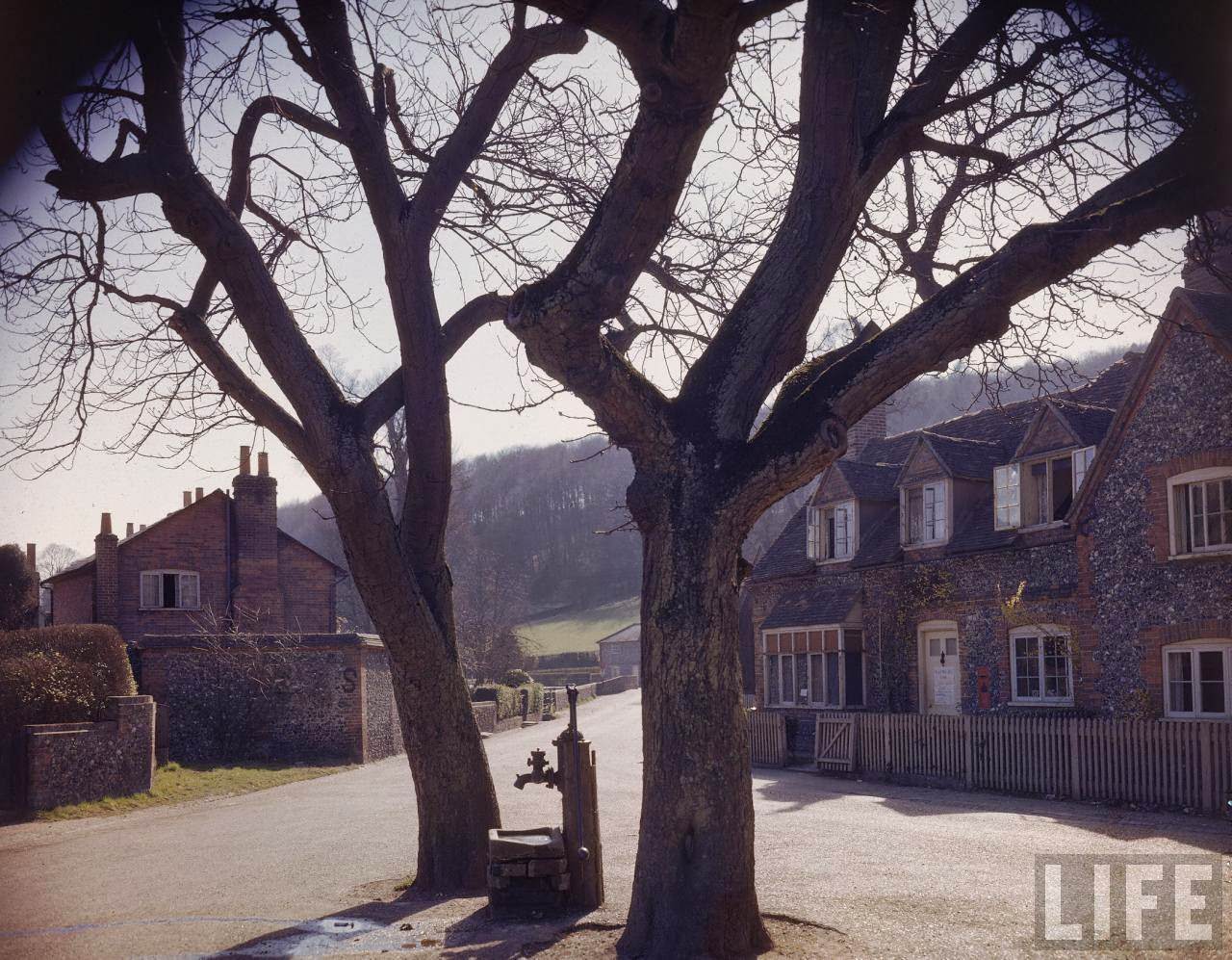
Old village water pump during WWII.

Families across England lived with a quiet, constant dread in those weeks. Soldiers drilling in the parks, convoys moving south through the night, the steady accumulation of fuel and ammunition in town squares — all of it pointed to one moment that was drawing closer every day. Everyone knew men would die. The only unknowns were when, and how many.

Enjoyed this post? Get new ones in your inbox.

Leave a Comment

Your email address will not be published. Required fields are marked *

Share this Post 🥺

Please take a moment to share this content. Your support is greatly appreciated! 🙌🙏

Share this Post 🥺

Please take a moment to share this content. Your support is greatly appreciated! 🙌🙏
Scroll to Top
 
Hey Friend, Before You Go.. Please like & follow for more interesting content