

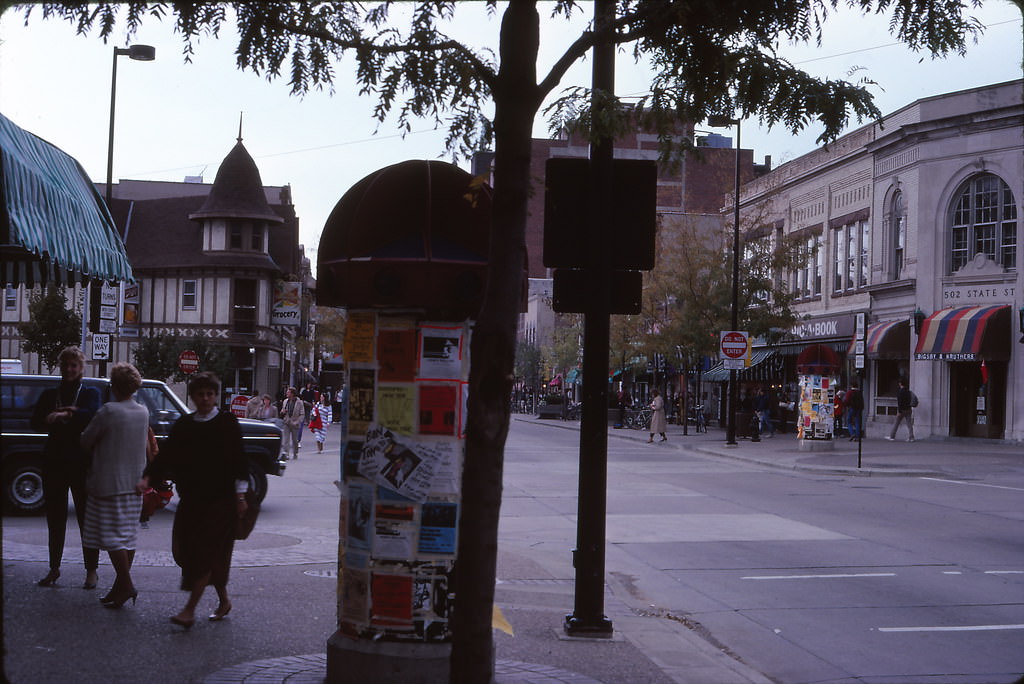
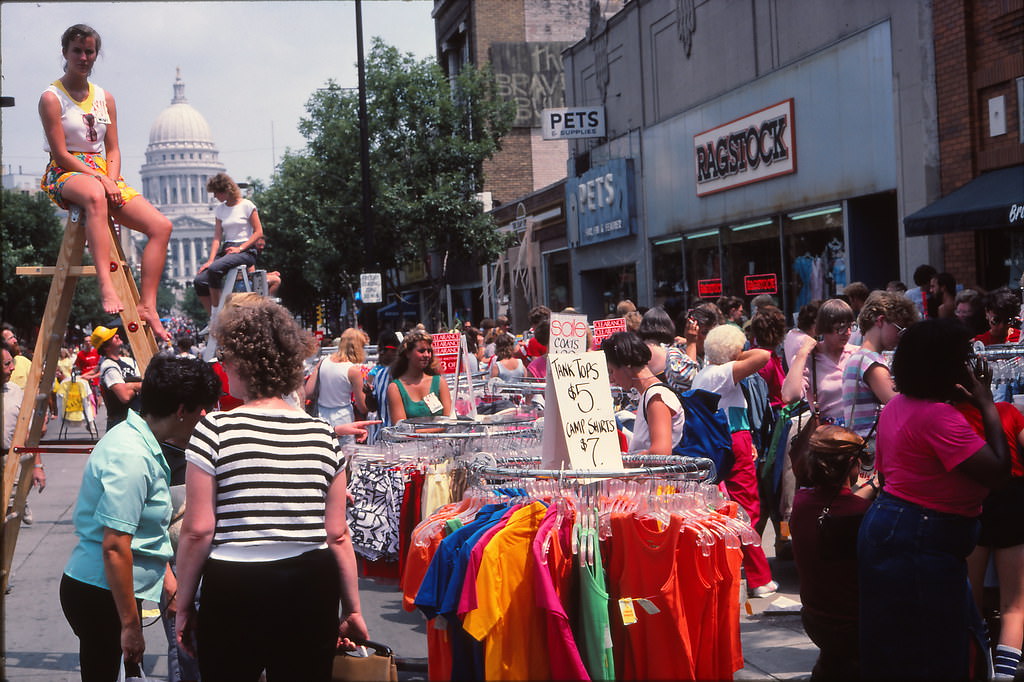
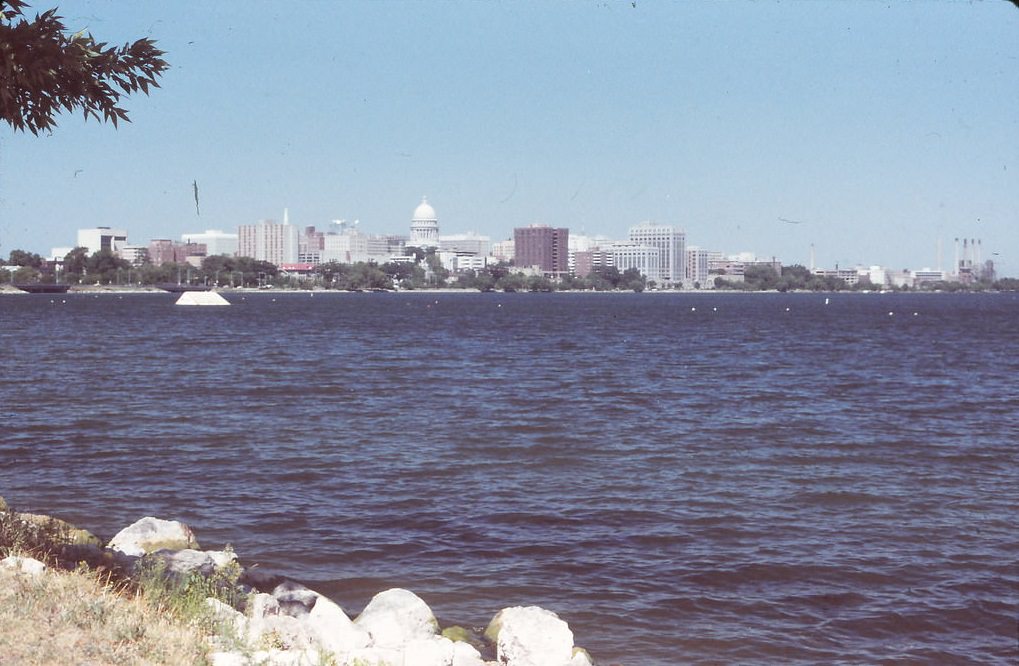
Madison is the capital and second-largest city in Wisconsin by population. Founded by a former federal judge and land speculator James Duane Doty in 1836, it is named after late president James Madison, who died that summer. After Wisconsin became a state in 1848, Leonard J. Farwell, a wealthy businessman from Milwaukee, was instrumental in getting industries located in Milwaukee about 1850. After Wisconsin became a state, Madison became a city with a population of 6,864. The first settlers were Yankees from the east. Germans, Irish, and Norwegians followed them. Around the turn of the 20th century, Italians, Greeks, Jews, and African Americans arrived. The railroad arrived in 1854, and the city developed steadily.
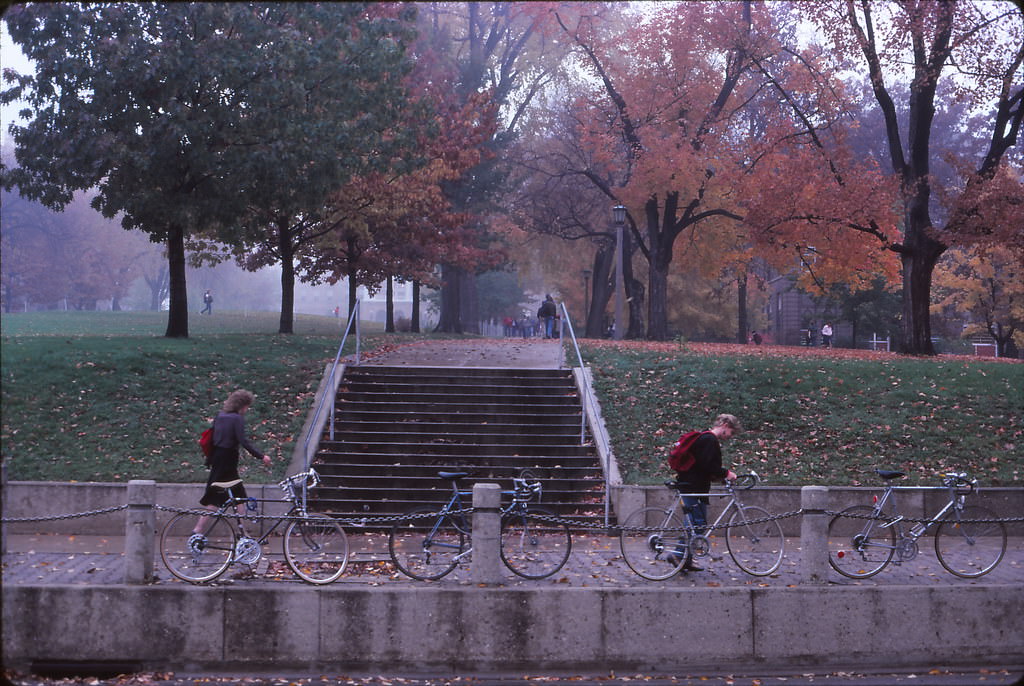
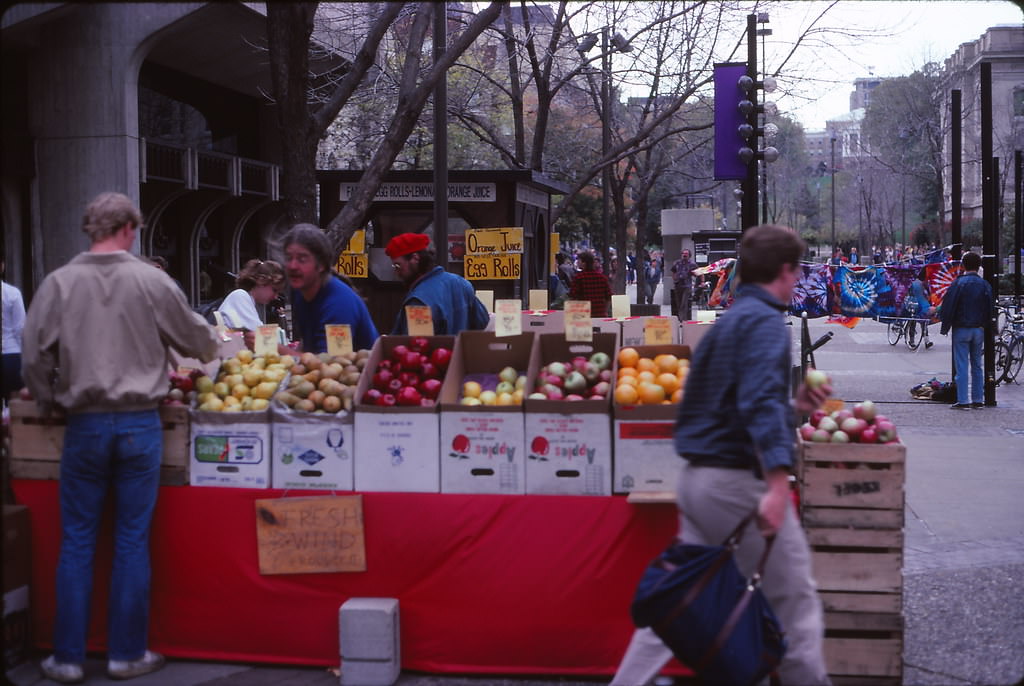
The city of Madison is the trade center of a large agricultural area (dairy products, corn, soybeans, tobacco, and livestock). Food processing is a significant industry in Madison, which is home to Oscar Mayer Foods Corp. This city is known for its lakeshores, bicycle paths, and large parks, including Henry Vilas Park with its city zoo.
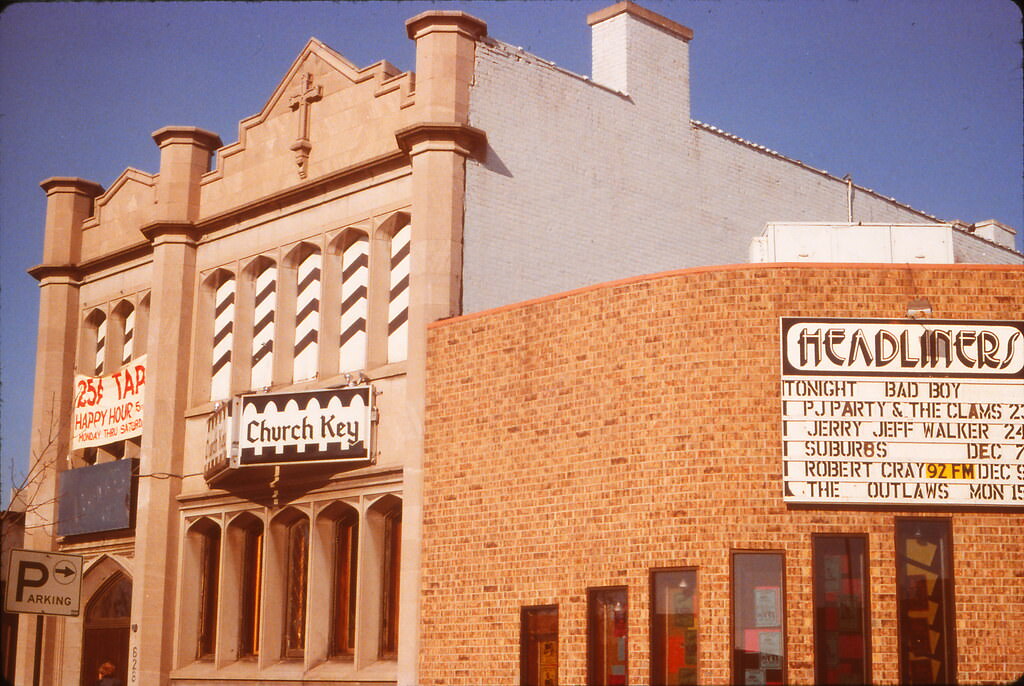
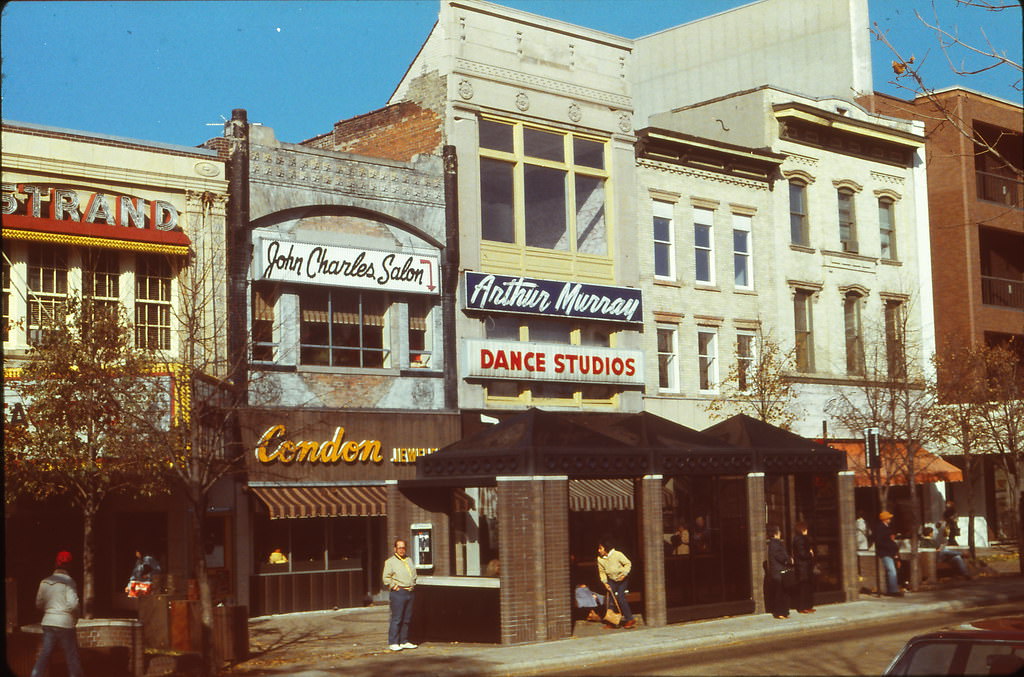
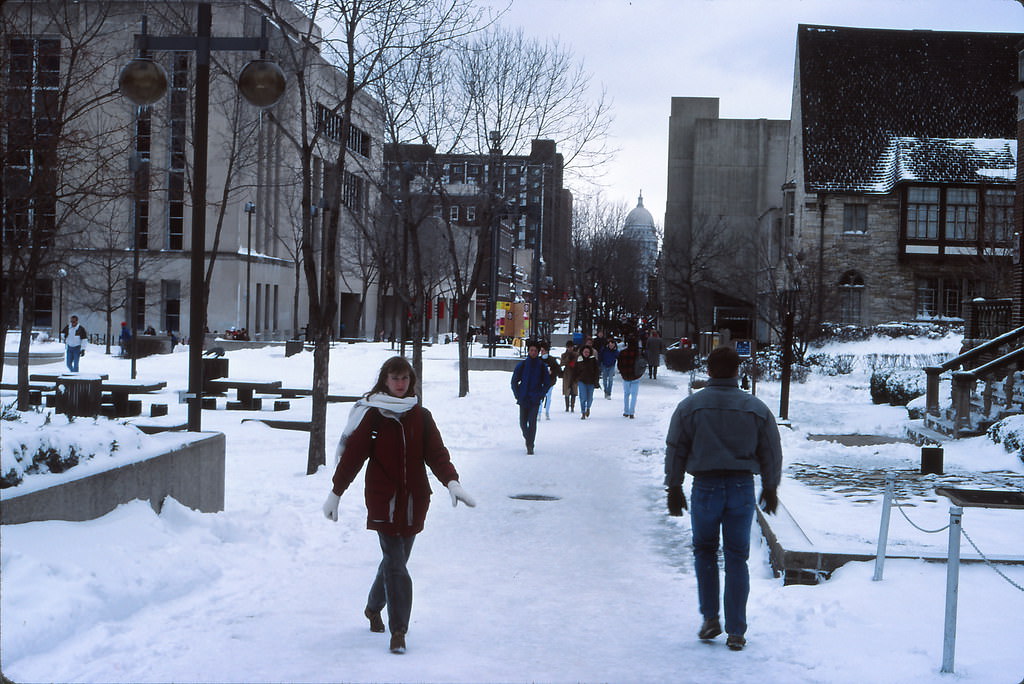
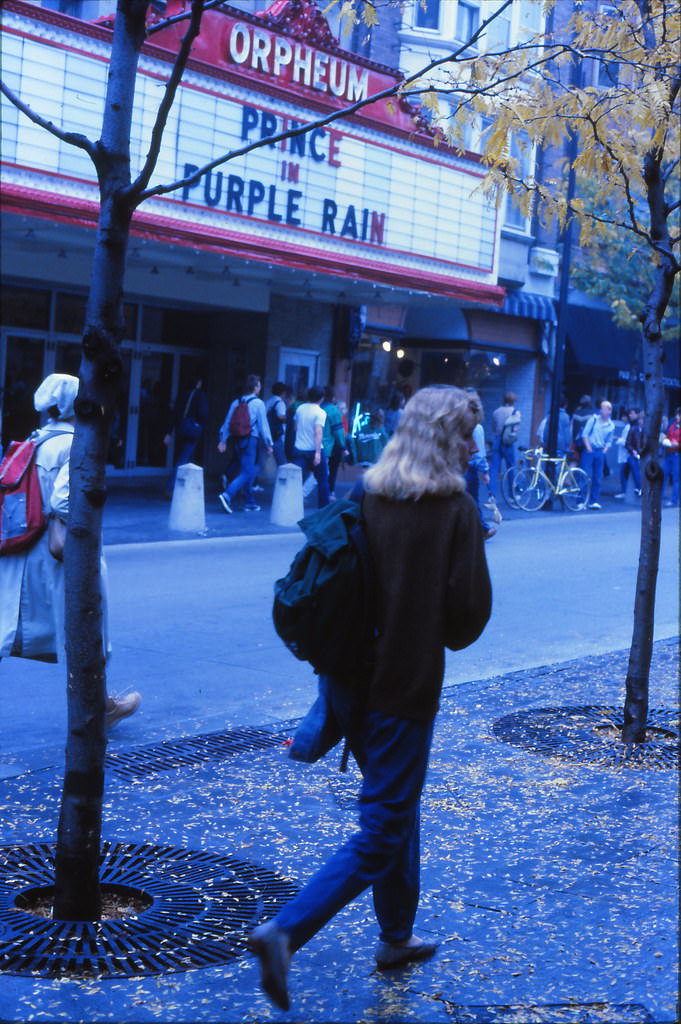
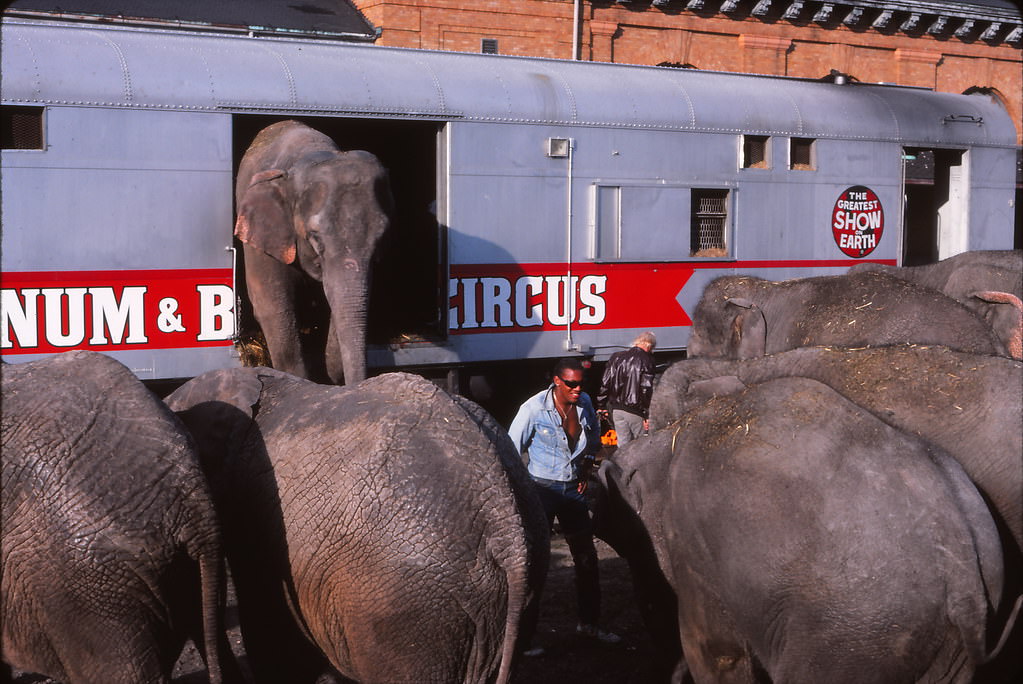
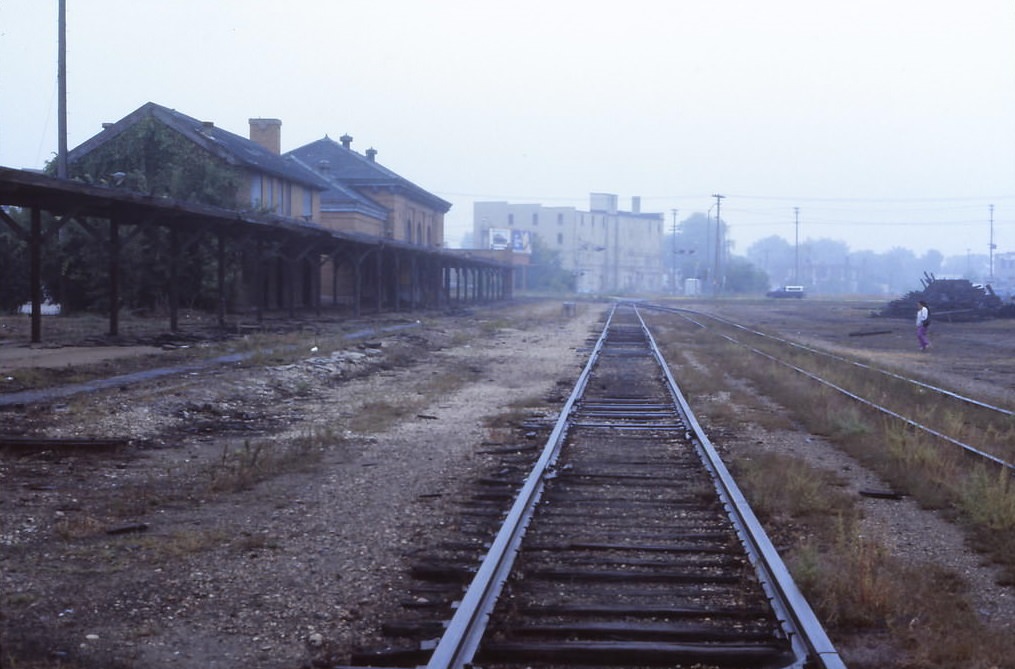
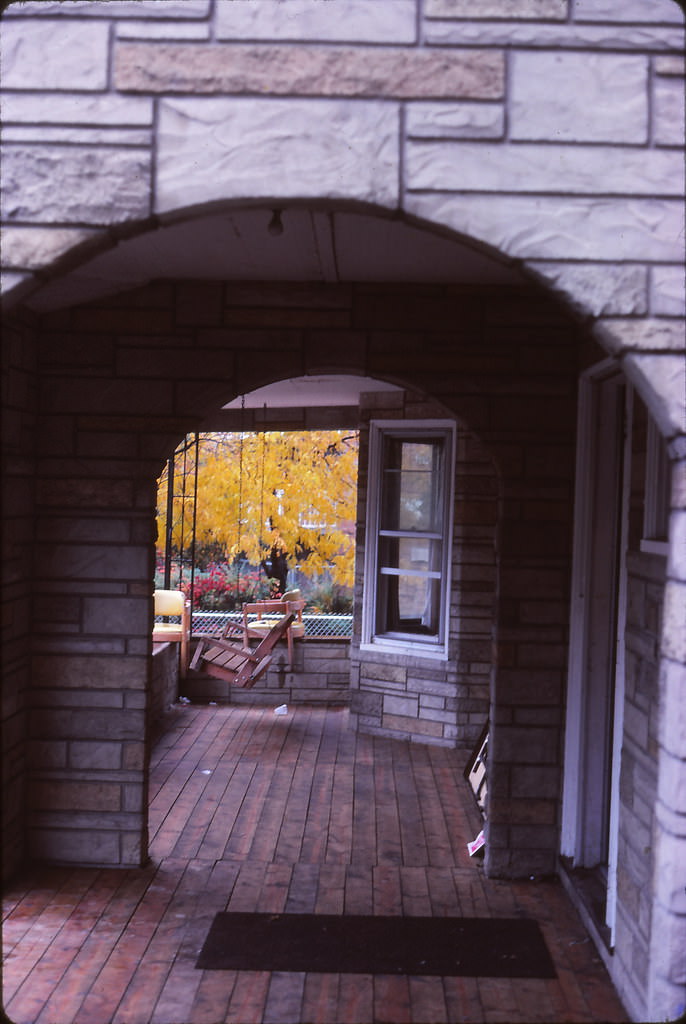
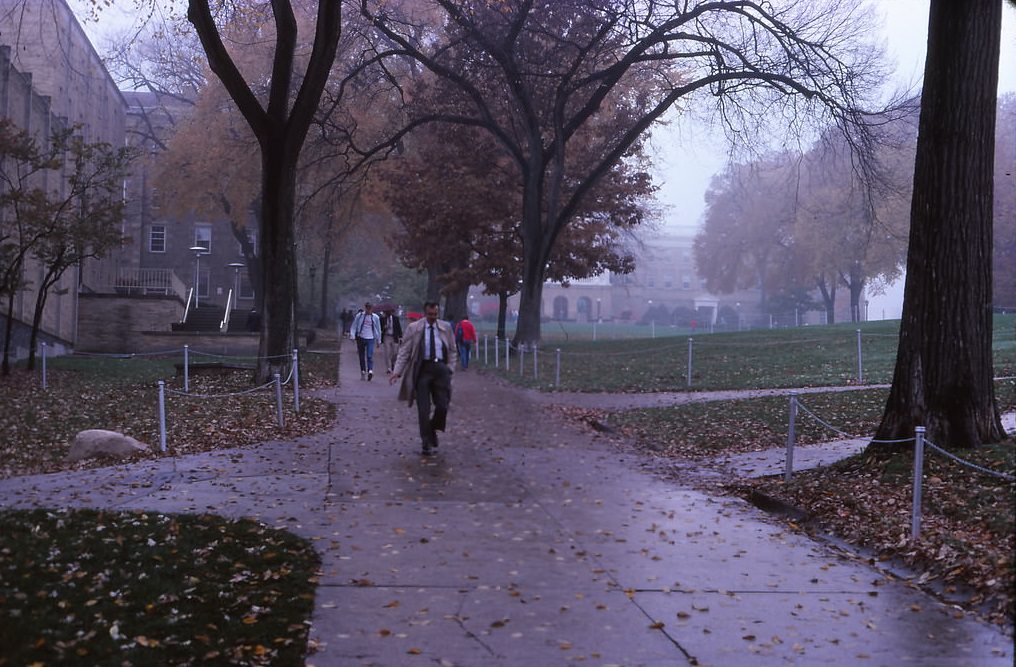
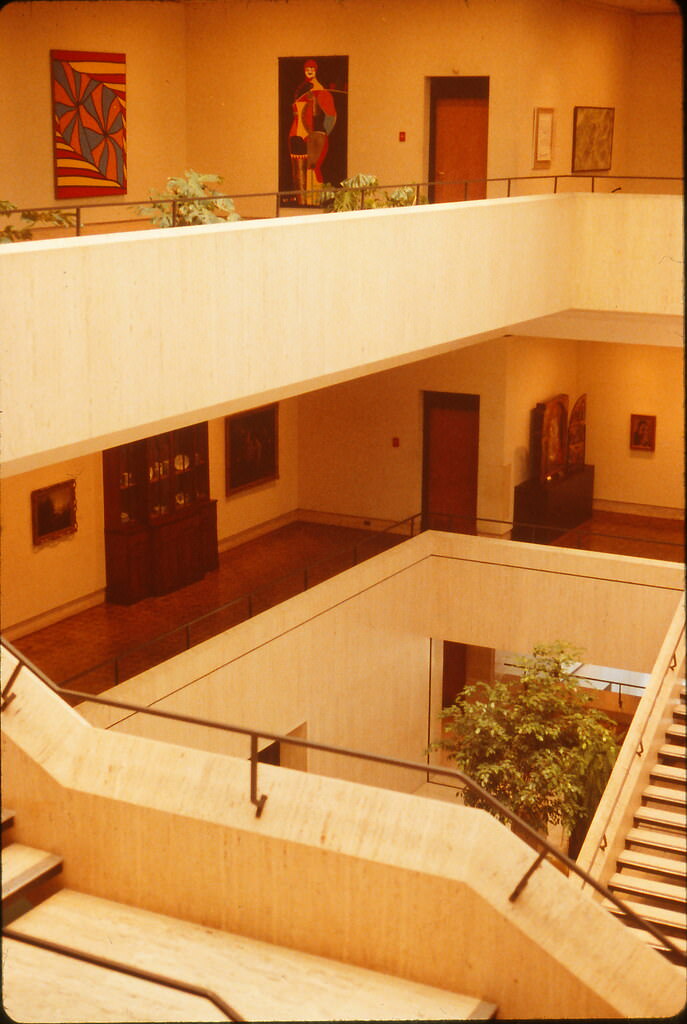
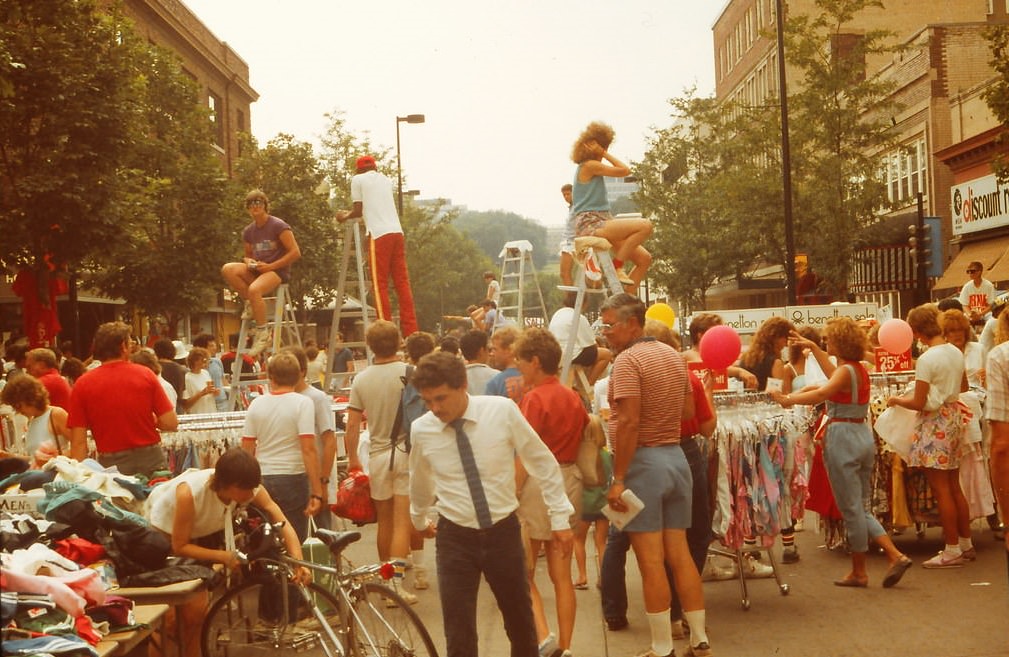
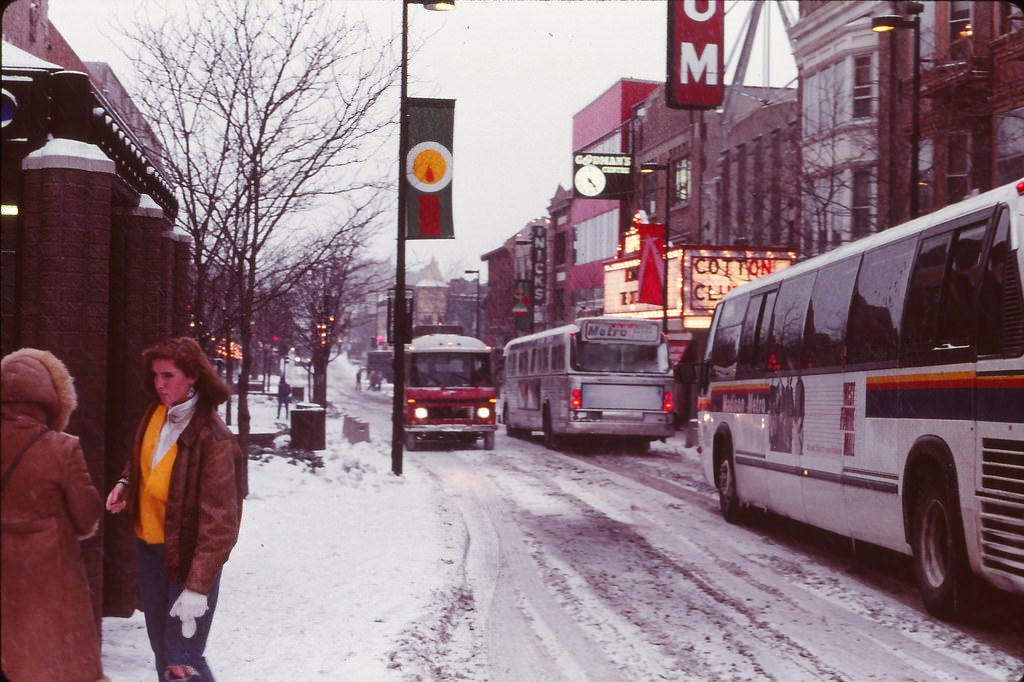
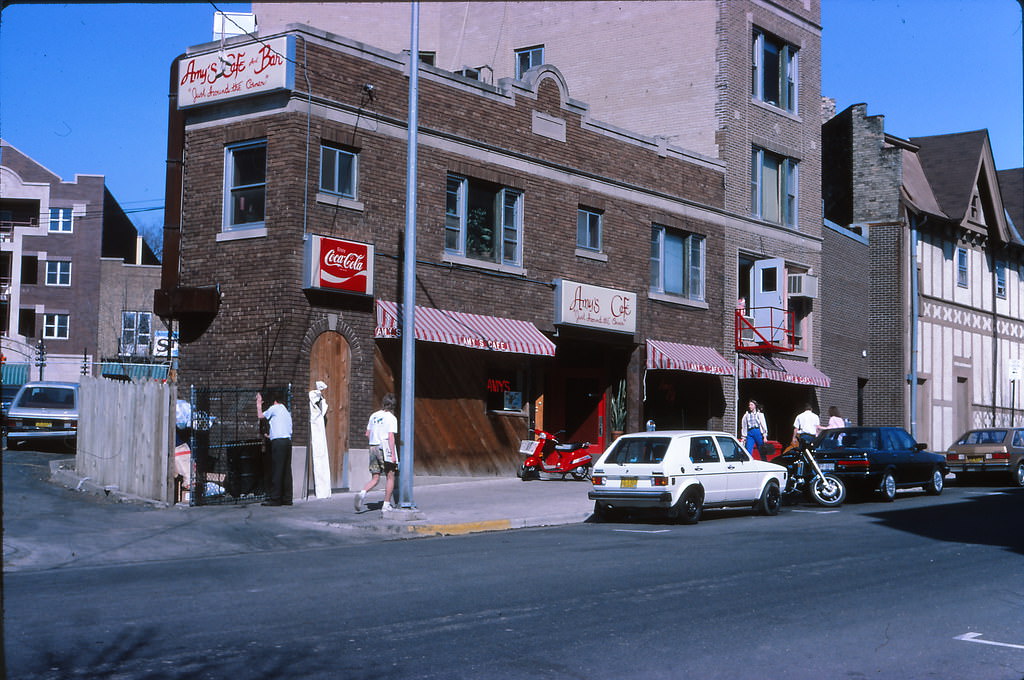
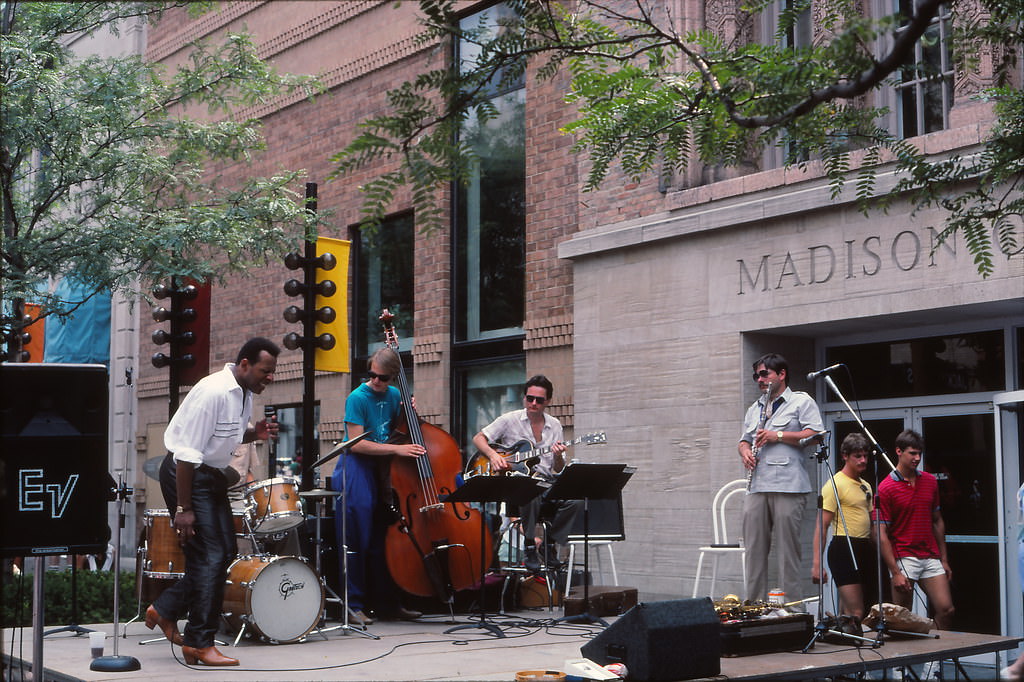
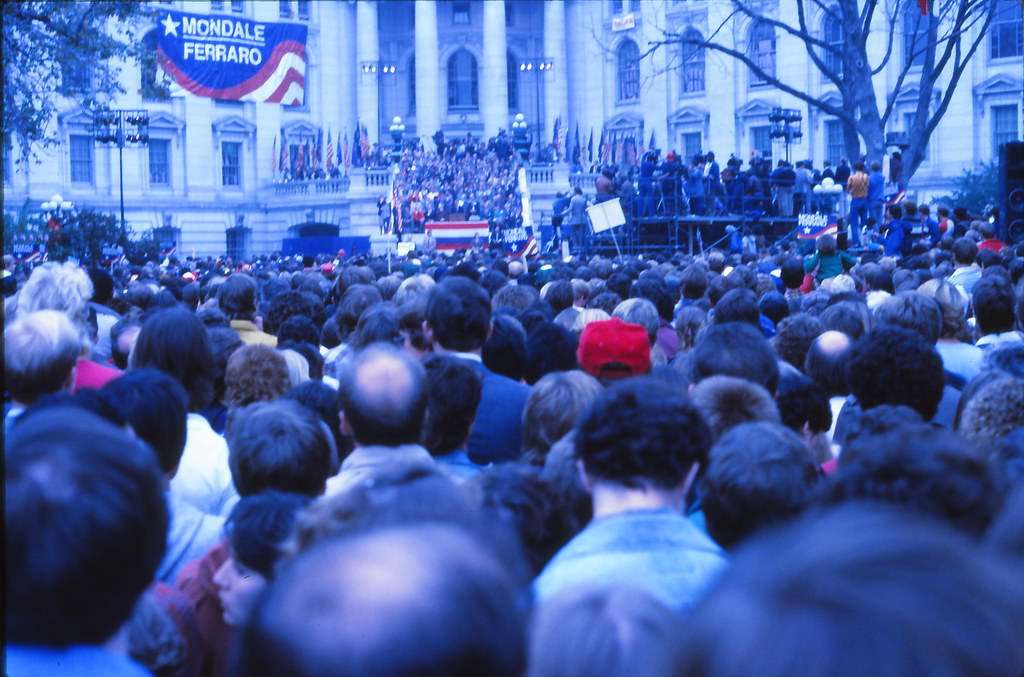
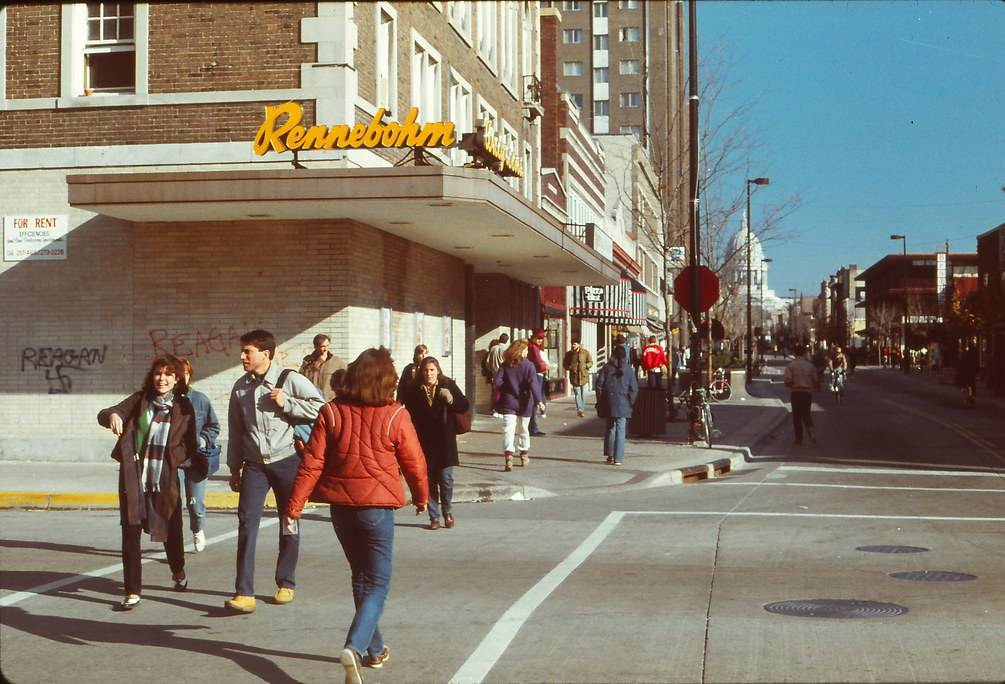
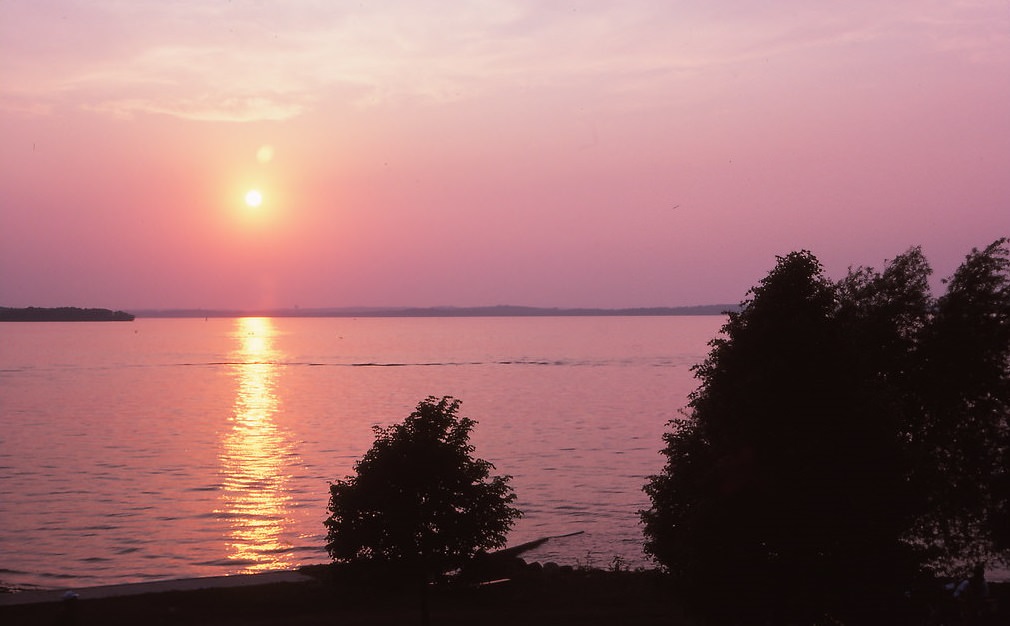
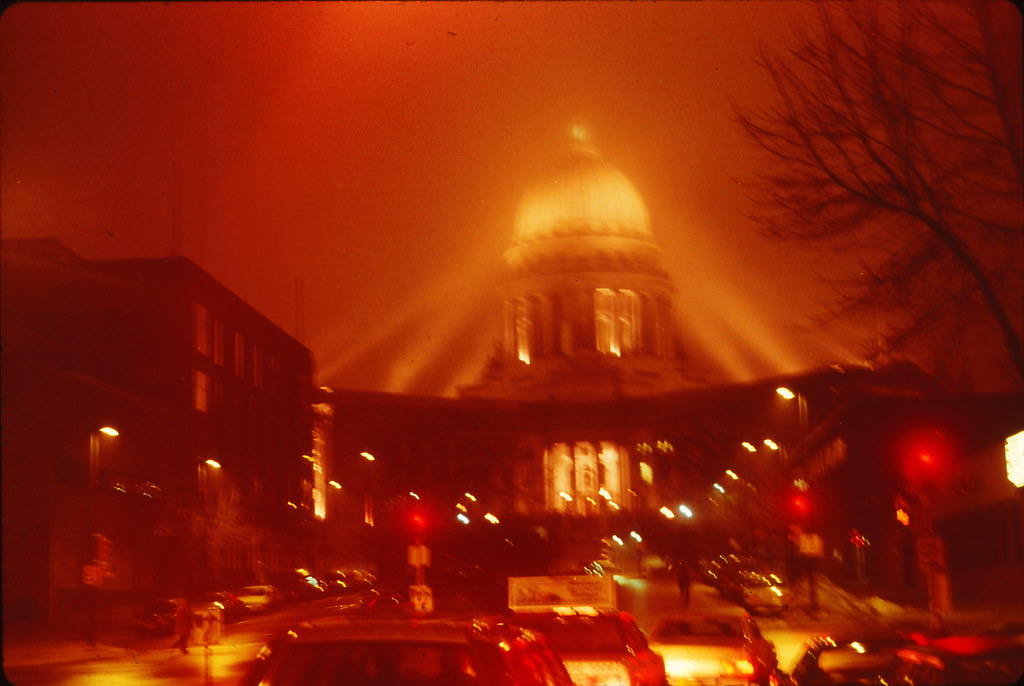
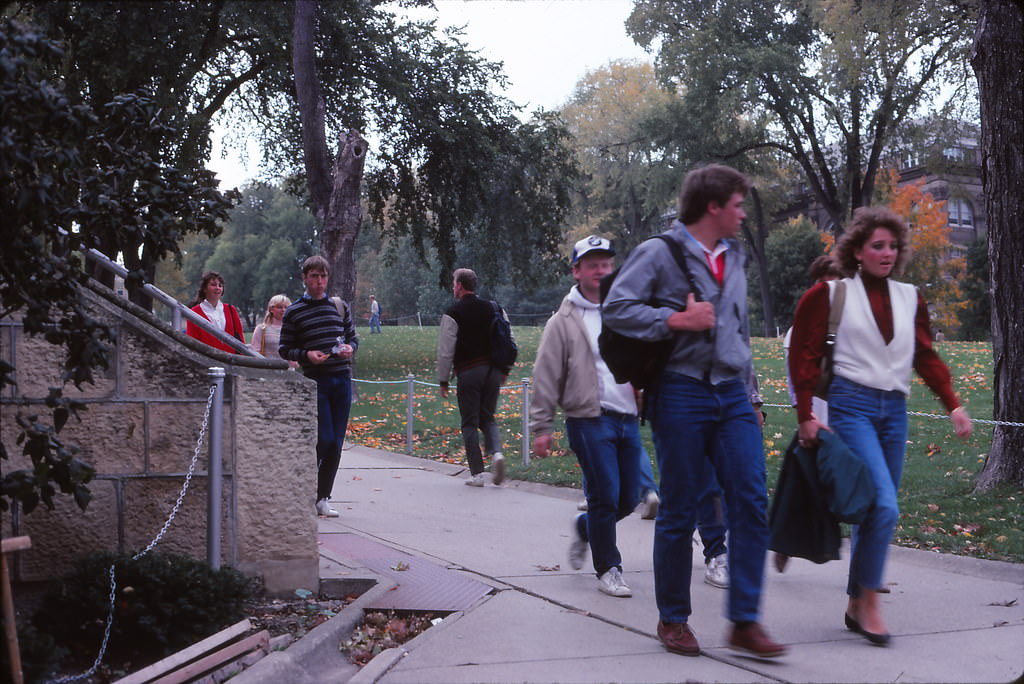
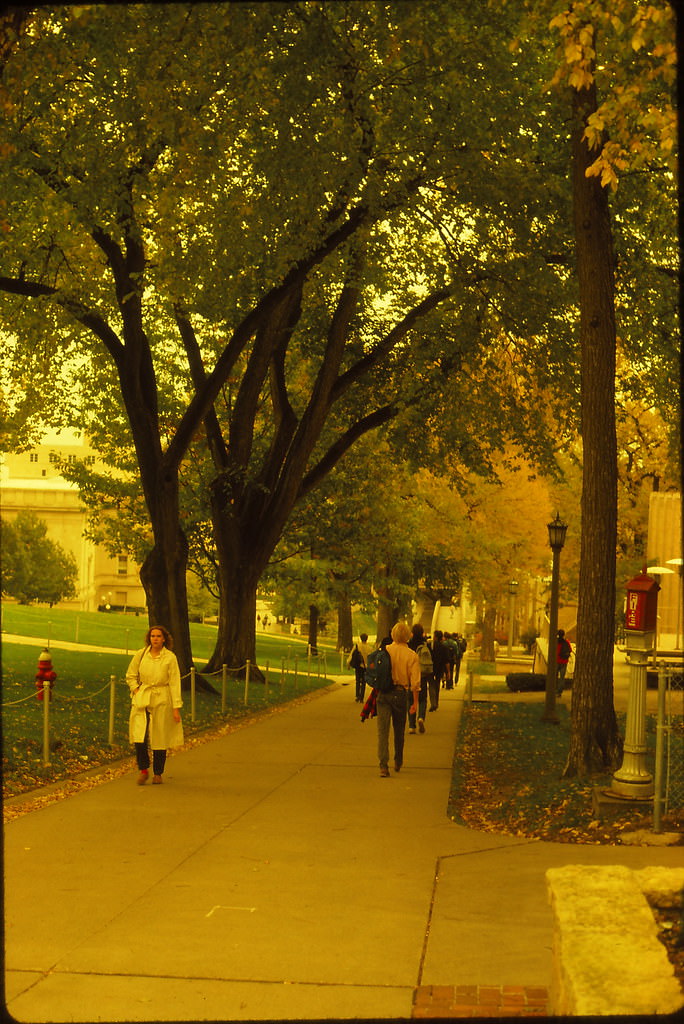
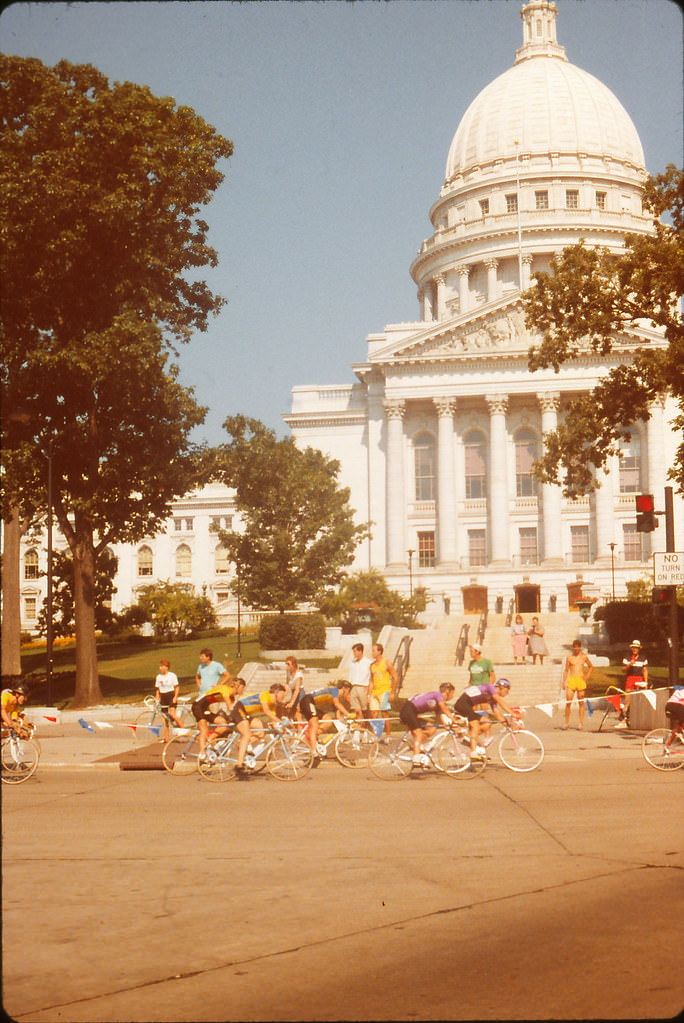
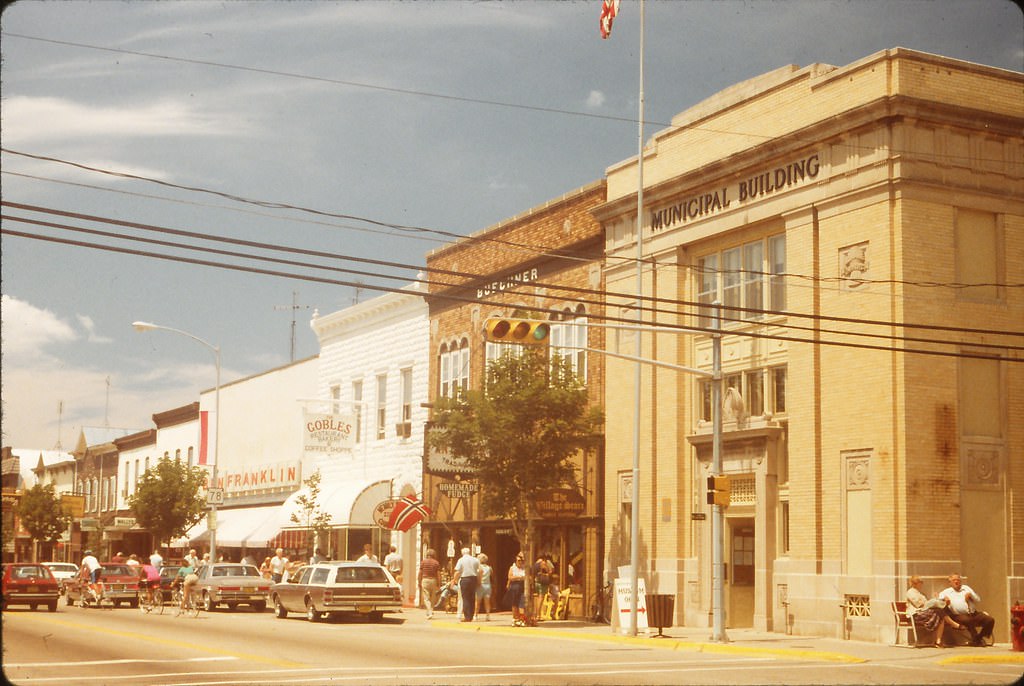
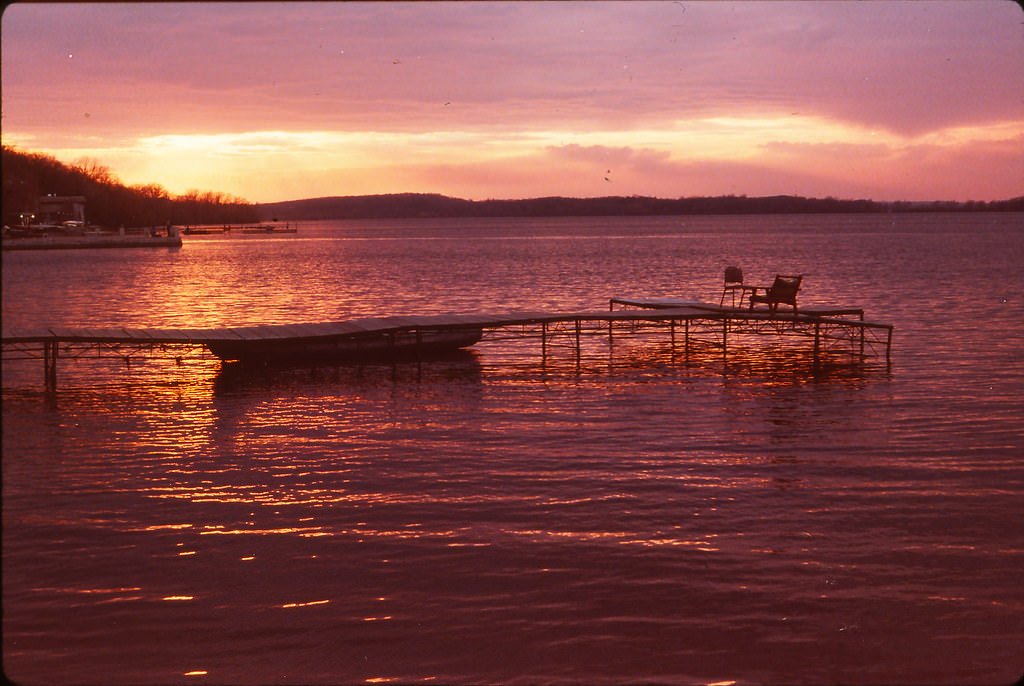
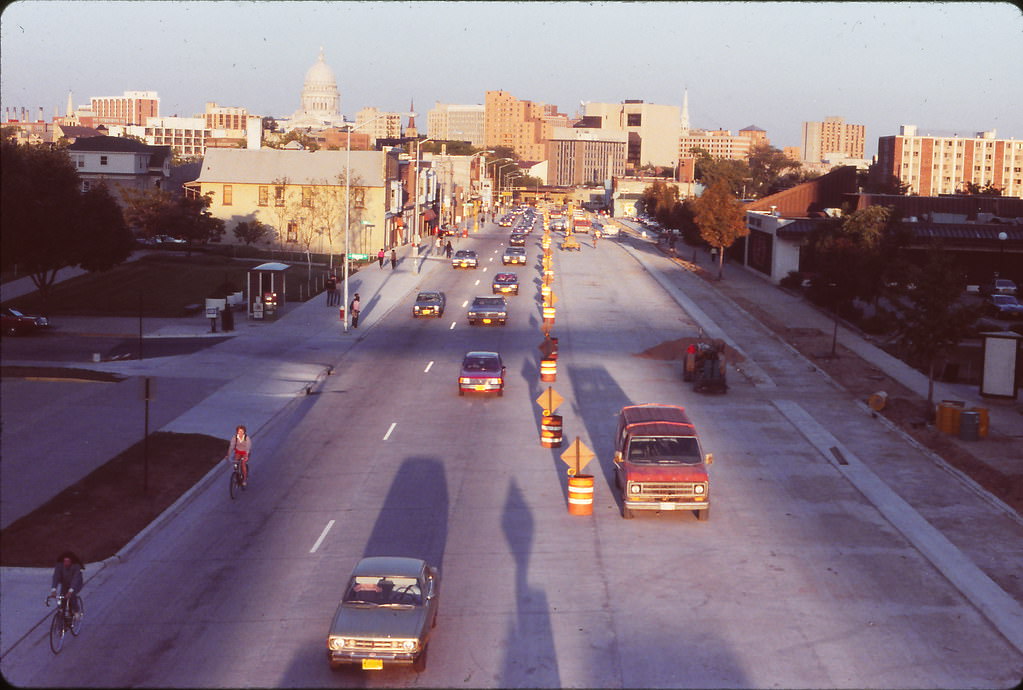
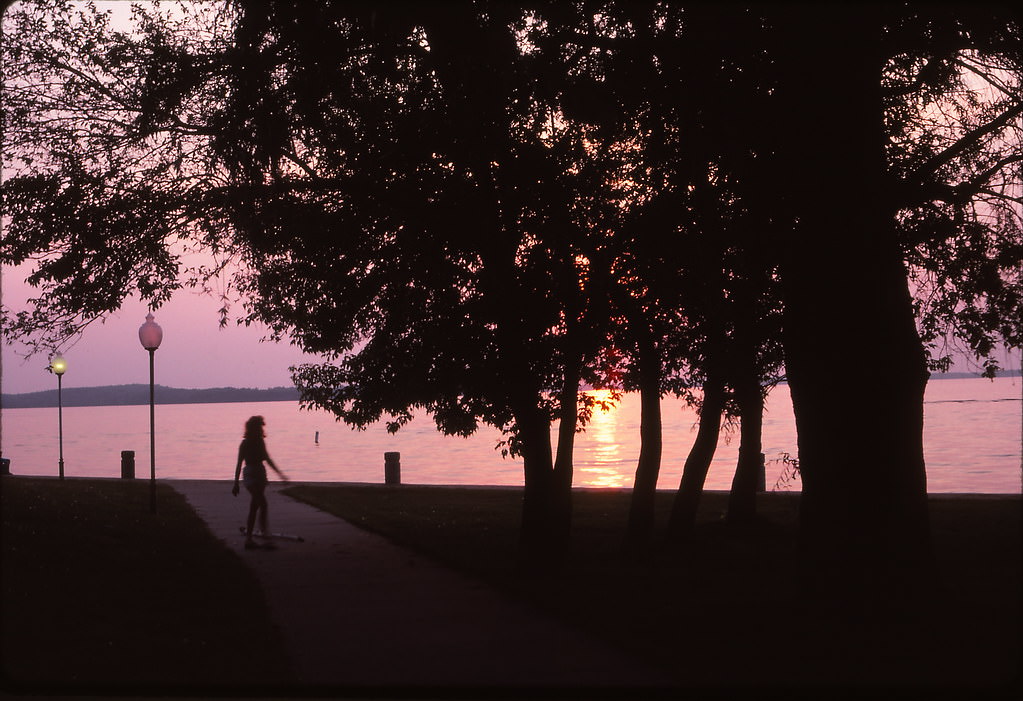
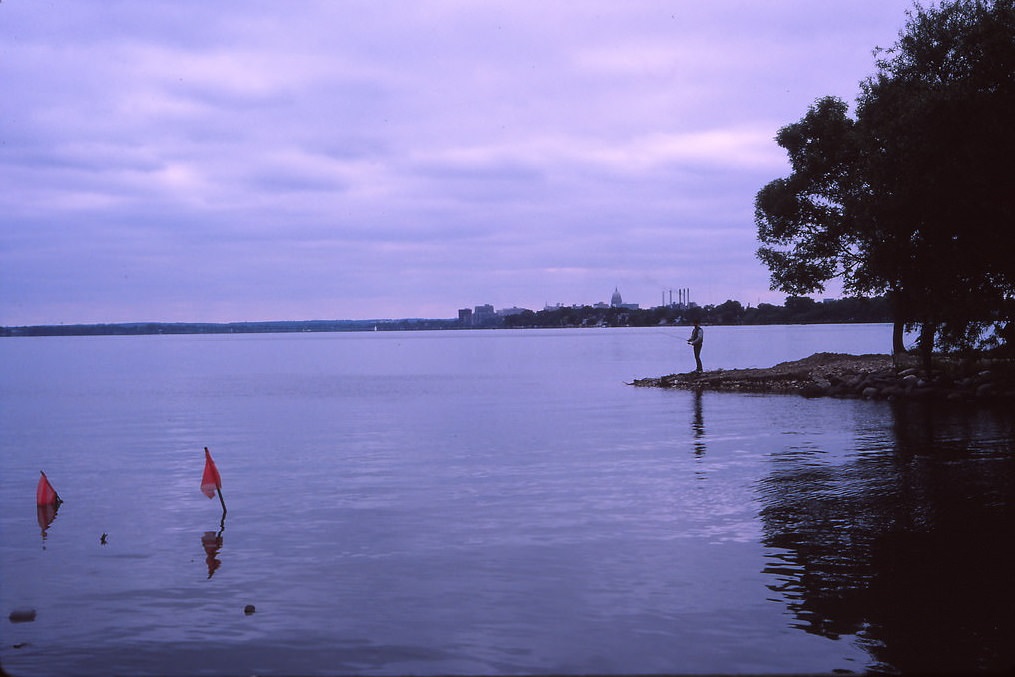
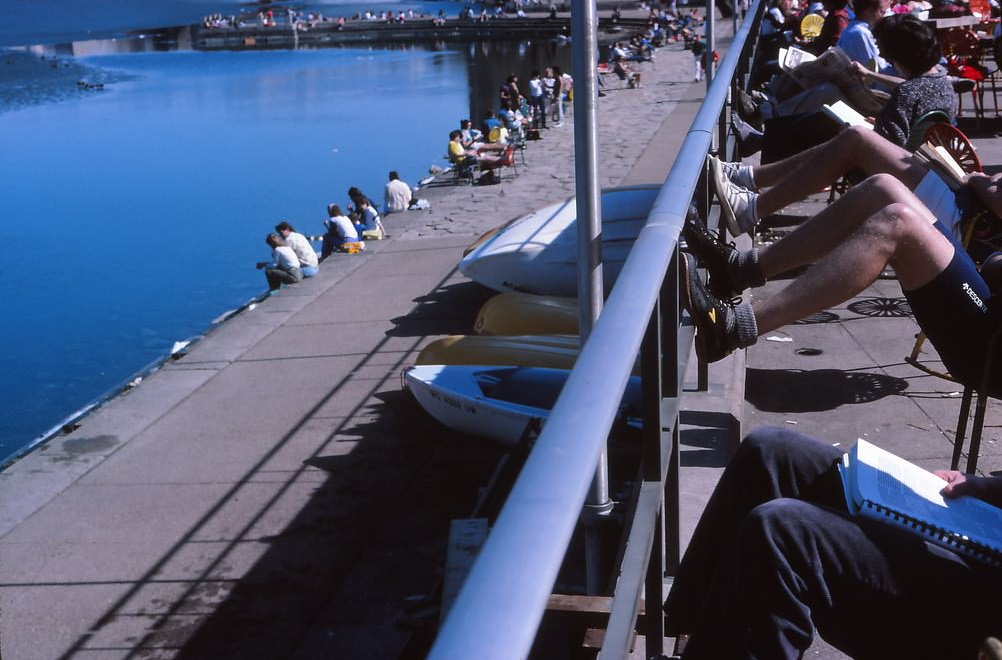
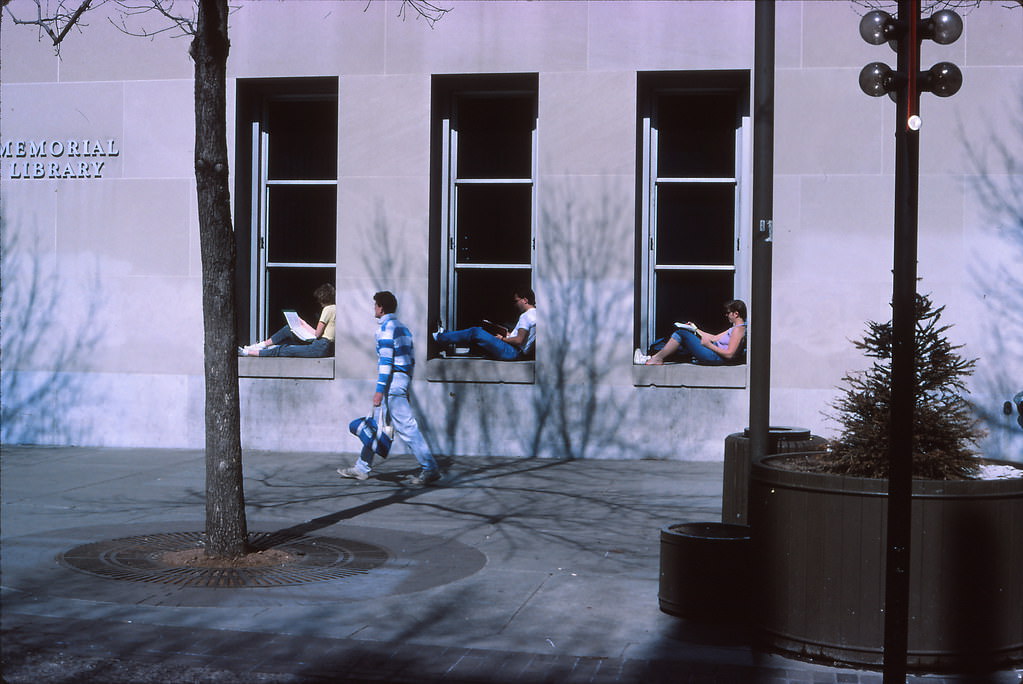
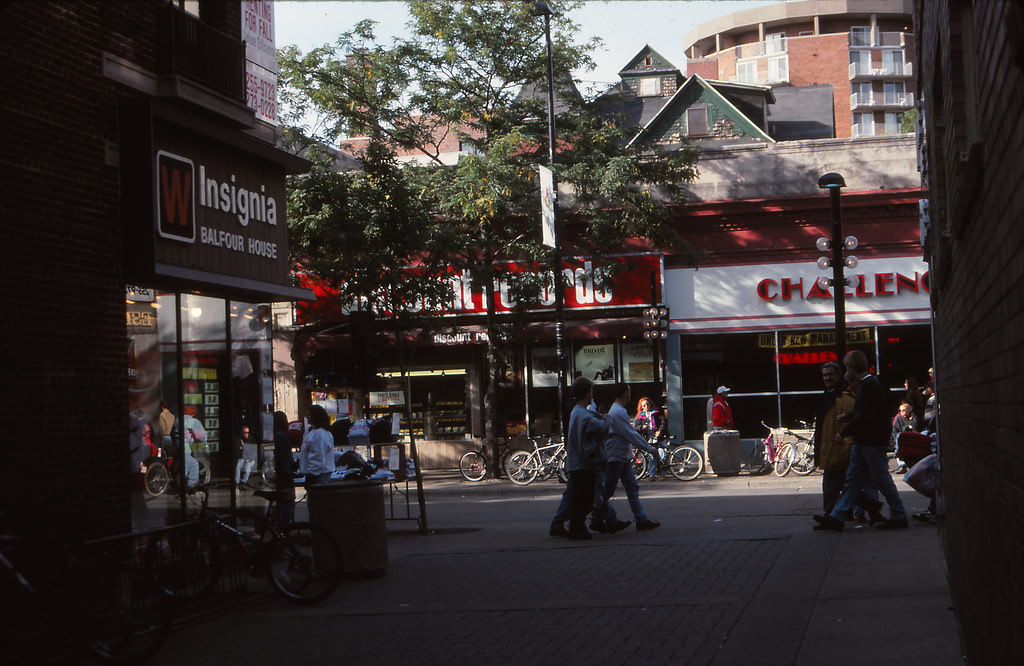
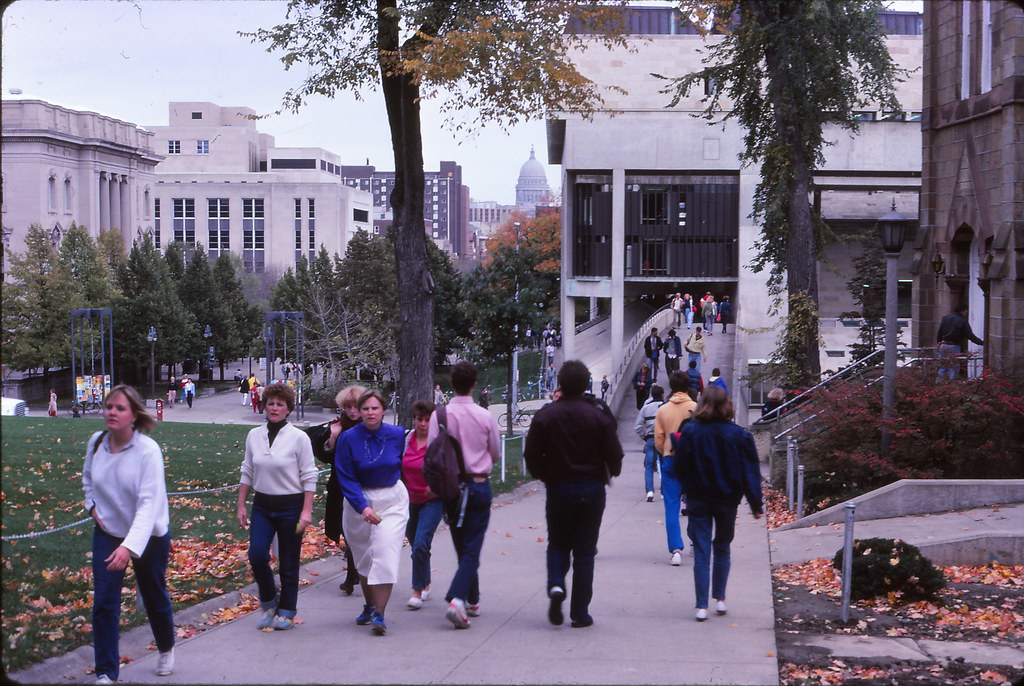
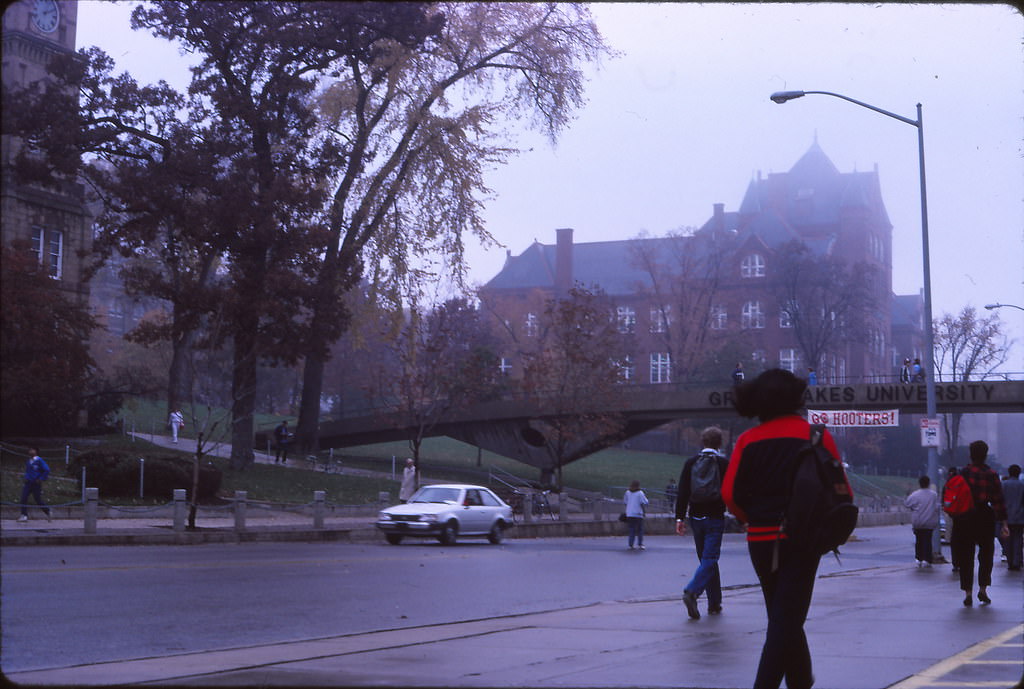
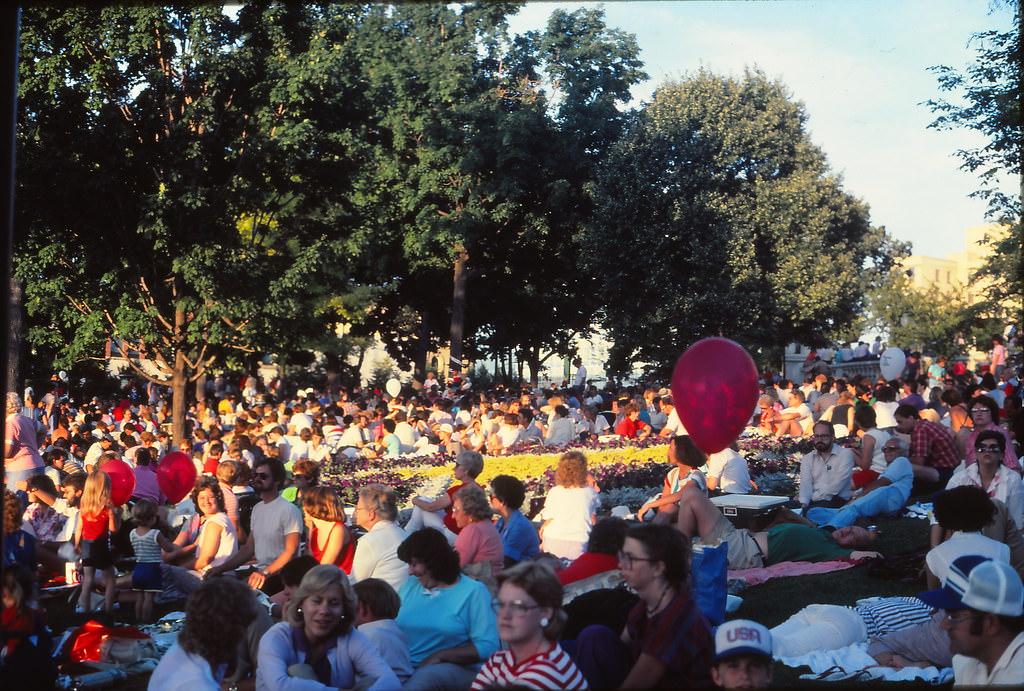
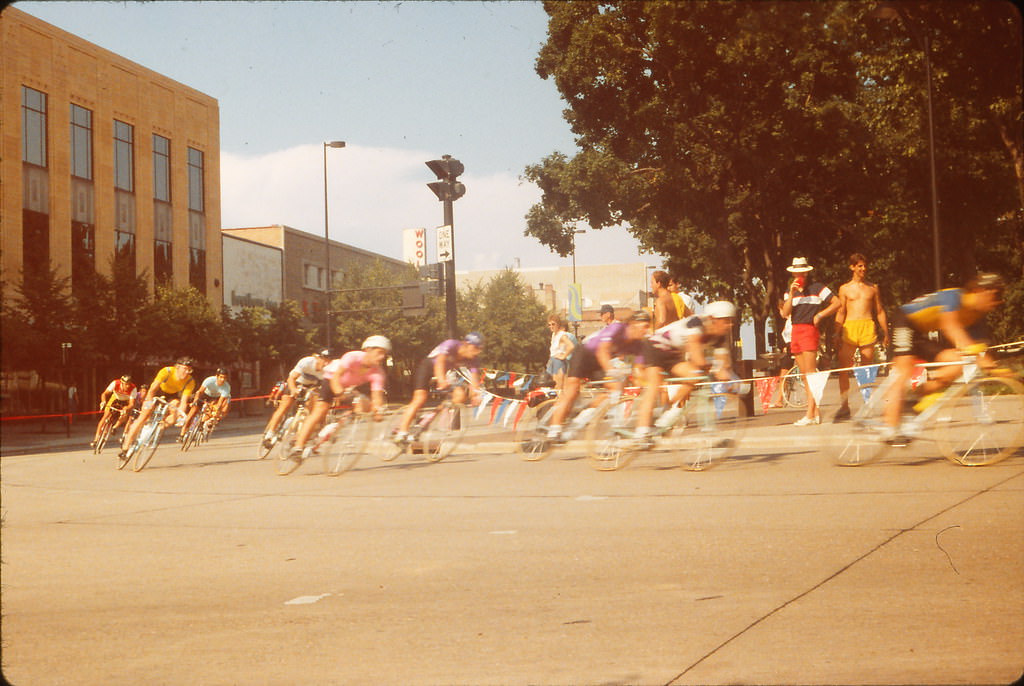
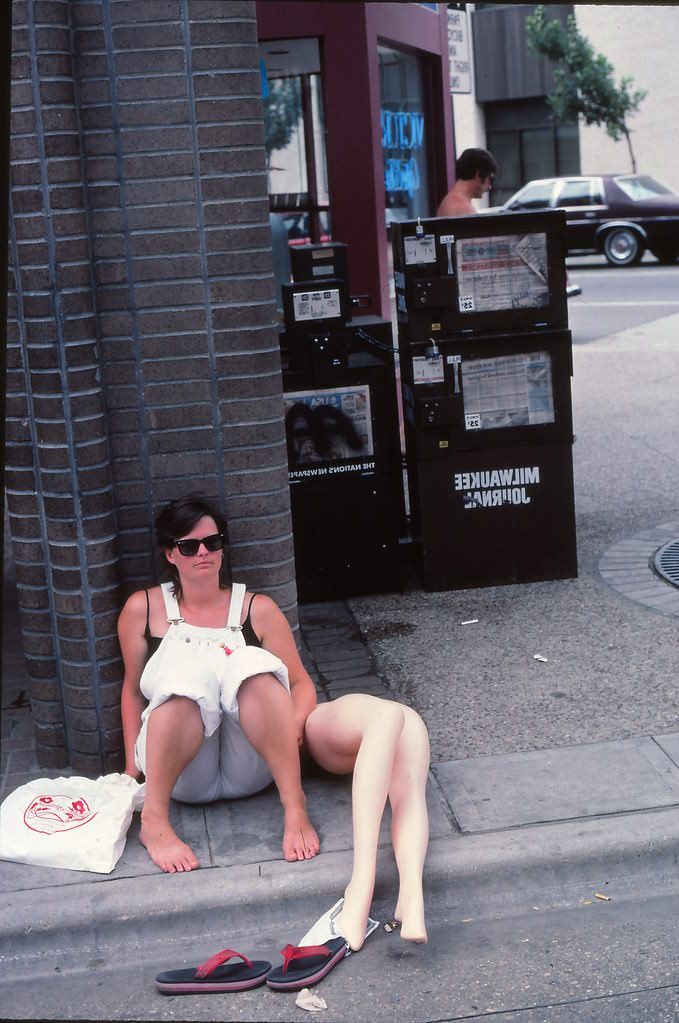
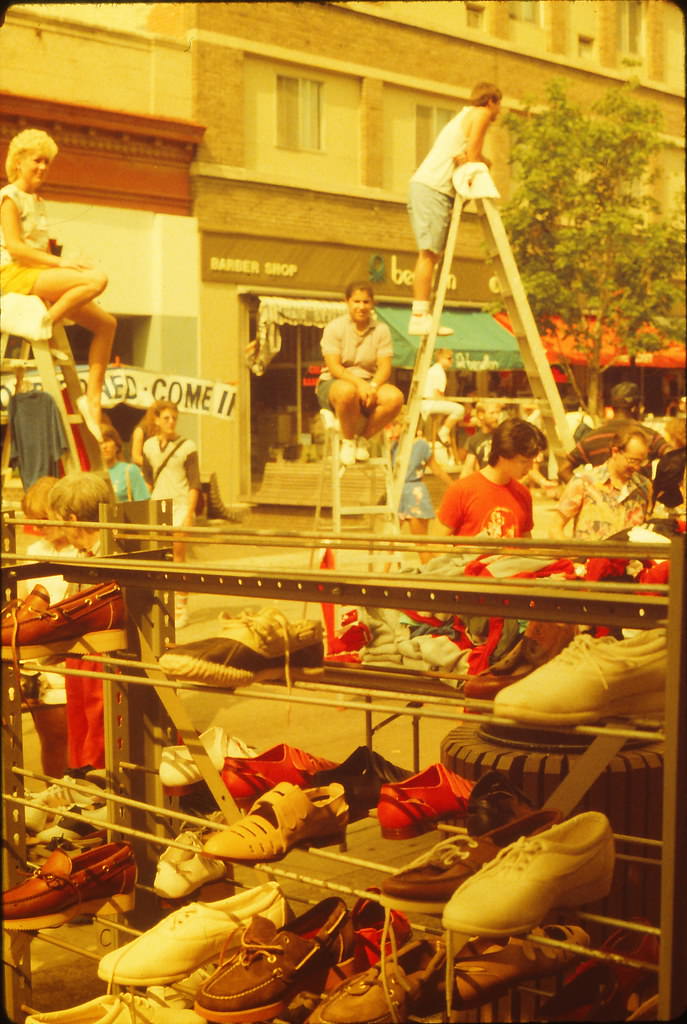
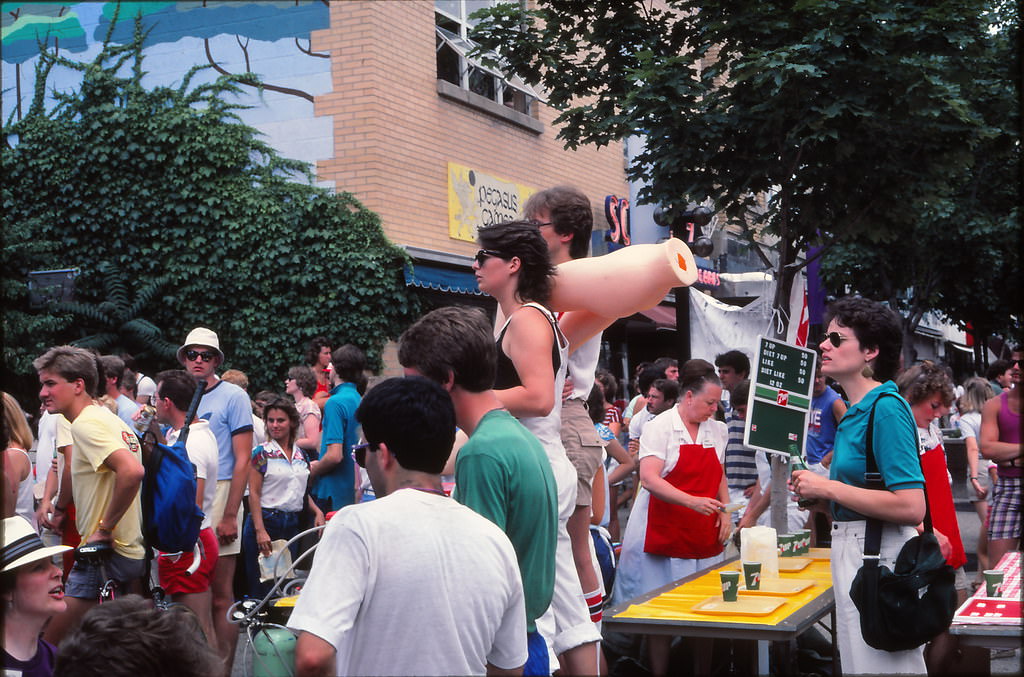
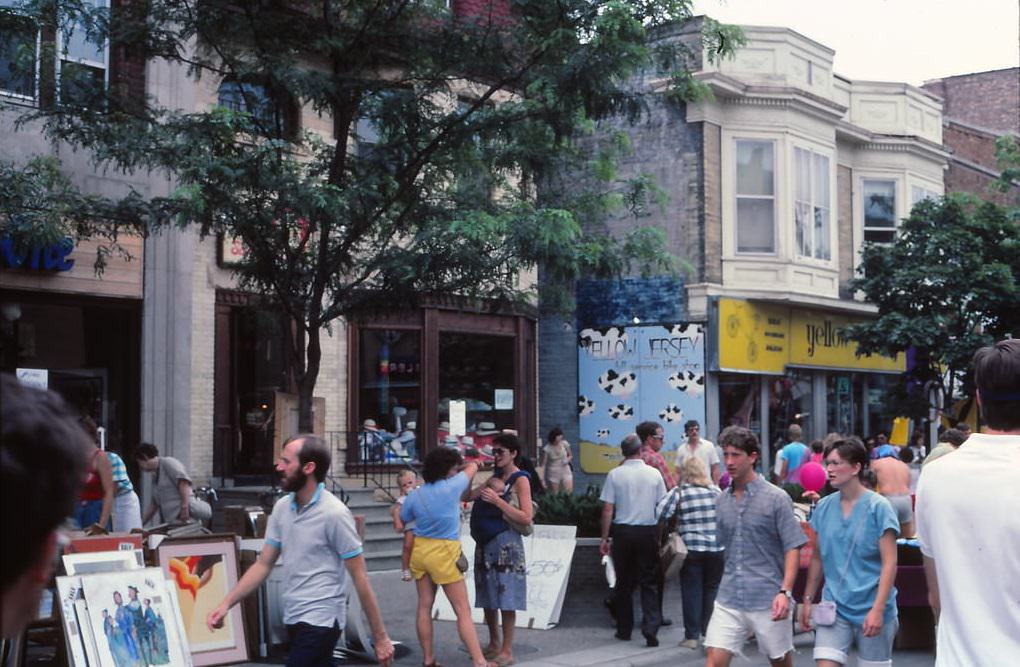
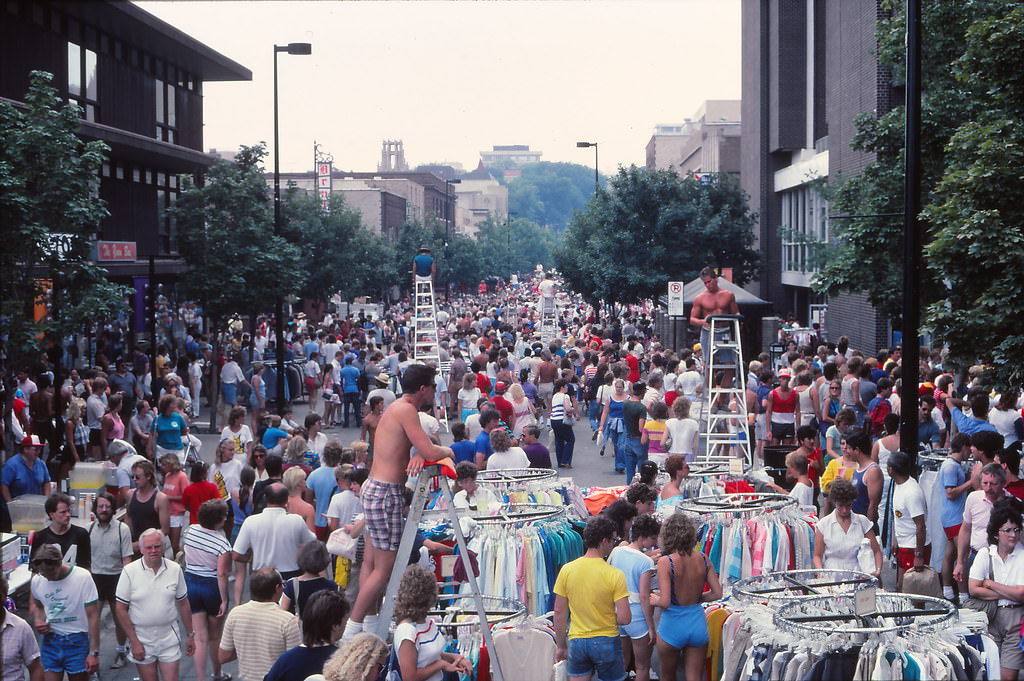
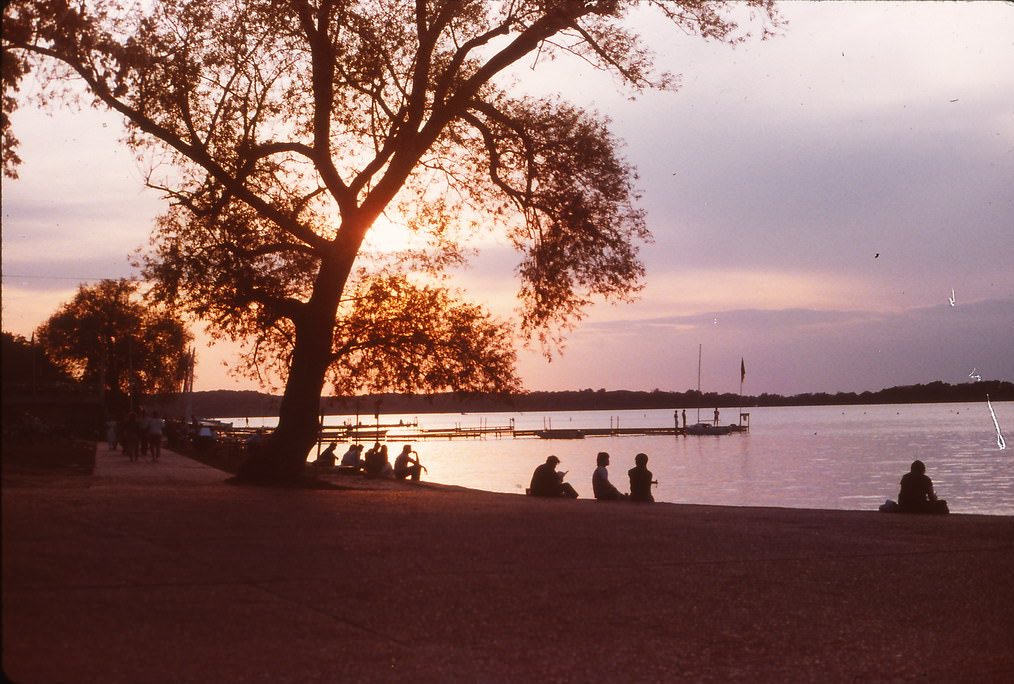
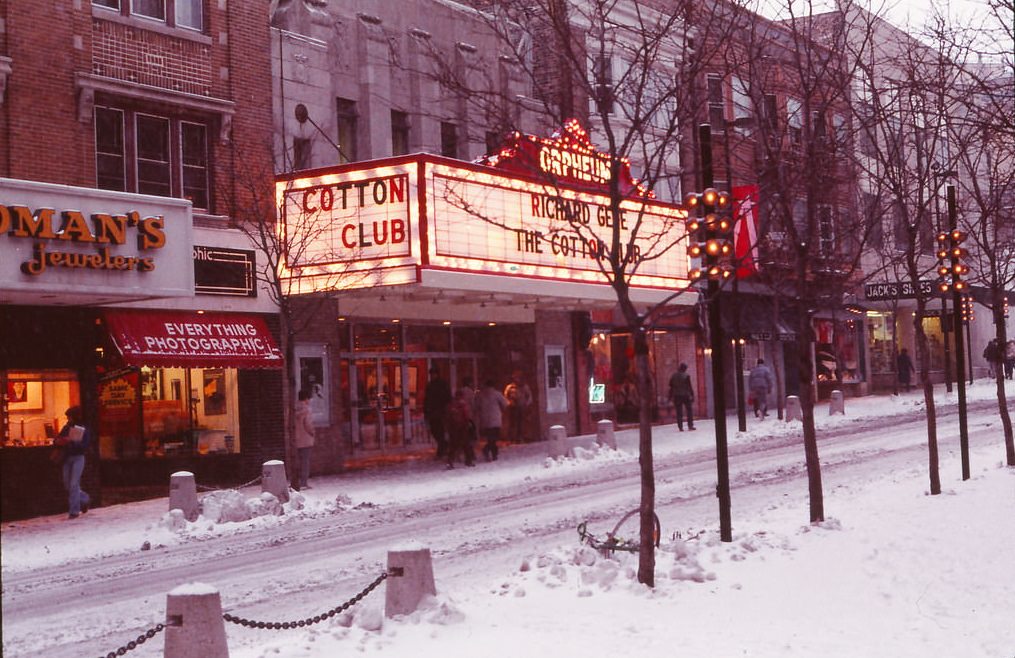
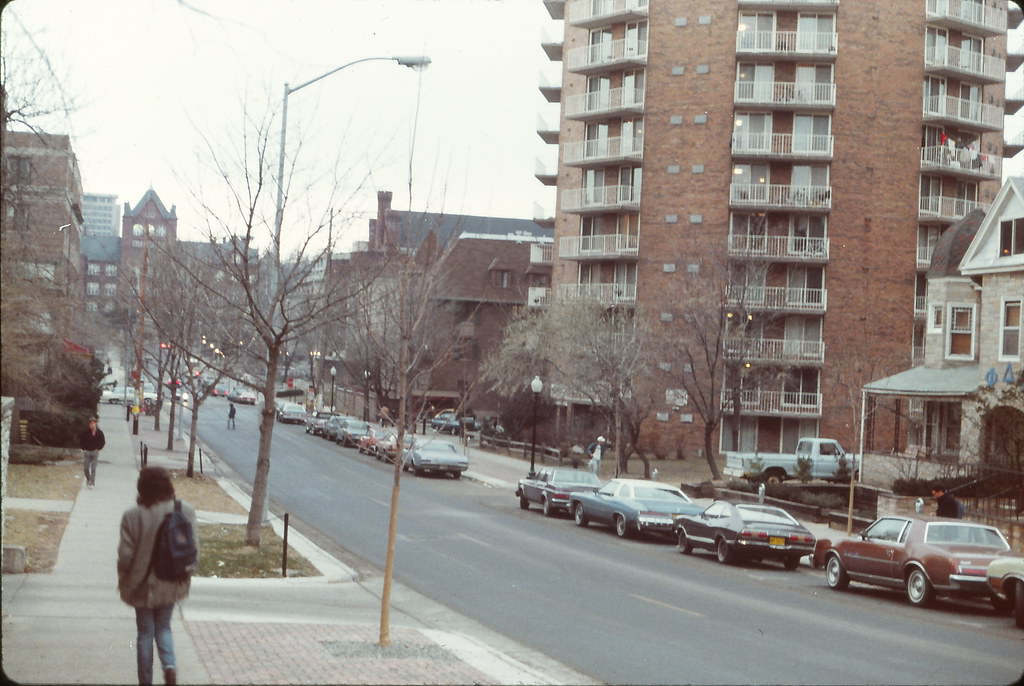
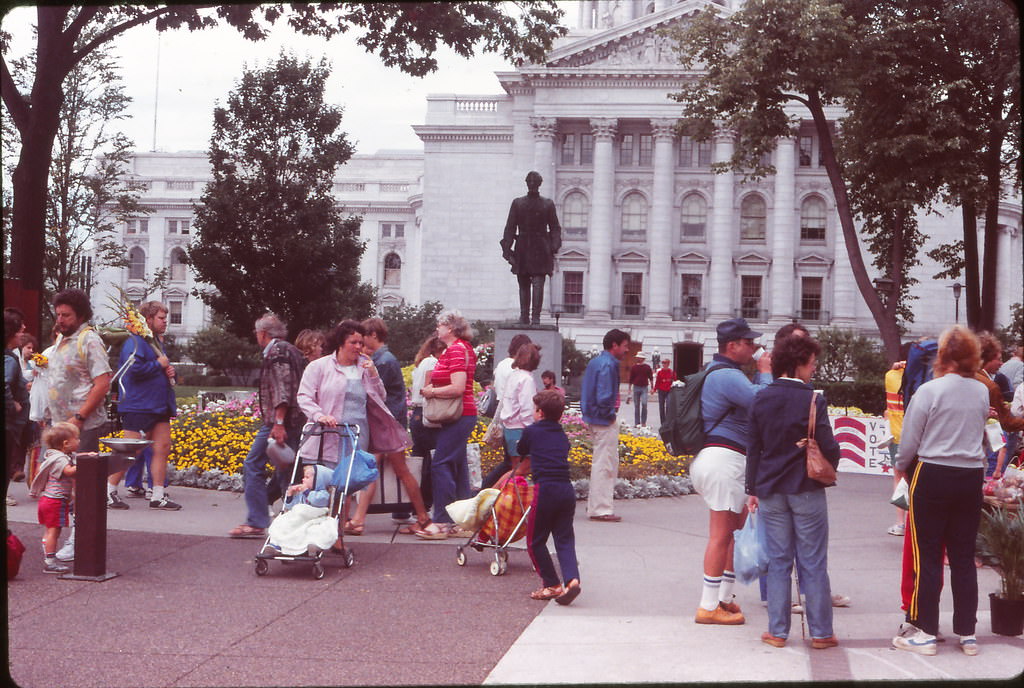
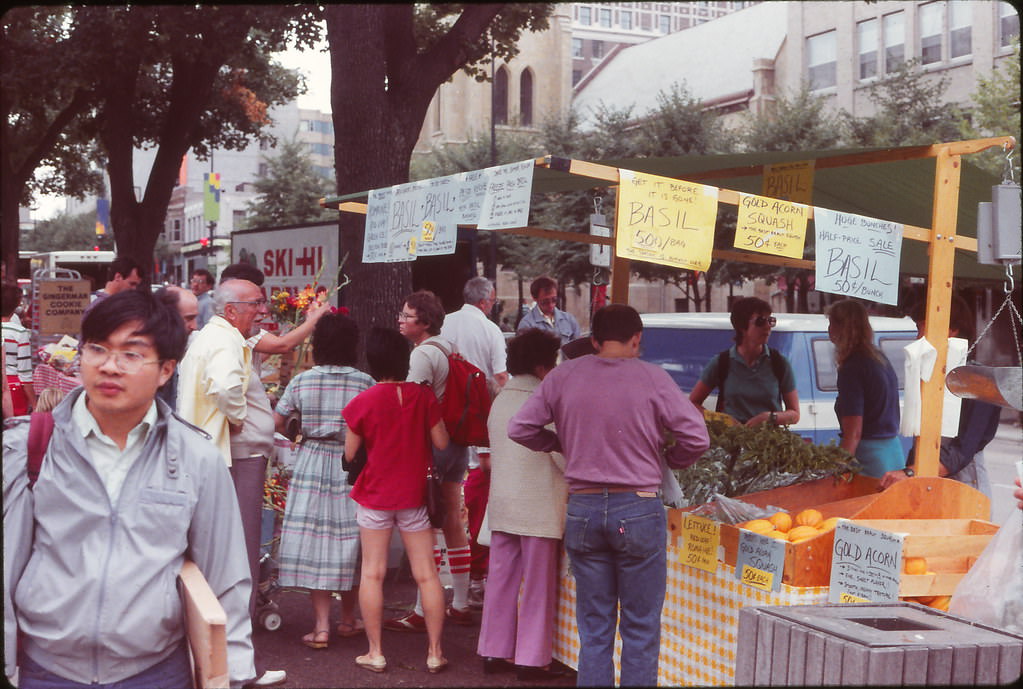
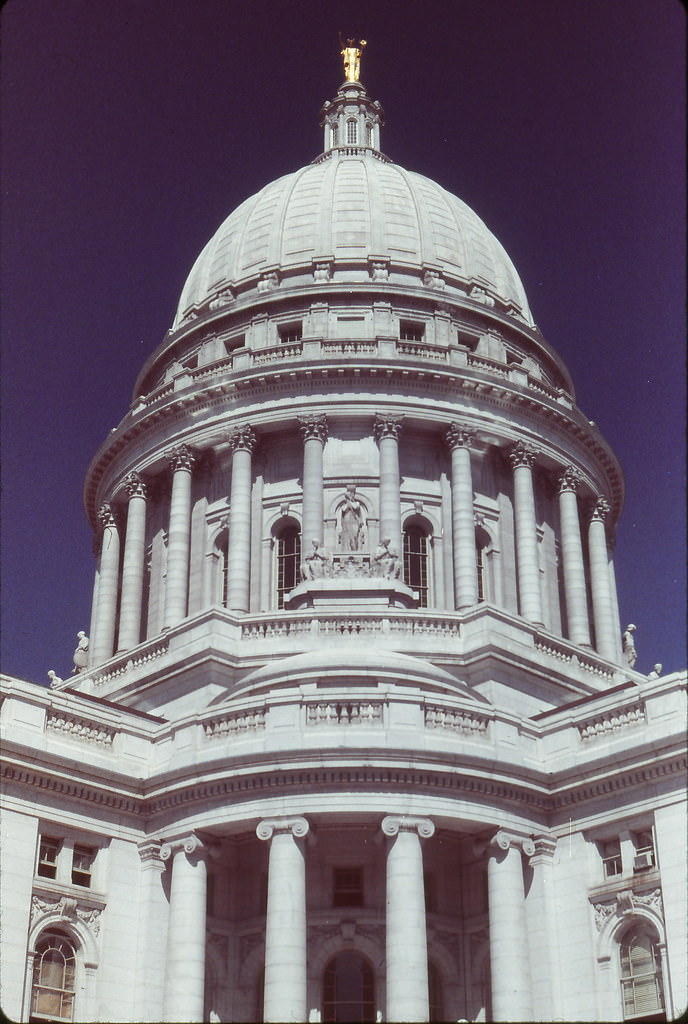
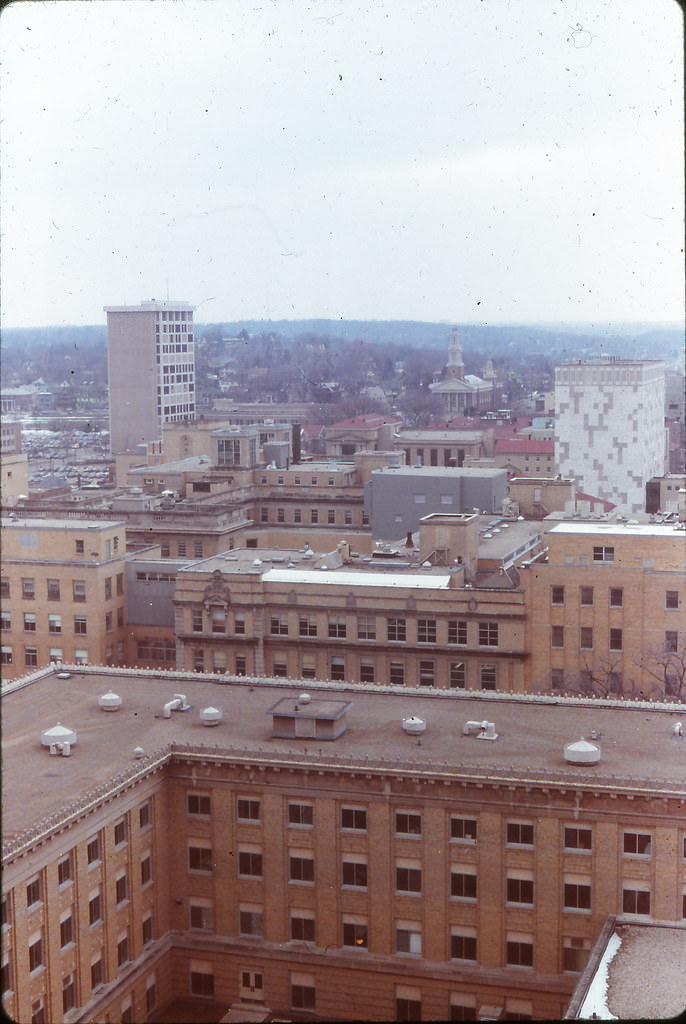
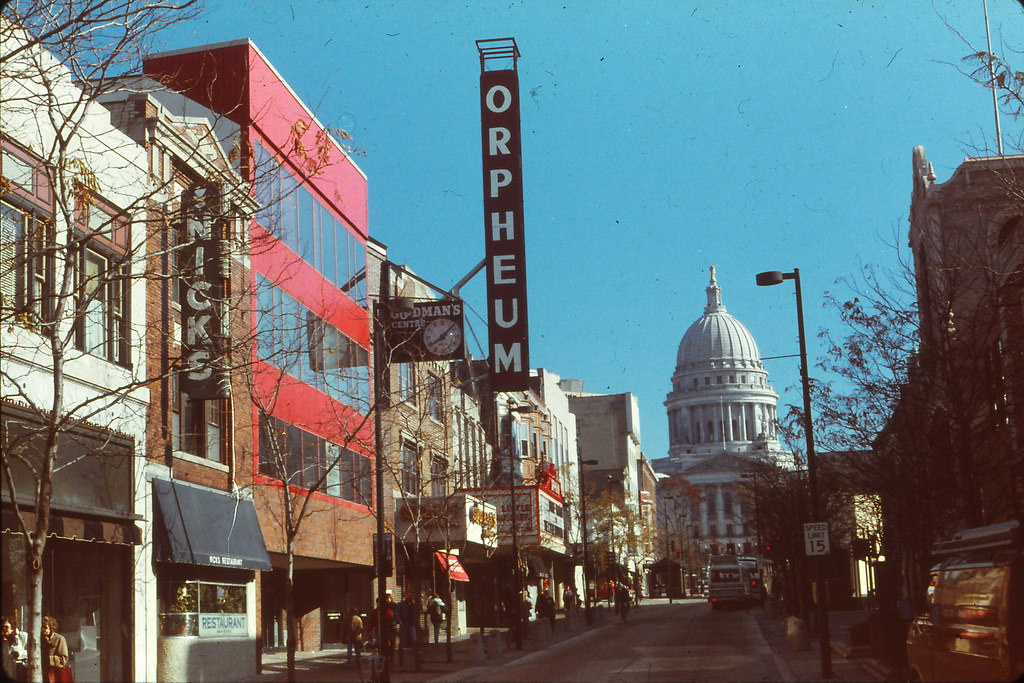
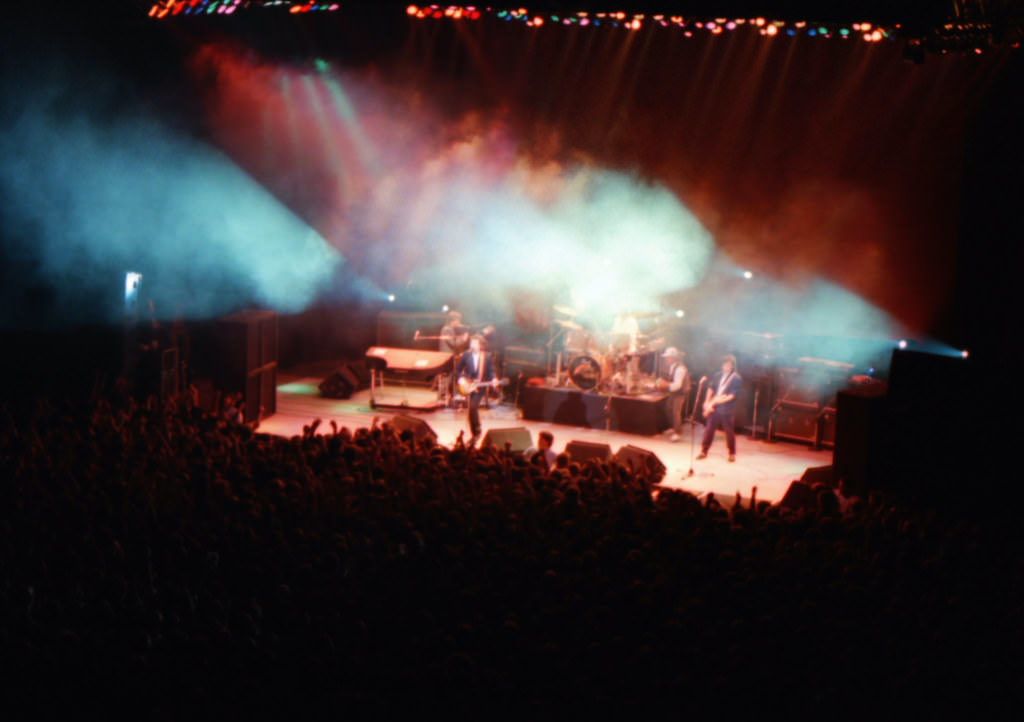
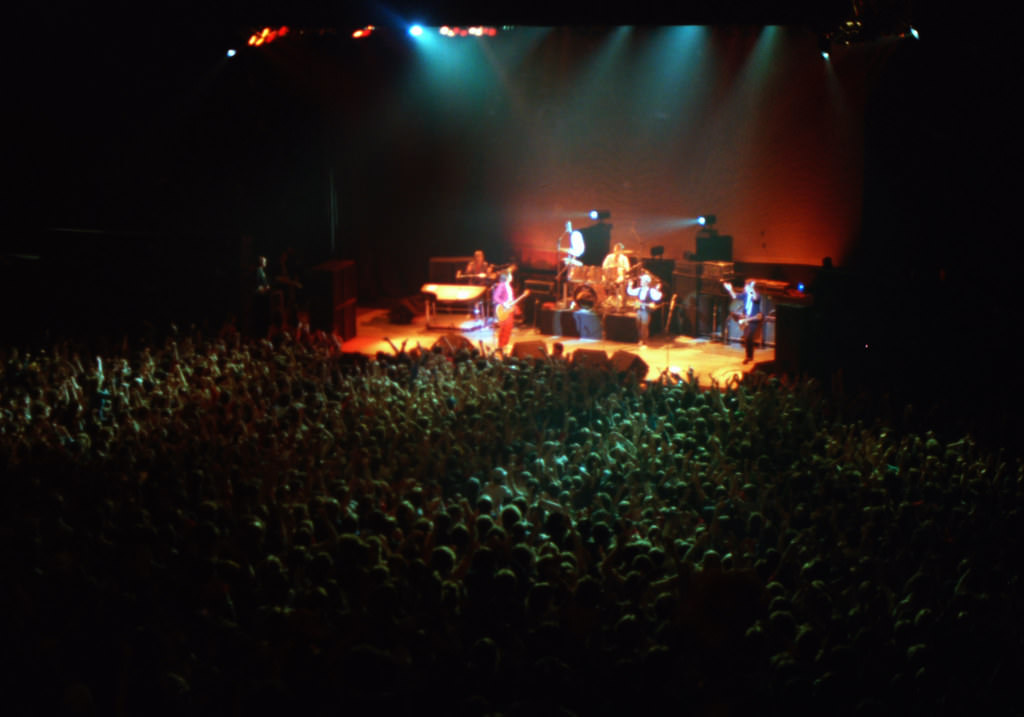
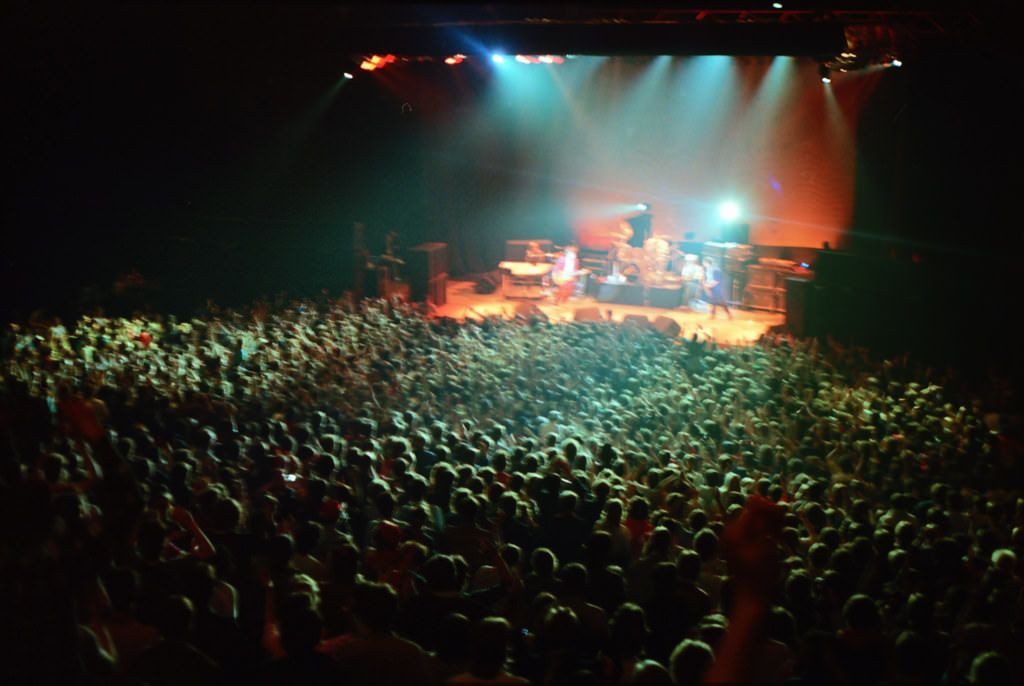
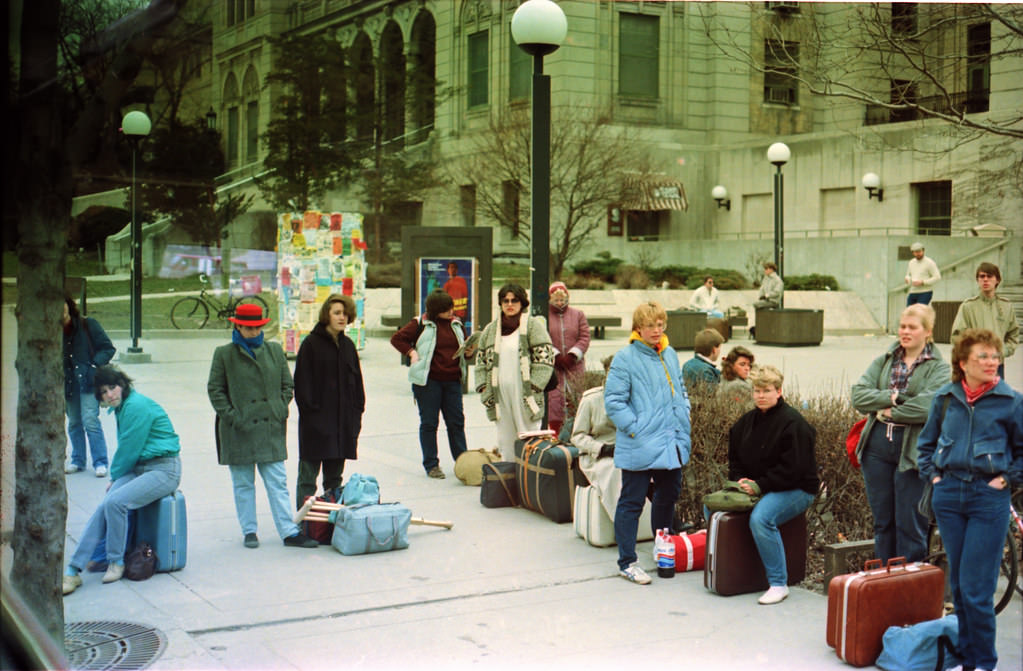
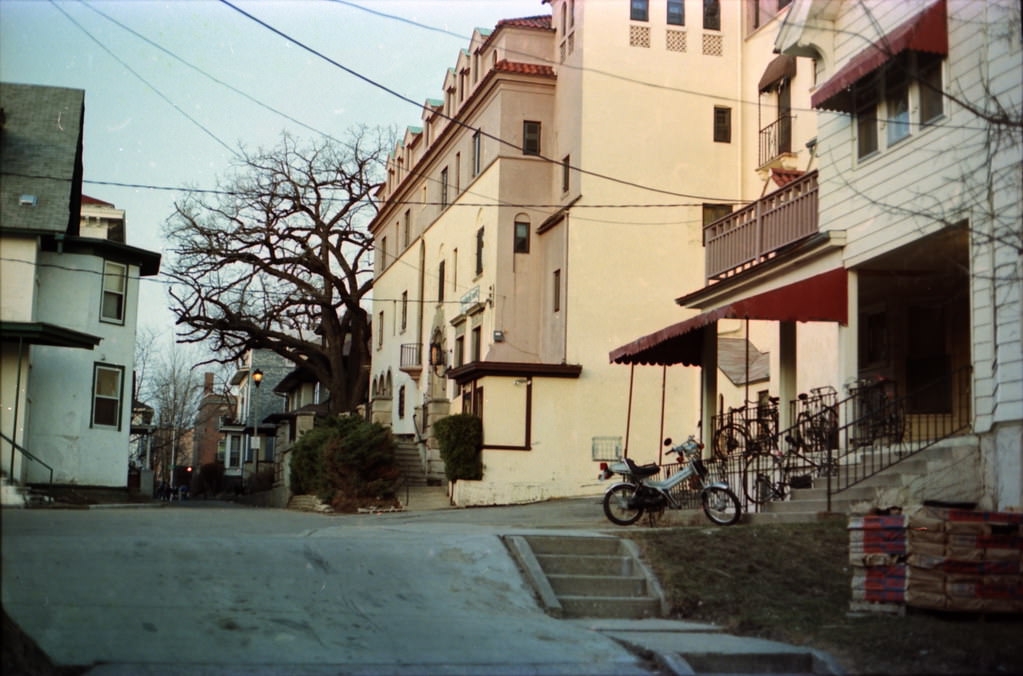
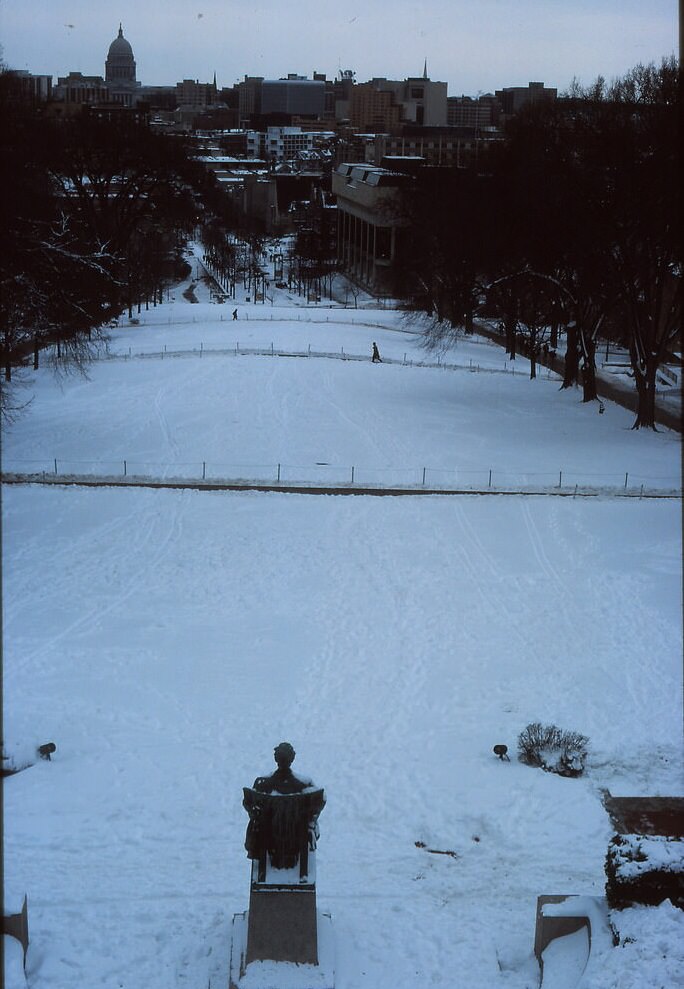
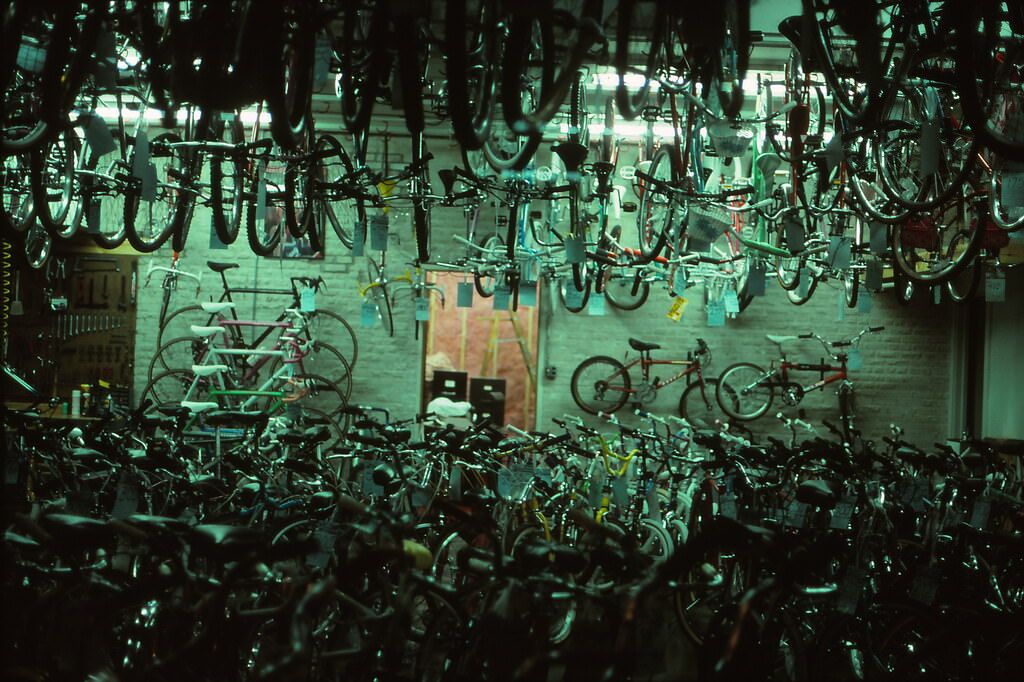
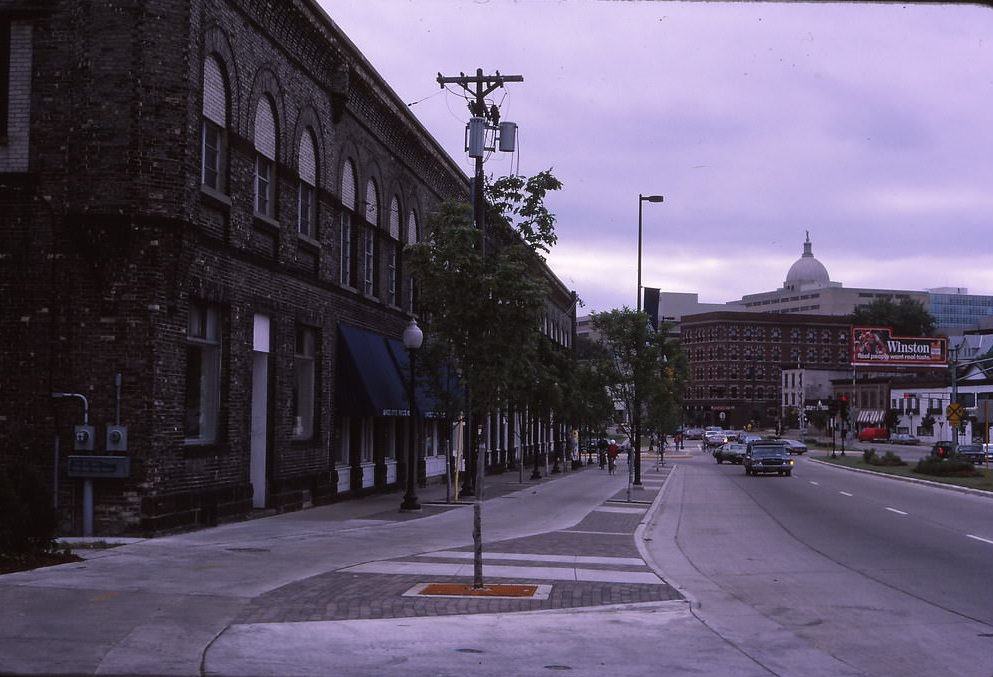
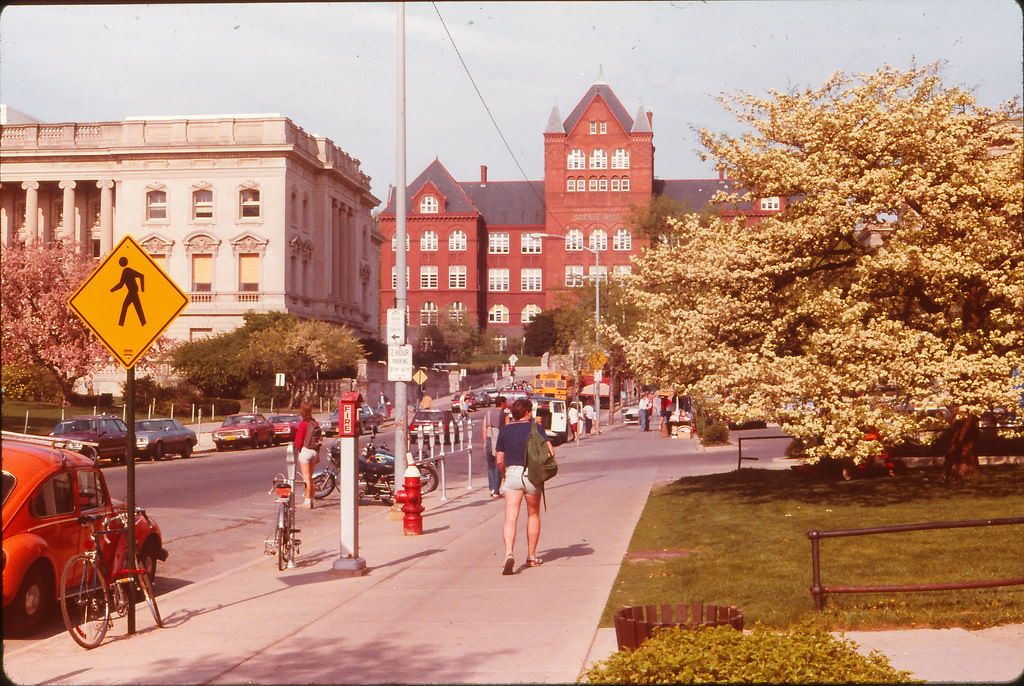
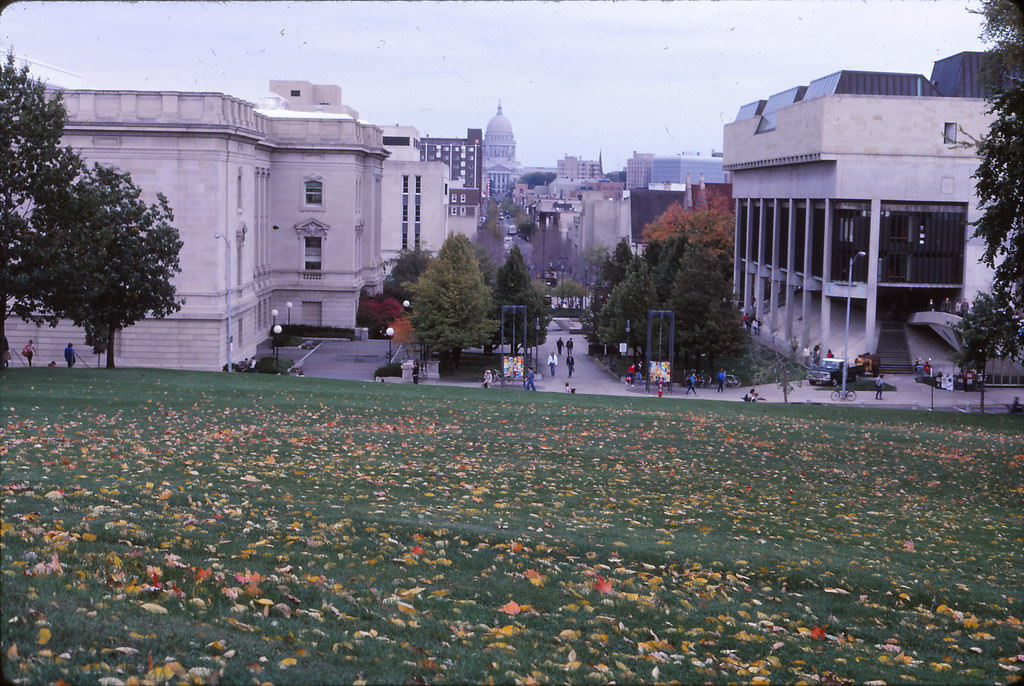
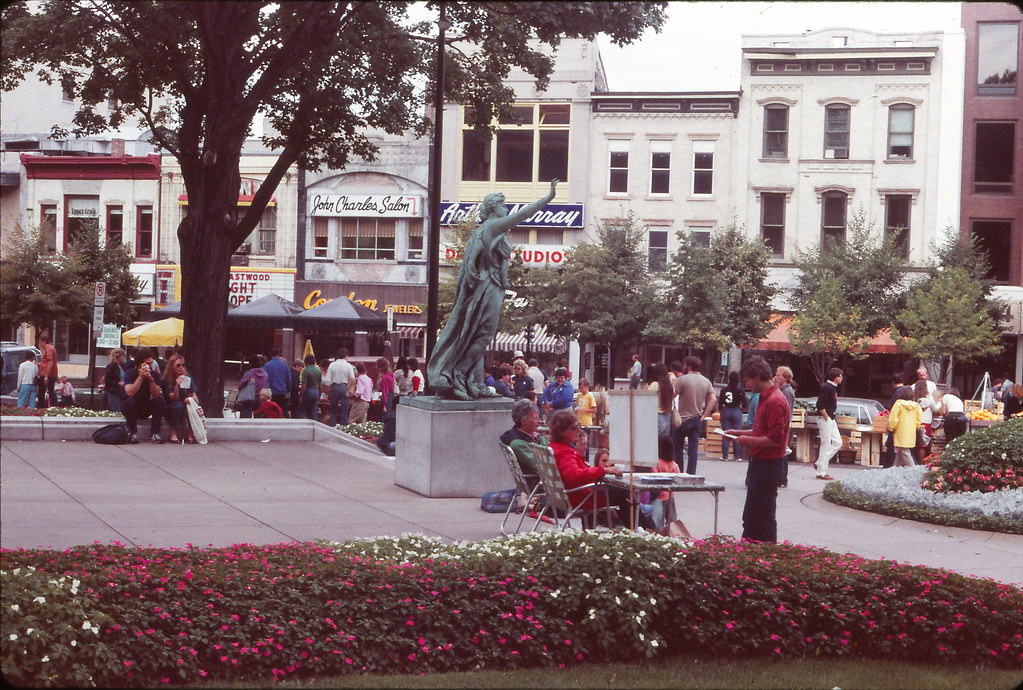
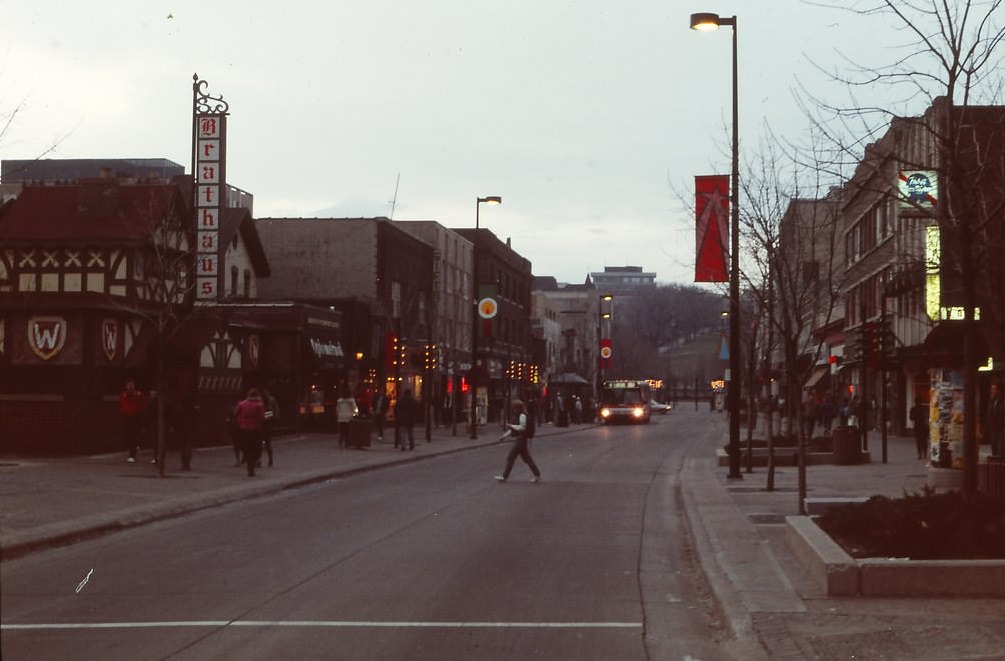
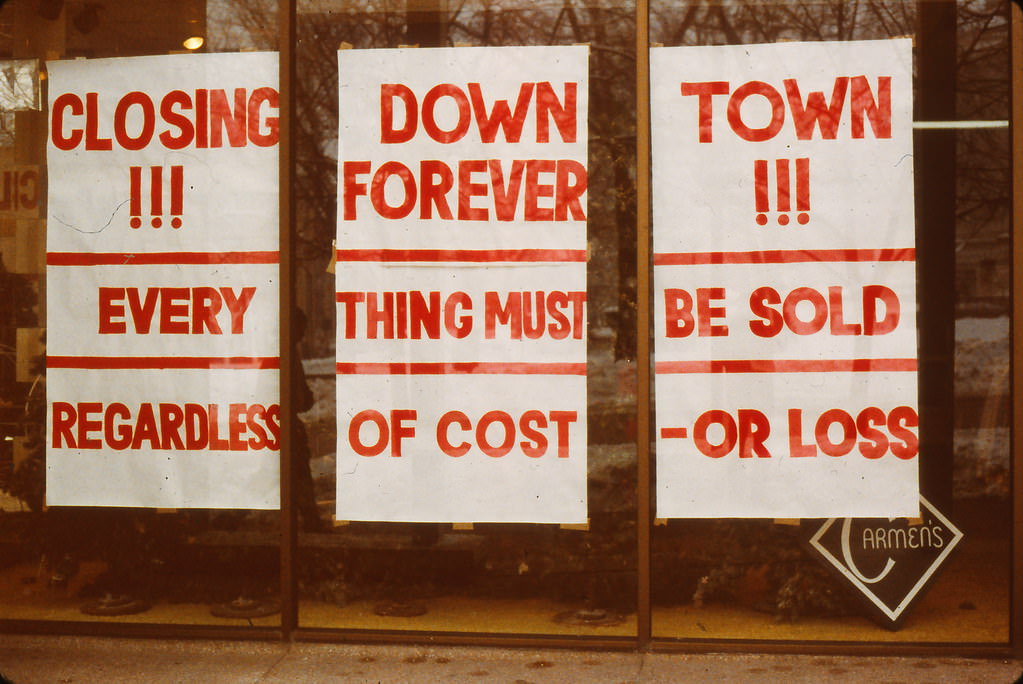
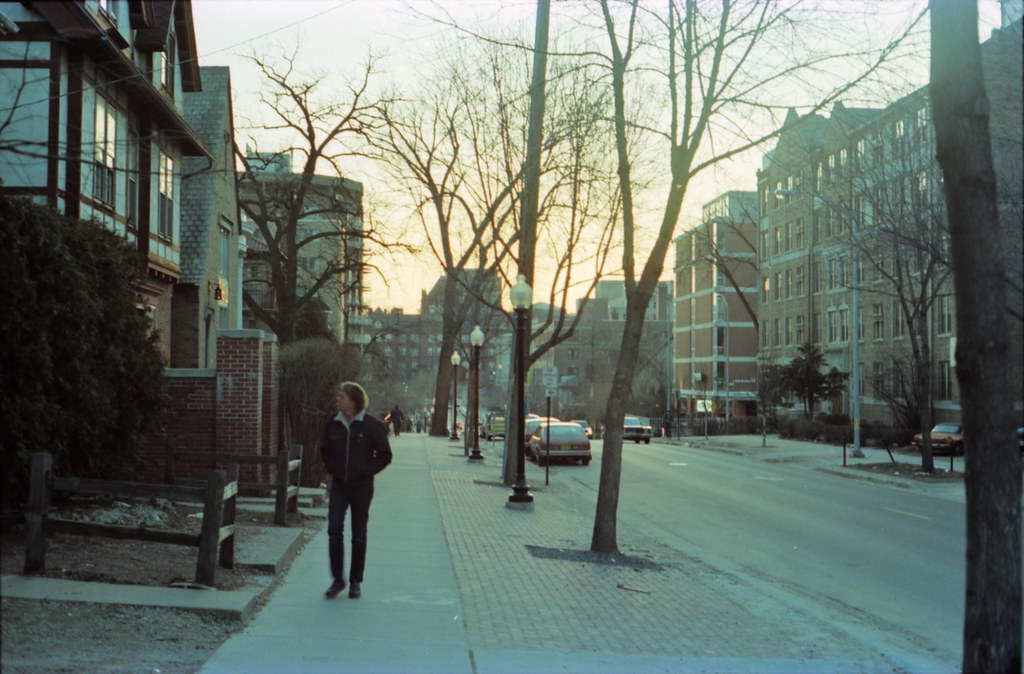
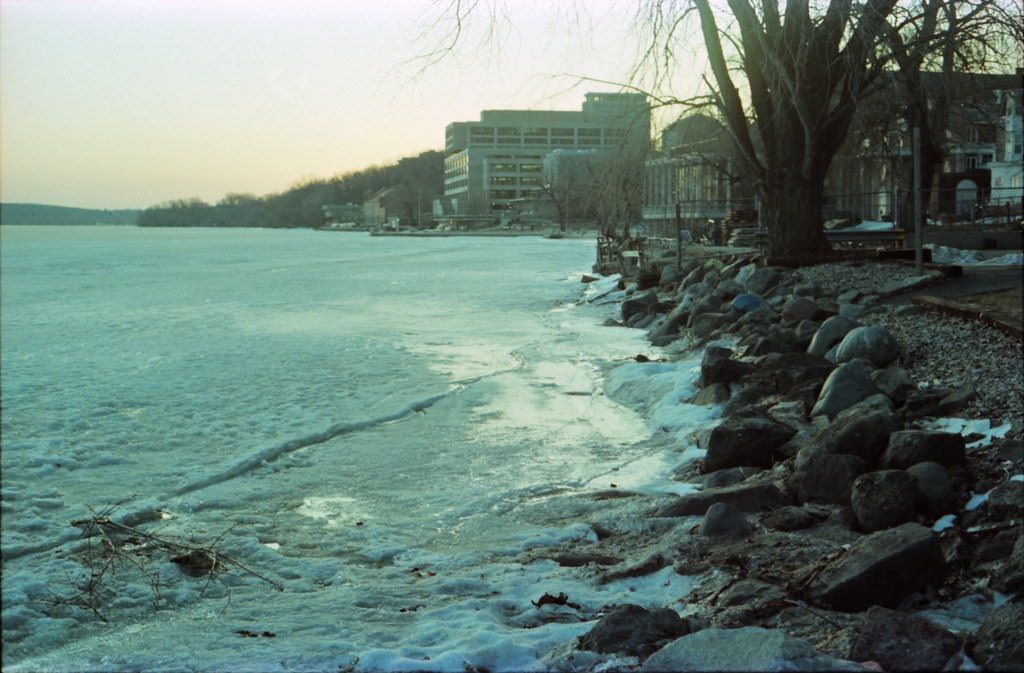

Question about #70, how long did the Great Lakes University lettering stay up on the Park St pedestrian bridge? That’s from Back to School, right?
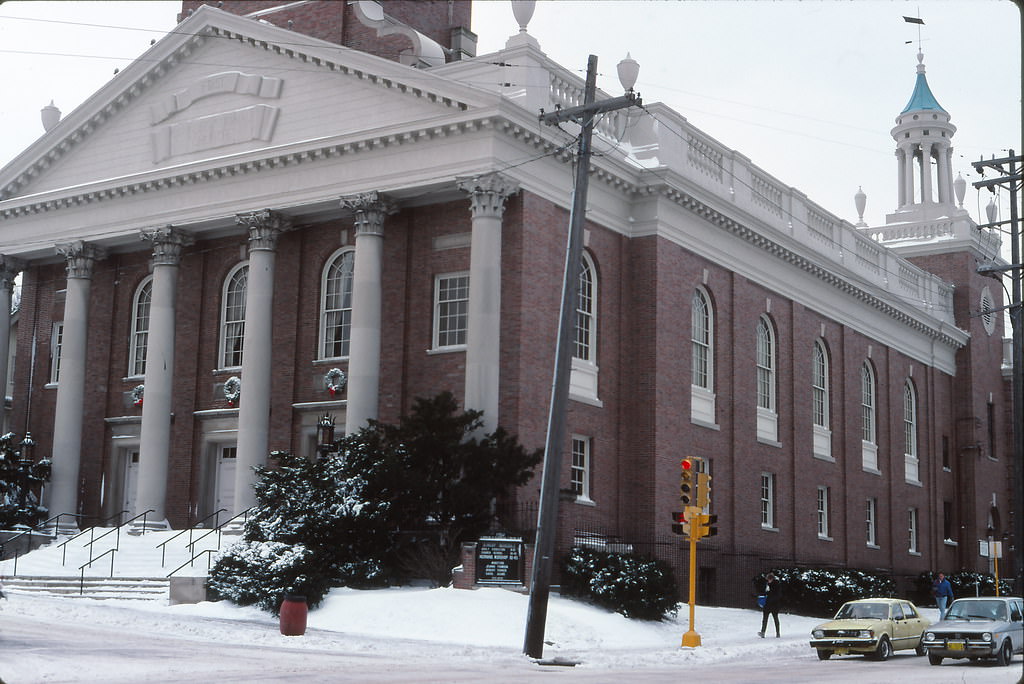
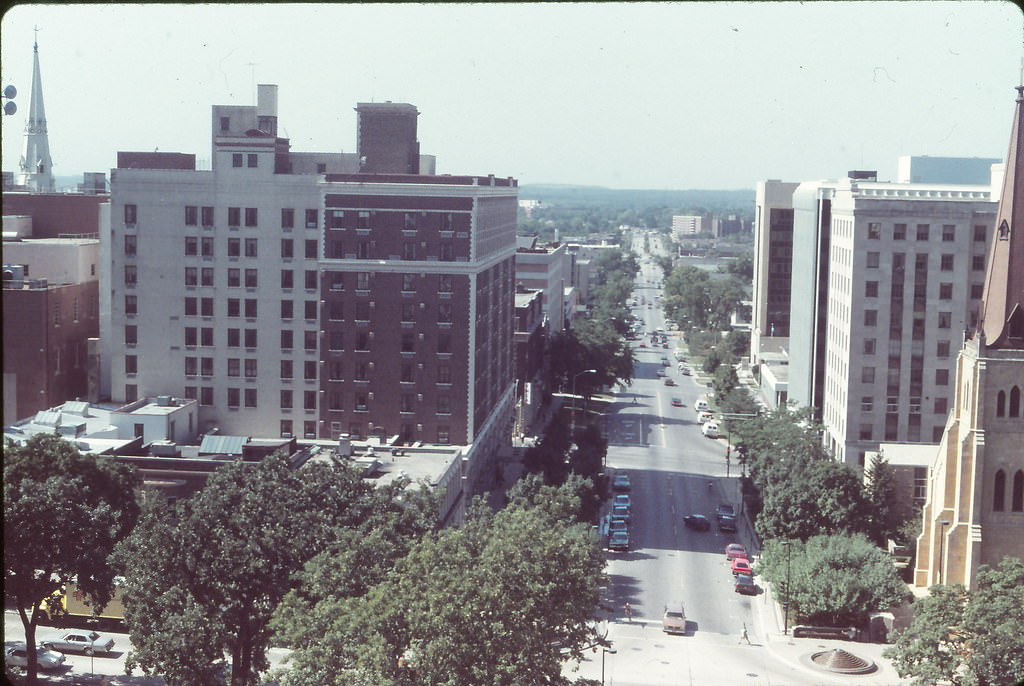
These photos remind me of how ugly the newer Saint Paul’s church is .
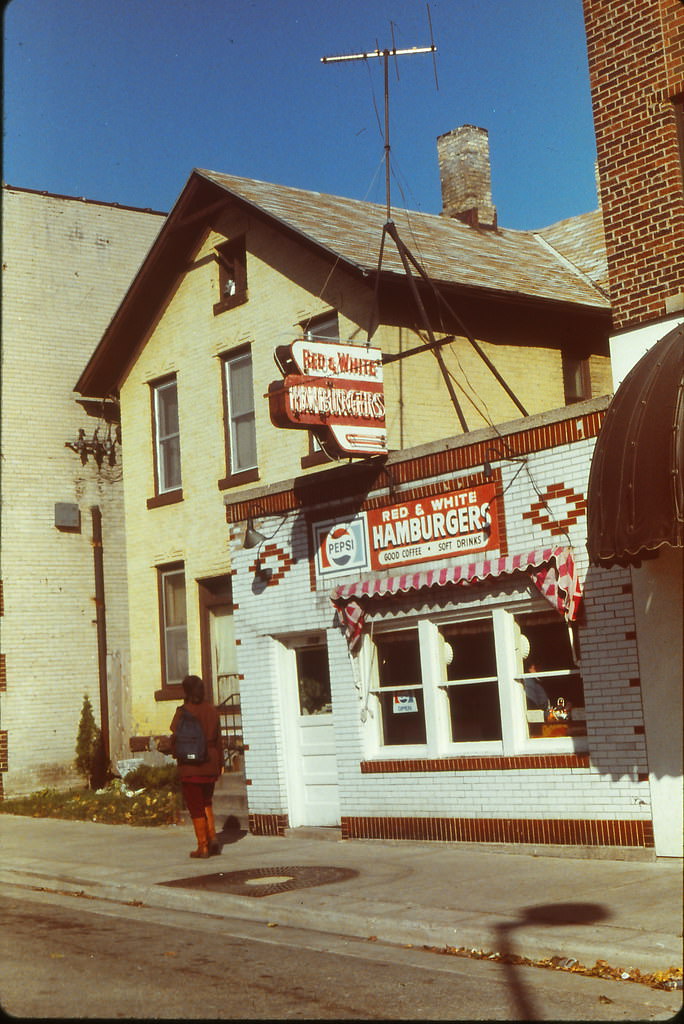
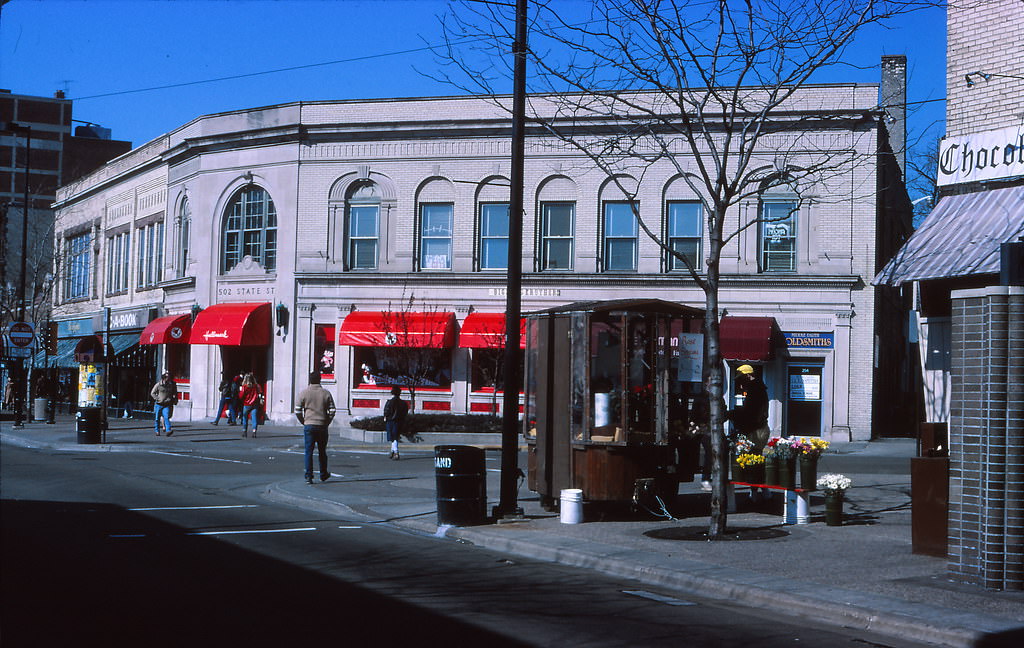
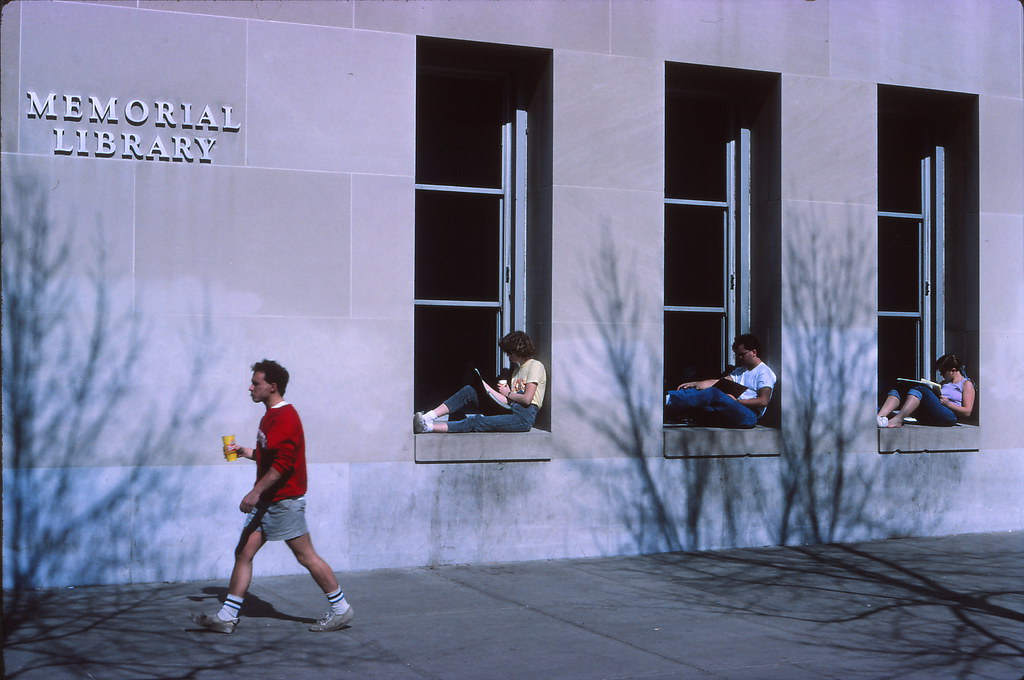
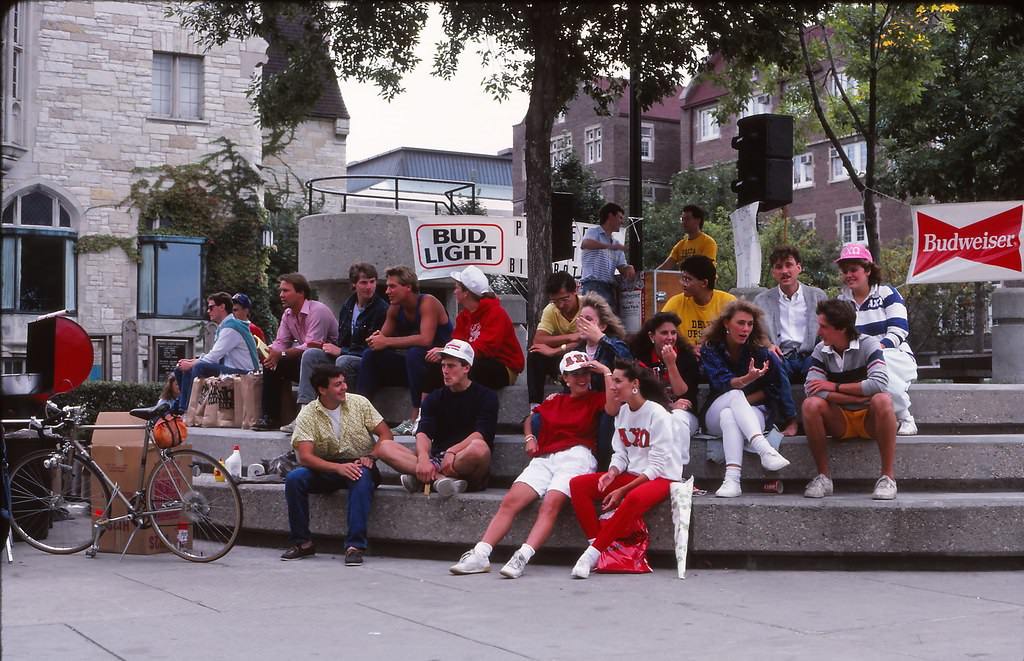
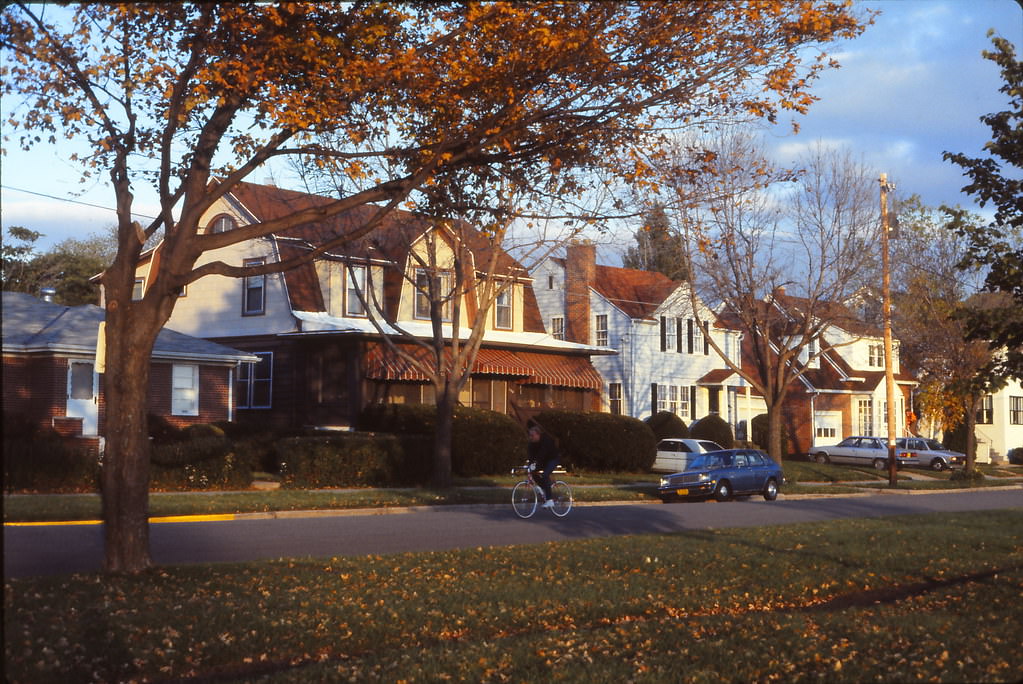
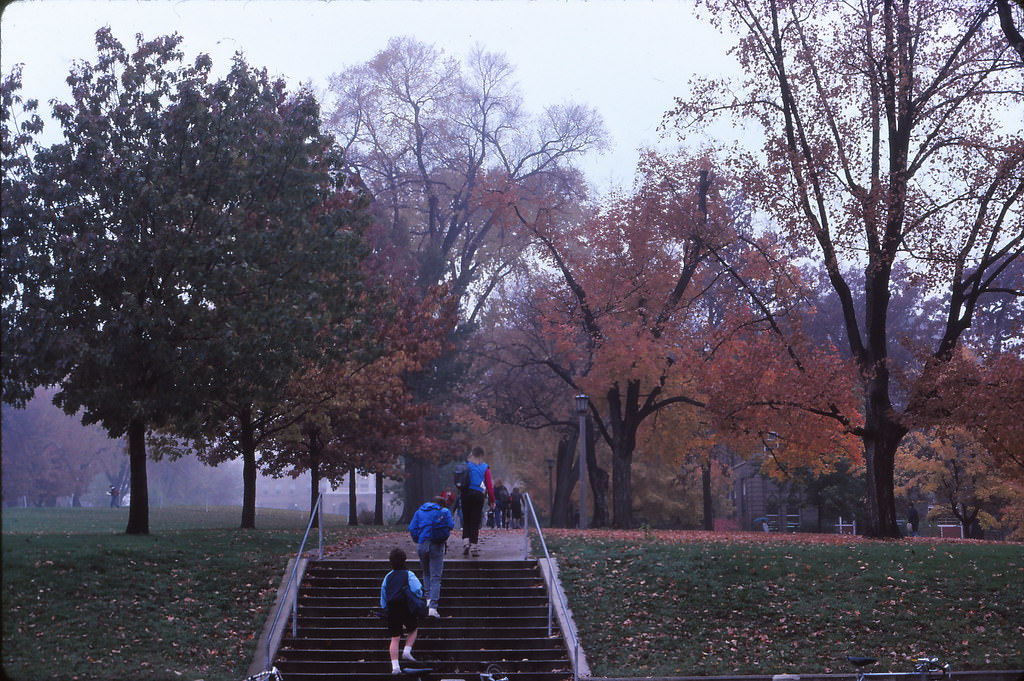
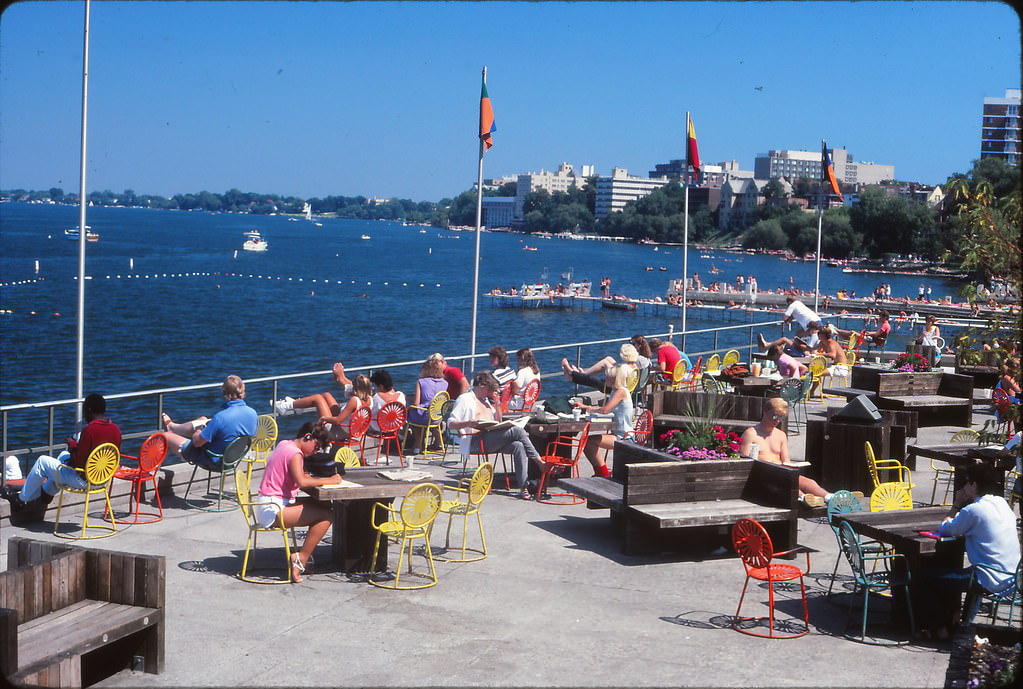
I grew up around Madison and graduated from UW last year. A ton of these places are super recognizable even though they’re from 15-20 years before I was born. Mostly just the signs have changed.
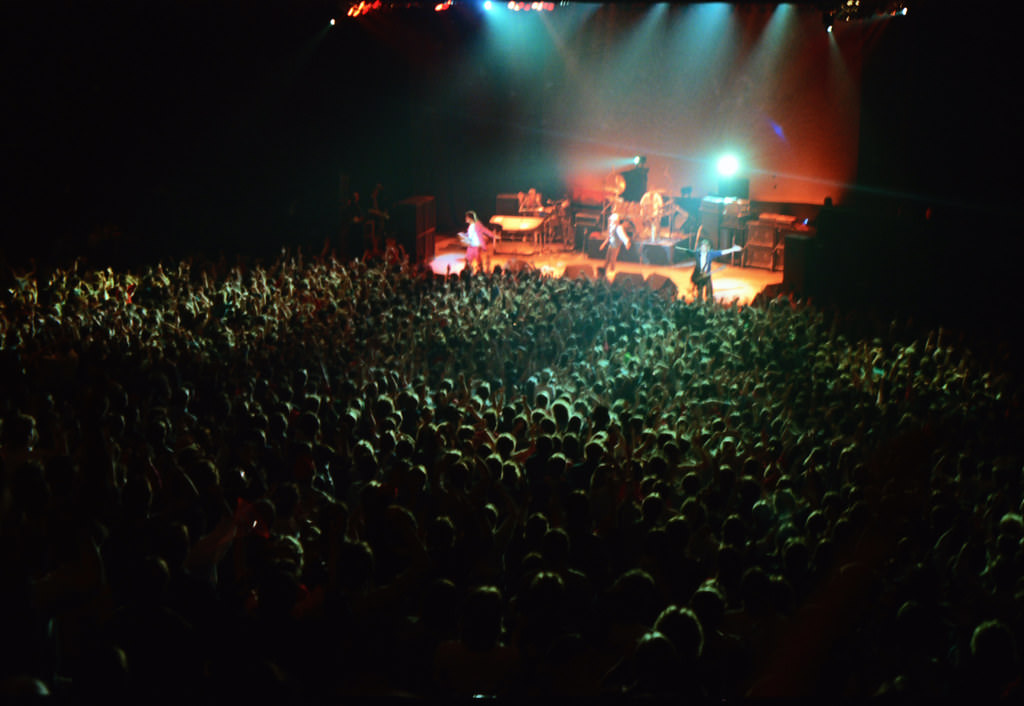
The picture of the Kinks concert at the Dane County Colosseum is cool. It seems there was a time when more bands played town rather than bypassing and going to MKE or Chicago. Thinking of Joni Mitchell’s gigs at the same venue, one tour even resulted in the cover photo for her Hejira album from 1976 as she went ice skating out on the lake.
The Coliseum (and never the corporate branded name) is what it is!
It looks better and worse at the same time