

The Czechoslovak’s economy was experiencing a severe downturn in the 1980s due to a decline in markets for its products, burdensome trade terms with several suppliers, and an excess of outdated machinery and technology. Several mass demonstrations were held in the country. On March 25, 1988, thousands of Slovaks gathered in Bratislava to demonstrate their religious freedom and human rights support. During this so-called “Candle Demonstration,” thousands of Slovaks held candles to show their support.
The first free elections were held in June 1990, in which the Civic Forum and Public Against Violence won decisive majorities; in July, Havel was re-elected as president. The newly elected government began the complex job of transitioning from communism to democracy by privatizing enterprises, reorganizing foreign policy, and drafting a new constitution. In June 1991, the last Soviet forces left Czechoslovakia, and the Warsaw Pact was dismantled the following month. In January 1993, Czechoslovakia split into two sovereign states, the Czech Republic and Slovakia.
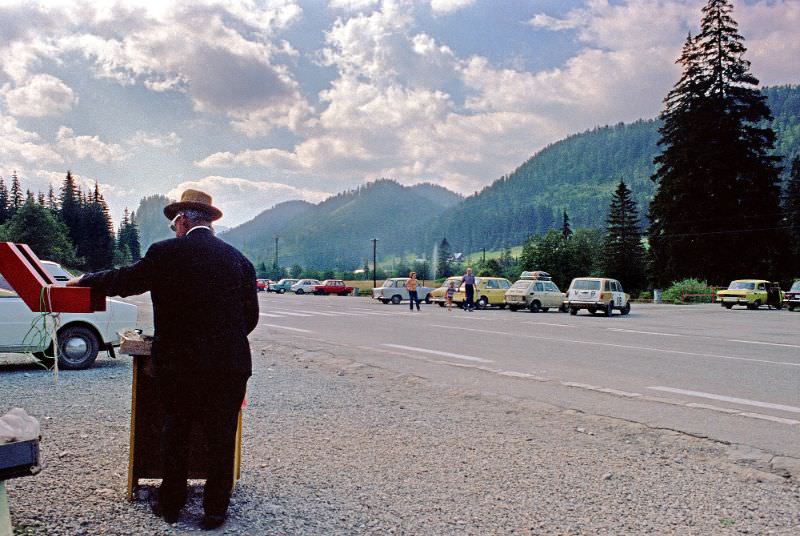
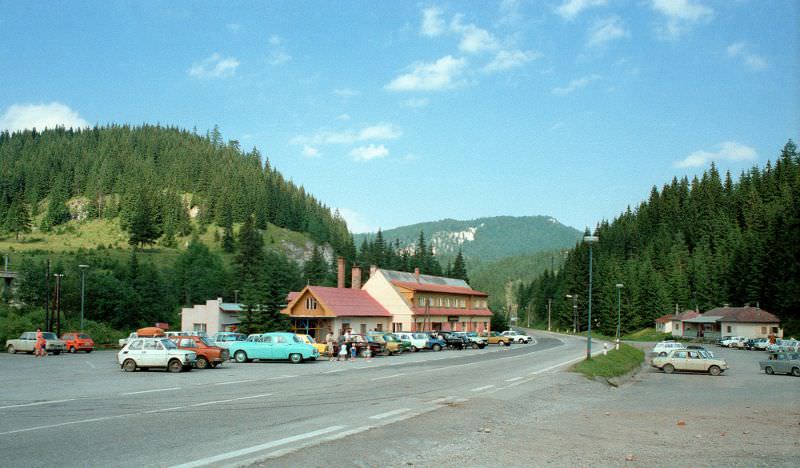
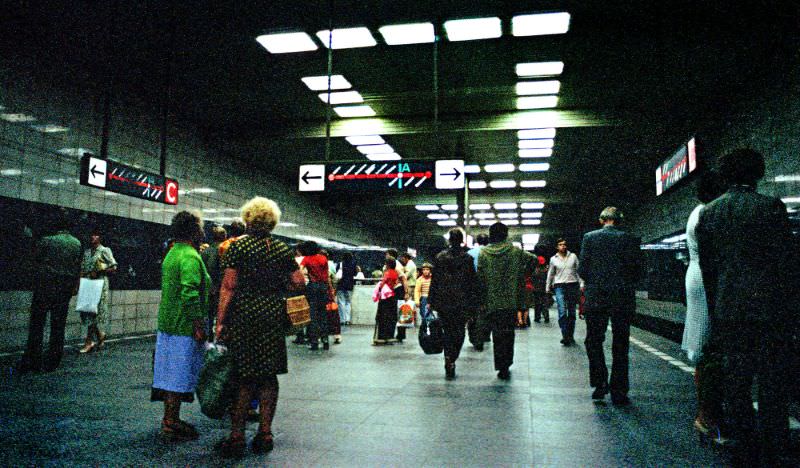
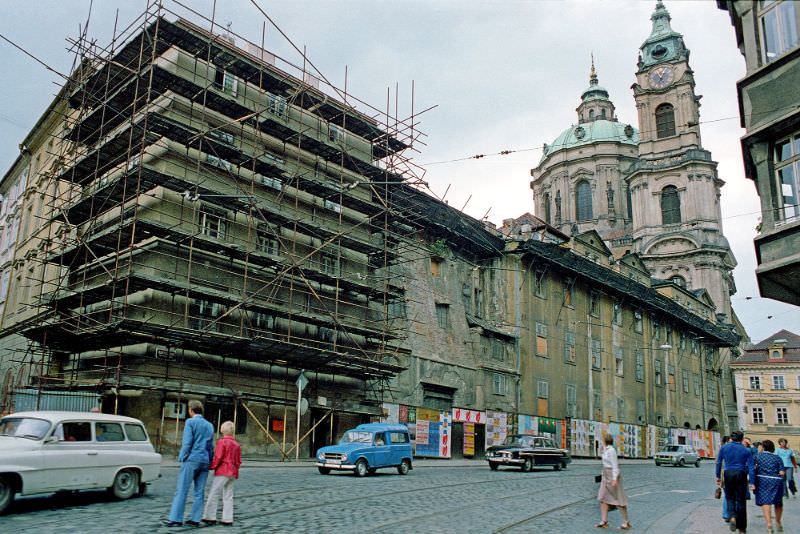
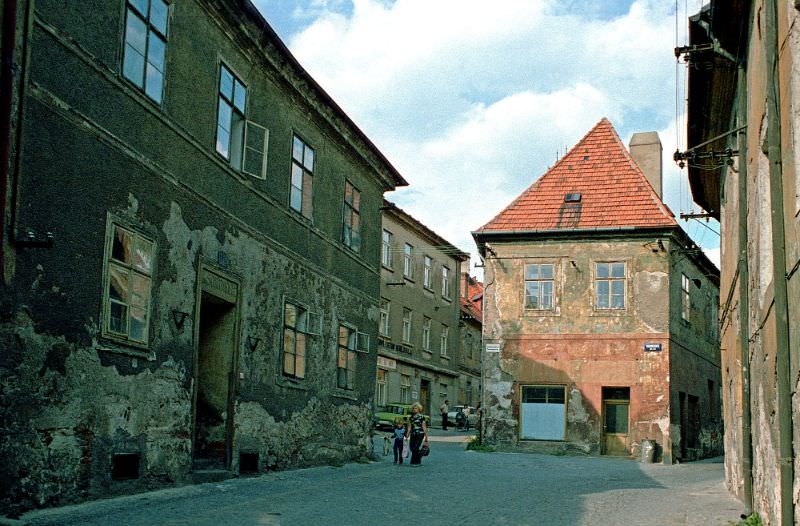
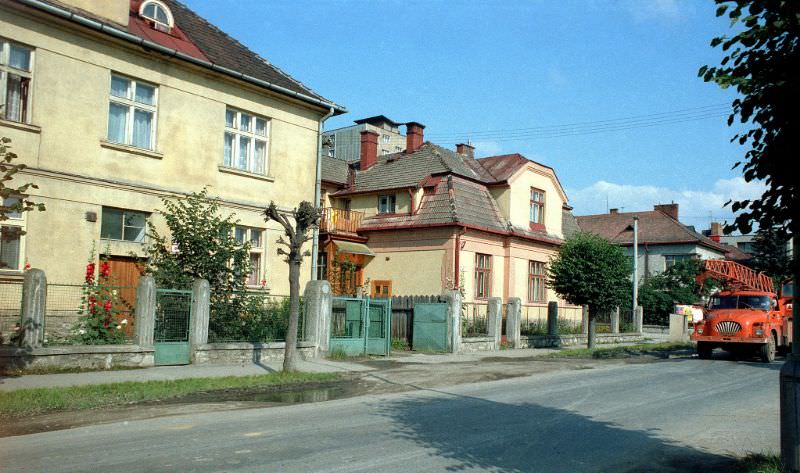
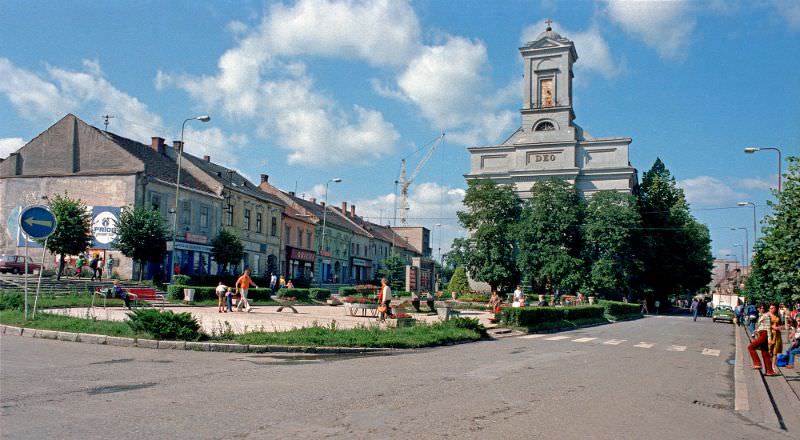
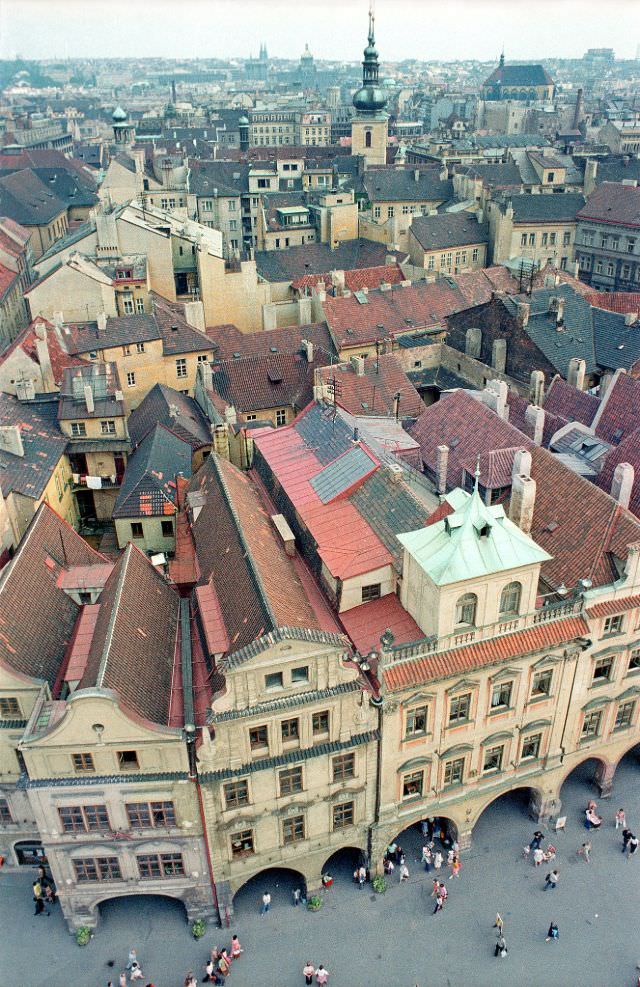
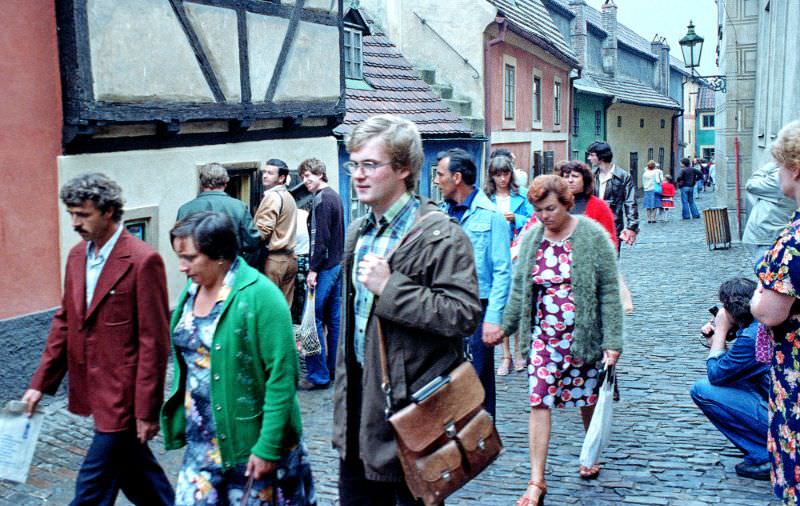
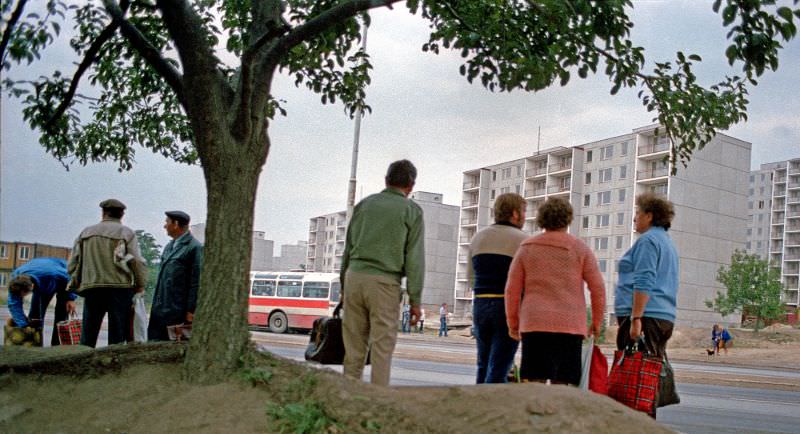
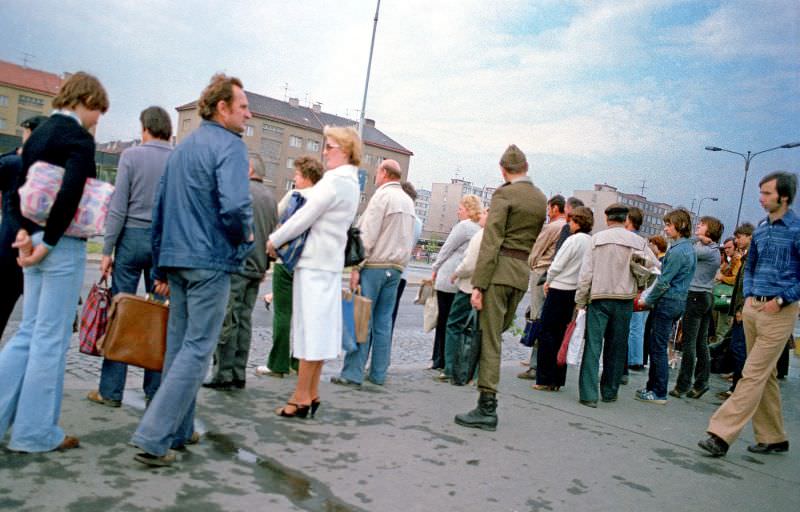
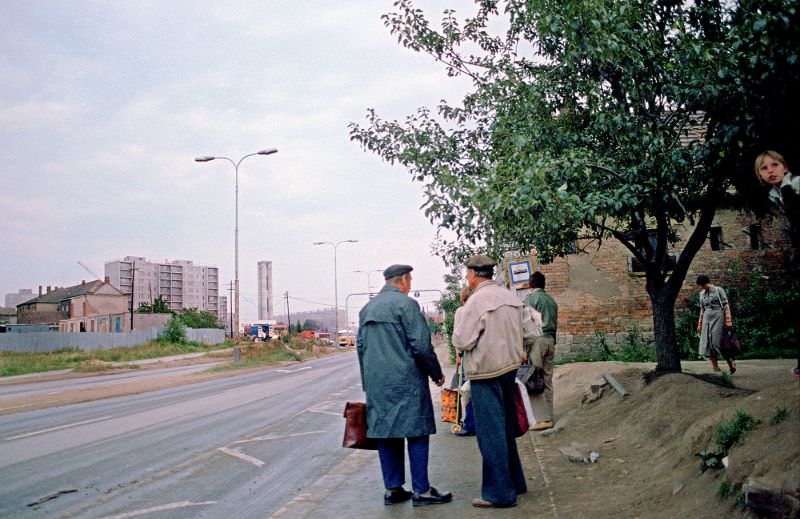
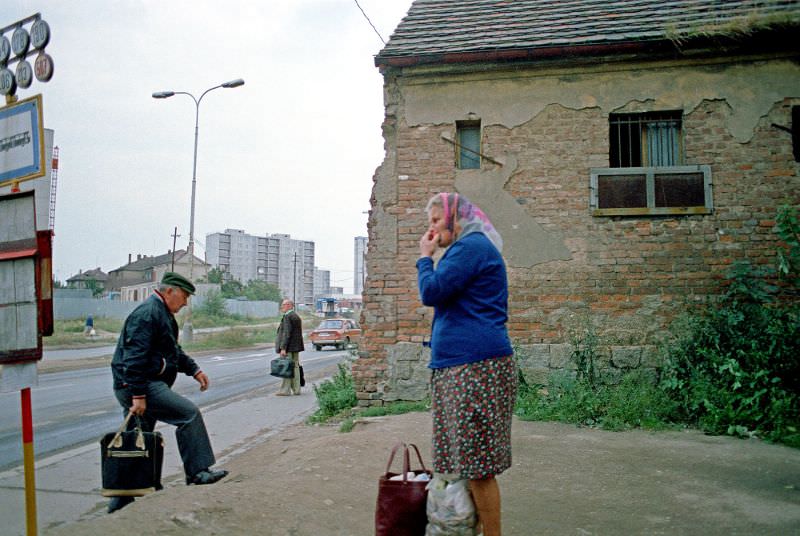
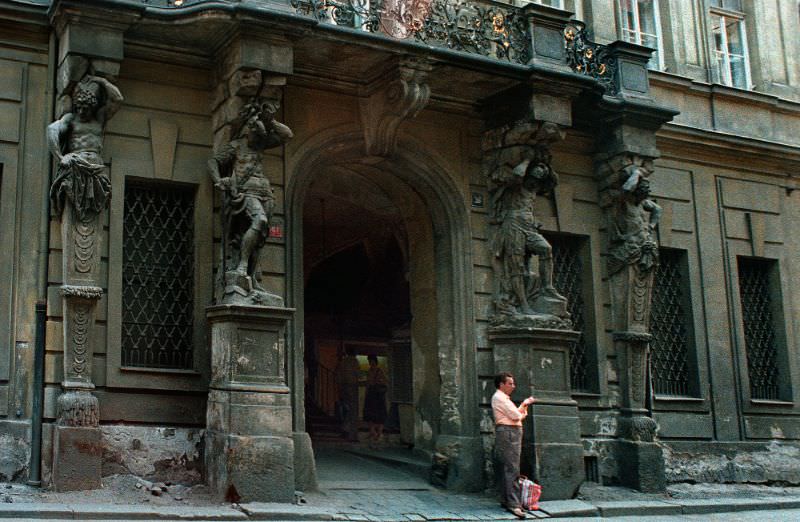
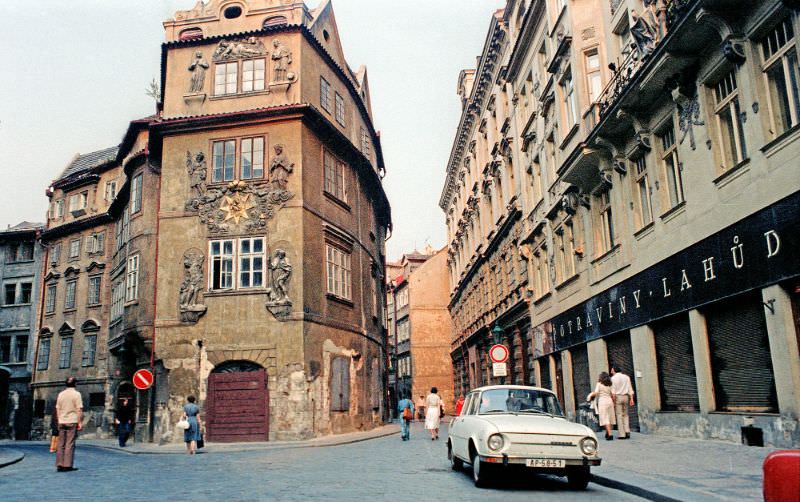
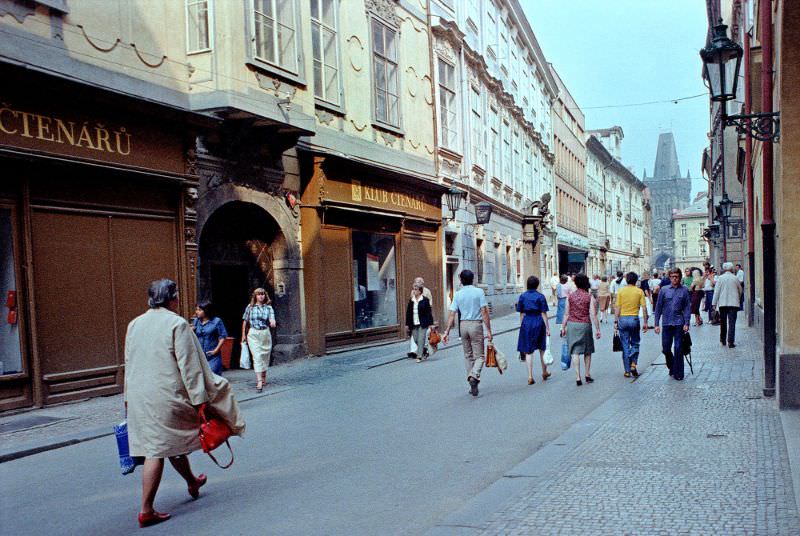
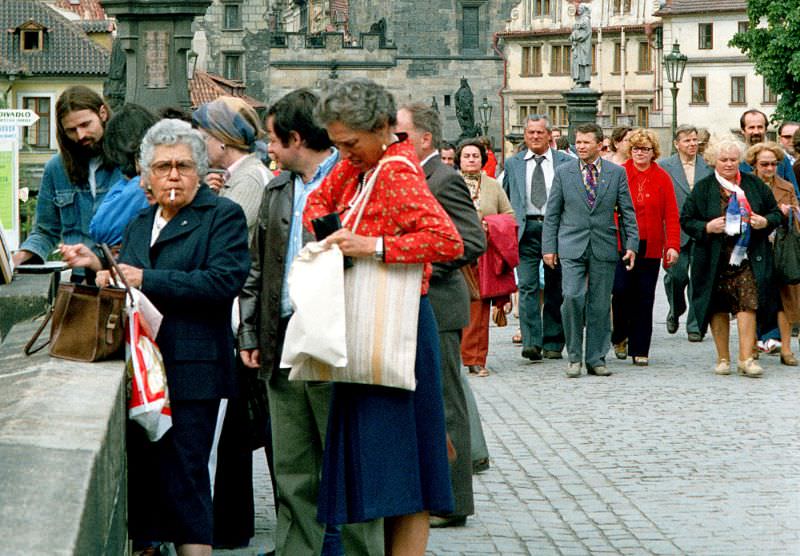
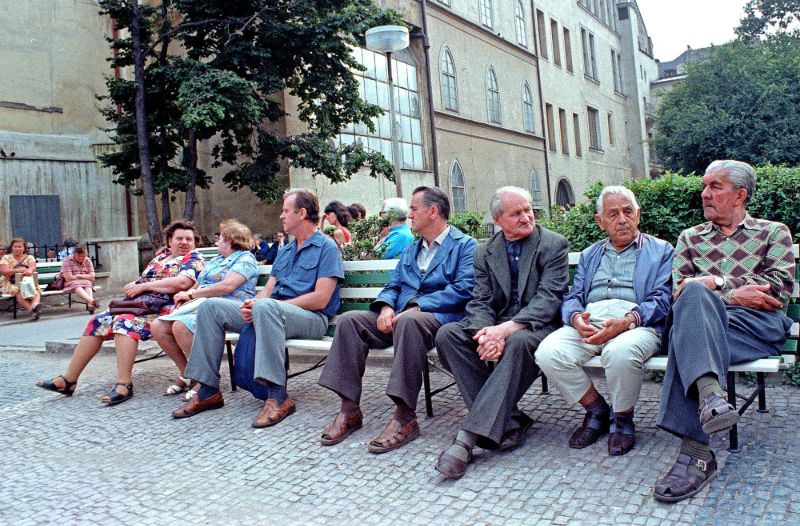
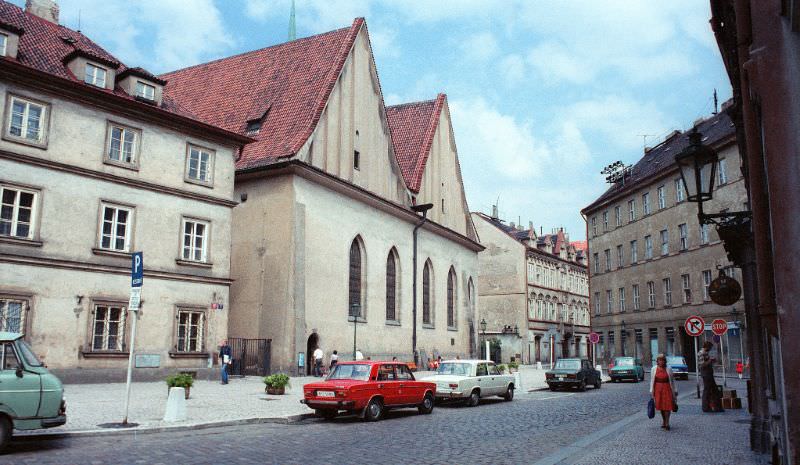
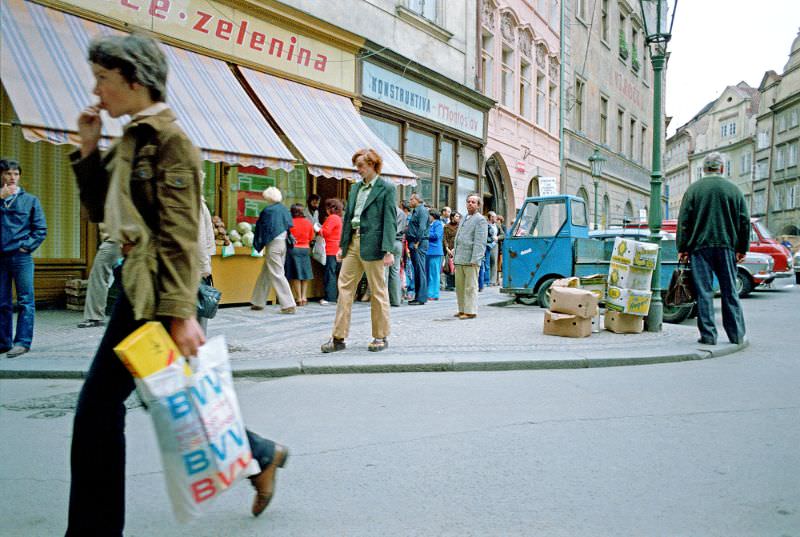
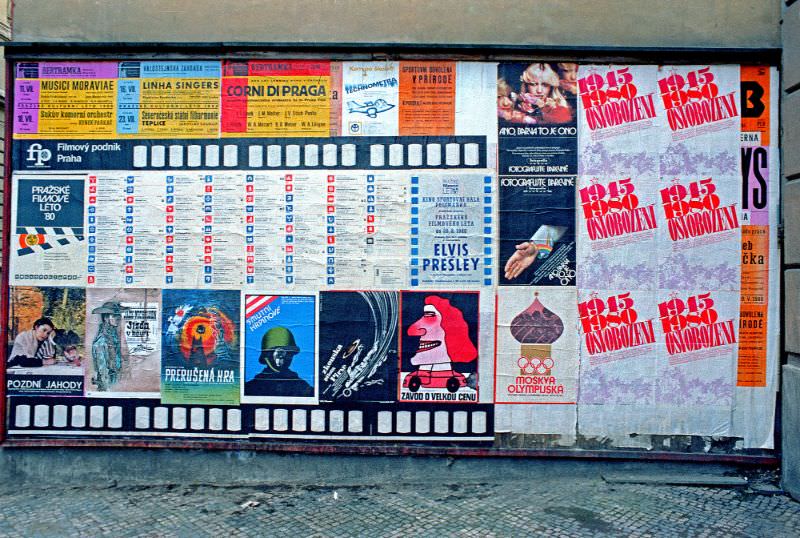
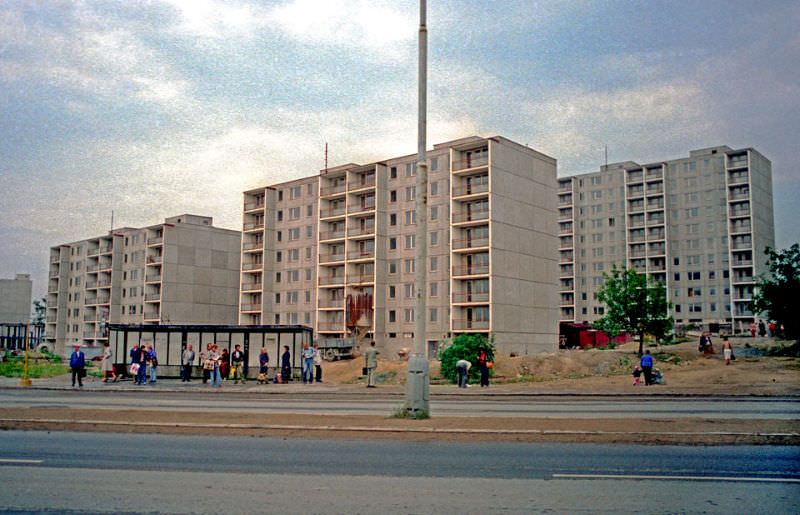
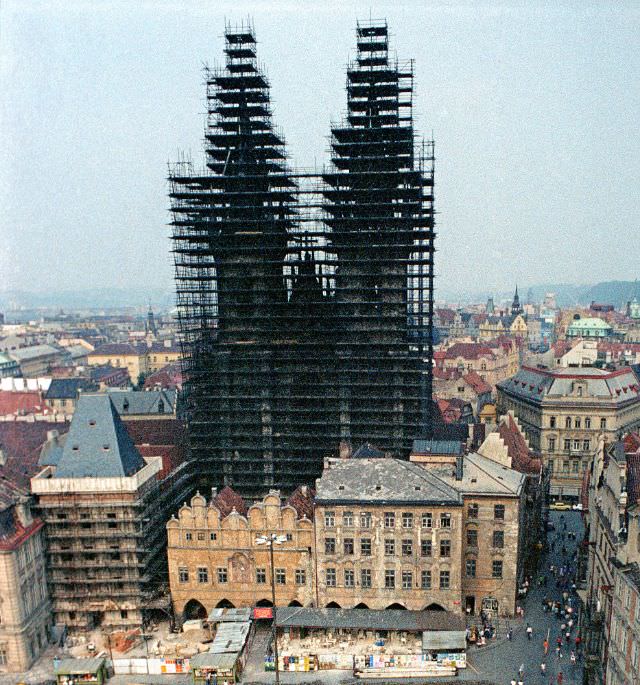
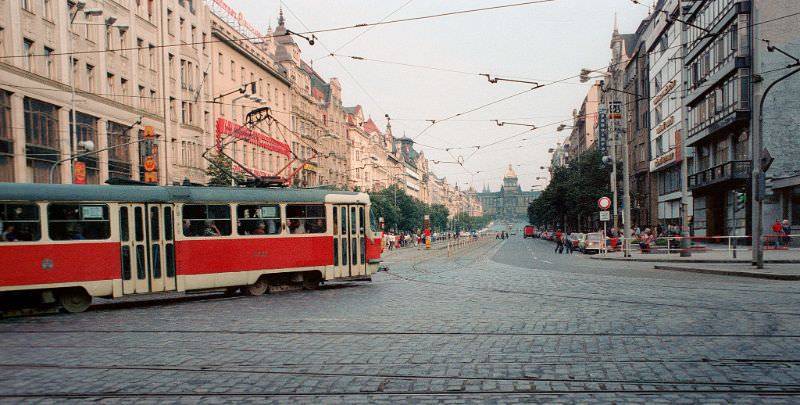
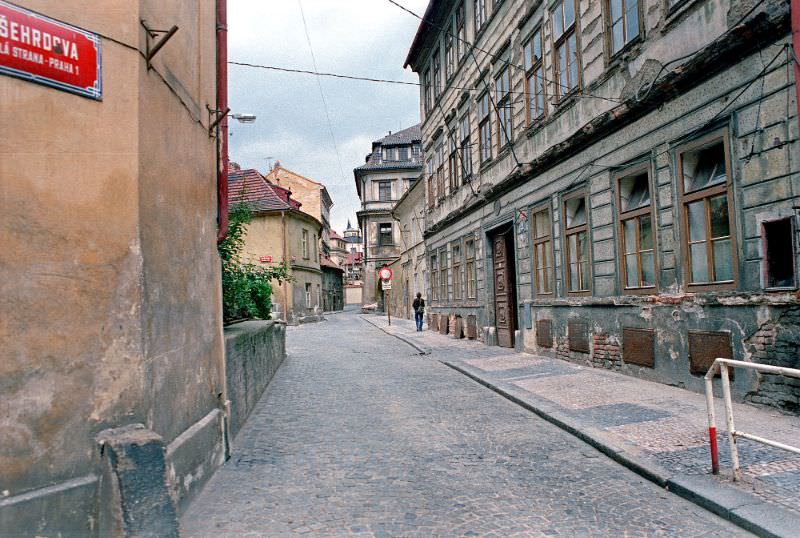
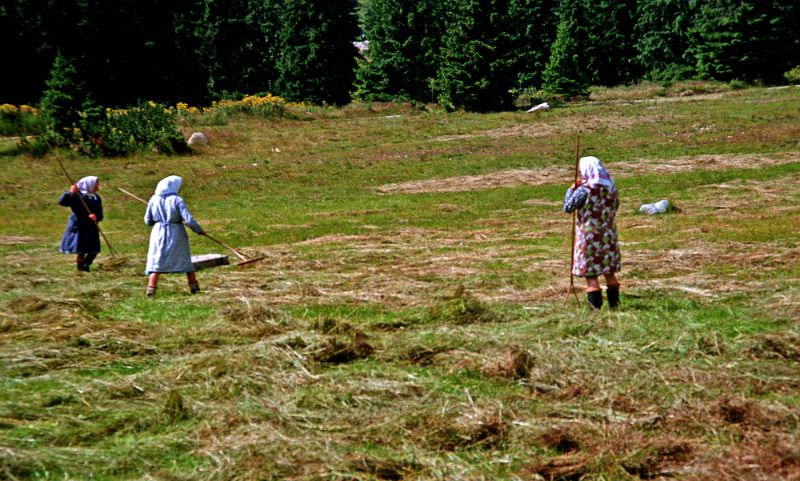
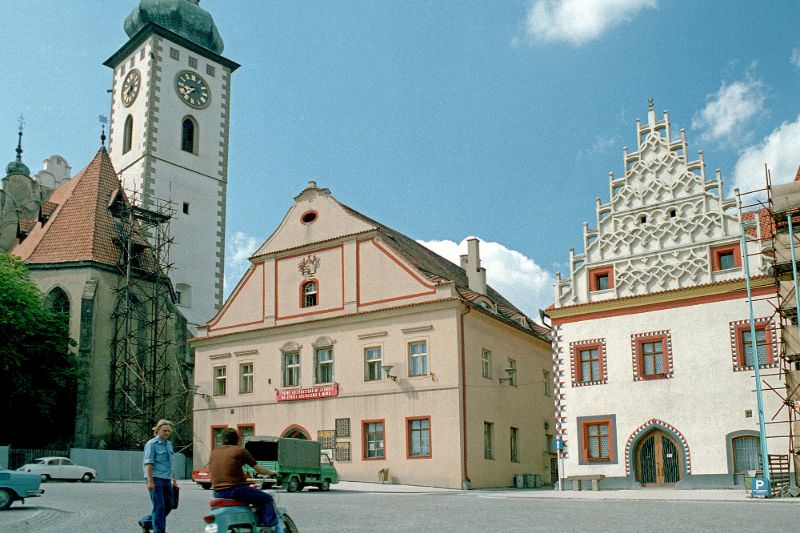
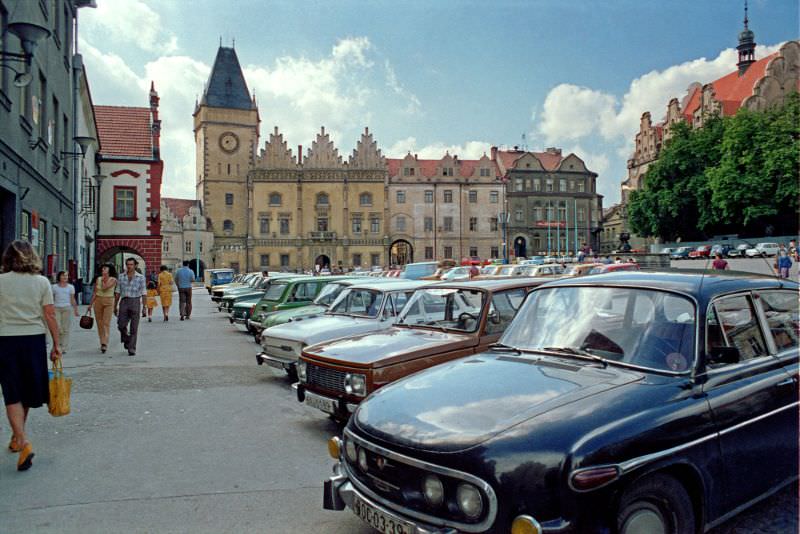

Old city photos ( old town Bratislava) where junkies had a heroin niddle ( nose, whatever) to hand relationship please
*nemam fotky a milion situacii som zažil. 90s az 2010
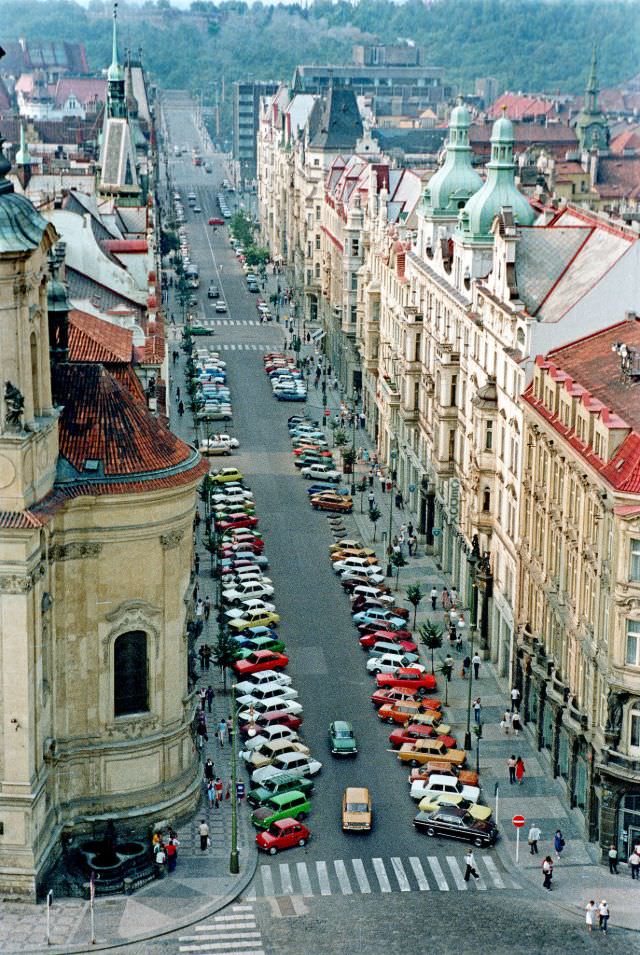
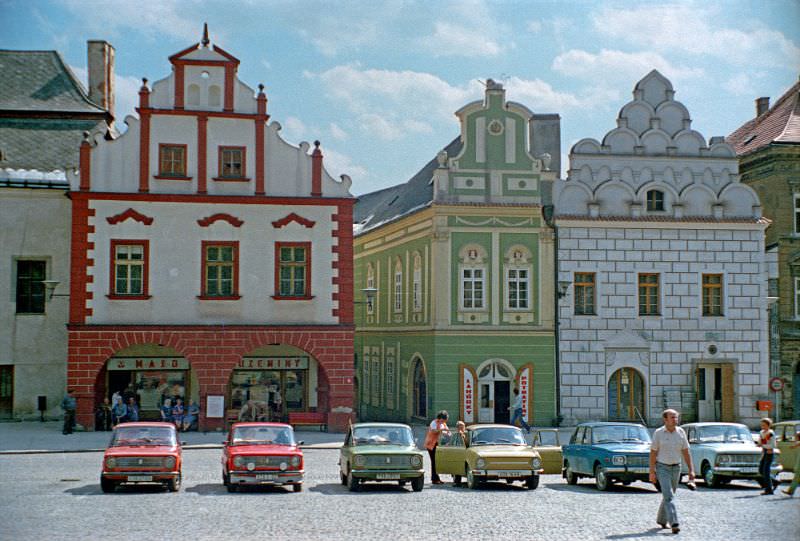
páči sa mi, že na uliciach (možno okrem výkladov) neboli žiadne reklamy, ale zase autá mohli asi parkovať aj v sakristii kostola. Sú všade
Reklamy neboli lebo sukrovny sektor neexistoval 😃 Mama do teraz spomina ako v telke bola reklama na jablka. Na obrazovke kopa jablk, prisla ruka, jedno jablko zobrala a hlas povedal “Jablká! Jablká! Jablká!”. A to bolo vsetko 😃 Ziadna znacka, ziadny nazov obchodu, nic. Jablka pestoval len stat a kupit sa dali len v statnych podnikoch. Vybavene 😃
Prechodná fáza zo socializmu do demokracie (post-socializmus)
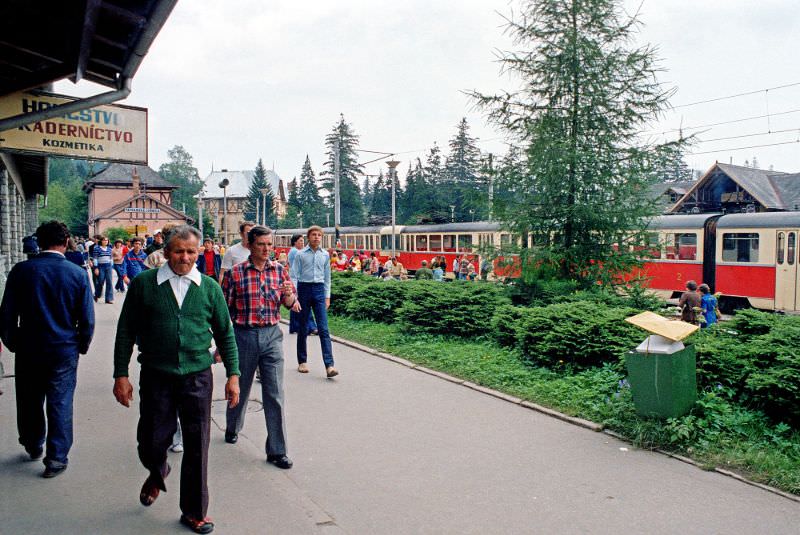
Ach to boli krasne casy, po Banskej Stiavnici jazdili trolejbusy…
Polka fotiek oznacenych ako Banska Stiavnica je Banska Bystrica