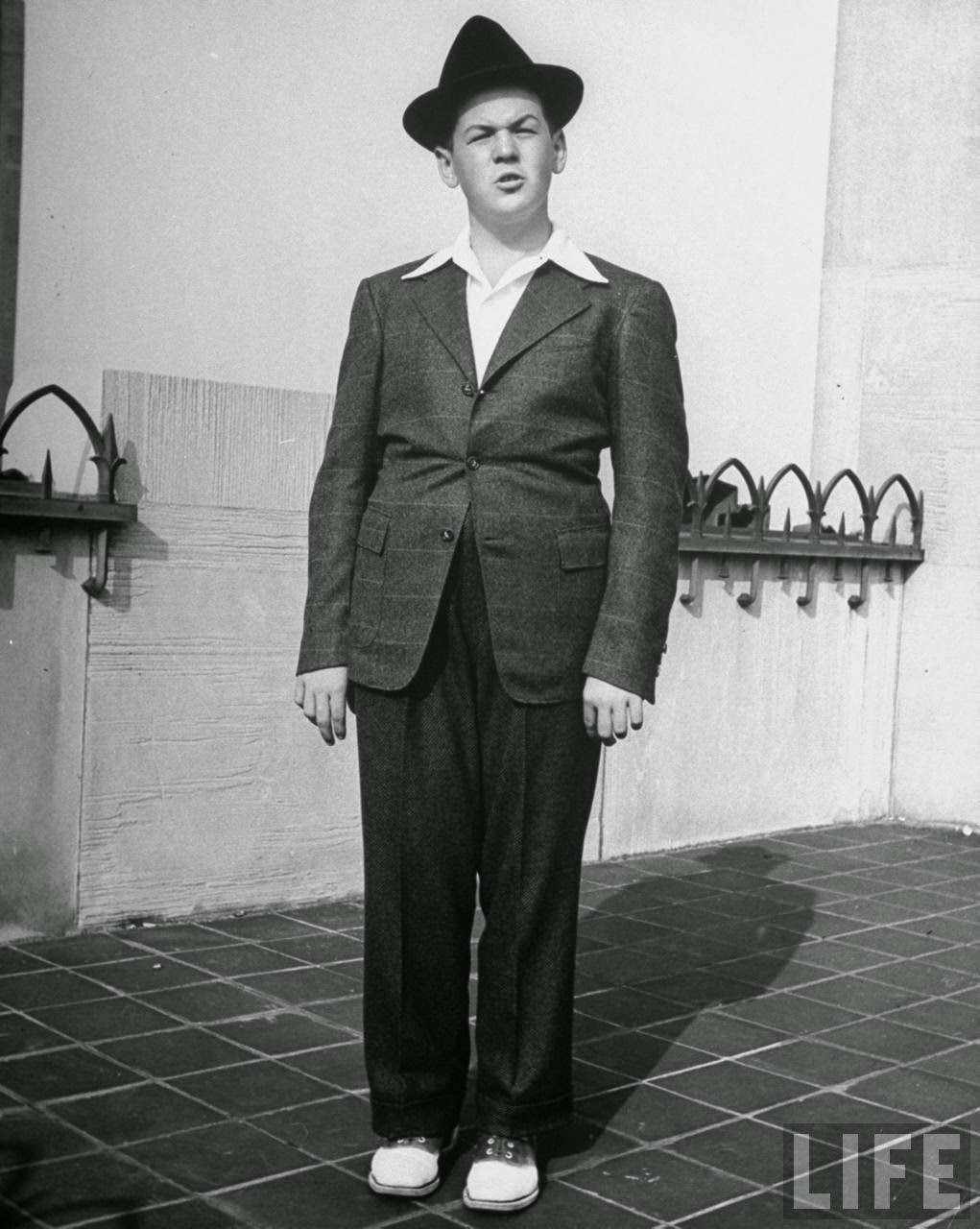
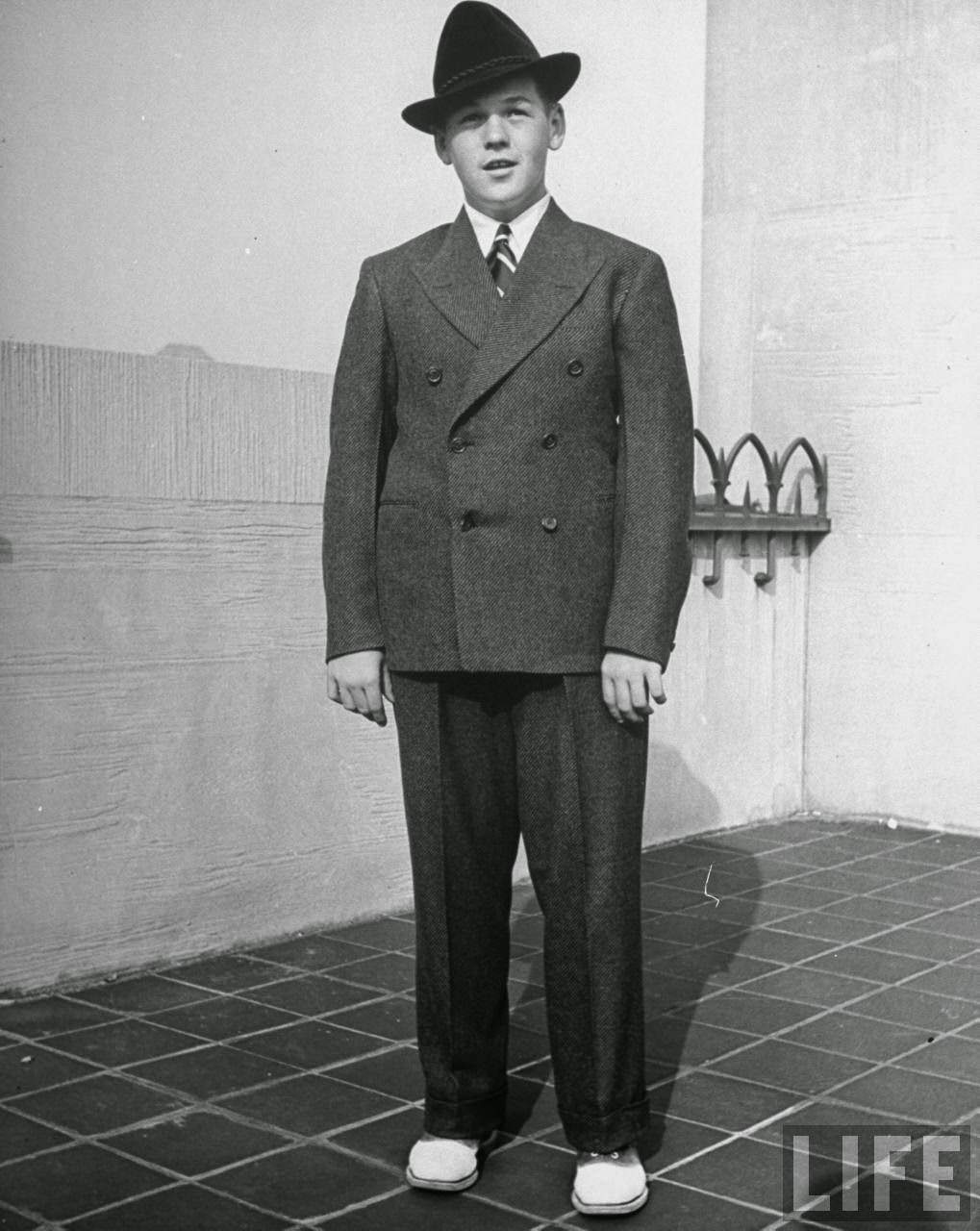
In 1939, children’s clothing followed strict social rules. Adults expected boys and girls to dress in ways that matched age, gender, and setting. Clothing signaled good behavior, proper upbringing, and family standards.
Rules for Boys’ Clothing
Young boys dressed in outfits that balanced comfort and formality. Until the age of twelve or thirteen, boys wore long socks pulled up to the knee. These socks were paired with shorts or trousers, depending on age and occasion.
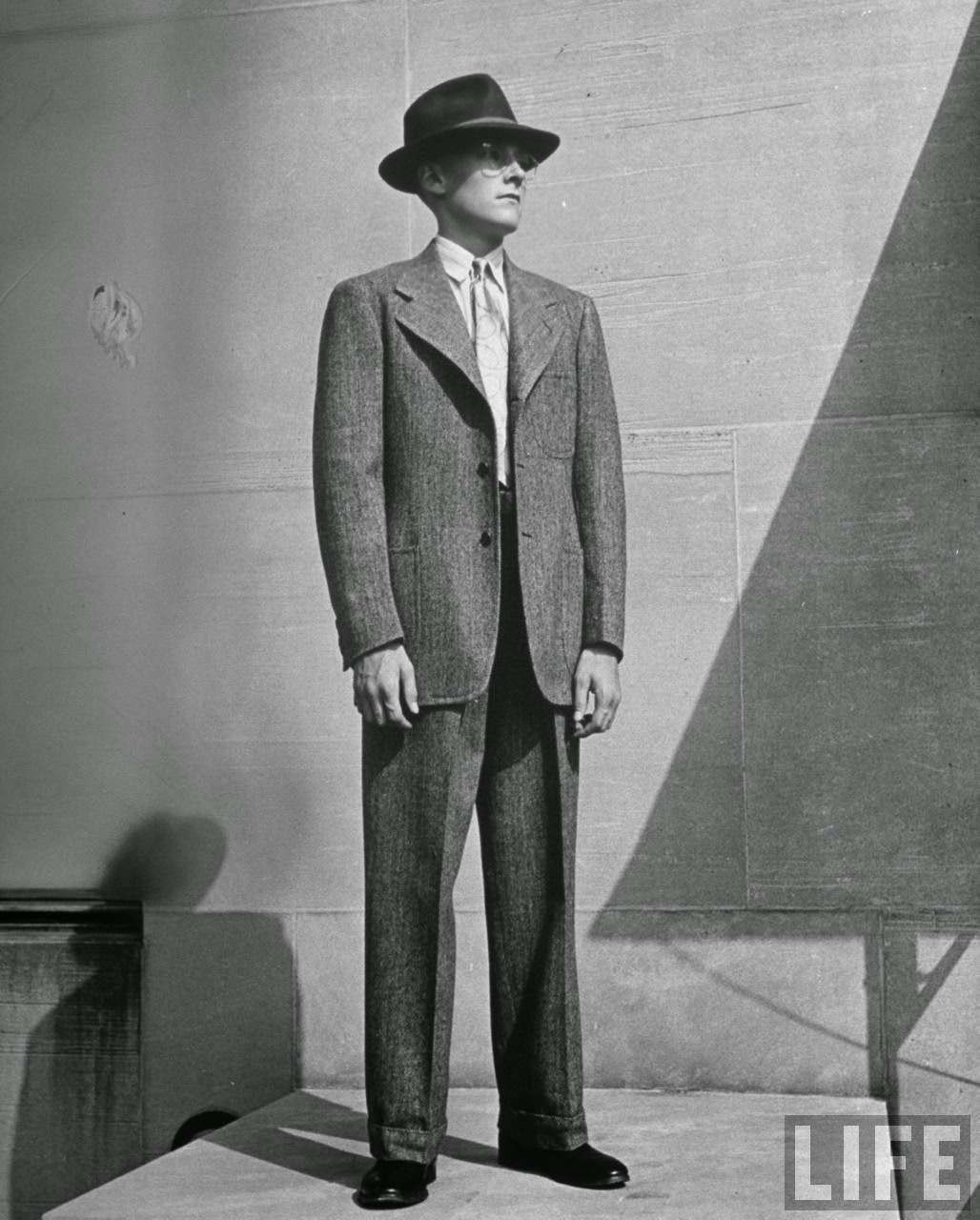
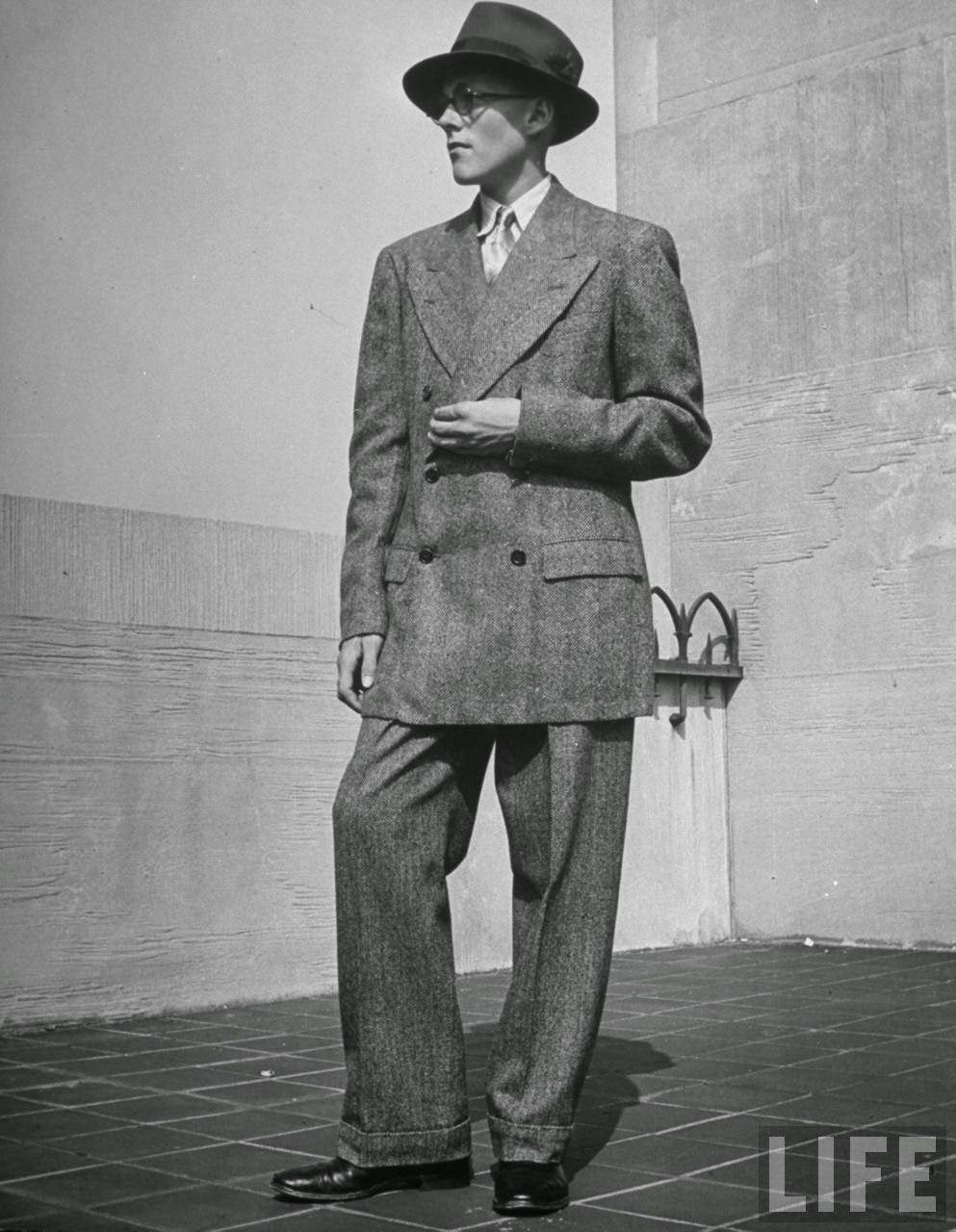
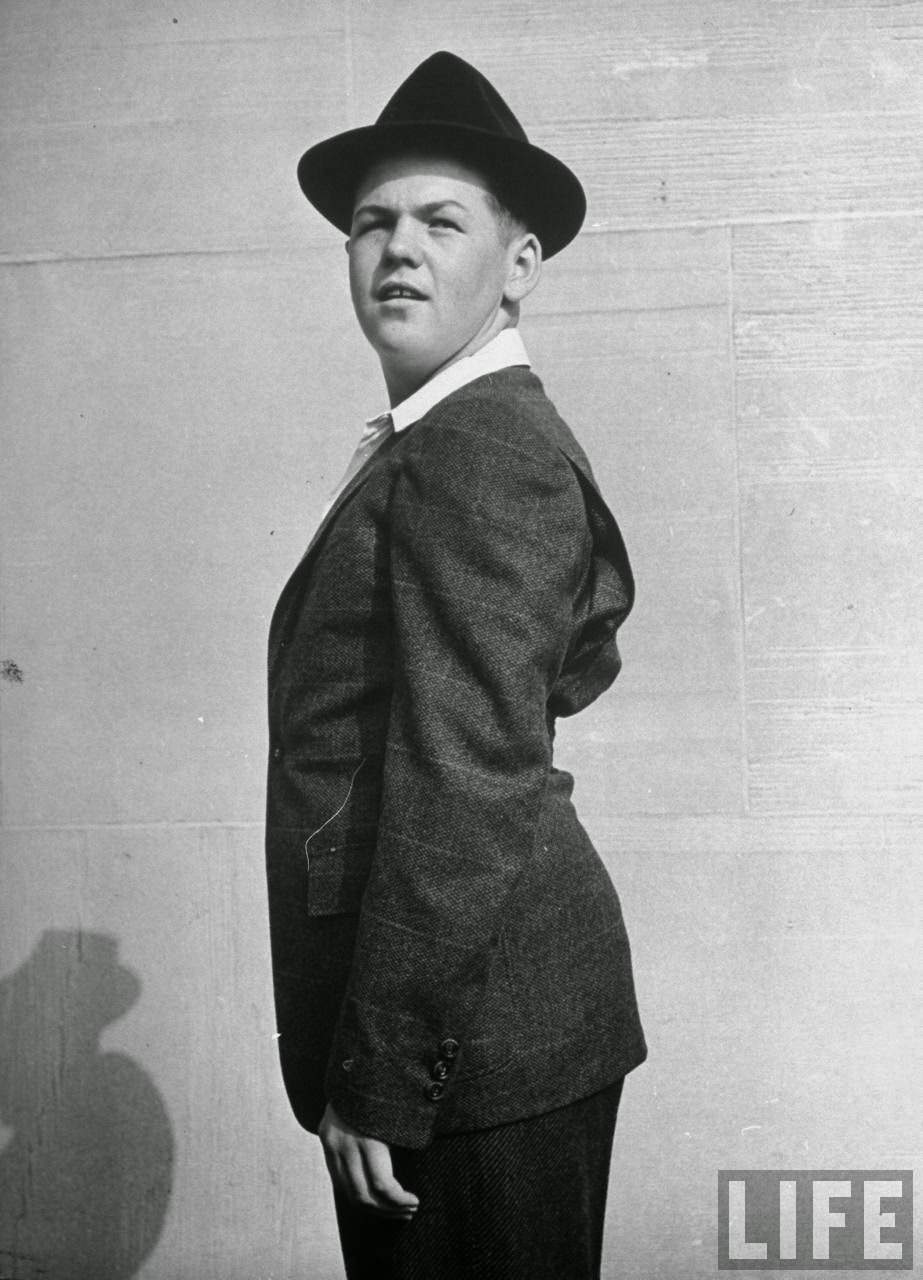
Blazers and structured jackets were common. Many outfits included a buttoned shirt and a tie, even for everyday wear. A boy dressed without these items in public risked being seen as careless or improperly raised.
Short trousers were considered correct for younger boys. Long trousers signaled the move toward adolescence. Wearing long trousers too early was viewed as wrong and inappropriate for a child.
Everyday vs. Formal Wear for Boys
School, church, and public outings required neat clothing. Jackets stayed buttoned, and shirts were tucked in. Casual dress existed but remained tidy.
Denim was not widely accepted for formal settings. Play clothes were separate from school clothes. Mixing the two suggested poor discipline.
Read more
Rules for Girls’ Clothing
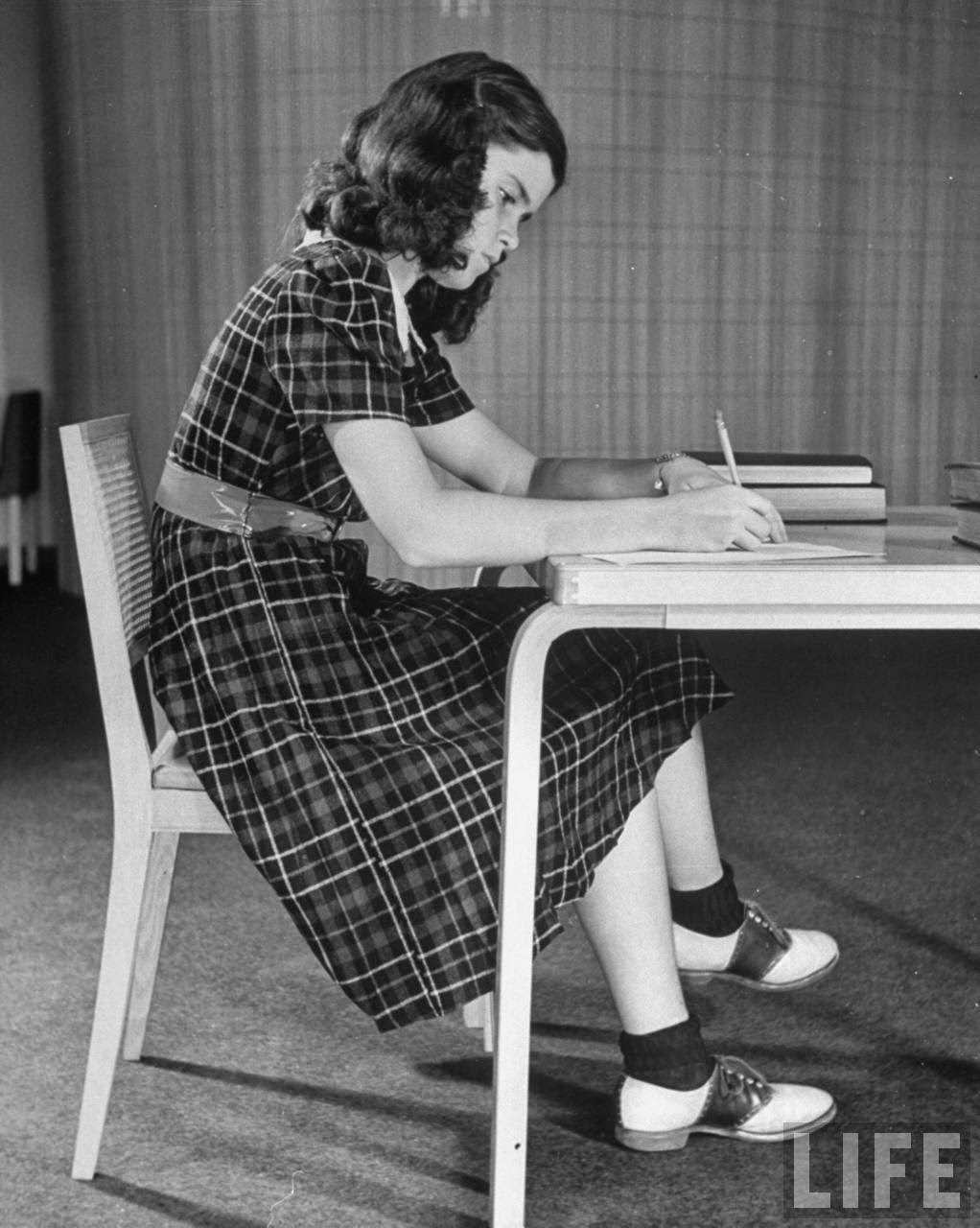
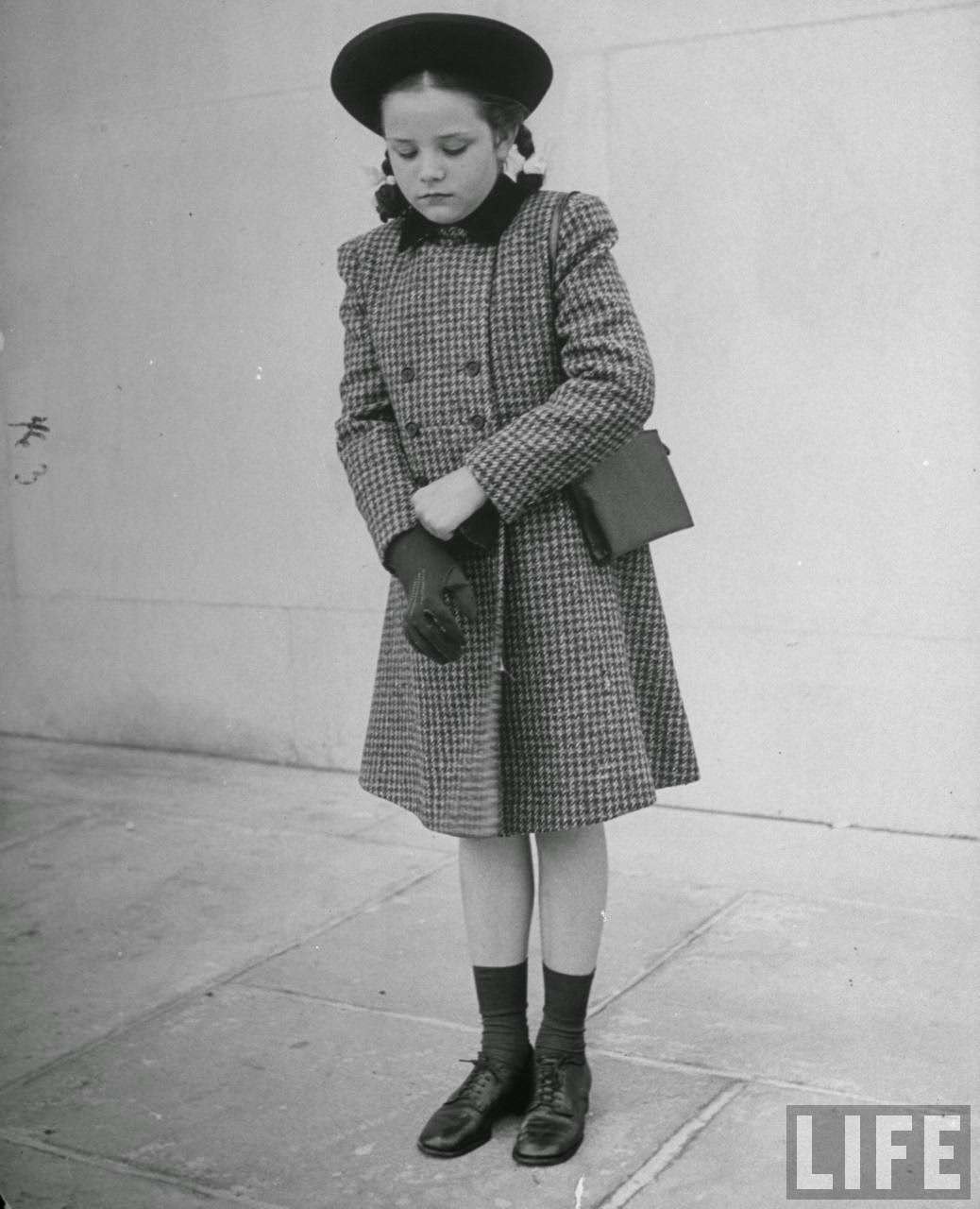
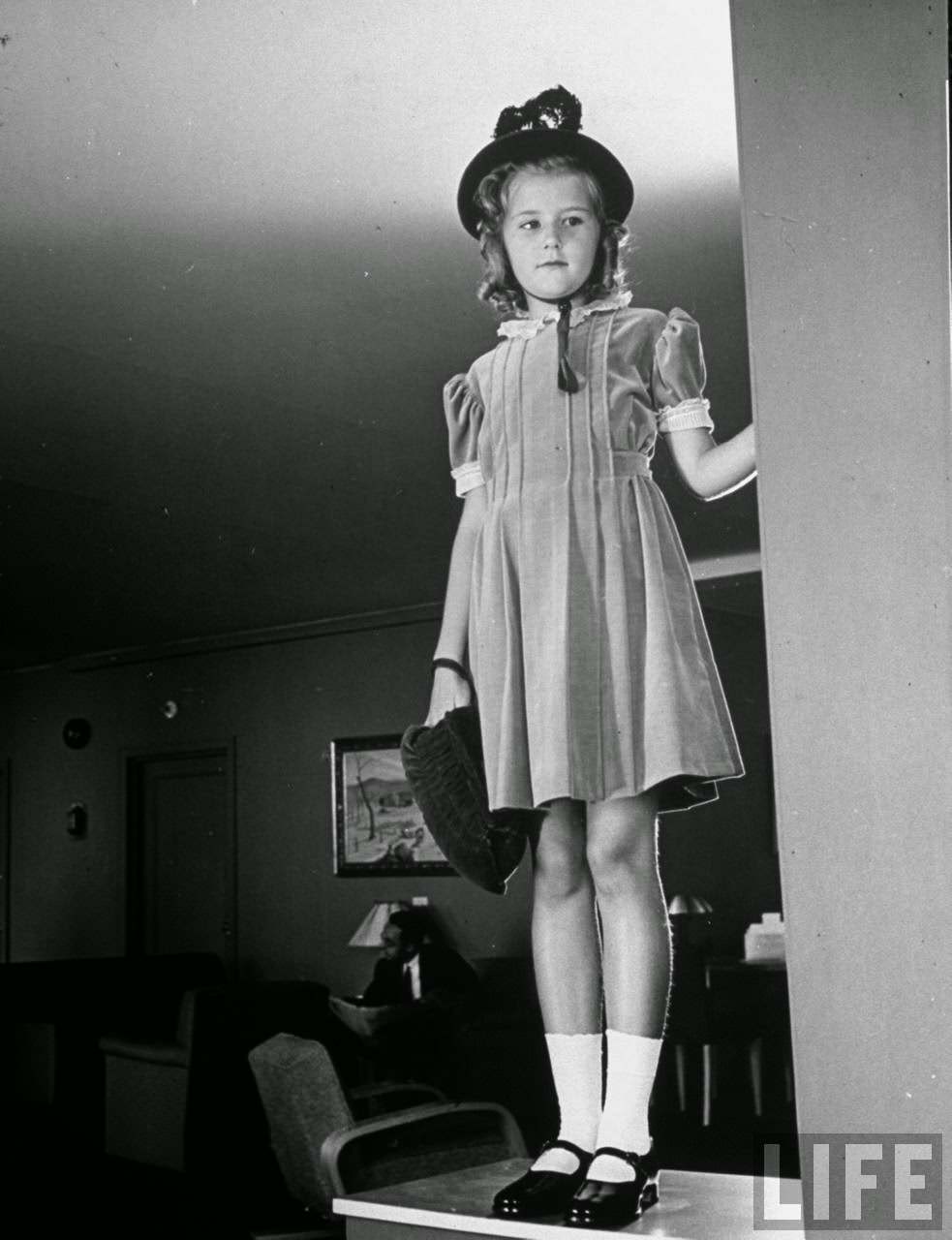
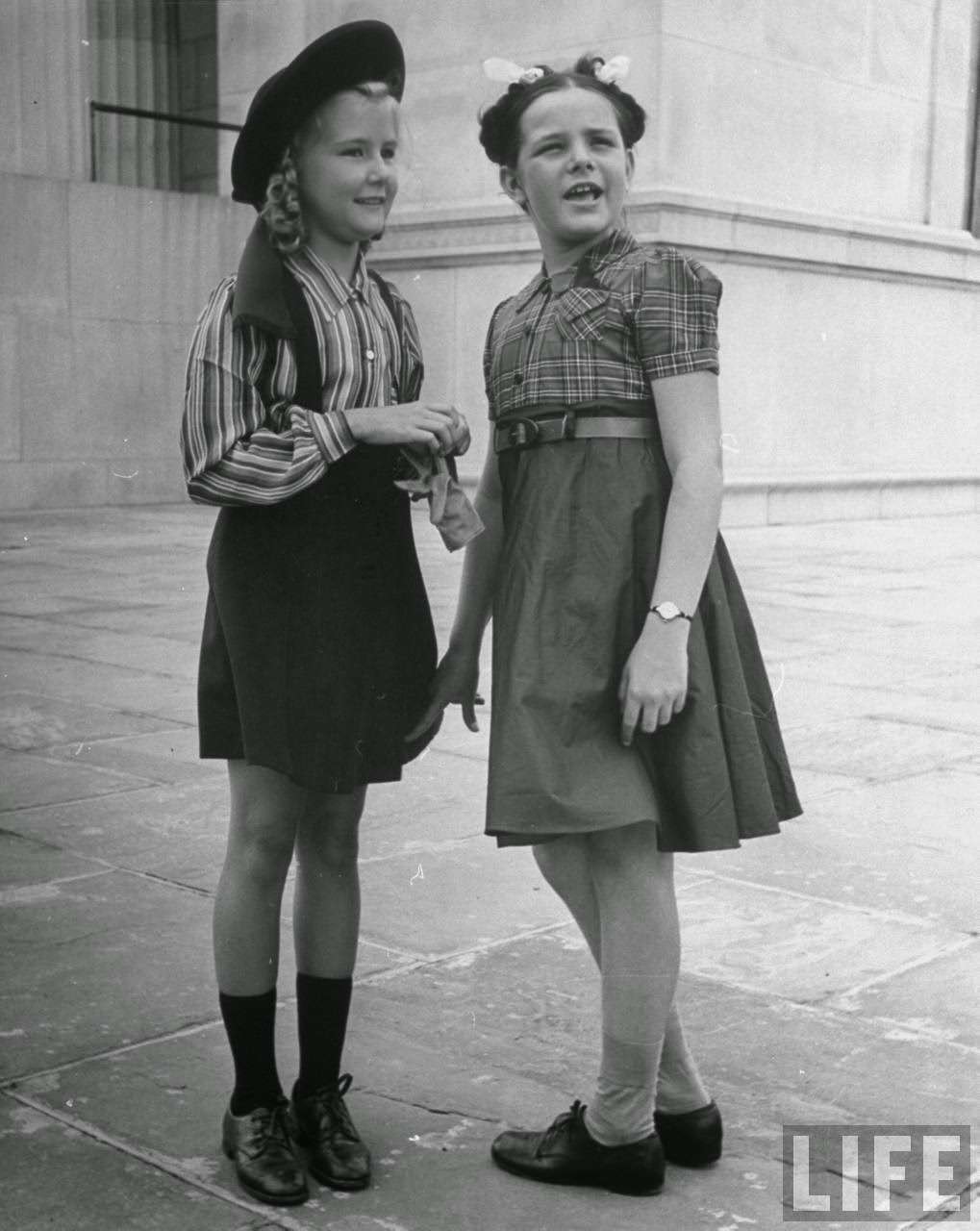
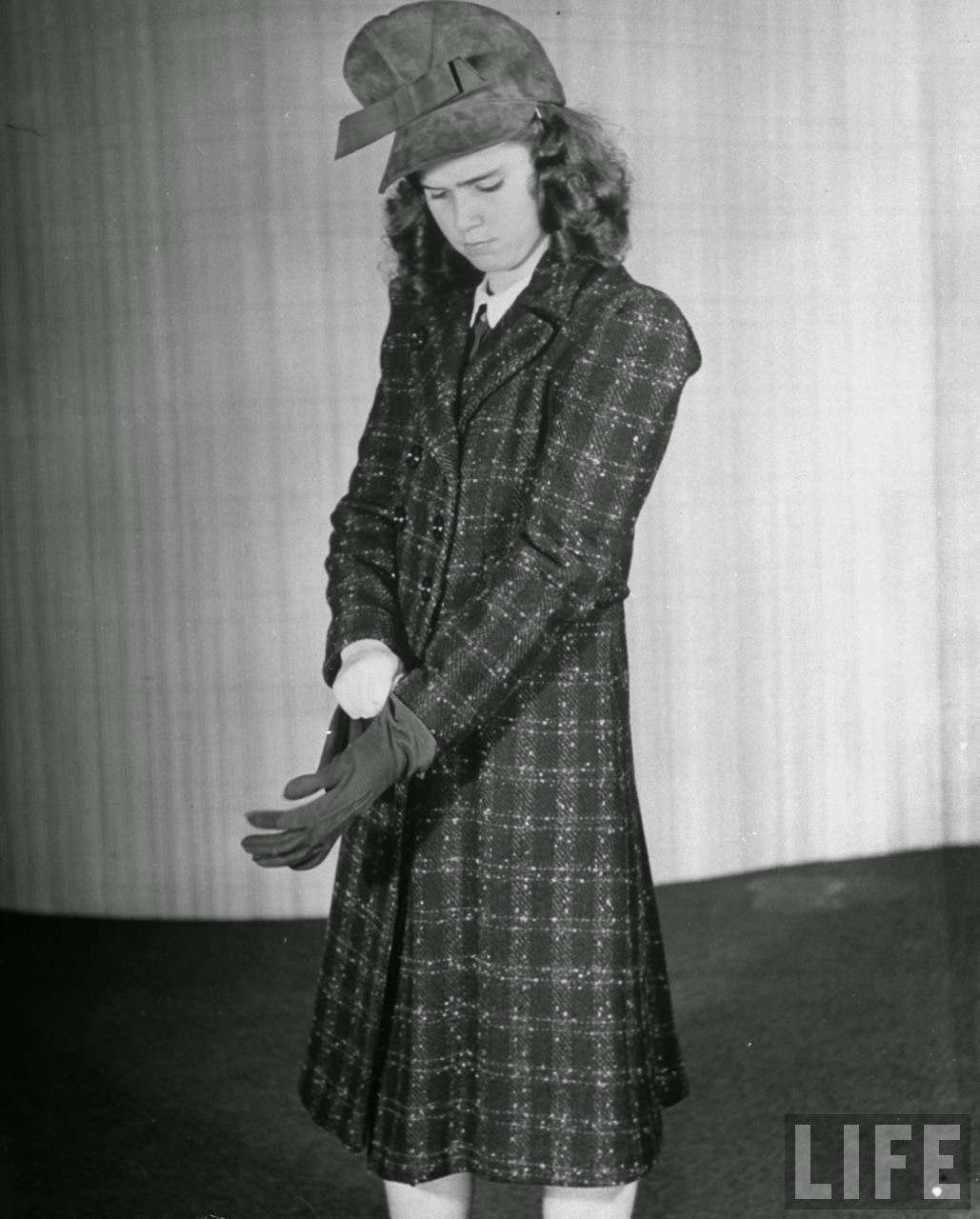
Girls wore dresses almost all the time. Dresses were expected at home, school, and social events. Trousers were not considered proper for older girls.
Young girls could wear overalls while playing. These outfits allowed movement and protected clothing. Once girls grew older, dresses became mandatory.
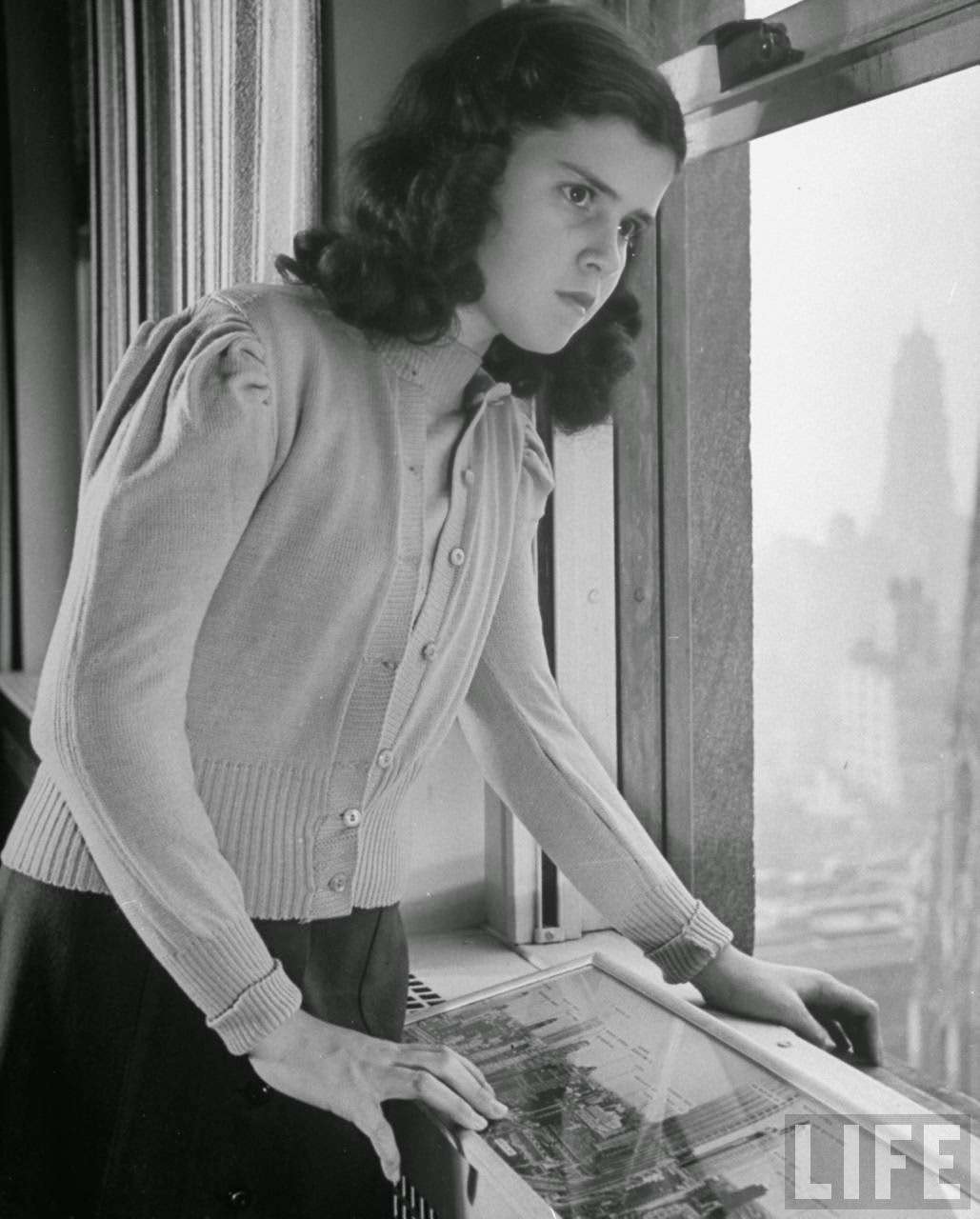
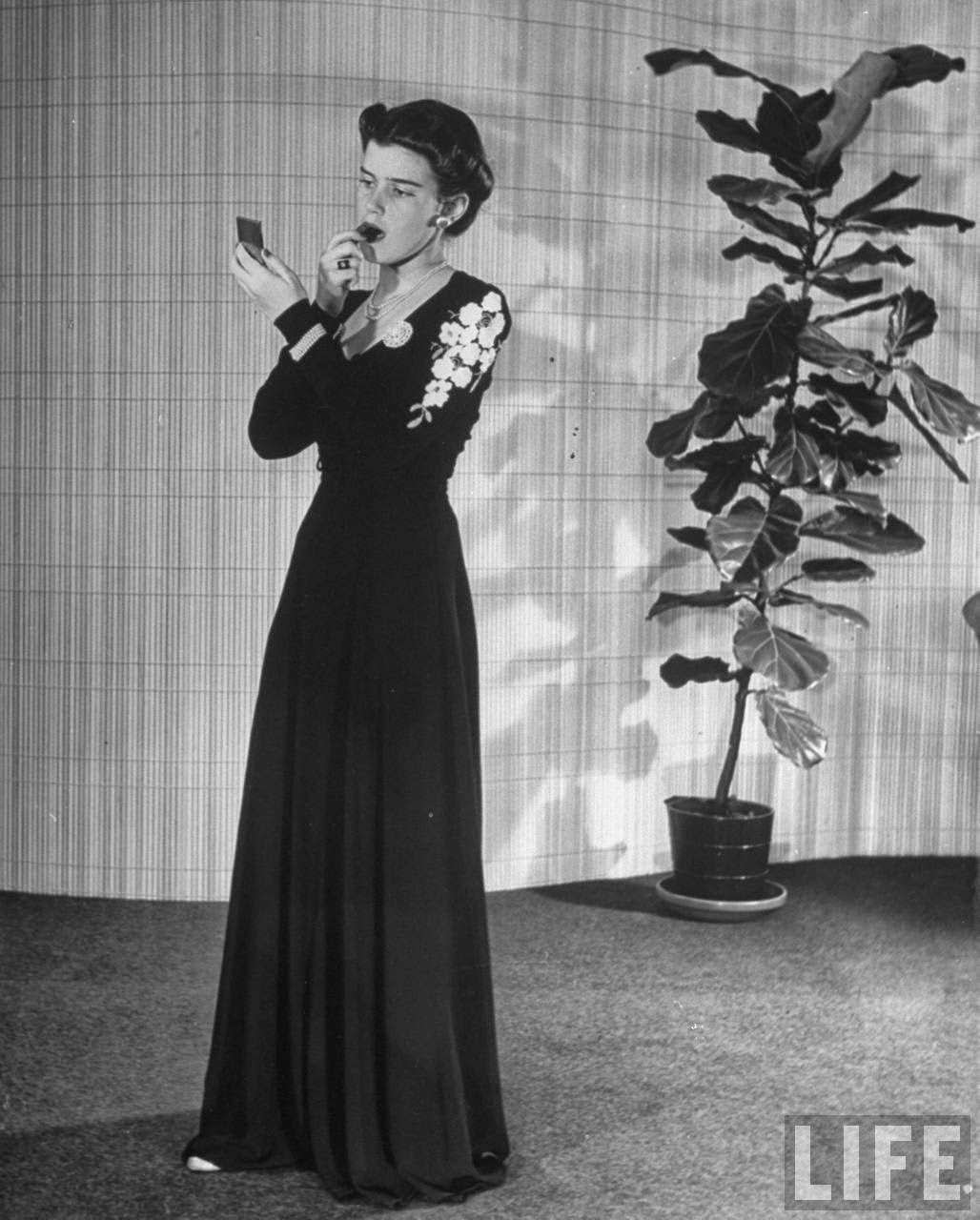
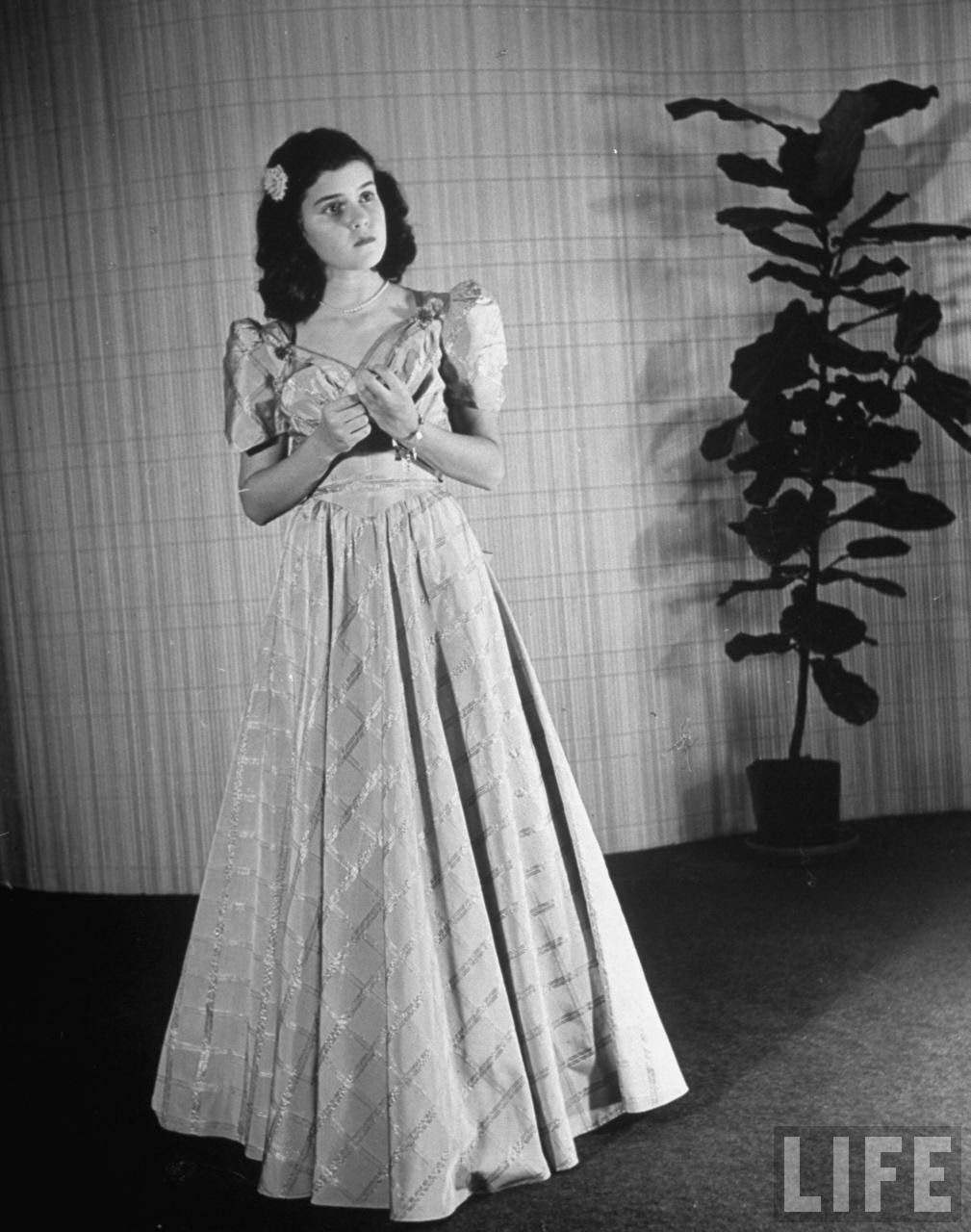
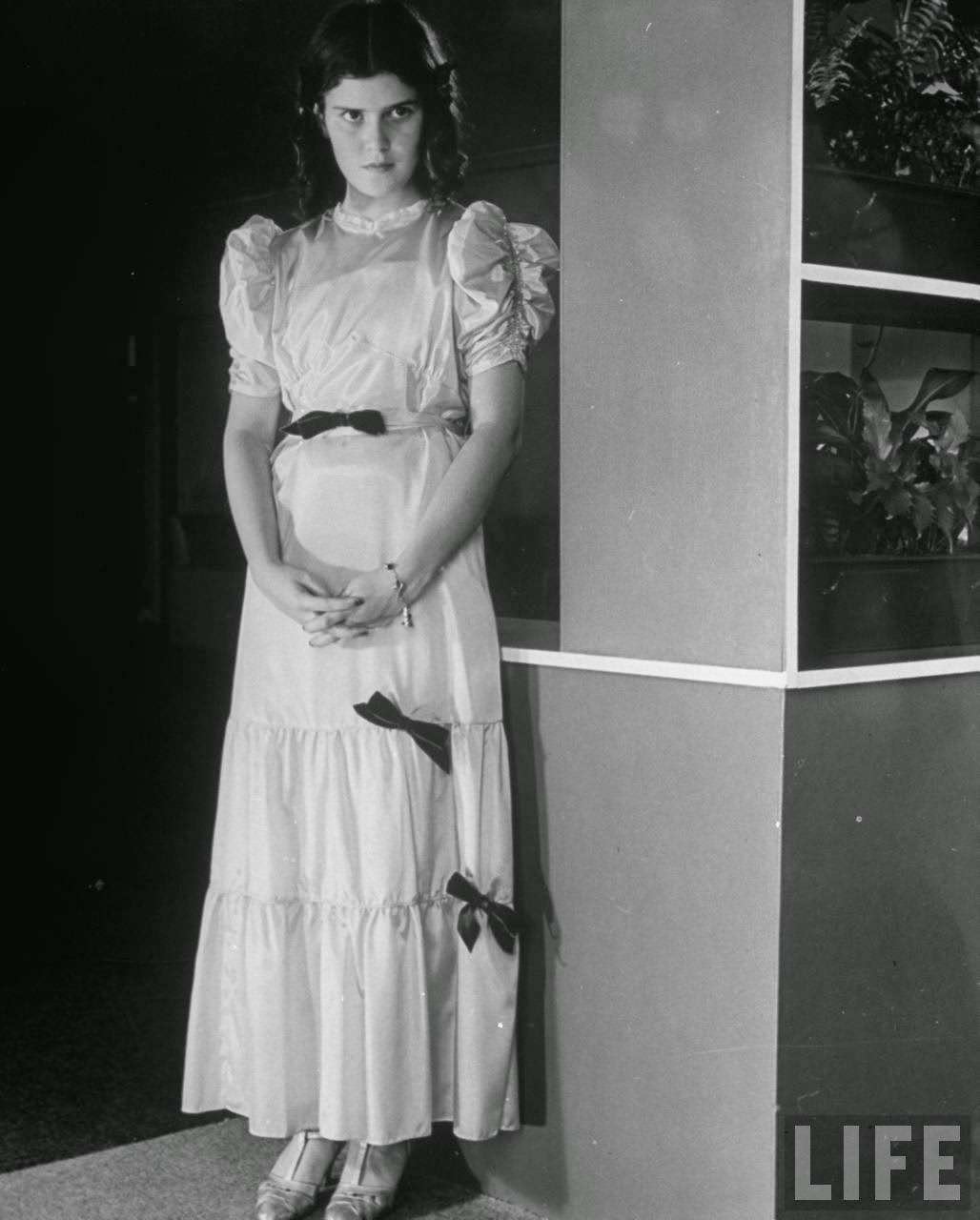
By the age of sixteen or seventeen, girls dressed like adult women. Their dresses followed similar shapes but were simpler in design. Colors were often soft pastels rather than bold shades.
Dress Shape and Appearance
Girls’ dresses had modest cuts. Hemlines fell below the knee. Sleeves were common, even in warmer months.
Clothing emphasized neatness over fashion. Pressed fabric, clean collars, and proper fit mattered more than decoration. Clothing that appeared flashy or grown-up too early was viewed as wrong.
School Uniforms and Daily Standards
Many school-age children wore uniforms. These outfits reduced choice and reinforced discipline. Uniforms helped maintain a clear standard of right dress.
At school, improper clothing stood out quickly. Teachers and administrators enforced dress rules. Children learned early that clothing reflected character.
Wartime Rationing and Homemade Clothing
World War II rationing affected nearly all children’s clothing. Many garments were knitted or sewn at home. Store-bought clothing was limited and expensive.
Families reused fabric and passed clothing down between siblings. Baby clothes were often handmade because they required less material. Practicality guided design.
Common Outfits for Younger Children
Toddlers wore dungarees, which resembled overalls. These allowed easy movement and durability. Jersey suits, made of matching shirts and shorts, were also common.
Buster suits combined a shirt and shorts attached with buttons. These outfits kept children neat and prevented shirts from coming untucked. They were widely accepted as proper dress for young boys.
Shoe styles were shaped by material shortages. Rubber was difficult to obtain, making lace-up shoes less common. Sandals and ankle-bar shoes became popular for children.
These shoes required less rubber and lasted longer. They were worn by both boys and girls. Footwear choices reflected necessity rather than fashion.