

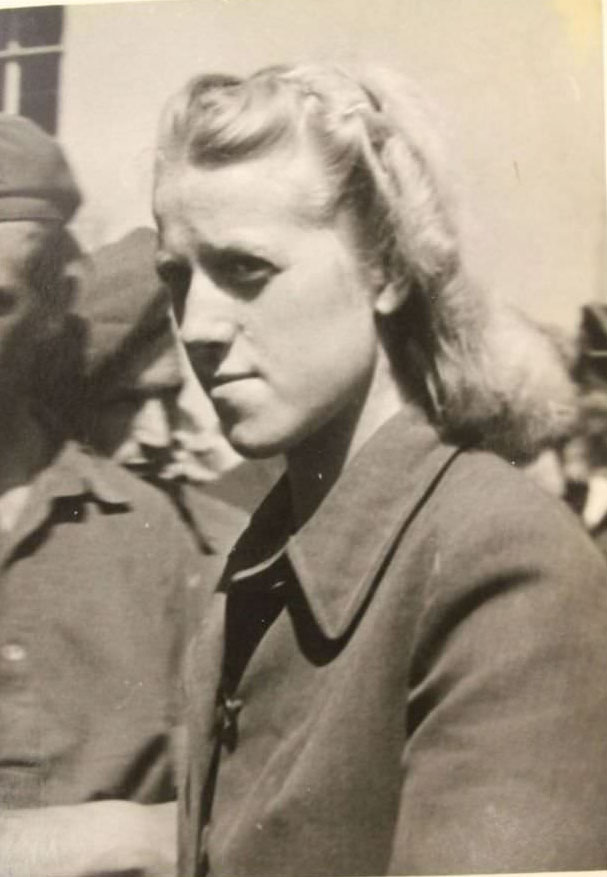
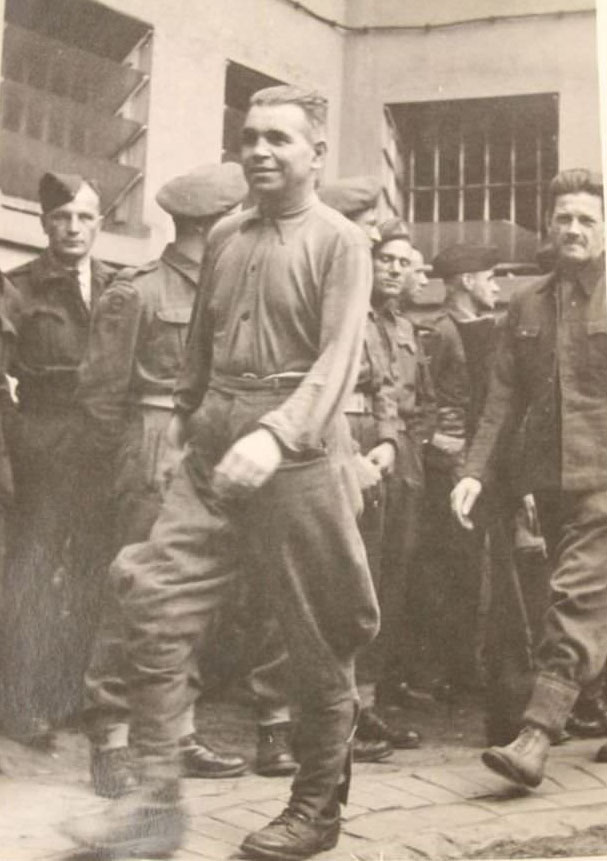
In 1945, a British Spitfire pilot named Flight Lieutenant Keith Parfitt walked through Celle Prison in Germany with a camera. What he captured on film was a rare and deeply unsettling record — the faces of Nazi concentration camp staff in the days before they stood trial for some of the worst war crimes in history. Those photographs stayed hidden for decades, tucked inside a suitcase that once belonged to Parfitt himself. When they finally came to light, they offered the world an unflinching look at the people behind the atrocities at Auschwitz and Bergen-Belsen.
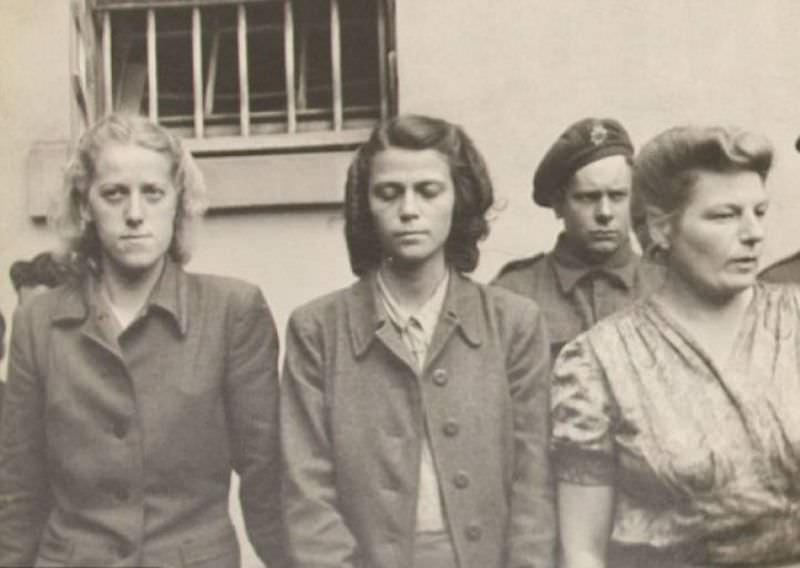
Among those photographed was Herta Bothe, a guard who had served at multiple Nazi concentration camps, including Stutthof and Bergen-Belsen. She was arrested after British forces liberated Bergen-Belsen in April 1945 and was among 45 defendants brought before the Belsen trial — one of the first major war crimes tribunals held after the war. Parfitt’s lens caught her in candid moments, her expression hardened, giving little away.
Franz Hossler was one of the most senior figures photographed by Parfitt. He had served as a commander at Auschwitz and later became deputy commandant at Bergen-Belsen. Under his watch, thousands of prisoners were subjected to brutal conditions, forced labor, and systematic murder. In Parfitt’s photographs, Hossler appears almost relaxed — smirking, showing none of the urgency one might expect from a man facing a capital charge.
Bothe was convicted at the Belsen trial and sentenced to ten years in prison. She was released in 1951. Her case became one of the more controversial outcomes of the trial, given the severity of the abuse she was found to have carried out against prisoners.
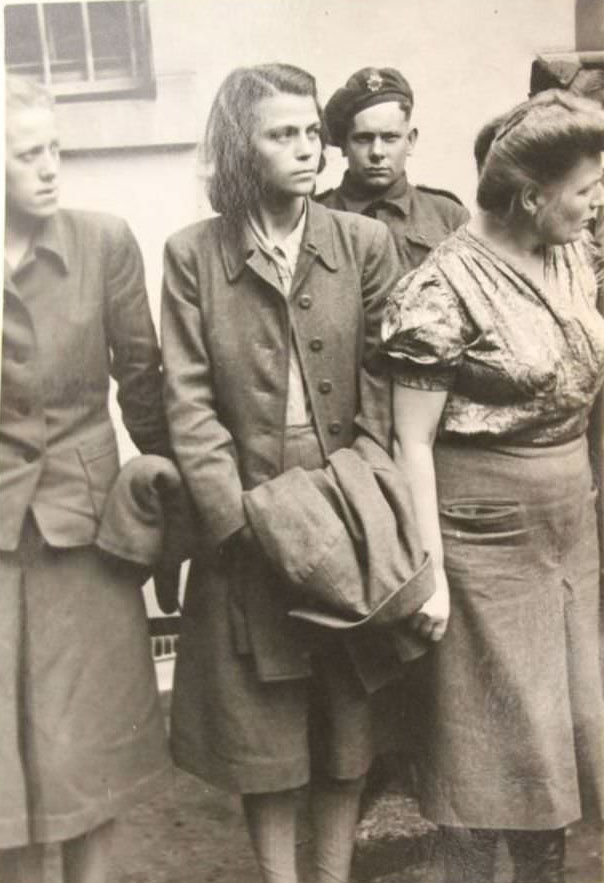
The Belsen trial opened in September 1945 at Lüneburg, Germany. It was conducted by a British military tribunal and brought 45 former SS personnel and kapos — prisoner functionaries — before the court. The charges covered murders, beatings, starvation, and other crimes committed at both Auschwitz and Bergen-Belsen. The prison at Celle, where Parfitt took his photographs, held many of the defendants during the proceedings.
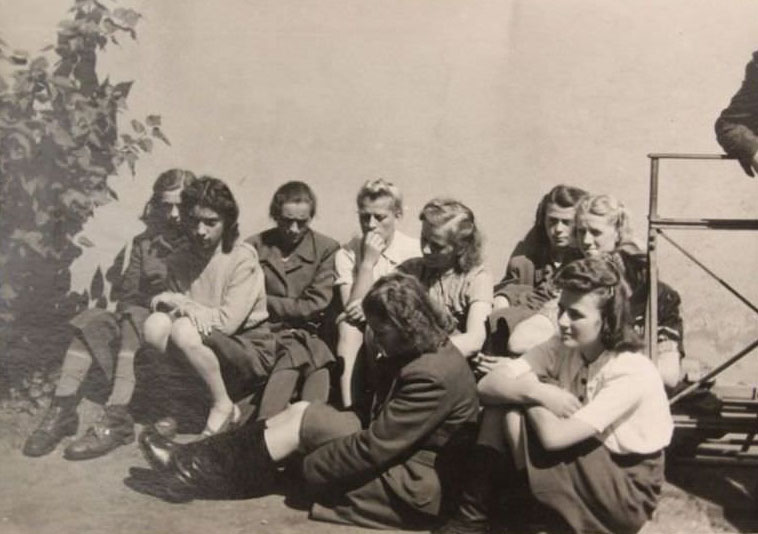
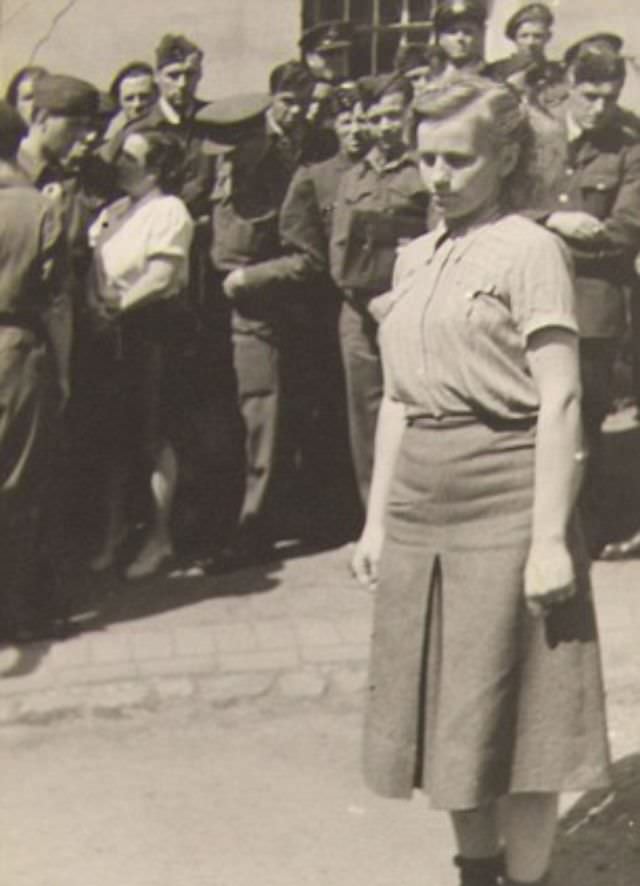
Irma Grese was another central figure in Parfitt’s photographs and one of the most notorious defendants in the entire trial. Known as the “Hyena of Auschwitz,” Grese served as an SS guard at Ravensbrück, Auschwitz, and Bergen-Belsen. Survivor testimony described her as one of the most sadistic personnel at Auschwitz — she beat prisoners, set dogs on them, and selected inmates for the gas chambers. She was 22 years old at the time of her arrest. Parfitt’s camera caught her appearing calm, seemingly detached from the gravity of what awaited her.
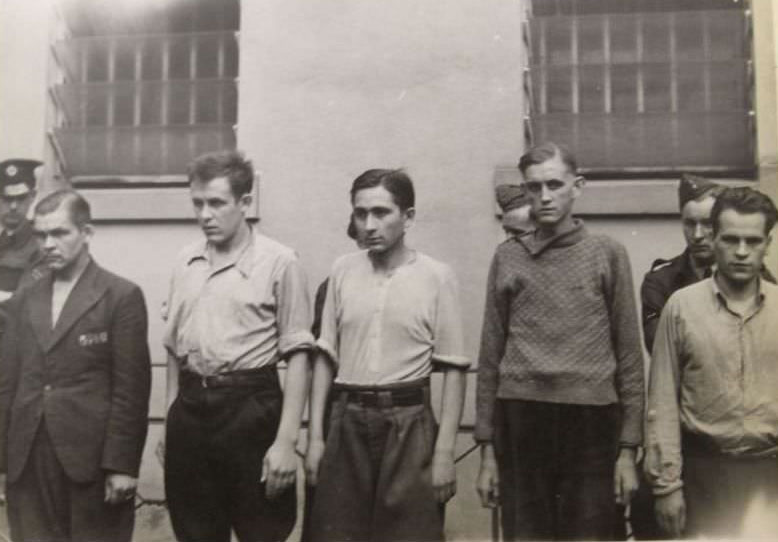
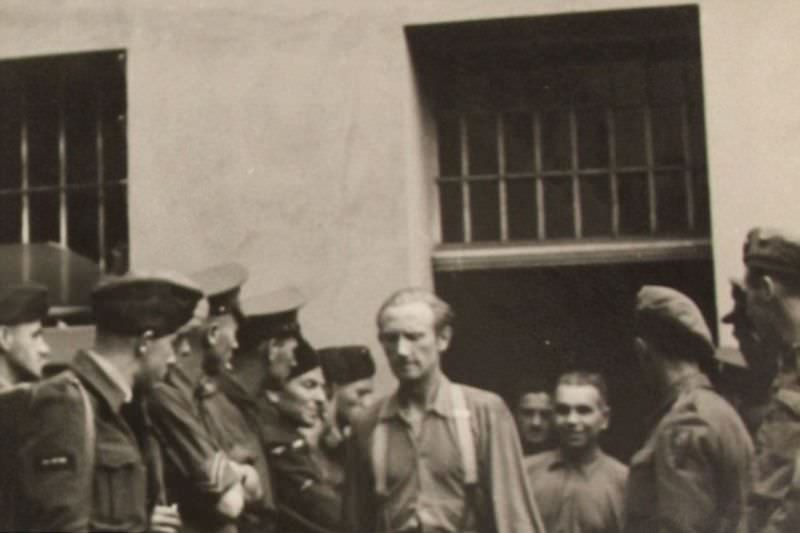
The defendants were not hidden away during this period. They were marched before Allied soldiers, displayed before crowds, and processed openly — a deliberate act of public accountability. Allied forces made sure that the arrest and trial of these individuals was visible, both to the German public and to the international community.
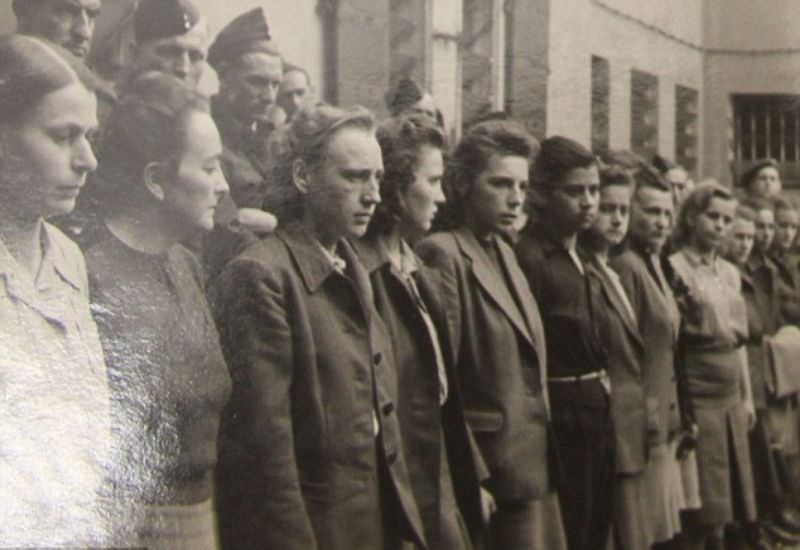
The trial concluded in November 1945. Eleven defendants were sentenced to death, including Franz Hossler and Irma Grese. Both were executed by hanging on December 13, 1945, at Hamelin Prison, carried out by British executioner Albert Pierrepoint. Grese went to the gallows at age 22, making her one of the youngest people executed under British jurisdiction in the 20th century.
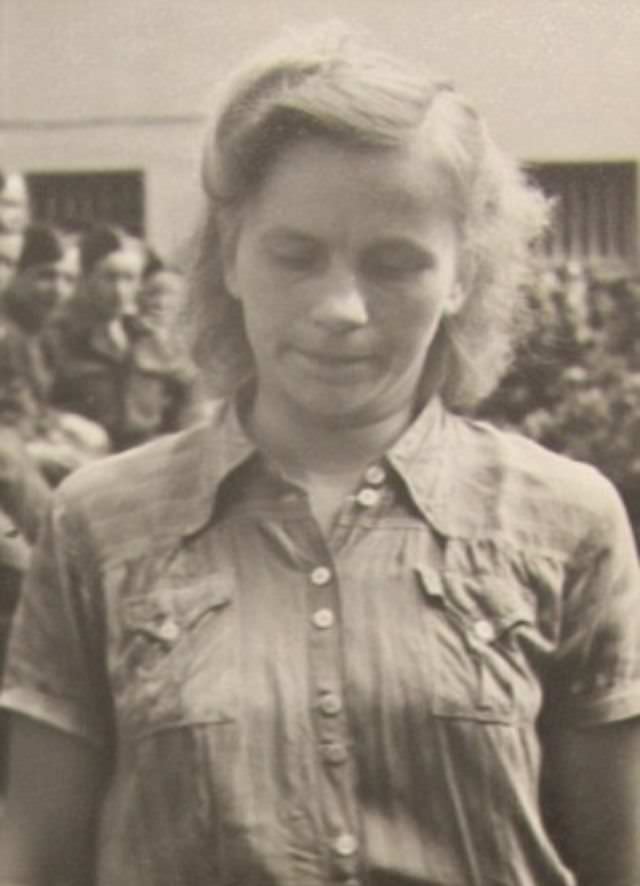
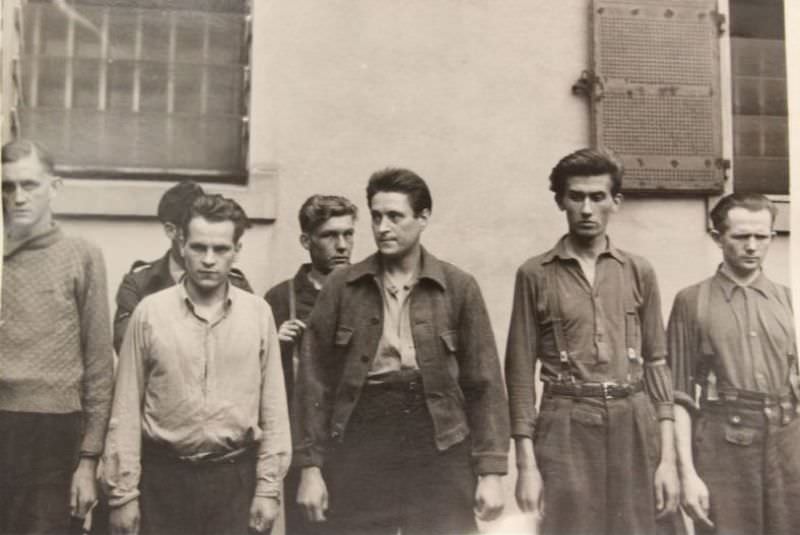
Not all of Parfitt’s subjects were identified. Many of the faces in his photographs remain unknown — guards, functionaries, and low-ranking personnel who passed through Celle Prison in those months after liberation. They represent the wider machinery of the camps, the dozens of individuals who carried out orders at every level. Parfitt documented them all the same, framing each face with the same steady eye he brought to the more well-known defendants.
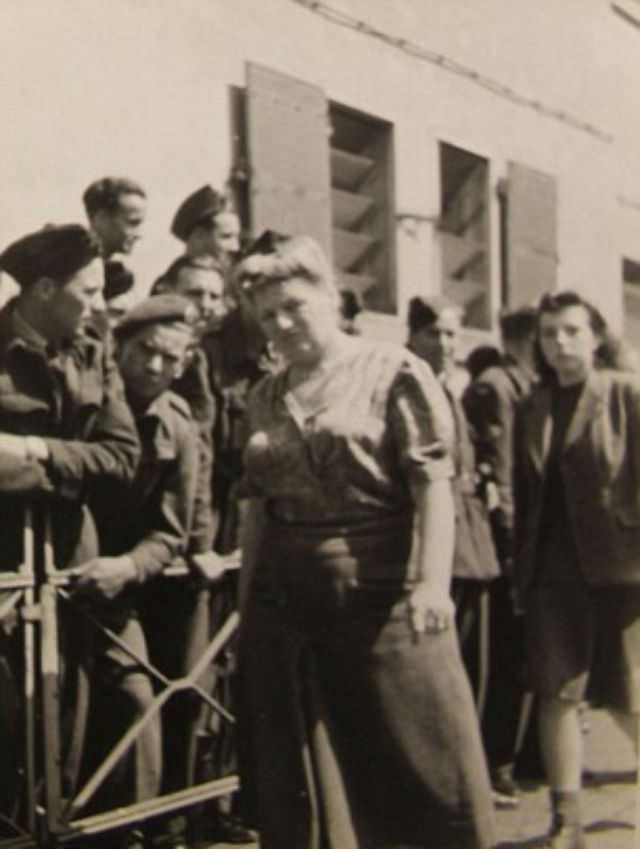
Parfitt’s photographs survived purely by chance — stored in a suitcase, set aside, and forgotten. As a Spitfire pilot, he had no formal role as a war photographer. He simply had a camera and access, and he used both. The result is one of the most direct visual records of the Nazi war crimes trial process — not courtroom portraits or staged press images, but unguarded moments of the accused, caught between the collapse of the Third Reich and the justice that followed.