
The traveling circus of the late 19th and early 20th centuries sold the public a fantasy. Under the big top, everything gleamed — the costumes, the lights, the painted smiles. But the photographs that survived from that era tell a very different story. Strip away the showmanship and what remains is a world built on physical danger, human exploitation, and grueling labor. These images don’t just show performers. They document a way of life that was as harsh as it was spectacular.
Clown makeup in the early circus was never quite as cheerful as it was meant to be. Performers applied thick layers of greasepaint to project exaggerated expressions across dimly lit tents large enough to hold hundreds of people. In black-and-white photography, the red paint used for lips and cheeks photographed as deep, inky black — turning a wide painted smile into something that looked more like a wound than a grin. Candid backstage photos made things stranger still. They show these same performers mid-cigarette or staring blankly into the distance, the painted face still on but the character completely gone. The result is a mask of permanent happiness worn by someone who looks anything but.
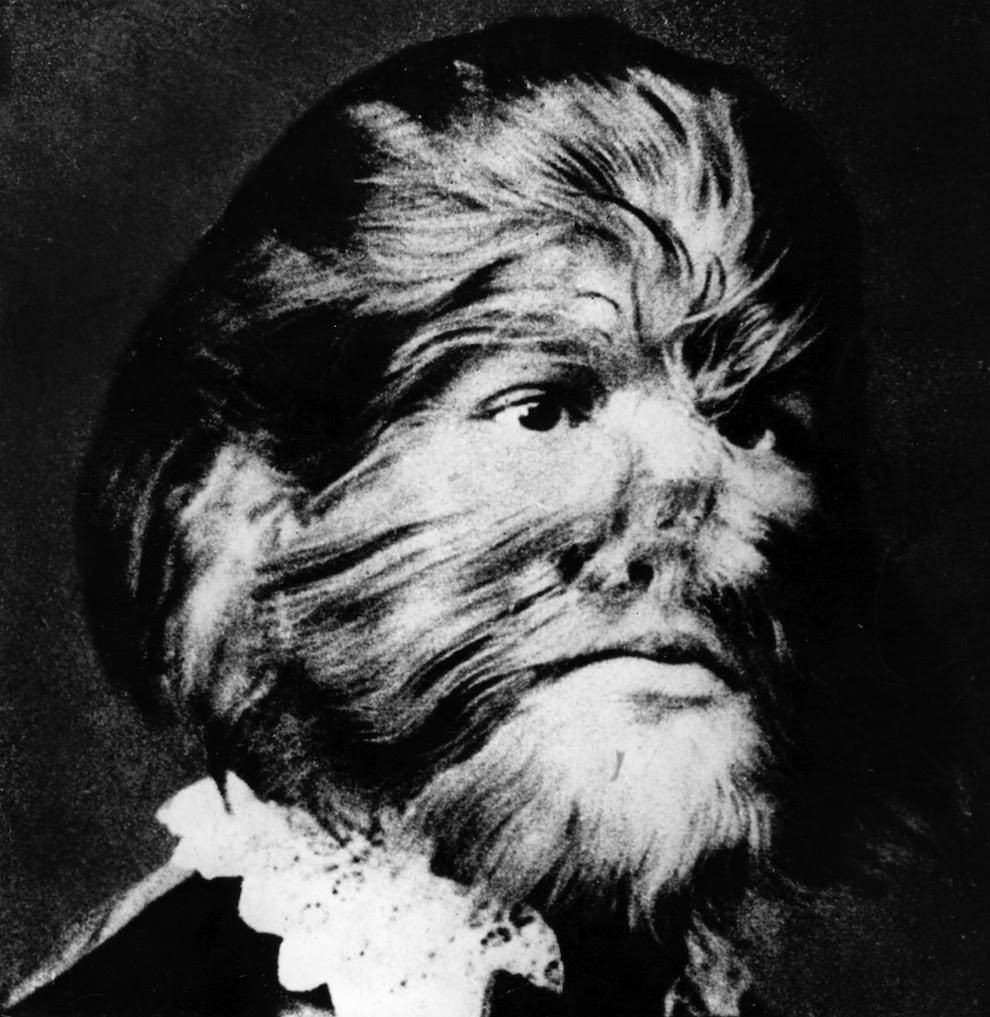
The sideshow tent operated on a simple and exploitative premise: charge audiences to stare at people whose bodies looked different from their own. Individuals with rare medical conditions were recruited, marketed with sensational stage names, and put on display. A man with hypertrichosis — a condition that causes thick hair to grow across the face and body — might sit calmly in a velvet chair holding a book while strangers filed past to gawk. The calm of the subject made the spectacle even more unsettling.
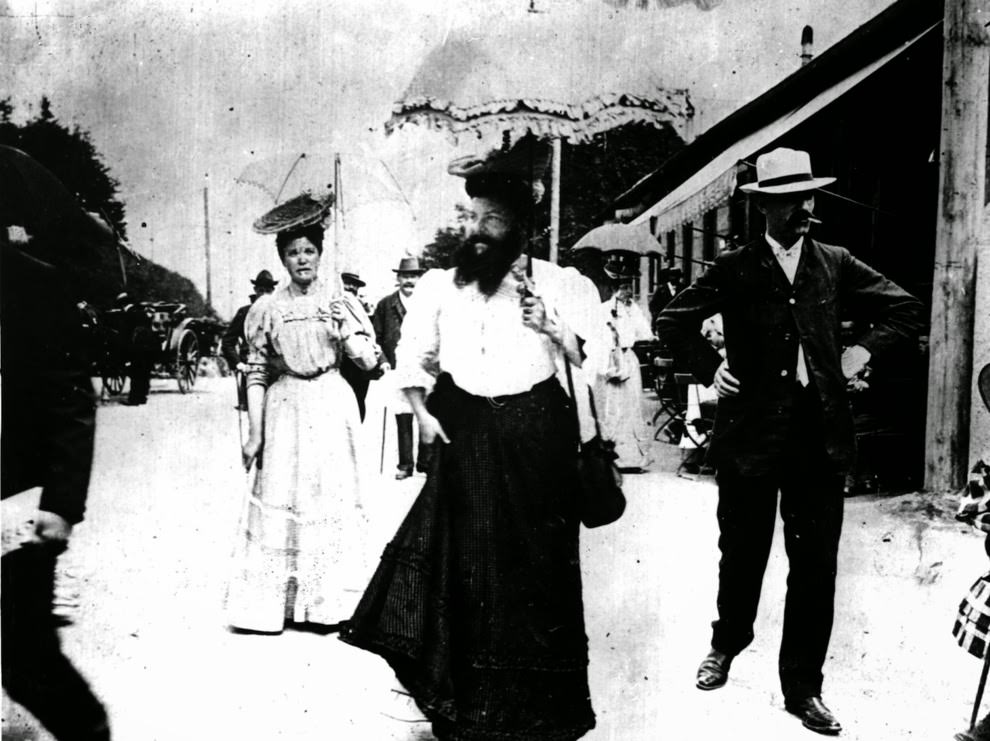
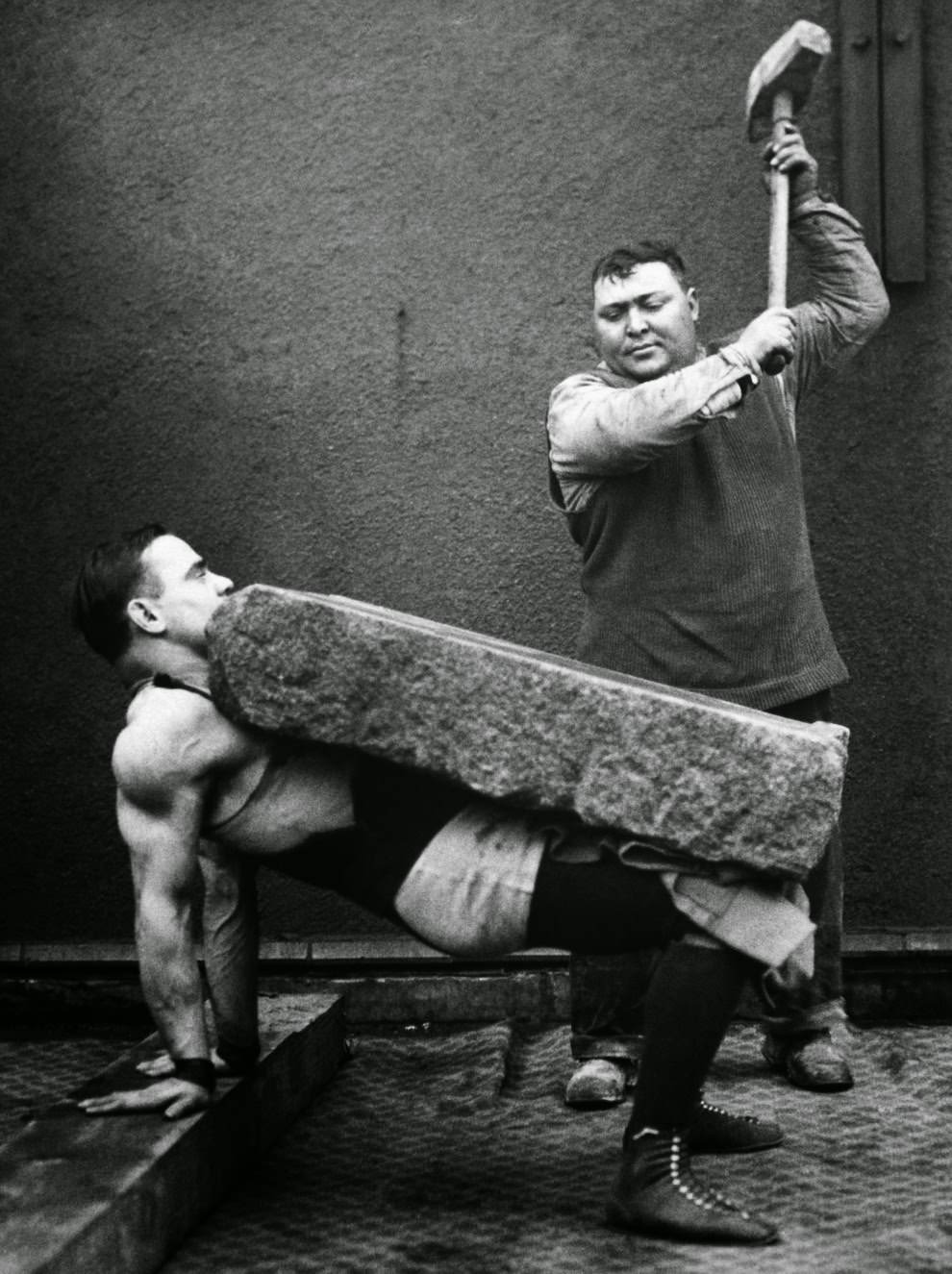
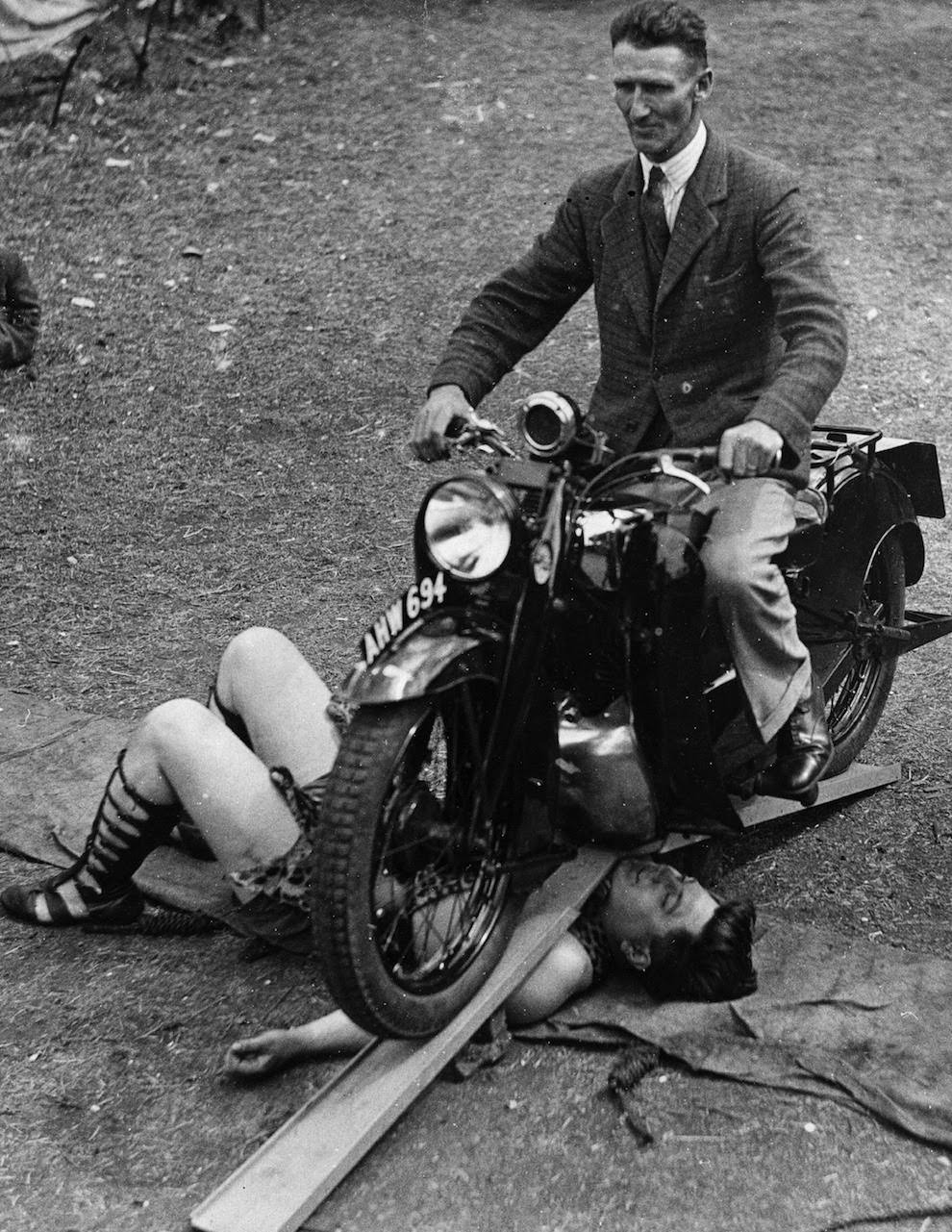
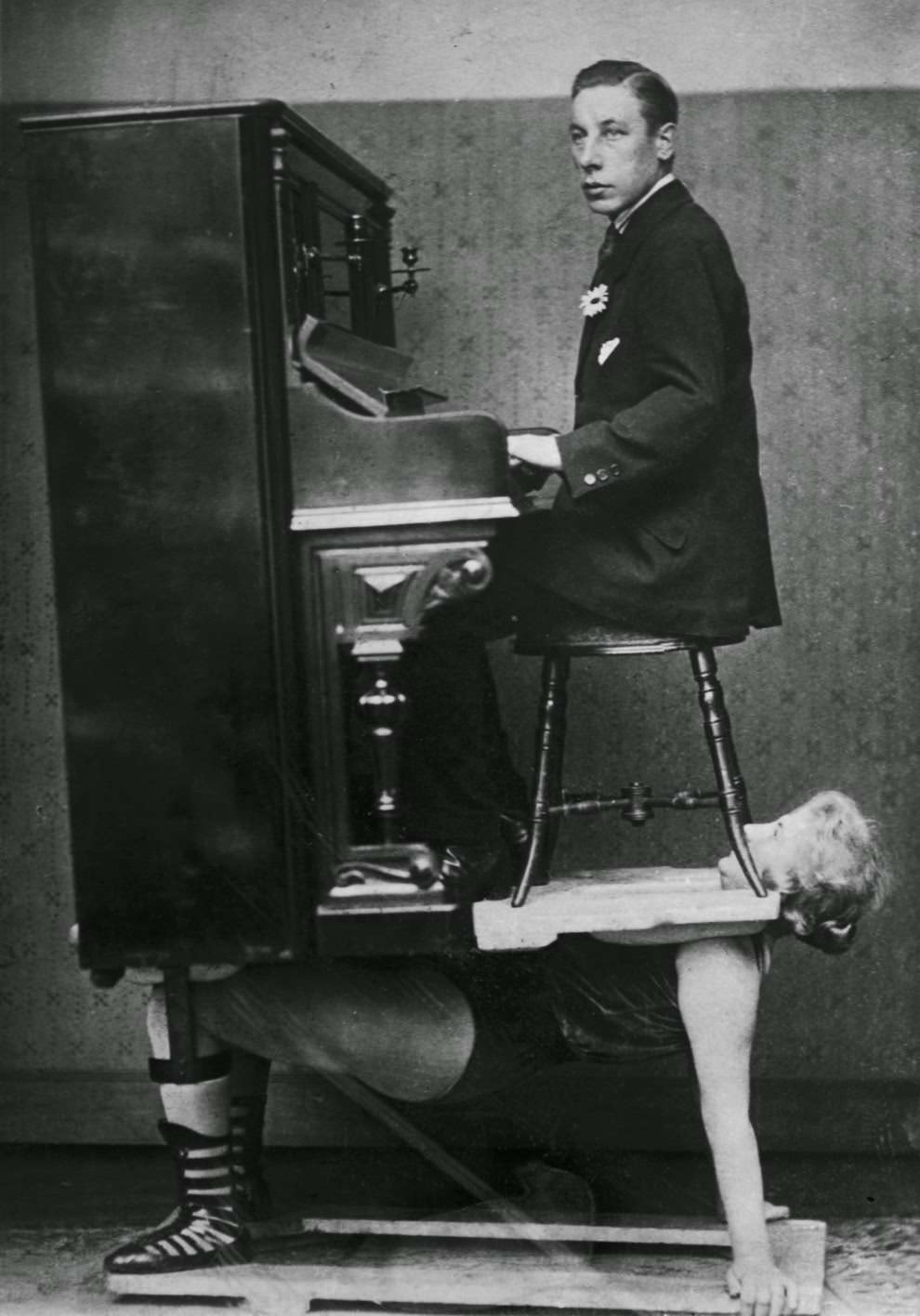
Physical feats that defied belief drew enormous crowds, and the performers who delivered them risked their bodies every single night. Strongmen allowed motorcycles to run over their stomachs. Others had heavy blocks of concrete smashed on their abdomens with sledgehammers. Strongwomen balanced pianos — with the pianist still seated — across their chests. There were no safety nets in the truest sense. If something went wrong, it went wrong in front of a live audience.
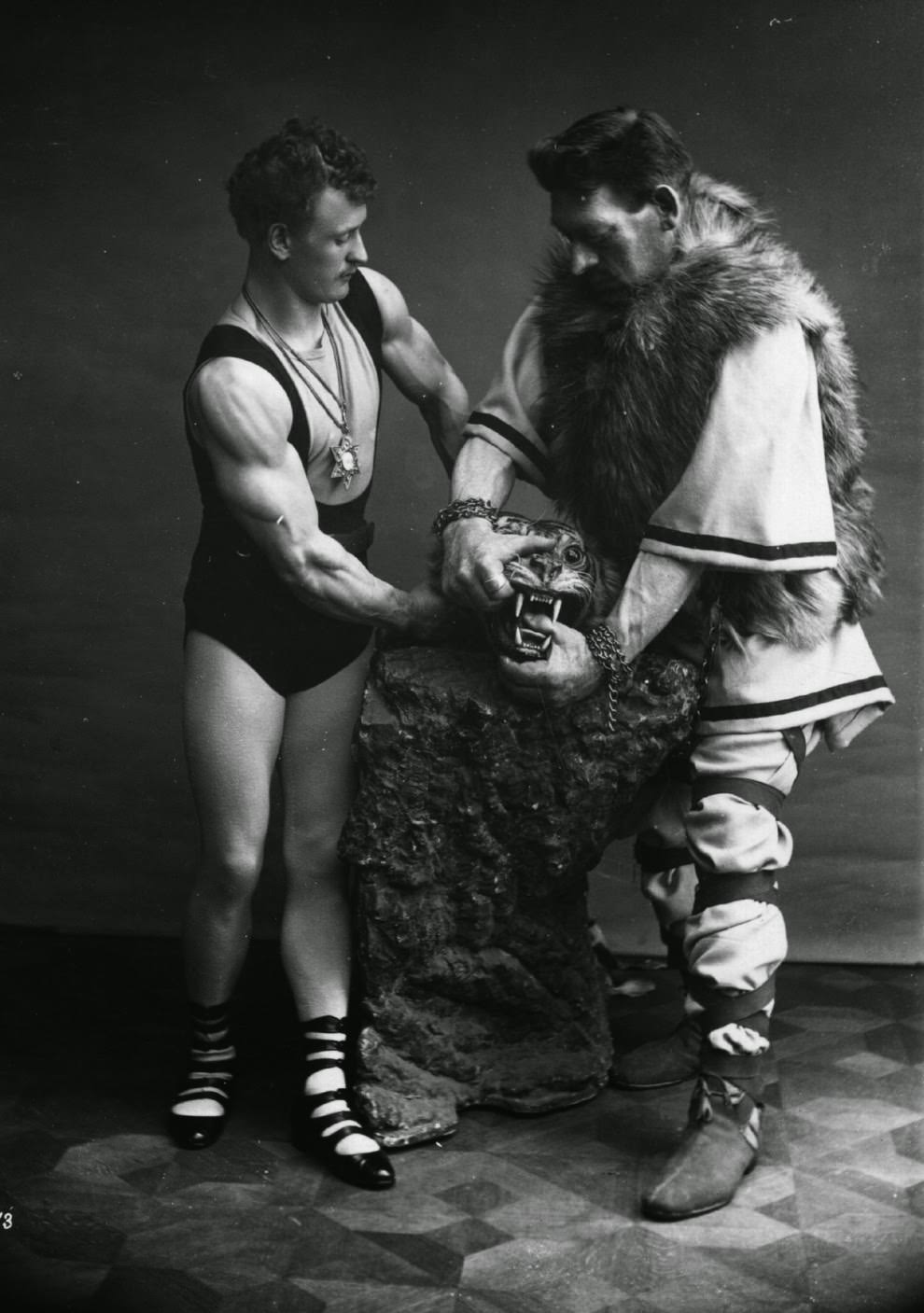
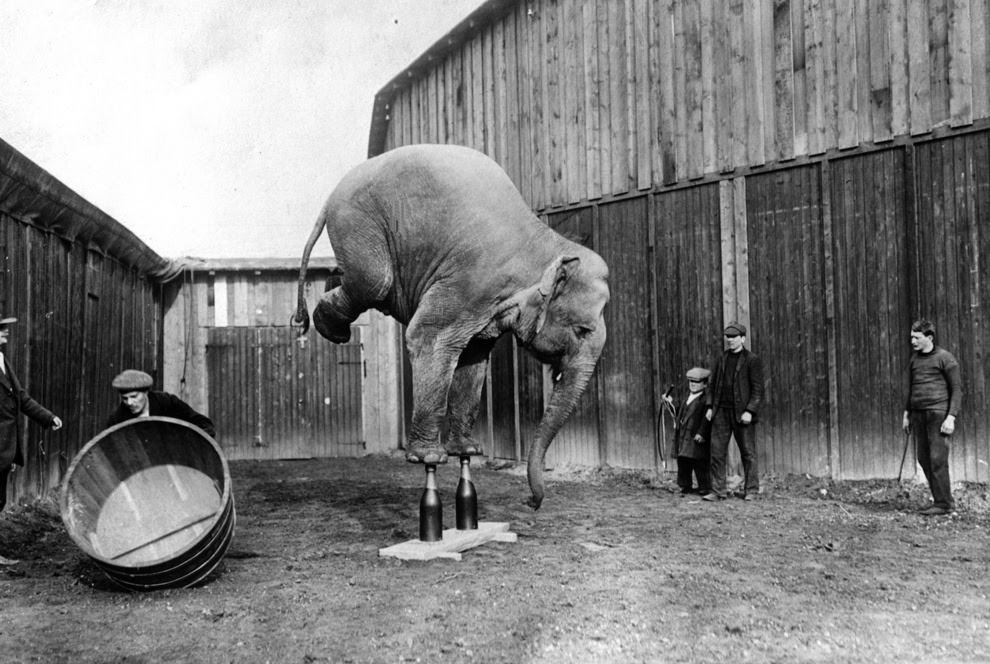
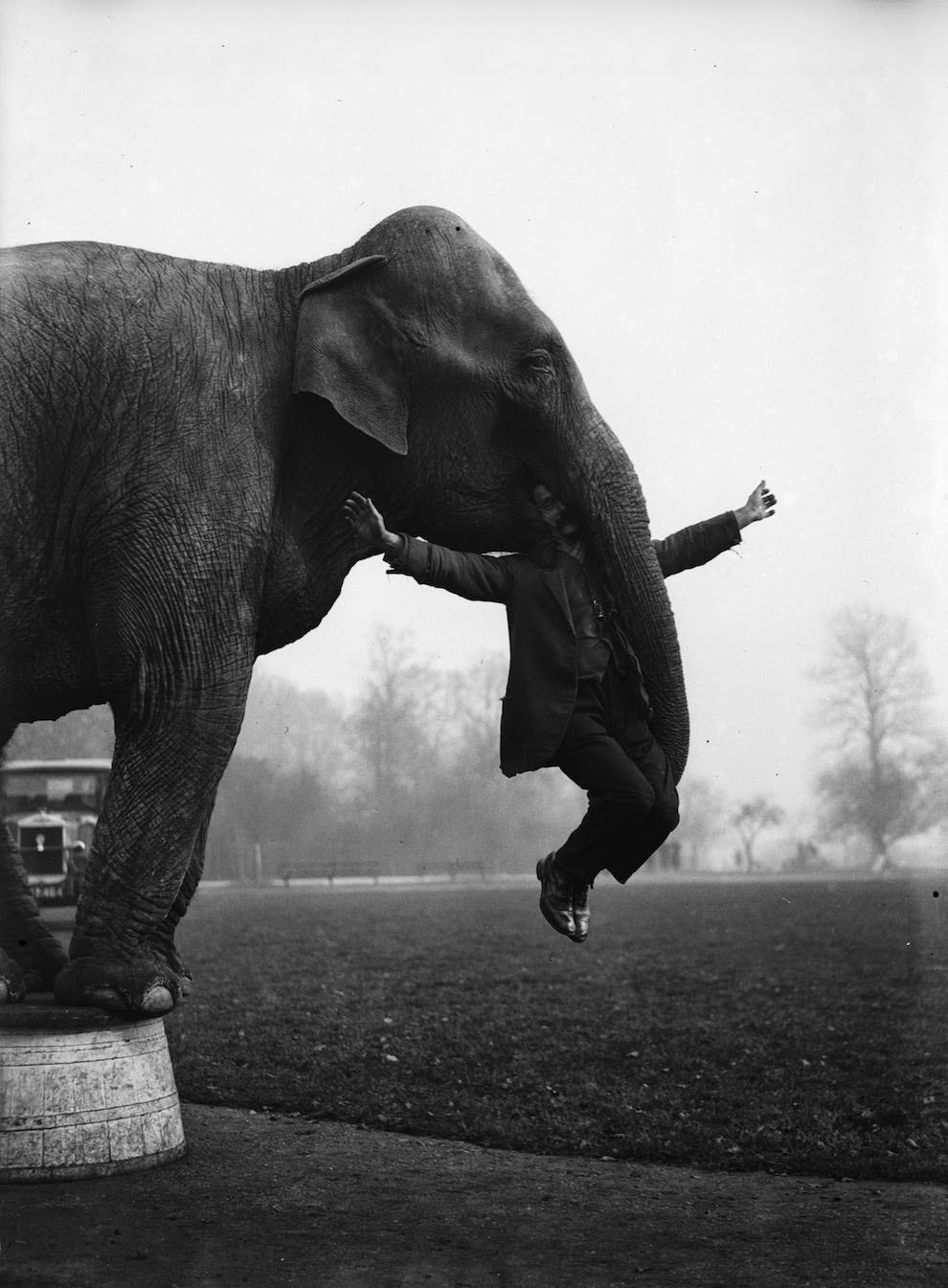
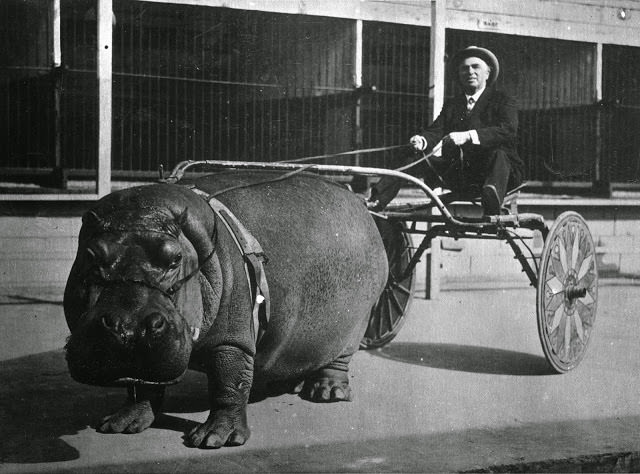
Animals were central to the circus, and the conditions they lived and performed in were severe. There were no animal welfare regulations governing traveling shows in this era. Tigers paced in small barred wagons between performances, often just feet from wooden spectator benches separated by little more than rope. Trainers entered the ring armed with nothing but a wooden chair and a leather whip. Elephants were made to perform precise, unnatural movements on command — balancing, marching, bowing — trained through methods that relied entirely on fear and physical force.
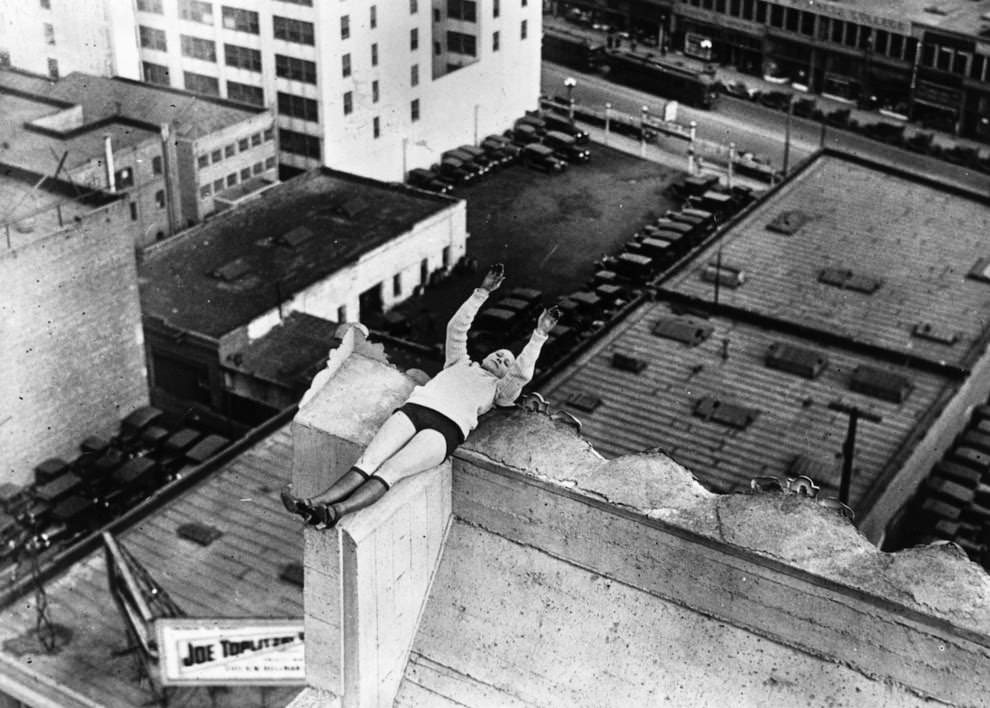
The acrobats and daredevils who performed at height added another dimension of danger entirely. Some trained not in controlled environments but on rooftops and open ledges, preparing their routines above genuine drops with no rigging below them. The spectacle was the risk itself — and audiences knew it.
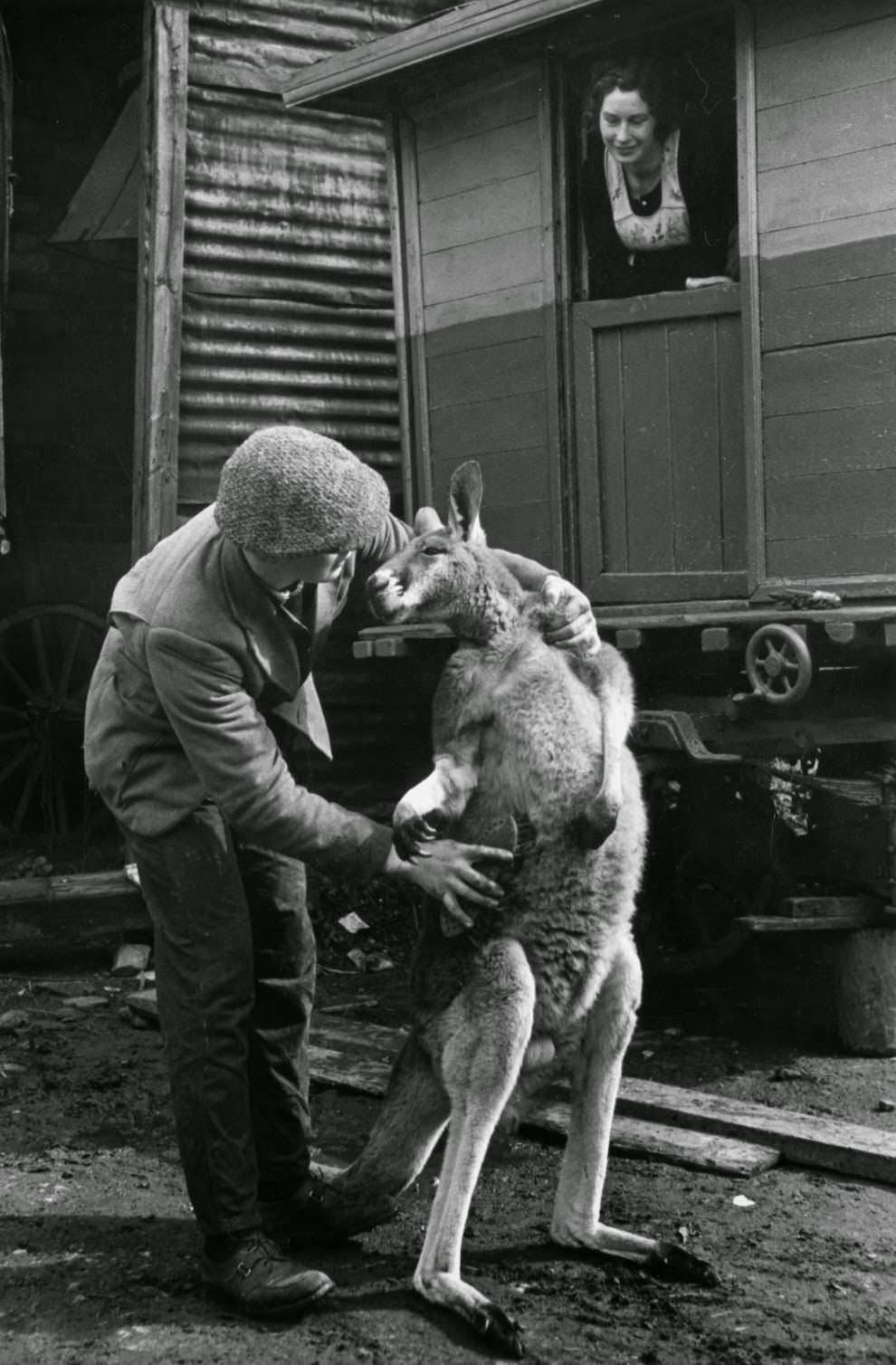
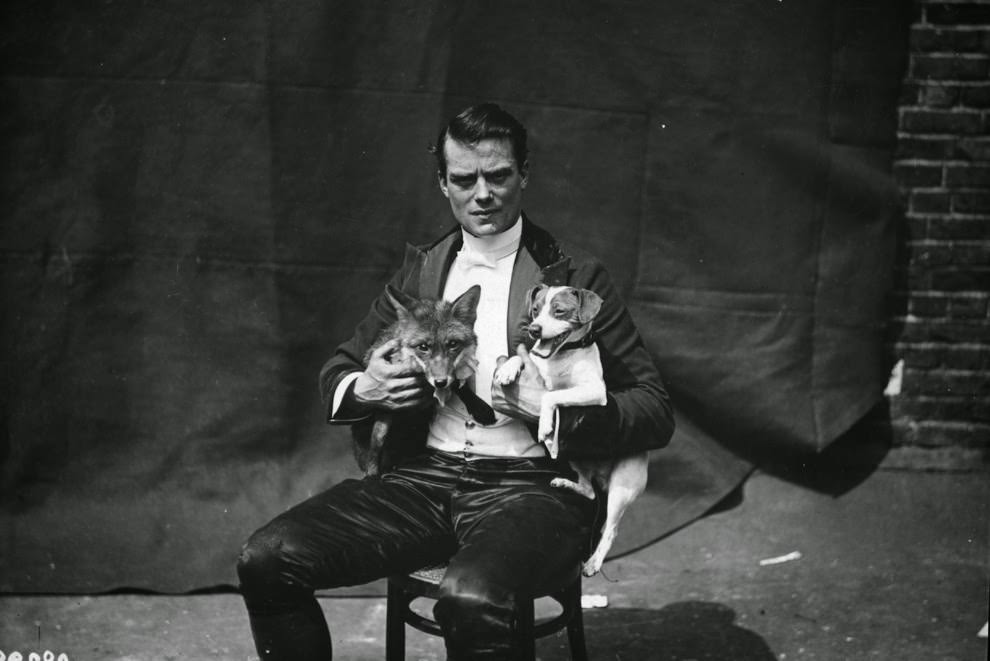
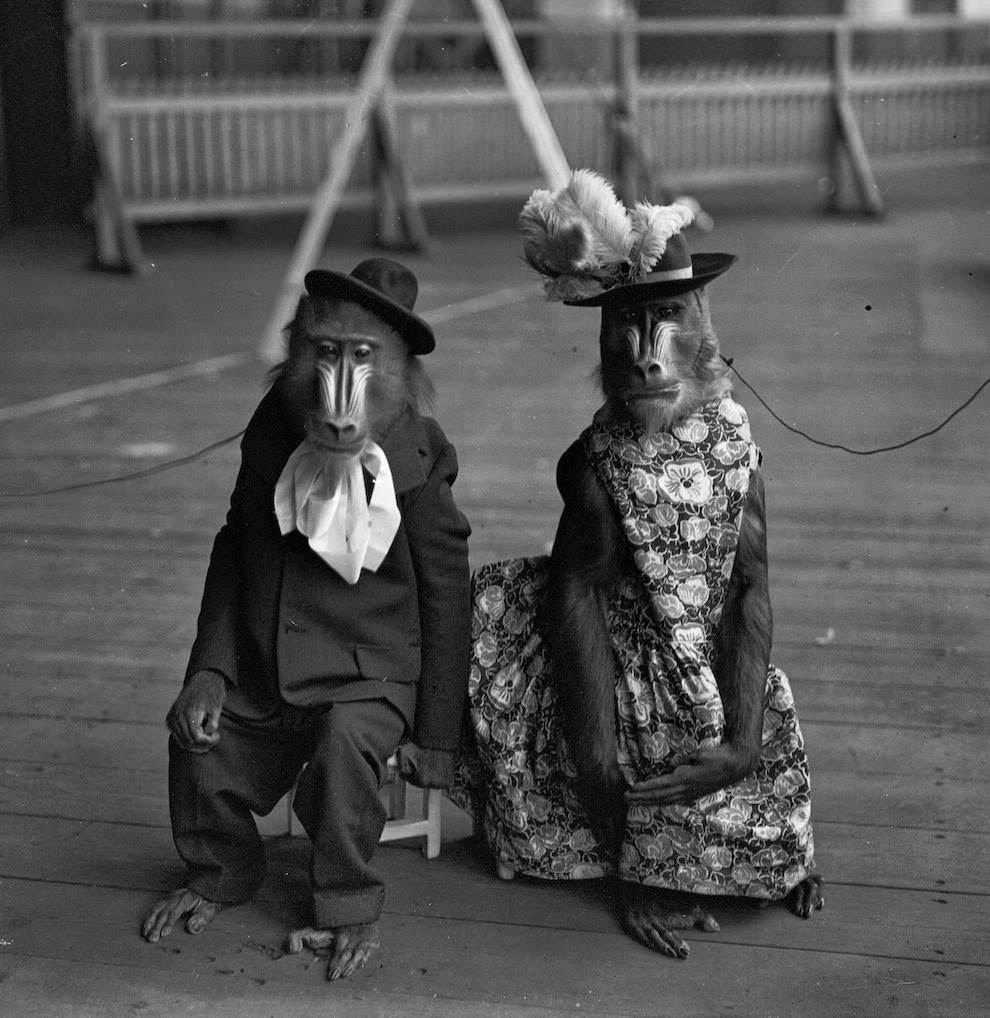
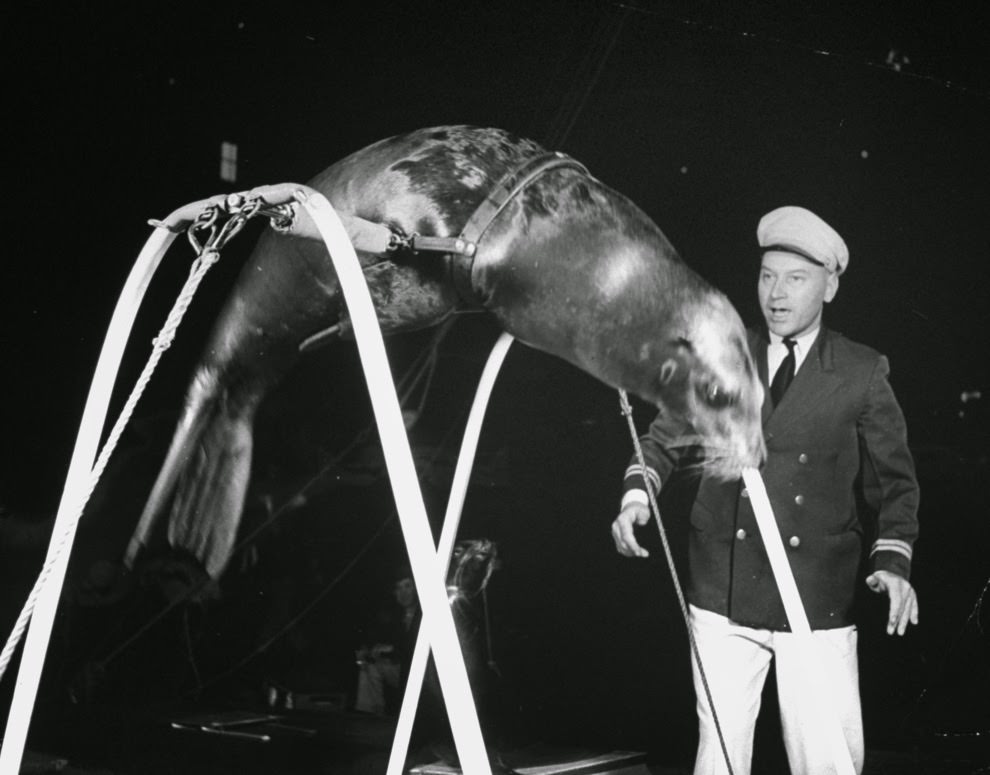
Not all the animals in the circus ring were apex predators. Kangaroos, seals, foxes, and even mandrills were trained and costumed for public performance. A boxing kangaroo was groomed like a prize fighter. Mandrills were dressed in formal clothing and presented as a fashionable couple. These acts were designed to provoke laughter, but the photographs of them are more strange than funny — animals in human clothing staring out from images taken nearly a century ago.
The strongman acts pushed the boundaries of what a human body was believed to be capable of — and then pushed further still. Crowds watched performers absorb punishment that should have been fatal. A block placed on a man’s stomach and shattered with a hammer. A motorcycle driven directly over a lying figure. These were not tricks. The physical conditioning required was years in the making, and the margin for error was almost nothing.
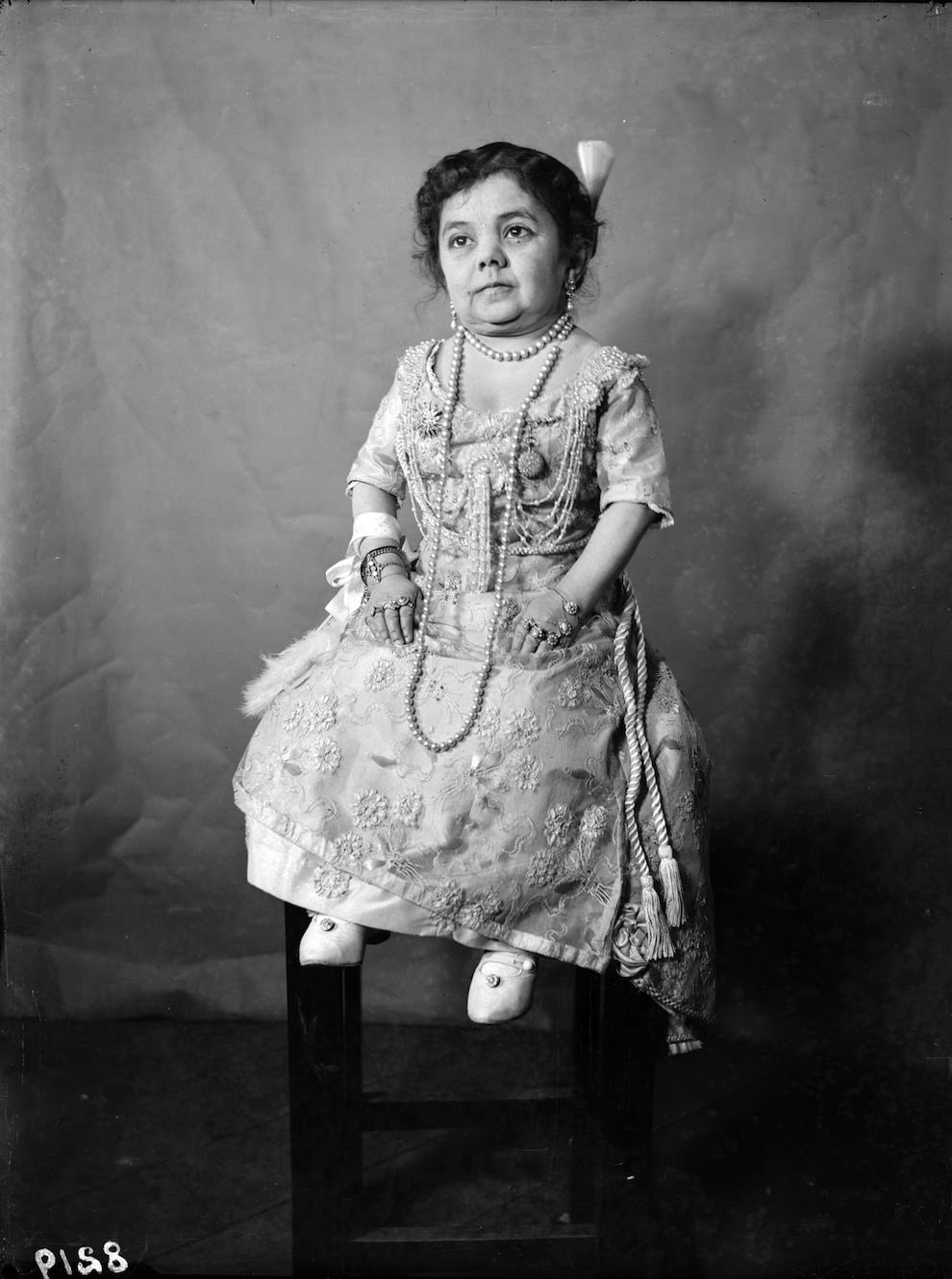
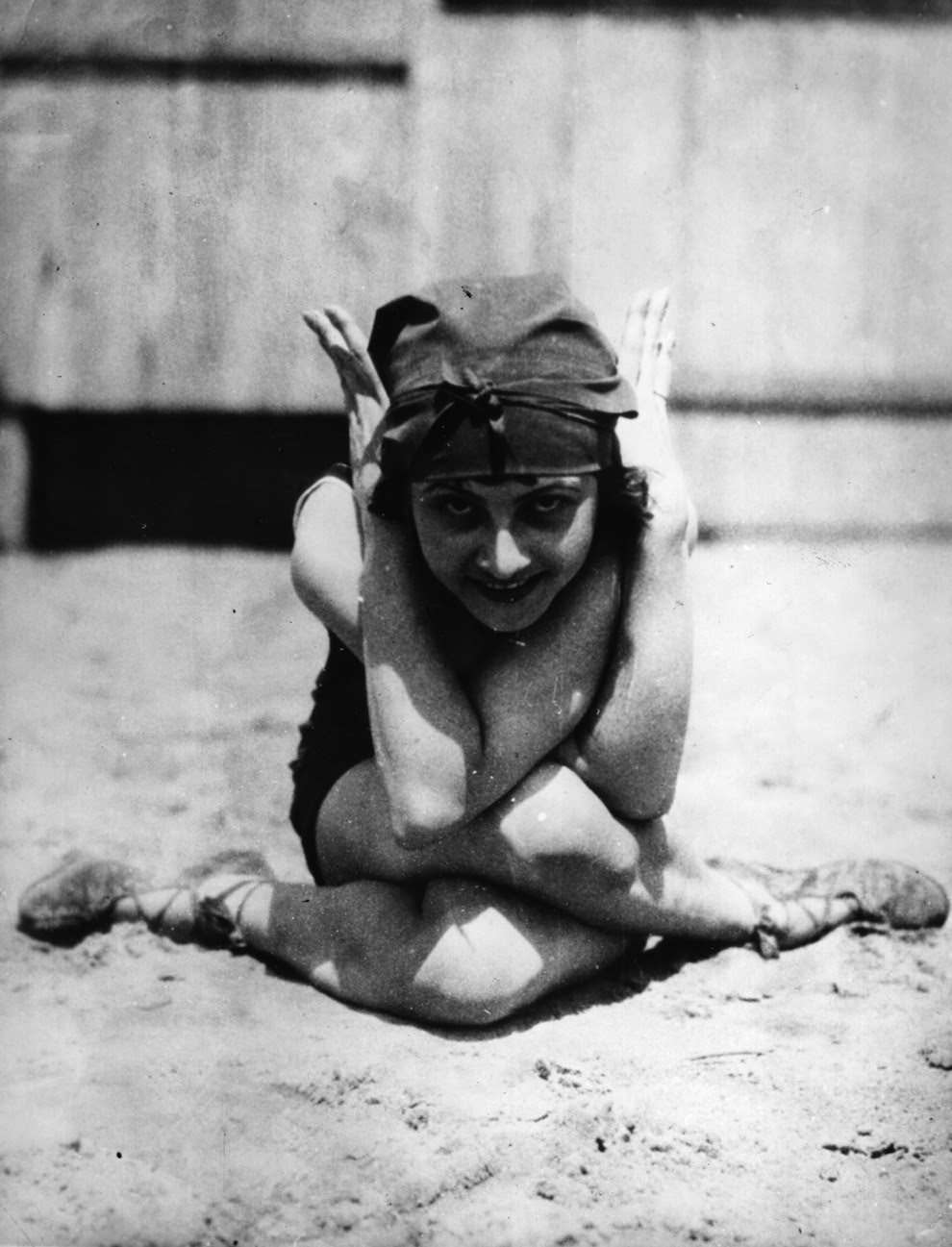
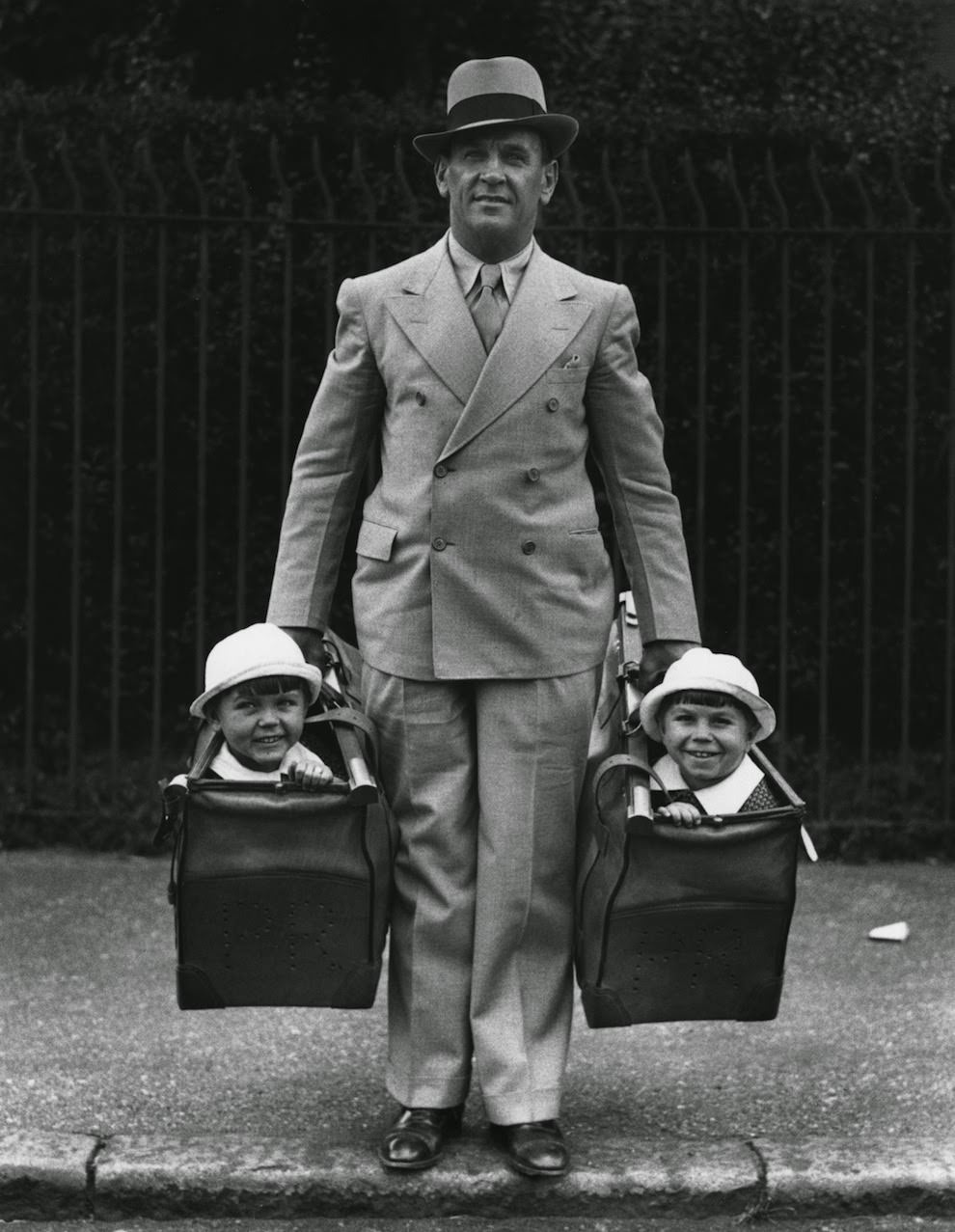
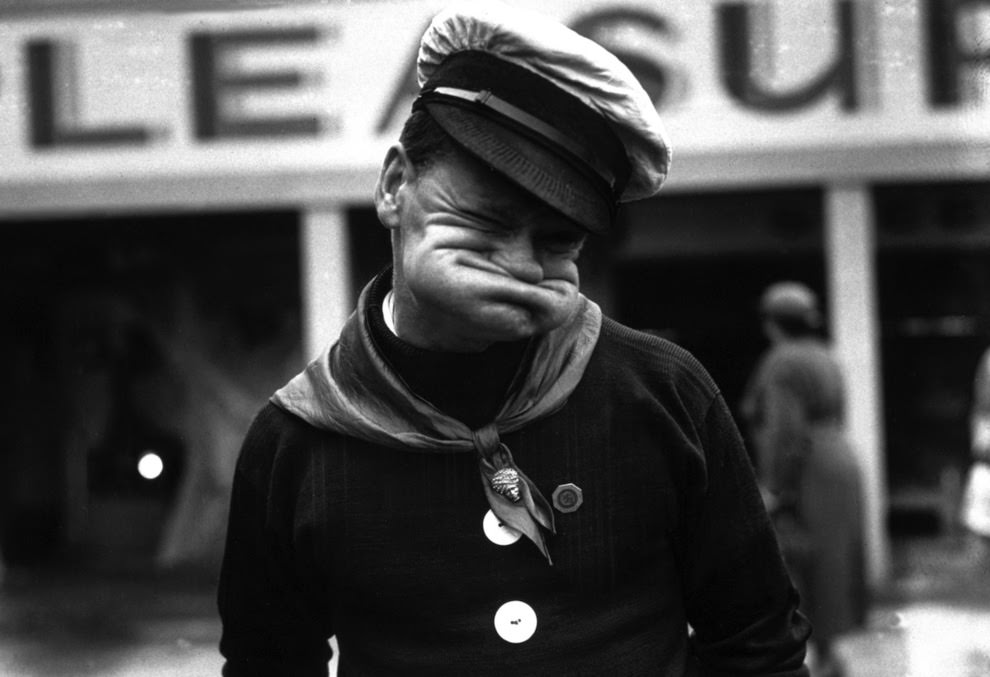
The sideshow expanded well beyond medical conditions. Contortionists bent their bodies into shapes that made audiences wince. Facial contortionists twisted their features into grotesque arrangements. Performers of small stature were billed under names designed to emphasize their difference. Some were carried in bags as part of the act itself. The line between entertainer and exhibit was often impossible to find.
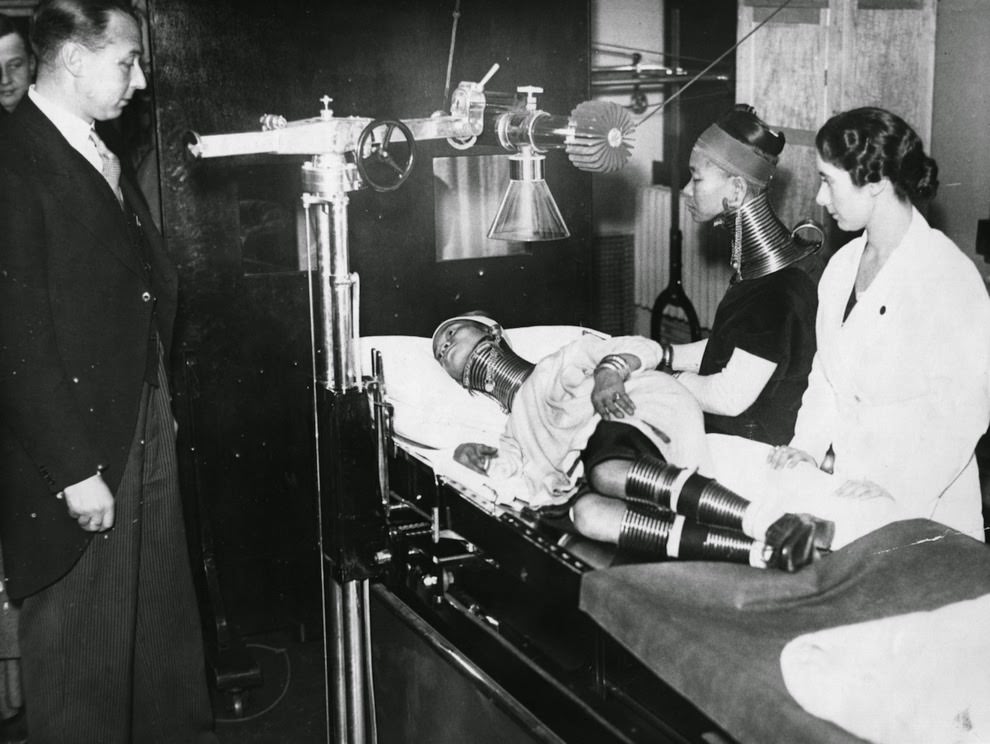
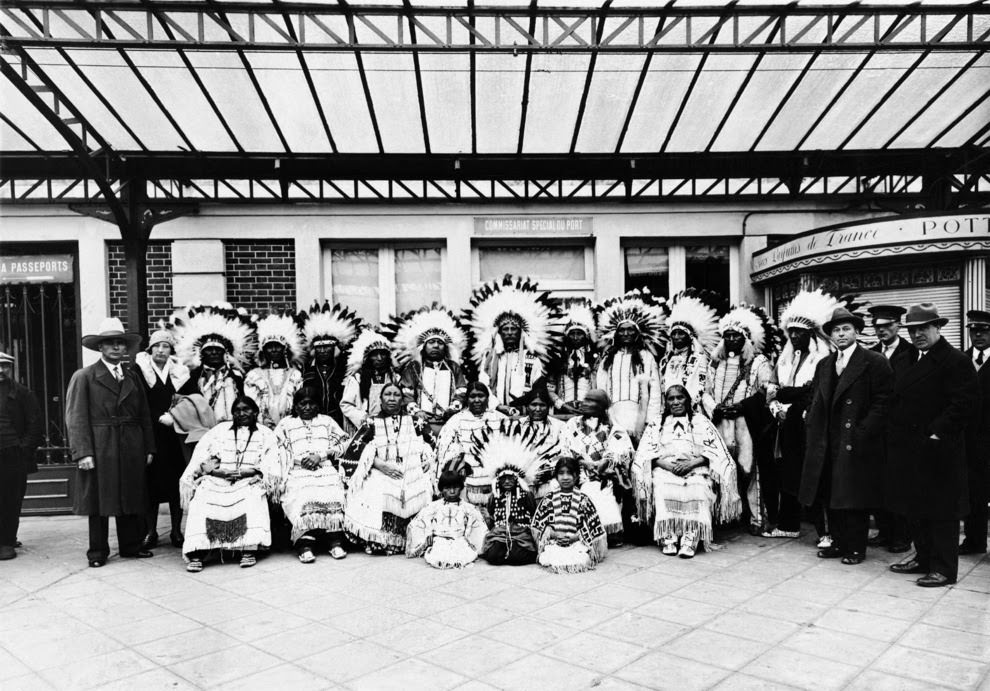
The reach of the traveling circus extended far beyond its home countries. Circus directors recruited acts from around the world — and not always through arrangements that respected the dignity of the people involved. Indigenous families from the American Plains were recruited and presented as cultural curiosities before European audiences, their way of life reduced to a sideshow attraction. The Sarrasani Circus, based in Germany, brought a Sioux family to Europe in exactly this manner in 1930.
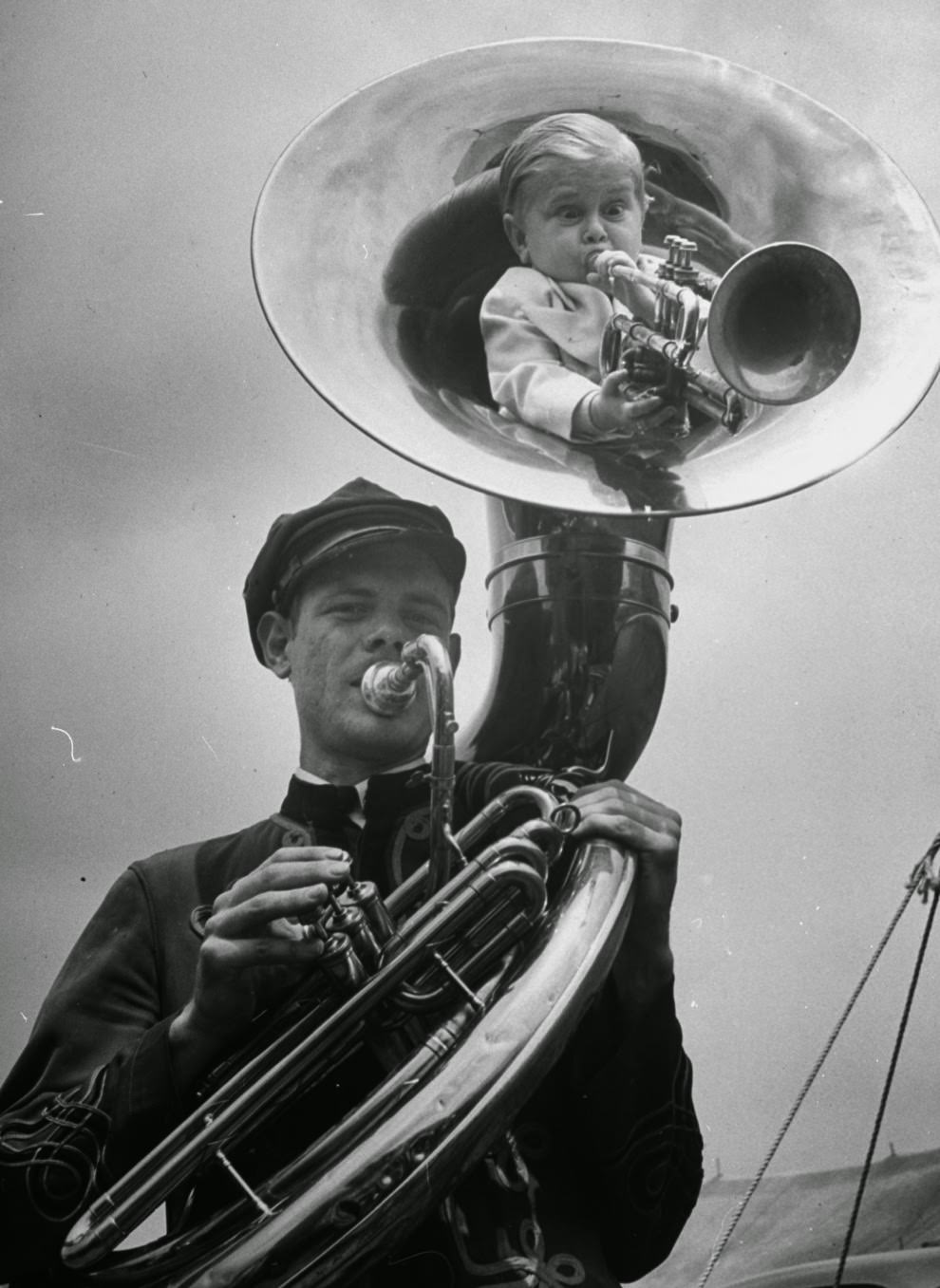
Away from the ring, the circus was unglamorous in every way. The troupe lived and traveled together, pitching tents in muddy fields on the edges of towns, often overnight and often in poor weather. Steam tractors and horse teams hauled the heavy equipment wagons through the dark to the next location. Meals were eaten communally at long wooden tables, faces dirty from the work of setup and breakdown. The children of performers grew up in this world — playing among the guy-wires and canvas, raised in a life that moved constantly and settled nowhere.

Disturbing? Terrifying?