At exactly 5:32 p.m. Eastern Time on December 5, 1933, delegates in Utah ratified the 21st Amendment. That single vote voided the 18th Amendment and made the sale of alcohol legal again under federal law for the first time in thirteen years. President Franklin D. Roosevelt signed the official proclamation shortly after, delivering on a major campaign promise to restore the legal beer and spirits industry.
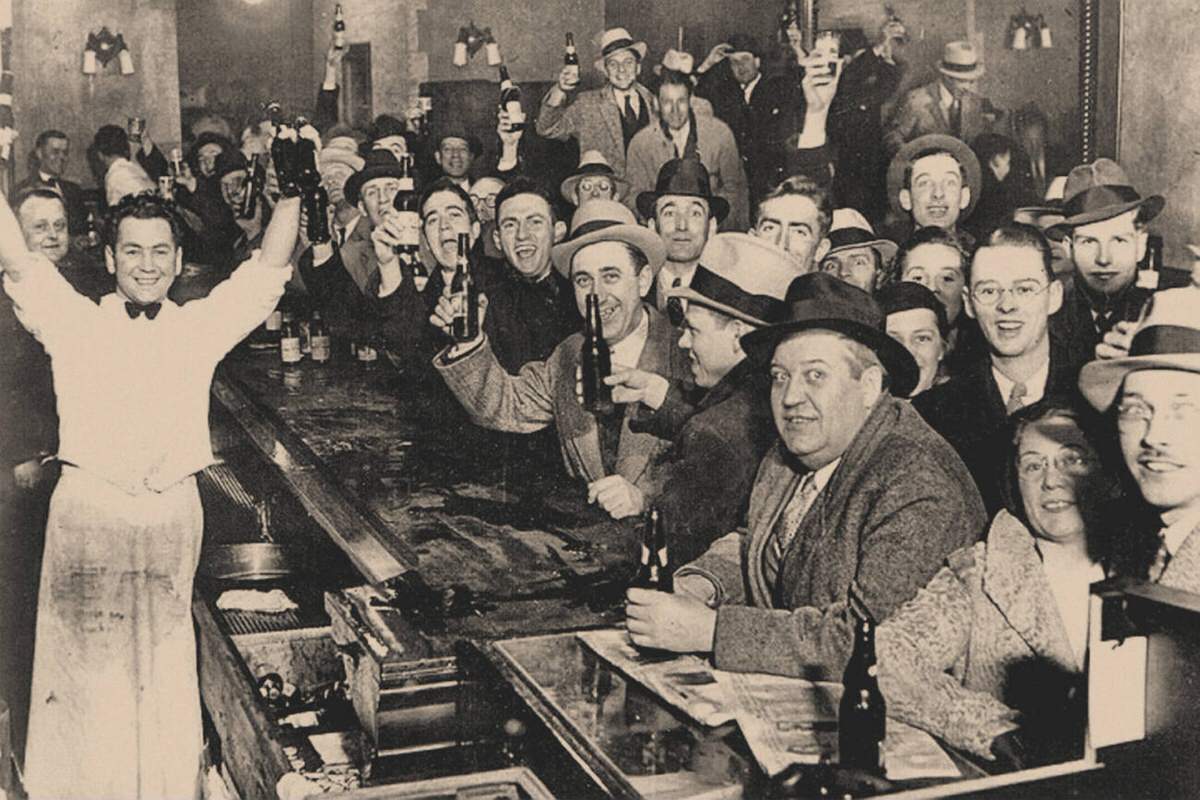
Celebrations broke out in major cities before the ink on Roosevelt’s proclamation was dry. In New York City, heavy crowds packed Times Square to watch the repeal announced on the news ticker. Delivery trucks loaded with crates of whiskey and gin rolled openly through the streets, many of them escorted by police officers guarding the valuable cargo. For the first time since 1920, those drivers had no reason to hide their shipments under tarps or slip down back alleys in the middle of the night.
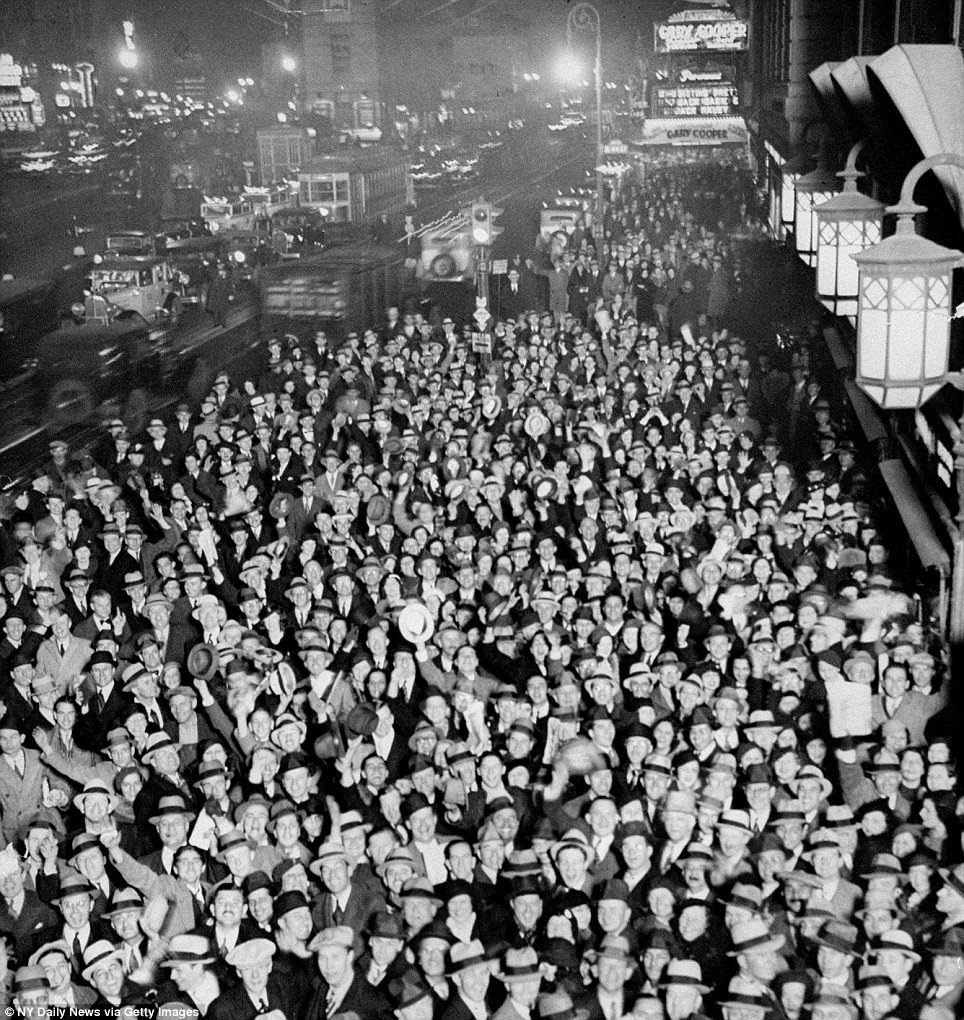
Hotels and clubs were immediately overwhelmed with customers. The Waldorf-Astoria Hotel in Manhattan opened a brand new bar on the spot, with waiters serving the first legal cocktails to a packed room of men in tuxedos and women in evening gowns. Bartenders who had spent the dry years mixing drinks in secret speakeasies or working overseas now shook Martinis and Manhattans in plain sight. The hushed tones of underground bars gave way to the open clinking of glasses.
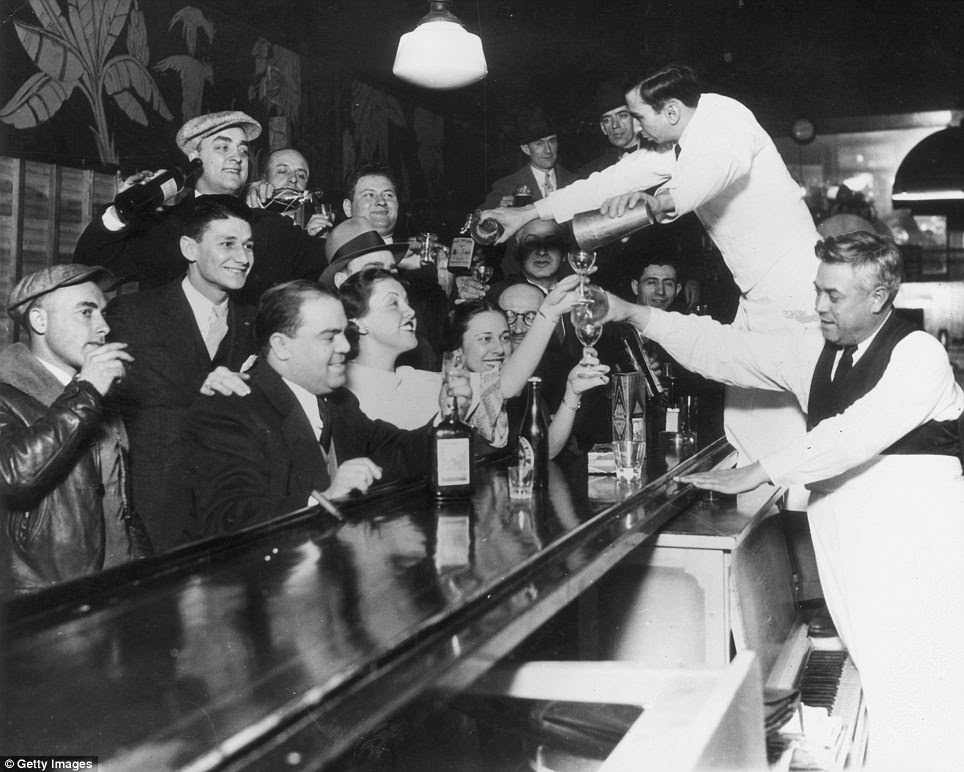
Despite the festive atmosphere, quality alcohol was in critically short supply. American distilleries had been shut down or converted to industrial use for over a decade. As repeal grew certain, producers rushed whiskey into production — but the result was young, harsh spirits that were a far cry from a well-aged bottle. The shelves were thin, and what was available often wasn’t good.
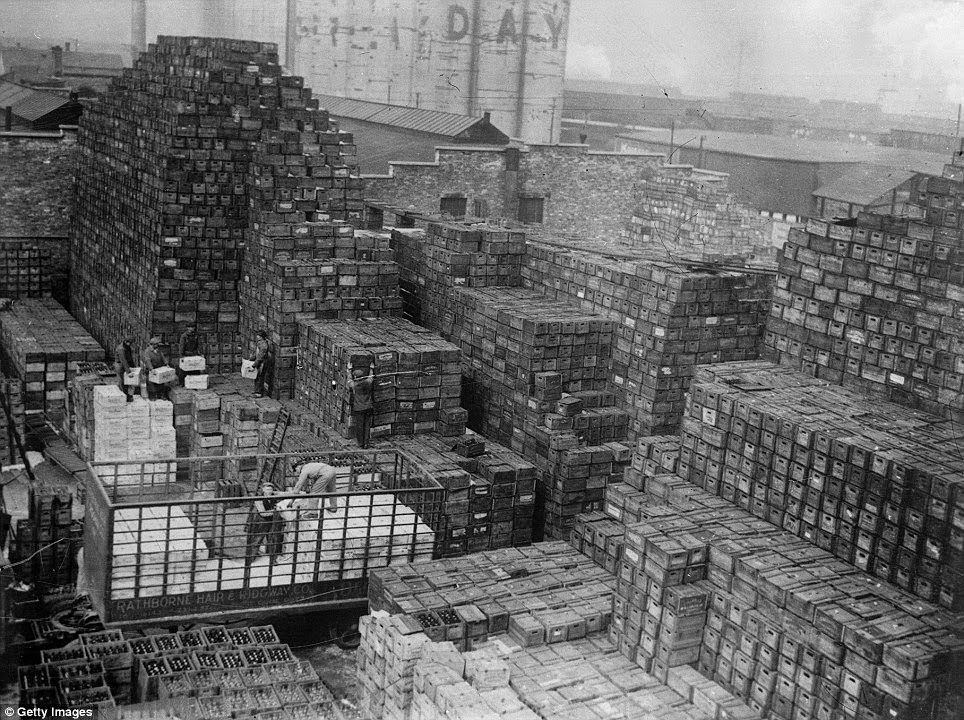
Cities like Cleveland faced the shortage head-on. Local brewers admitted they had no properly aged stock ready, forcing the city to source beer from outside suppliers when repeal arrived in April 1933 — months before full federal repeal — following the legalization of low-alcohol beer.
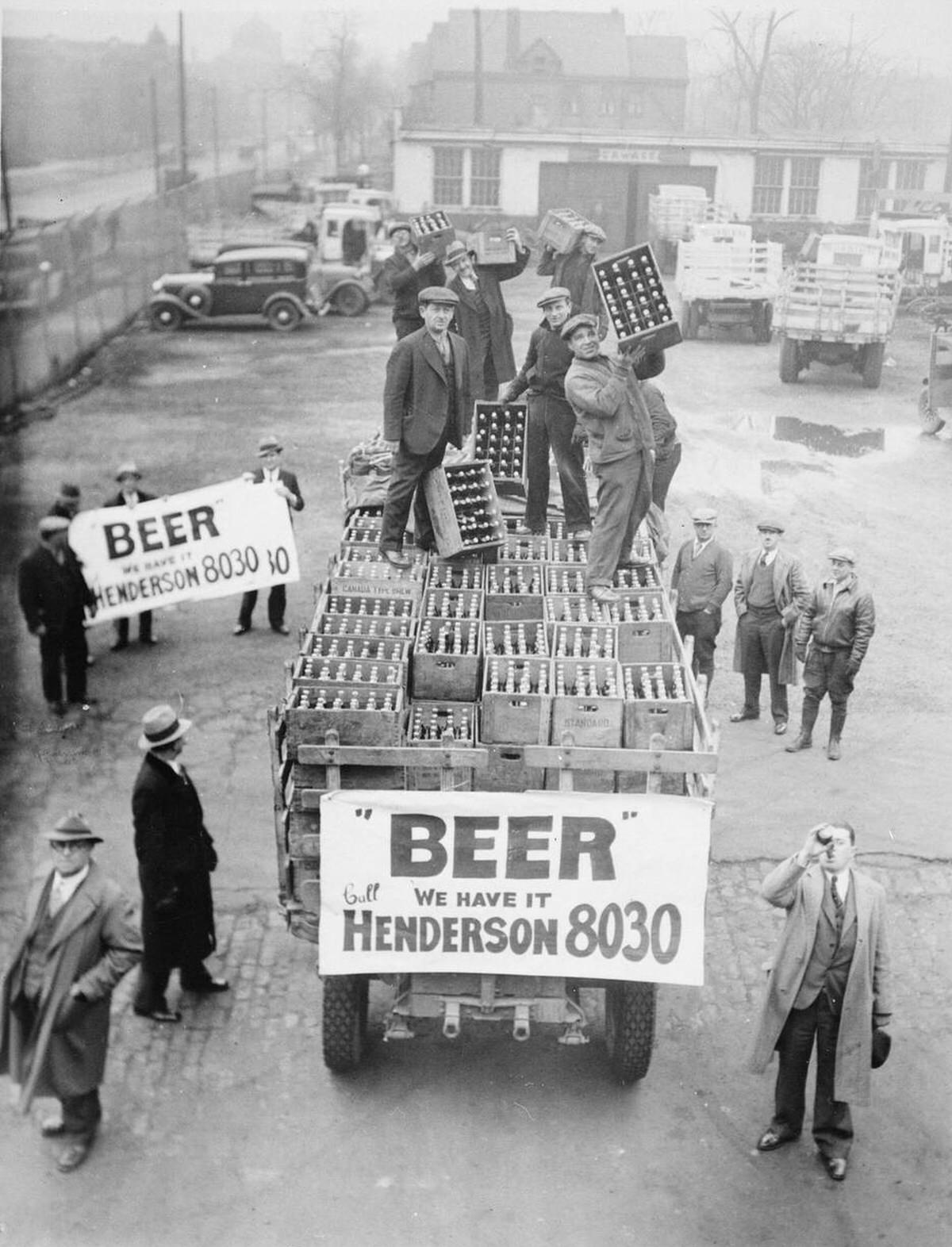
To meet the nationwide demand, ships from Scotland and Canada docked in American harbors and offloaded millions of gallons of imported spirits. Prices ran high because of new federal taxes, but customers paid them without complaint. After years of drinking dangerous homemade “bathtub gin,” almost anything was an improvement.
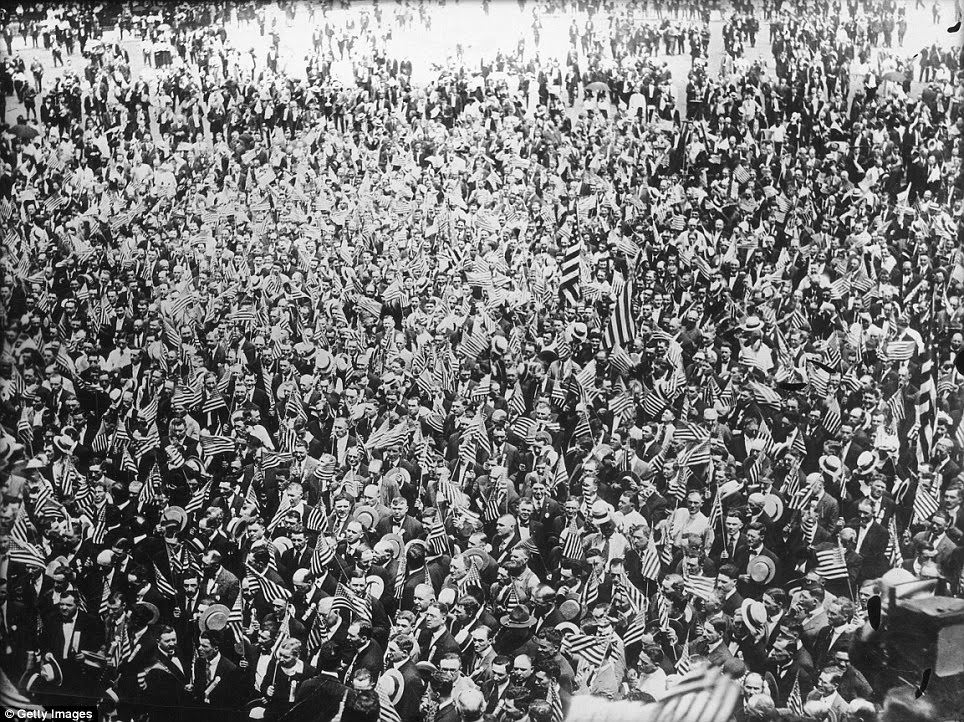
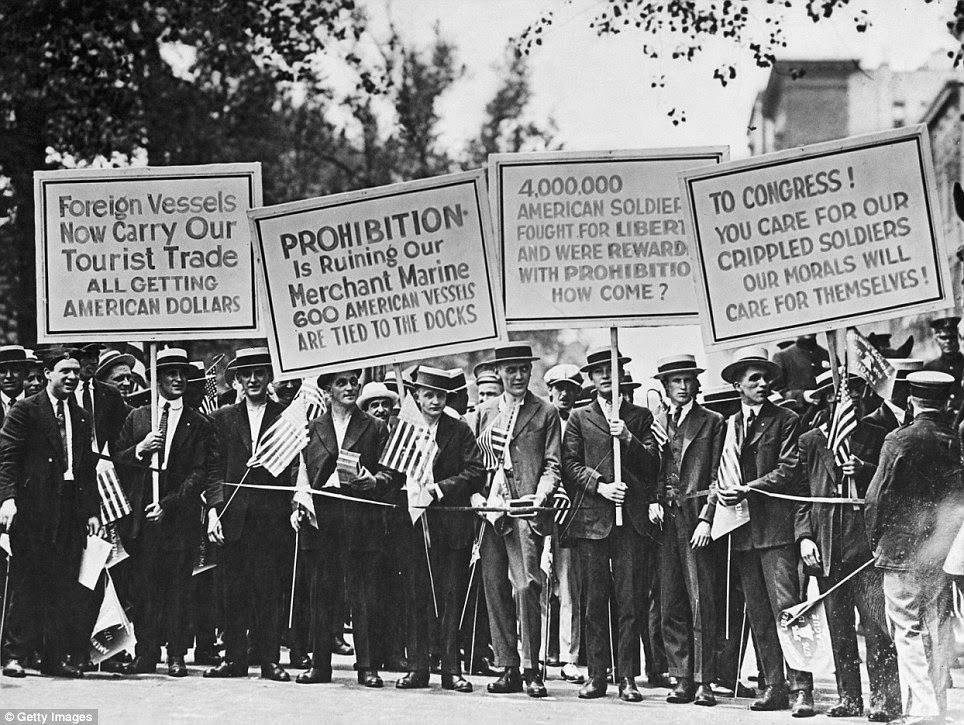
The push to end the ban had been building for years. Public demonstrations against Prohibition took place throughout the 1920s, with protesters openly demanding that lawmakers reverse the law.
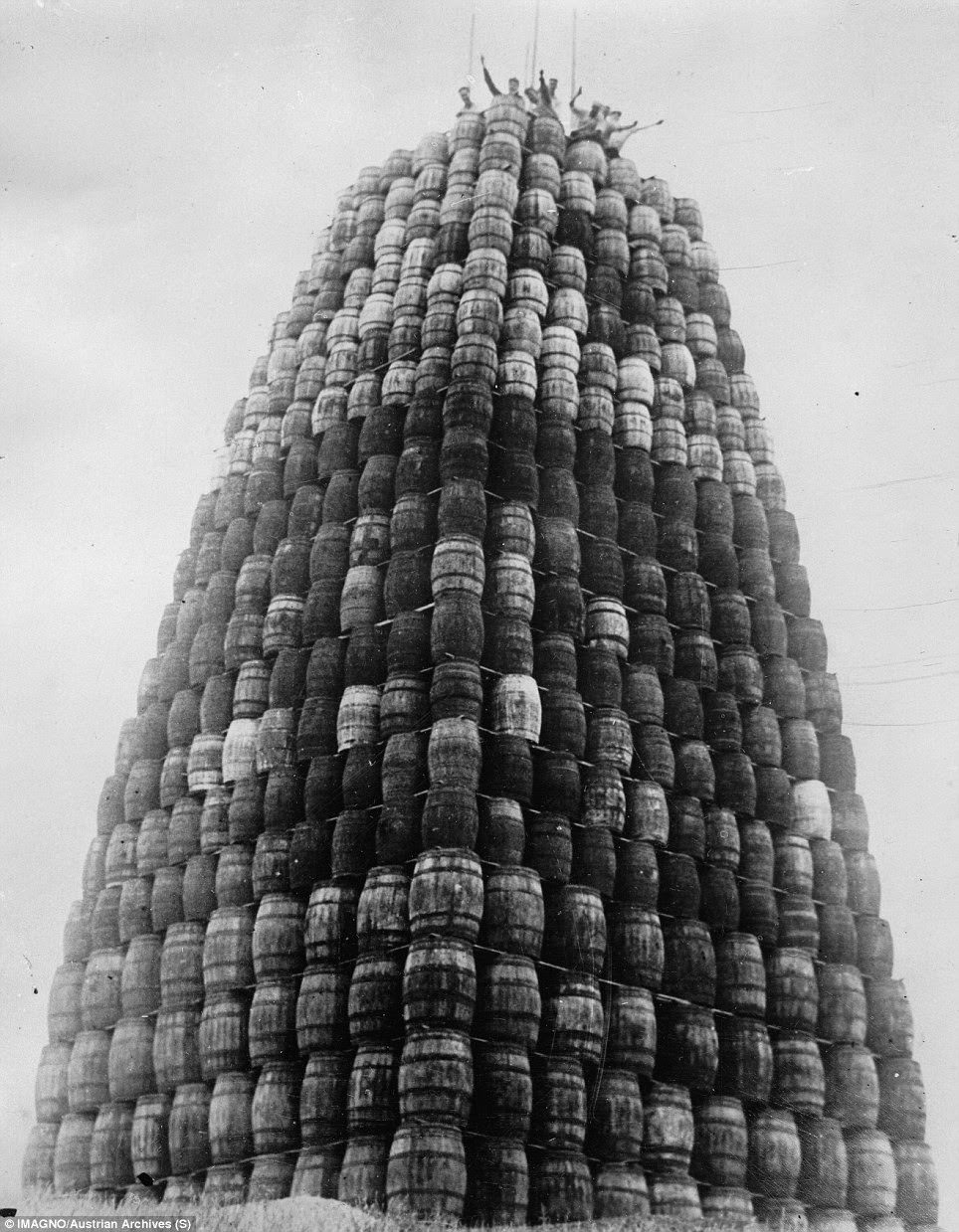
During those dry years, federal and local authorities worked constantly to destroy illegal alcohol supplies. Raids on breweries and private stills were routine, and the seized goods were disposed of publicly — sometimes dramatically.
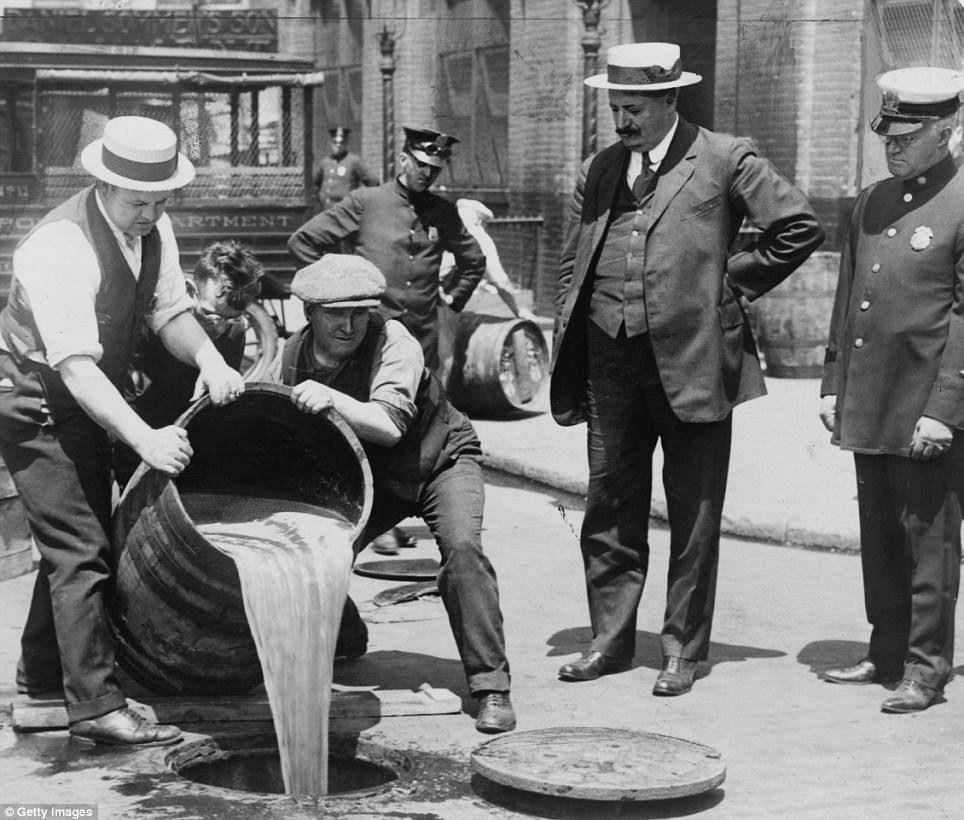
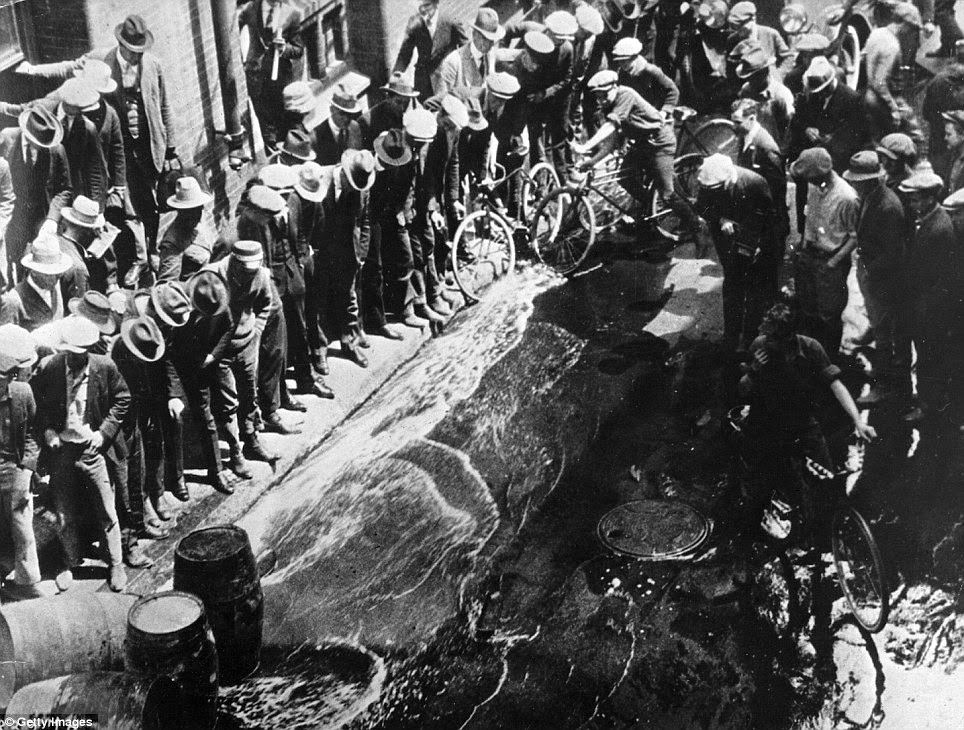
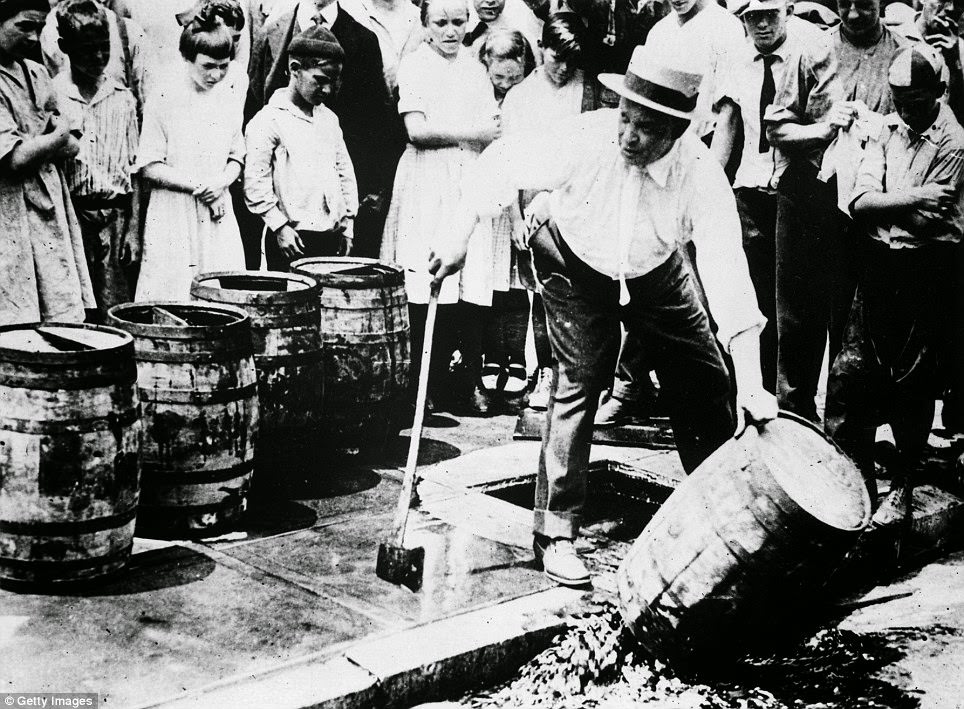
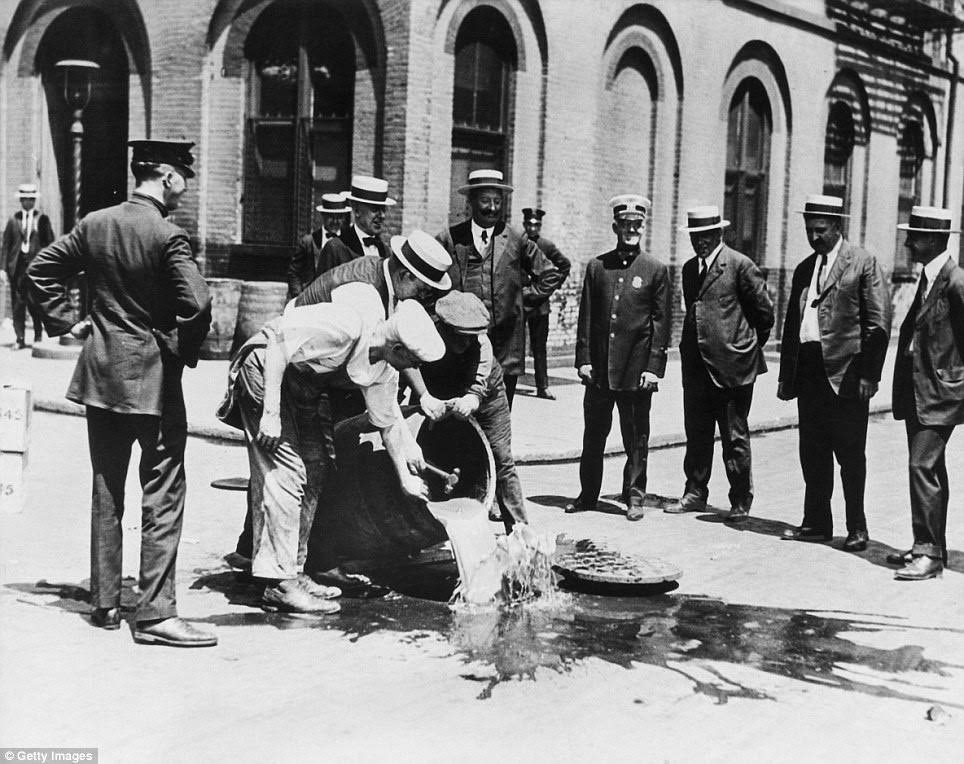
Law enforcement also targeted the equipment used to produce illegal liquor. Police regularly raided operations and posed with their hauls of bottles, barrels, and distilling hardware — a public show of force meant to discourage bootleggers.
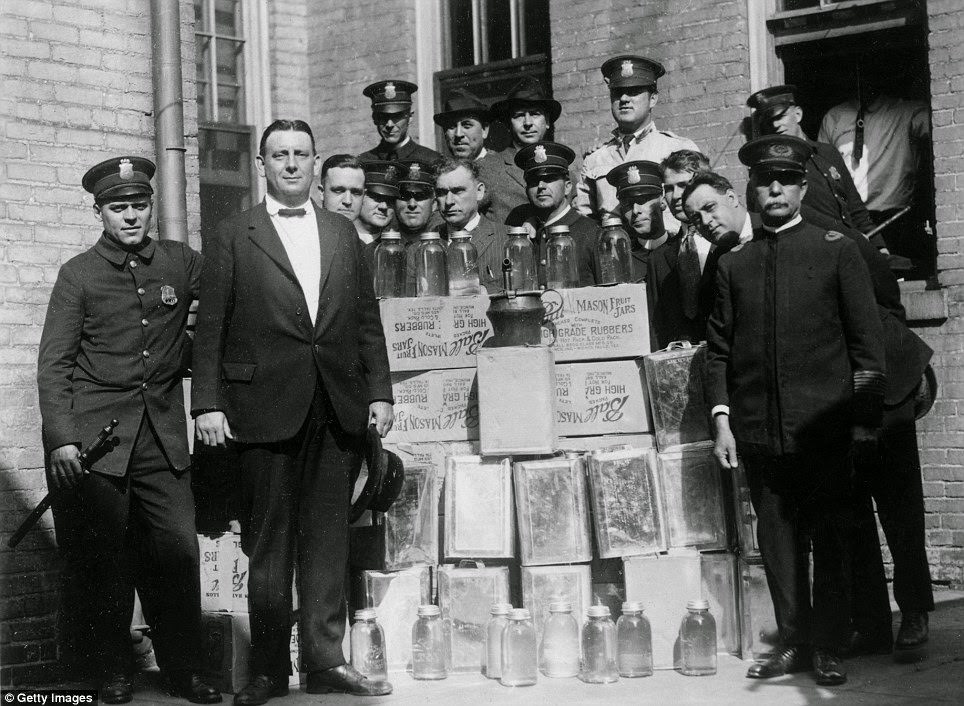
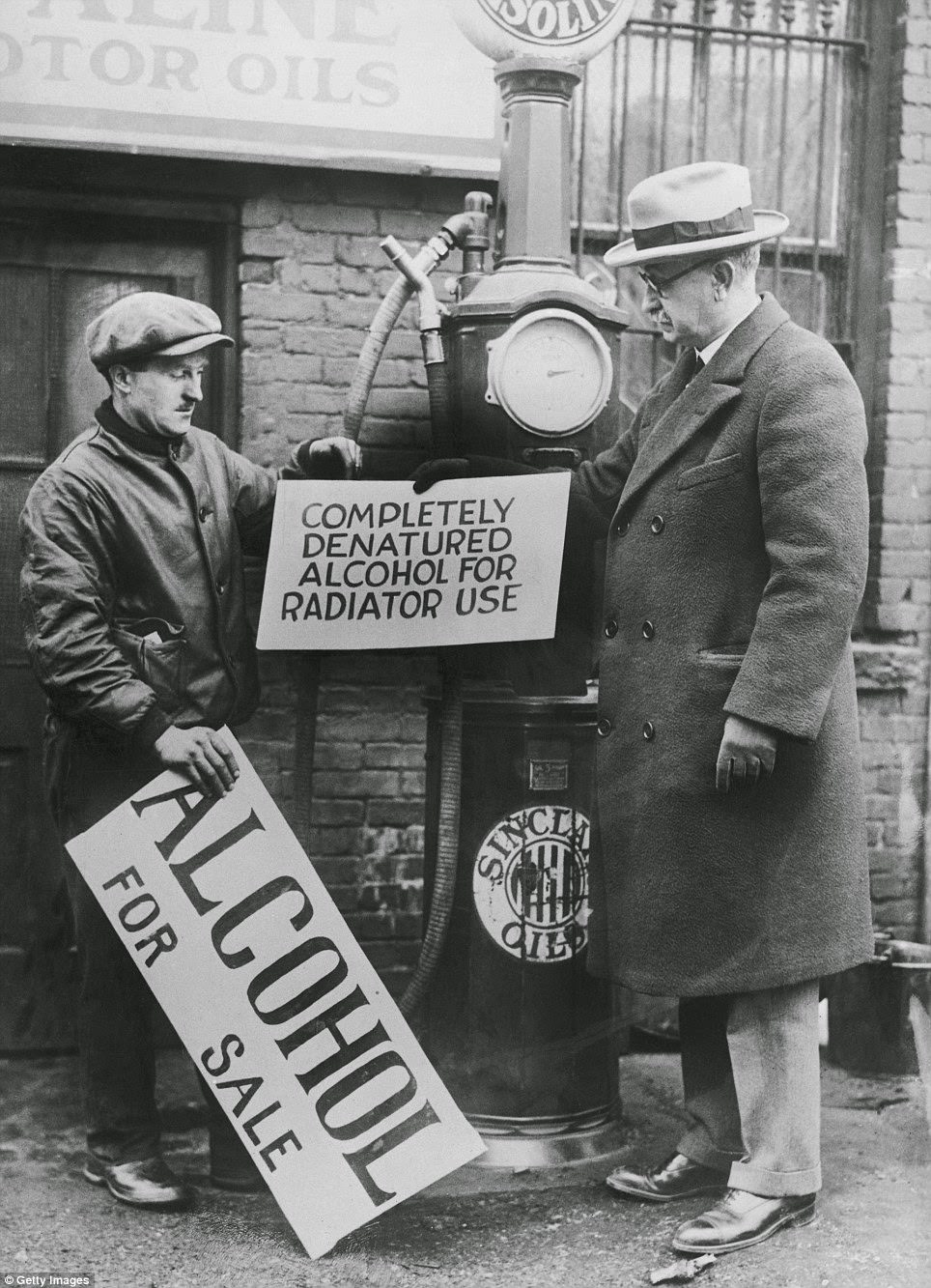
Some enterprising businesses found legal workarounds to sell alcohol during Prohibition. Industrial-use alcohol held a special exemption, and officials sometimes issued permits for products like antifreeze, technically keeping sellers within the law while everyone understood the real purpose.
The end of federal Prohibition did not make every part of America “wet” overnight. The 21st Amendment gave individual states full authority to set their own alcohol laws. States like Kansas and Oklahoma kept the ban in place entirely, arresting anyone caught selling liquor. In other areas, buyers needed expensive licenses, or could only drink if they also ordered a full meal. The unregulated speakeasy was gone, replaced by a new system of government permits, official closing times, and age restrictions.