
Eduard van der Elsken had an eye for life that most photographers never develop. Born in Amsterdam in 1925, he grew into one of the most honest documentary photographers the Netherlands ever produced. His camera never flinched. Whether he was shooting a dimly lit Paris alley or a busy Amsterdam street corner, the result was the same — real people in real moments, caught without pretense.
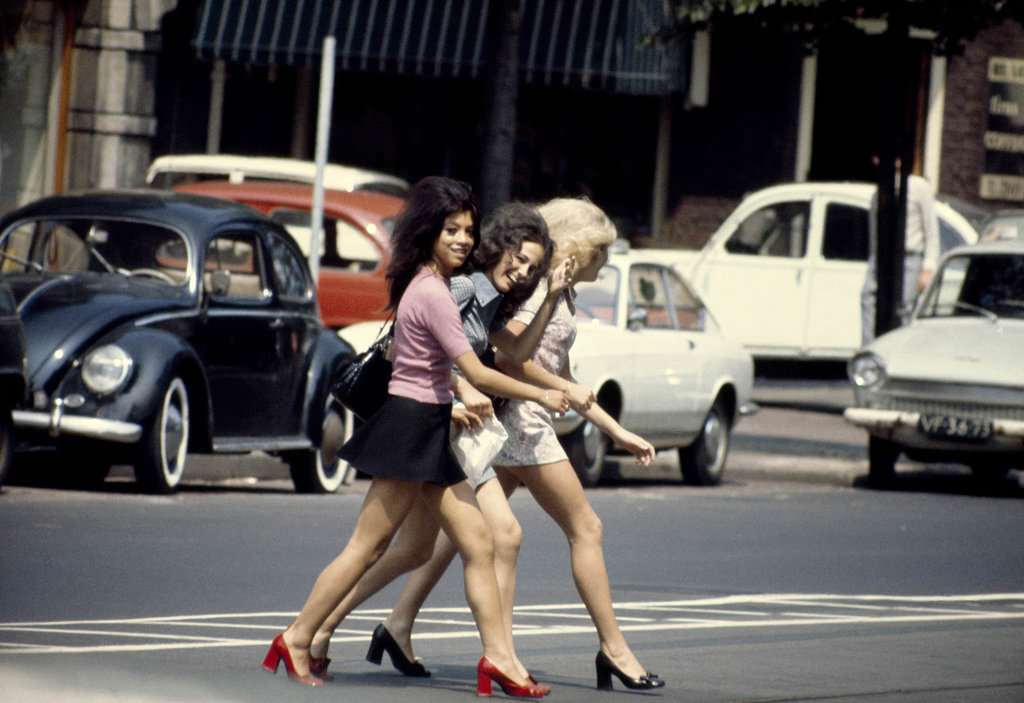
In 1950, Van der Elsken moved to Paris and found work with the renowned Magnum Photos agency. There he printed photographs for some of the biggest names in the field — Henri Cartier-Bresson, Robert Capa, and Ernst Haas. Cartier-Bresson himself took notice of Van der Elsken’s street photography and expressed genuine admiration for it. That kind of recognition, from that kind of photographer, said everything.
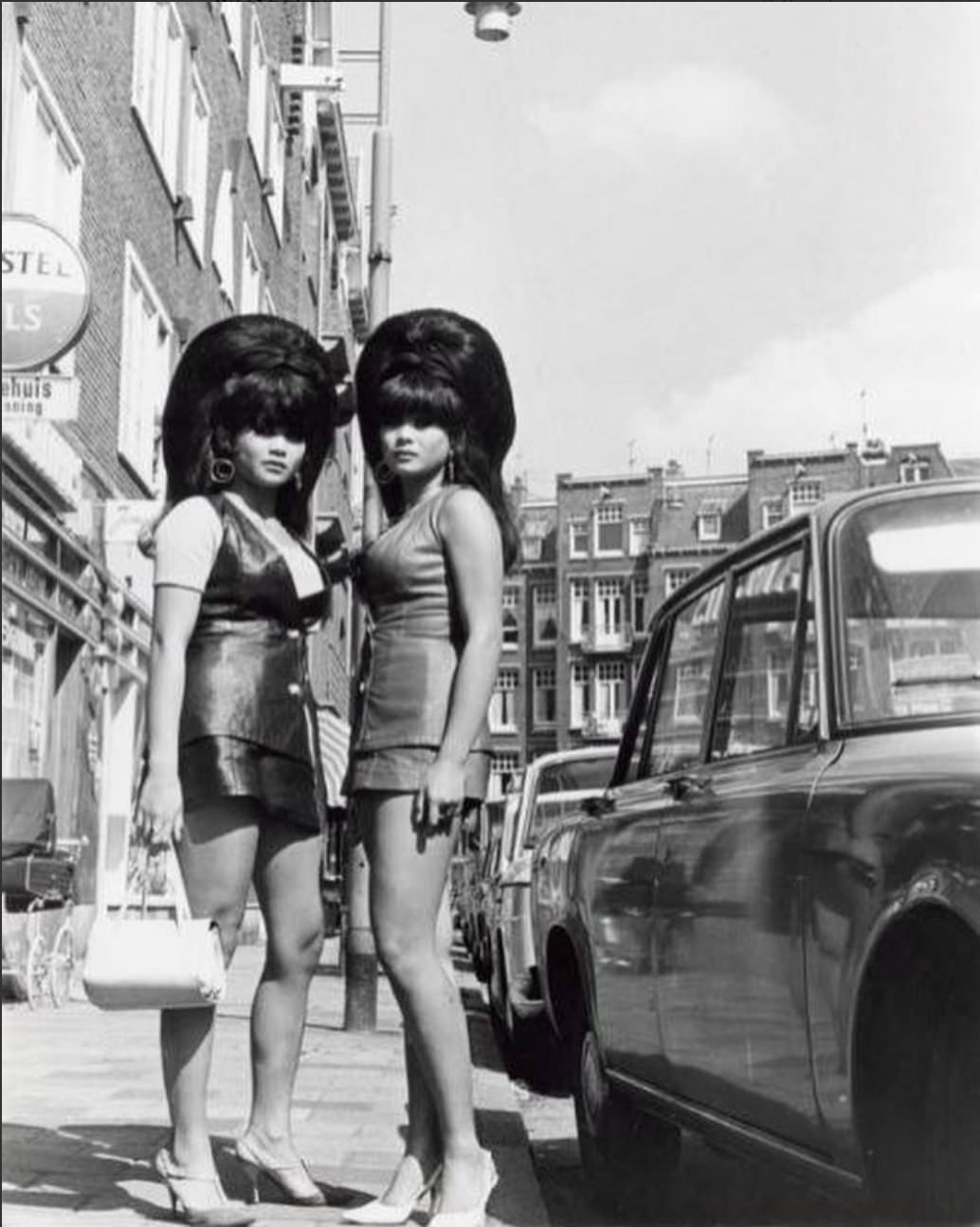
During his Paris years, Van der Elsken spent long hours in the Saint-Germain-des-Prés neighborhood, photographing the beatniks who gathered there. He also documented Australian artist Vali Meyers, a striking figure in that bohemian world. These grainy, atmospheric images were published in his 1956 book Love on the Left Bank, which brought him international attention and established his signature style — raw, close, and deeply human.
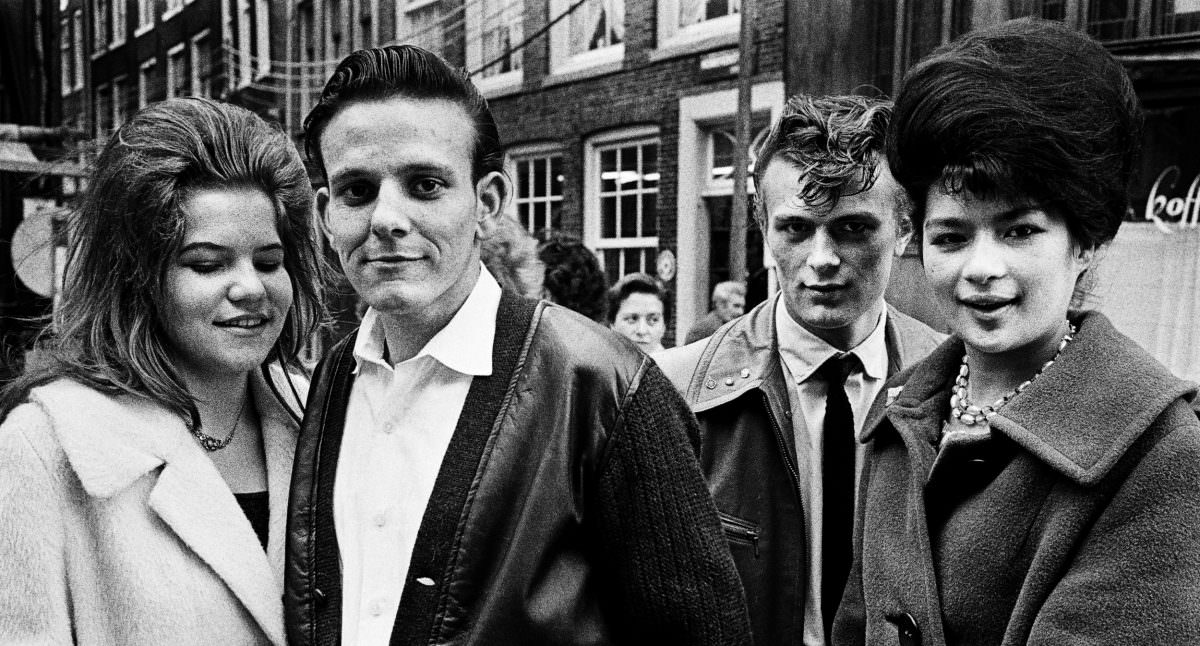
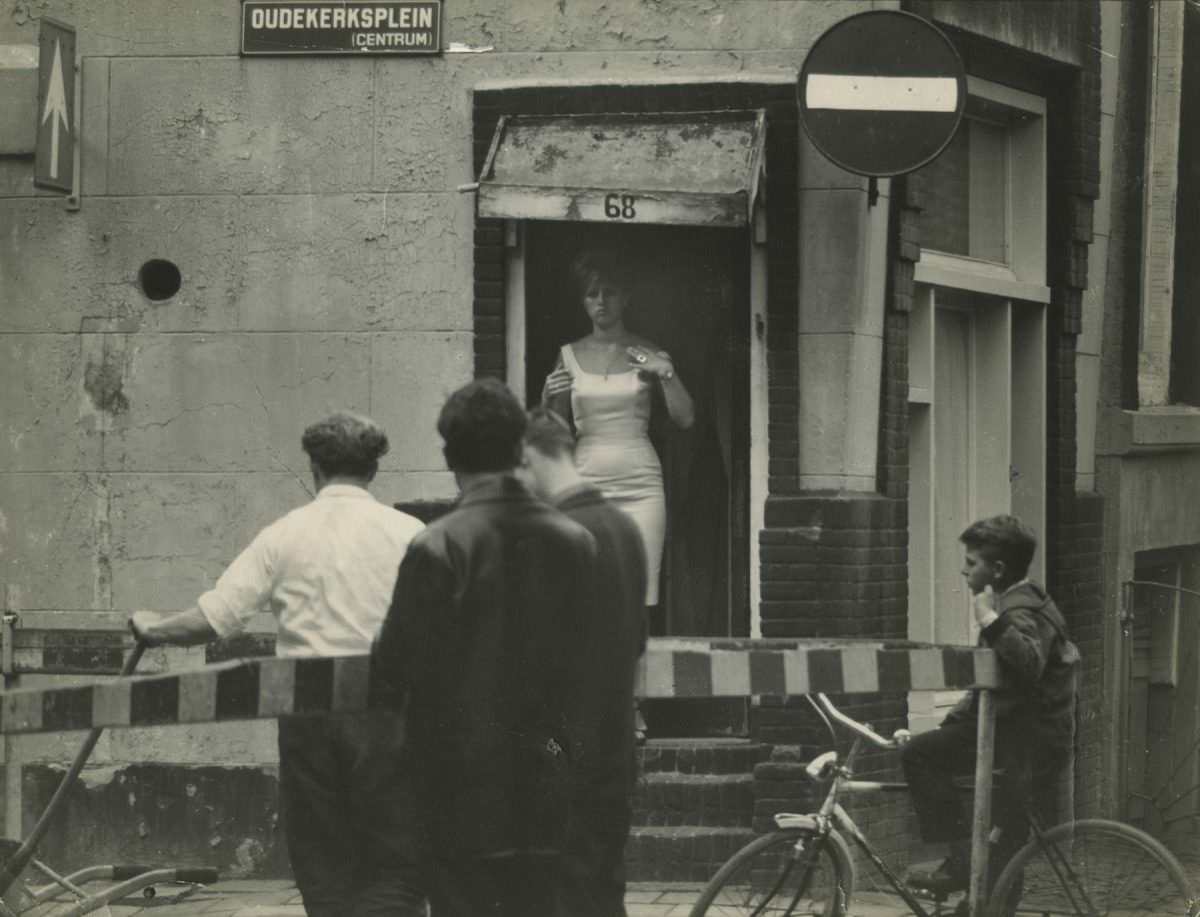
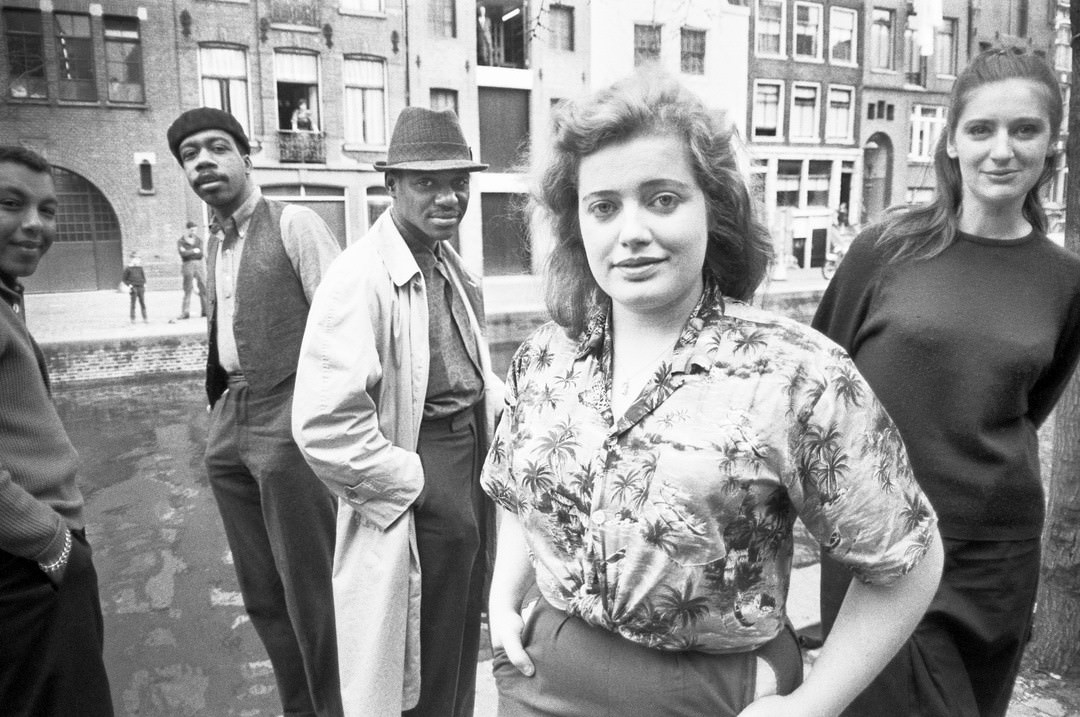
In 1955, Van der Elsken returned to Amsterdam and settled in the Nieuwmarkt, a working-class district in the heart of the city. It was exactly the kind of neighborhood that suited him. The streets were busy, the people were unguarded, and life played out in full view. He walked those streets constantly, camera in hand, building an extraordinary archive of daily life in postwar Amsterdam.
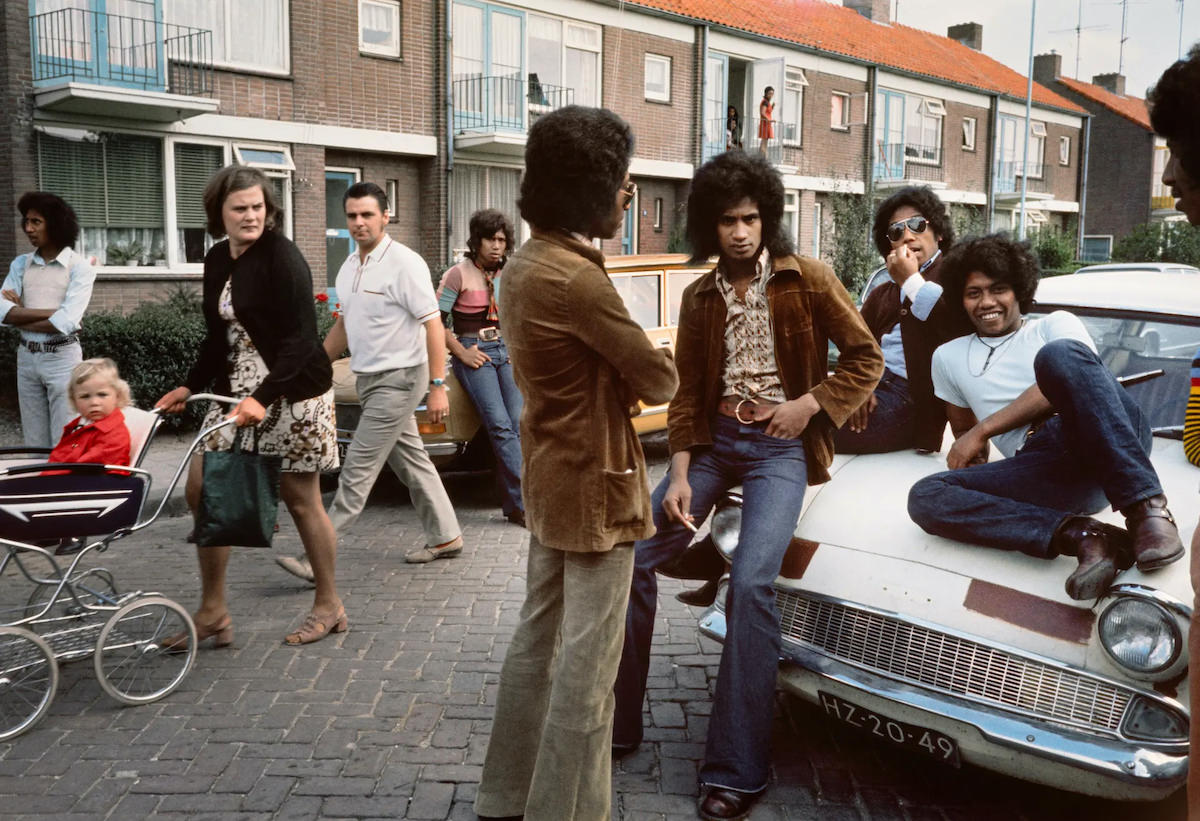
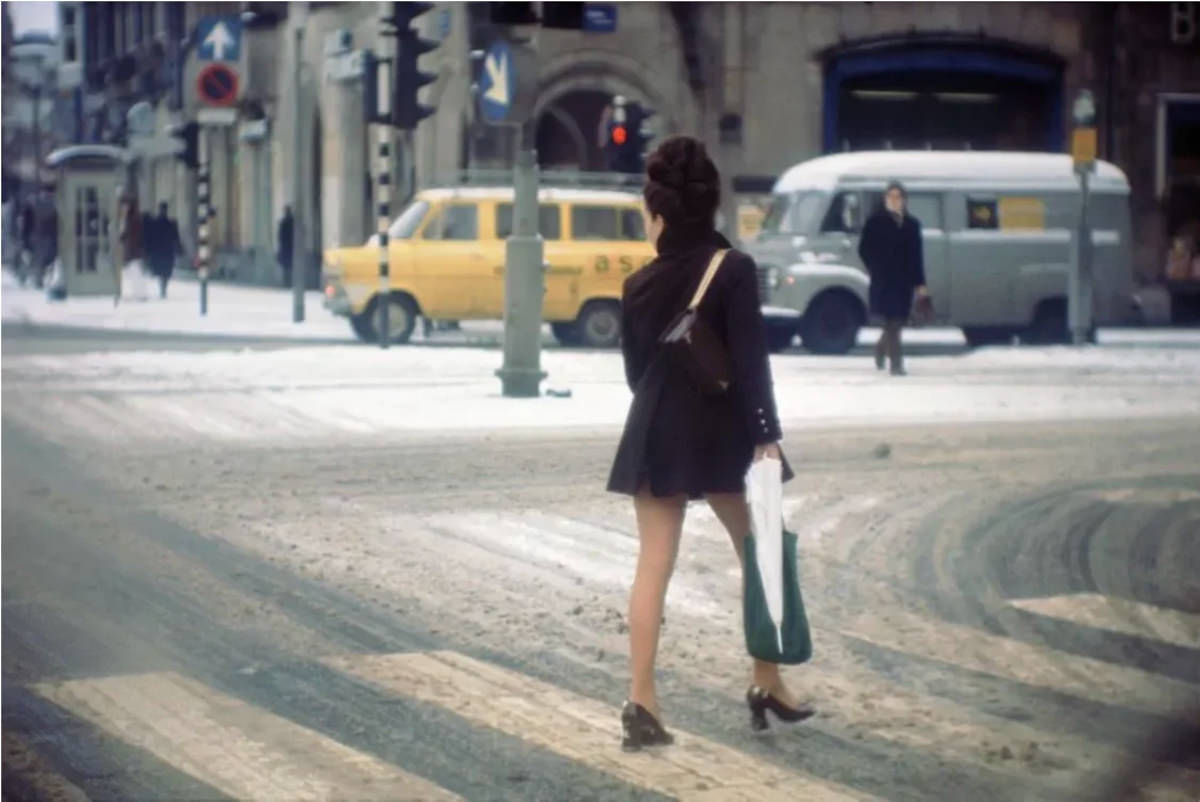
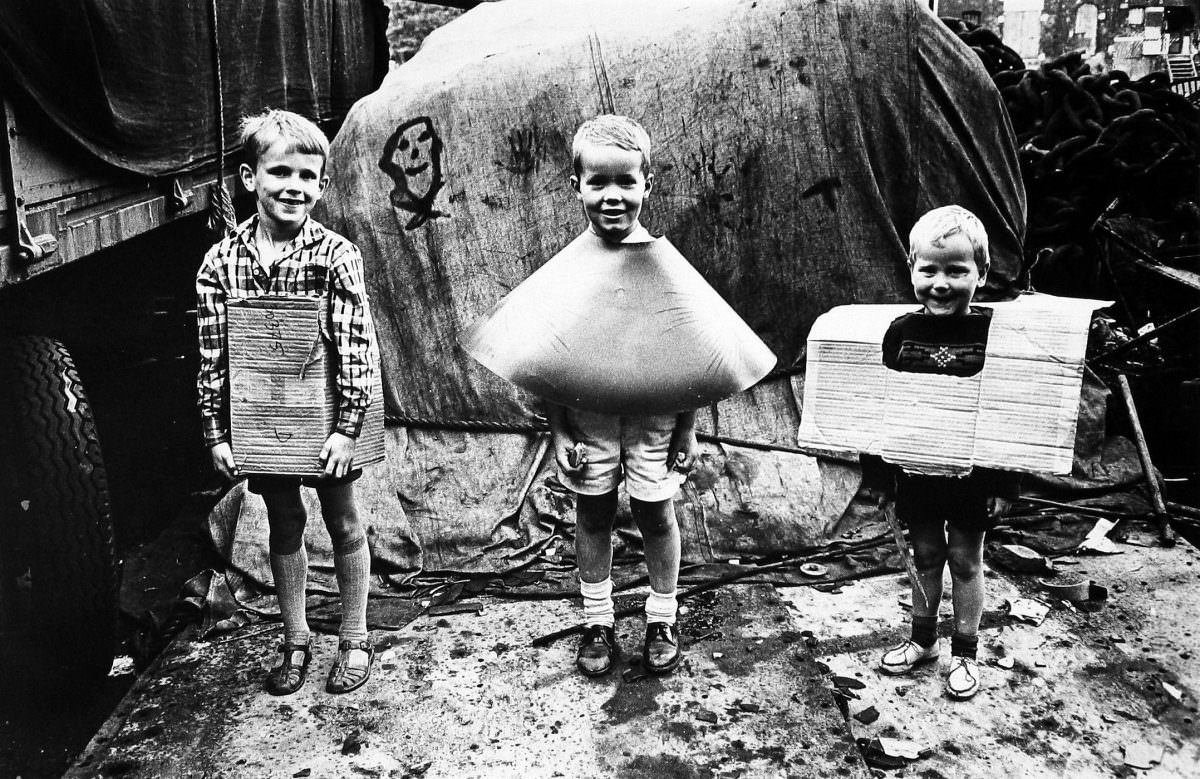
The Amsterdam he photographed in the late 1950s and 1960s was a city still finding its footing after World War II. The old canal houses and narrow streets framed a population that was working class, direct, and unpretentious. Van der Elsken photographed children playing in the streets, men drinking at café tables, women going about their errands — ordinary scenes that, through his lens, became something worth preserving.
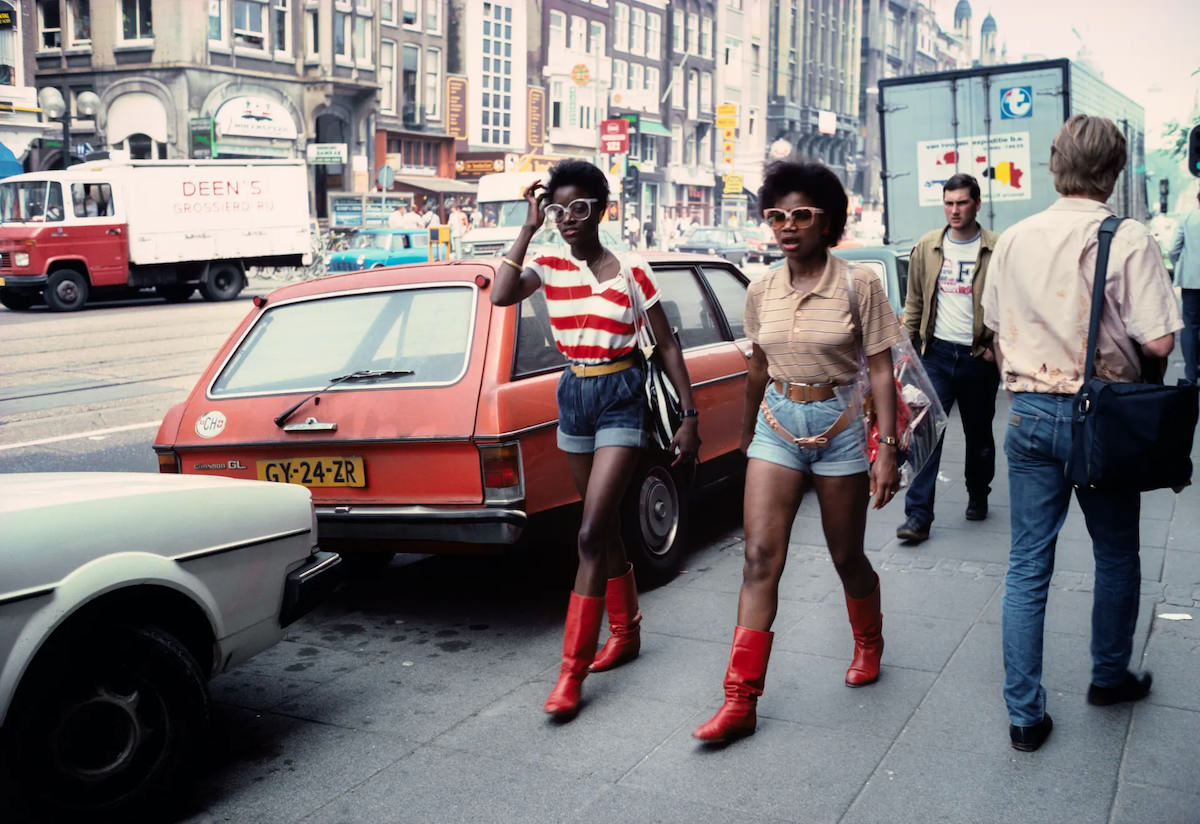
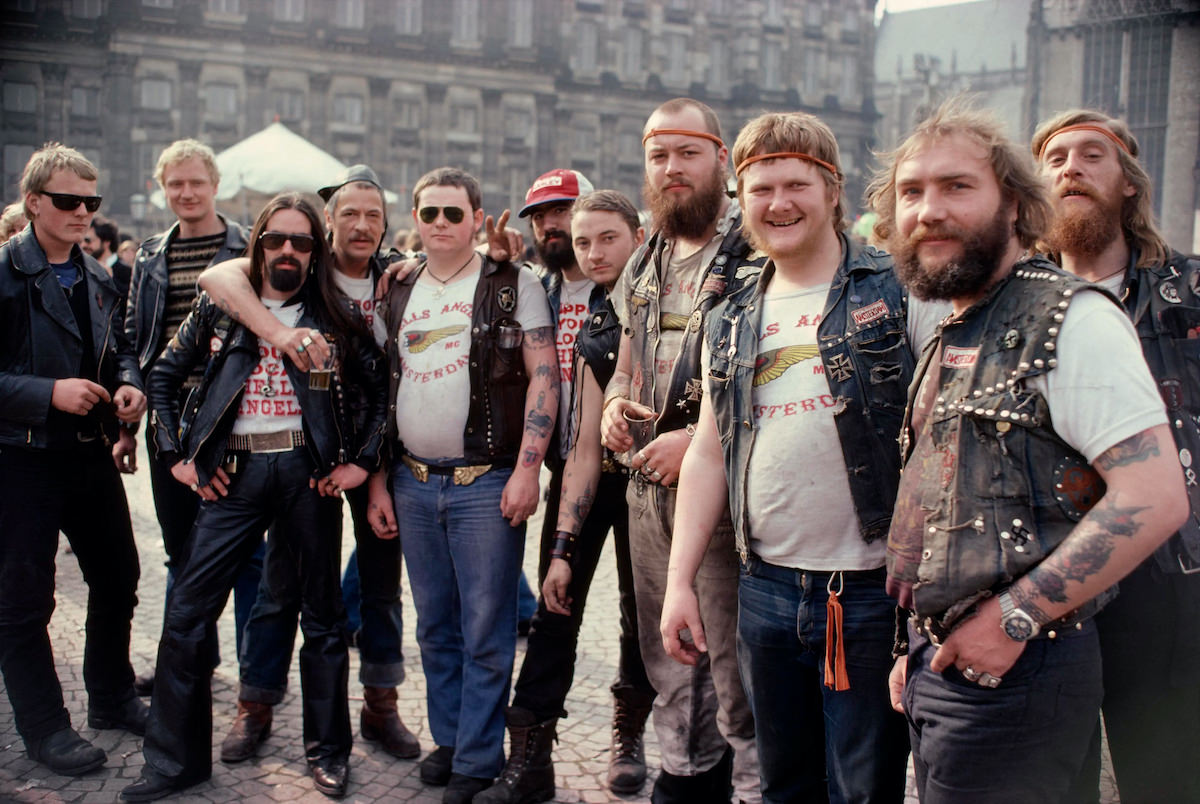
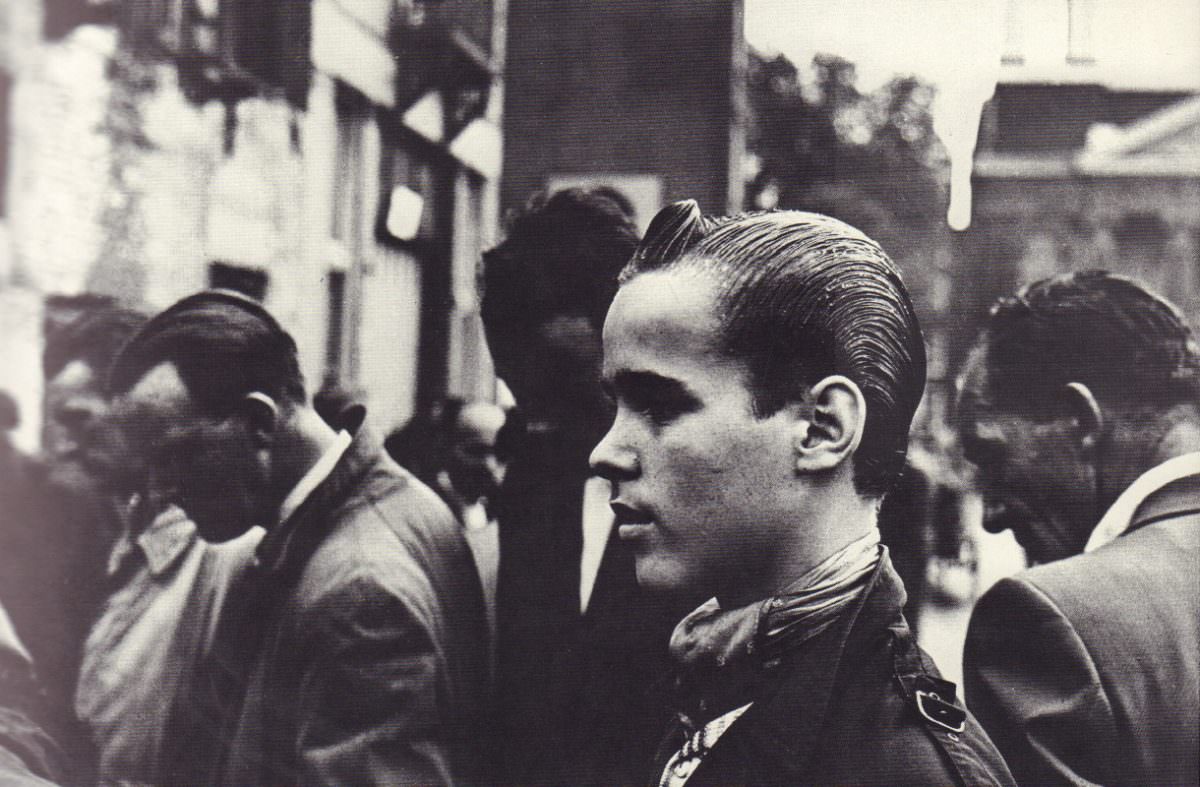
His technique leaned heavily on available light and close physical proximity to his subjects. The grainy texture of his prints was not a flaw — it was a deliberate quality that gave his work an immediacy that polished studio photography never had. He wanted you to feel like you were standing right there on the cobblestones beside him.
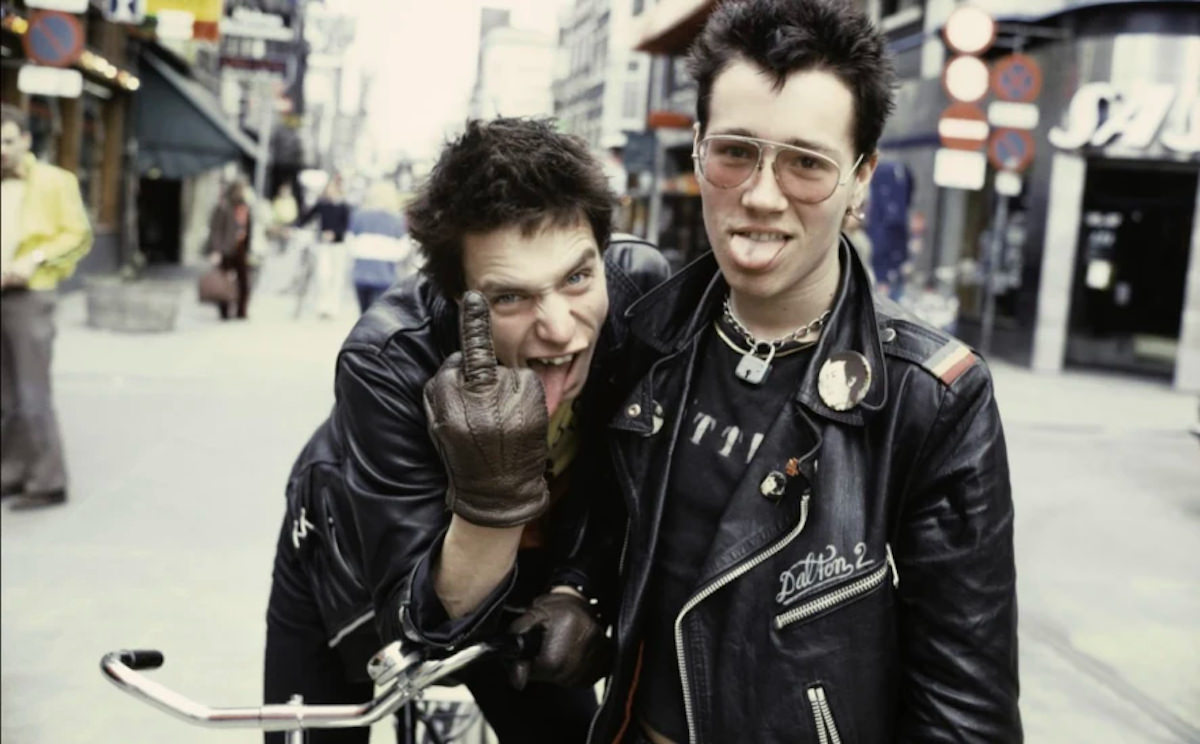
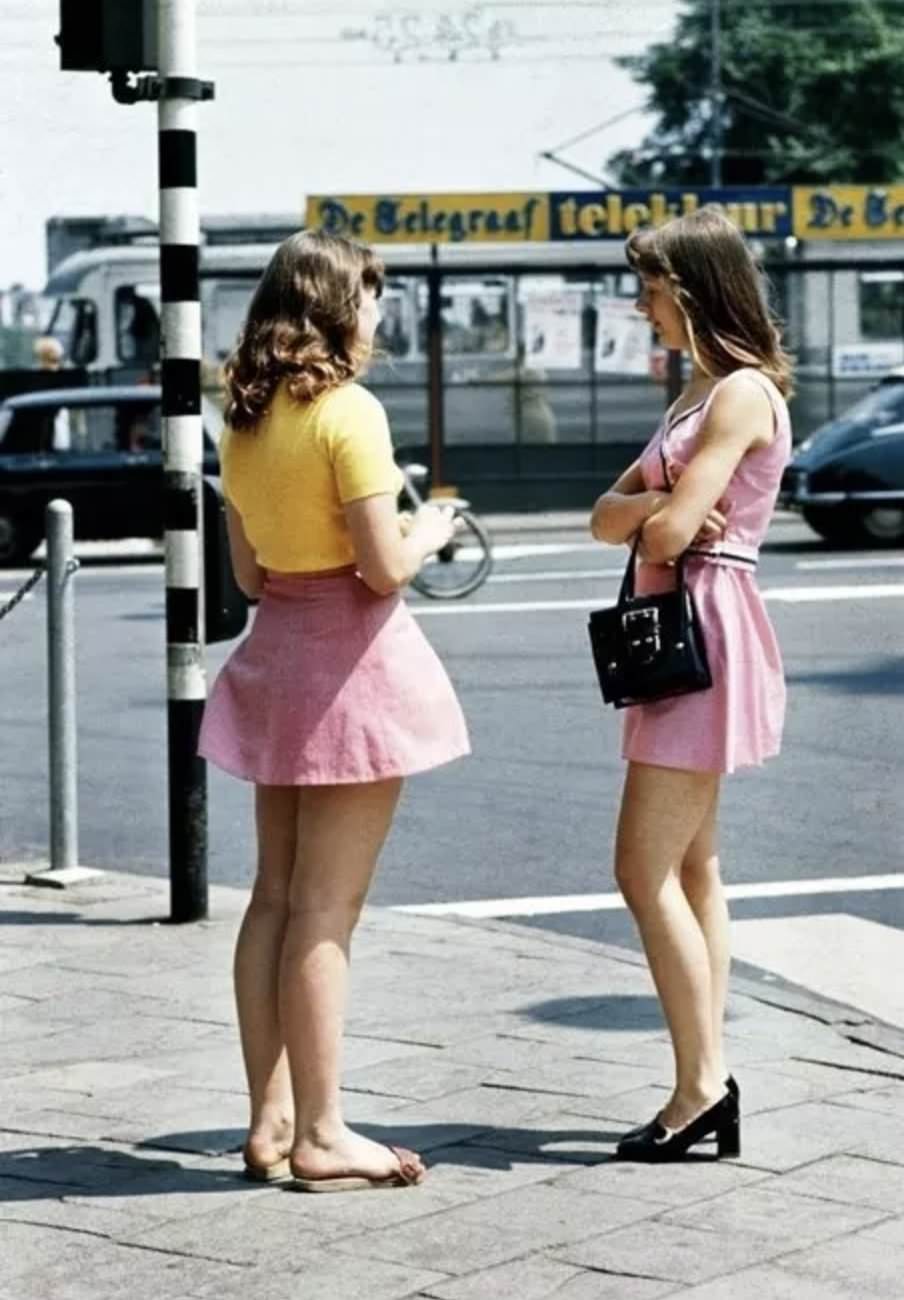
By the mid-1950s, Van der Elsken was producing some of his most memorable Amsterdam work. The images from 1956 alone form a remarkable body of street photography — candid portraits of city dwellers who clearly had no interest in performing for the camera.
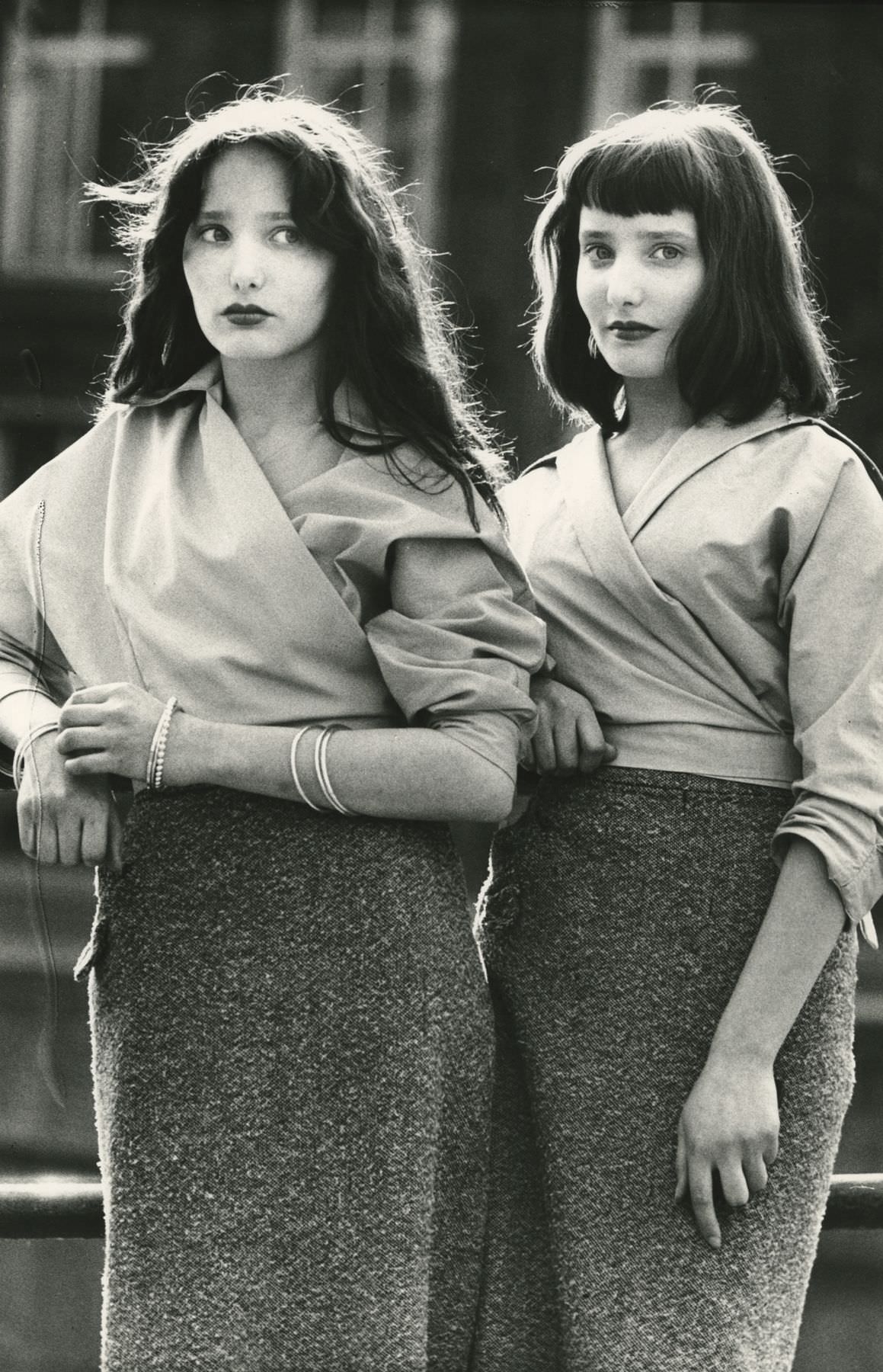
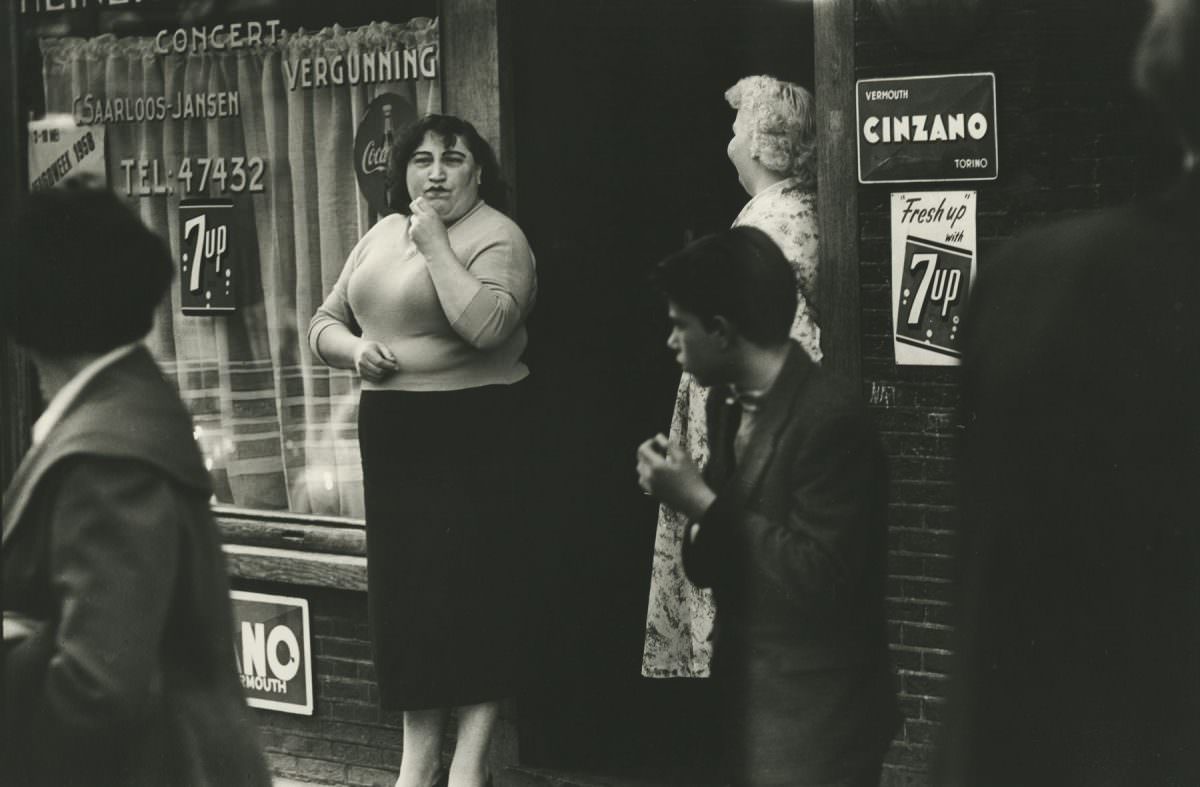
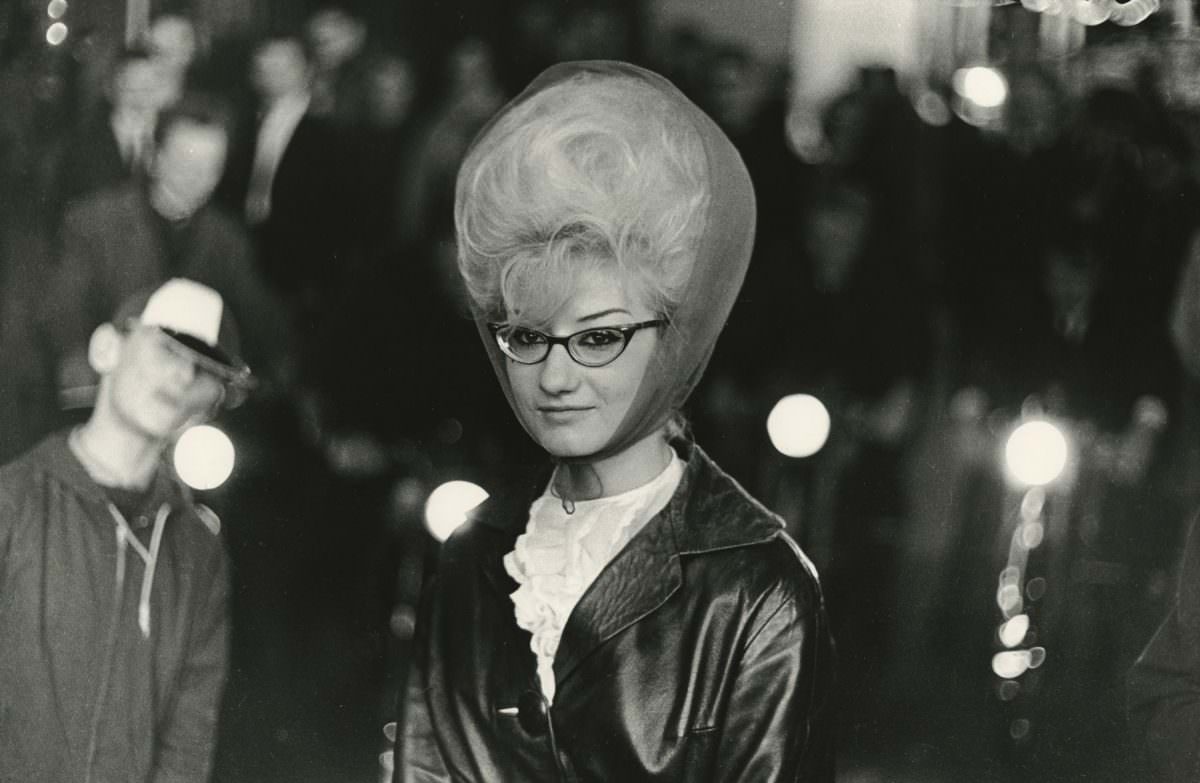
Across the late 1950s, his range expanded without his style ever softening. He photographed the young and the old, the loud and the quiet, finding the same kind of unscripted truth in each frame. The Nieuwmarkt neighborhood gave him an endless supply of subjects — none of them posed, all of them real.
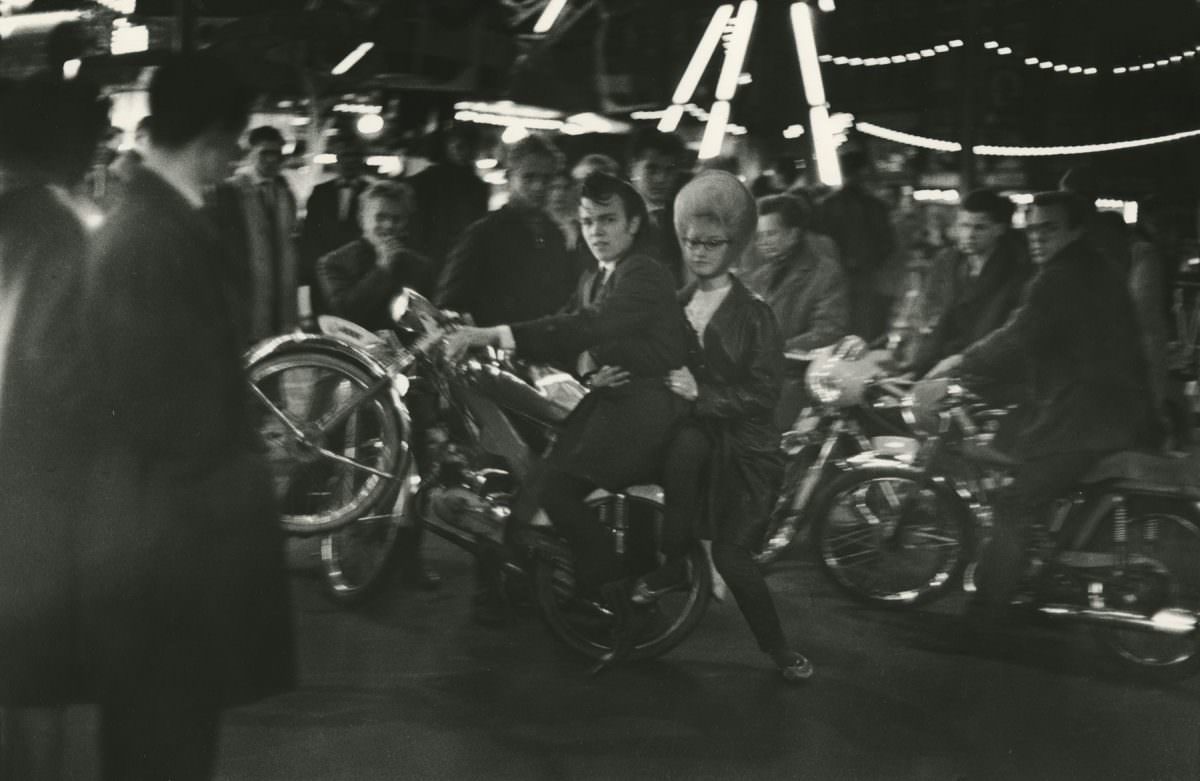
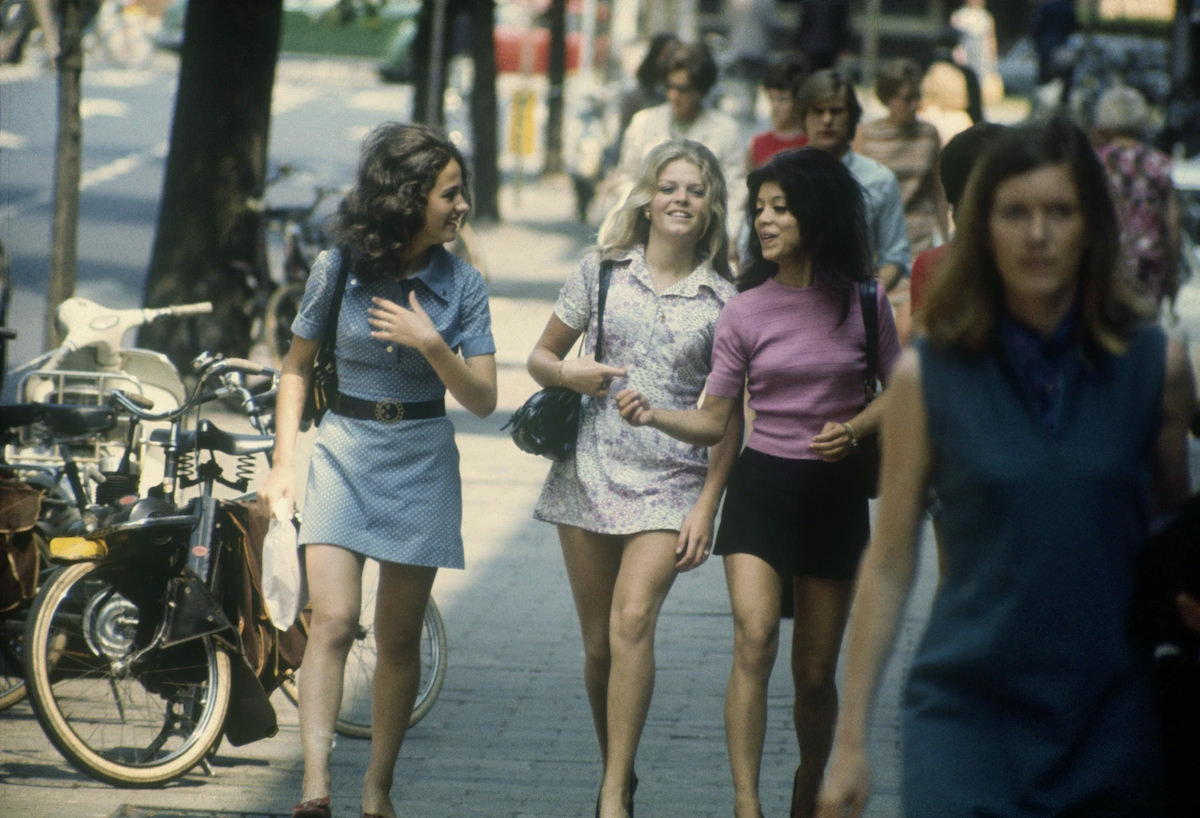
As the 1960s arrived, Amsterdam began to change. A younger generation was becoming more vocal, more visible, and more rebellious. Van der Elsken was there for all of it. He moved through the city’s shifting moods the same way he always had — on foot, close to the ground, never missing a beat.
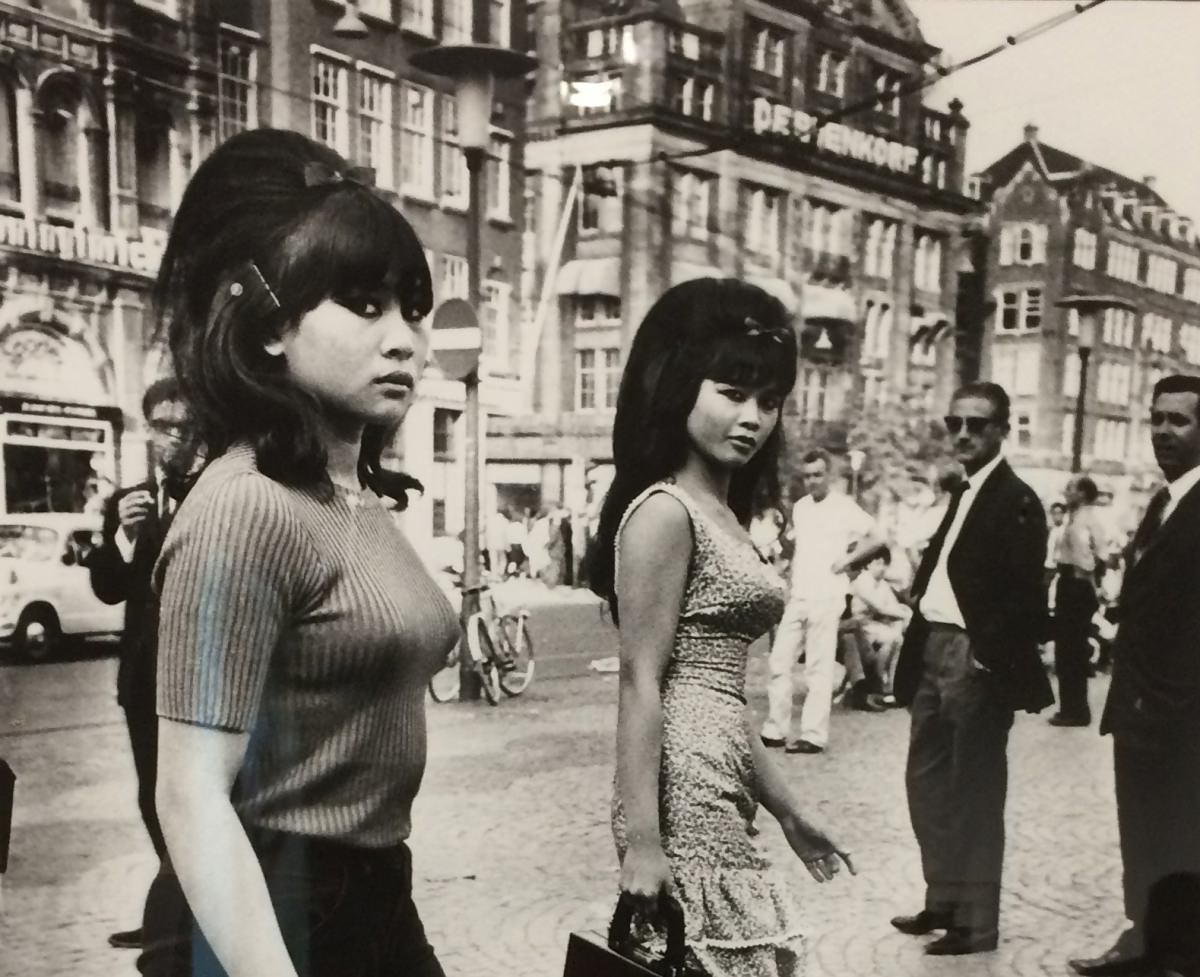
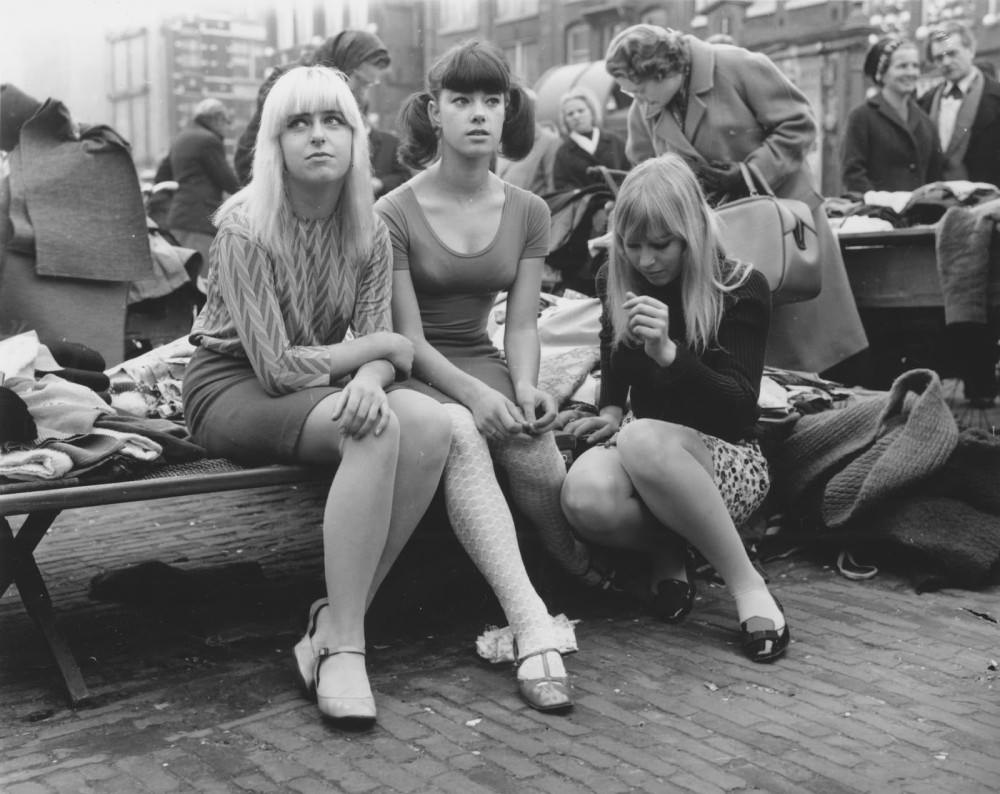
By 1967, the city’s counterculture was in full swing, and Van der Elsken’s photographs reflected the energy of that moment without editorializing it. He let the streets speak. The photographs from this period sit alongside his earlier work as part of a single, sustained documentary effort — one man recording one city across two defining decades.





Really nice to watch these old pictures. Just a sidenote: the Netherlands declared neutral in WW1, not in WW2
This is not correct!
The Netherlands did declare itself neutral in WWII, but Germany attacked the Netherlands anyway.
The Netherlands also declared neutrality in WW2, but the Germans didn’t accept it because of the strategic location. It was better for them to have the ocean as a border.