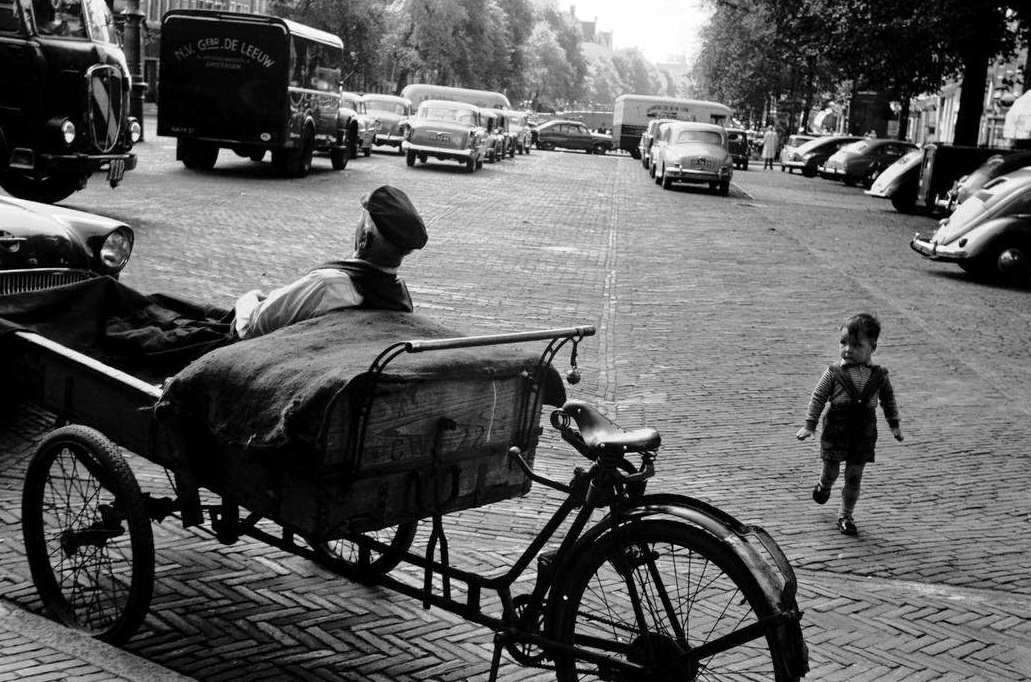
Leonard Freed was born in Brooklyn, New York, in 1929. He started out wanting to be a painter, but a camera changed everything. During an early trip through Europe and Africa, he discovered that photography was his real calling. Back in the United States, he studied under Alexey Brodovitch, the legendary art director who shaped a generation of photographers at The New School. That training gave Freed a sharp eye for composition and storytelling — two things that would define his entire career.
In 1958, Freed made a decision that would shape his most personal body of work: he moved to Amsterdam. For much of the following decade, he worked as a freelance photojournalist, walking the streets of the Dutch capital and documenting the textures of daily life. Markets, canal boats, children at play, workers on cold winter mornings — Freed captured it all with a quiet, observational style that made his subjects feel completely at ease.
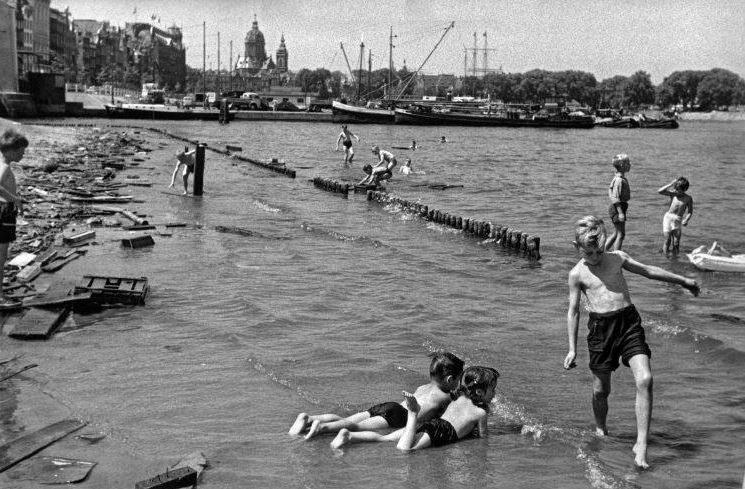
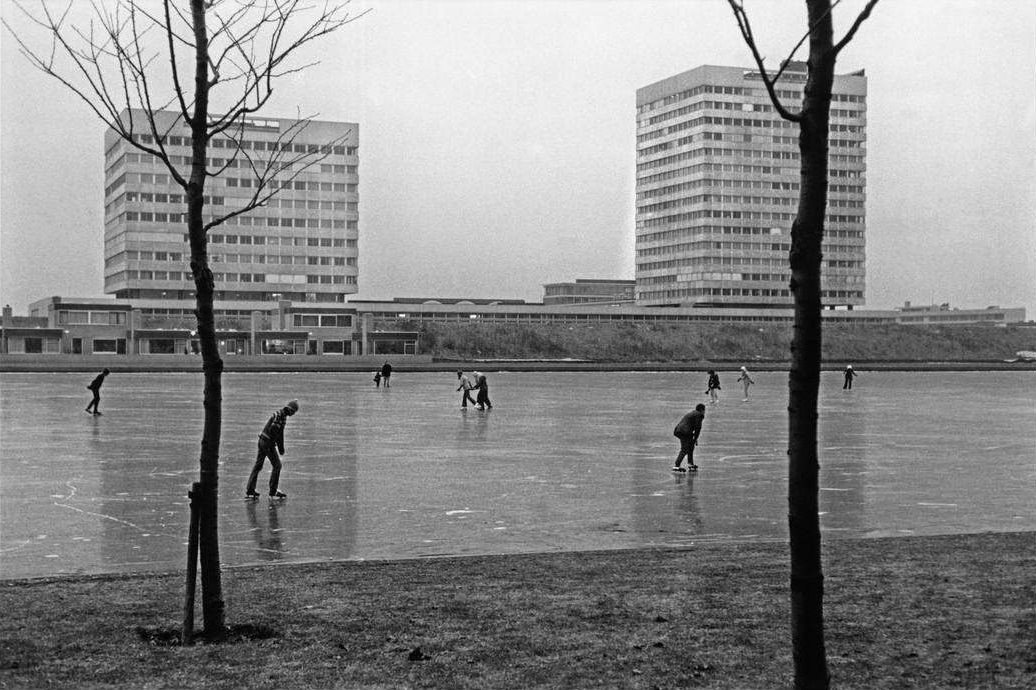
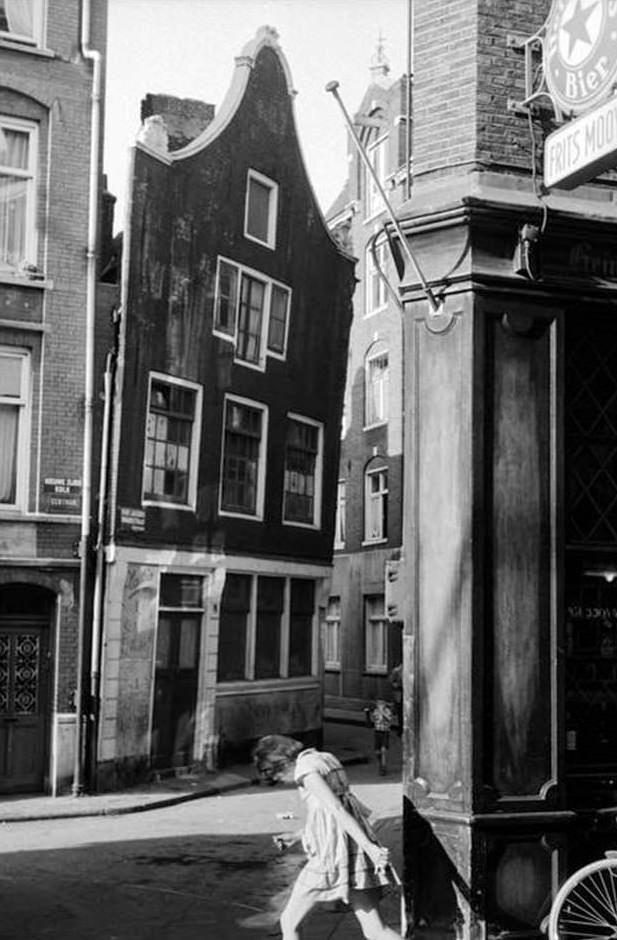
Amsterdam in the 1960s was a city of contrasts. Ancient canal houses stood beside modern buildings. Old trade traditions mixed with a rapidly changing social landscape. Freed moved through all of it — not as an outsider looking in, but as someone who had made the city his home. His photographs from this period are not posed or staged. They are slices of real life, caught in motion.
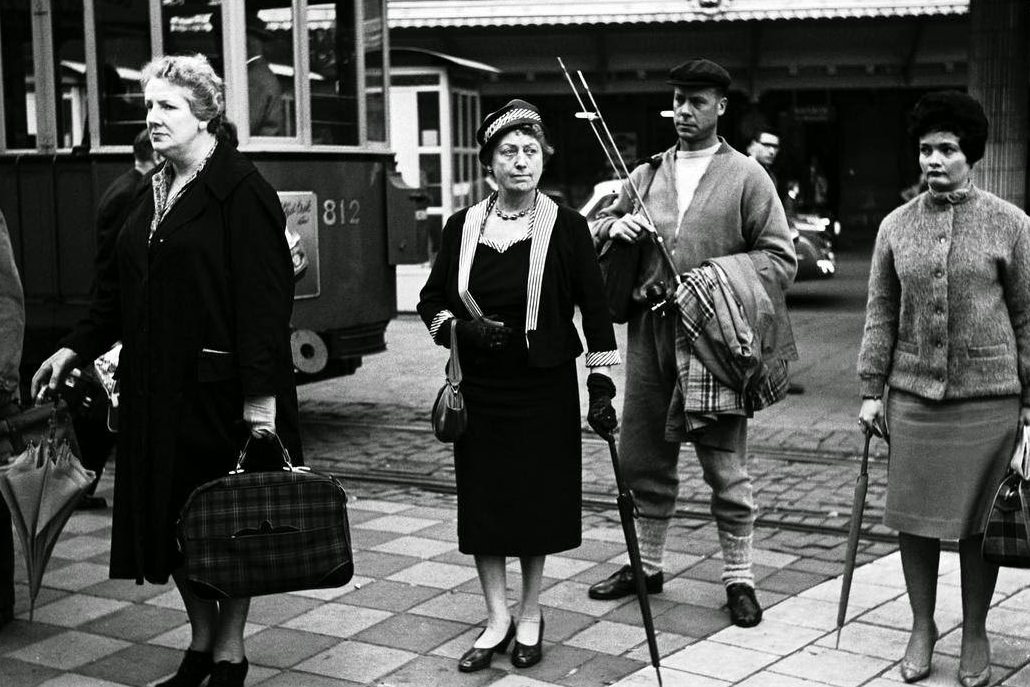
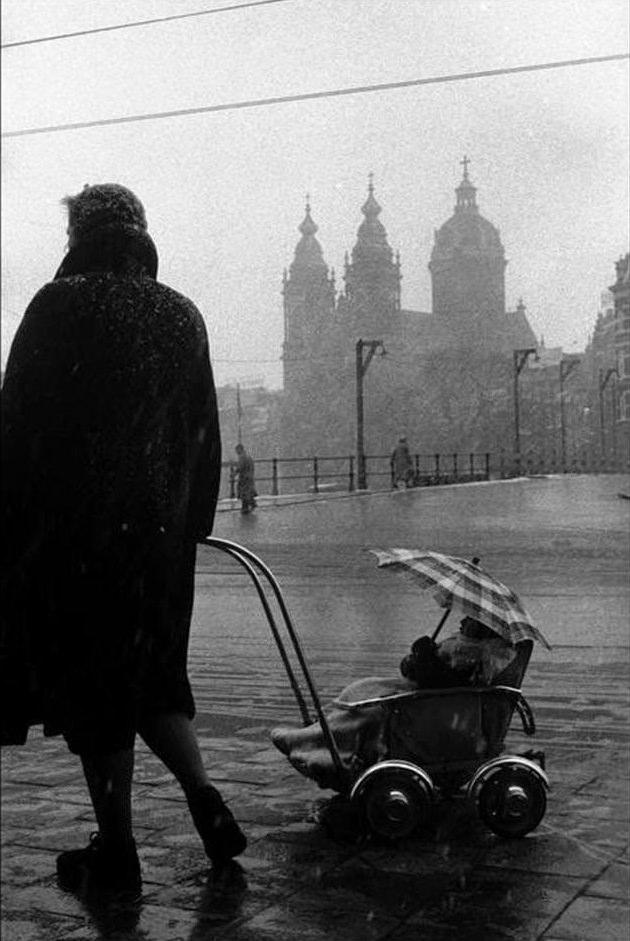
Amsterdam’s Centraal Station was one of the city’s busiest crossroads. Commuters, travelers, and locals passed through it every day, and the tram stop outside was a natural gathering point for people from all walks of life. Freed photographed these ordinary moments of waiting and watching, turning them into something worth remembering.
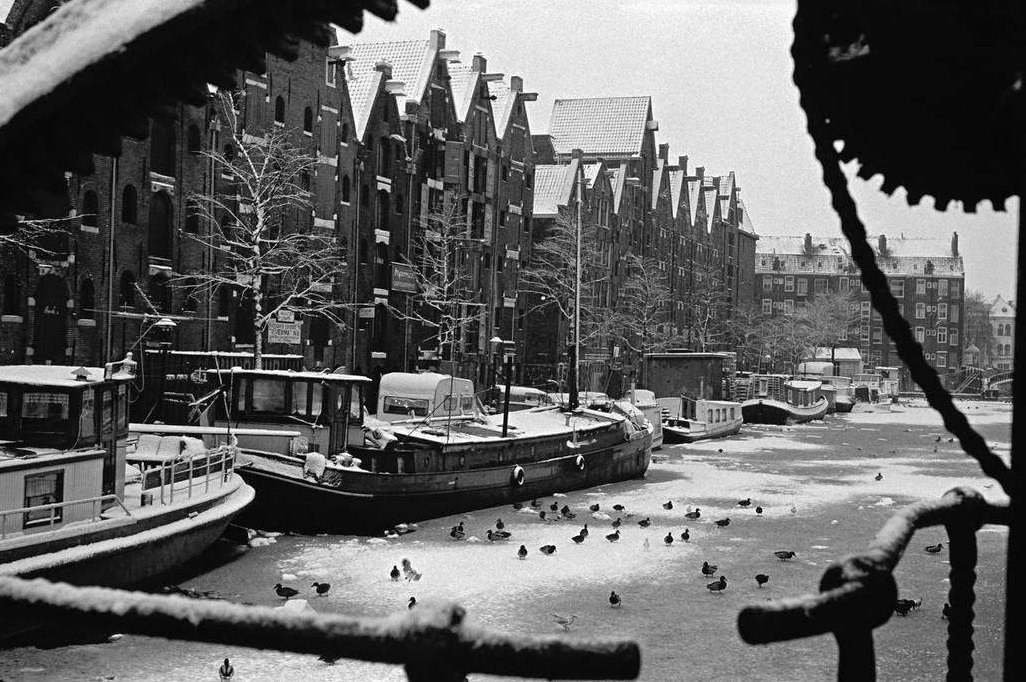
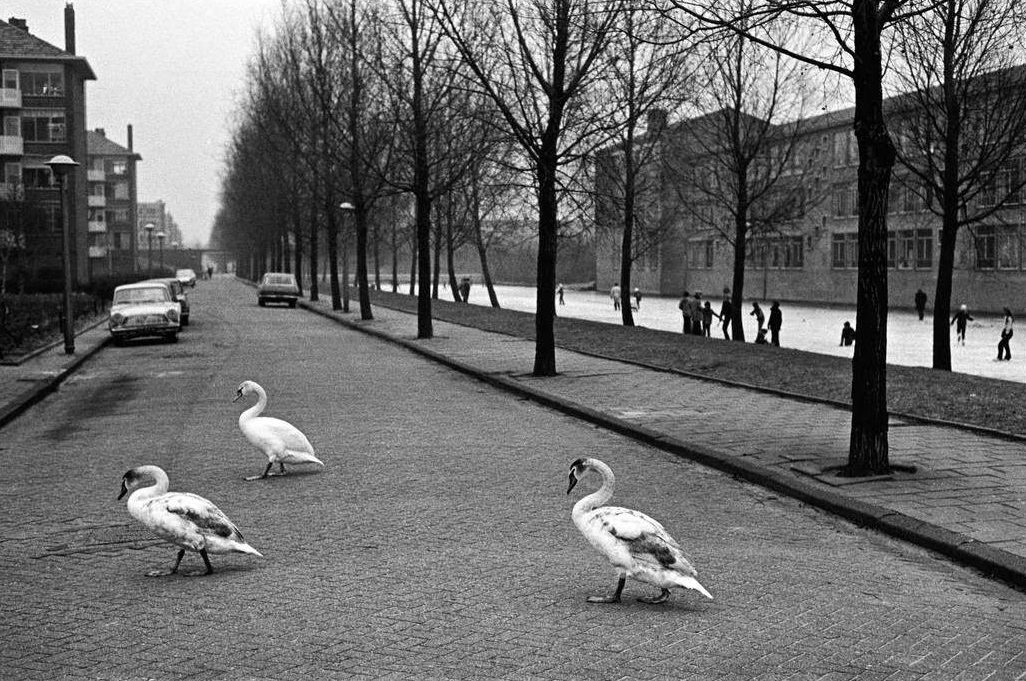
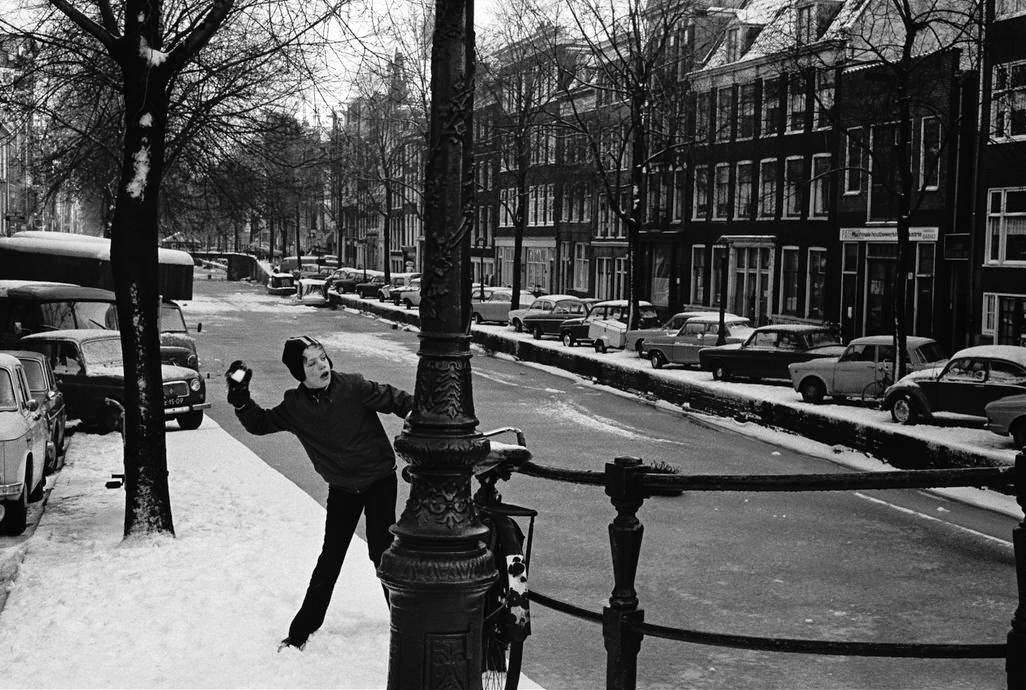
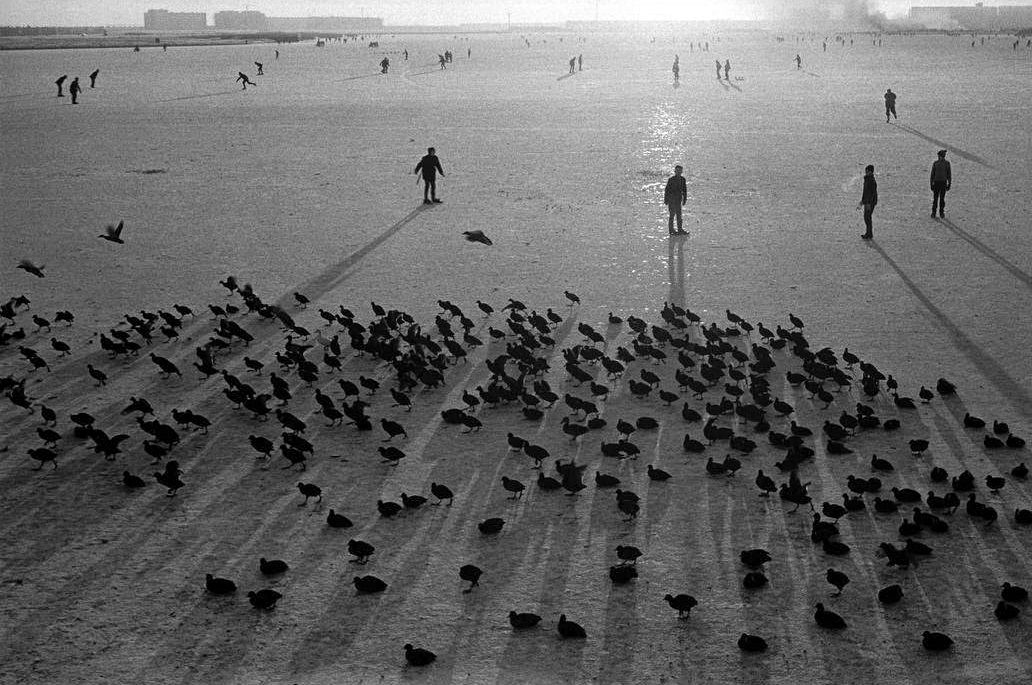
Dutch winters were a recurring subject for Freed. The cold months transformed Amsterdam’s streets and canals into stark, beautiful scenes. Bare trees, bundled-up pedestrians, and frozen waterways gave his winter photographs a mood that was quiet but full of life.
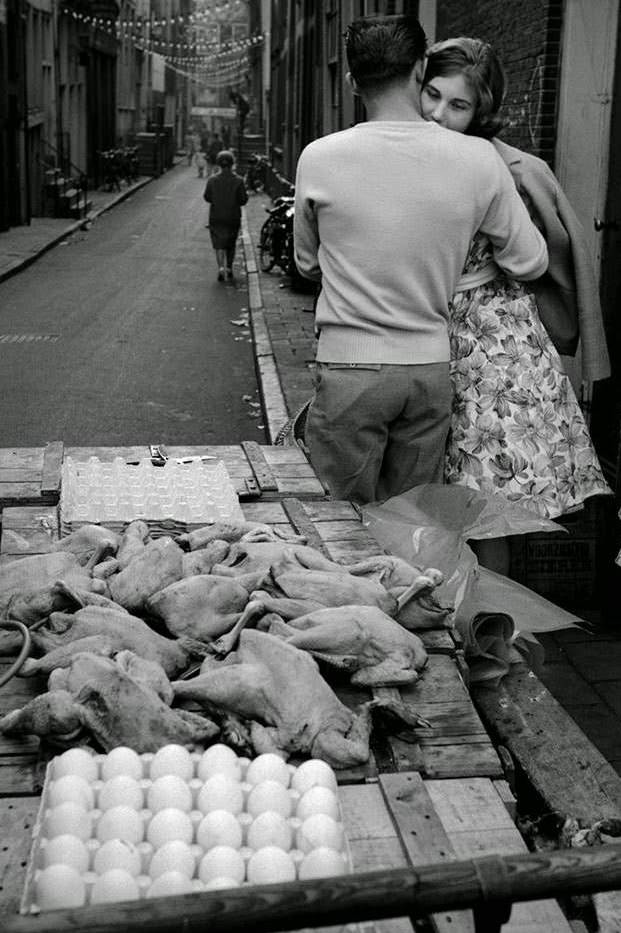
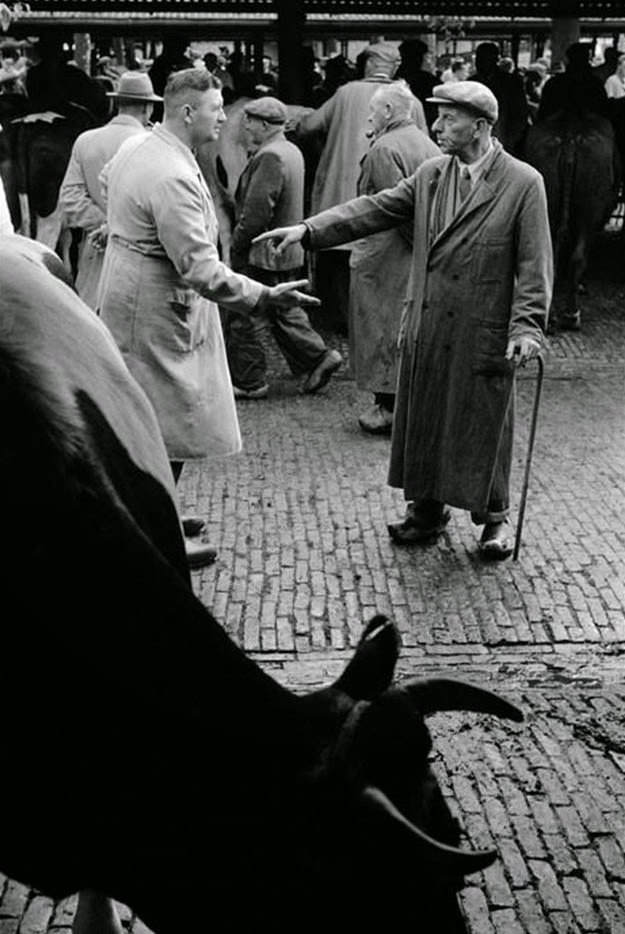
The open-air markets of Amsterdam were central to the city’s identity. Vendors sold eggs, chickens, produce, and goods much the same way they had for generations. Freed was drawn to these commercial spaces because they brought together merchants, buyers, and neighbors in an honest, unfiltered way.
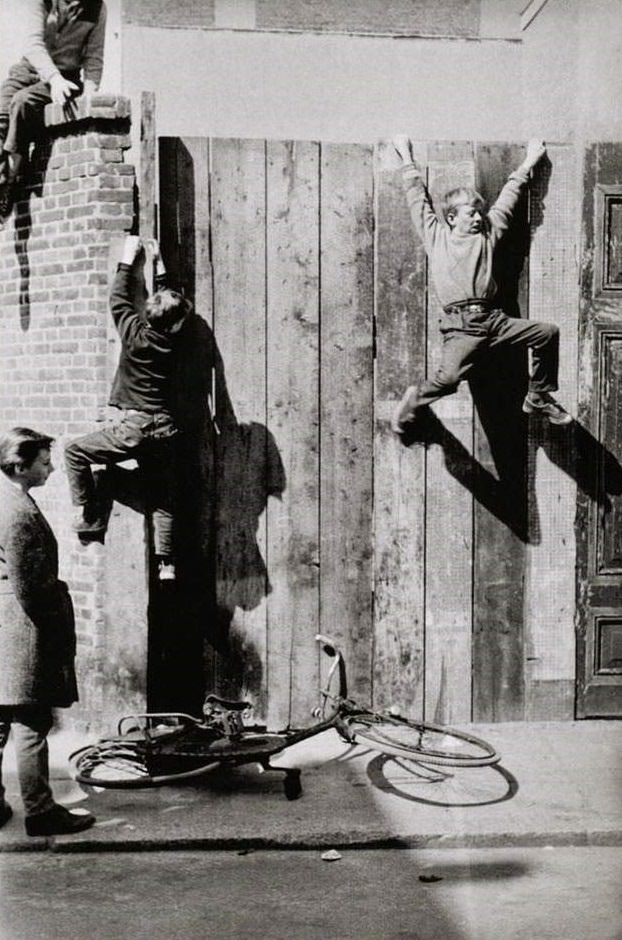
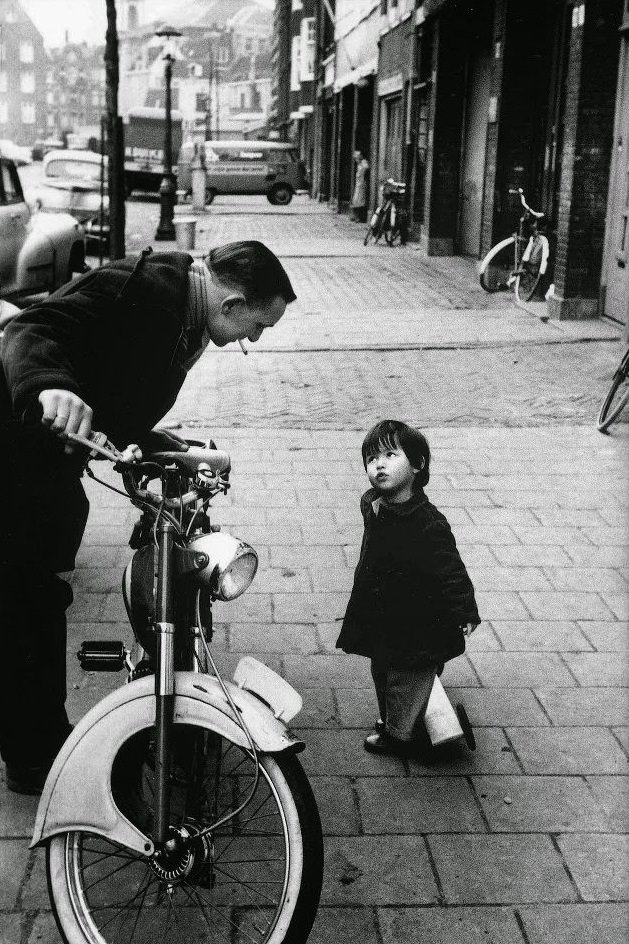
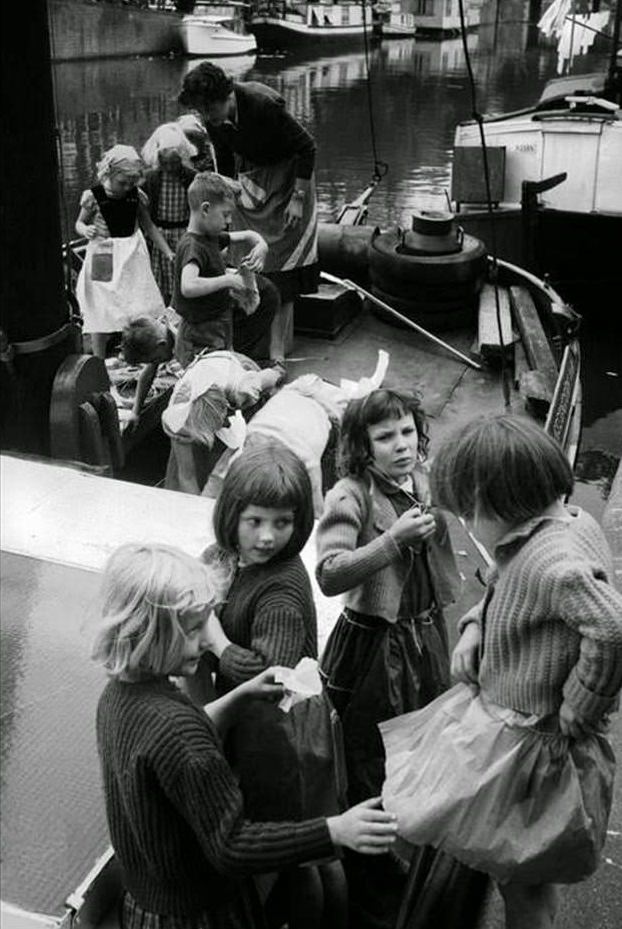
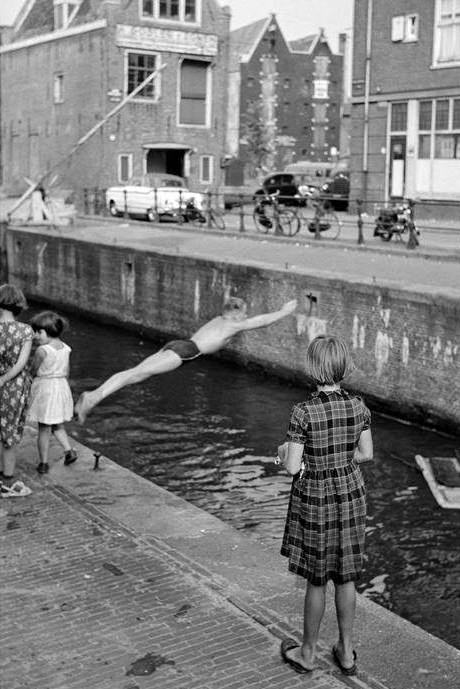
Children appear throughout Freed’s Amsterdam work. He photographed them playing in the streets, scrambling over canal boats, and going about their days with the kind of freedom that defined childhood in mid-century Europe. These images carry a warmth and spontaneity that sets them apart from more formal documentary work of the same era.
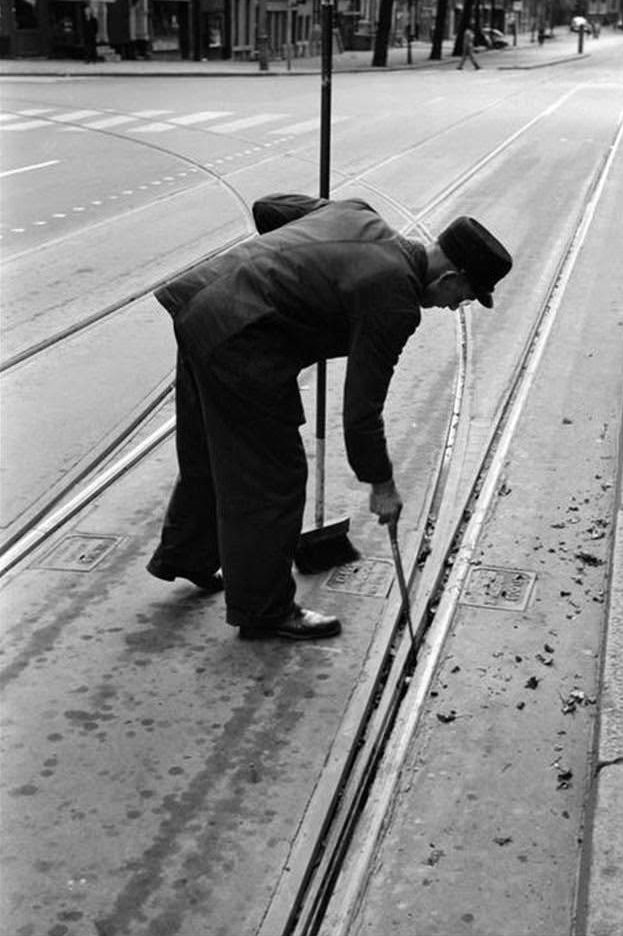
The working life of Amsterdam was just as compelling to Freed as its social scenes. A street cleaner pushing through the city’s cobblestone lanes, traders sealing deals at a farm market with a handshake — these were the people who kept the city running, and Freed made sure they were part of the historical record.
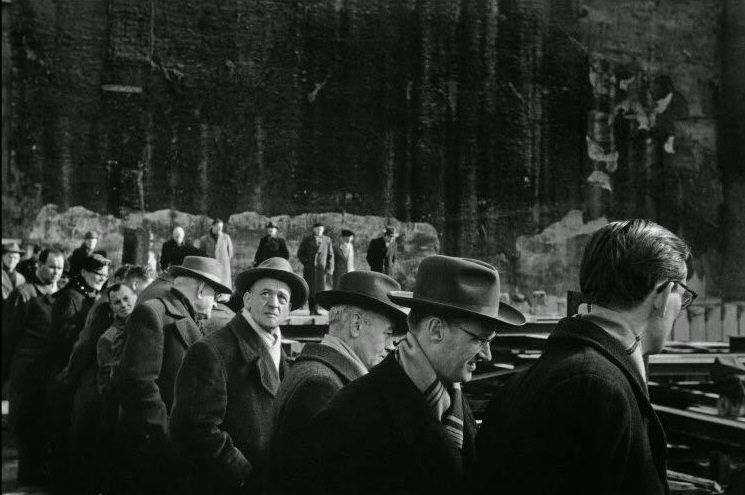
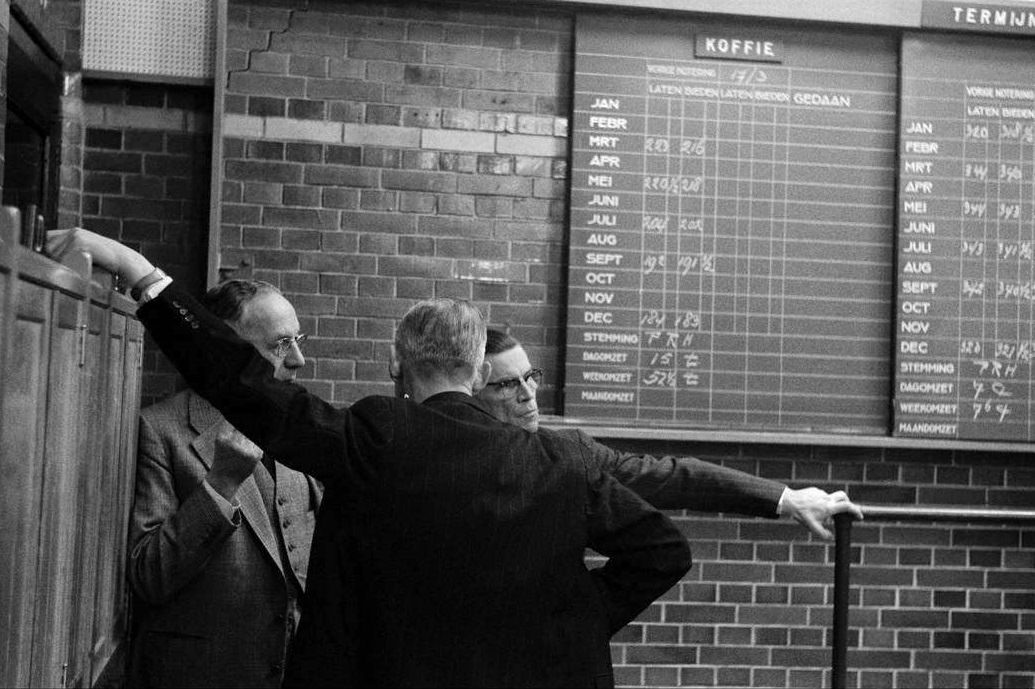
Amsterdam’s Exchange Building — the Beurs van Berlage — was one of the most important commercial structures in the Netherlands. Built in the early 1900s, it served as the center of Dutch trade and finance. Freed’s photograph of it in 1964 captures the building’s commanding presence in the city’s landscape.
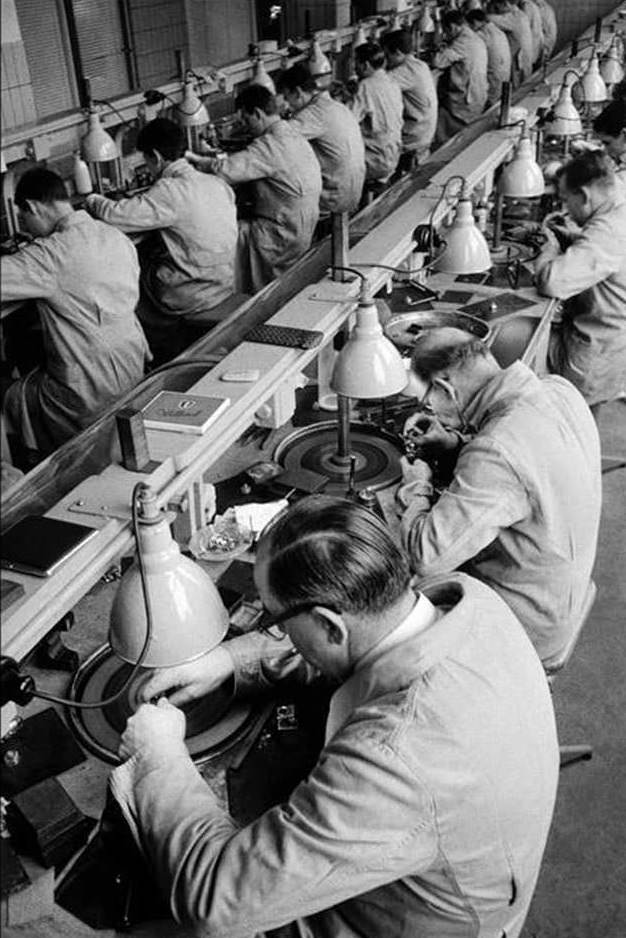
Amsterdam had a long history as a global center for diamond cutting and trading, a trade that dated back to the 16th century. By the 1960s, the industry was still active, and skilled workers continued the precise, detailed craft in workshops across the city. Freed documented this specialized world up close.
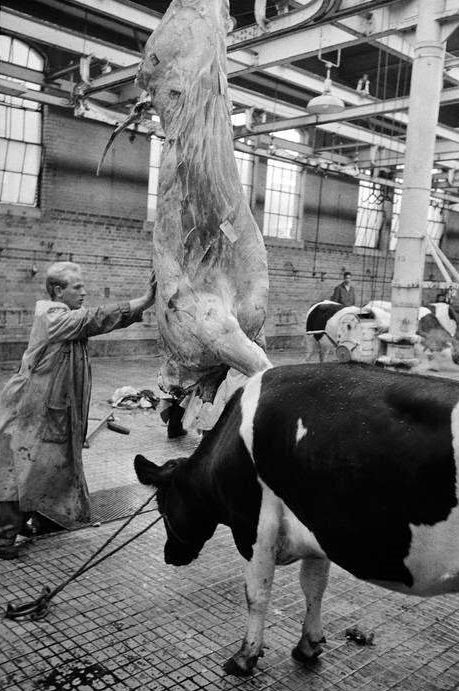
Not every image Freed captured was picturesque. In 1962, he photographed the slaughter of cattle in Amsterdam — a direct, unflinching look at the meat industry that supplied the city’s butchers and markets. It was the kind of subject that many photographers avoided, but Freed’s documentary instinct led him toward the full picture of urban life, not just its pleasant corners.
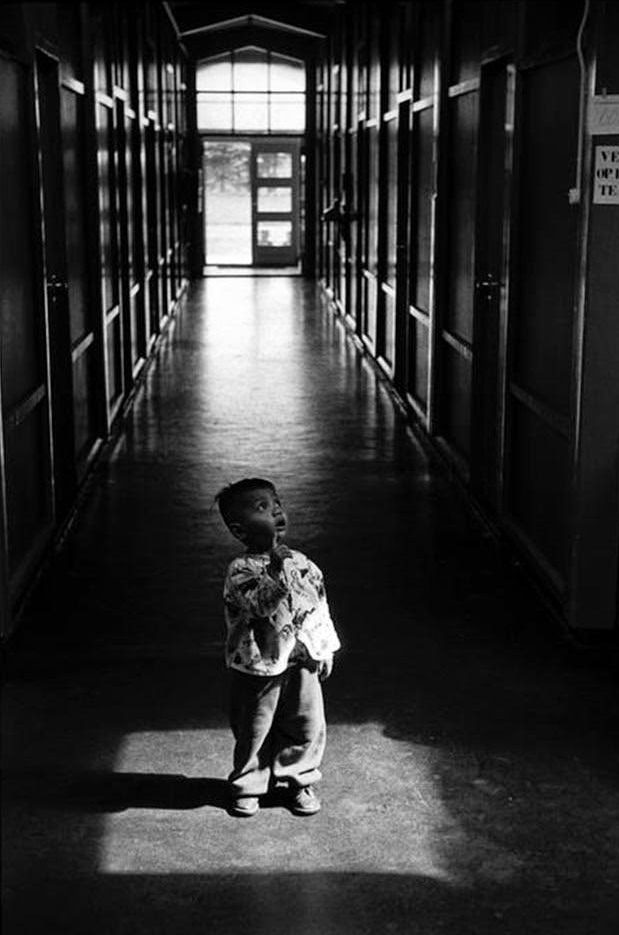
Amsterdam in the 1960s was also a place of arrival for people displaced from elsewhere. Indonesia had been a Dutch colony for centuries, and after Indonesian independence, many people of Indonesian descent resettled in the Netherlands. Freed photographed a child arriving at a refugee camp in 1964, putting a human face on one of the larger migration stories of the postwar era.
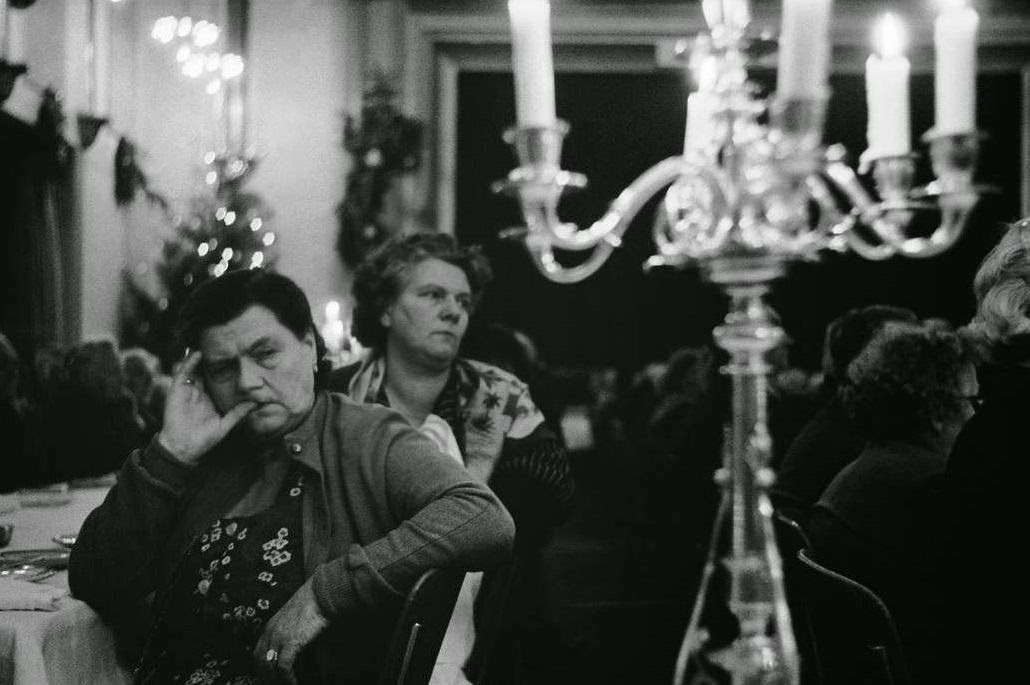
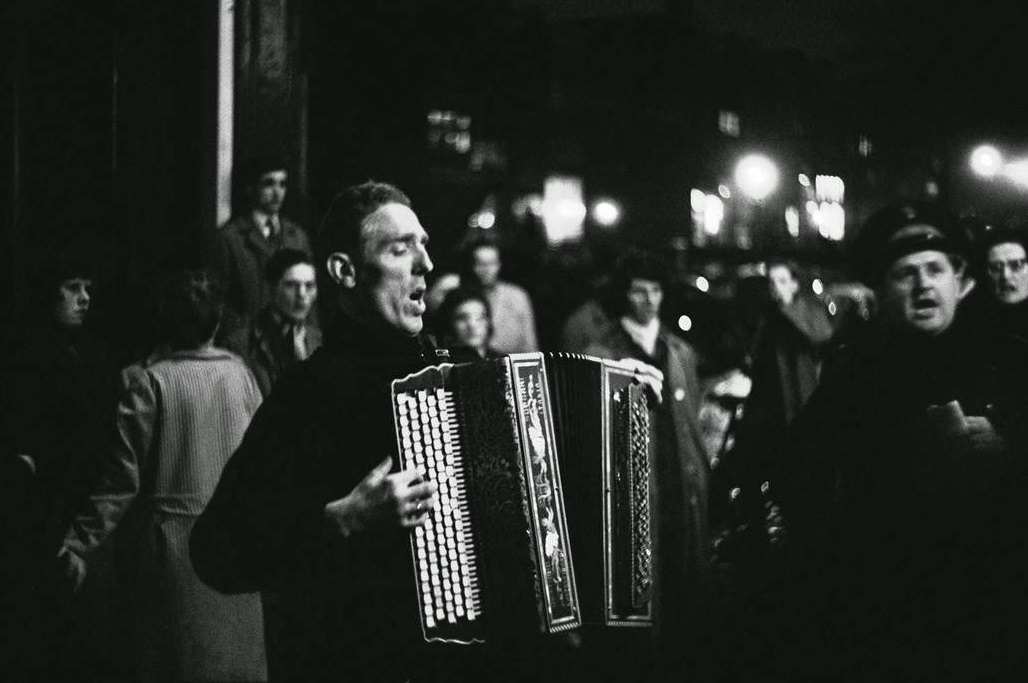
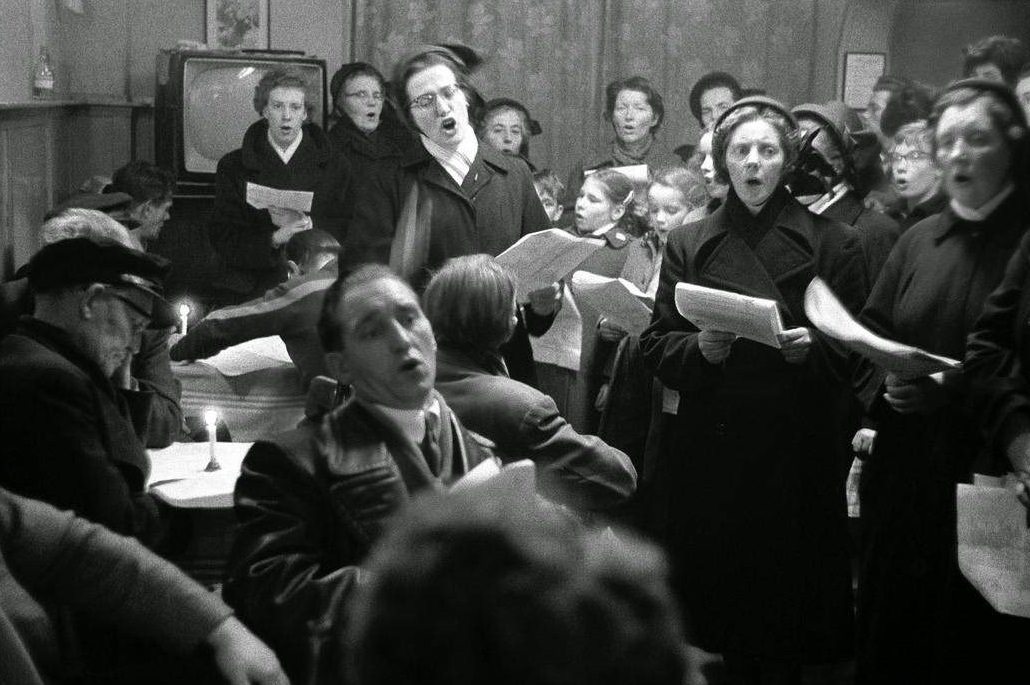
The Salvation Army was a visible presence in Amsterdam during the 1960s, running Christmas dinners for poor women and singing carols in some of the city’s roughest neighborhoods, including the Red Light District. Freed documented these moments with the same even hand he brought to everything else — no judgment, just observation.
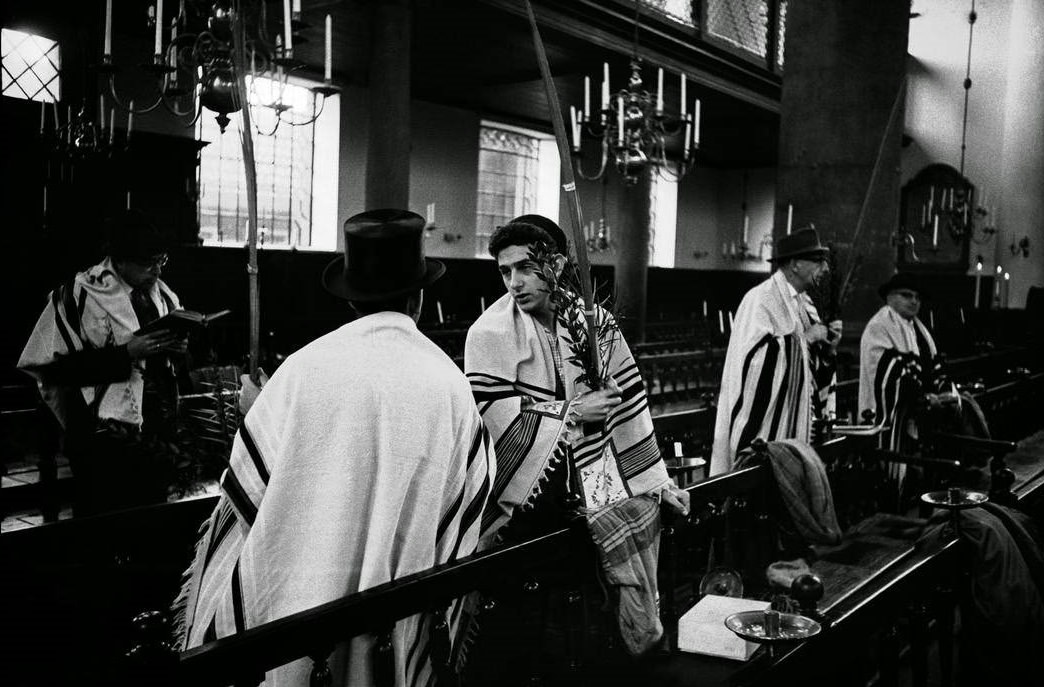
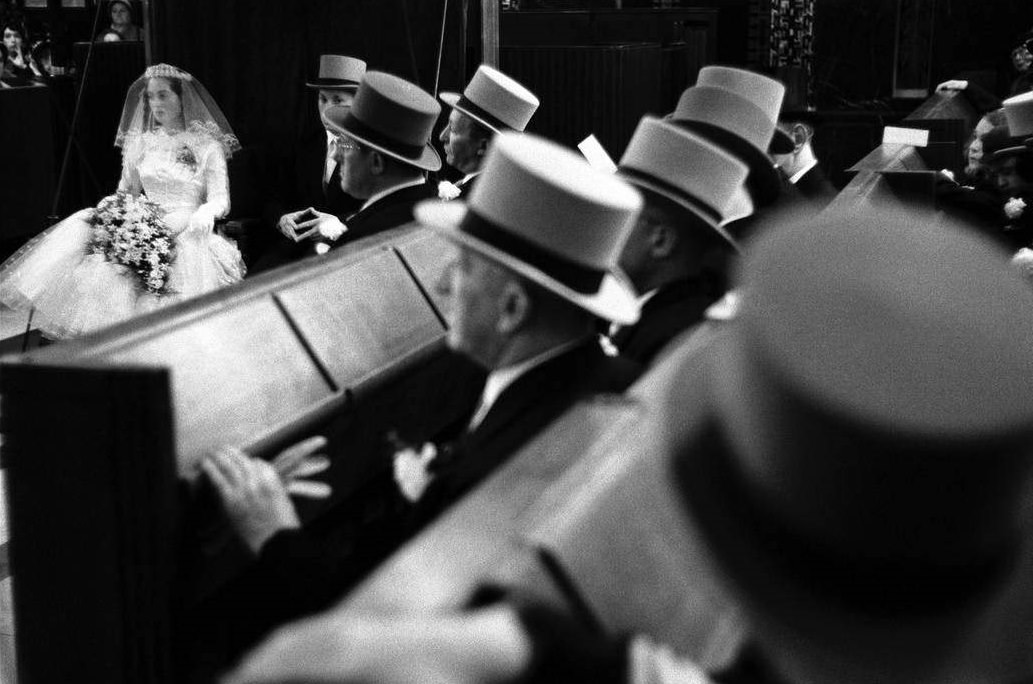
Amsterdam had one of the oldest and most established Jewish communities in Western Europe. Freed, himself Jewish and deeply interested in Jewish identity throughout his career, photographed religious life in the city with great care. A Sukkoth service at the Jewish-Portuguese synagogue in 1961 and a Jewish wedding in 1962 reflect his sustained attention to the community’s traditions and resilience in the decades following the Holocaust.
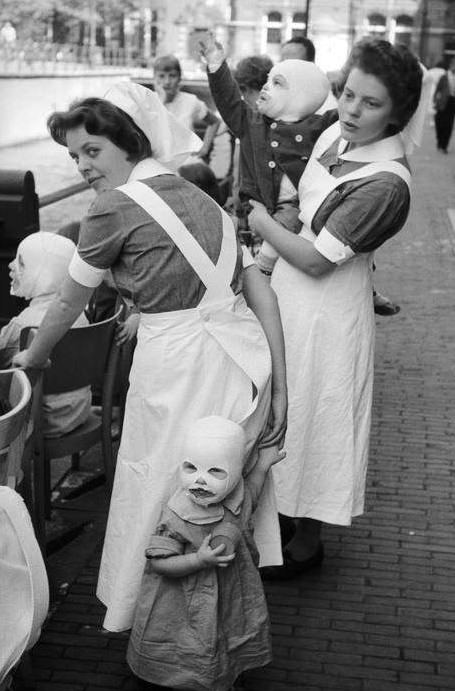
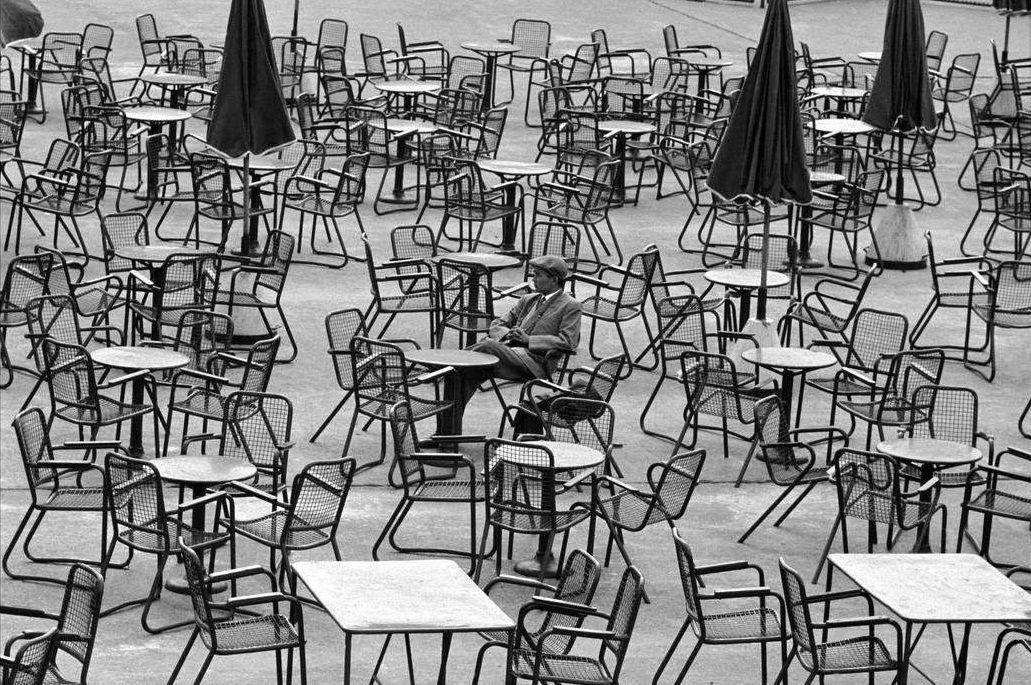
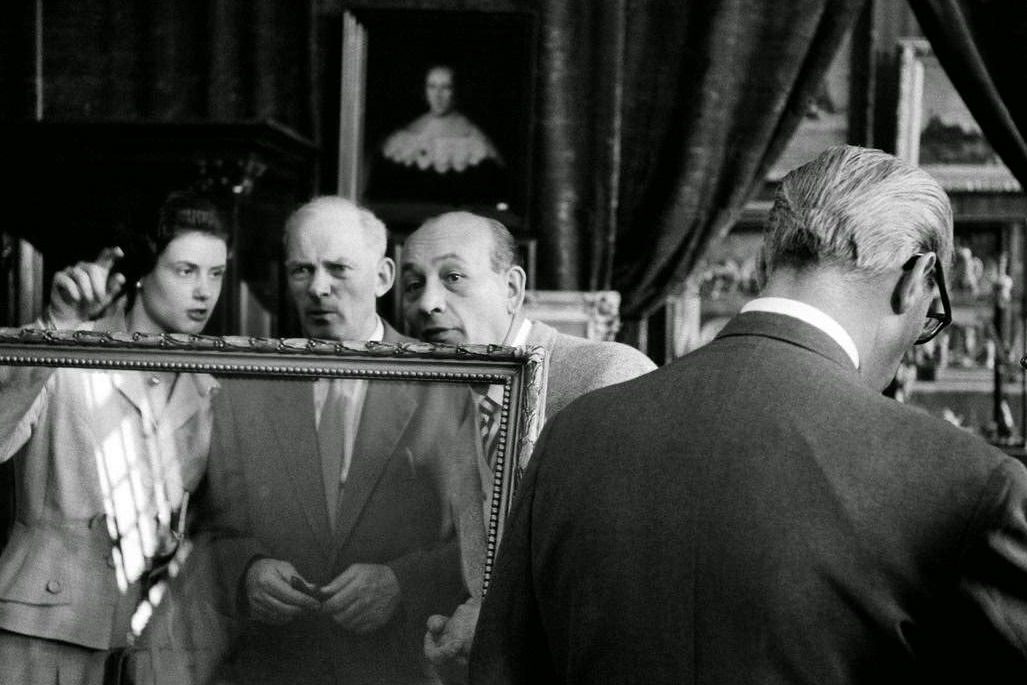
Freed’s lens also found its way into hospitals, airports, auction houses, and the everyday infrastructure of the city. A photograph of nurses with children, travelers waiting at Schiphol Airport, and bidders gathered at an art auction house all speak to the range of Amsterdam life he was determined to record. Even a delivery truck parked on a city street made it into his archive — a reminder that Freed saw documentary value in the ordinary as much as the dramatic.
Freed joined Magnum Photos in 1972, cementing his place among the world’s most respected documentary photographers. During the 1960s, alongside his Amsterdam work, he was also covering the American civil rights movement — walking with Martin Luther King Jr. on the march from Selma to Montgomery in Alabama. He later traveled extensively across Italy, Turkey, Germany, Lebanon, and beyond, and shot four documentary films for television networks in Japan, the Netherlands, and Belgium. His Amsterdam photographs, taken during the years he called the city home, remain among the most intimate records of Dutch urban life in the 20th century.