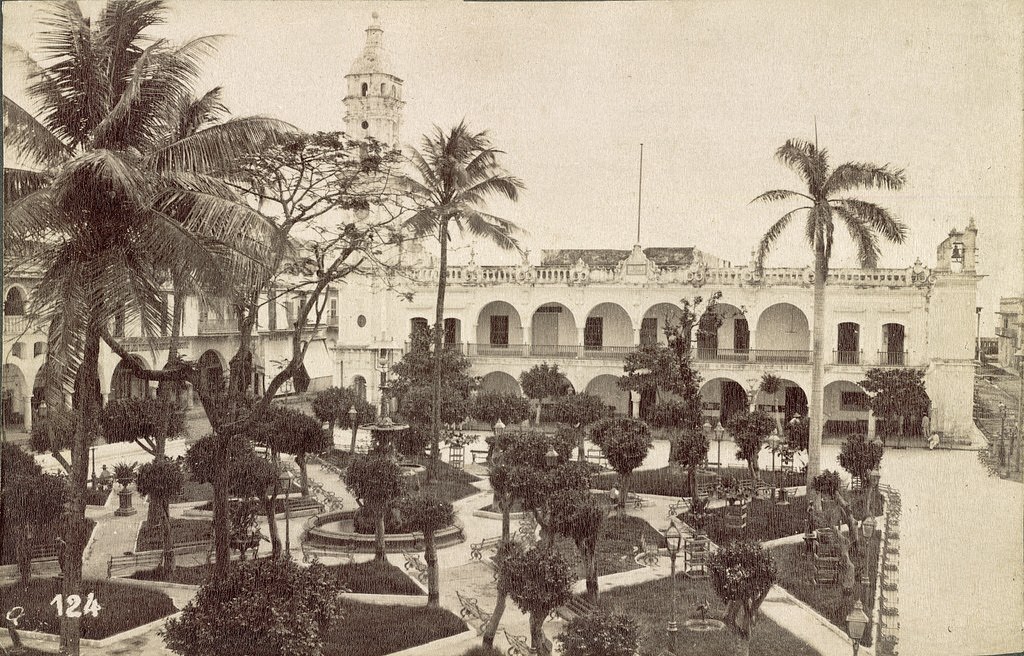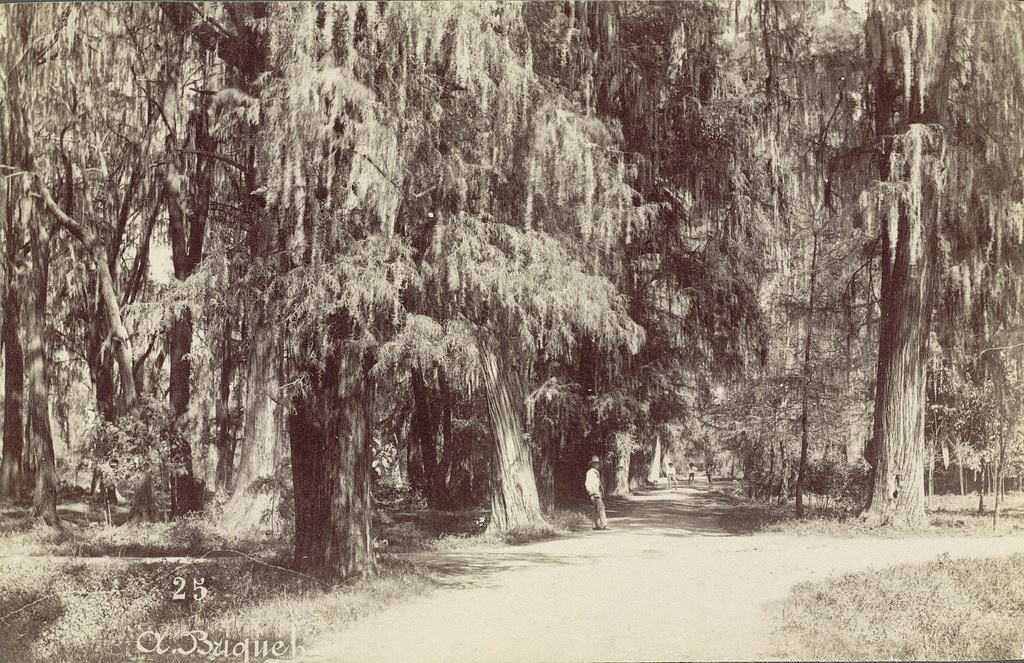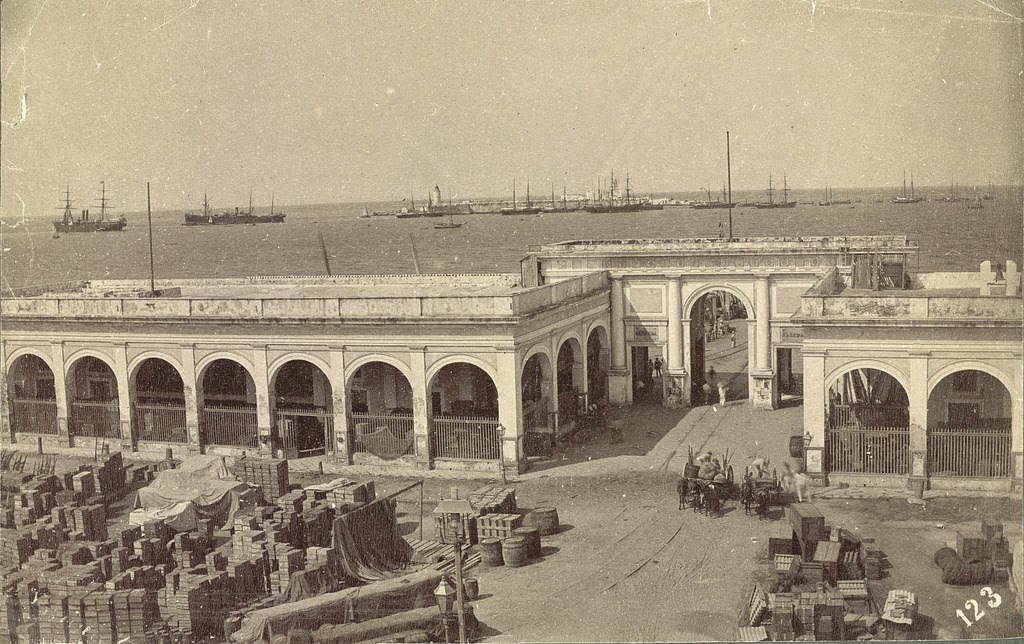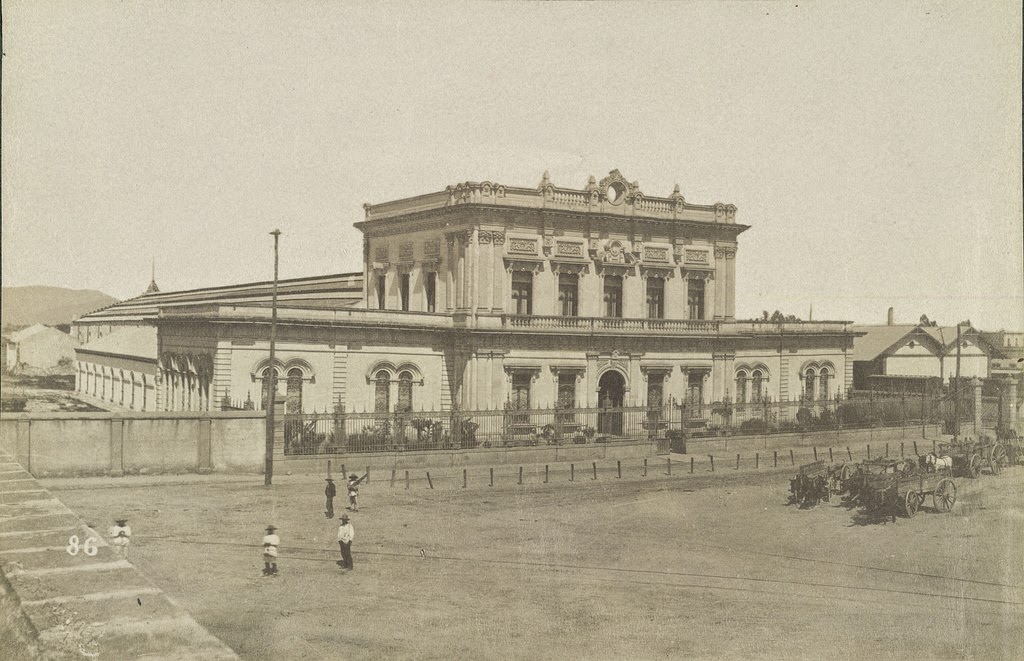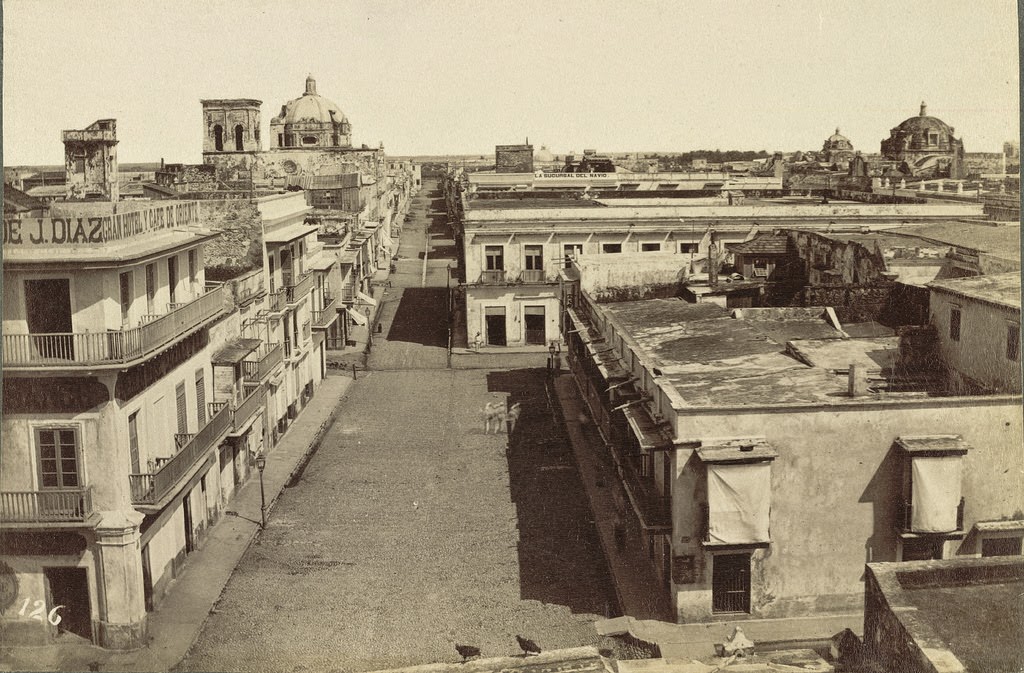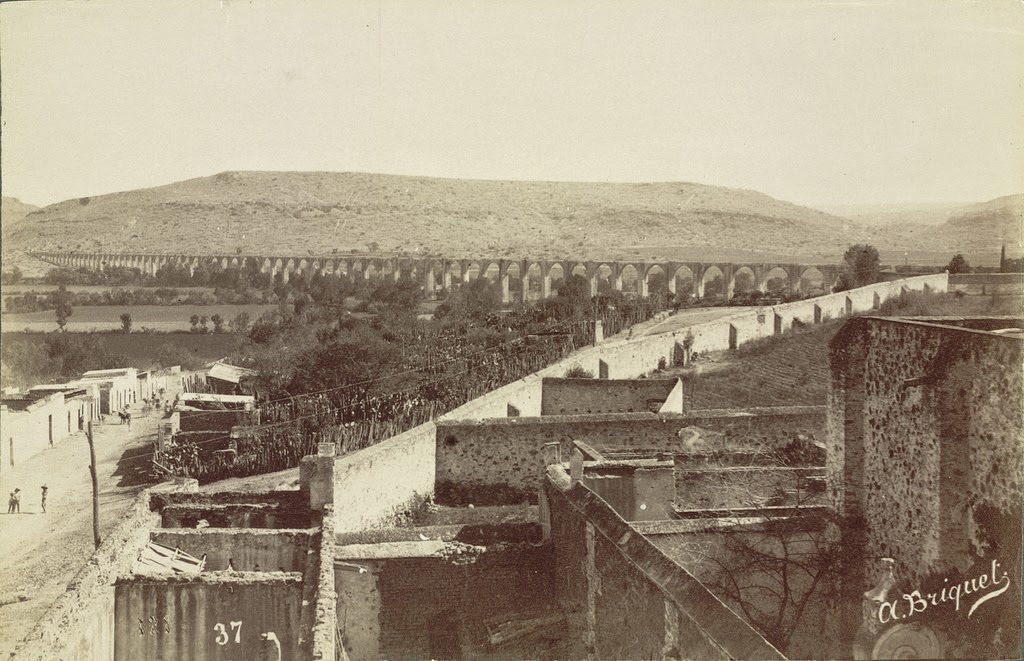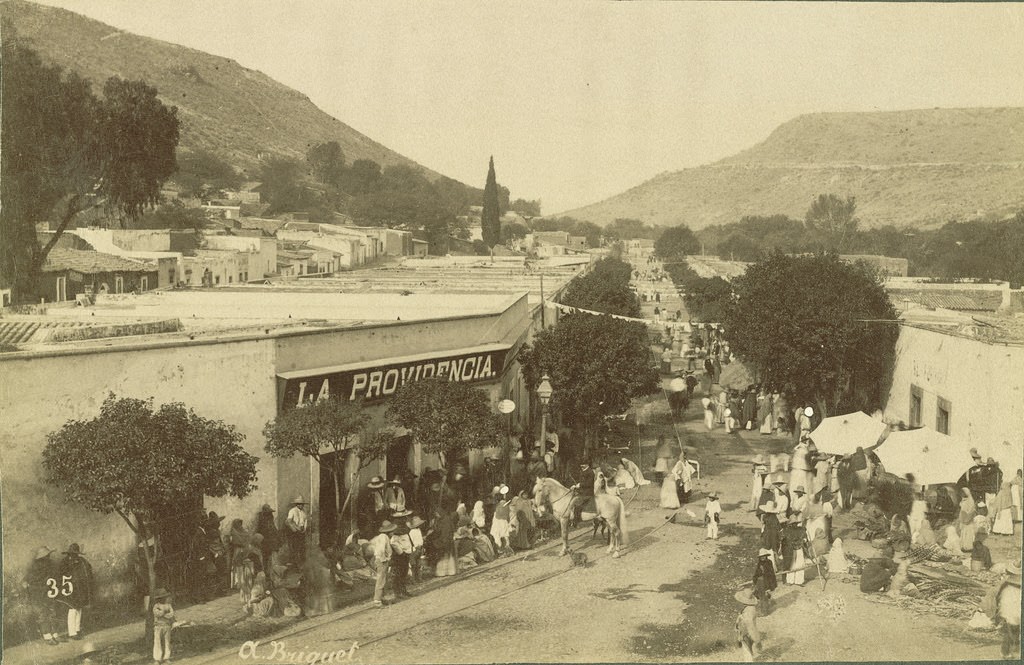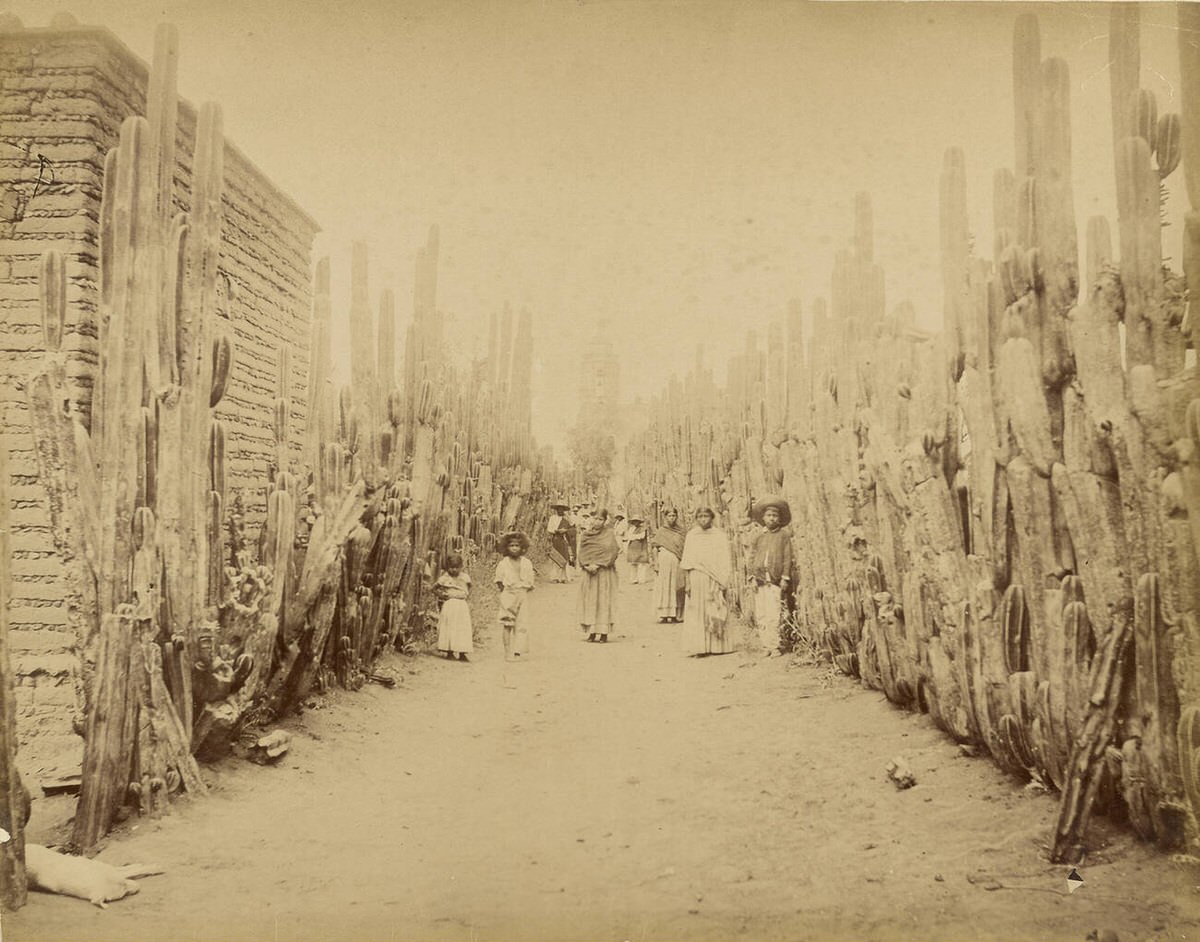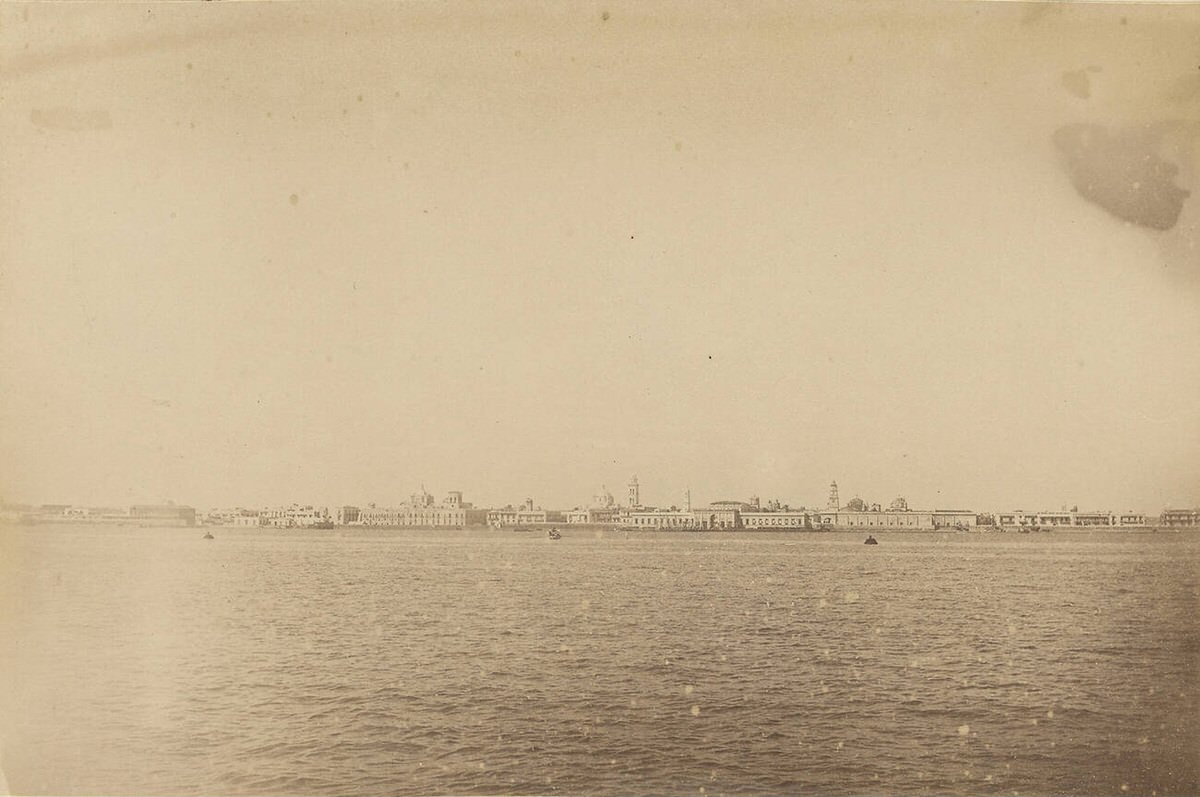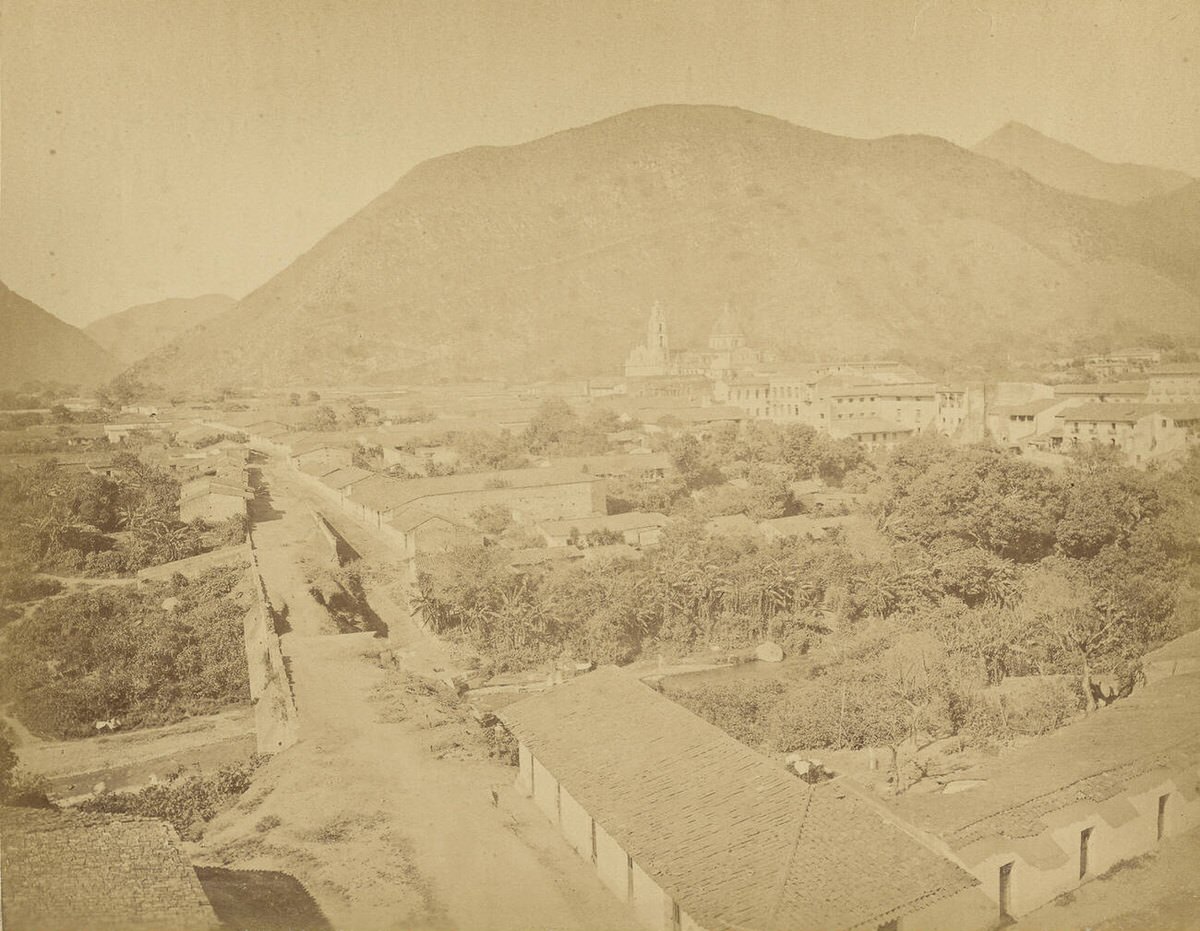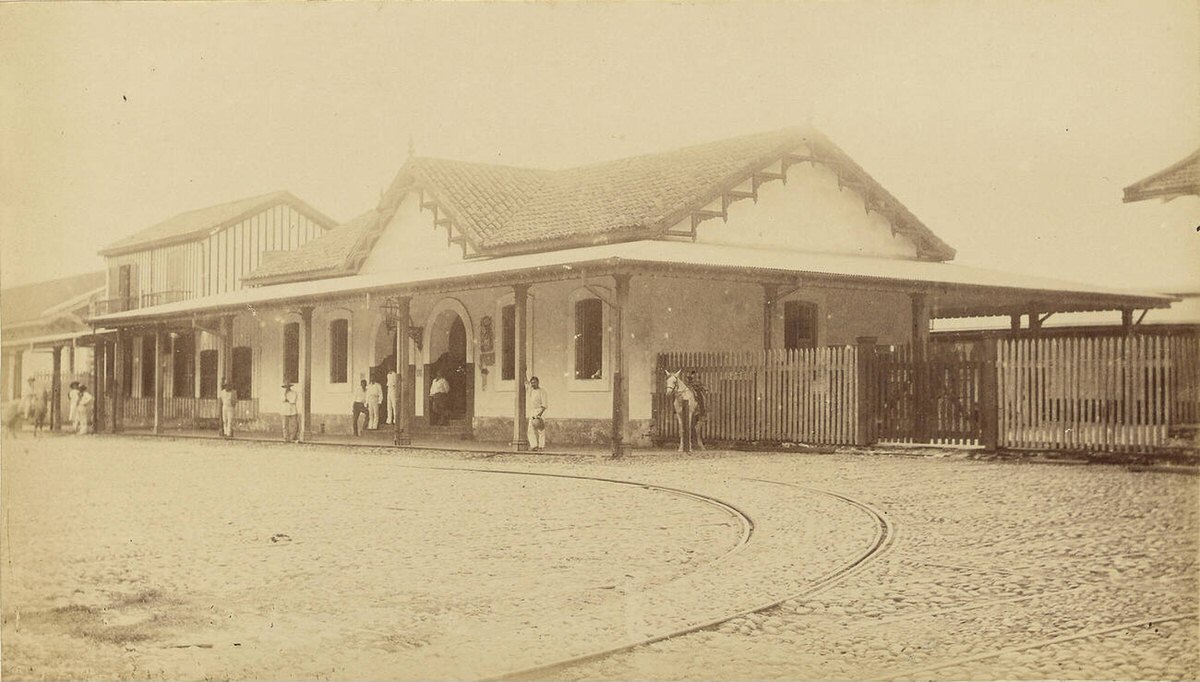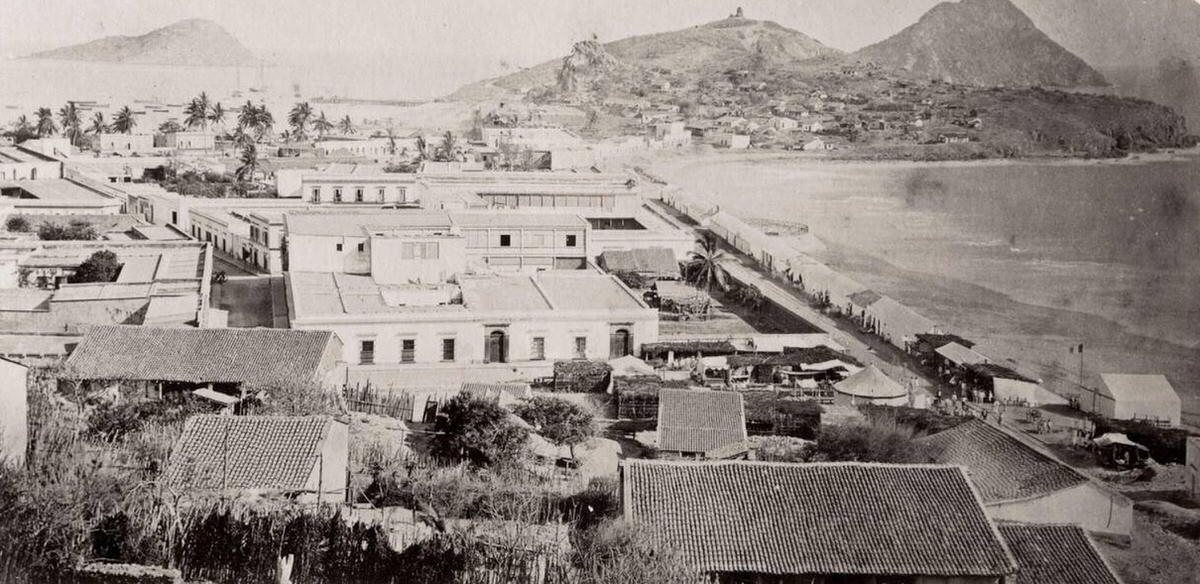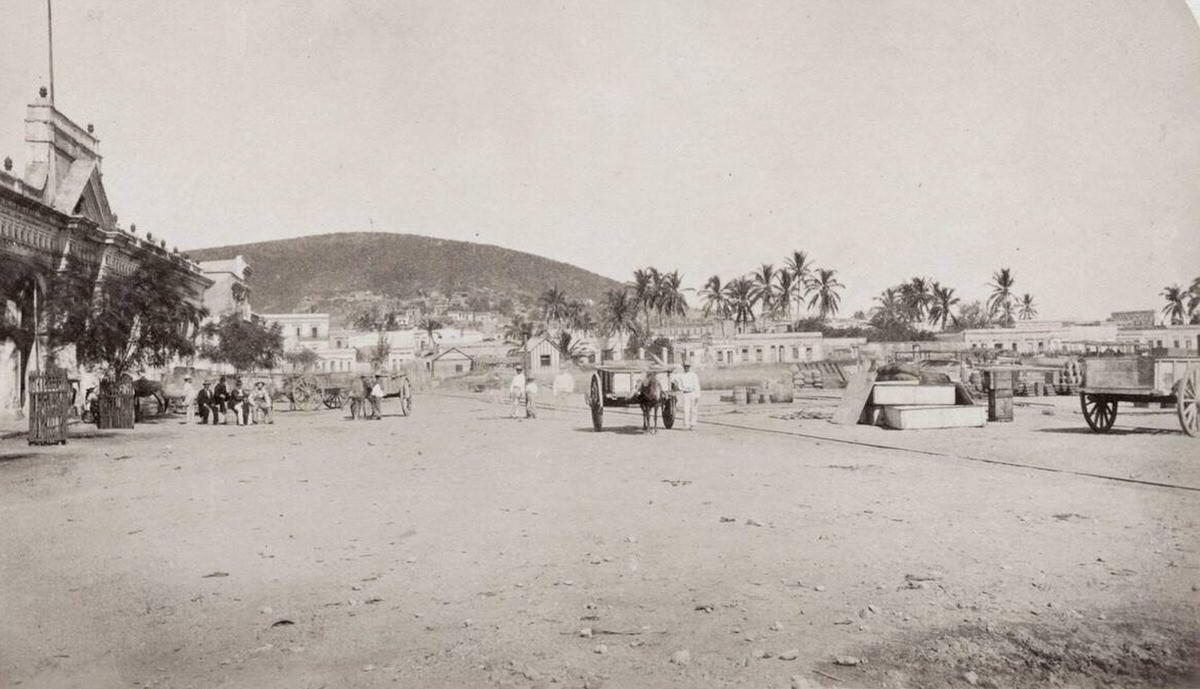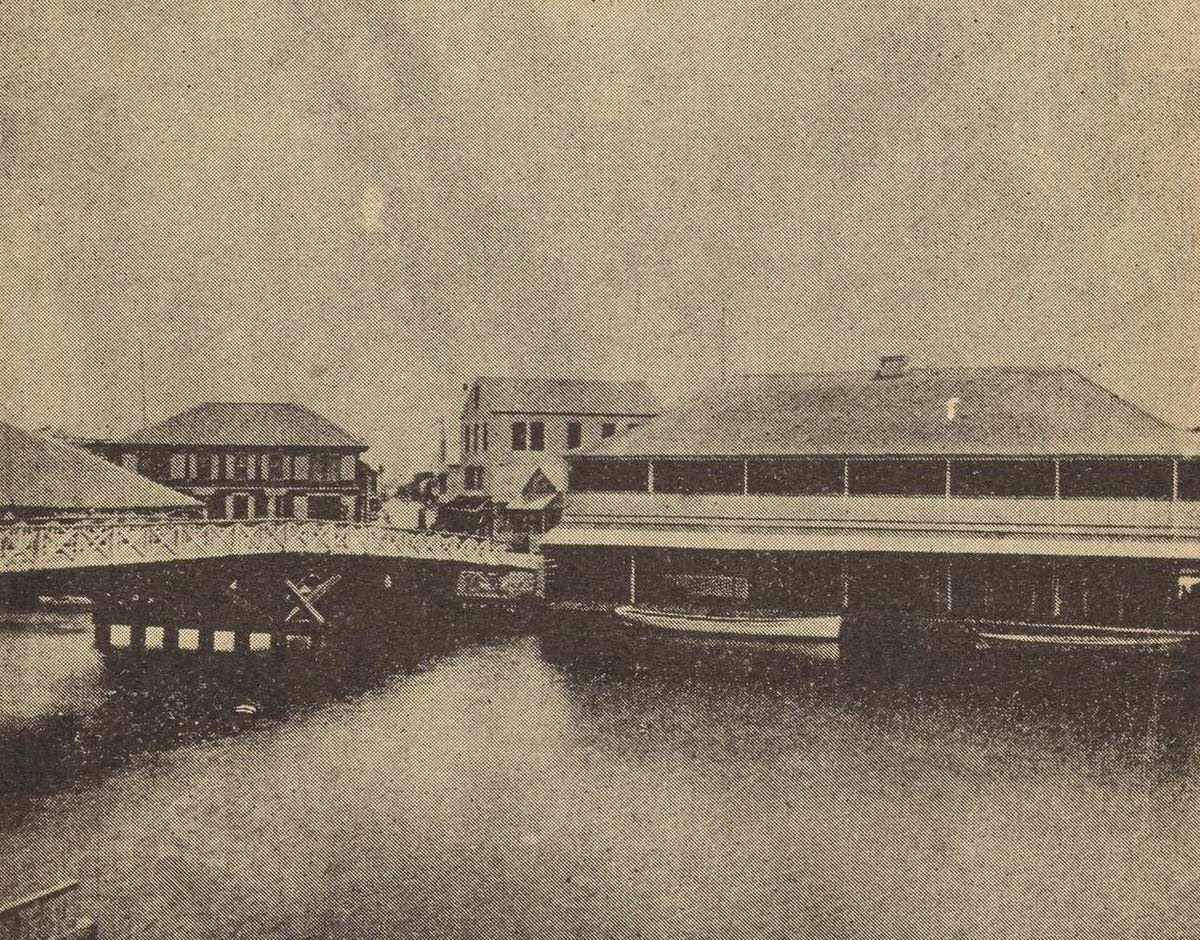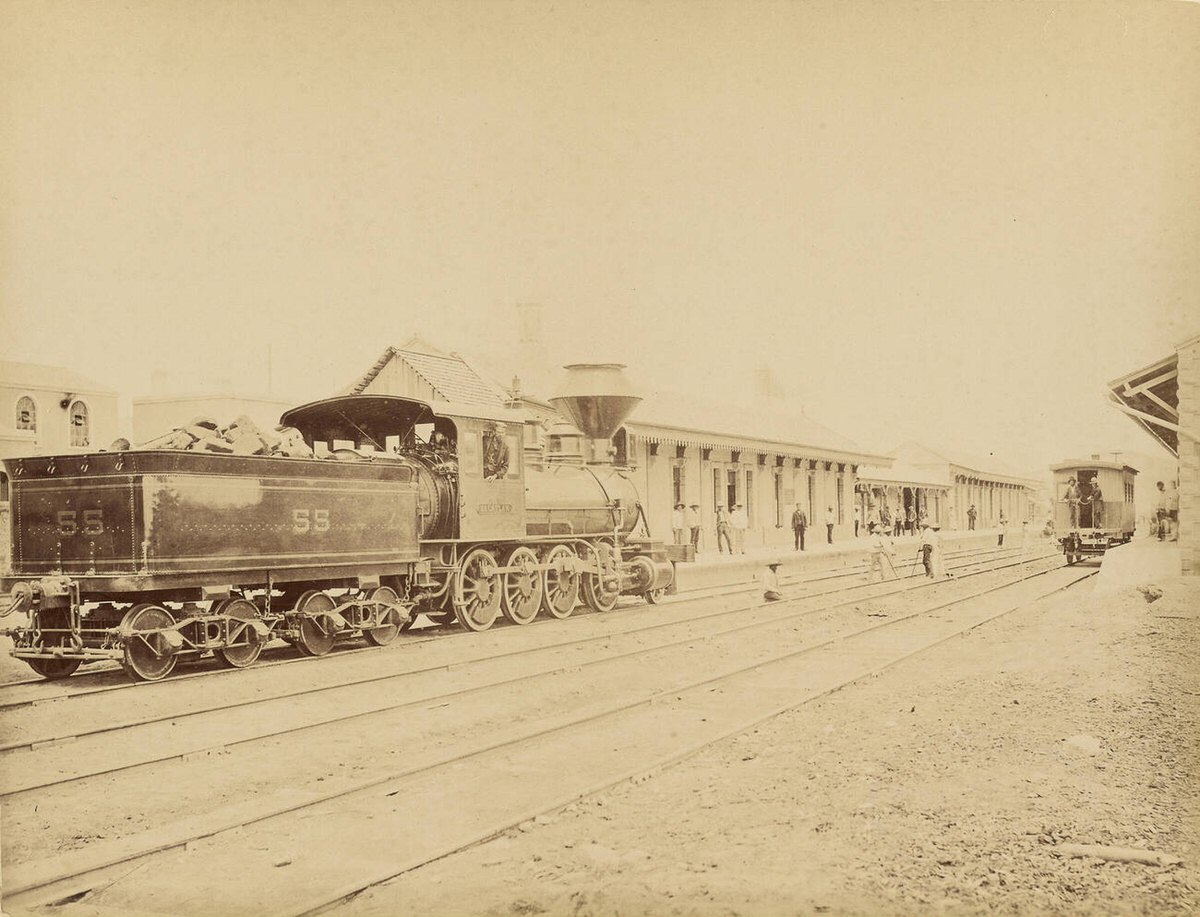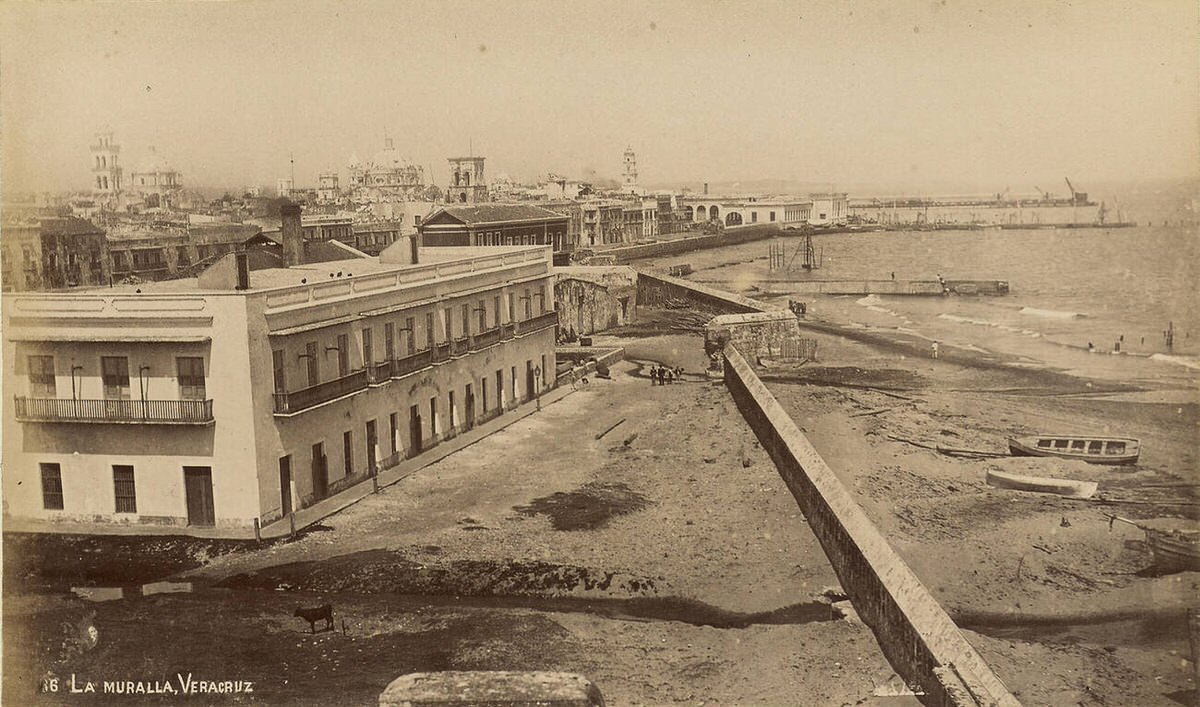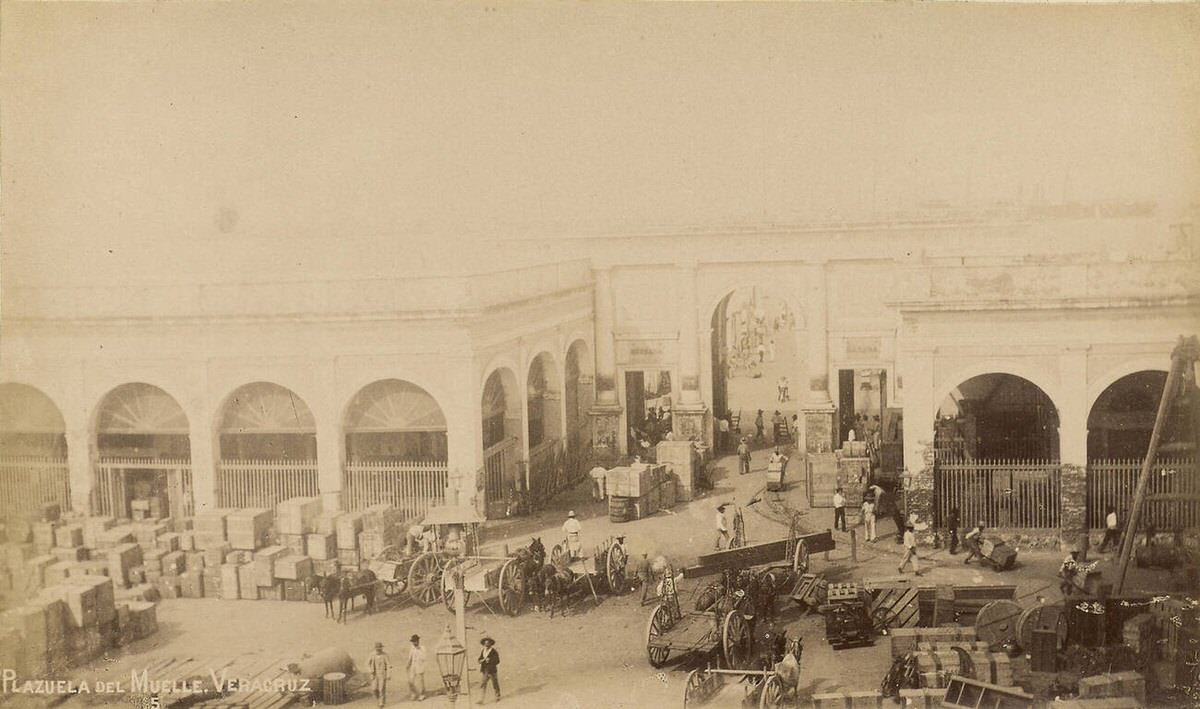

In the 1880s, the sound of steam whistles began to echo through the mountains and deserts of Mexico. President Porfirio Díaz prioritized the construction of railways to modernize the country. By 1884, the Mexican Central Railway officially connected Mexico City to the United States border at El Paso, Texas. Crews laid thousands of miles of steel tracks across difficult terrain, linking remote silver mines to major ports like Veracruz. These trains carried raw materials out of the country and brought heavy machinery in, ending centuries of isolation for many rural towns.
Modernizing the Capital
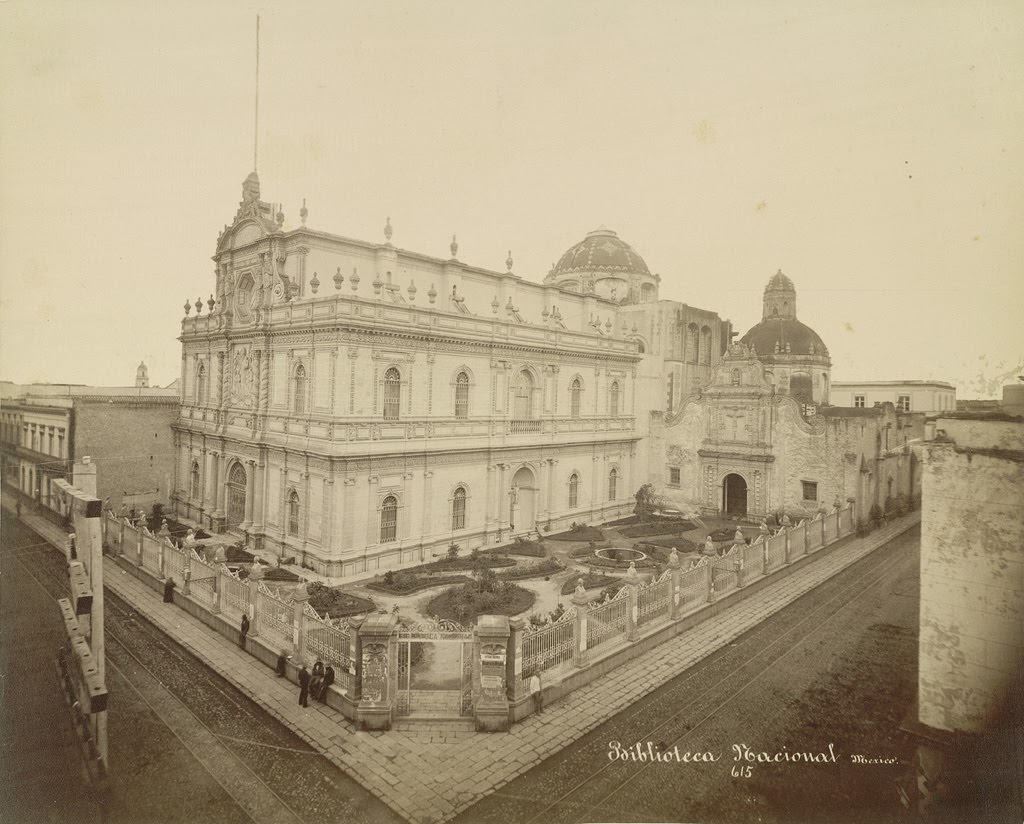
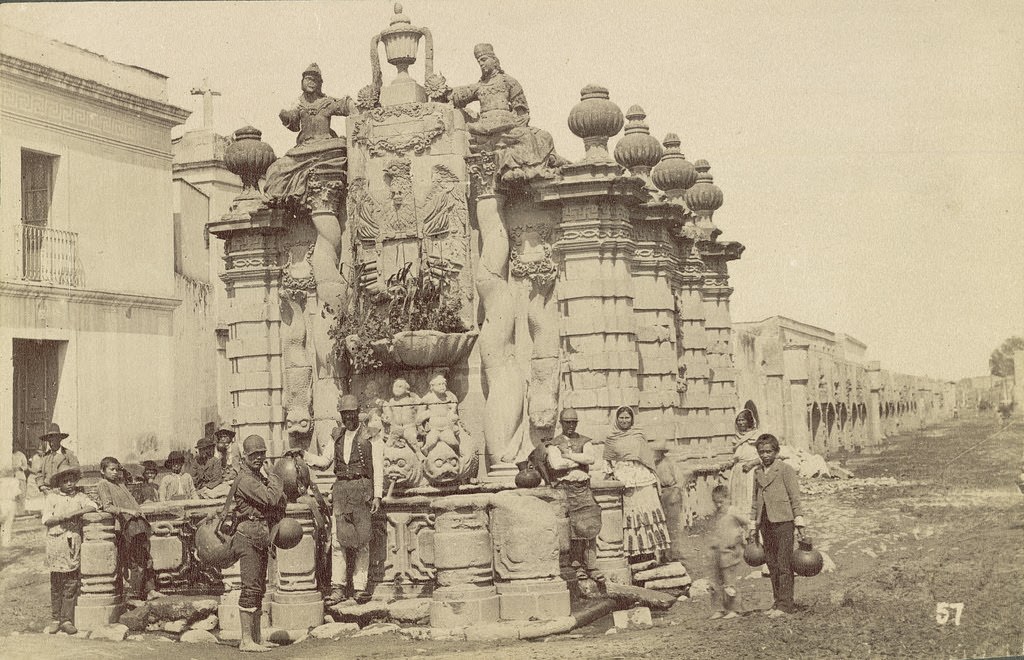
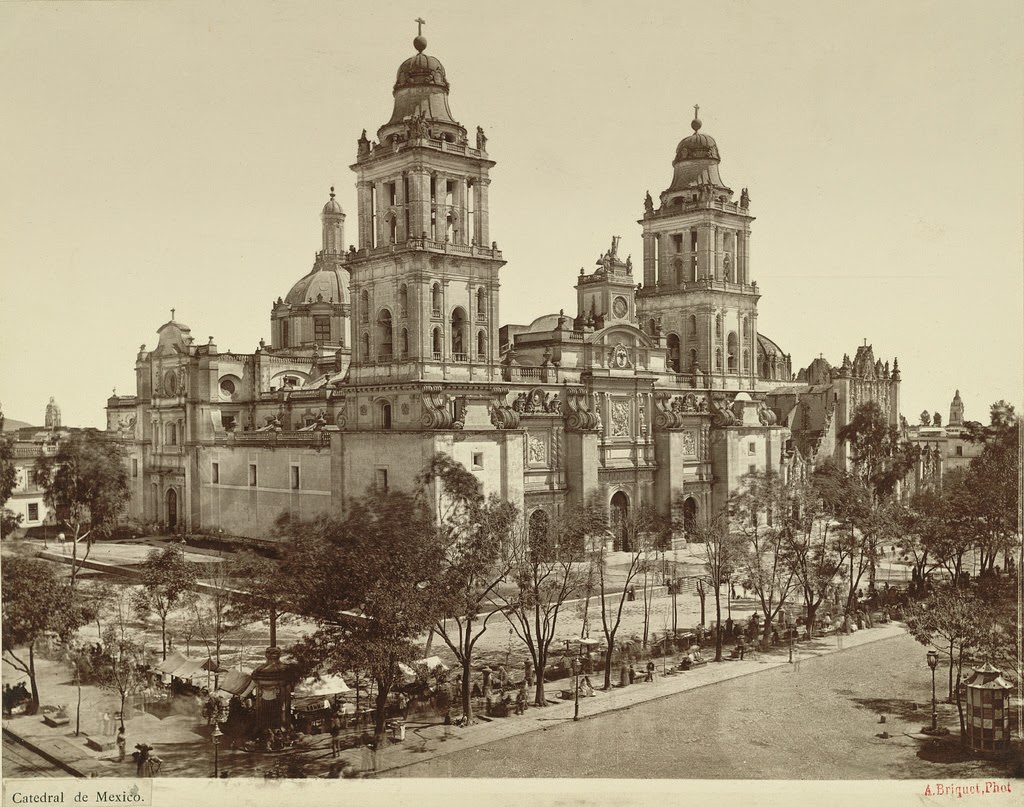
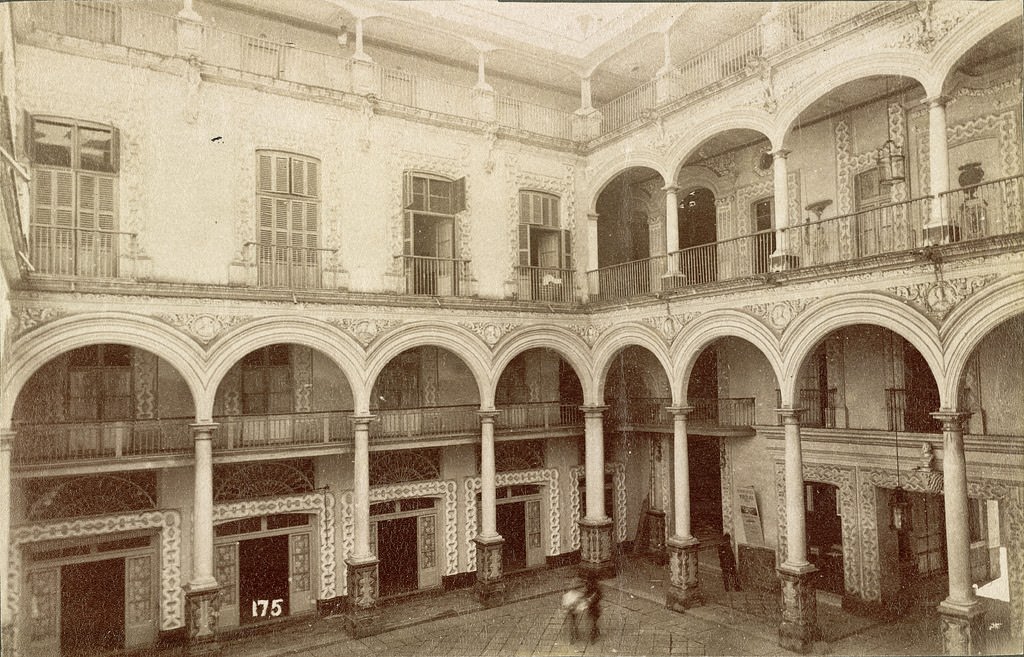
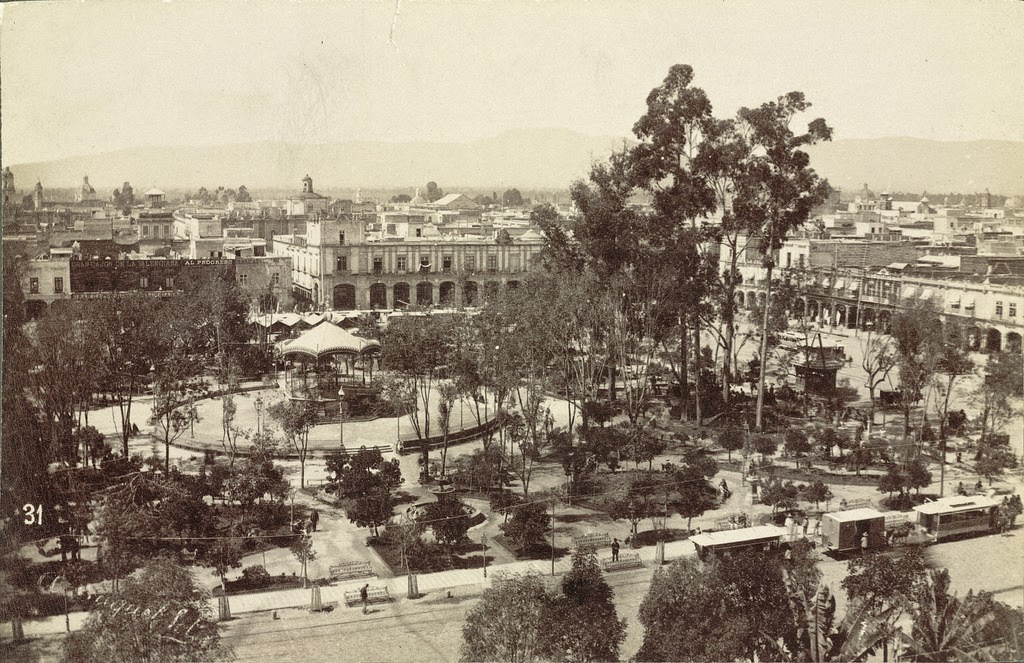
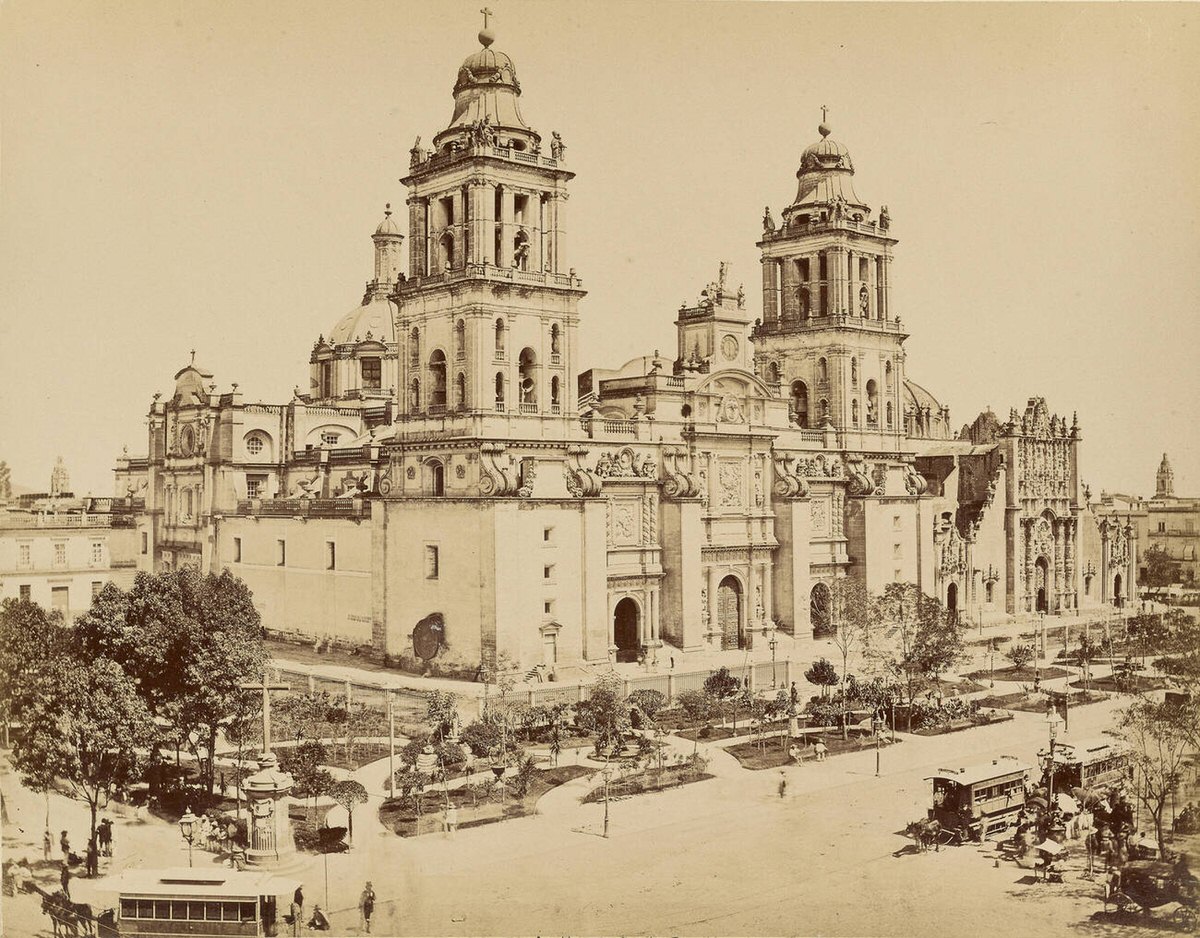
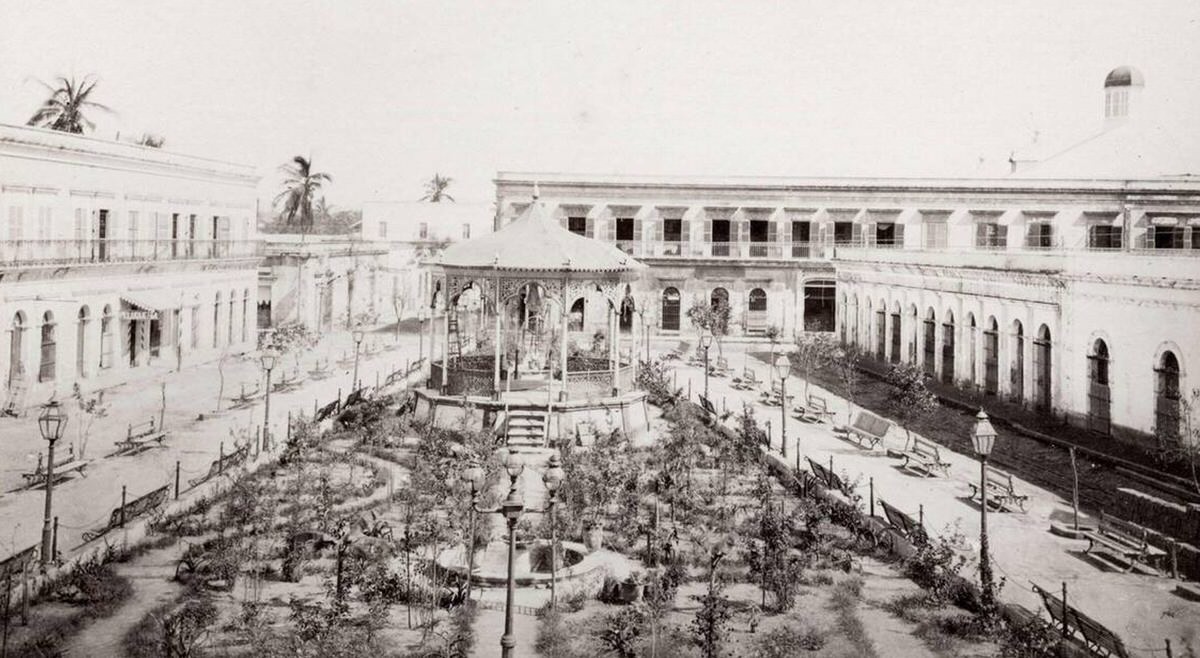
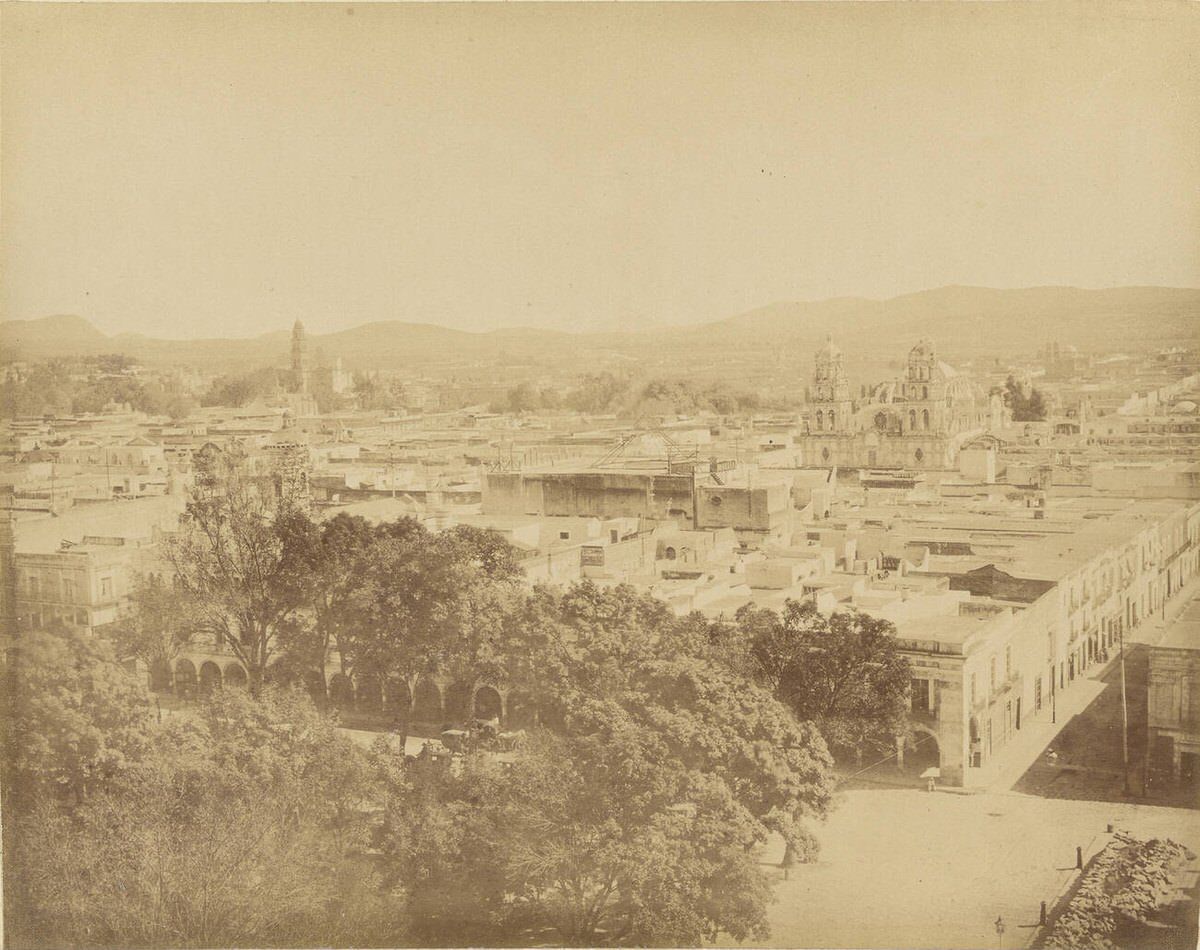
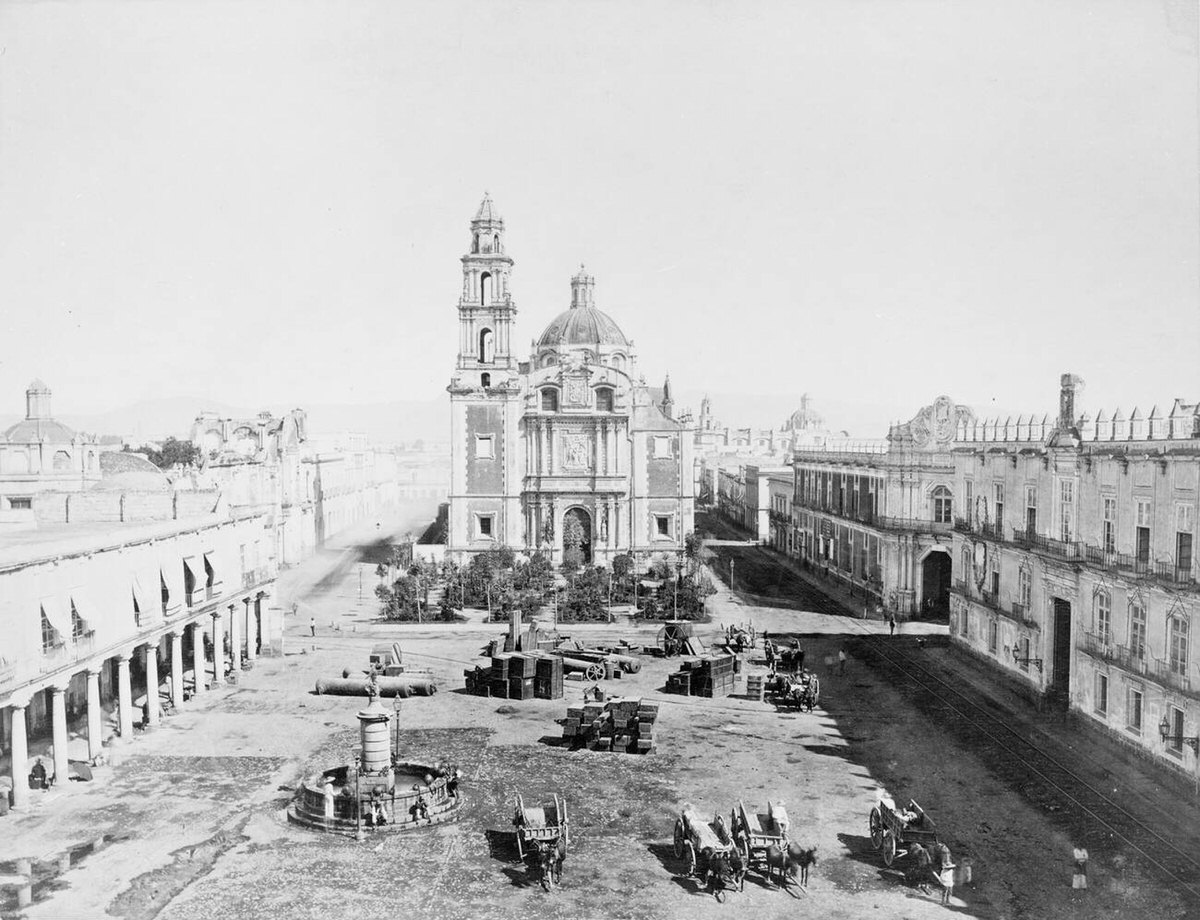
Mexico City underwent a dramatic transformation during this decade to mirror the grand capitals of Europe. The wide avenue known as the Paseo de la Reforma became the center of this new elegance, lined with trees and statues. wealthy families built mansions in the French style, featuring tall windows and ornate balconies. By the late 1880s, electric streetlights began to replace the dim gas lamps in the city center. The government paved the muddy streets with cobblestones and improved the drainage systems to fight disease.
Read more
The Power of the Haciendas
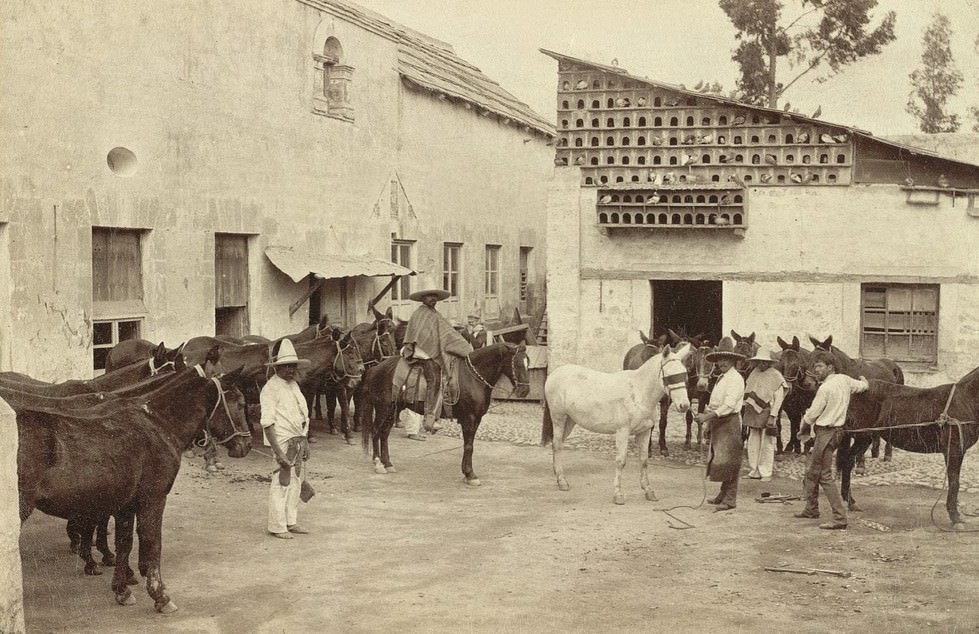
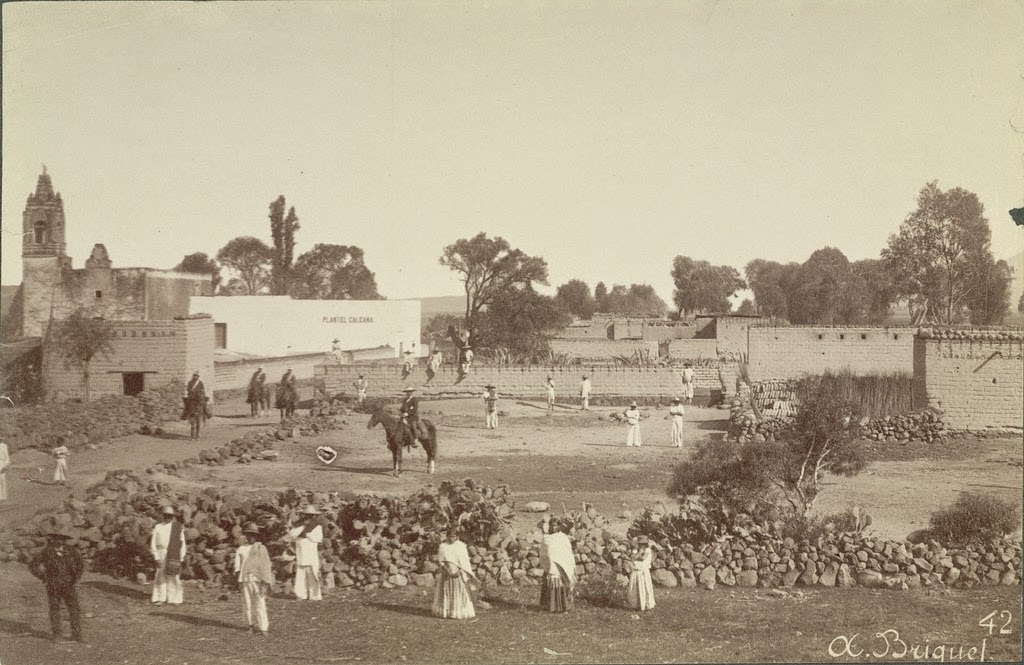
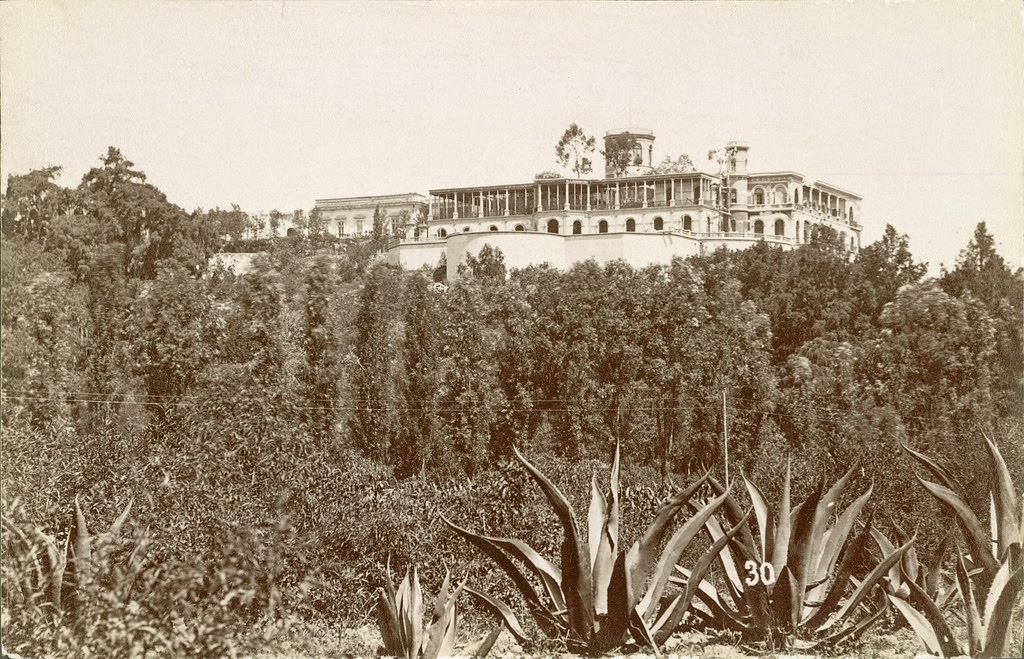
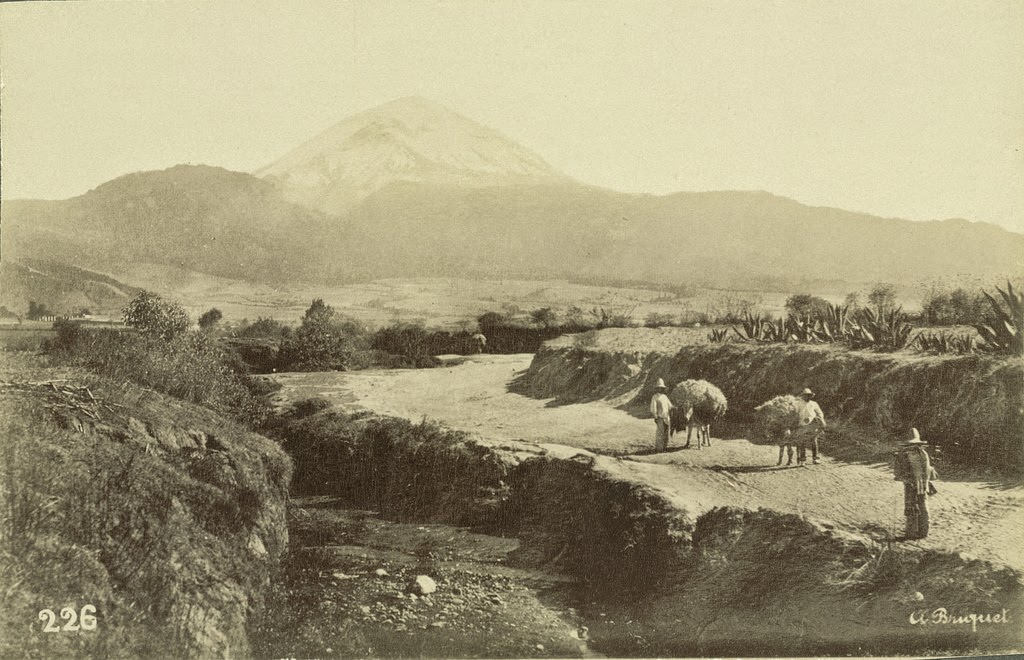
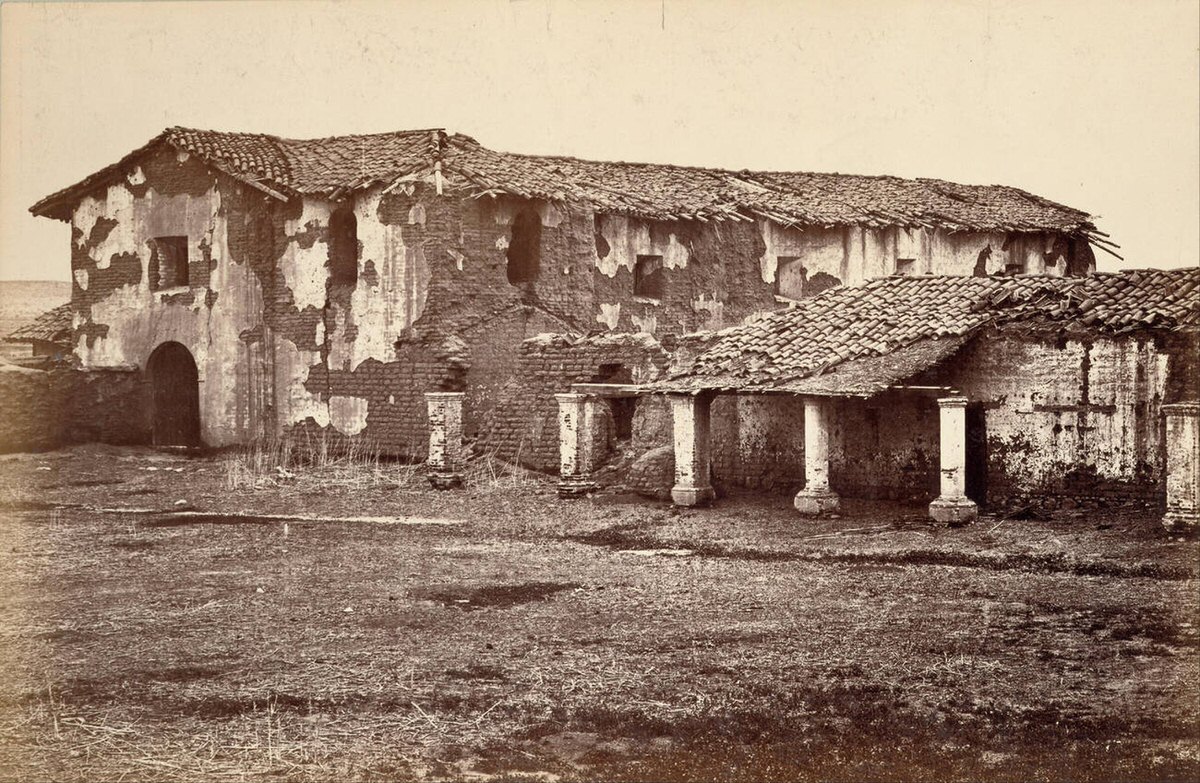
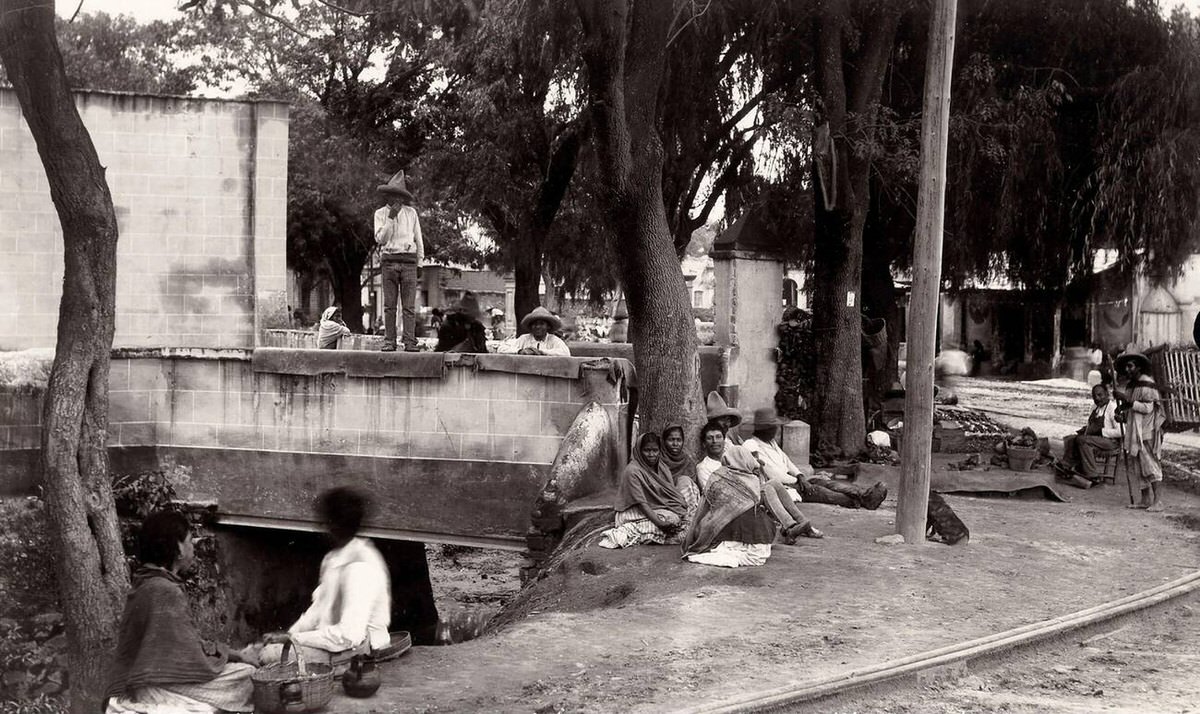
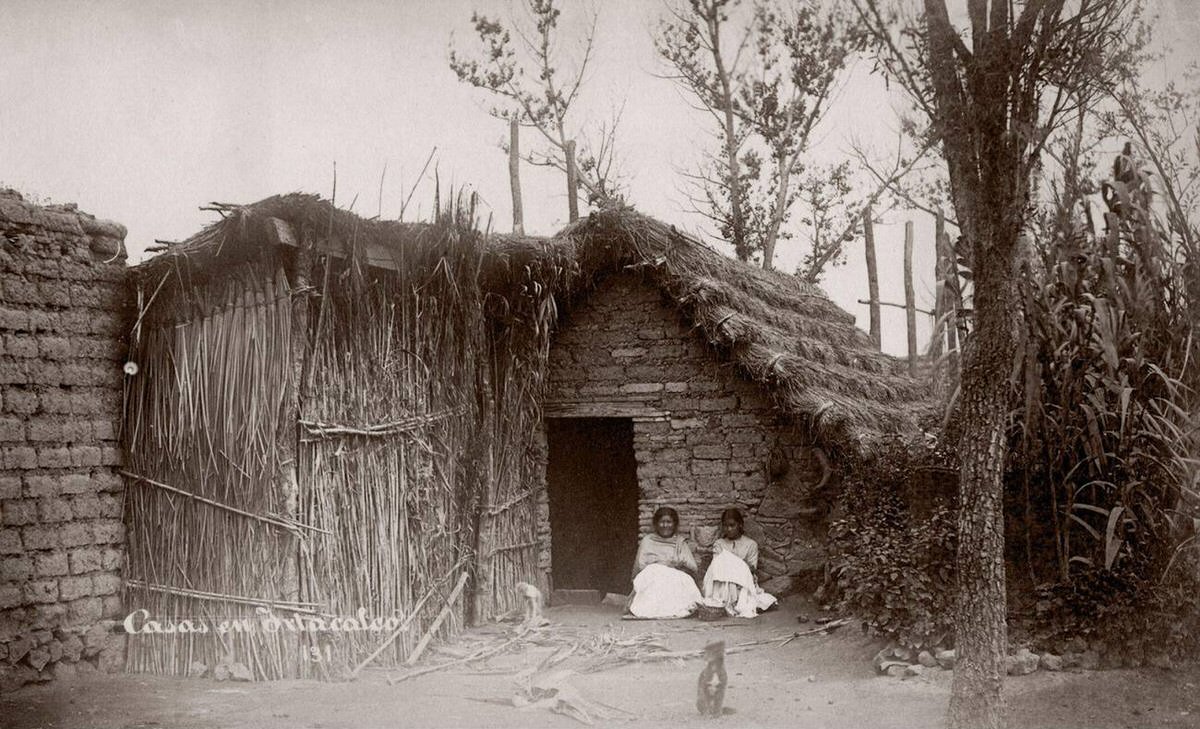
In the countryside, life revolved around the massive estates known as haciendas. These vast tracts of land produced sugar, henequen, and cattle for export. A small group of powerful landowners held the deeds to most of the Mexican territory. They lived in large stone main houses with high walls and private chapels. The laborers, or peons, lived in small adobe huts on the edge of the property. These workers remained tied to the land through a system of debt. They received their pay in special tokens that they could only spend at the tienda de raya, the company store owned by the landlord.
The Rural Police Force
To secure the roads for travel and commerce, the government expanded the Rurales. This mounted police force patrolled the bandits who once plagued the highways. Clad in grey uniforms with red trim and wide sombreros, they projected an image of strict authority. They guarded the new railway lines and escorted gold shipments from the mines. Their presence allowed merchants to transport goods without the constant fear of robbery that had paralyzed trade in previous decades.
Foreign Investment and Mining
The 1880s marked a rush of foreign money into the Mexican economy. American and British companies invested heavily in reviving the old colonial silver mines in states like Guanajuato and Zacatecas. They installed modern steam pumps to drain flooded tunnels that had been abandoned for years. Telegraph lines followed the train tracks, allowing instant communication between Mexico City and New York. This technological boom created a new industrial sector, although the profits largely flowed to investors abroad rather than staying within the local communities.