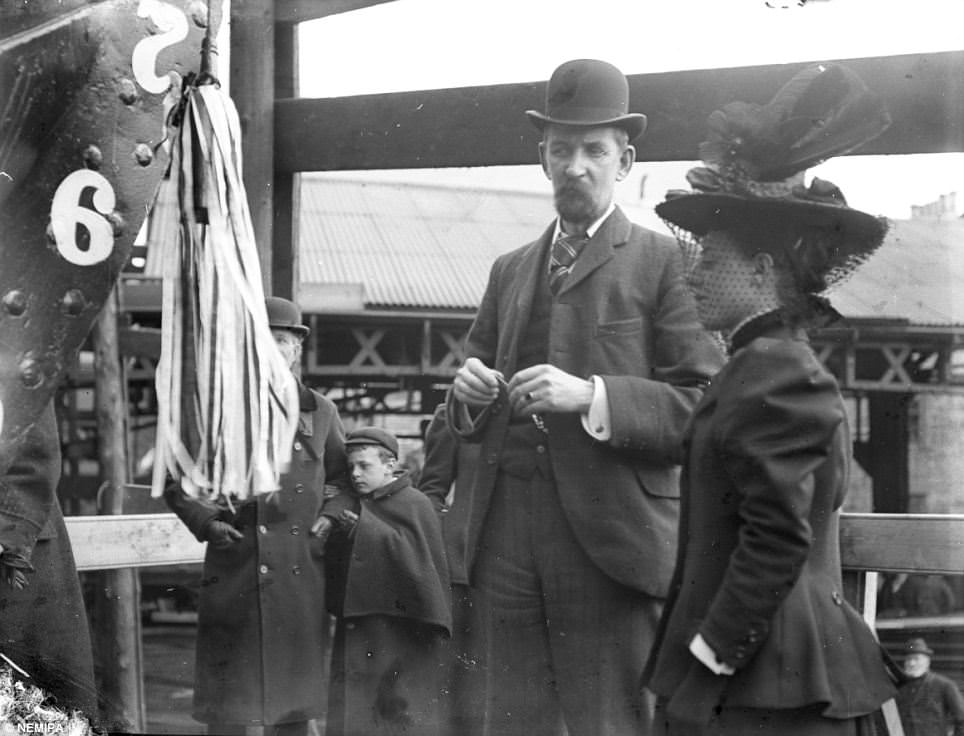
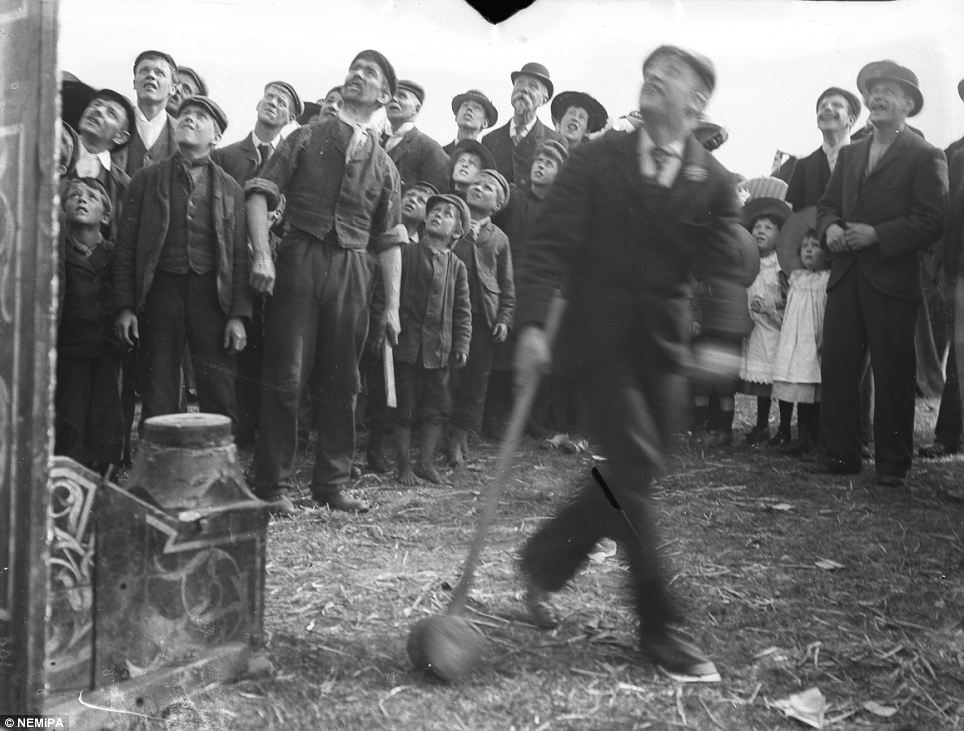
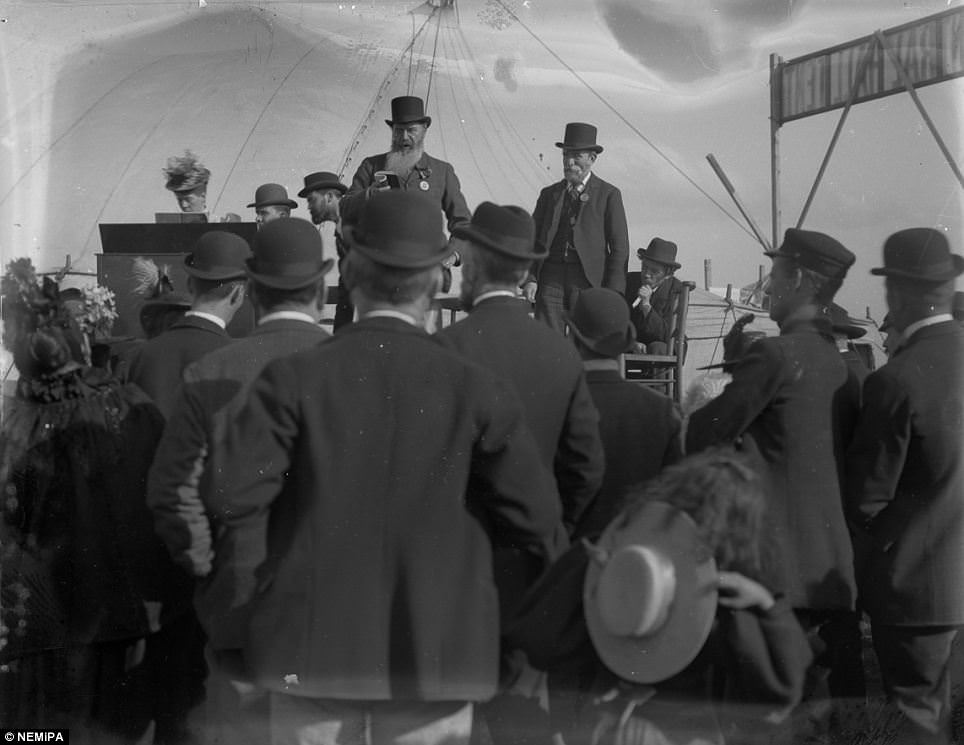
A forgotten box at Newcastle’s Mining Institute held a remarkable secret: a collection of glass-plate negatives from the 1880s documenting everyday life on the city’s streets. Unlike the stiff, formal portraits that dominated Victorian-era photography, these images are candid and alive. They show a city powered by coal, shipbuilding, and heavy industry — and the ordinary people who kept it running.
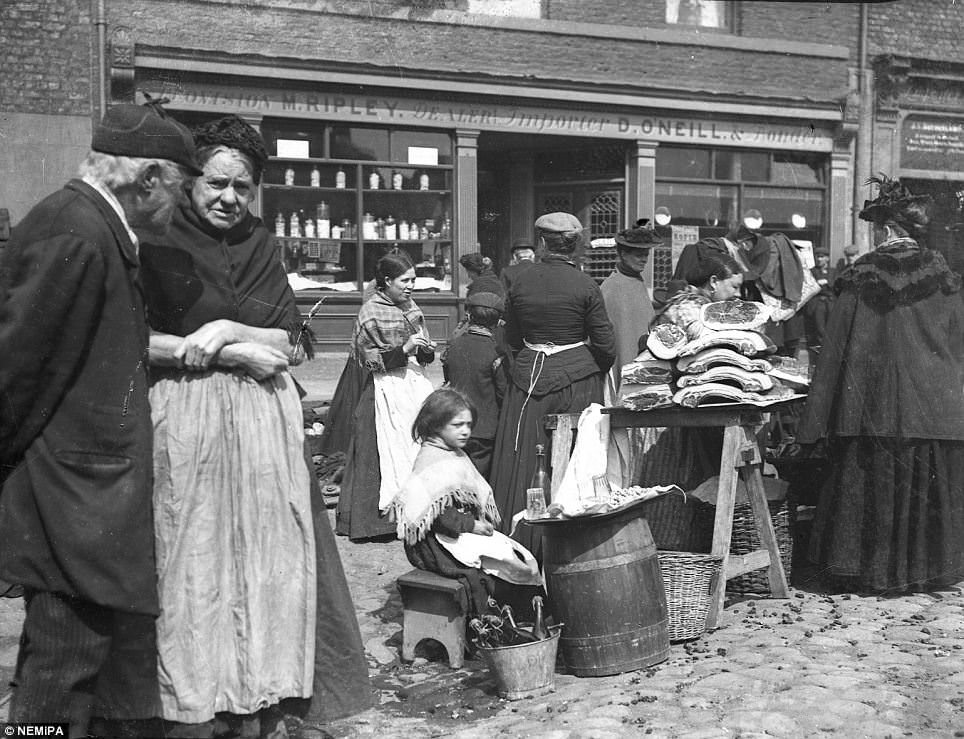
Newcastle in the 1880s was an industrial powerhouse. Coal from the surrounding mines, ships launched from the River Tyne, and the smoke from countless factory chimneys defined the city. Cobblestone streets were lined with soot-darkened brick buildings. Horse-drawn carts loaded with barrels and sacks moved through busy thoroughfares. Shopfronts with simple hand-painted signs sat beside street vendors hawking their goods. Child workers were a common sight among it all.
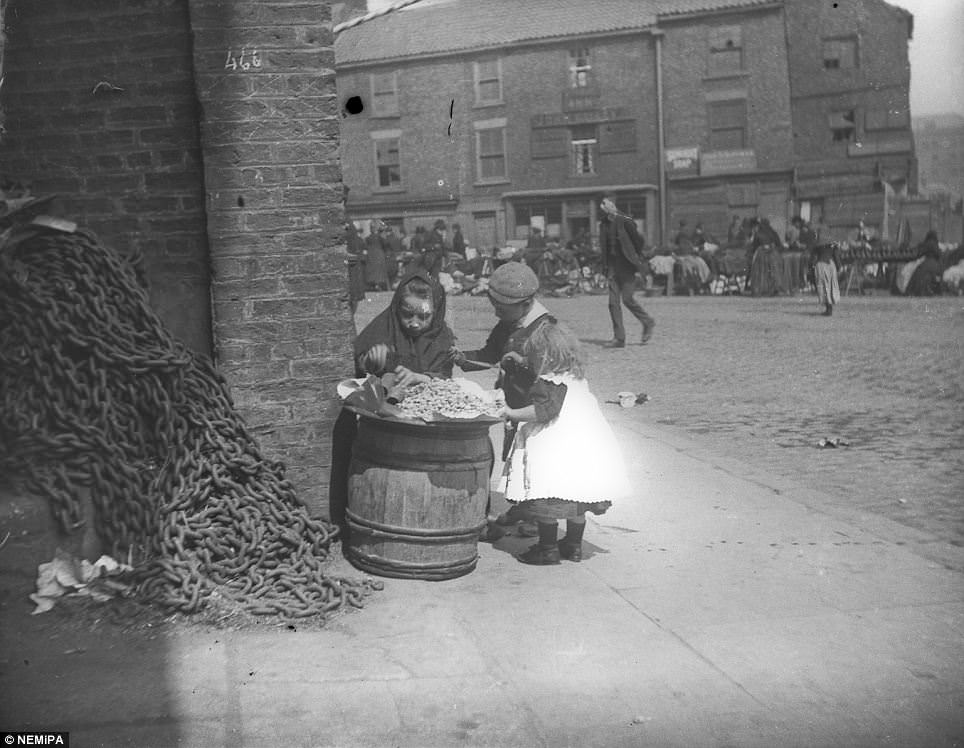
What makes this collection extraordinary is its style. Photography in the 1880s was a slow, demanding process. A large plate camera mounted on a heavy wooden tripod required long exposure times, forcing most subjects to stand perfectly still. Most photographers stuck to controlled, staged settings for this reason. The Newcastle photographer defied that norm entirely.
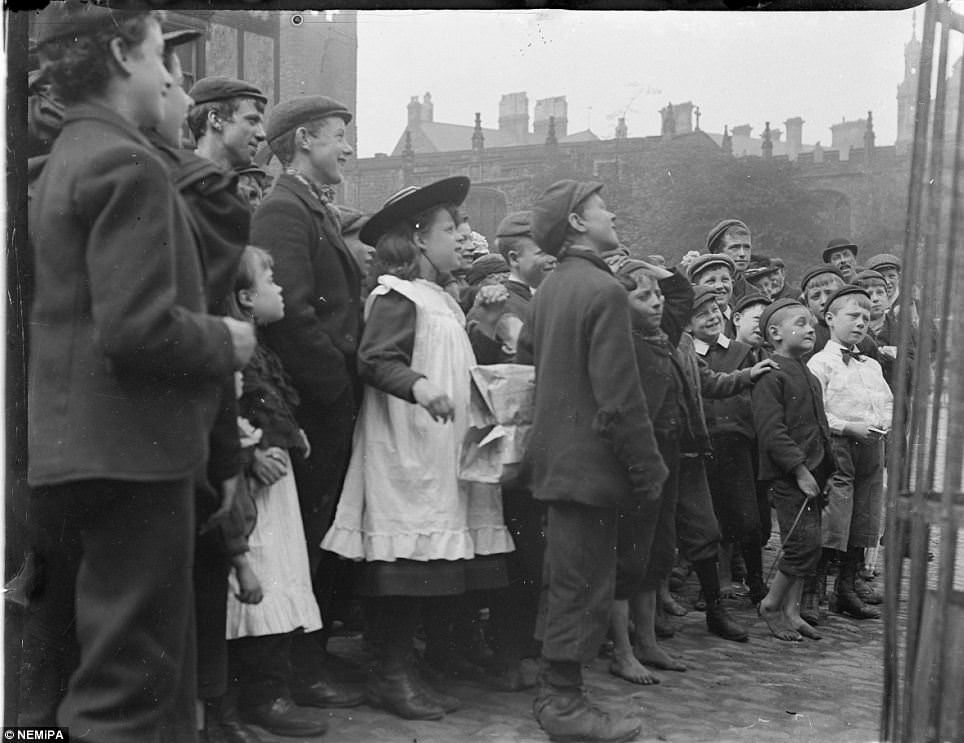
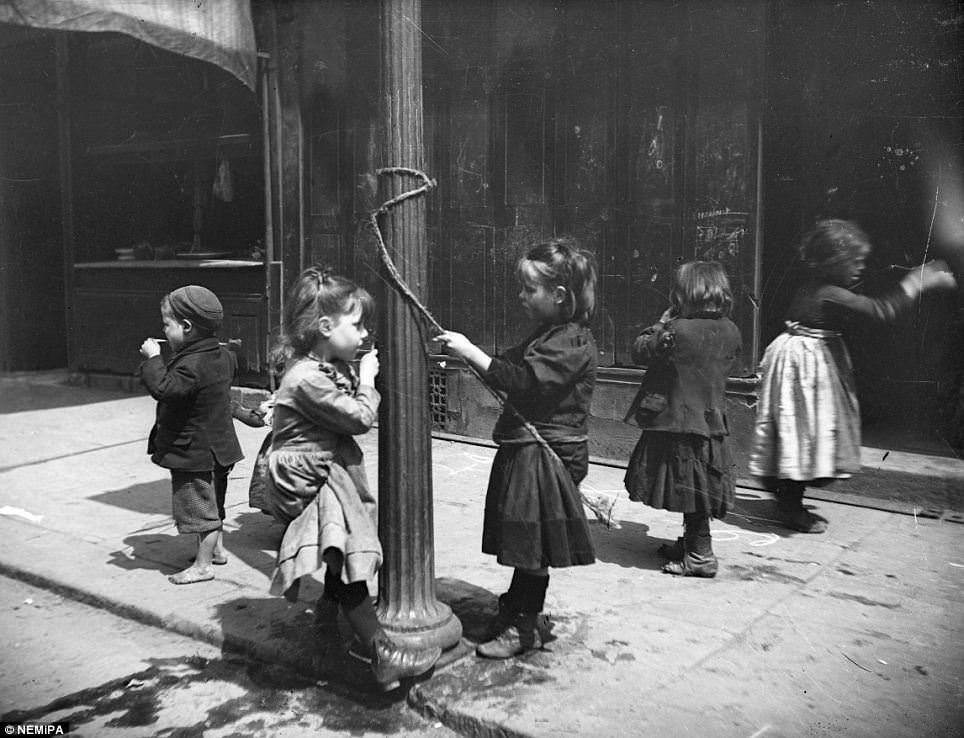
The images have a documentary quality that feels decades ahead of their time. People are caught mid-conversation, mid-task, and mid-play. They appear unaware of or indifferent to the camera — a rare achievement given the equipment involved. A man grabs a nap in the city centre. Women knit beside the Quayside. Children skip around lamp posts.
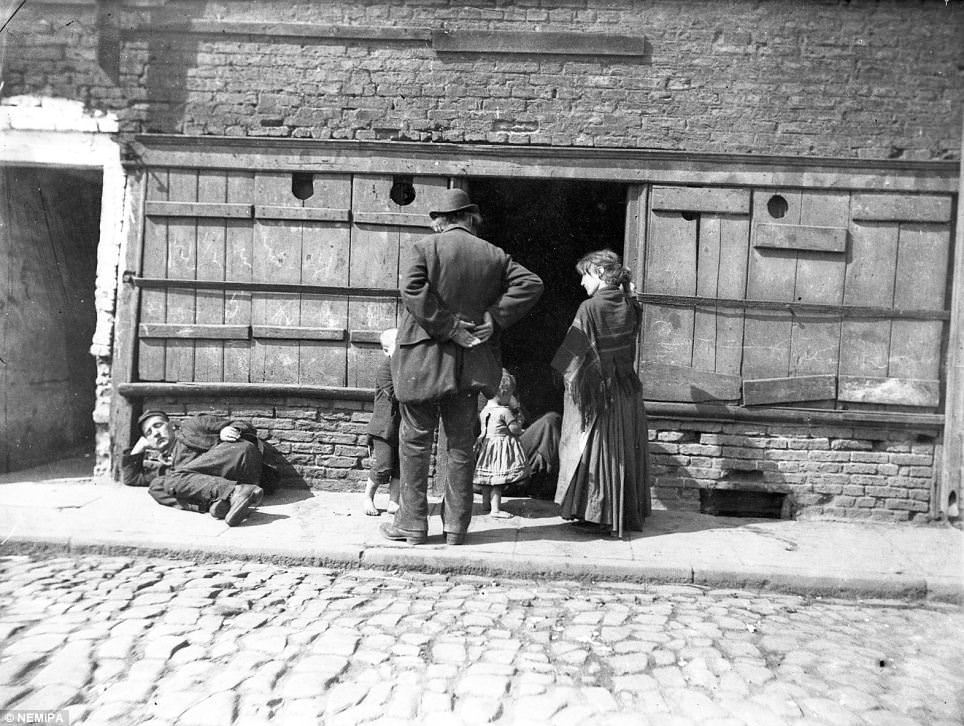
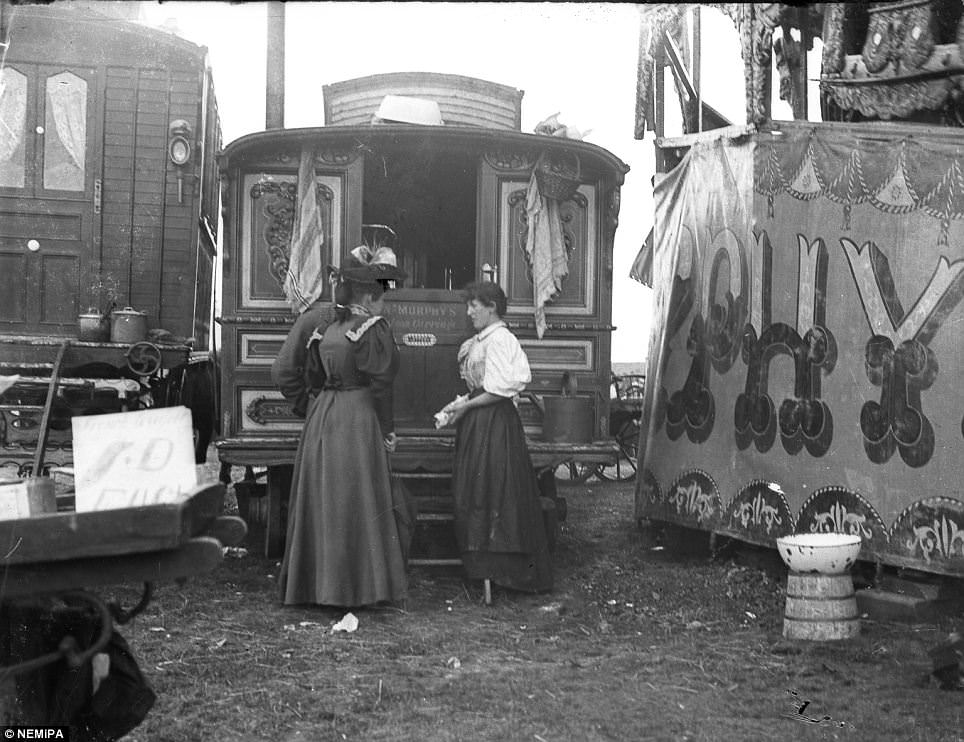
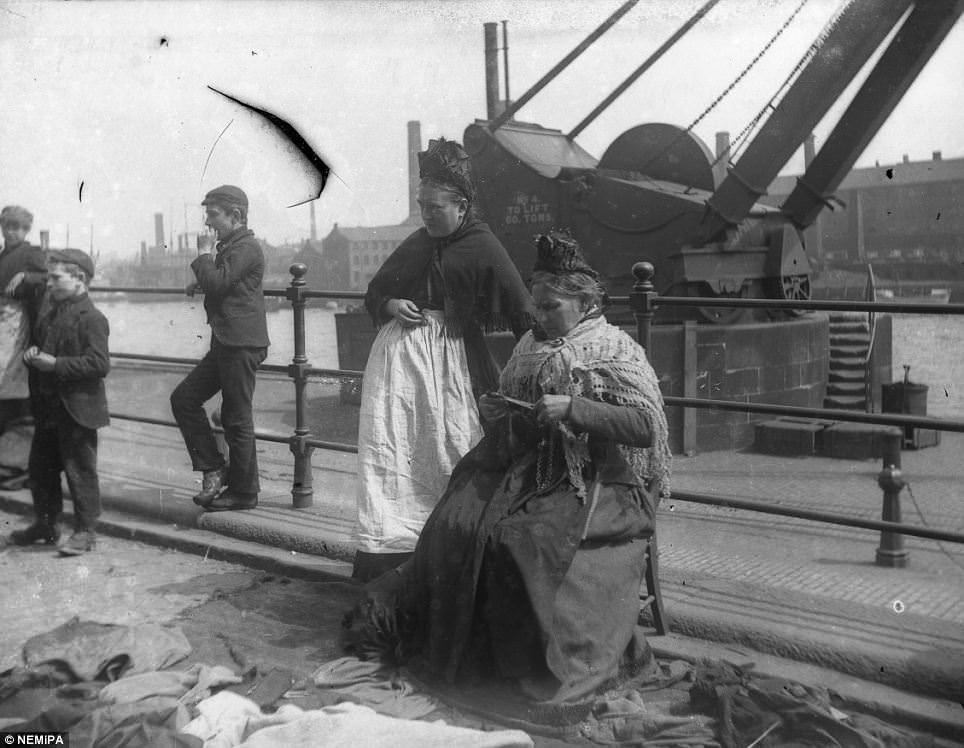
Clothing in the photographs signals class and occupation instantly. Working men wear heavy boots, caps, and durable fabrics built for manual labour. Women are dressed in long dark skirts, aprons, and shawls — practical gear for managing households in a coal-dusted city. Children appear in patched-up versions of adult clothing, their expressions ranging from open curiosity to outright mischief.
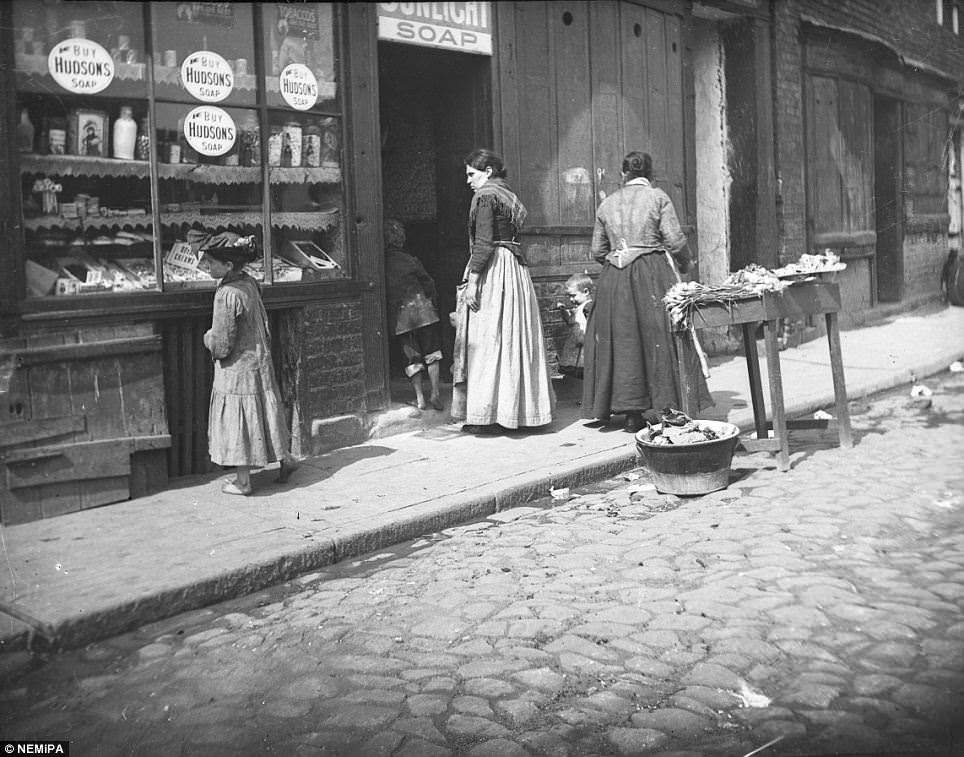
The collection also captures public gatherings tied to the rhythm of city life. Ship launches on the Tyne drew crowds of onlookers. The Town Moor hosted the Temperance Festival, drawing competitors and spectators alike. Archivist Aaron Guy described the subjects as “Joe Bloggs on the street” — anonymous working-class individuals whose faces the glass negatives preserved with striking clarity.