
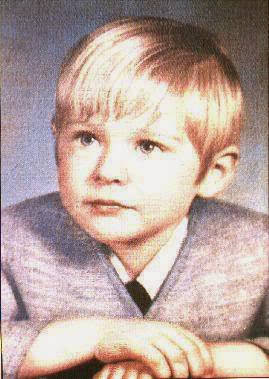
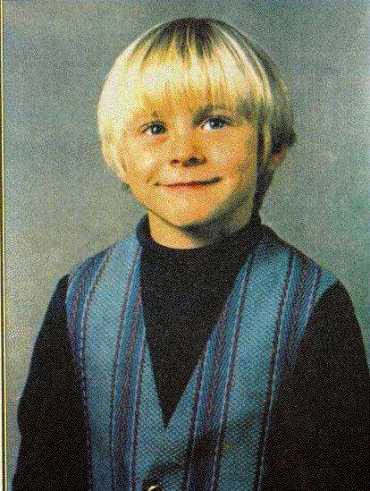
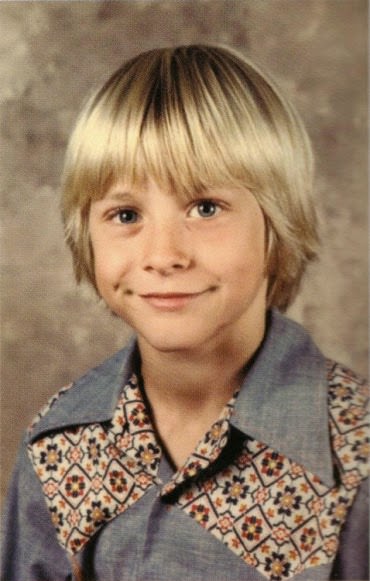
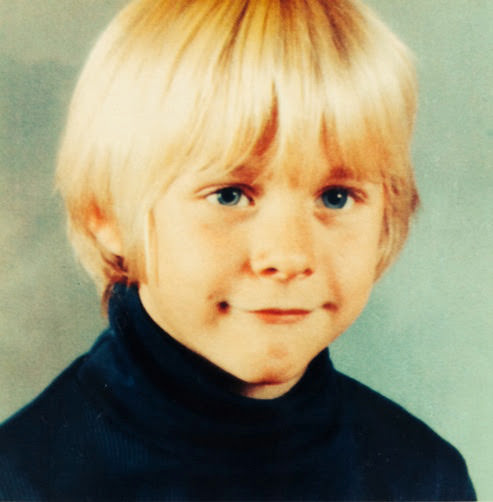
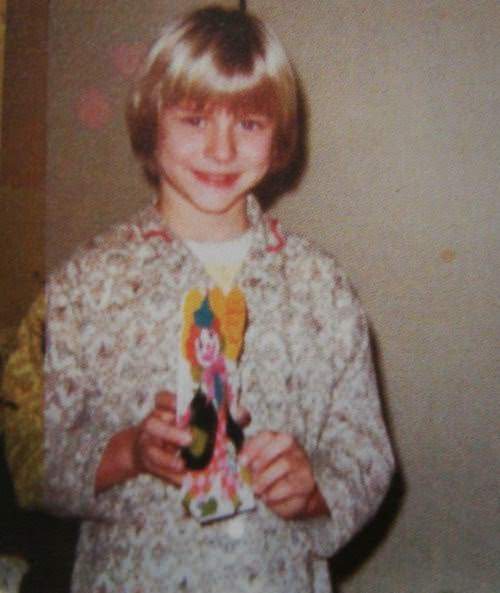
Kurt Donald Cobain was born on February 20, 1967, in Aberdeen, Washington — a small logging town in the Pacific Northwest. His father, Donald Cobain, worked as an auto mechanic, and his mother, Wendy, was a homemaker. In 1970, his younger sister Kimberly was born, completing the family unit. By all early accounts, Kurt’s childhood started in a warm, encouraging environment.
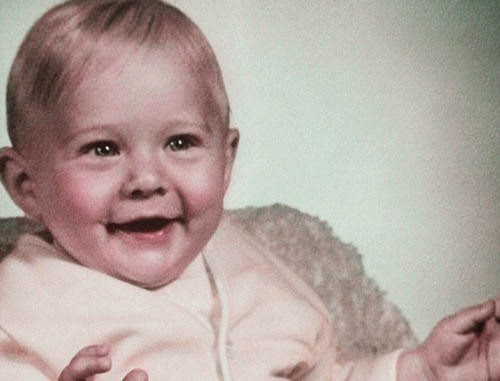
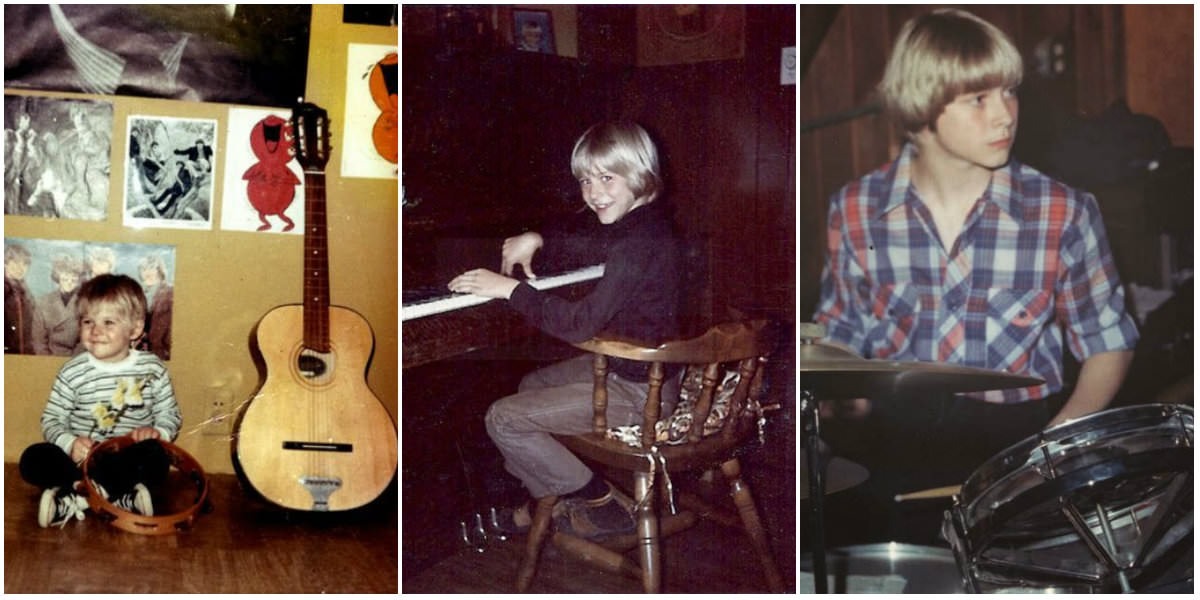
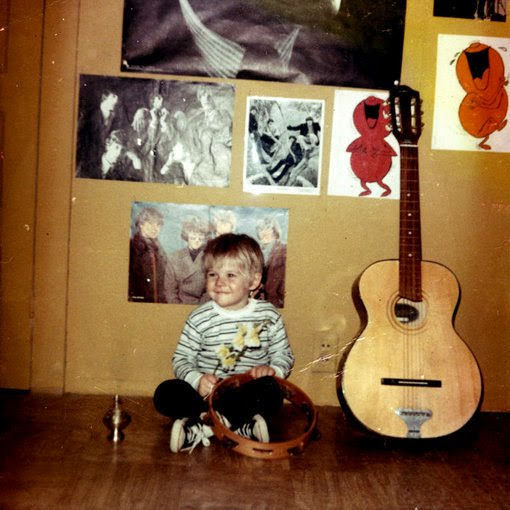
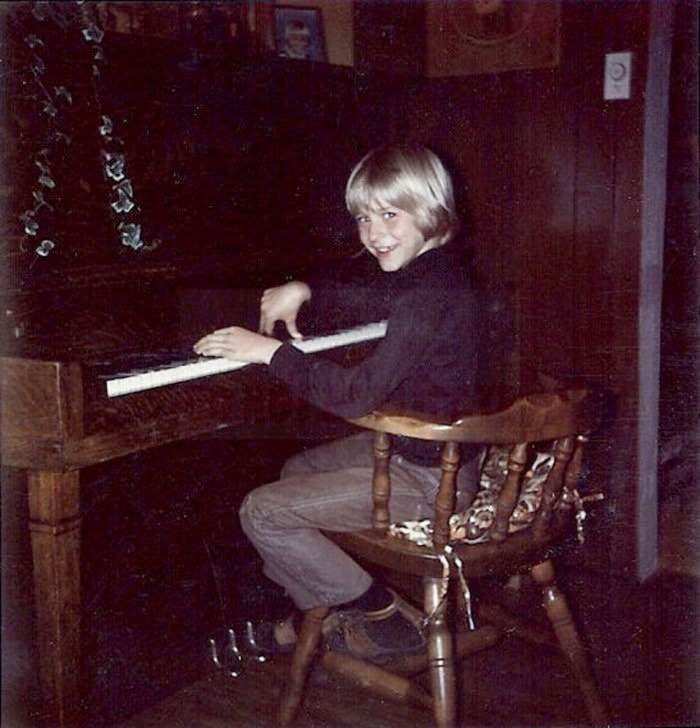
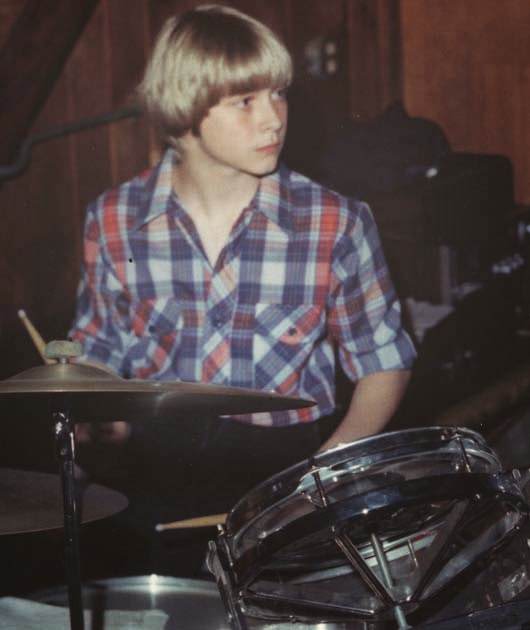
From a very young age, Kurt showed a strong creative streak. He filled notebooks with detailed sketches of cartoon characters and gravitated naturally toward music. His aunt Mari Earl, herself a musician, remembered him as a happy, energetic, and imaginative child. His uncle Chuck Fradenburg played in a local band, and the musical atmosphere at home fed Kurt’s growing enthusiasm. As a boy, he received a small Mickey Mouse drum kit and sang along to Beatles songs and other popular music of the era.
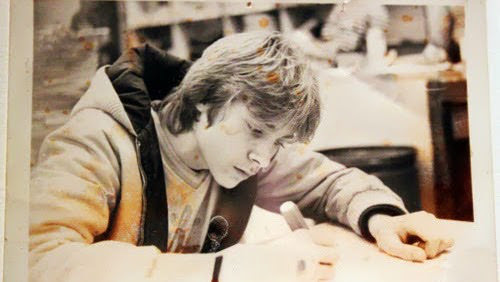
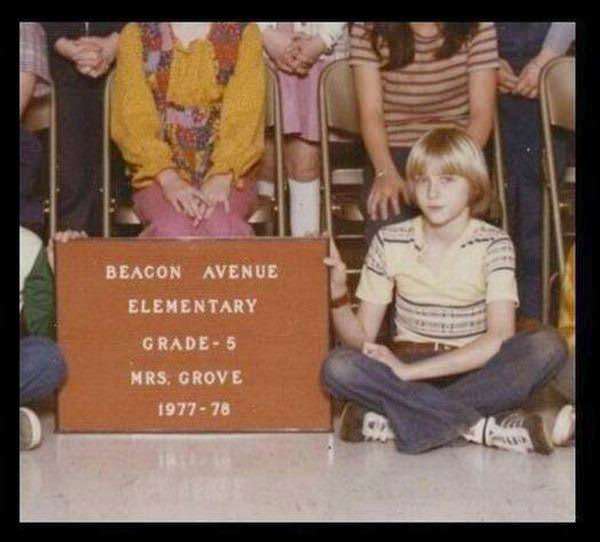
That early happiness came to a sharp end in 1975. Kurt was nine years old when his parents divorced, and the effect on him was immediate and visible. Friends and family noted a dramatic change — the outgoing, cheerful boy became withdrawn, angry, and hard to reach. The divorce didn’t just split his parents; it fractured his sense of stability entirely.
After the split, Kurt’s living situation became unstable. He moved between his mother’s home, his father’s house in nearby Montesano, and the homes of various relatives — grandparents, aunts, and uncles. He never settled in one place for long, and that constant shuffling deepened his growing sense of alienation.
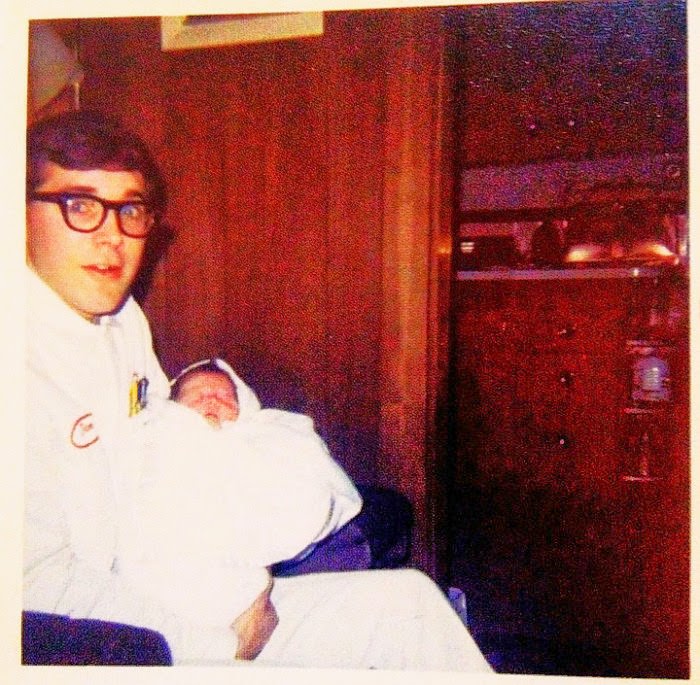
His relationship with his father, Donald, was complicated. Kurt lived with him for stretches of time after the divorce, but tensions with his father and stepfamily made those years difficult.
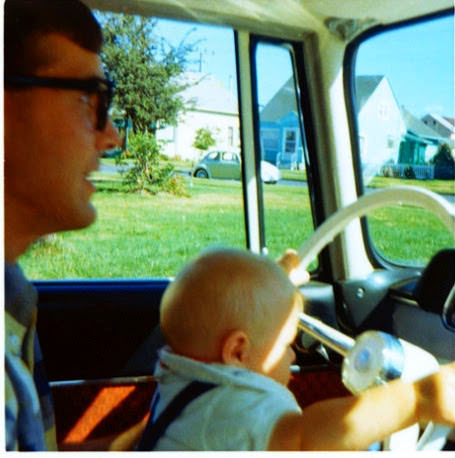
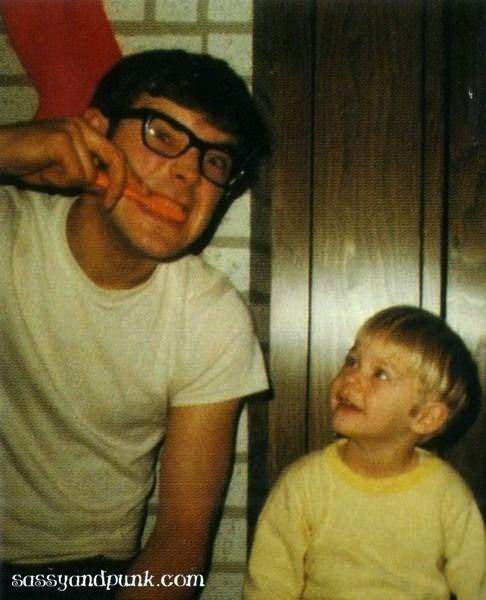
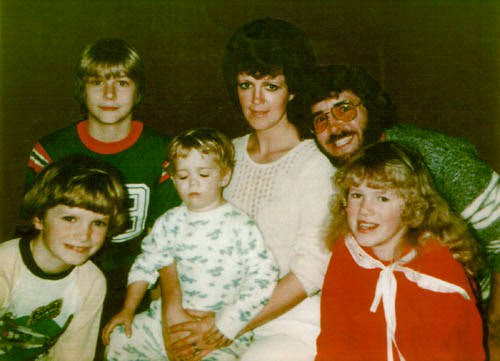
The Cobain family portrait from those years reflects the togetherness that existed before the fracture — a snapshot of a family that would soon scatter in different directions.
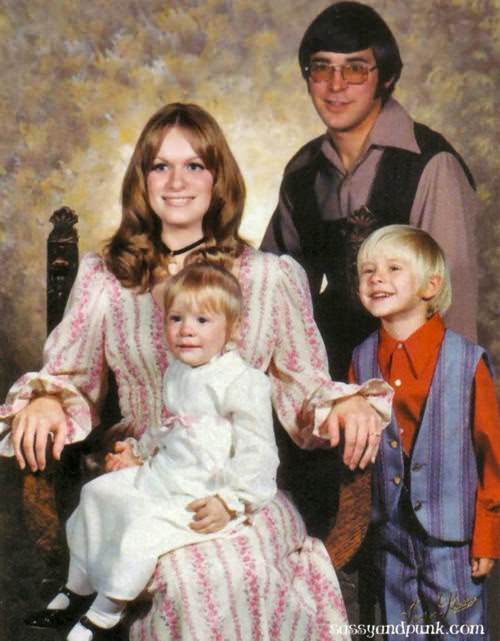
When Donald remarried, Kurt gained a stepfamily that he never fully accepted. Clashes with his father and stepmother pushed him further into isolation. He also struggled with his mother, who found his increasingly rebellious behavior difficult to manage.
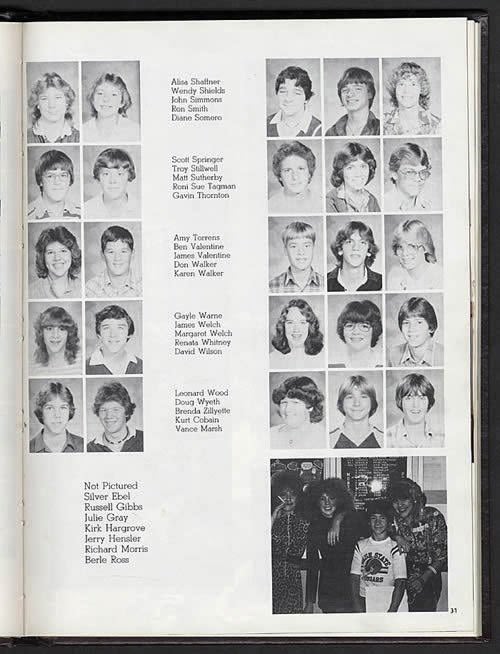
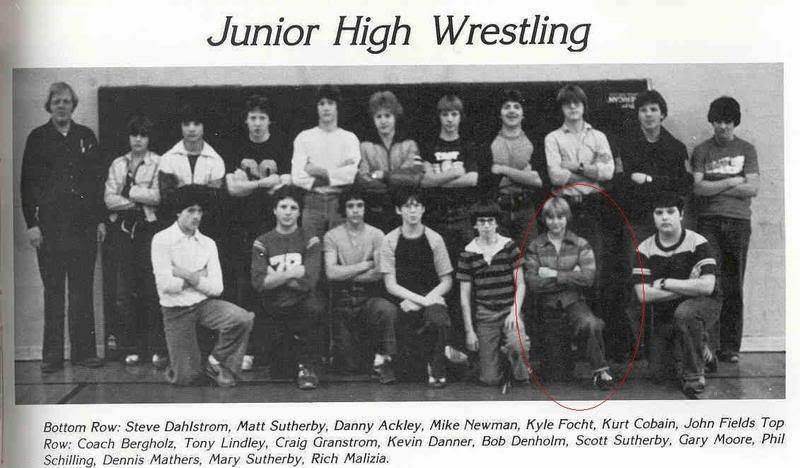
At Aberdeen High School, Kurt felt like an outsider. He found no real sense of belonging there, and it was punk rock that filled the void. Bands like the Sex Pistols and Black Flag — with their raw, anti-establishment sound — matched exactly how he felt. Their anger was his anger.
He dropped out of high school just weeks before graduation. With nowhere permanent to go, he slept on friends’ couches and, at times, in the waiting room of a local hospital. These were his lowest years — homeless, disconnected from family, and adrift.
Yet it was precisely during this period that Kurt turned most seriously to music. With few other anchors in his life, he poured his energy into writing and playing — work that would eventually lead him to form Nirvana.

Bro was majestic