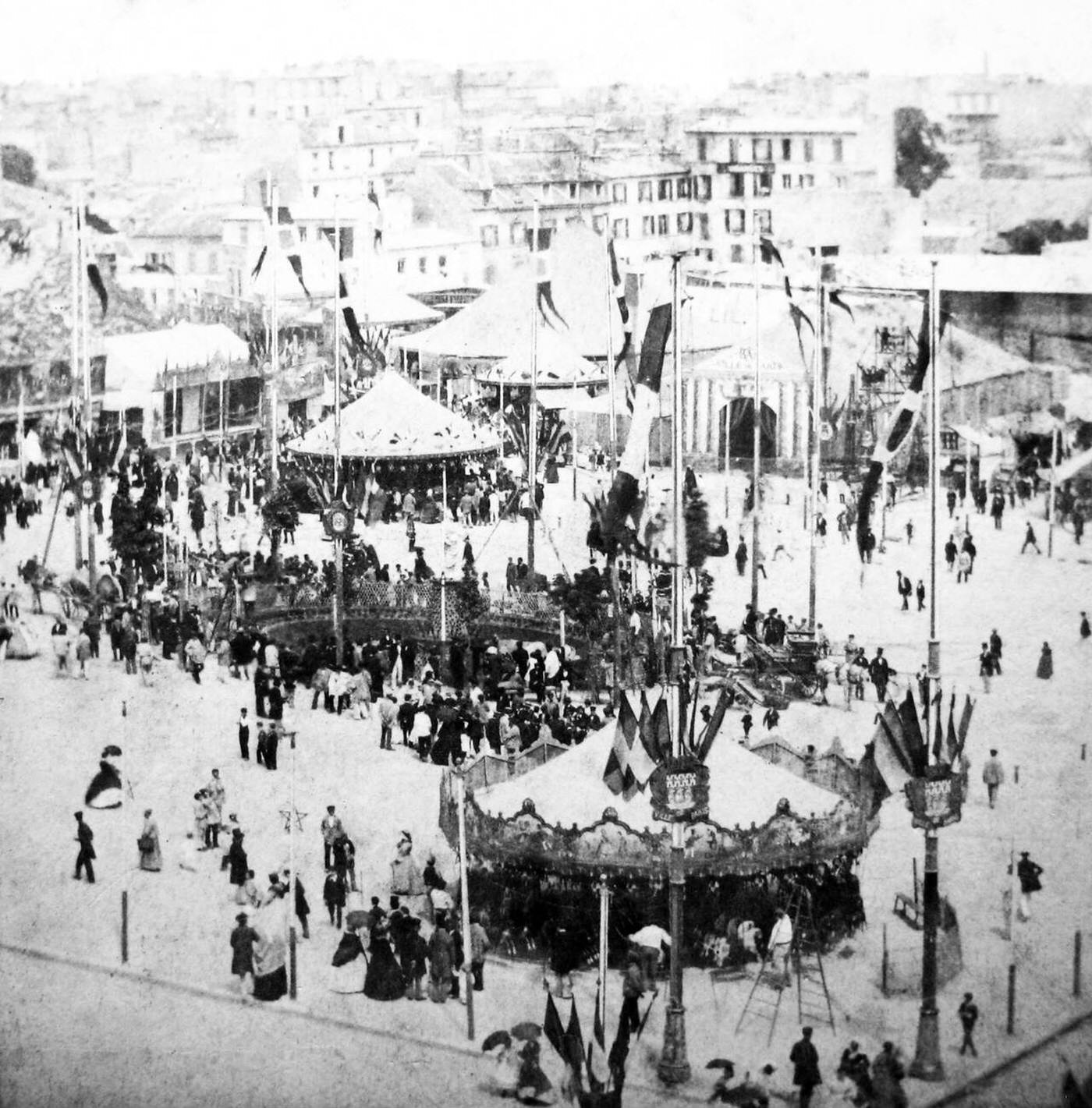
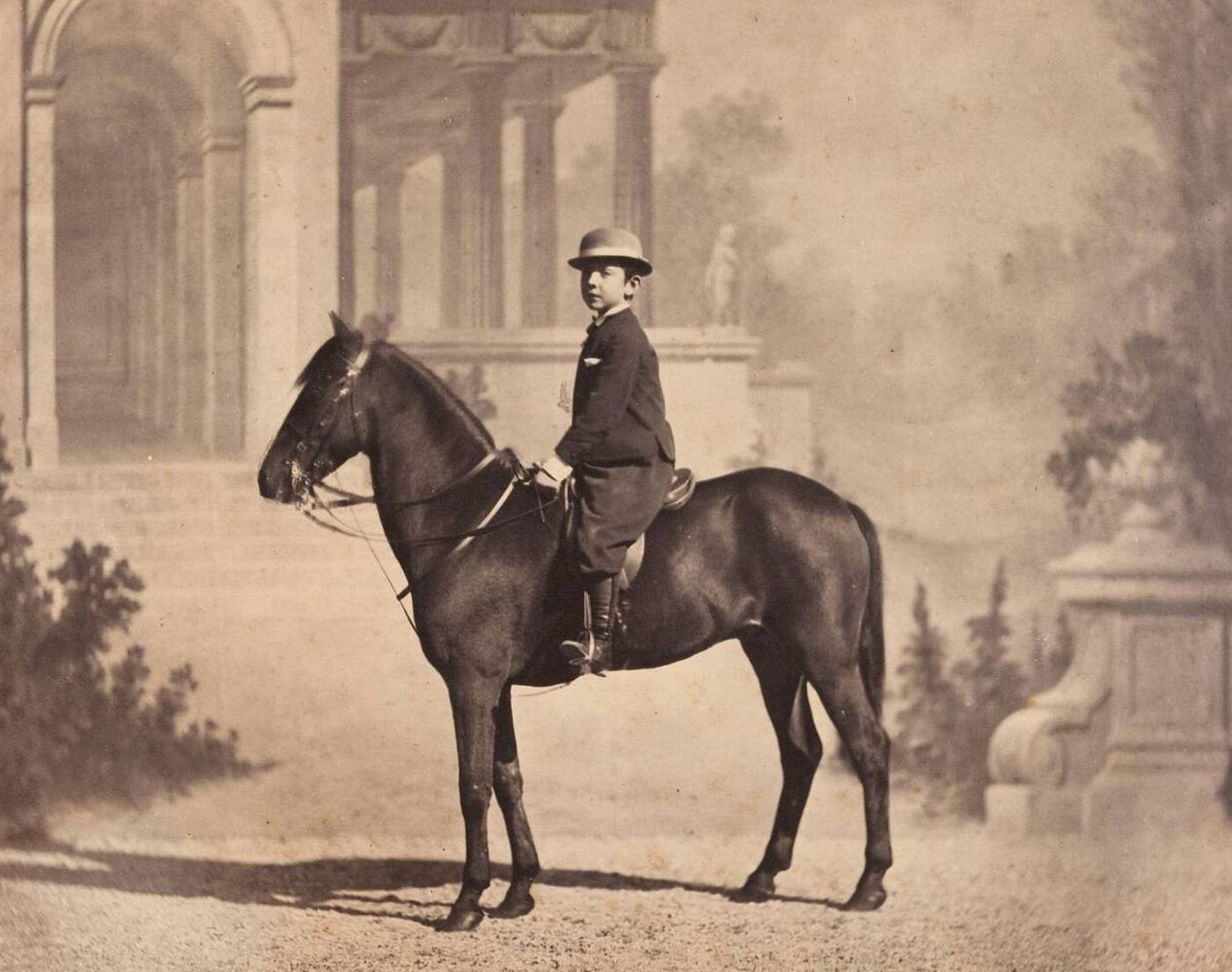
In the 1860s, Paris was in the middle of the most dramatic urban overhaul in the city’s history. Emperor Napoleon III had set a clear goal: turn a crowded, disease-ridden medieval city into a modern European capital. The man handed the job was Baron Georges-Eugène Haussmann, the prefect of the Seine department. What followed was years of demolition, displacement, and construction on a scale that stunned the entire world.
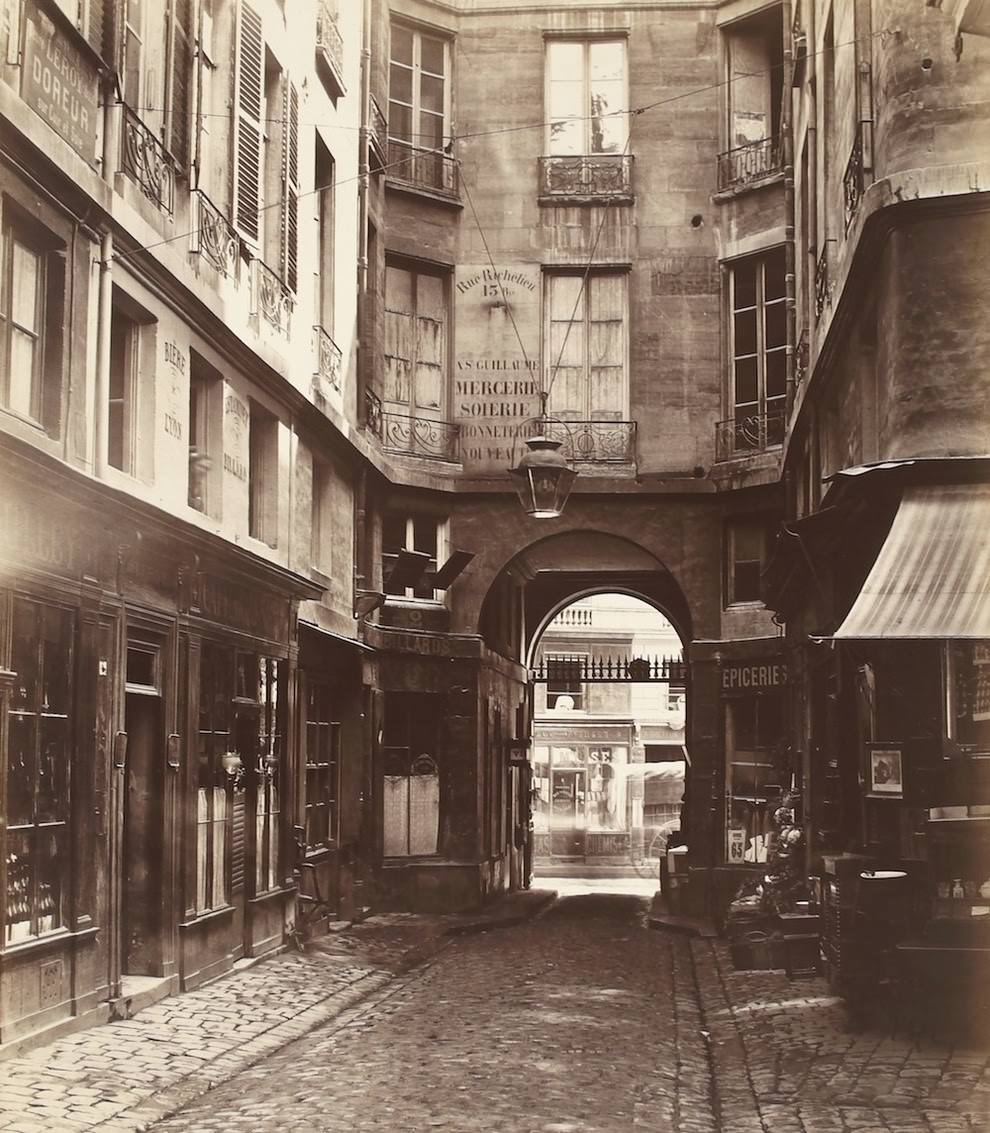
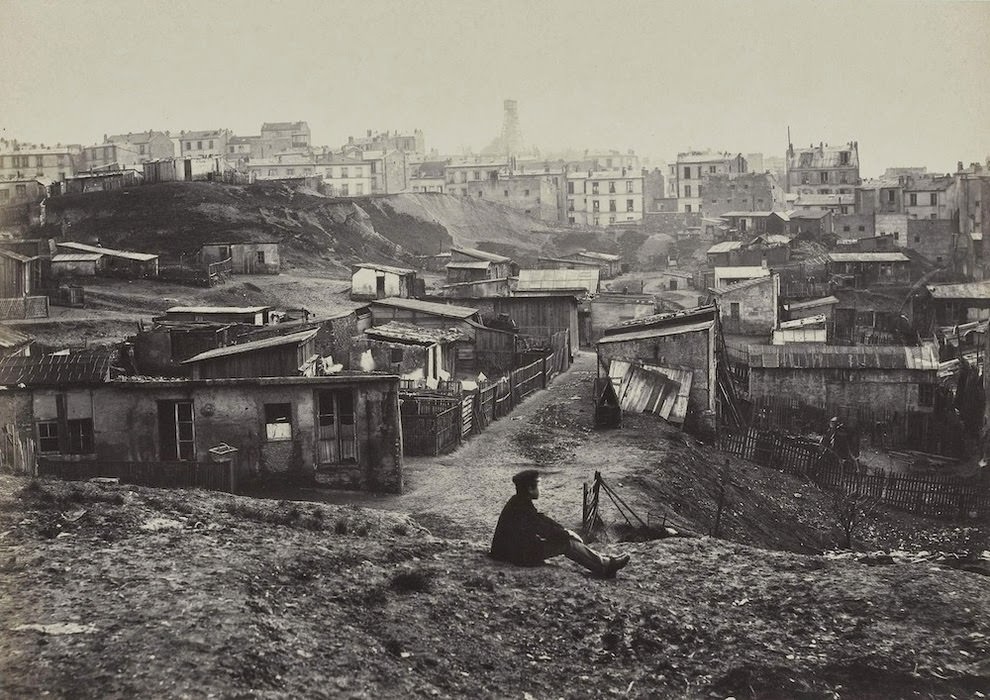
Before Haussmann’s intervention, central Paris was a maze. Narrow, winding streets blocked sunlight from reaching the ground. Overcrowded tenement buildings packed in thousands of residents with little ventilation or clean water. Cholera outbreaks swept through these dense neighborhoods repeatedly, killing thousands. The city’s medieval street layout had not been designed for the pressures of a growing 19th-century population, and it showed.
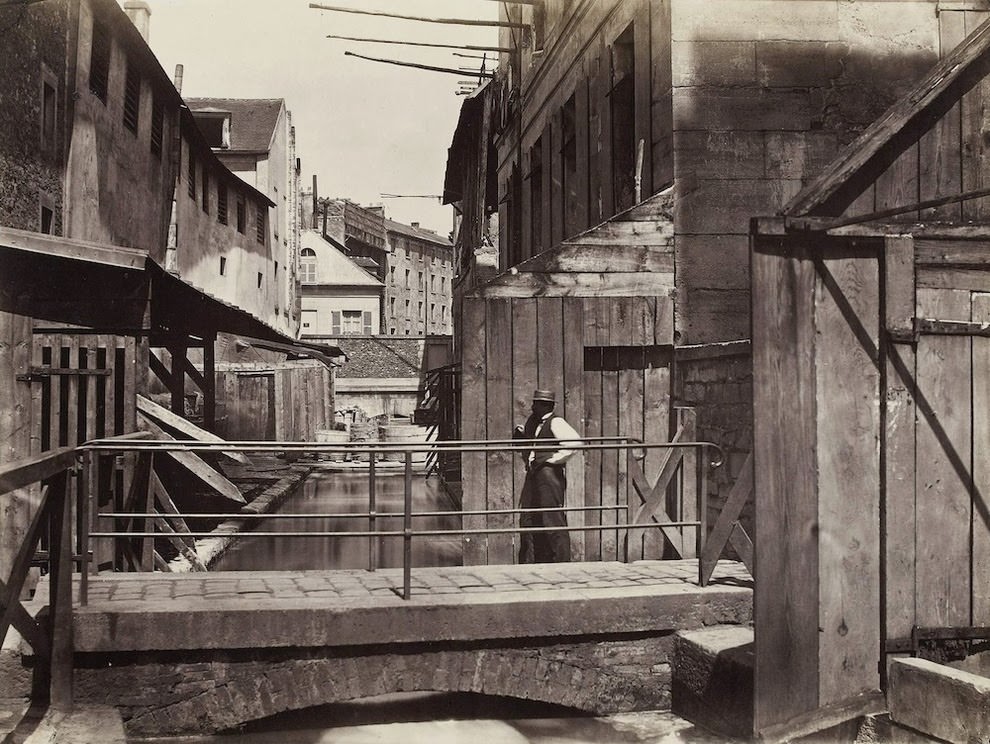
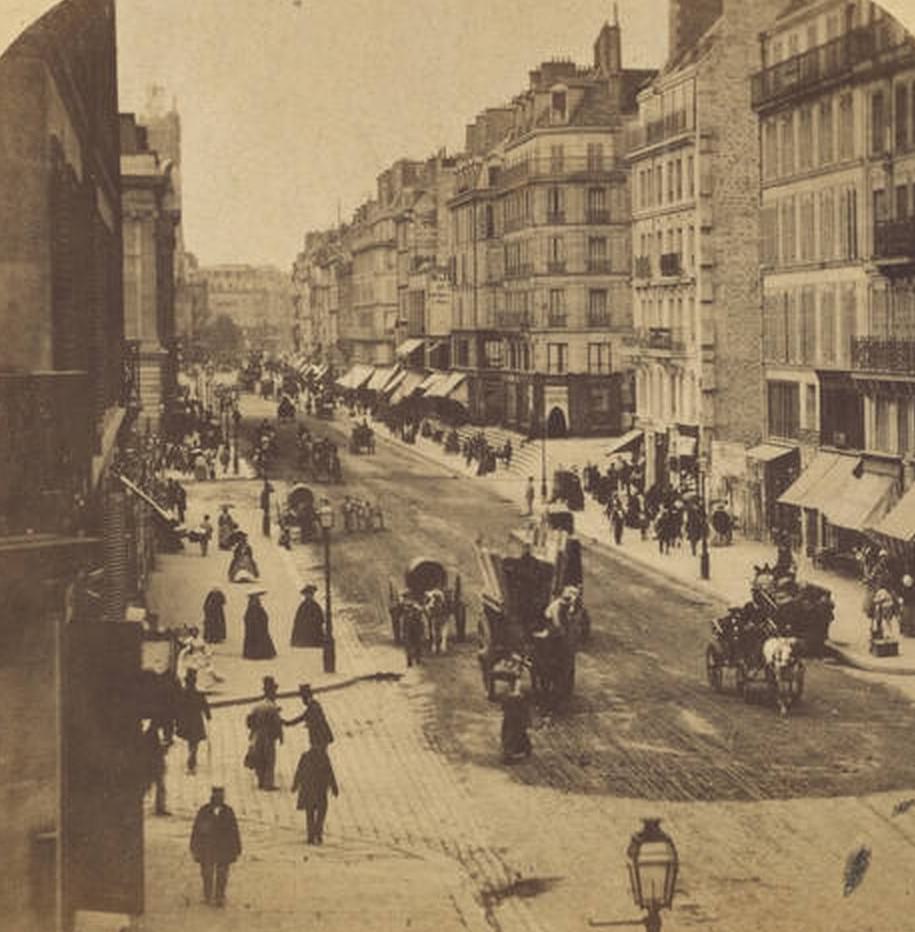
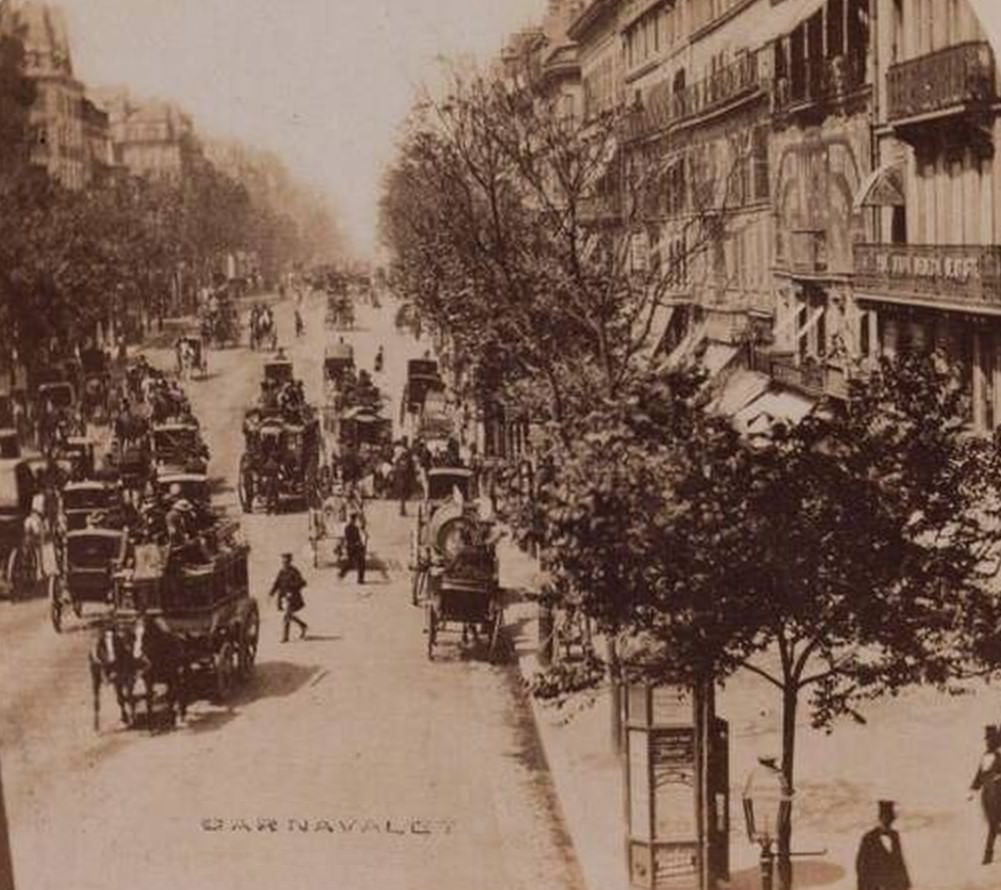
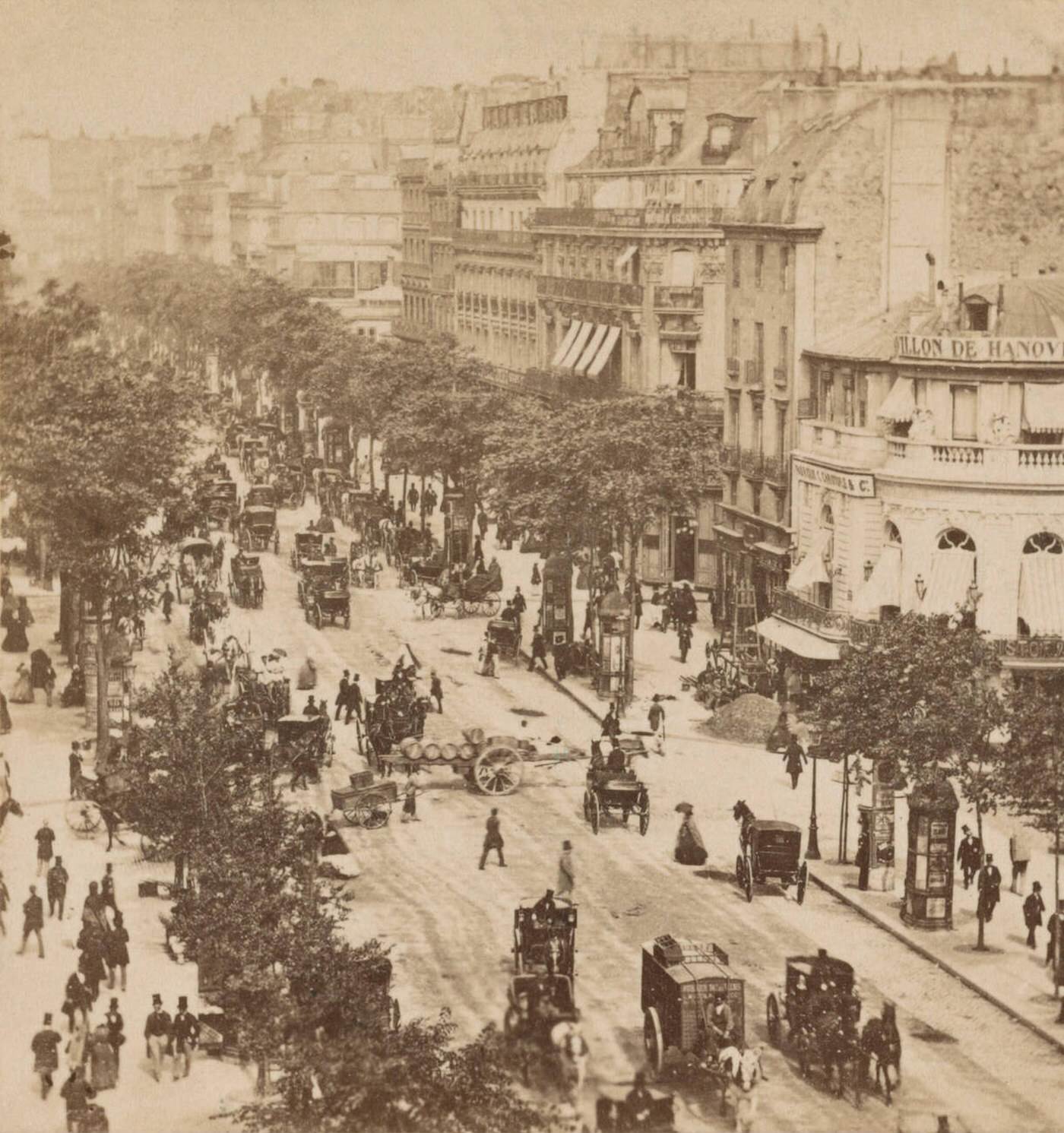
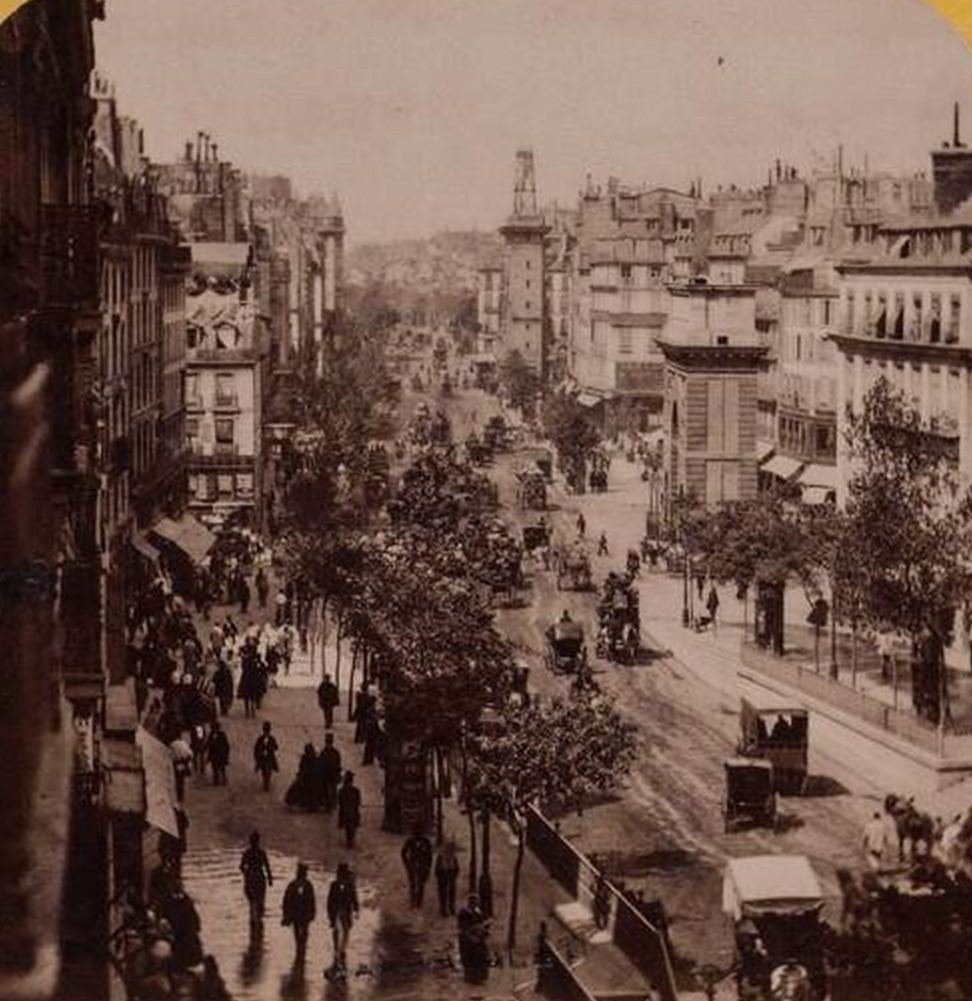
Haussmann’s solution was radical. Entire neighborhoods were torn down. Tens of thousands of buildings were demolished, and hundreds of thousands of residents were pushed out of their homes and relocated to the outskirts of the city. In their place, Haussmann carved wide, straight boulevards through the city’s heart. Streets like the Boulevard Saint-Germain and the Avenue de l’Opéra cut through old Paris like arrows, replacing the tangle of alleys that had existed for centuries.
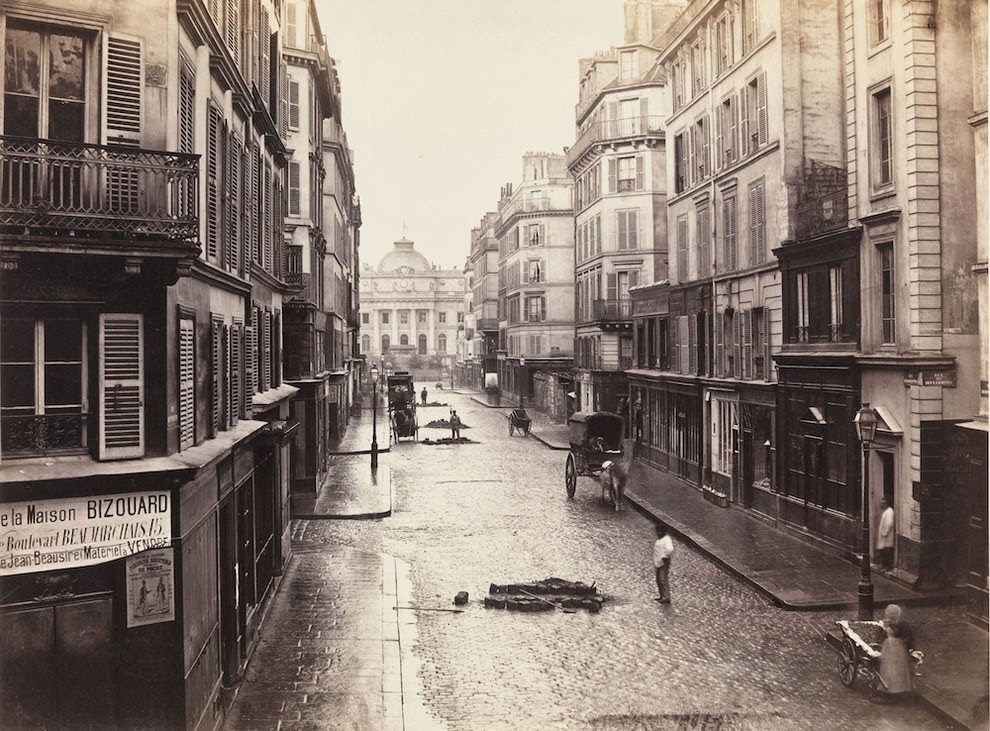
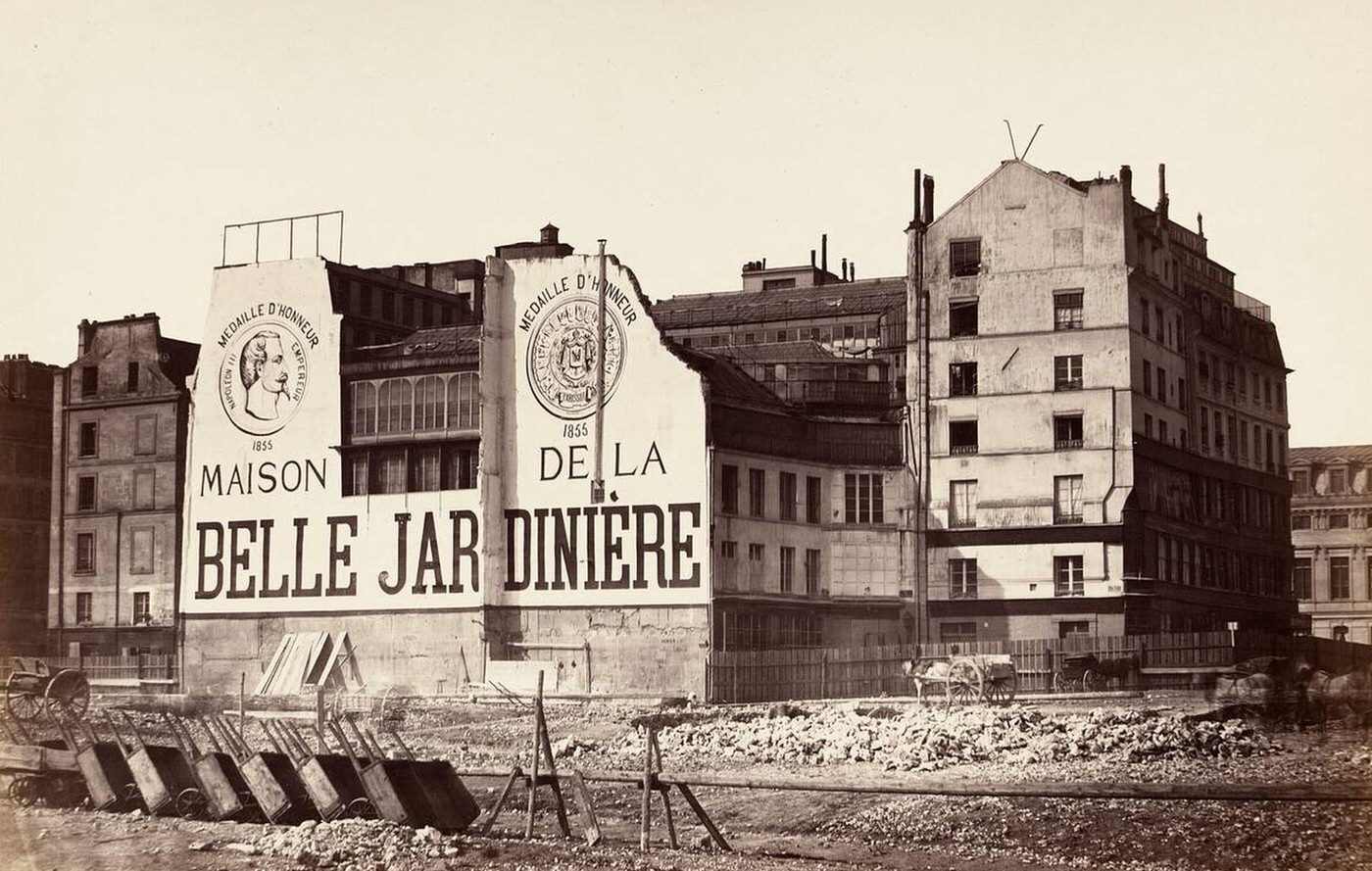
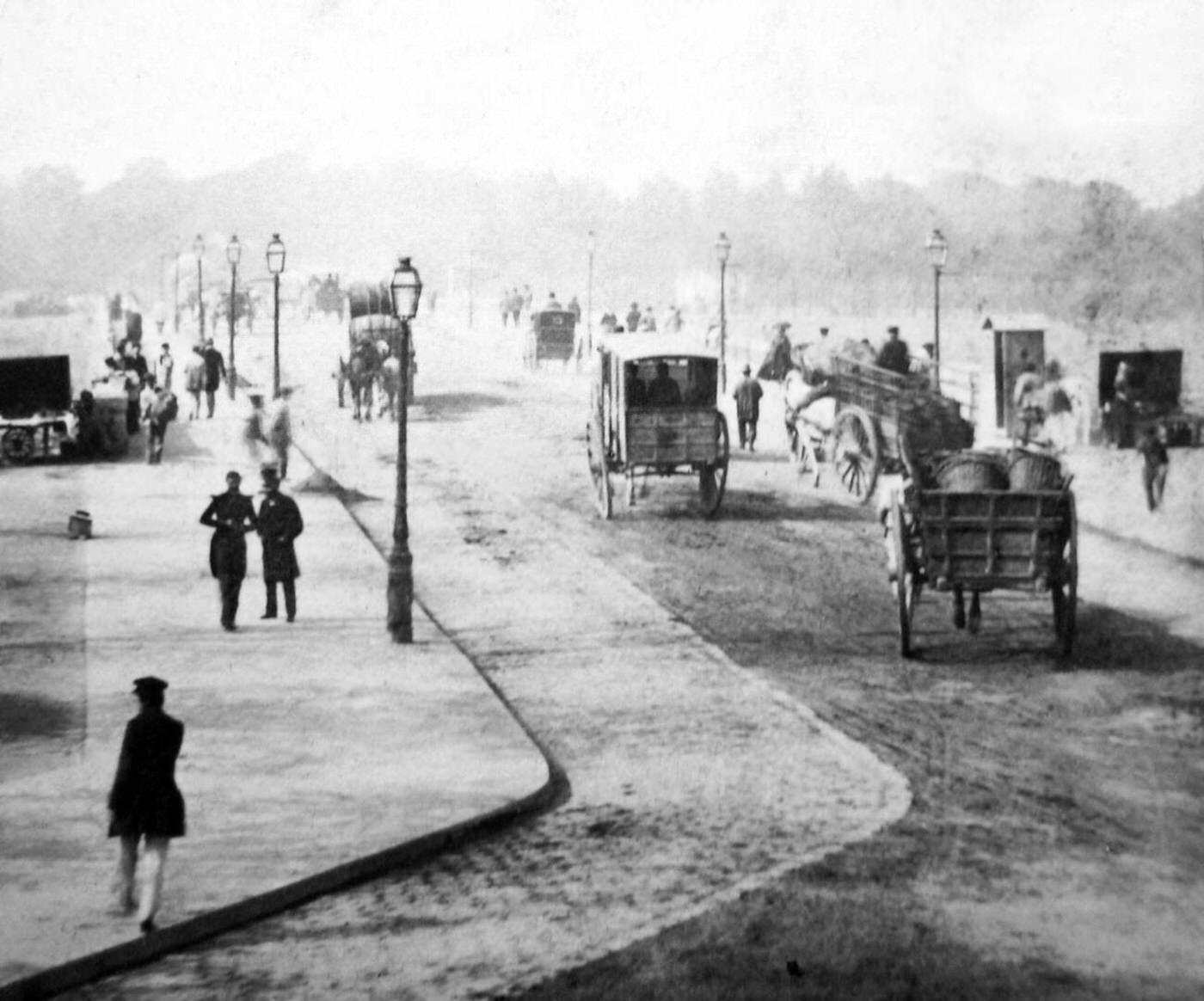
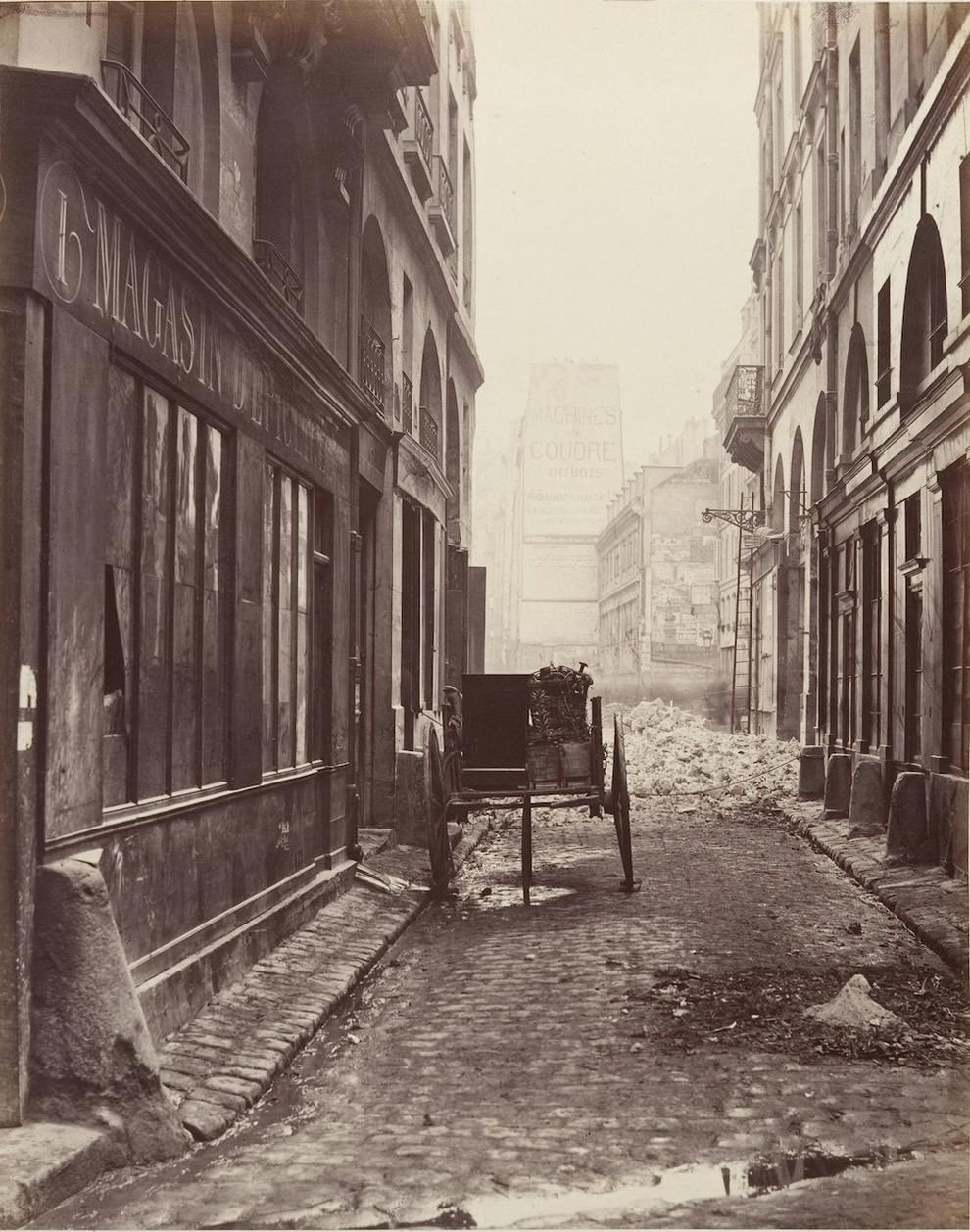
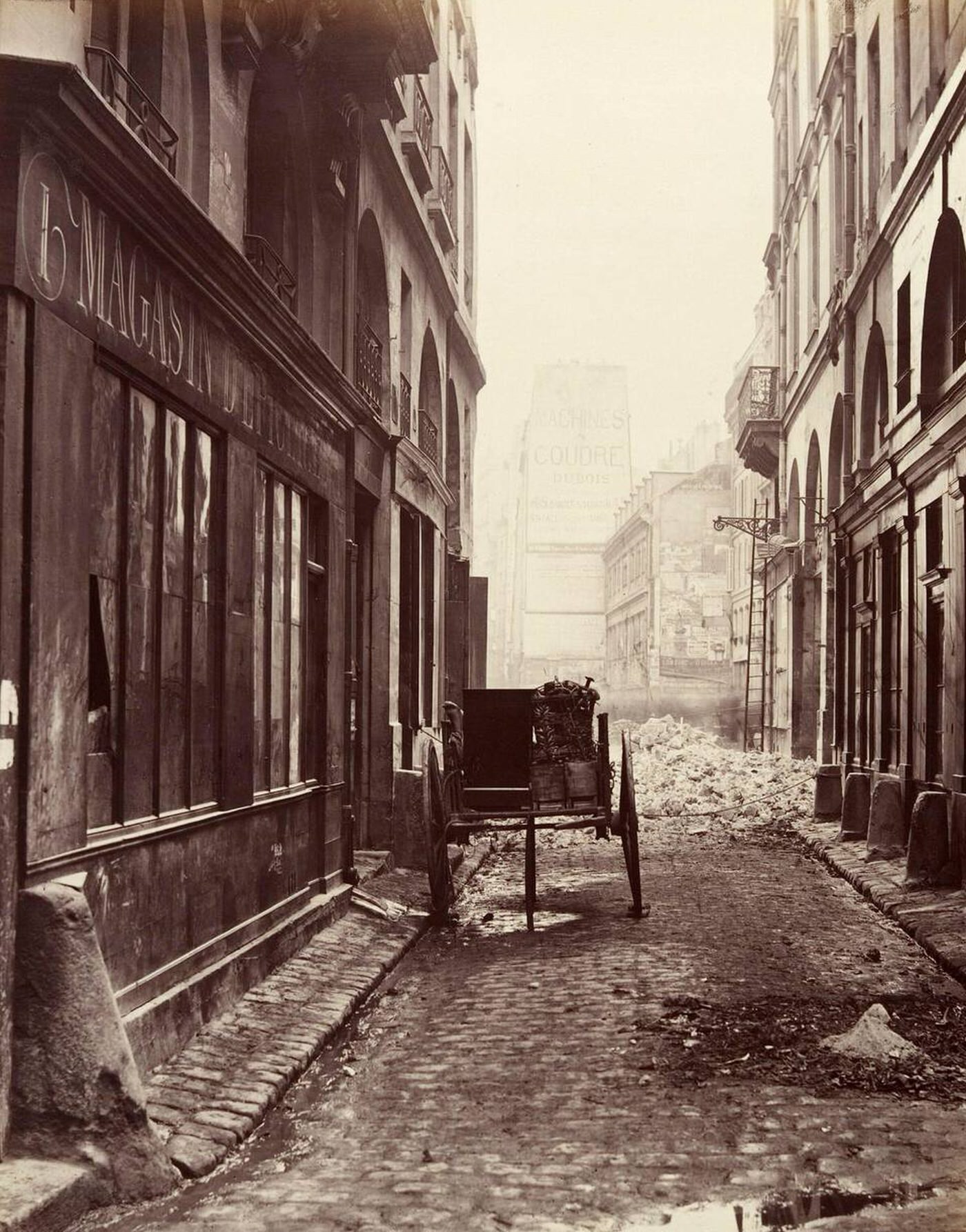
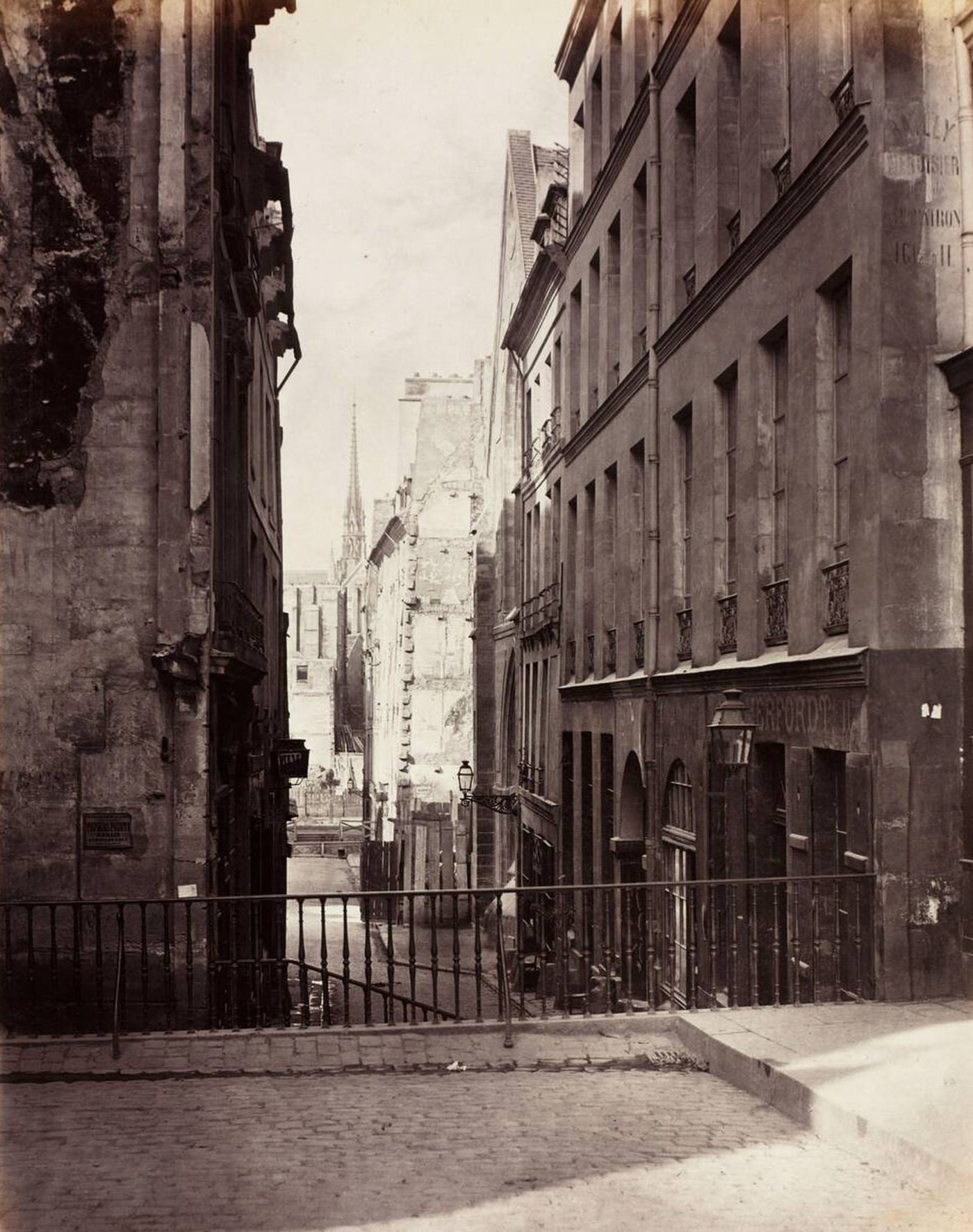
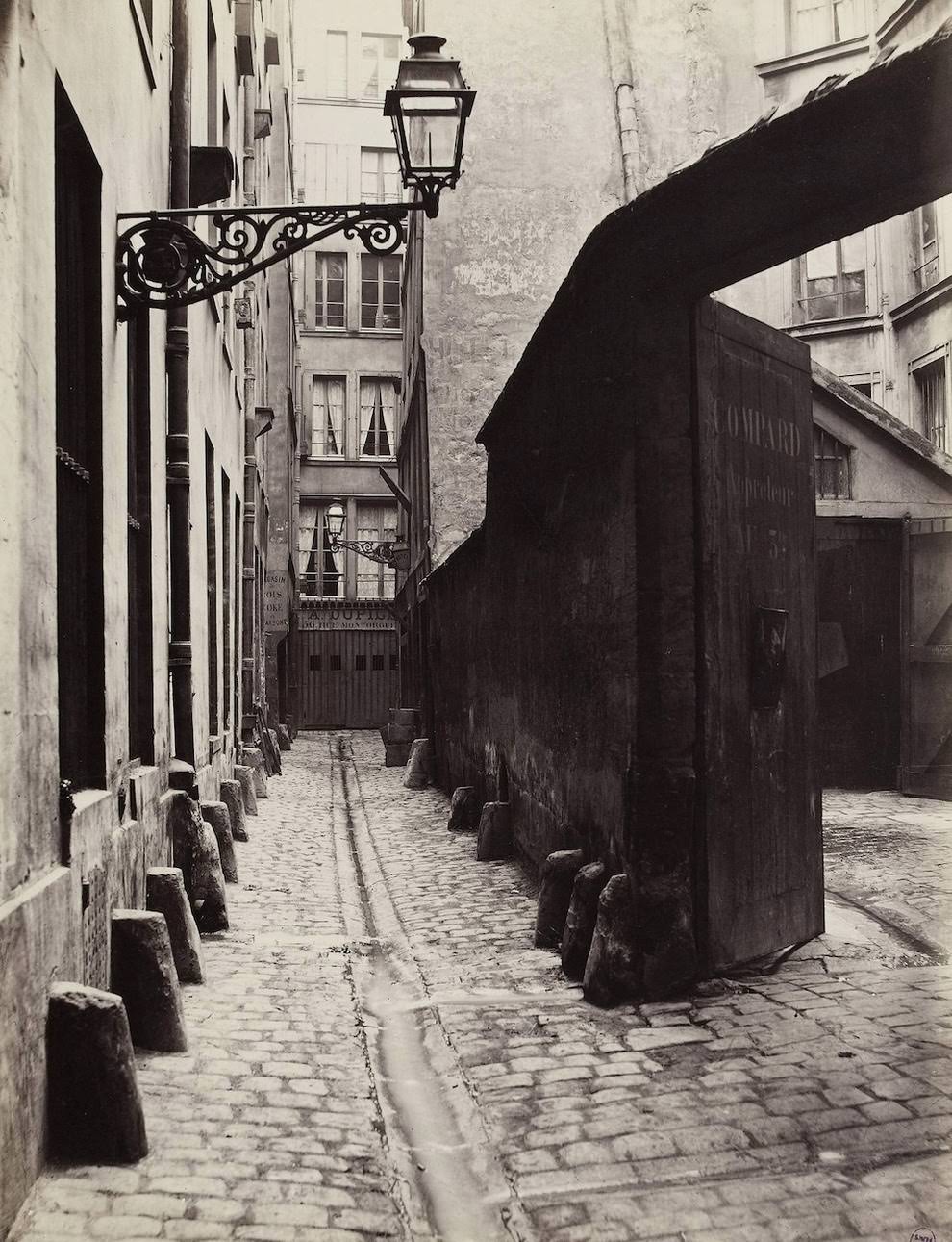
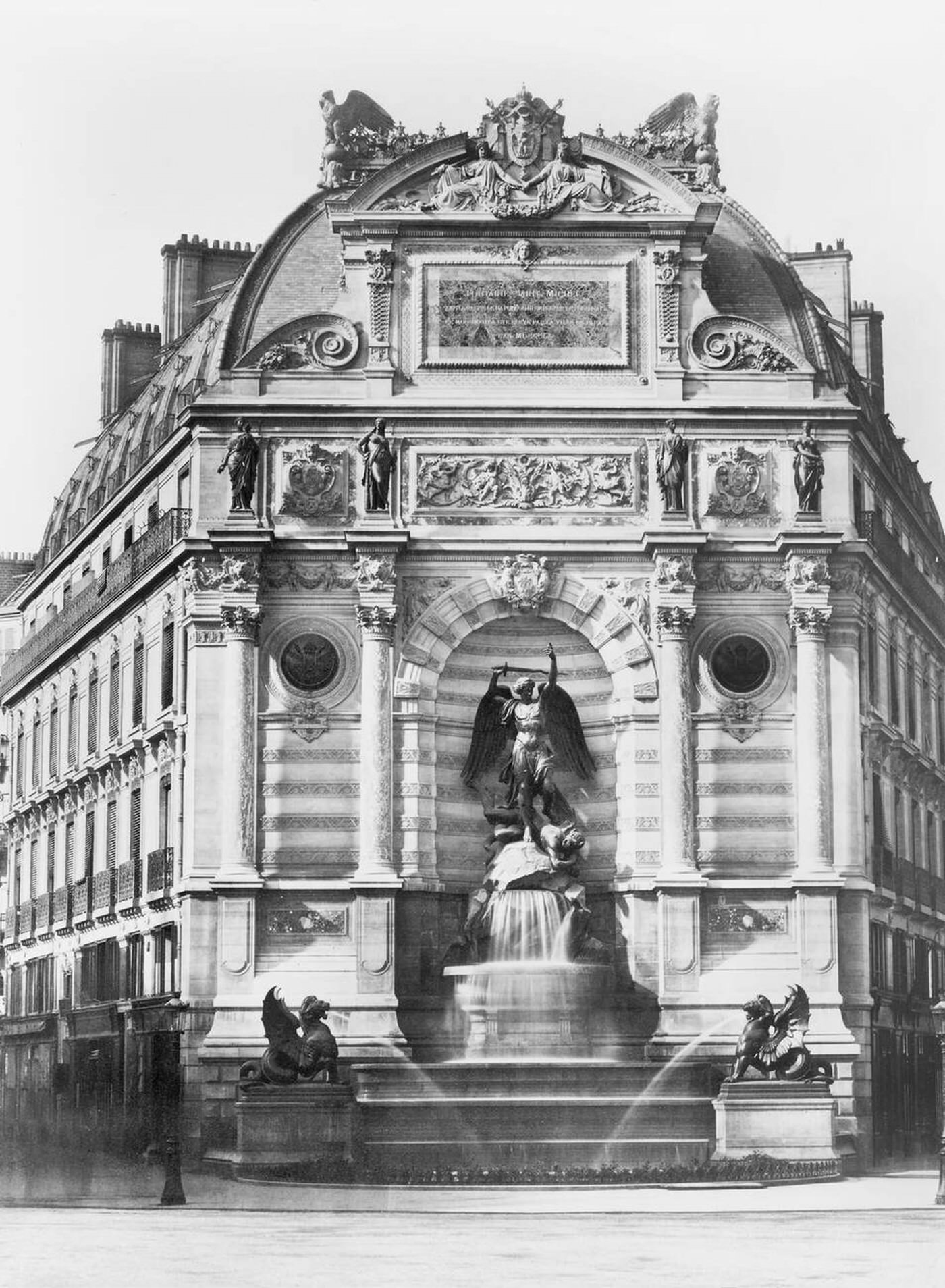
The photographs taken during this period show streets that no longer exist. Some were captured just before the wrecking crews arrived. These images are some of the only records of a Paris that was deliberately erased.
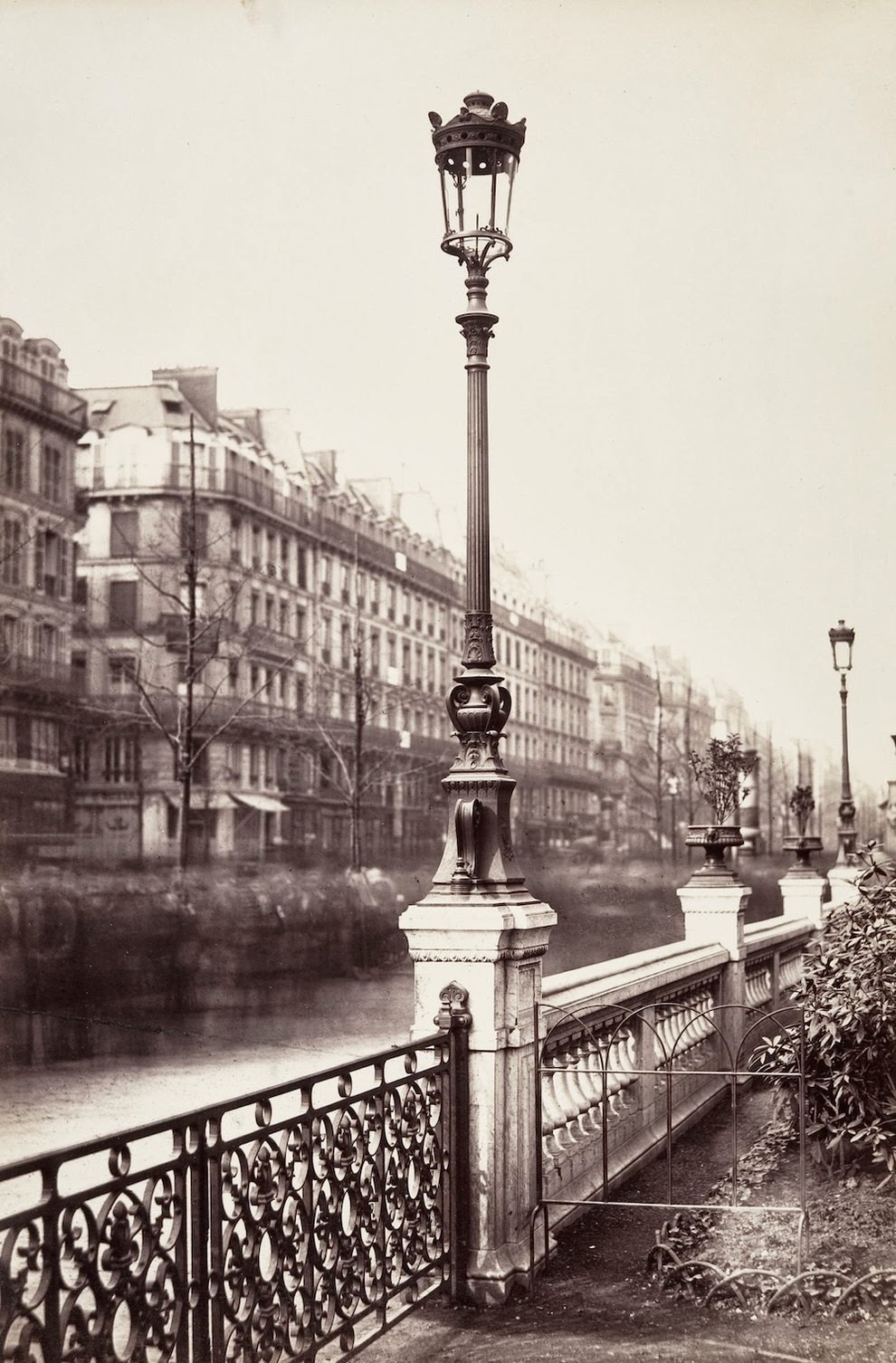
The new boulevards were built with a consistent look. Uniform apartment buildings, constructed from pale cream-colored stone, lined each side. Shops and cafés occupied the ground floors, with residences above. This architectural uniformity was intentional — it gave the new Paris a sense of order and elegance that the old city had never had. The design also served Napoleon III’s political interests. Wide, straight streets were far harder for revolutionaries to block with barricades, something that had plagued French governments for decades.
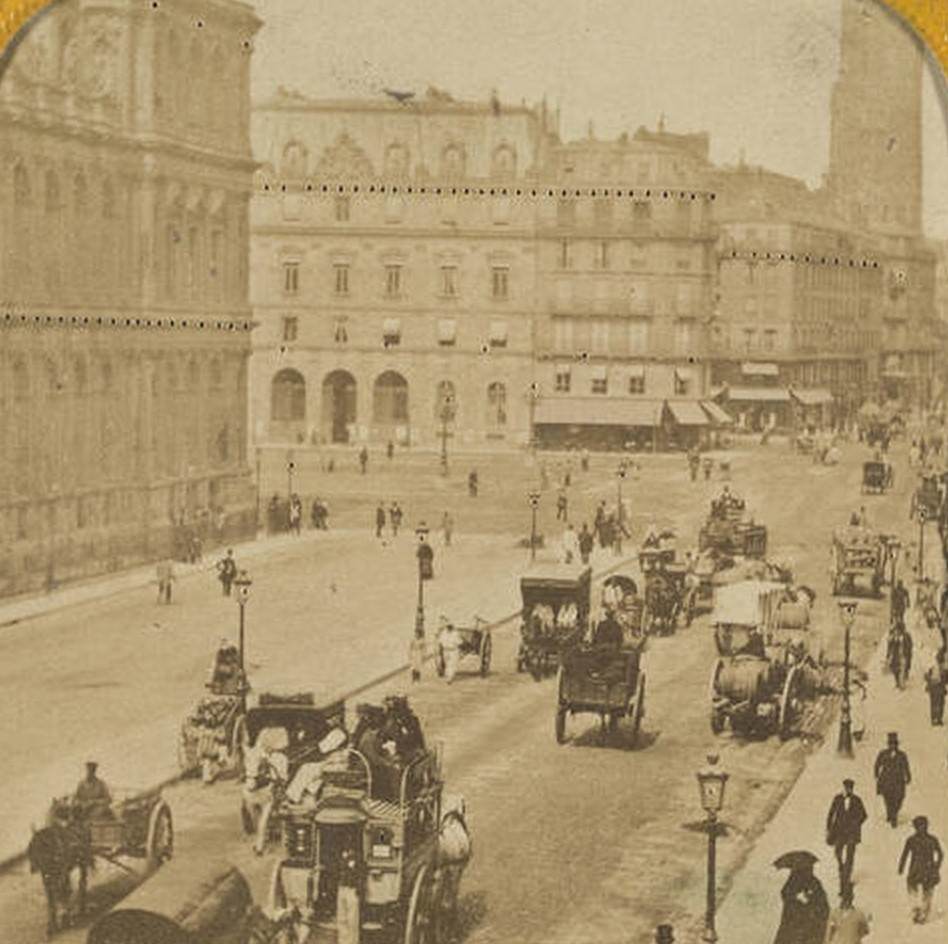
Life along the new boulevards took on a particular rhythm. Middle- and upper-class Parisians took to strolling them as a regular pastime. The French even had a word for this aimless, pleasurable wandering: flânerie. The wide pavements, lined with trees and lit by gas lamps, made the boulevards a stage for public life. Cafés filled with artists, writers, and politicians debating the issues of the day.
Parks were also a central part of the renovation plan. Before Haussmann, Paris had very little green space within the city. That changed quickly. The Bois de Boulogne, on the city’s western edge, was redesigned as a large public park intended to serve as the city’s breathing room. A similar project transformed the Bois de Vincennes to the east. Dozens of smaller squares and gardens were planted throughout the arrondissements, giving residents access to open space for the first time.
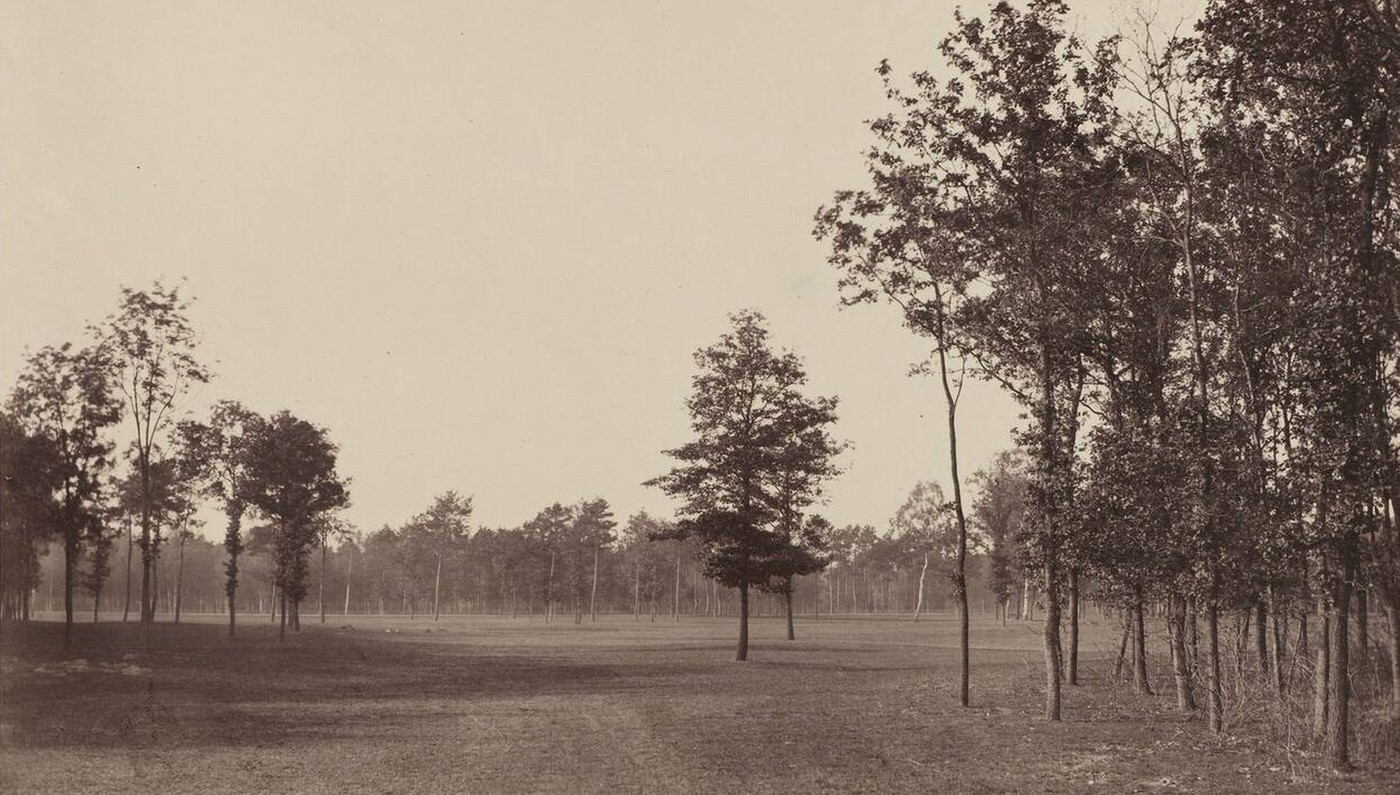
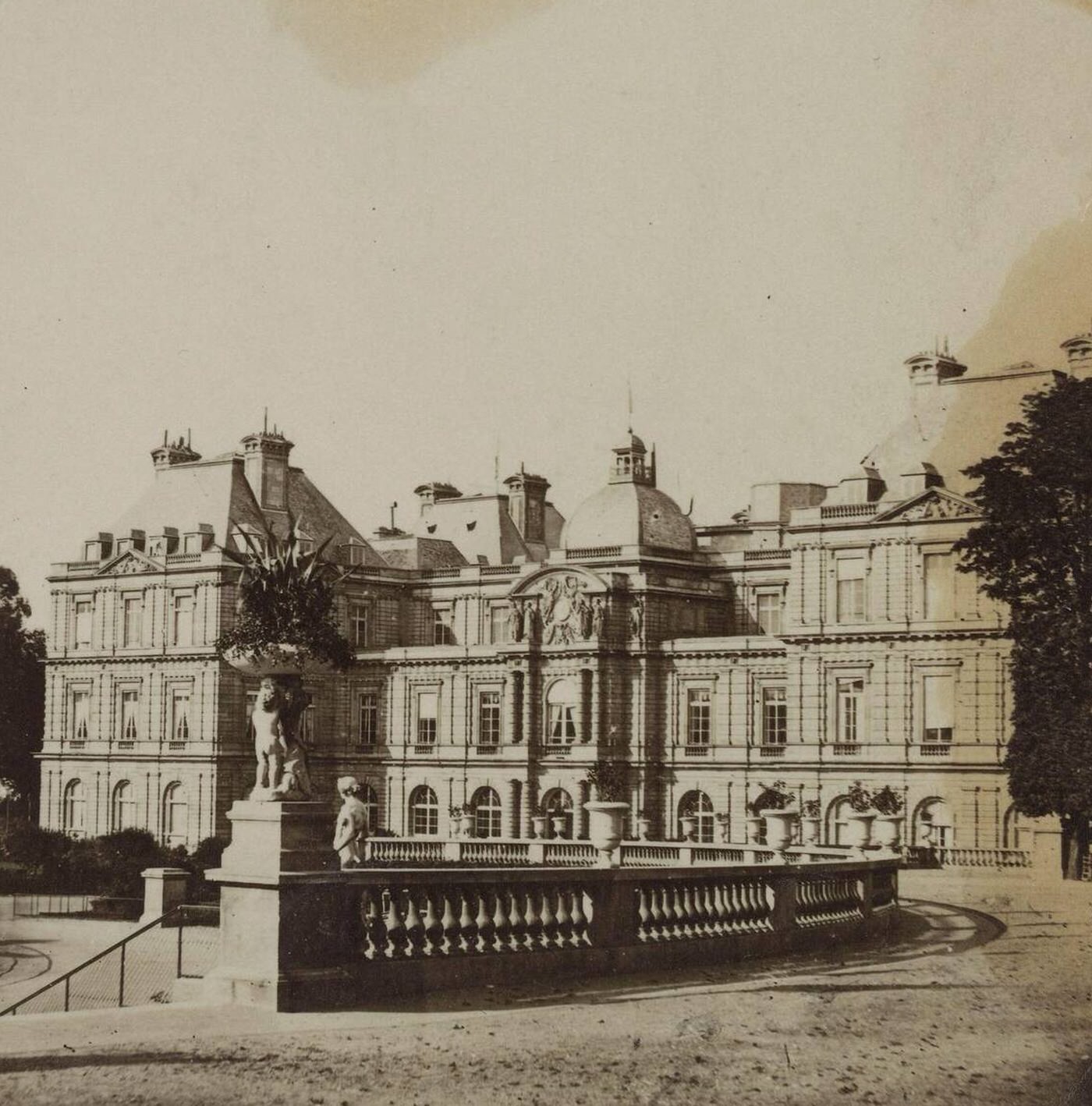
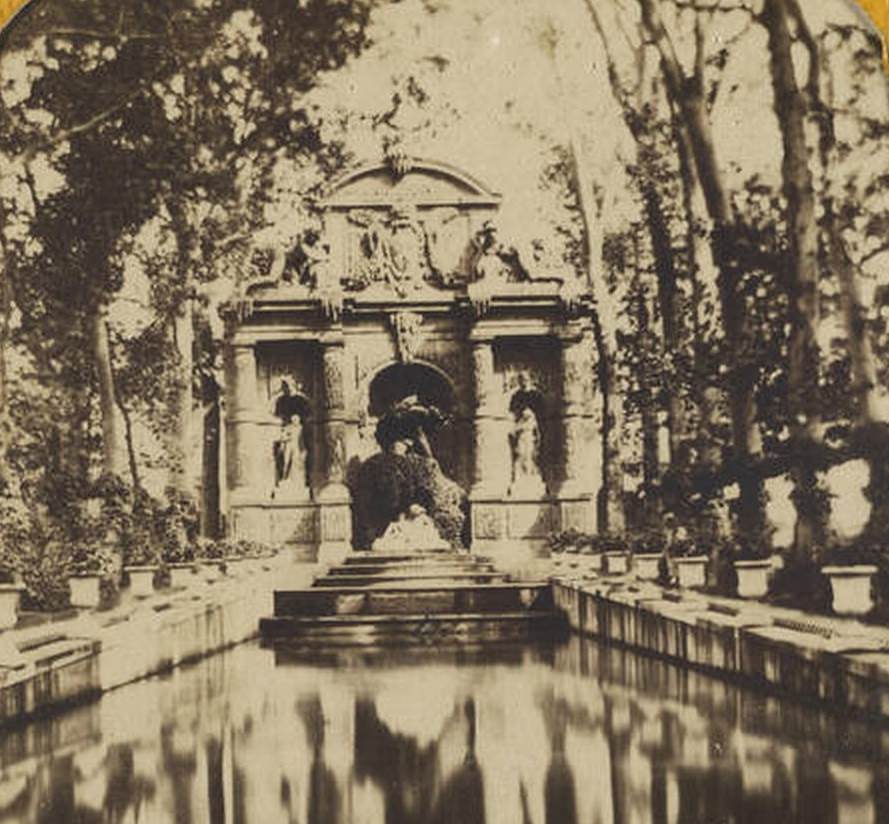
Beneath the new streets, a massive sewer system was constructed. This underground network fundamentally changed public health in Paris. Combined with the cleaner, more open layout above ground, the reforms dramatically reduced the frequency of cholera epidemics that had repeatedly devastated the city’s population.
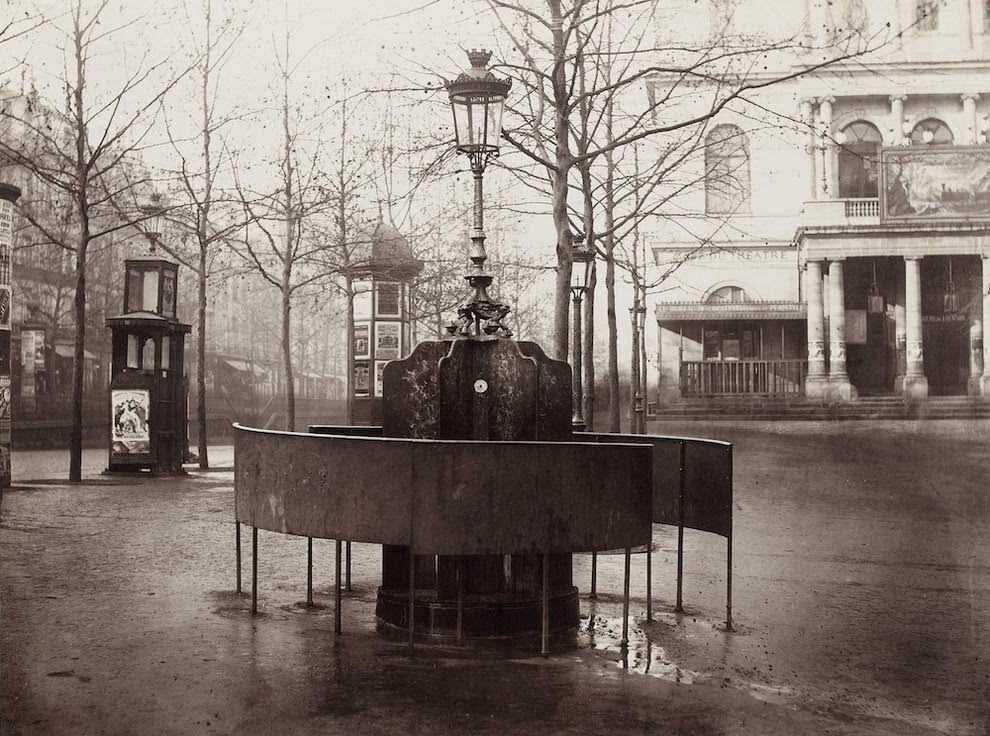
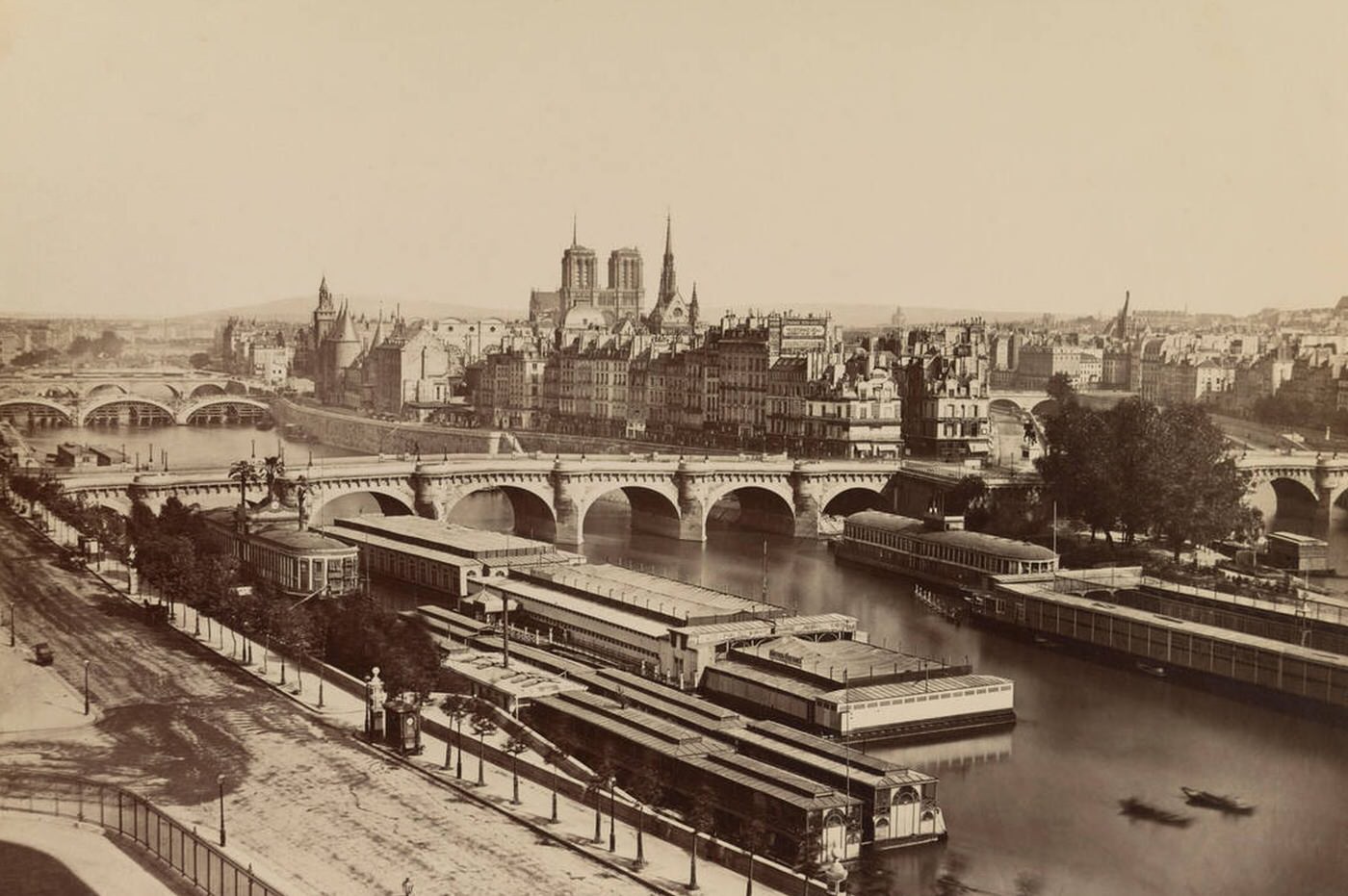
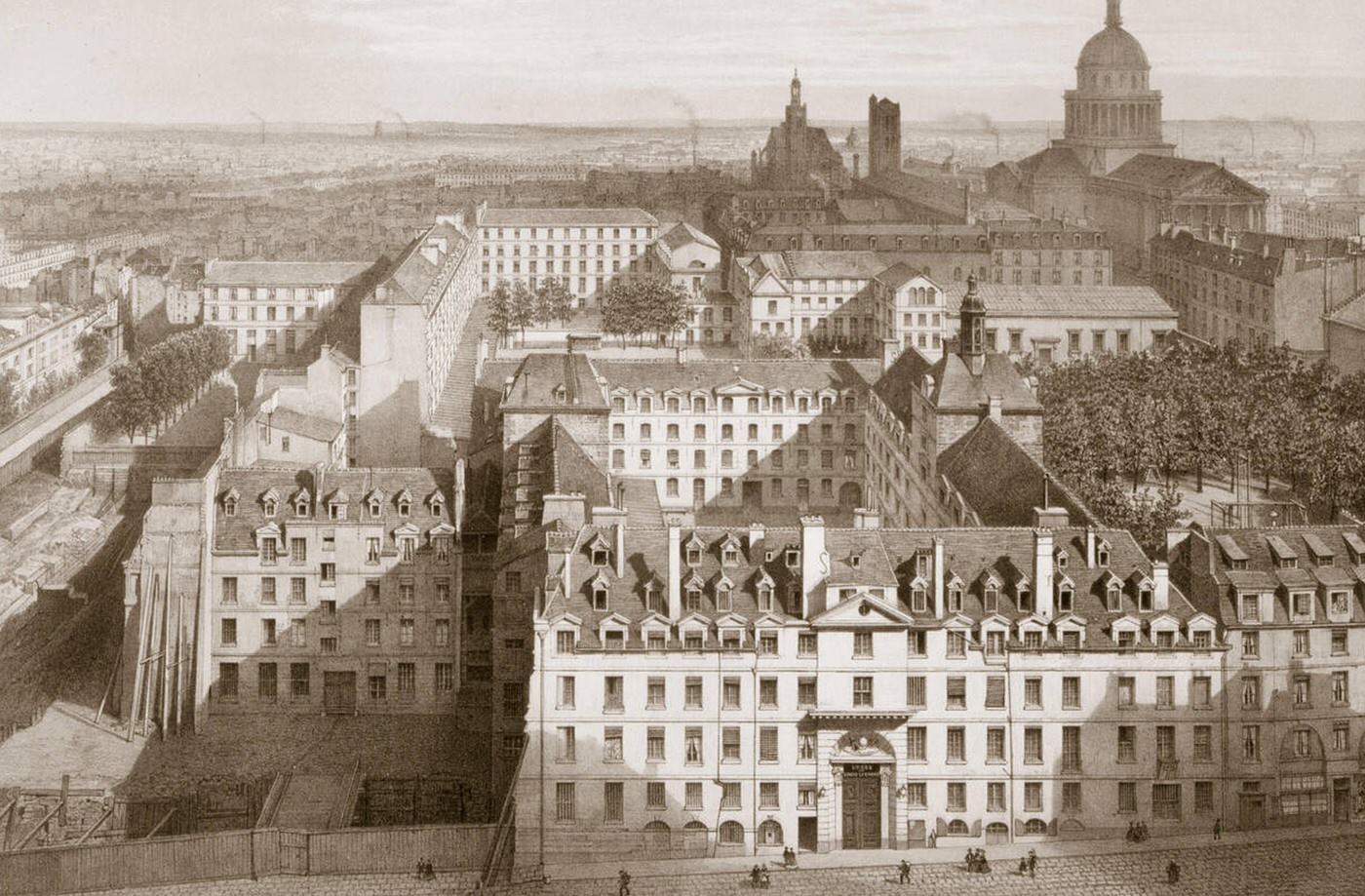
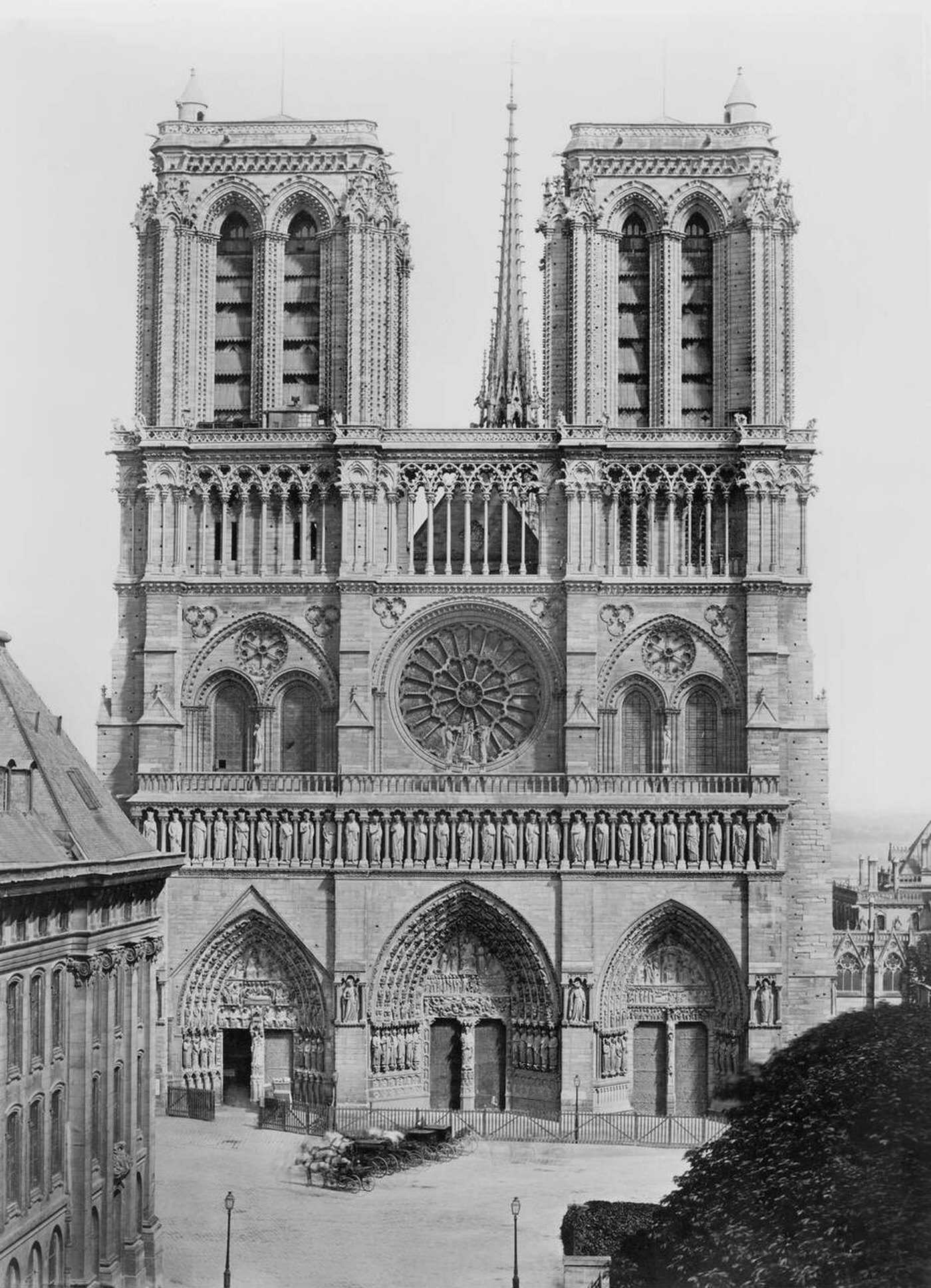
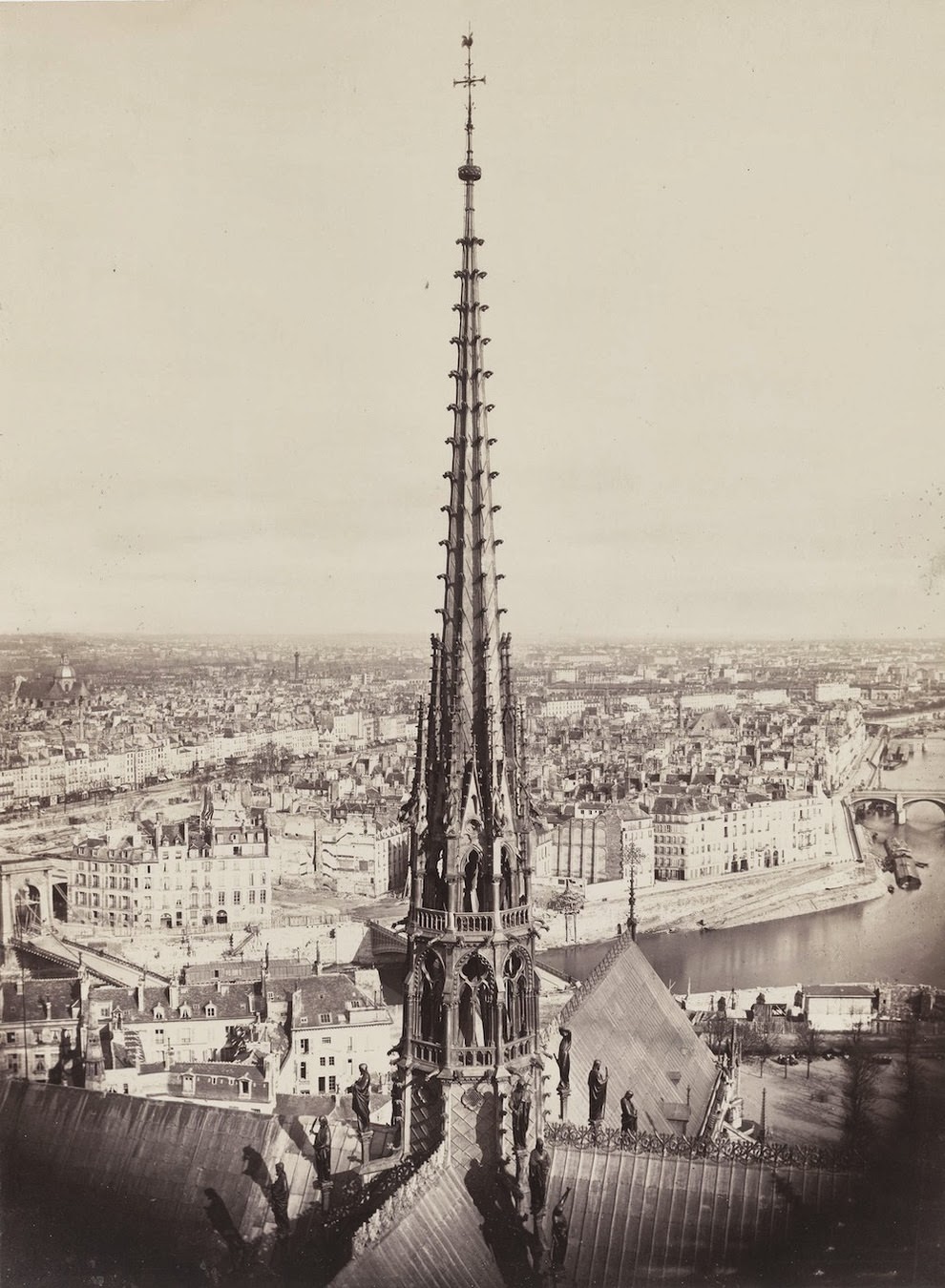
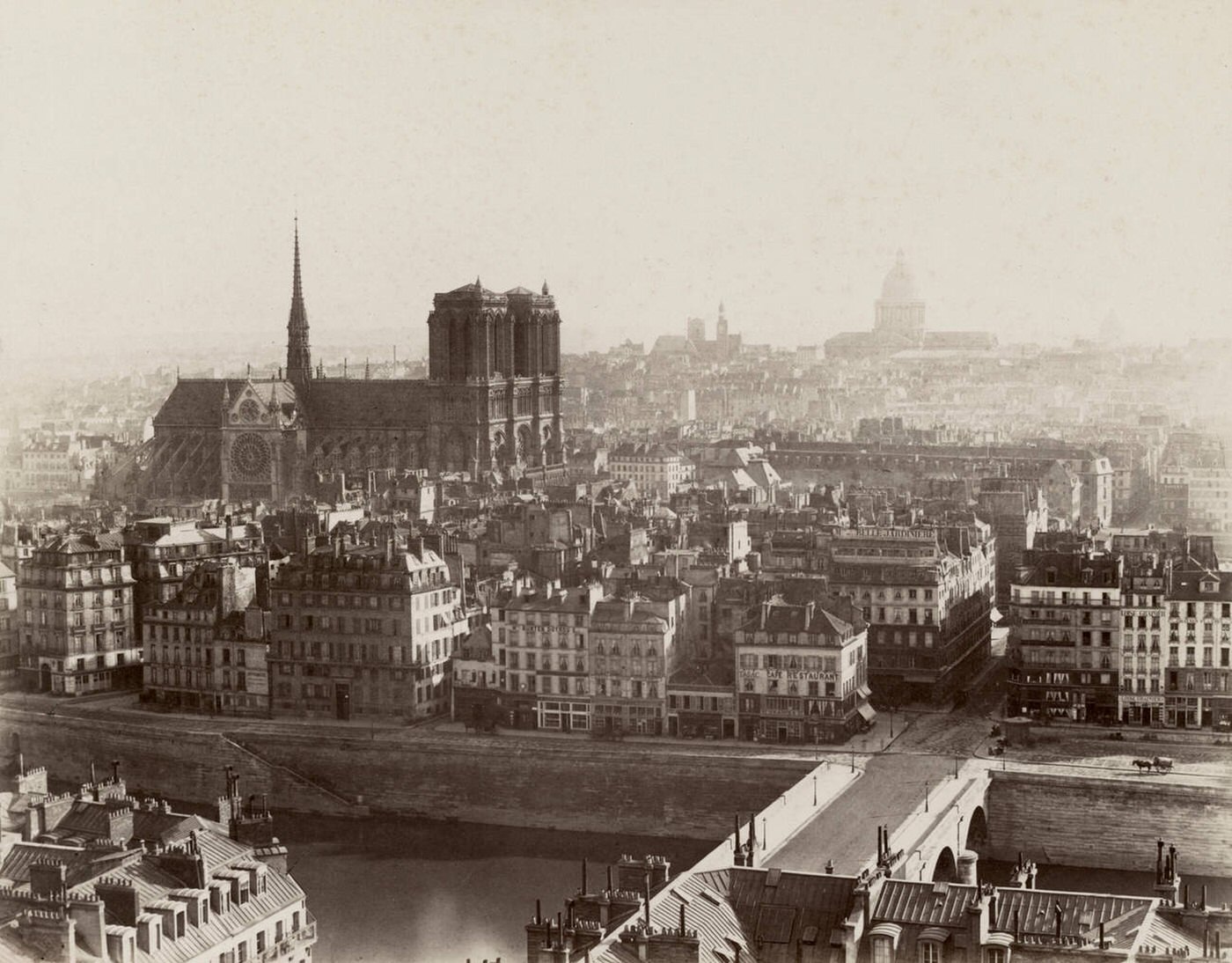
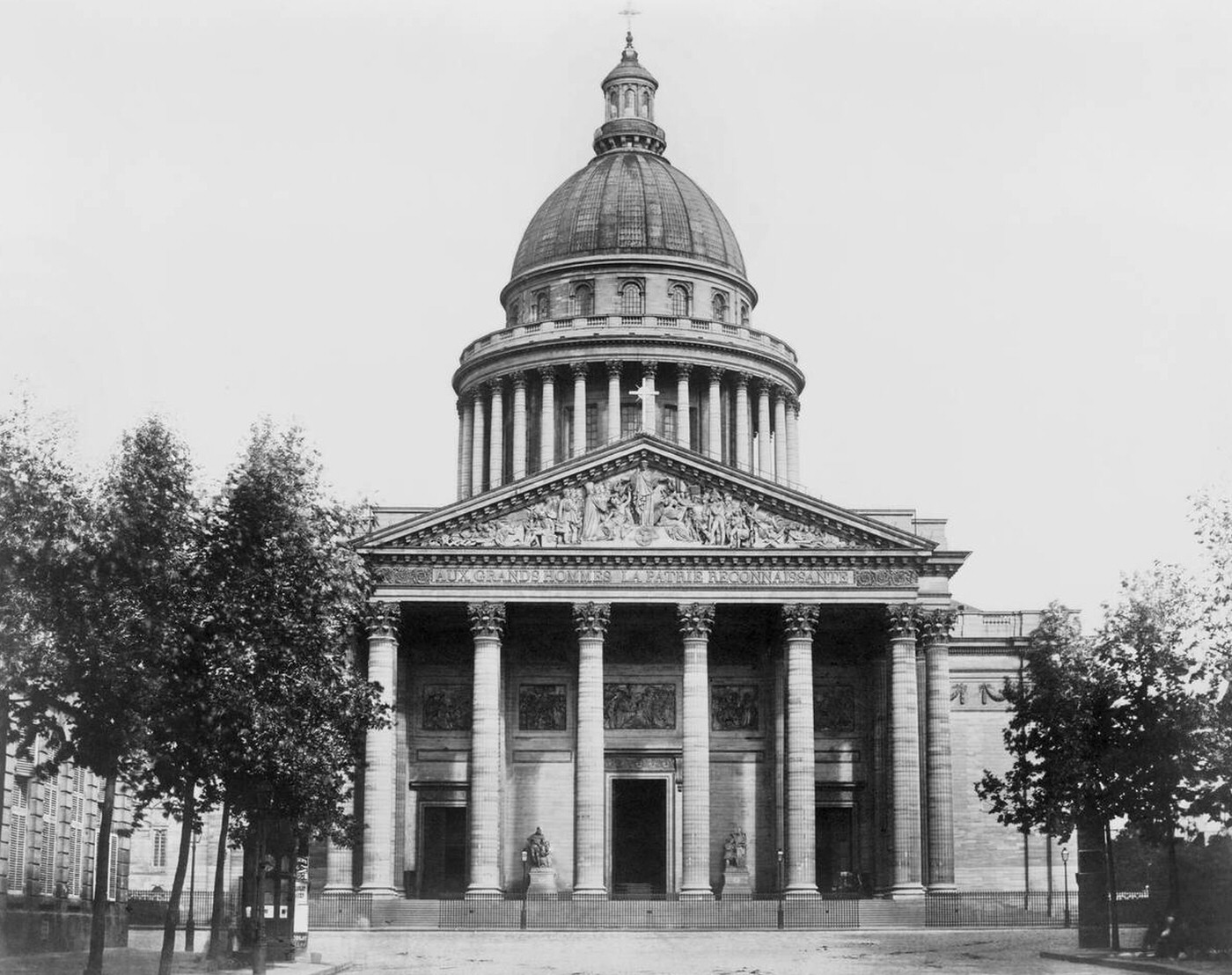
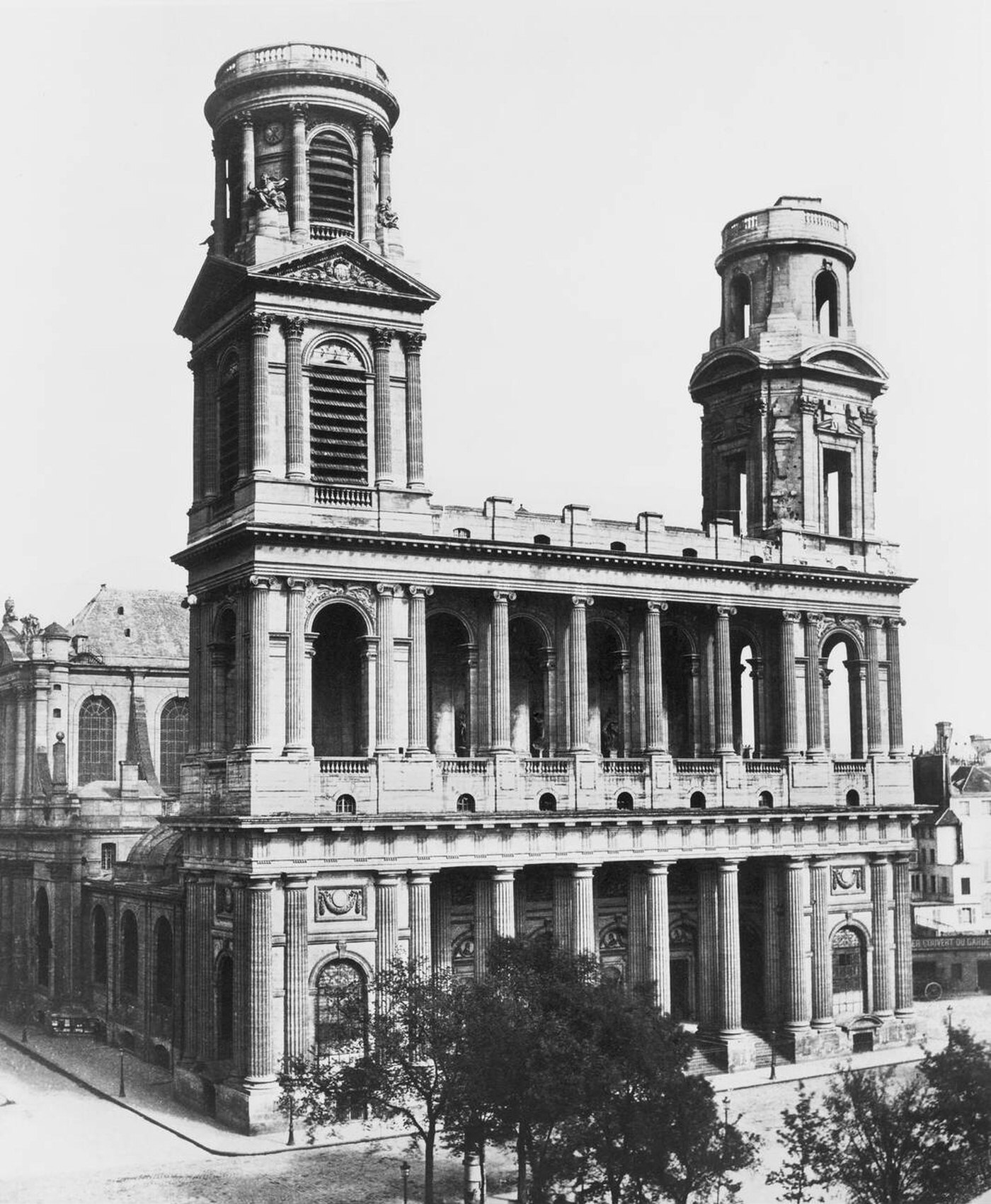
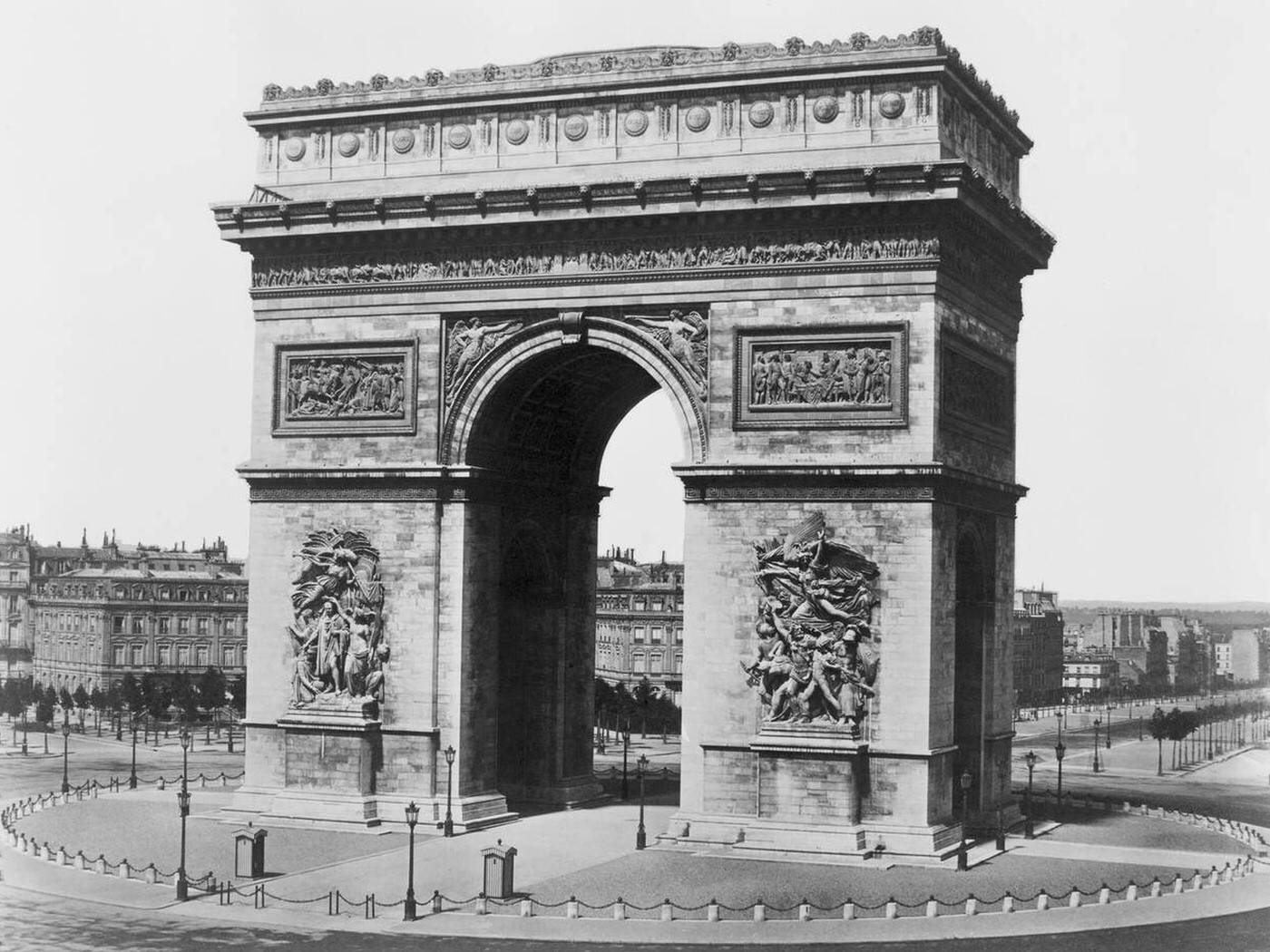
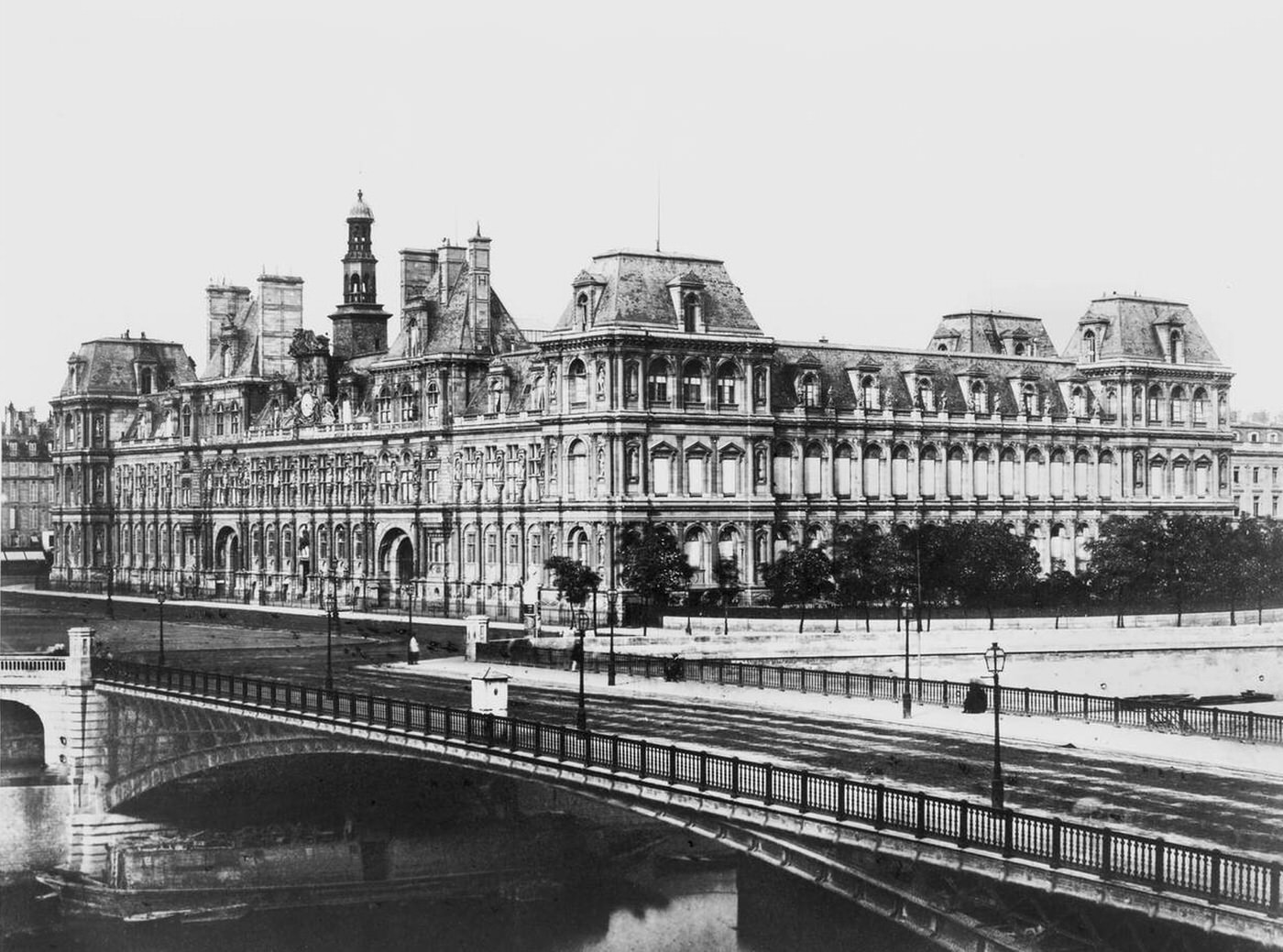
The Paris that remained unchanged — its great monuments — was also captured in photographs during this decade. Notre-Dame, the Panthéon, Saint-Sulpice, the Arc de Triomphe, and the Hôtel de Ville all stood as anchors of permanence while the city around them was being remade.
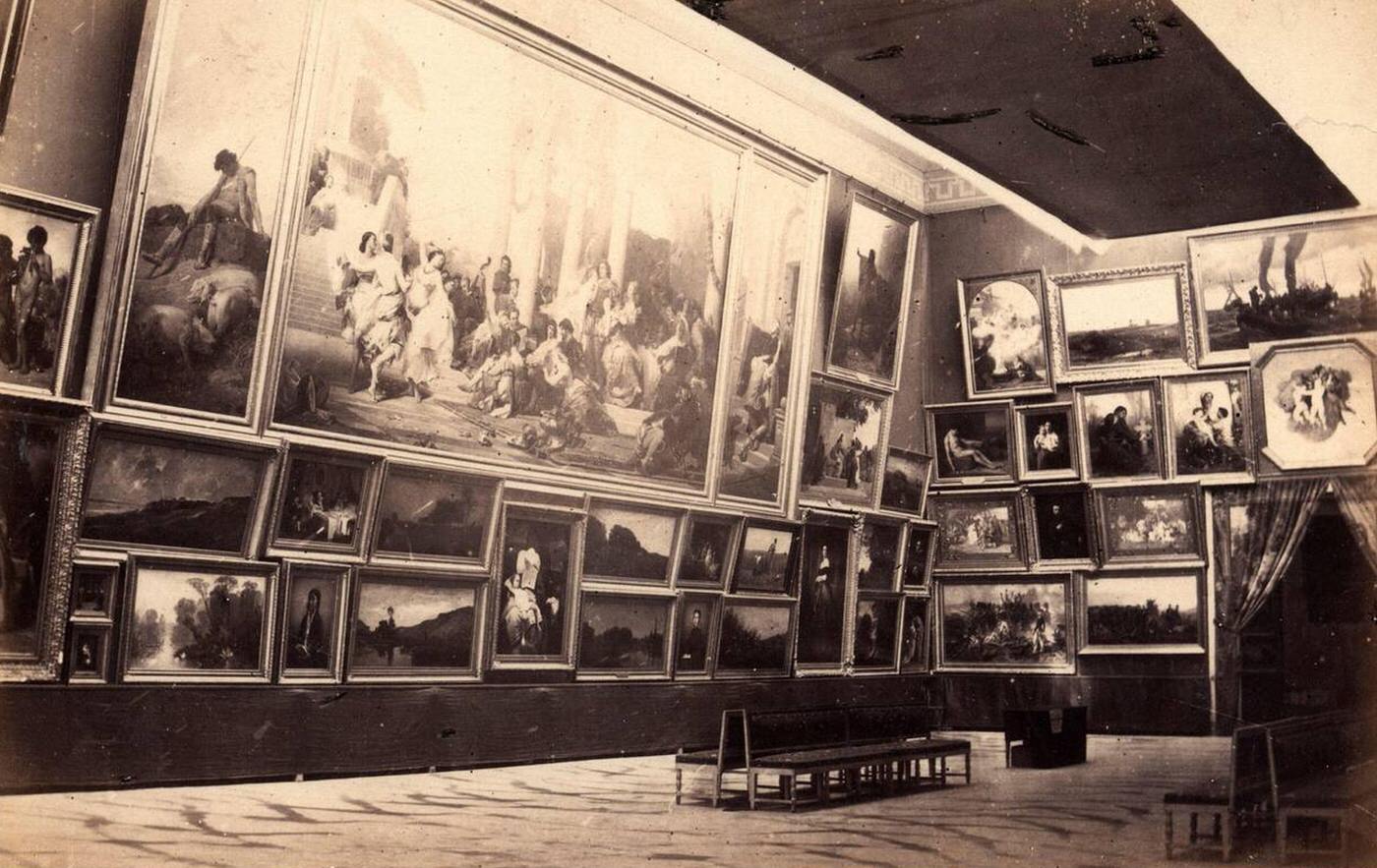
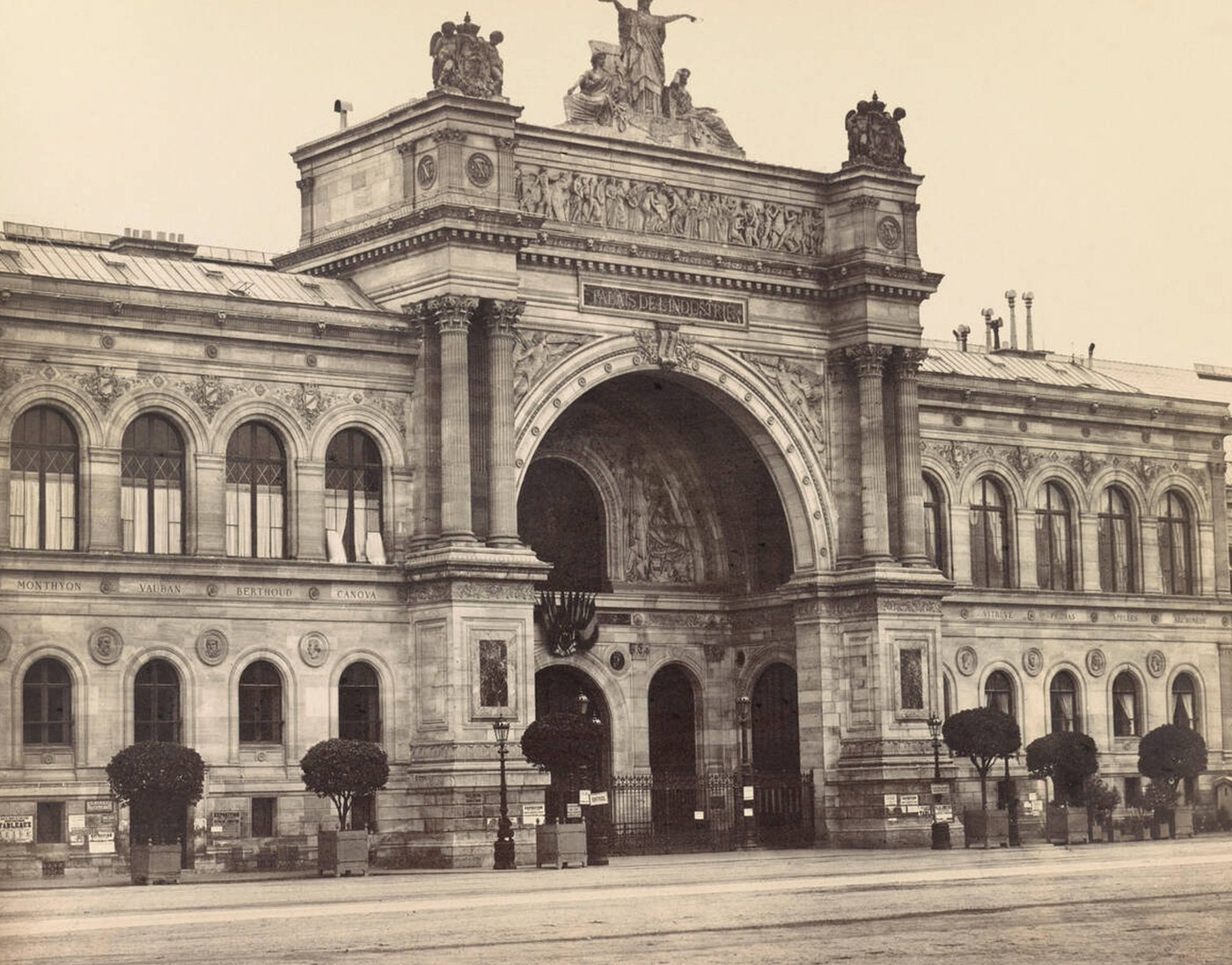
The 1860s were also a period of cultural and commercial energy. The Second French Empire, with Napoleon III at its head, positioned Paris as the luxury and arts capital of the world. The Exposition Universelle of 1867 brought visitors from across the globe to the city to see French industry, art, and design on full display. Construction began on the grand Paris Opéra, designed by architect Charles Garnier — a building meant to announce the empire’s wealth and taste to all of Europe.
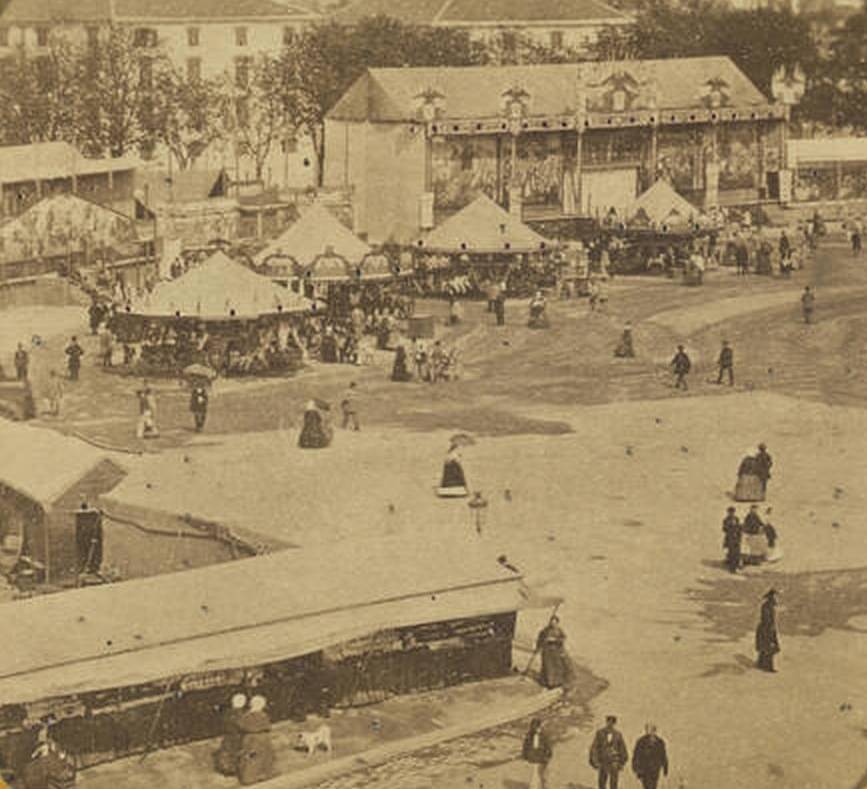
Markets remained a fixture of daily Parisian life throughout the transformation. The Horse Market and the Marché des Patriarches served neighborhoods across the city, keeping the rhythms of commerce intact even as construction crews worked nearby.
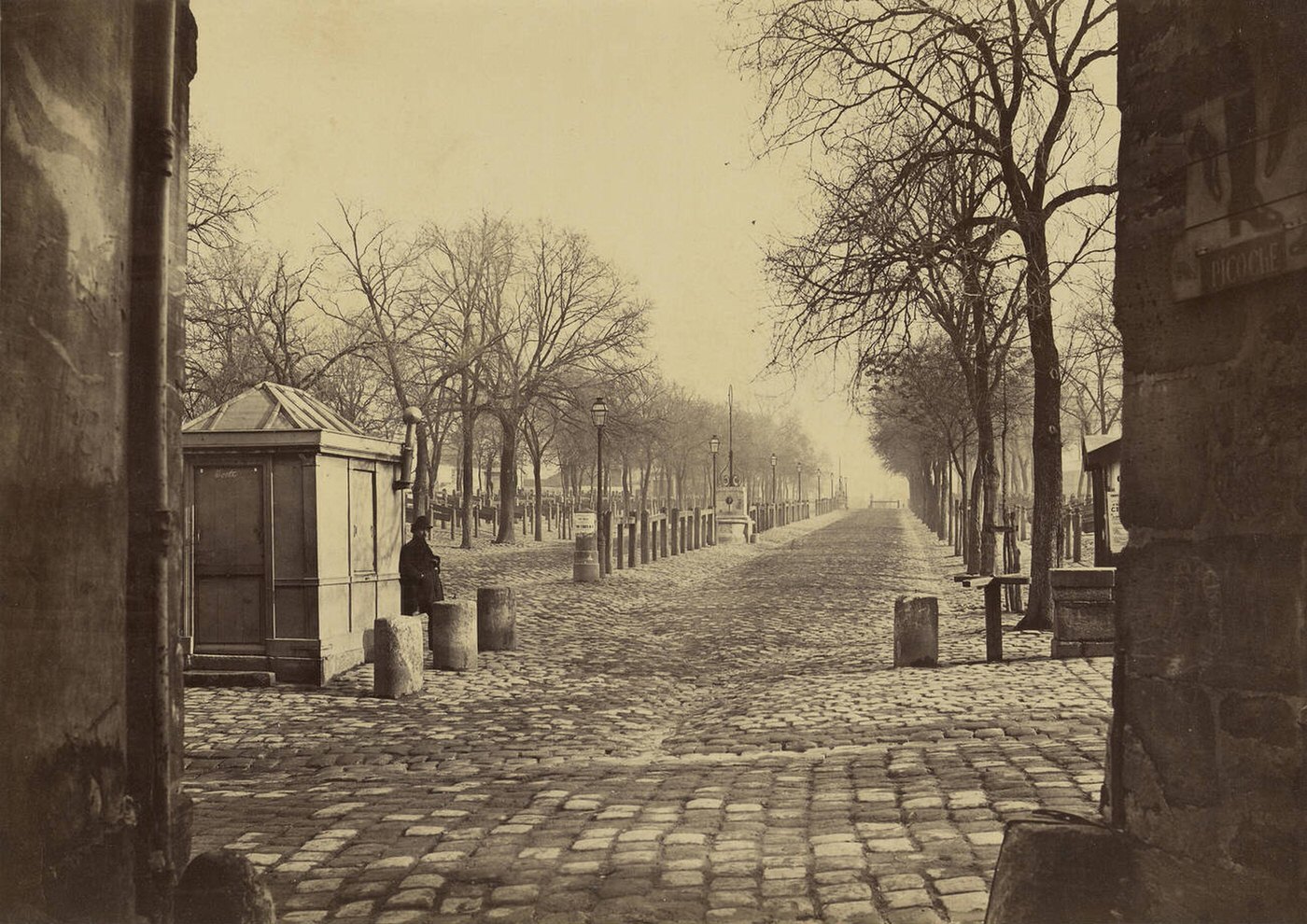
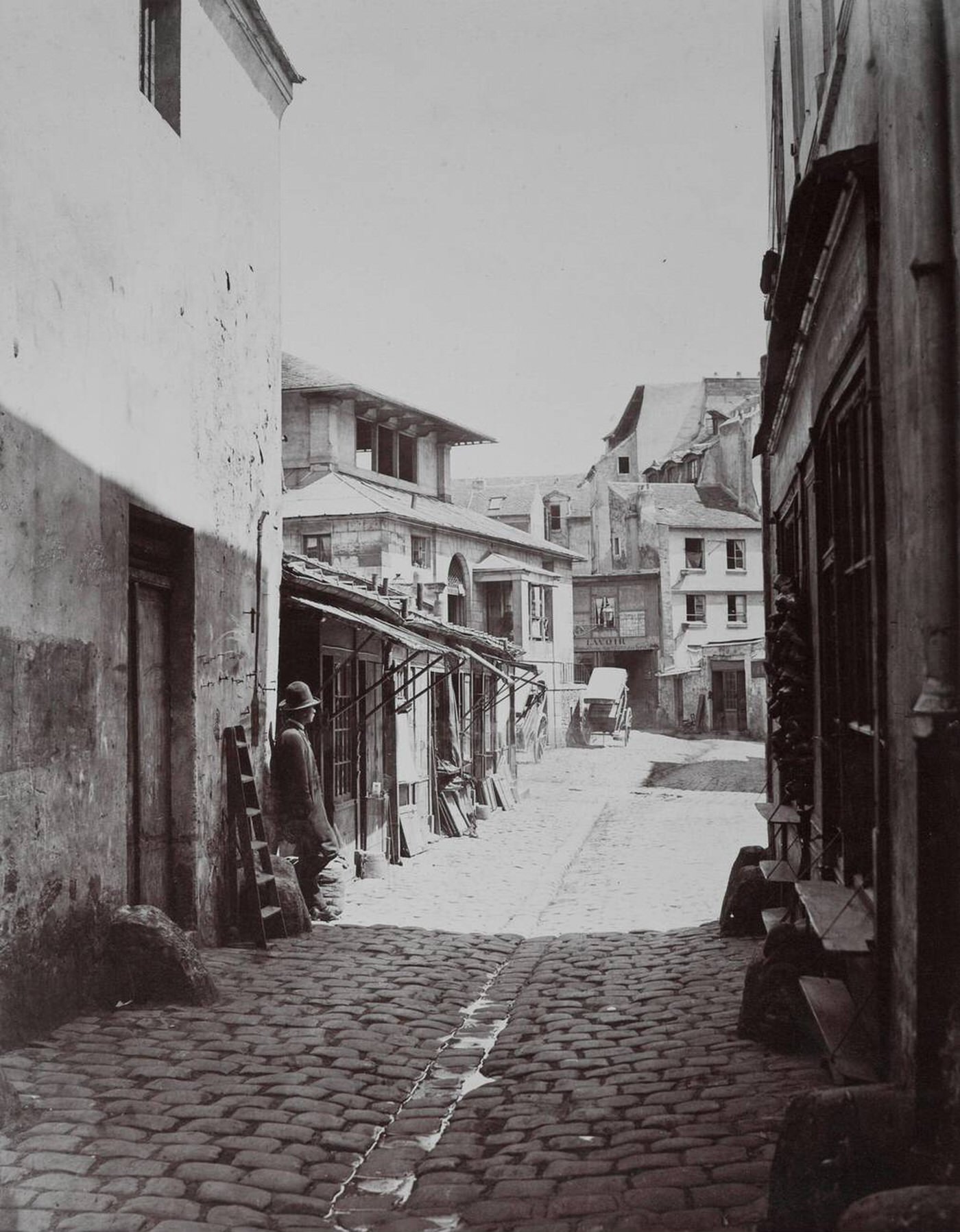
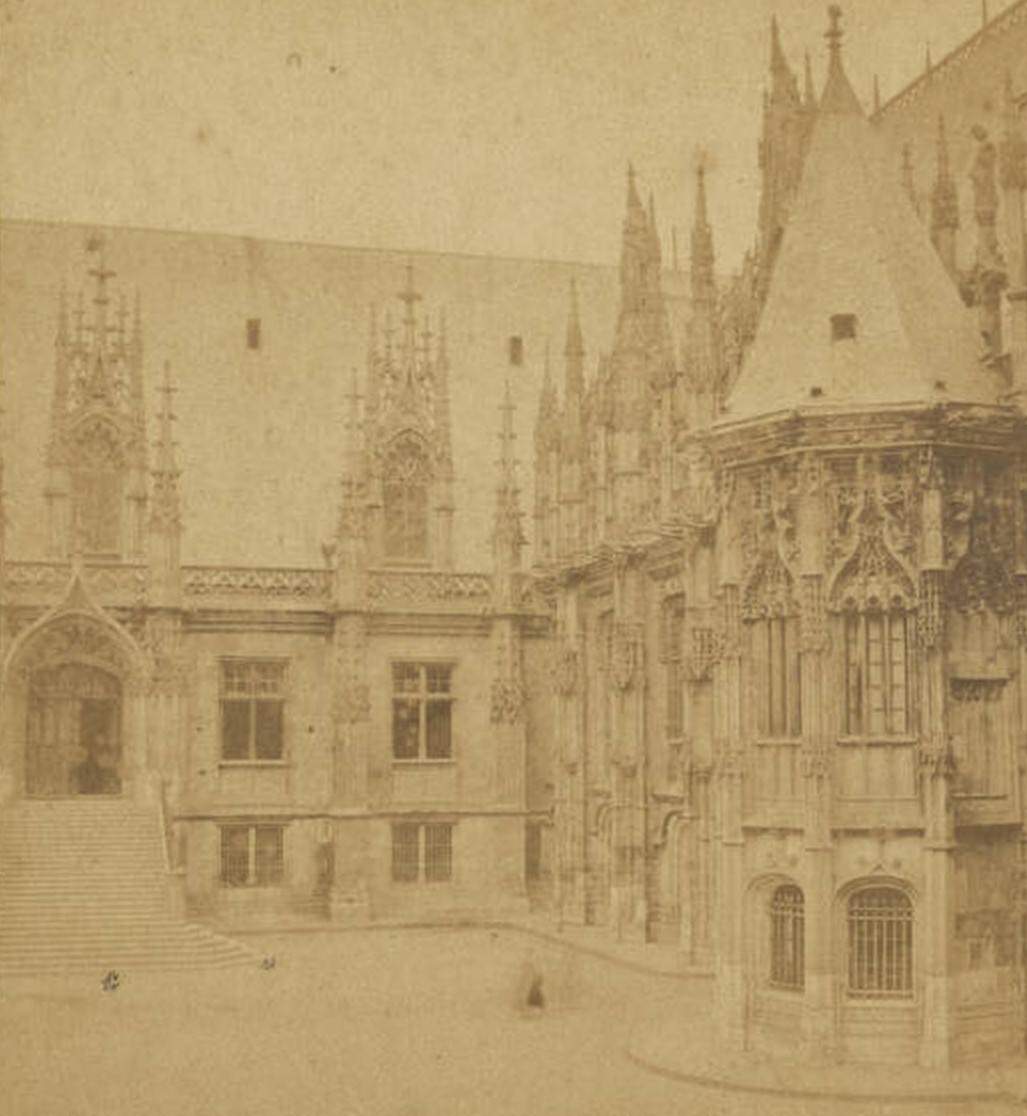
The surviving photographs of the 1860s capture Paris at a unique crossroads — a city where old stone alleys still existed around the corner from freshly cut boulevards. Streets like the Impasse de la Bouteille and the Rue de la Ferronnerie still held their ancient character, while just blocks away, the new Paris was rising.
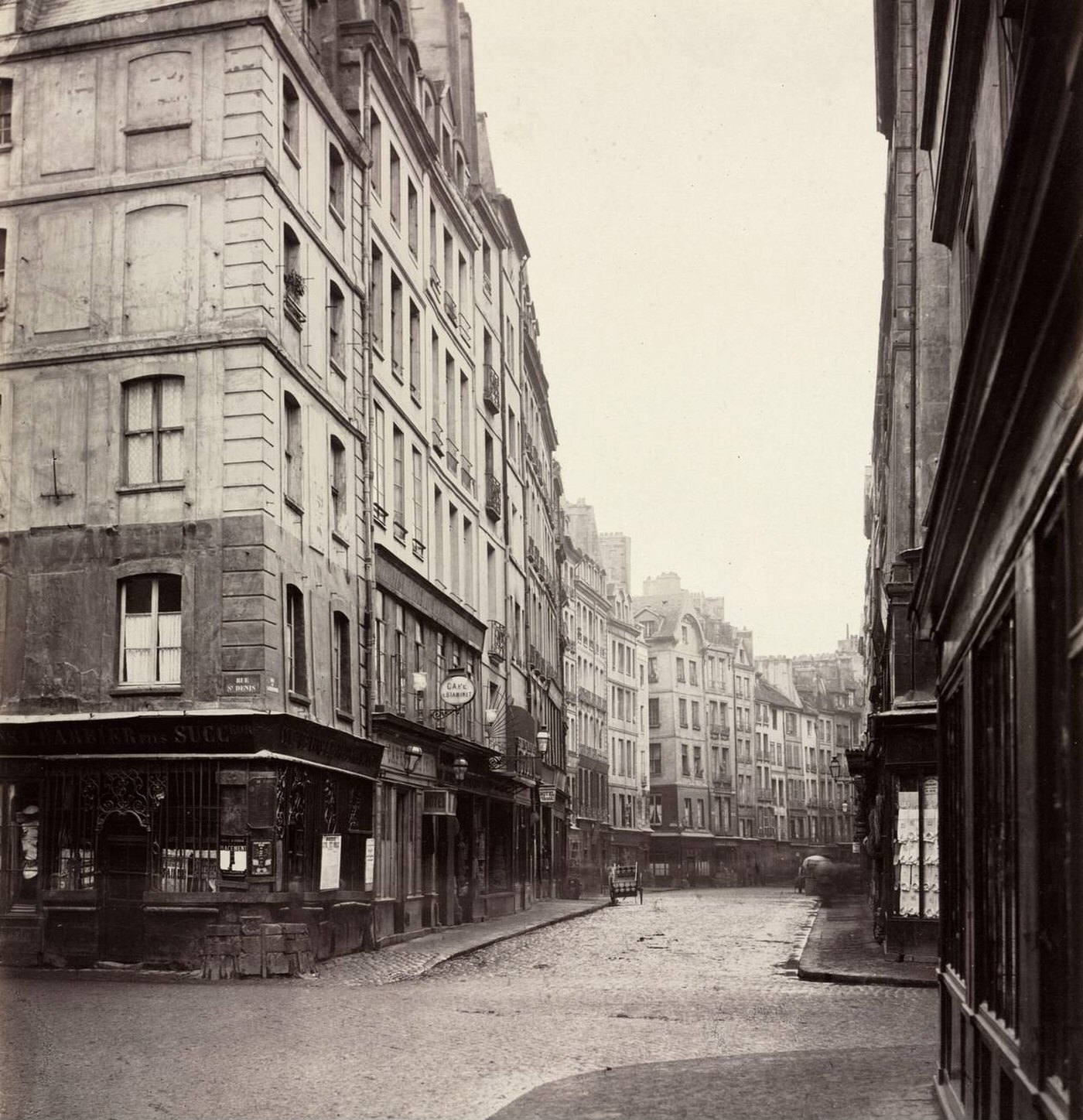
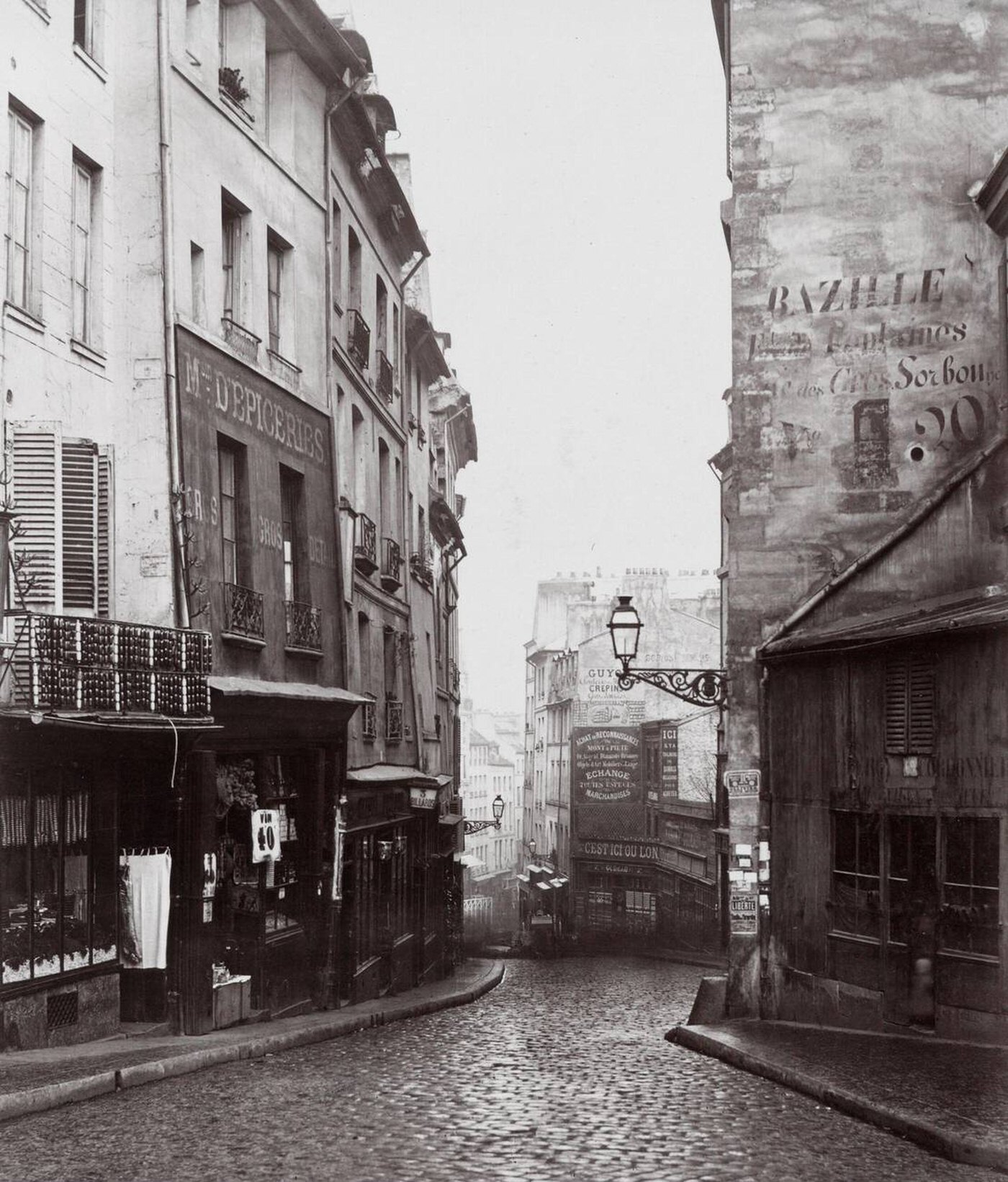
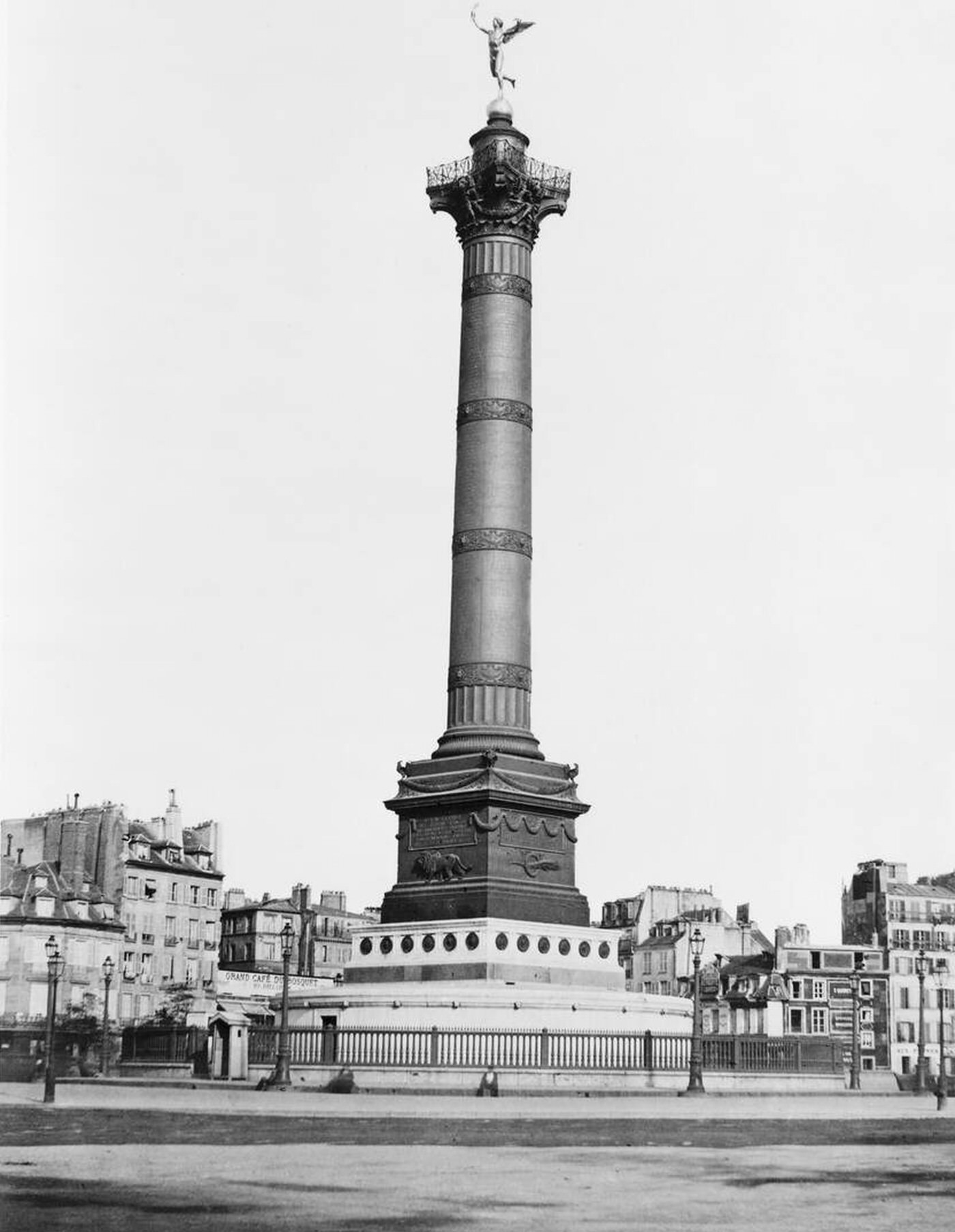
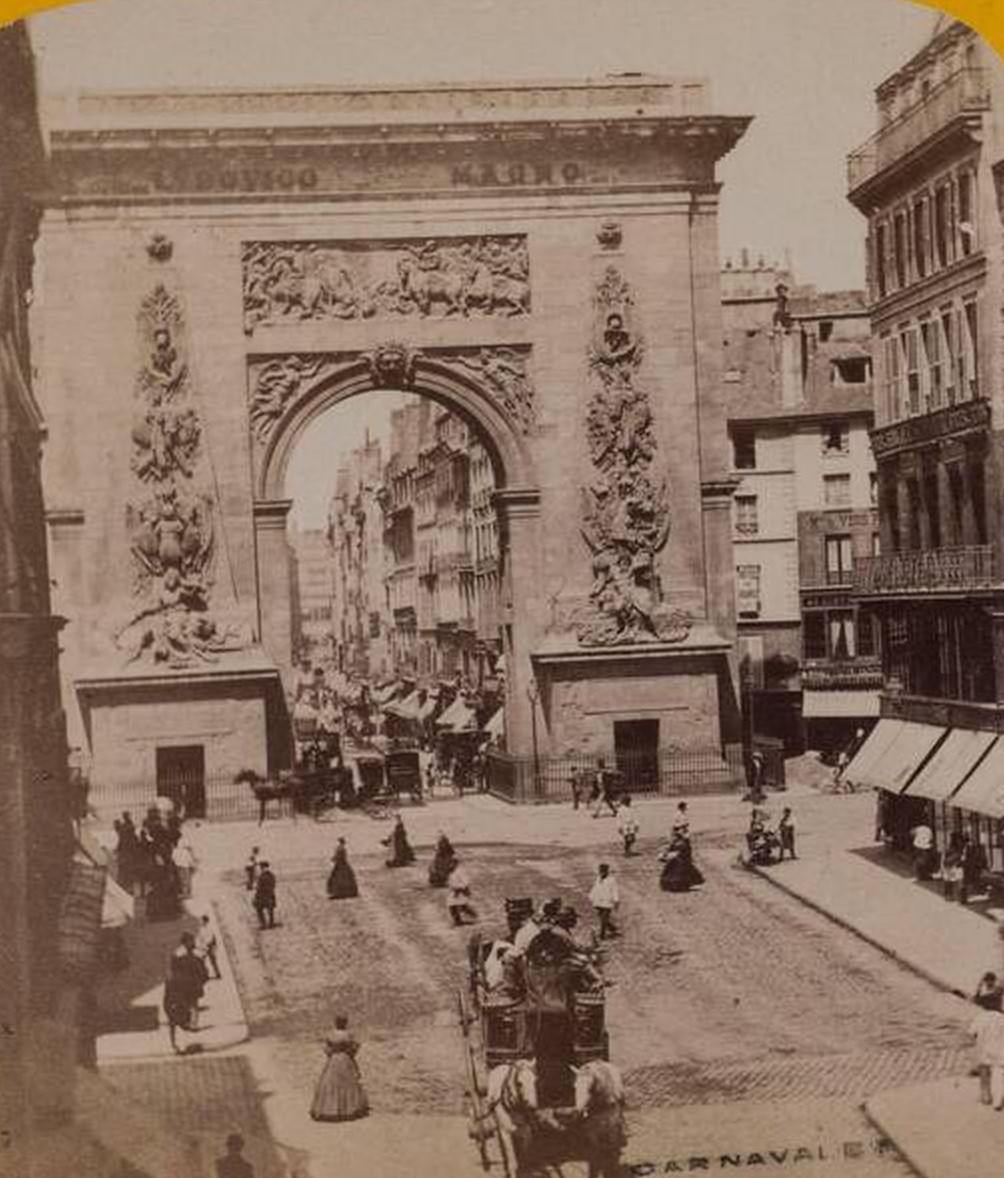
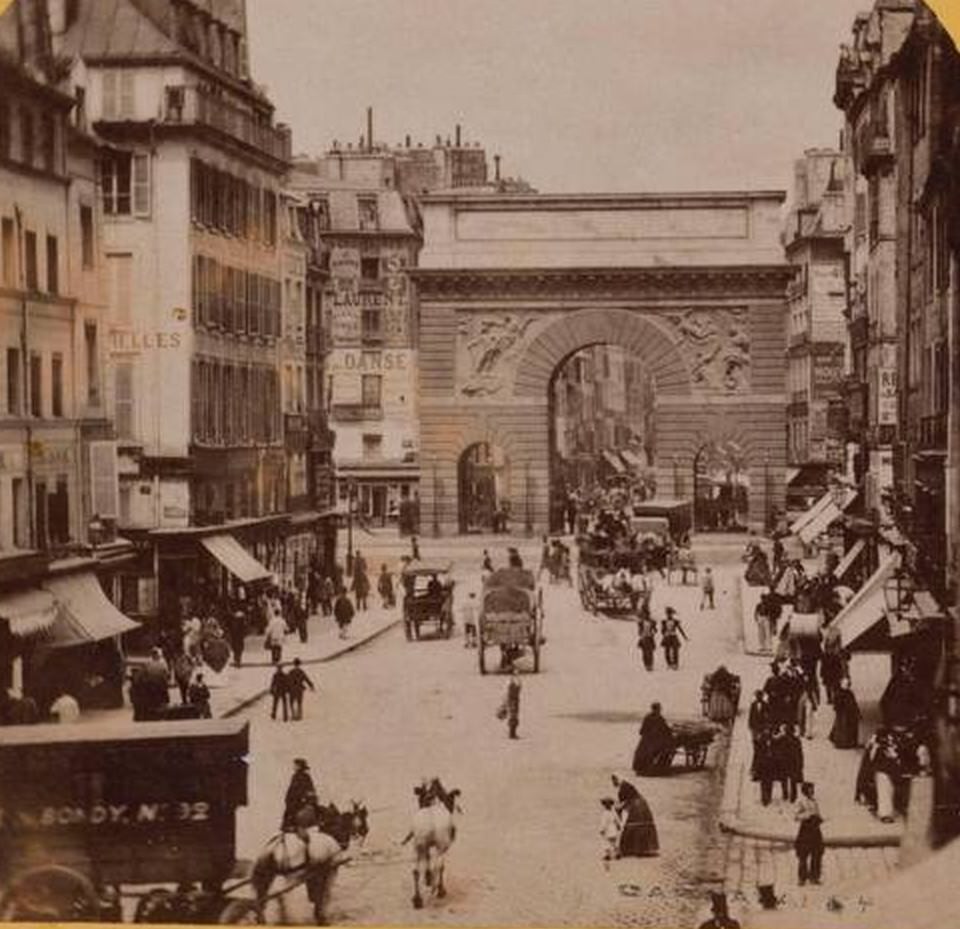
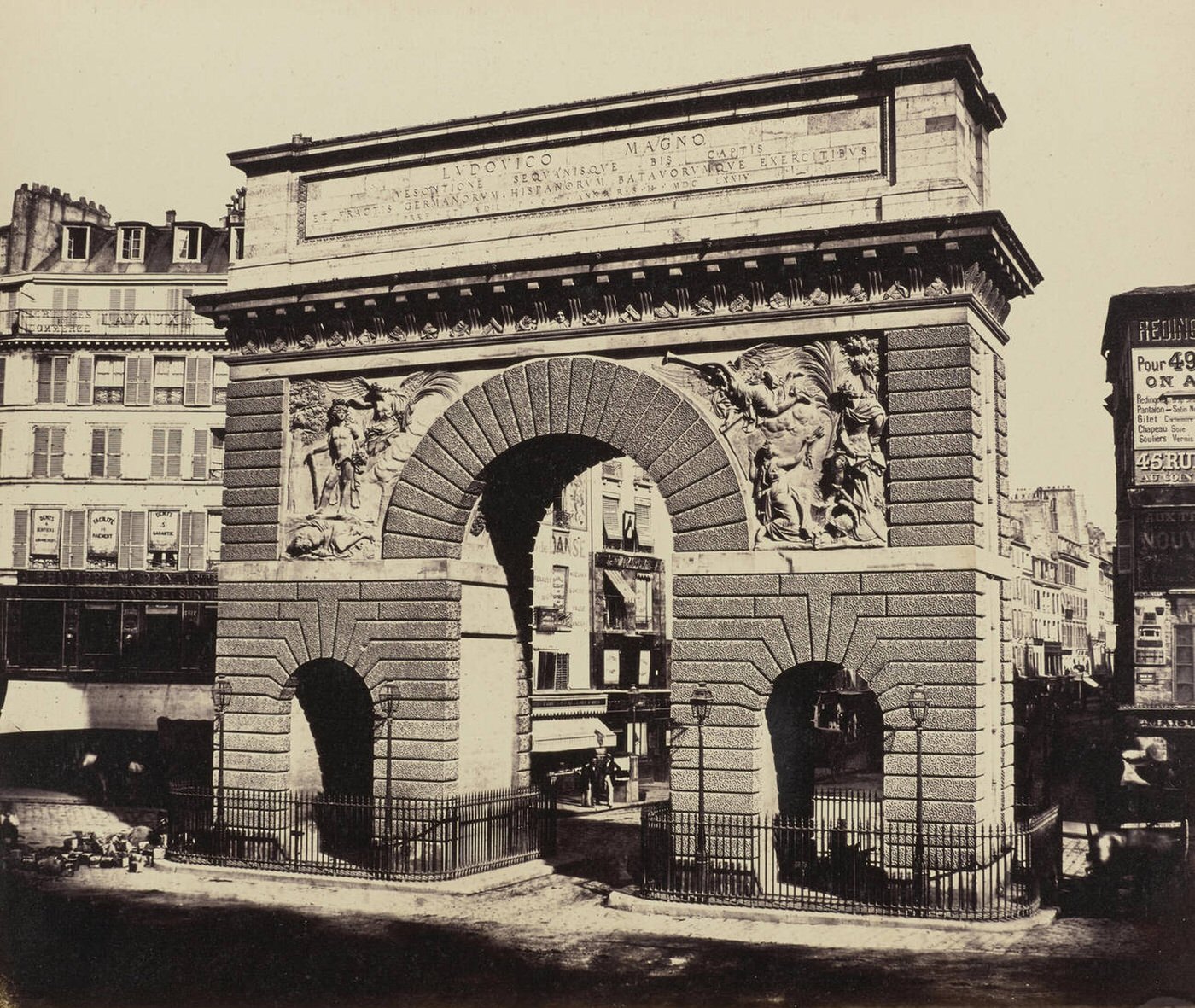
The city’s major public squares were alive with activity. Place du Châtelet, the Place des Victoires, and the area around Porte Saint-Denis were all well-established gathering points. The Colonne de Juillet, rising from the Place de la Bastille, stood as a reminder of earlier revolutions even as the city was being reshaped by imperial decree.
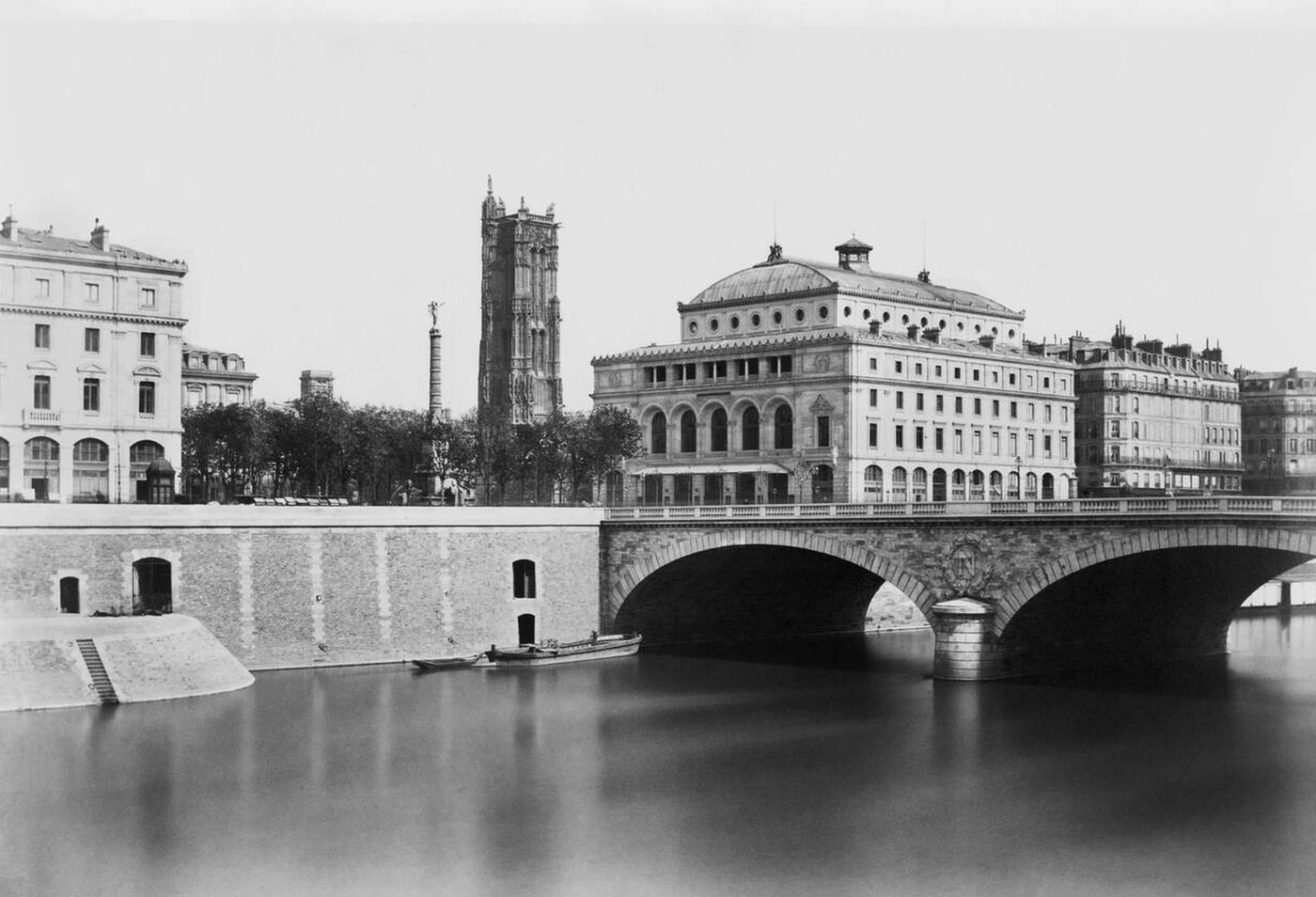
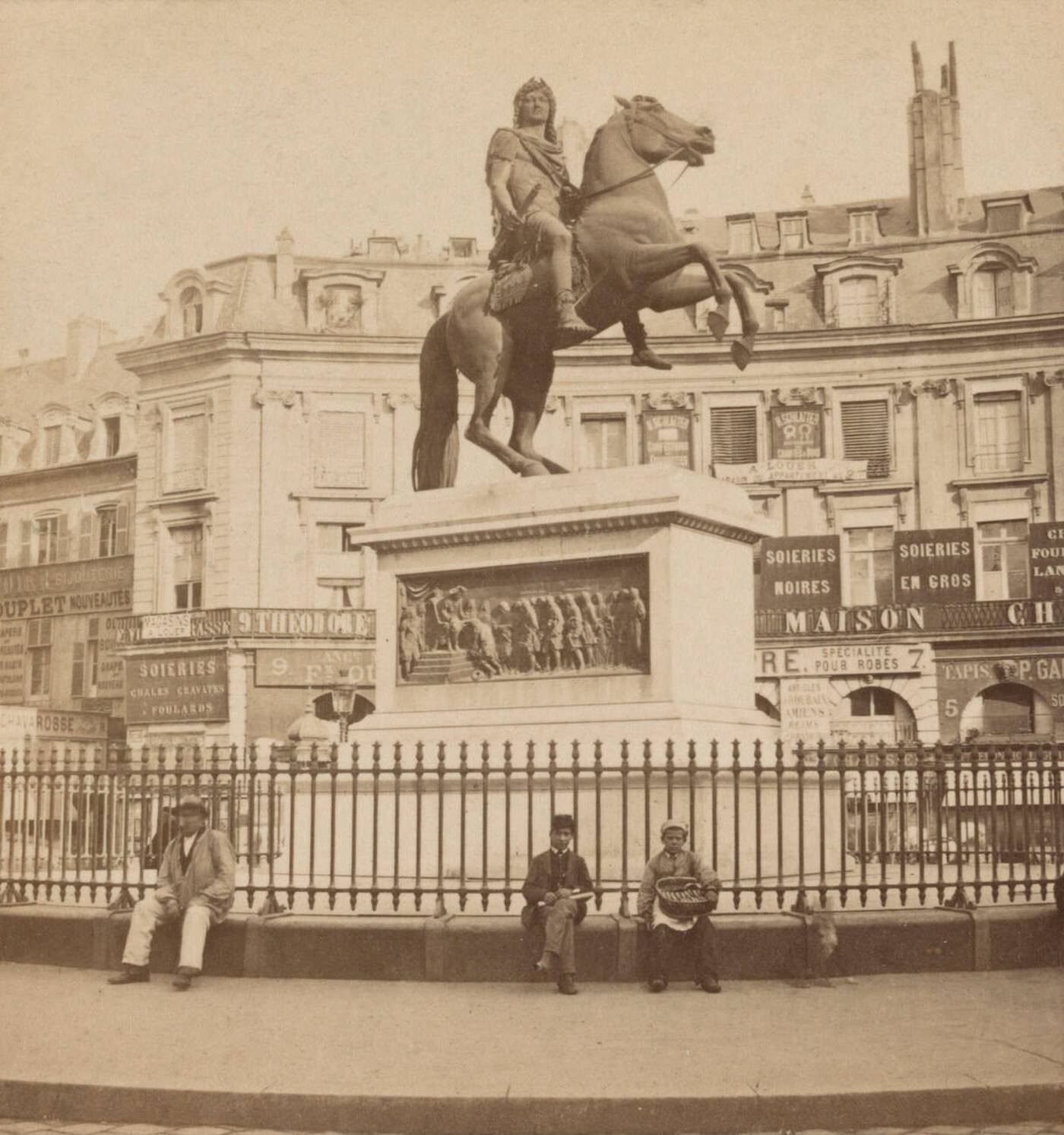
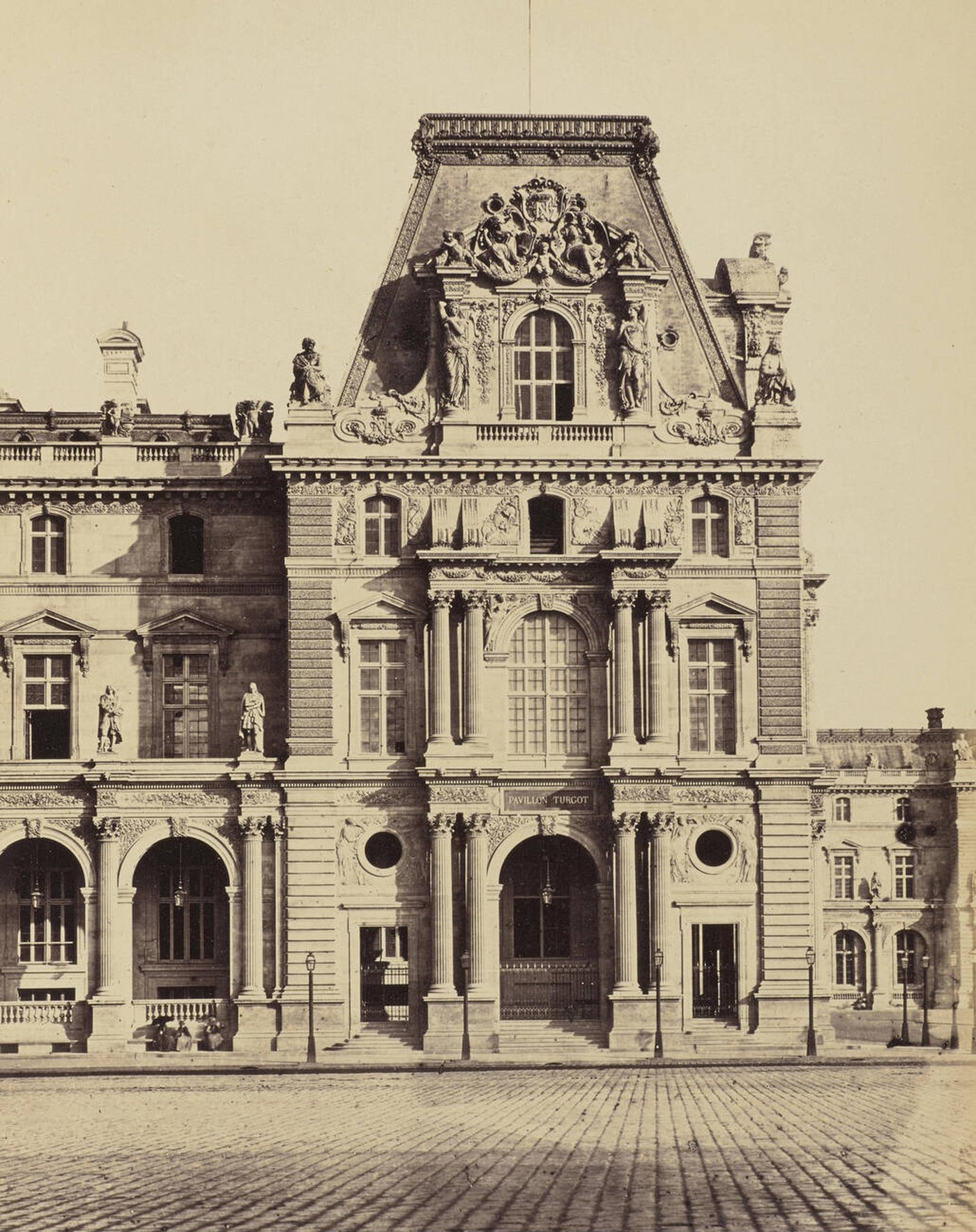
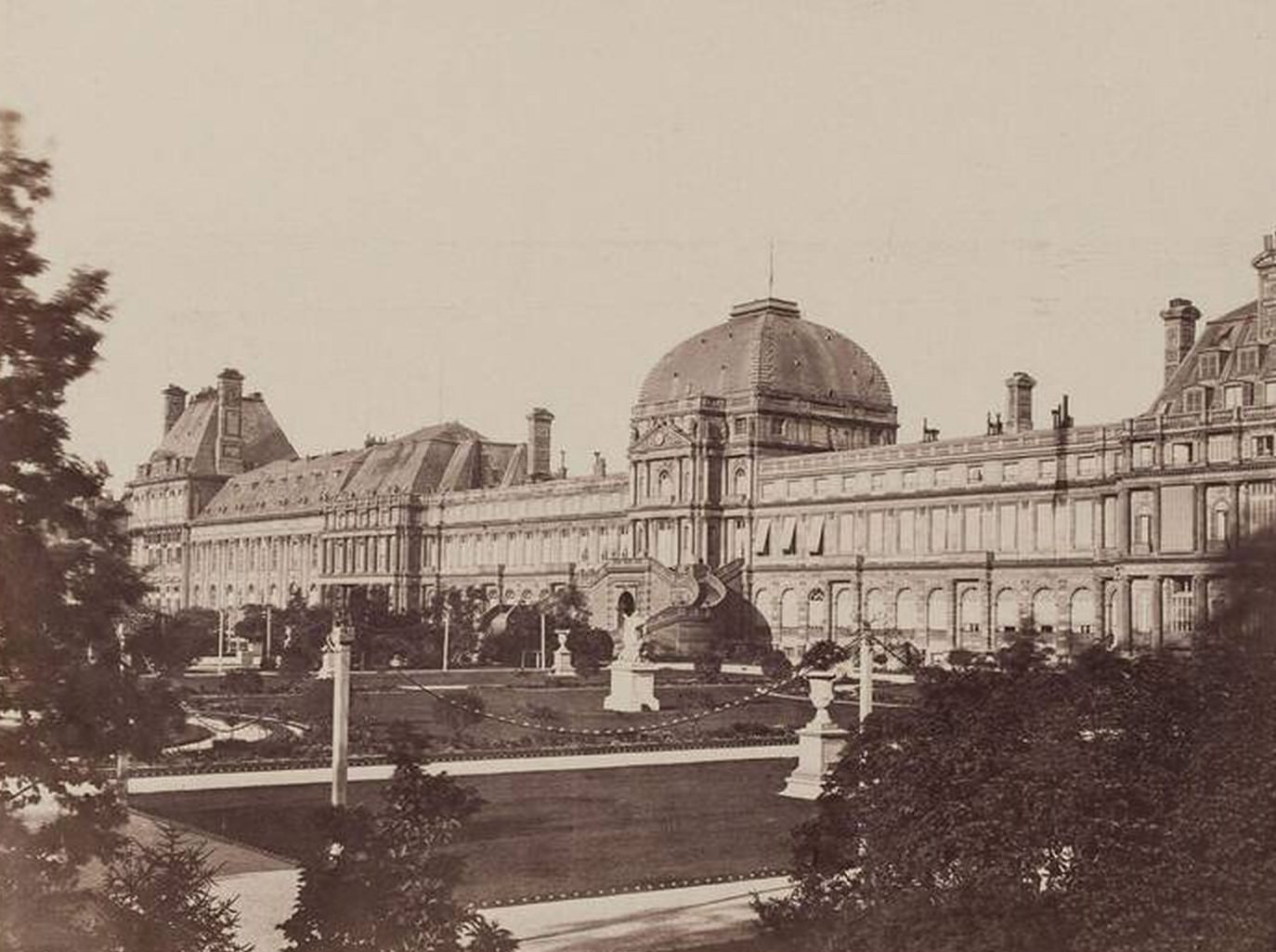
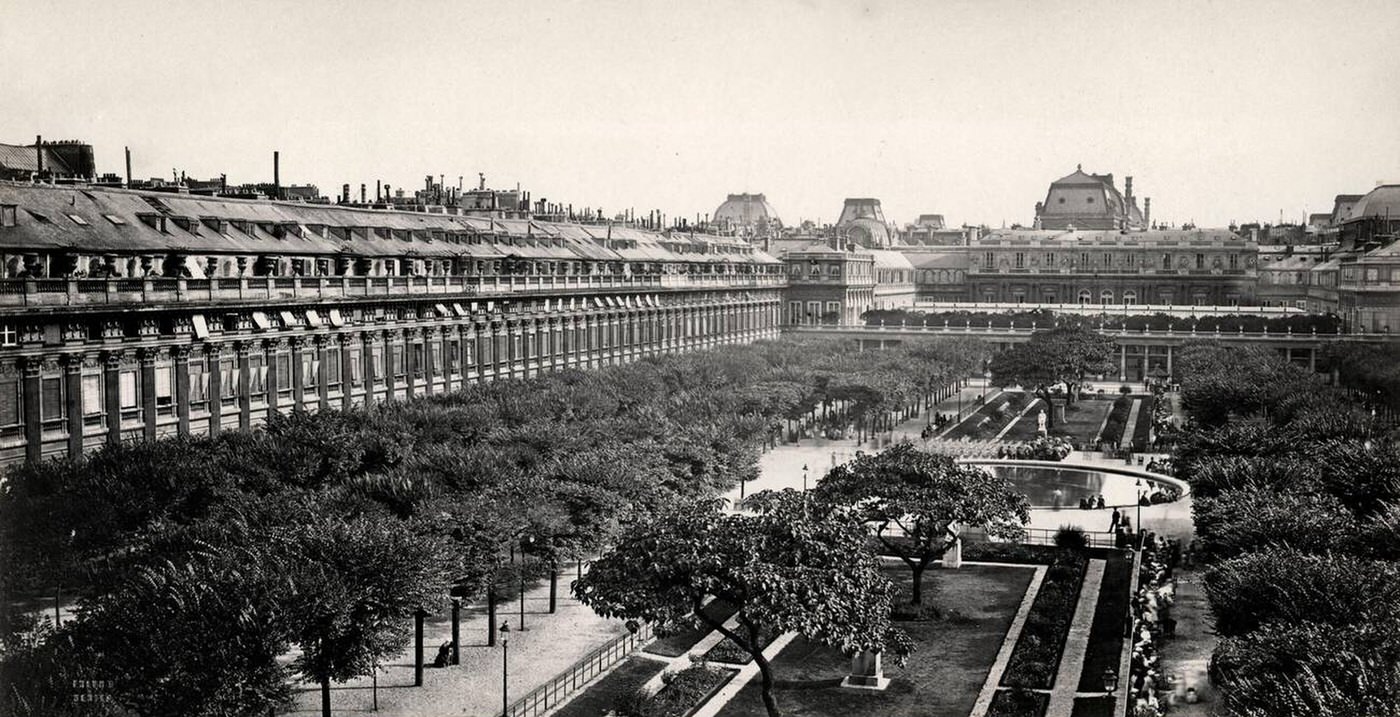
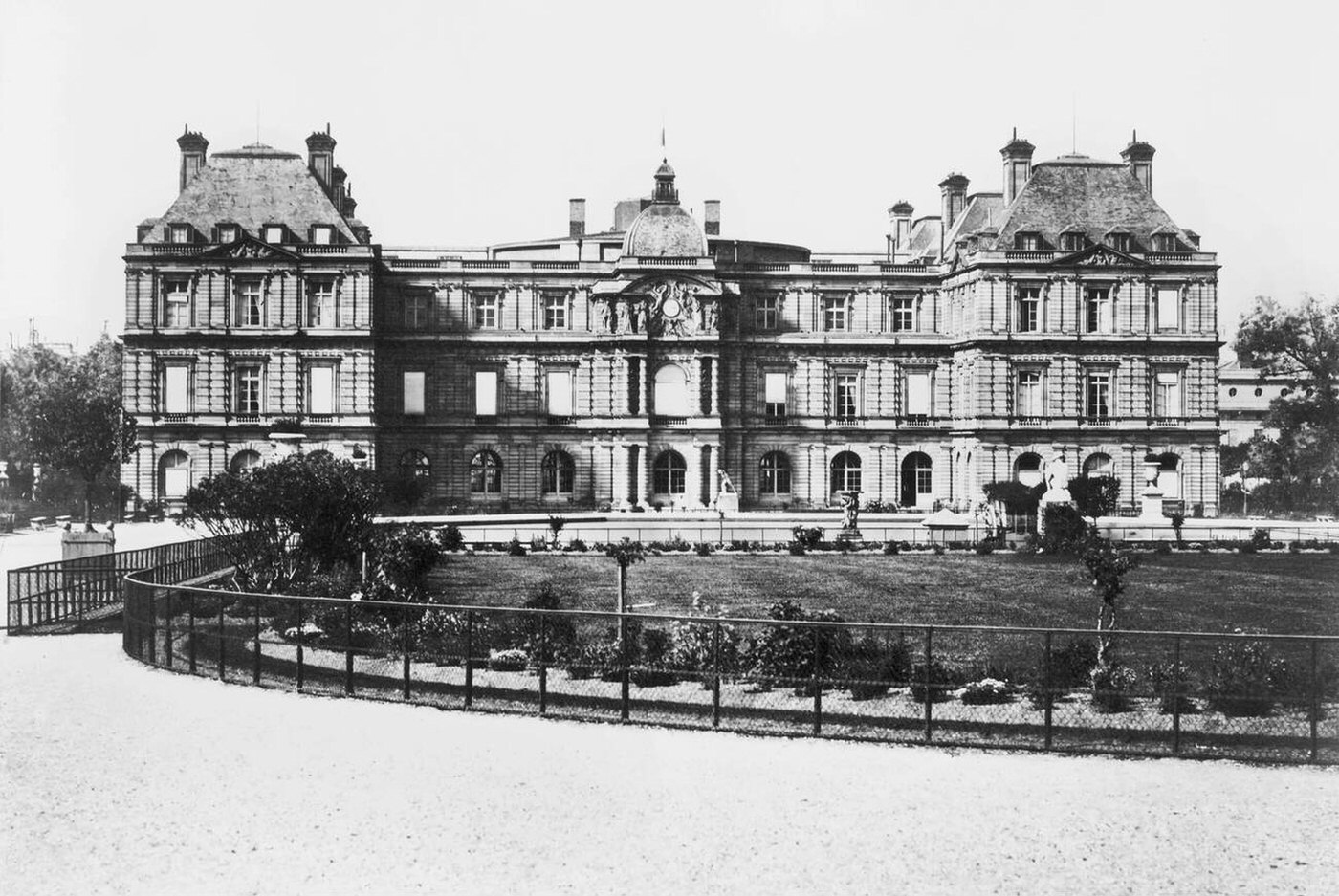
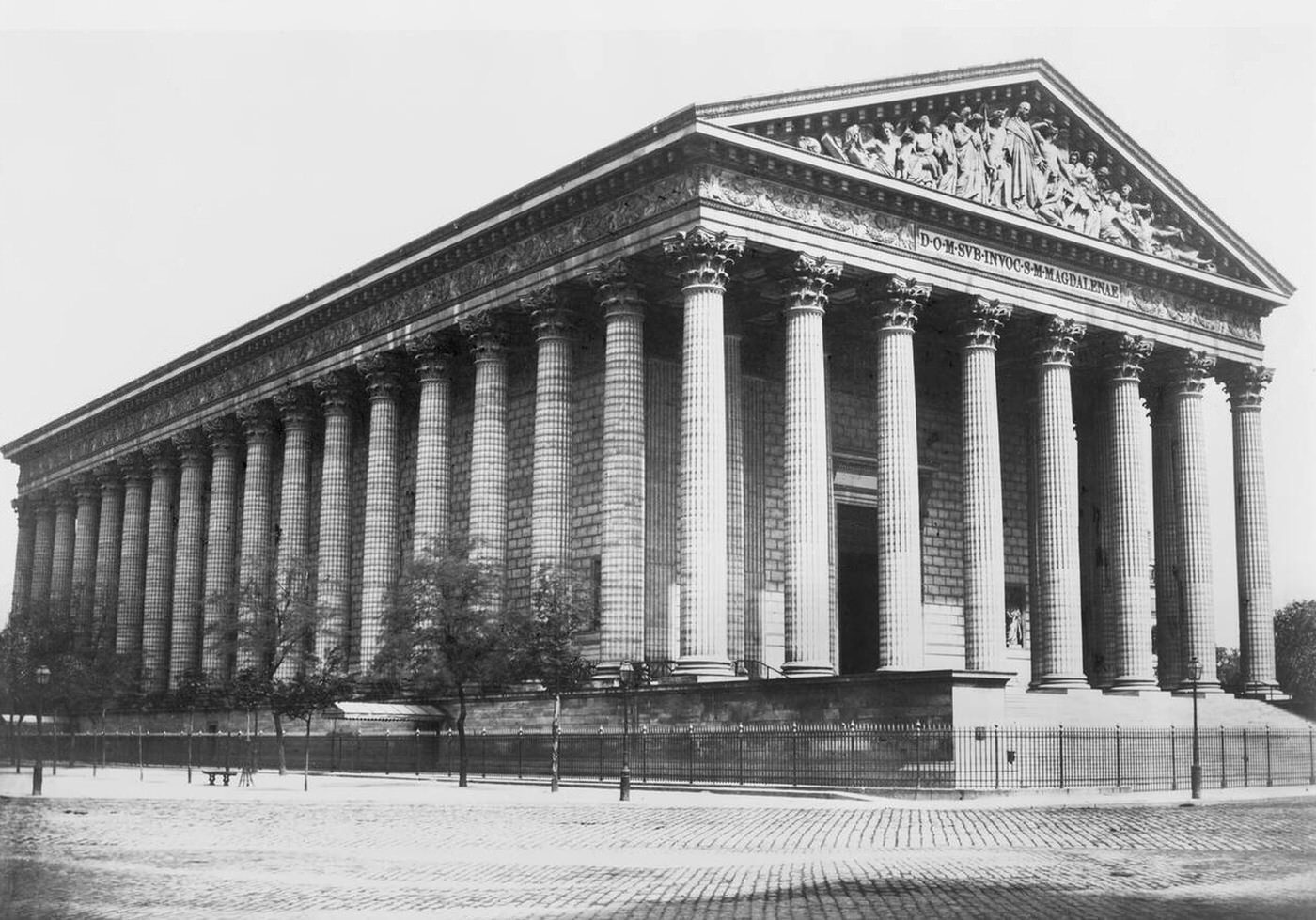
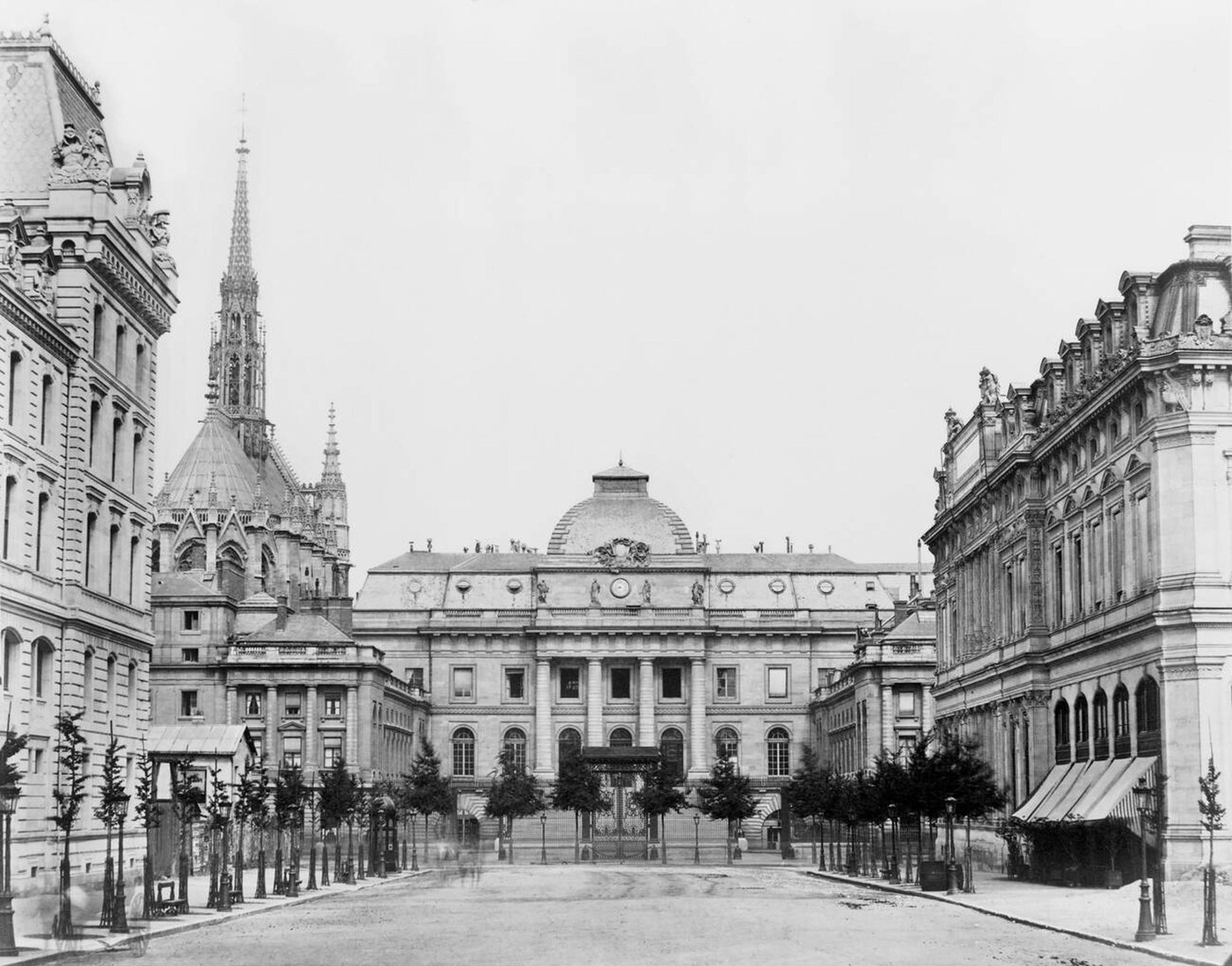
The Tuileries Palace and the Louvre formed the ceremonial core of the empire. Their gardens and riverside views were among the most photographed scenes in the city. The Palais du Luxembourg served a governmental role, while religious buildings like La Madeleine and Sainte-Chapelle anchored the city’s spiritual landscape.
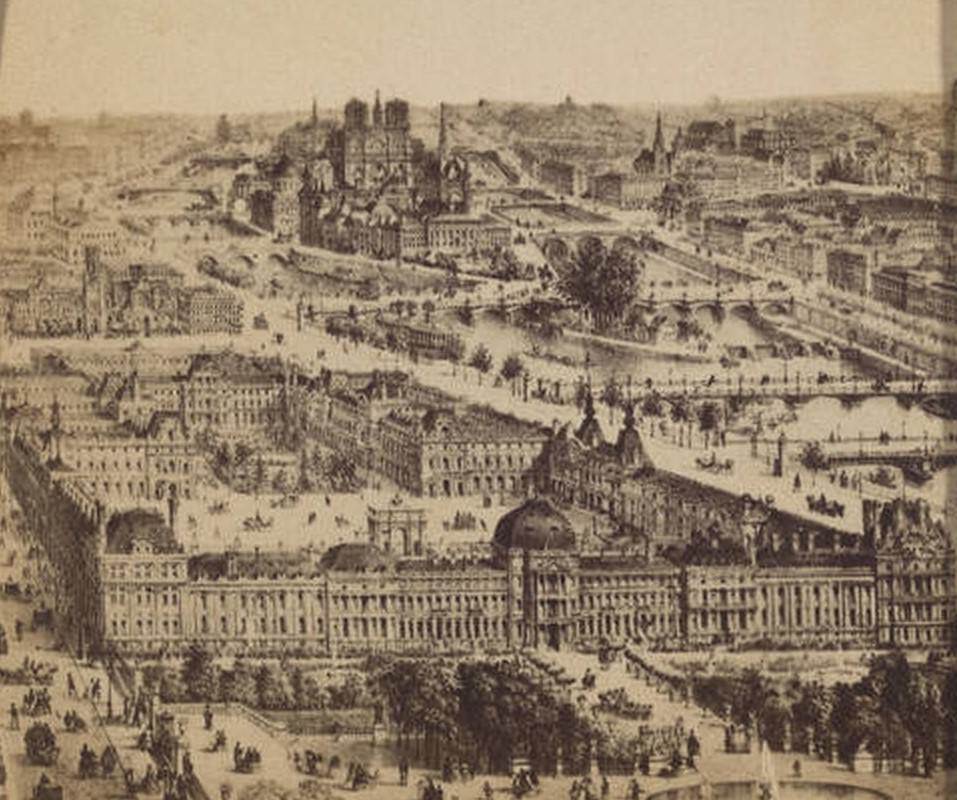
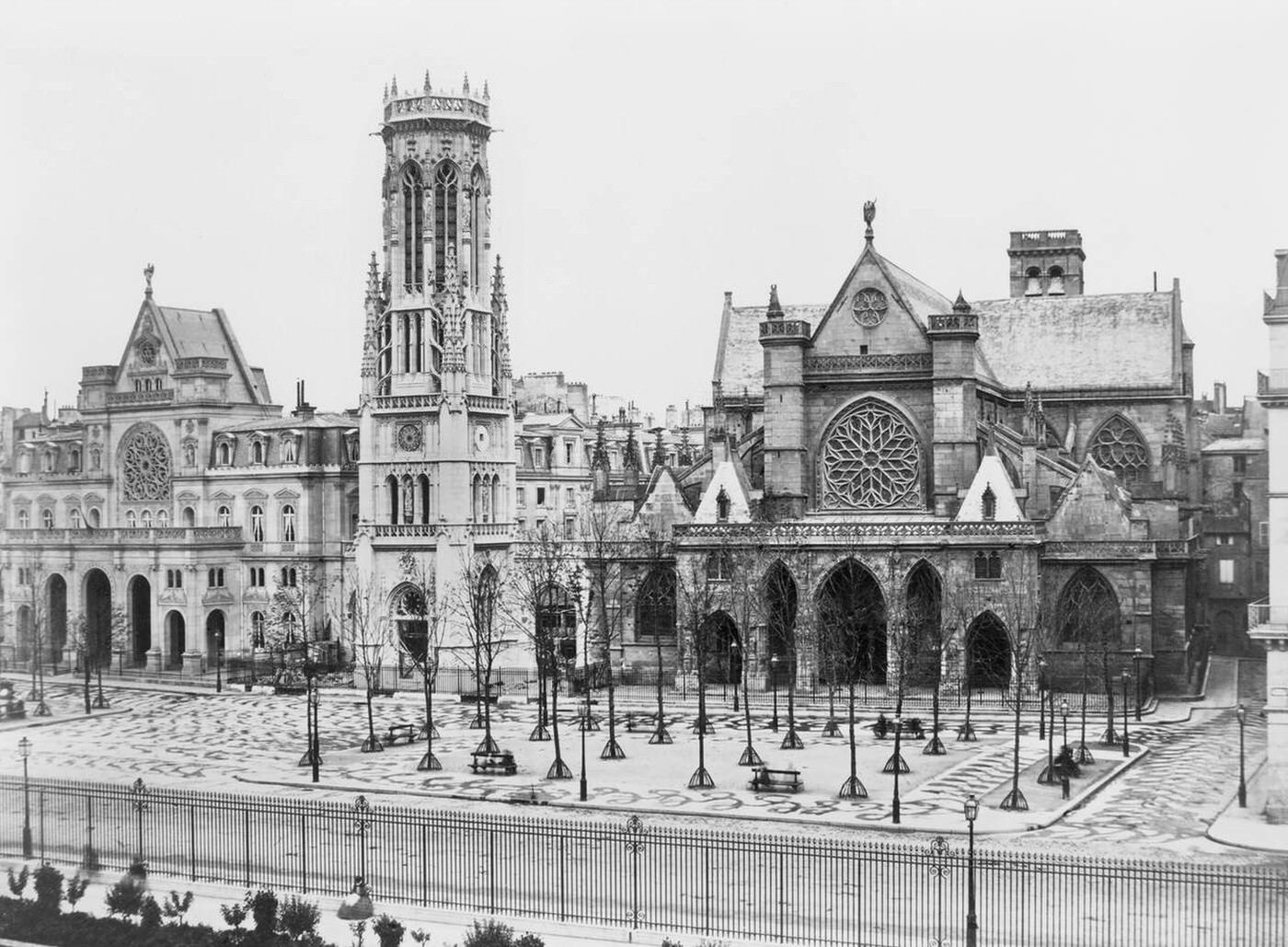
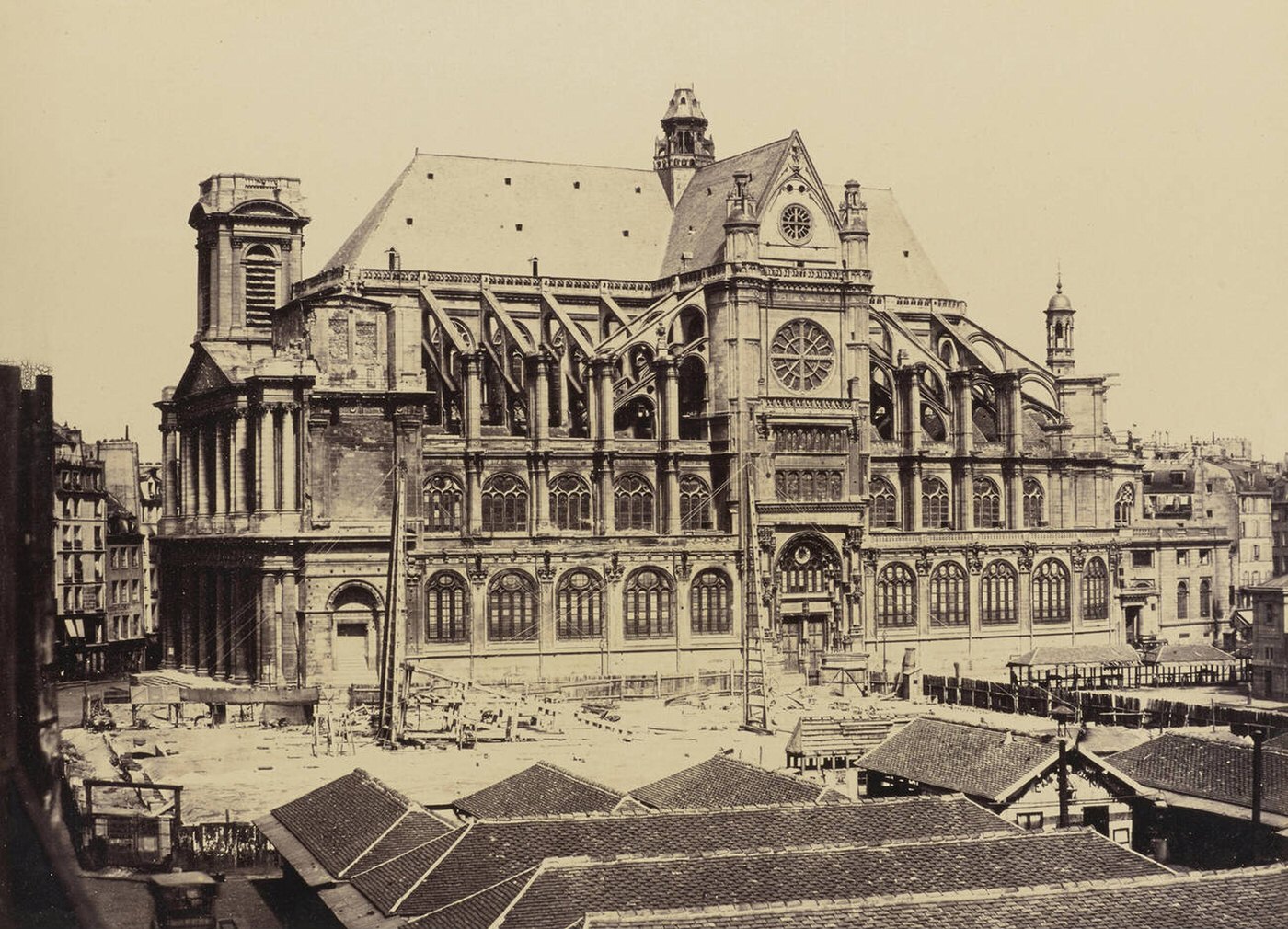
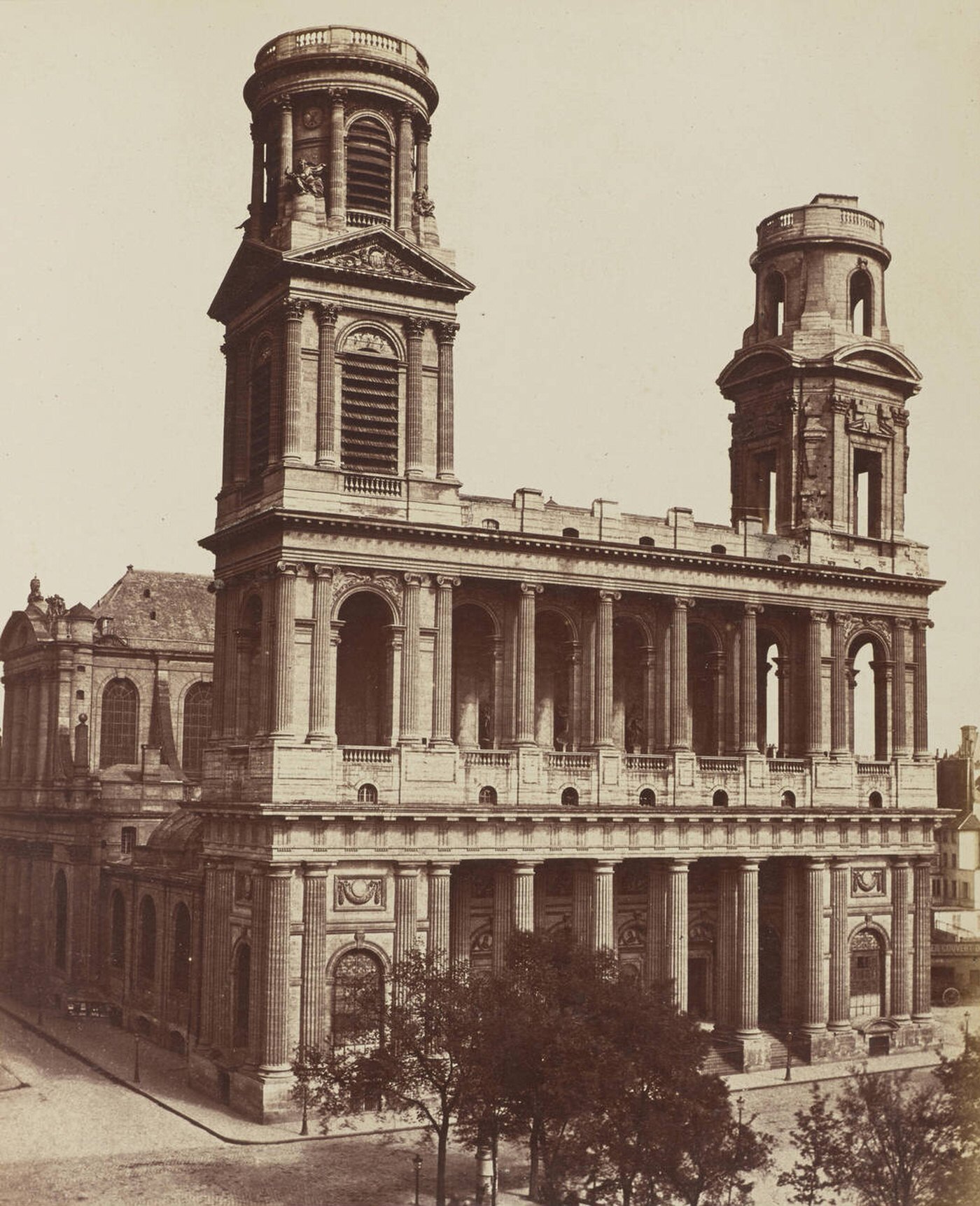
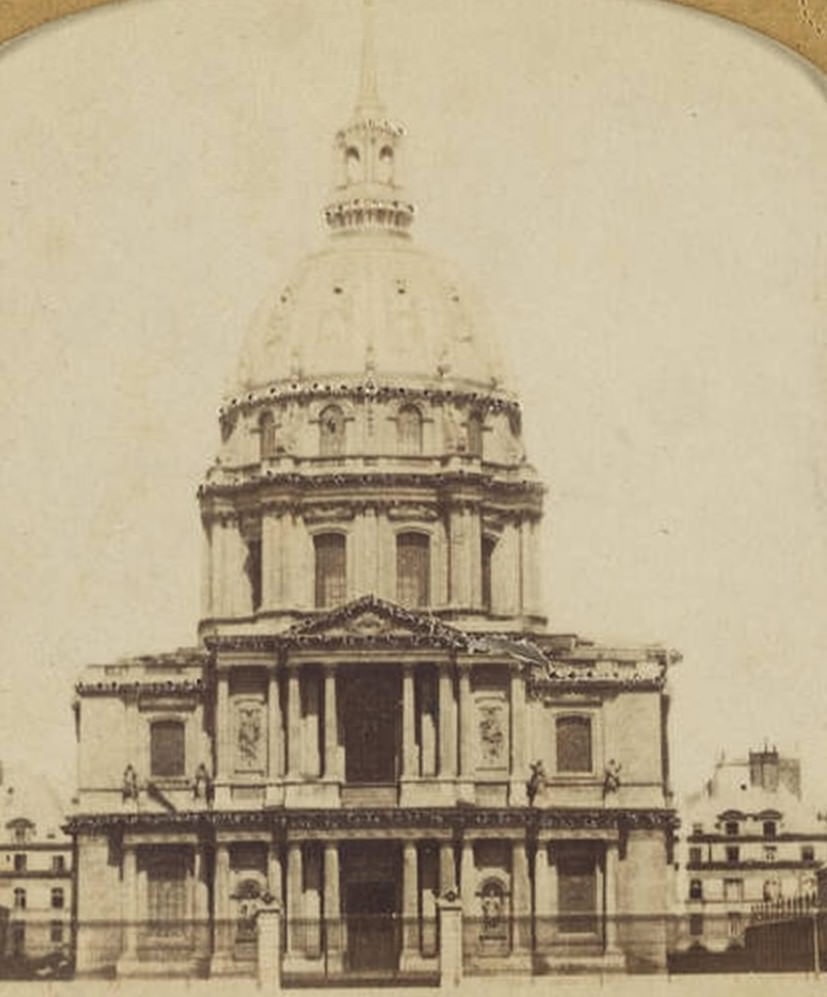
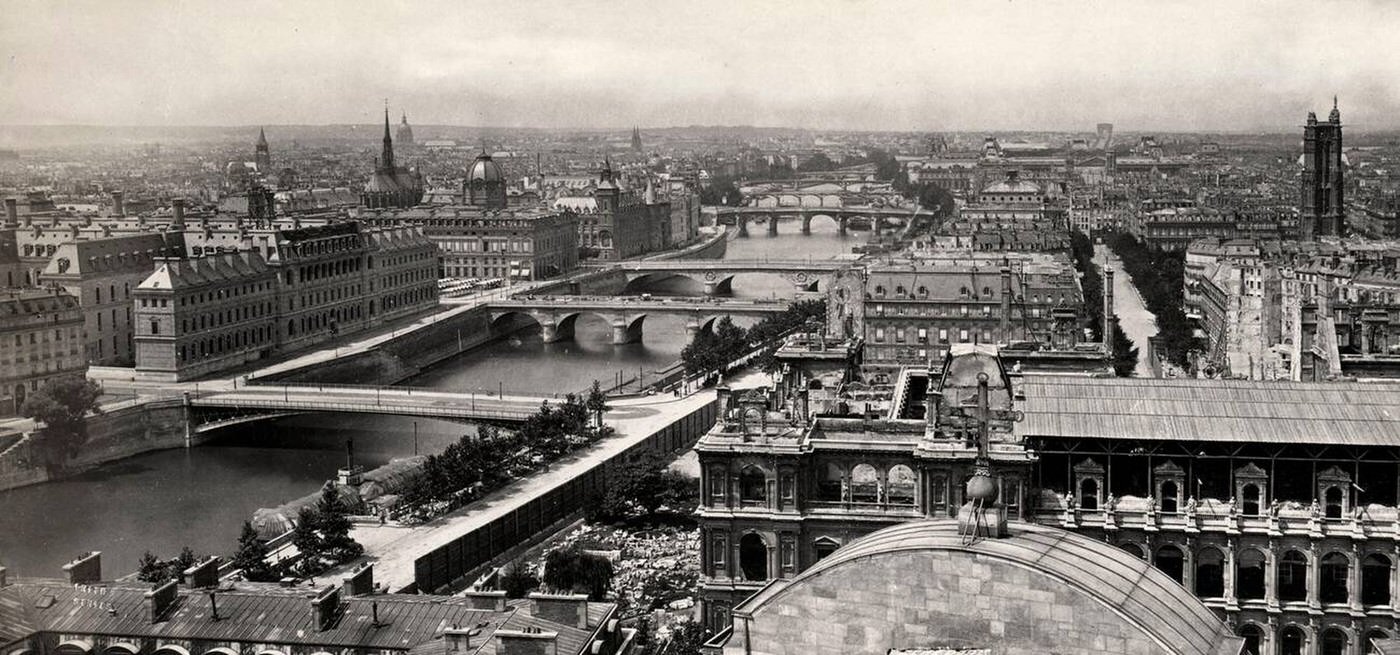
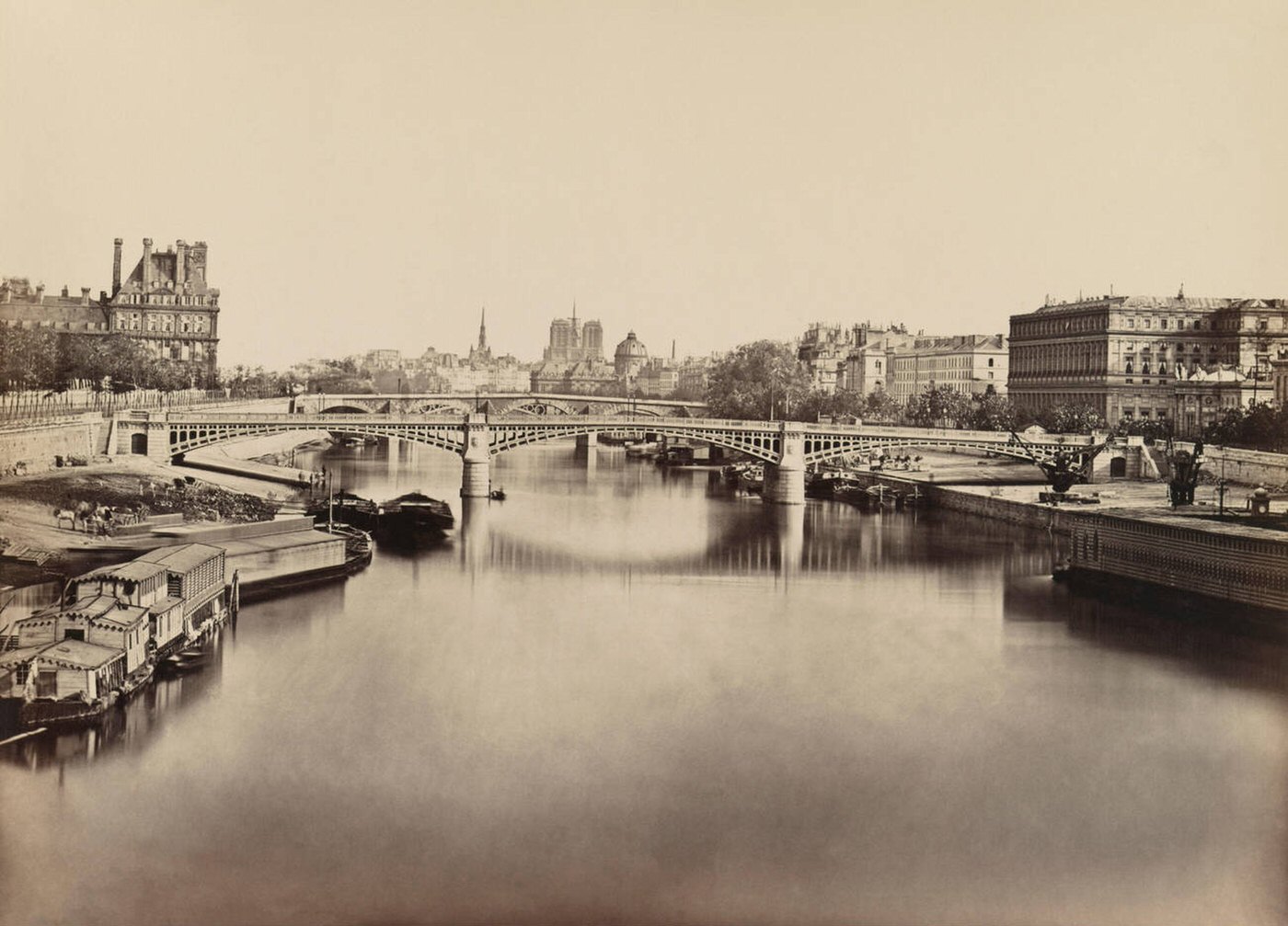
The Hôtel des Invalides, the Pont d’Austerlitz, and the river views along the Seine showed a city of enormous scale and ambition. Panoramic photographs taken from elevated points revealed just how much of Paris was either newly built or actively under construction throughout the decade.