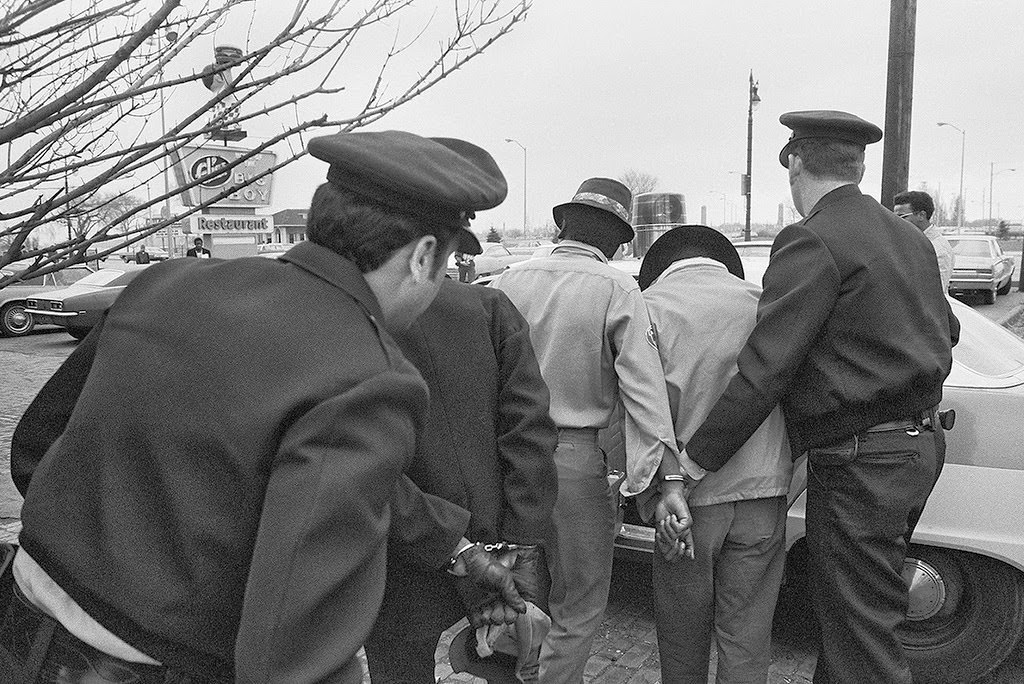
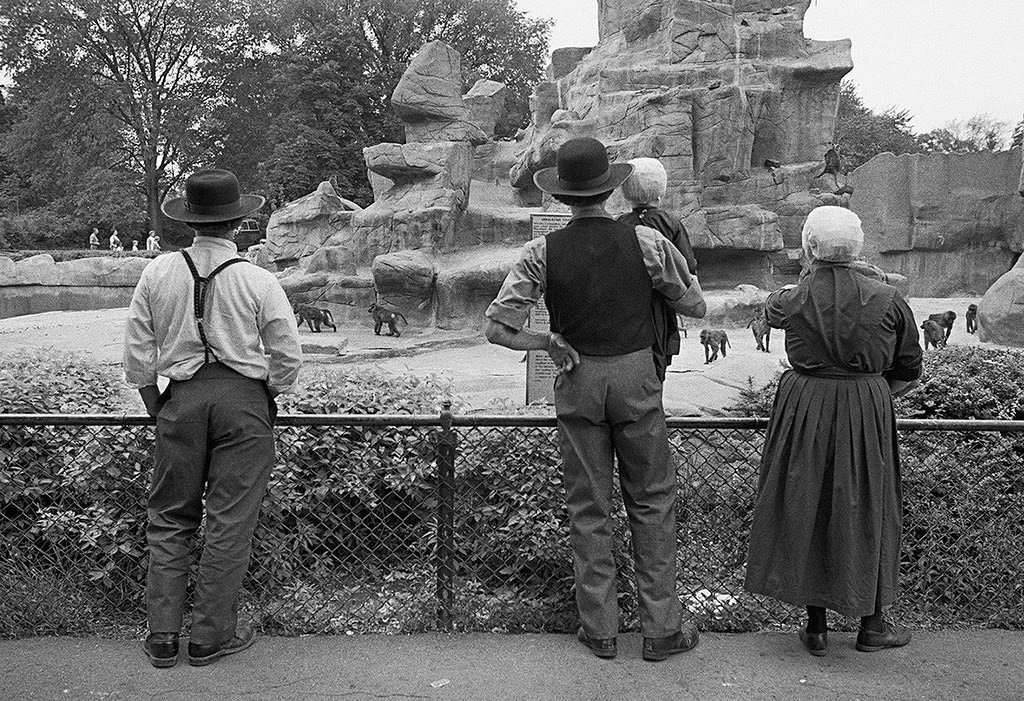
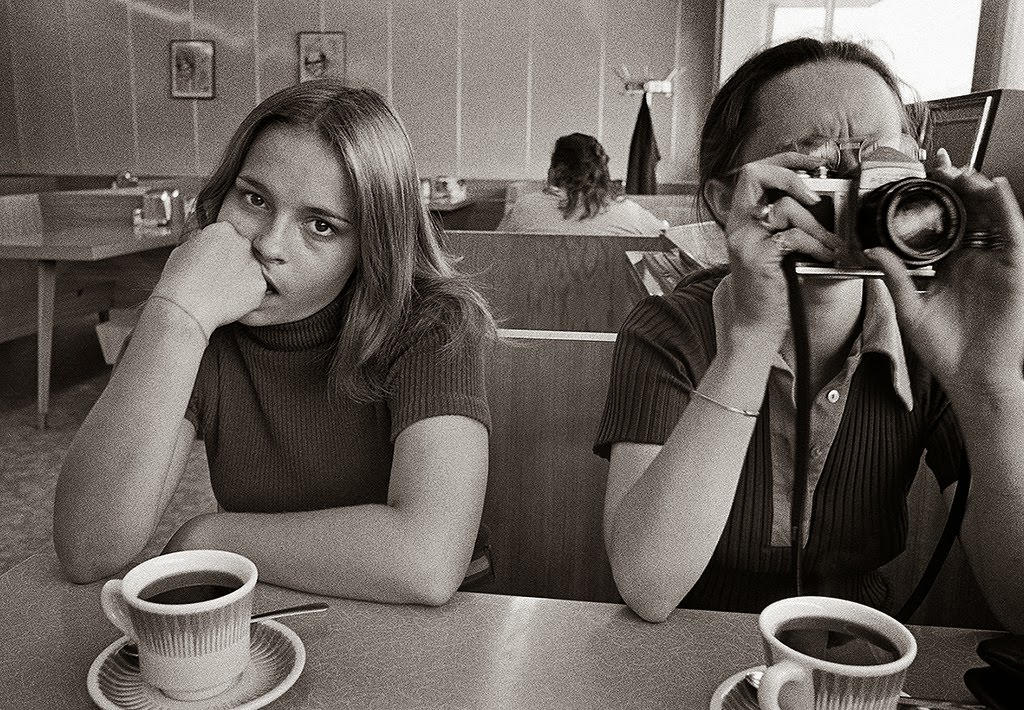
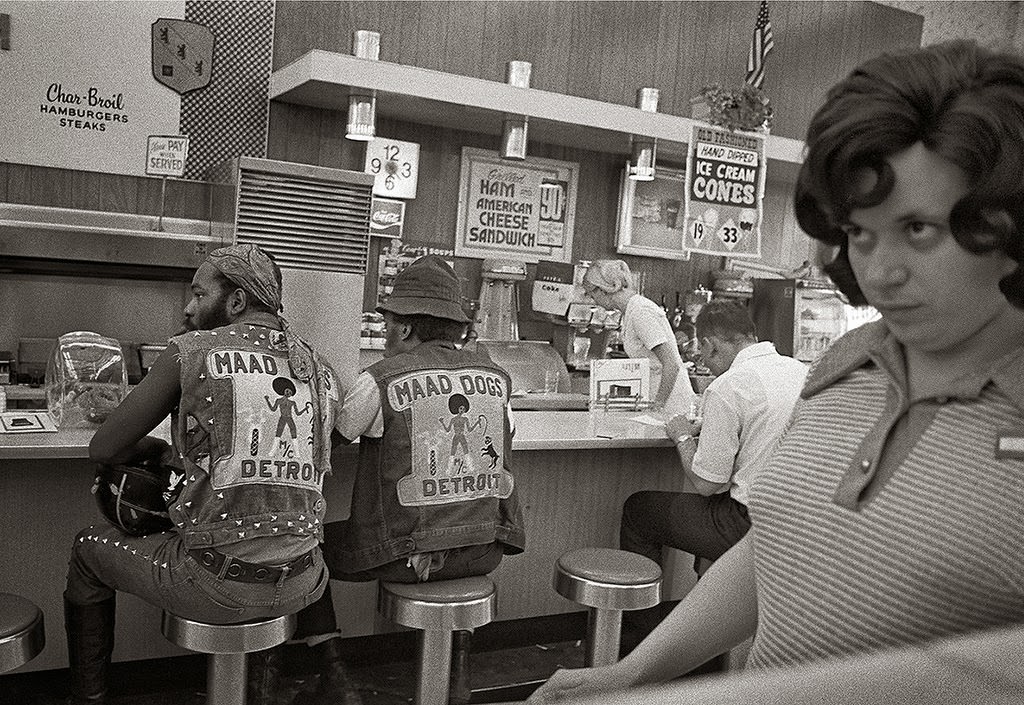
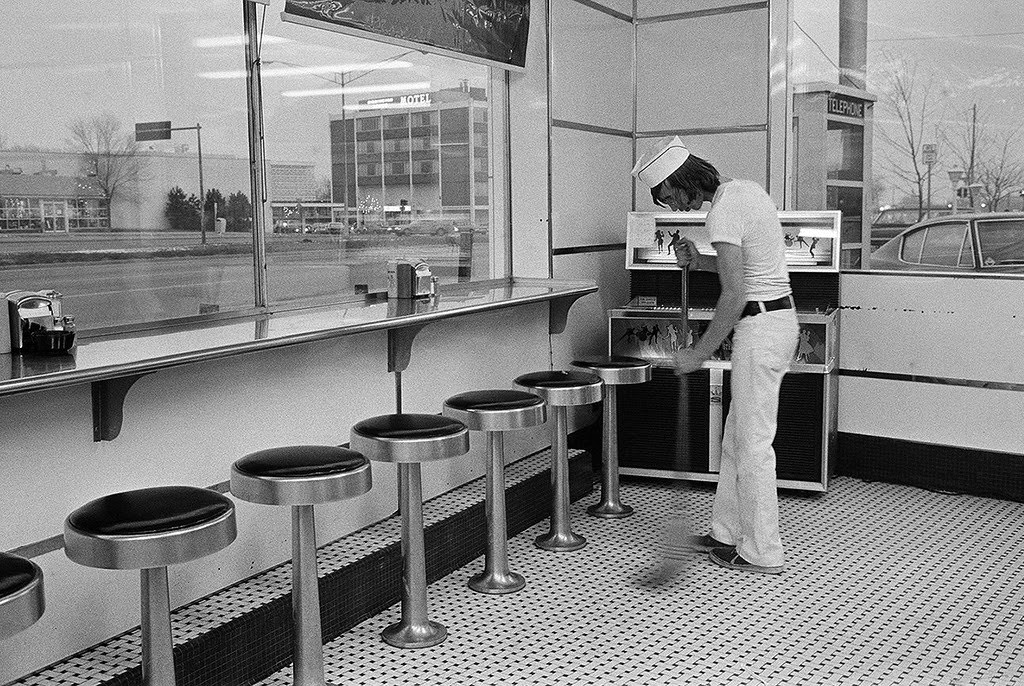
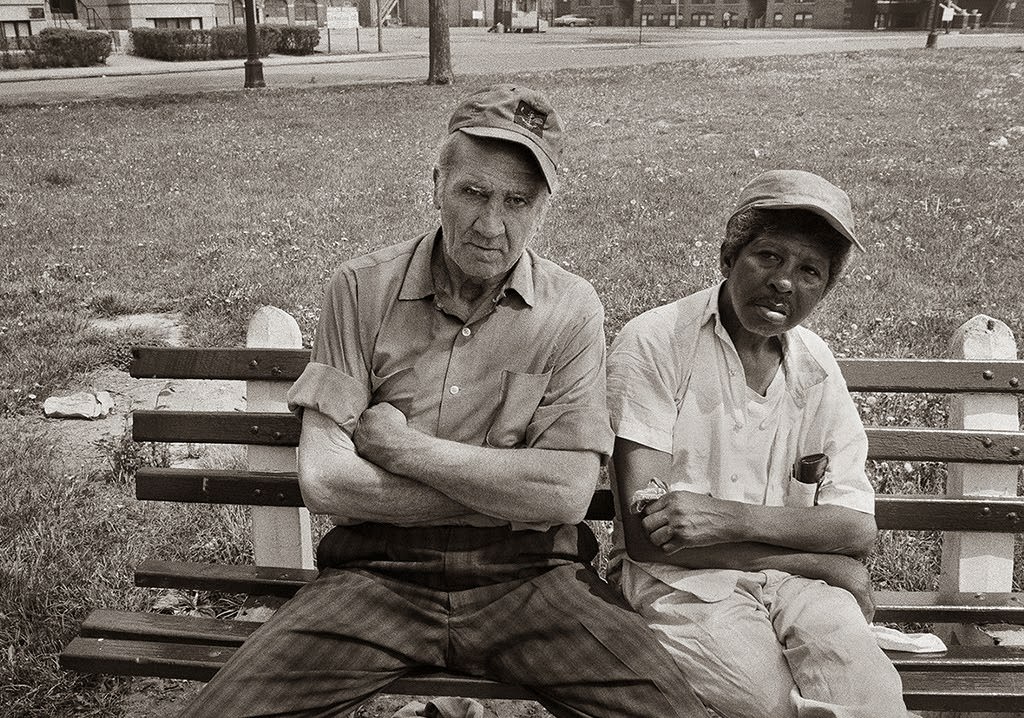
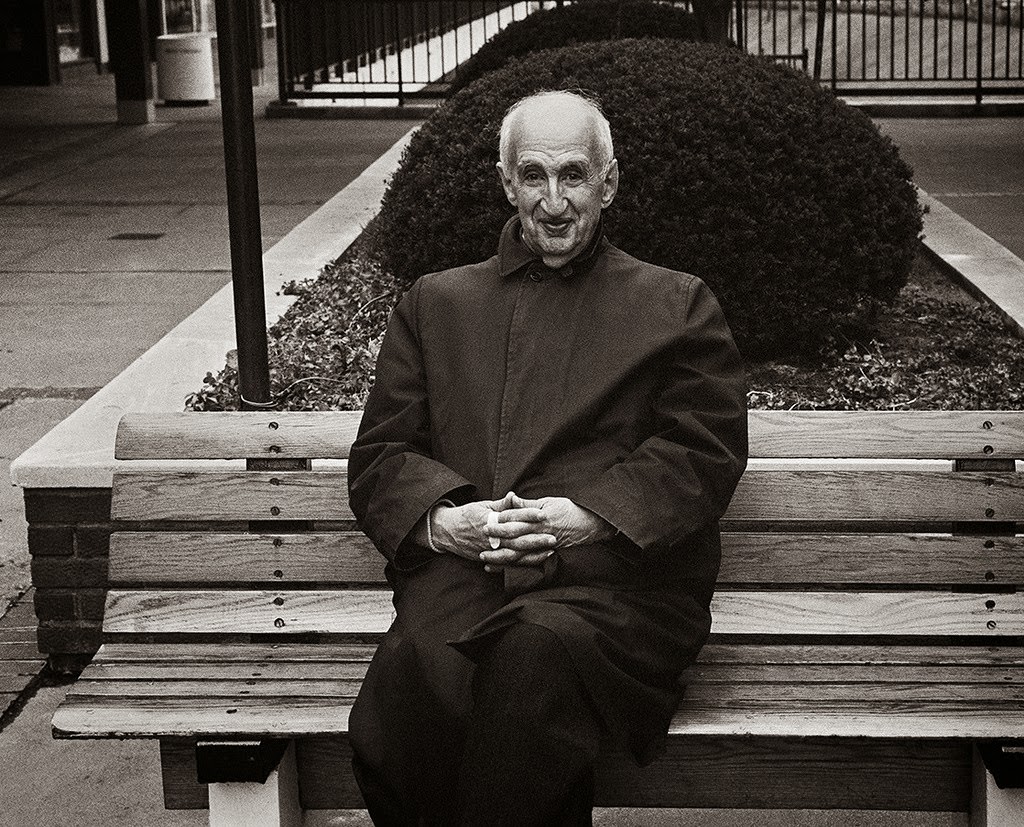
Between 1972 and 1973, a young photography student named Dave Jordano walked the streets of Detroit with a camera. What he captured was not a city in trouble — it was a city fully alive. His photographs document the neighborhoods, people, and daily rhythms of early 1970s Detroit with honesty and detail.
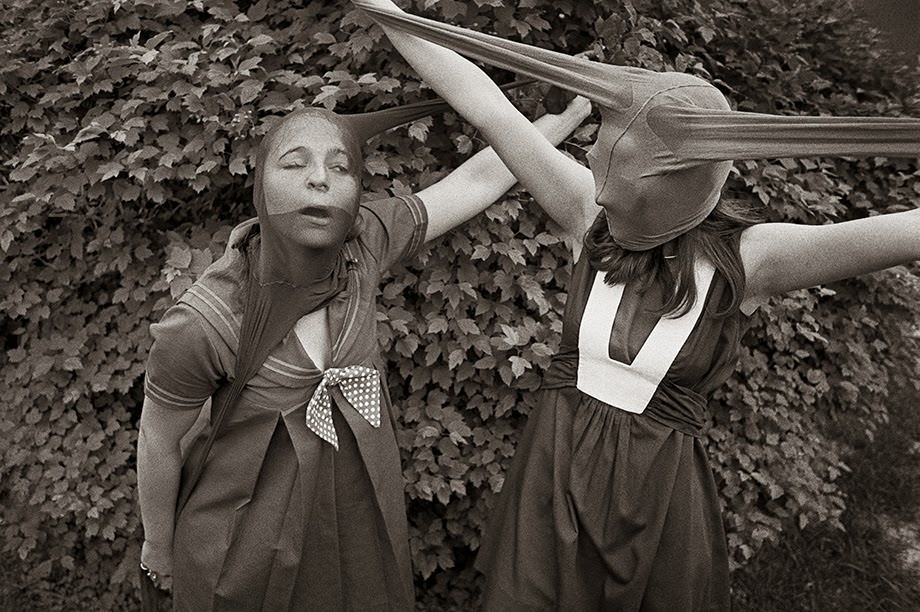
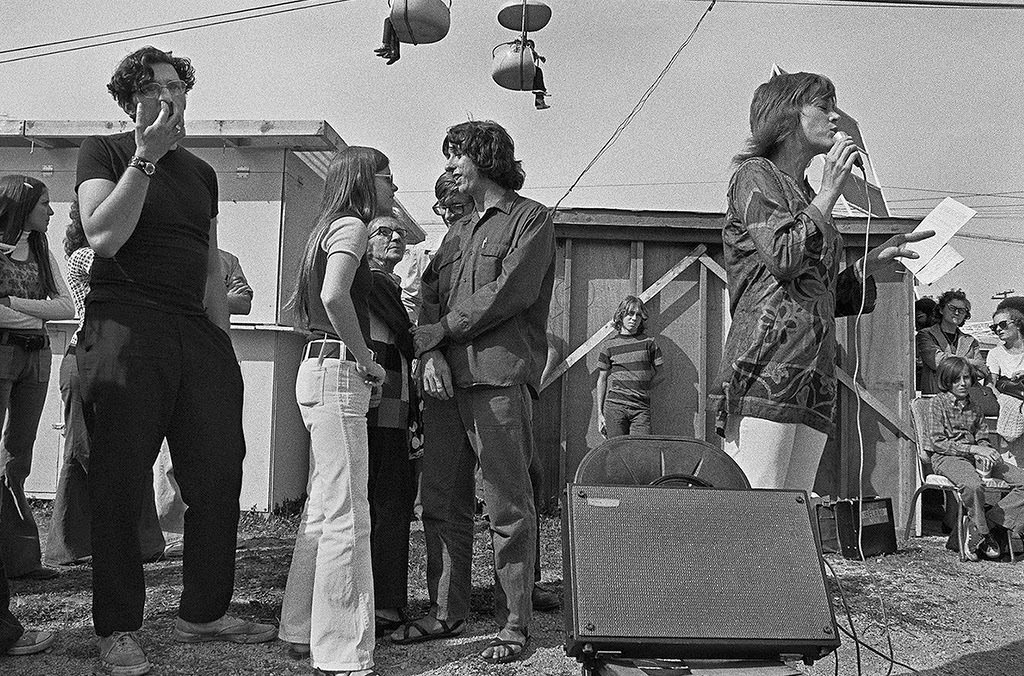
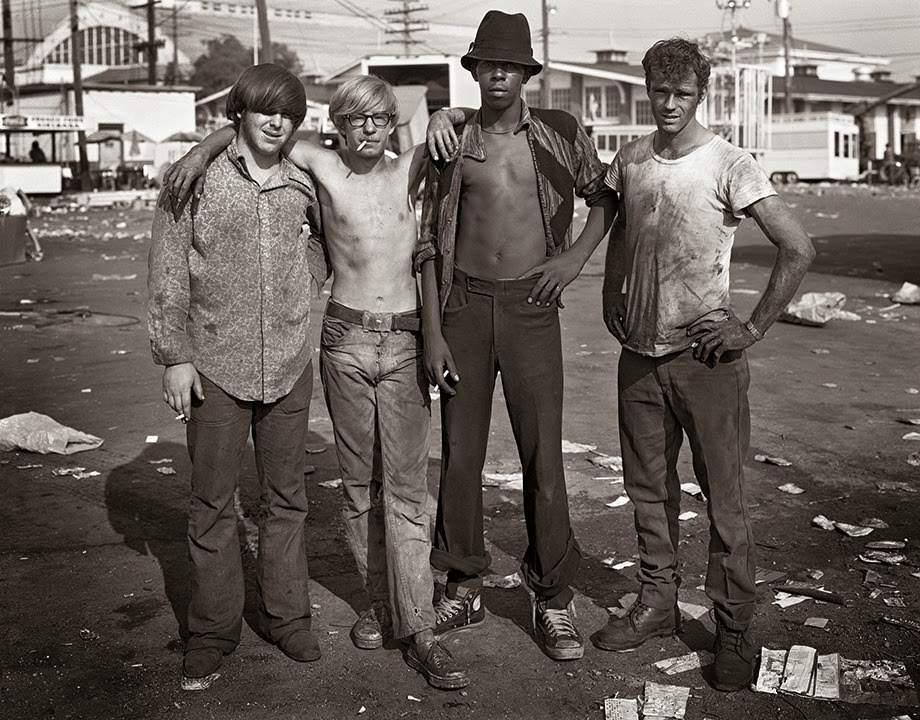
The street was the center of social life in Detroit at the time. People spent hours outdoors — on front porches, sidewalks, and corners. Children played in the street. Neighbors stopped to talk. Teenagers leaned against parked cars. None of these were staged moments. Jordano shot candidly, letting life unfold in front of his lens.
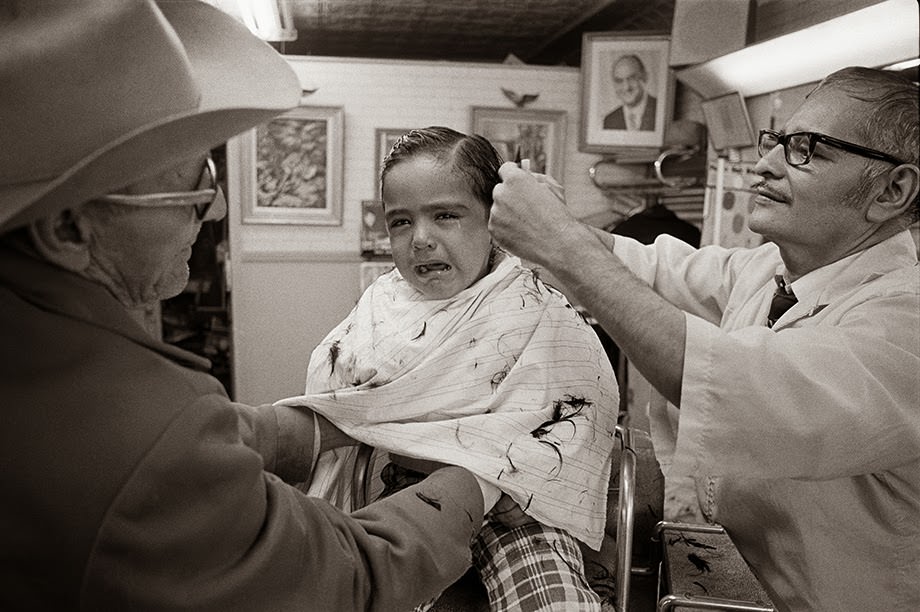
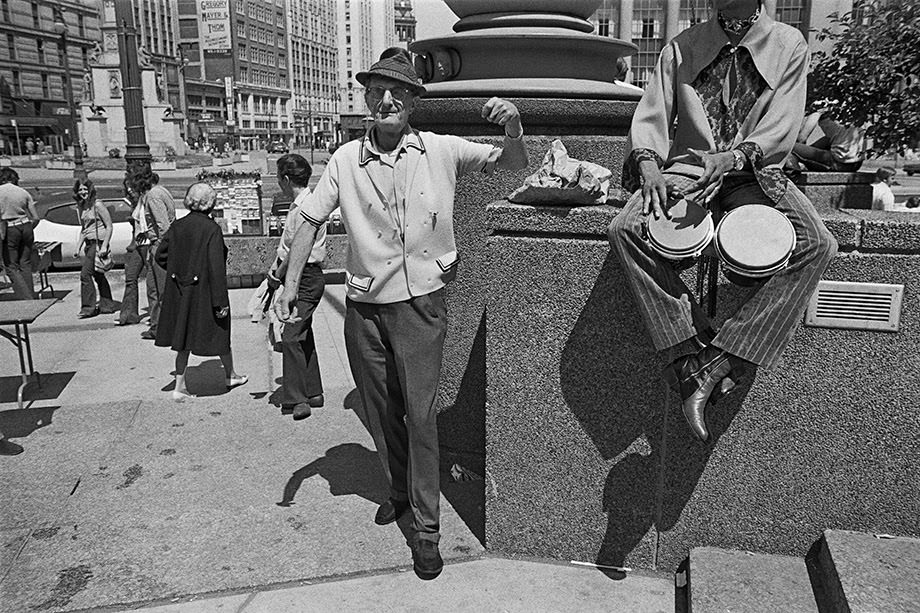
Cars were everywhere in these images, and not by accident. Detroit was the Motor City, and its residents lived that identity. Classic muscle cars and wide-body sedans lined the residential streets. Many were customized. Owners took pride in them, and the vehicles doubled as gathering spots and personal statements.
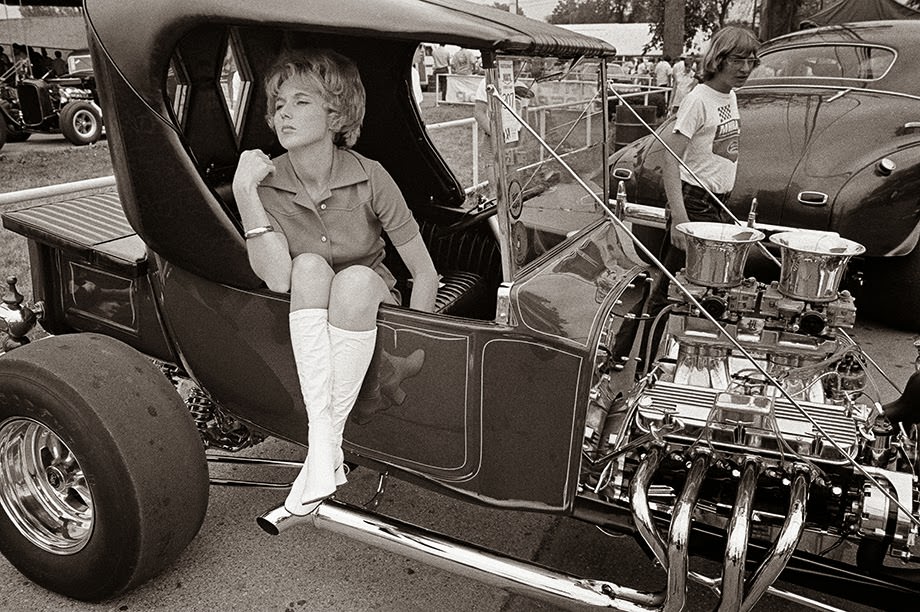
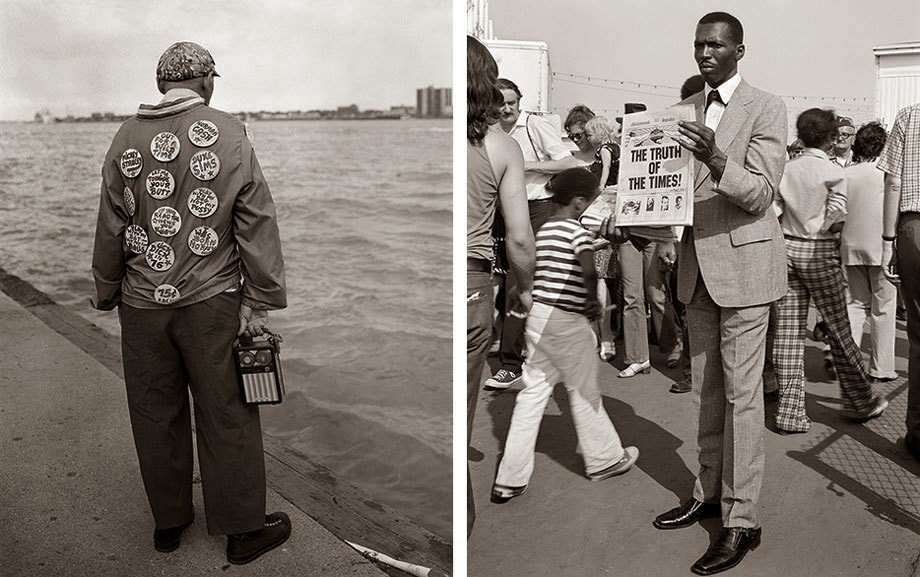
The fashion in Jordano’s photographs is just as striking as the cars. Men wore wide-collared shirts in bold patterns, bell-bottom pants, and platform shoes. Afros and longer natural hairstyles were common. The look was deliberate and confident.
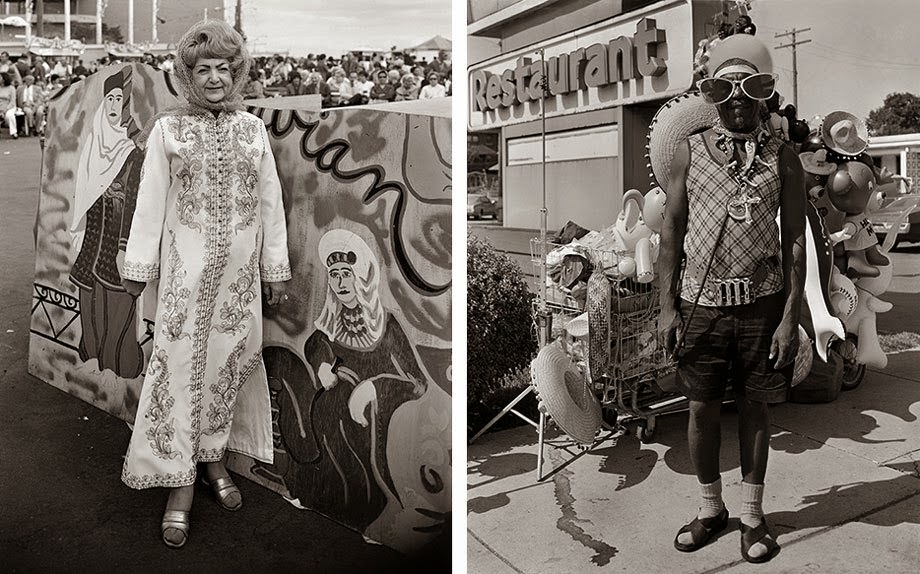
Women’s style matched that energy. Halter tops, high-waisted pants, and vibrant colors and prints defined the era. Every person in these photos carries themselves with a clear sense of personal style and self-expression.
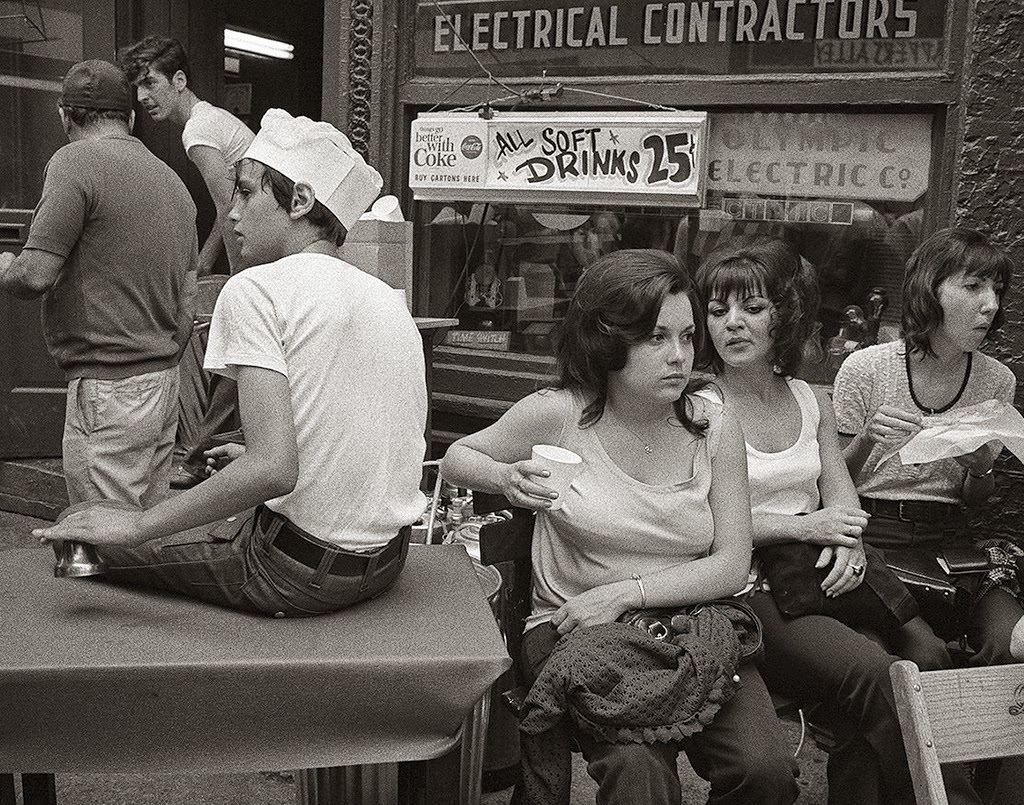
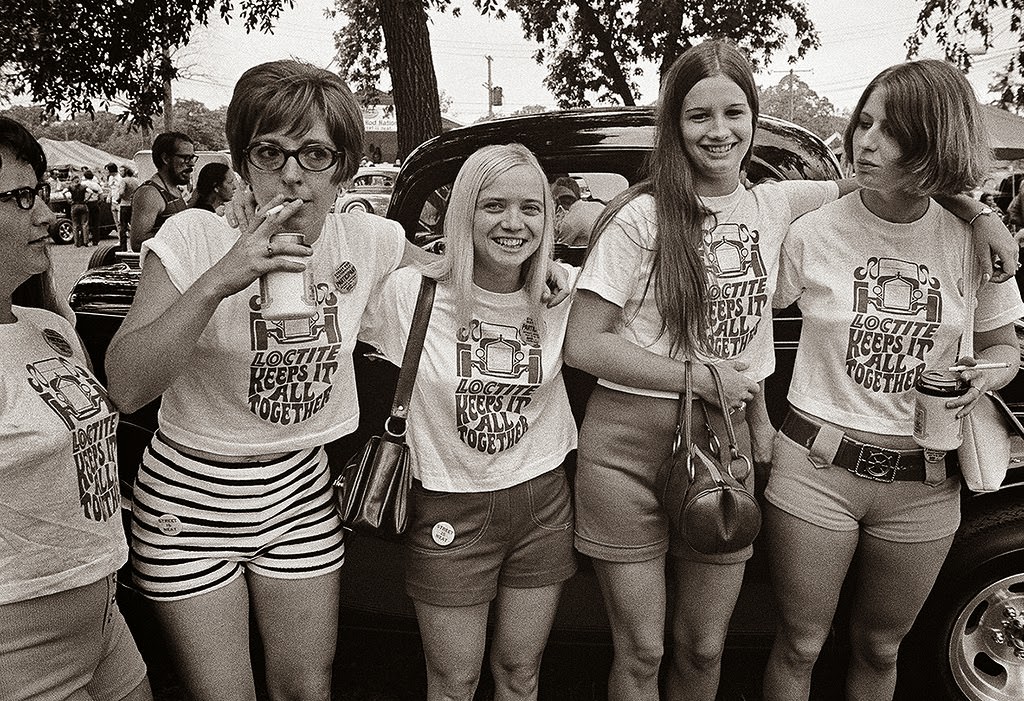
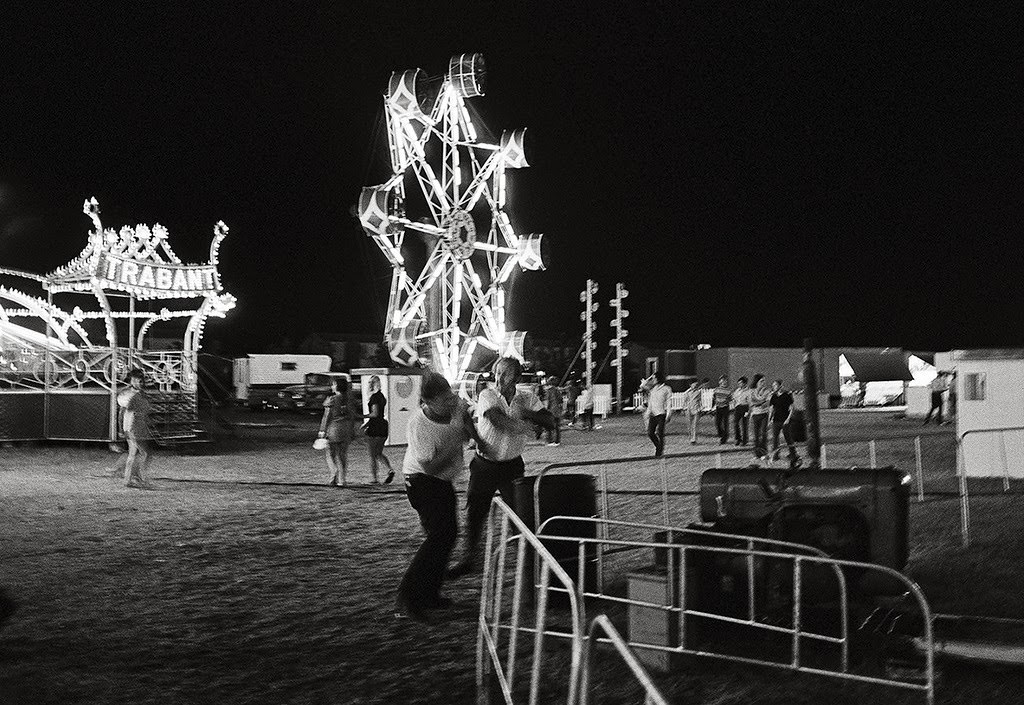
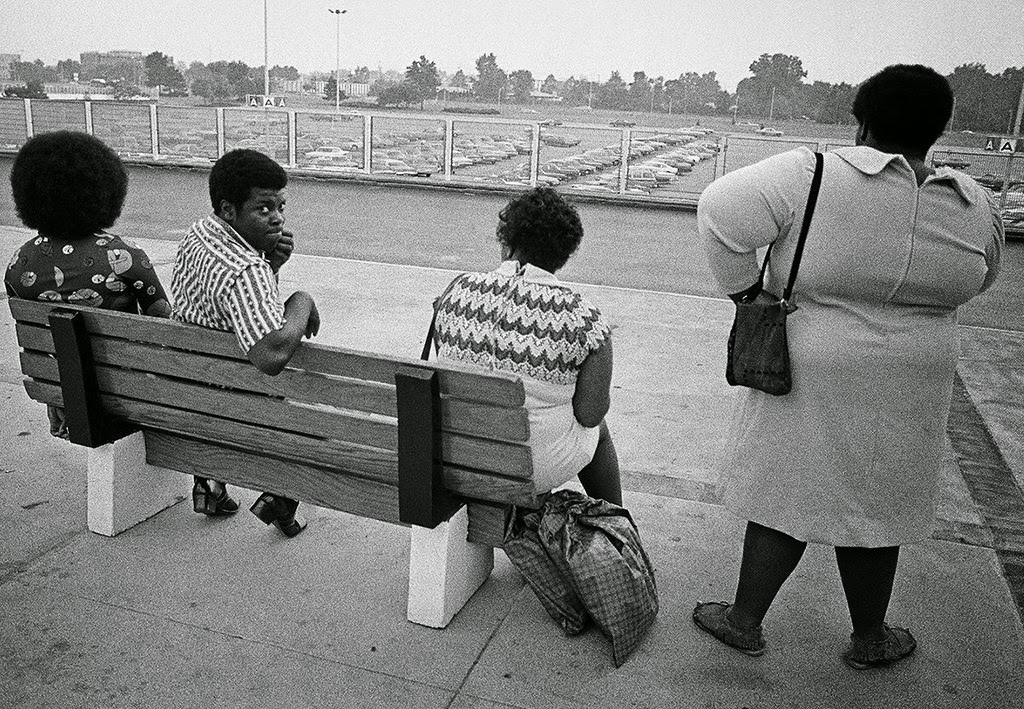
Jordano’s work shows Detroit as a place with a strong sense of community. Block by block, the photographs reveal people who were rooted in their neighborhoods and connected to each other.
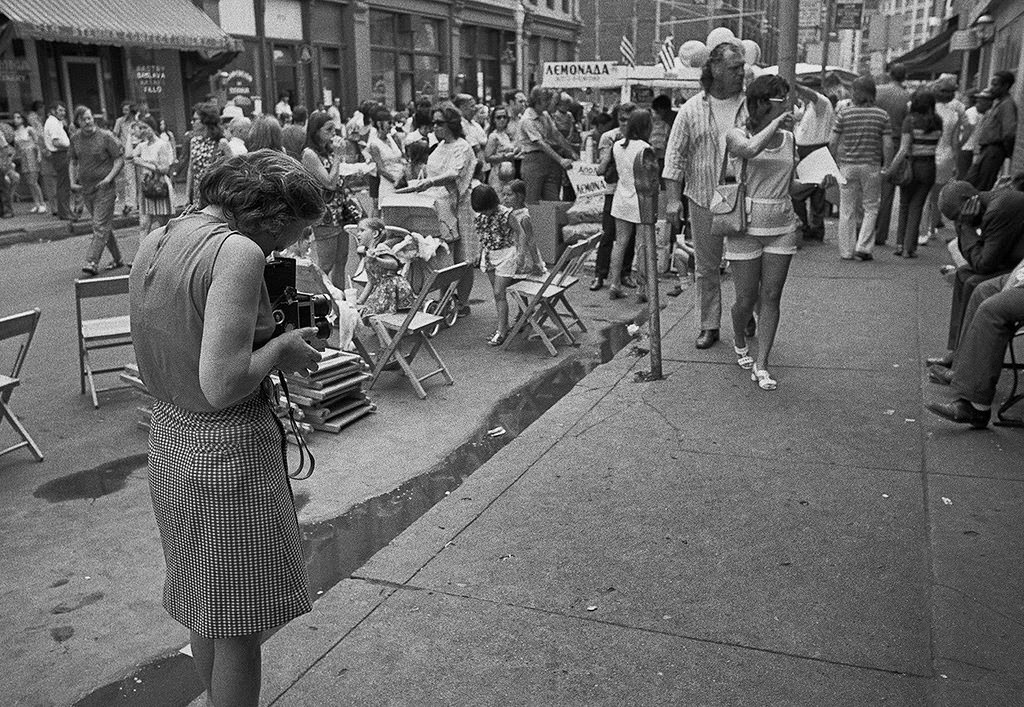
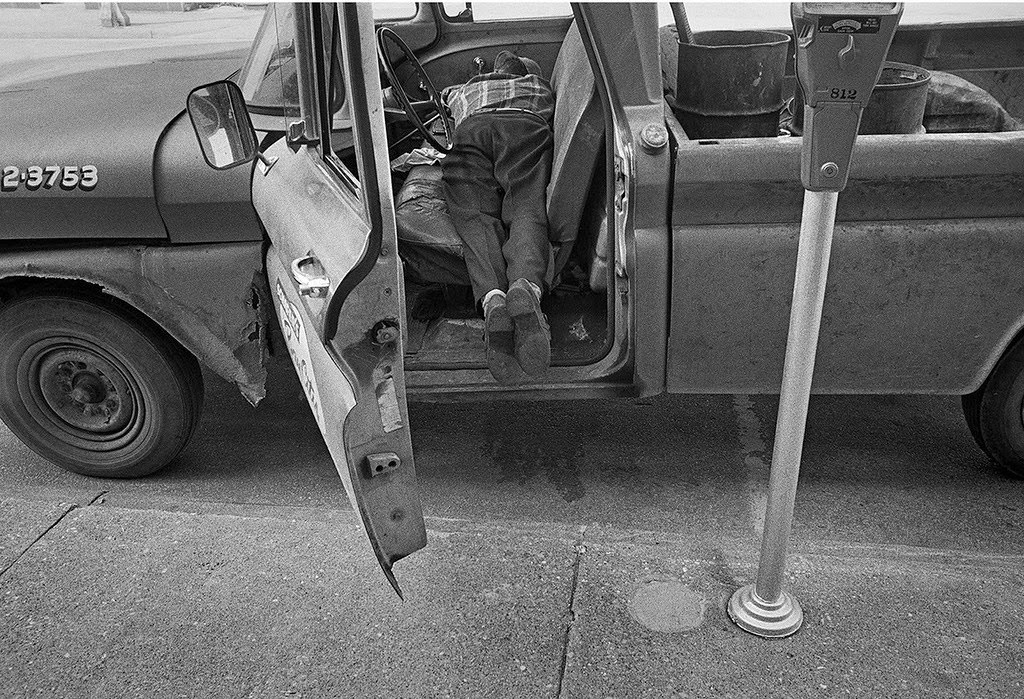
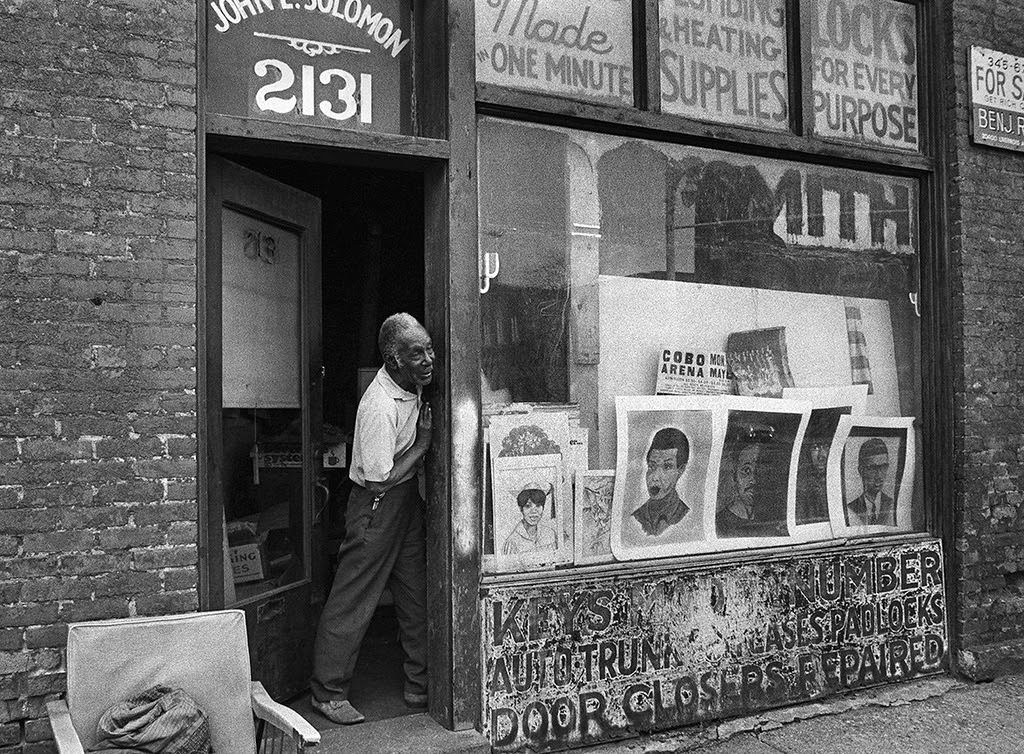
The detail in these images is what makes them so valuable as a historical record. A boy’s sneakers. The chrome trim on a parked Buick. A group of men in conversation outside a corner store. These are the specific, ordinary details that define what life actually looked and felt like in Detroit during those two years.
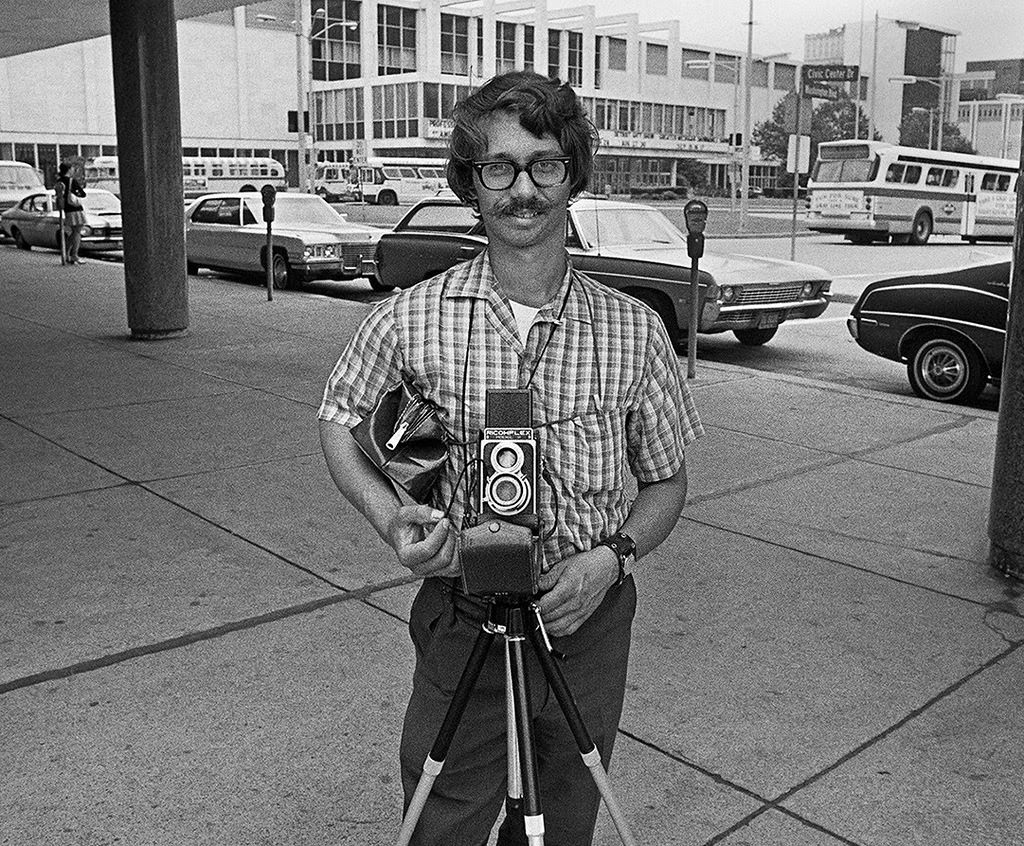
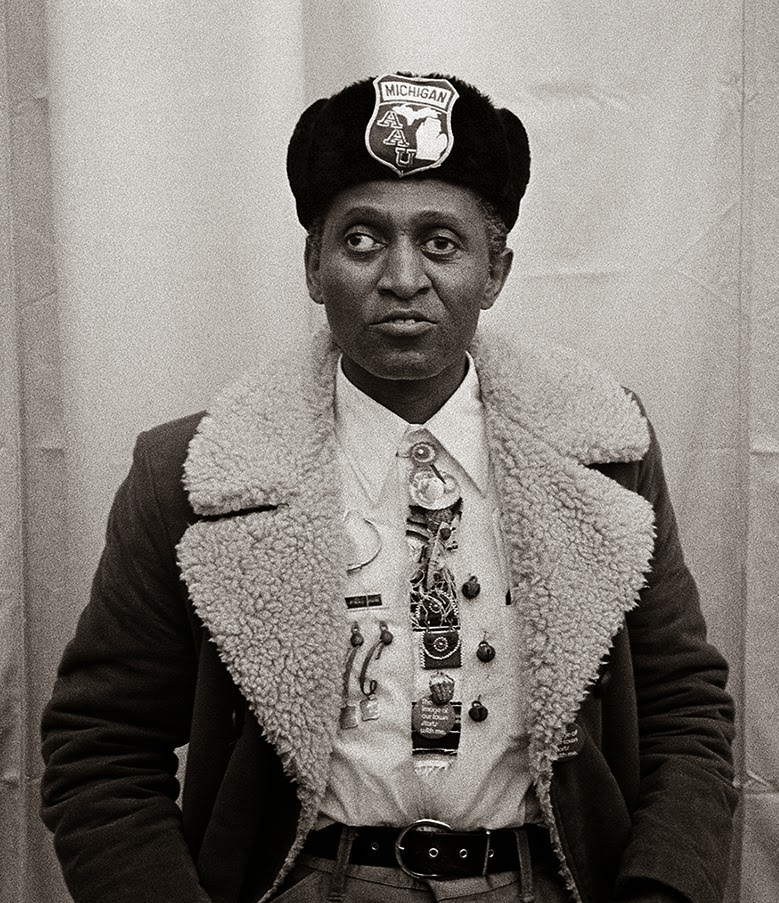
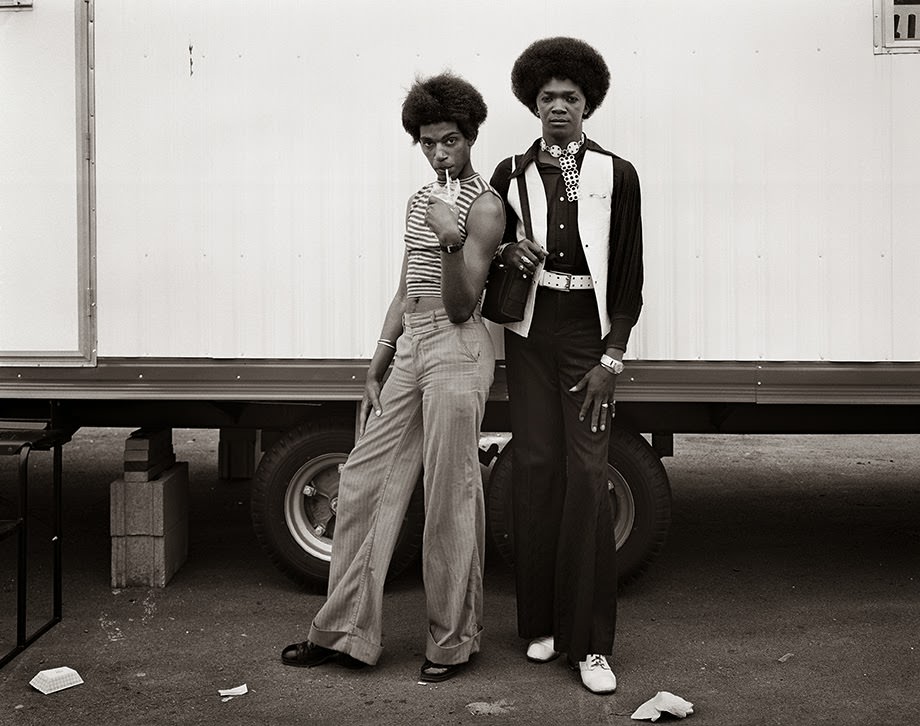
Jordano did not frame Detroit through the lens of its problems. He photographed what was in front of him — real people, real streets, and real moments. That directness is what gives the work its lasting weight.