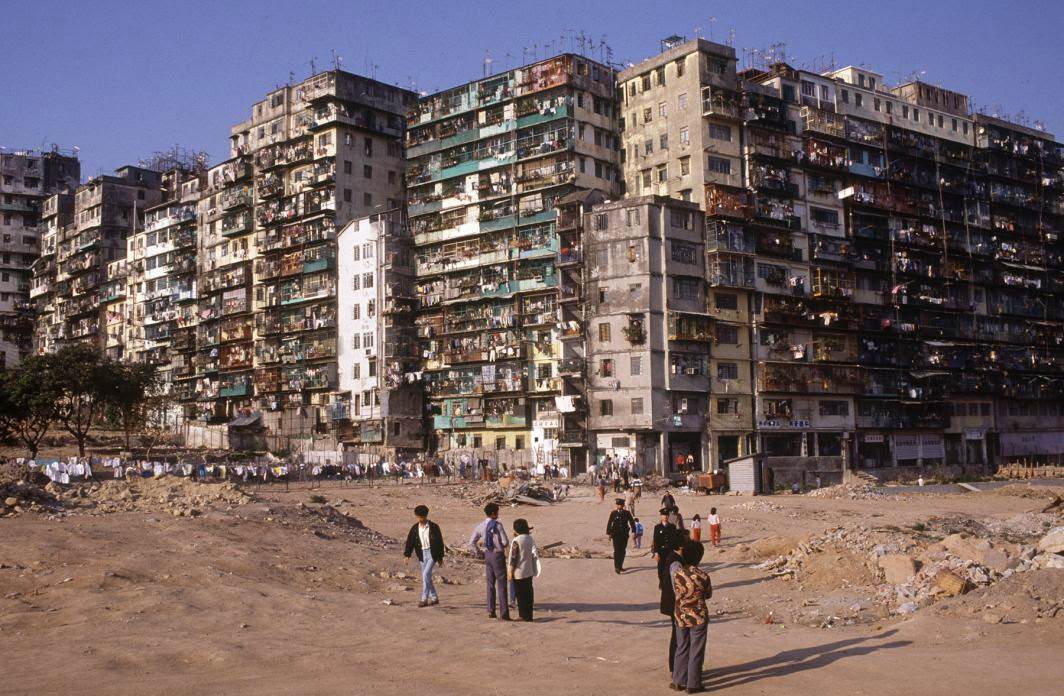
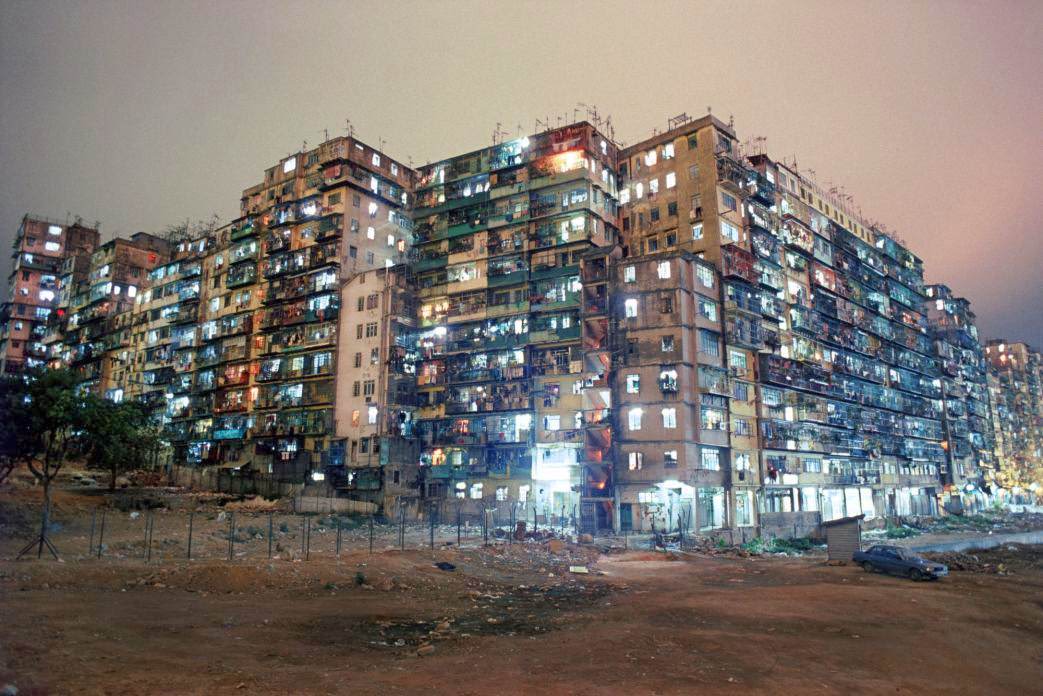
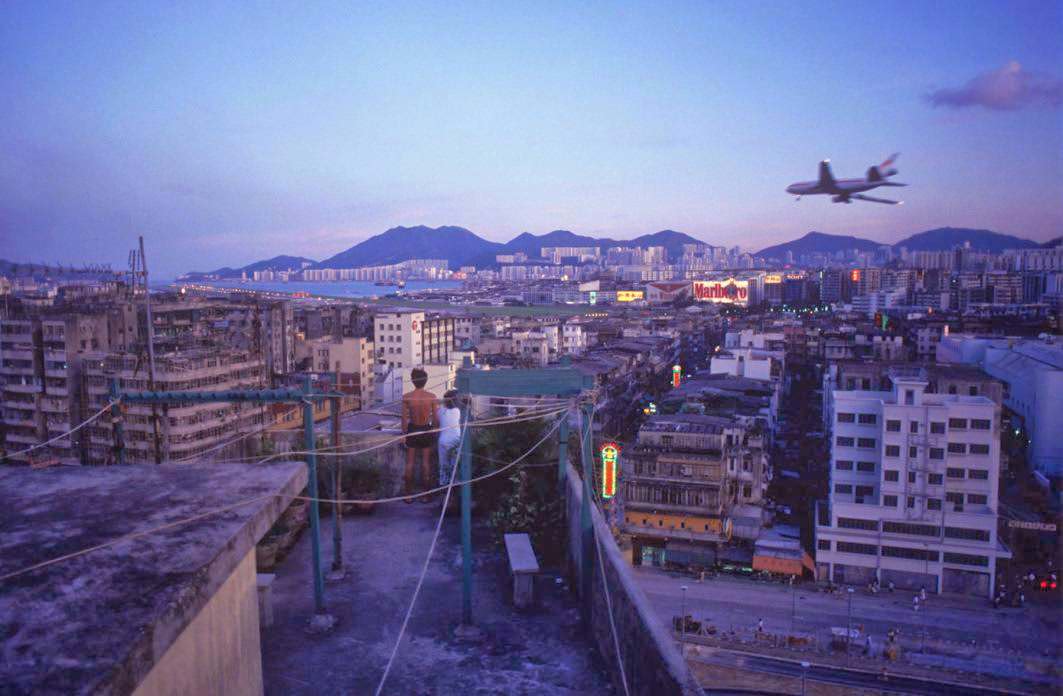
In the 1980s, Kowloon Walled City stood as one of the most densely packed places on Earth. Located in Hong Kong, it held over 30,000 residents within a single city block. More than 300 high-rise buildings were crammed together, none of them designed by a licensed architect. The result was an almost living structure — floors stacked on floors, walls fused to walls.
A legal loophole rooted in colonial history left the Walled City in a gray zone between British Hong Kong and Chinese jurisdiction. Neither side governed it closely. That absence of oversight let the settlement grow without planning codes, building permits, or government services of any kind.
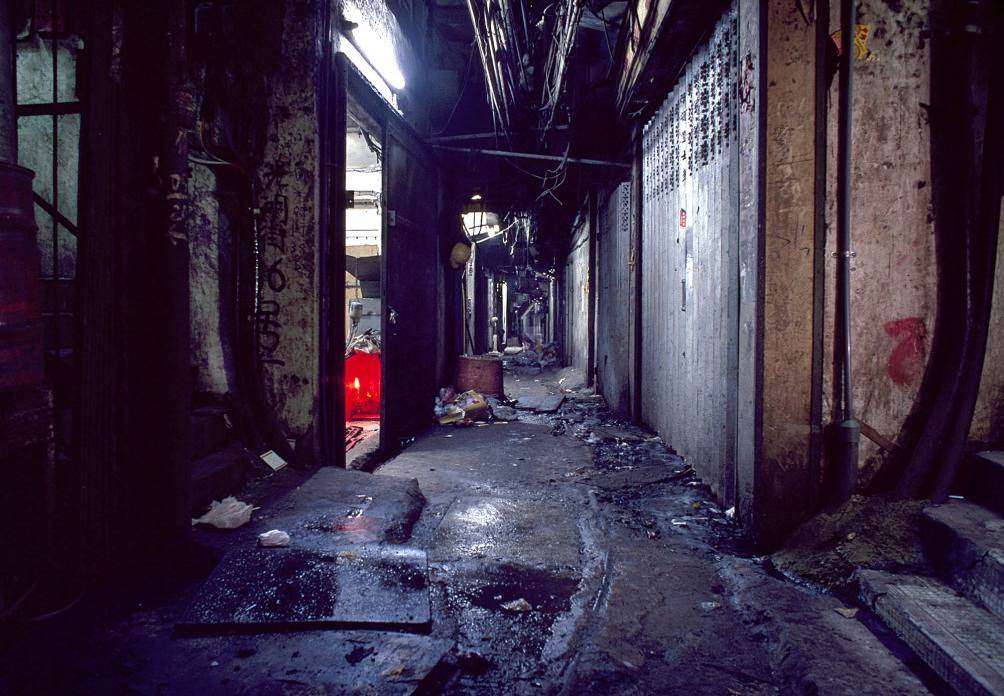
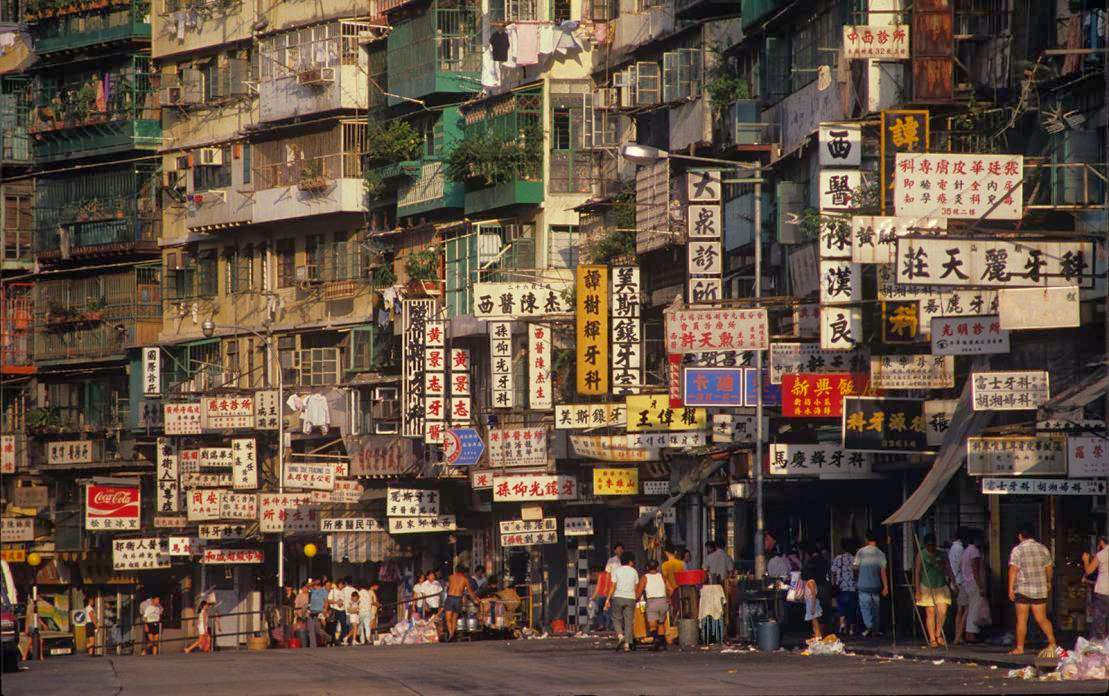
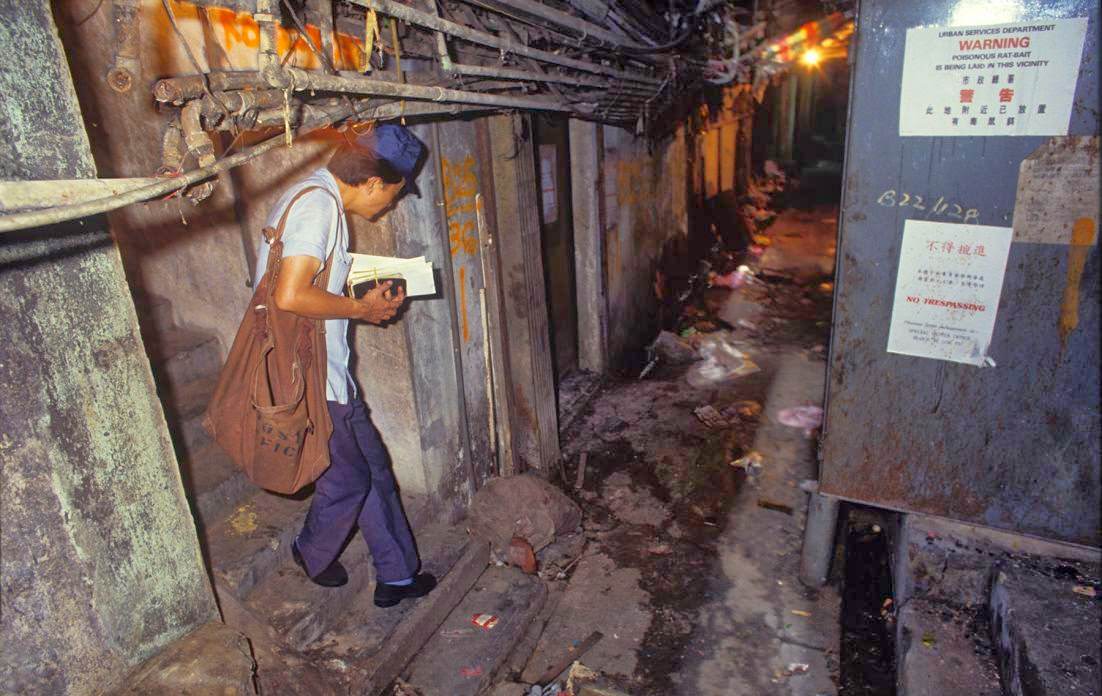
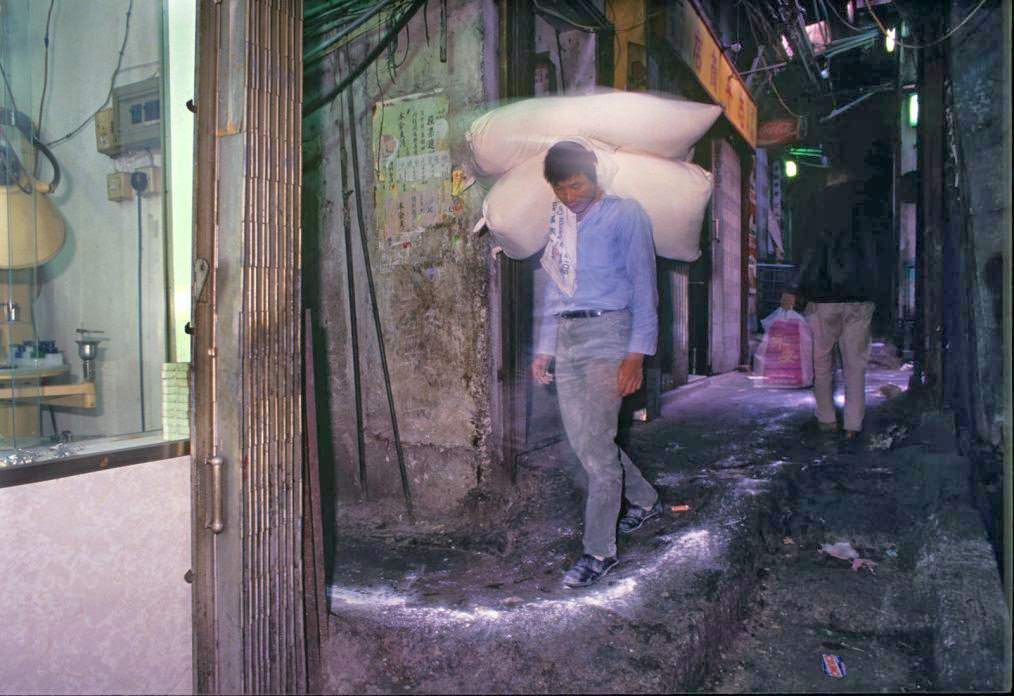
Buildings rose up to 14 stories high, pressed so tightly together that sunlight never reached the lower levels. The alleys between structures were sometimes only a few feet wide. Fluorescent lights and bare bulbs ran constantly, giving the lower corridors a dim, permanent glow around the clock.
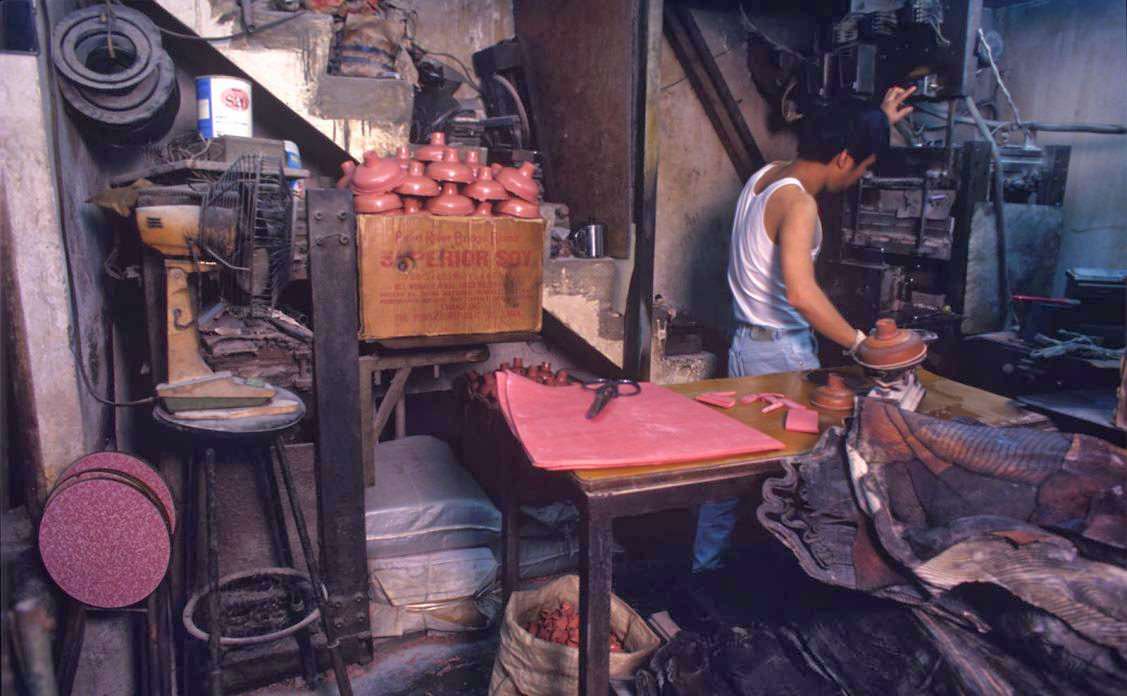
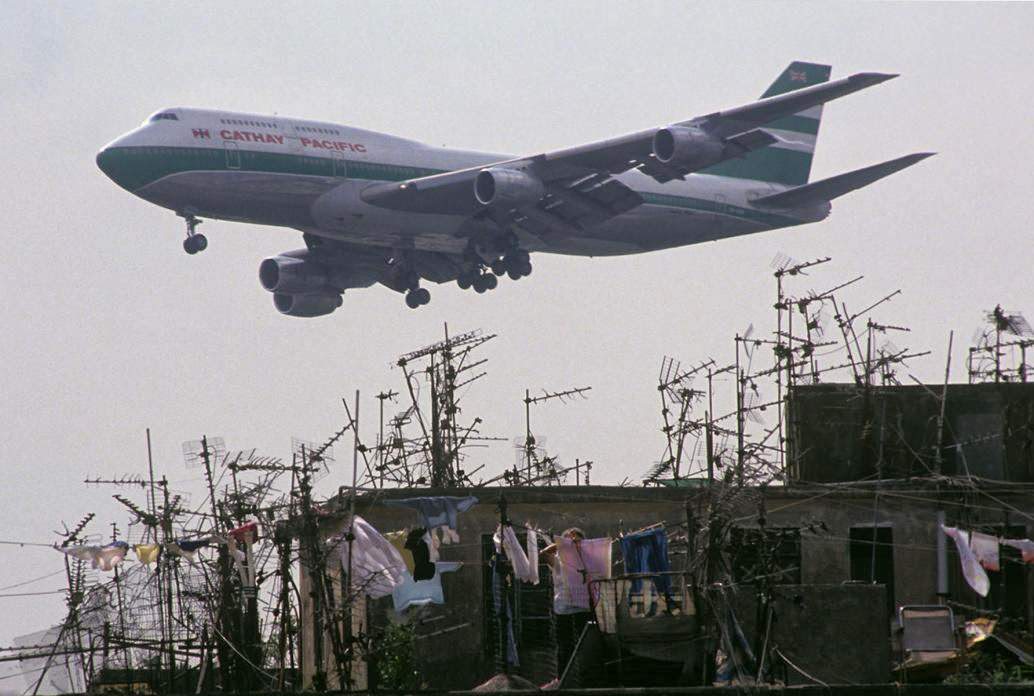
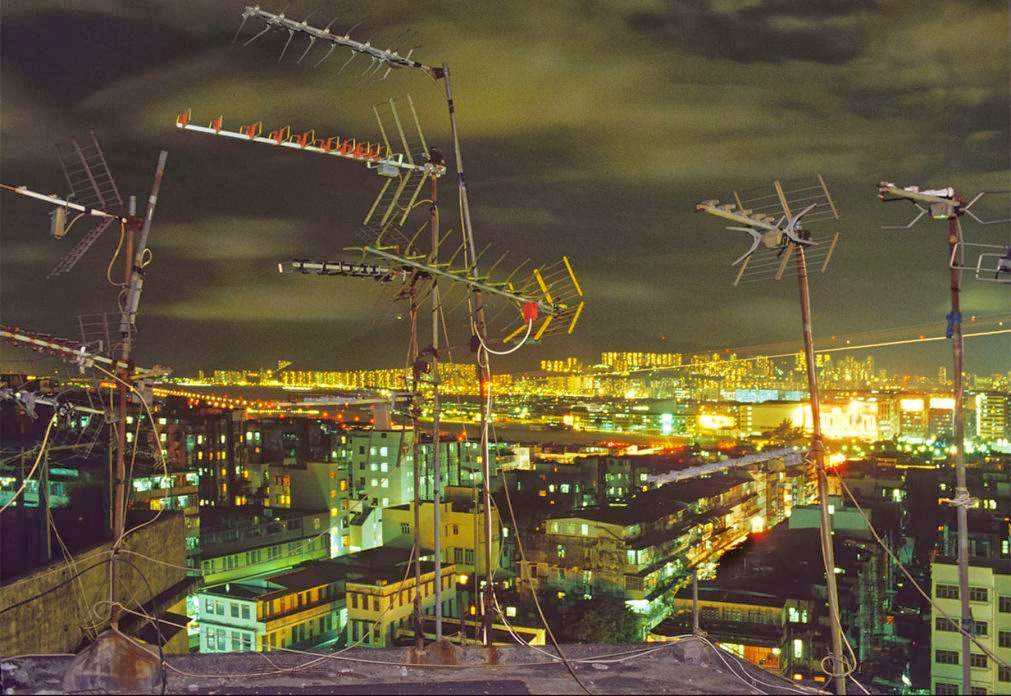
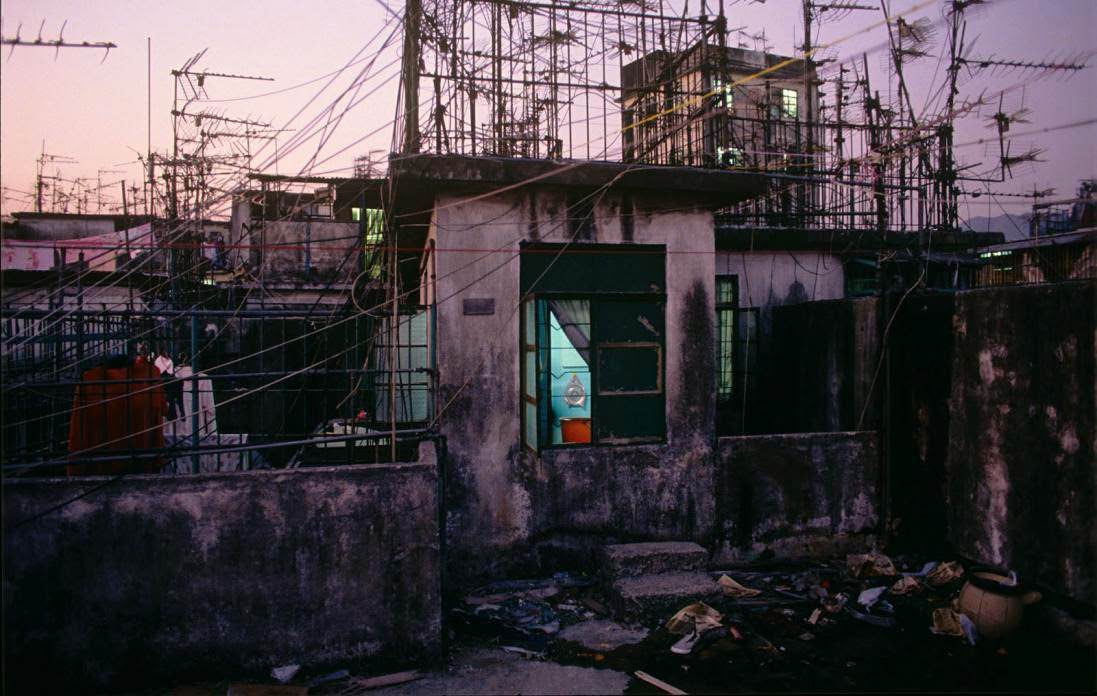
All infrastructure was built and maintained by residents themselves. Exposed pipes carried water through the complex, frequently leaking onto walkways below. Electrical wiring pulled from the main Hong Kong grid ran in tangled, hazardous lines strung between walls. Garbage, with no collection system, was dumped into air shafts or piled on rooftops.
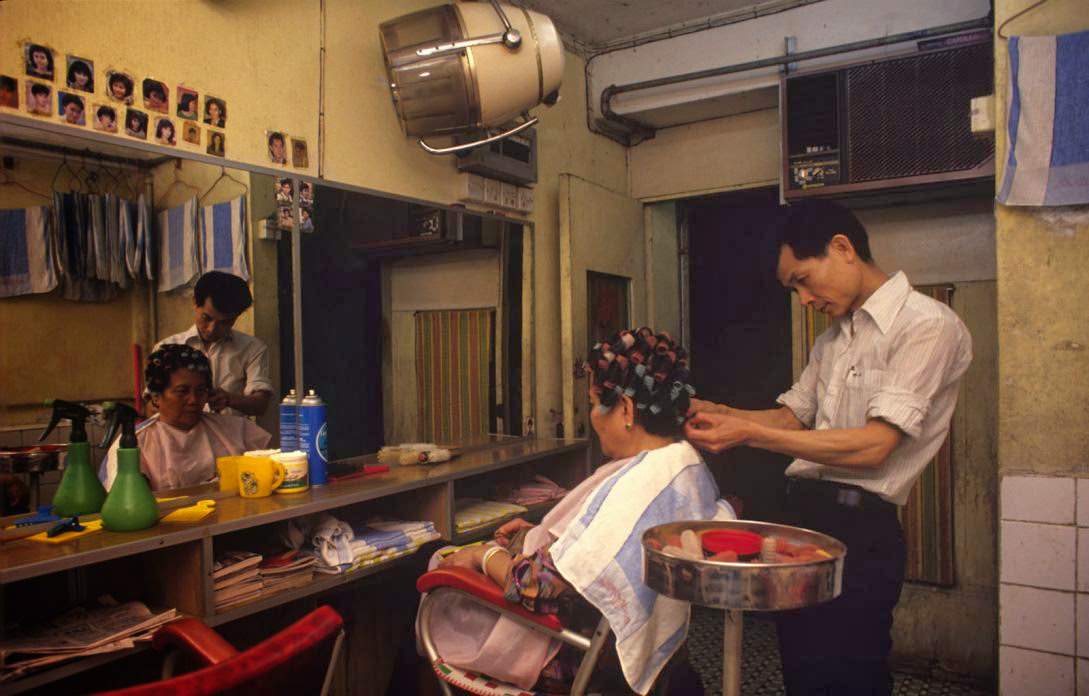

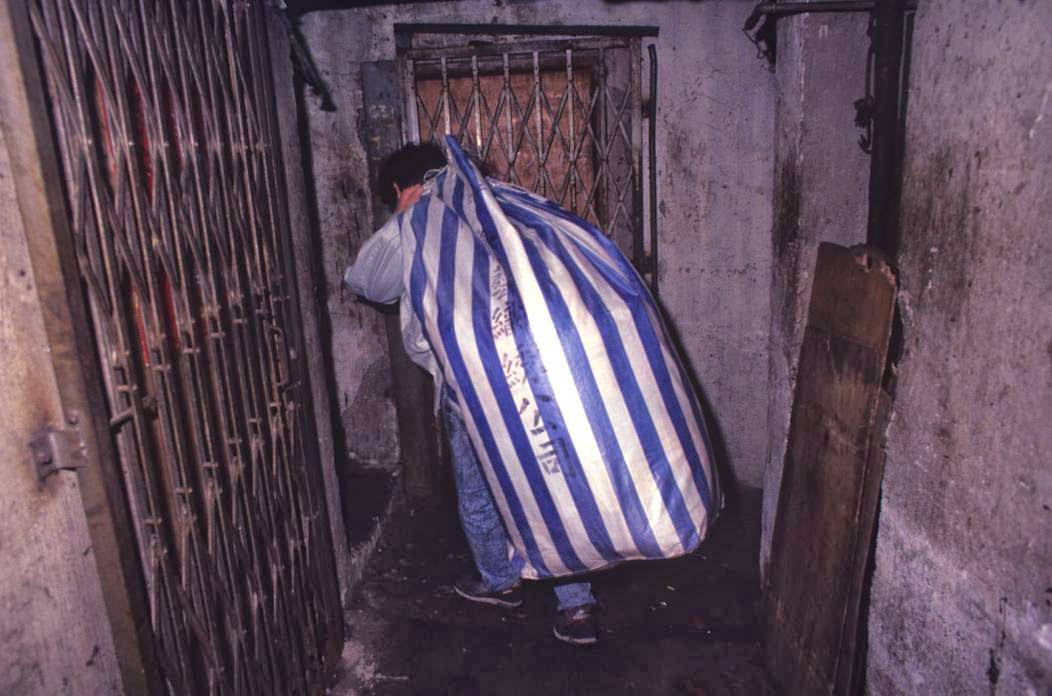
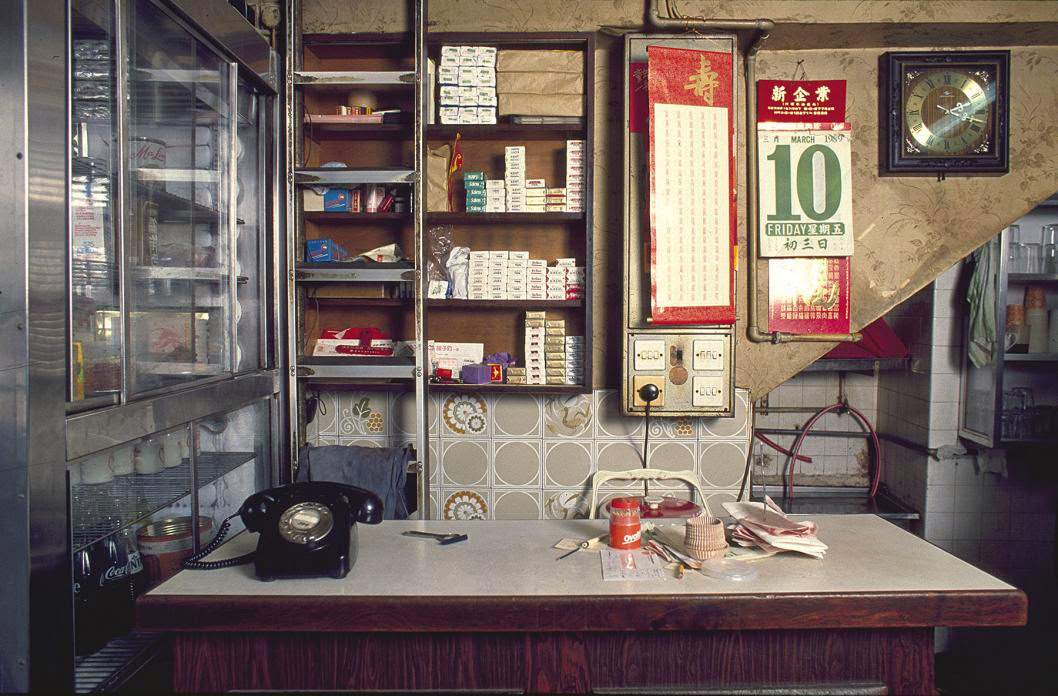
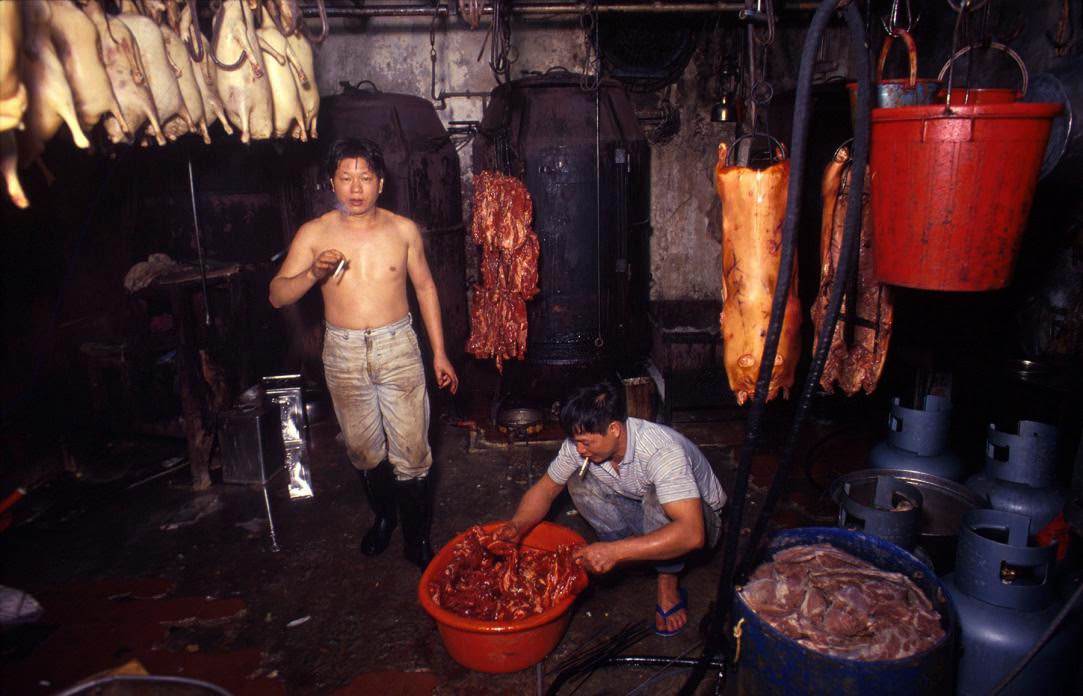
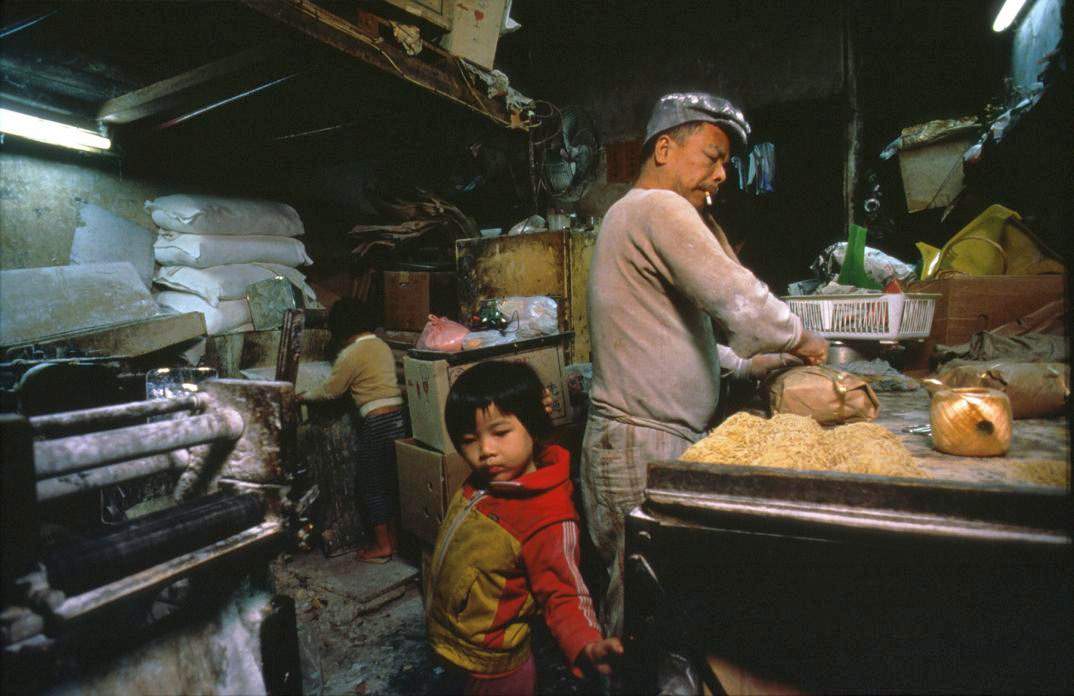
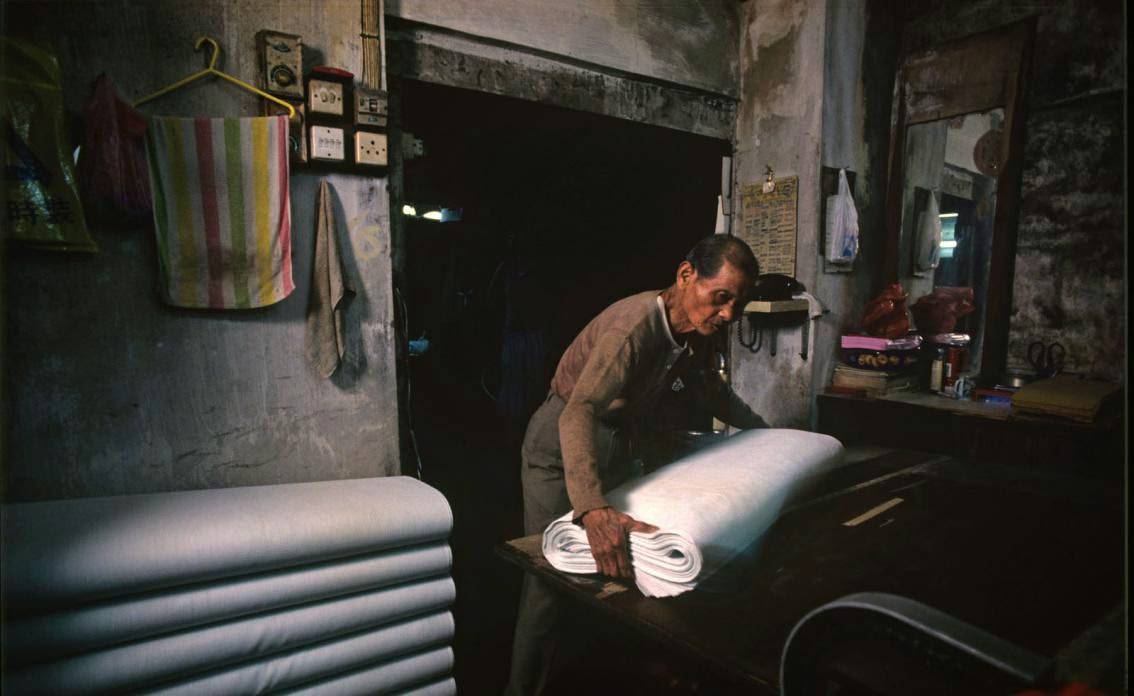
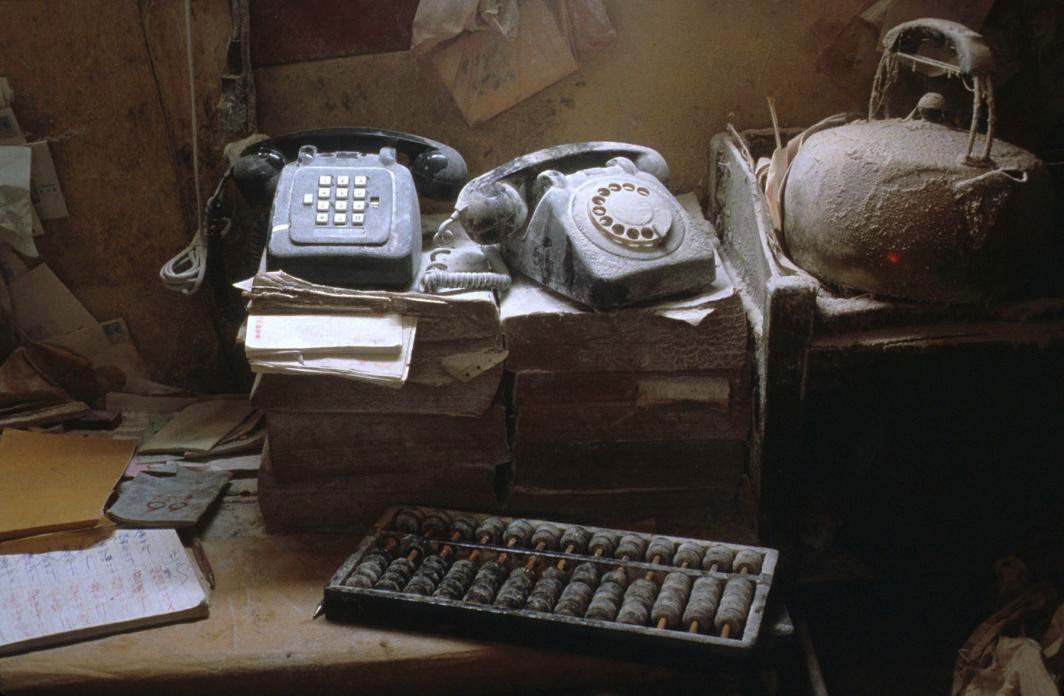
Despite the chaos, the Walled City ran a busy internal economy. Ground-floor spaces held small factories churning out fish balls, noodles, and textiles. Grocery stores, barbershops, and tiny restaurants served the local population day and night. The sounds of mahjong tiles and factory machinery filled the narrow passageways at all hours.
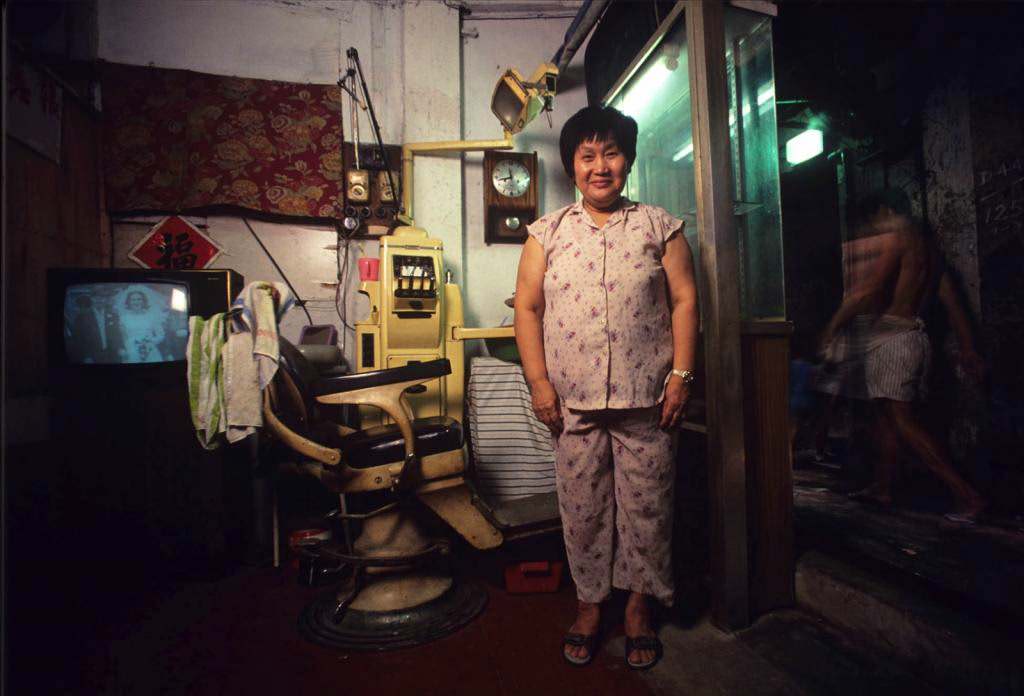
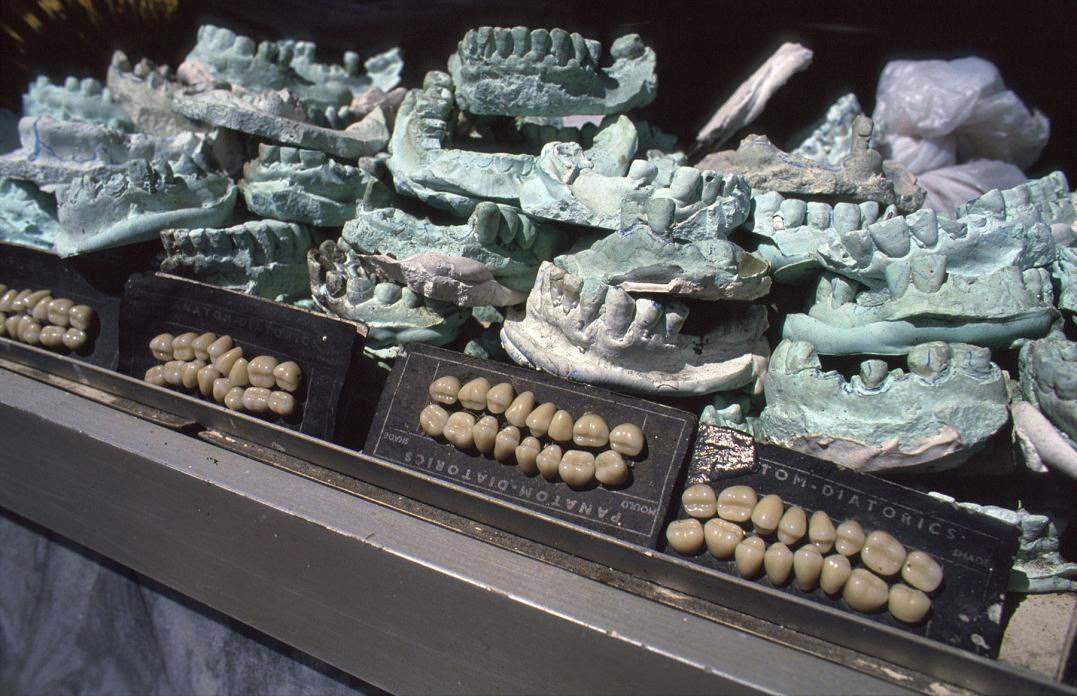
Because government licensing did not apply inside the Walled City, doctors and dentists who were barred from practicing elsewhere in Hong Kong set up clinics there. These practitioners offered medical and dental care to residents at rates far lower than what was available outside the settlement.
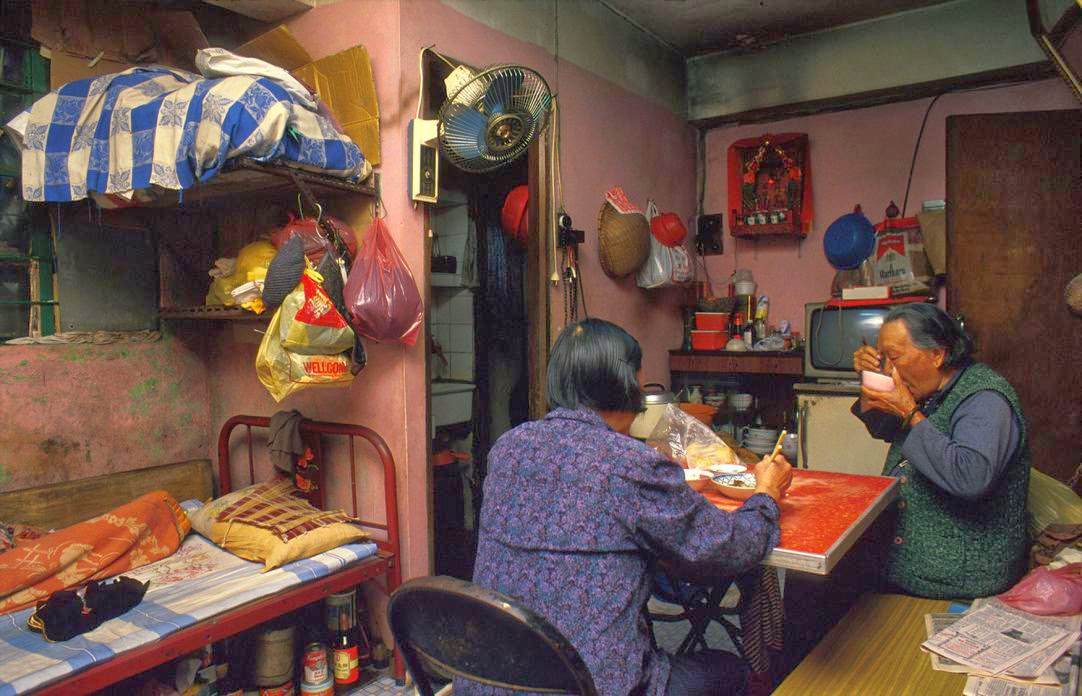
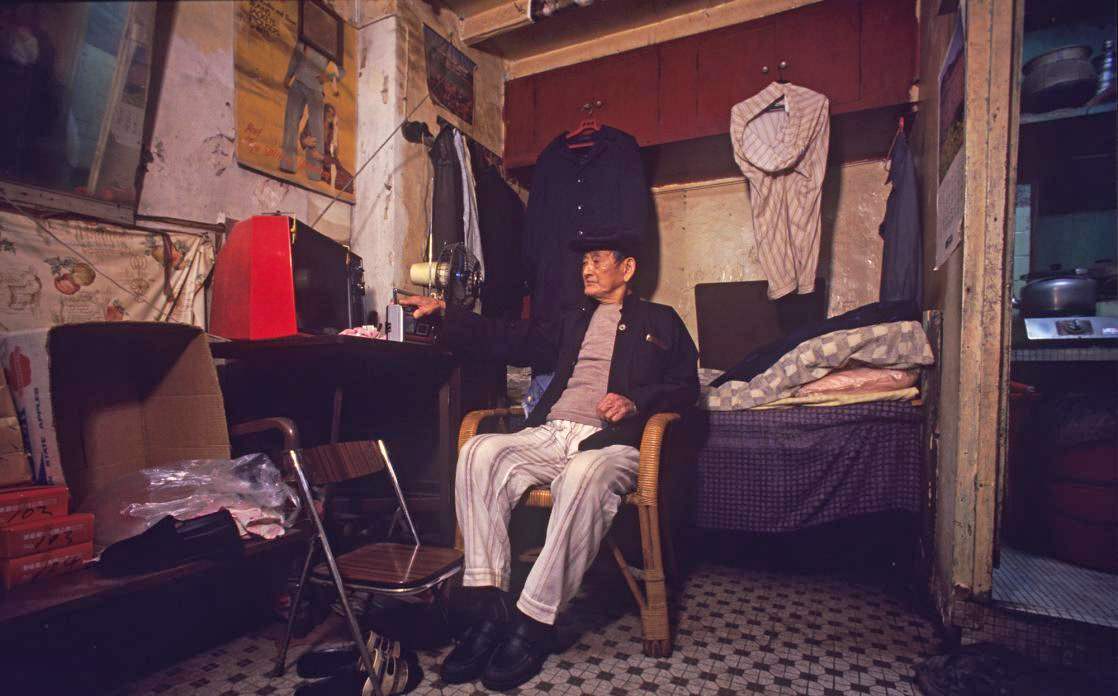
Apartments averaged just a few hundred square feet. Families built sleeping lofts to use vertical space, fitting entire households into rooms most people would consider a storage closet. Life was genuinely lived upward — not just in spirit, but in physical layout.
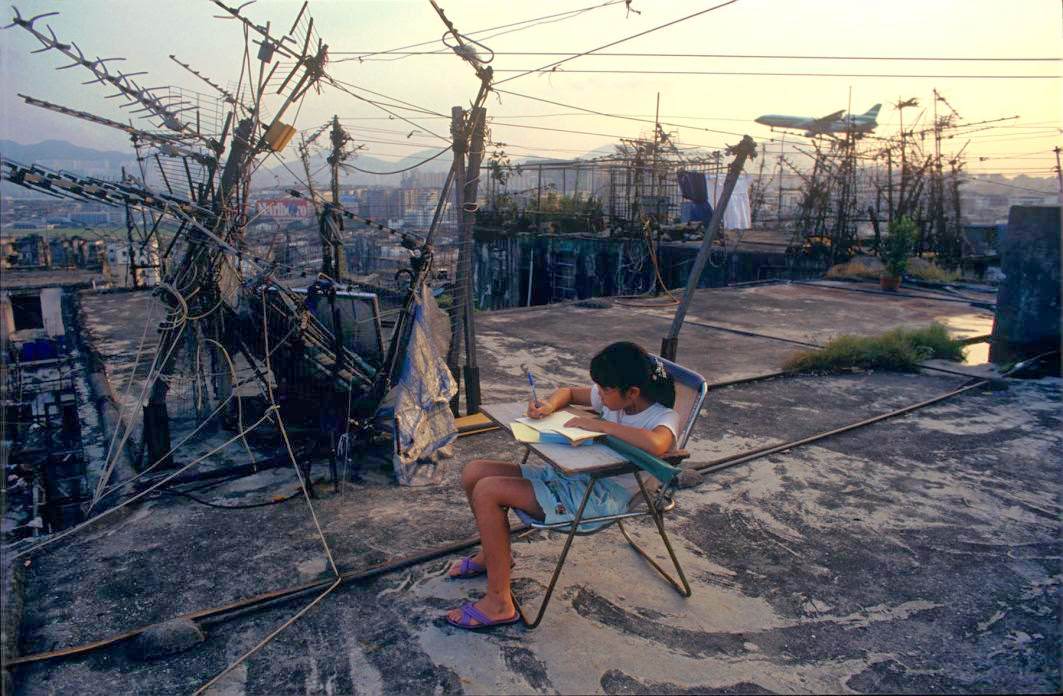
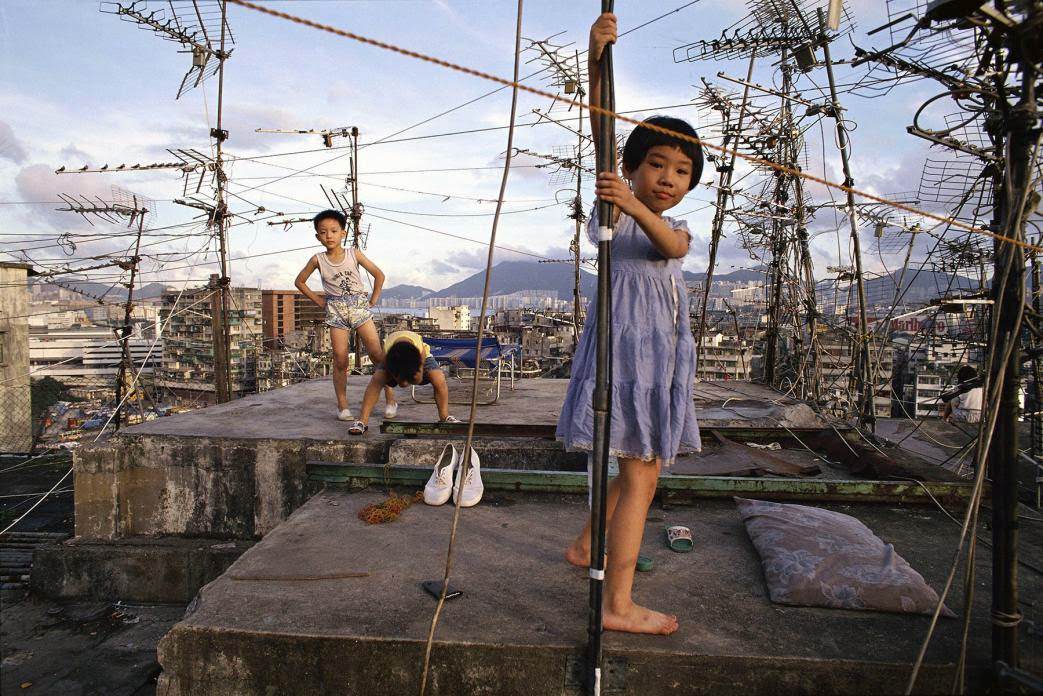
The rooftops served as the city’s communal outdoor space. Children played there, above the tangle of the buildings below. It was the one place where fresh air and natural light were available. For many residents, the rooftop was the closest thing to a park or open yard they had.
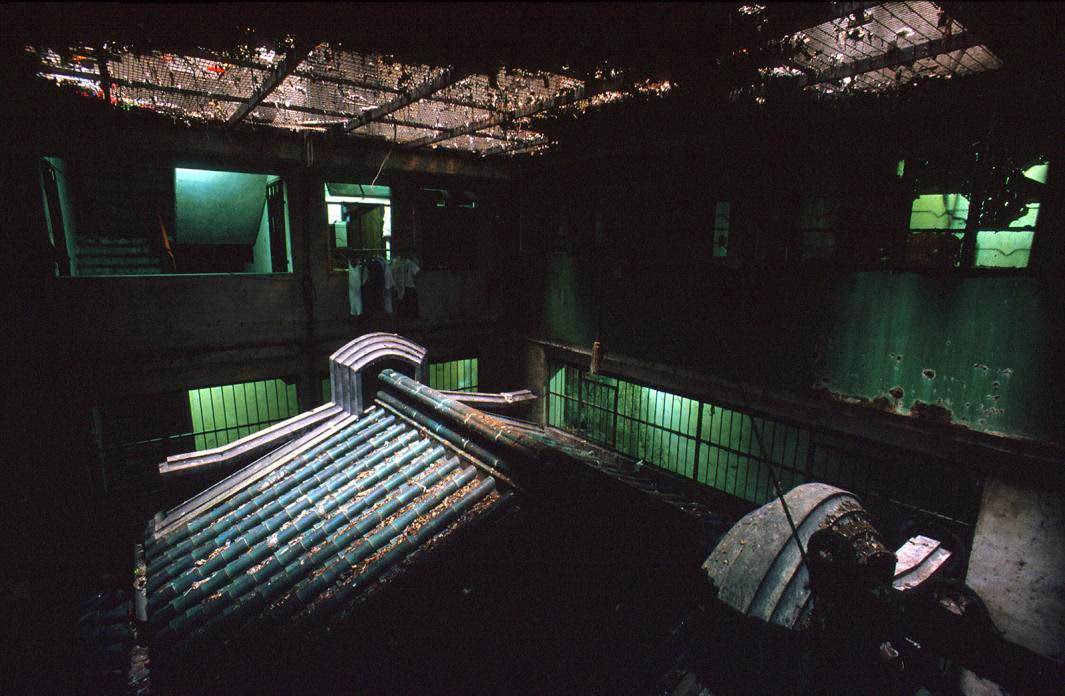
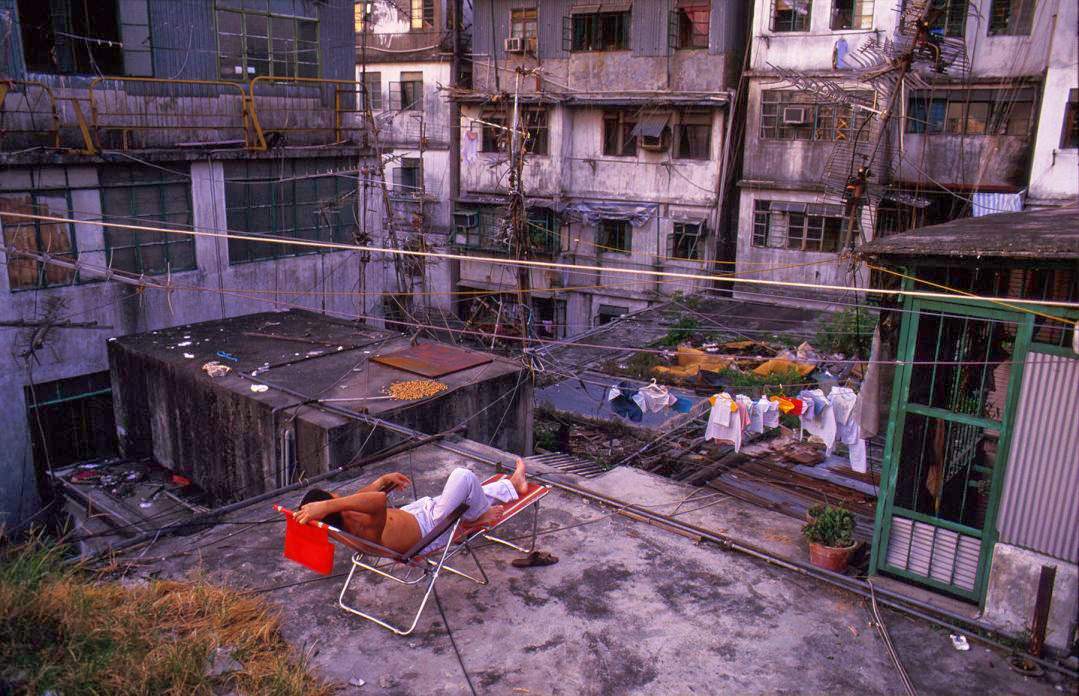
Resident associations stepped in where government never did. They handled disputes, organized basic services, and held the community together. While Triad gangs did operate within the city and crime was present, most of the 30,000 residents were working-class people who lived there because it was affordable.
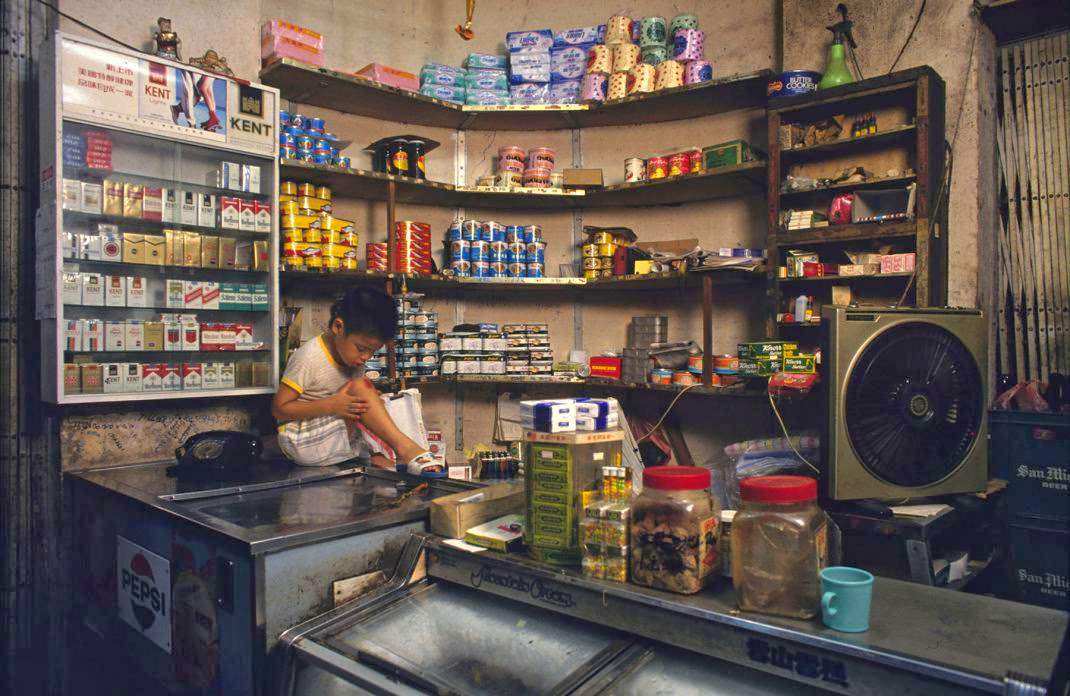
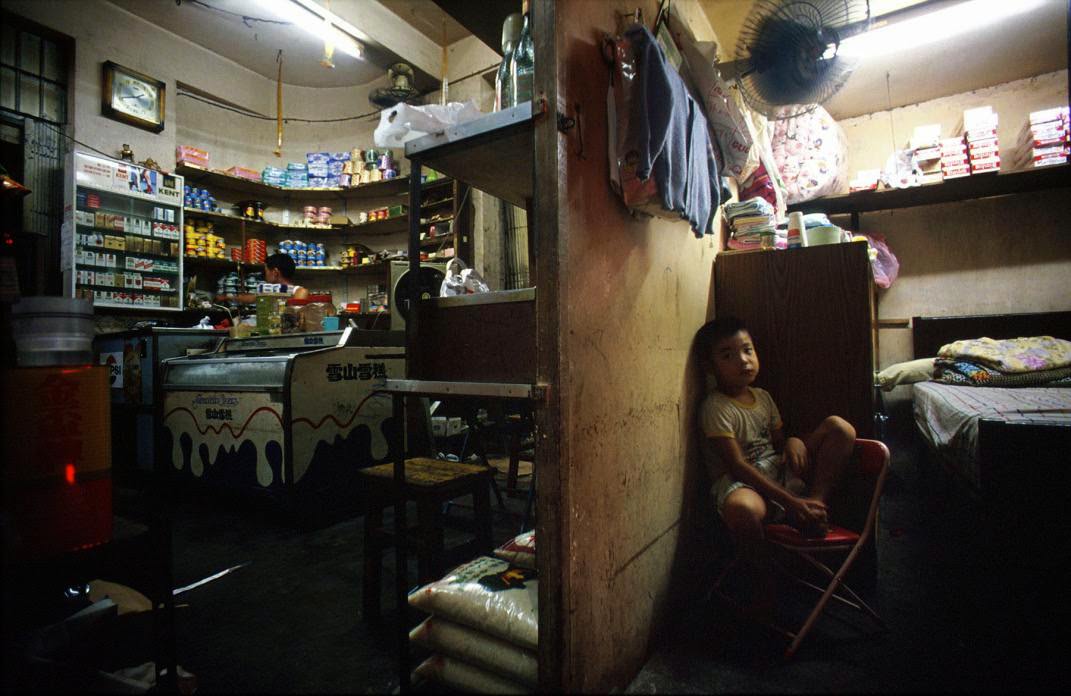
Photographers Greg Girard and Ian Lambot spent years inside the Walled City documenting everyday life before its demolition in 1992. Their work captured the full picture — not just the disorder, but the tight-knit community that had grown within it.