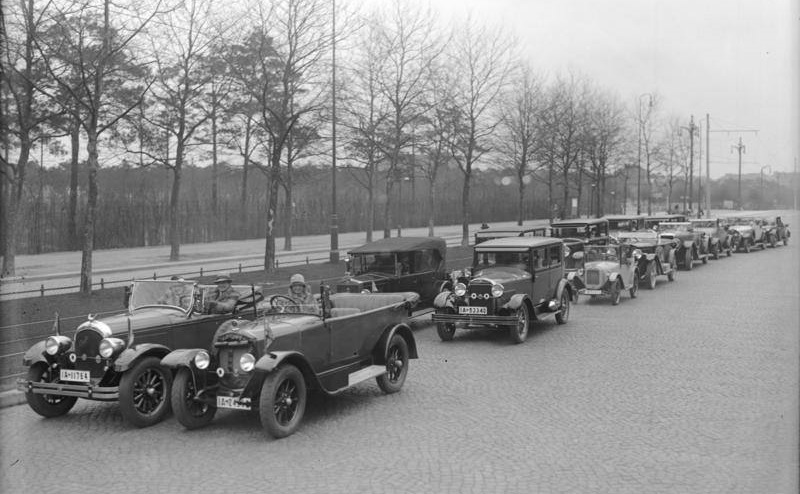
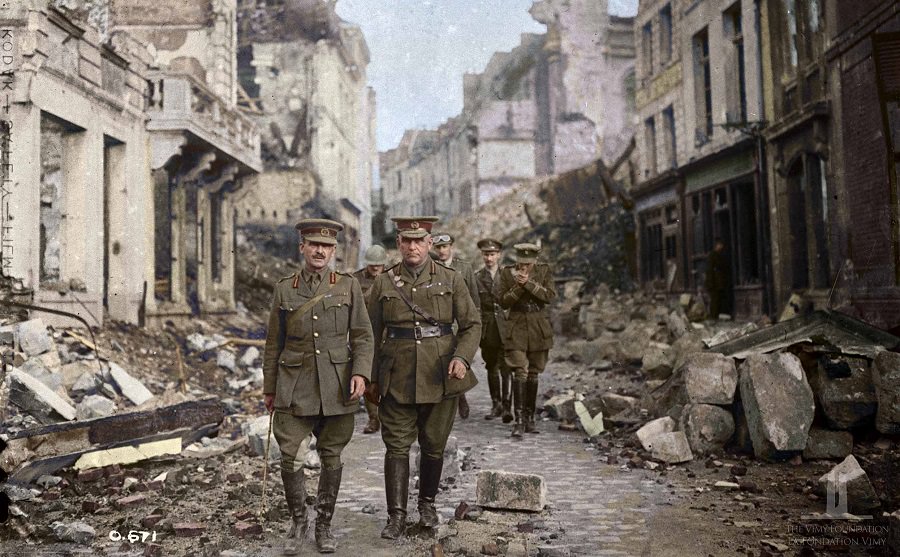
When World War I broke out in 1914, the departure of millions of men into uniform left a gaping hole in the workforce. Industries that kept nations running — farms, factories, railways, and transport networks — suddenly had far too few hands. Women filled that gap, and they did it fast. Across Britain, the United States, and Europe, women moved into jobs that had never before been open to them, reshaping the working world in just a few short years.
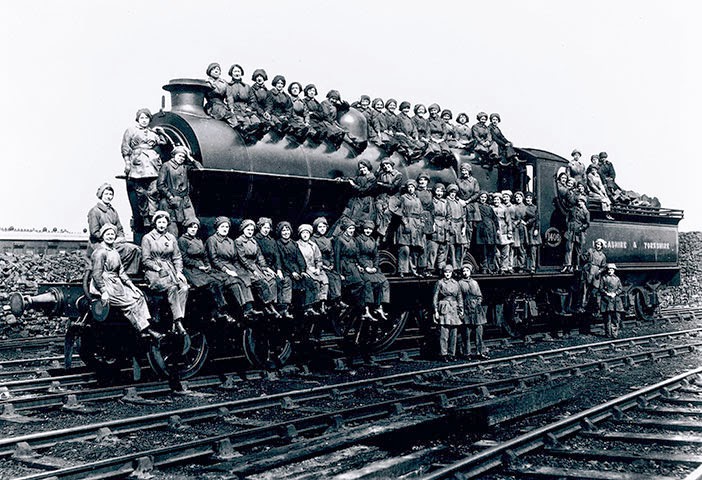
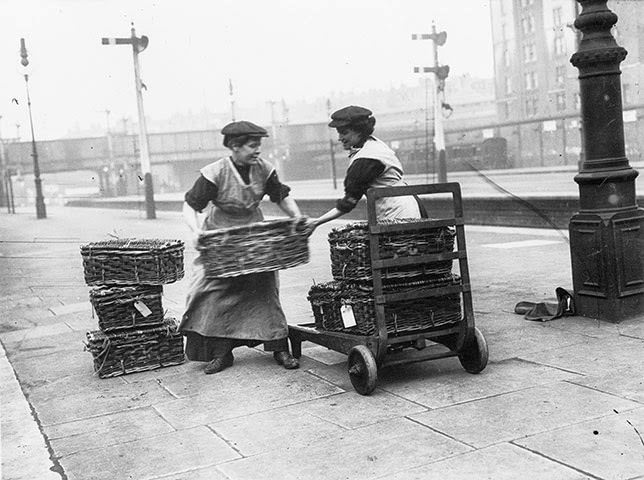
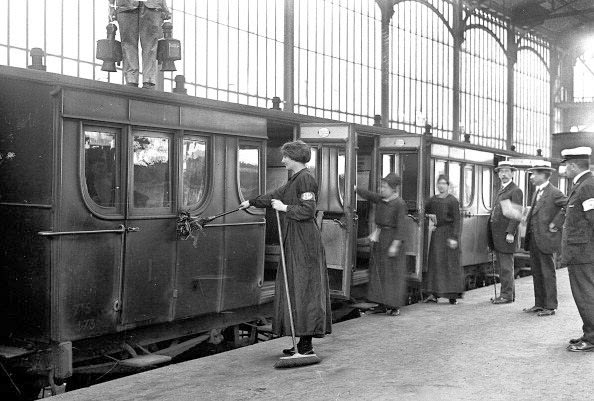
The railways were one of the first sectors to bring women on board in large numbers. Women took on roles as porters, engineers’ assistants, and station staff — positions that required real physical effort and practical skill.
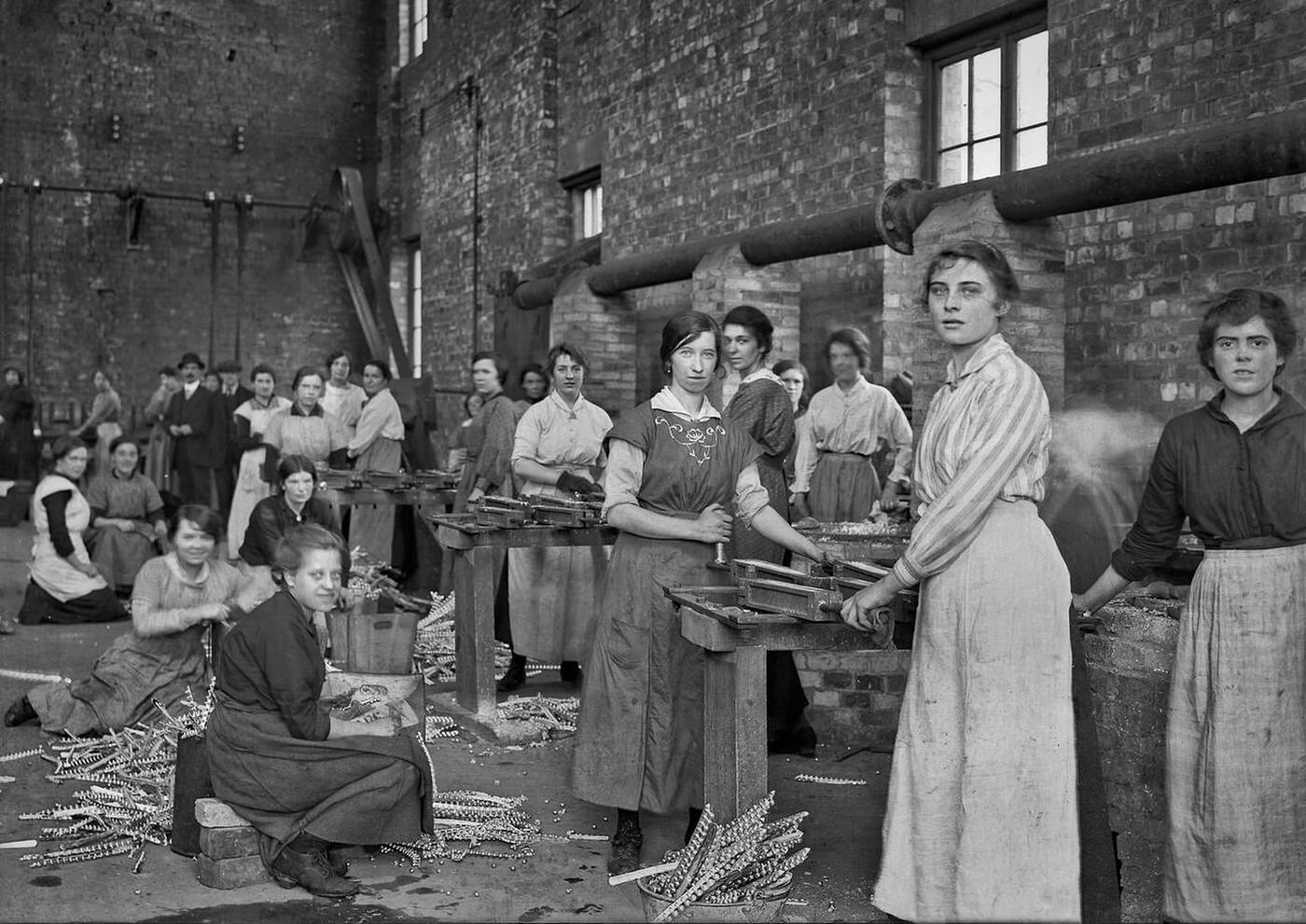
Of all the wartime roles women took on, none was more dangerous than working in a munitions factory. In Britain alone, nearly one million women were employed in munitions production by 1918. Known as “munitionettes,” they manufactured the shells and bullets that soldiers at the front depended on. The work was exhausting, repetitive, and carried serious health risks. Workers handled trinitrotoluene — TNT — on a daily basis. Prolonged exposure caused toxic jaundice, a condition that turned the skin a vivid yellow, earning the workers the nickname “Canary Girls.” During the war, 400 cases of toxic jaundice were recorded, and roughly a quarter of those cases were fatal.
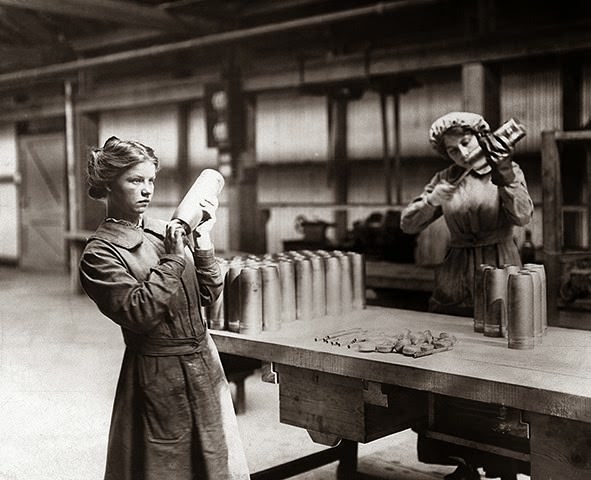
Beyond the chemical hazards, the threat of explosion was constant. In January 1917, a blast at a chemical factory in Silvertown, London, killed 73 people. In July 1918, an explosion at the National Shell Filling Factory in Chilwell, Nottinghamshire, killed 134 workers. Despite all of this, women kept showing up to their shifts, driven by patriotism and wages that were higher than anything available in domestic service.
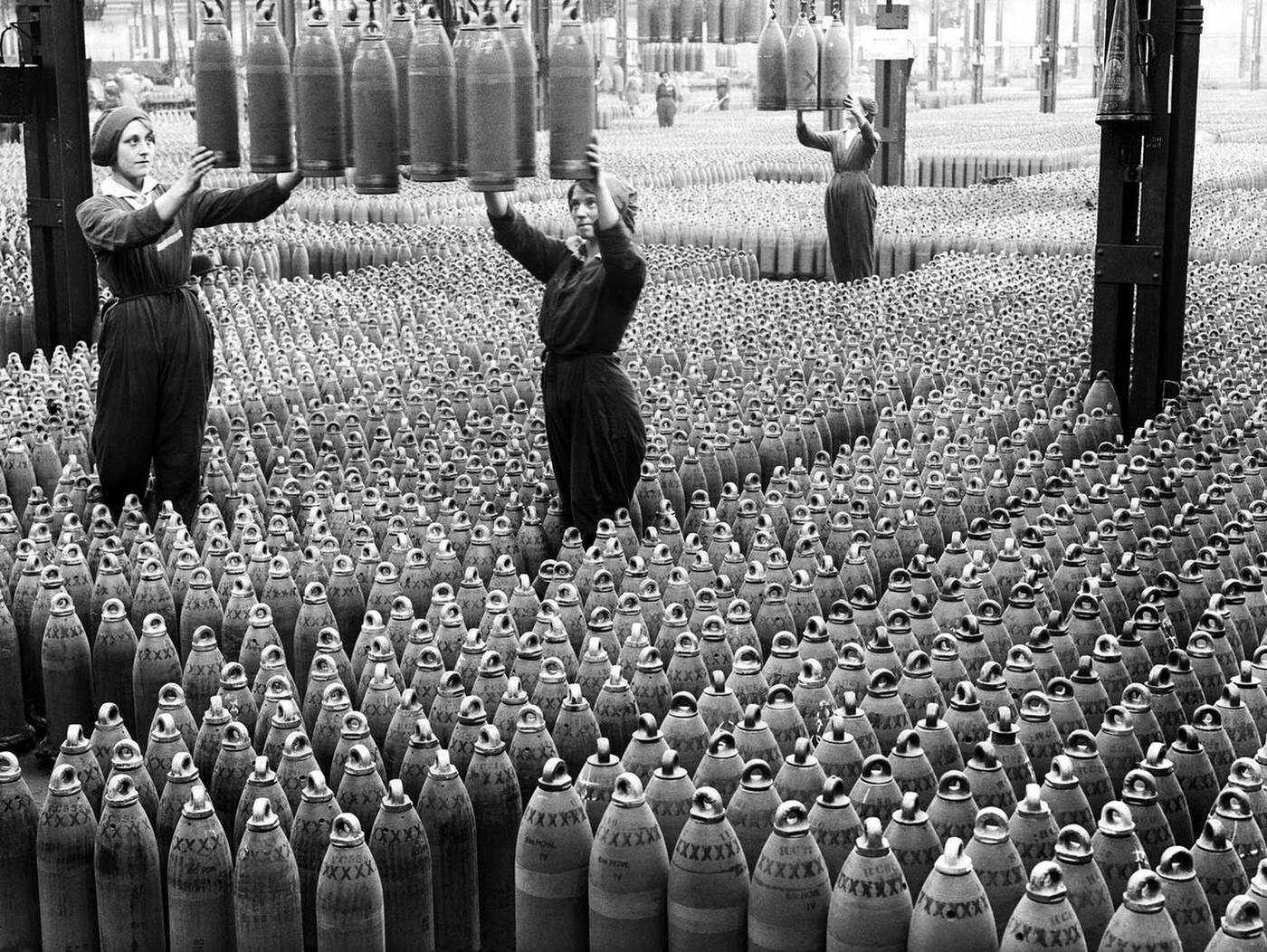
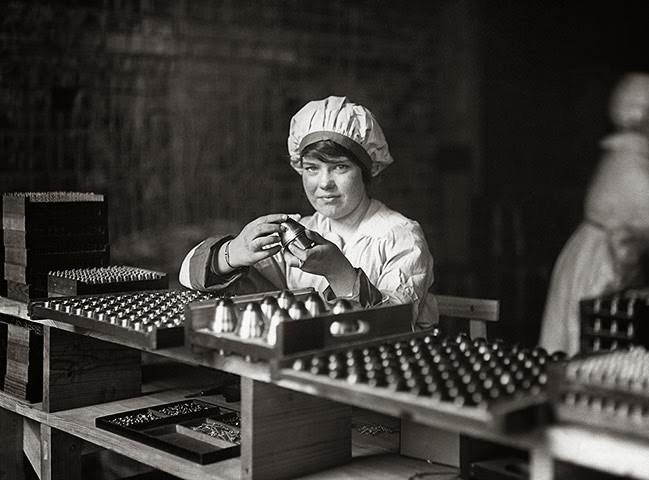
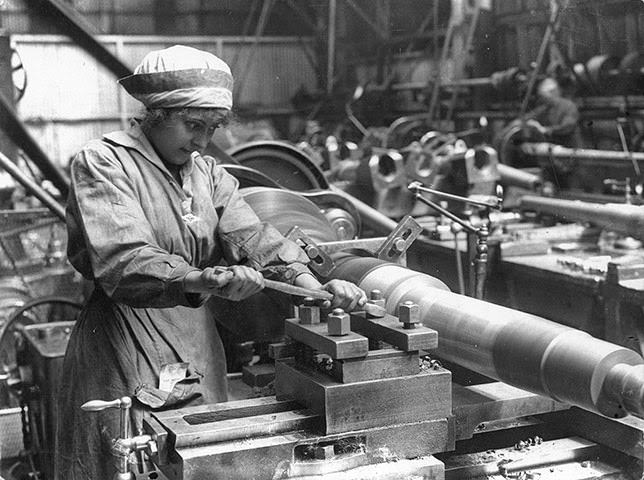
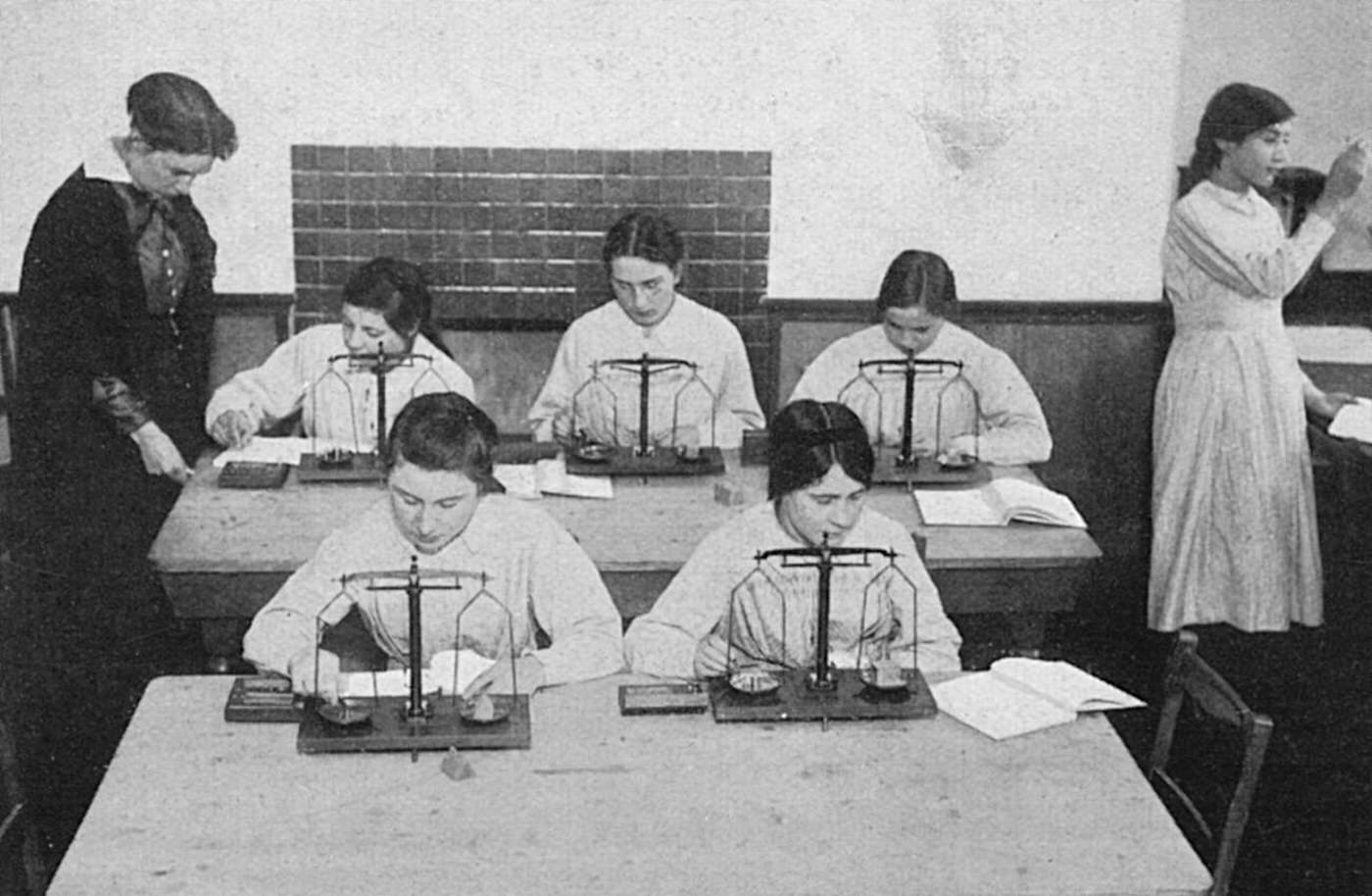
Munitions work required more than just assembly. Factories needed women trained in chemistry and engineering. Schools specifically for women chemists opened to meet that demand, ensuring factories had workers who understood the materials they were handling.
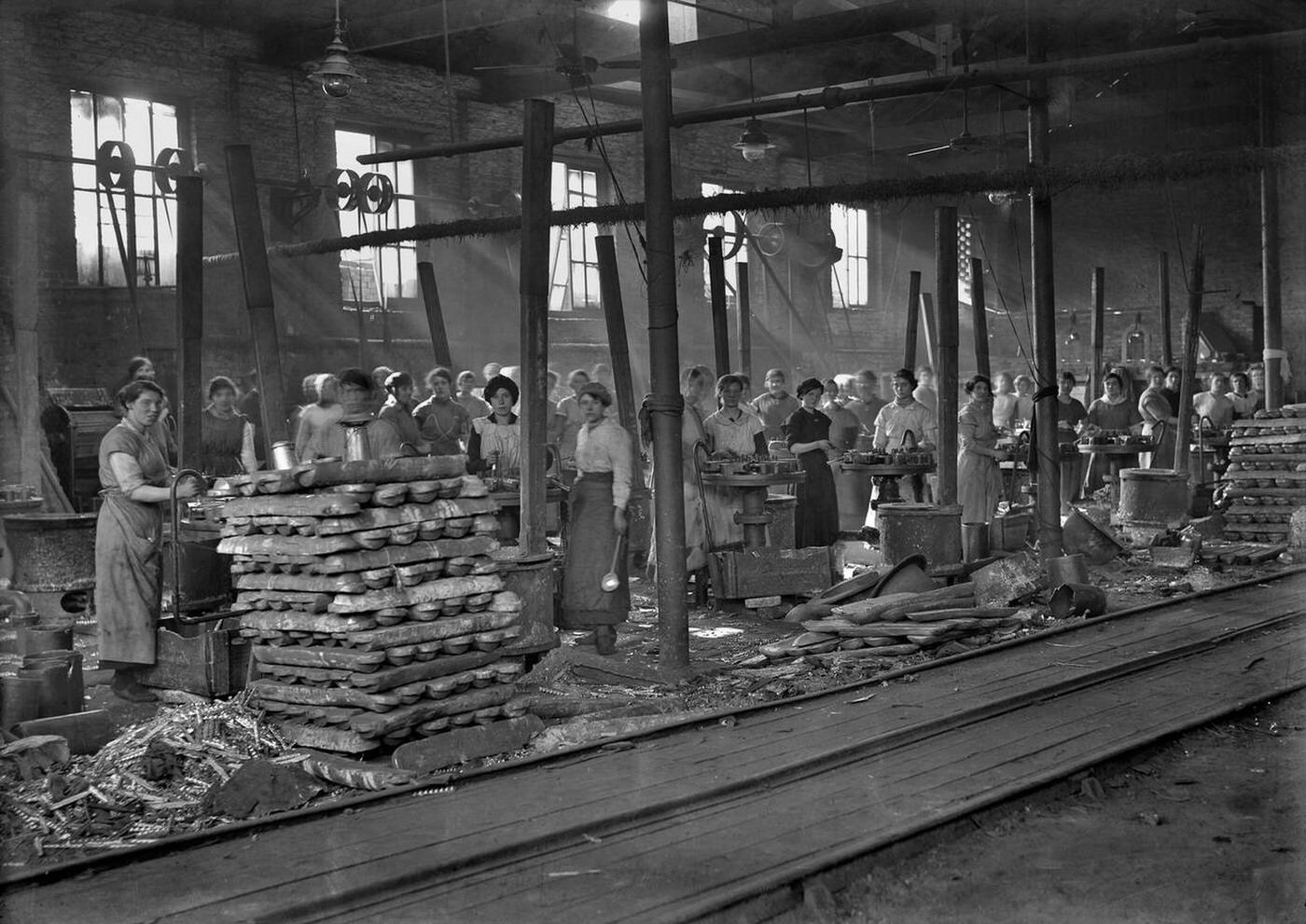
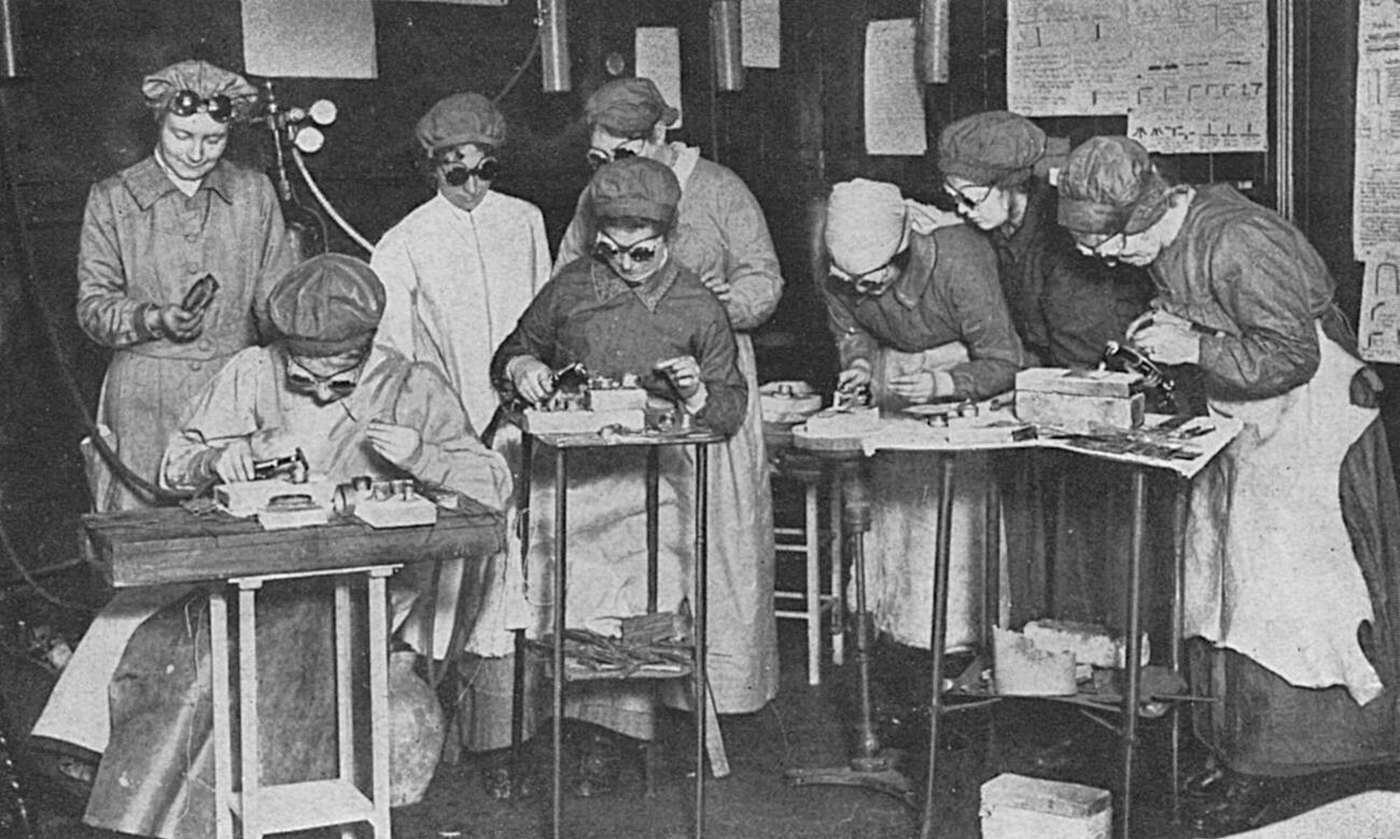
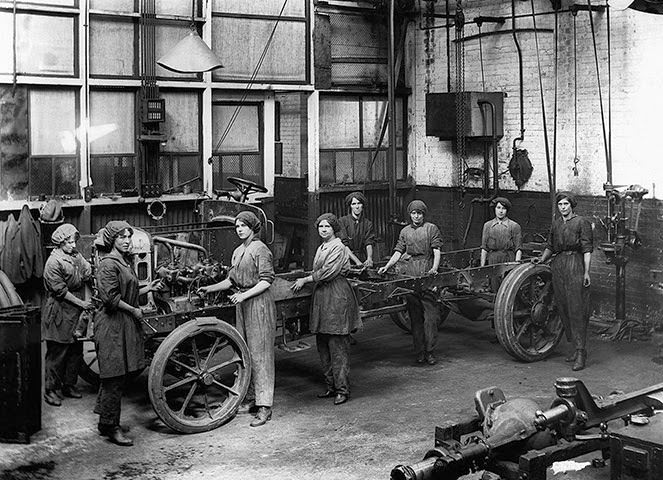
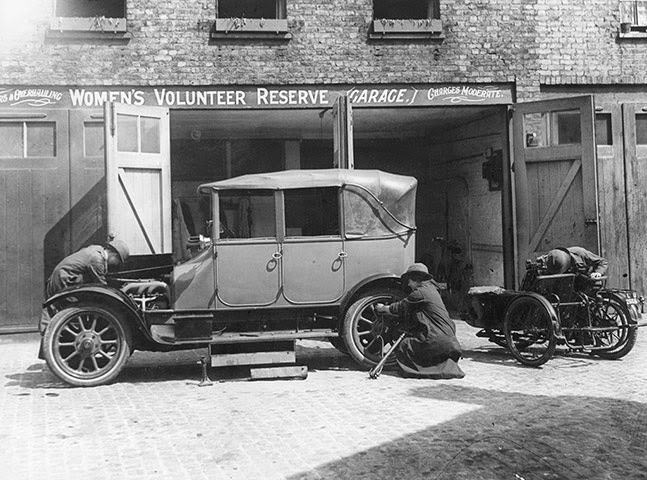
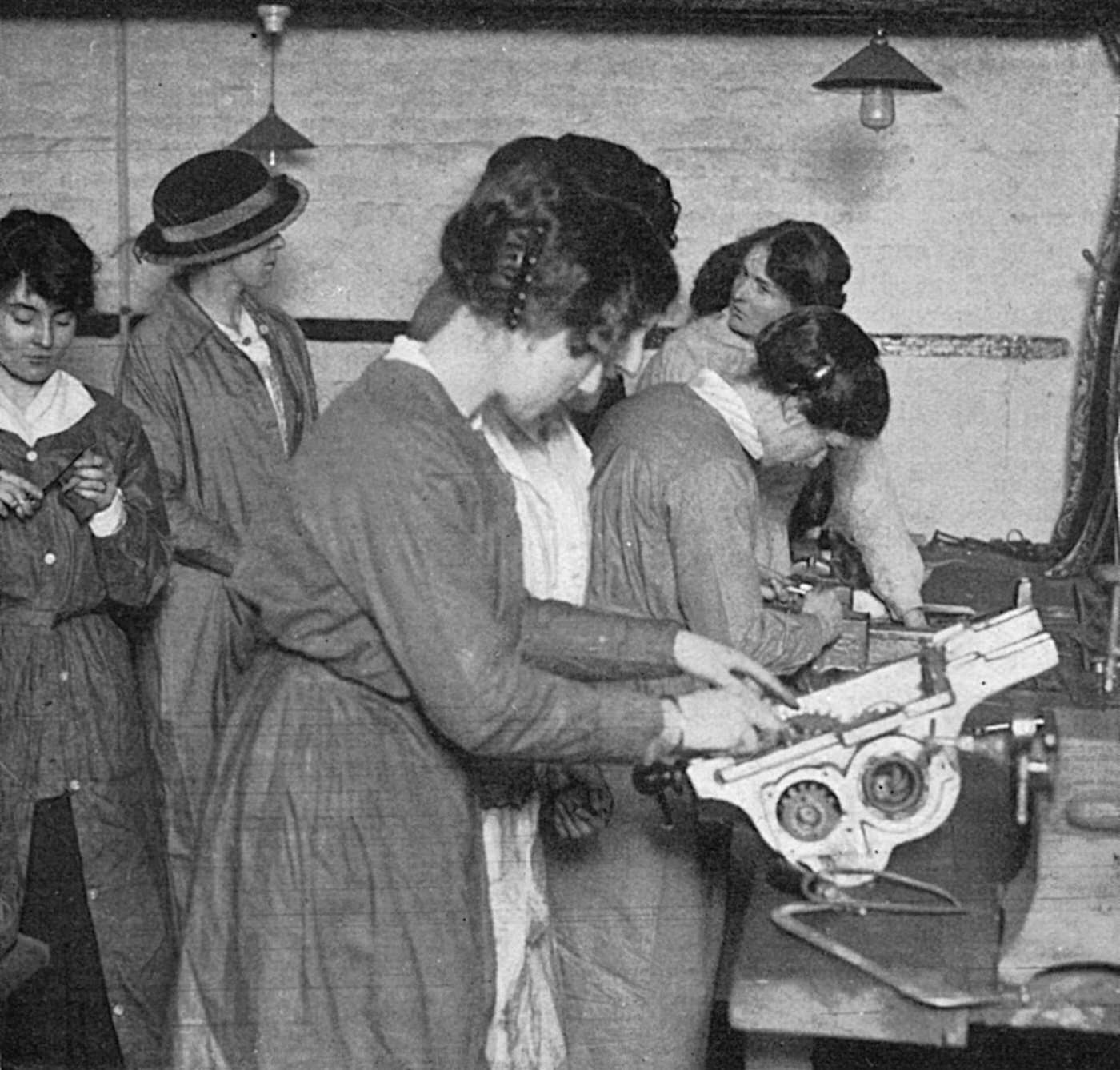
Women also entered the engineering and manufacturing sectors in force. They worked on aircraft construction, repaired vehicles, and staffed heavy engineering workshops. Classes in mechanics opened up specifically for women, training them for roles that had previously required years of male apprenticeship.
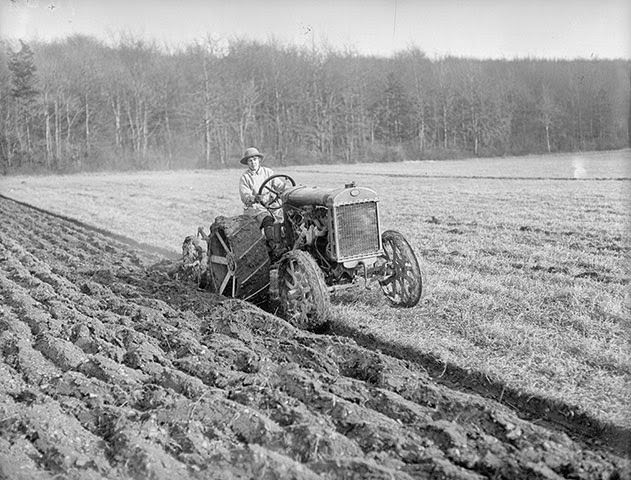
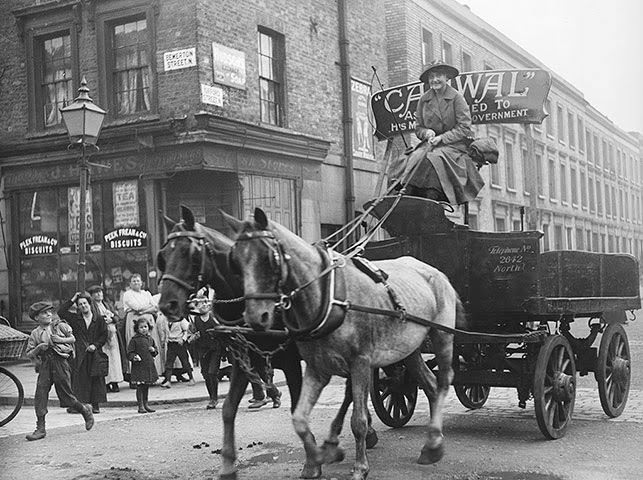
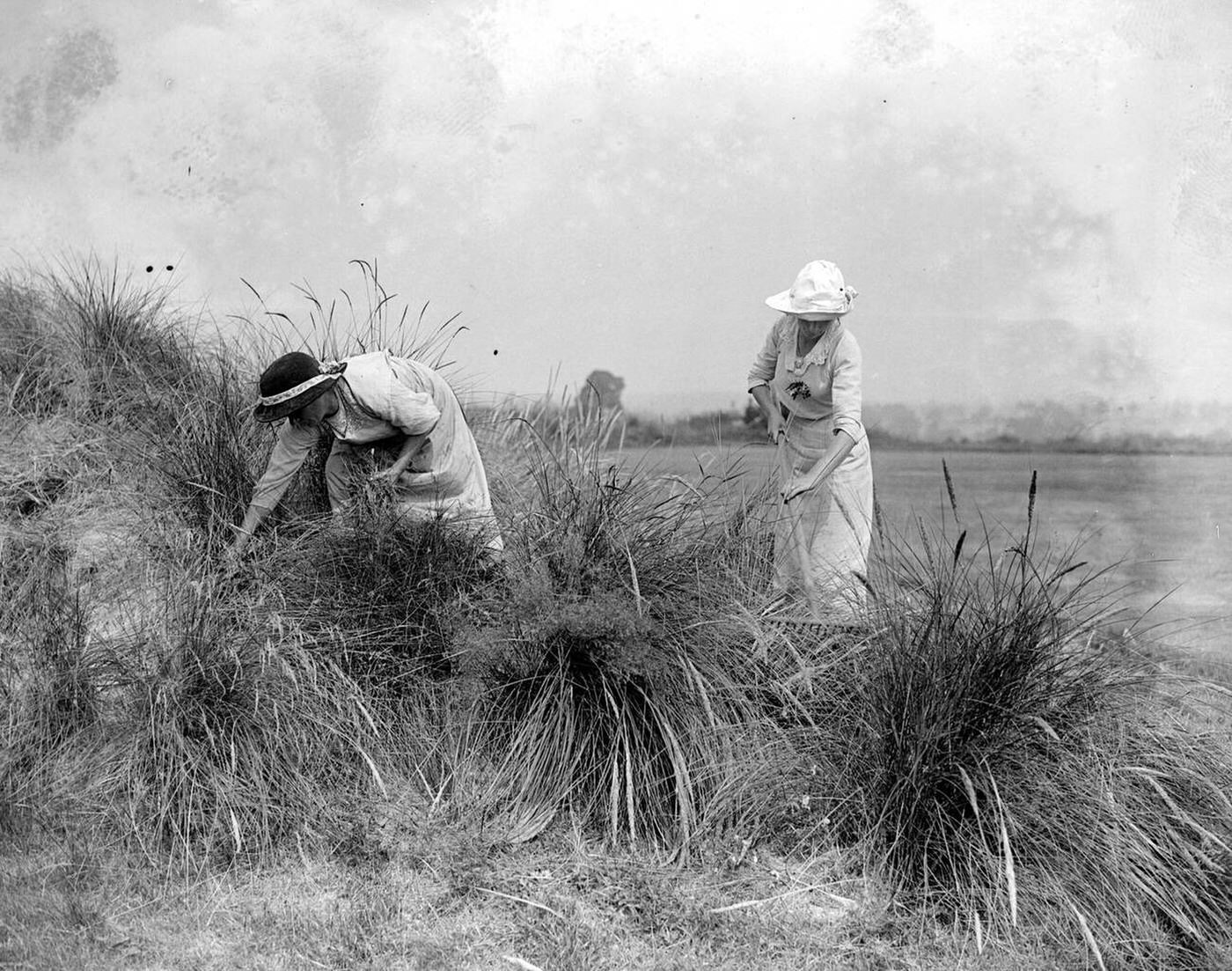
Food production was another urgent problem. With male agricultural laborers away at the front, farms across Britain faced collapse. The British government responded by establishing the Women’s Land Army (WLA) in 1917. More than 23,000 women — called “Land Girls” — volunteered to work the fields. They ploughed with horse-drawn equipment, harvested crops, milked cows by hand, and joined the Timber Corps, where they felled trees and were nicknamed “Lumber Jills.” They wore a practical uniform that included breeches instead of skirts, a genuinely radical garment for women at the time. Their work extended to pest control as well — two Land Girls were officially recognized for catching 12,000 rats in a single year.
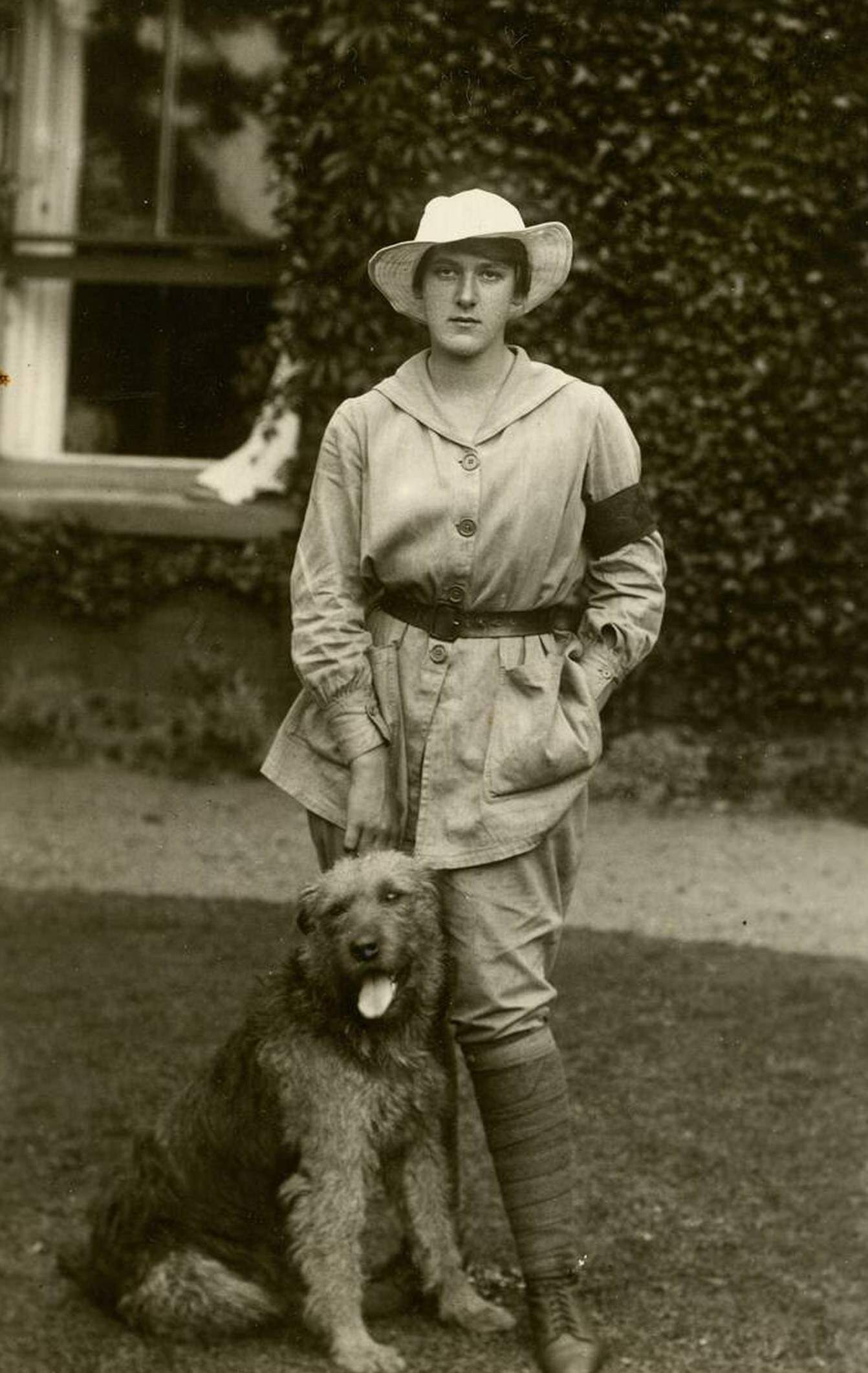
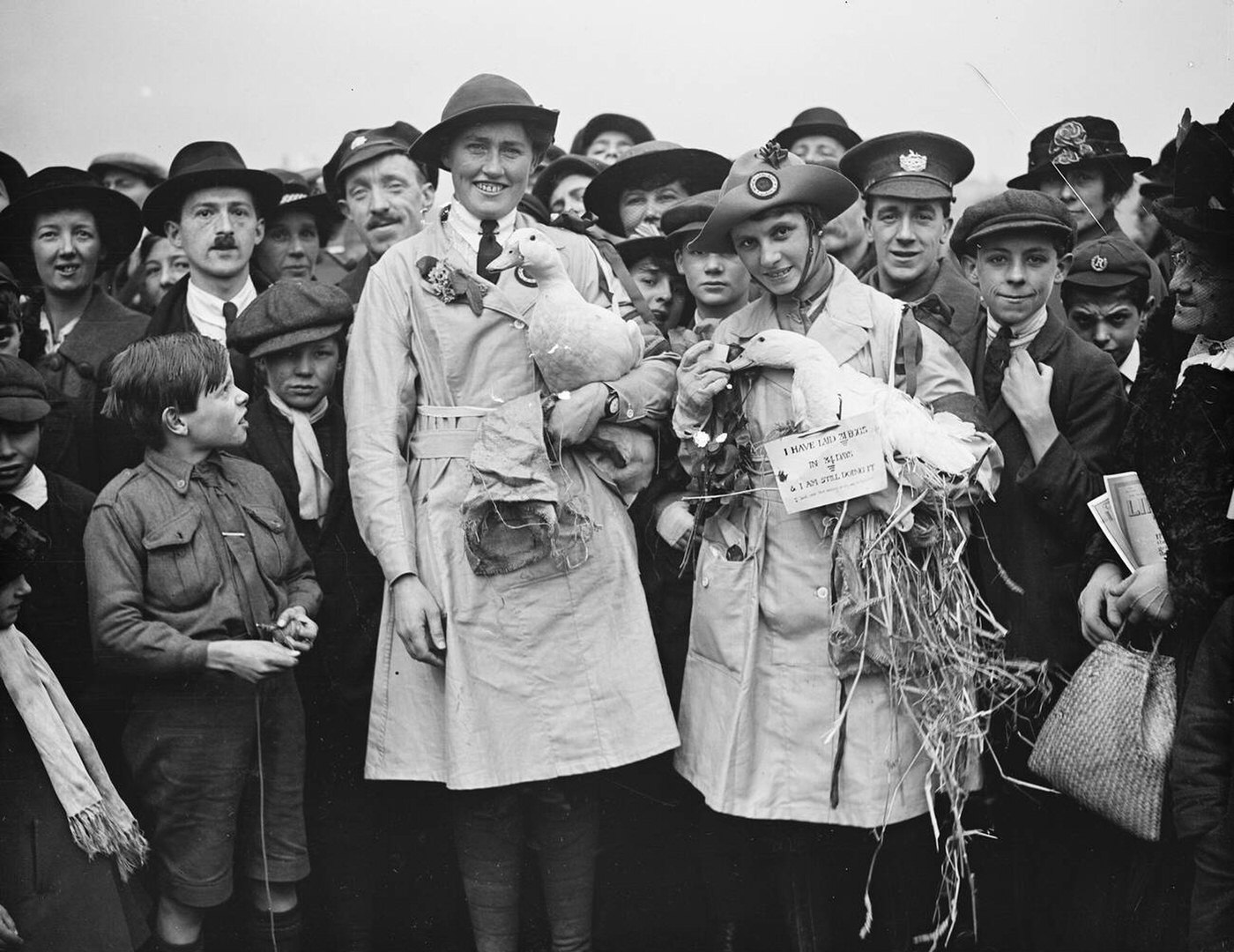
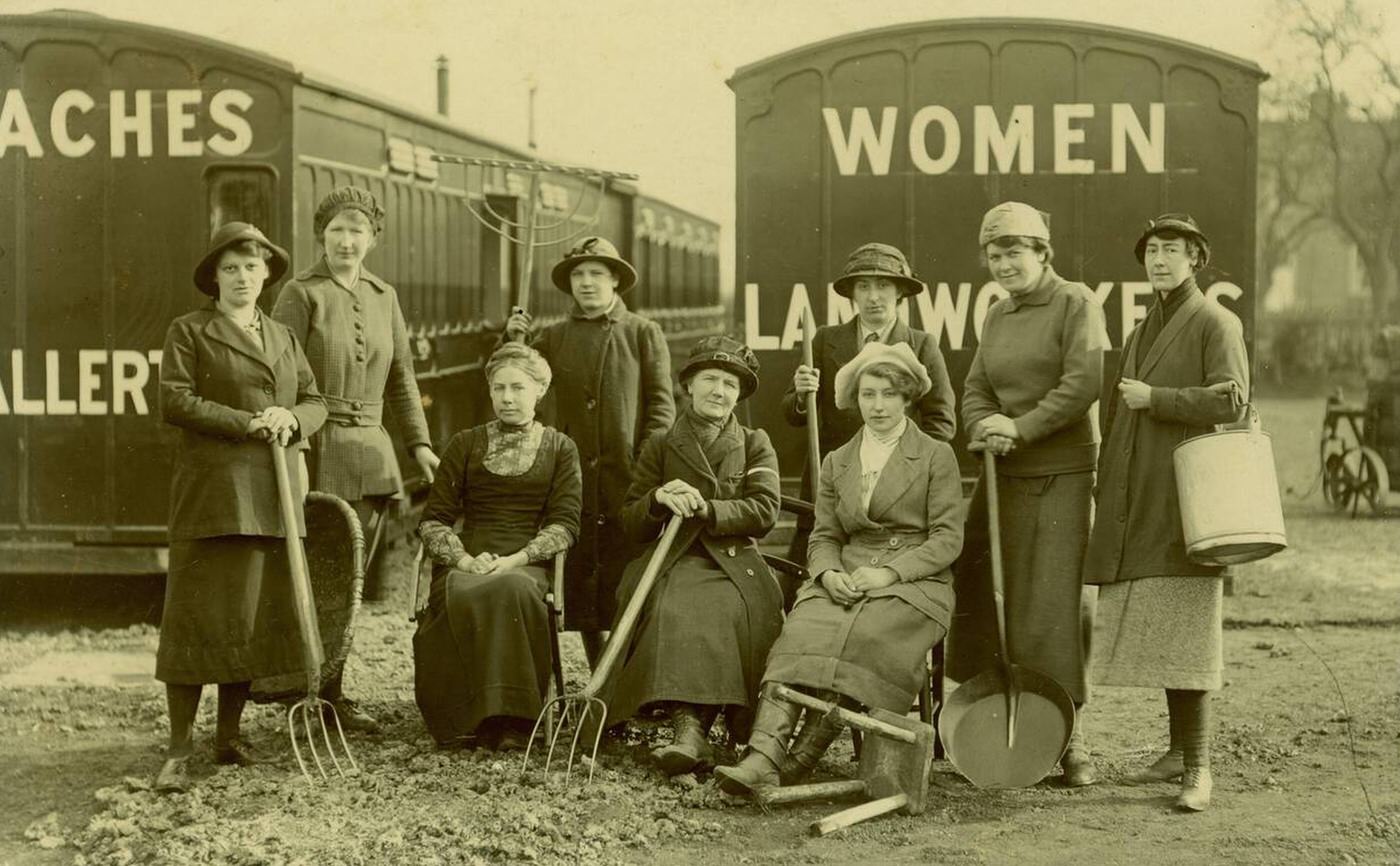
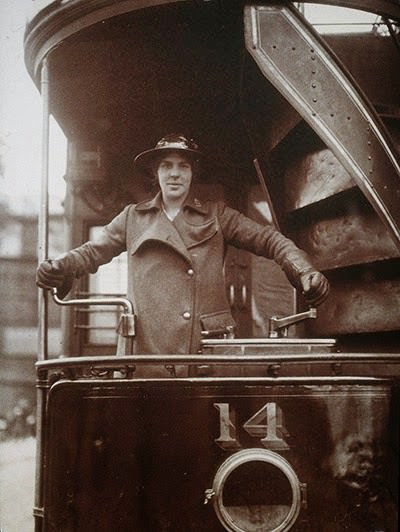
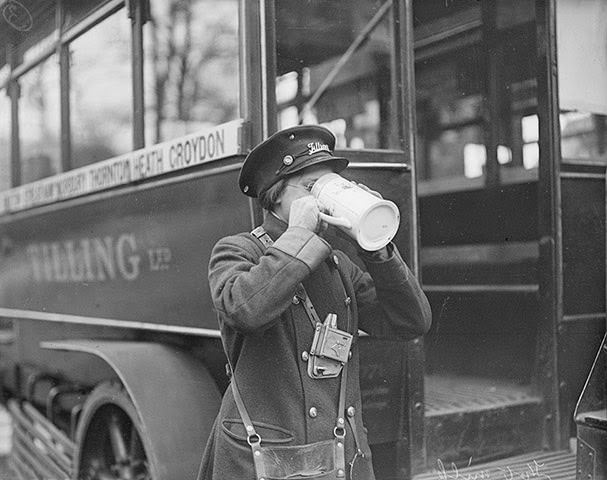
On city streets, the change was just as visible. Women became bus and tram conductors — nicknamed “Clippies” — and took the wheel of wagons and trams that had always been driven by men. In 1915, a loophole in naval legislation in the United States allowed the Navy to enlist women. Around 12,000 women joined as Yeoman (F), known as “Yeomanettes,” earning the same pay as men: $28.75 per month. Some worked as translators, draftsmen, and torpedo assemblers.
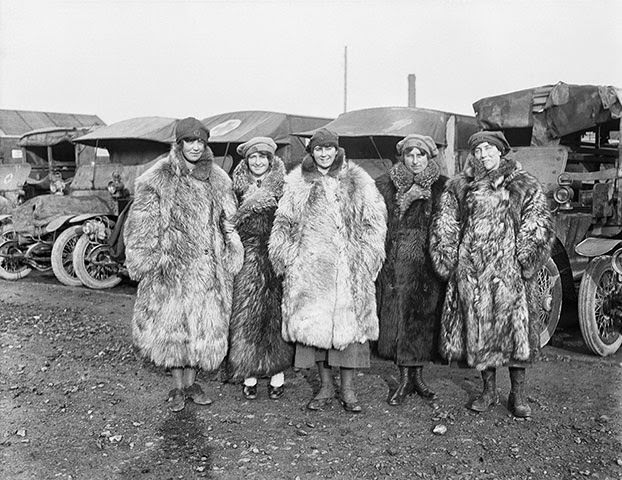
In 1917, Britain formally established the Women’s Army Auxiliary Corps (WAAC). Its members served in France as clerks, drivers, telephone operators, and bakers, freeing male soldiers for front-line combat. American women served in a similar capacity through the Signal Corps, where bilingual “Hello Girls” operated telephone exchanges very close to the front lines, routing critical communications for Allied commanders. Closer to home, women joined the First Aid Nursing Yeomanry and drove ambulances in active war zones.
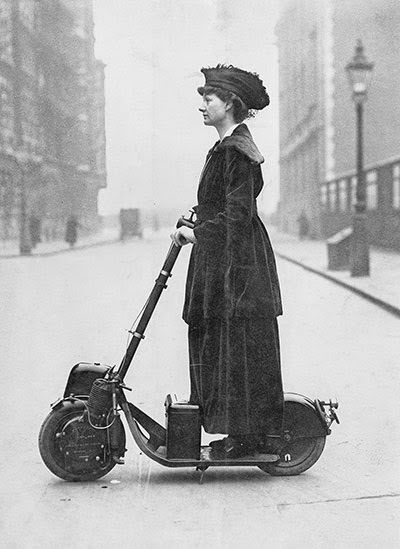
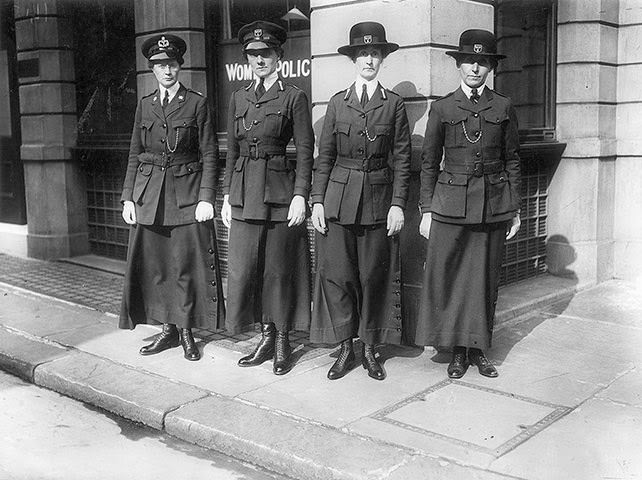
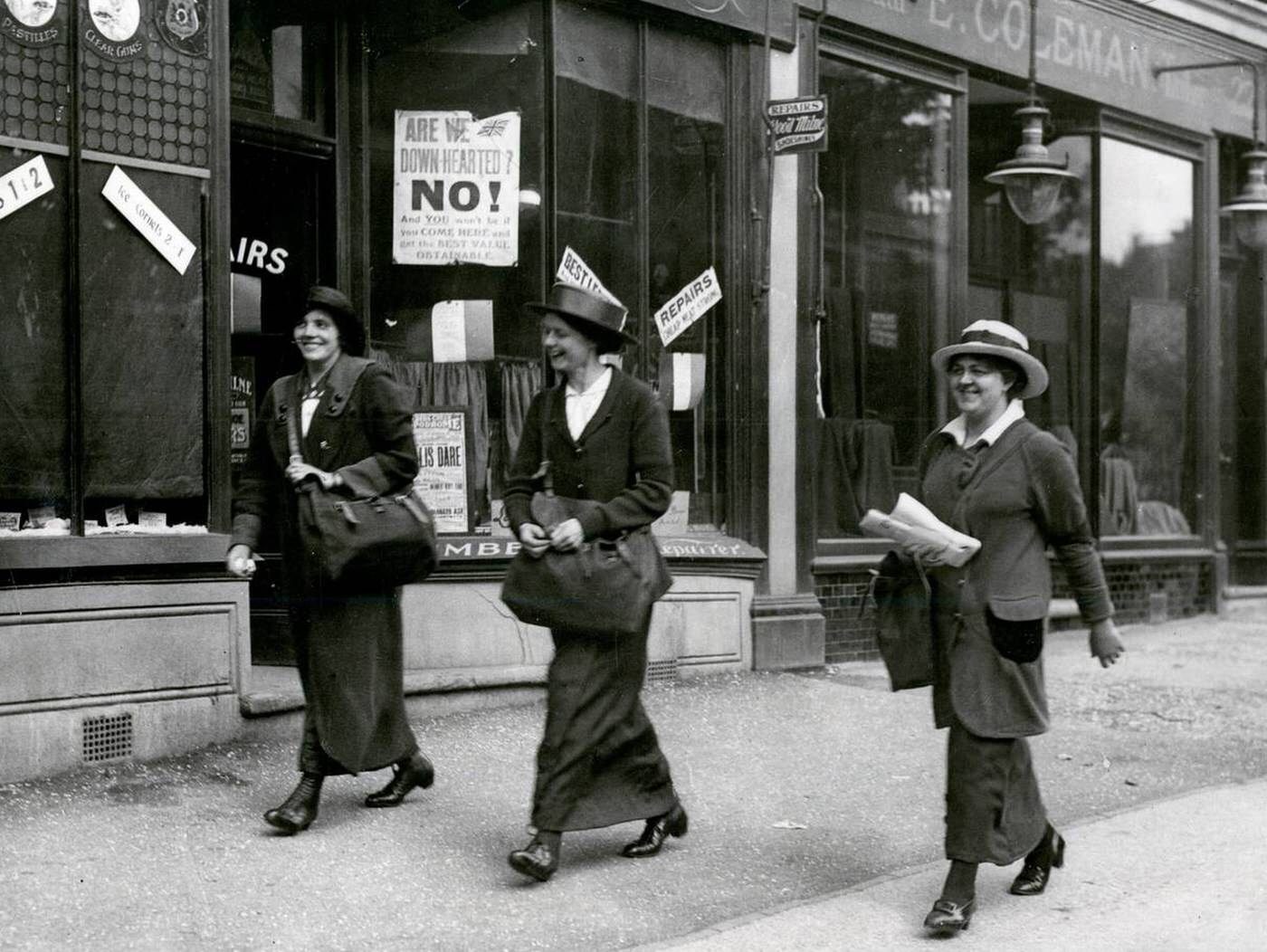
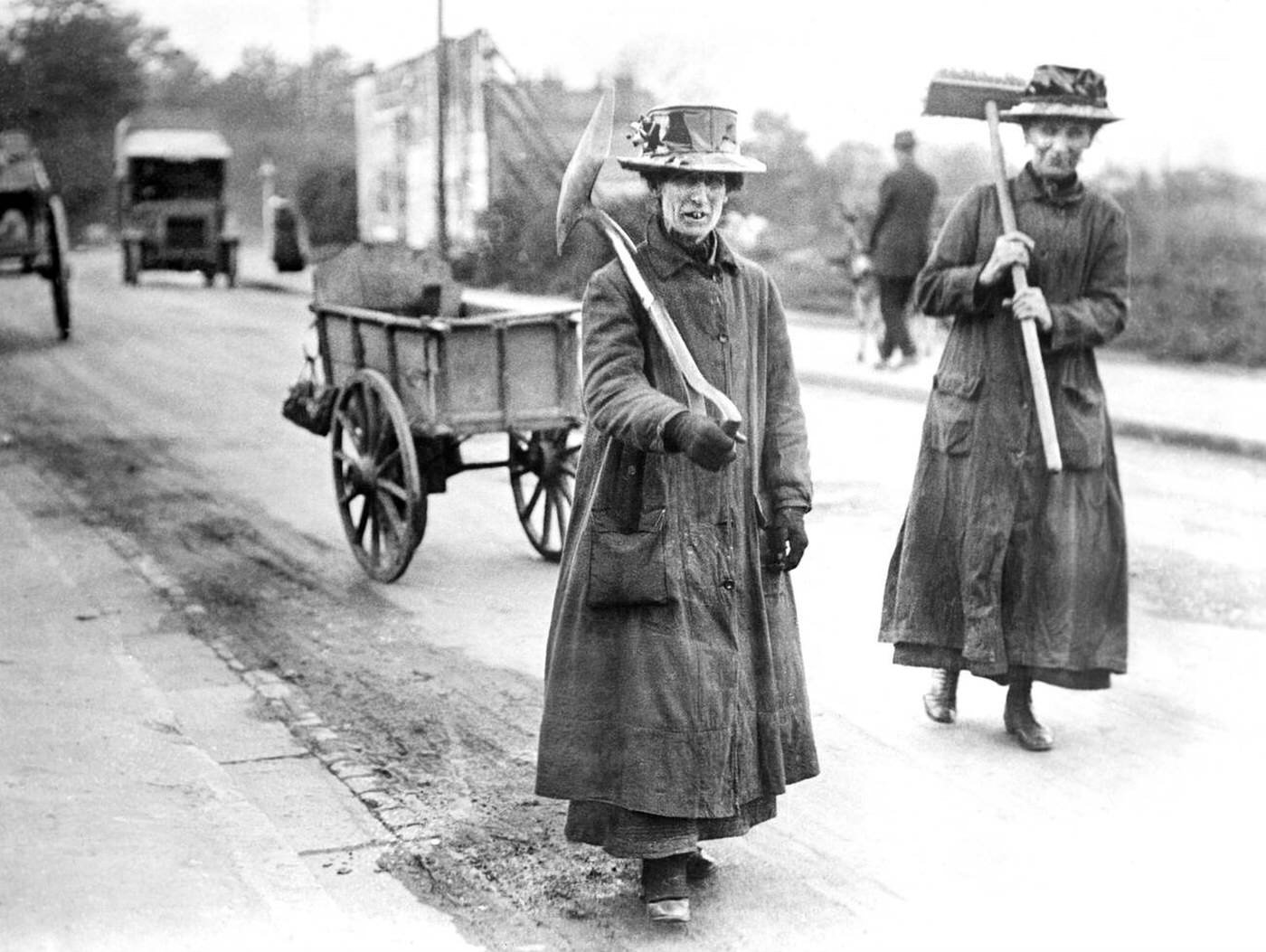
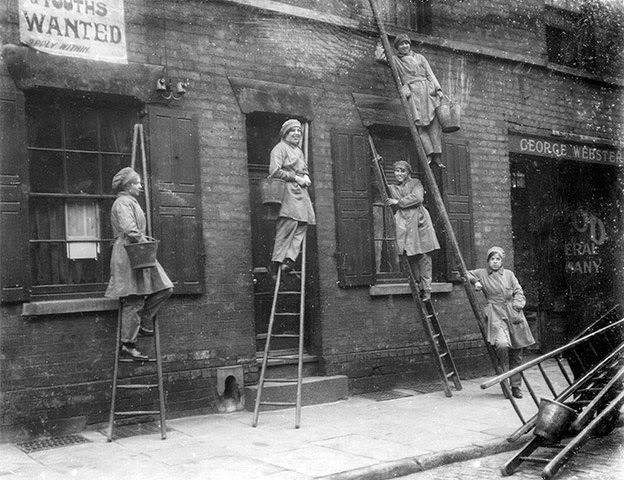
Women also took on public-facing roles that were entirely new to them. For the first time, women served as police officers, patrolling factory districts and maintaining order in areas overwhelmed by wartime activity. Postal services, window cleaning, construction, and even brewery work all drew female employees who kept essential services running.
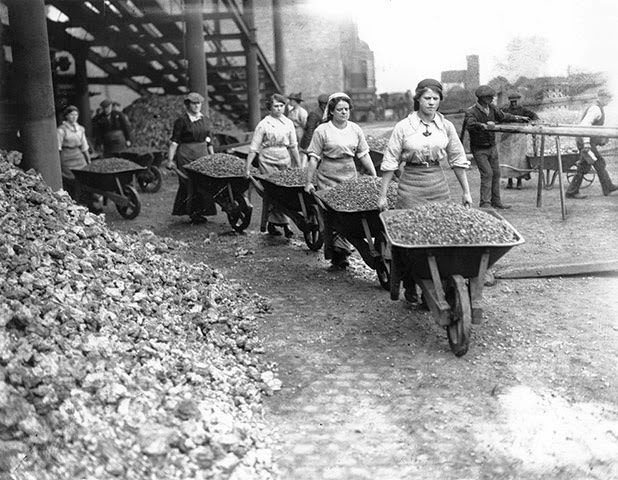
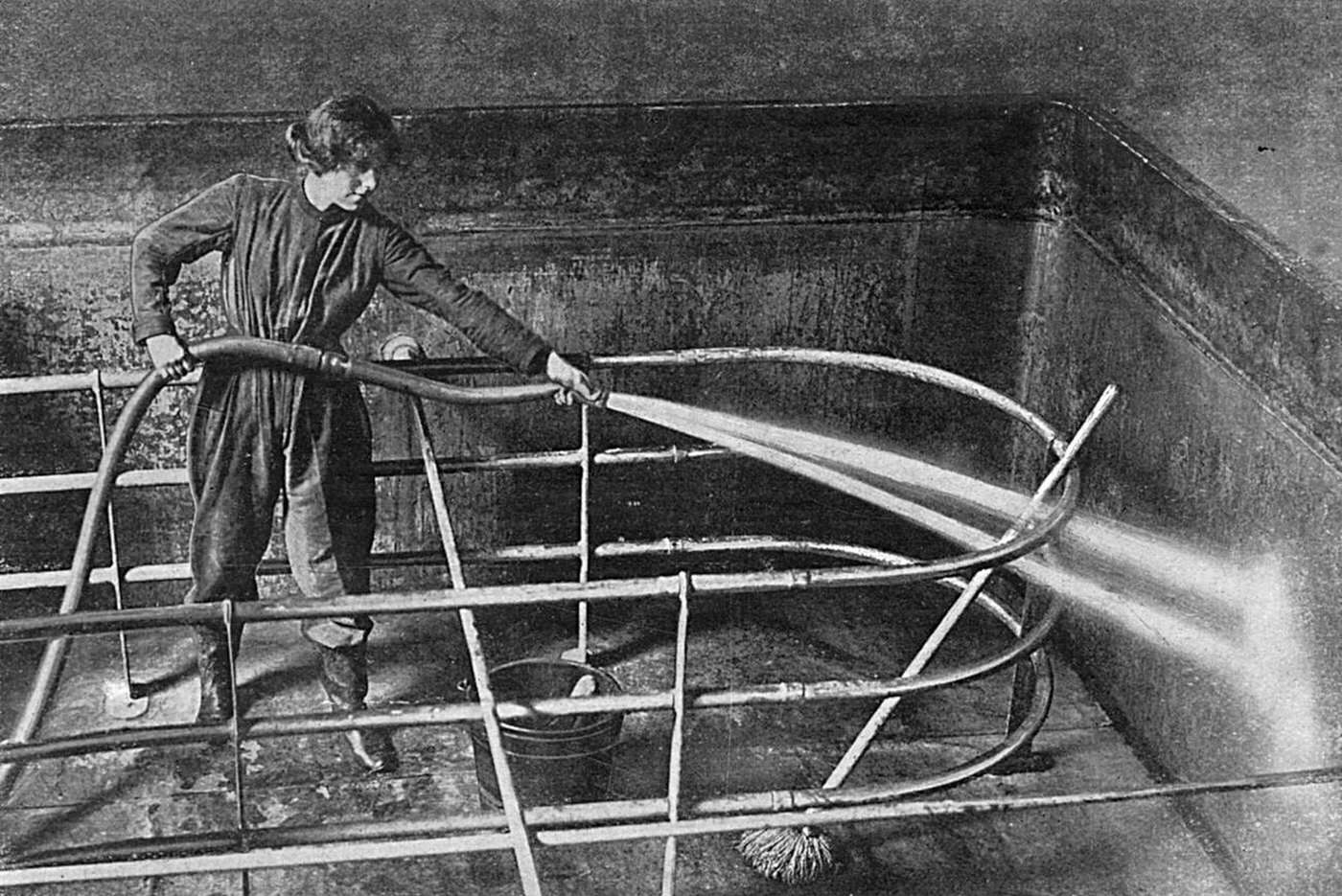
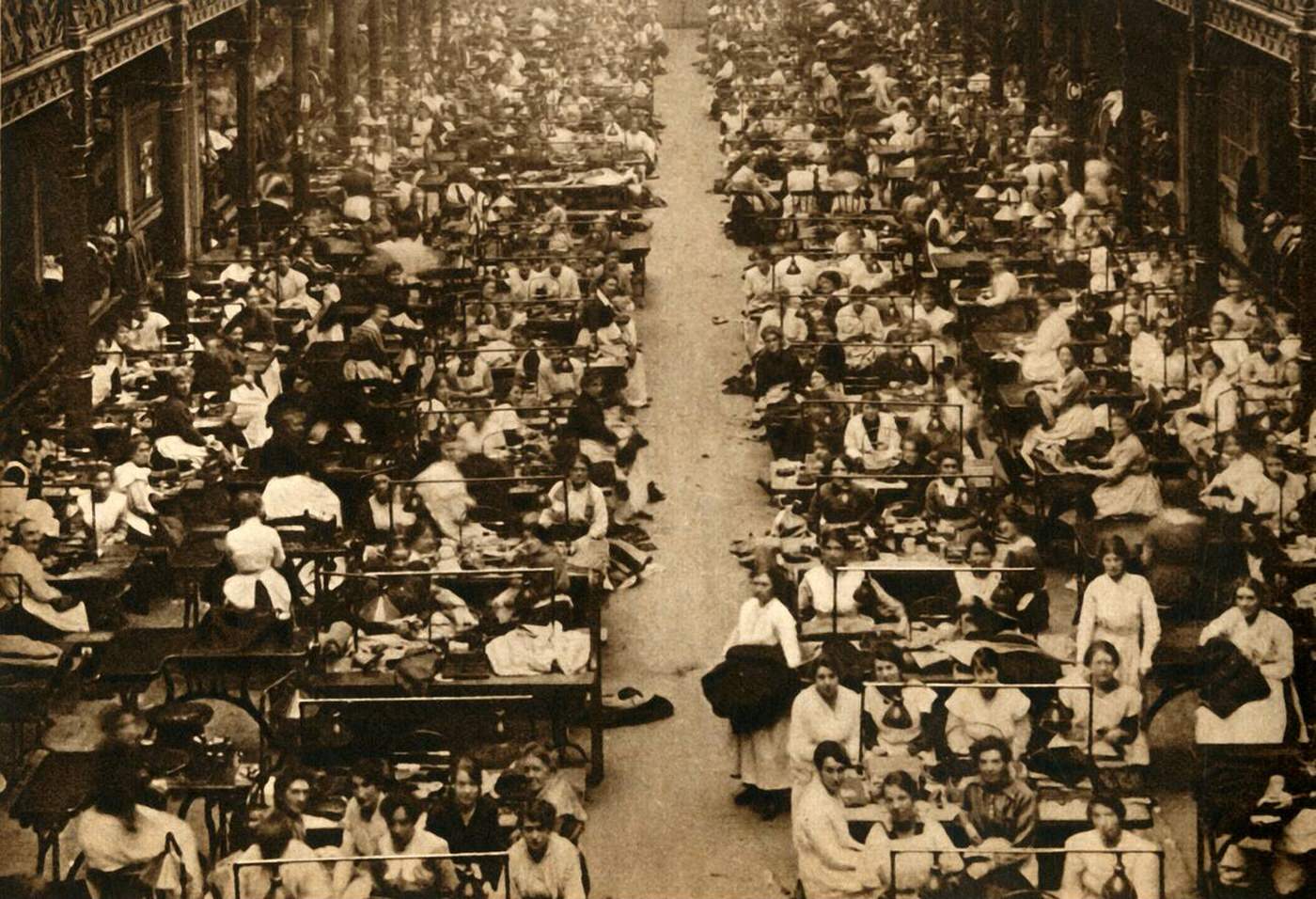
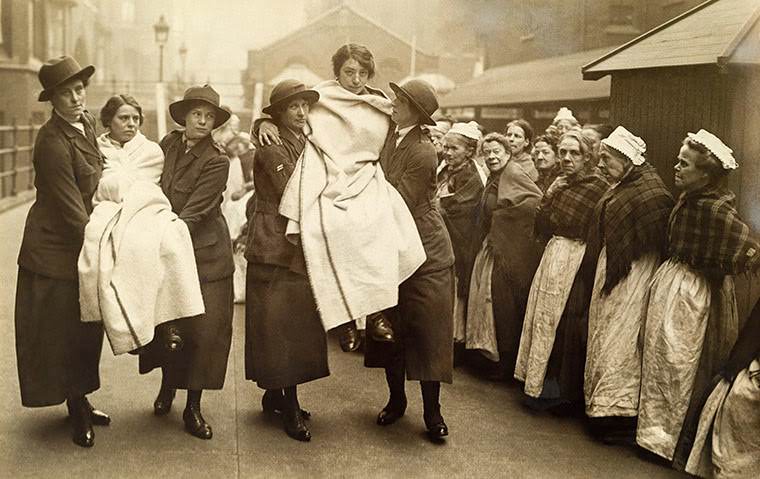
The war demand also reached food processing and textile industries. Women staffed refineries, clothing factories, and fish-curing operations that sustained both the military and the civilian population. Emergency training programs and firefighting drills ensured that the workforce could respond when disaster struck.
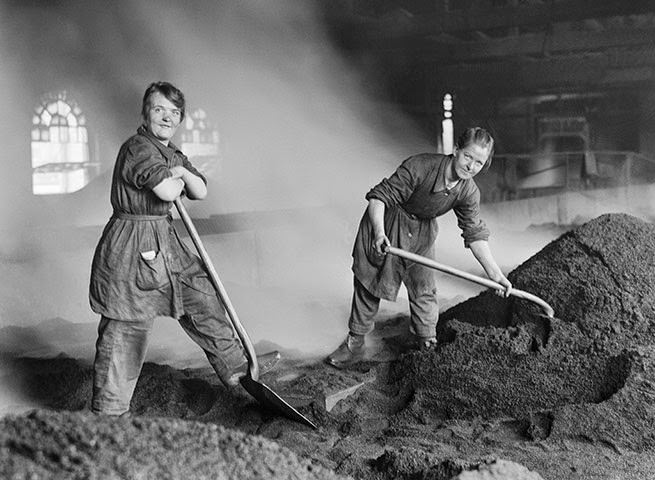
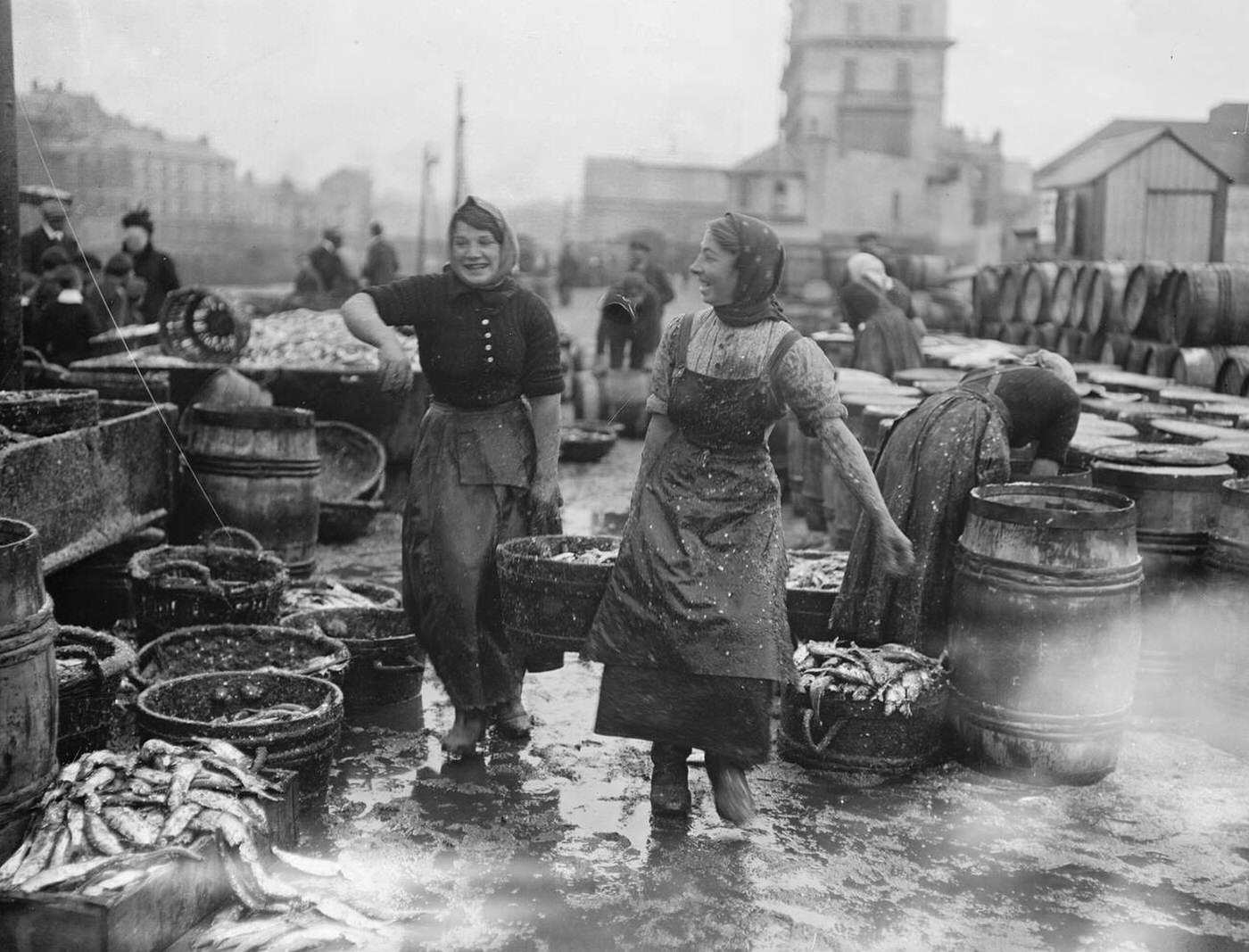
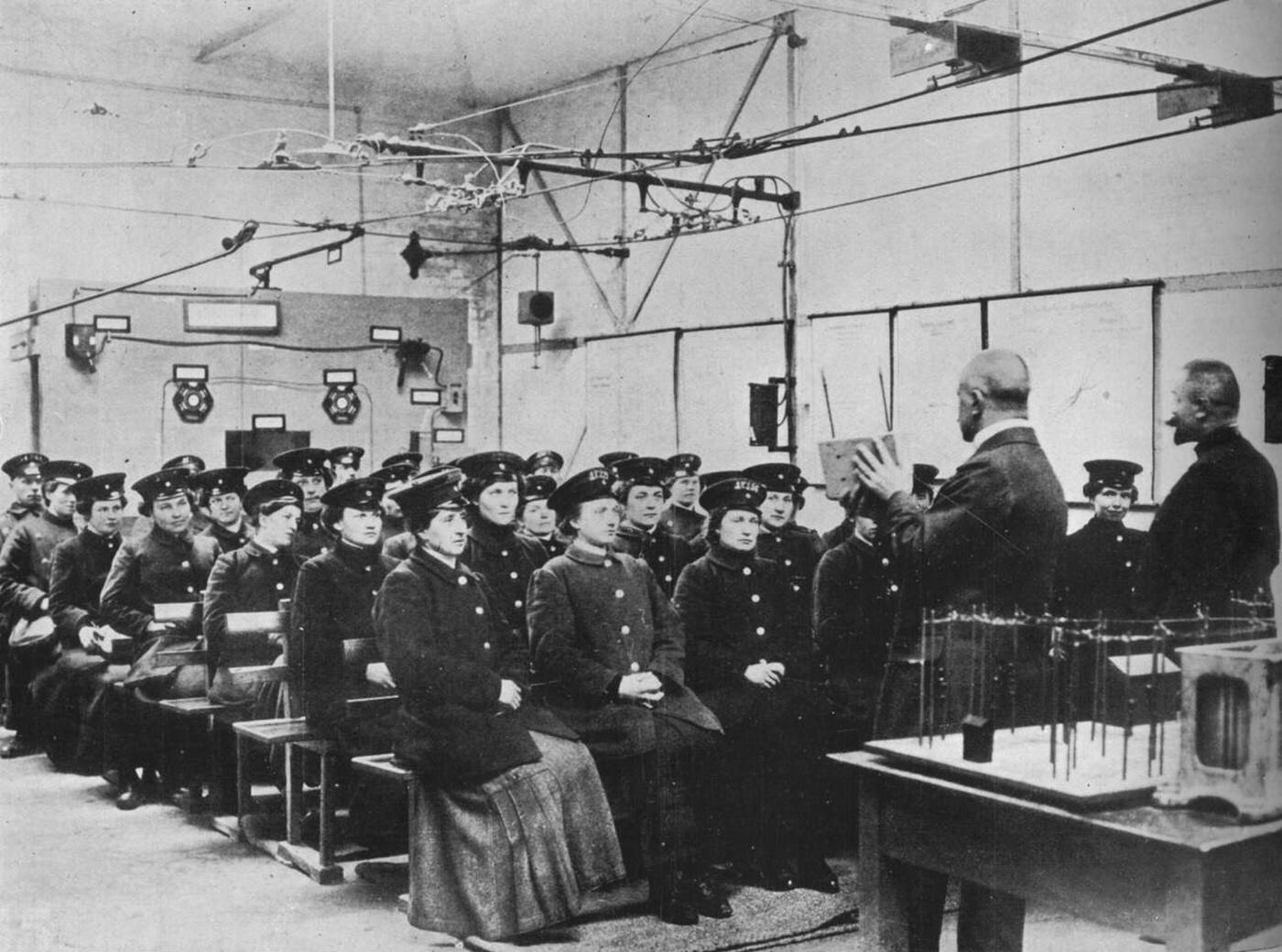
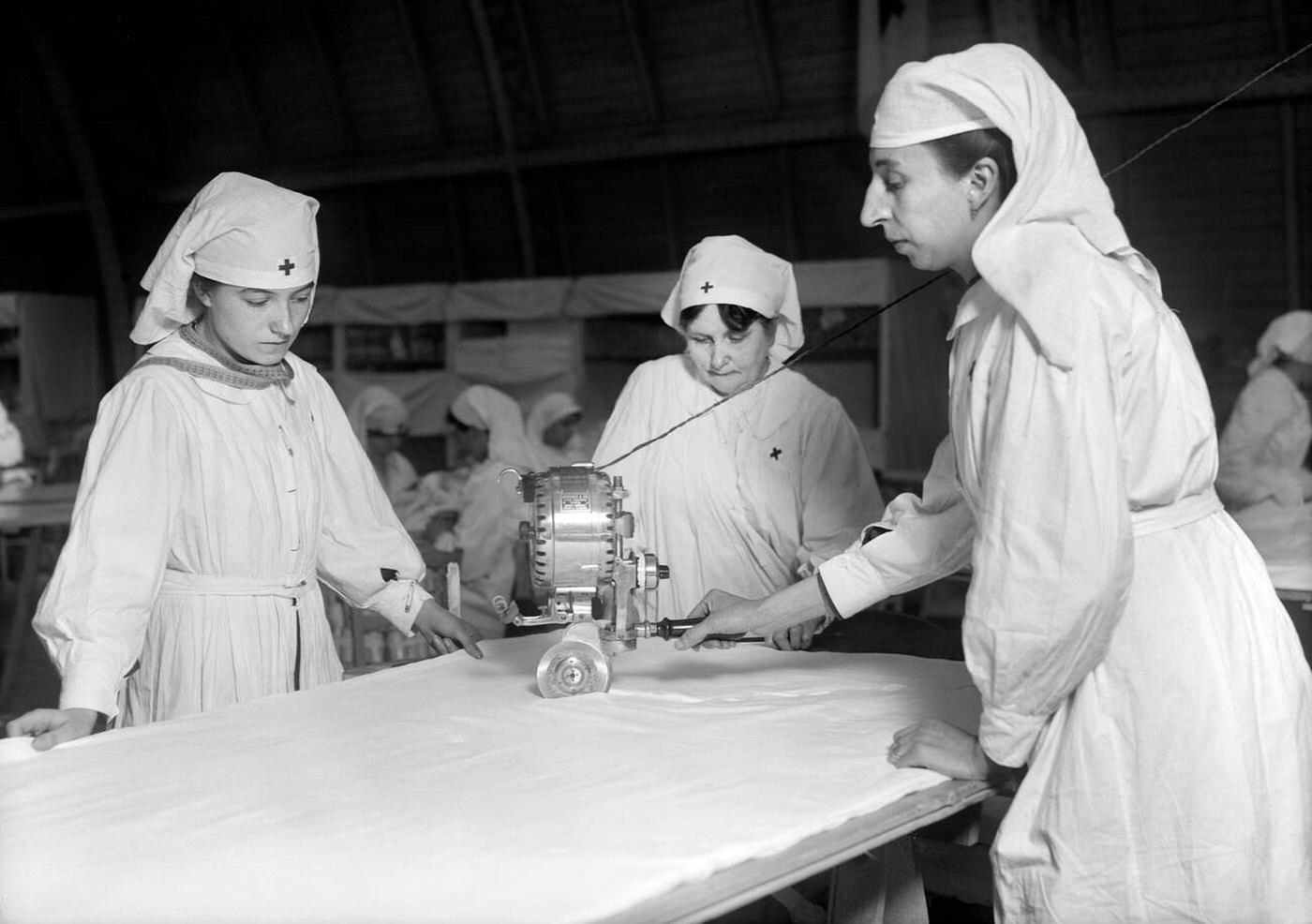
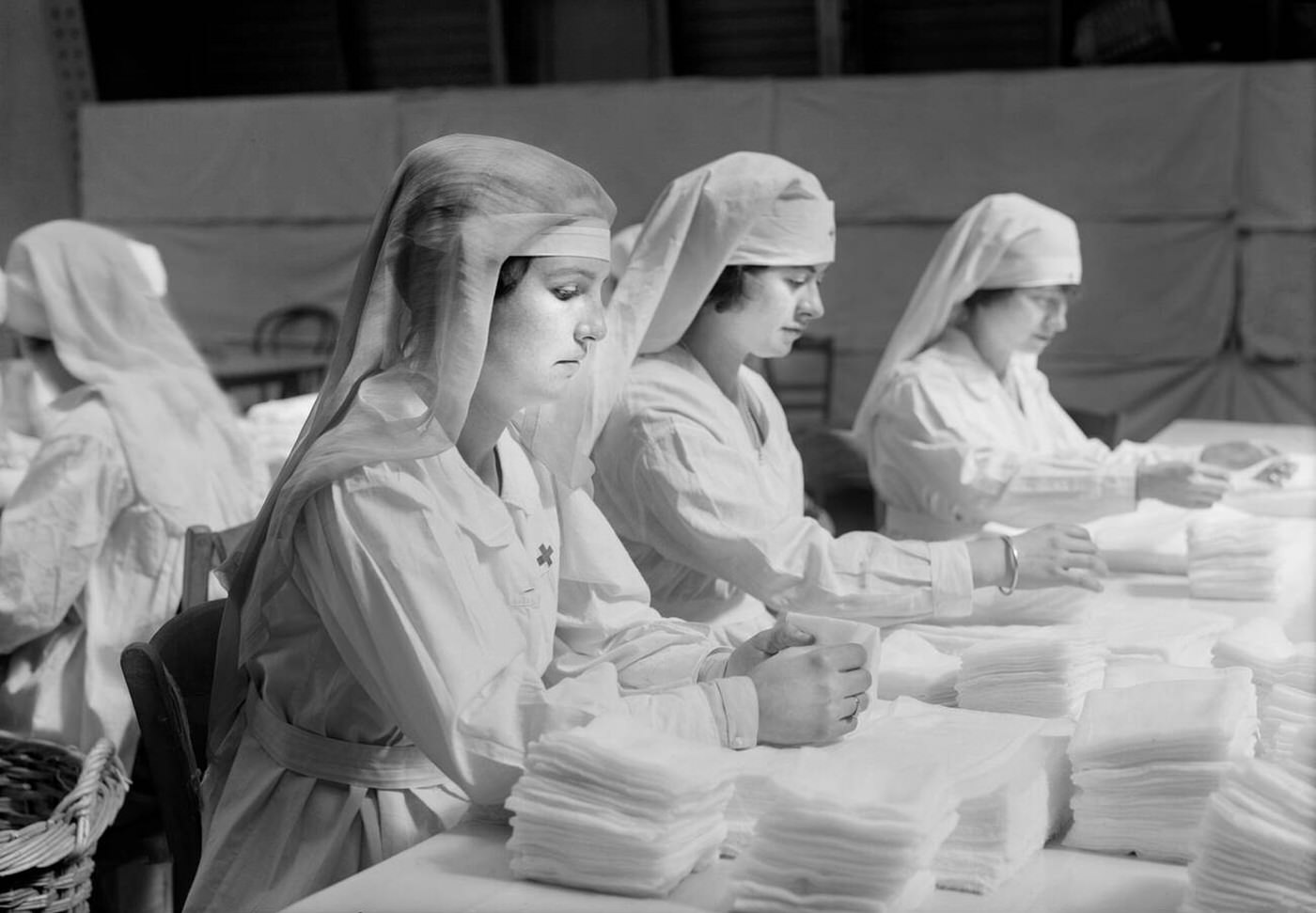
This shift was not unique to Britain. In Germany, women were trained as tramway workers to keep city transport moving. Across the Atlantic, the American Red Cross deployed women in Paris to produce medical supplies on an industrial scale, cutting bandages and folding gauze sponges to support the enormous medical needs of the war.