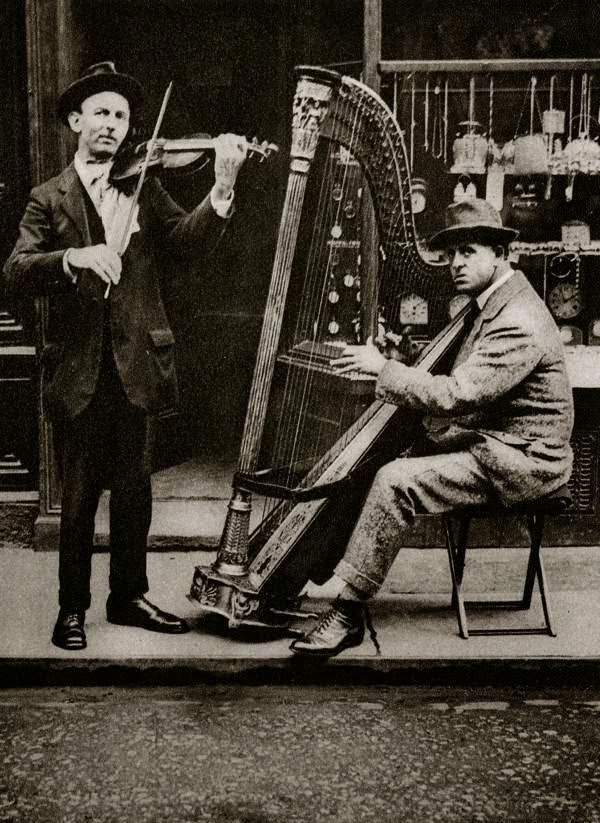
In the decade after the First World War, London was readjusting to peacetime while stepping into a modern era. Photographer Thomas Donald McLeish documented this shift with a custom-built camera that used large 5×4 glass plates, producing prints with extraordinary clarity. He didn’t set up a studio — he took his tripod-mounted camera directly onto the streets.
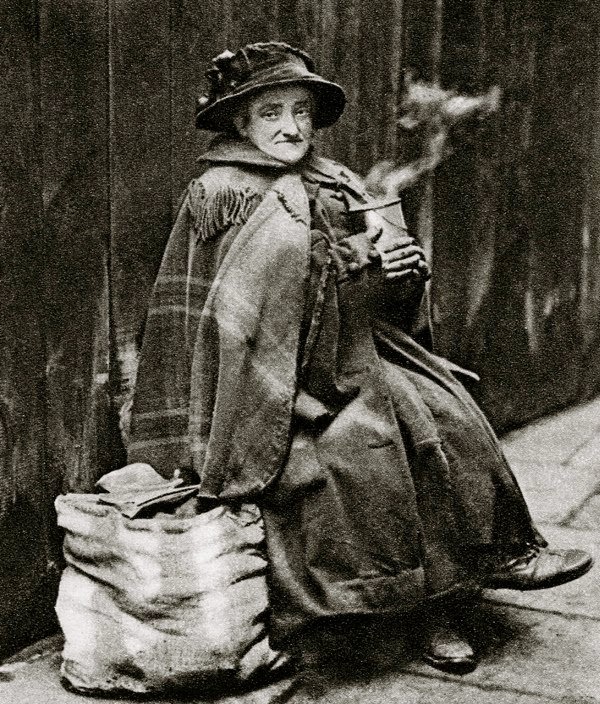
McLeish’s lens swept across every level of London society. Business-class men in three-piece suits and bowler hats strode through financial districts with stiff, formal postures. At the opposite end of the social scale, working-class men and women stared straight into the camera with quiet resilience.
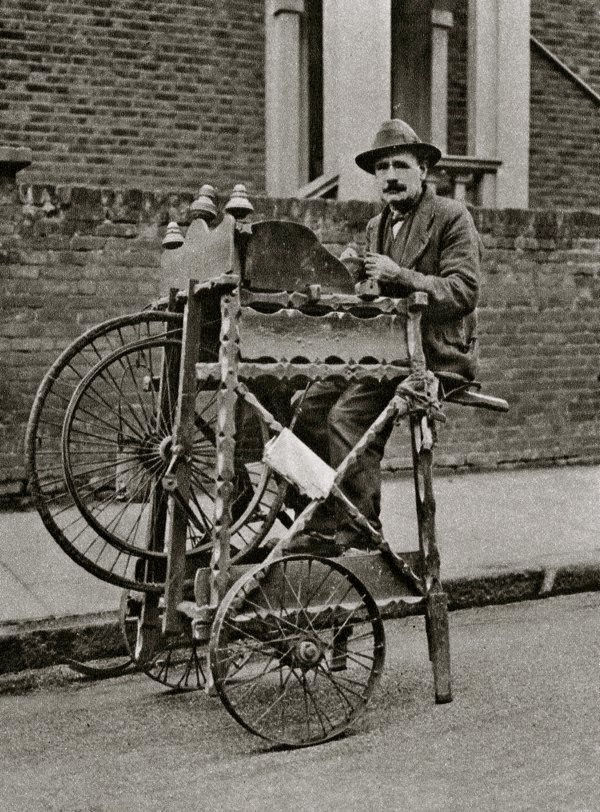
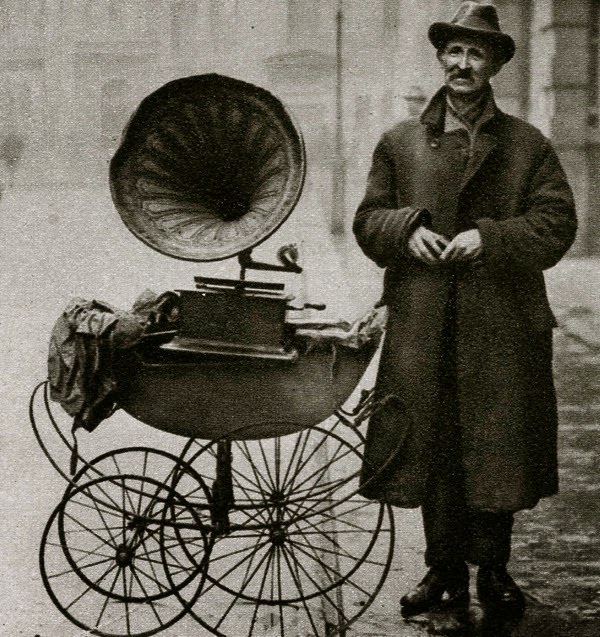
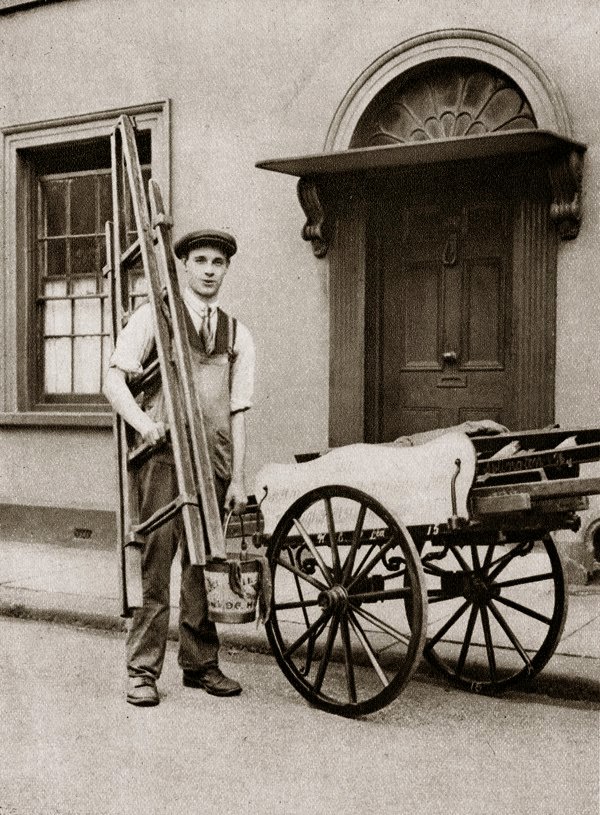
Street traders were a constant presence in his work. Costermongers stood proudly beside carts piled with fruits and vegetables, dressed in flat caps and heavy aprons worn smooth from daily use. The large-format plates captured every crease in their clothing and every line etched into their faces.
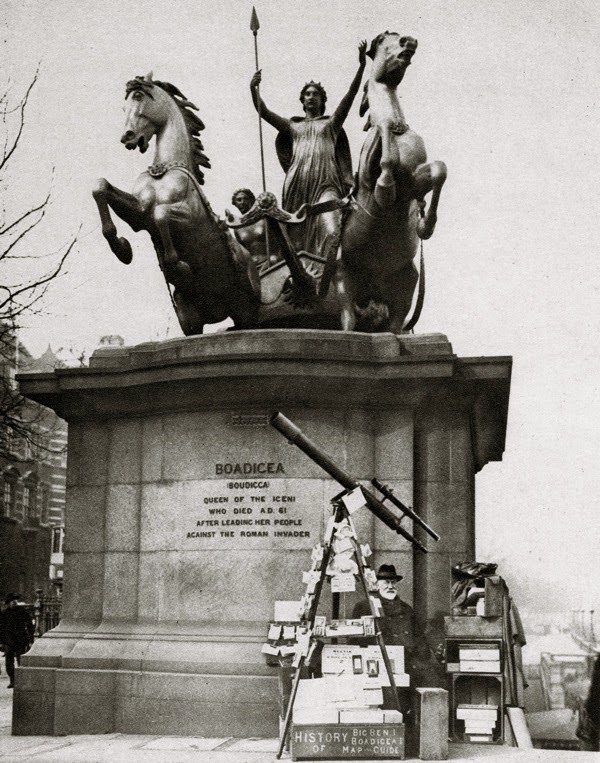
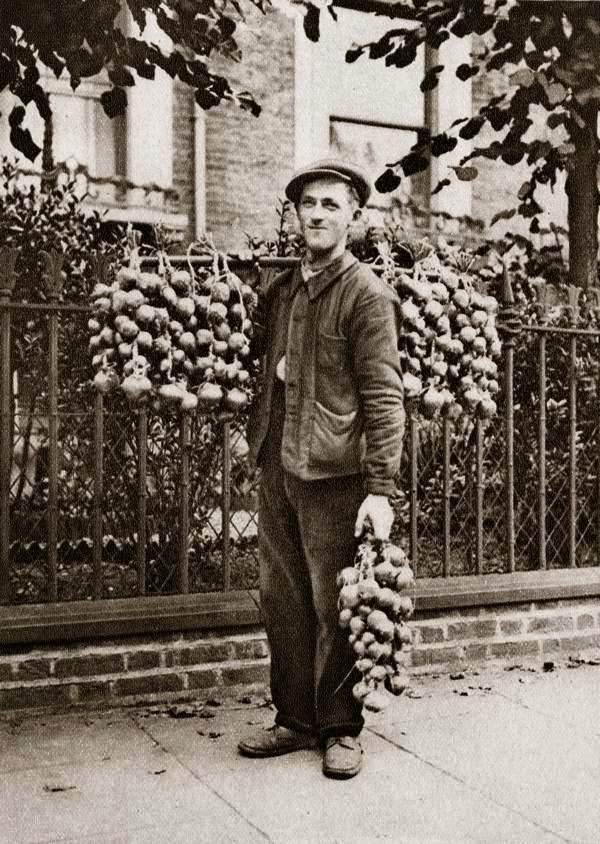
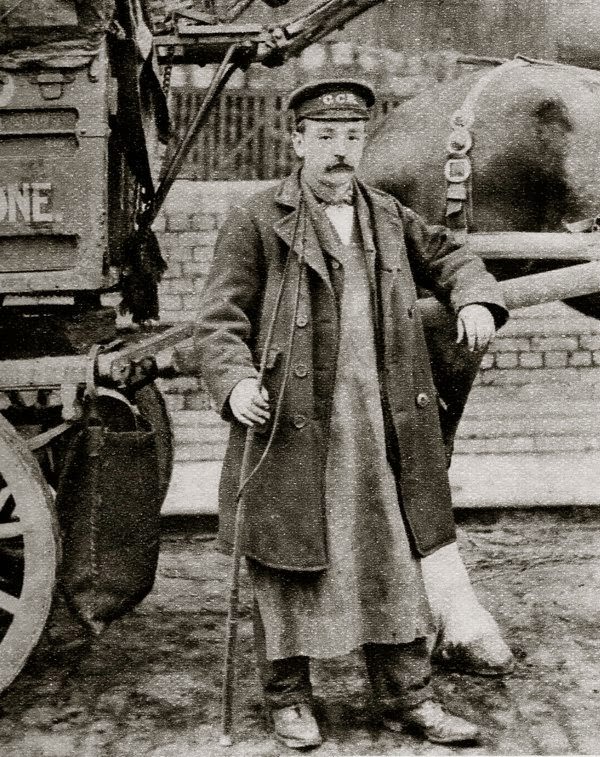
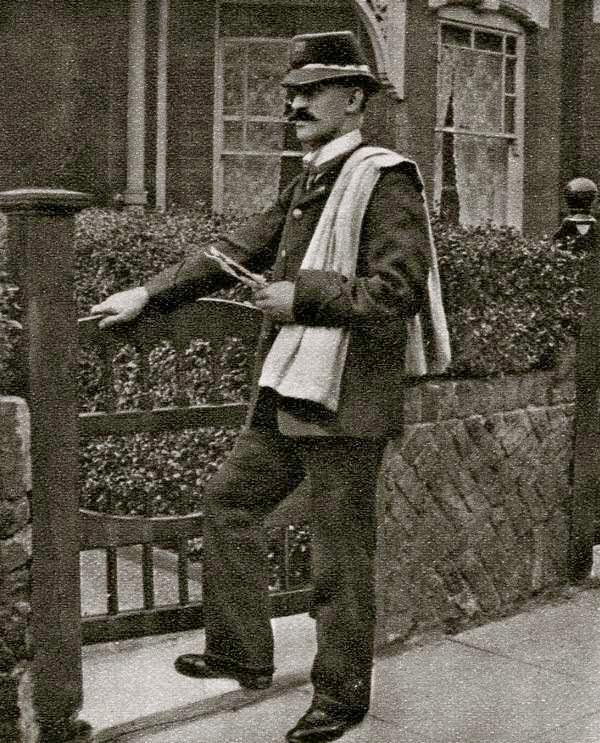
Many of his subjects held jobs that are almost entirely gone today — trades that kept the city running but left little trace in official records.
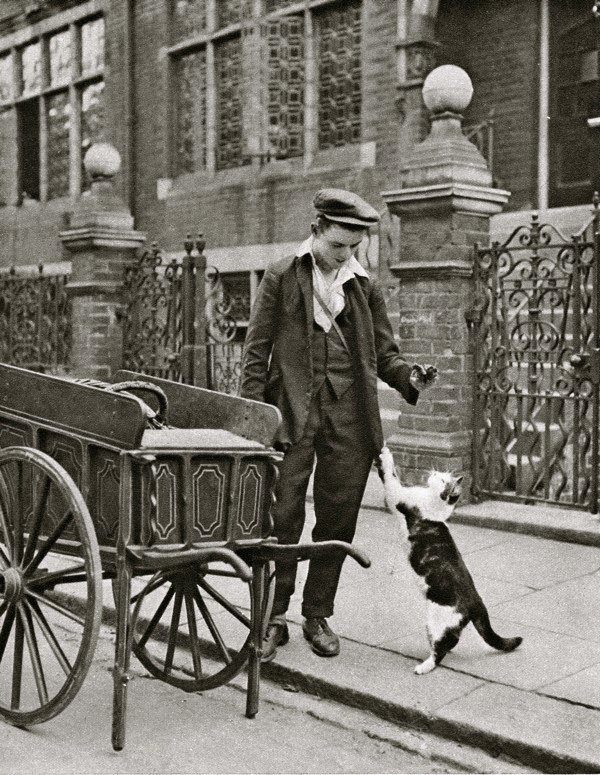
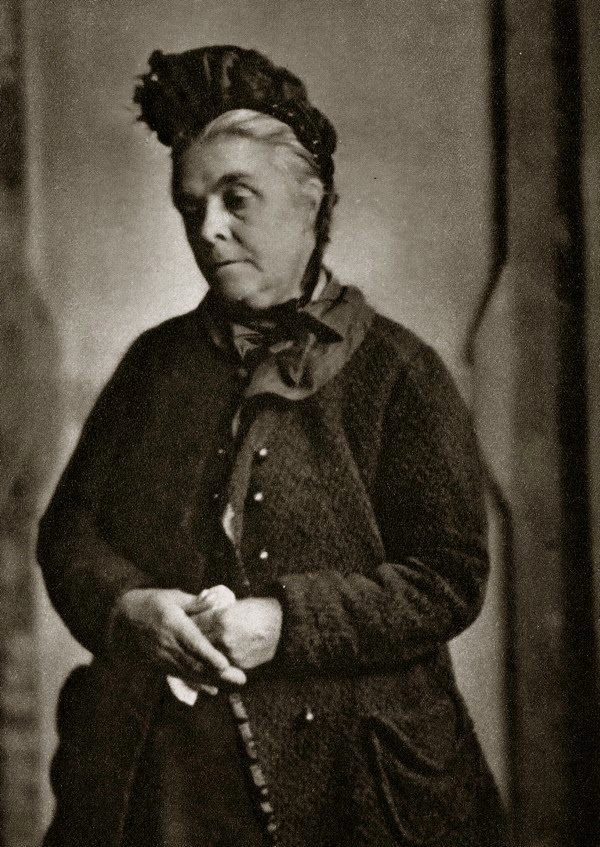
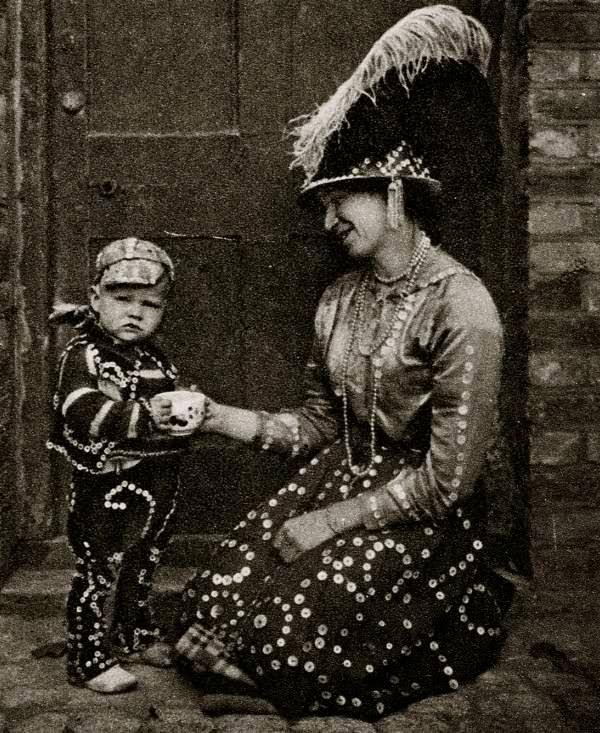
Children appeared throughout McLeish’s photographs, playing in streets and parks in working-class neighbourhoods. Their clothing was simple and often patched, a direct reflection of the economic strain many families carried after the war. These were not soft or sentimental images — the children were energetic, sometimes grimy, and fully engaged with the camera.
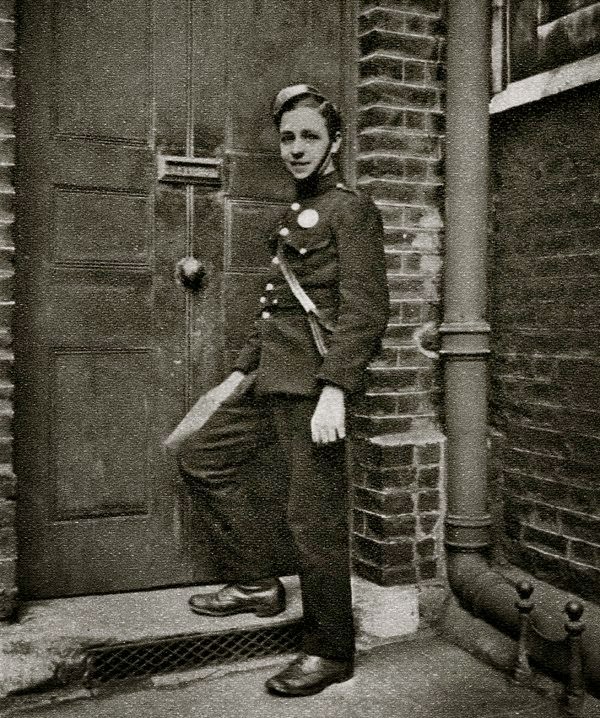
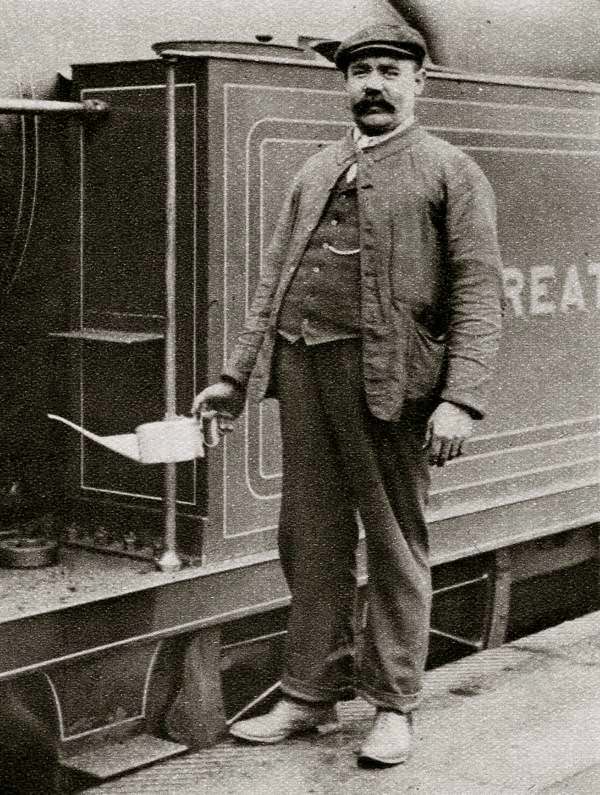
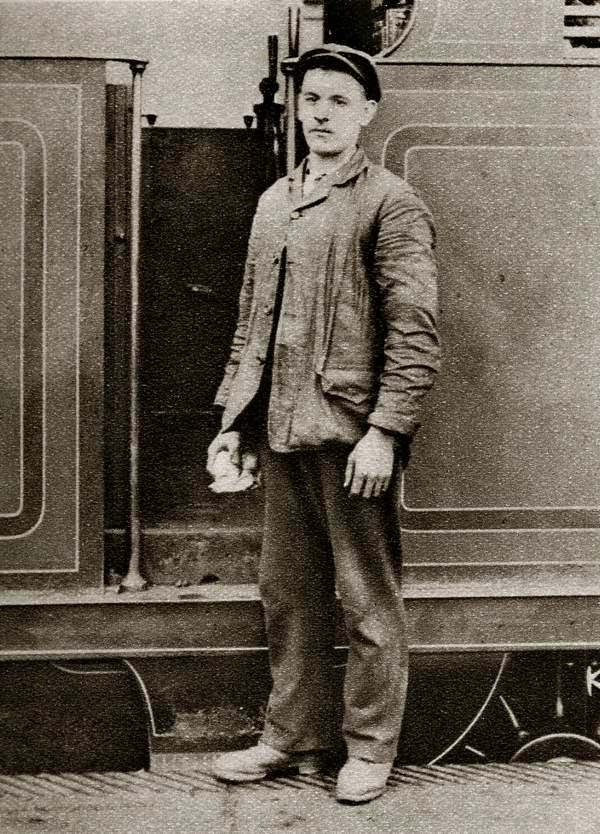
The city itself was in transition. Horse-drawn carts shared roads with early motorcars and double-decker buses, blending 19th-century habits with 20th-century technology. McLeish recorded both the people and this backdrop with equal precision.
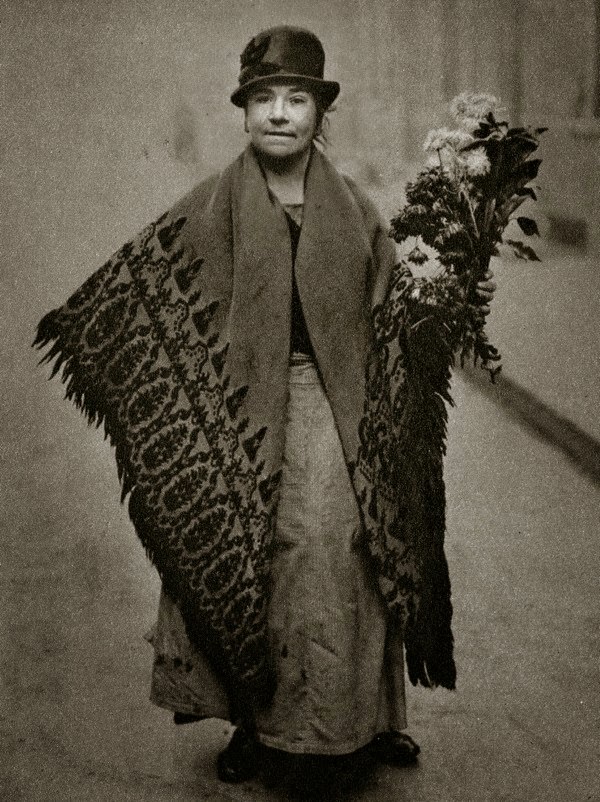
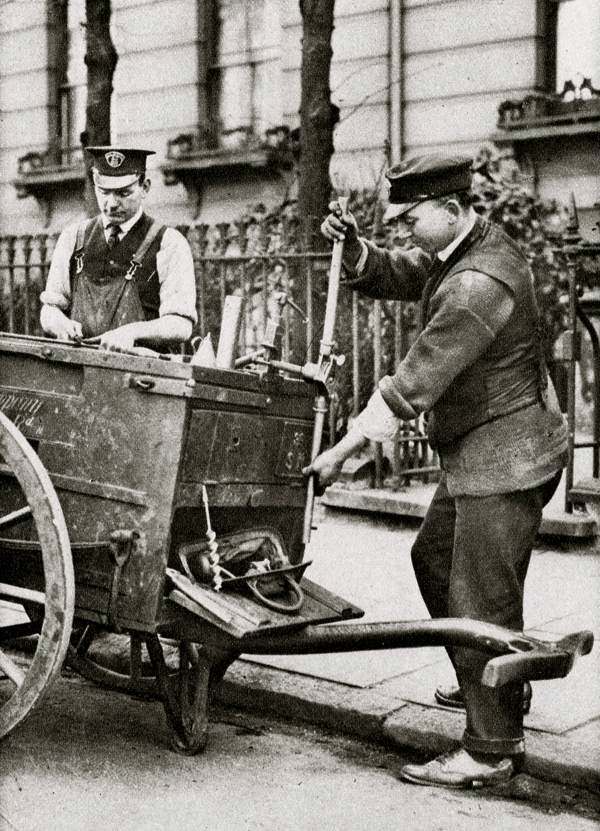
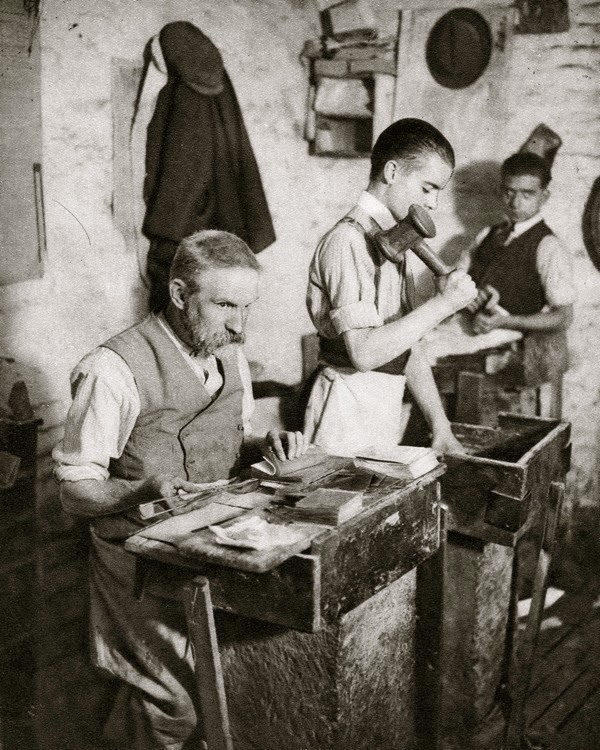
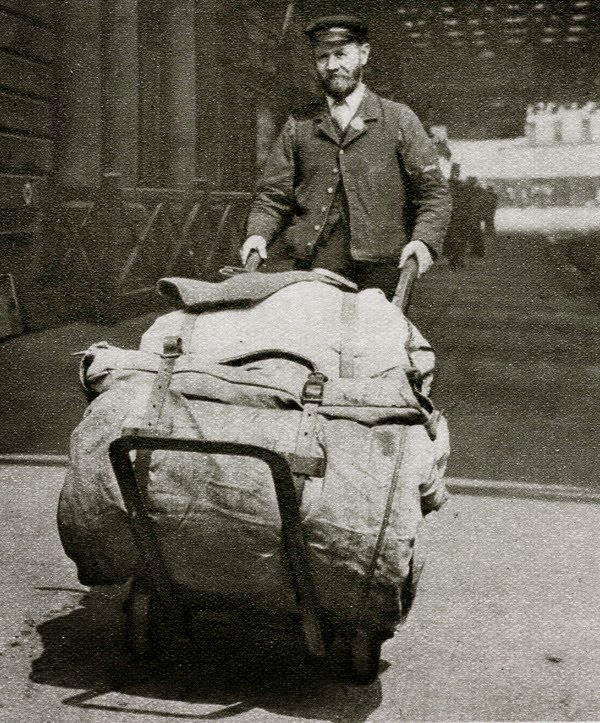
His 10×8 prints delivered a level of detail that studio photographers of the era rarely achieved outdoors. Expressions, fabric textures, and architectural surroundings are all rendered with sharp precision.
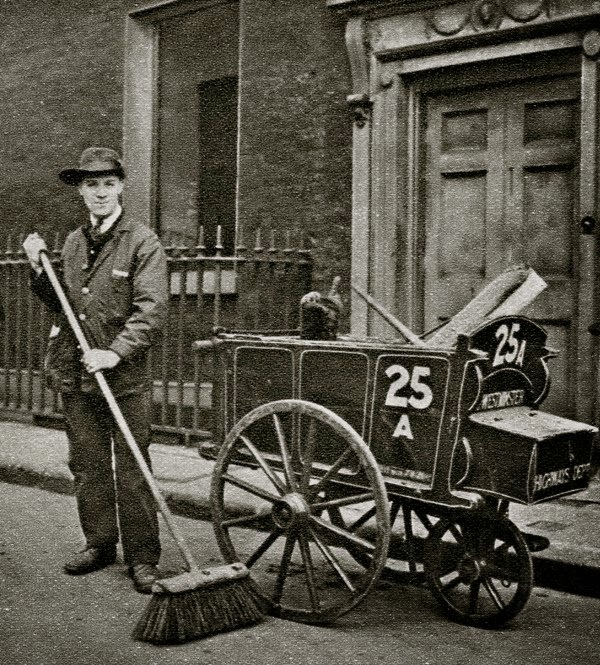
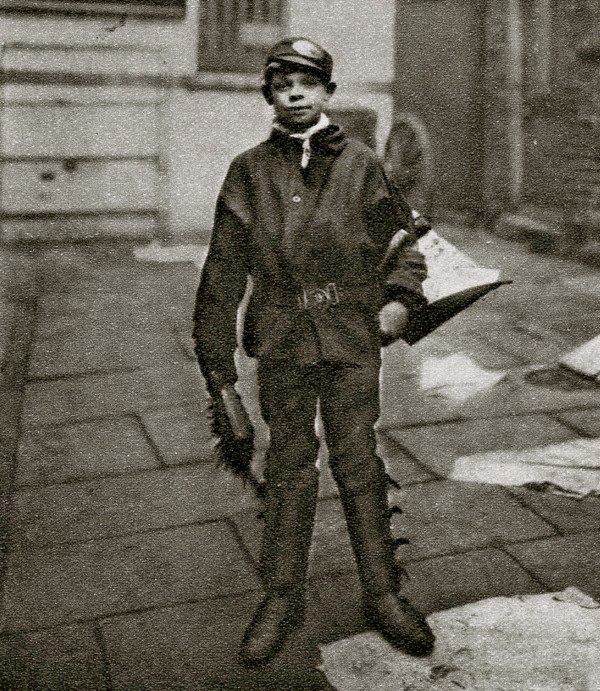
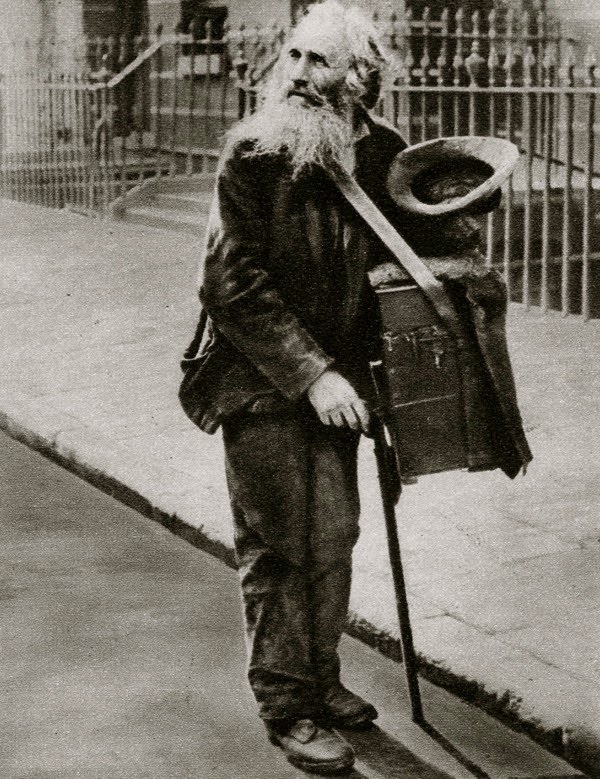
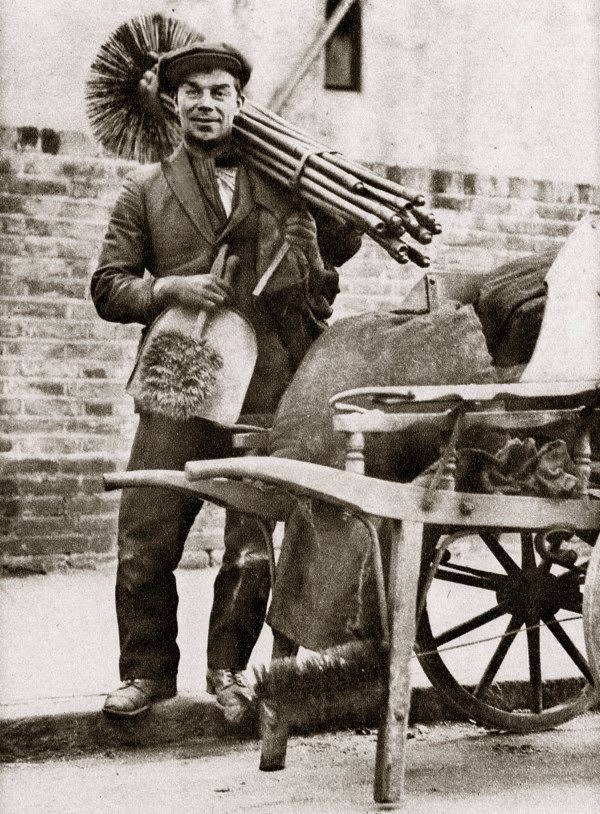
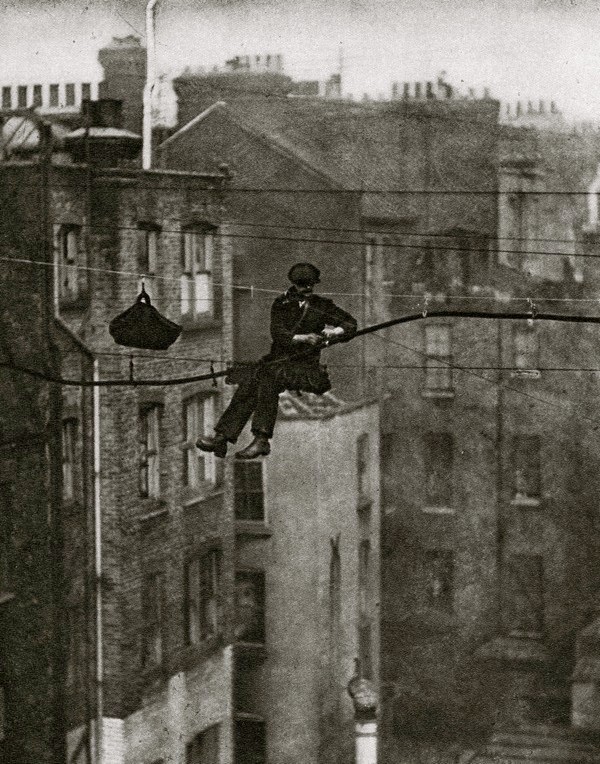
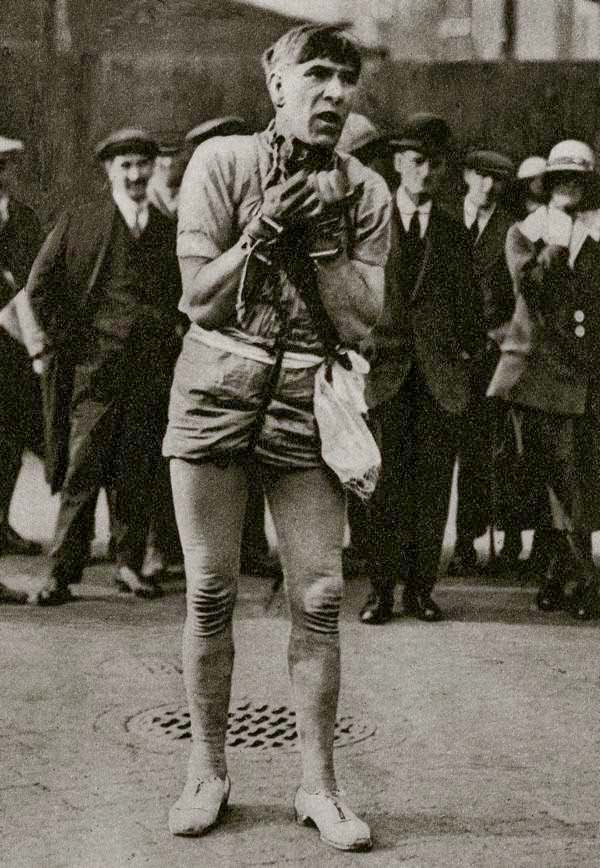
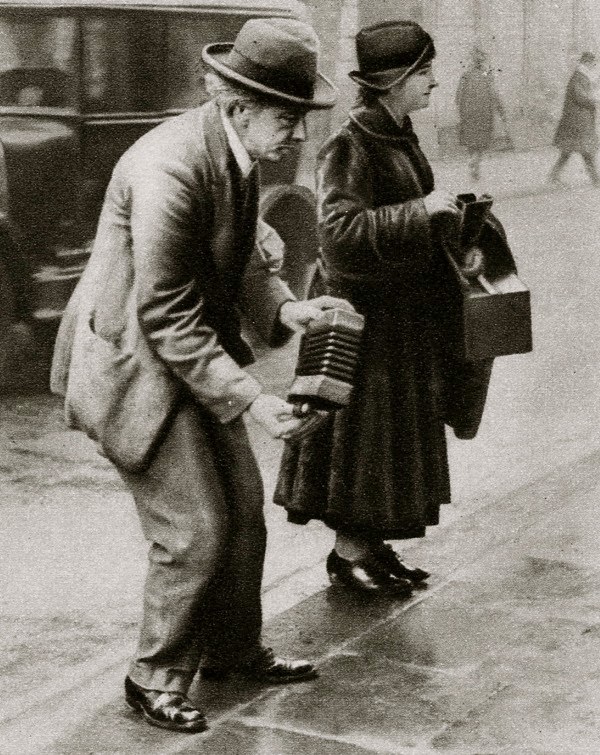
From telephone workers laying new cables to street musicians earning coins from passing crowds, McLeish documented a cross-section of Londoners that official records never could.