In the 1910s, St. Croix was still Danish soil — part of the Danish West Indies — and its entire economy ran on sugar cane. While the neighboring island of St. Thomas thrived on shipping and trade, St. Croix was plantation country. Rolling green fields stretched across the island, broken up by the stone towers of old windmills and the smokestacks of steam-powered sugar factories. But trouble was brewing. European sugar beet production had driven down cane sugar prices sharply, leaving many planters deep in debt and many fields unplanted.
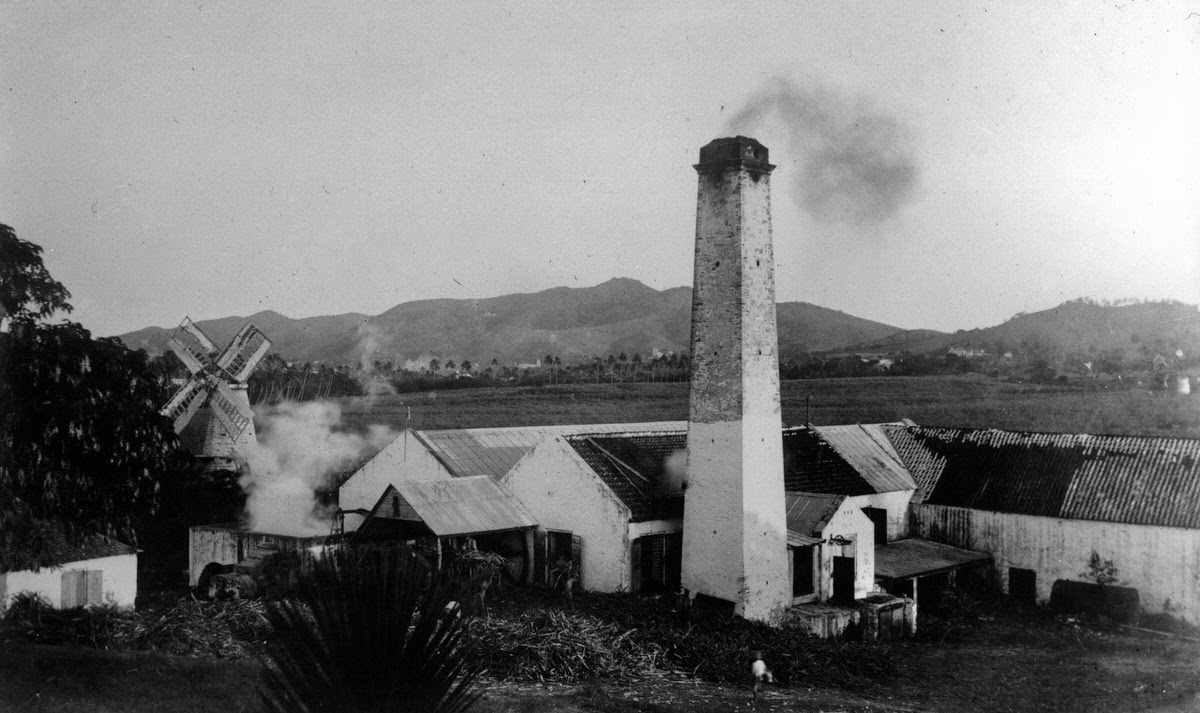
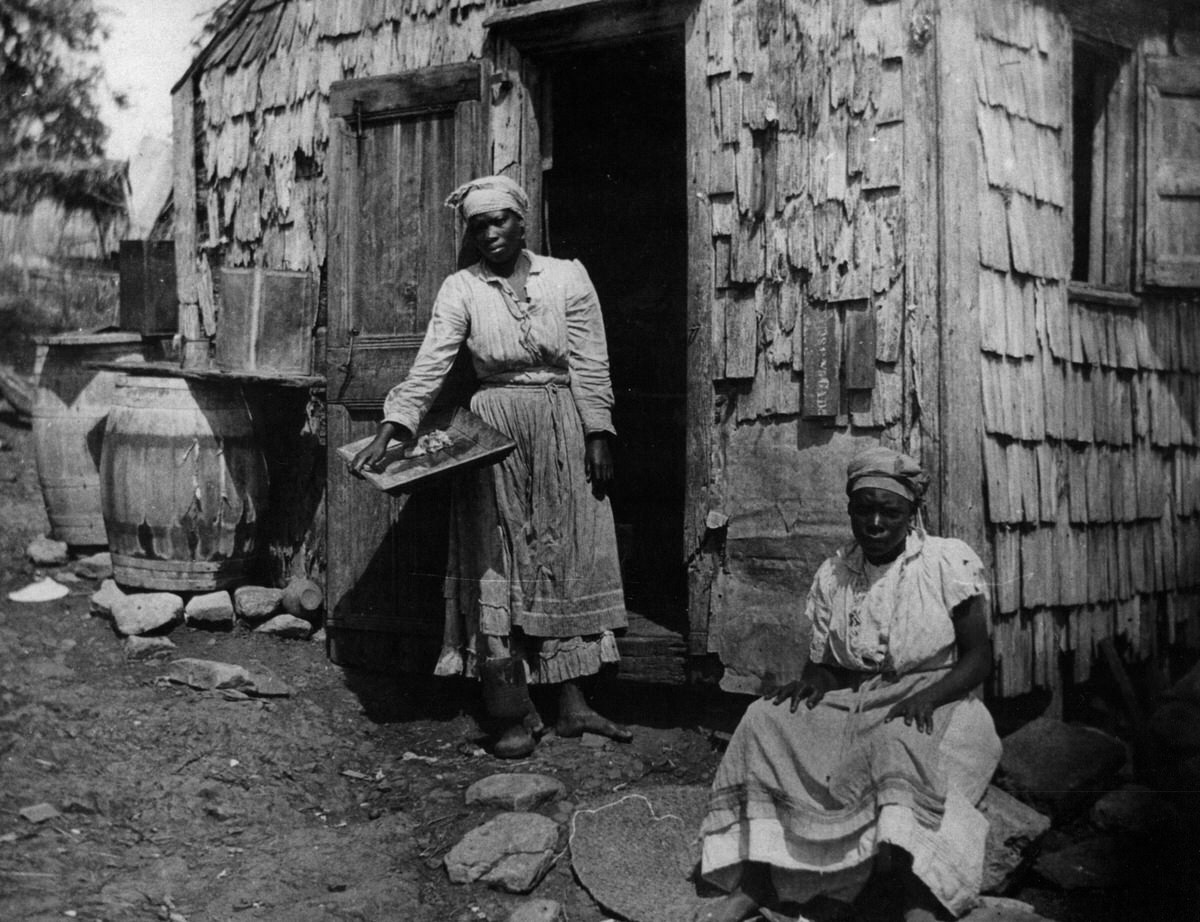
The workers who kept the sugar industry alive earned almost nothing for their labor. Most cane cutters made between 20 and 35 cents a day. They lived in small houses owned by the plantation owners — an arrangement that kept them financially tied to their employers. In 1915, a labor leader named D. Hamilton Jackson changed that dynamic. He traveled all the way to Denmark to make his case directly to the government and the press. When he returned, he led a general strike. Workers refused to harvest the cane until planters agreed to raise wages and improve conditions. It was the first major labor action of its kind on the island.
Life on St. Croix was not defined by the fields alone. The island’s two main towns — Christiansted and Frederiksted — had a distinct Danish colonial character. Government buildings and merchant houses lined the streets, each featuring covered sidewalks called arcades that shielded people from the tropical sun and sudden downpours. The buildings themselves were constructed from yellow brick shipped from Denmark as ballast in cargo vessels, and topped with red corrugated iron roofs. Danish Gendarmes, the local police, patrolled the streets in blue uniforms.
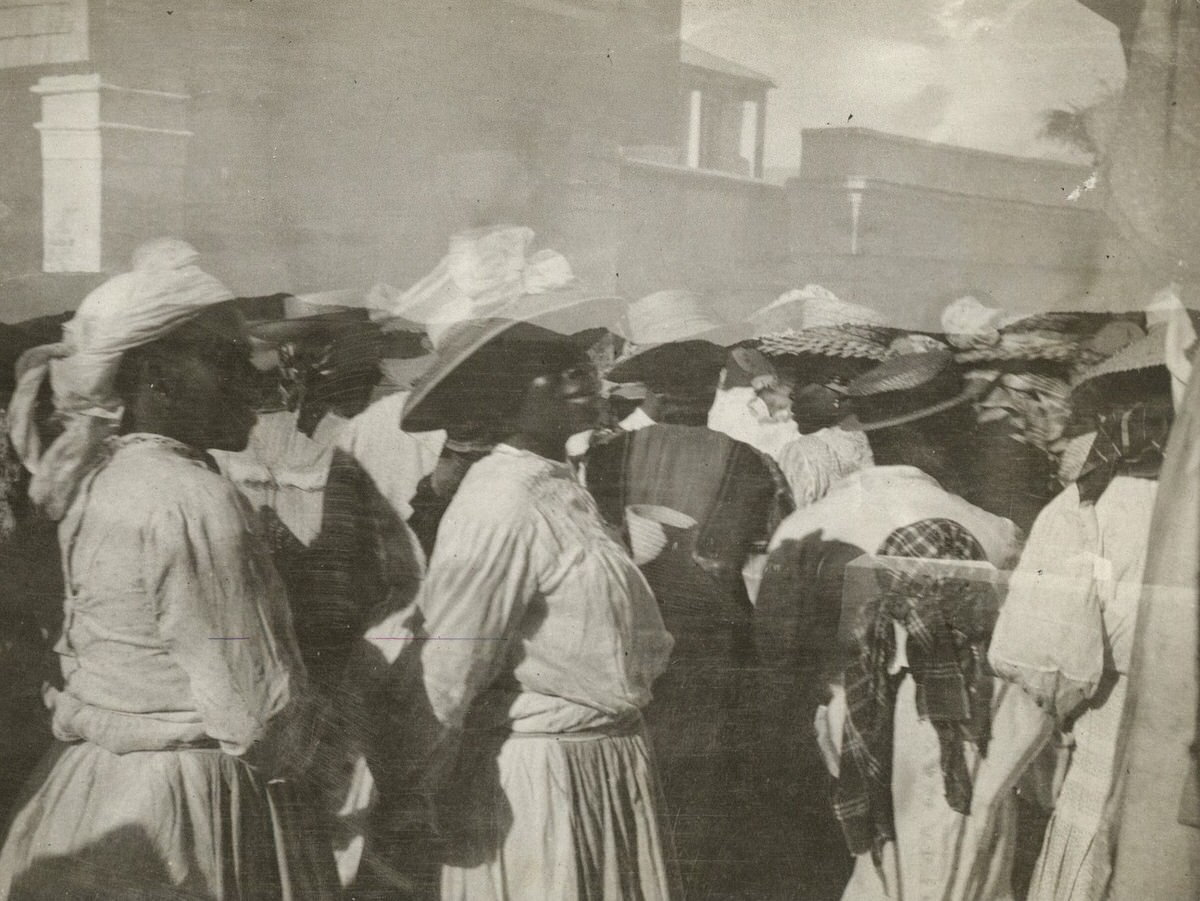
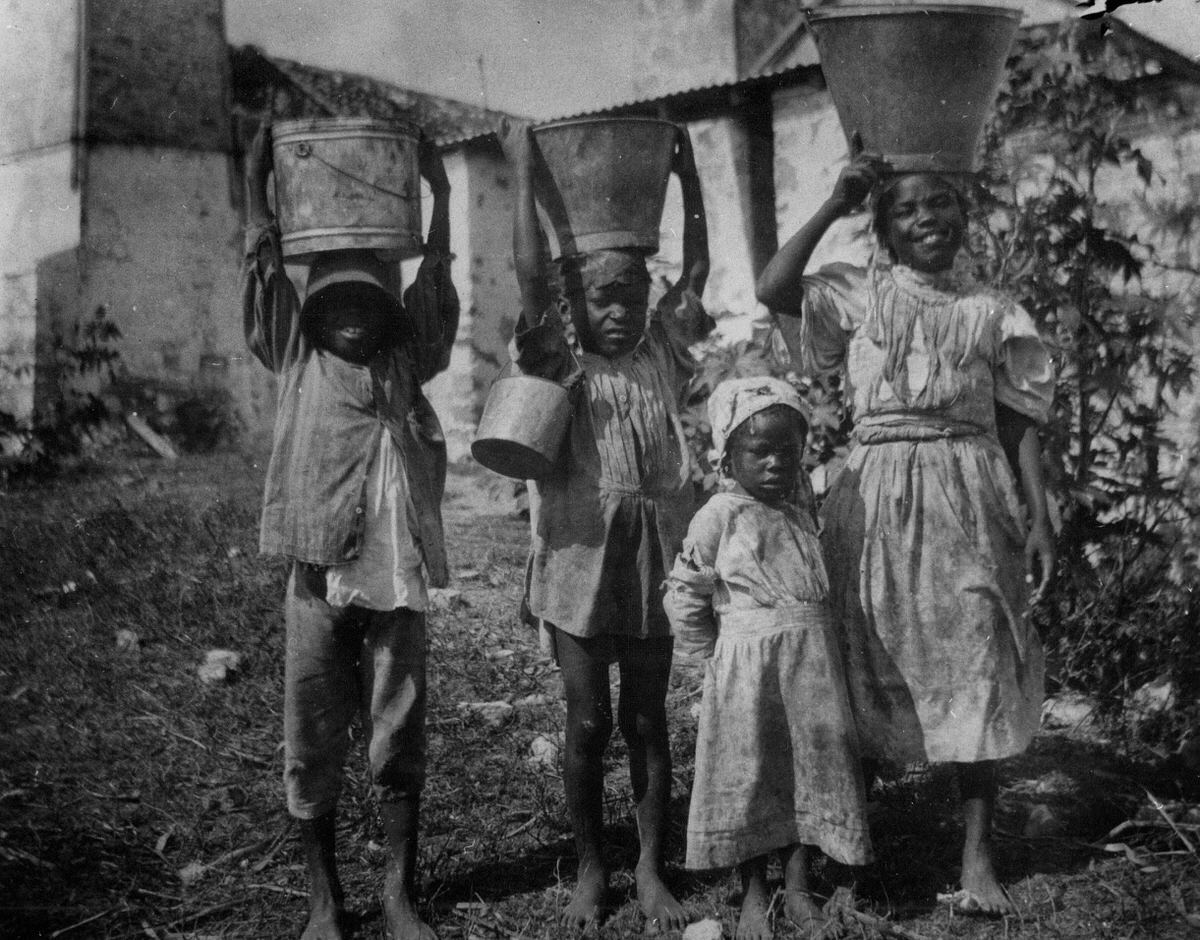
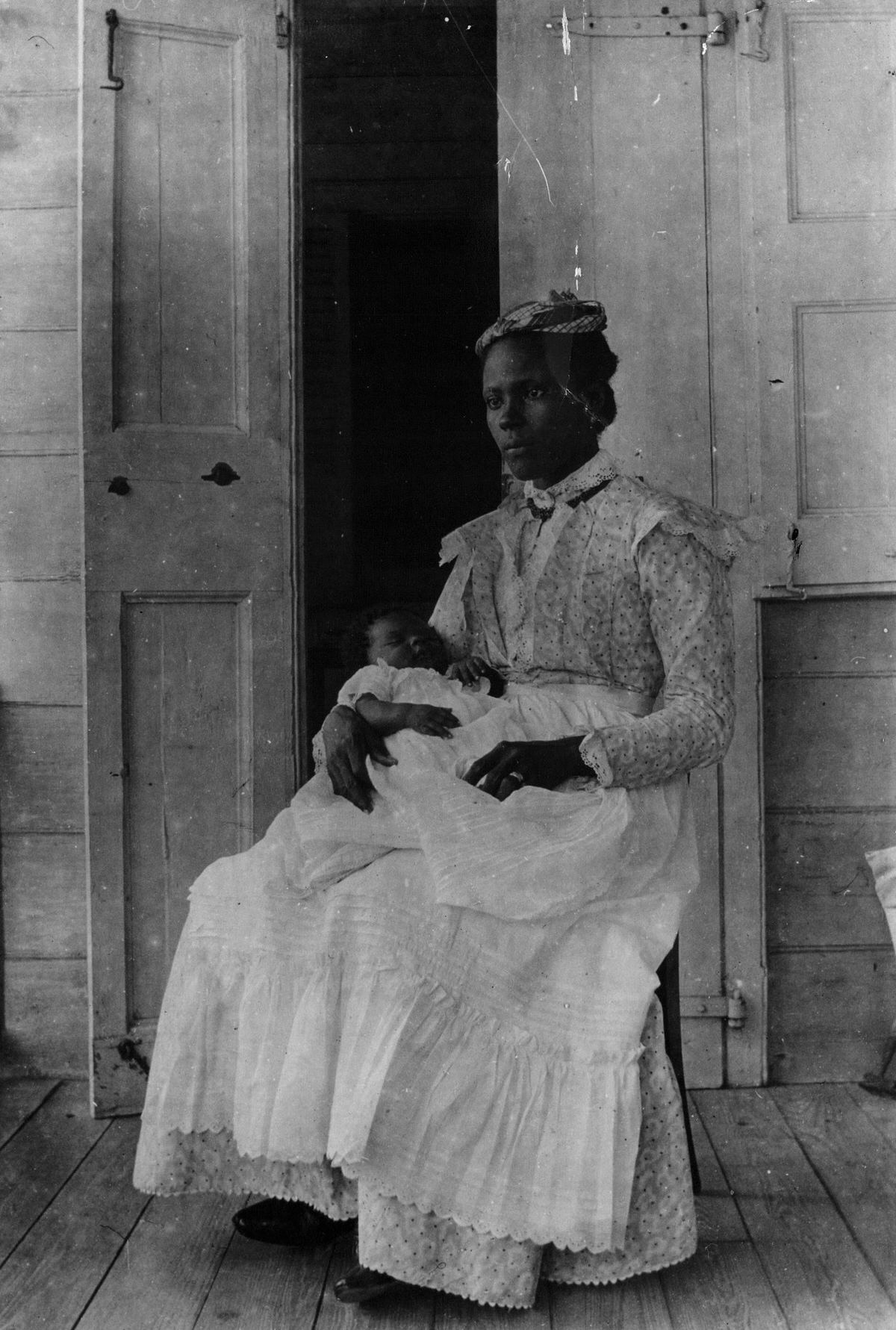
Despite the European architecture, the streets had a Caribbean energy. Donkey carts hauled produce through town, and women set up at market squares selling fish or charcoal. People from all walks of life moved through the same spaces — from plantation laborers to Danish officials to local merchants. Carrying water was a daily task that fell to many residents, as running water was not available to most households.
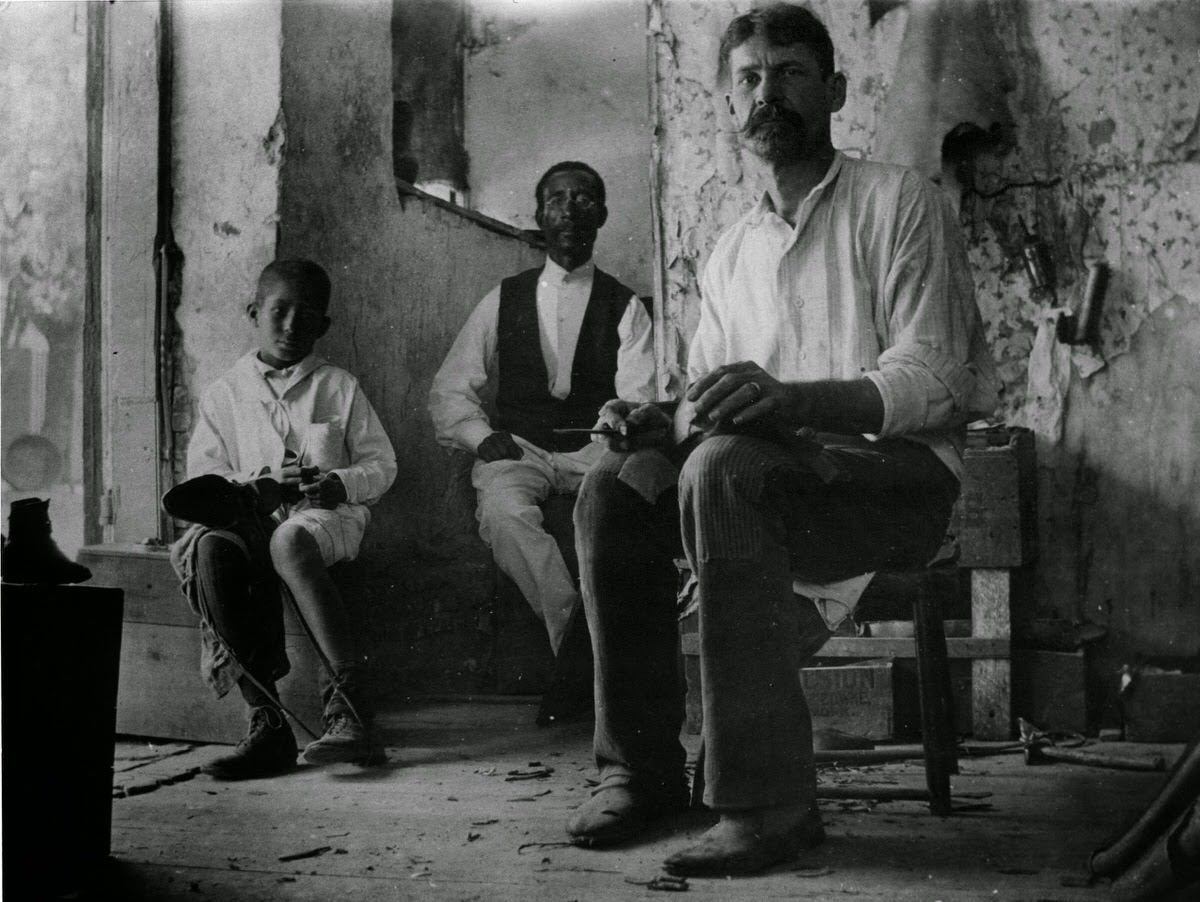
Skilled trades were part of the island’s working fabric as well. Shoemakers, like many craftsmen, ran small operations that served the local population. Their work represented a layer of island life that existed alongside — and largely separate from — the plantation economy.
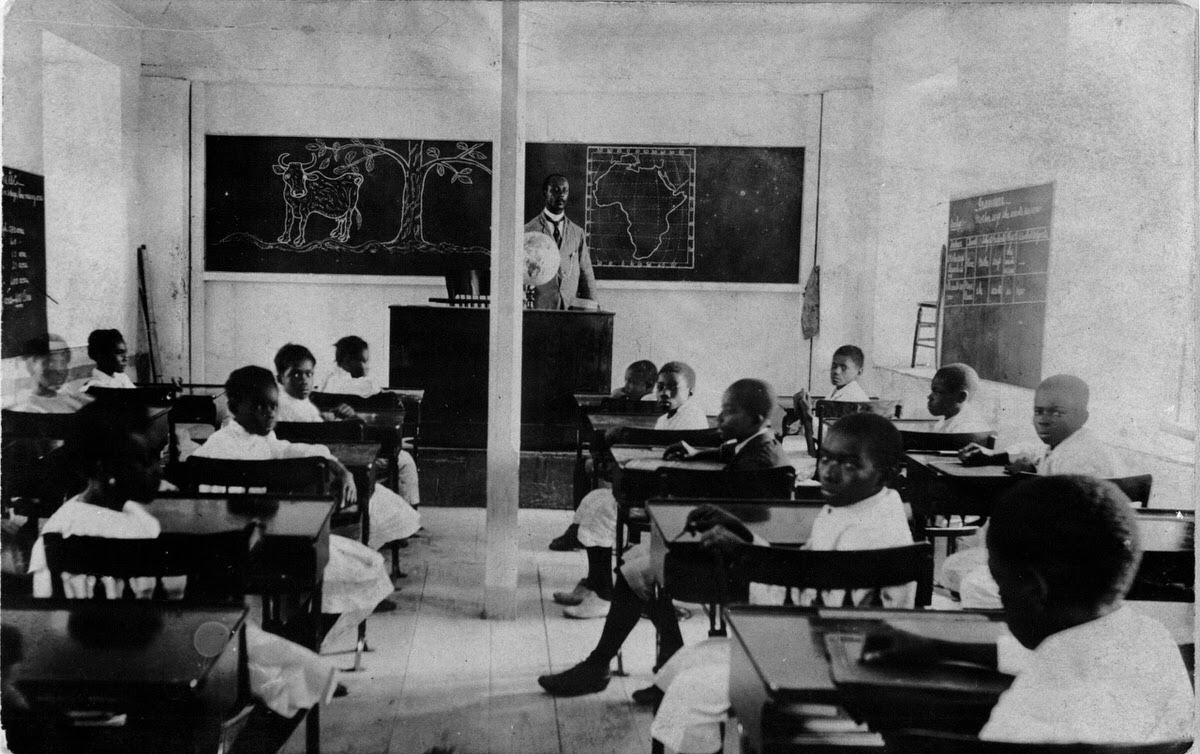
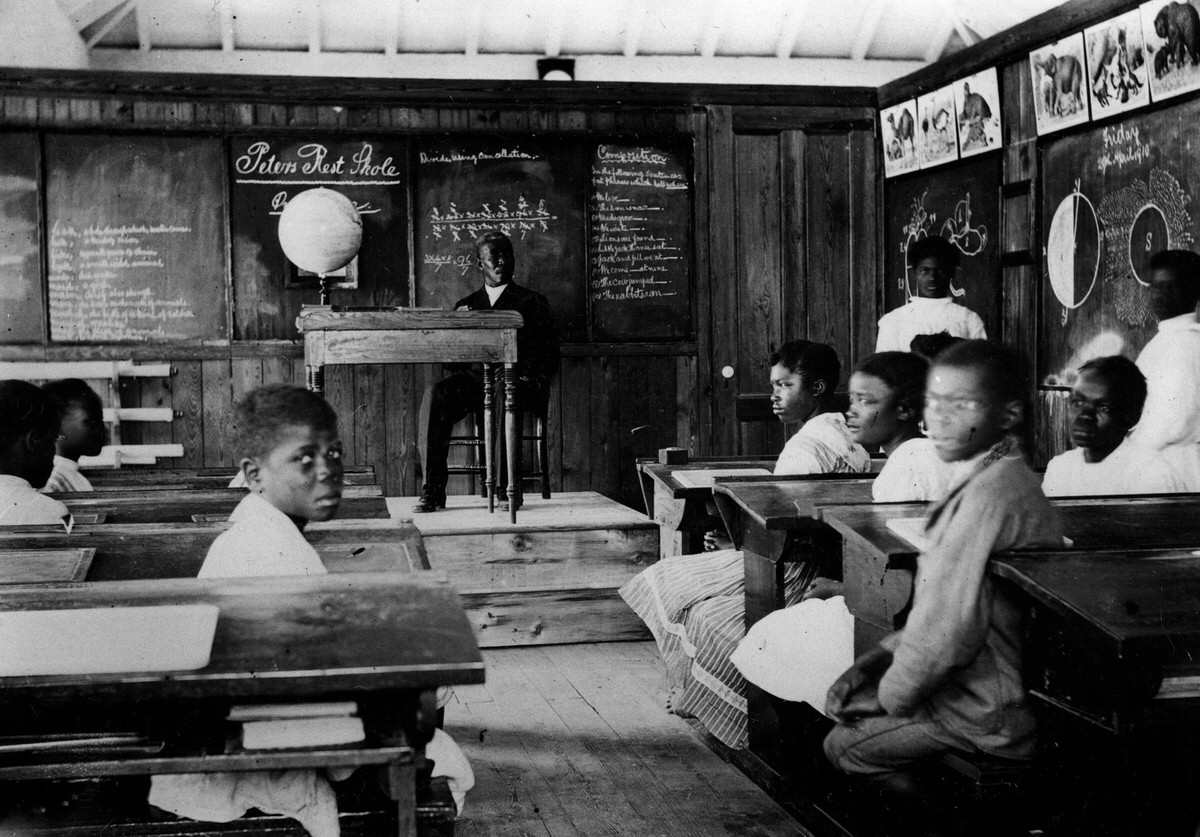
Education was present across the island, from the town schools of Frederiksted to rural schoolhouses and those on neighboring St. Jan. Teachers worked with students of varying ages in modest classrooms. These schools served communities that were navigating a world still shaped by the legacy of slavery and colonial rule, yet pushing forward into a new era.
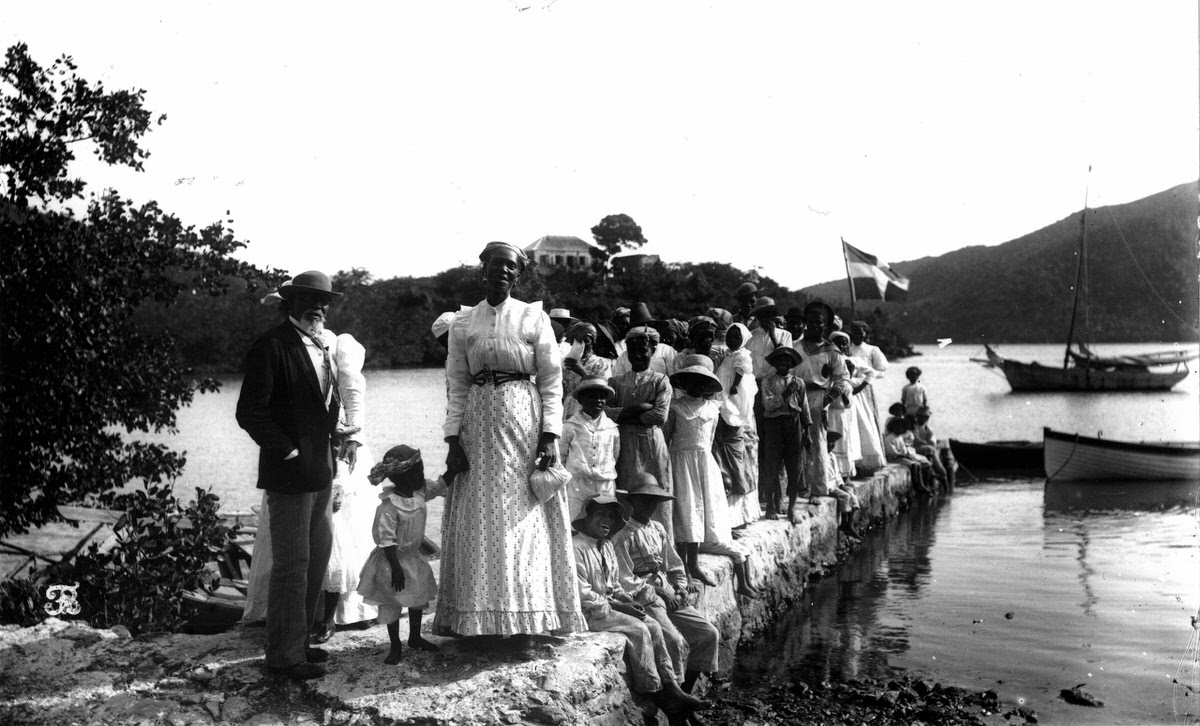
All of this daily life — the labor strikes, the market vendors, the schoolrooms, the cane fields — unfolded against a backdrop of political uncertainty. For years, rumors had circulated that Denmark intended to sell the islands. The colony had become a financial drain on the Danish treasury, and Denmark lacked the resources to modernize it. The United States, meanwhile, had urgent reasons to act. With World War I raging in Europe, American officials feared that Germany could invade Denmark and claim the Virgin Islands as a Caribbean submarine base. That fear pushed negotiations forward quickly. By 1916, Denmark and the United States agreed on a sale price of $25 million in gold coin — one of the largest territorial purchases in American history at the time.