
Ireland in the 1880s was a country being pulled in several directions at once. Tenant farmers were locked in open conflict with their landlords. A political genius was reshaping British parliamentary power from his seat in London. And in towns and fields across the island, ordinary people were fighting to keep their language, their sports, and their sense of who they were. These photographs capture that world — its streets, its landmarks, and the texture of daily life during one of the most turbulent decades in Irish history.
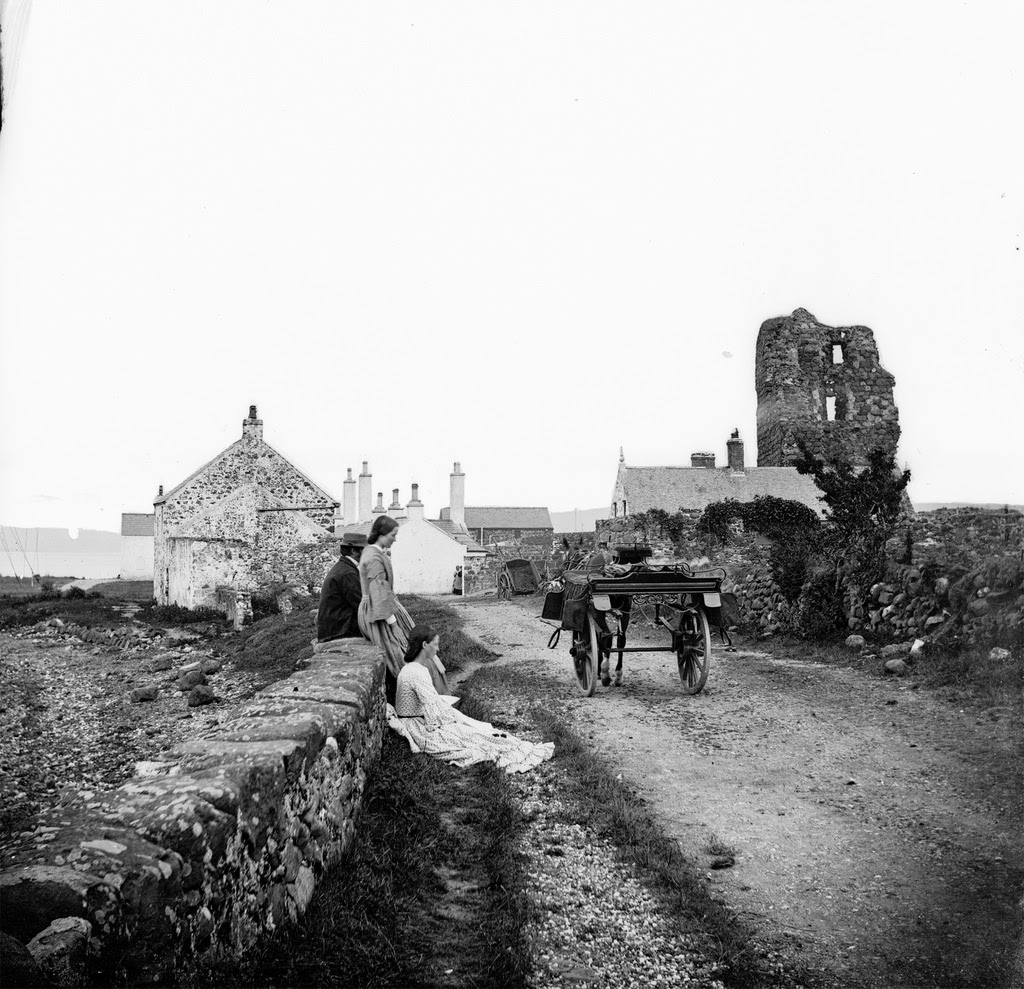
The most defining struggle of the decade was the Land War. In the decades after the Great Famine, the vast majority of rural Irish people were tenant farmers working land owned by a small class of aristocrats. They had no legal protections and could be evicted without cause. A run of bad harvests in the late 1870s pushed many to the edge, and mass evictions followed. The Irish National Land League, led by Michael Davitt and Charles Stewart Parnell, organized the response. Rather than armed rebellion, they used rent strikes and community blockades, turning out entire neighborhoods to physically prevent evictions.
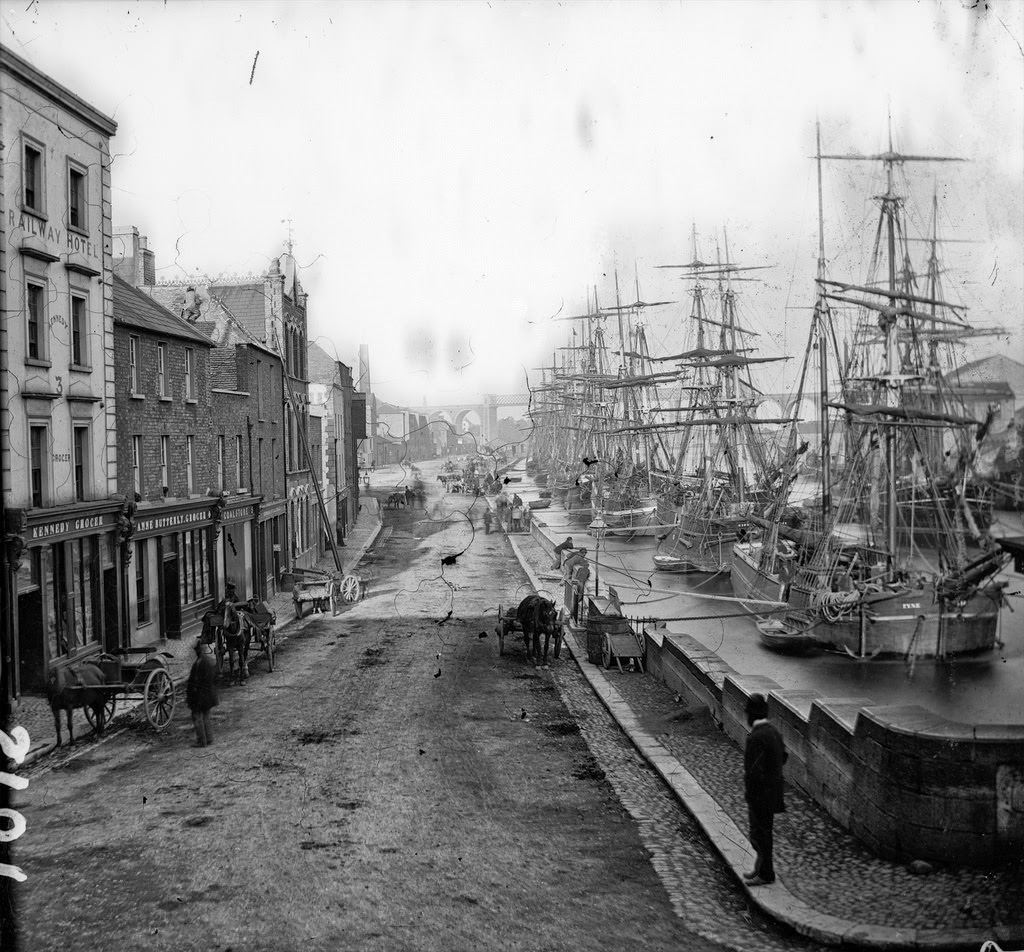
The Land League’s most famous tactic gave the English language a new word. When a land agent in County Mayo named Captain Charles Boycott tried to evict his tenants, the community cut him off entirely. His workers quit, local shops refused him service, and the postman stopped delivering his mail. This organized, non-violent shunning became known as boycotting. It worked. The British government passed the Land Act of 1881, granting tenants fair rents and new rights for the first time. The unchecked power of the landlord class was broken.
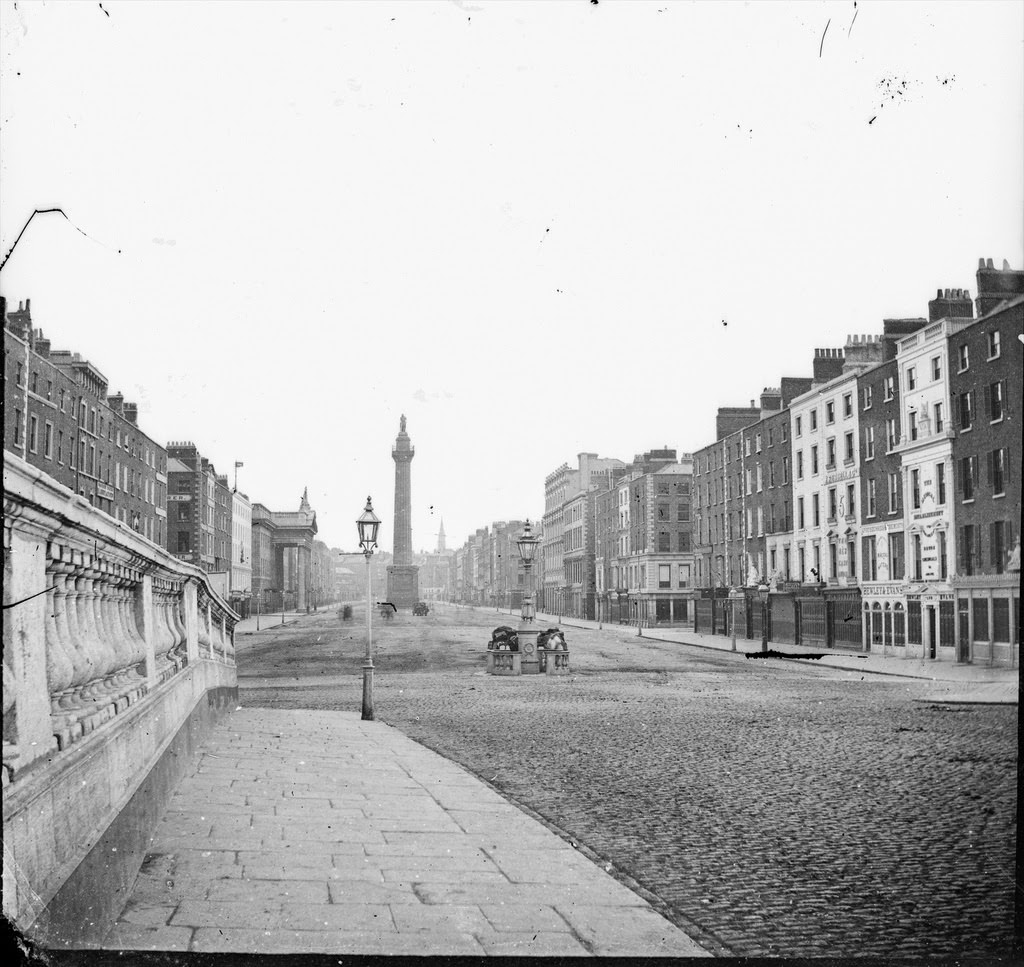
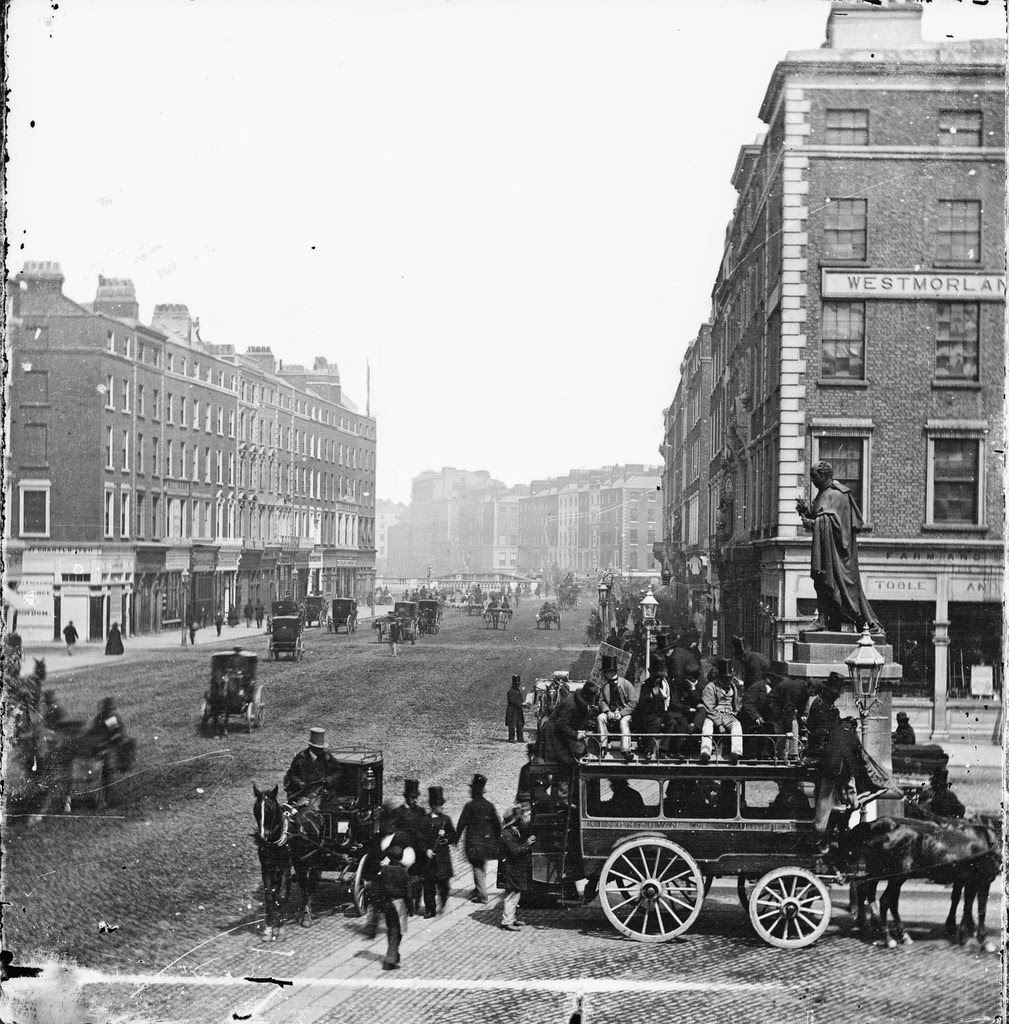
The energy of the Land War fed directly into parliamentary politics. Charles Stewart Parnell, known as the “Uncrowned King of Ireland,” led the Irish Parliamentary Party in London with sharp discipline. His goal was Home Rule — an Irish parliament in Dublin to manage domestic affairs, while Ireland remained within the British Empire. Through the 1880s, he used his bloc of Irish MPs to hold the balance of power between Britain’s Liberal and Conservative parties, extracting concessions in exchange for Irish support. Home Rule came closer to reality than it ever had before.
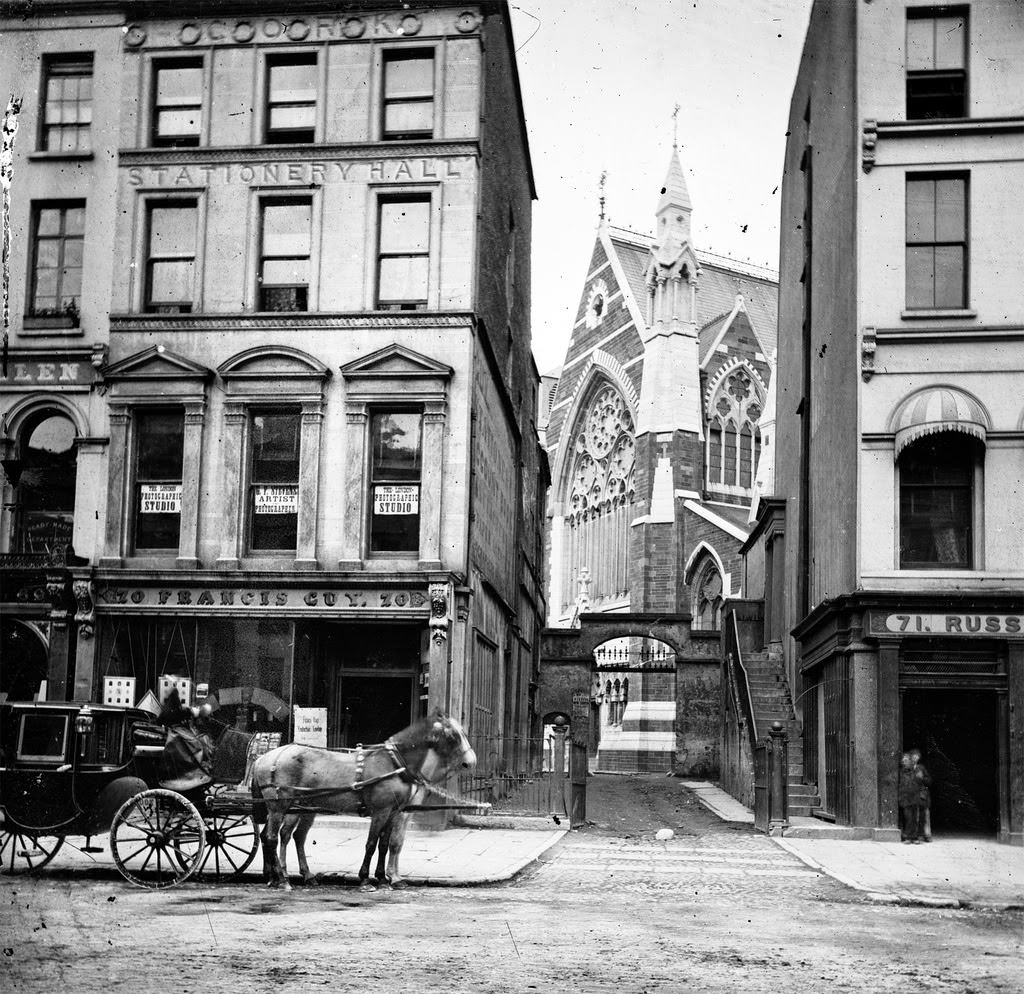
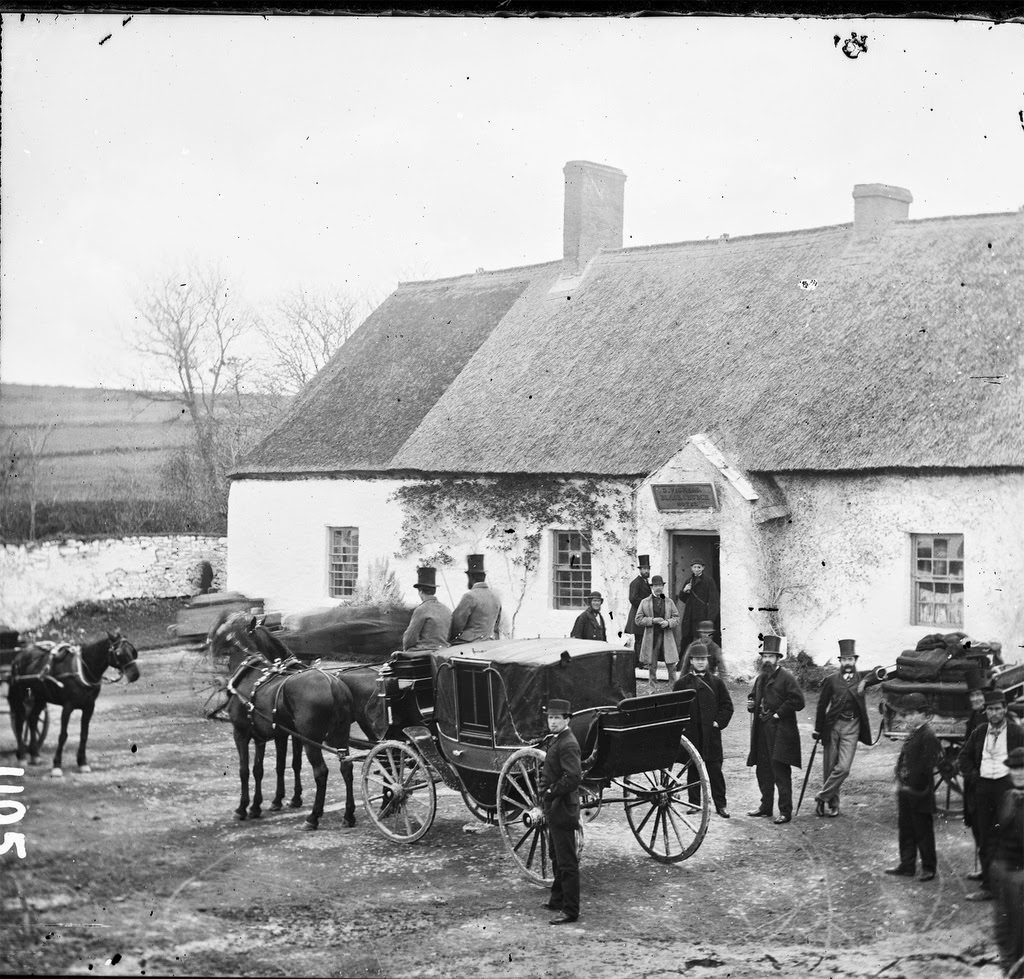
This political project nearly collapsed in May 1882. Members of a secret republican society called “The Invincibles” assassinated the two most senior British officials in Ireland as they walked through Phoenix Park in Dublin. The murders shocked the public and threatened to tar the entire nationalist movement with the same brush. Parnell, who had no connection to the plot, immediately and publicly condemned the killings to separate Home Rule from the violence.
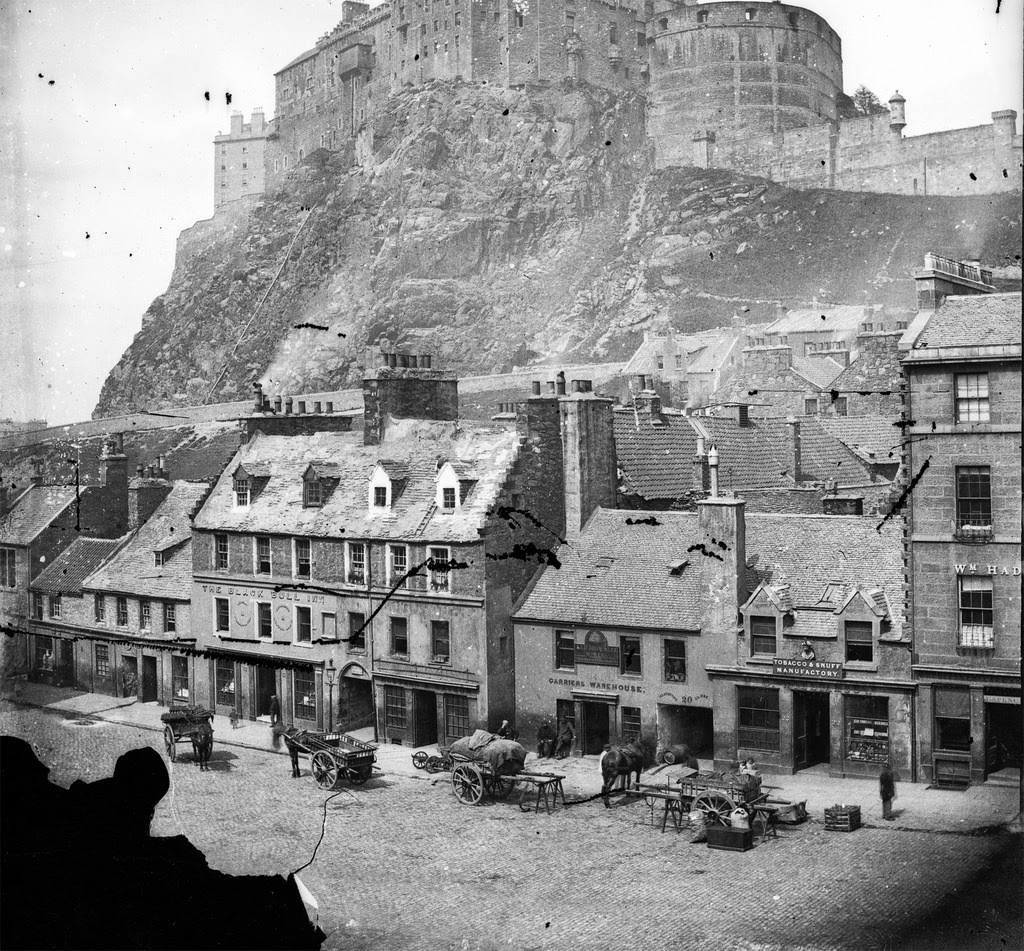
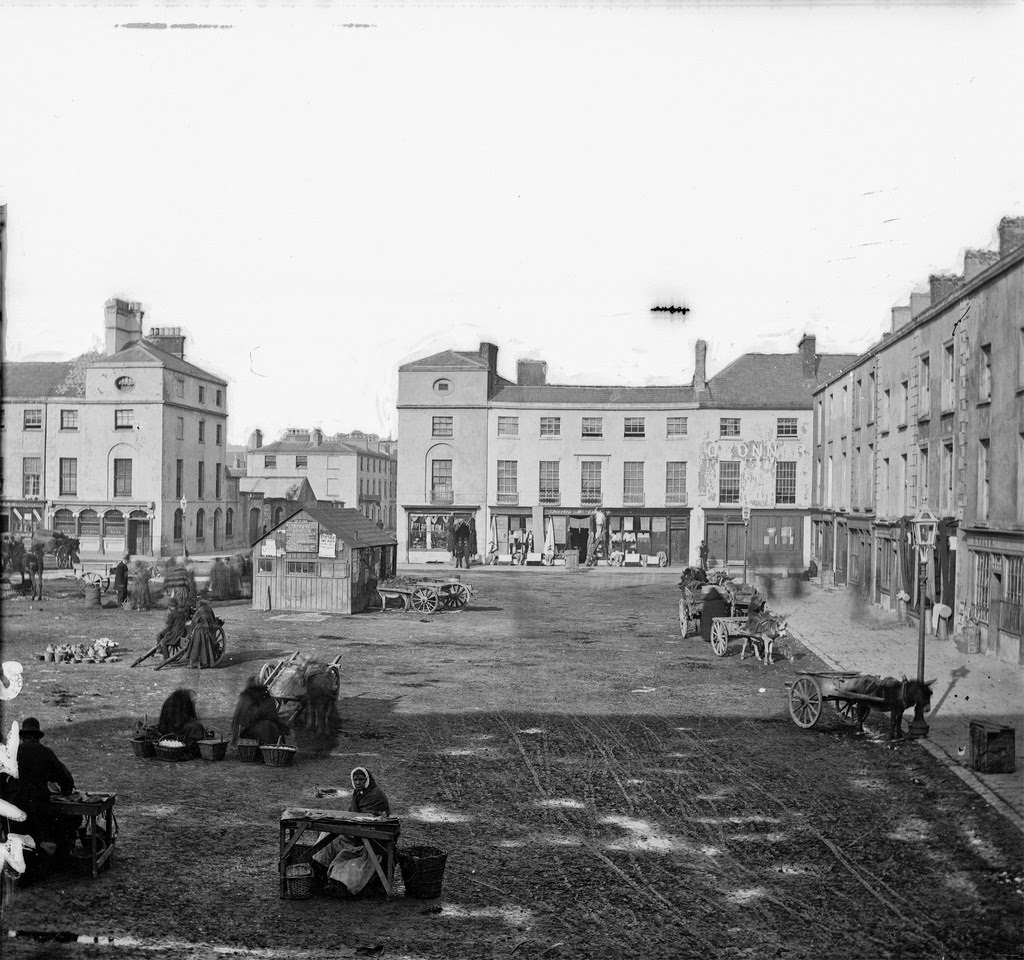
While politicians fought in Westminster, a separate cultural battle was underway. Many Irish nationalists believed that centuries of British rule had eroded the country’s native identity — a process they called Anglicisation. In 1884, the Gaelic Athletic Association was founded with a specific mission: to promote traditional Irish sports like hurling and Gaelic football. English games like cricket, associated with the British army and administration, were deliberately sidelined. The GAA built a grassroots network that tied sport directly to national identity.
Alongside the sporting revival came renewed interest in the Irish language and ancient mythology. Scholars traveled to rural, Irish-speaking communities to collect folk tales. The old myths of heroes like Cú Chulainn were retold for a new generation of writers and poets. This Gaelic Revival was not nostalgia for its own sake. It was a deliberate project to construct a national identity that was distinctly Irish — ancient, rooted, and separate from anything English.
For most people, the daily reality of 1880s Ireland had little to do with politics or cultural movements. Poverty was widespread. Emigration drained the country year after year, as ships packed with young Irish men and women left for America, Canada, and Australia. The departure of a family member was marked by a custom called the “American wake” — a farewell gathering of music, dancing, and grief, because everyone understood the person leaving would almost certainly never return. Letters from America, sometimes carrying a few dollars, were a lifeline back to those left behind.
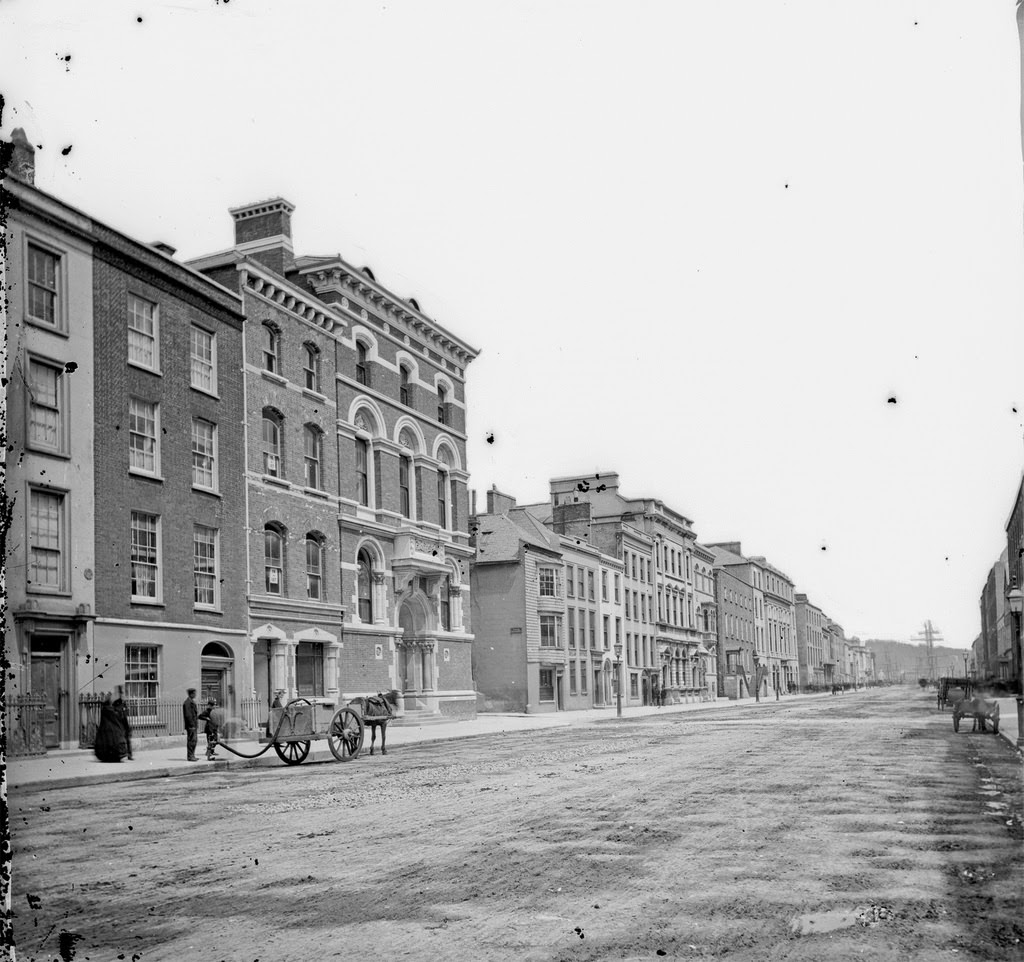
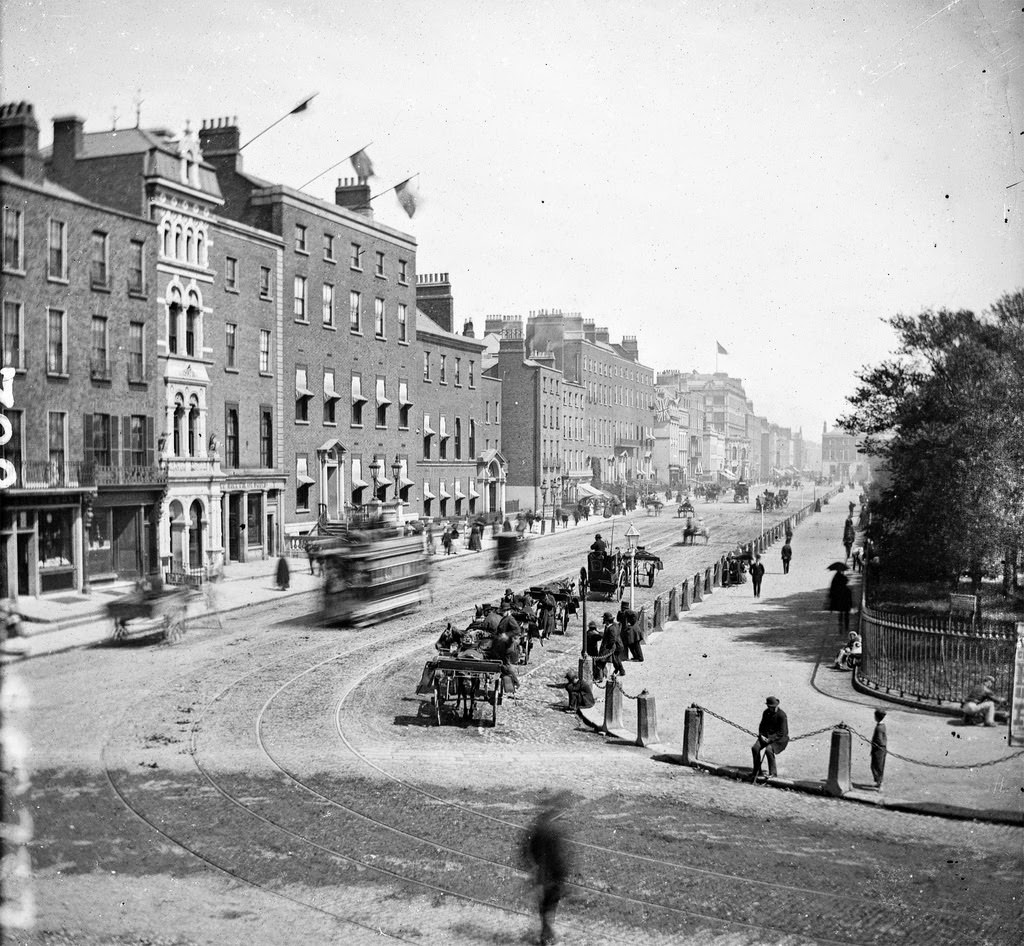
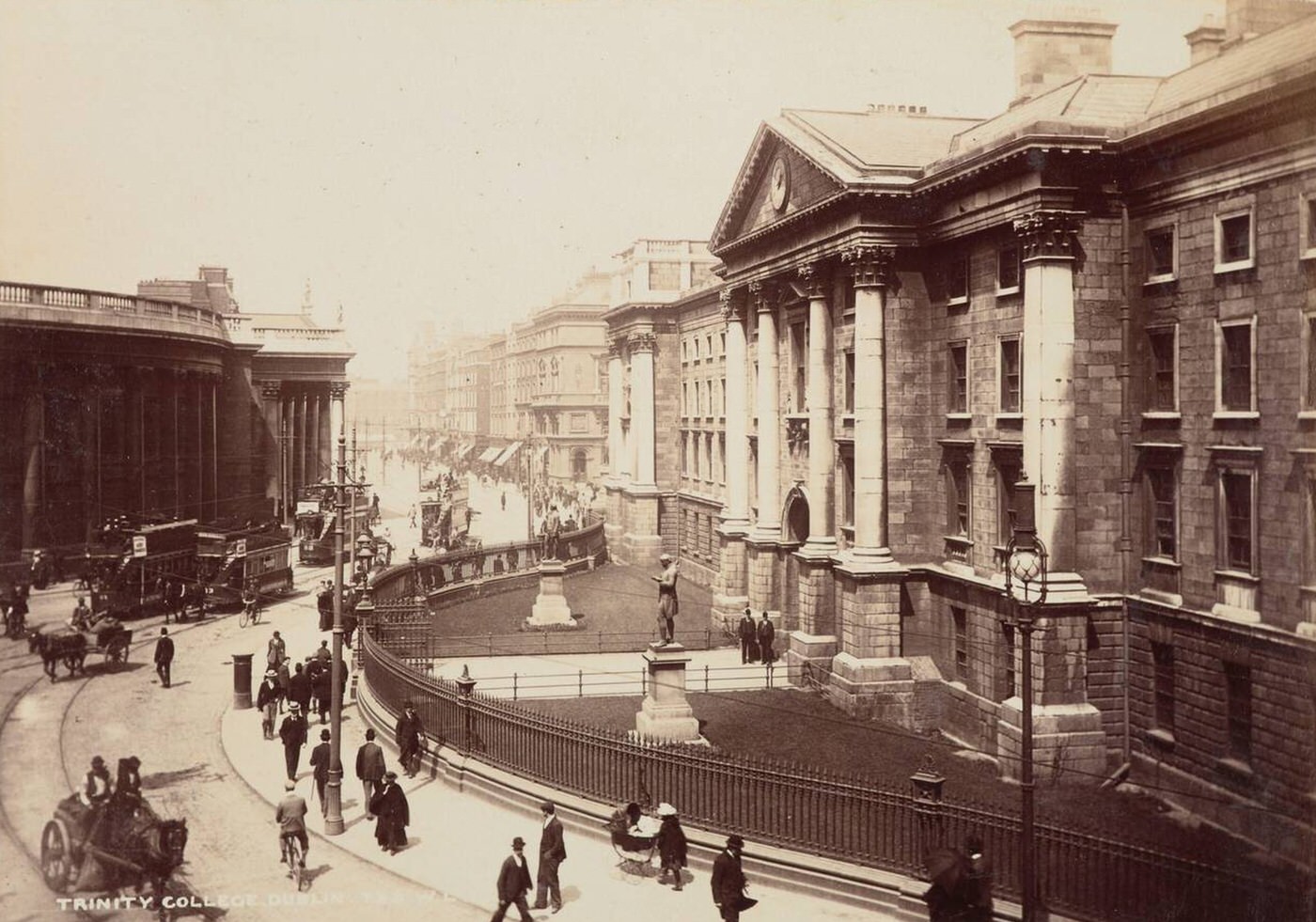
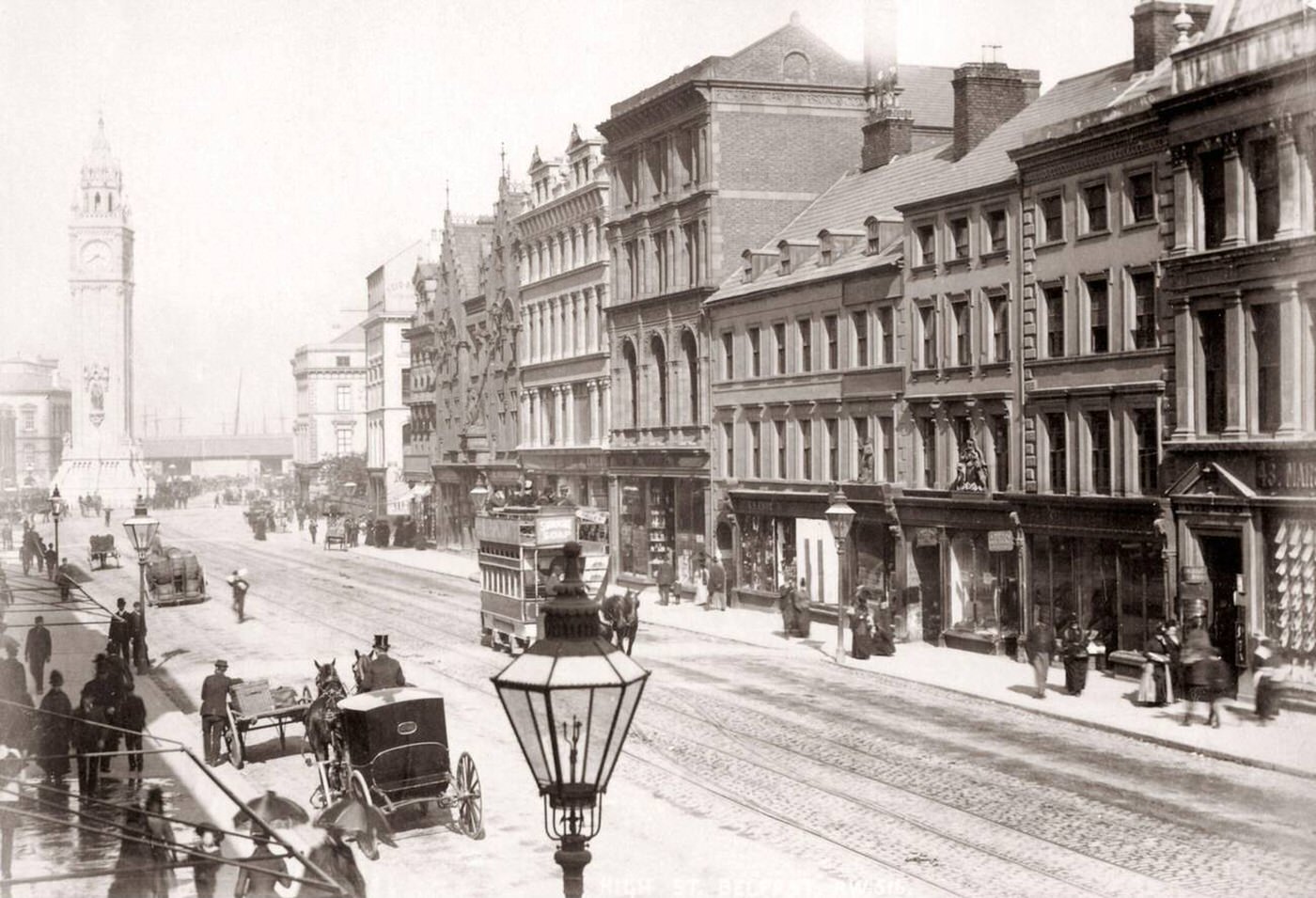
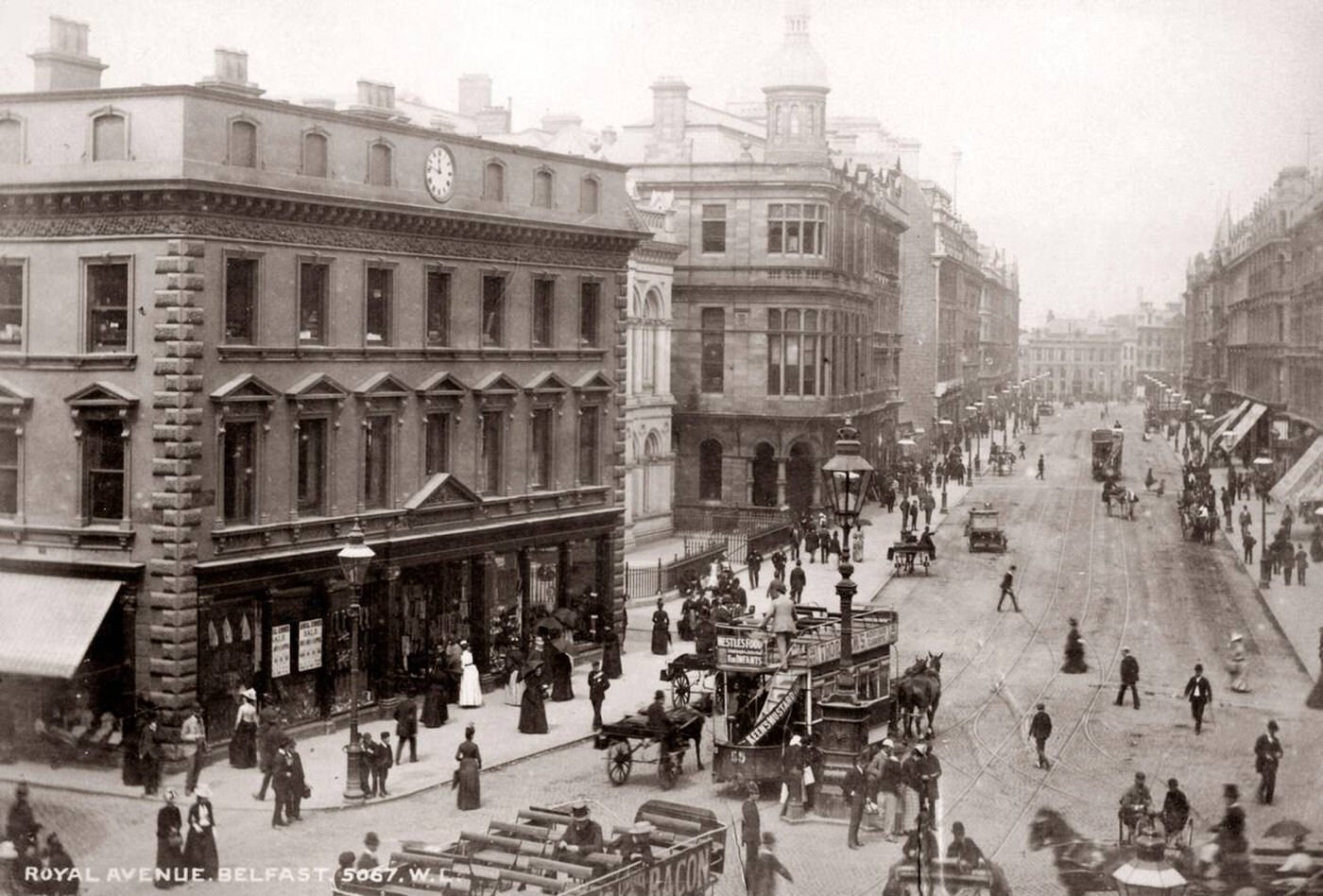
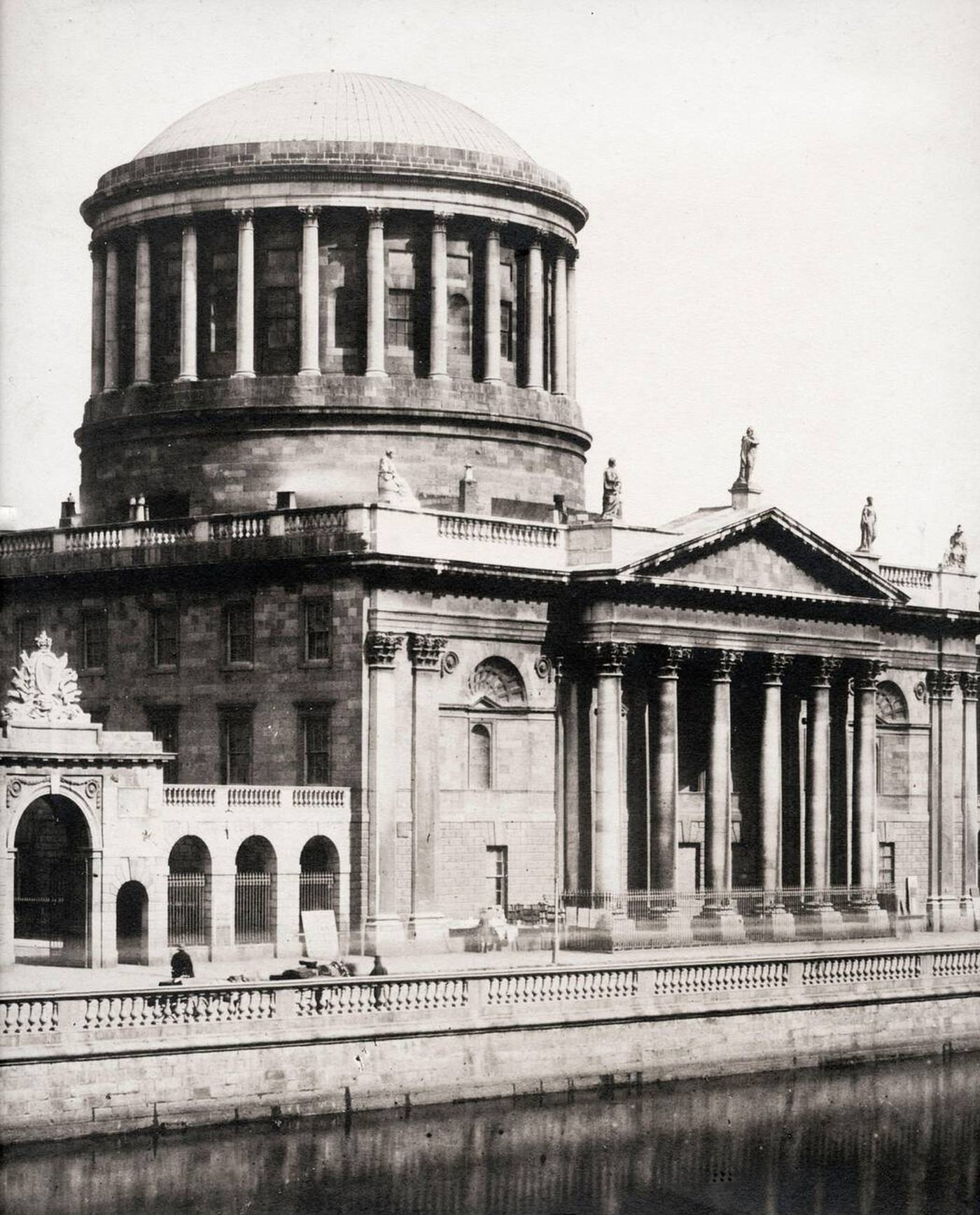
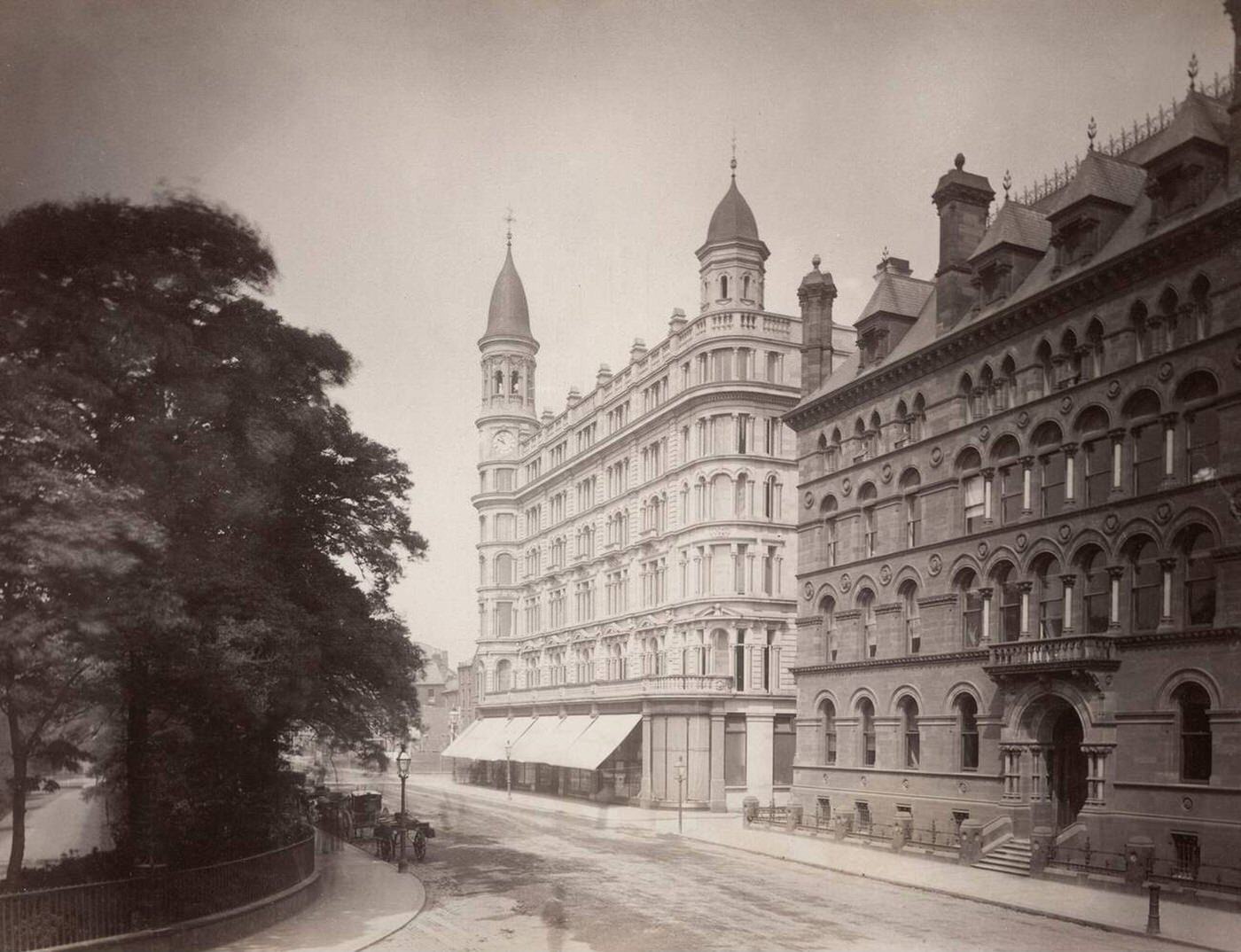
Dublin presented a city of sharp contrasts. Georgian terraces and grand public buildings stood alongside some of the worst tenement slums in Europe. Families were crowded into single crumbling rooms with little sanitation. Belfast told a different story entirely. It was a booming industrial city, powered by linen mills and shipyards producing some of the most advanced vessels in the world. This divide — a nationalist, rural south against a unionist, industrial north — was a fault line running beneath everything.
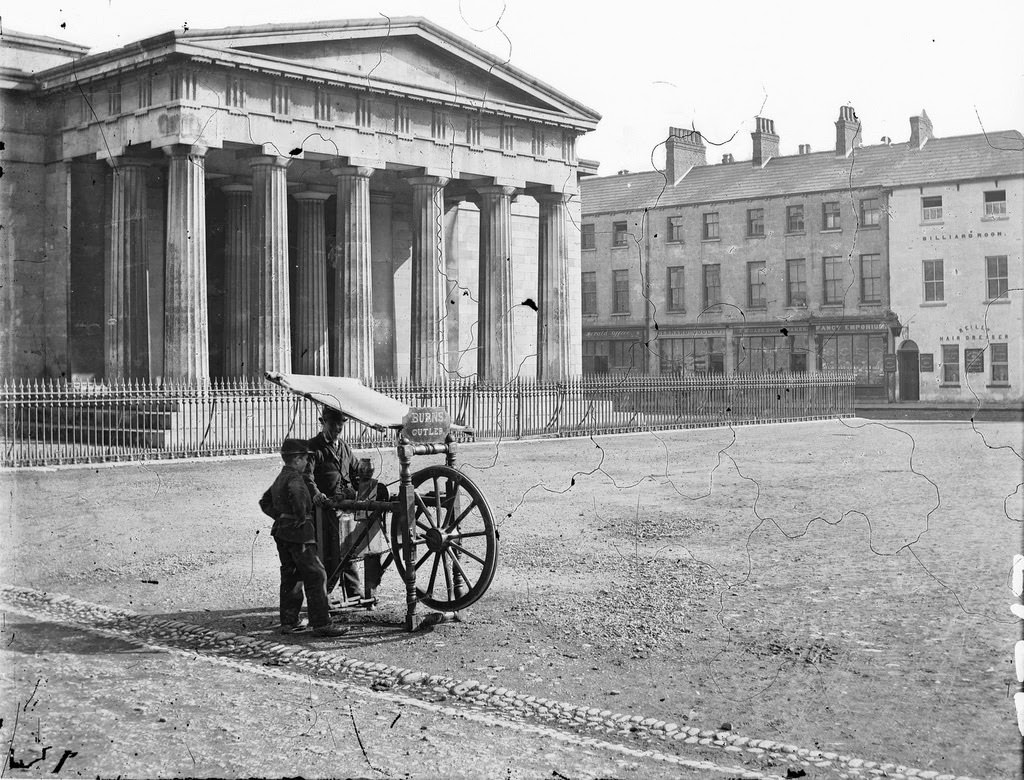
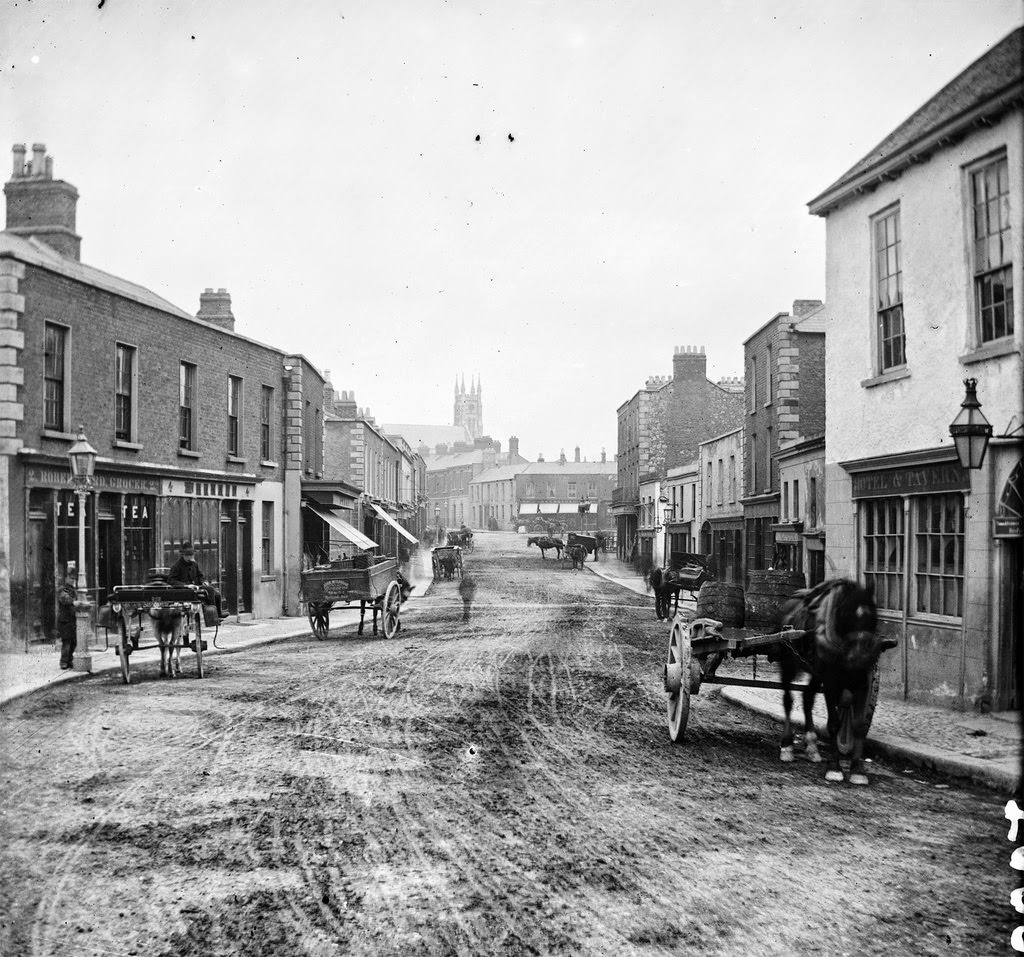
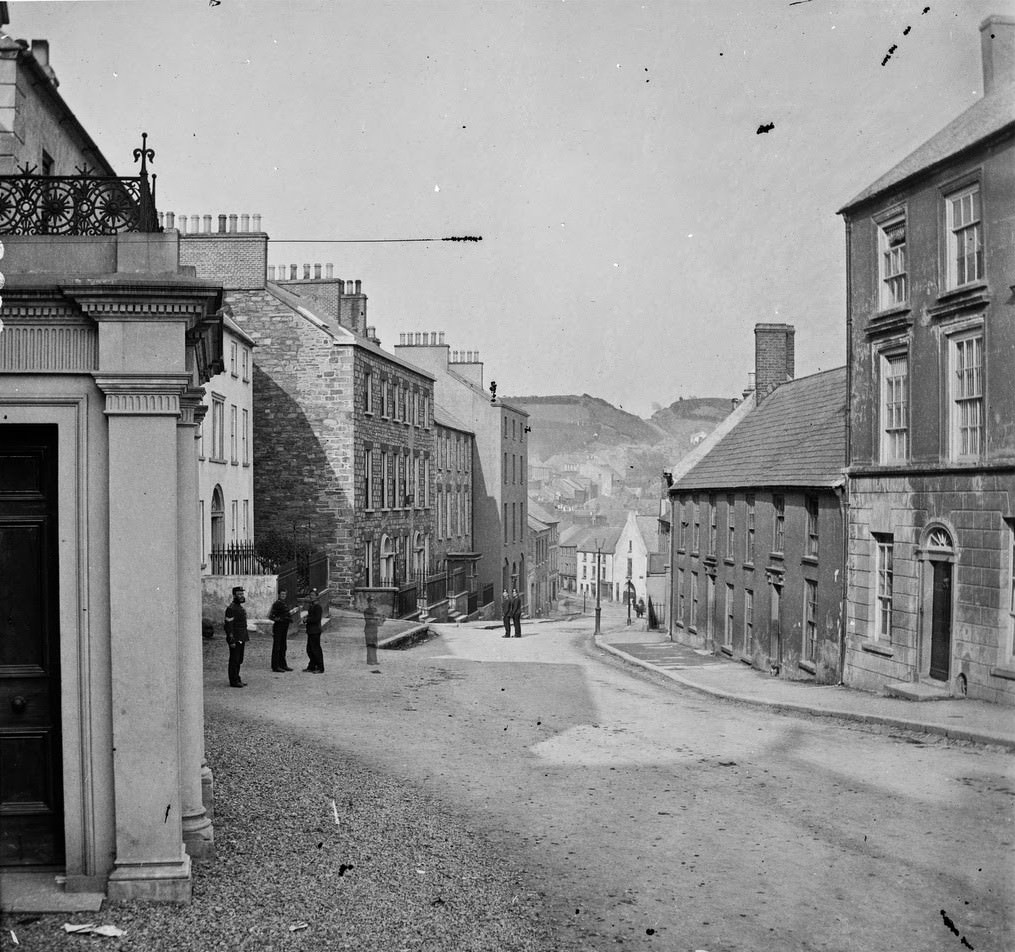
The Catholic Church anchored community life for the majority of the population. It ran schools, shaped social norms, and provided spiritual authority in a country where formal political power remained largely in British hands. A farmer in County Cork on a typical Sunday in the 1880s could attend Mass in the morning, play hurling in the afternoon, and read about Parnell’s latest parliamentary maneuver by evening — all while a sister packed her bags for Boston.
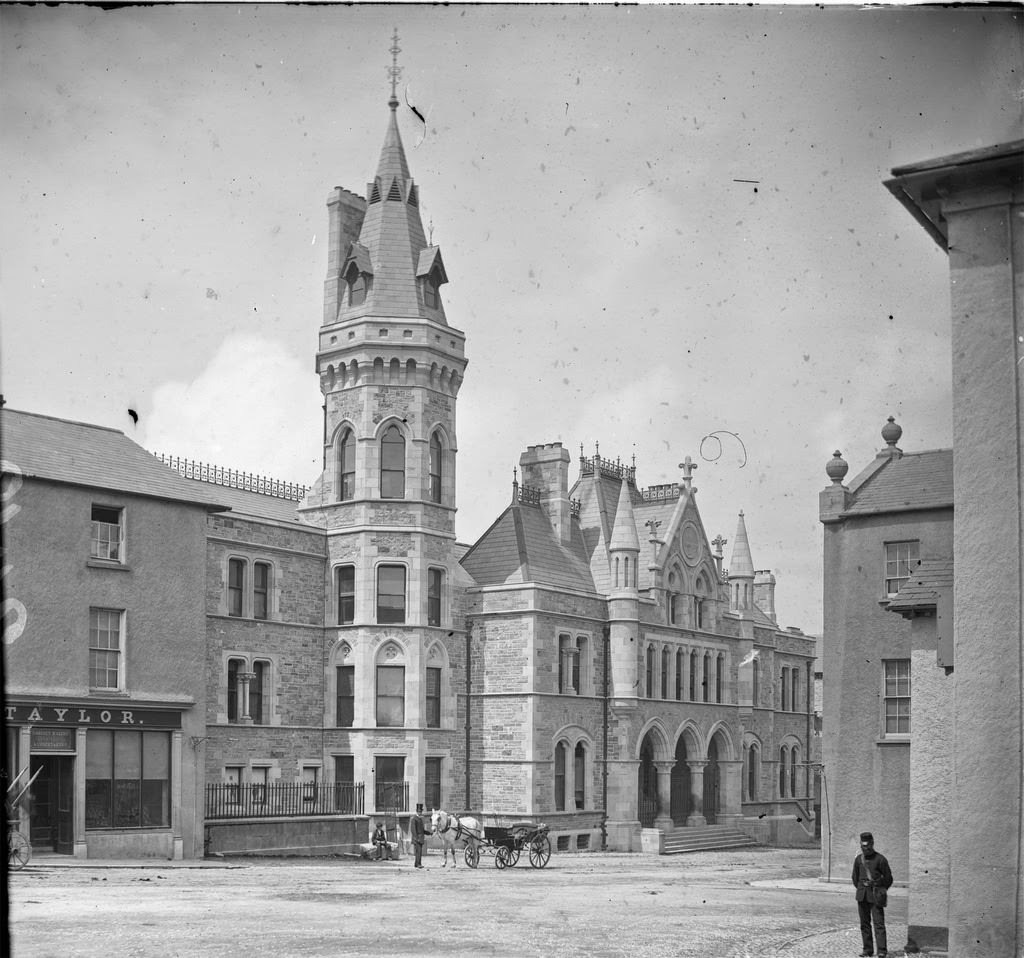
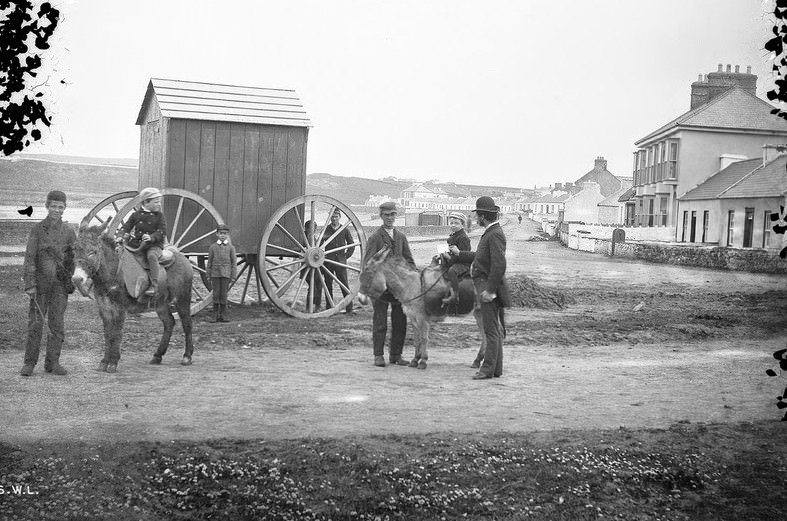
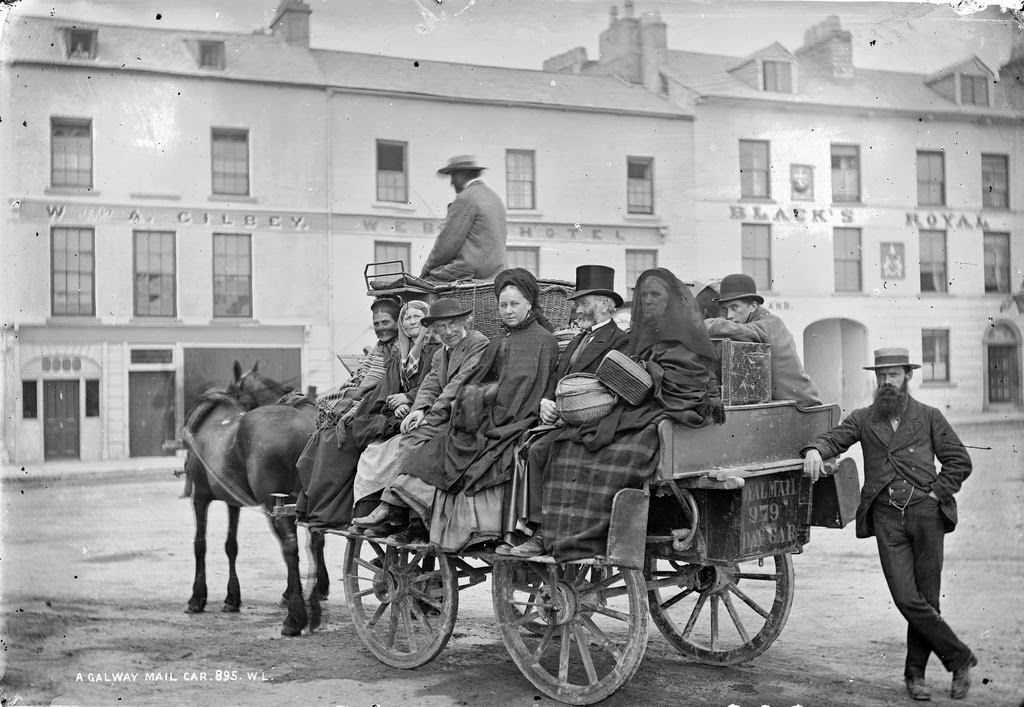
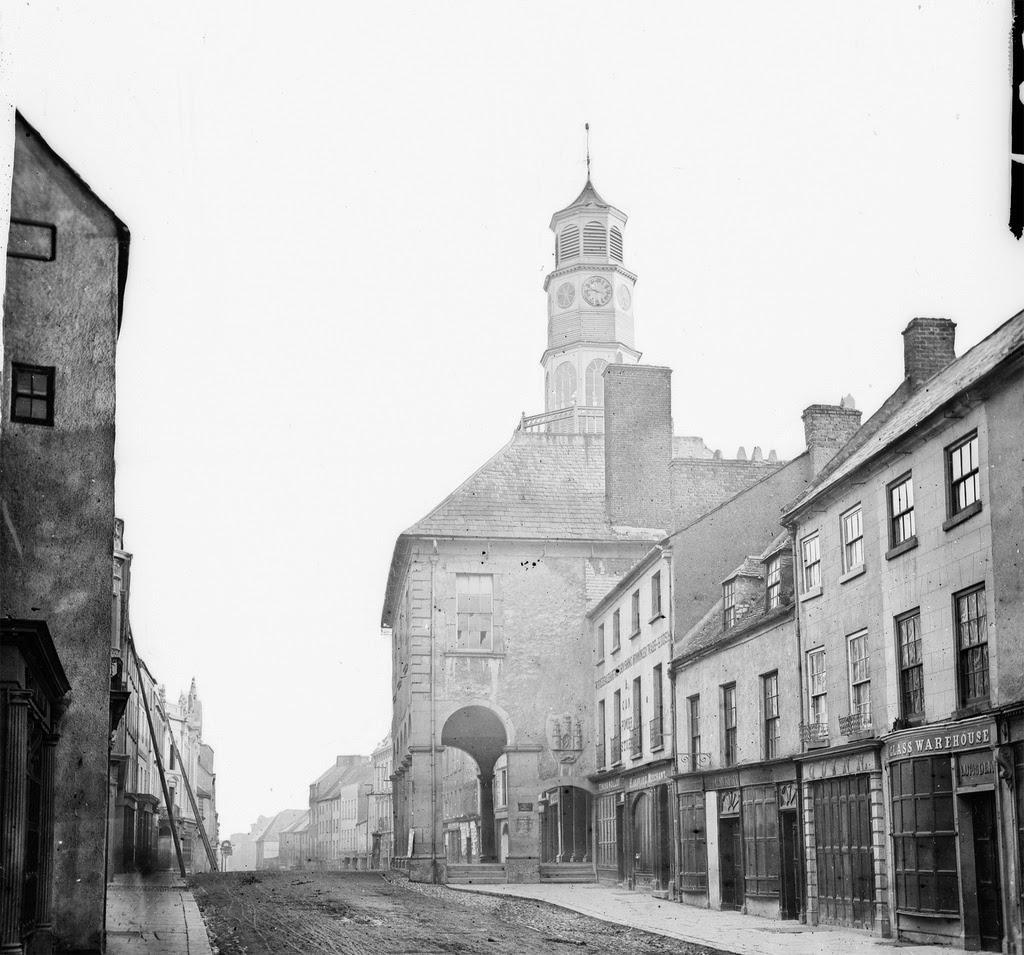
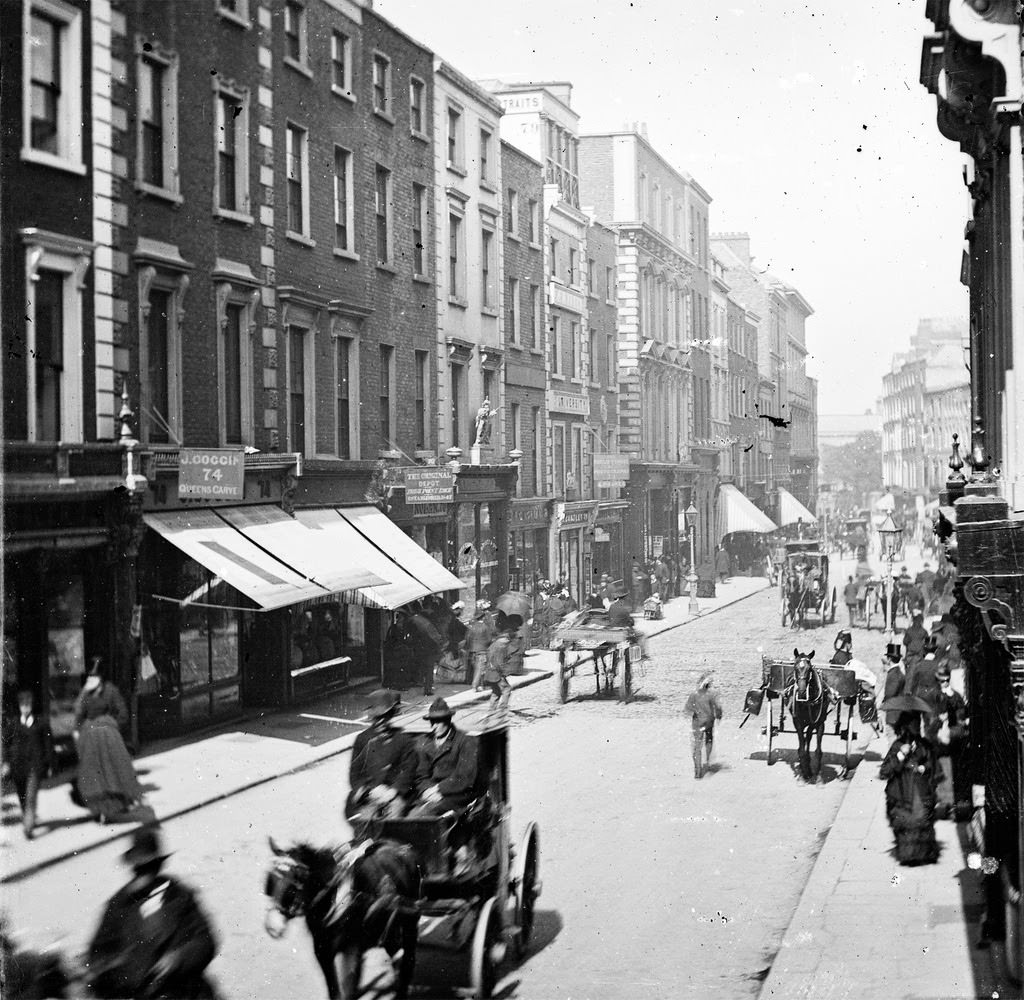
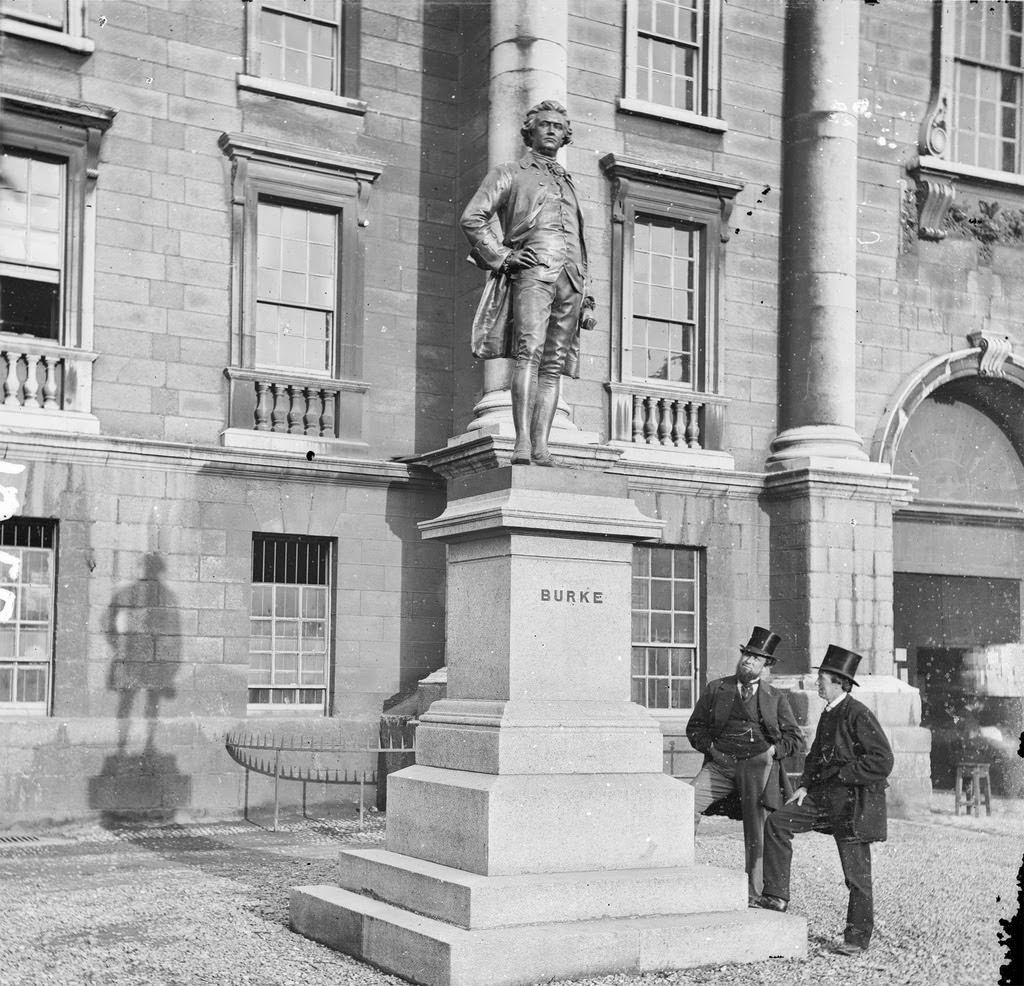
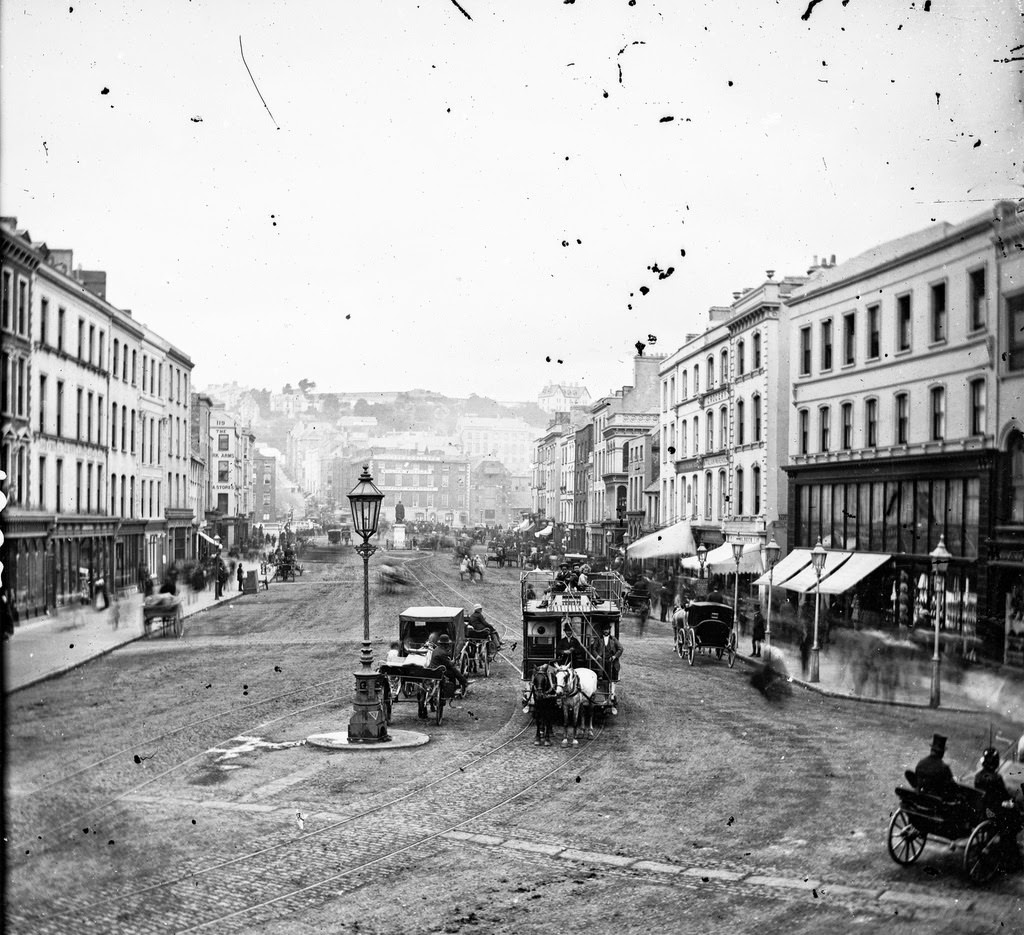
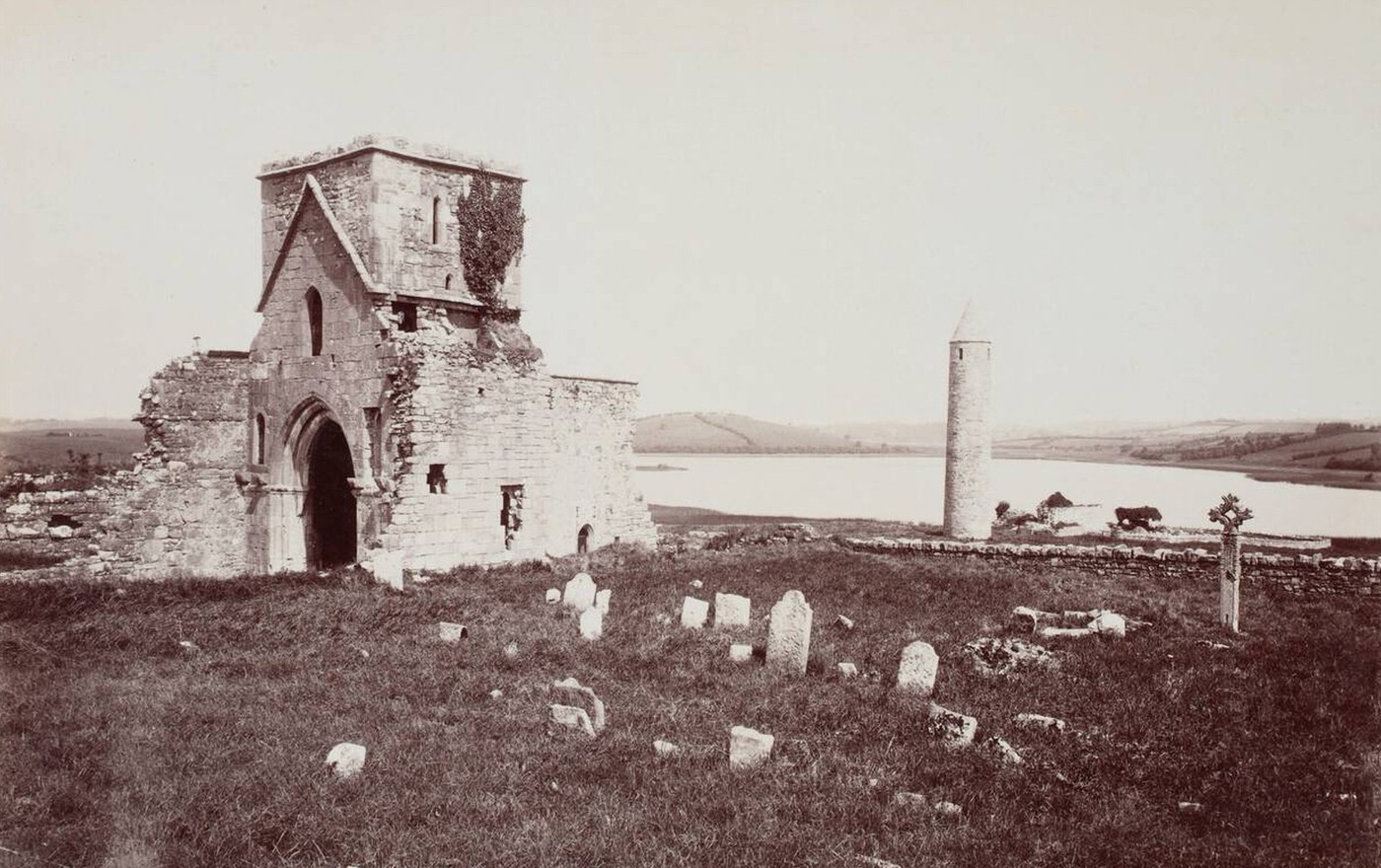
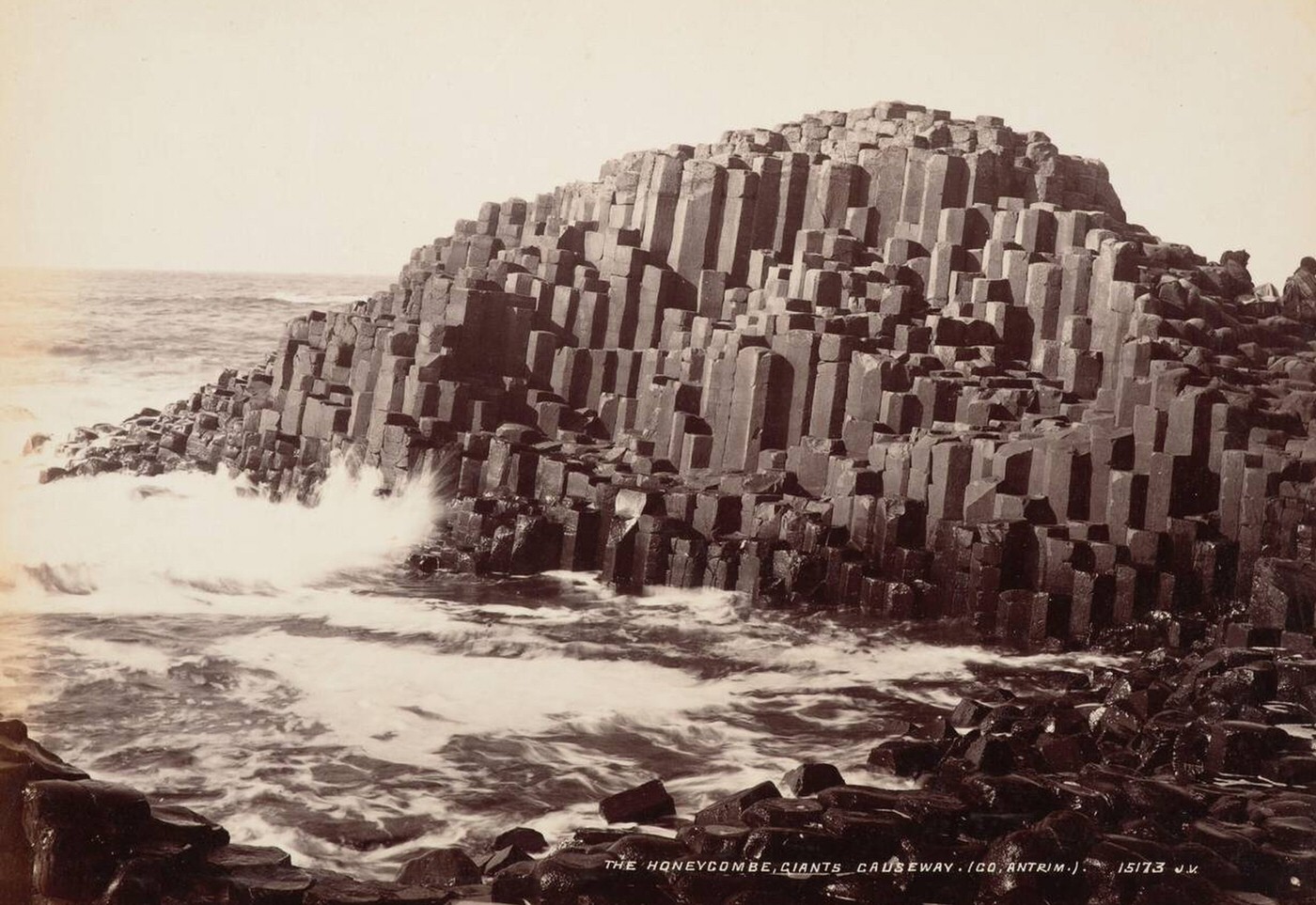
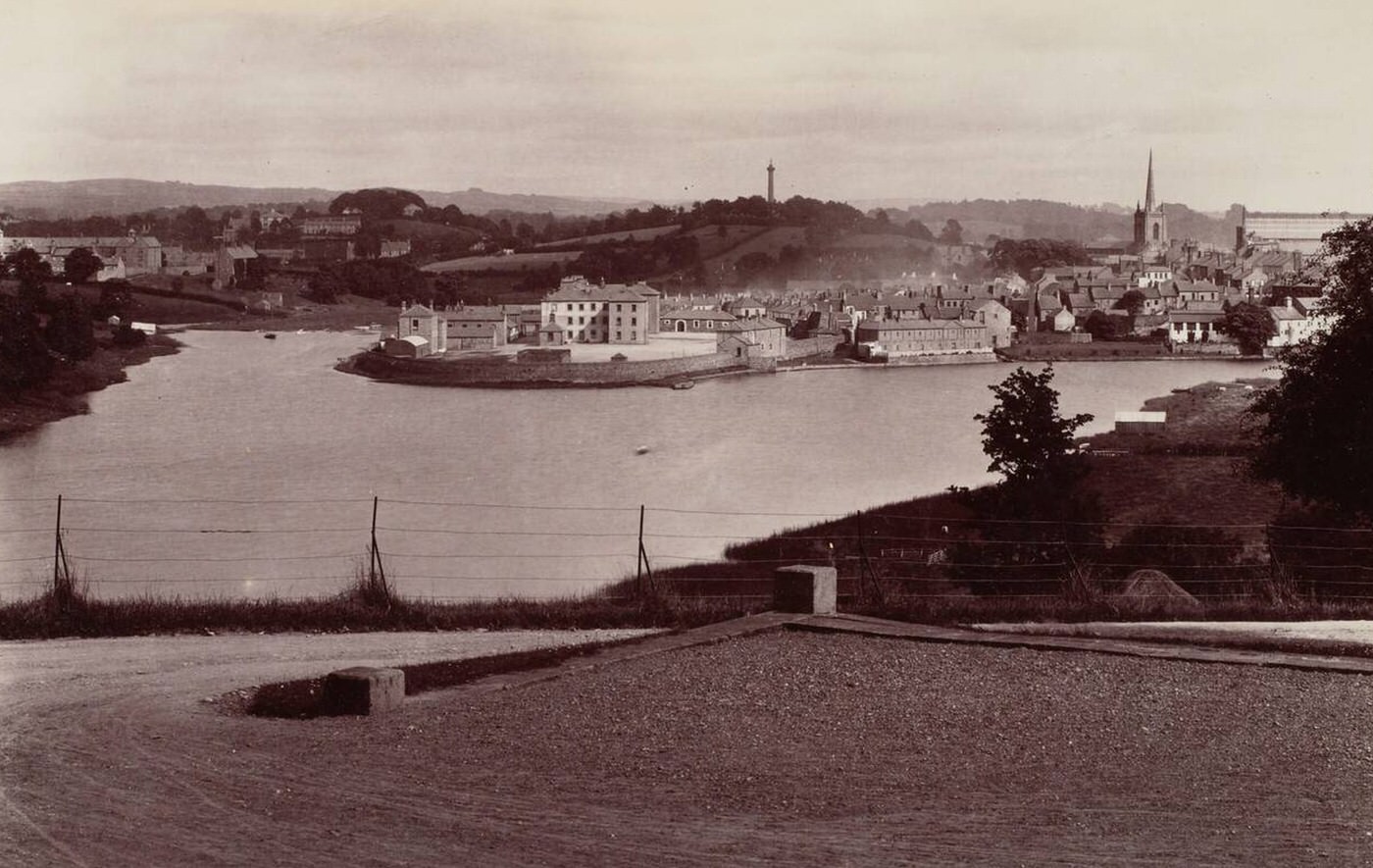
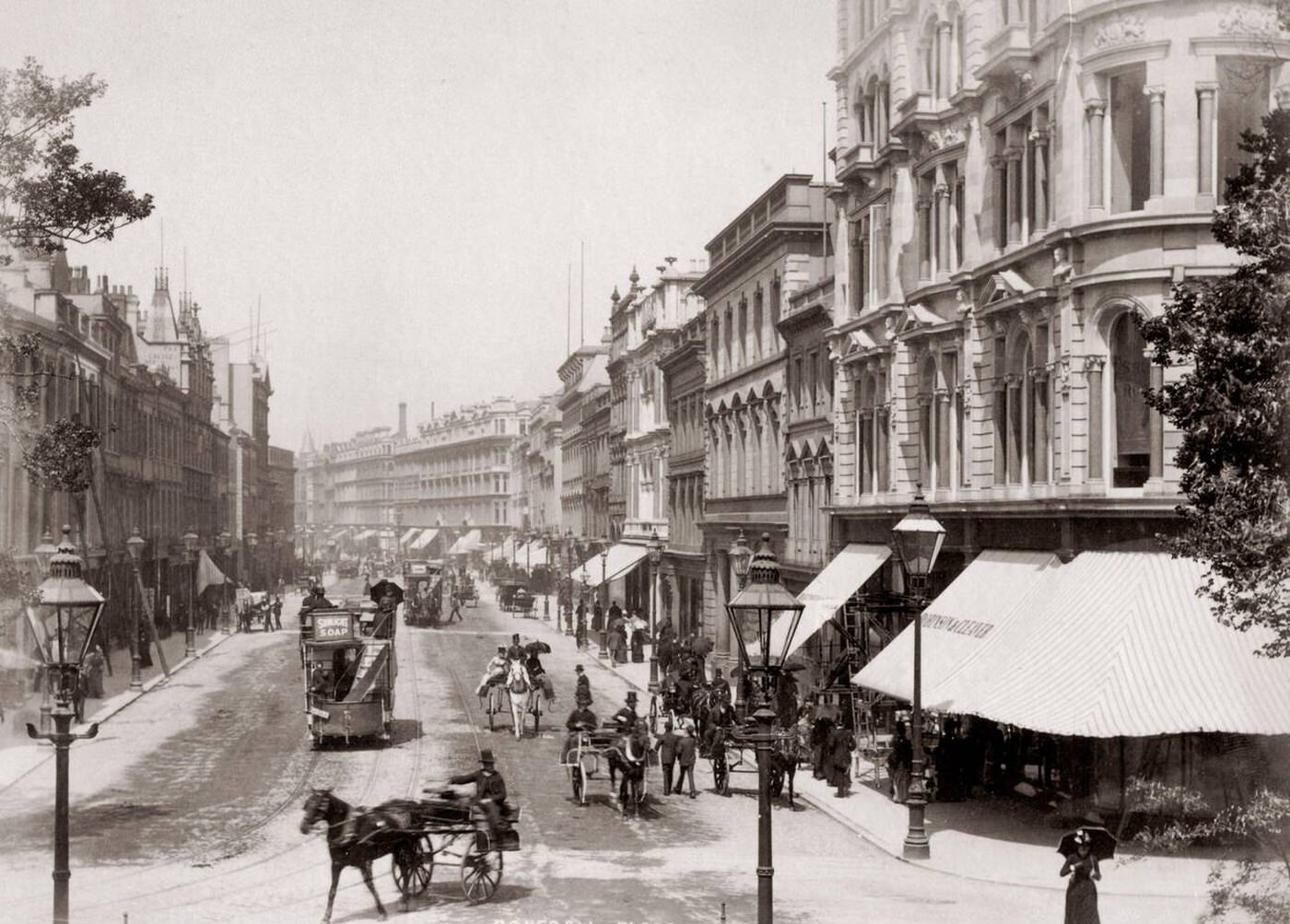
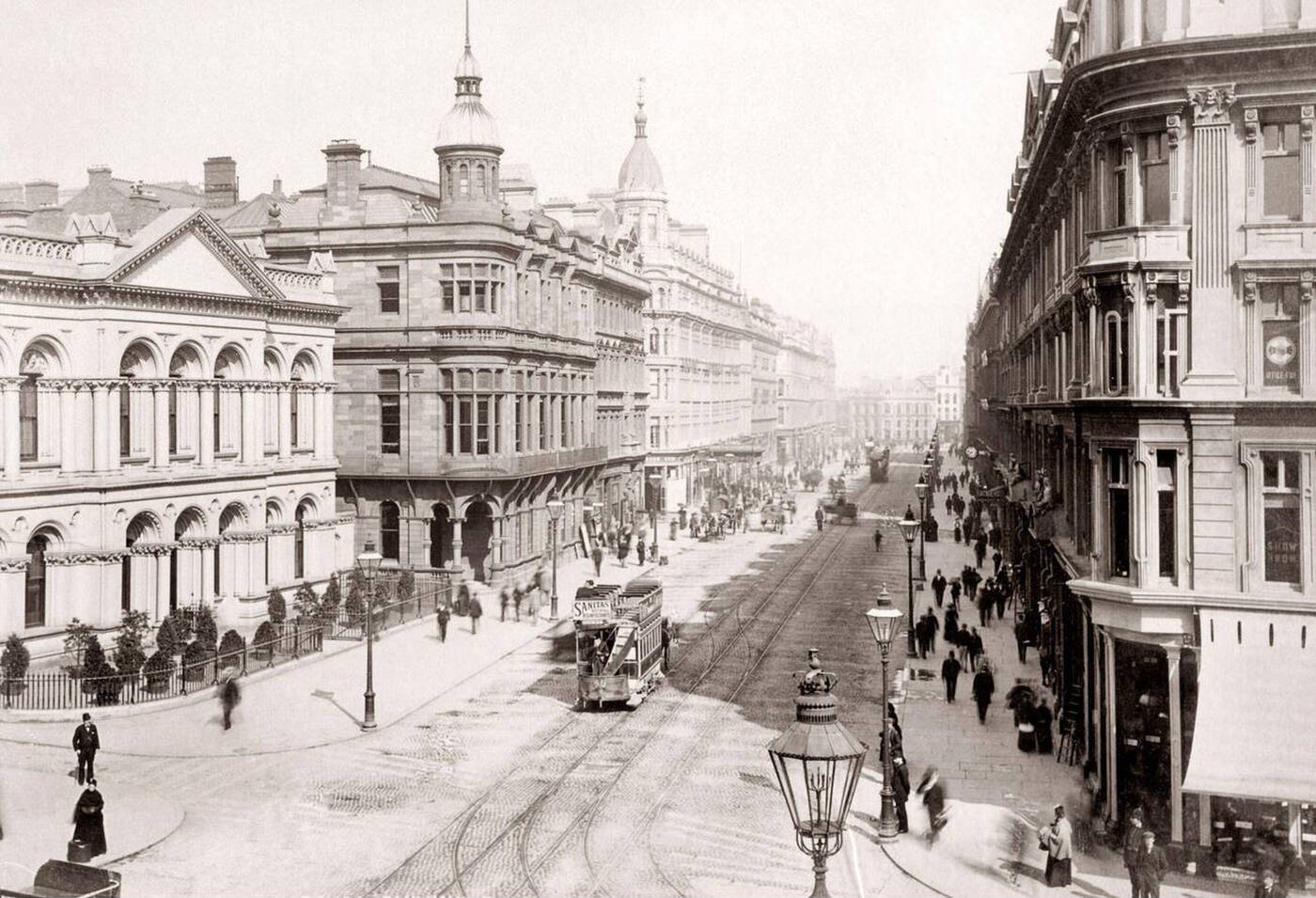
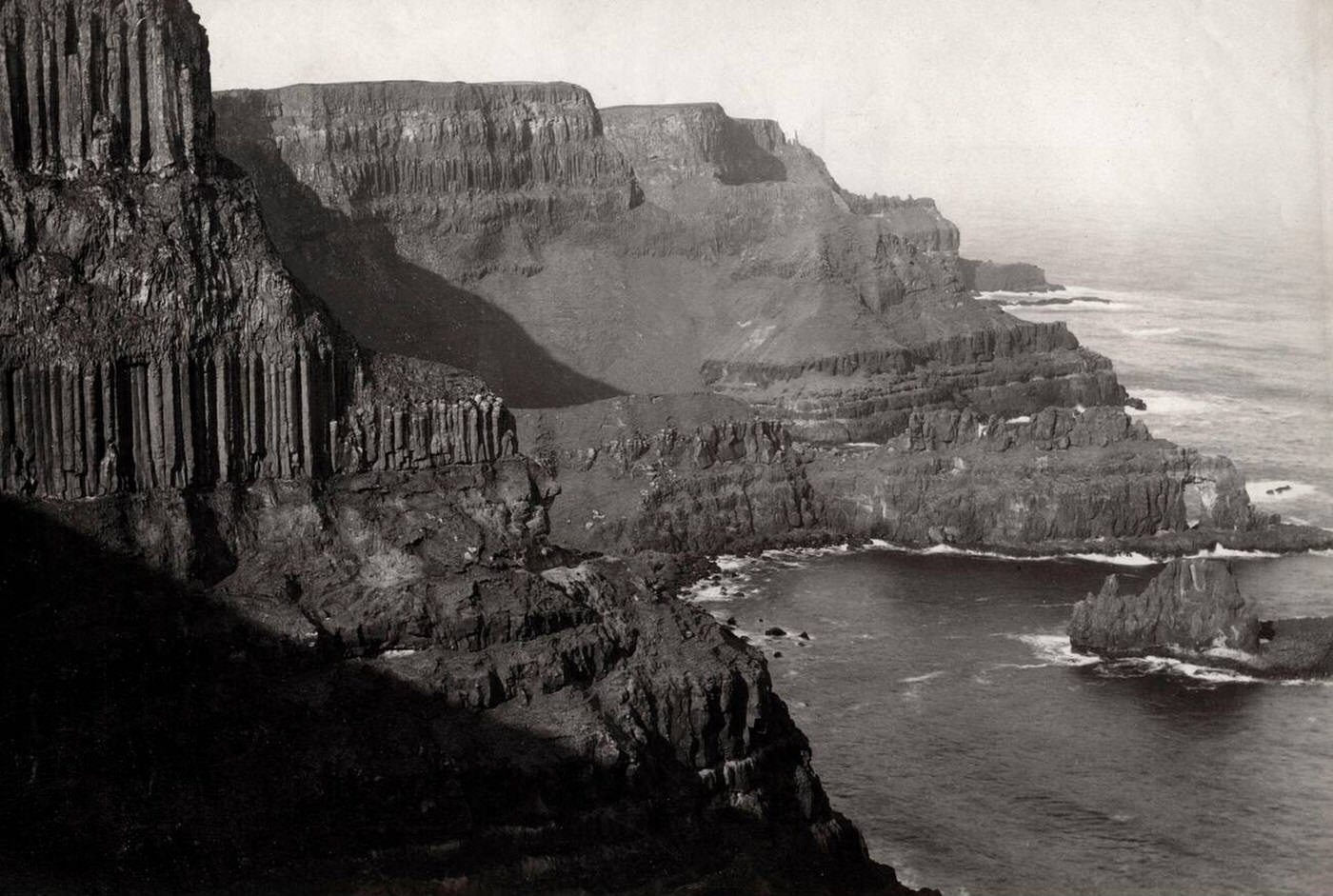
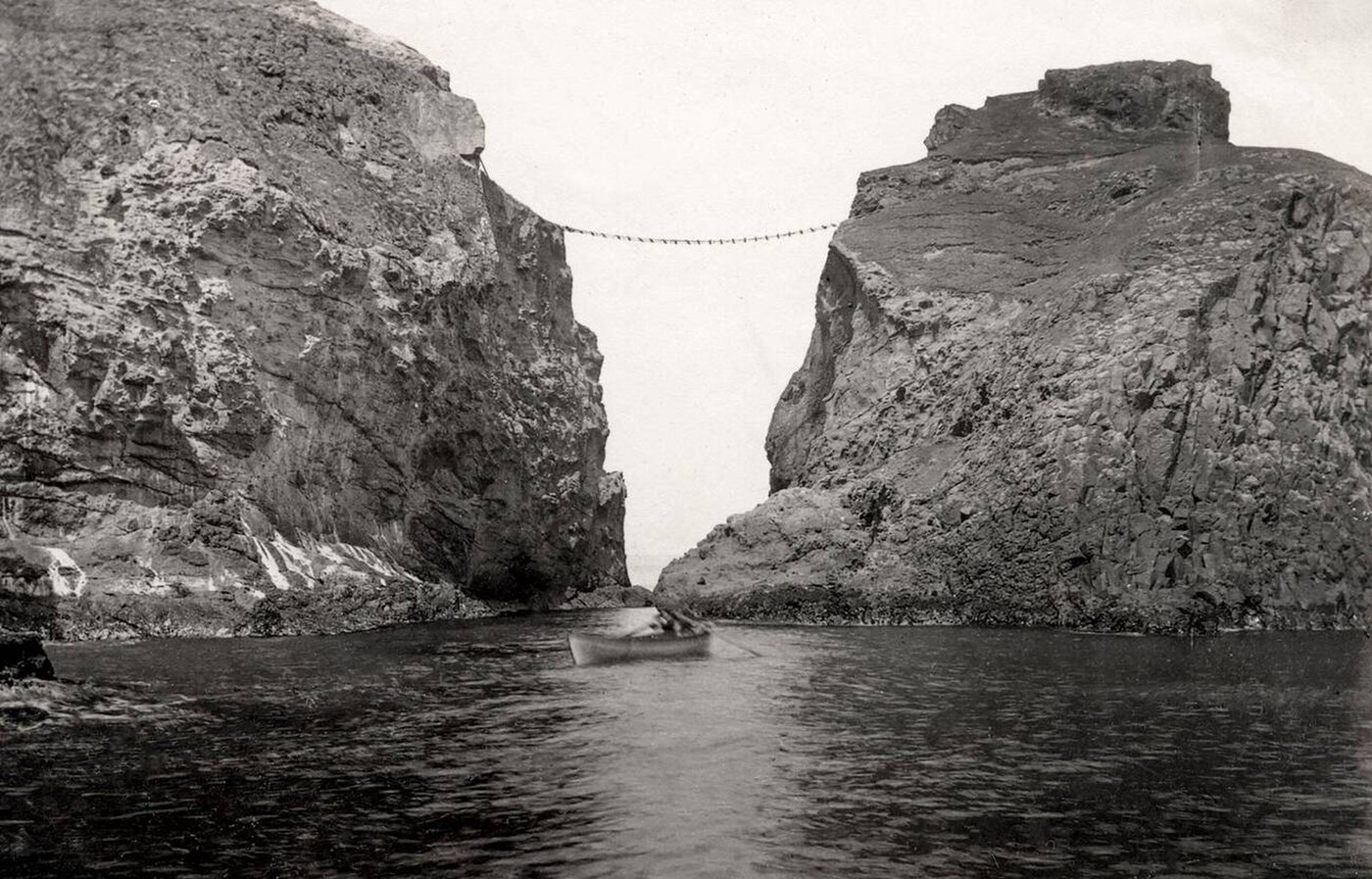
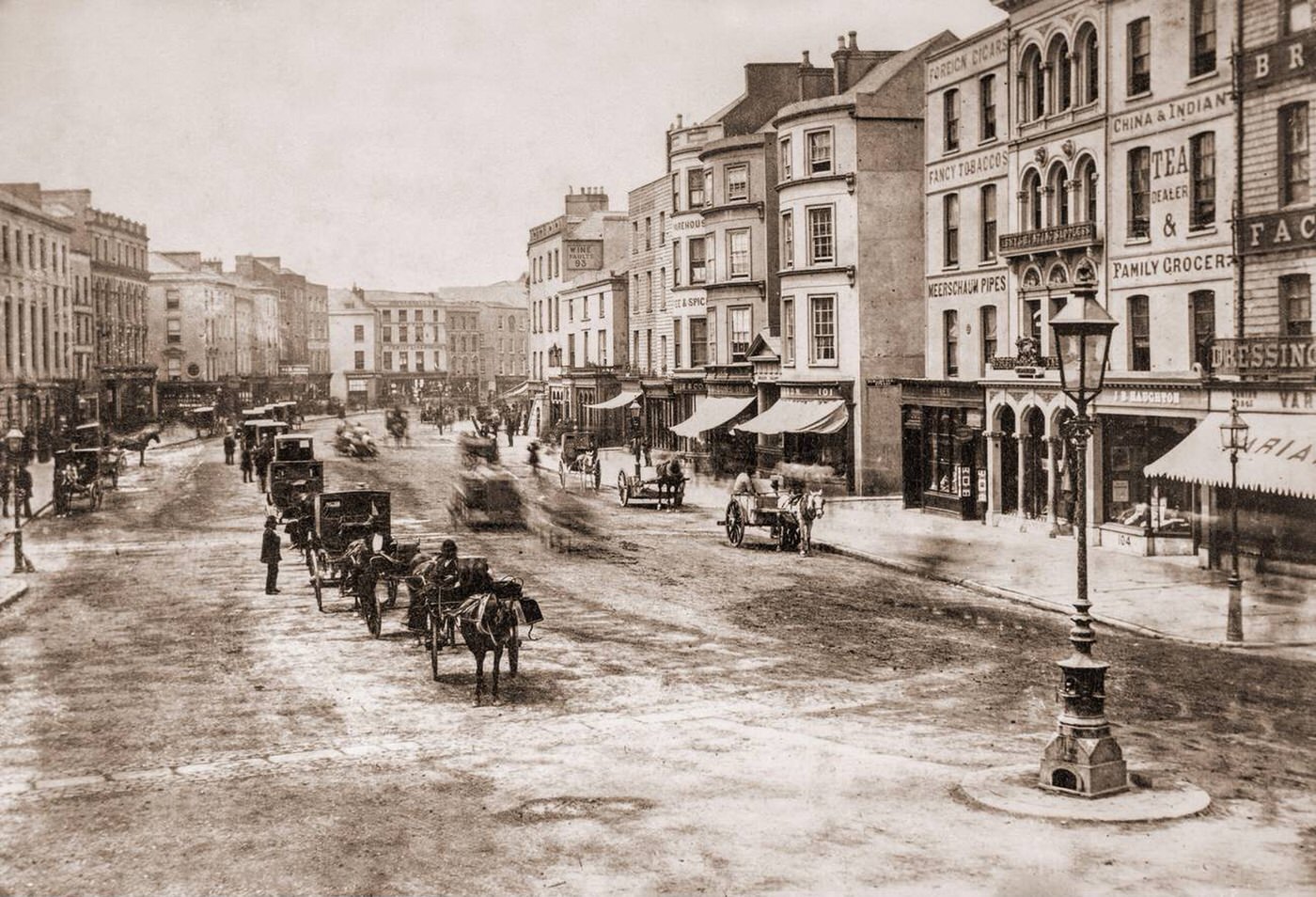
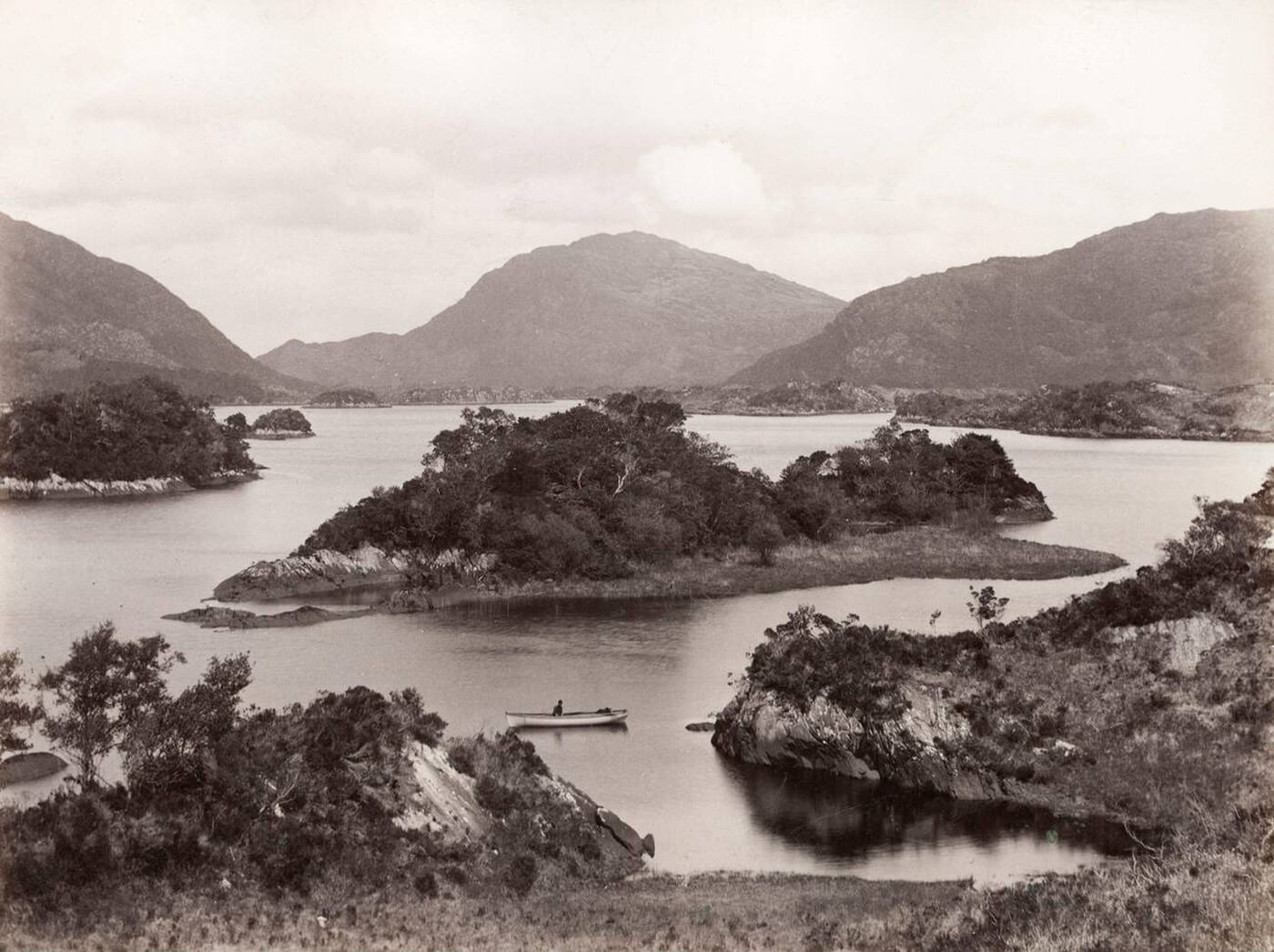
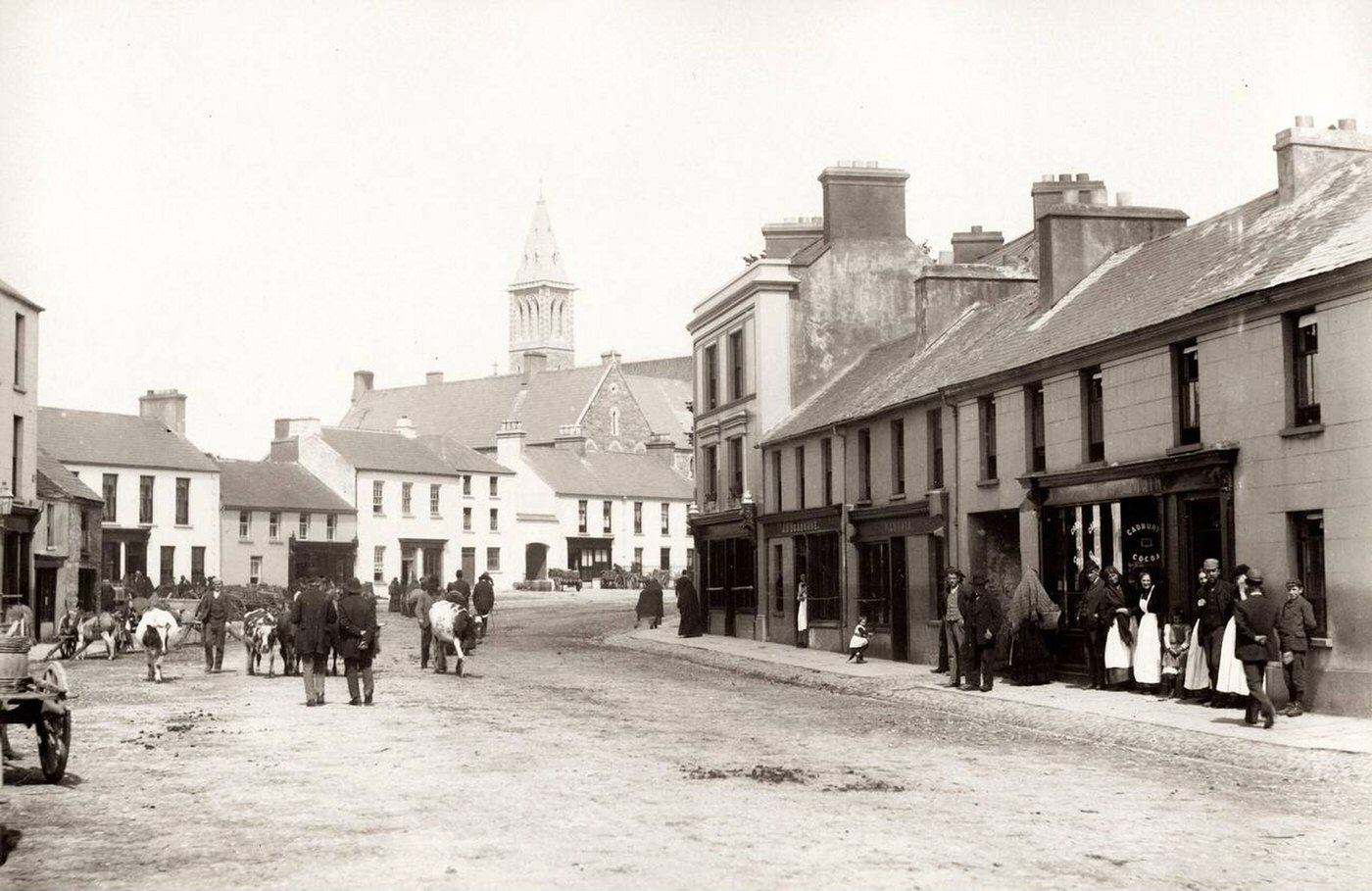
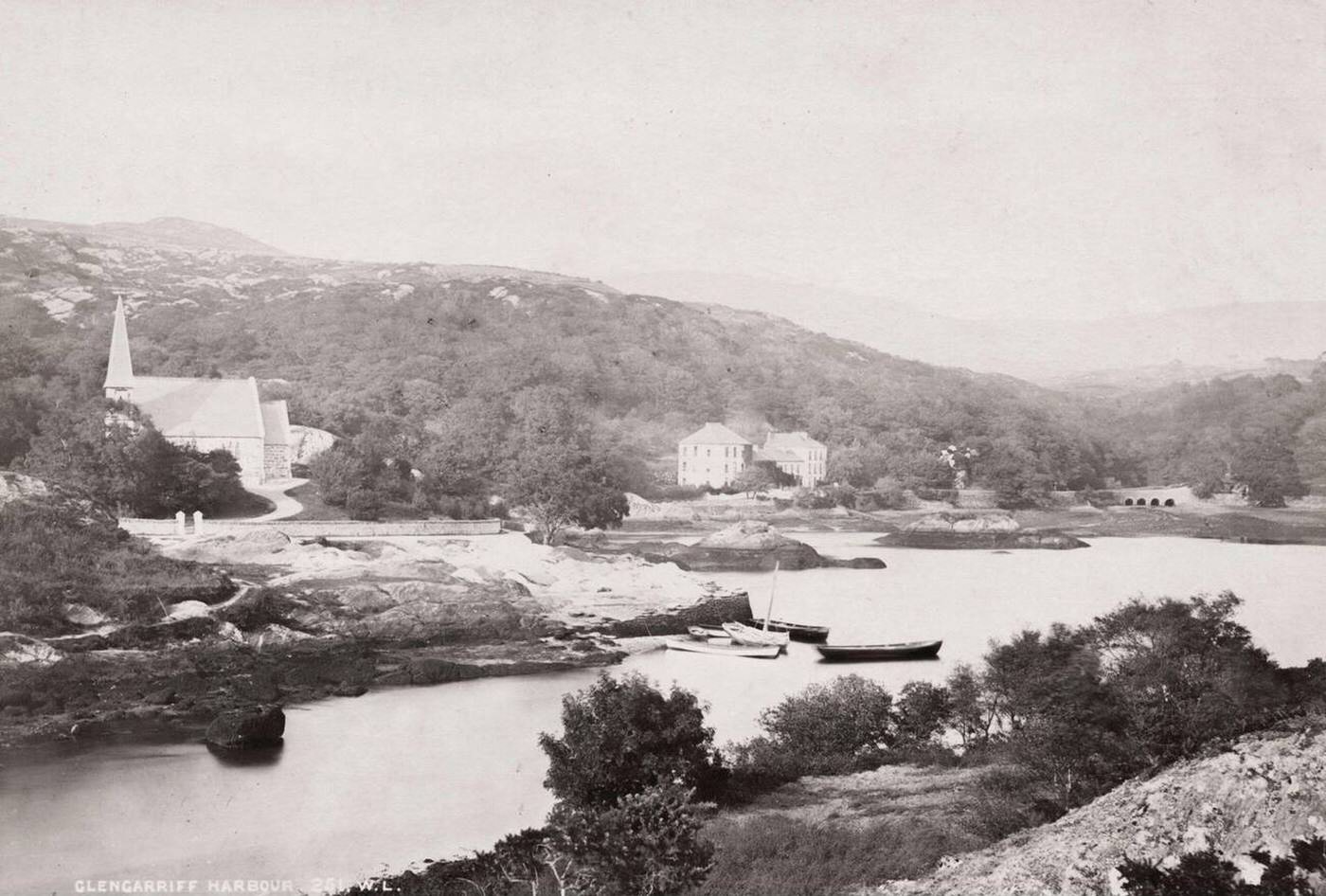
The cities and towns photographed here — Dublin, Cork, Belfast, Kilkenny, Drogheda — were living through all of this at once. Their streets carried the horse-drawn trams, the market crowds, the church spires, and the government buildings of a society in the middle of profound change. These images are what that Ireland actually looked like.
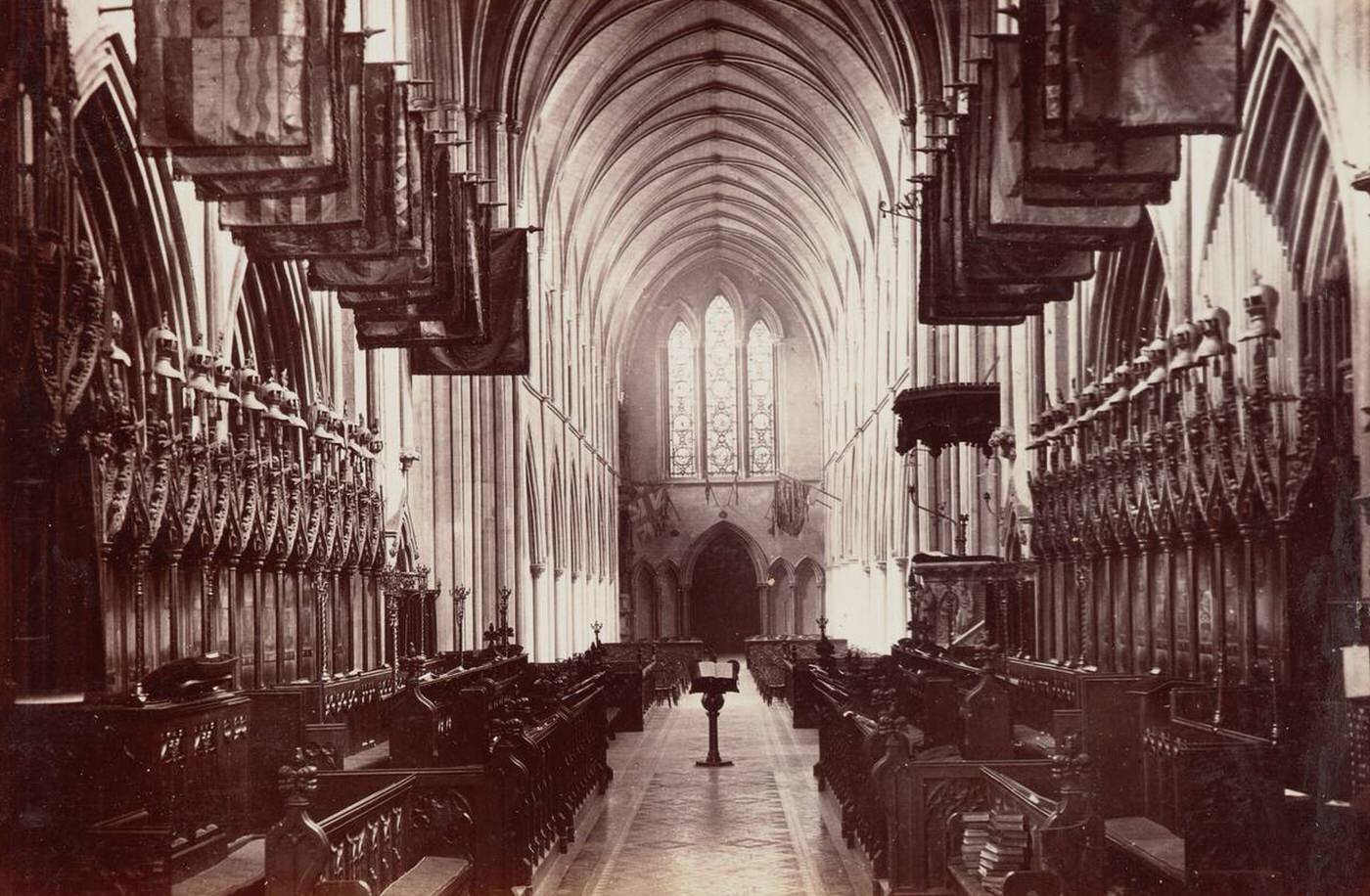
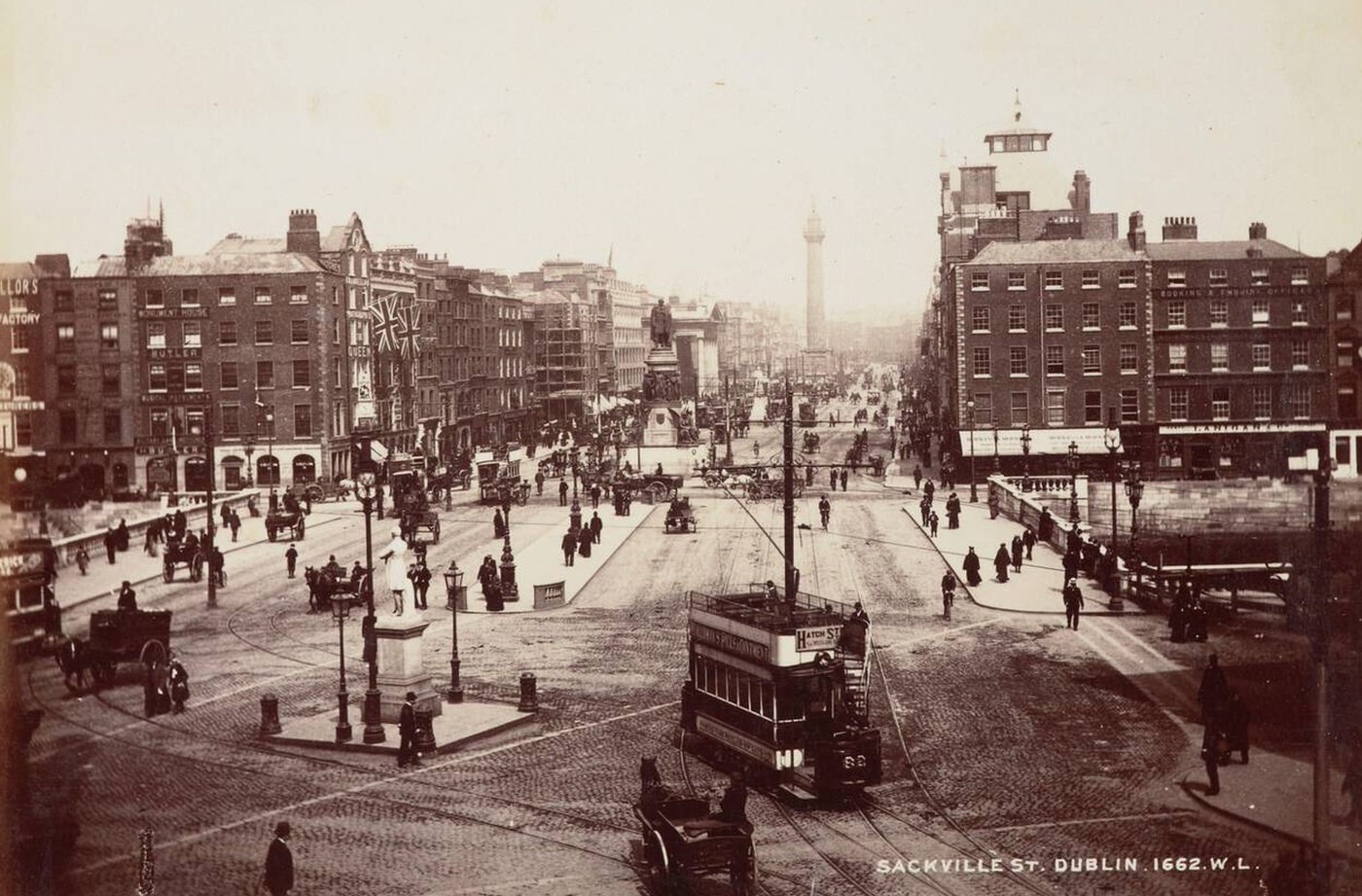
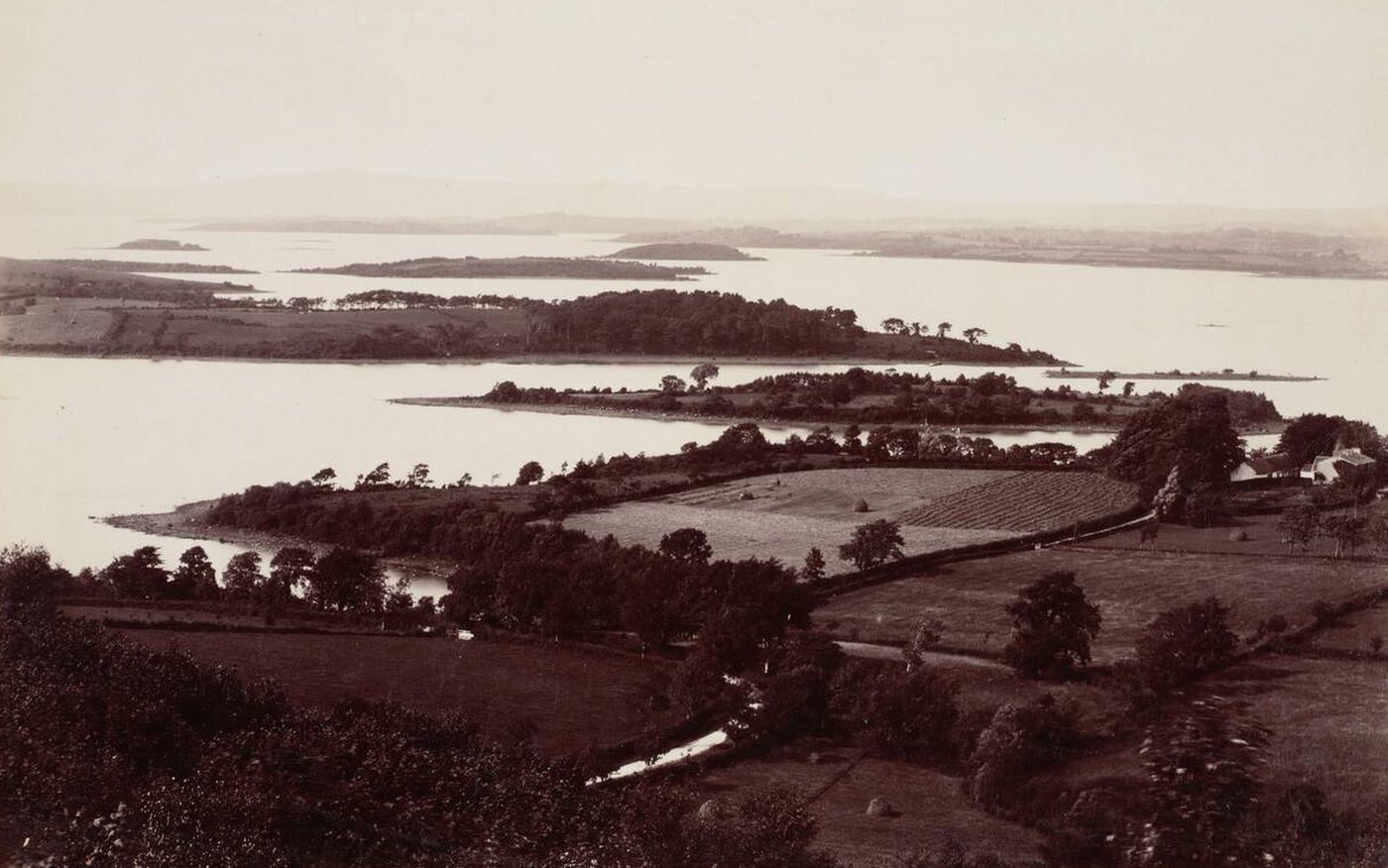
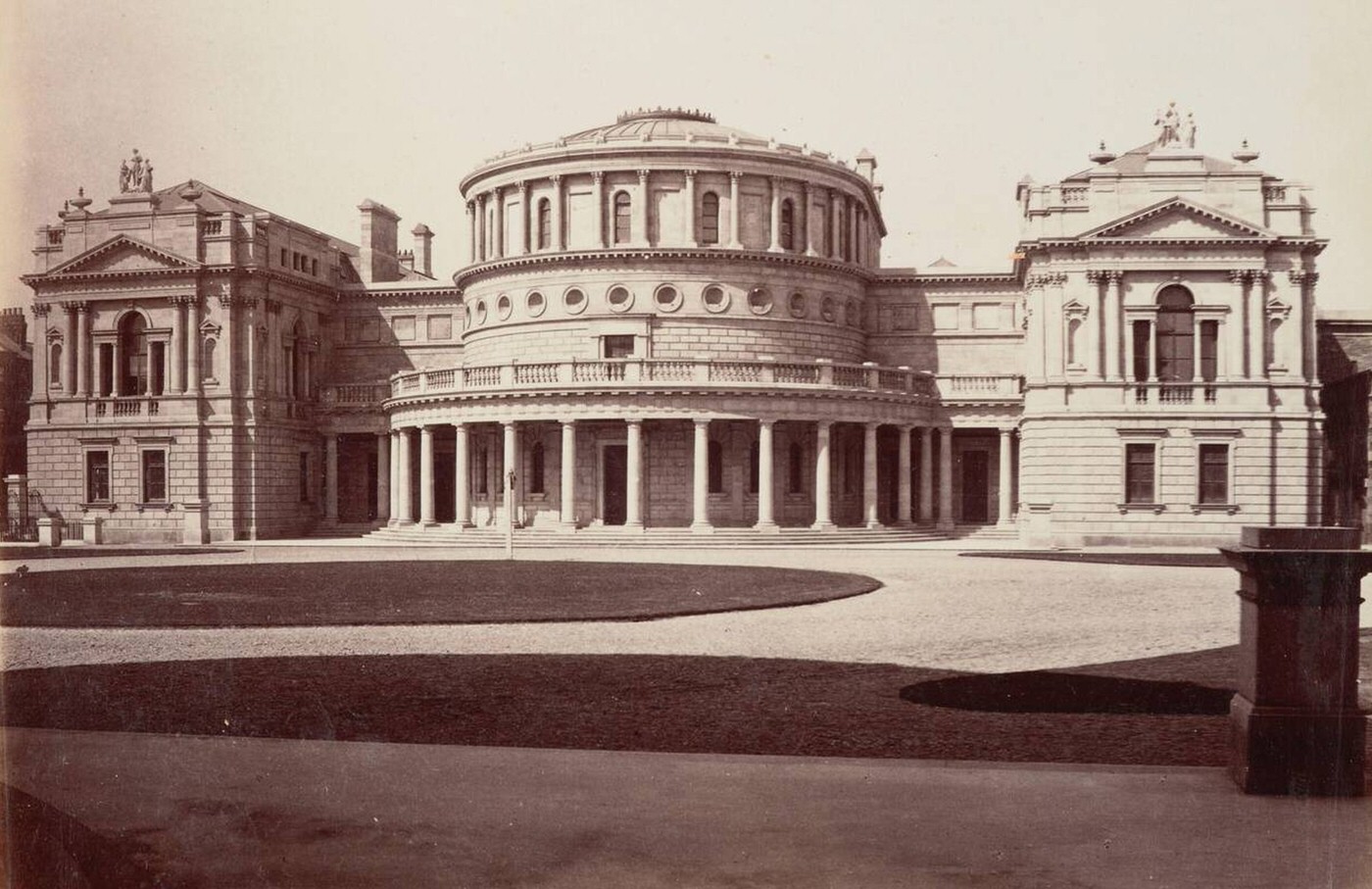
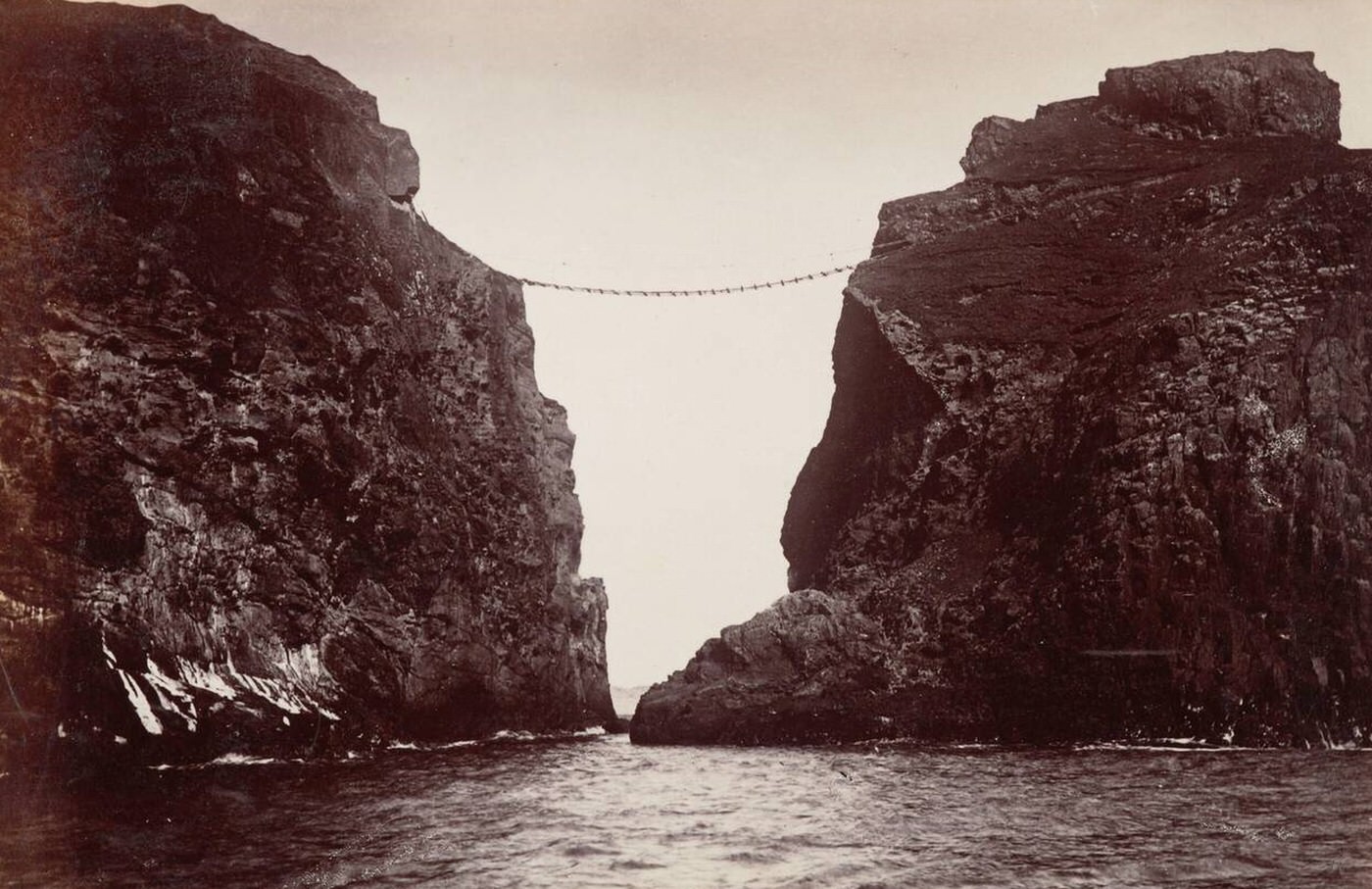
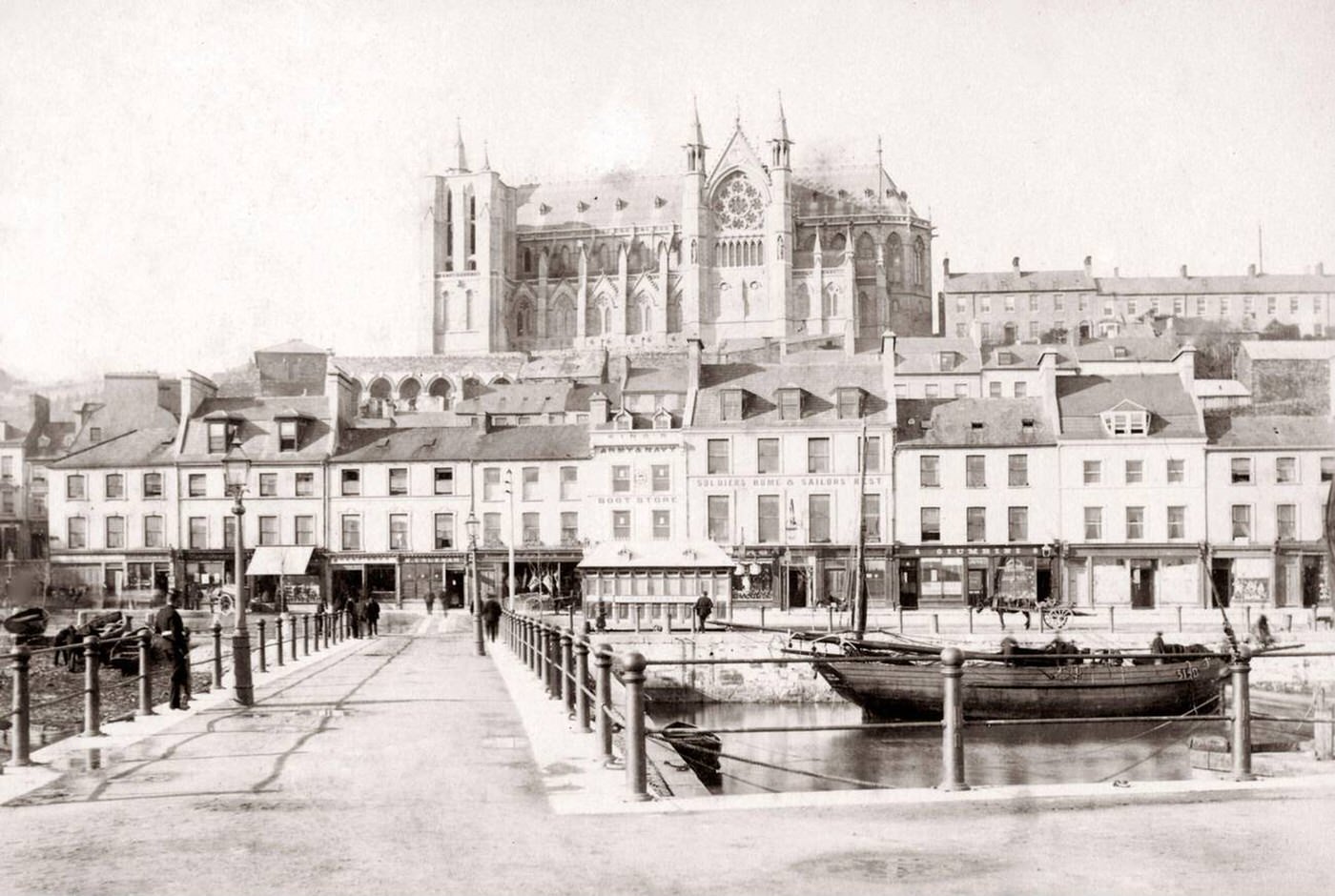
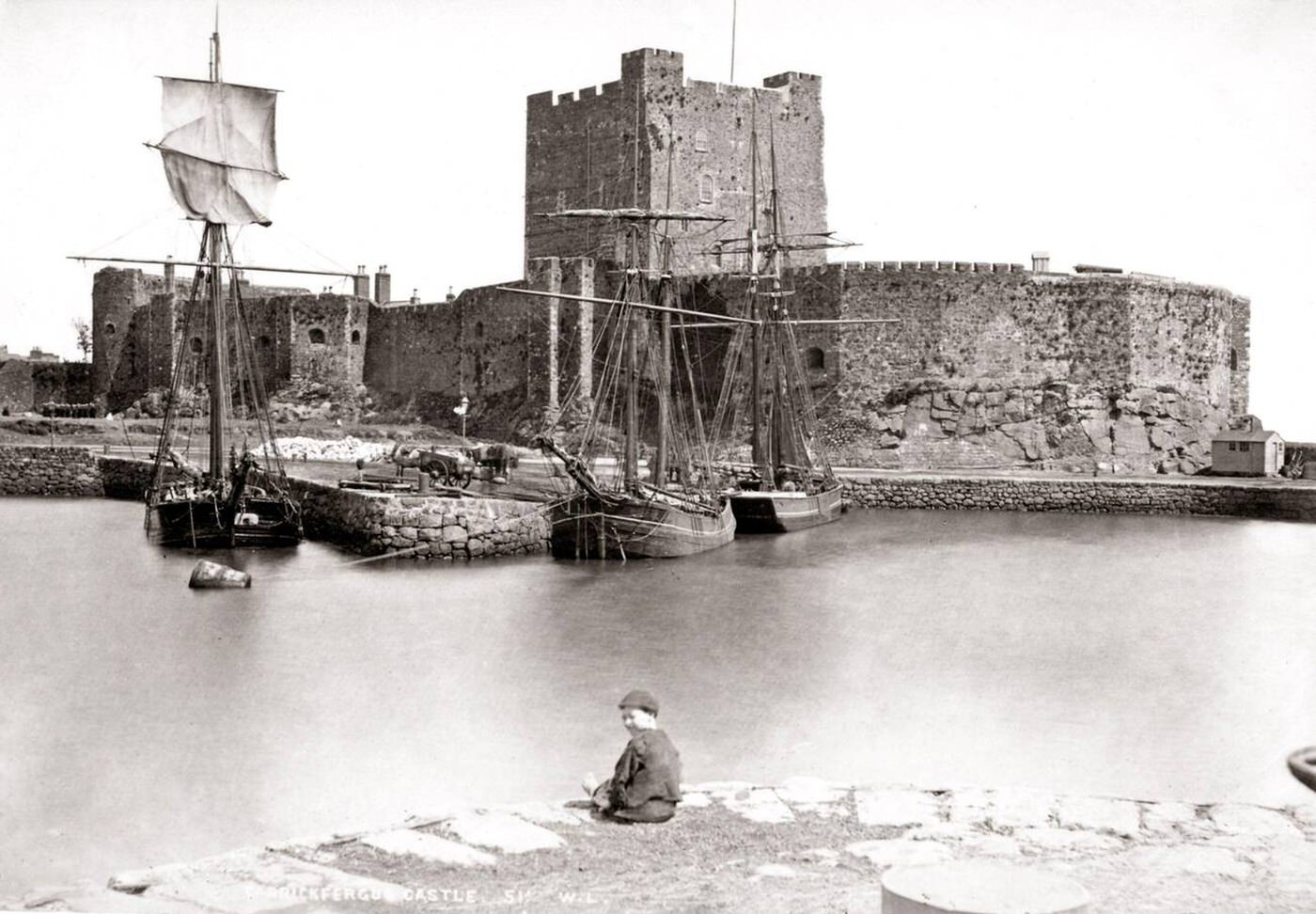
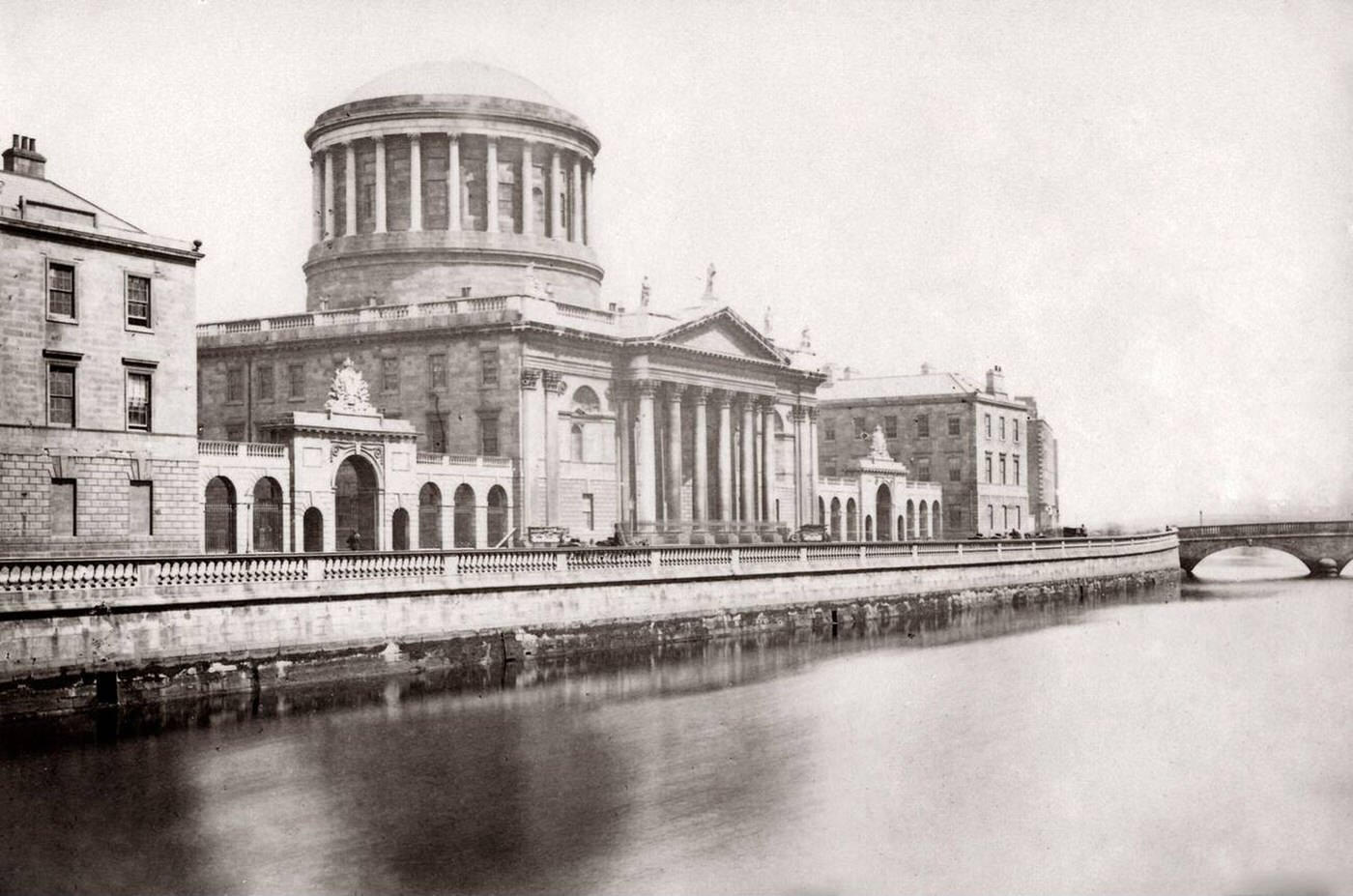
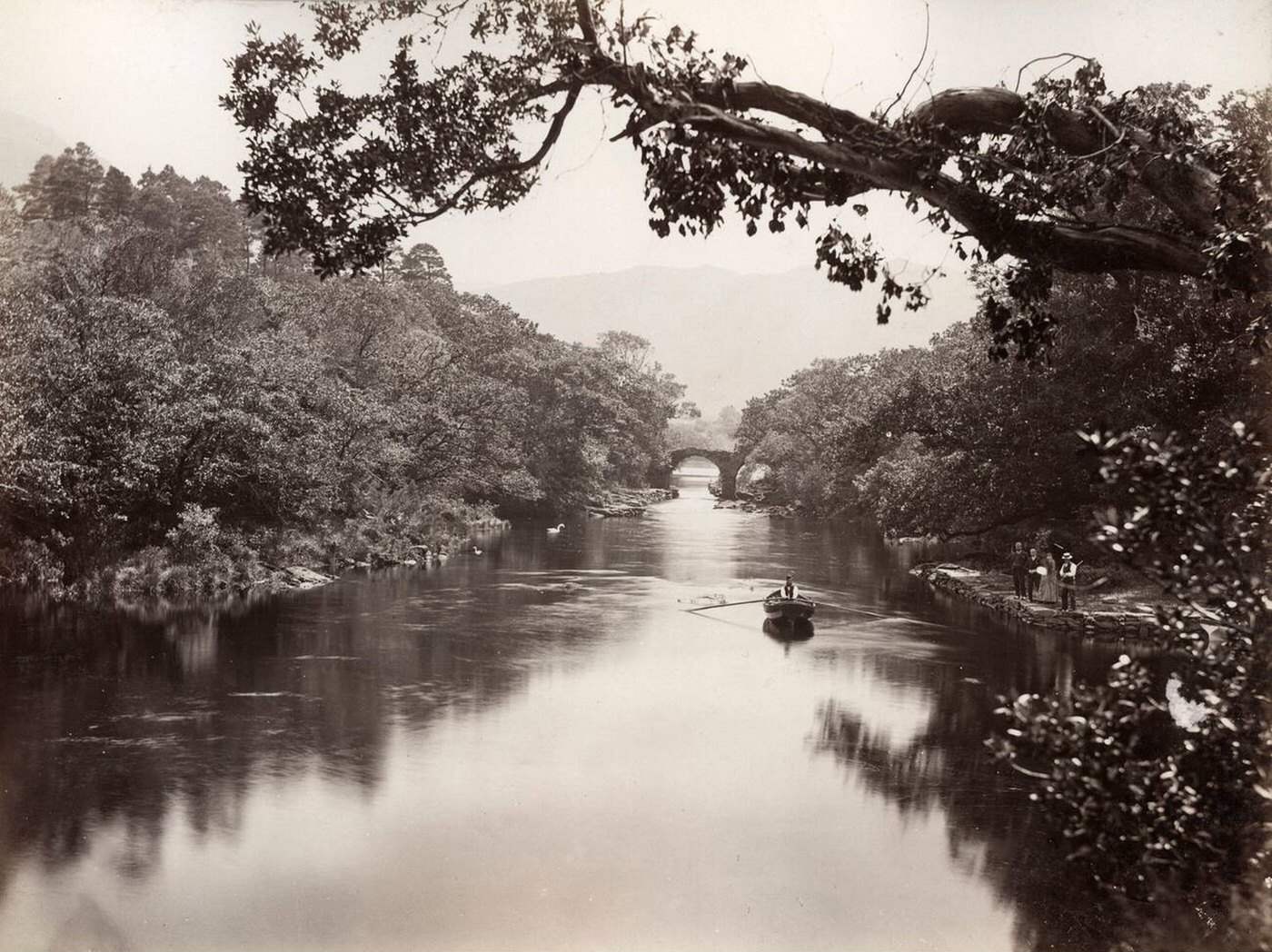
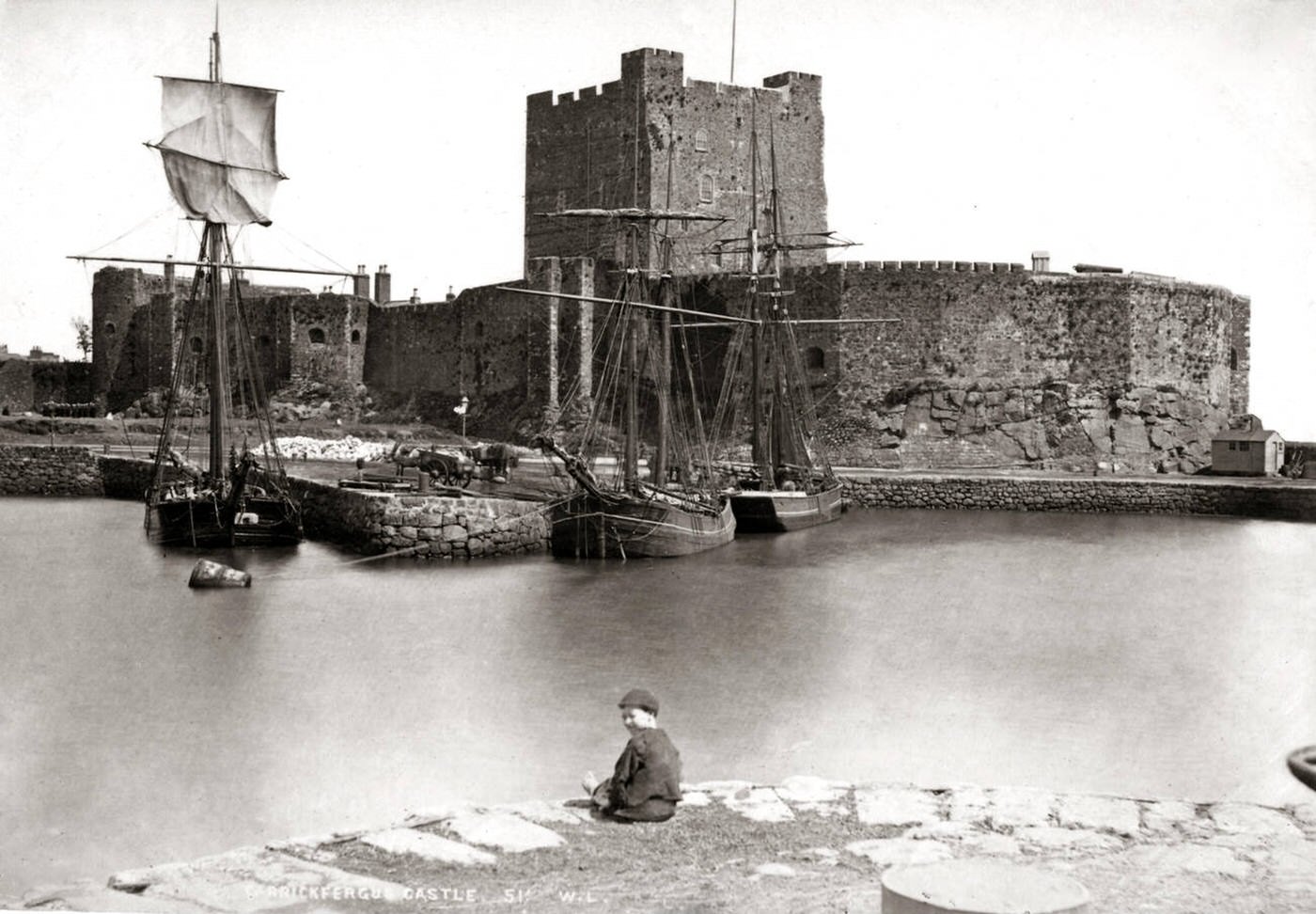
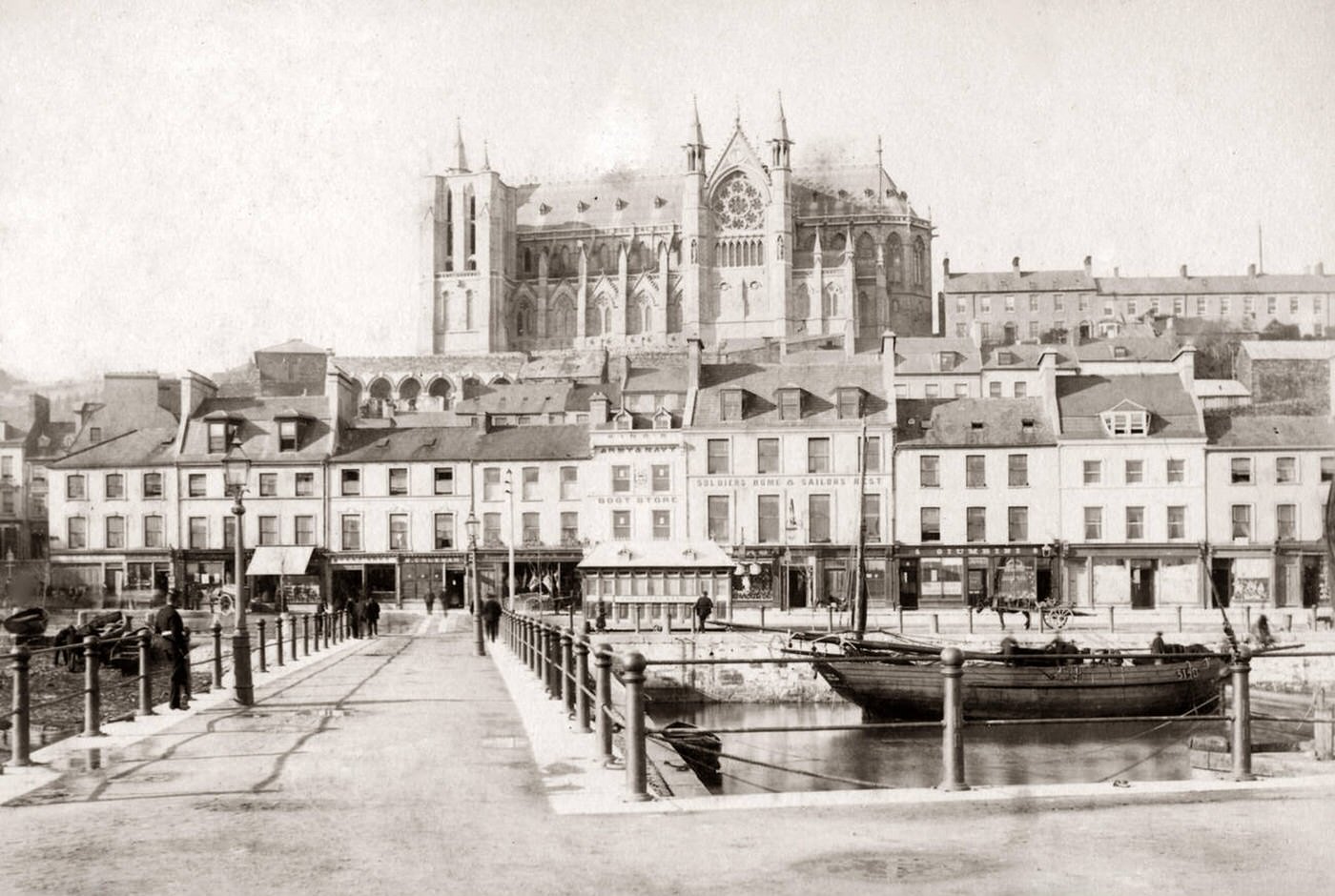





Edinburgh castle , sackville street Northern Ireland ????
Glad they leaned on the historically accurate side
Louch Erne, County Fopmach? Then Dublin, Northern Ireland?
This is just weird it’s so wrong. Why would anyone create this, it’s mostly inaccurate
Country looks well in those tbf – I know only the landmarks got photographed but still
At least one if those is Scotland (Edinburgh, it looks like)
Also multiple listings of “Dublin, Northern Ireland” Lol
Odd to see Edinburgh Grassmarket in there, it makes me question some of the others, like that marked Pub with tower.
That’s Sligo Courthouse: https://maps.app.goo.gl/eoeMwHB6rby5S7An9
Dublin was part of Northern Ireland in the 1880s according to this. Never mind whatever county Ferpmach is