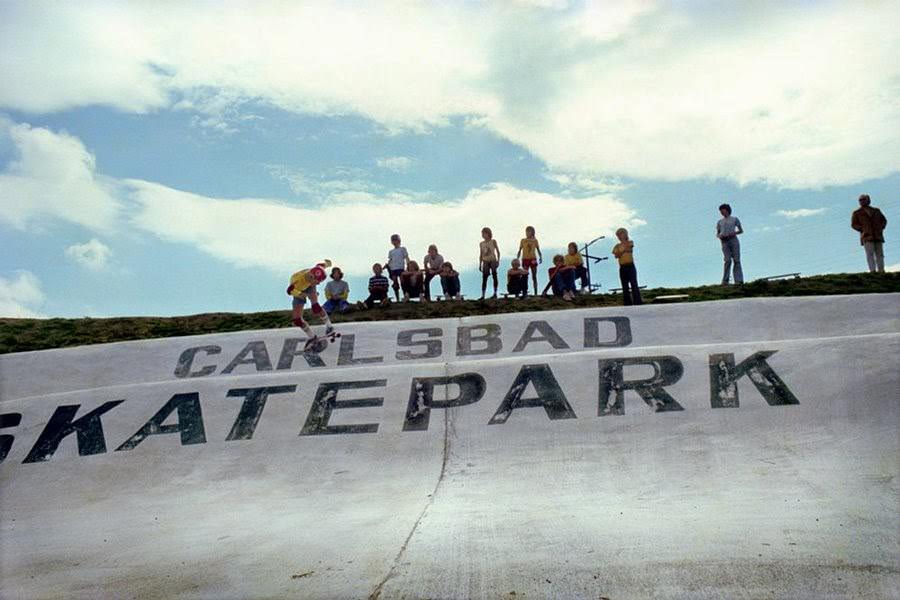
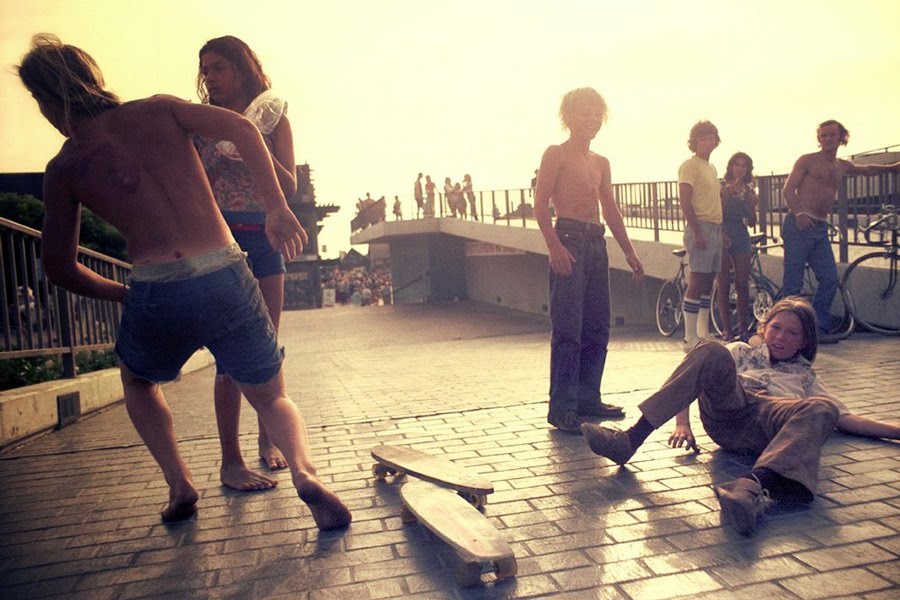
In the mid-1970s, skateboarding stopped being a sidewalk hobby and became its own street culture. Surfers in Southern California were the first to push it further — treating asphalt like a wave, carving banks and ditches with the same instincts they used in the ocean.
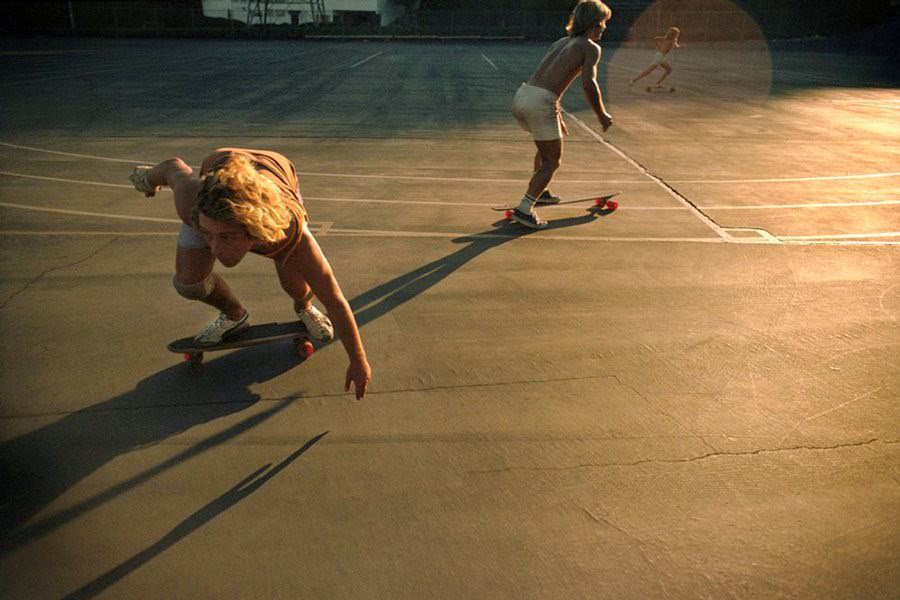
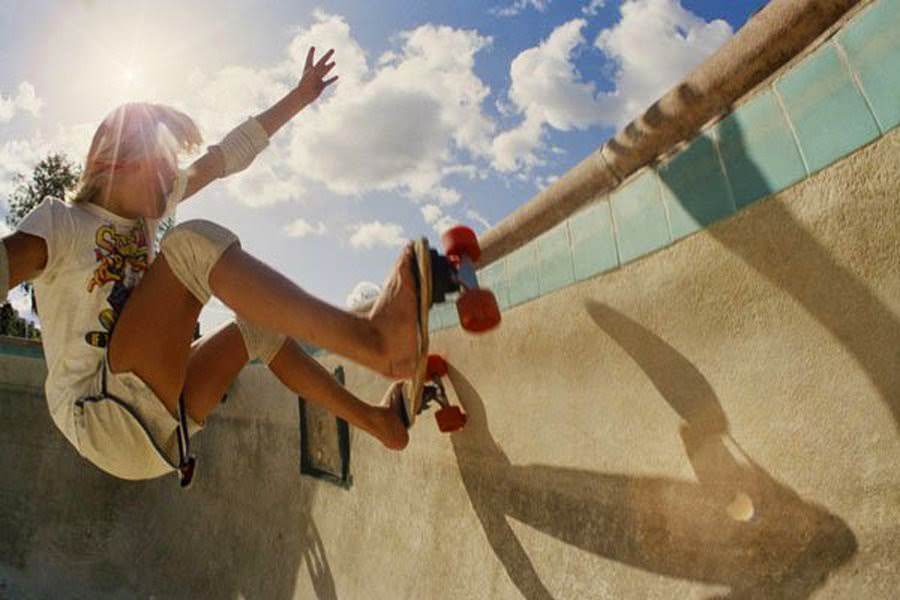
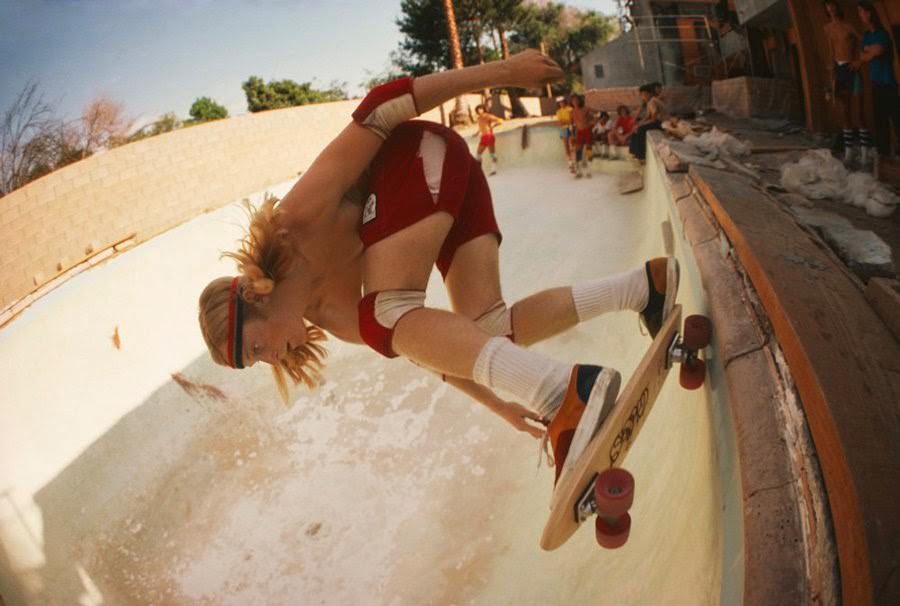
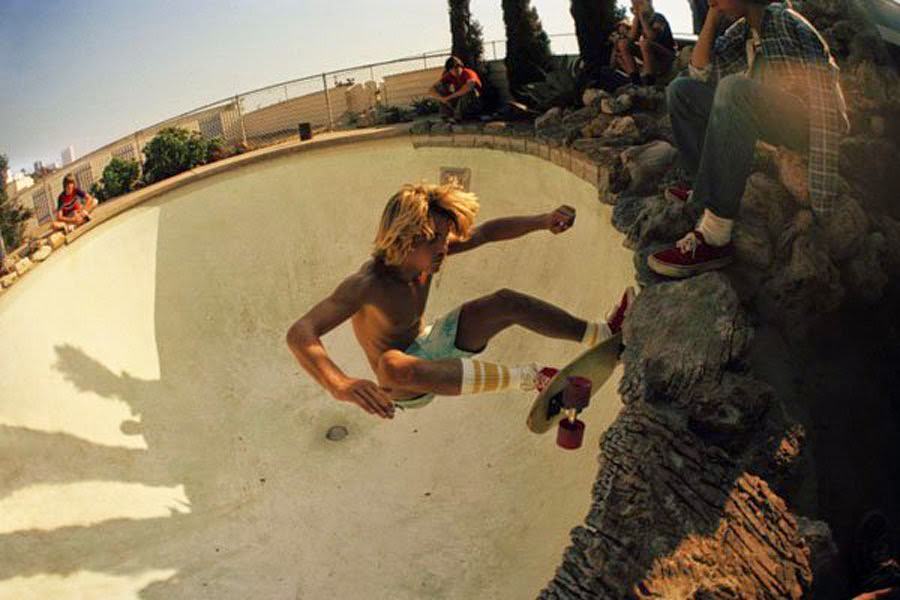
A regional drought created an unexpected opportunity. Thousands of backyard swimming pools sat empty across Los Angeles and the San Fernando Valley. Teenagers found them, snuck through fences, and turned them into private arenas. The curved walls gave riders something new — vertical terrain.
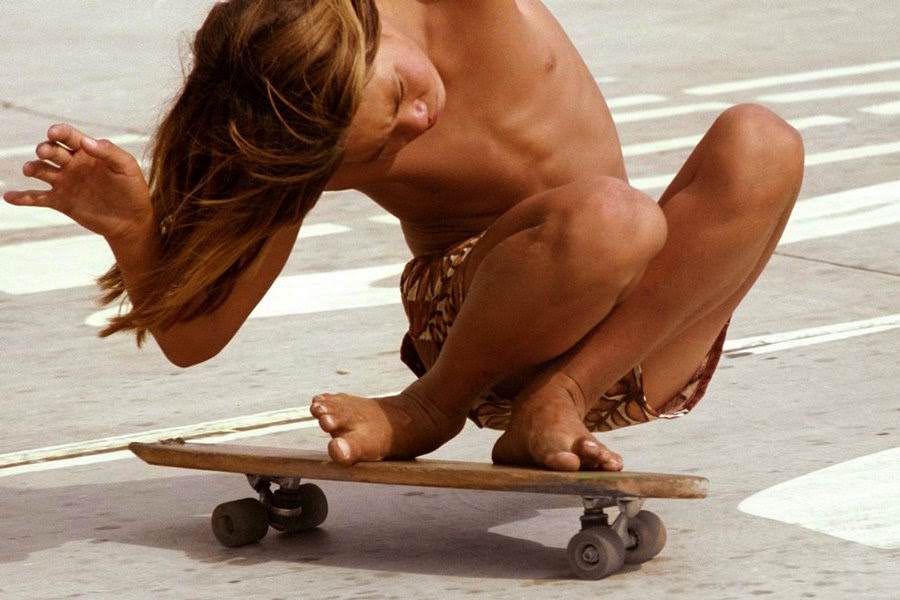
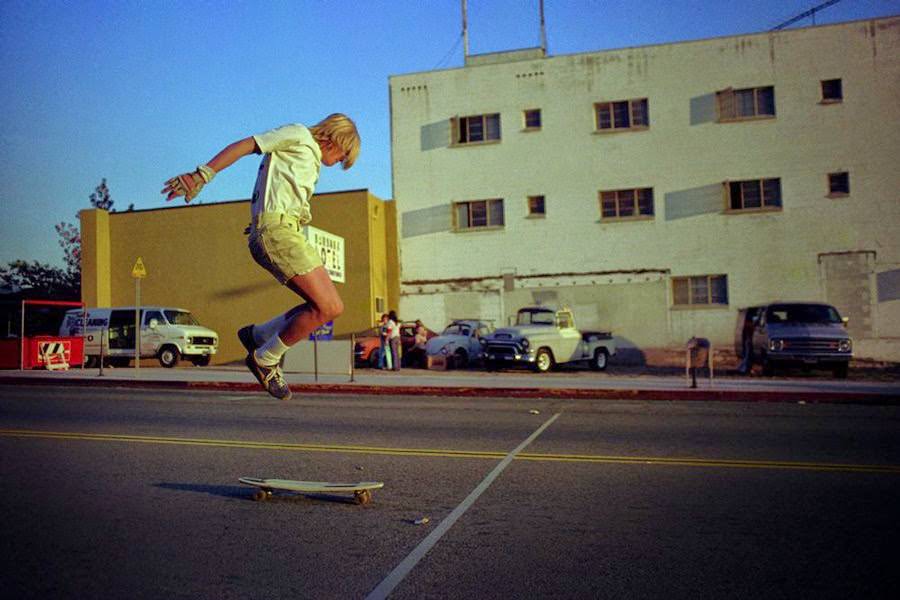
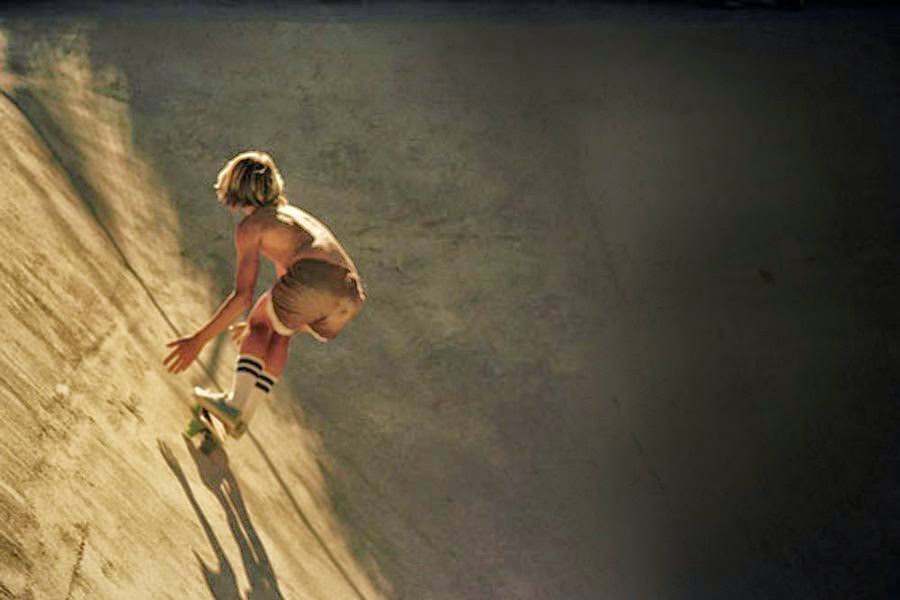
The sound of polyurethane wheels hitting pool coping defined the era. Riders pumped speed without pushing their feet down, bending low and cutting arcs across surfaces never designed for skating. Laurel Canyon, Venice Beach, and neighborhood drainage ditches all became part of the circuit.
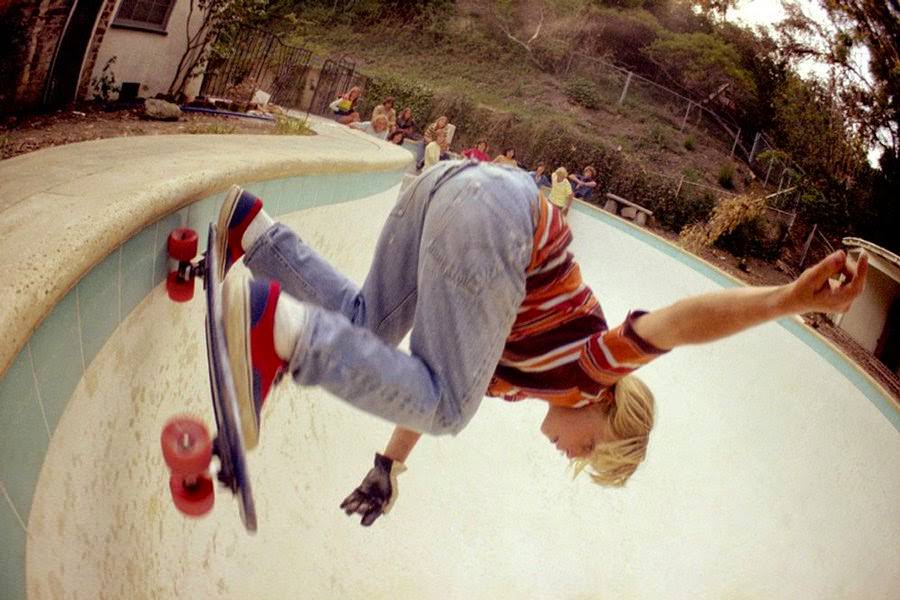
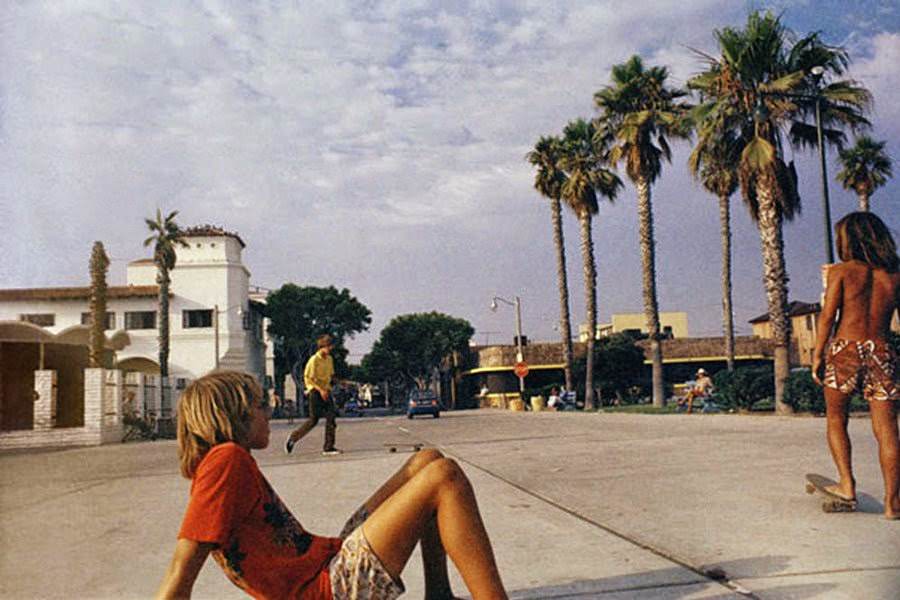
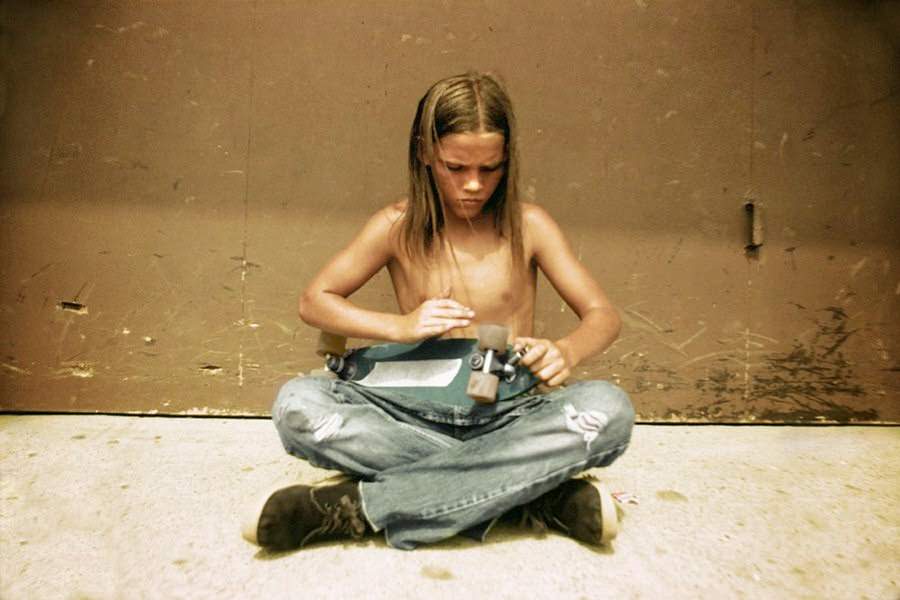
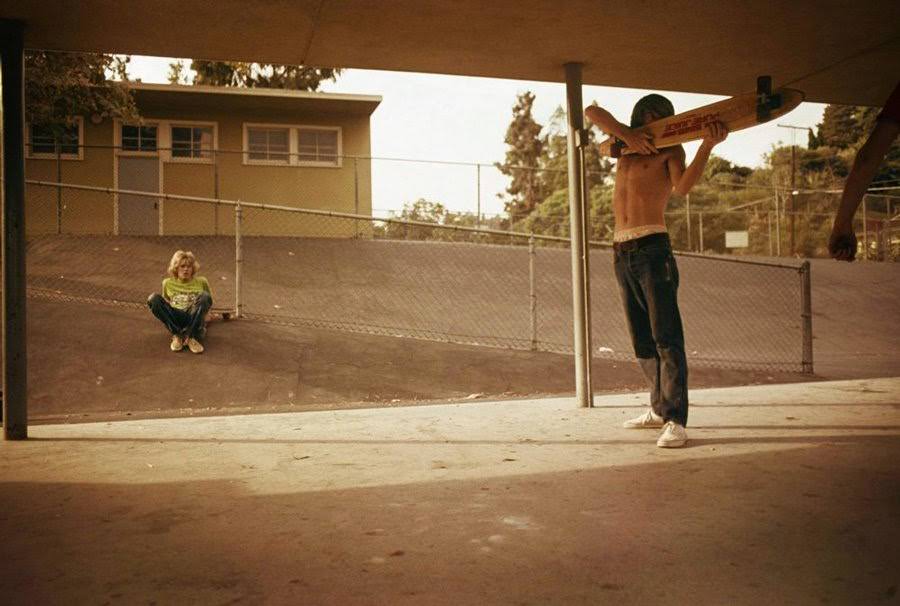
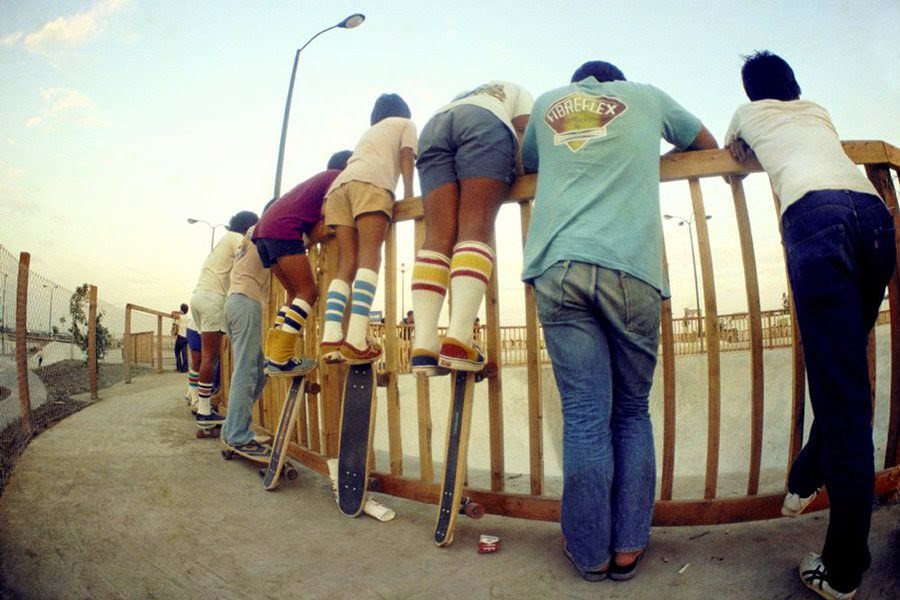
The look was as sharp as the riding. Sun-bleached hair, Vans sneakers, and high tube socks framing tanned legs marked these riders apart. Every scrape on their skin was evidence of real risk taken at real speed.
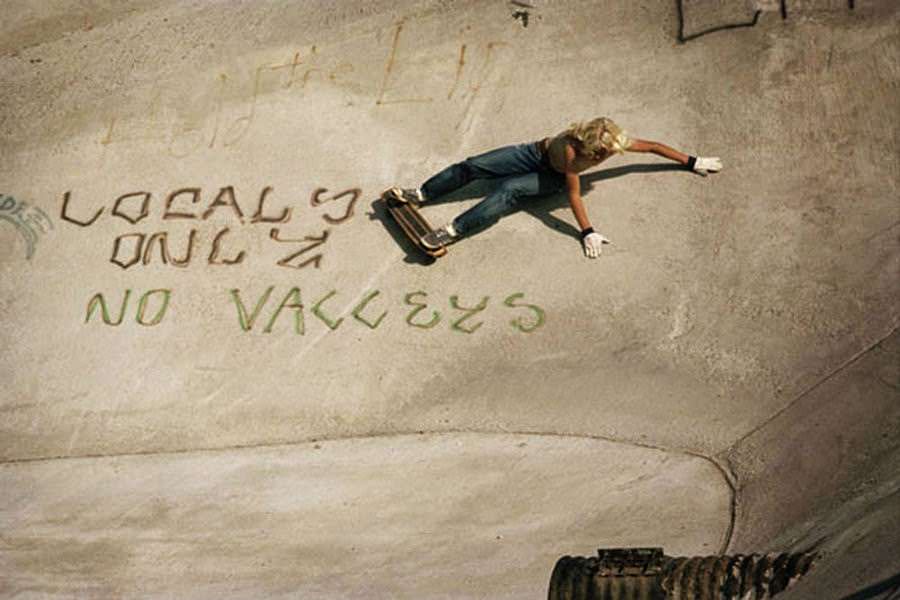
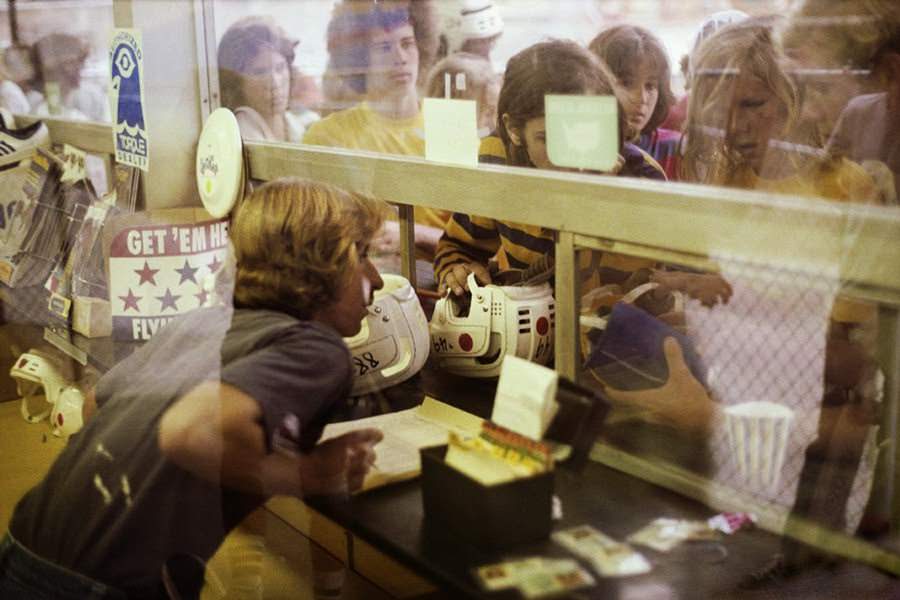
Southern California’s light made every session look dramatic. White concrete reflected the sun hard, throwing sharp shadows across pool walls as riders dropped in. Dust kicked up where boards met the edges.
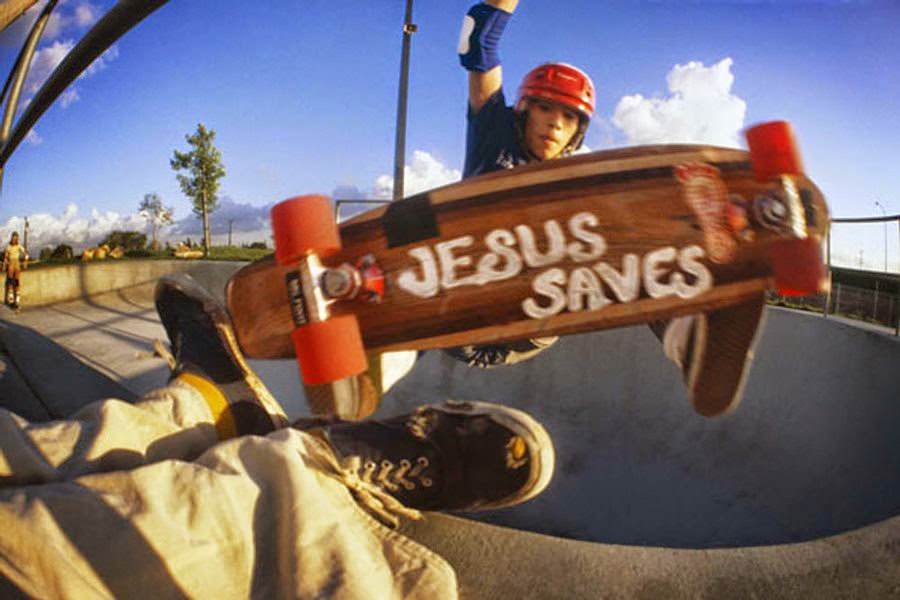
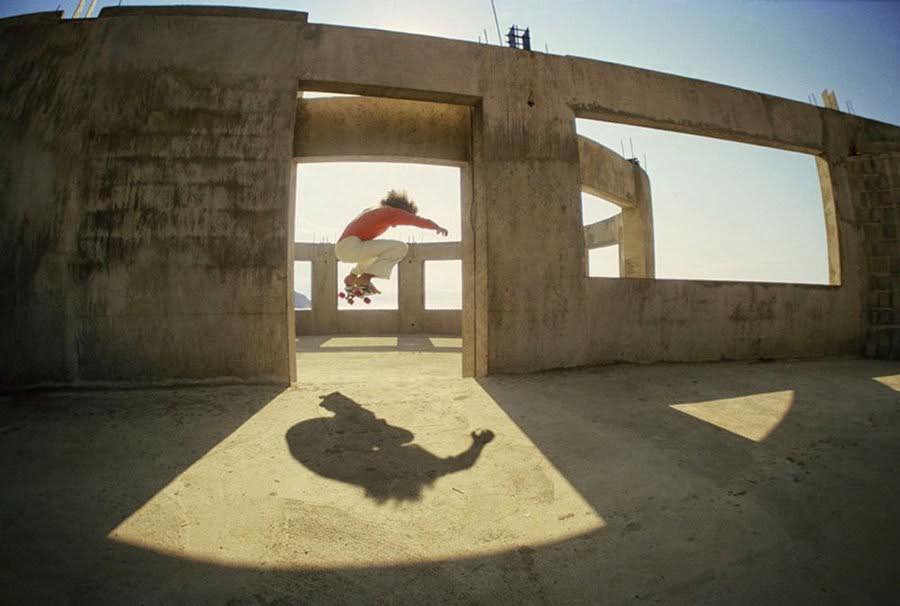
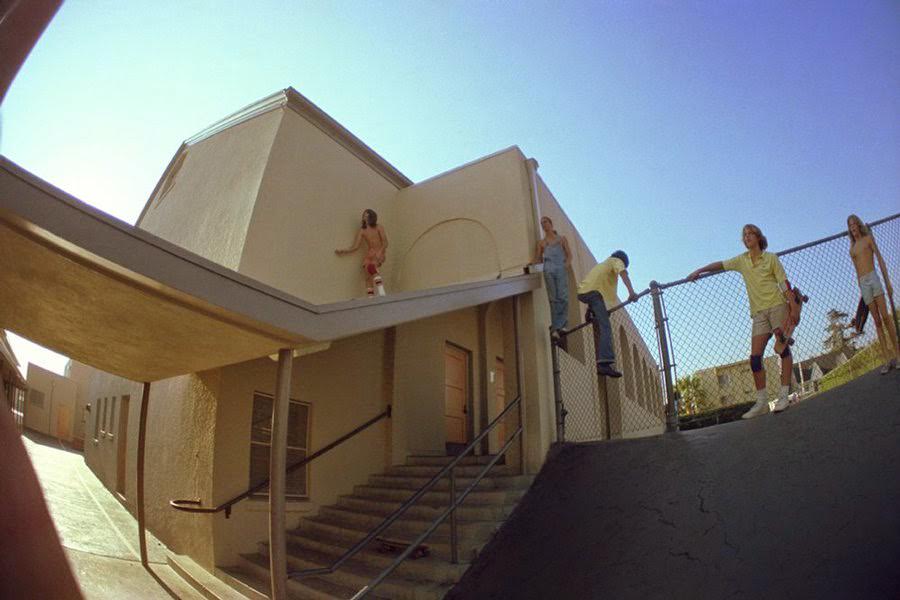
None of these sessions were rehearsed. The moves were raw and improvised. Skaters scouted drainage ditches the way treasure hunters work — always looking for the next untouched spot with the right slope and surface.
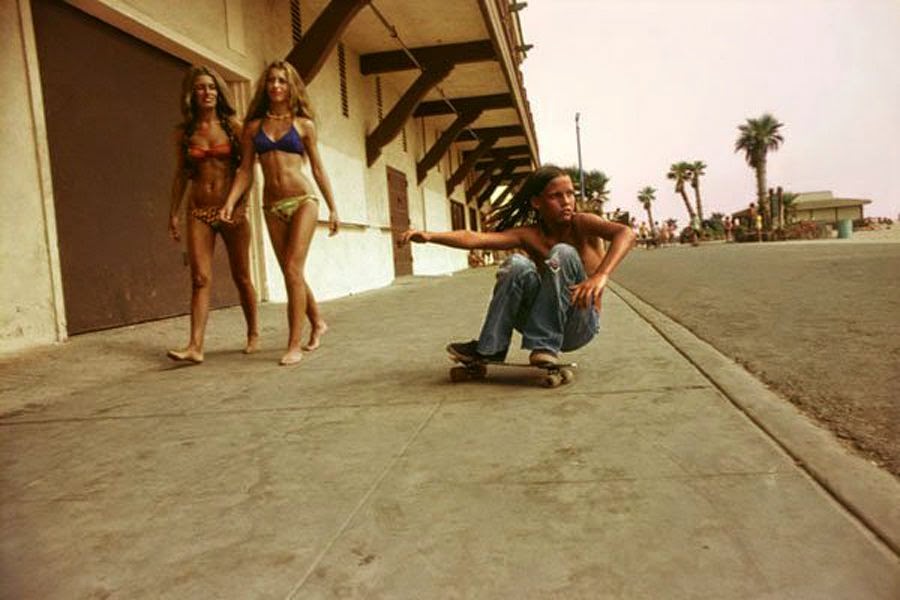
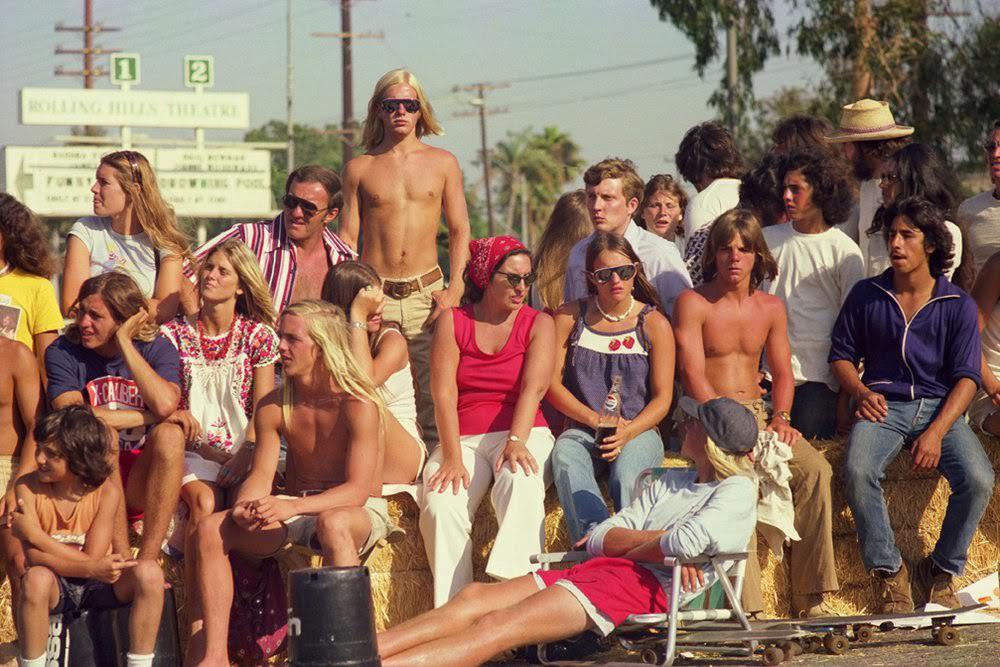
Cars rolled past. Neighbors watched from windows. None of it stopped them. These riders claimed whatever space they found — a backyard pool, a concrete ditch, a steep parking lot bank — and made it theirs.