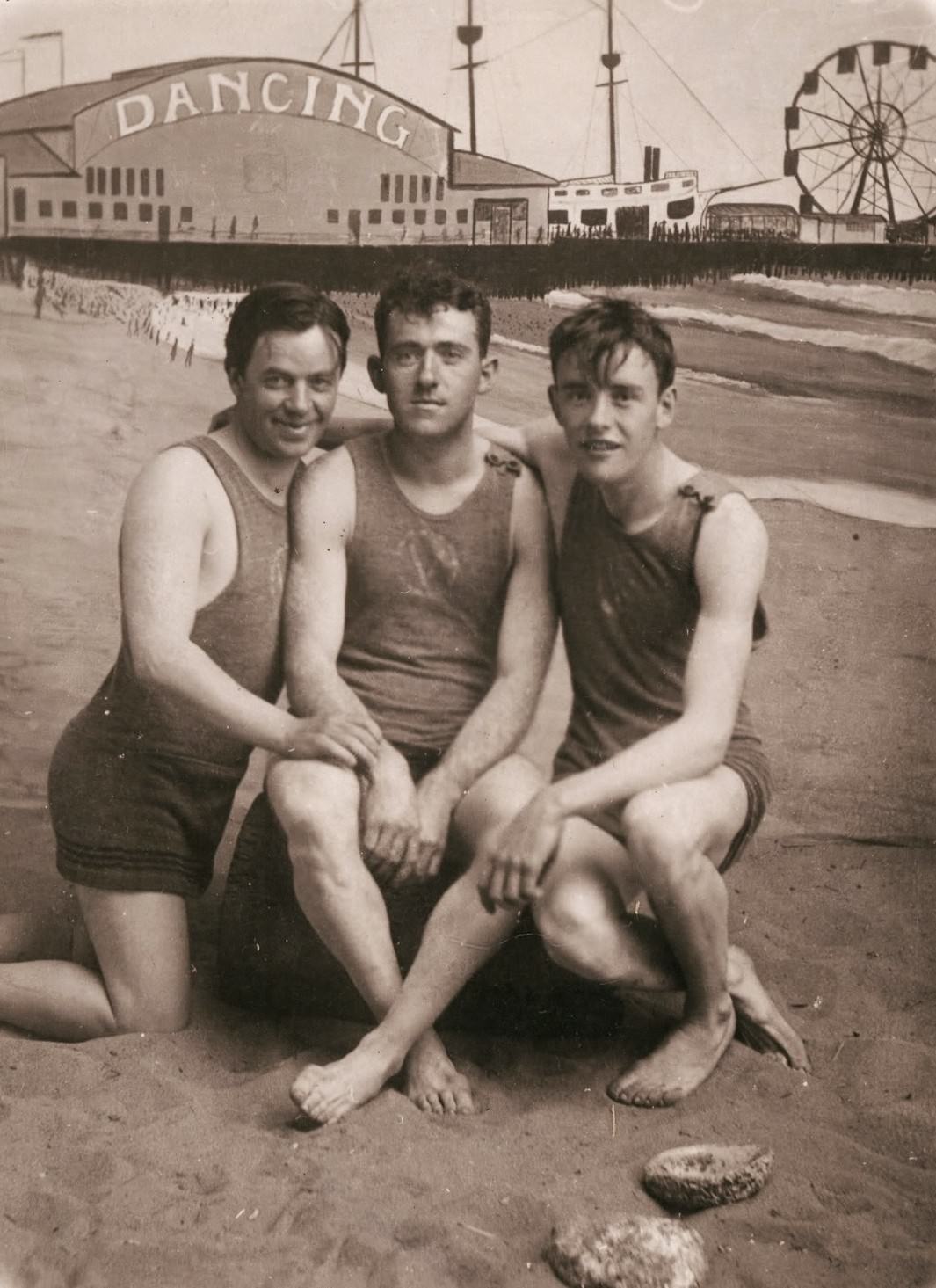
In 1880, Los Angeles was home to roughly 11,000 people. By 1900, that number had exploded past 100,000. What drove that growth? Railroads, fertile land, and a relentless wave of migrants from the Midwest and East Coast who were sold on the idea of a sun-drenched paradise.
The Southern Pacific Railroad arrived in 1876, followed by the Santa Fe Railroad in 1885. These two lines connected Southern California to the rest of the country and turned land here into a hot commodity. Agents marketed the region aggressively, and settlers came by the thousands.
The railroads didn’t just move people — they sparked entire communities. Coastal towns like Santa Monica saw immediate growth once the tracks arrived, drawing visitors who had never before had easy access to the Pacific shore.
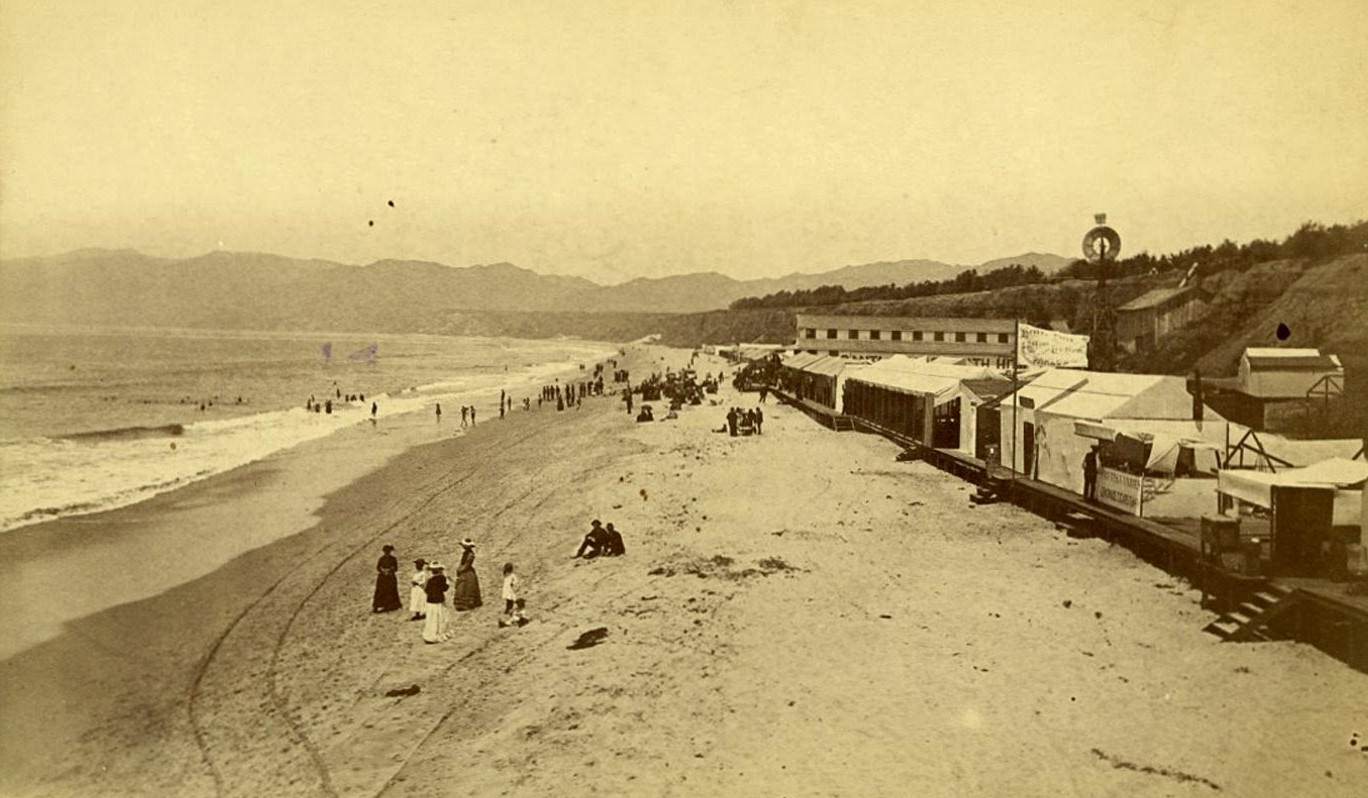
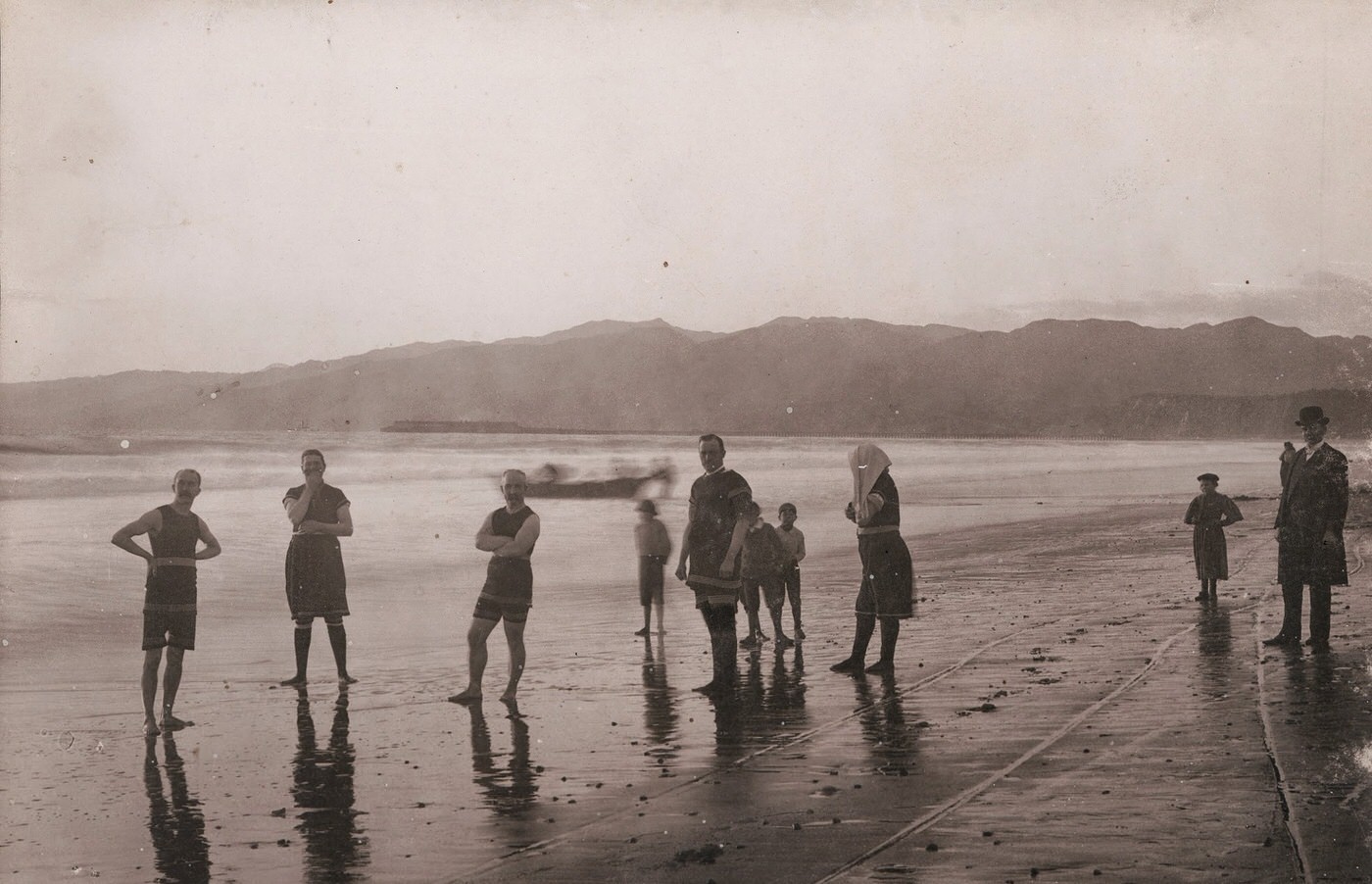
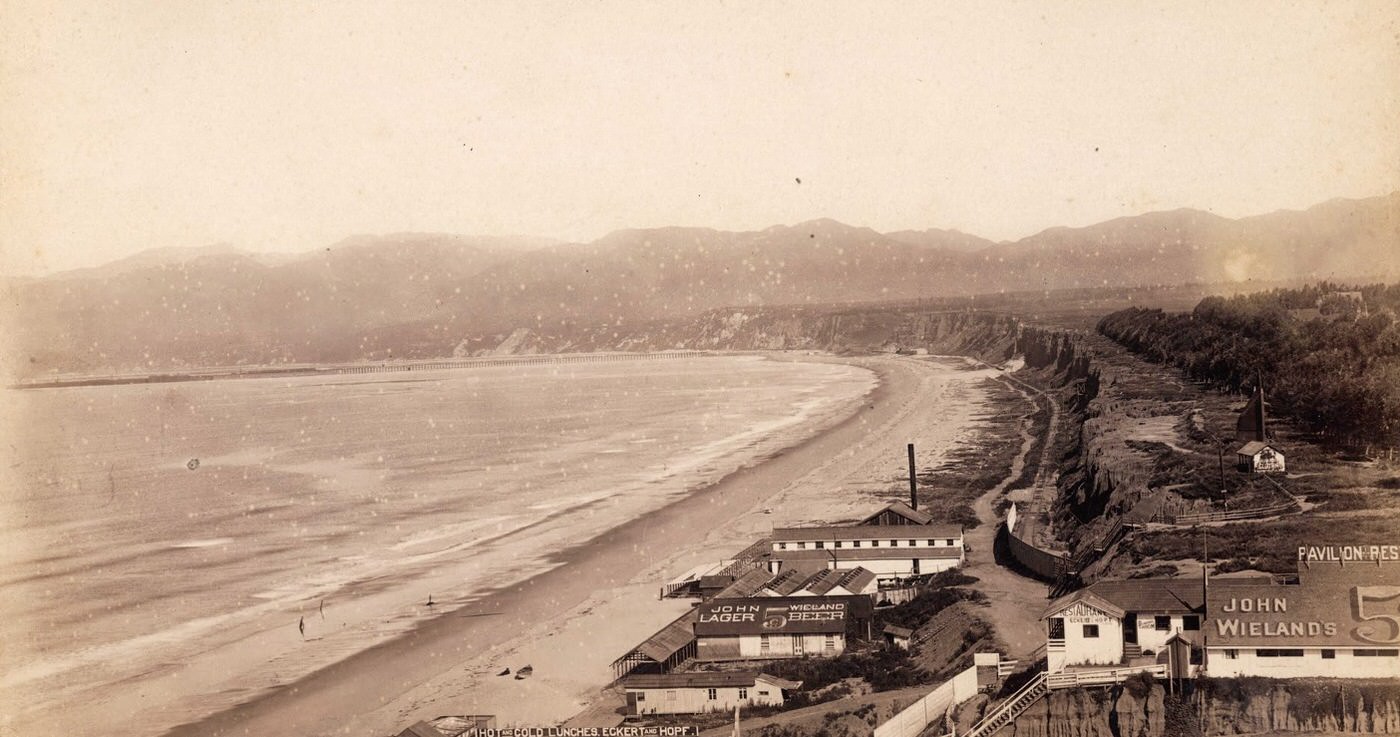
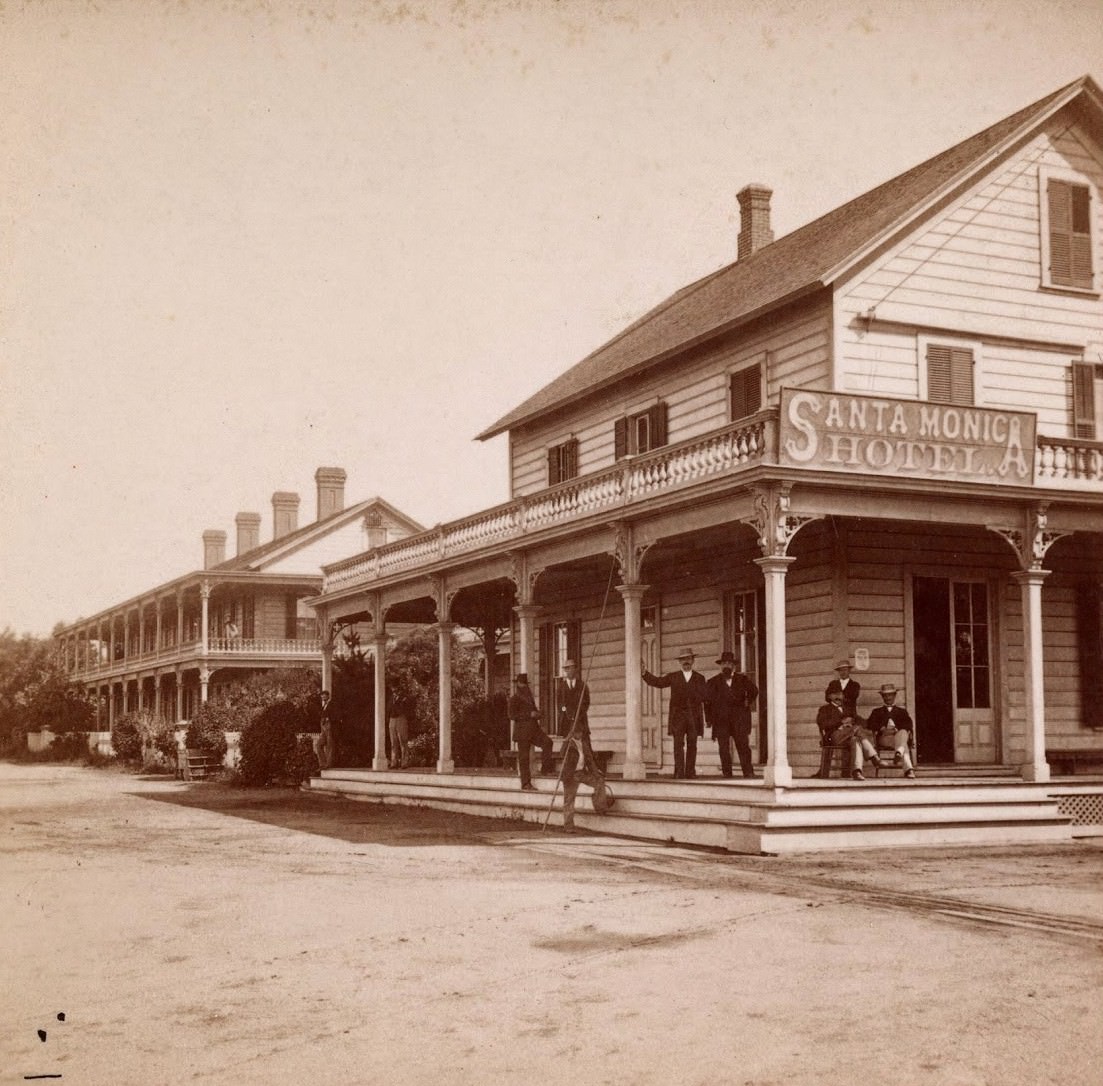
Santa Monica quickly became a destination. Tourists arrived by train and found beaches, bathhouses, and hotels waiting for them — a tourism industry built almost overnight on the back of the railroad.
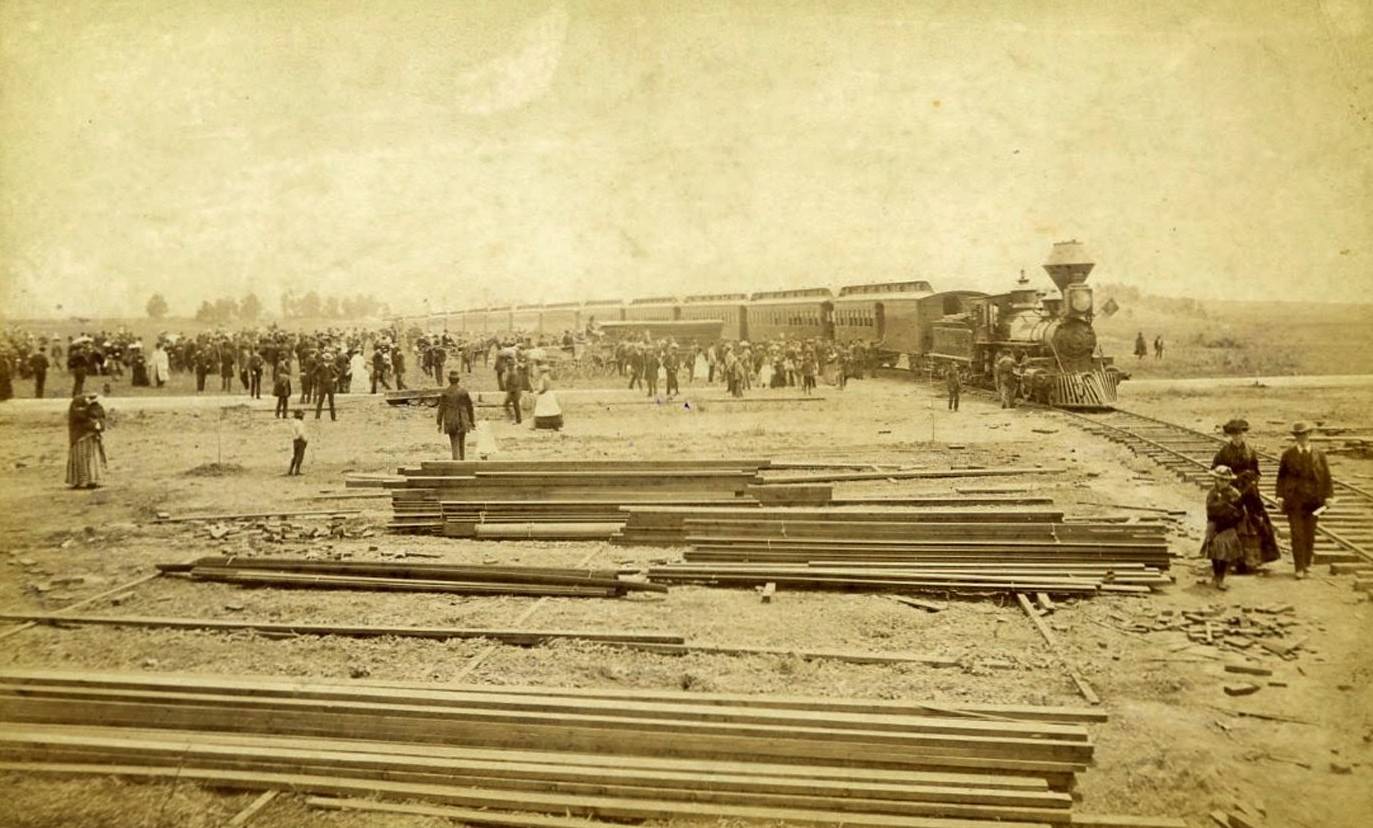
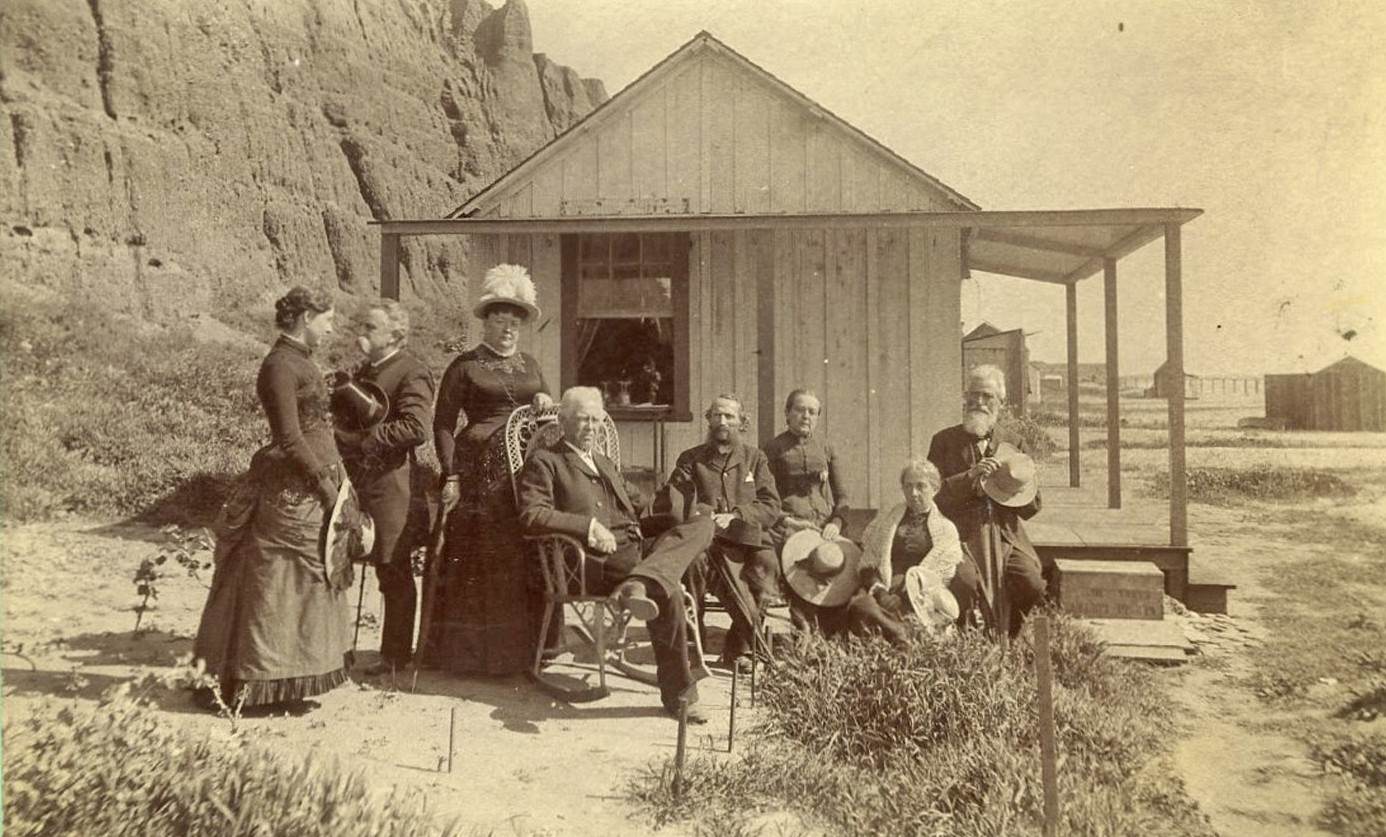
Infrastructure followed demand. The Santa Monica Bathhouse opened in 1876, offering rental rooms, oversized bathtubs, and steam rooms. Developed by Colonel Baker and millionaire John Percival Jones, it was one of the earliest signs of Santa Monica’s resort ambitions.
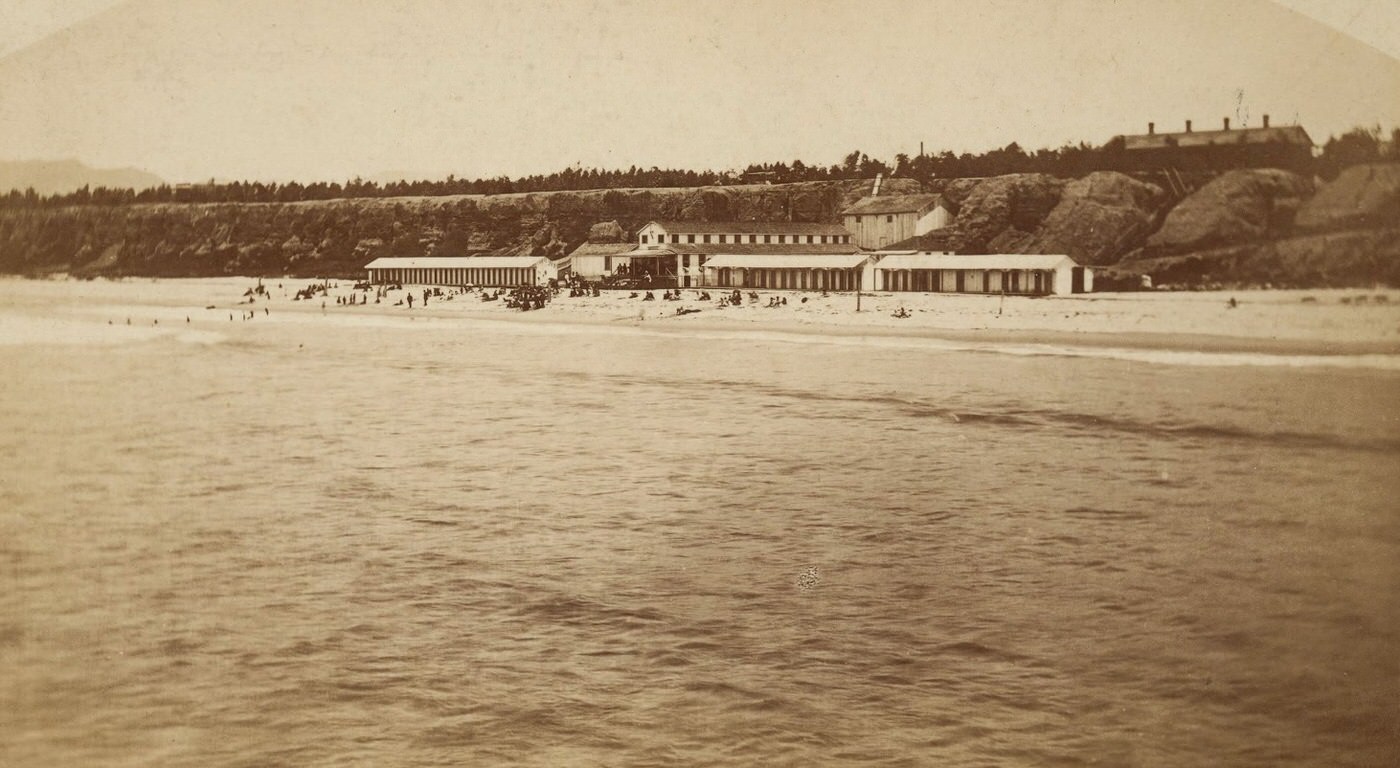
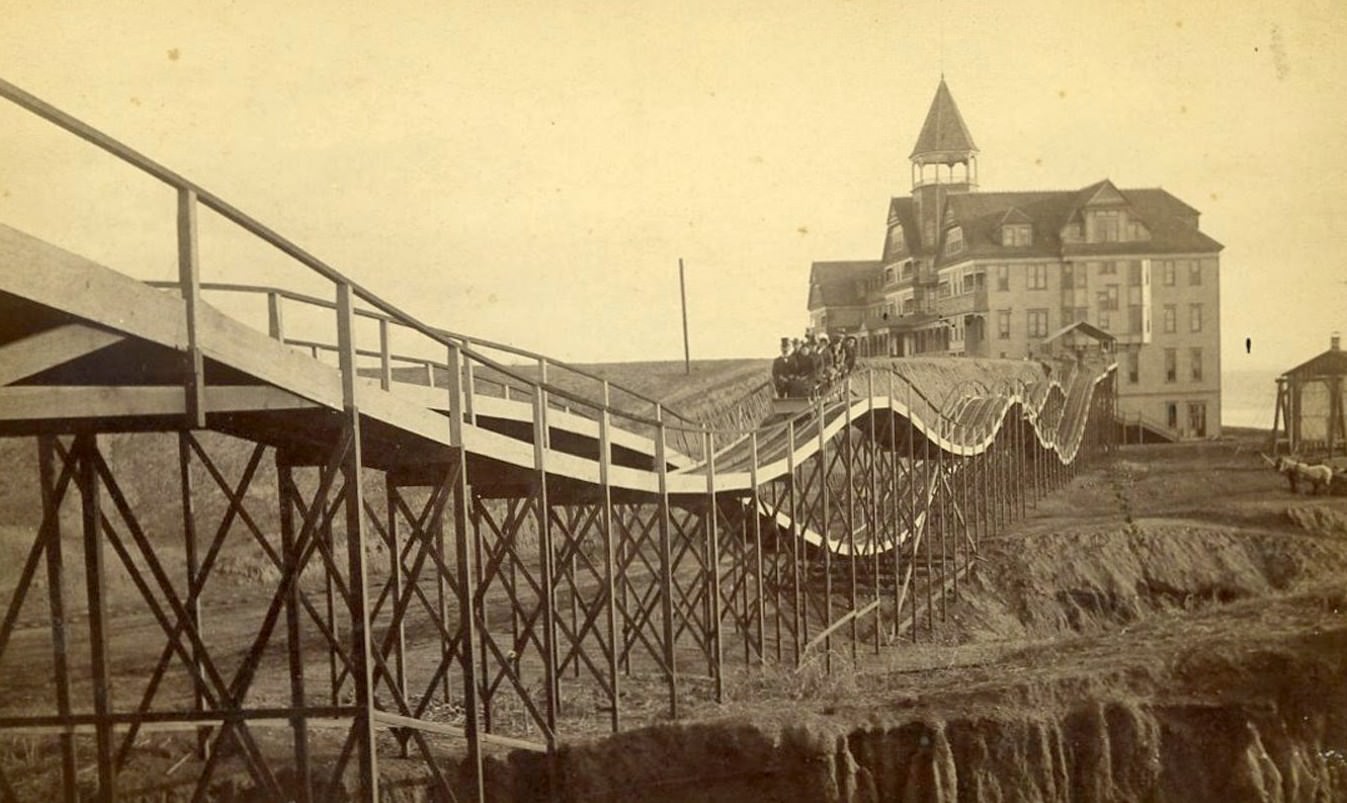
By 1887, the 125-room Arcadia Hotel had opened, complete with a roller coaster on its grounds. Hotels like this catered to a new class of tourist with money to spend and time to enjoy the Southern California climate.
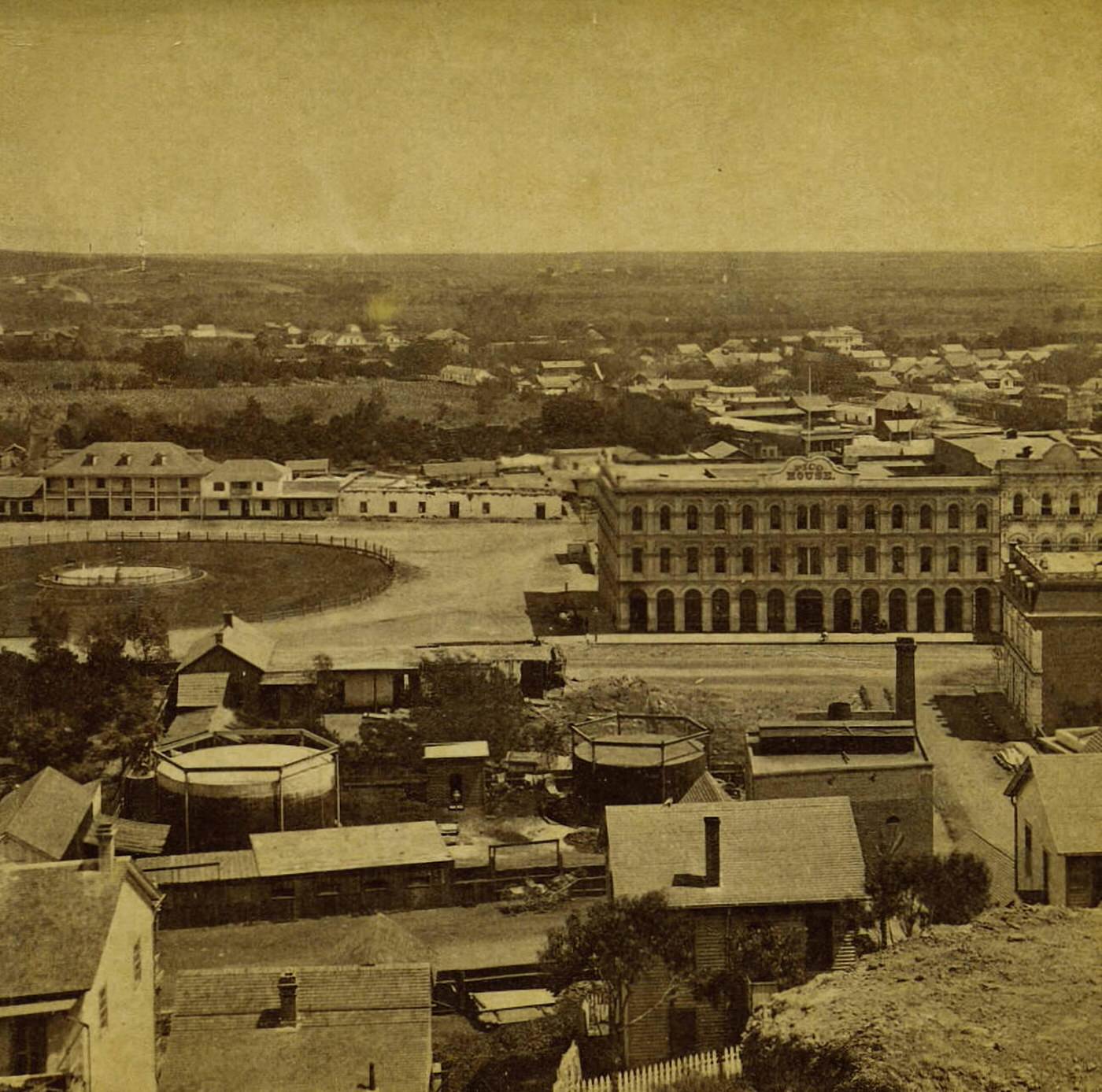
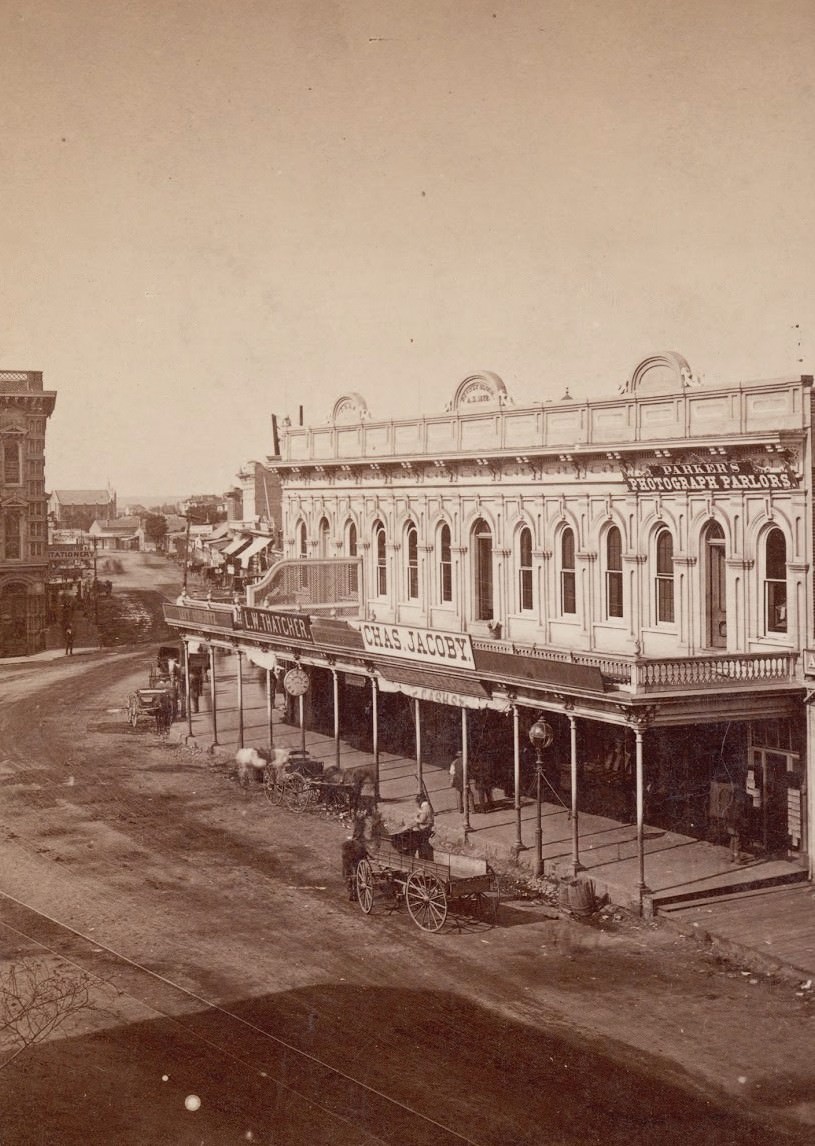
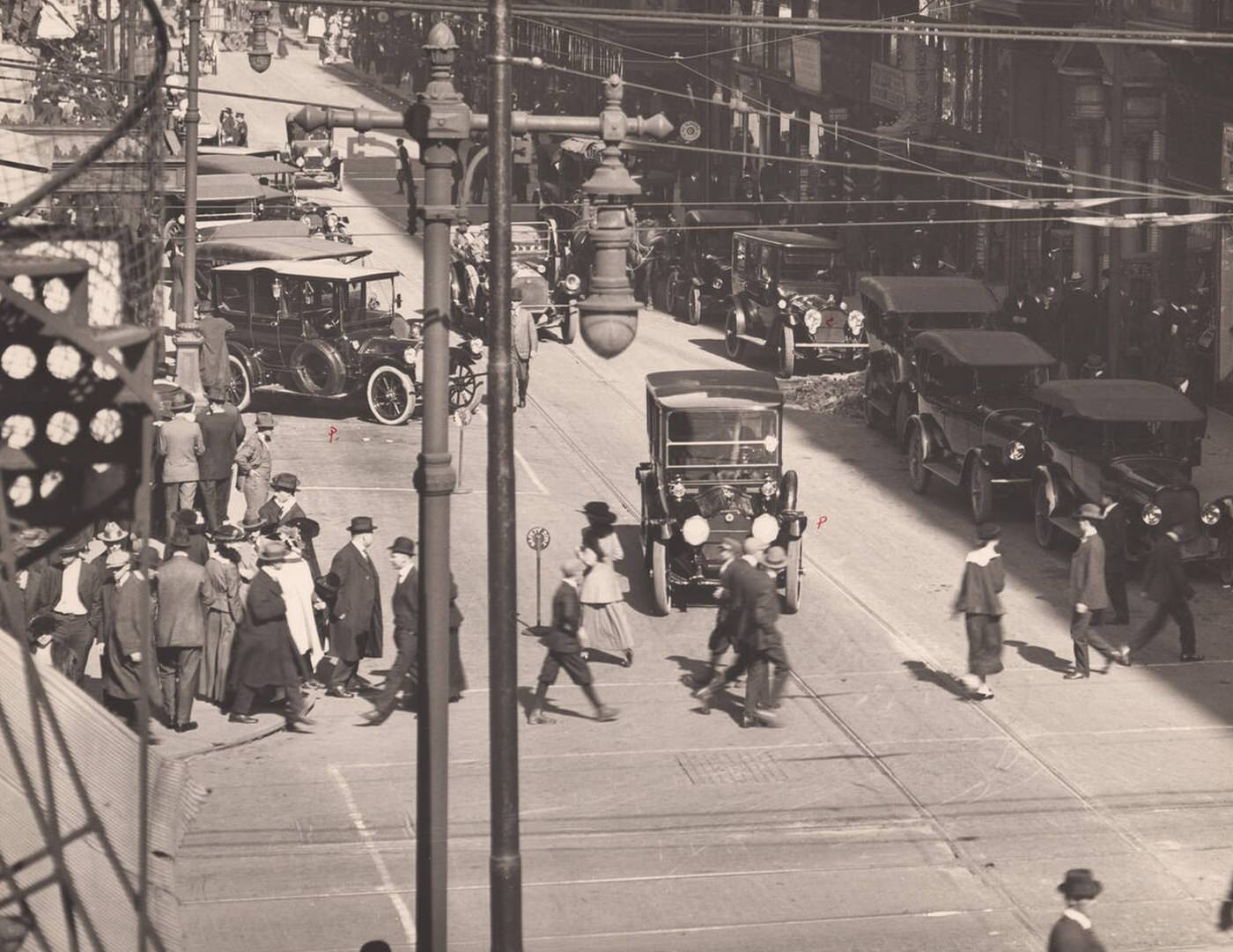
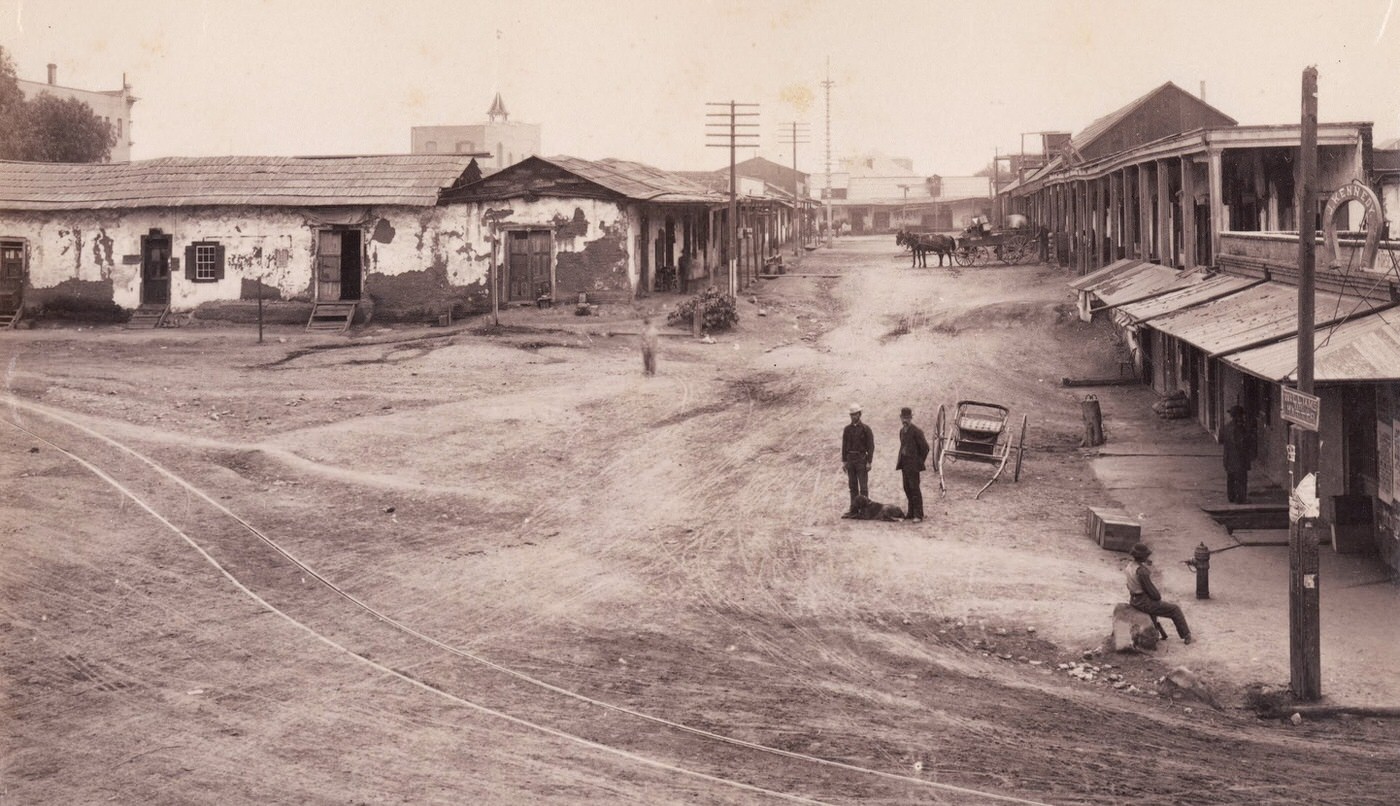
Back in the city, downtown Los Angeles looked nothing like it does today. Dirt roads and horse-drawn carriages were standard. Cable cars and early electric streetcars began changing that in the 1870s and 1890s, pushing neighborhoods further from the city core.
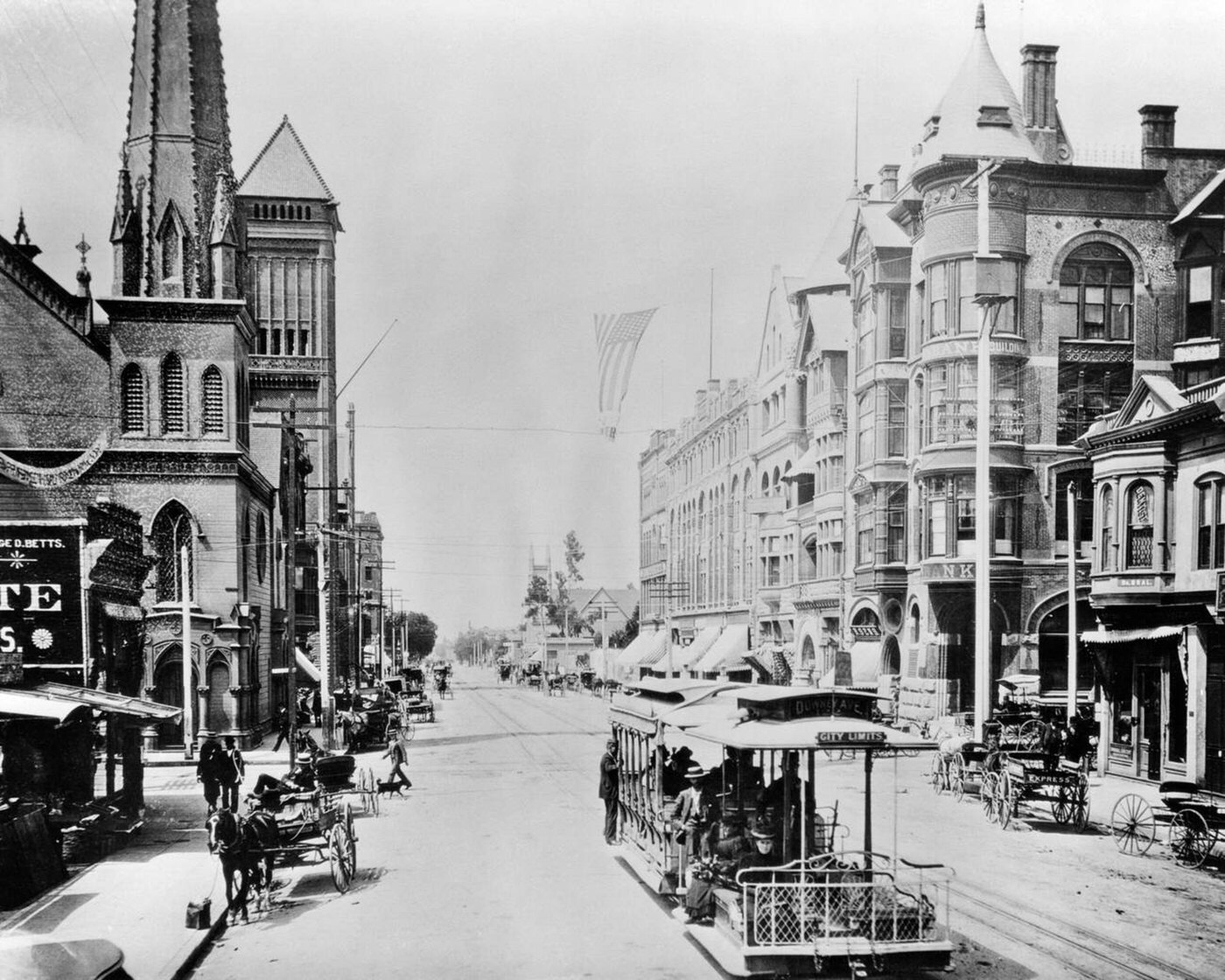
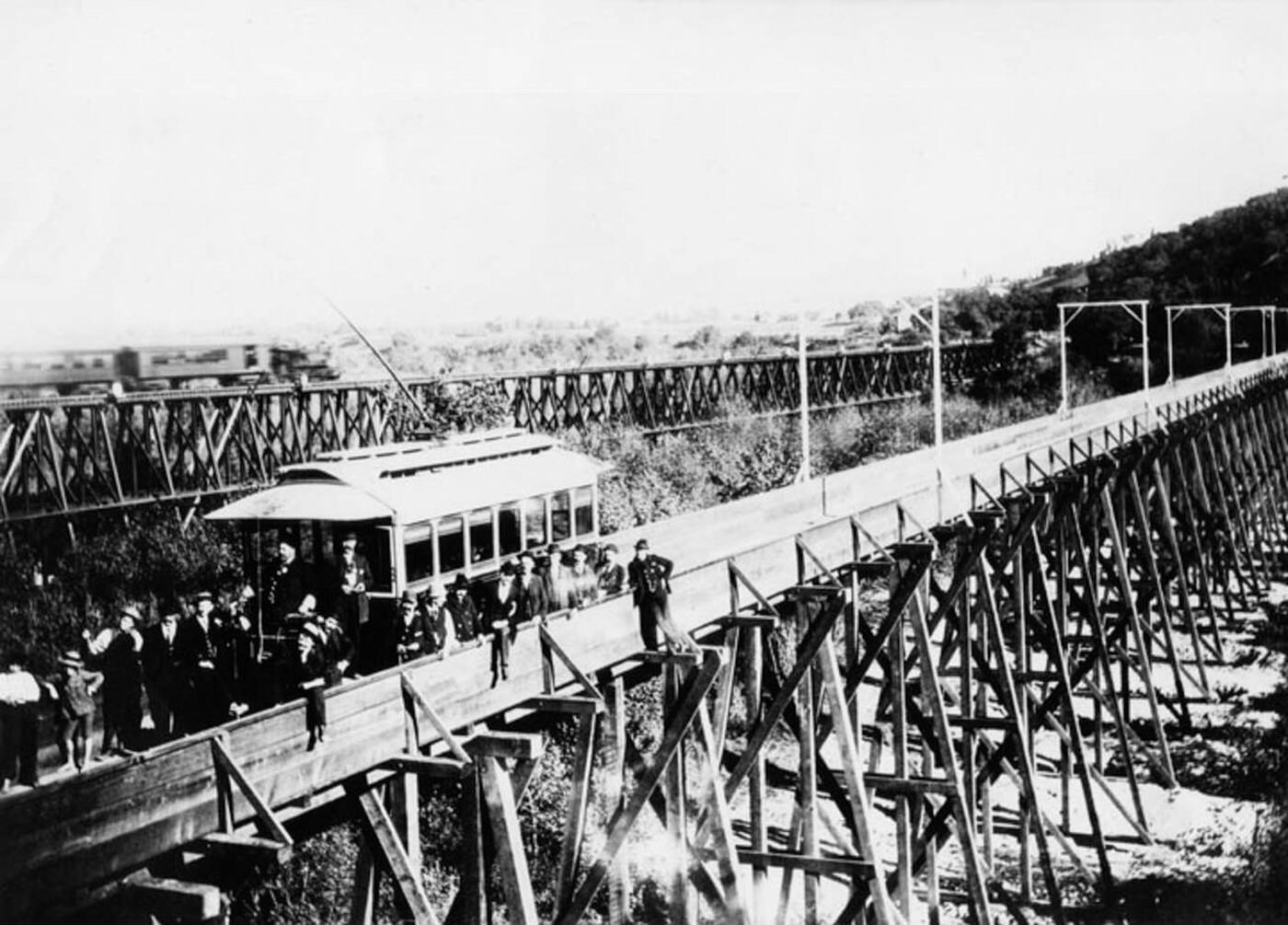
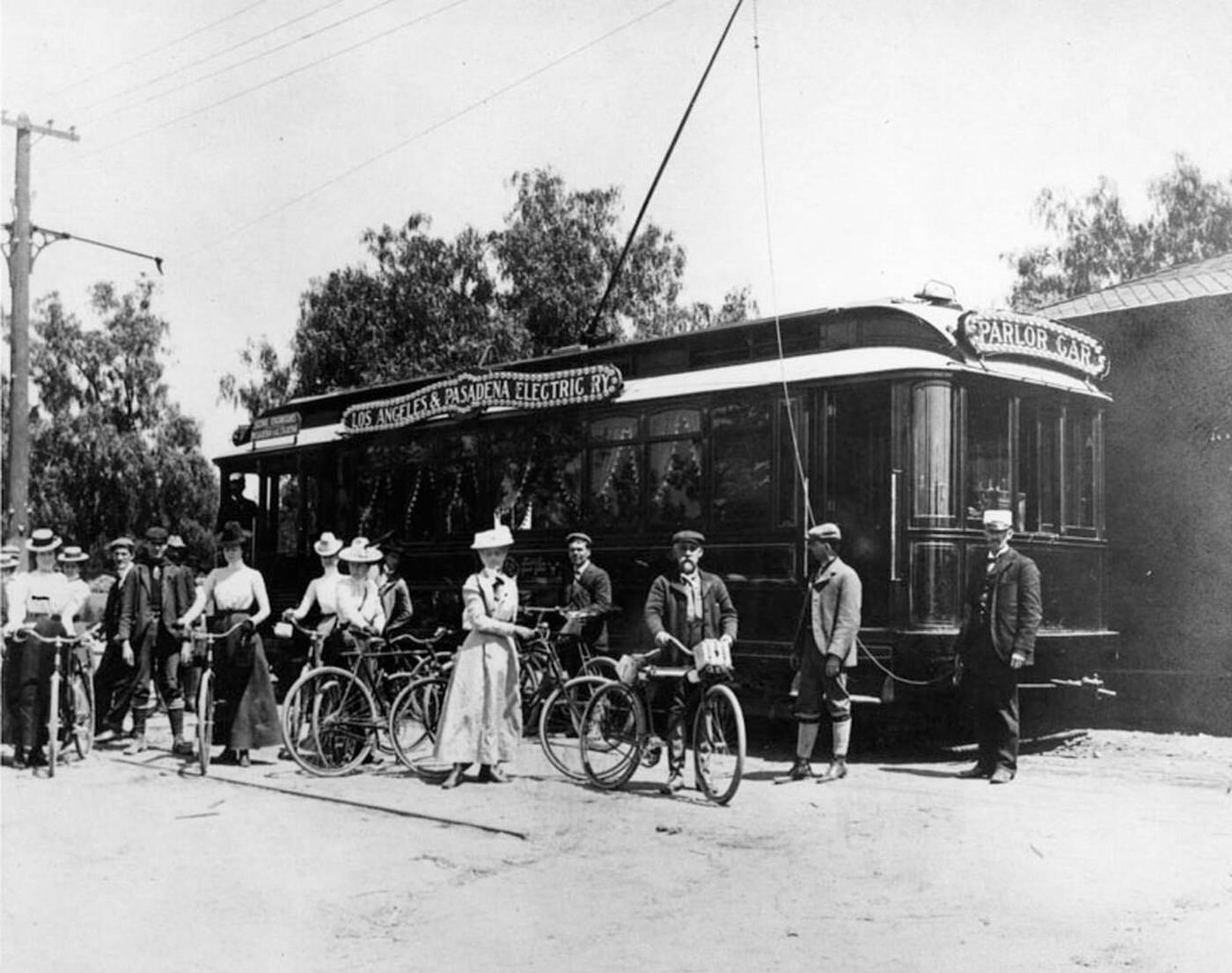
The electric streetcar lines of the Los Angeles & Pasadena Railway Company extended that reach even further, connecting neighborhoods and suburbs that had barely existed a decade before.
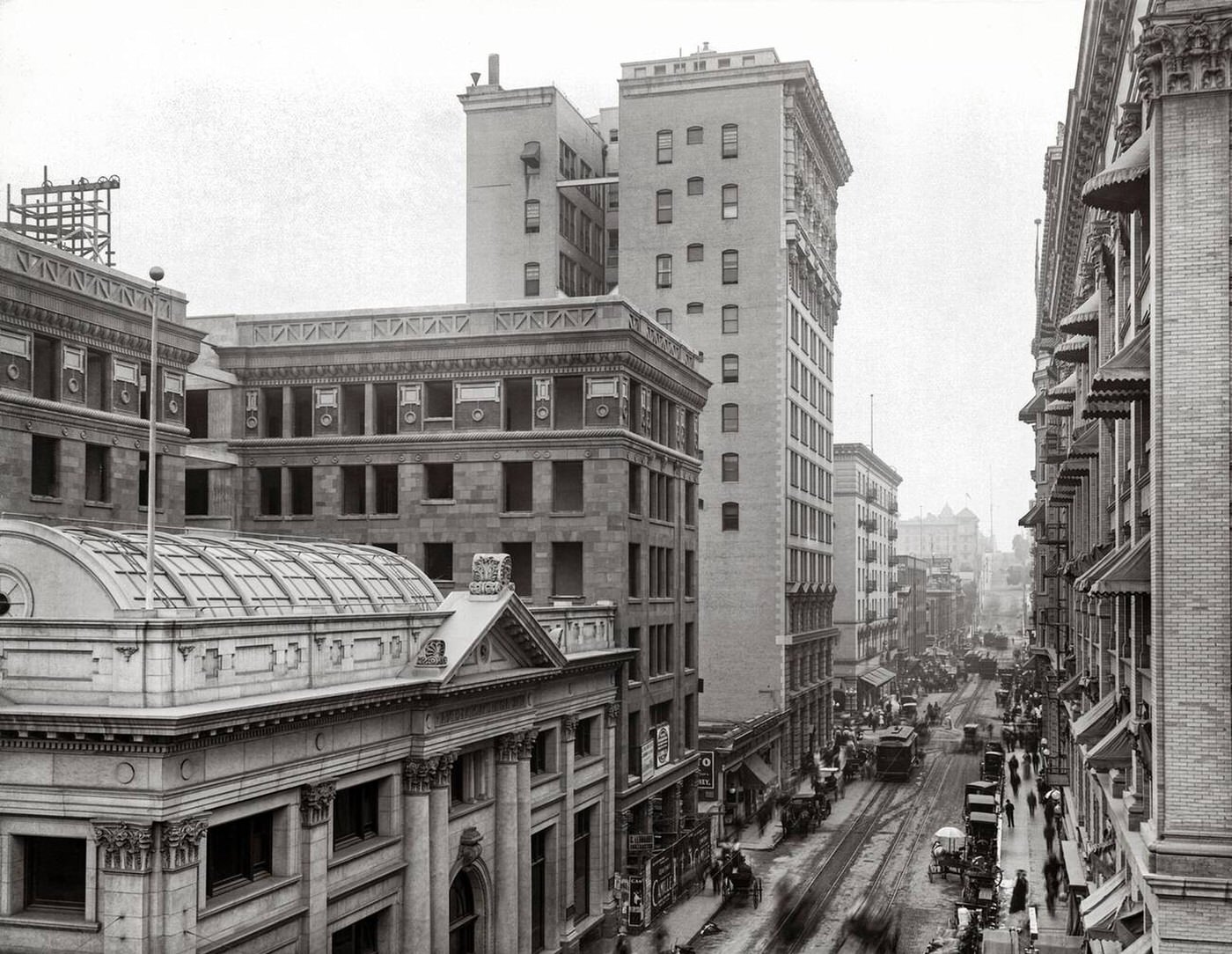
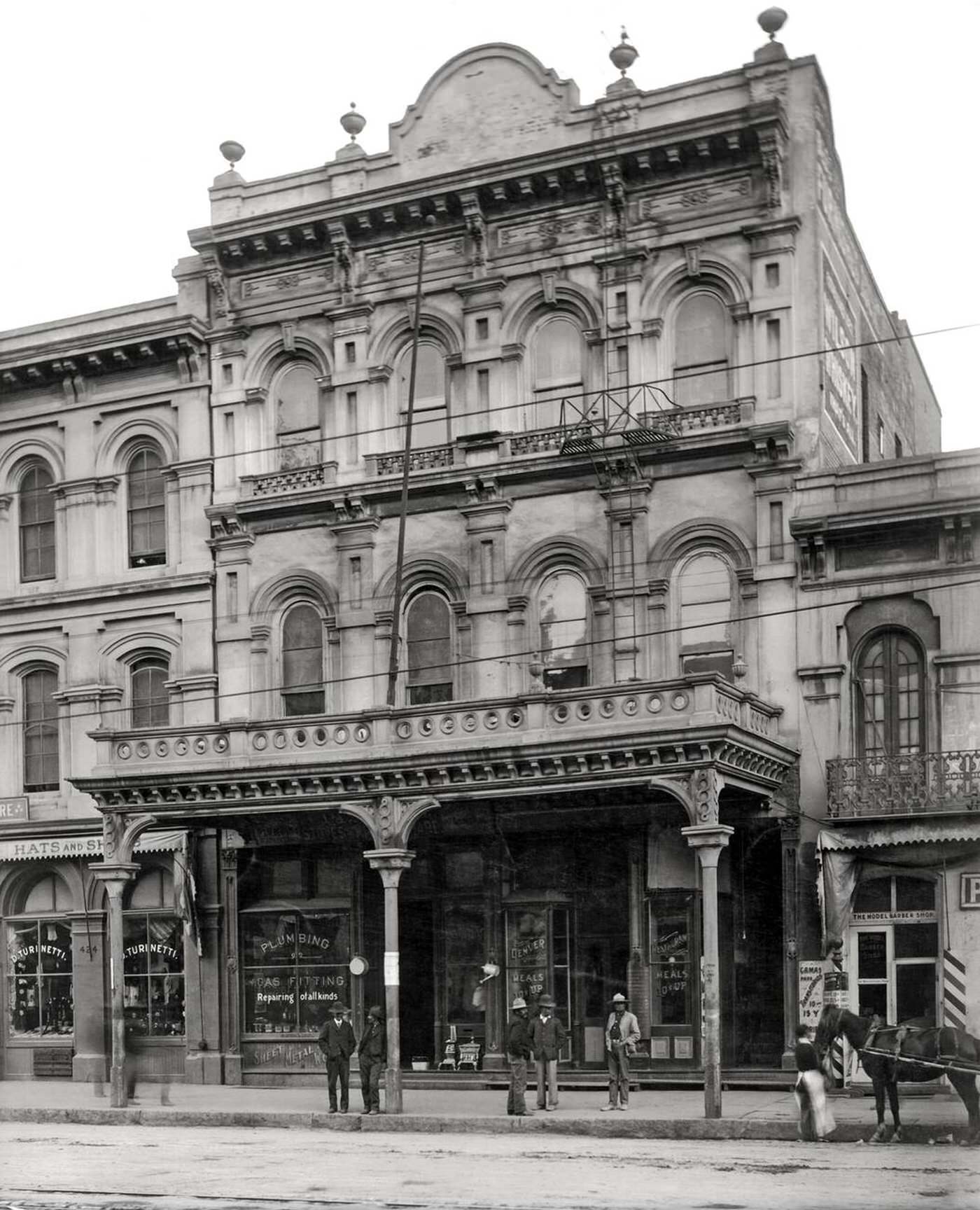
Main Street and Spring Street formed the heart of downtown commerce. Brick buildings steadily replaced wooden ones as the city worked to cut fire risk. Banks, hotels, and civic buildings gave the area a sense of permanence.
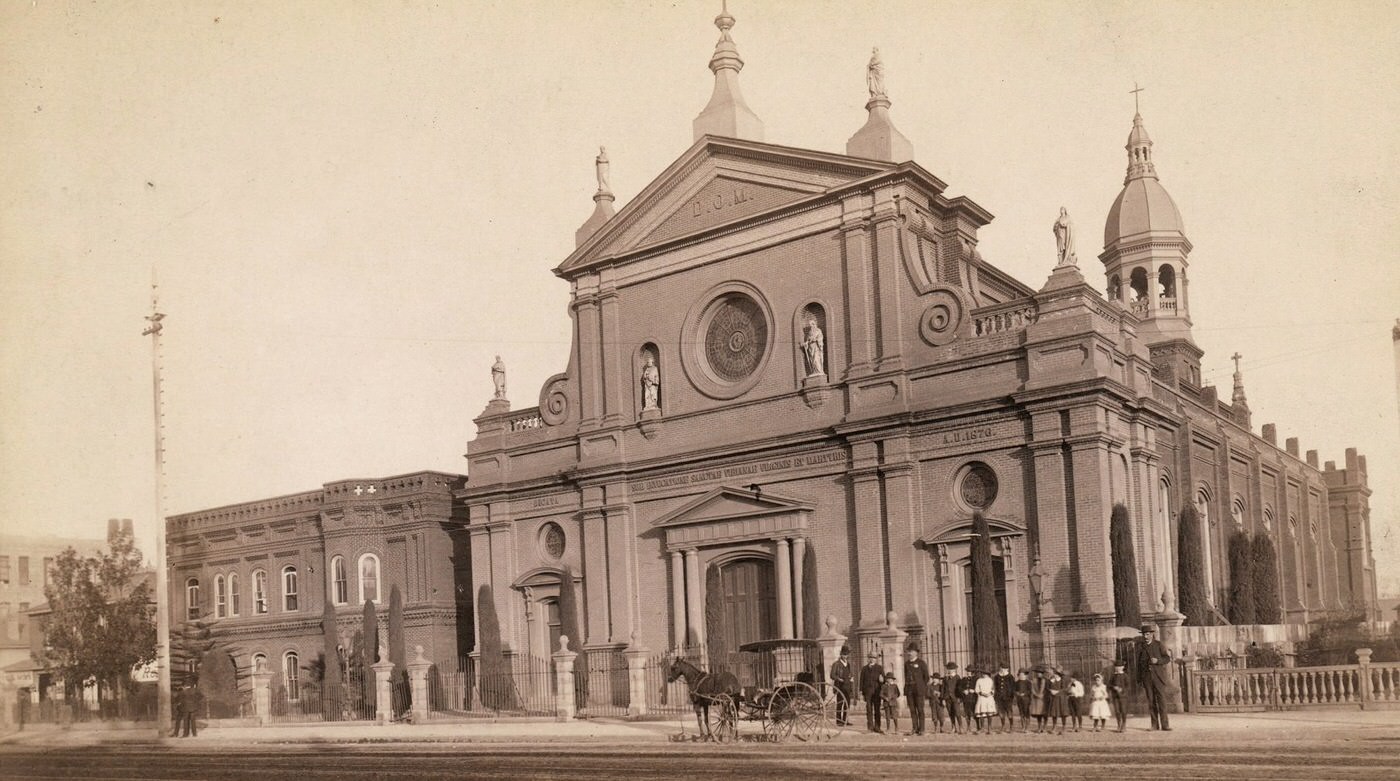
Religion and culture were taking root as well. The Cathedral of St. Vibiana, completed in downtown Los Angeles, served as the seat of the Los Angeles bishop for over a century. It stood as one of the city’s most recognizable landmarks throughout the late 1800s.
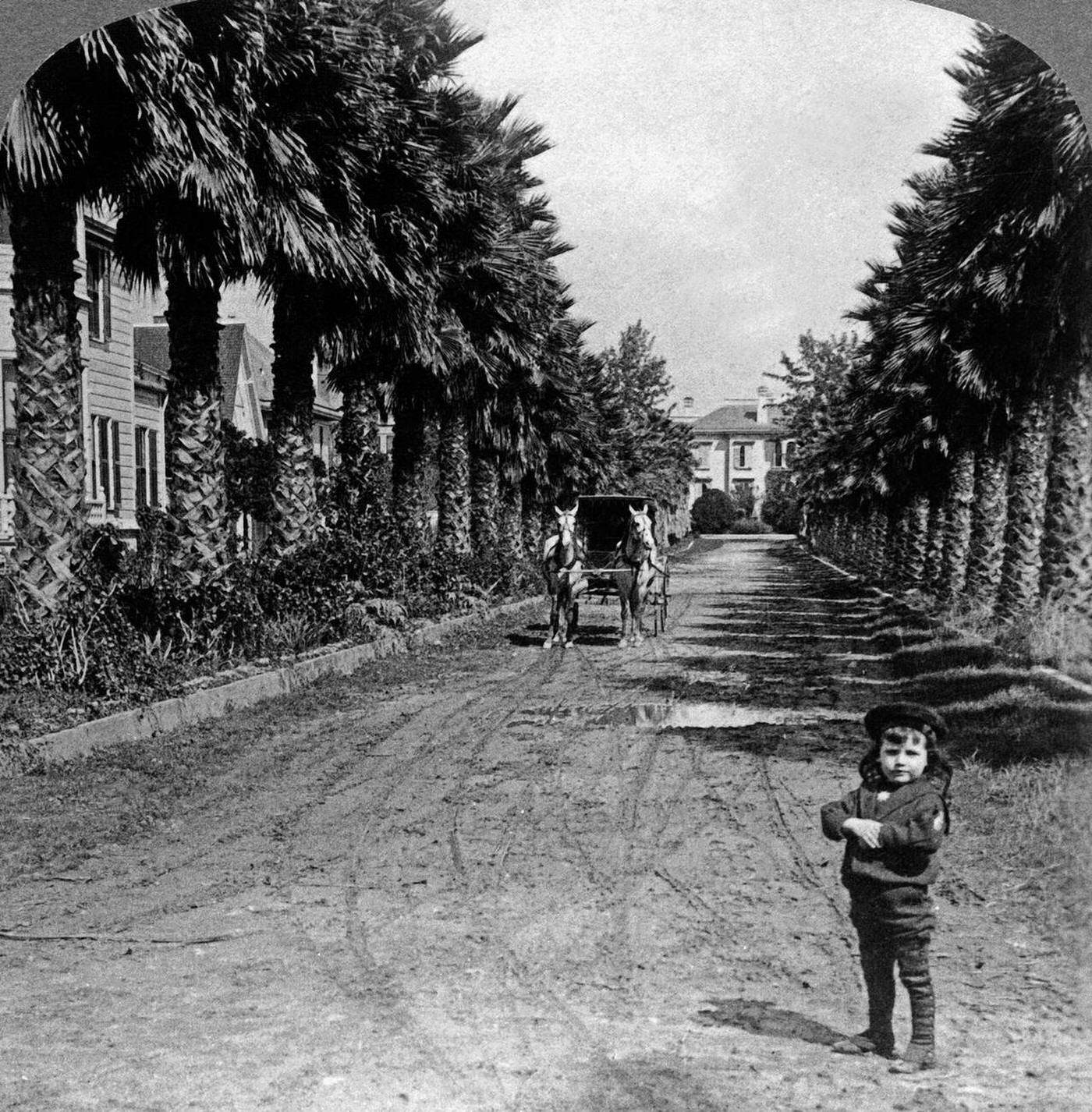
The city’s first theater opened around the turn of the century, and palm-lined streets were beginning to define the look of Los Angeles neighborhoods — an aesthetic that would become synonymous with the city for generations.
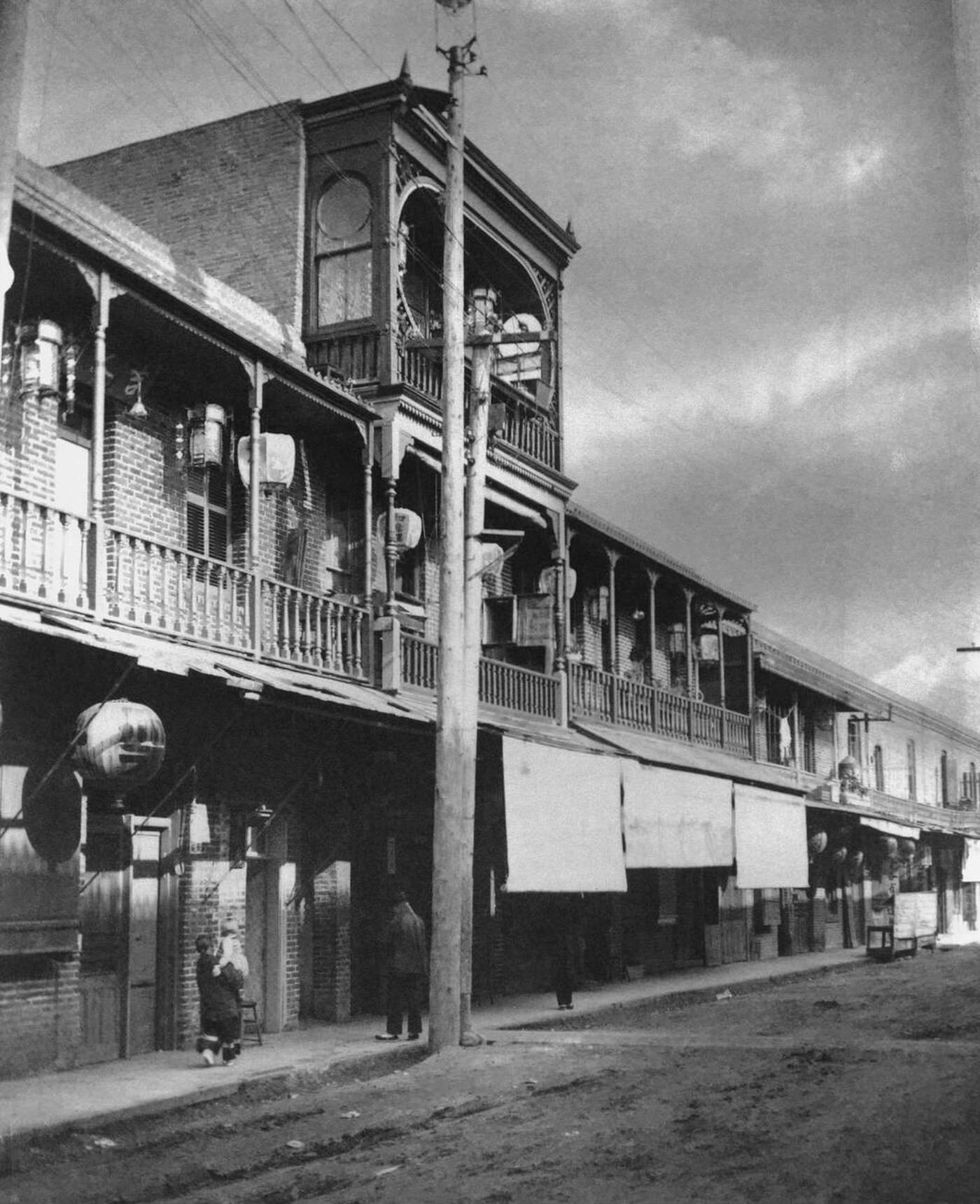
Los Angeles had a diverse population from the start. Its first Chinatown, known as the “Chinese Quarter,” thrived from 1890 to 1910. But gambling houses, opium dens, and gang activity led authorities to condemn the area. Residents were forcibly evicted to clear land for what would become Union Station.
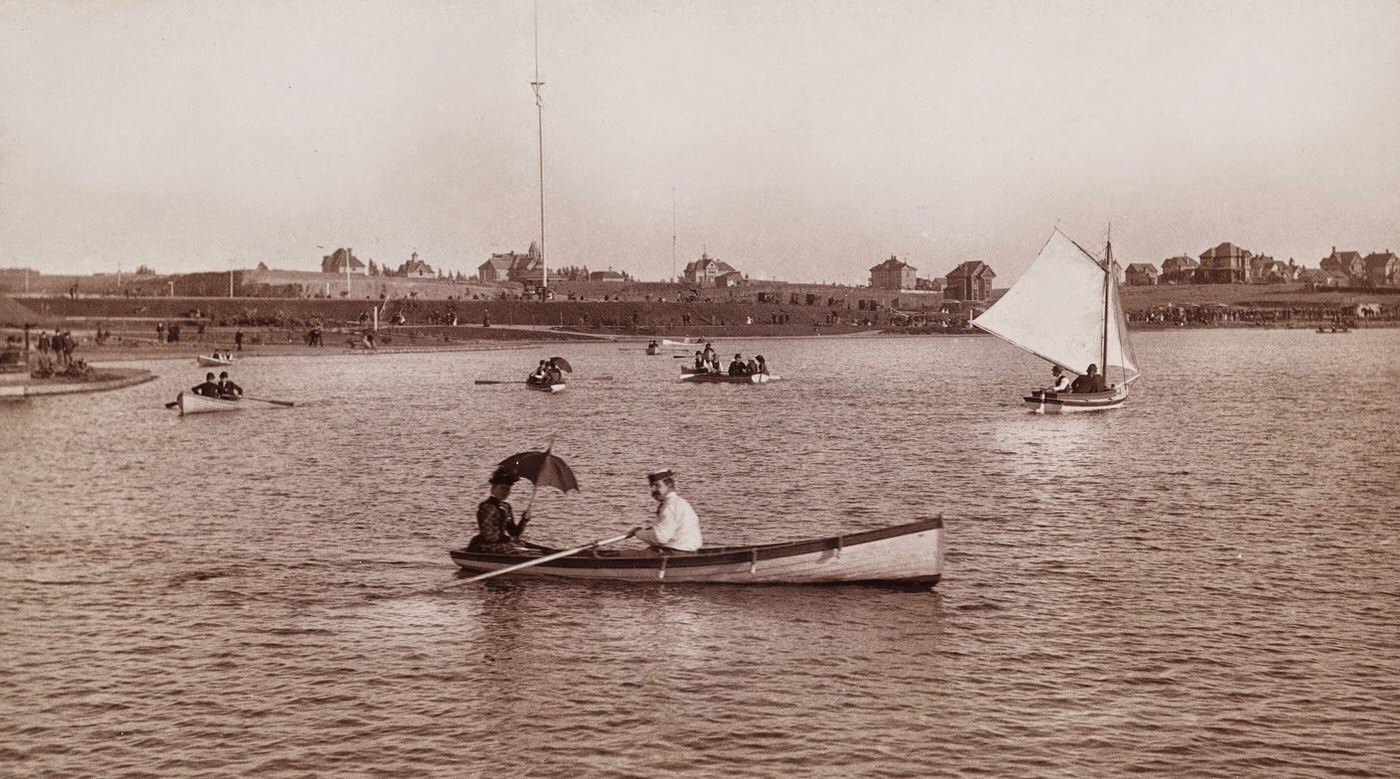
Parks and public spaces were also part of life in late 19th-century Los Angeles. Westlake Park — now called MacArthur Park — began as a city reservoir before transforming into a leisure destination surrounded by luxury hotels by the 1890s.
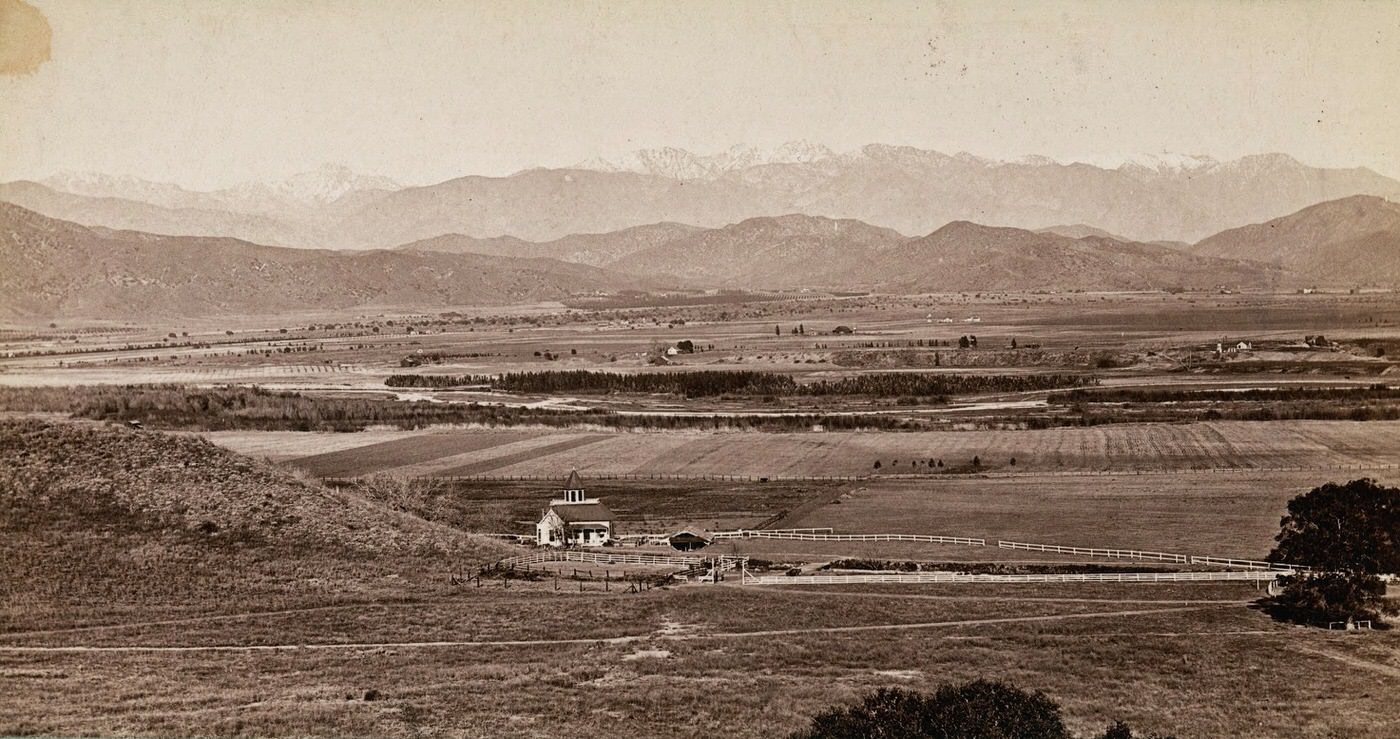
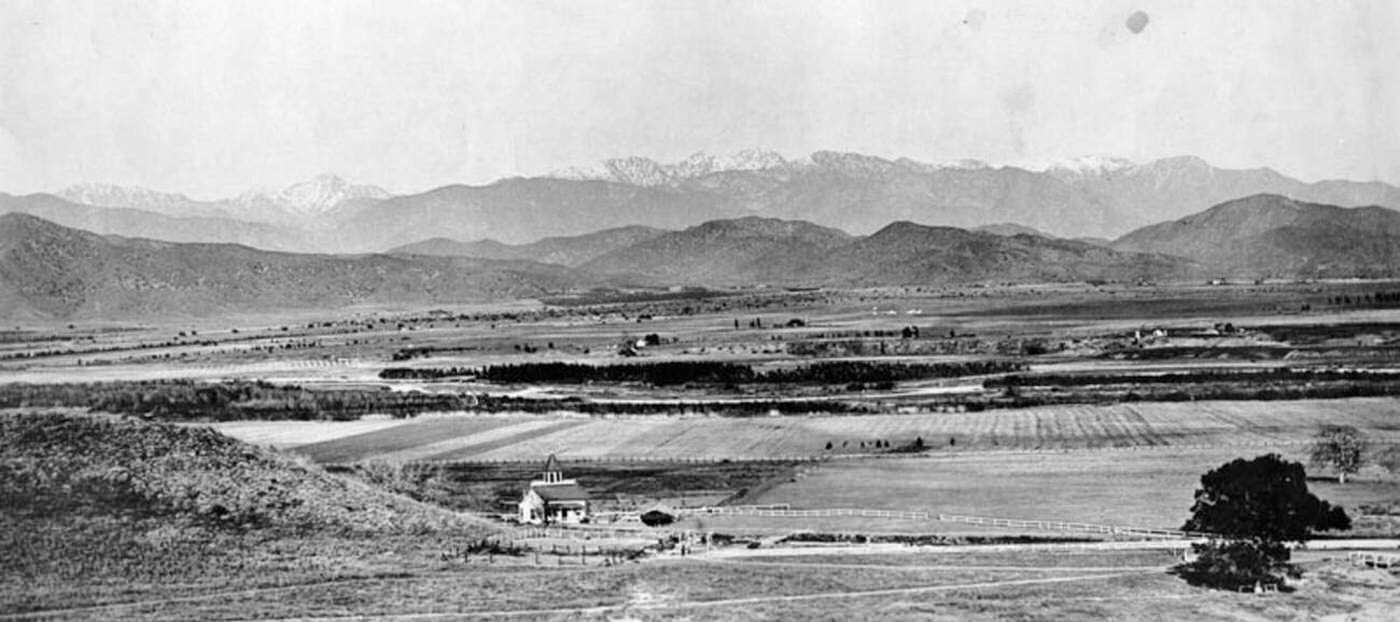
Outside the city limits, the land was largely untouched. The San Fernando Valley stretched out as open, undeveloped terrain around 1890 — no suburbs, no highways, nothing resembling the dense urban sprawl that would come.
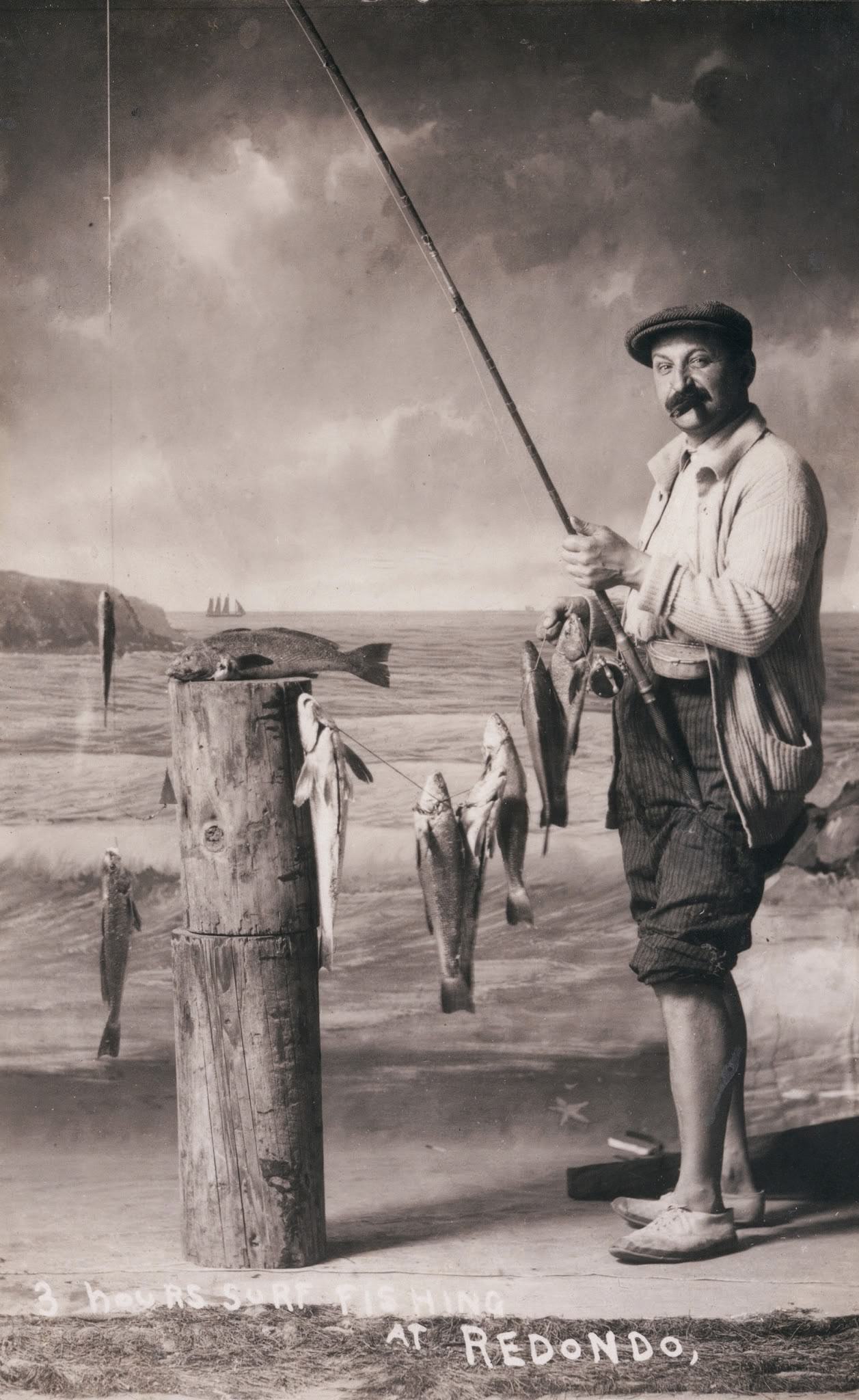
Along the coast, beach cities like Redondo Beach drew fishermen and tourists alike. The waters off Redondo were rich with halibut, lobster, and sea bass, making it both a working fishing ground and a recreational draw.
Venice Beach came slightly later, developed in 1905 as a full oceanfront resort. Builders dug miles of canals to drain the marshy land, then filled the area with attractions including a dance hall, turning a swamp into a spectacle.