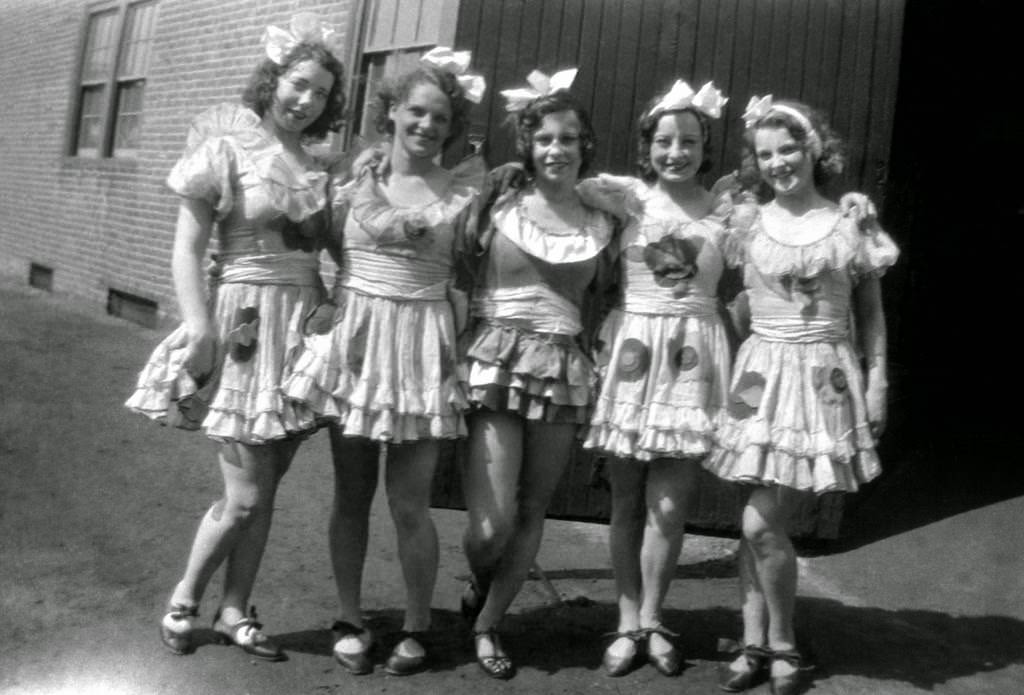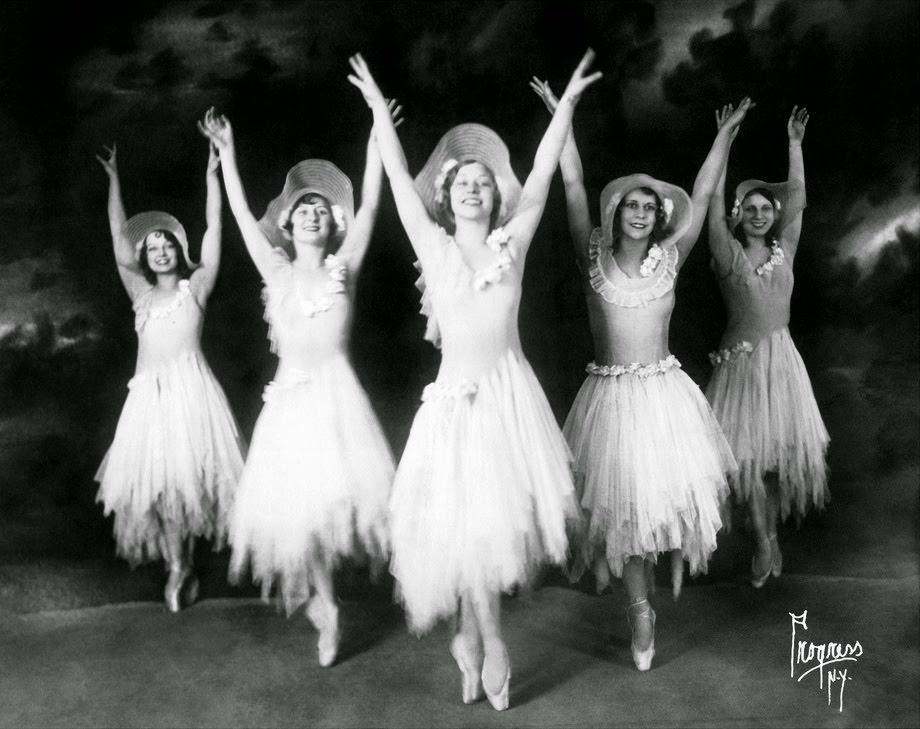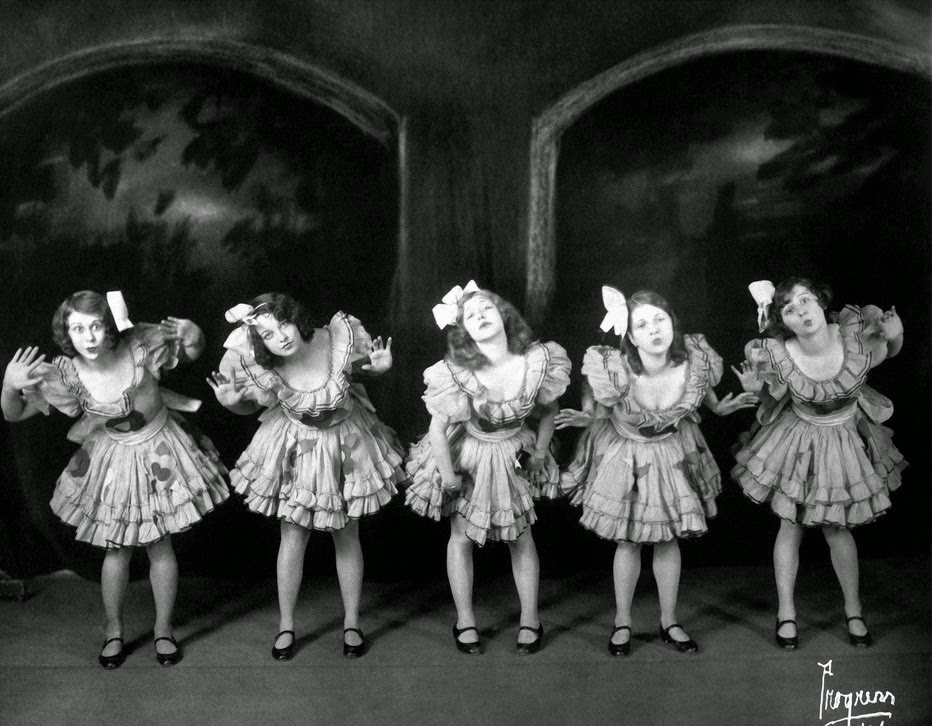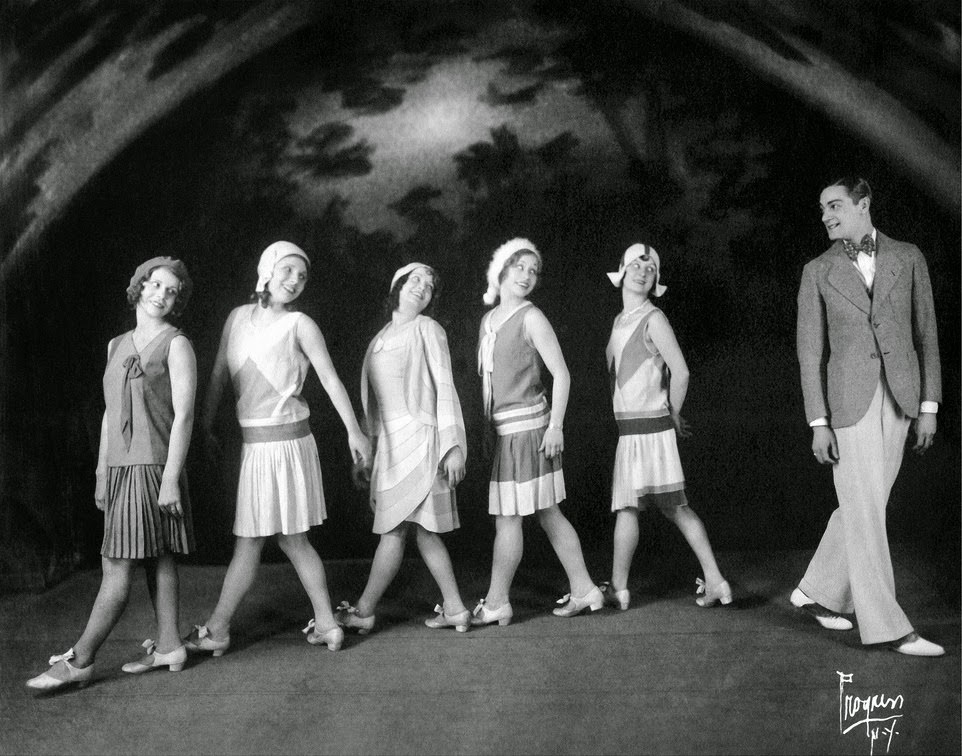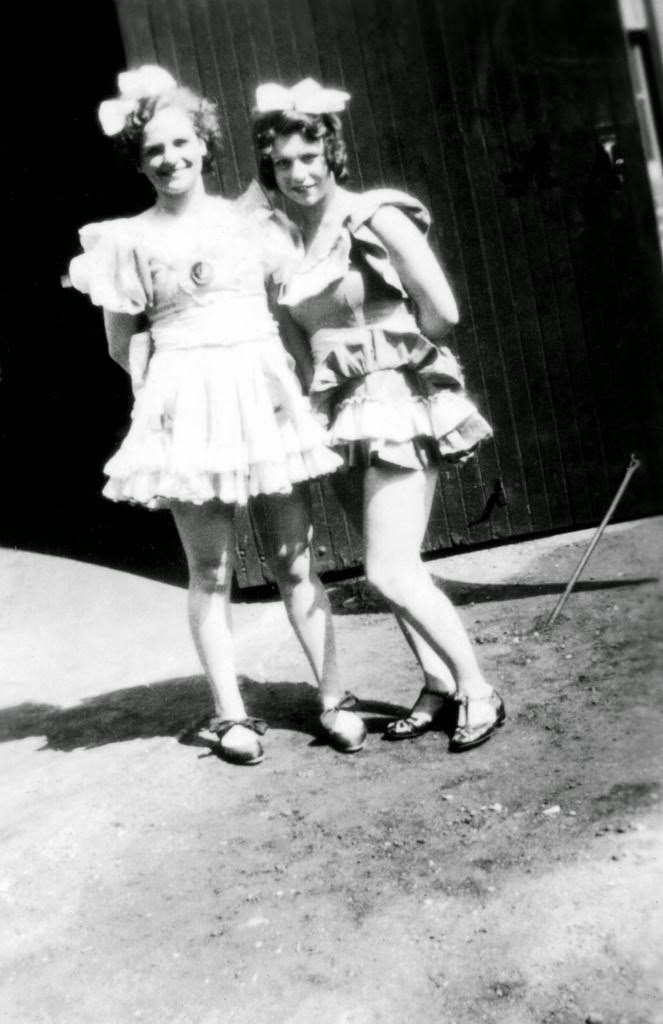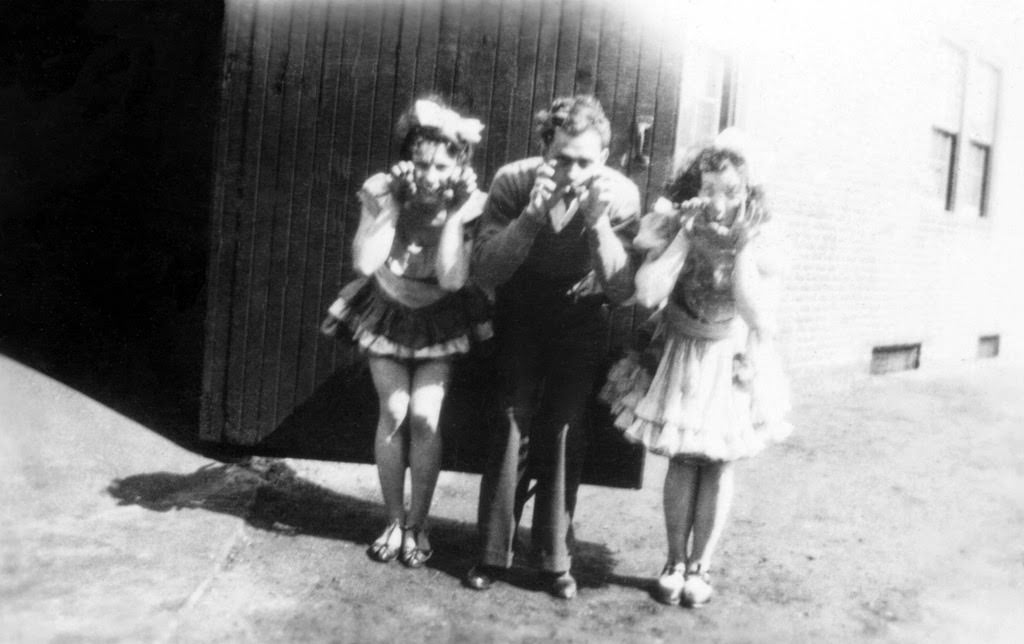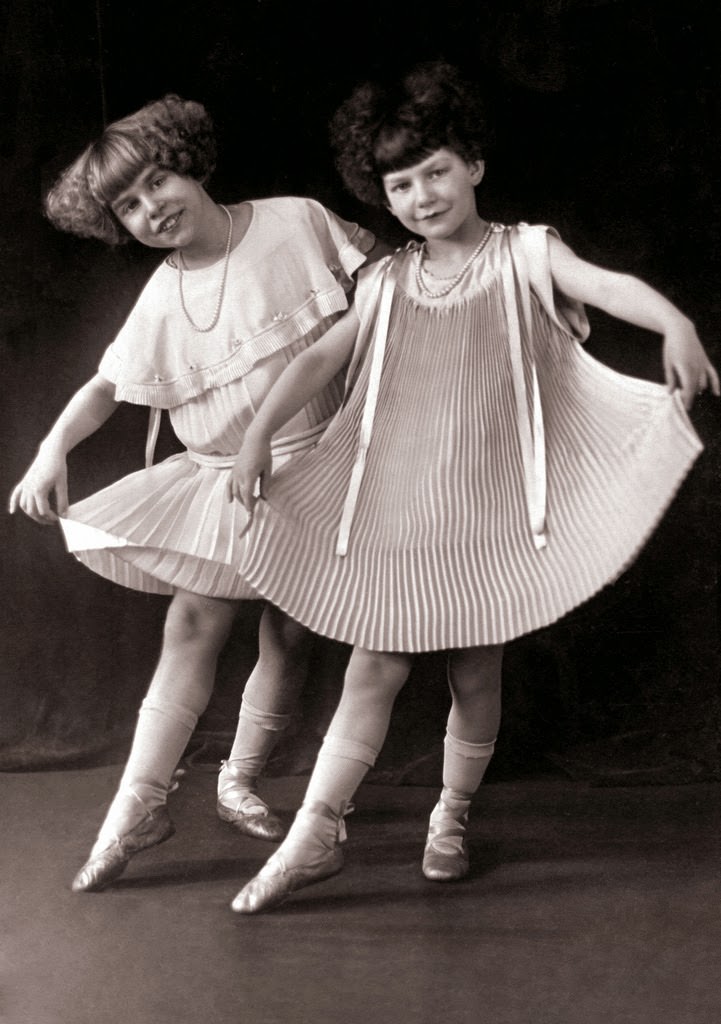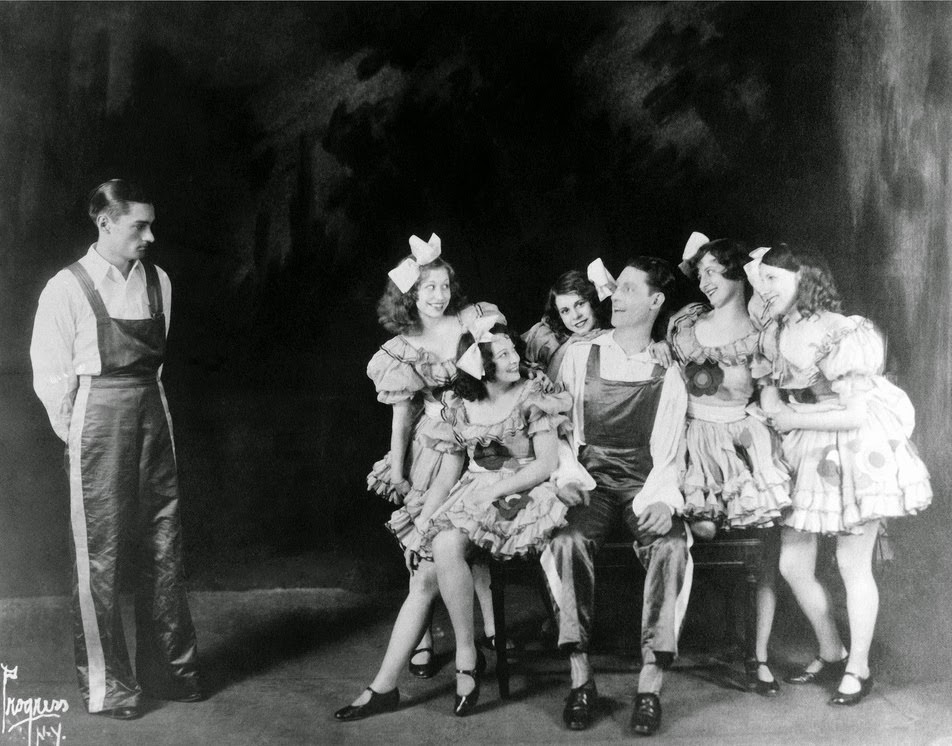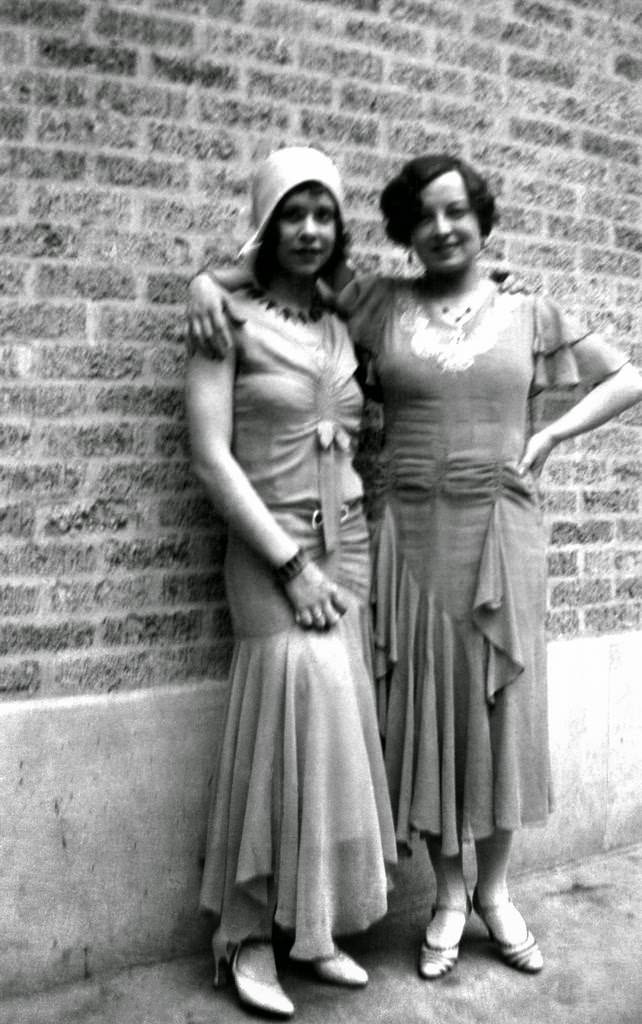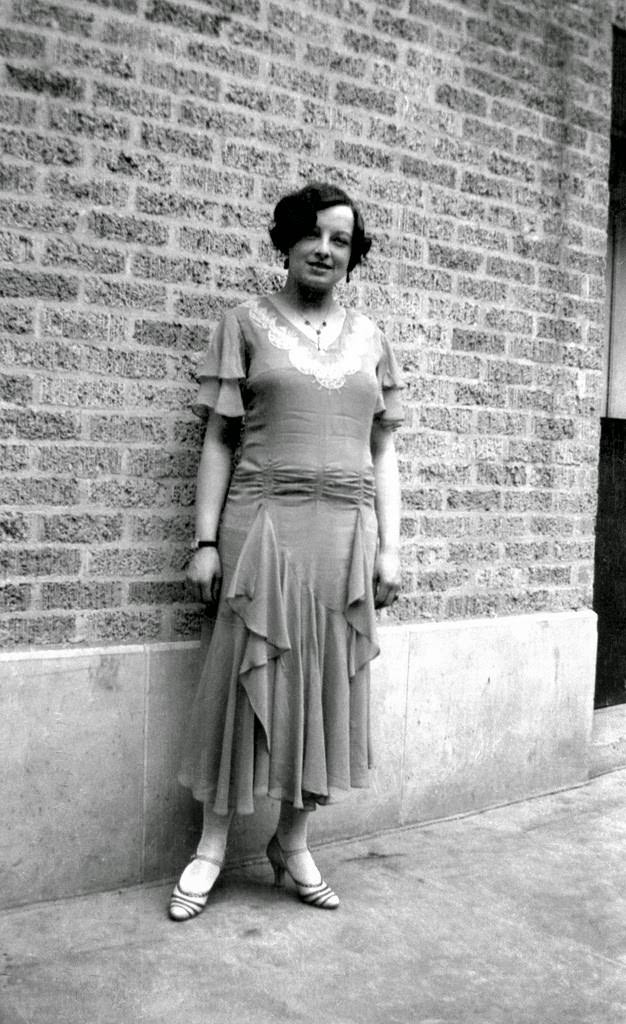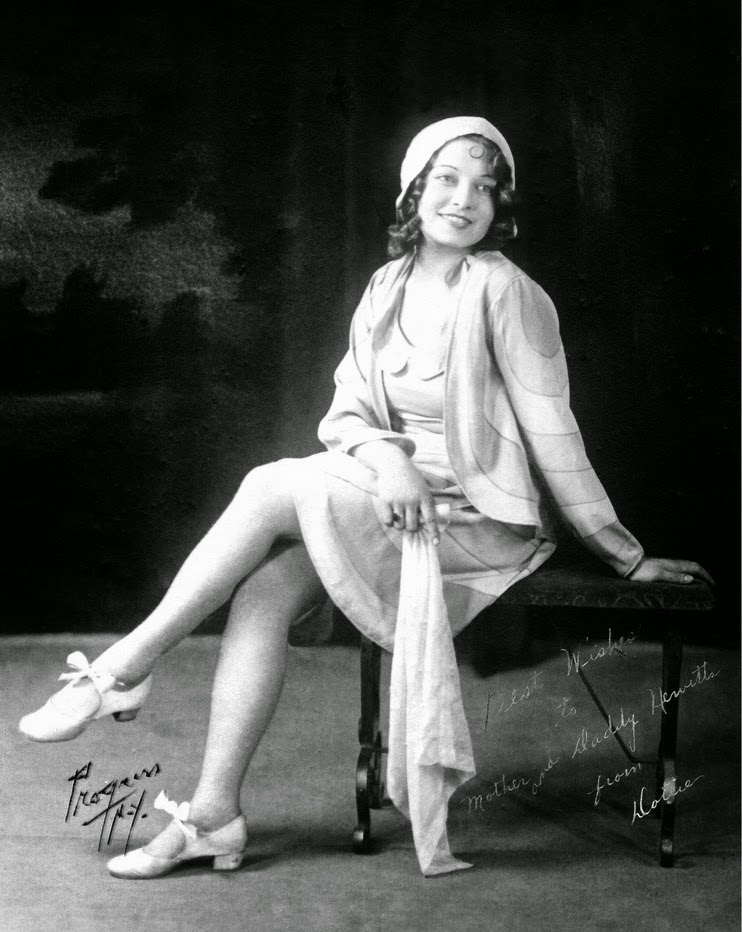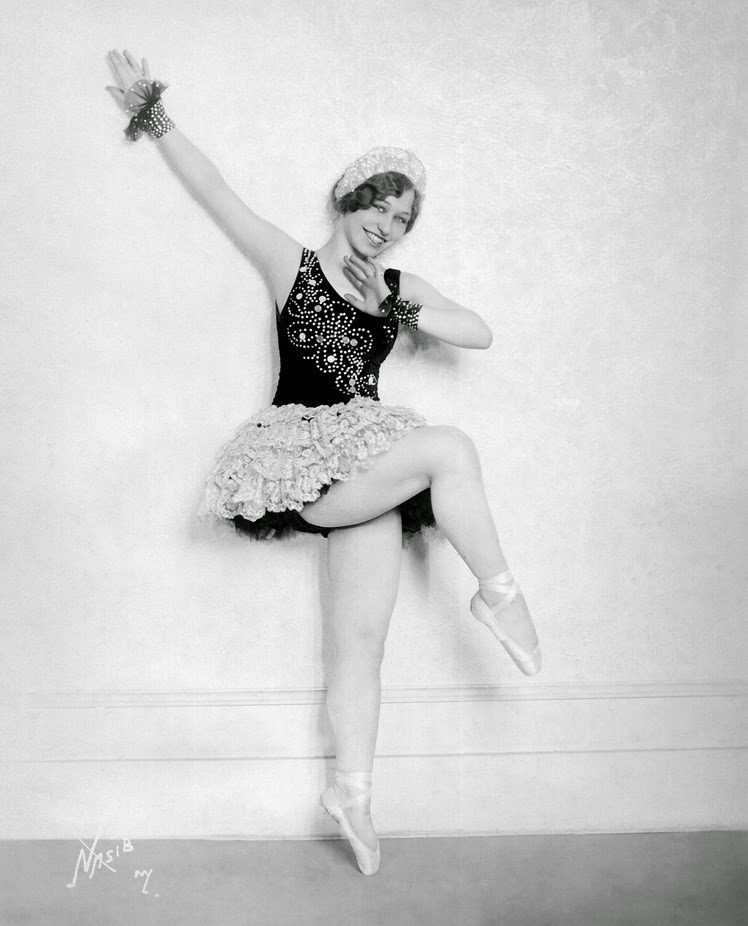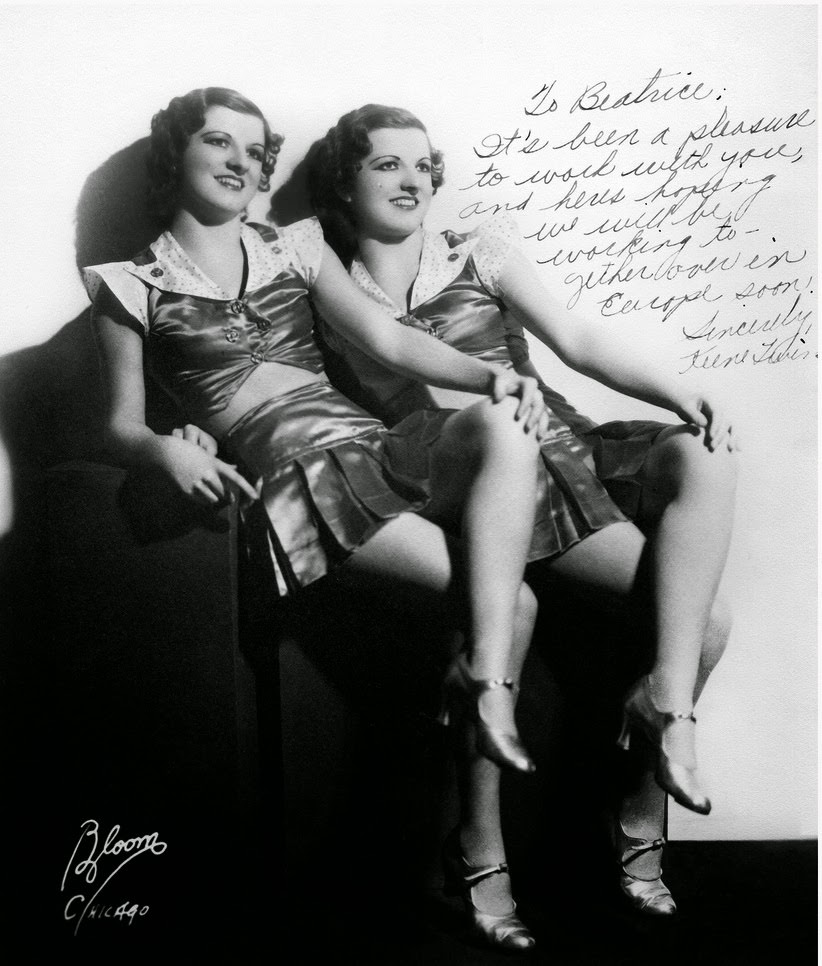

In the late 1920s, the Lovejoy Dancers were a staple of the grueling Vaudeville circuit. They were a precision dance troupe, similar in style to the famous Tiller Girls but operating with a smaller, more versatile cast. They traveled constantly, moving between cities like New Orleans, Tulsa, and Oklahoma City on the Orpheum line. The troupe specialized in high-energy, synchronized routines that demanded perfect timing. Their act often served as the visual highlight of a variety bill, filling the stage with movement between comedians and singers.
The Life of a Troupe Member
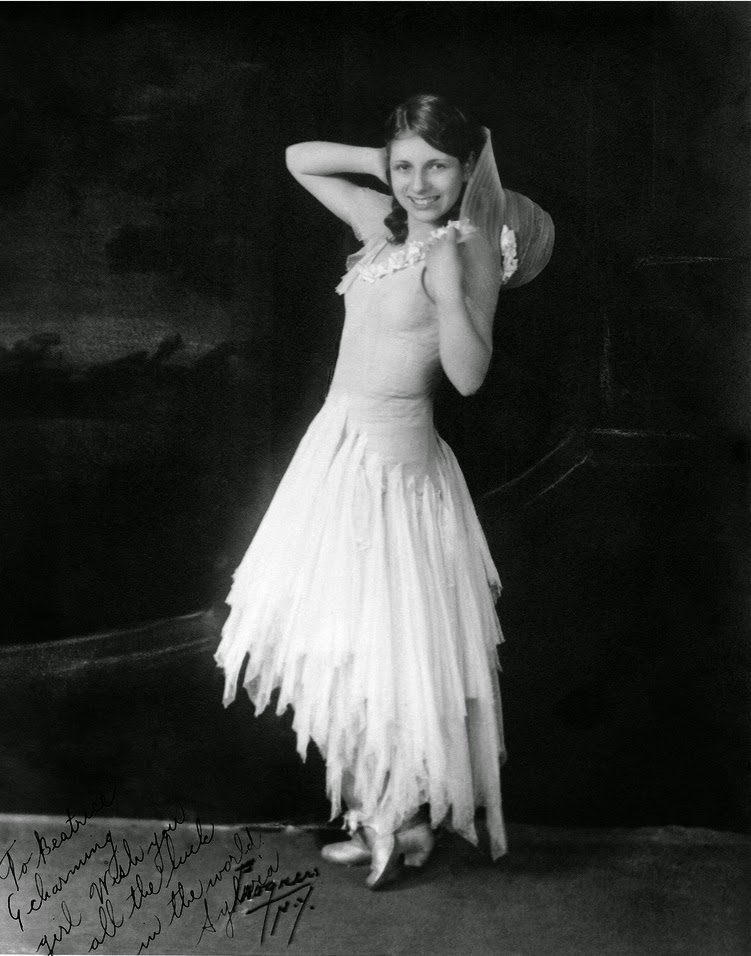
For a dancer like Beatrice, life in the Lovejoy troupe was a test of endurance. The women lived out of trunks, sleeping on trains or in boarding houses near the theaters. Rehearsals were constant. If a single dancer missed a step, it ruined the “picture” the group created. They sewed their own costumes backstage, repairing sequins and feathers that tore during the frantic quick-changes. The pay was steady but modest, just enough to keep them on the road and away from a standard factory job.
Beatrice’s Distinct Style
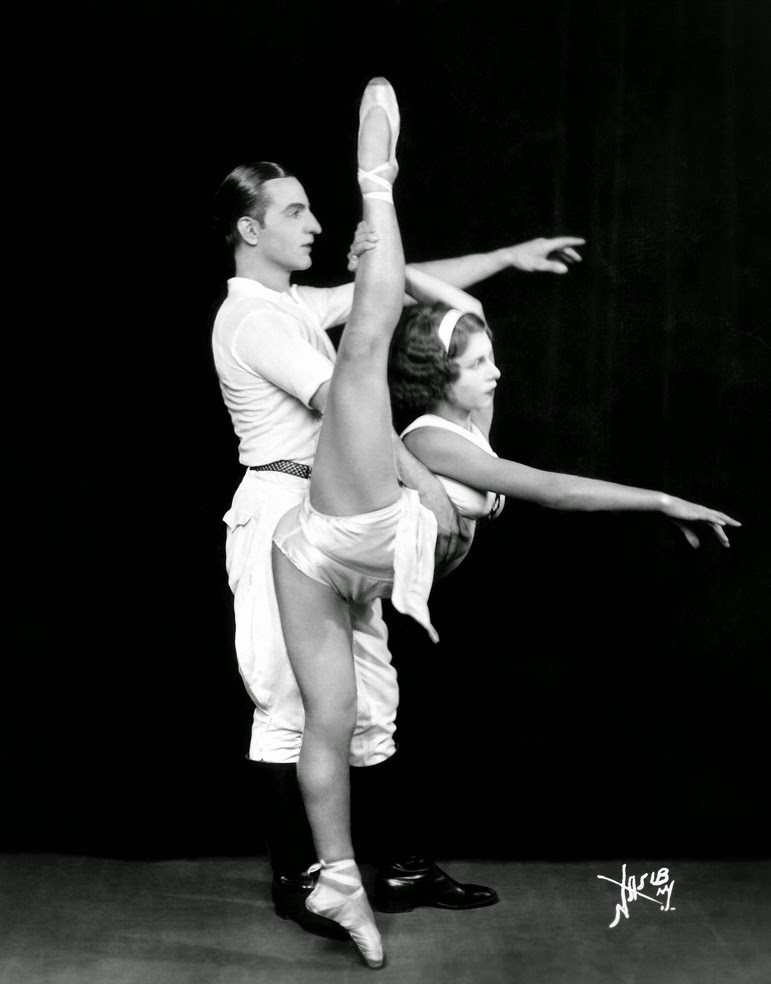
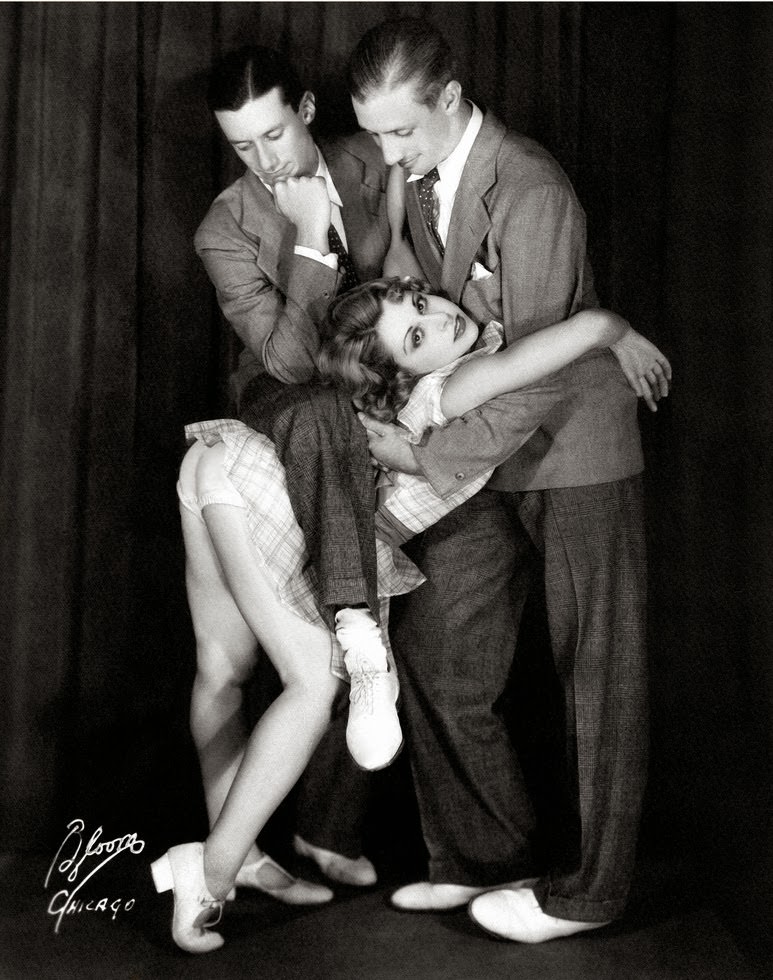
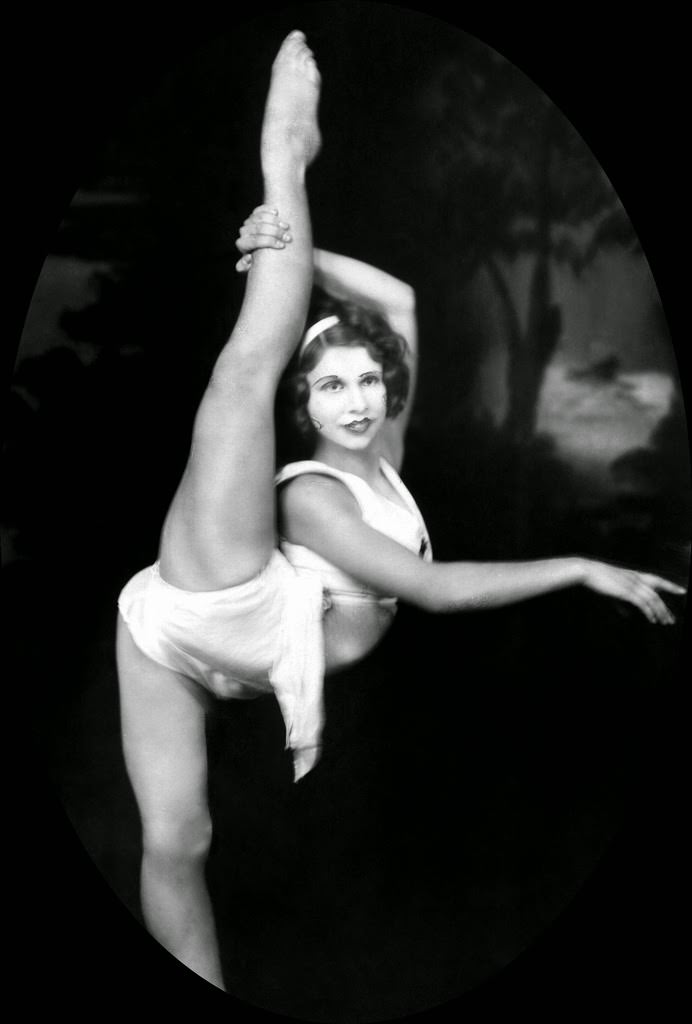
Within the uniformity of the group, Beatrice stood out for her specific athletic ability. While the Lovejoy Dancers relied on unison kicking and posing, Beatrice possessed a natural talent for acrobatics. She could execute difficult tumbling runs and maintain her balance in lifts that other dancers avoided. This physical strength set her apart from the chorus line. It allowed her to perform the more dangerous stunts that brought the audience to their feet at the end of a number.
Read more
The Transition to the Marcy Brothers
By the early 1930s, the era of the large dance troupe was fading as cinema replaced Vaudeville. Beatrice used her acrobatic skills to secure a more prominent role. She left the Lovejoy Dancers to join the Marcy Brothers, a well-known comedy and acrobatic act. This move changed her billing from a nameless member of a group to a featured star: “The Marcy Brothers and Beatrice.” This new act allowed her to tour internationally, eventually landing her on prestigious stages like the London Palladium in 1937.
The Aesthetic of the Era
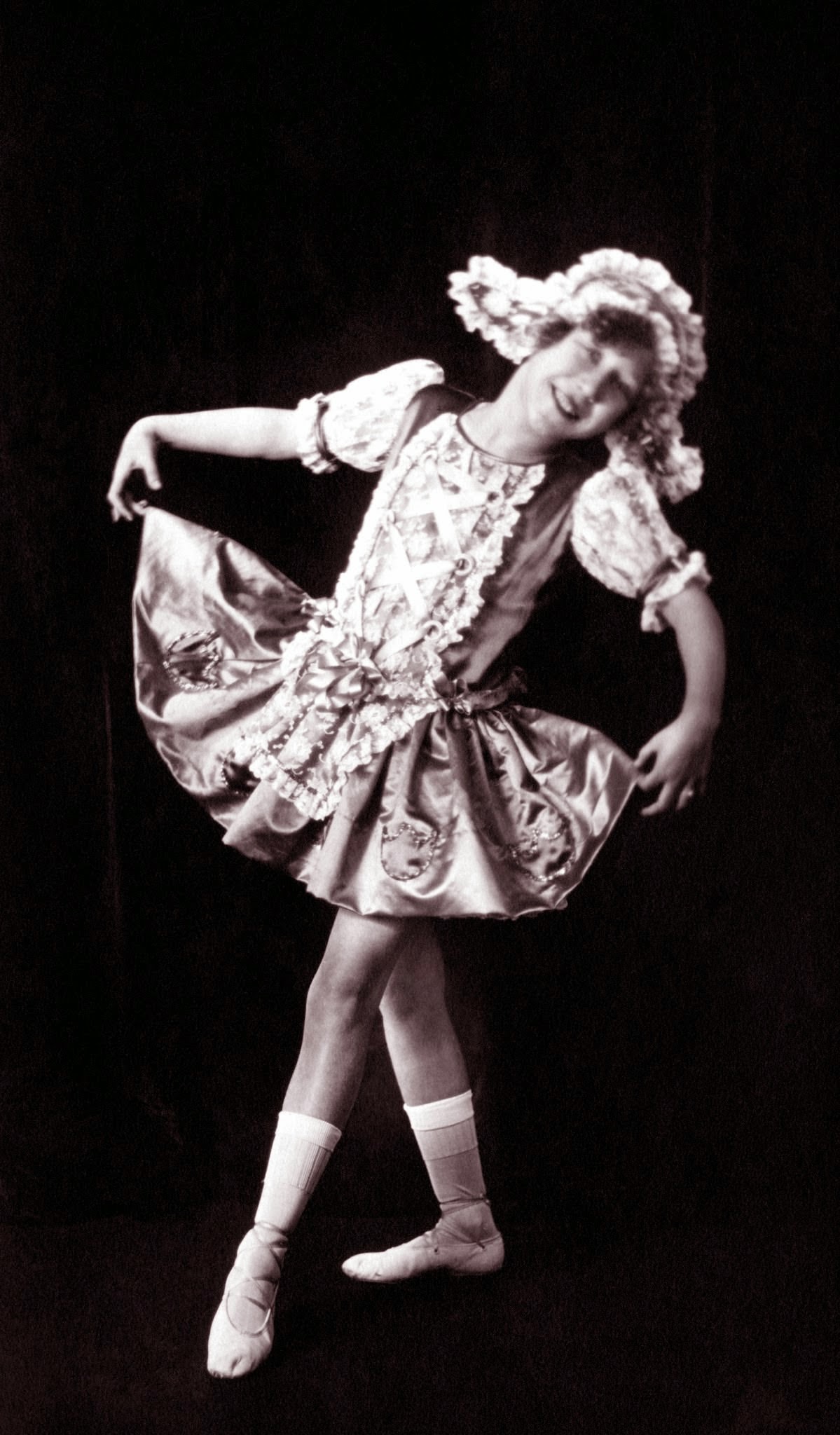
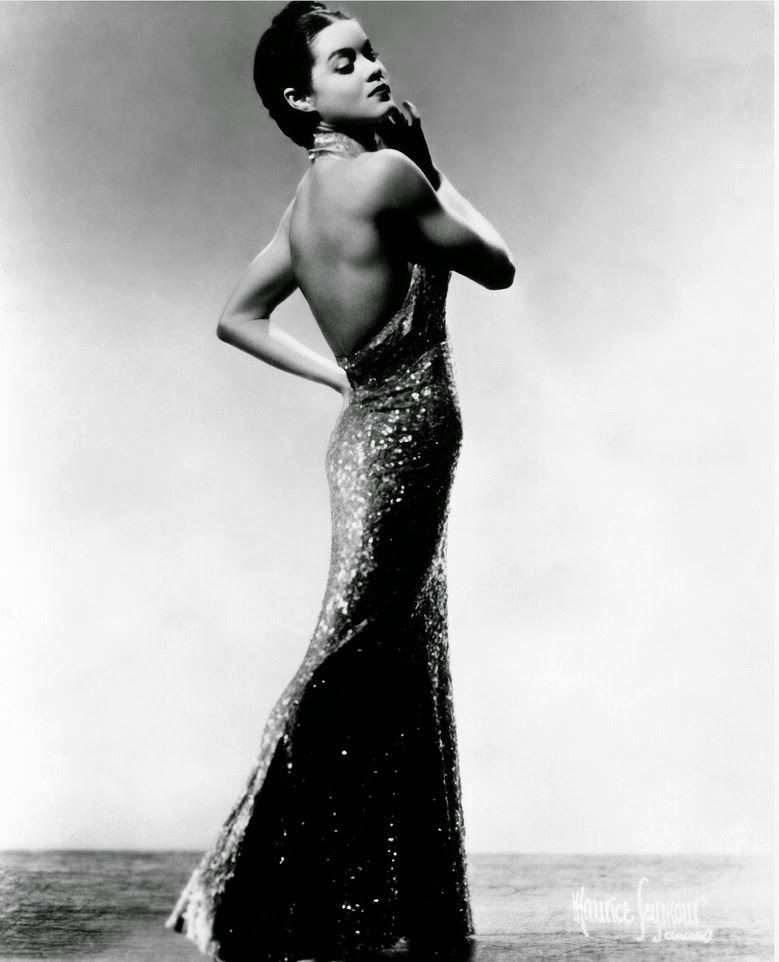
The visual style of the Lovejoy Dancers defined the look of 1920s entertainment. Their costumes were designed to catch the stage lights, using heavy satin, rhinestone straps, and elaborate headpieces. They wore heavy greasepaint makeup to ensure their expressions were visible to the back row of the balcony. In black-and-white publicity photos, they appear frozen in perfect formation, but in reality, their performances were a chaotic, sweaty blur of jazz music and tap shoes hitting the floorboards.