

Omaha, Nebraska was founded in 1854 along the western bank of the Missouri River. Within decades, it had grown from a small frontier settlement into one of the most economically active cities in the American Midwest. By the turn of the 20th century, its population was climbing fast, its industries were expanding, and its streets reflected both the promise and the tension of a city in rapid change.
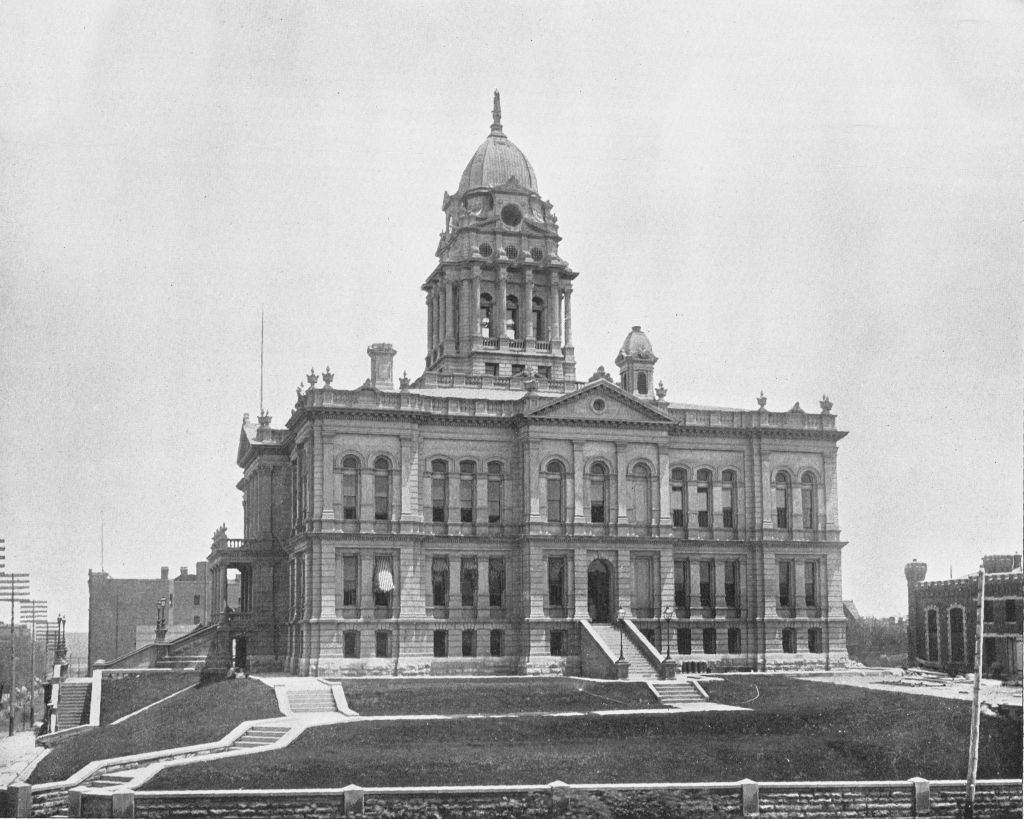
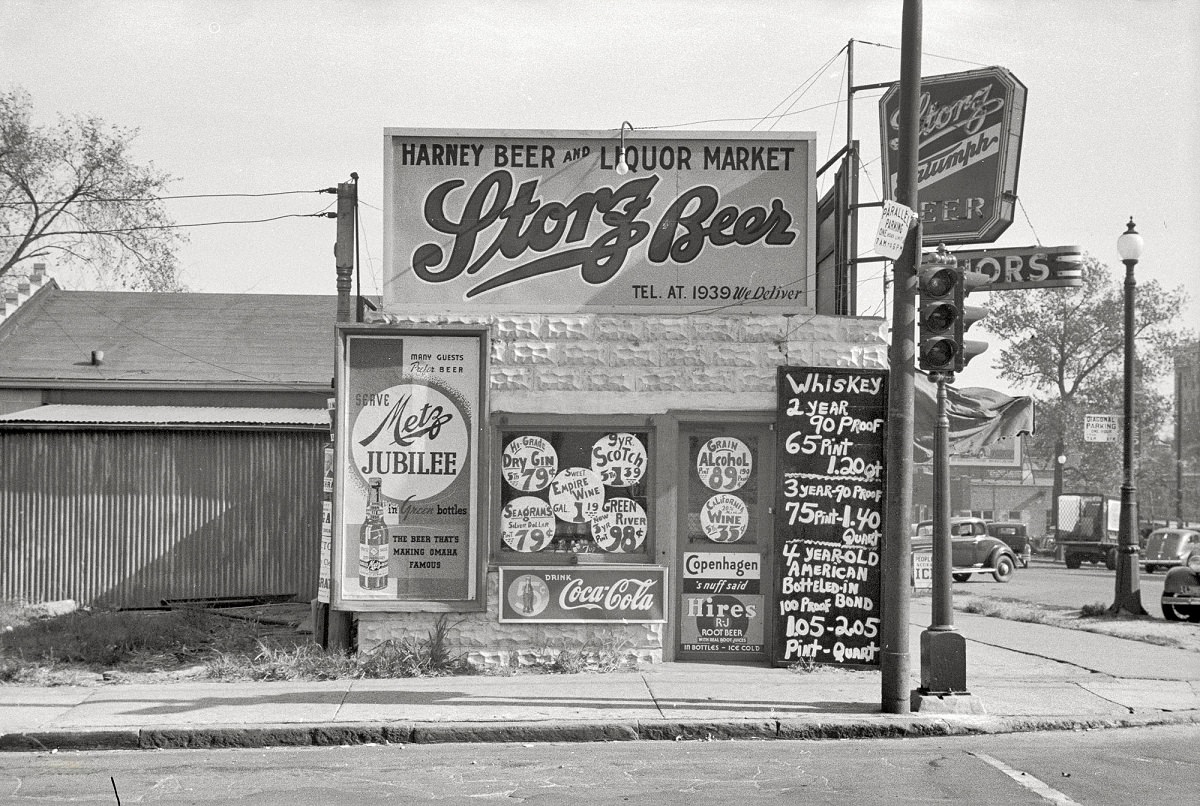
The courthouse stood as one of the most recognizable symbols of civic authority in Omaha around 1900. At the same time, the city’s social fabric was strained. Gambling, drinking, and prostitution were widespread in the late 19th century, and those conditions carried well into the early 1900s. Saloons and liquor establishments were common fixtures across the city’s commercial districts.
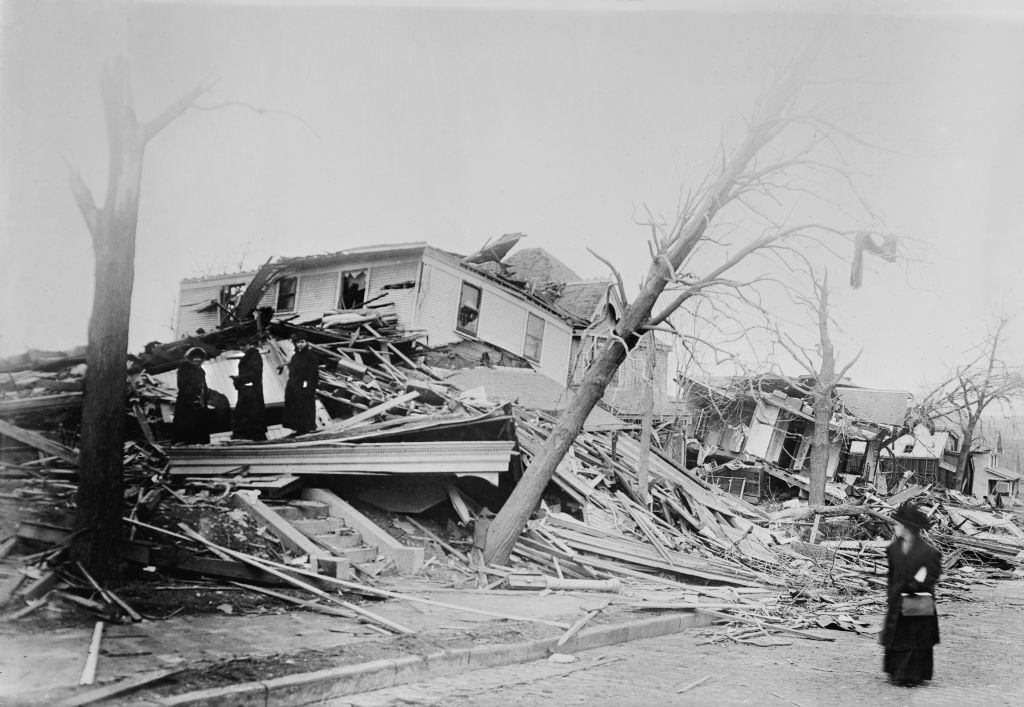
Nature also shaped the city’s story. On March 23, 1913, a powerful tornado tore through Omaha, killing more than 100 people and destroying entire neighborhoods. It remains one of the deadliest tornadoes ever to strike an American city. The damage was widespread, and recovery took years.
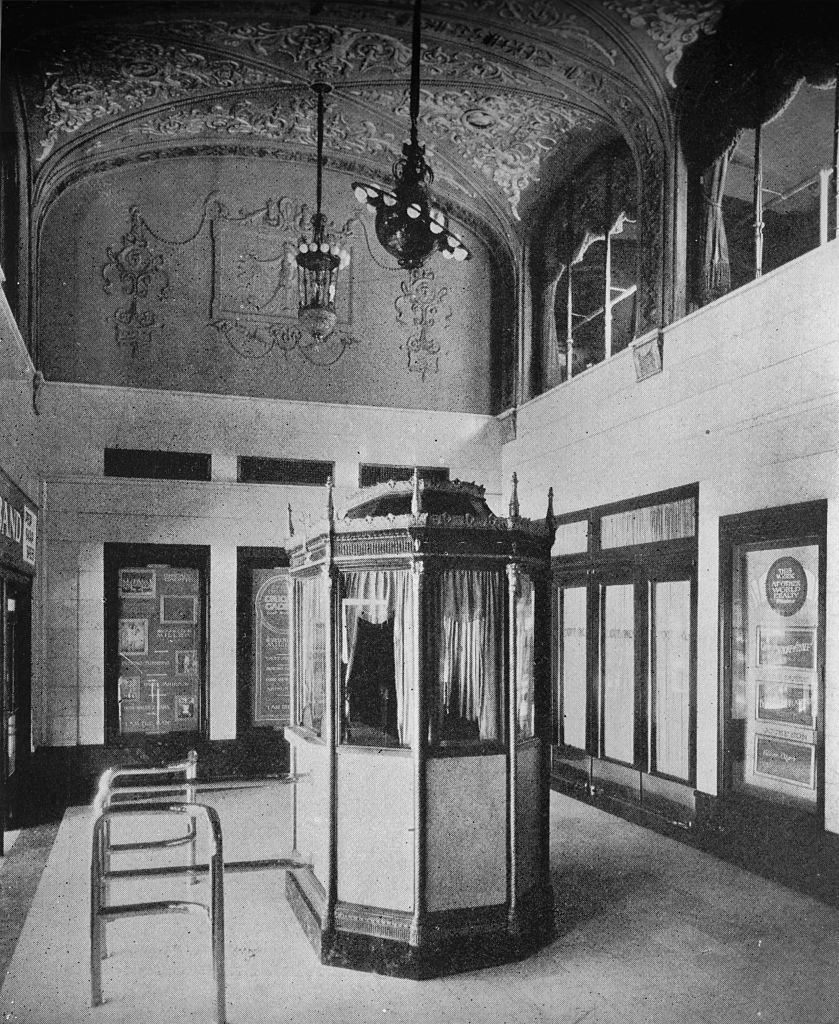
Despite hardships, Omaha’s entertainment and cultural life kept growing. By the 1920s, the city had theaters drawing large crowds. The World Theater was among the more prominent venues, complete with a staffed ticket booth and a welcoming lobby that reflected the era’s enthusiasm for moviegoing and live performance.
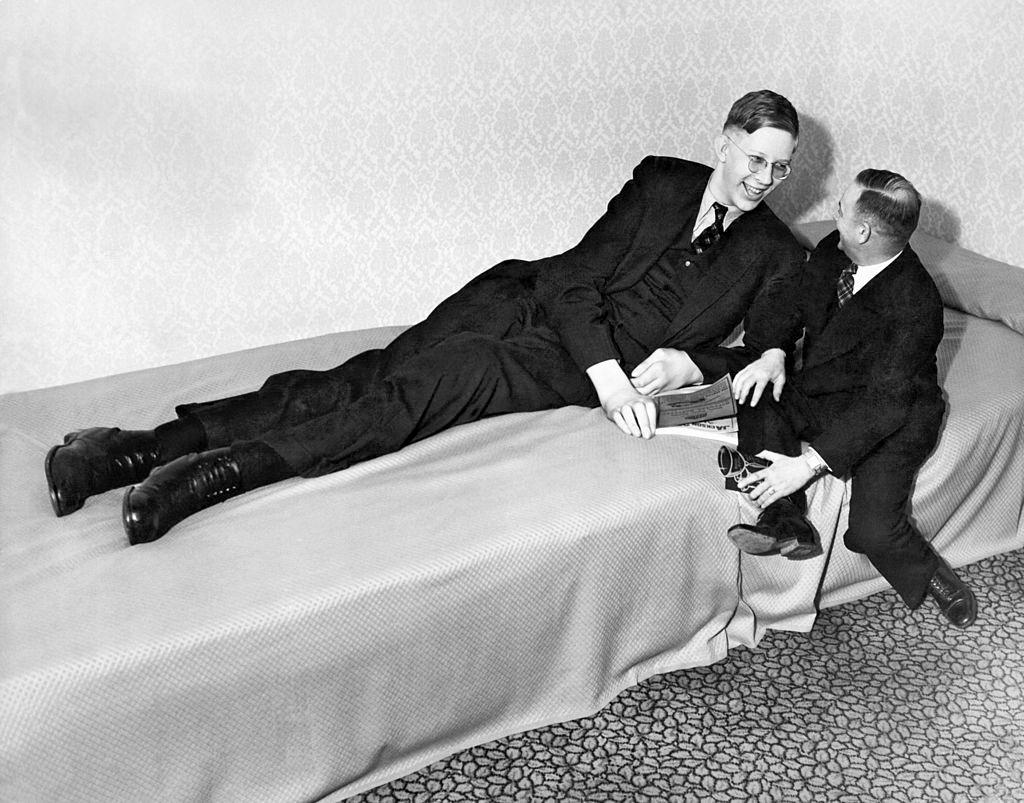
Omaha also attracted notable visitors. Robert Wadlow of Alton, Illinois — who stood 8 feet 11 inches tall and remains the tallest person in recorded history — visited the city as a teenager. He was 19 years old when he appeared at a charity event in Omaha, drawing attention and goodwill wherever he went.
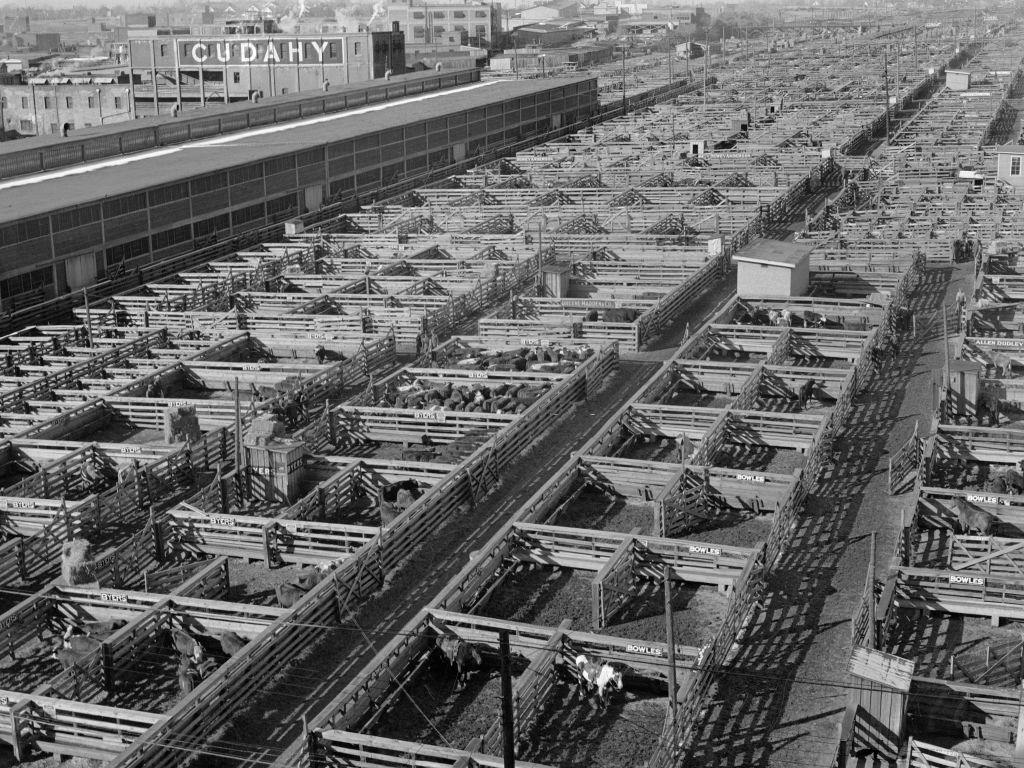
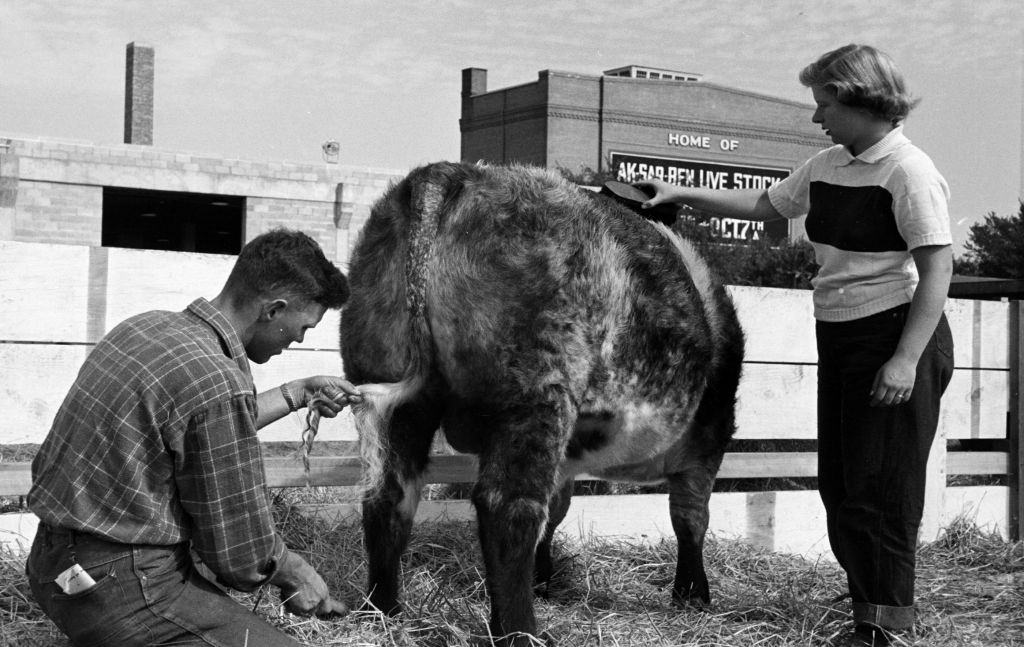
At the core of Omaha’s economic identity were its stockyards. From the late 19th century through the mid-20th century, Omaha was one of the top livestock markets in the entire world. The stockyards sprawled across South Omaha, handling millions of animals per year and anchoring a massive meatpacking industry that employed thousands of workers.
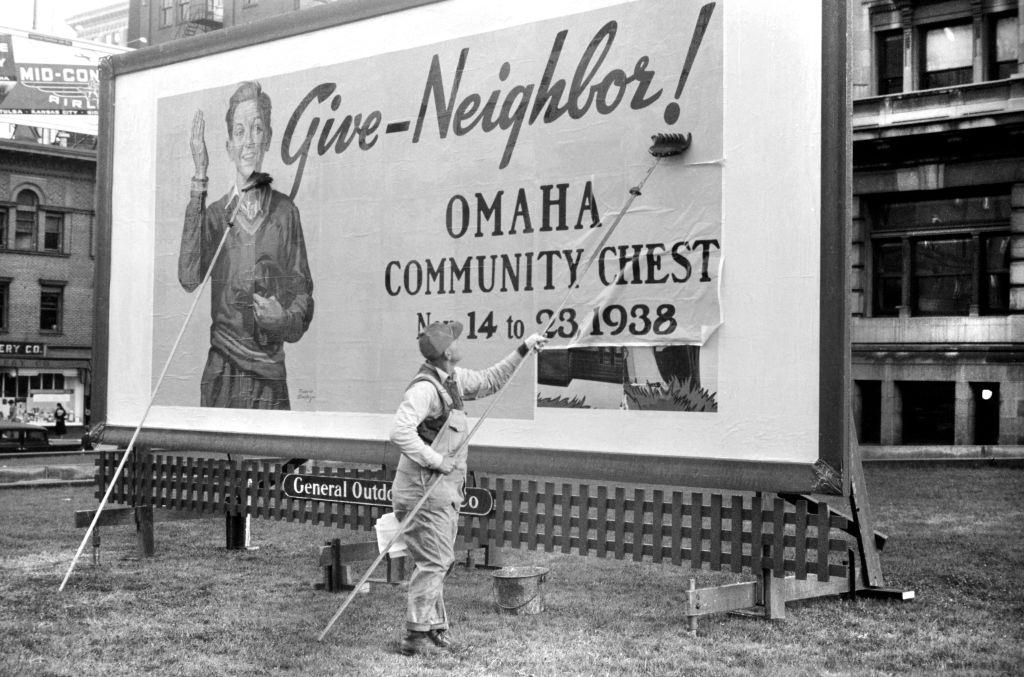
Public spaces like the courthouse lawn served purposes beyond government business. In the 1920s, billboards on the courthouse grounds were used to communicate public messages to residents passing through the area, reflecting how civic institutions engaged with an increasingly urban and literate population.
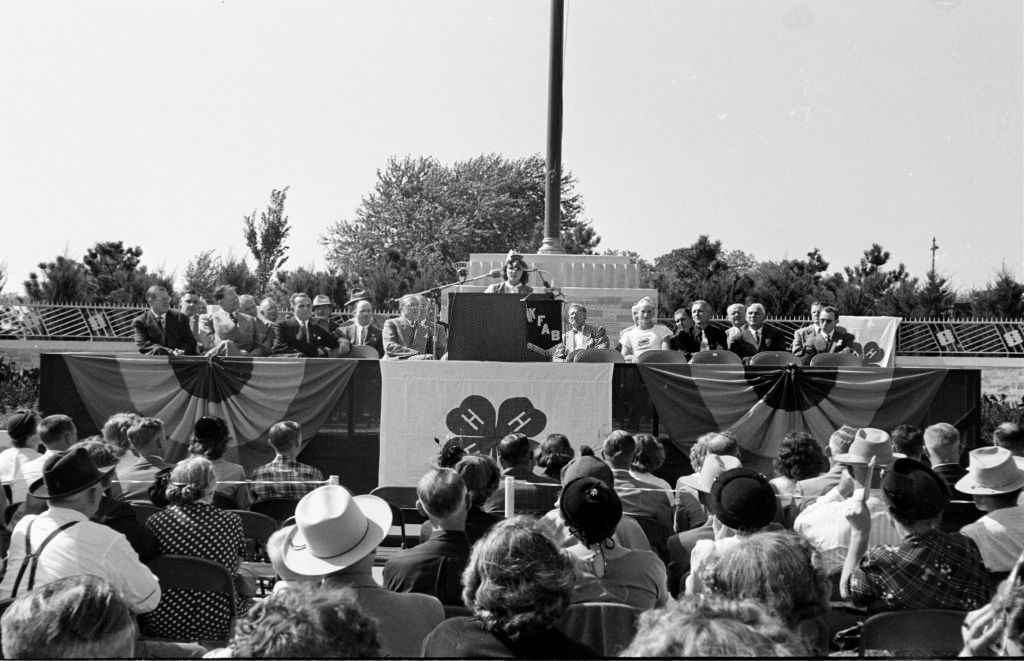
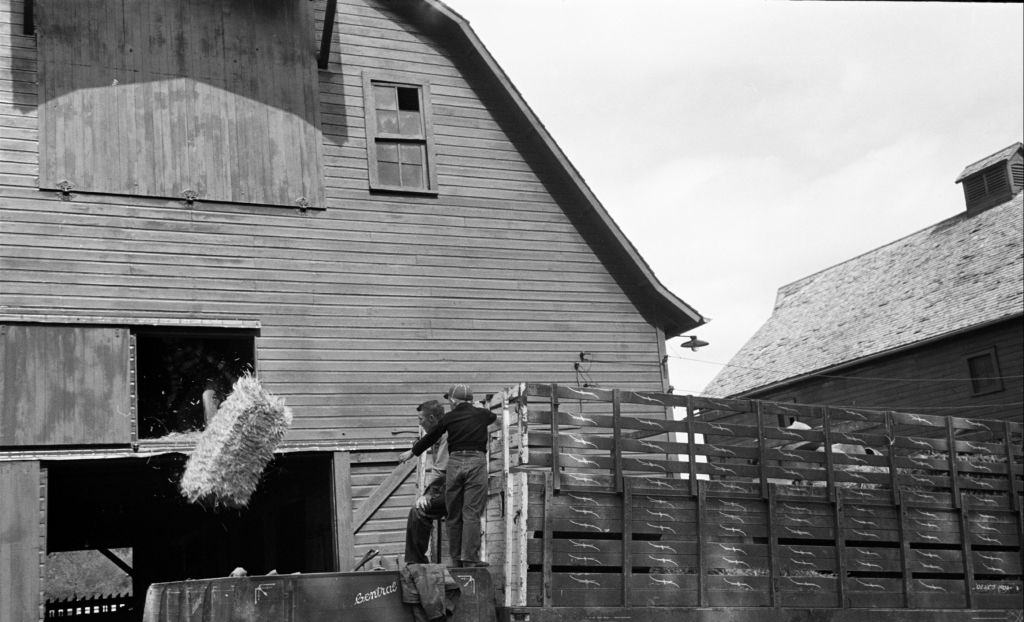
The Nebraska State Fair was a major gathering point for people from across the region. It brought together farmers, merchants, politicians, and families. Speakers addressed crowds on a range of topics, from agricultural policy to community concerns, making the fair as much a civic event as an agricultural one.
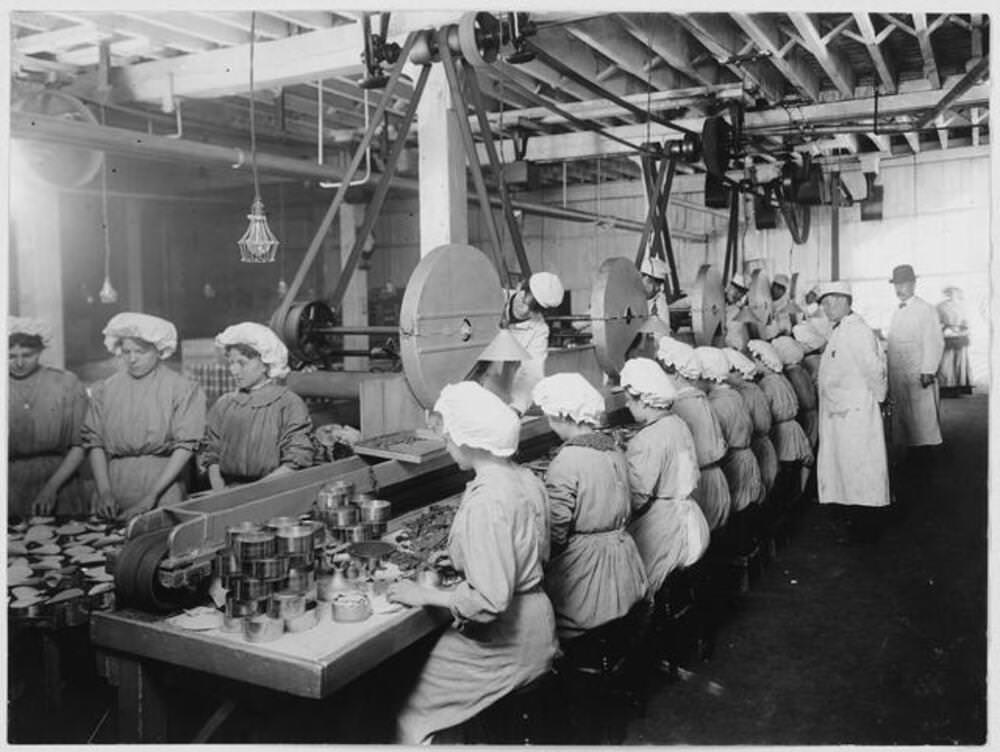
Back in the city’s industrial heart, meatpacking plants ran at full capacity. In 1910, workers at South Omaha facilities packaged chipped beef by hand in large-scale operations that demanded speed and precision. These plants processed enormous quantities of meat daily, supplying markets across the country.
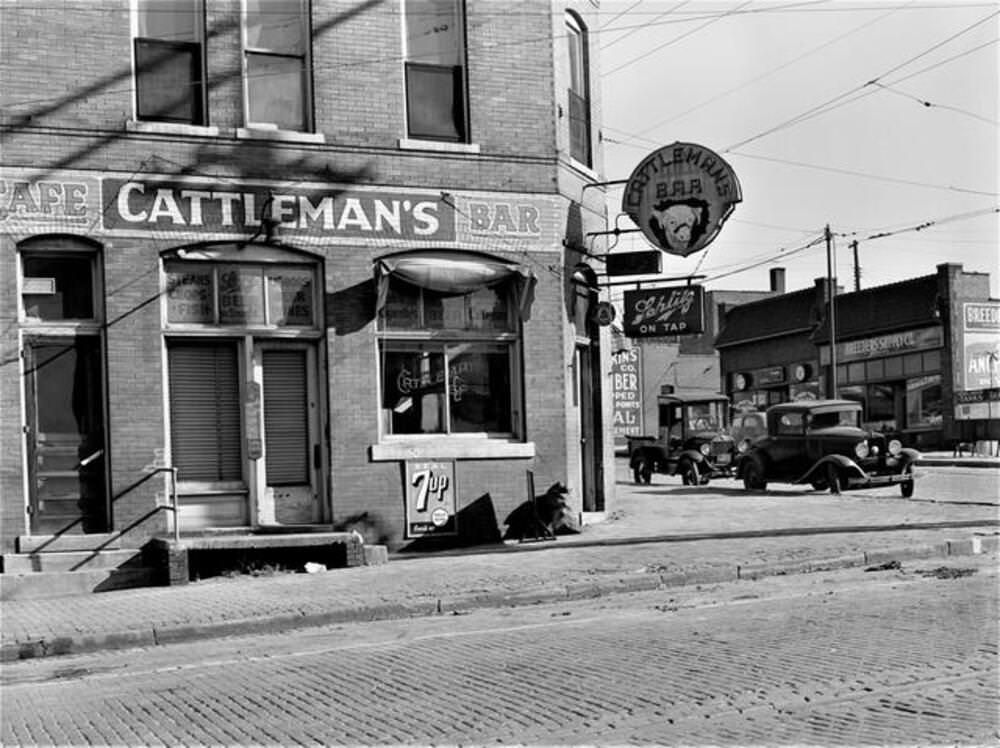
The stockyards district had its own neighborhood character. Saloons like the Watering Hole served the workers who moved cattle and hogs through the yards day after day. These establishments were central to the social lives of laborers in South Omaha, sitting just steps away from the pens and processing facilities.
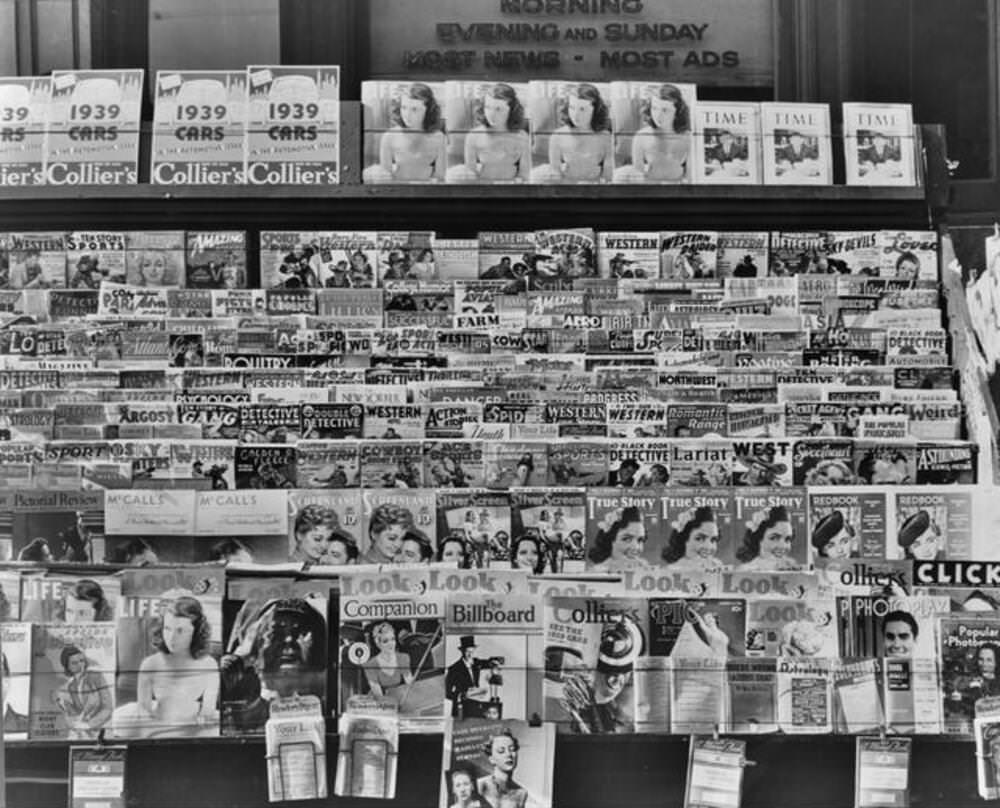
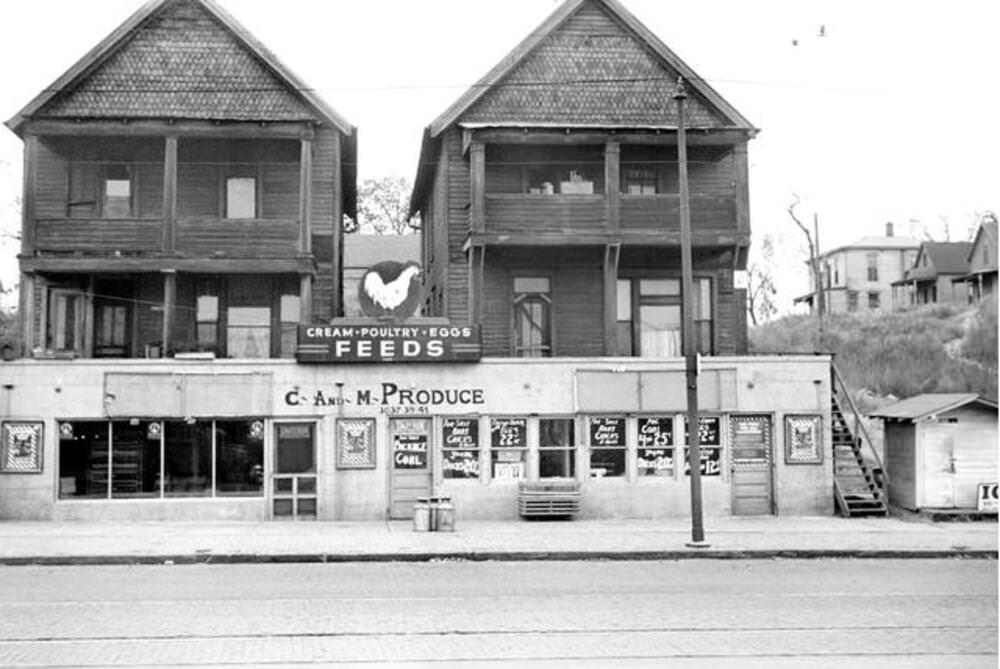
Street-level commerce was a visible and lively part of early 20th-century Omaha. Newsstands offered residents access to daily papers and national publications, keeping people connected to events beyond the city. South Omaha’s grocery stores similarly served the dense working-class communities that had grown up around the industrial corridor.
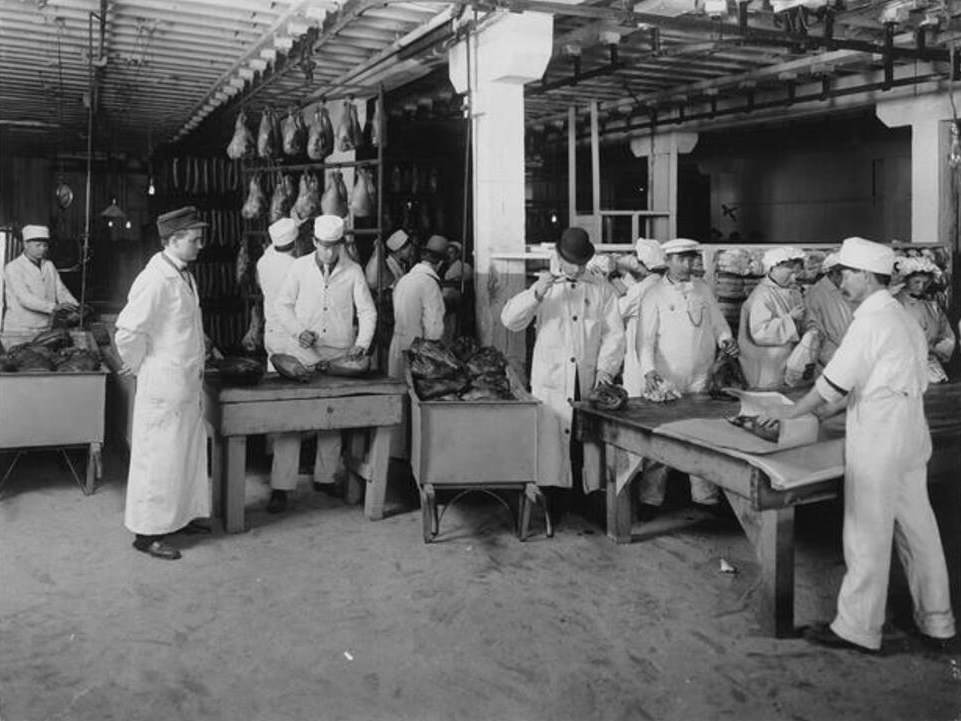
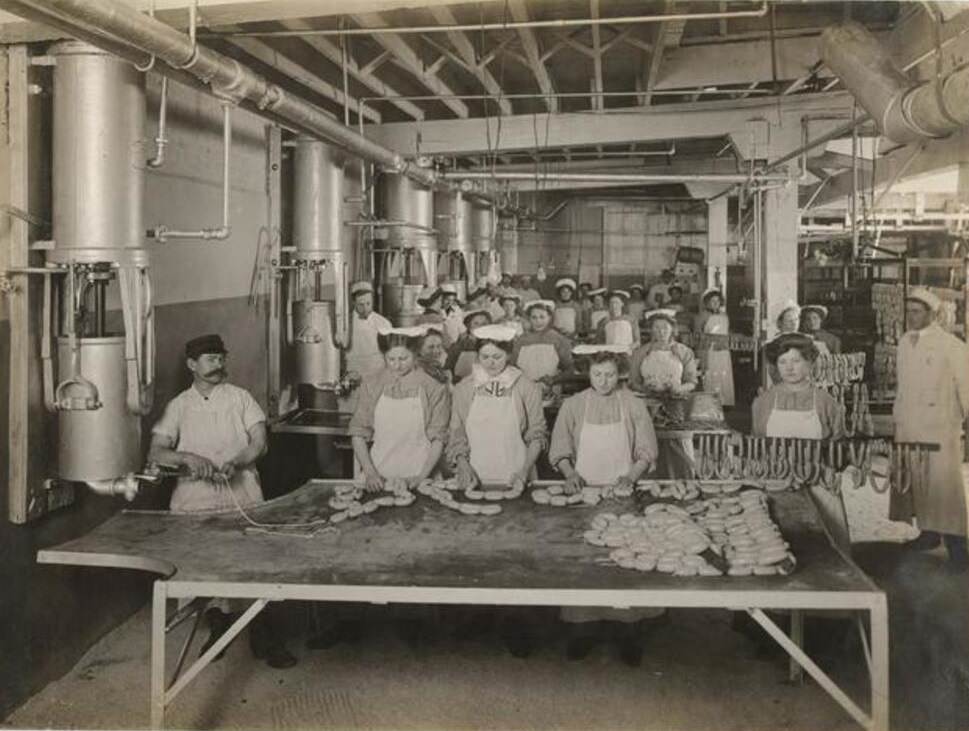
Inside the packing plants, every step of meat processing was carried out by hand. Workers branded smoked hams to mark them for sale and distribution, a job that required both speed and accuracy on a busy processing floor. At the Cudahy Packing Company, another crew worked the sausage lines, linking and preparing product that would be shipped to buyers across the nation.

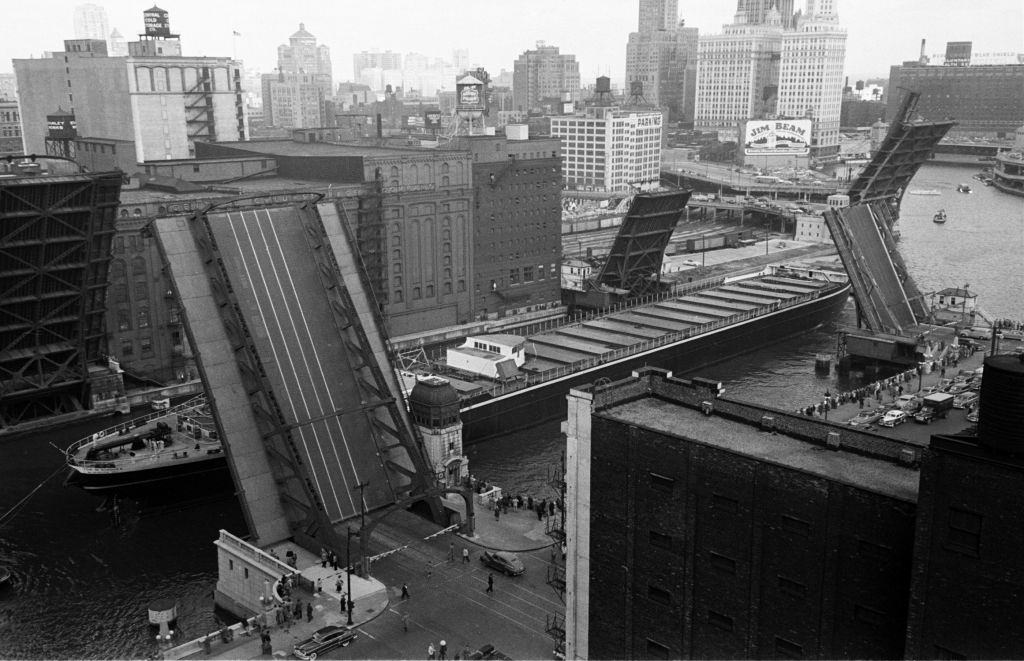
Where the fk are those buildings and brushes and river the barge was going through? Lol
That’s not Omaha
👍
My old dentist had an excellent book with historic Omaha pictures, but I don’t remember the name of the book. There was a picture of how the lower down/midtown areas were affected by the “great regrading” of about a century ago. In the waiting room, he displayed some of his original art. Dr Hoover on Blondo at 74thish. Now that he is retired, his son runs the business.
Holy shit there is a picture of a brutal murder in the list.
Where are the buildings, brushes, and river the barge went through? I love it!
That’s not in Omaha. They made an error. Not sure where that is.
I don’t remember the name of the book, but my old dentist had an excellent book of historic omaha pictures. It showed the progress of buildings affected by the “great regrading” of the lower down/midtown areas about a century ago. He had some of his original art hanging in the waiting room. Dr Hoover on Blondo at 74thish. Retired now, his son runs it.
Thats cool, cool, neat, interesting, cool, FUCKING MURDER, ok, and the last one -is that Omaha?