Hey There! Before You Go. 😧
Get the best vintage content straight into your inbox!

Don't worry, we don't spam

Fascinating Vintage Photos of Newport News in the 1940s

Newport News, Virginia, was already a city built around ships — but World War II transformed it into one of the most strategically important ports in the United States. When the U.S. entered the war, the federal government designated the area as the Hampton Roads Port of Embarkation Headquarters. The Army took control of port operations from the Chesapeake & Ohio Railway, and the city’s entire identity shifted to support the war effort. Embarkation camps and training zones spread across Newport News and neighboring Warwick County, all focused on processing soldiers bound for overseas assignments.

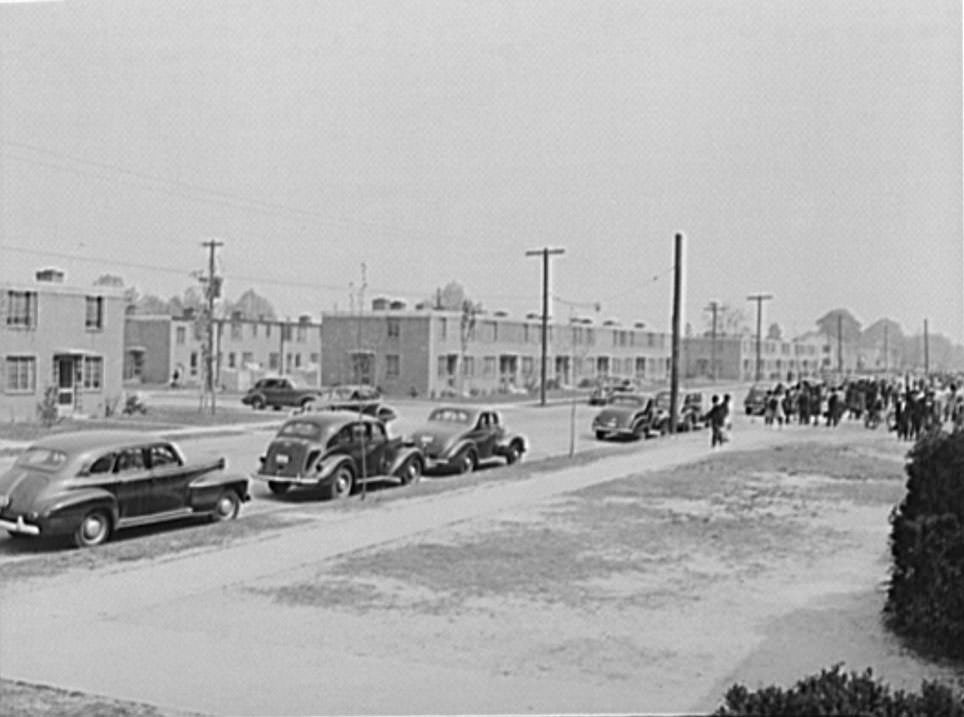
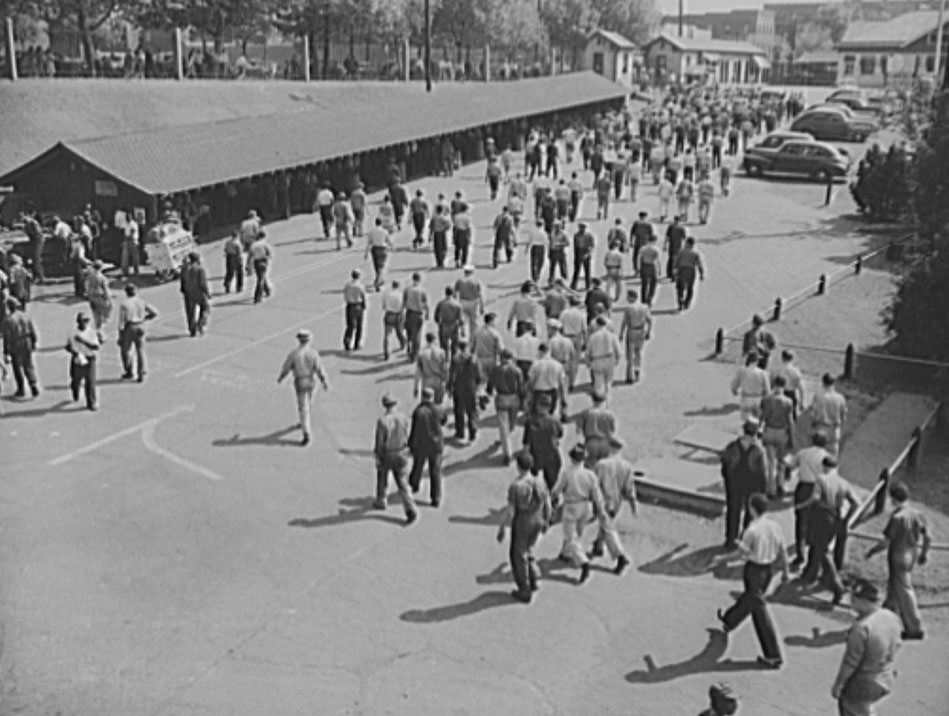
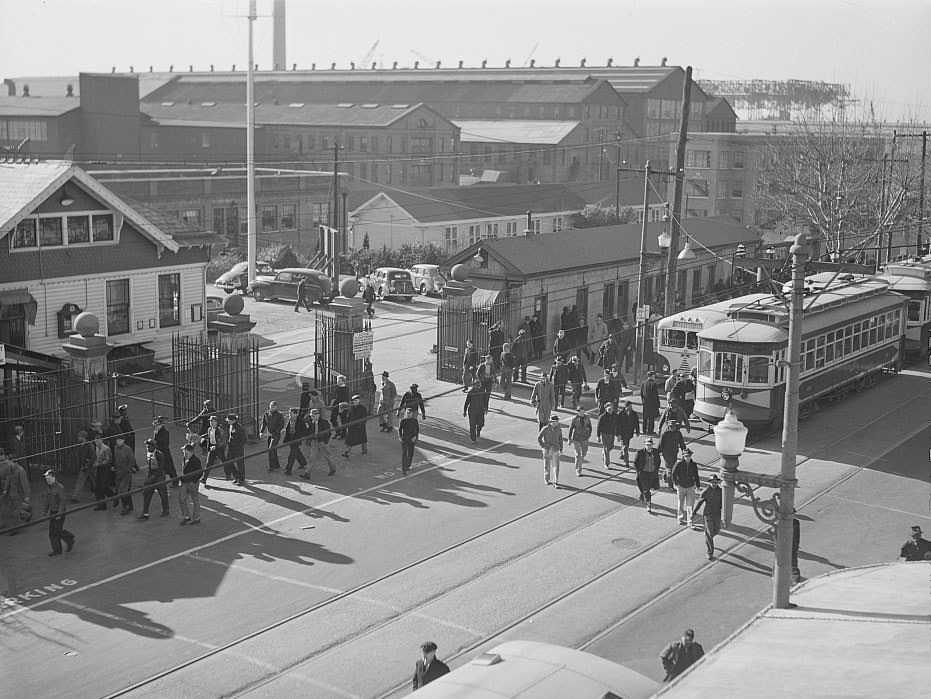
The shipyard at Newport News was the beating heart of the city. Workers arrived by the thousands, drawn from across the South and beyond, all chasing jobs in one of the most active shipbuilding operations in the country. At 4:00 p.m. each day, the end of the regular shift turned the streets and surrounding neighborhoods into a flood of workers, cars, and noise.

Shipyard worker (second from right) participates in a musical organization, Newport News, 1940
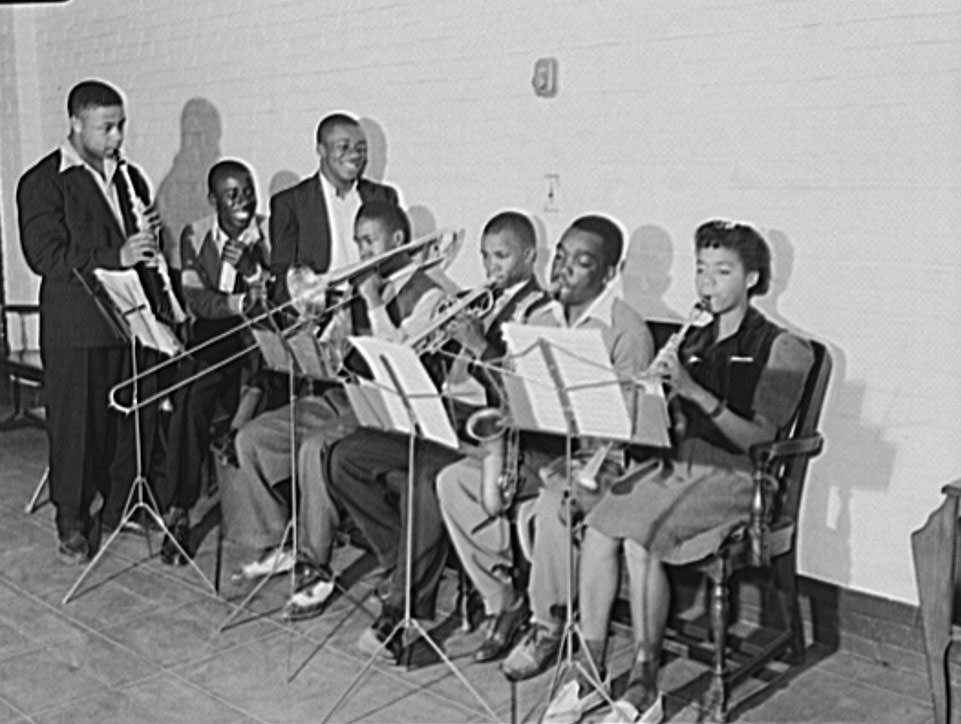

Life in Newport News wasn’t only about labor. Even as the war loomed, workers carved out moments of community. Some joined musical groups and local organizations, finding ways to stay connected to everyday life amid the pressure of wartime production.

The forward deck on a C-3, photographed from the bridge, 1946
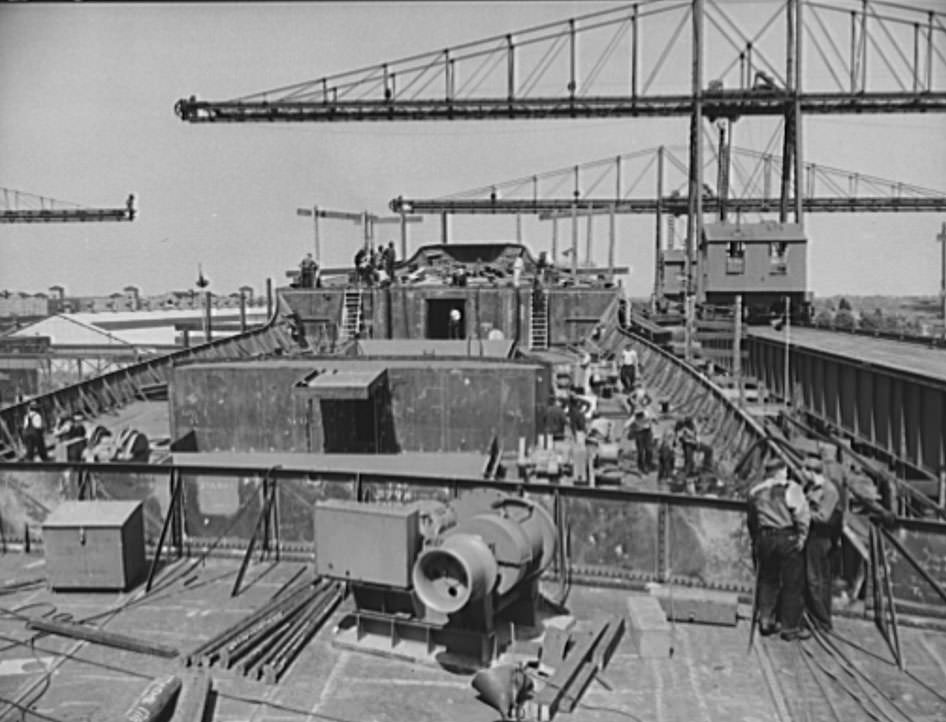

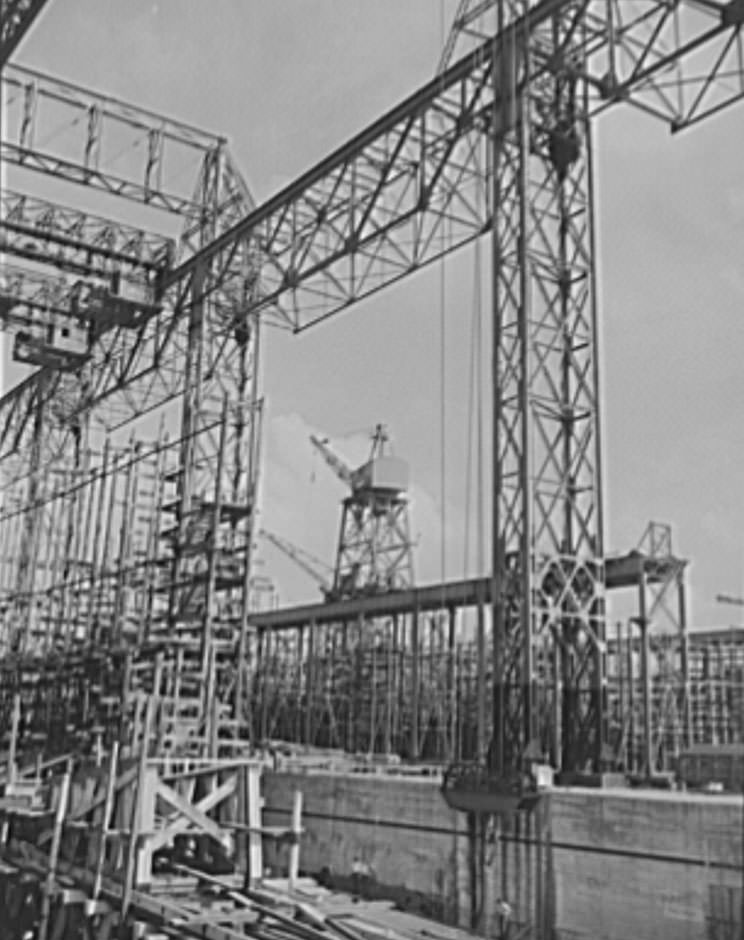
The shipyard produced vessels of every type, from naval warships to cargo ships like the C-3 — a class of cargo vessel that became a workhorse of American shipping during and after the war. The scale of construction was staggering. Thousands of tons of lumber and steel went into the building ways where ships took shape before being launched into the James River.

Shipyard employees getting out at 4:00 p.m. Newport News, 1941
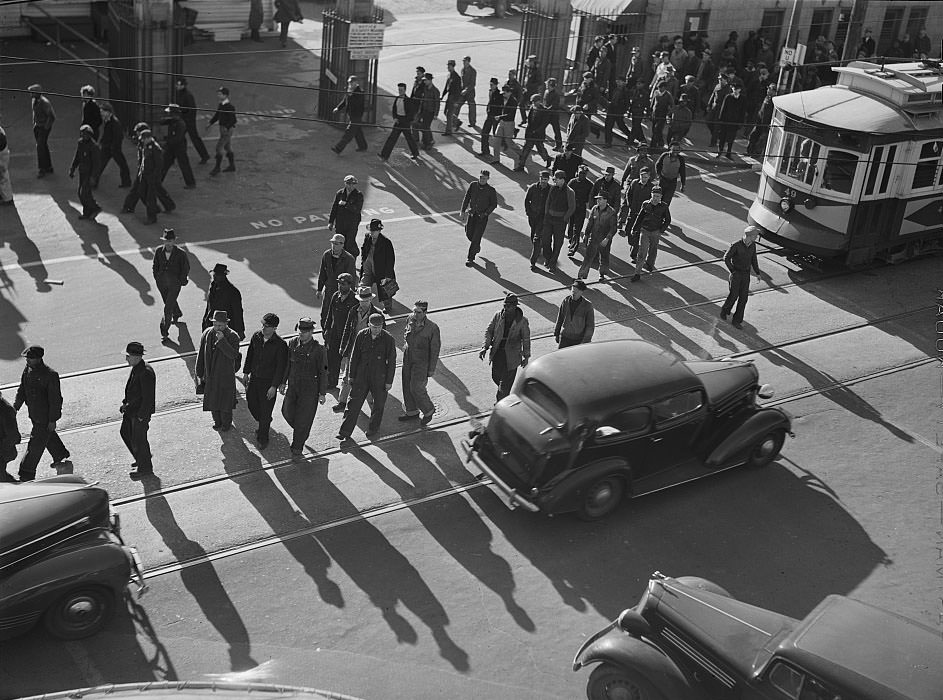
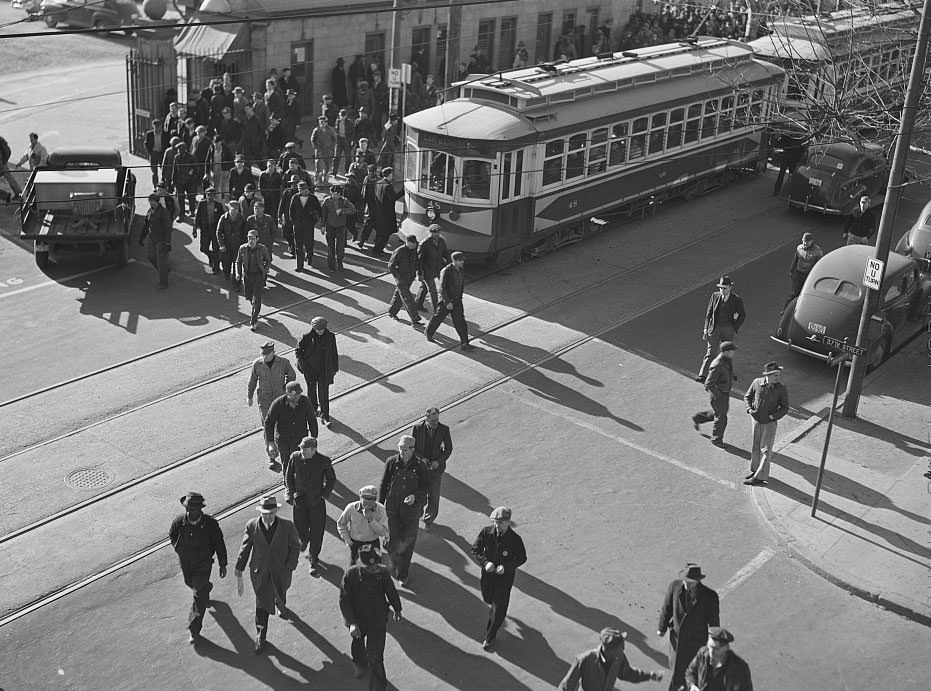

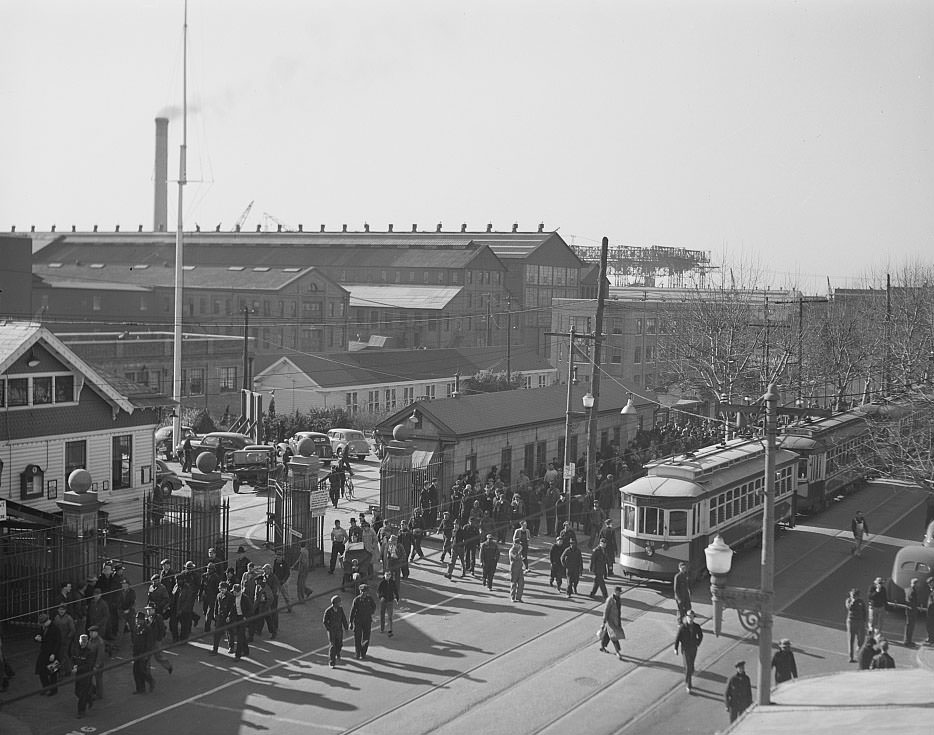
The daily rhythm of the shipyard was hard to miss. When the shift ended, workers poured out of the gates in waves, filling the streets on foot and in cars. The surrounding neighborhoods absorbed this daily surge, with parked cars lining residential streets for blocks in every direction.

Shipyards at 4:00 p.m. Newport News, Virginia, 1941
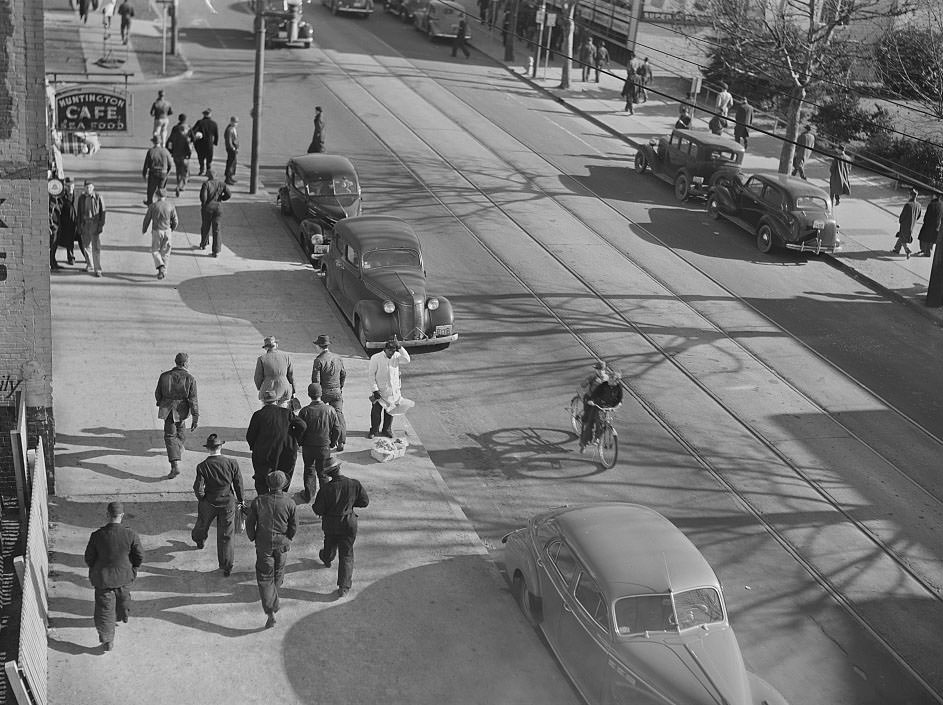
Shipyard workers going home at 4:00 p.m. Newport News, Virginia, 1941
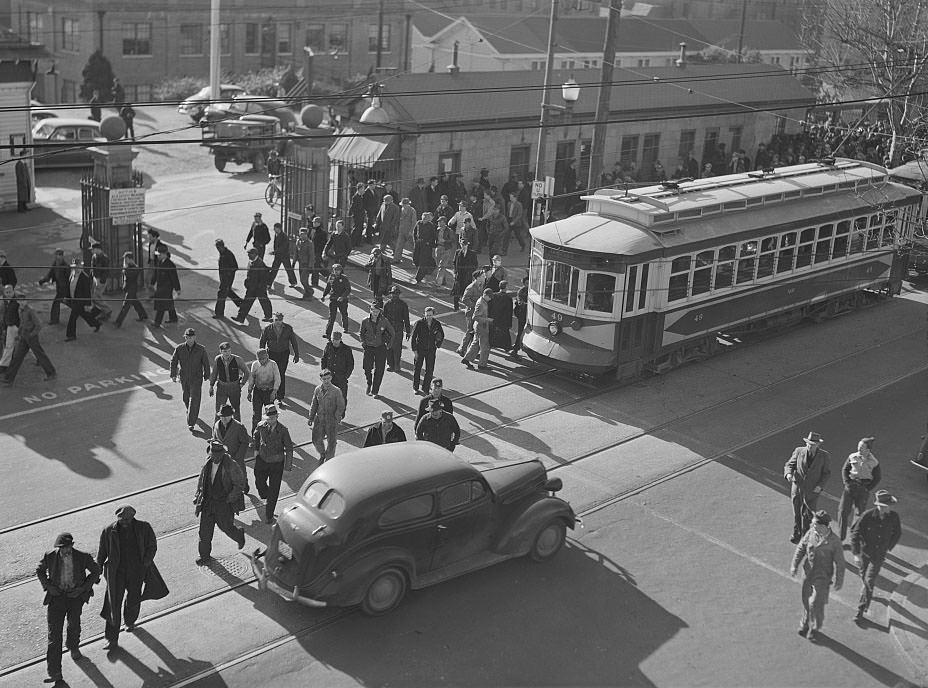
Shipyards at 4:00 p.m. Newport News, Virginia, 1941

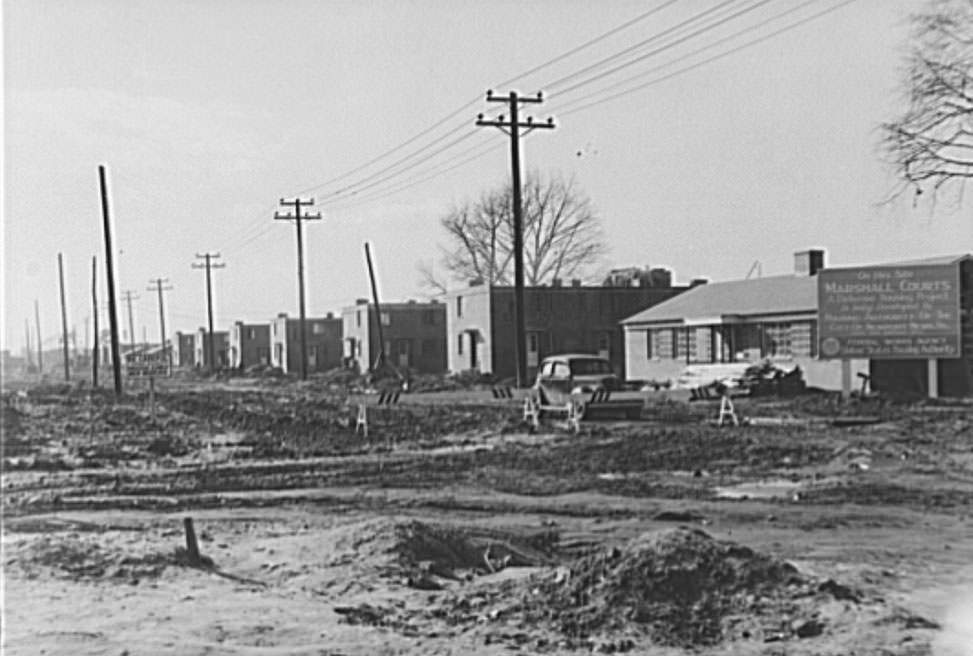
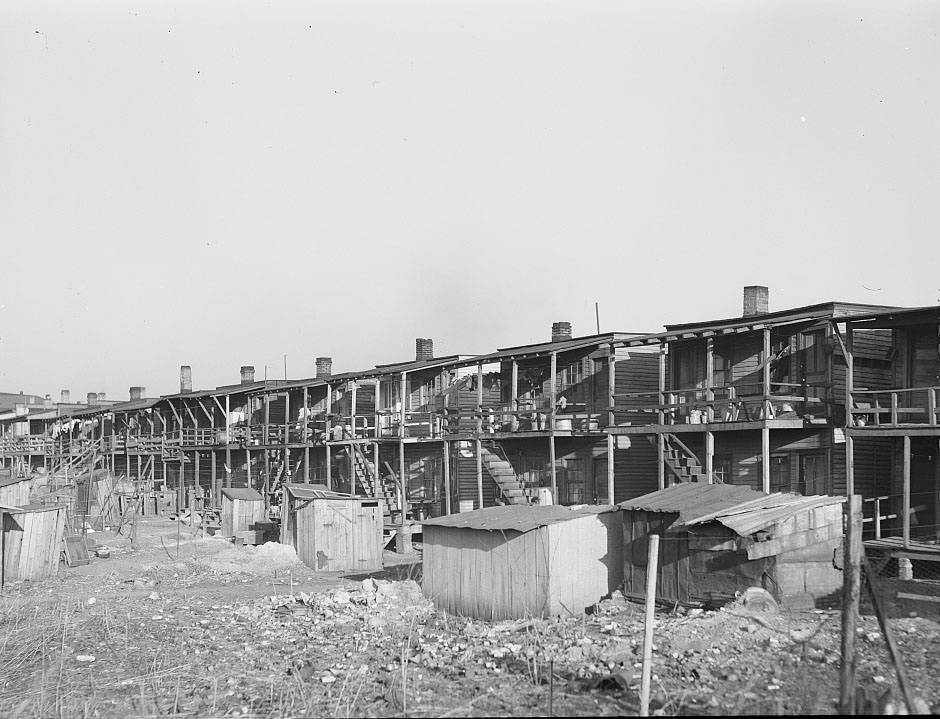
The housing situation in Newport News during 1941 was stretched to its limits. Workers who flooded into the city from states like North Carolina and South Carolina needed somewhere to sleep. Rooming houses filled up fast, and single-room apartments rented for around eight dollars a week — a significant sum for families just arriving and hoping for a fresh start.

Rooming house in Newport News, Virginia, 1941
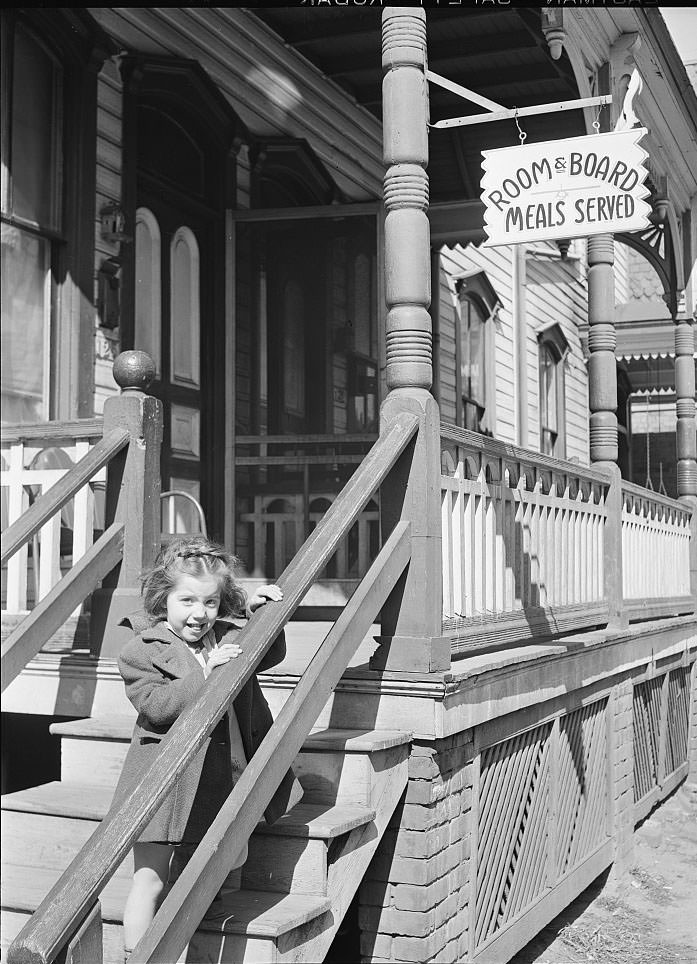
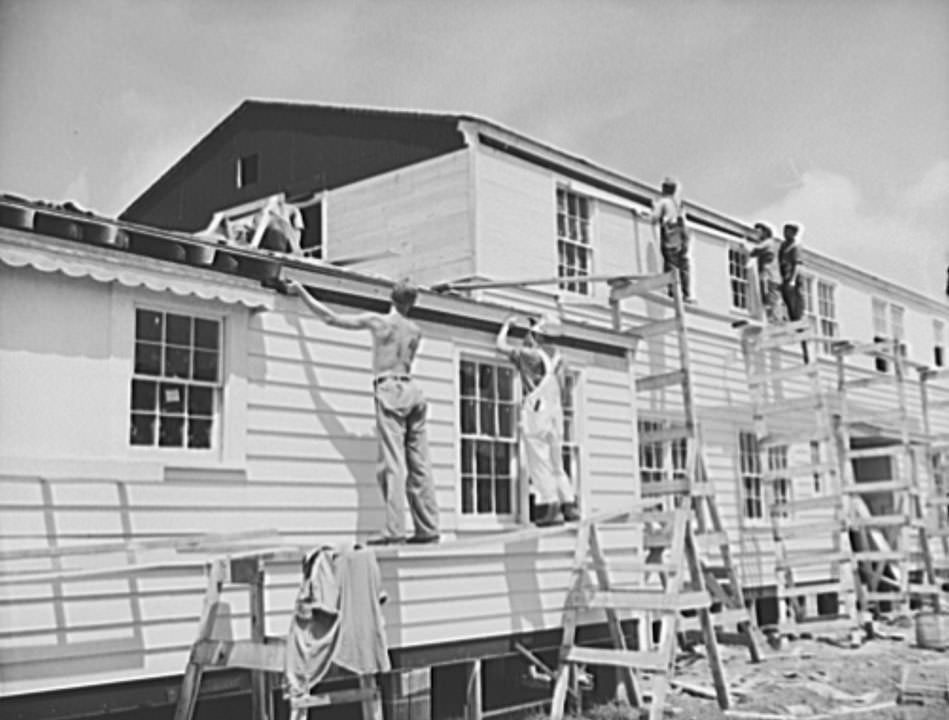
Defense housing project being developed by the housing authority of the city of Newport News, Virginia for the shelter of defense workers and families of enlisted personnel, 1941

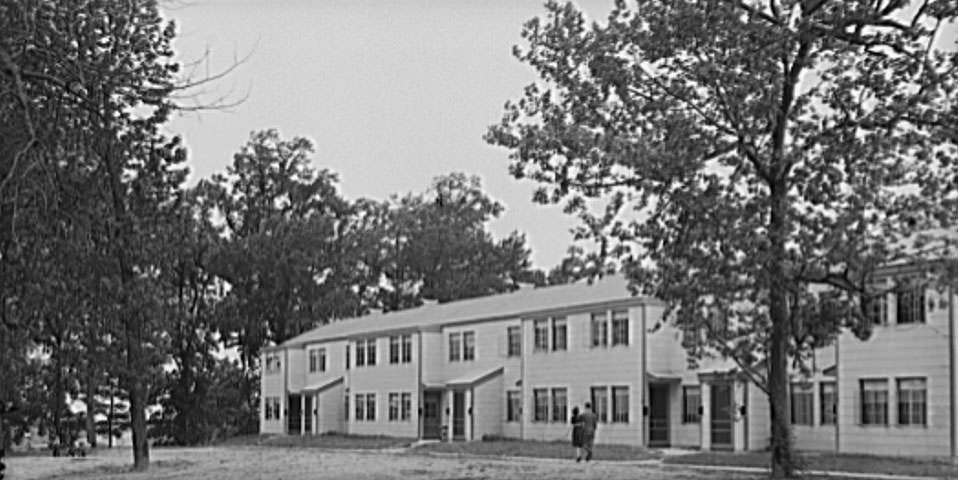
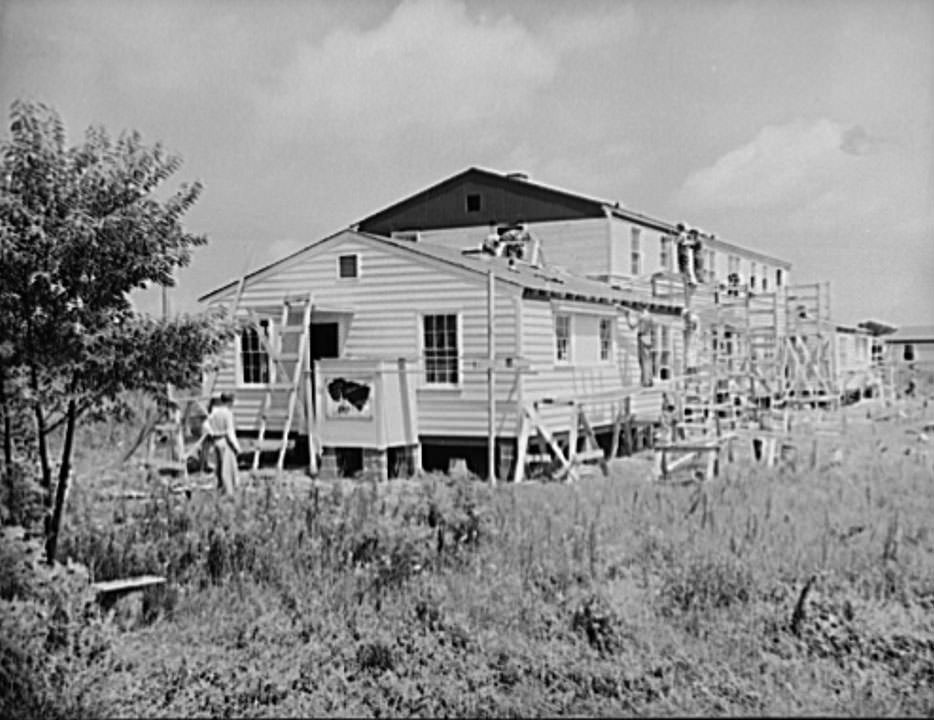
The federal government stepped in to address the housing shortage. The Federal Works Agency and the Public Buildings Administration spent $1,282,000 to build 350 units near Langley Field to house married enlisted personnel at the Army Air base. Construction was approximately 90 percent complete by late 1941, with rents set at roughly 20 percent of each tenant’s income. Meanwhile, the Navy funded a separate 1,200-unit project at Ferguson Park, costing $3,500,882, to house civilian shipyard workers. Those units ranged from one to four bedrooms, with monthly rents between $30 and $35, including up to $3.70 worth of utilities.

Workers are leaving the gates of the yard, after their regular shift, 1941
Thousands of tons of lumber and steel are used in the construction of these ways, where American mechanical genius is employed in the production of ships for our new two-ocean navy, 1941

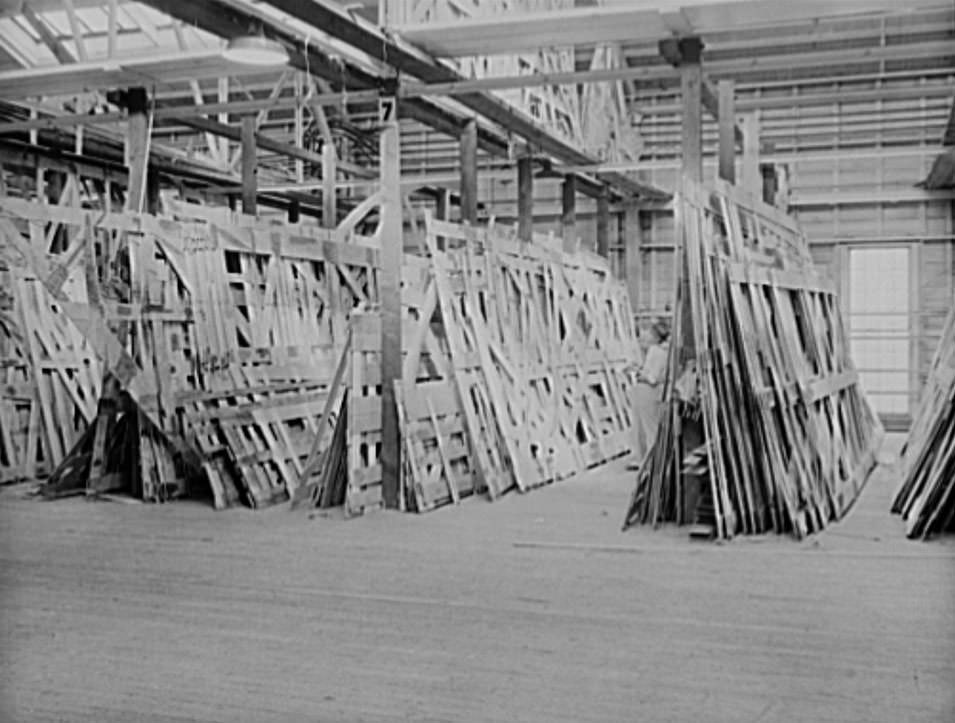
Inside the shipyard, specialized workers handled every stage of production. The mold loft was one of the most important departments — workers there laid out full-scale patterns for every part of a naval vessel before construction began. These templates, fashioned in wood and stored in dedicated spaces, guided the work of hundreds of other tradesmen on the floor below.

This is the storage space in the moulding loft where the many templates for ships' parts are fashioned in wood, 1941
This is the storage space in the moulding loft where the many templates for ships’ parts are fashioned in wood, 1941
These are mold loft workers laying out patterns for various parts of naval vessels under construction, 1941
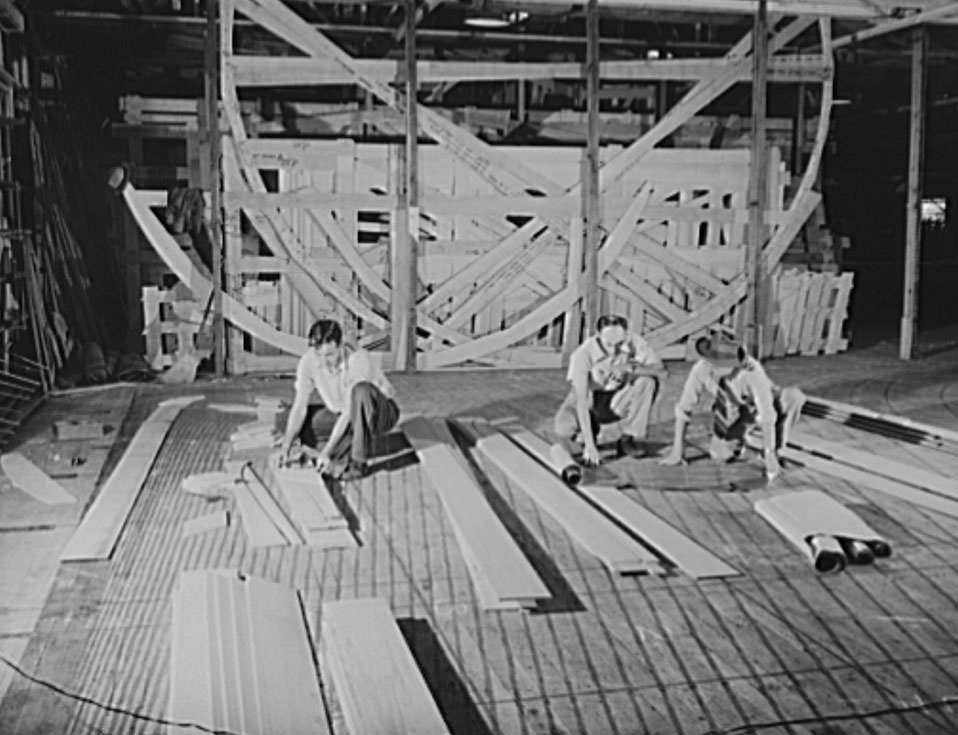
The Norfolk-Newport News section of Virginia is contributing a large portion of the new tonnage of our rapidly expanding two-ocean Navy, 1941
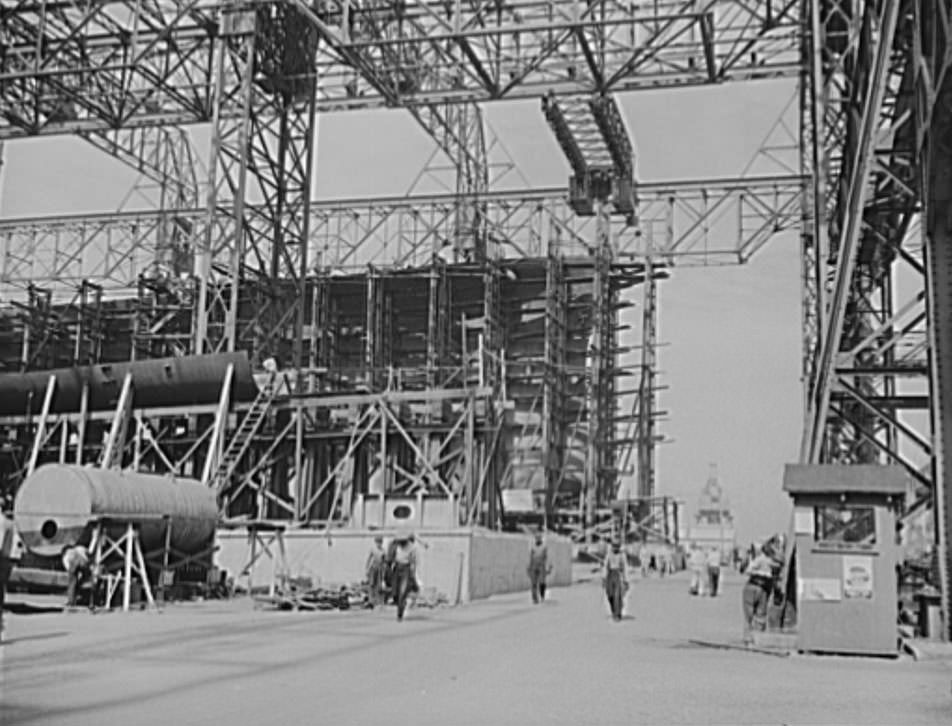

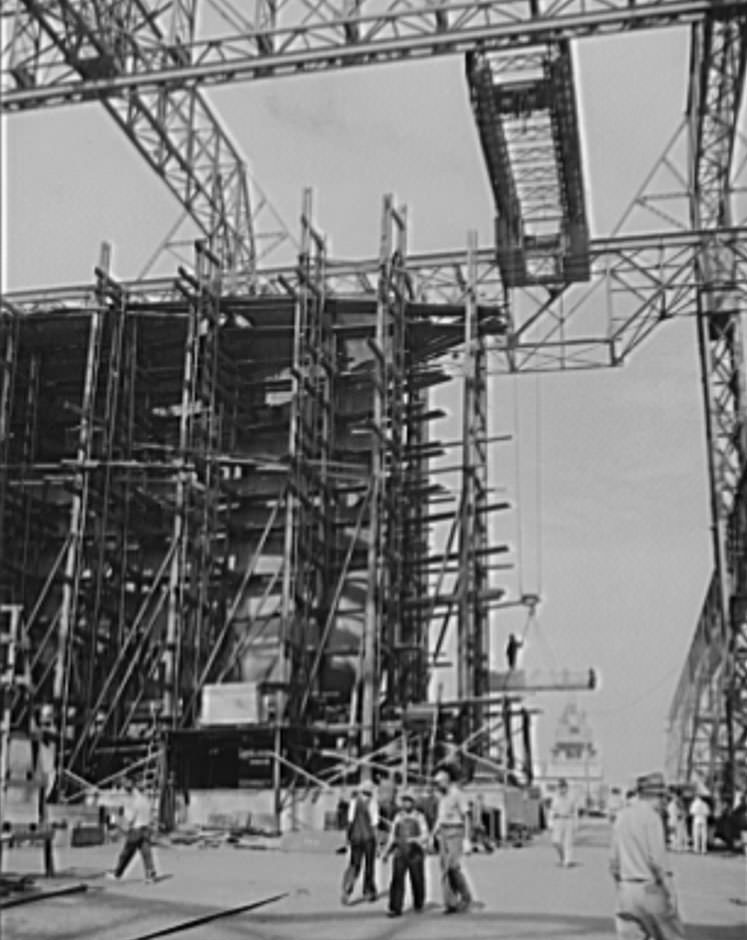
The Newport News shipyard was a central pillar in America’s two-ocean Navy expansion. Battleships and other warships rose from the building ways, their enormous prows visible through layers of scaffolding. Workers like the one captured punching holes in a ship’s steel frame represented the thousands of individual skills that came together to produce each finished vessel.

Shipbuilding in Newport News. Through the scaffolding may be seen the prow of a battleship under construction, 1941
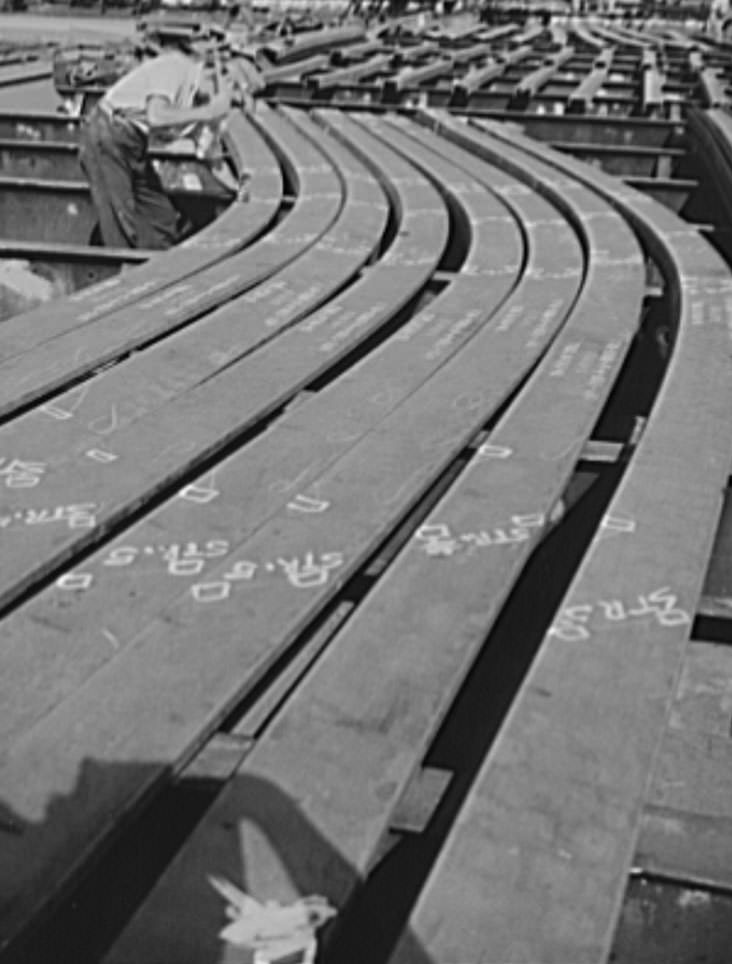
Thousands of workers contribute thousands of skills in the building of ships for Uncle Sam's growing Navy. This worker is topping punching holes on a ship's frame, 1941
Thousands of workers contribute thousands of skills in the building of ships for Uncle Sam’s growing Navy. This worker is topping punching holes on a ship’s frame, 1941
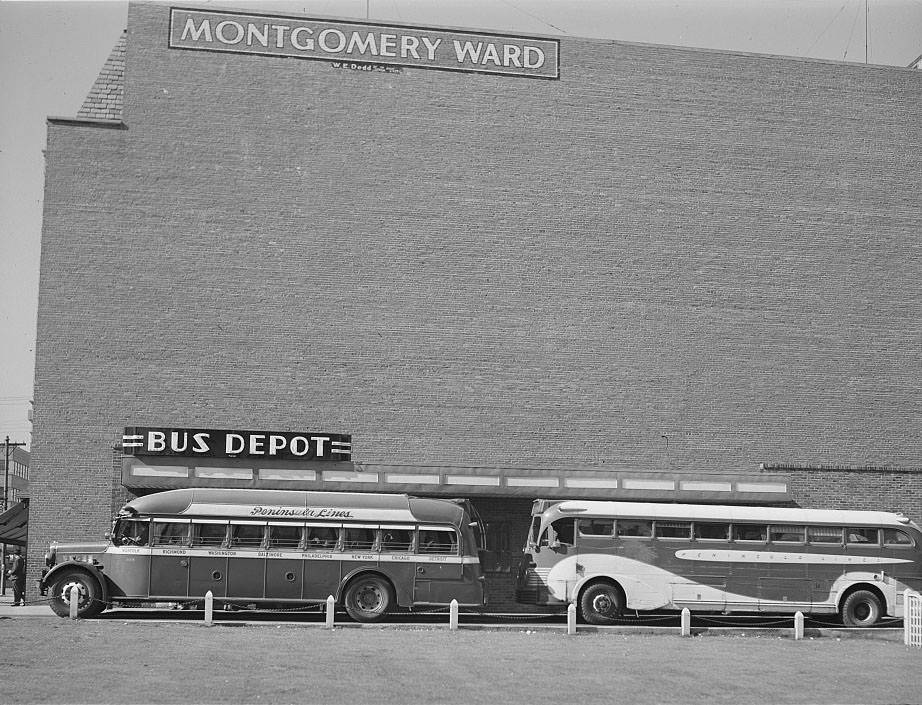
Beyond the yard gates, the city had to function for everyone — workers, families, and the thousands of servicemen passing through. The bus depot was a constant hive of activity, moving people in and out of Newport News day and night. Families who had relocated for shipyard work navigated a city that was growing faster than its infrastructure could comfortably handle.

Bus depot in Newport News, Virginia, 1941
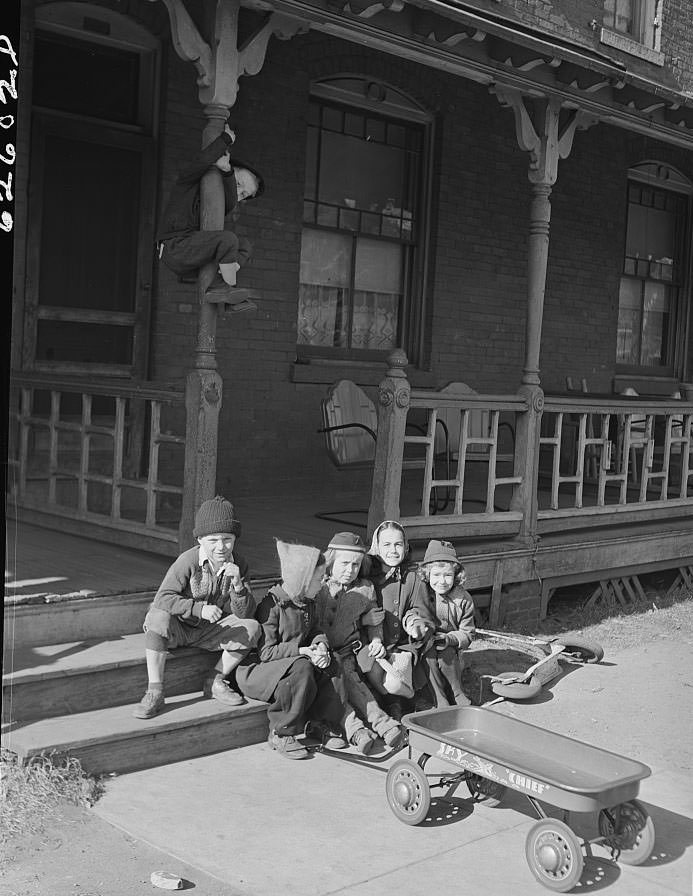
Boy from North Carolina. Family had just moved to Newport News, Virginia, for work in shipyards, 1941
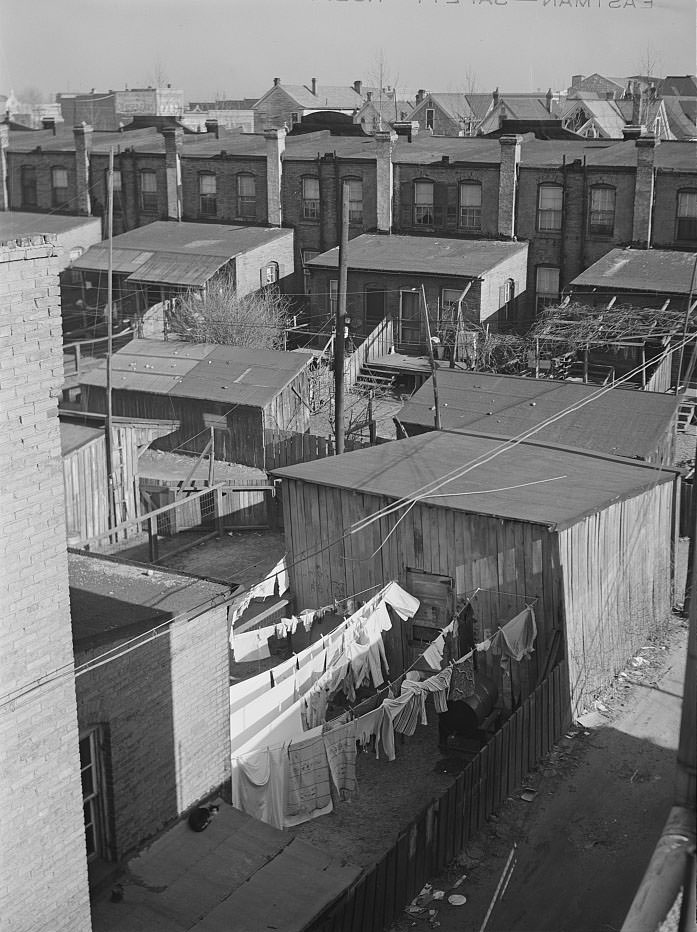
Housing in Newport News, Virginia, 1941

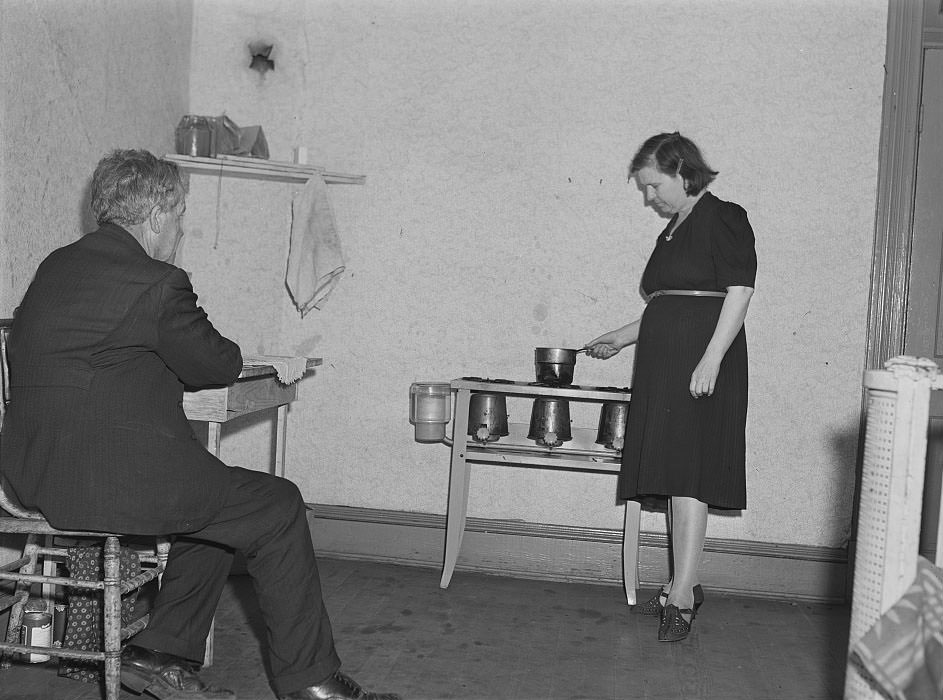
Couples who relocated to Newport News for shipyard work lived in cramped conditions. A man and his wife from South Carolina, newly arrived after he secured a job at the yards, settled into a single-room apartment for eight dollars a week. It was a common story repeated across the city — workers accepting tight quarters as the price of steady wartime employment.

Man and wife from South Carolina. He just got a job in shipyards, moved into this one room apartment, rent eight dollars a week. Newport News, Virginia, 1941

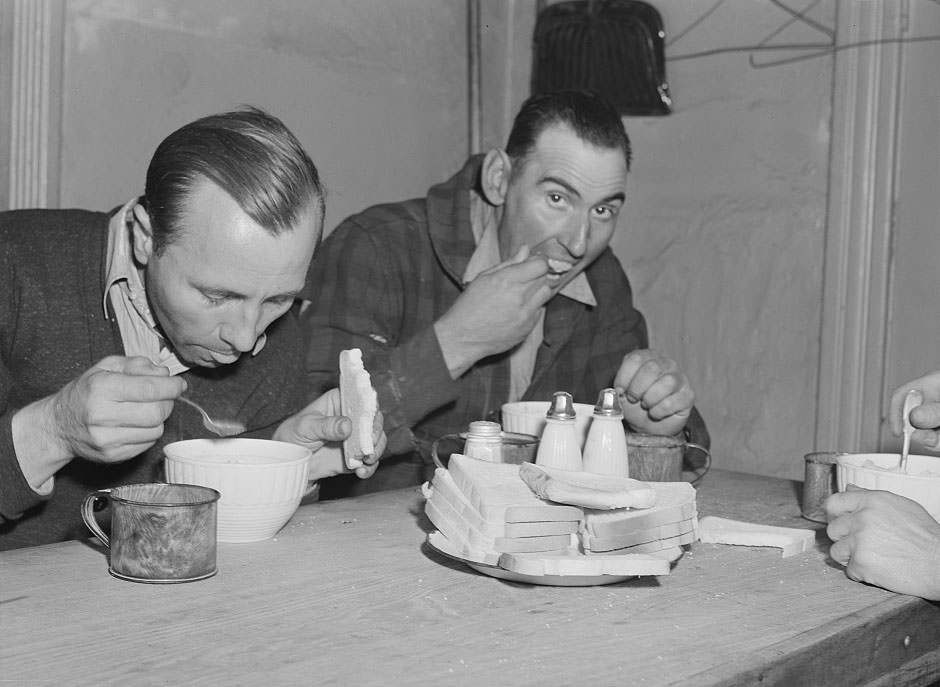
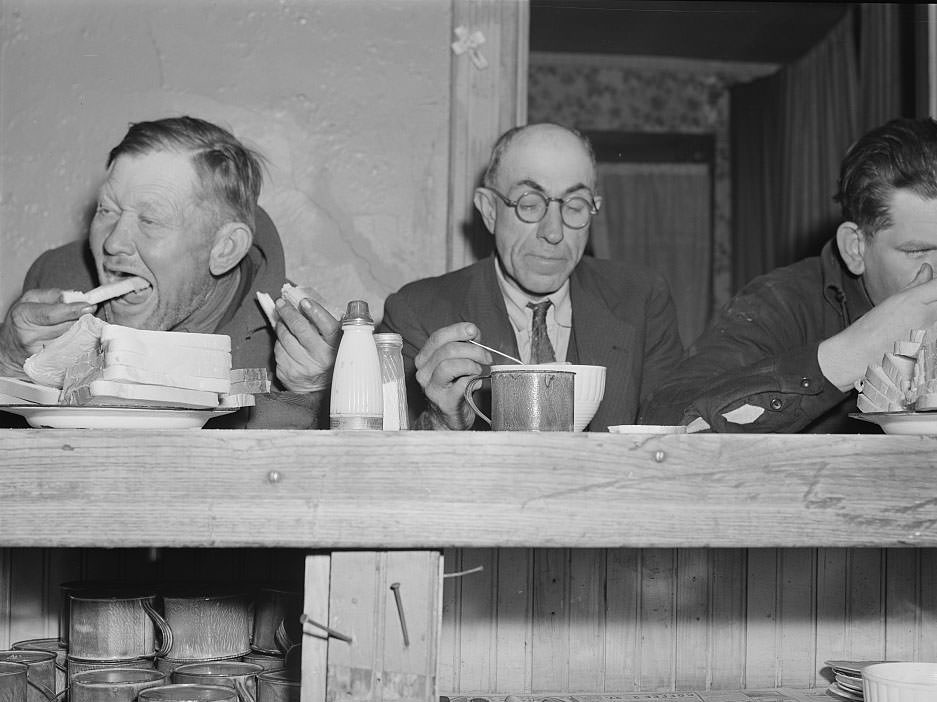
Organizations like the Salvation Army played a direct role in keeping the workforce fed. Men lined up for meals, and the kitchens ran continuously to meet demand. The YMCA on 32nd Street operated on a similarly intense scale, providing 2,200 baths, sleeping accommodations for 2,475 soldiers, and 6,000 meals every month to servicemen moving through the port.

Men eating at Salvation Army, Newport News, Virginia, 1941
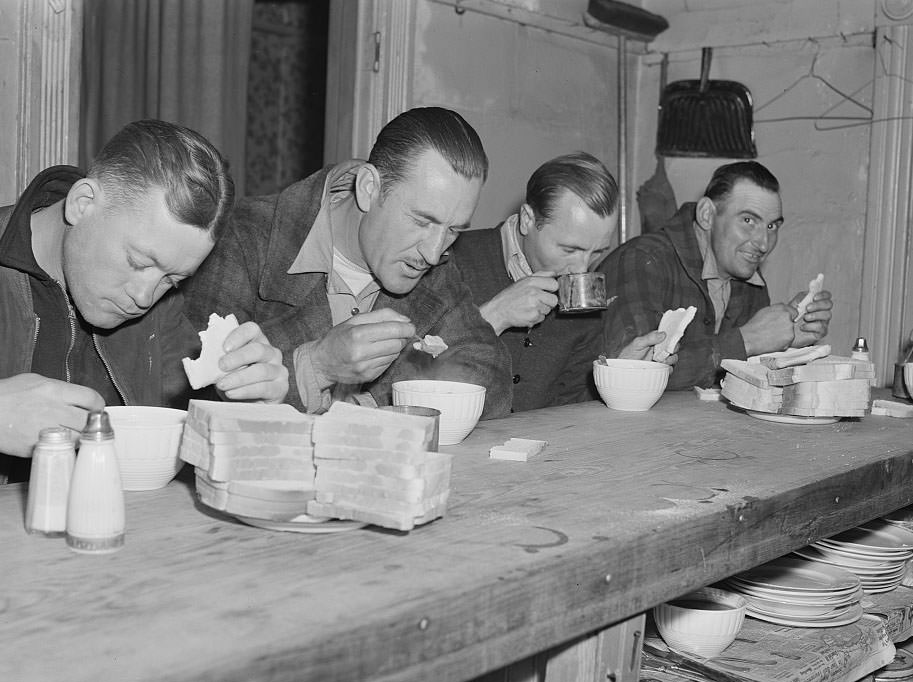
Men eating at Salvation Army. Newport News, Virginia, 1941

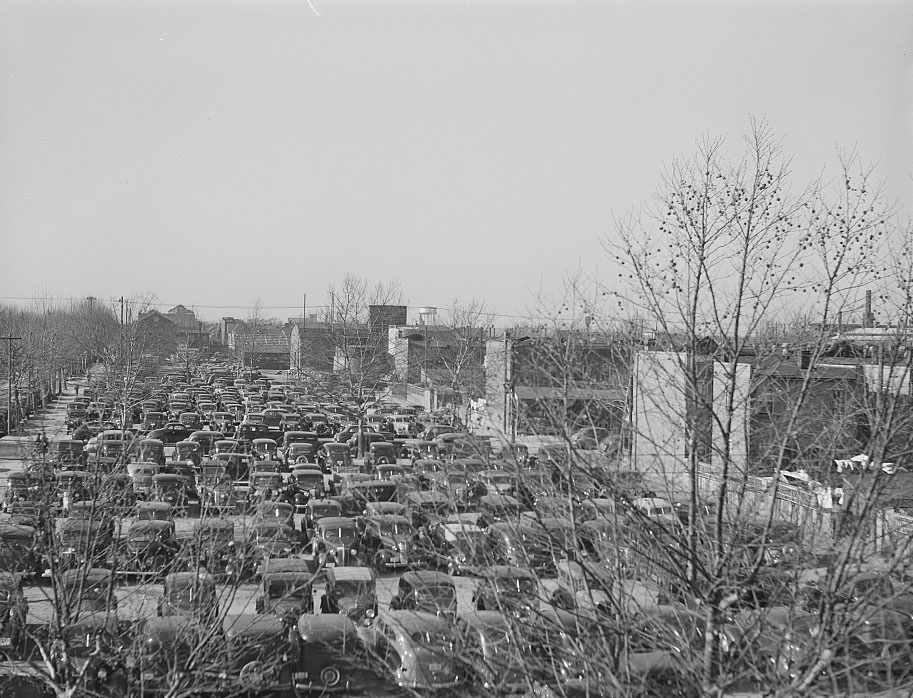
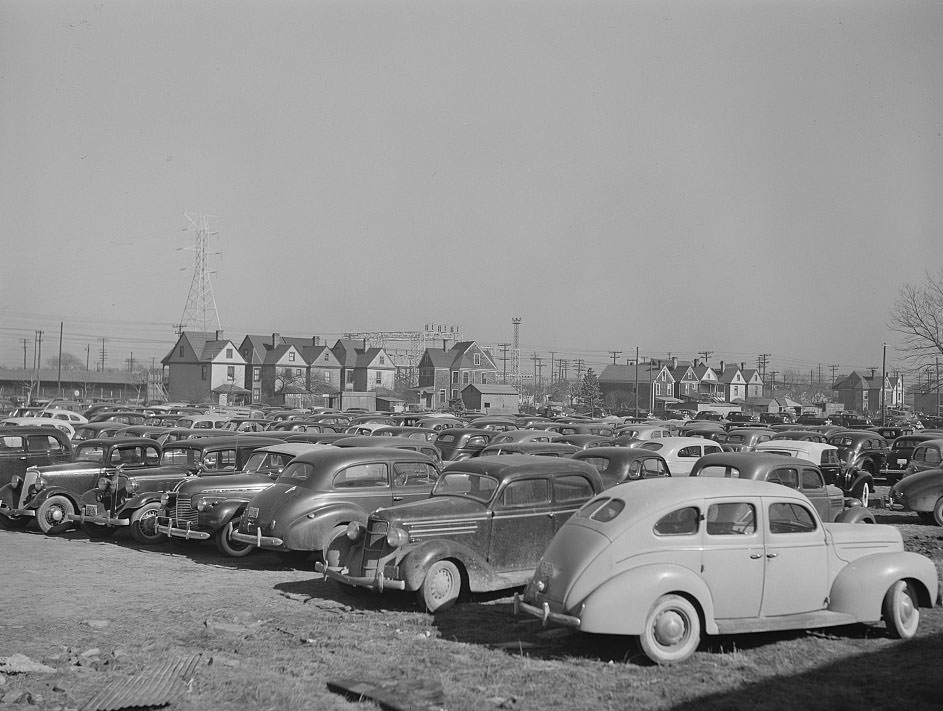
The streets near the shipyard told their own story. Residential blocks that once held a handful of parked cars were now packed bumper to bumper with vehicles belonging to workers on shift. The sheer volume of cars reflected just how many people had descended on Newport News in a short period of time.

Residential section. Parked cars of shipyard workers, Newport News, 1941
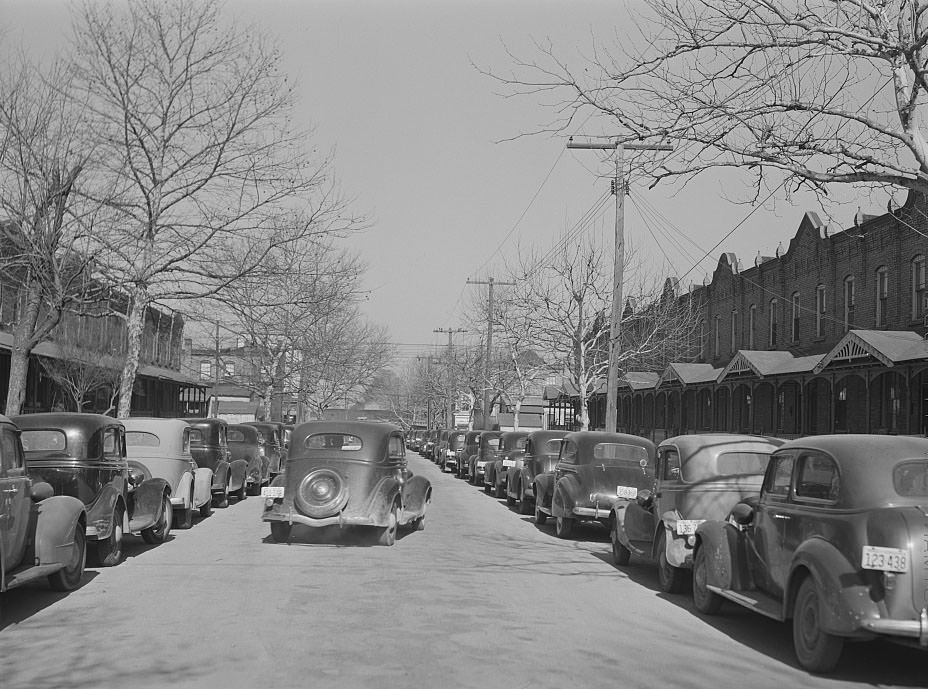
Workers' cars packed near shipyard. Newport News, Virginia, 1941
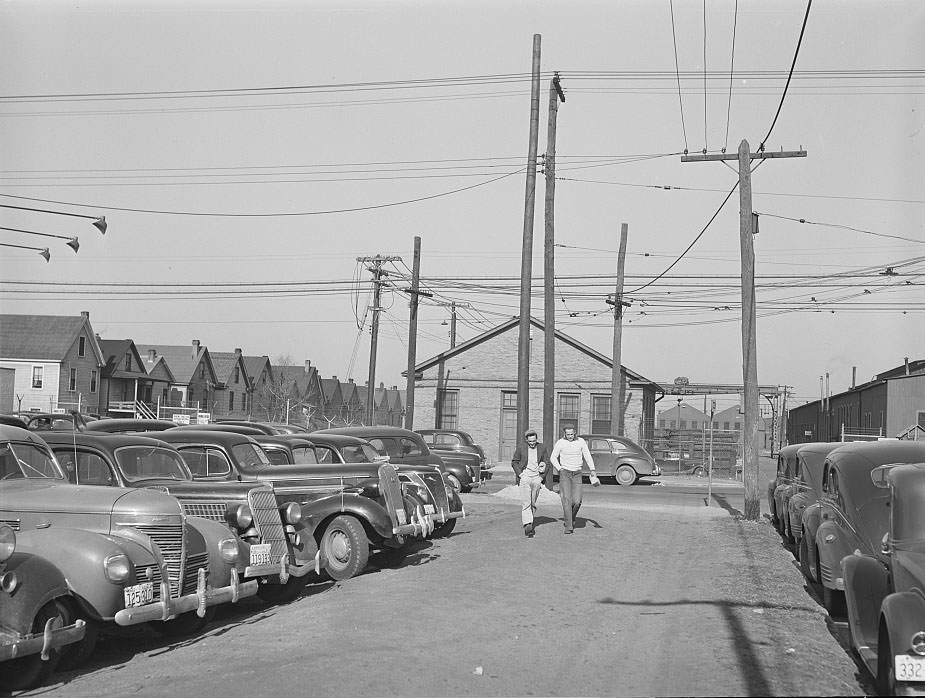
Workers’ cars packed near shipyard. Newport News, Virginia, 1941
Parked cars belonging to shipyard employees. Newport News, 1941
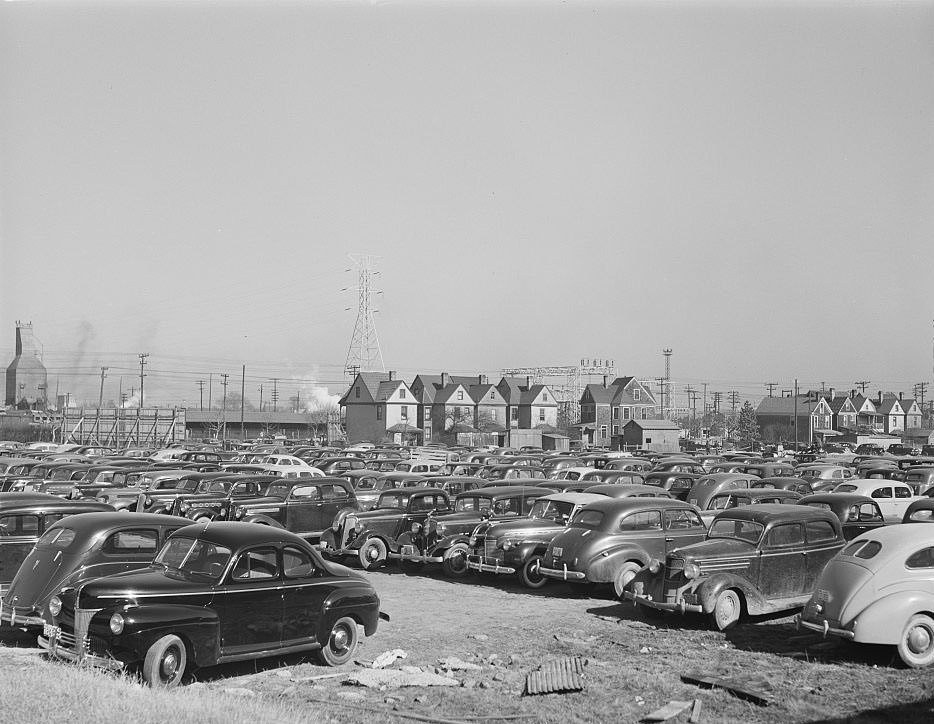
Workers' cars packed near shipyard. Newport News, Virginia, 1941
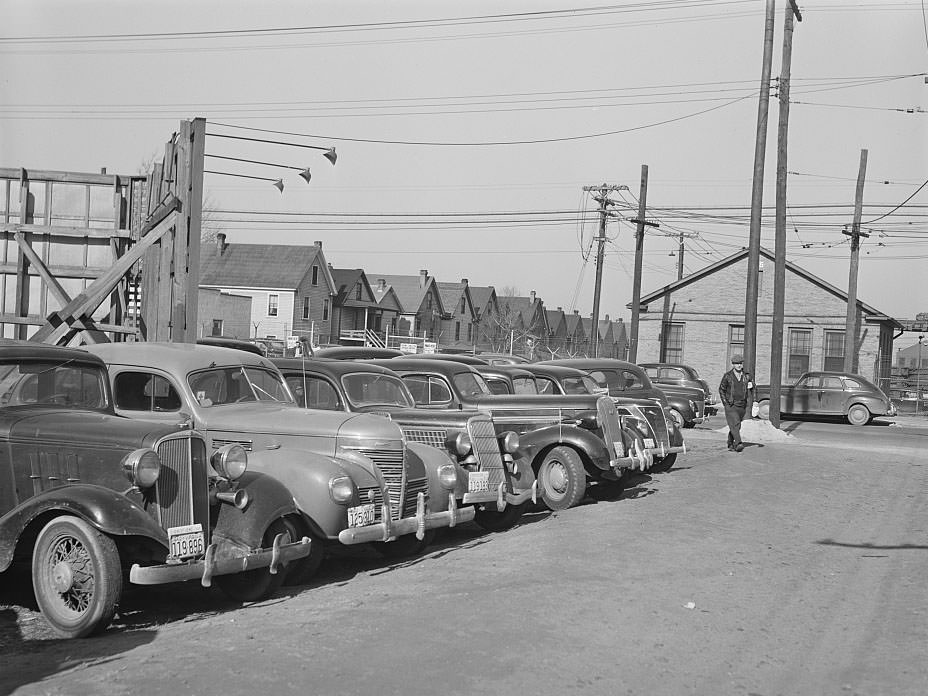
Workers’ cars packed near shipyard. Newport News, Virginia, 1941

Children of shipyard workers grew up in a city defined by wartime urgency. Families from the Carolinas and other Southern states arrived with little, settled where they could, and built their routines around the yard’s schedule. For the children, Newport News was simply home — even if that home had only recently been found.

Boy from North Carolina whose family had just moved to Newport News for work in shipyards, 1941
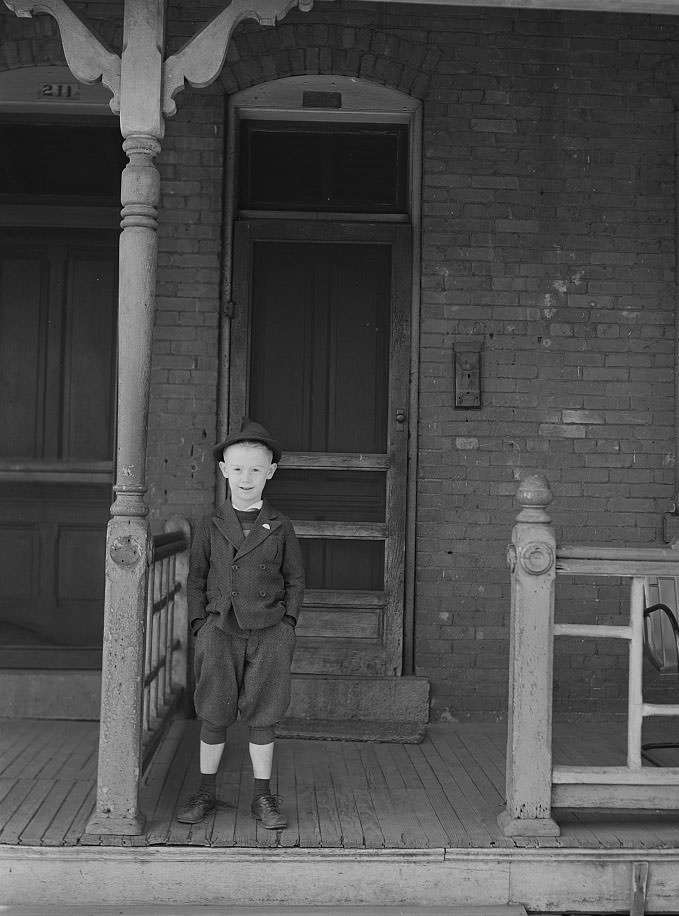
Shipyards at Newport News, Virginia, 1941
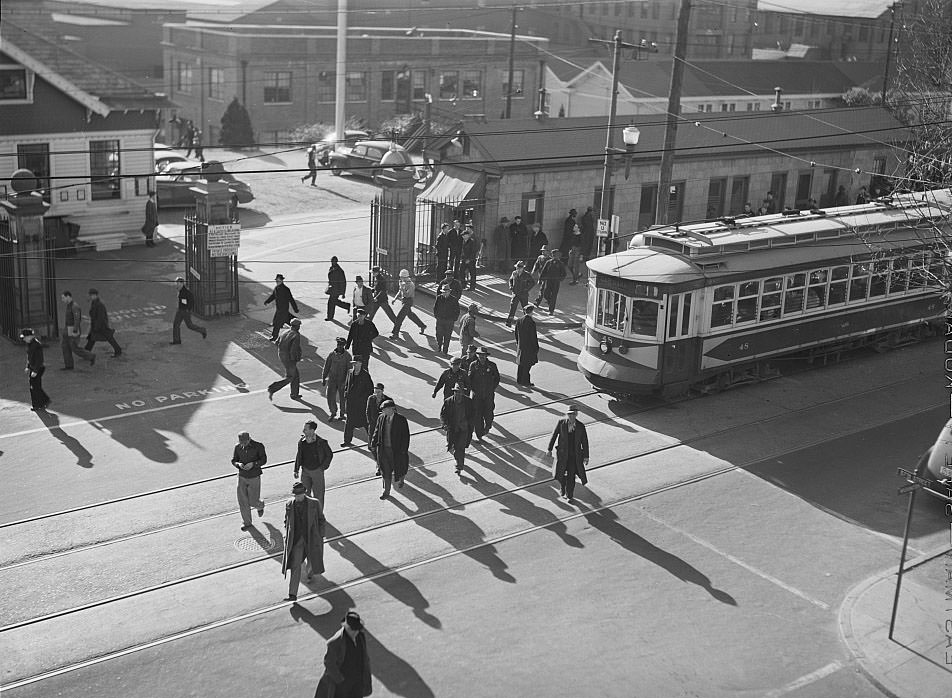
Shipyards Newport News, Virginia, 1941
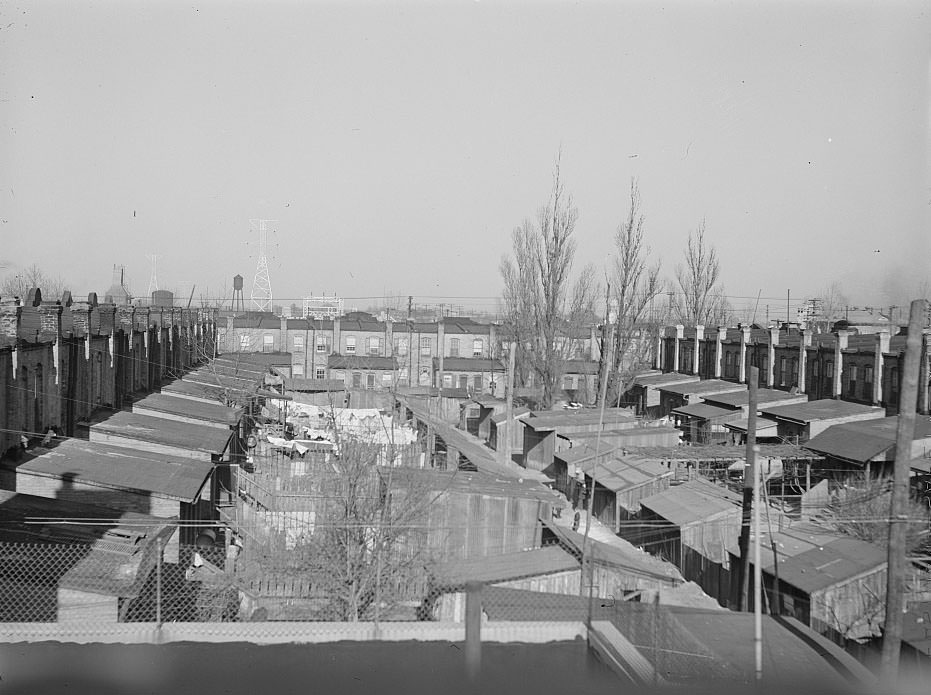
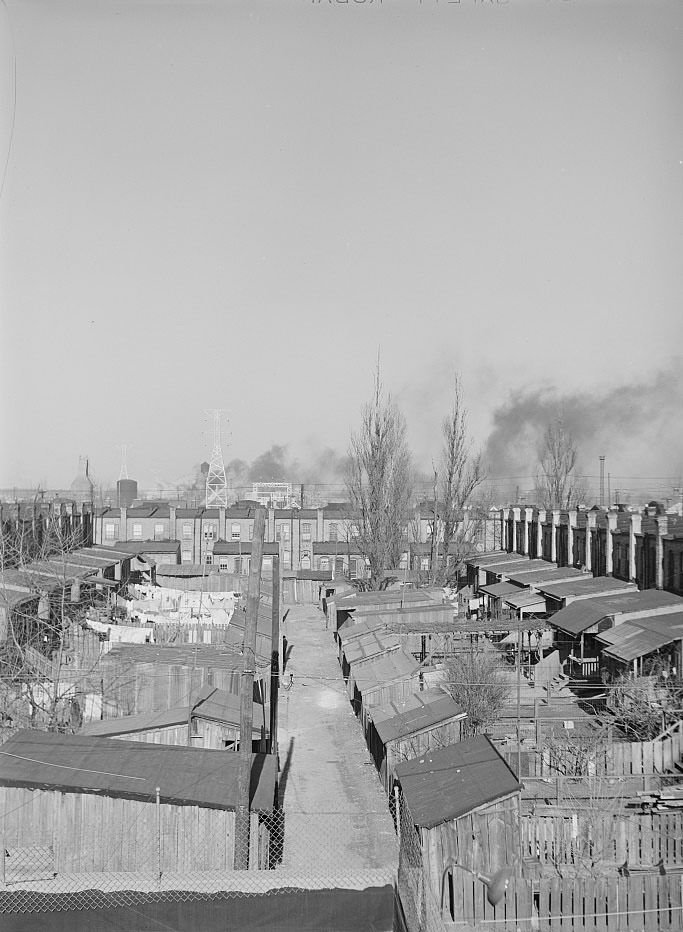
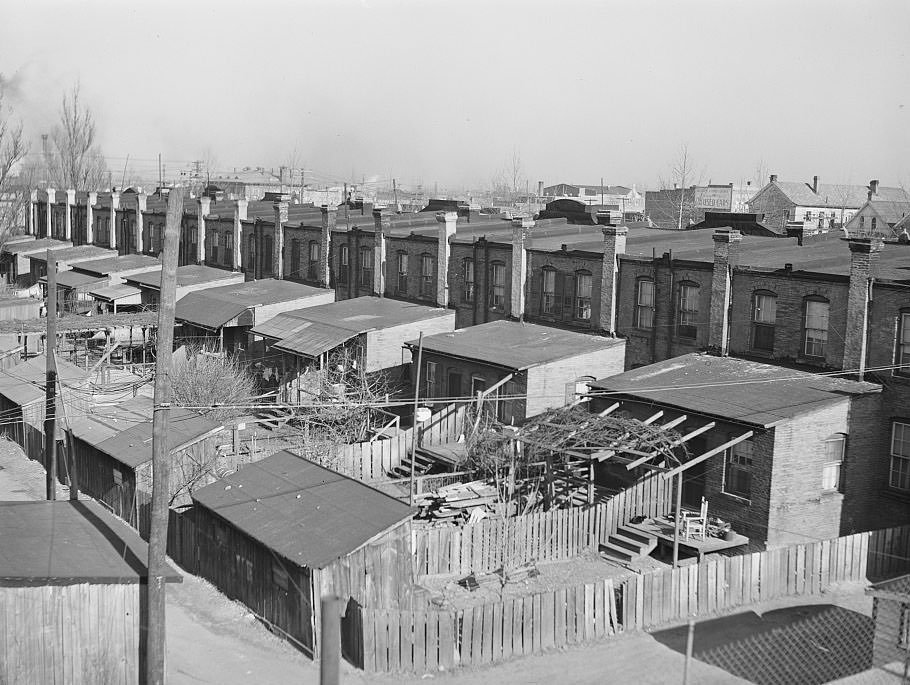
Back doors in Newport News, Virginia, 1941
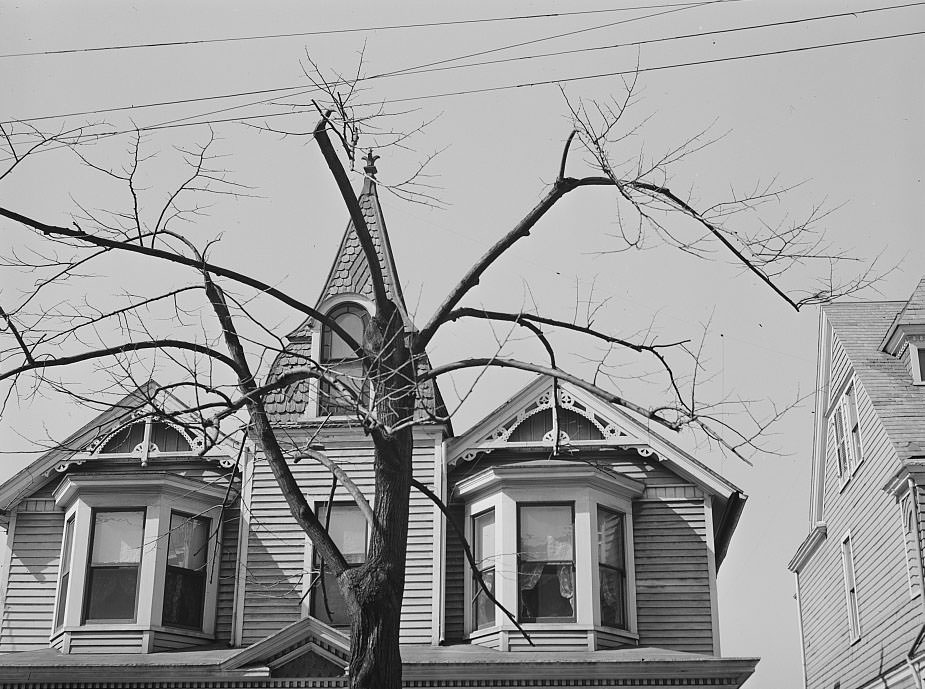
Newport News, Virginia, 1941
Parked cars of shipyard workers. Newport News, Virginia, 1941

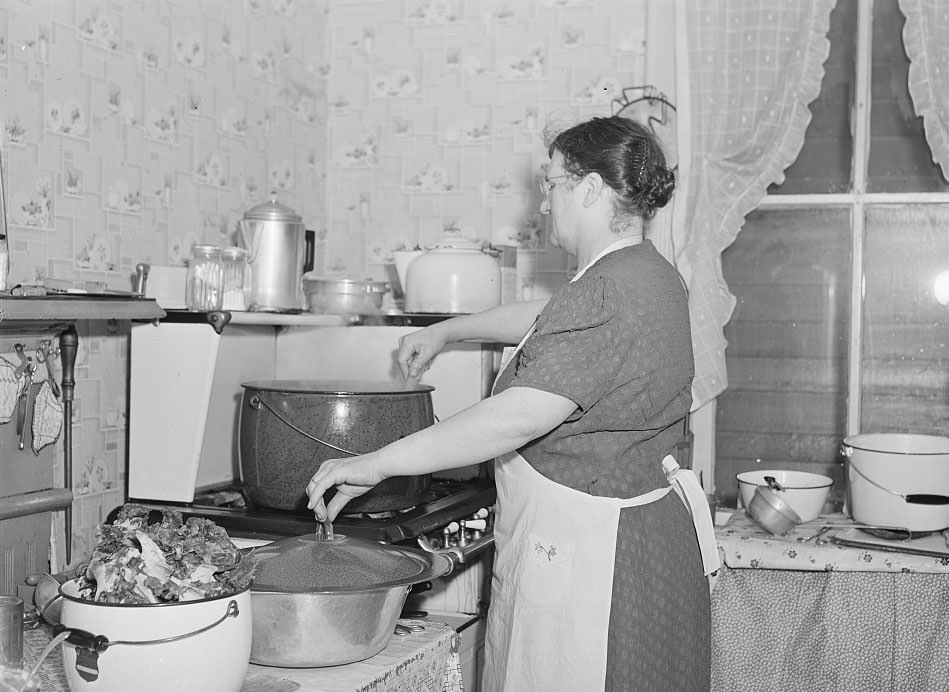
The Salvation Army was one of the few institutions in Newport News that kept pace with demand. Its cooks worked long hours to feed the steady stream of workers and transient servicemen who needed a hot meal. The operation was no small effort — it ran like a small industrial kitchen, day after day.

Cook at Salvation Army. Newport News, Virginia, 1941
Newport News, Virginia, 1941
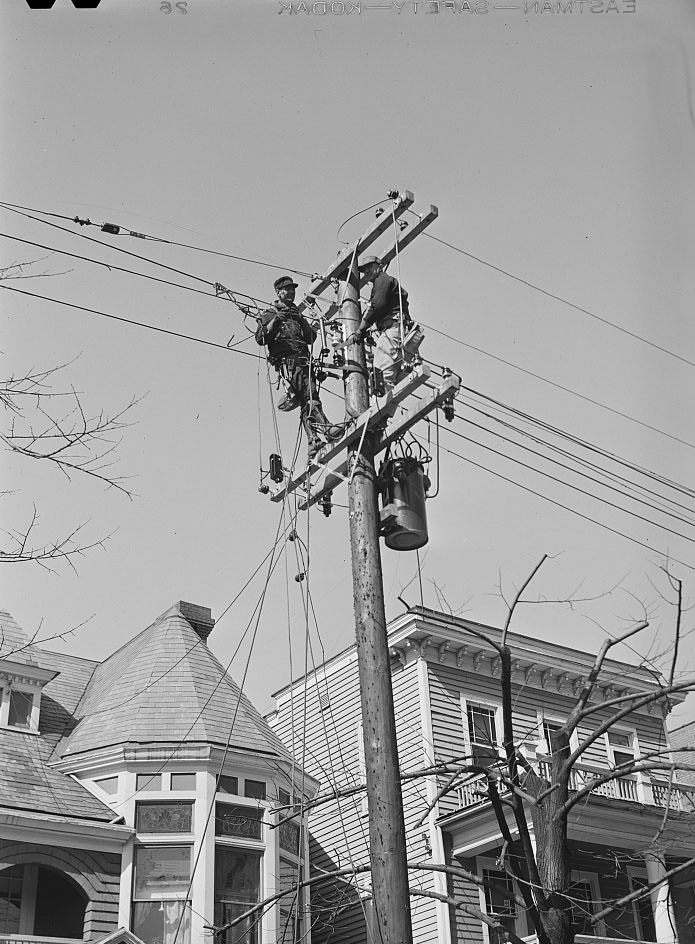
Linemen, Newport News, 1941
Newport News, Virginia, 1941
Salvation Army in Newport News, Virginia, 1941
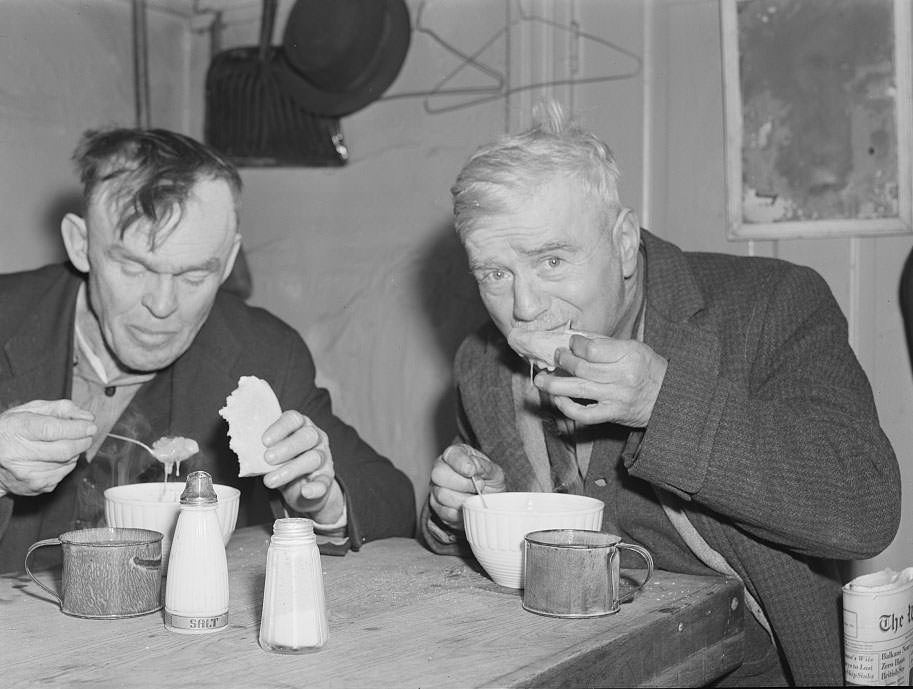
Salvation Army in Newport News, 1941
Parked cars of shipyard workers in Newport News, 1941
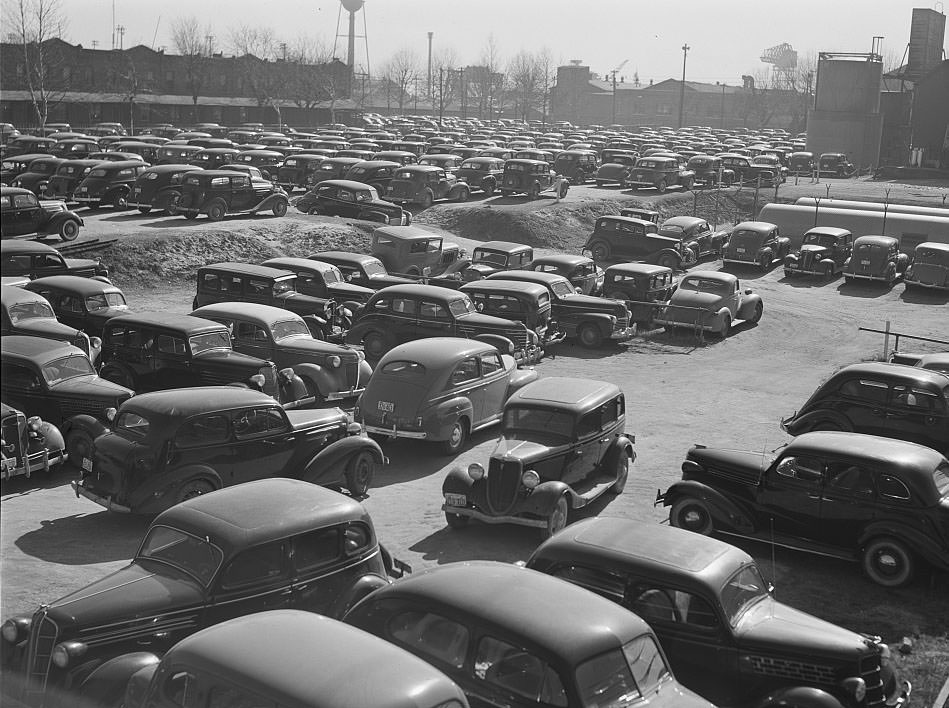
Parked cars belonging to shipyard employees in Newport News, Virginia, 1941

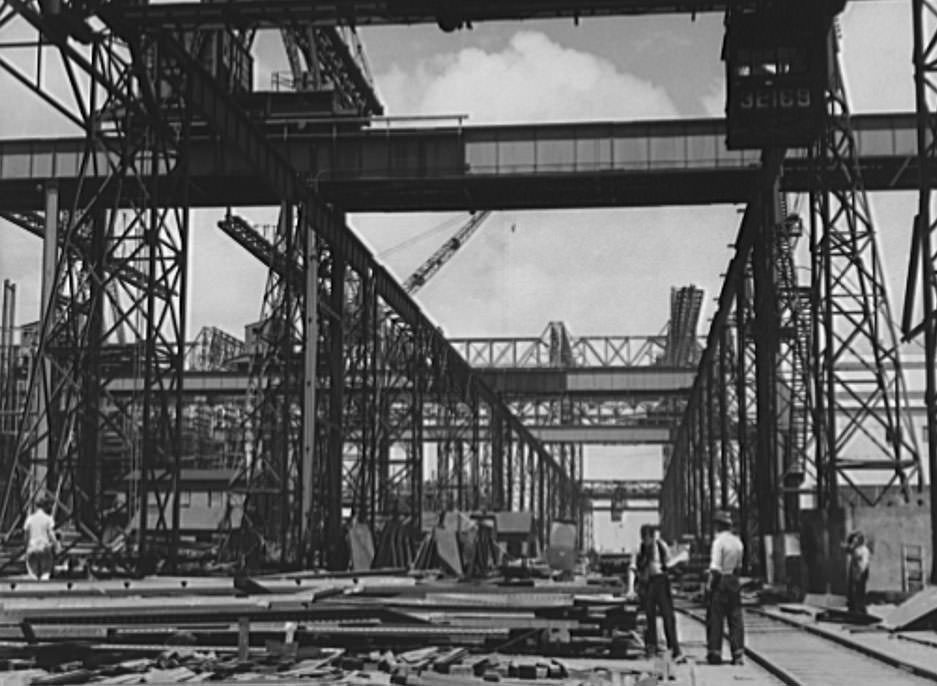
The physical infrastructure of the shipyard itself was enormous. Overhead travelling cranes — known as Gantry cranes — moved along rails above the yard, lifting massive steel components into place. Ships under construction on the building ways could be seen in the background of nearly every wide-angle shot taken on the grounds.

A small section of the shipyard, showing an overhead travelling ("Gentry") crane in the foreground, 19841
A small section of the shipyard, showing an overhead travelling (“Gentry”) crane in the foreground, 19841
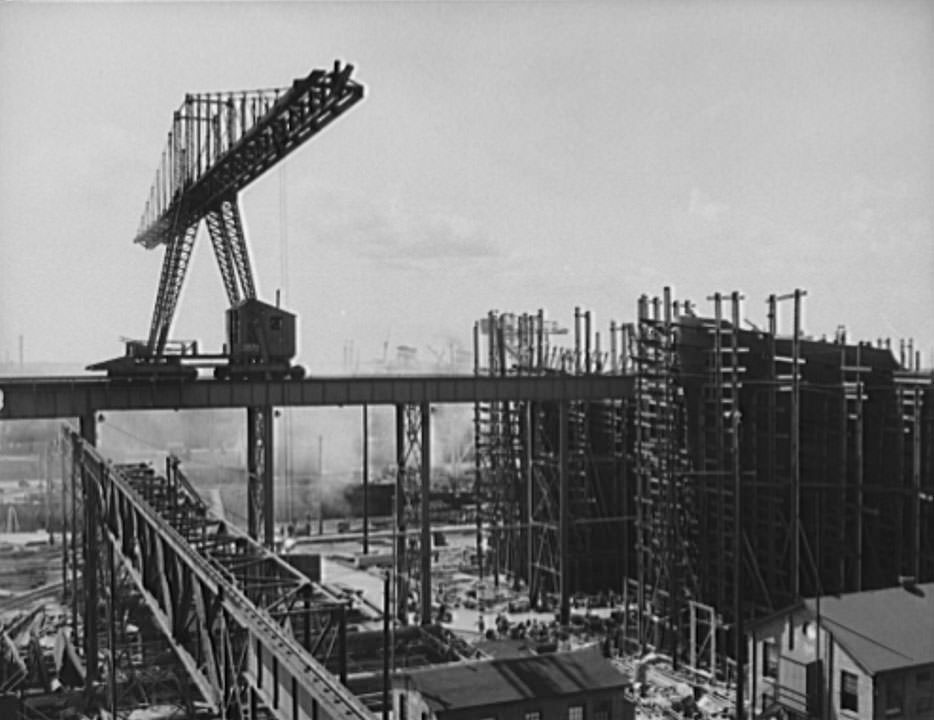
General shipyard scene, with ships under construction on ways in the background, 1941
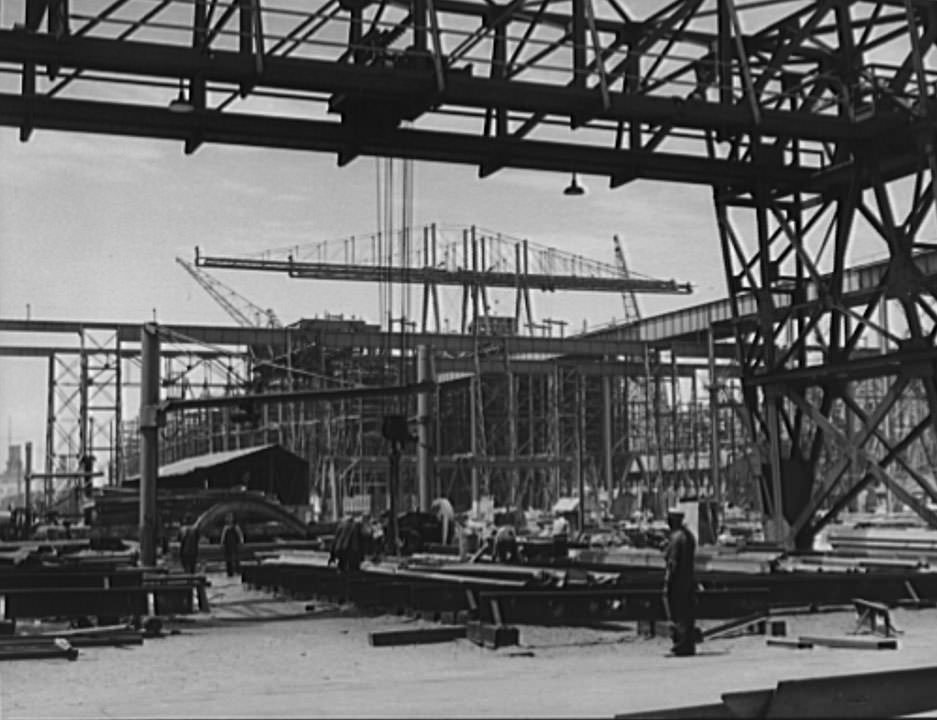
Shipyard at Newport News, showing overhead cranes, 1941

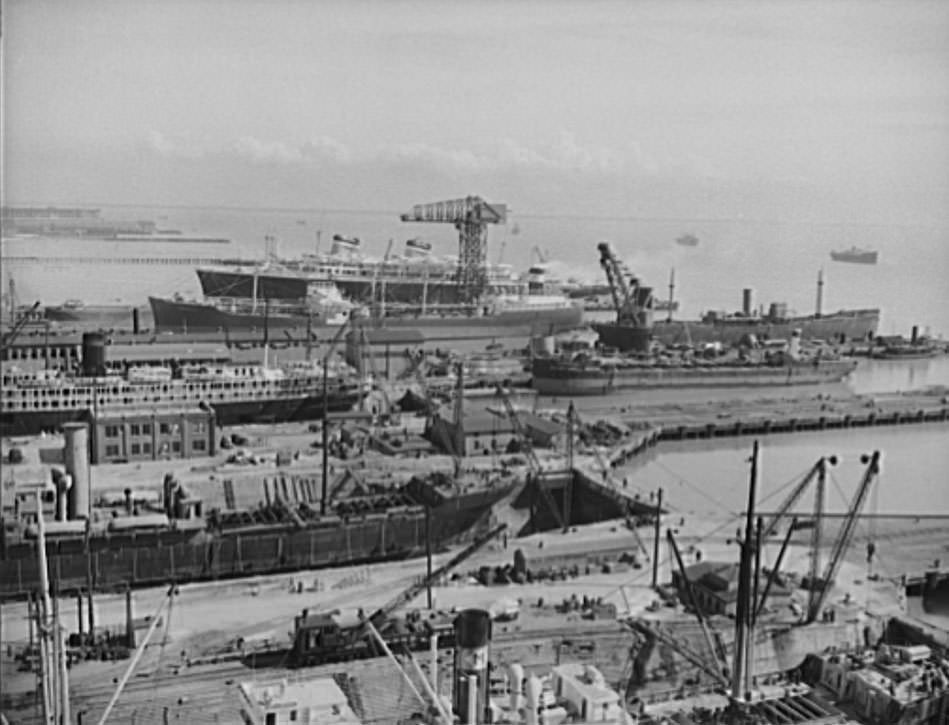
The fitting and repair slips at Newport News handled vessels that were already at sea, bringing them back for maintenance and upgrades. The SS America, one of the most recognizable ships of the era, was spotted in the background of the slips in 1941, moored alongside a tanker undergoing work.

The fitting and repair slips at Newport News, Virginia. The S.S. America can be seen in the background. The ship in the adjacent slip is a tanker, 1941
Defense housing, Langley Field, Newport News, Virginia, 1941
Defense housing. Ferguson Park, Newport News, 1941
War housing in Langley Field, Newport News, Virginia, 1941

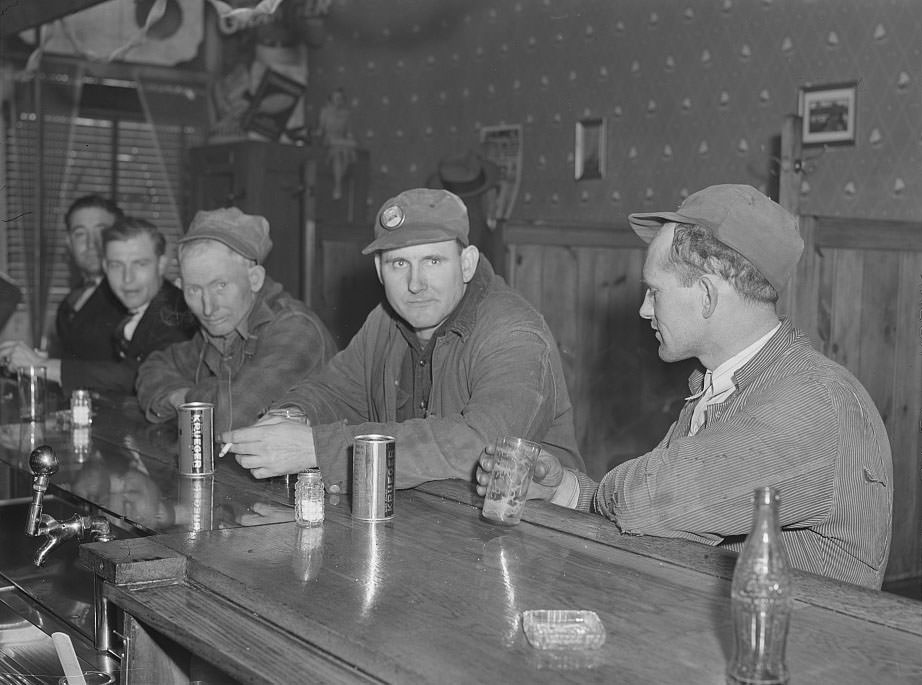
After a long shift at the yard, workers sought relief wherever they could find it. Bars near the shipyard served as a regular gathering point, where men wound down and socialized before heading home. It was one of the few spaces where the relentless pace of wartime work gave way to something closer to ordinary life.

Shipyard workers at bar. Newport News, Virginia, 1941

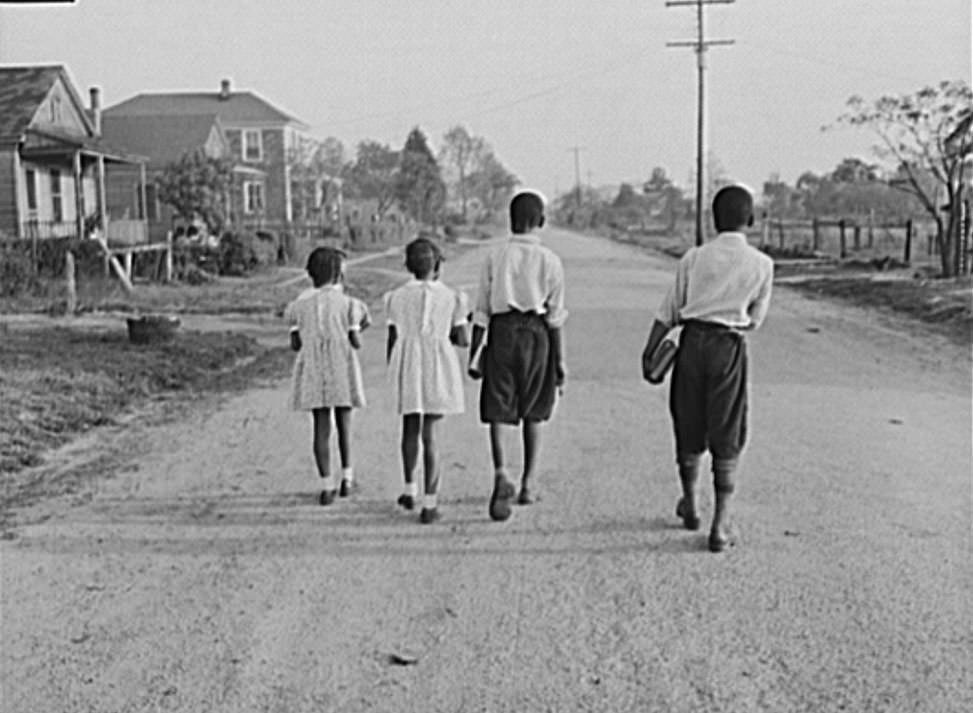
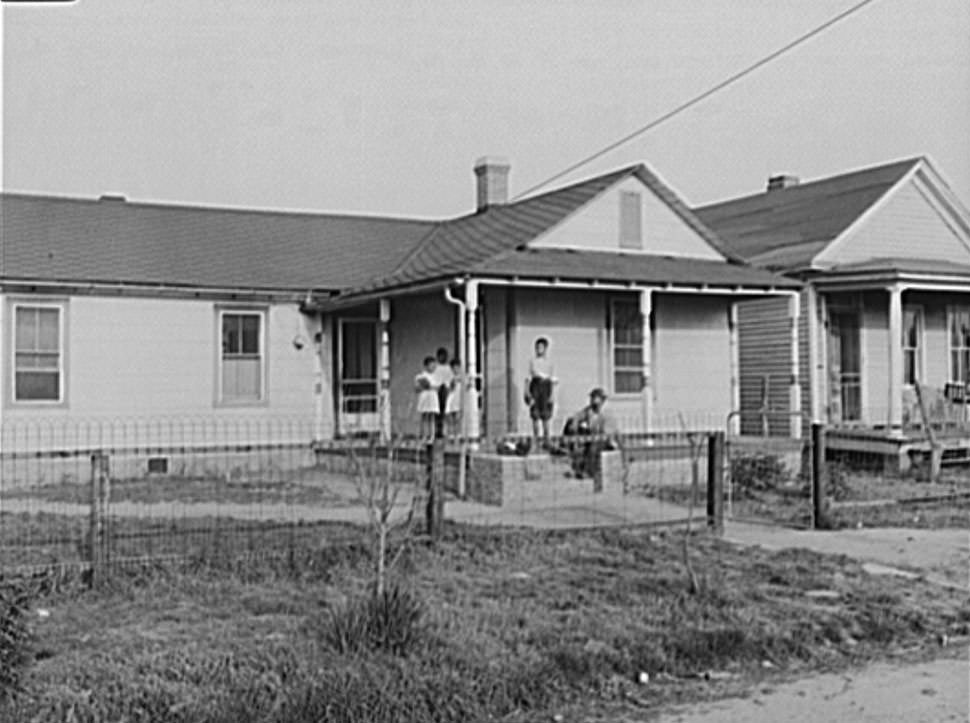
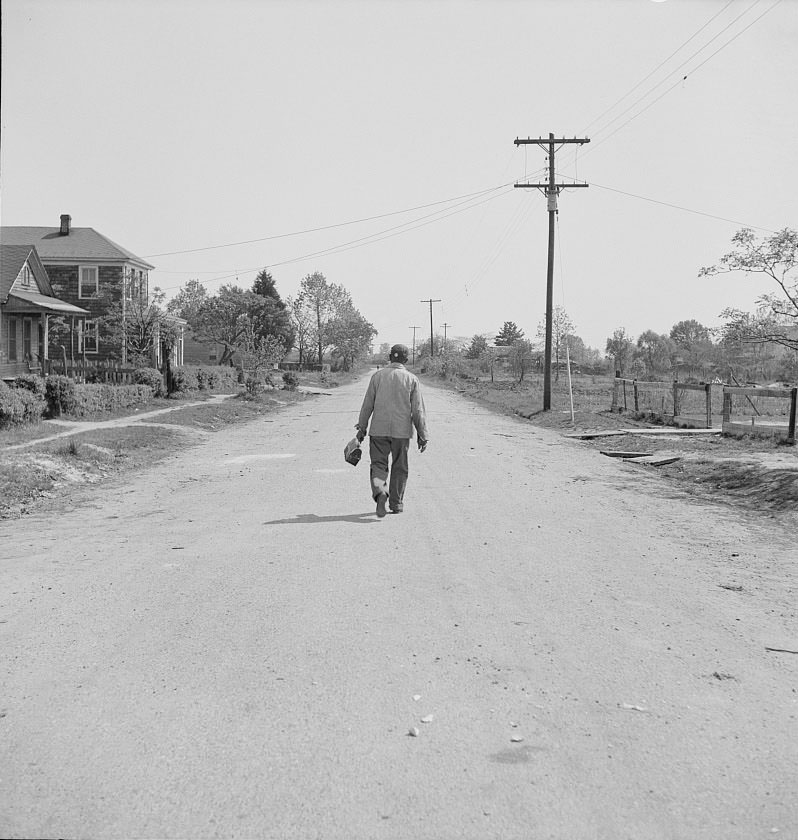
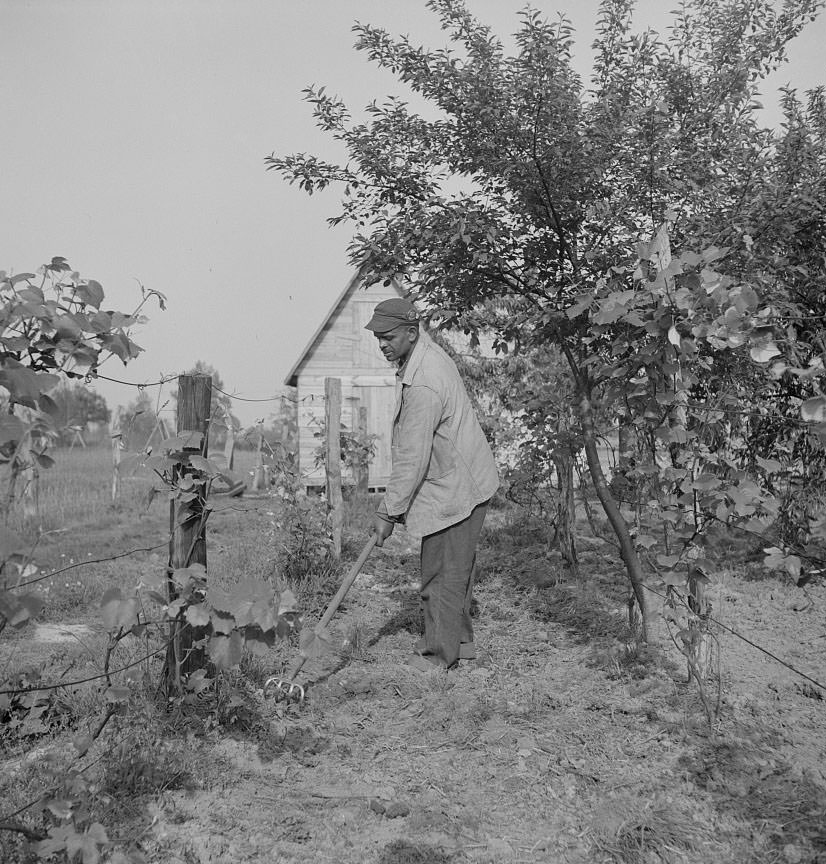
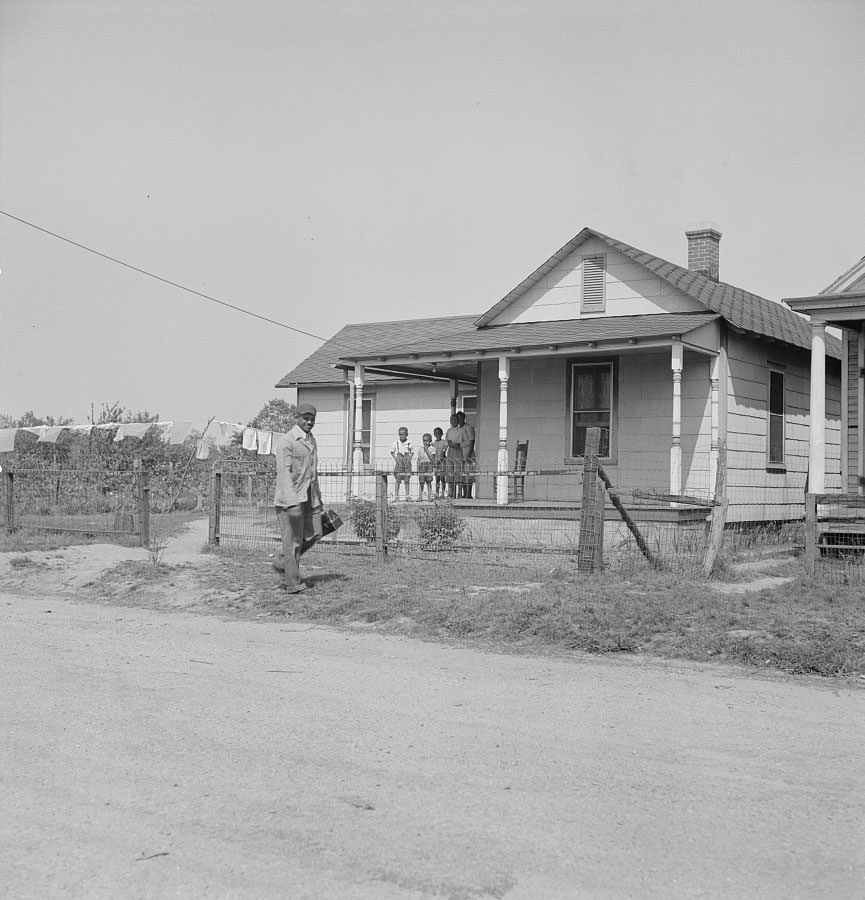
By 1942, the workforce at the Newport News shipyard continued to grow. Workers arrived from rural areas, living at home and commuting to the yard each day with their lunch boxes. Their families — children heading to school, spouses managing rural households — supported the operation from the background, largely unseen in official accounts of wartime production.

Shipyard workers leaving their work, 1942
Shipyard worker's children on their way to school, 1942
Shipyard worker’s children on their way to school, 1942
Shipyard worker shown at his rural home with four of his children, 1942
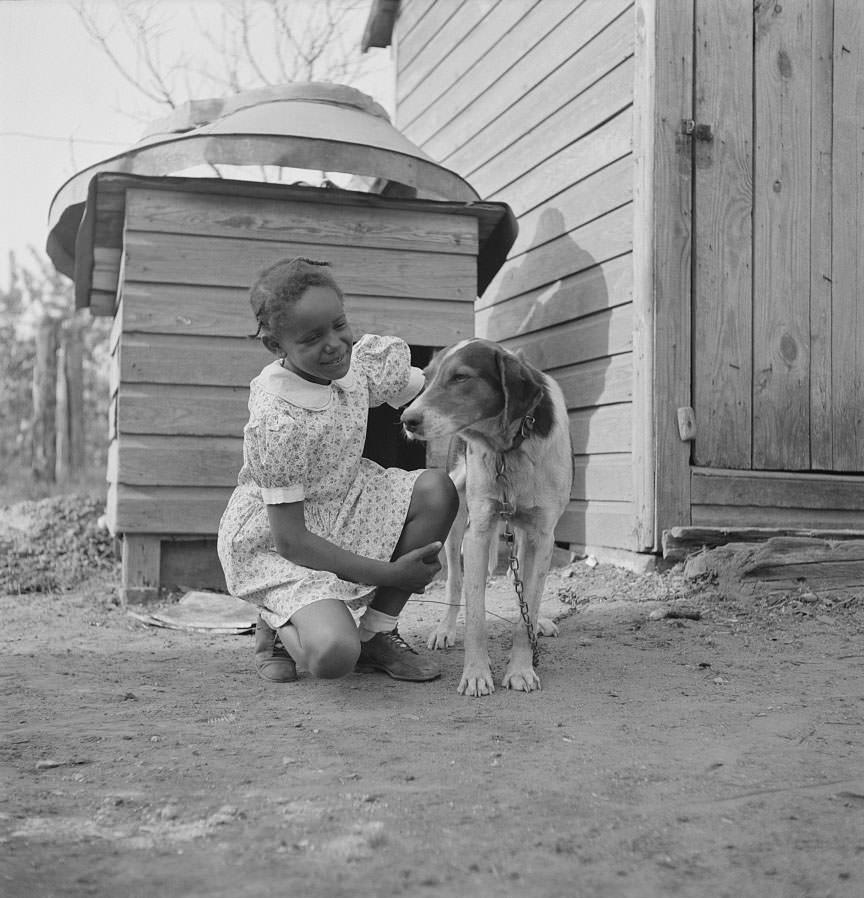
Shipyard worker's daughter, 1942
Shipyard worker’s daughter, 1942
Shipyard worker leaving his rural home for the shipyards with his lunch box, 1942
Shipyard worker at his rural home, 1942
Shipyard worker leaving his rural home for the shipyards with his lunch box, 1942

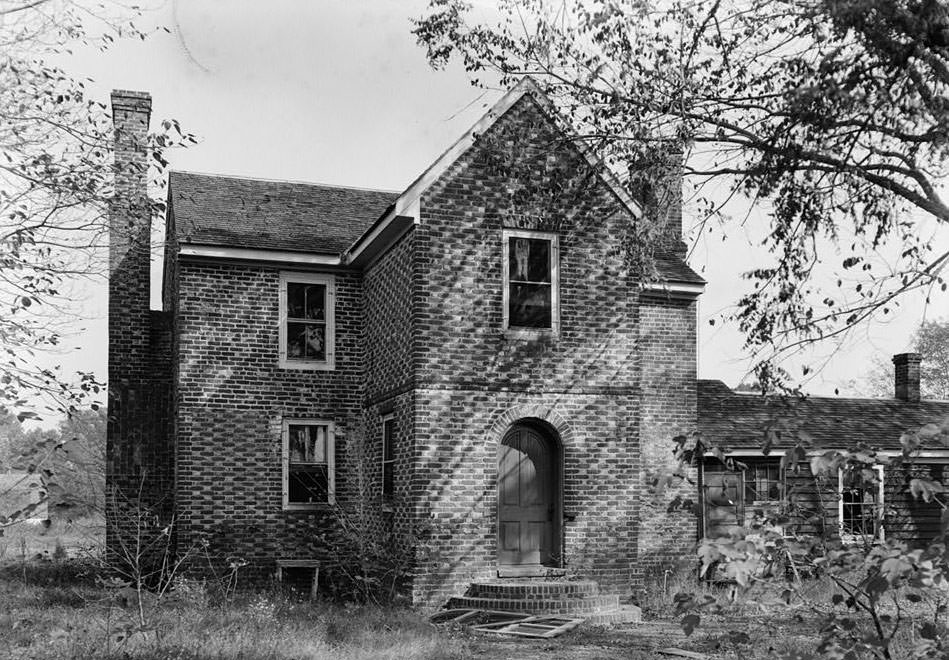
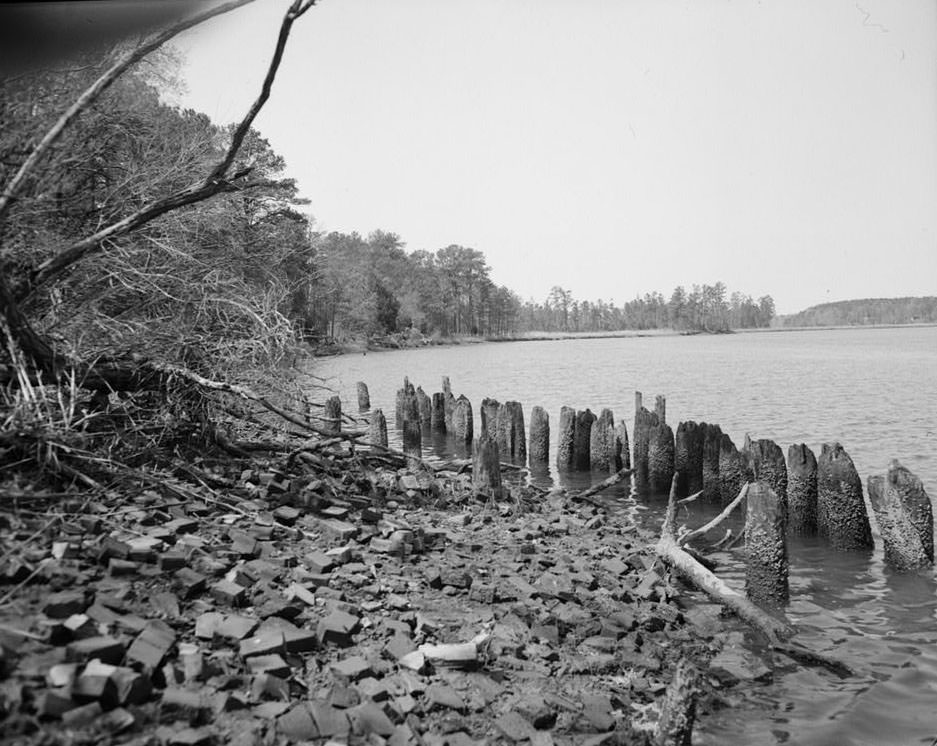
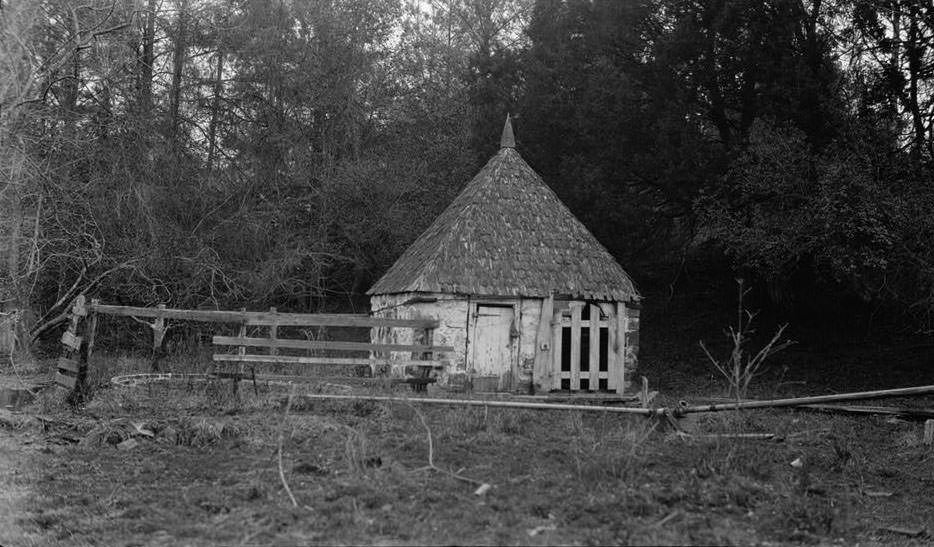
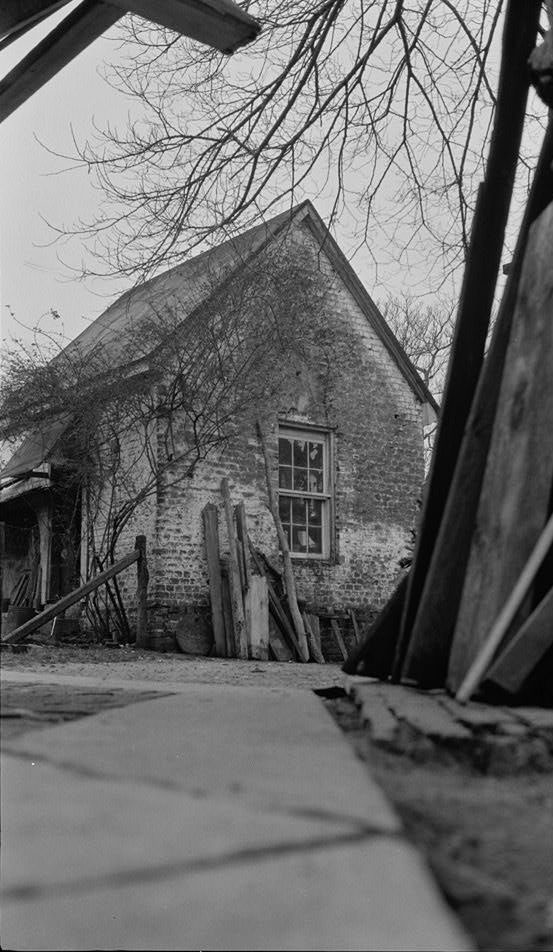
The two largest troop processing camps in the Newport News area handled an extraordinary volume of soldiers during the war. Camp Stuart, situated between Small Boat Harbor and Salter’s Creek, was the largest troop clearinghouse in the entire United States, processing 115,000 soldiers over the course of the war. Camp Hill, positioned along the James River, processed 67,887 men and also served as the port’s animal embarkation area. The camp was built to handle 10,000 animals at a time, with 900 men managing 33,704 horses and 24,474 mules for overseas transport. Newport News citizens opened their homes to the servicemen passing through, absorbing part of the massive human flow that the city’s official infrastructure could not fully contain. The area around Newport News also held pieces of a much older history. Sites like the Matthew Jones House, the Davis & Kimpton Brickyard on the west bank of the Warwick River, and the historic structures of Denbigh Plantation — including its spring house and milk house — still stood in 1943, quiet reminders of the region’s past even as the world around them changed completely.

Matthew Jones House, Newport News, 1943
Davis & Kimpton Brickyard, West bank of Warwick River,1943
Denbigh Plantation, Spring House, Lukas Creek Road, Newport News, 1943
Denbigh Plantation, Milk House, Lukas Creek Road, Newport News, 1943
Enjoyed this post? Get new ones in your inbox.

Leave a Comment

Your email address will not be published. Required fields are marked *

Share this Post 🥺

Please take a moment to share this content. Your support is greatly appreciated! 🙌🙏

Share this Post 🥺

Please take a moment to share this content. Your support is greatly appreciated! 🙌🙏
Scroll to Top
 
Hey Friend, Before You Go.. Please like & follow for more interesting content