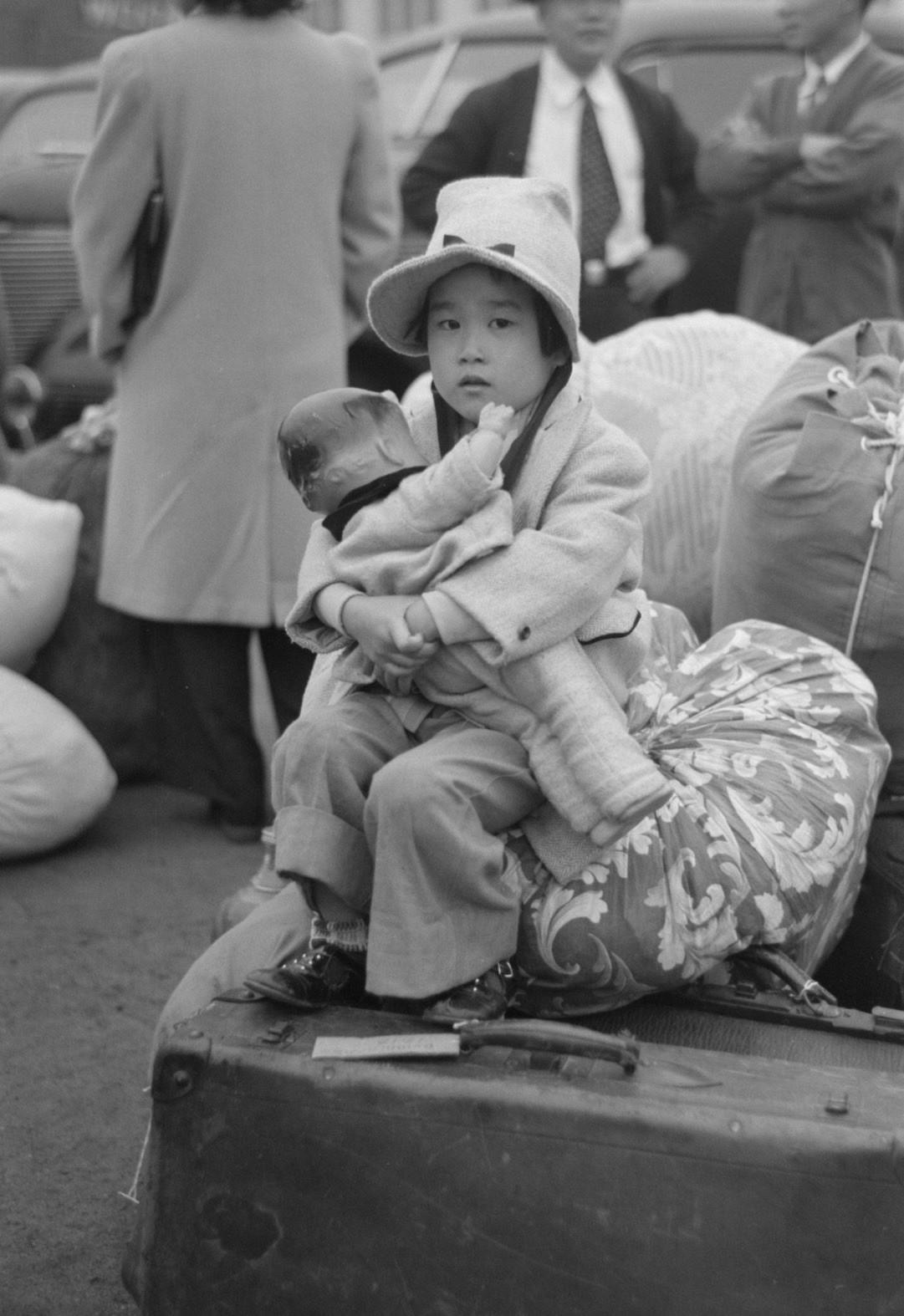
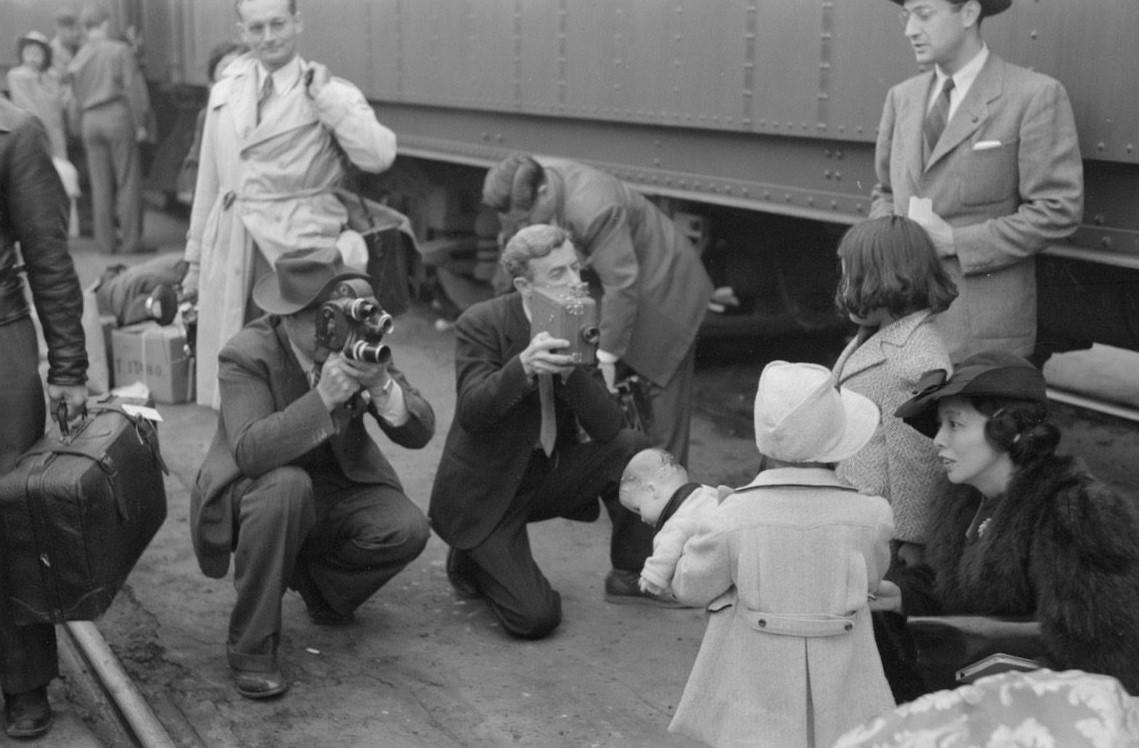
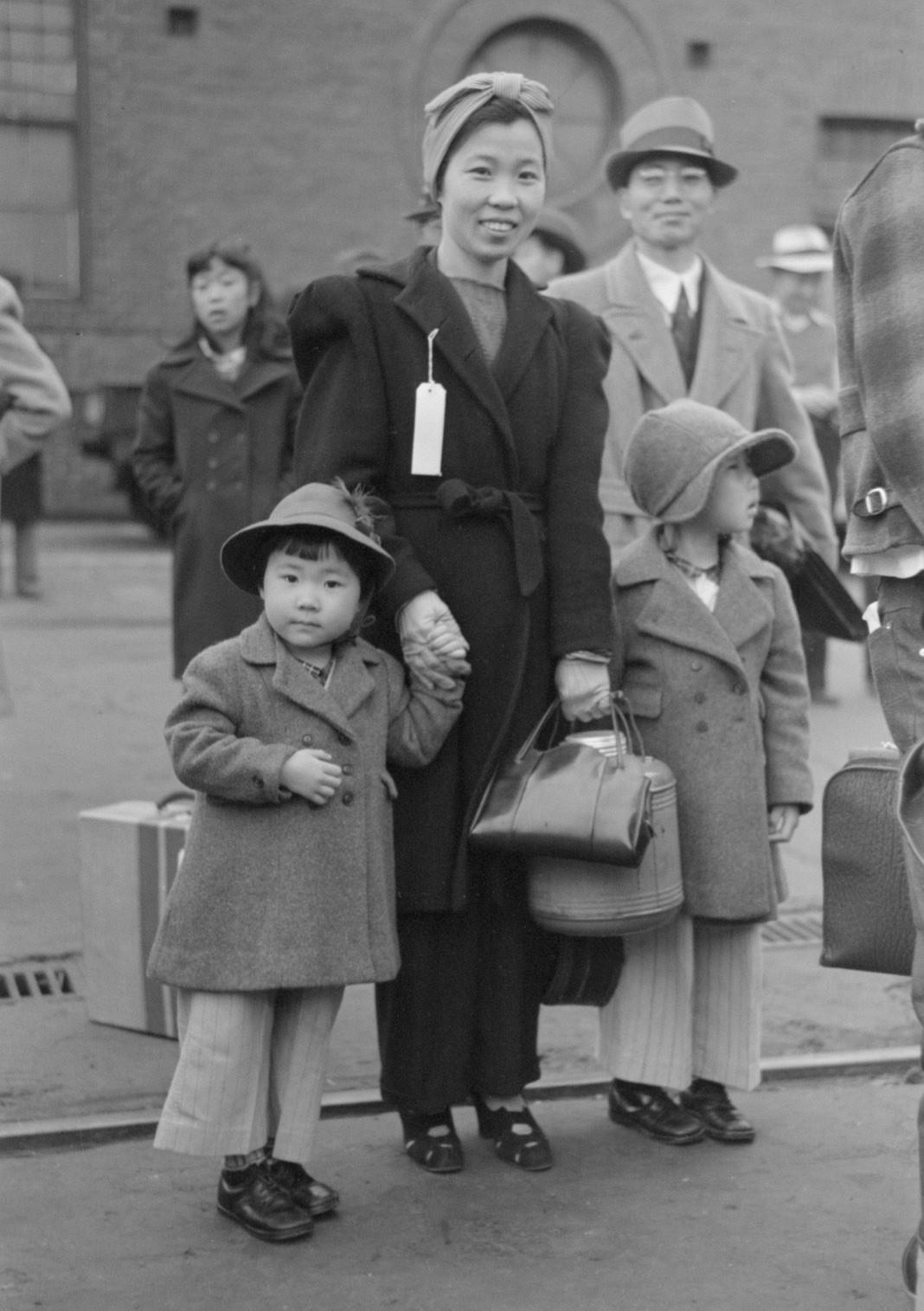
On December 7, 1941, Japan attacked Pearl Harbor. Within months, that single event upended the lives of more than 120,000 Japanese Americans living on the West Coast. Fear and suspicion spread fast across the country, and Japanese Americans bore the full weight of it. They lost jobs, faced physical attacks, and watched their achievements be dismissed overnight.
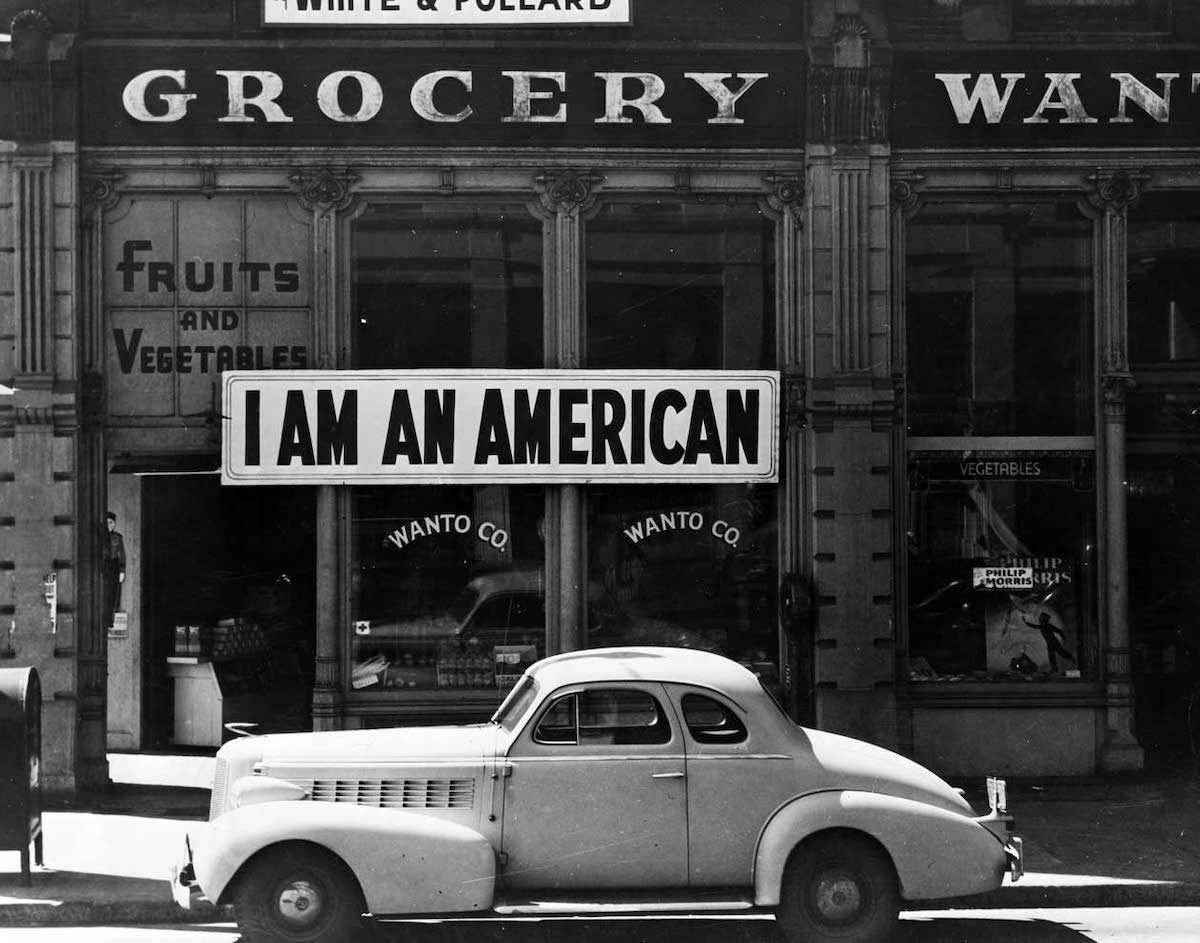
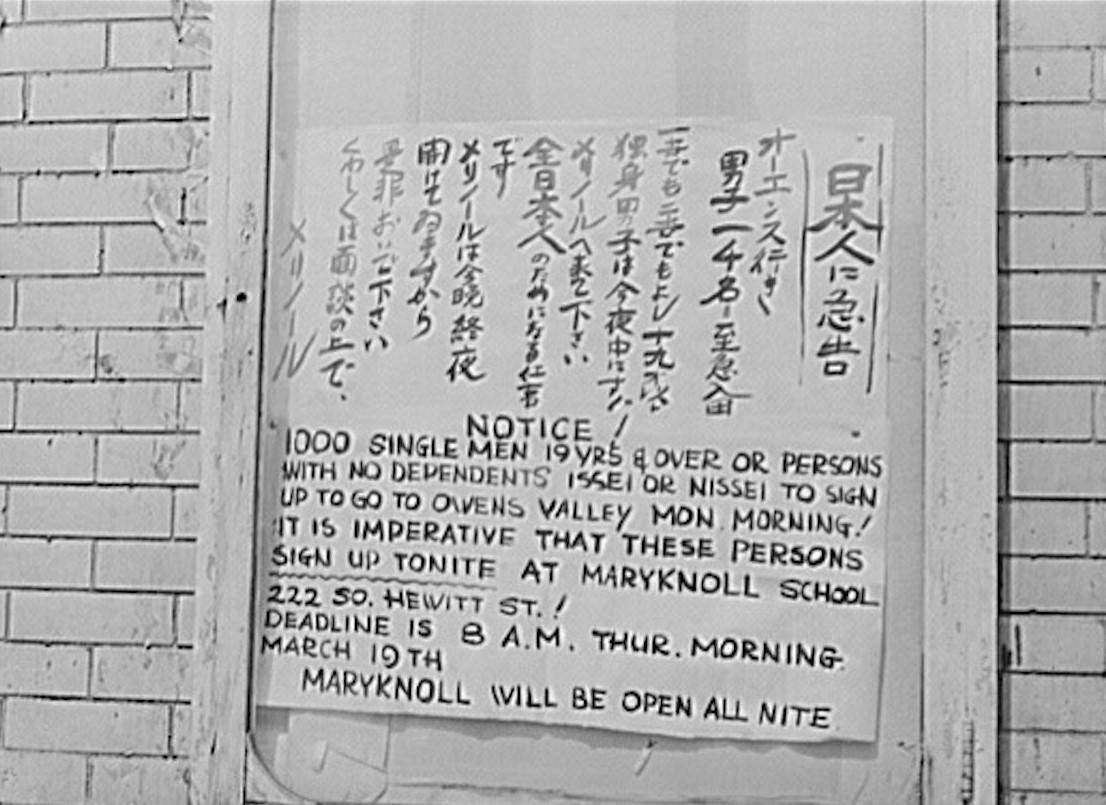
On February 19, 1942, President Franklin D. Roosevelt signed Executive Order 9066. It authorized the removal of any person from designated military zones. California, along with large parts of Washington and Oregon, was immediately declared a military area. General John L. DeWitt, head of the Western Defense Command, enforced the order by issuing a curfew on all Japanese Americans along the West Coast. No evidence of disloyalty was required — suspicion alone was enough.
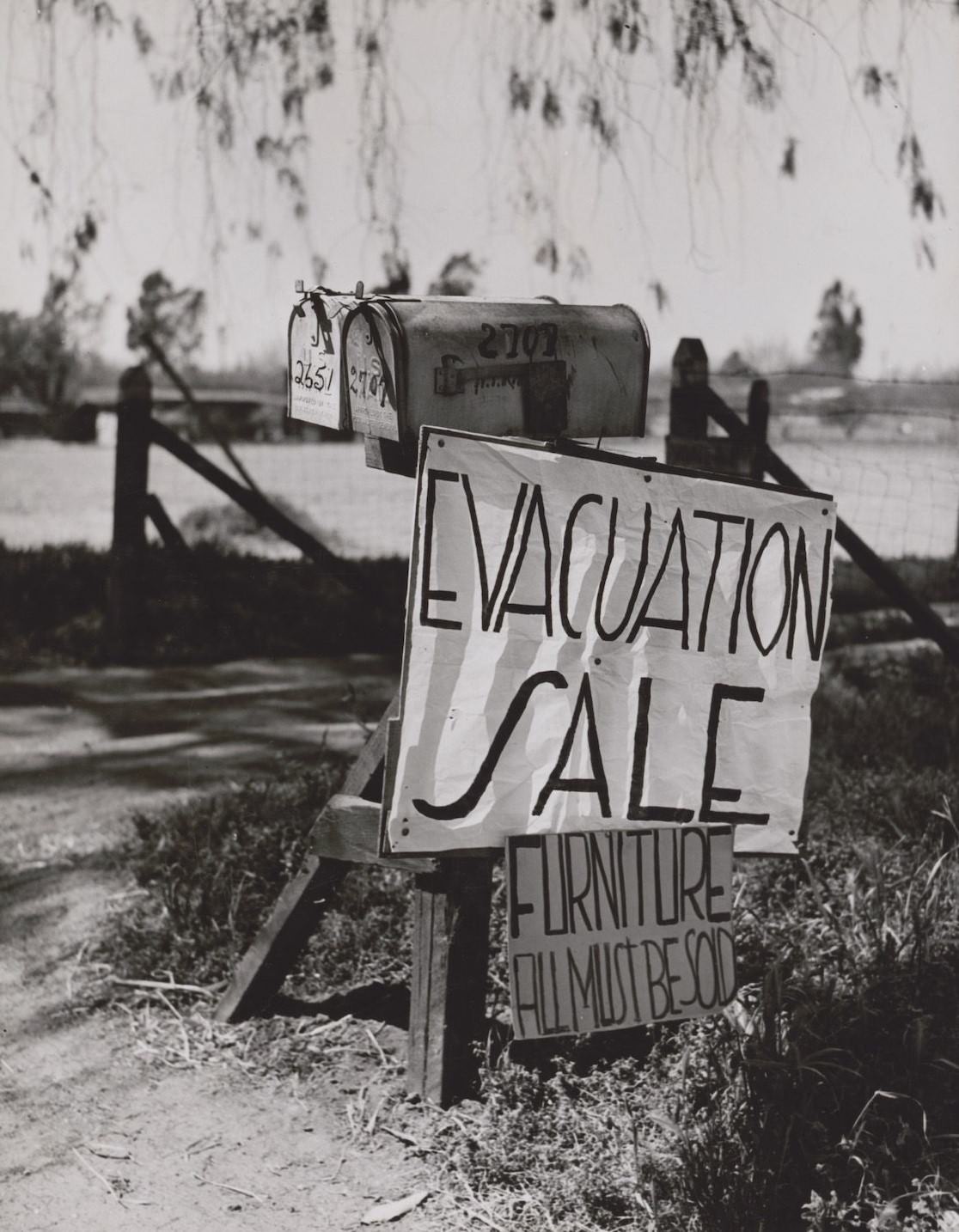
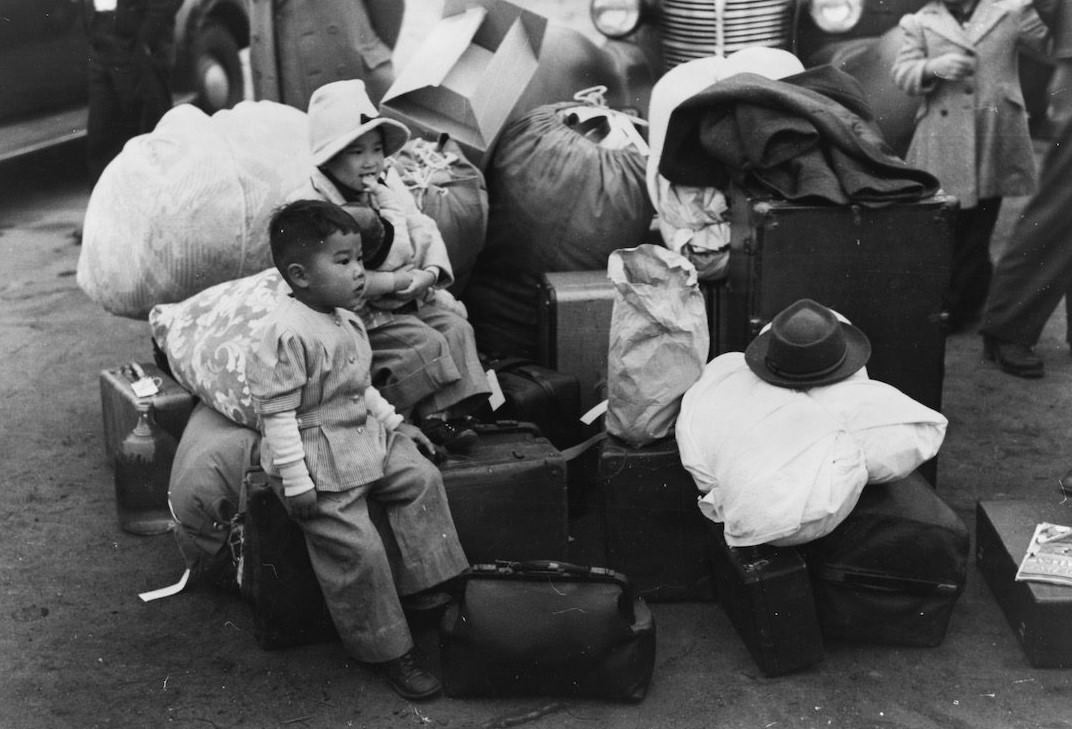
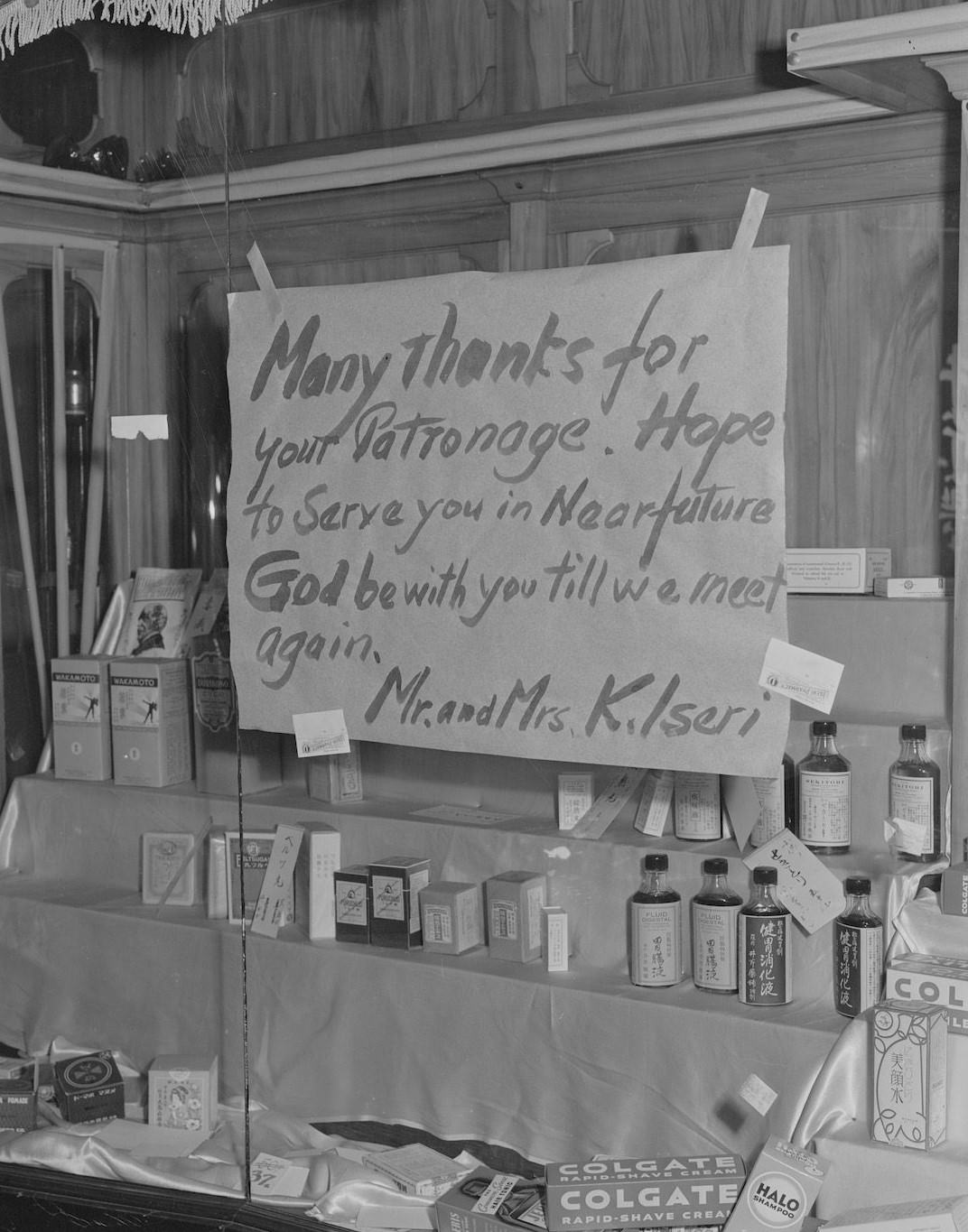
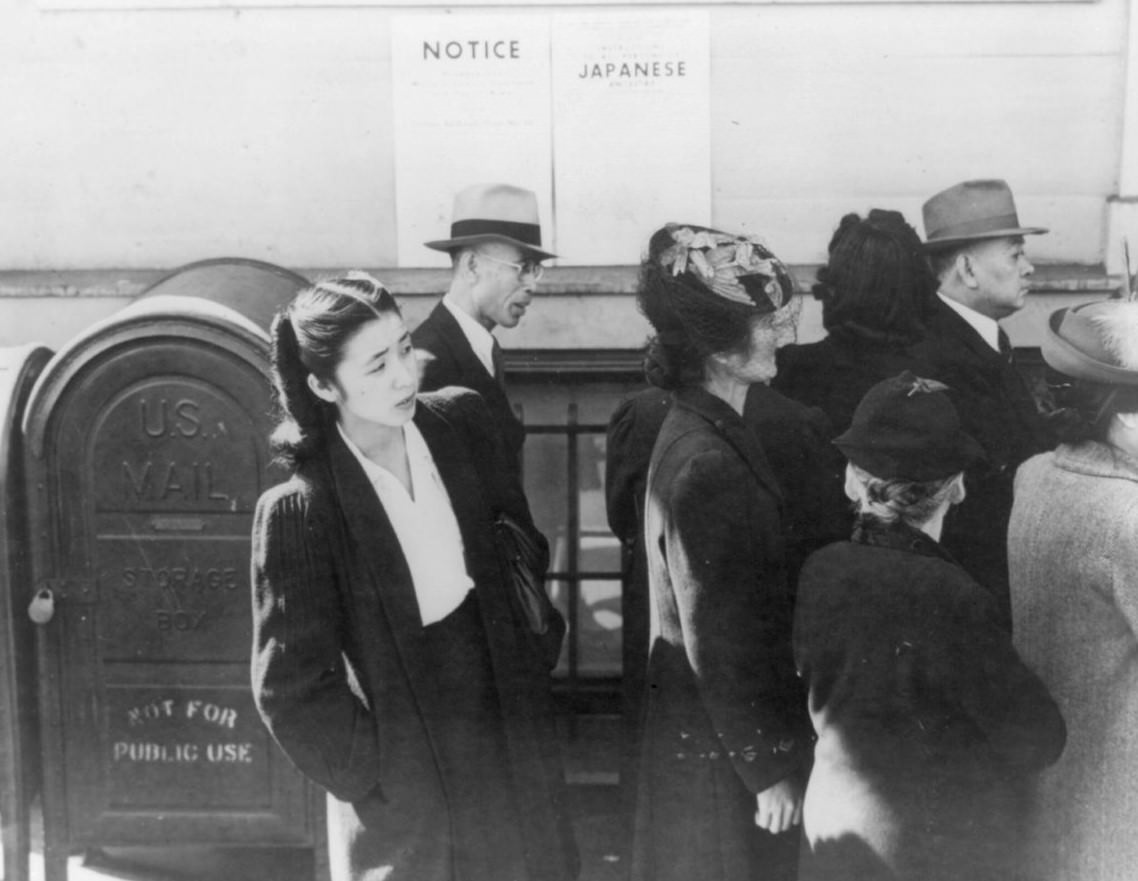
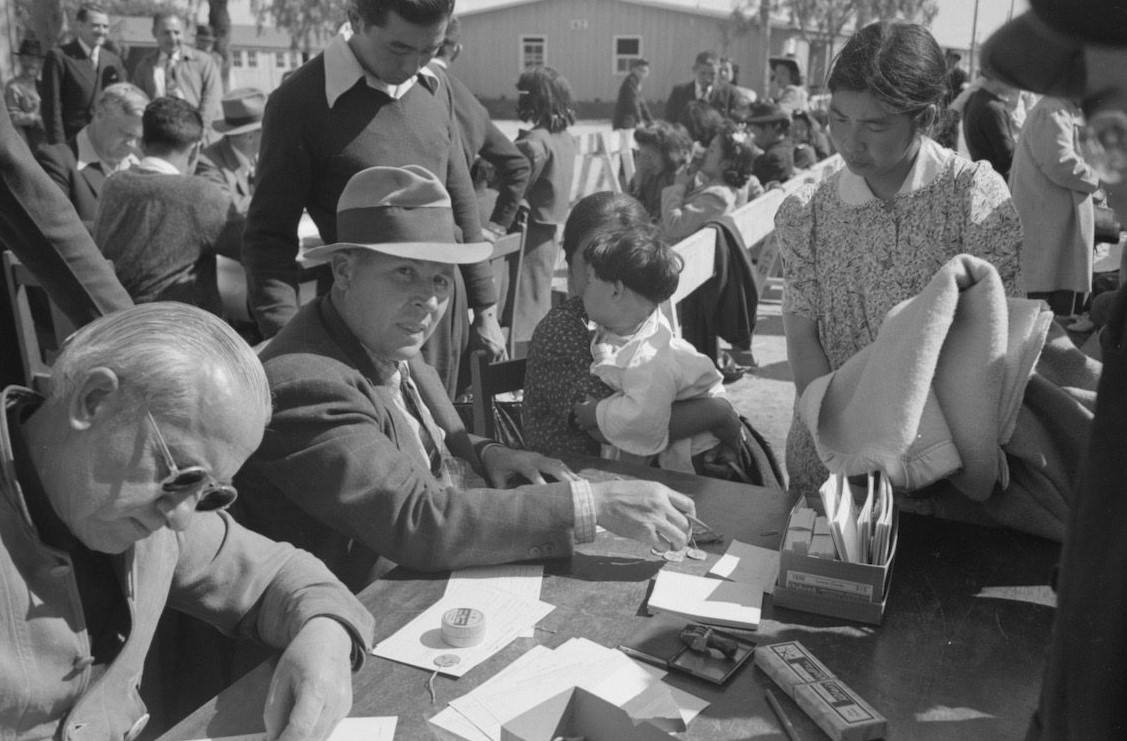
Japanese Americans were ordered to register with the government. They received identification numbers and disease inoculations. Within days, families had to sell their homes, farms, businesses, and belongings at a fraction of their value. Many lost everything they had spent years building.
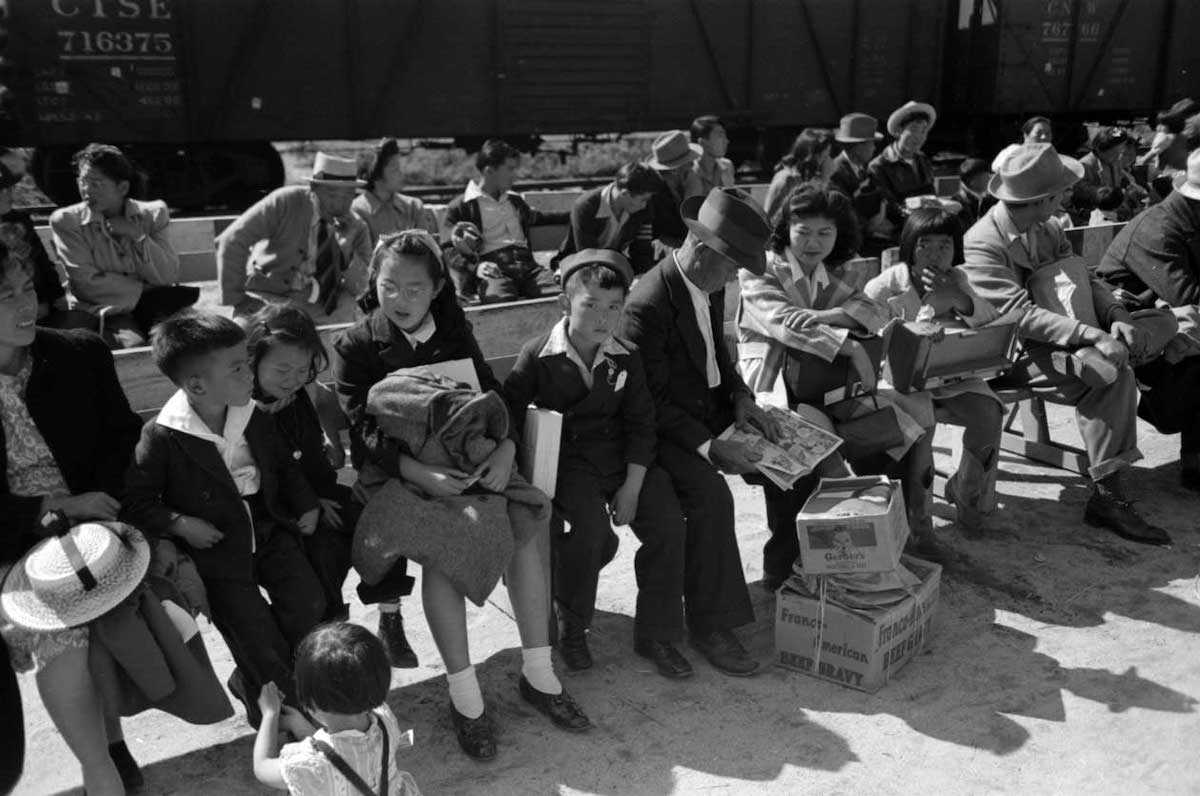
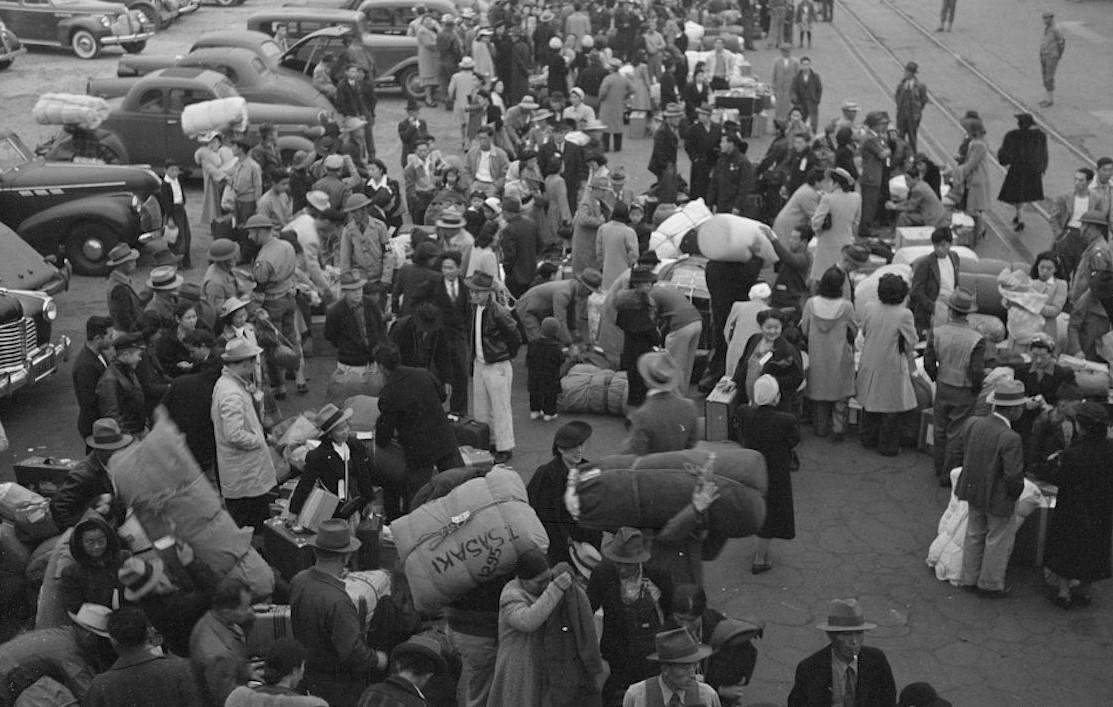
Evacuees first gathered at temporary holding sites like racetracks and fairgrounds, including the Santa Anita reception center in Los Angeles County. Families lived in tents and converted horse stables while they waited for assignments to permanent war relocation camps.
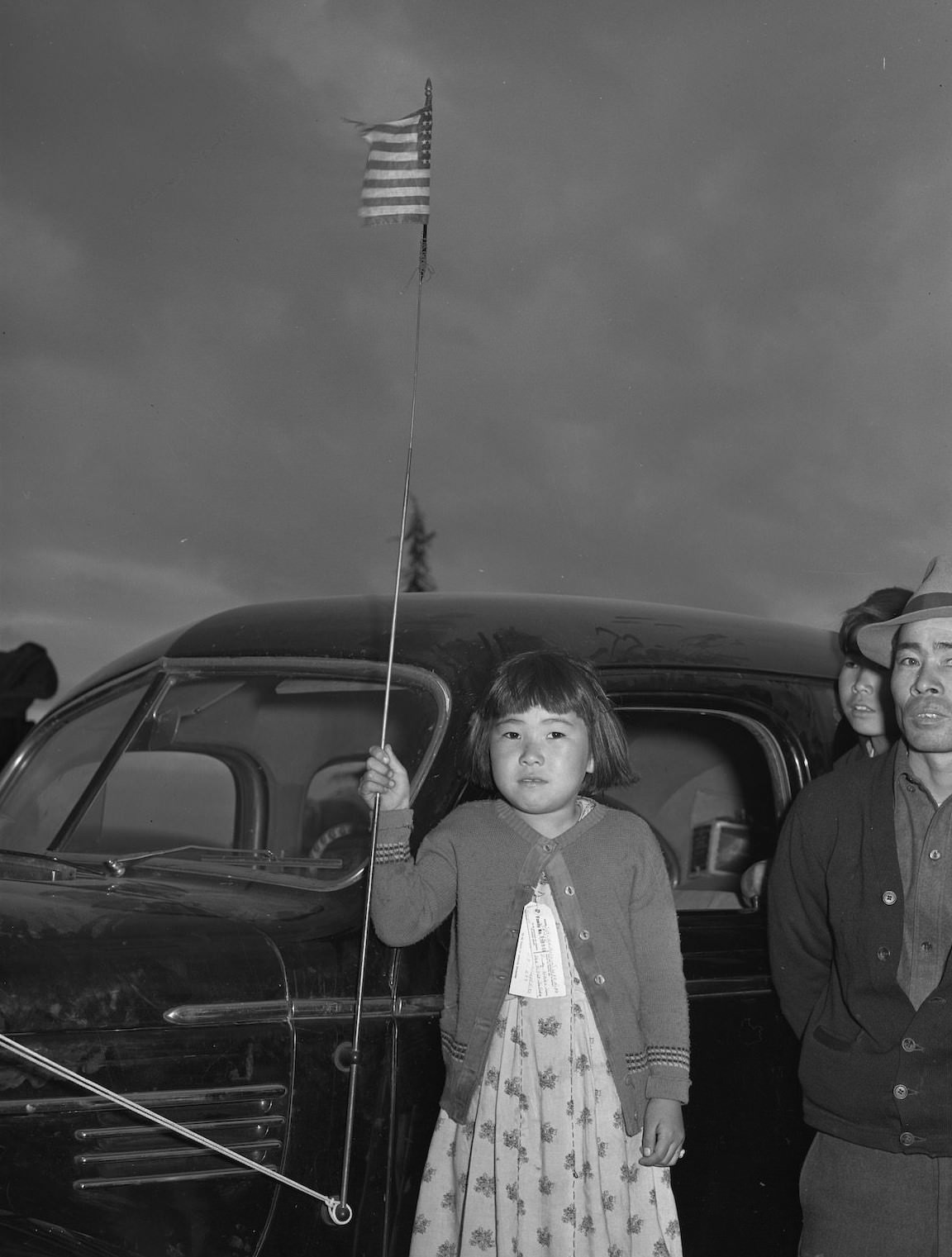
The relocation camps were built in remote, harsh locations. Barbed wire fenced the perimeters, and armed guards watched from towers. Entire families shared single rooms with little privacy. Despite these conditions, people organized schools, community centers, and newspapers to hold life together.
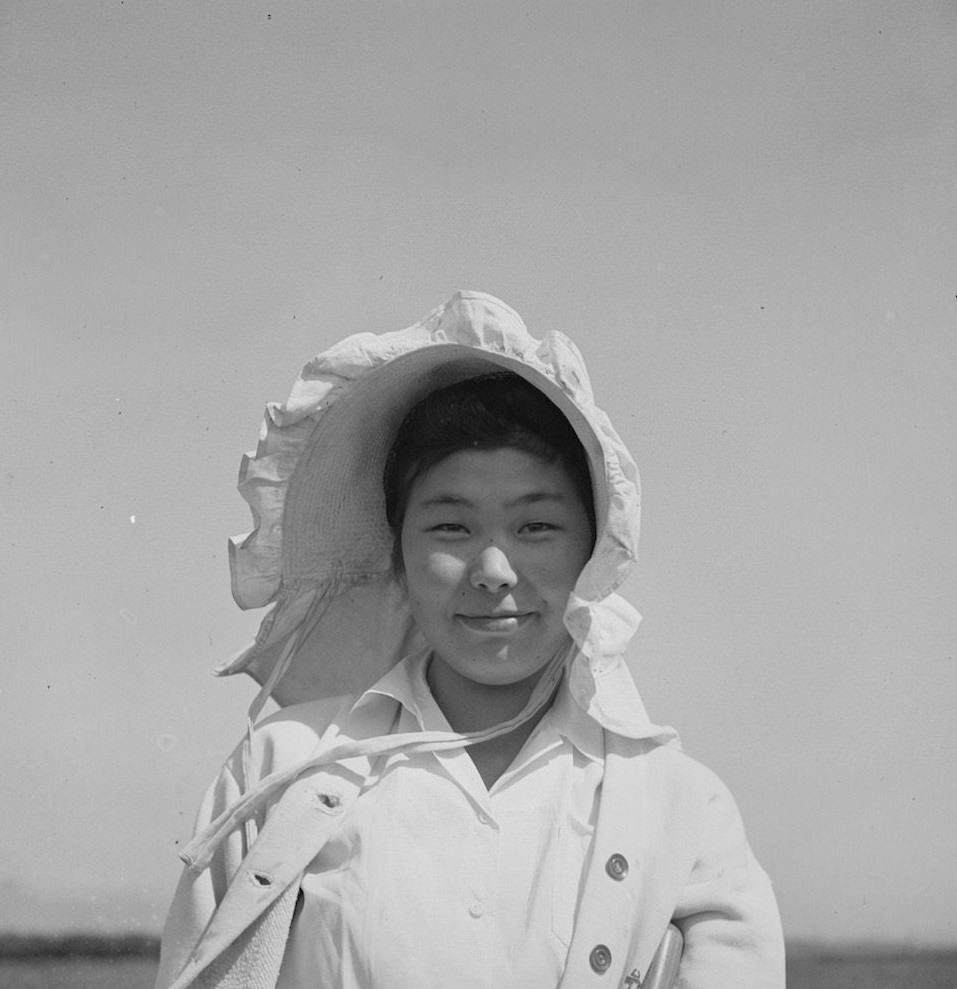
Families could take supervised trips to nearby towns like Nyssa, Oregon, to purchase supplies. Many ordered clothing and household goods through the Sears Roebuck mail-order catalog. Letters and communal pay phones were their main links to the outside world.
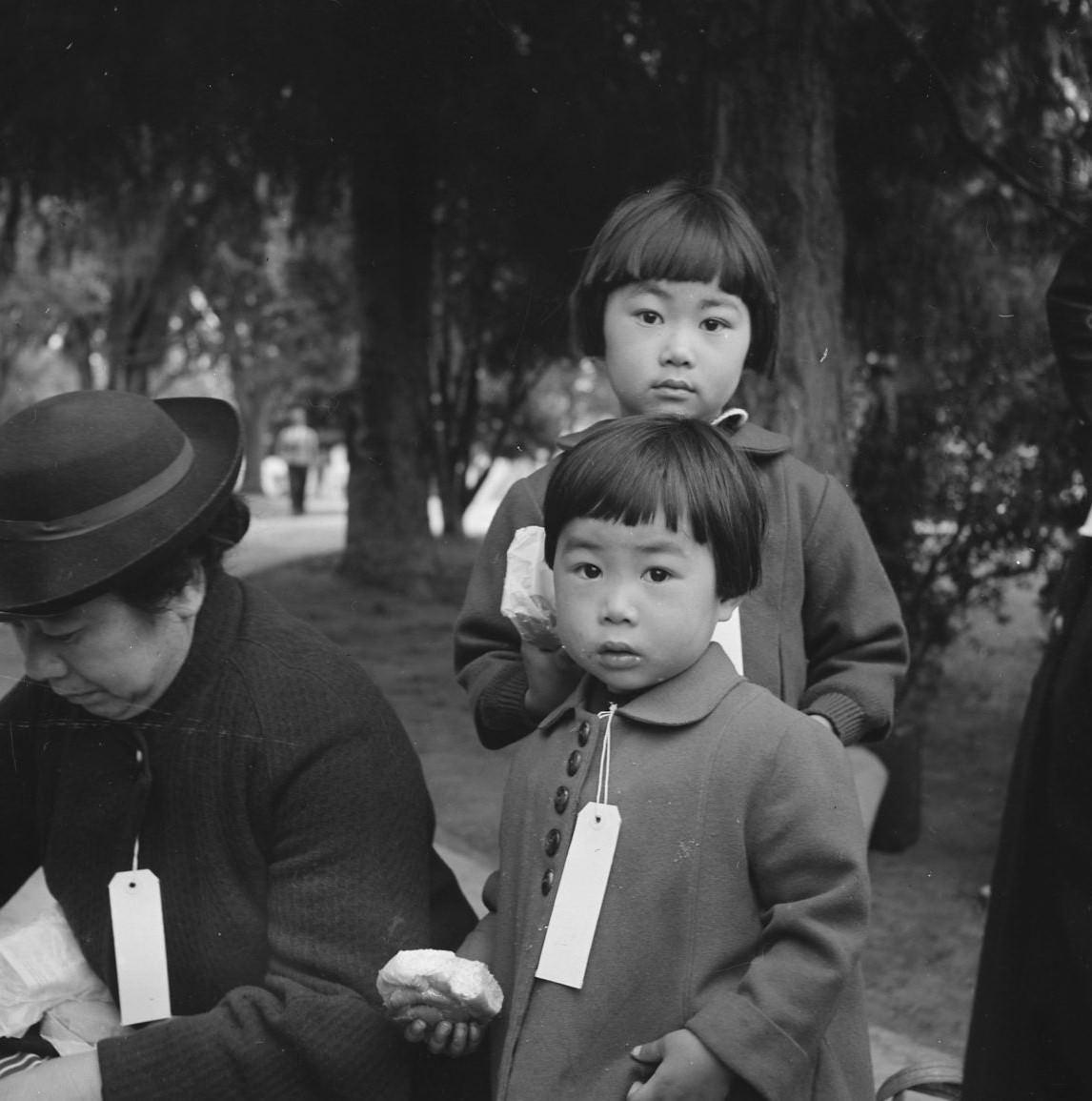
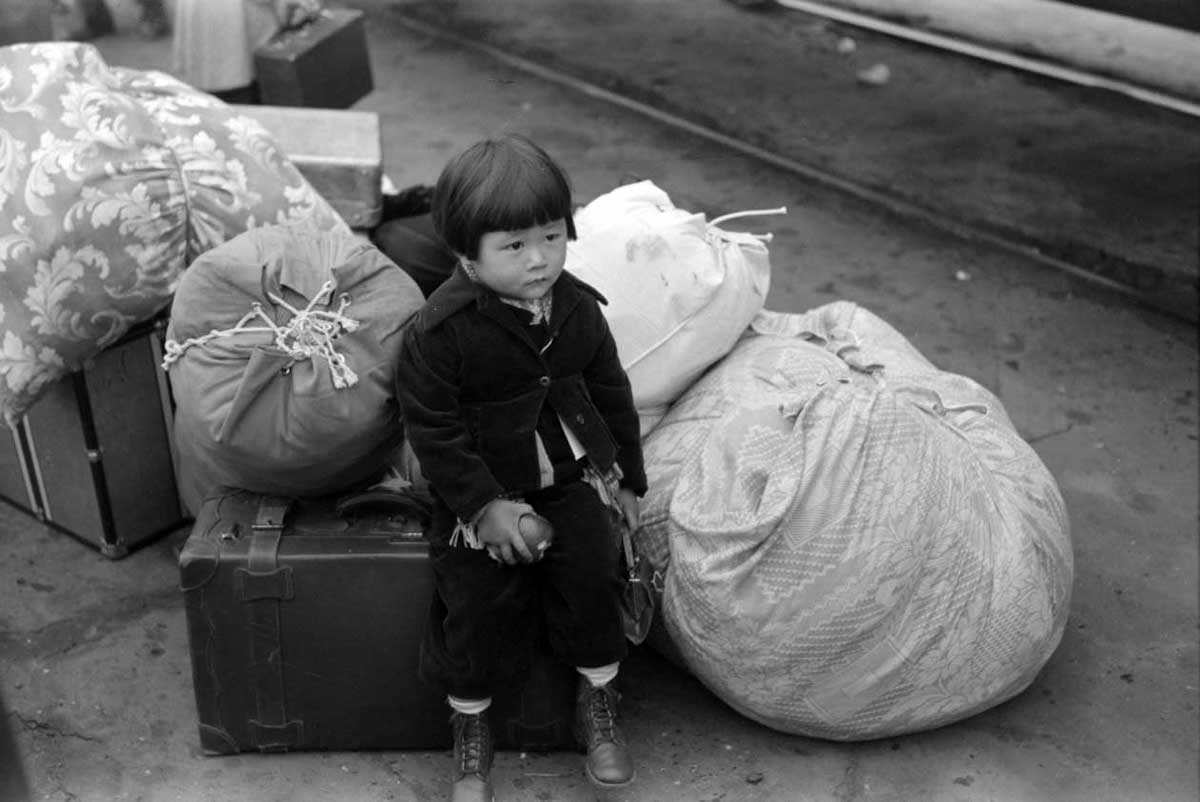
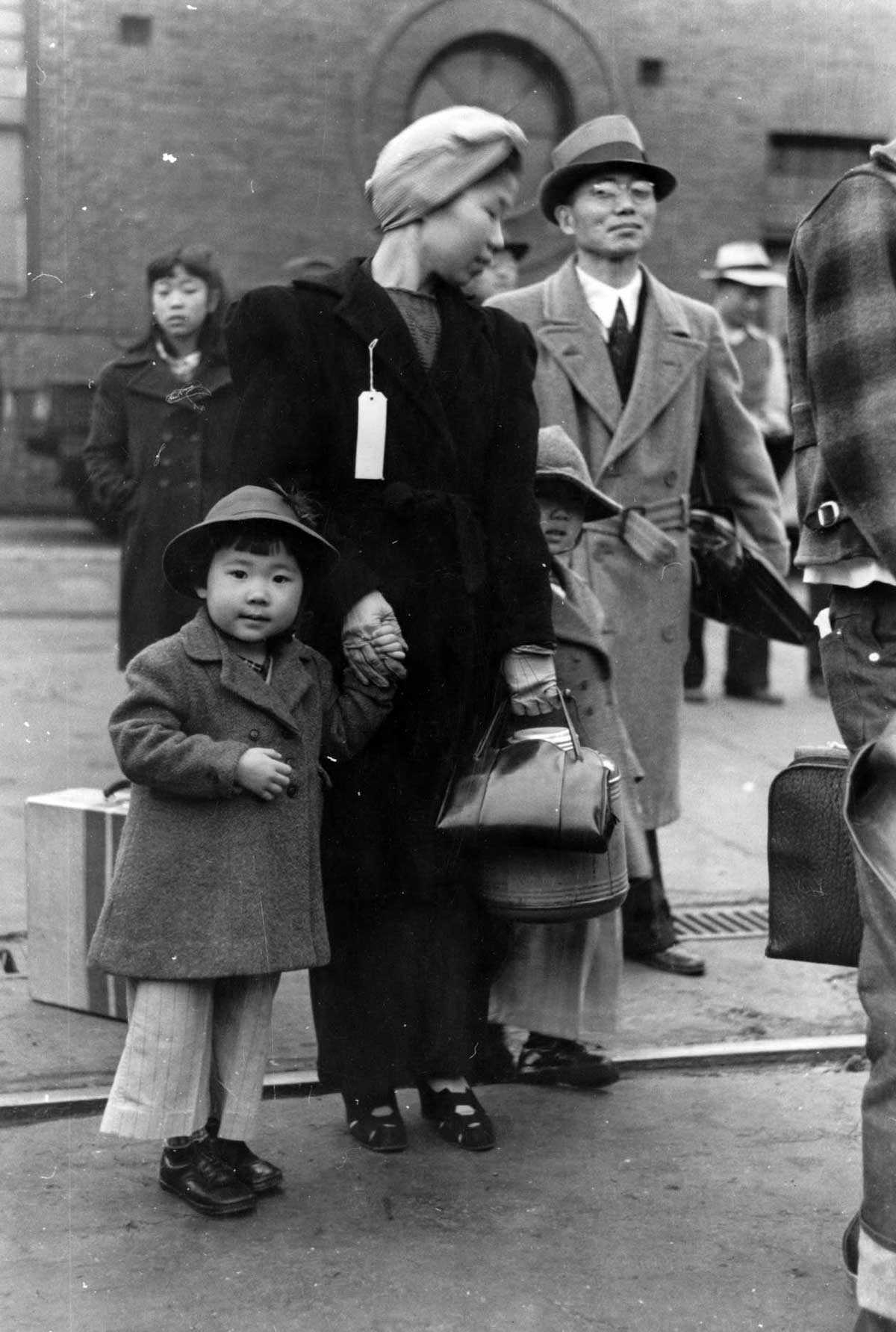
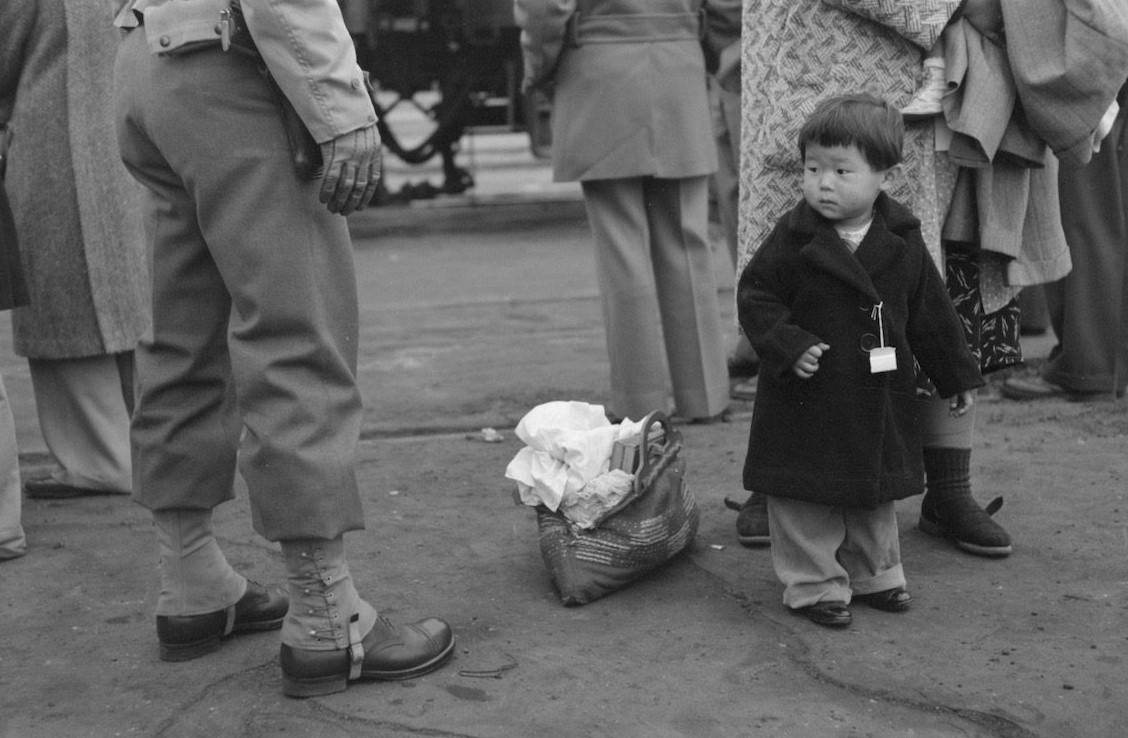
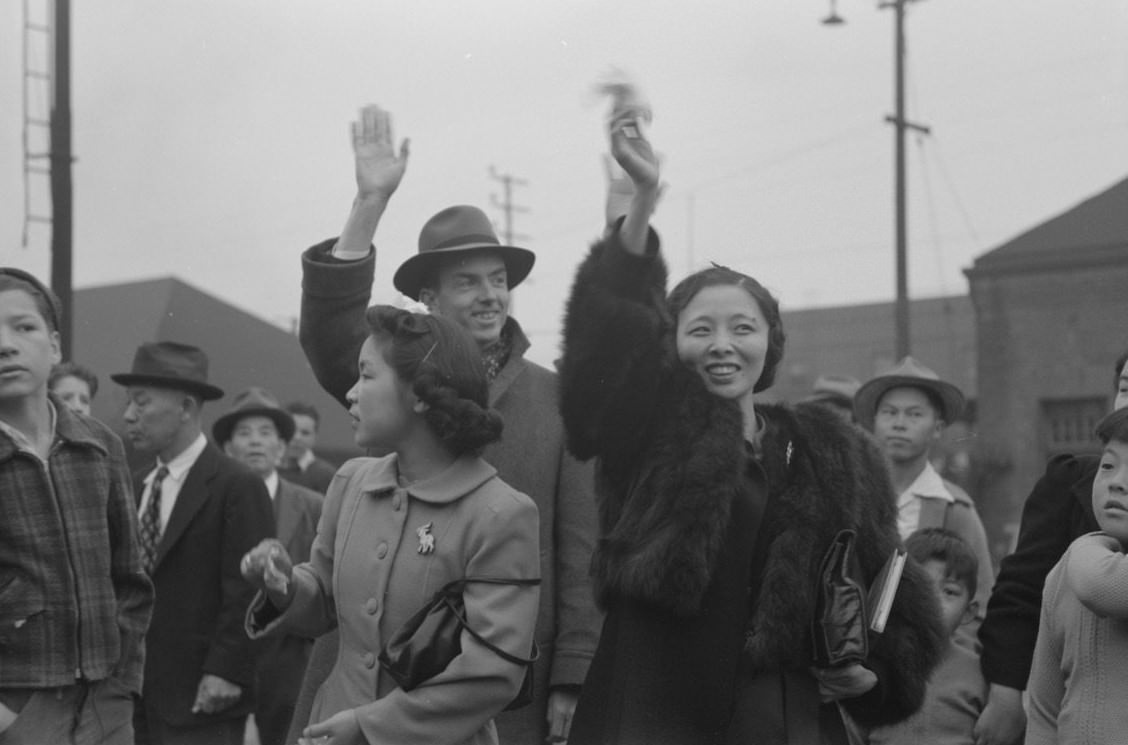
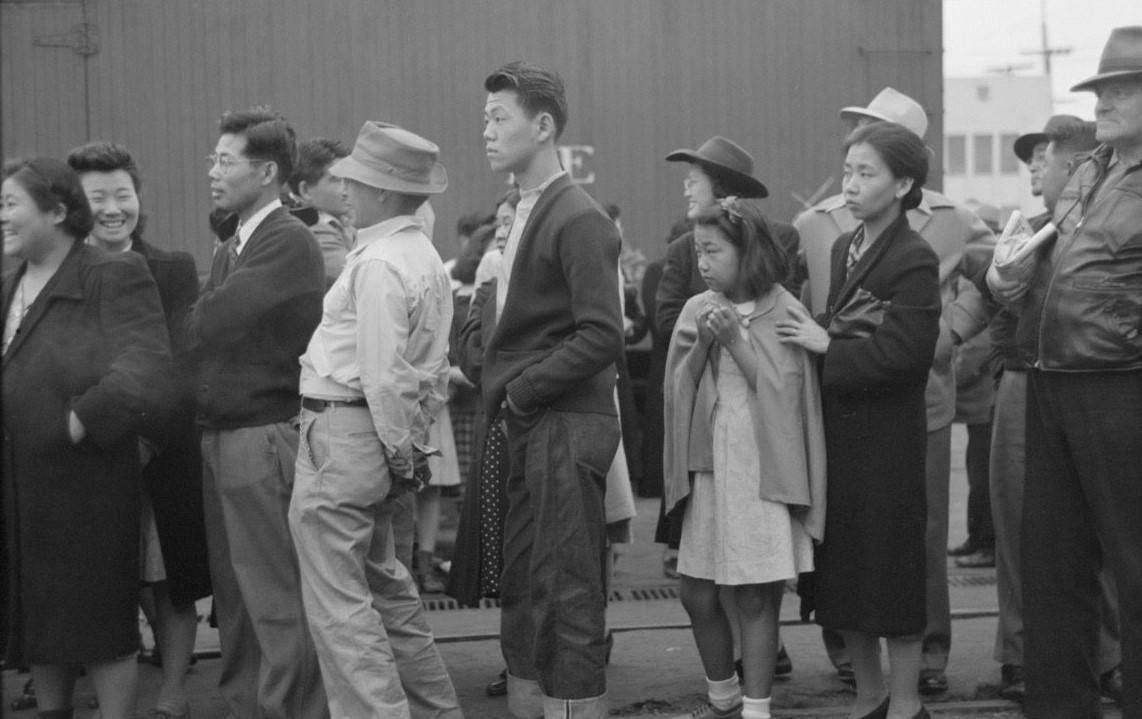
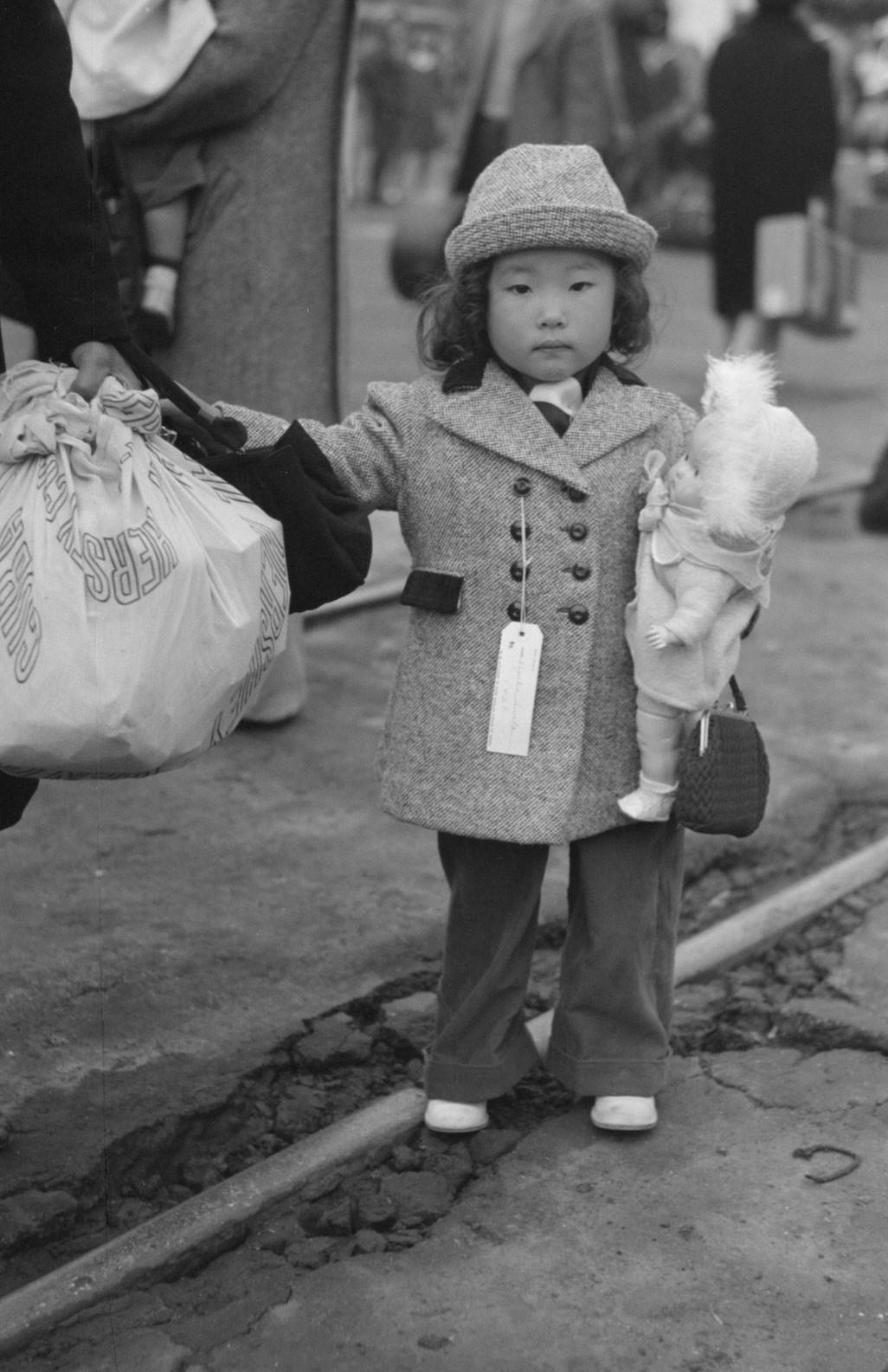
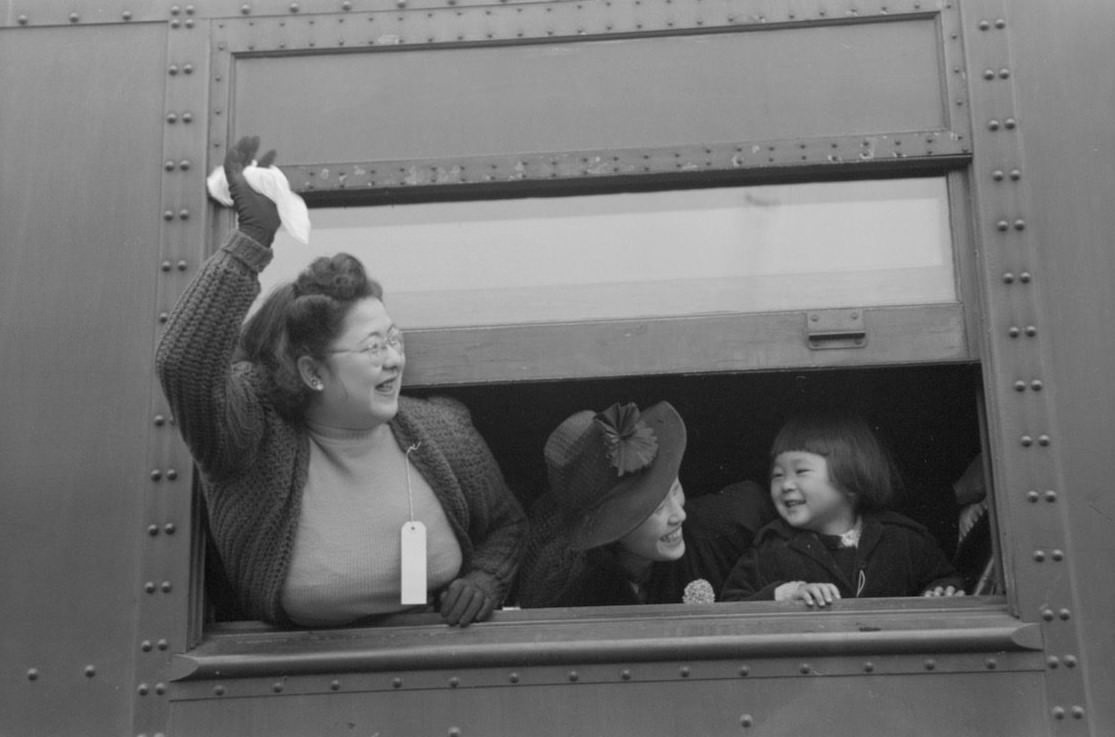
Many of those sent to Owens Valley and other camps were escorted to trains by U.S. Army personnel. Crowds gathered to watch friends and relatives depart, knowing the separation could last years.