Władysław Teodor Benda was a Polish-American painter, illustrator, and designer who built a remarkable career in the United States during the early twentieth century. His illustrations appeared in some of the most widely read publications of his day, including Collier’s, McCall’s, Ladies’ Home Journal, Good Housekeeping, and Theatre Magazine. Several publishers considered him their go-to artist because he was both reliable and exceptionally skilled. Over time, however, it was not his illustrations that defined his legacy — it was his masks.
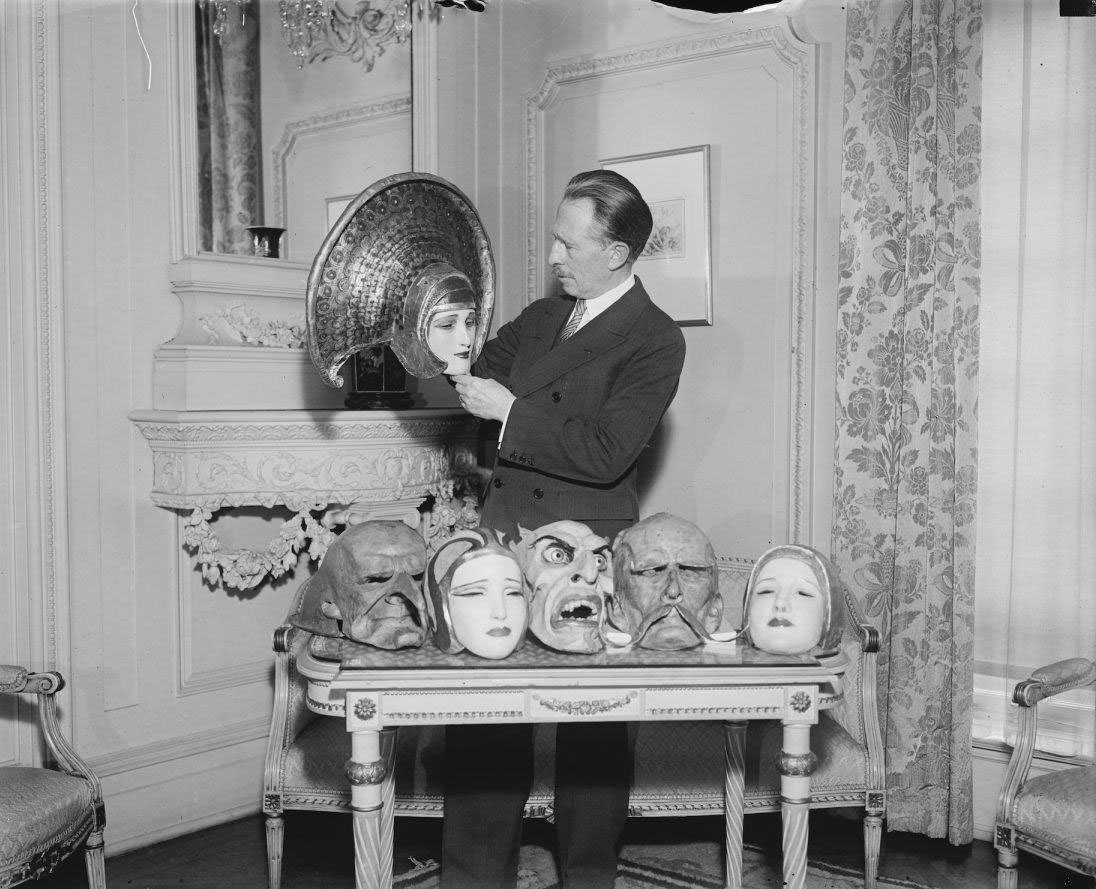
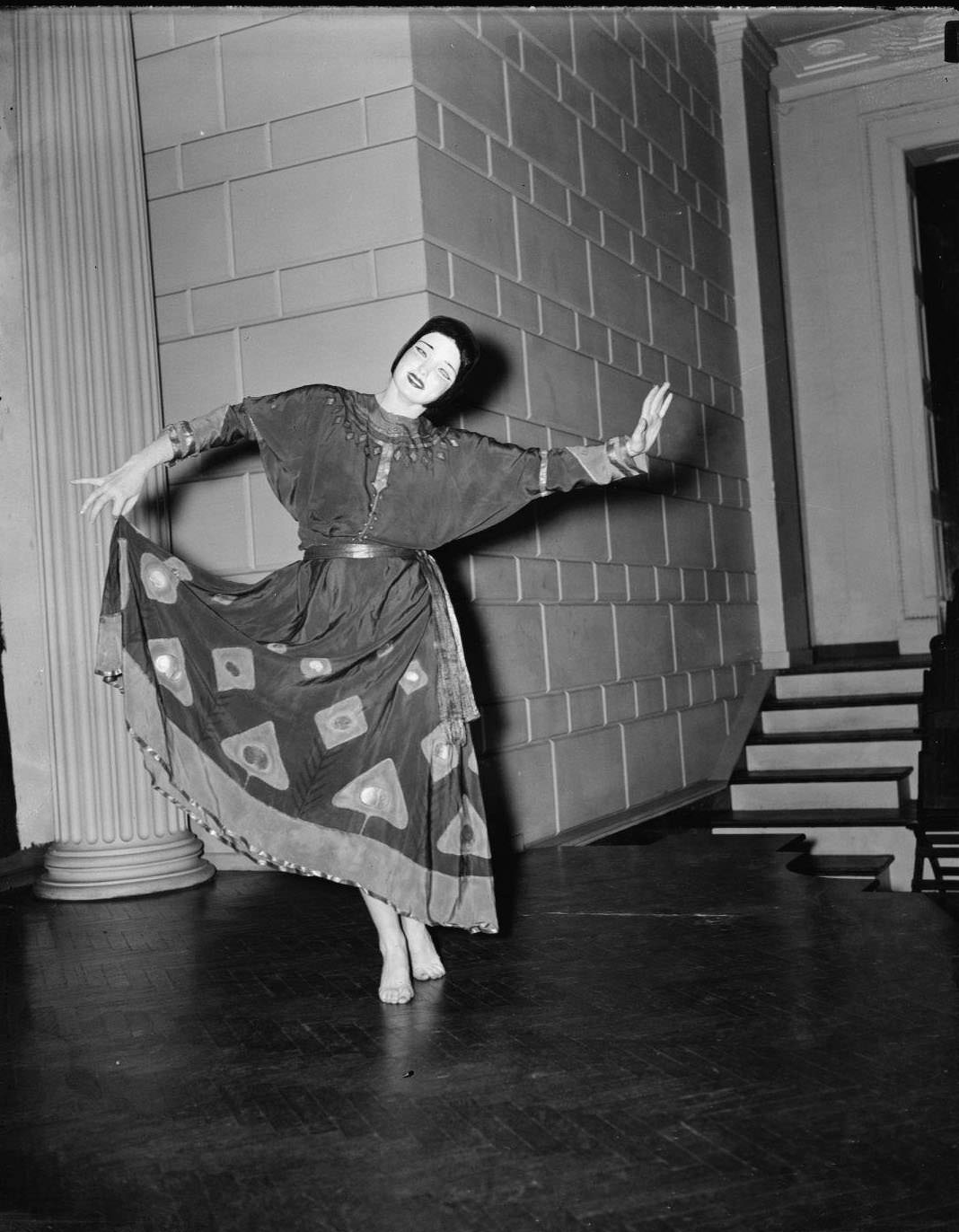
Benda began designing masks and costumes in 1914. He worked primarily with papier-mâché, shaping lifelike faces that appeared in his paintings, theatrical dances, and stage productions. At venues like the New York Coffee House, his masks were used in masques and miracle plays. He also created masks for major stage productions in both New York and London, crafting pieces for playwright Eugene O’Neill and composer and dramatist Noël Coward.
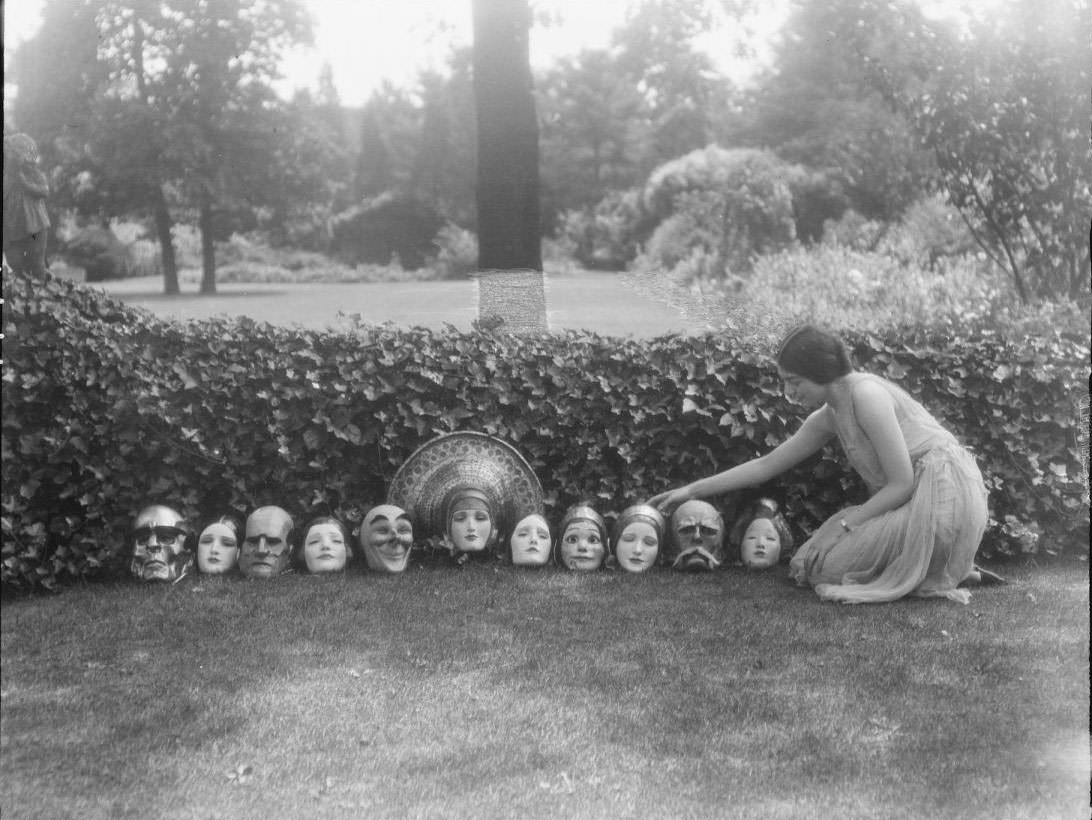
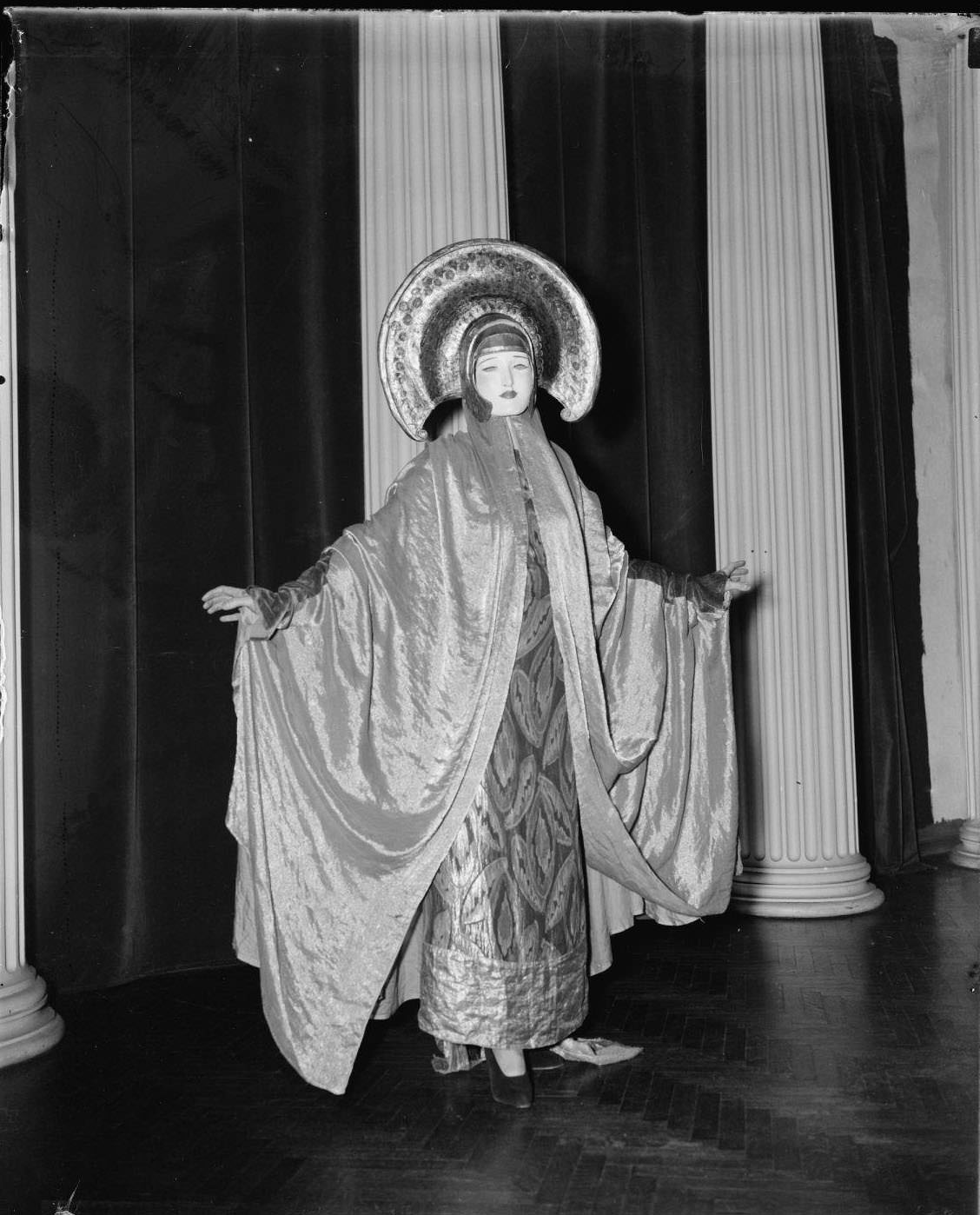
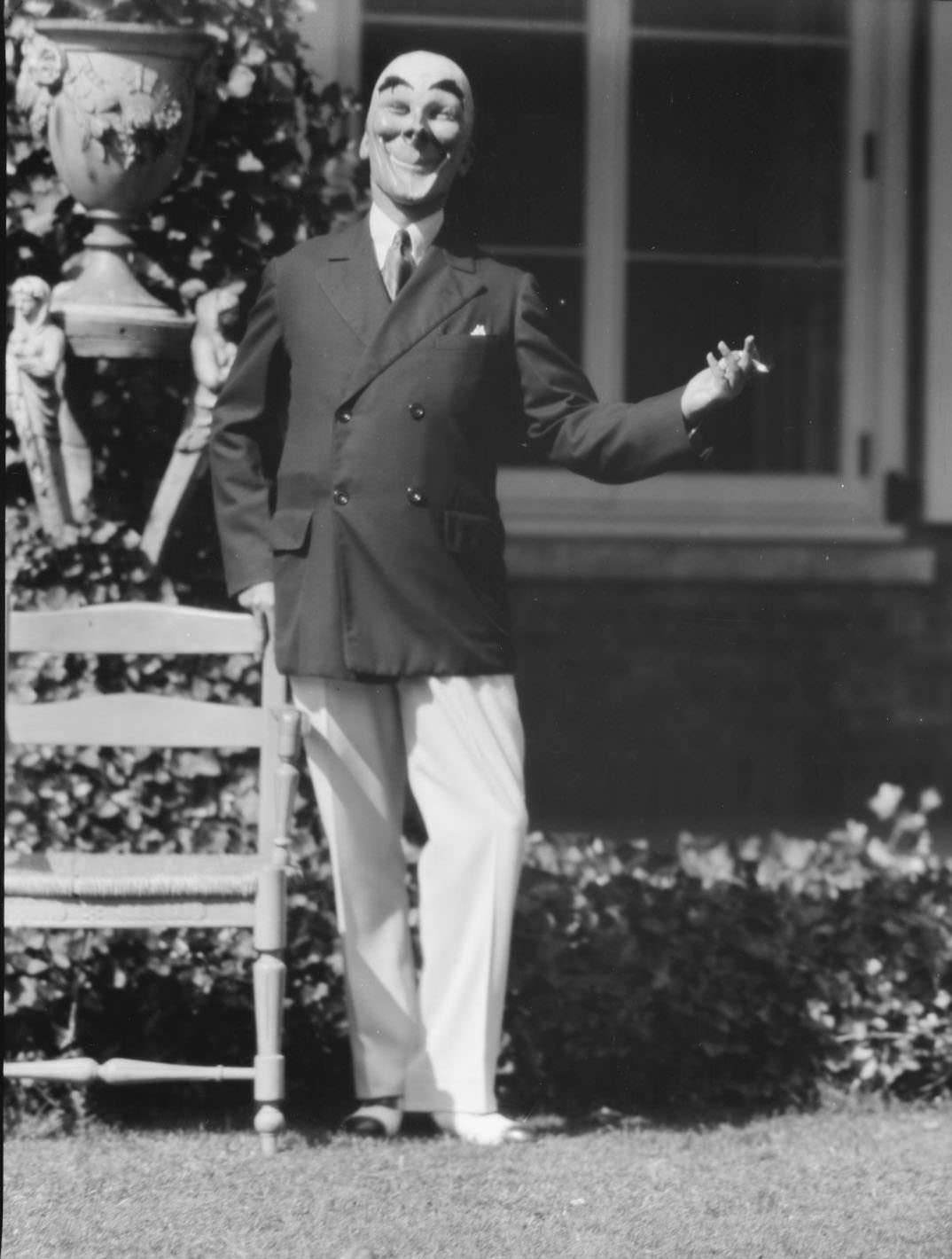
His work became so well known that the name “Benda” grew synonymous with any lifelike mask, whether or not it was actually one of his designs. That kind of cultural shorthand is rare — it put him in the same category as artists whose names become the thing itself. Alongside his realistic masks, Benda also produced what he called “grotesque” masks, which were more caricature-like in style, exaggerating features for dramatic or comedic effect.
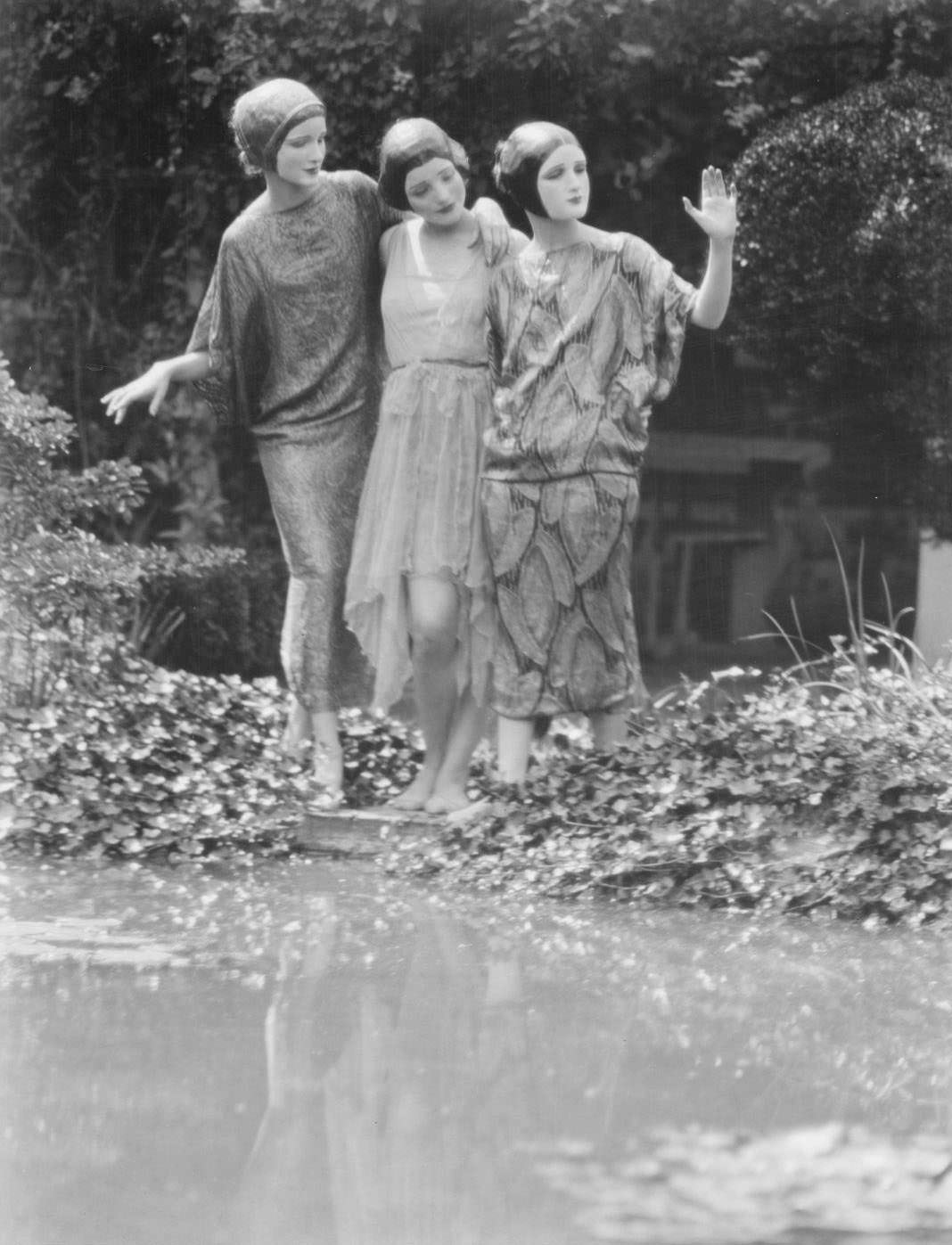
One of his most high-profile commissions came from the film world. Benda designed the mask for the 1932 movie The Mask of Fu Manchu. The story behind the film had already been familiar to Collier’s readers — the serial was published in the magazine from May 7, 1932, to July 23, 1932. The cover of that May 7 issue featured a striking portrait painted by Benda himself, tying his illustration work directly to his mask-making reputation.
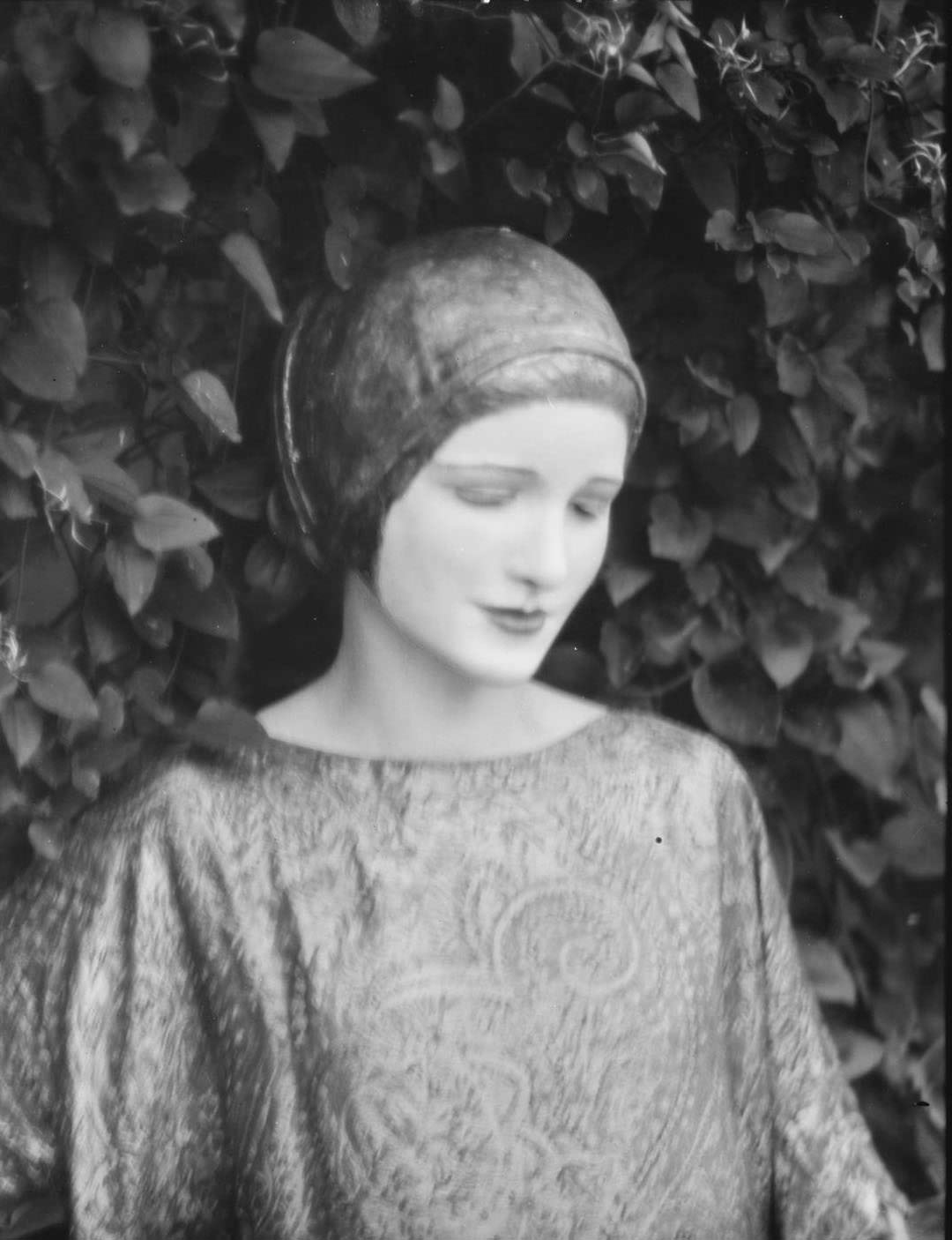
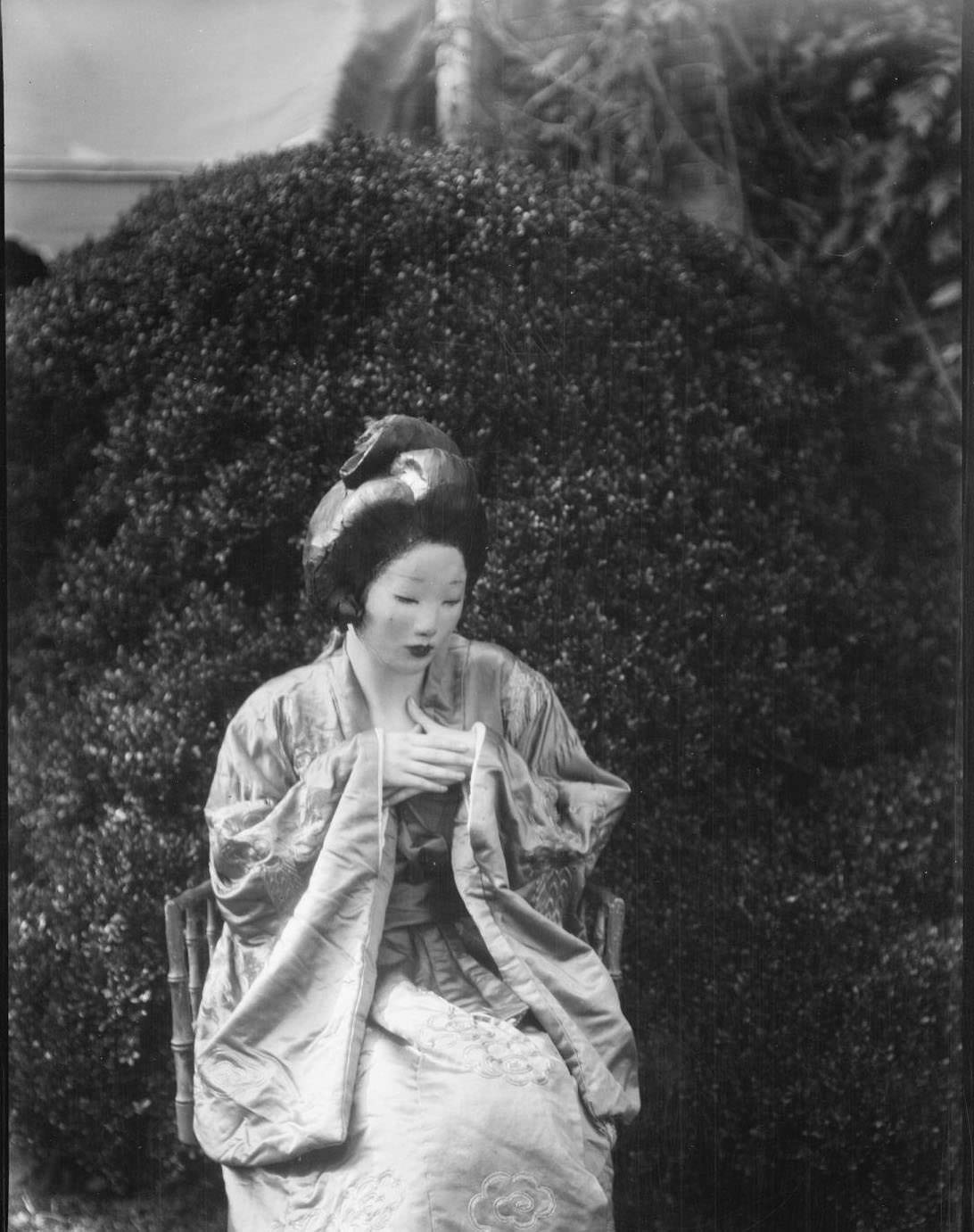
As his career progressed, Benda shifted his focus increasingly toward masks and away from magazine illustration. The publications that had once featured his artwork now also ran articles by him and about him. In the 1930s, he wrote the entry on masks for the Encyclopaedia Britannica — a recognition of his standing as a true authority on the subject. He also published a book simply titled Masks, in which he detailed the specific construction techniques he developed throughout his career.
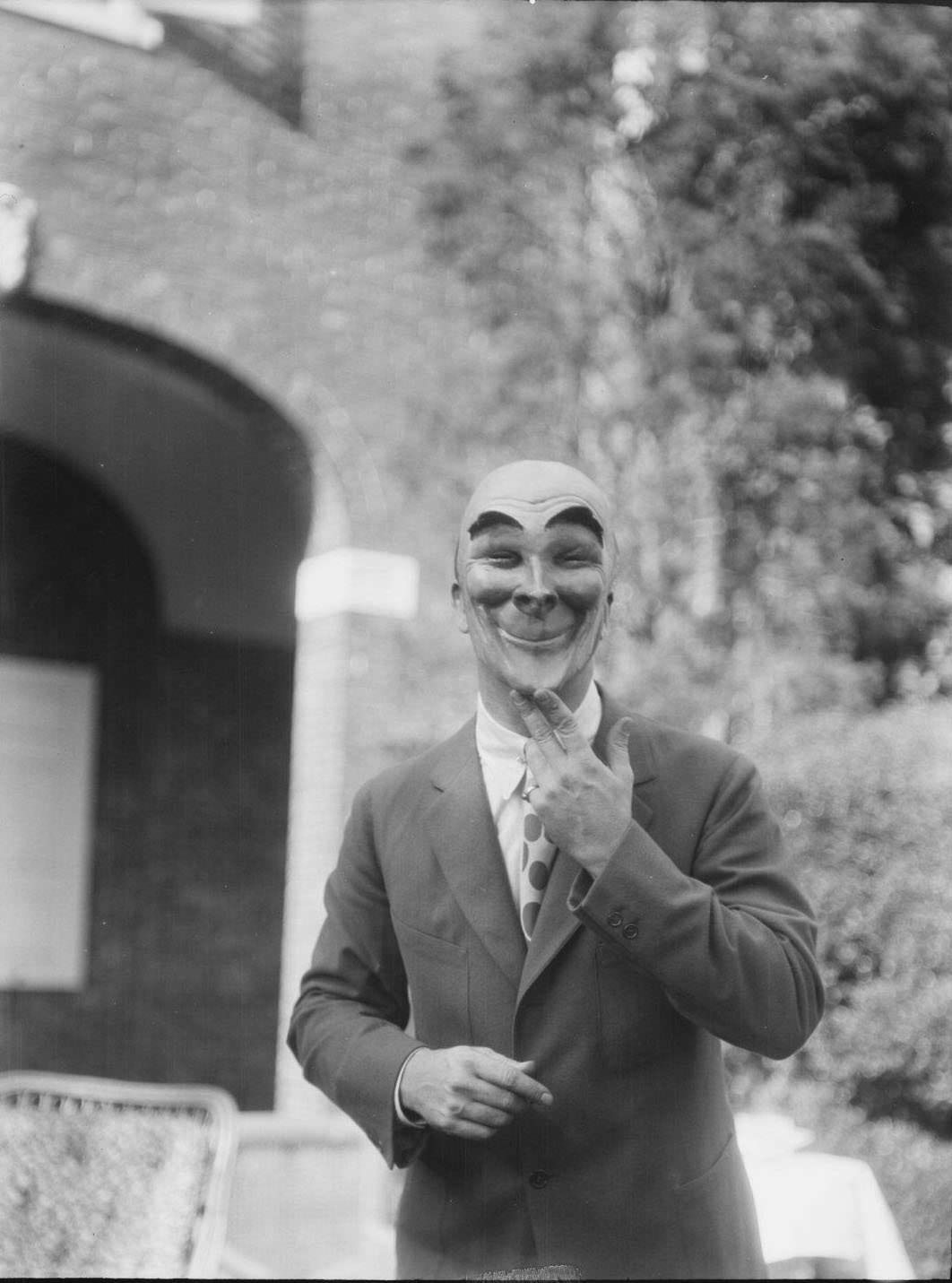
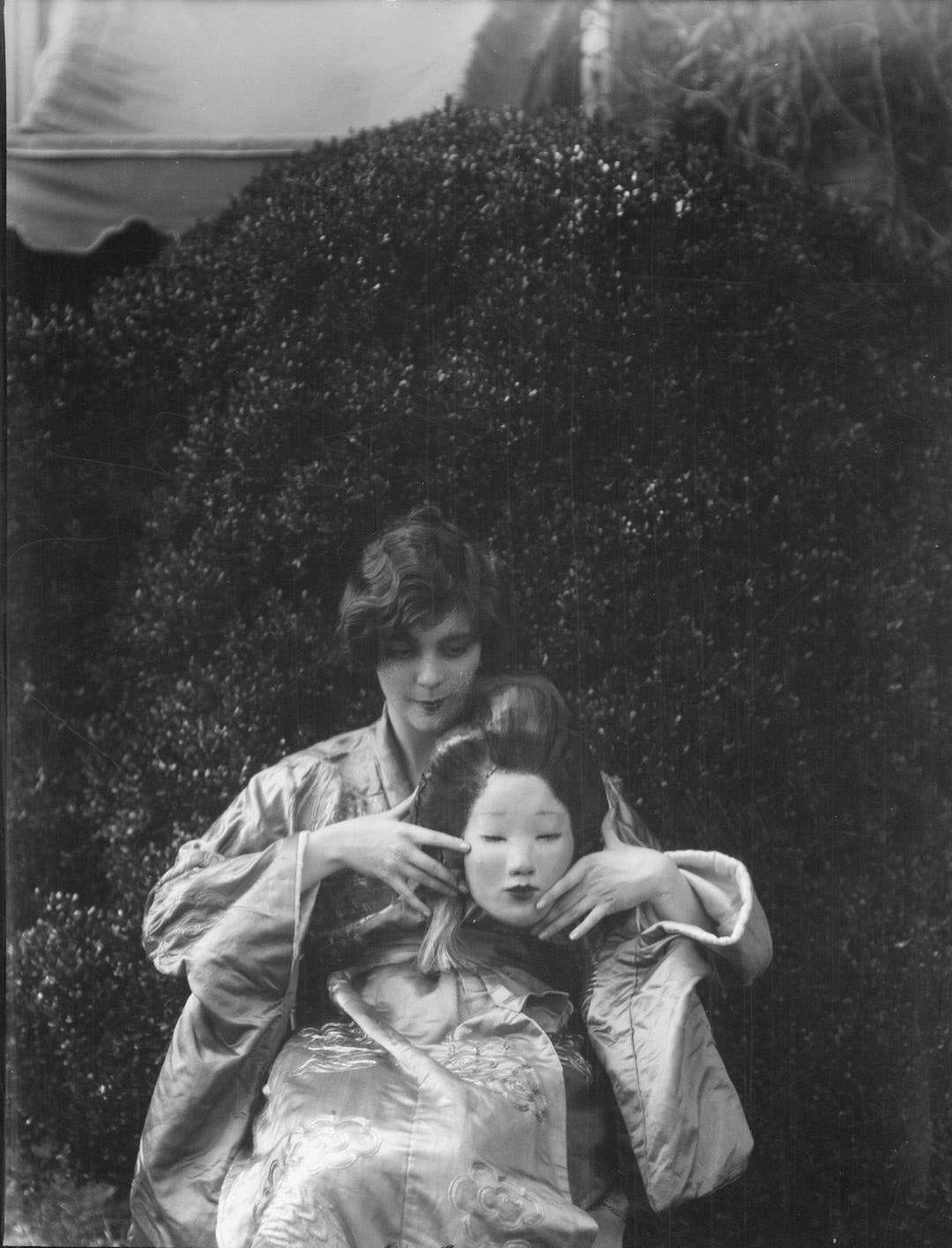
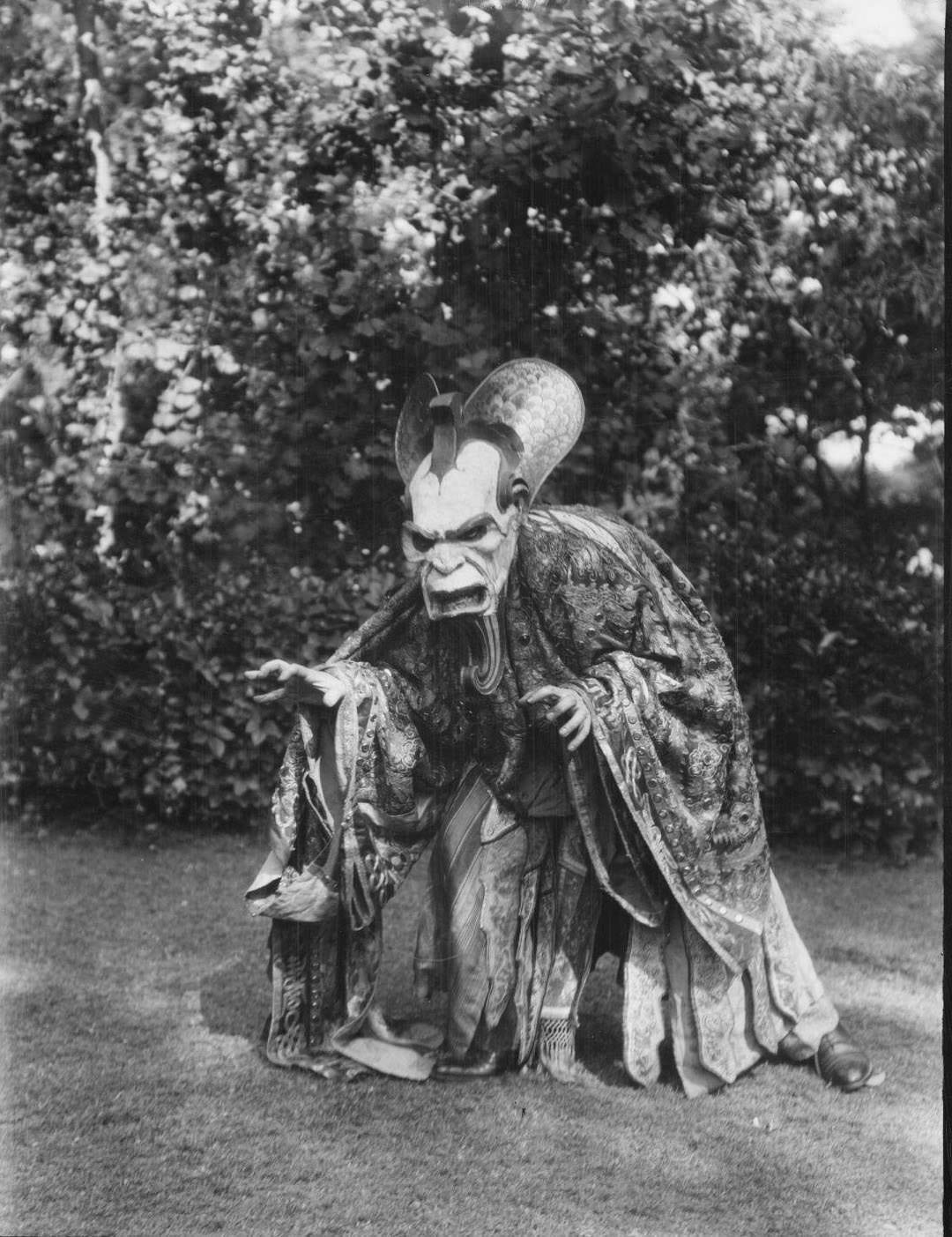
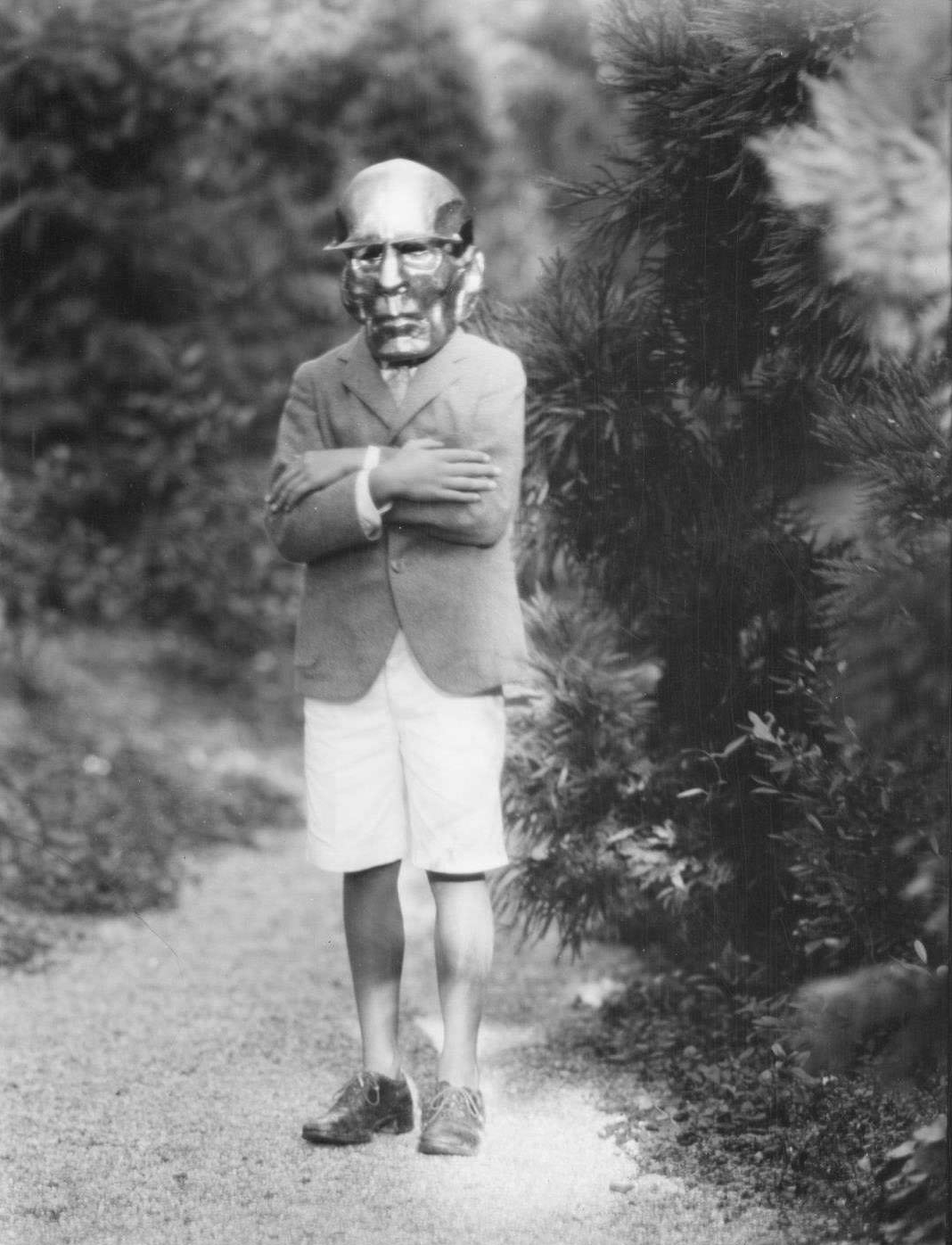
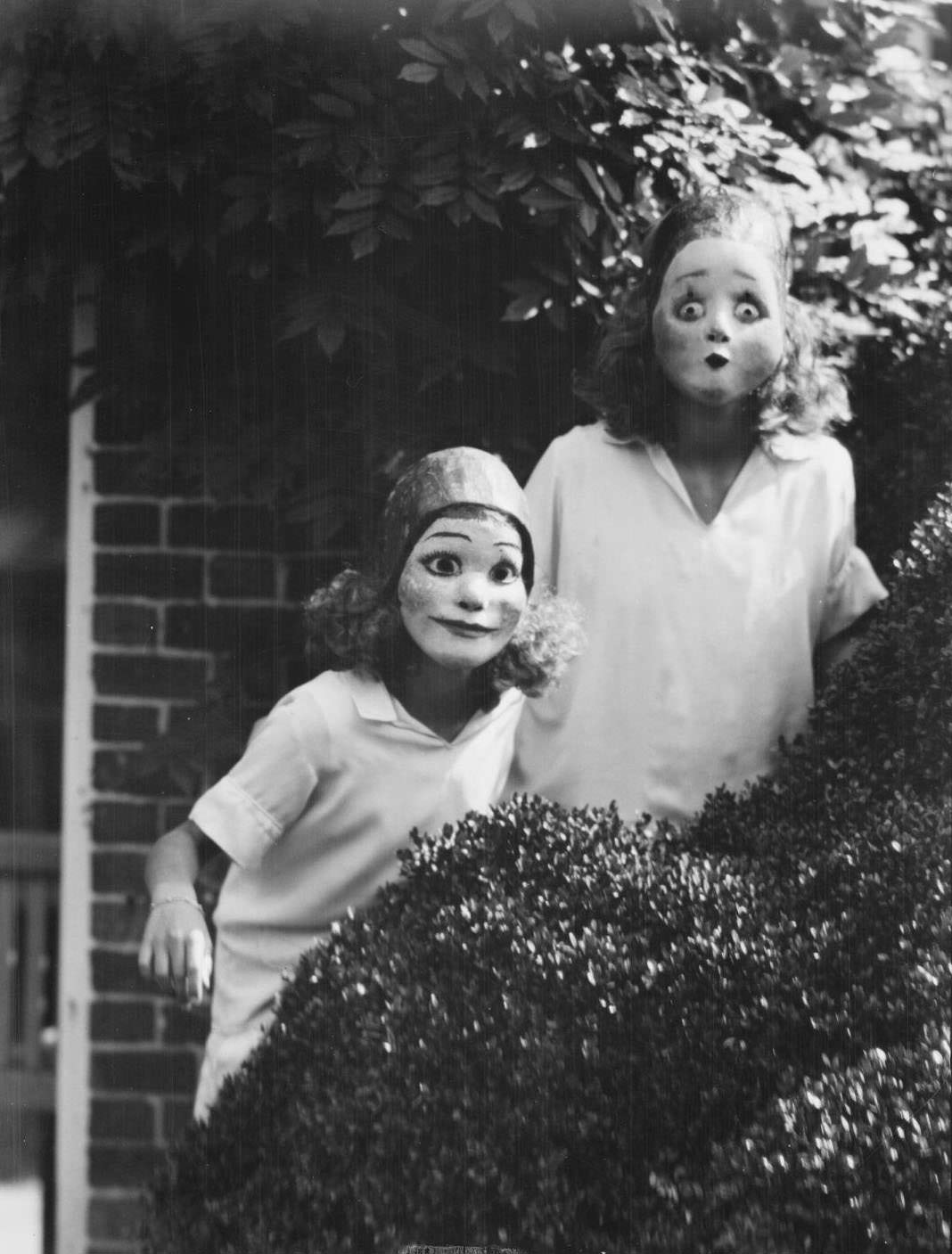
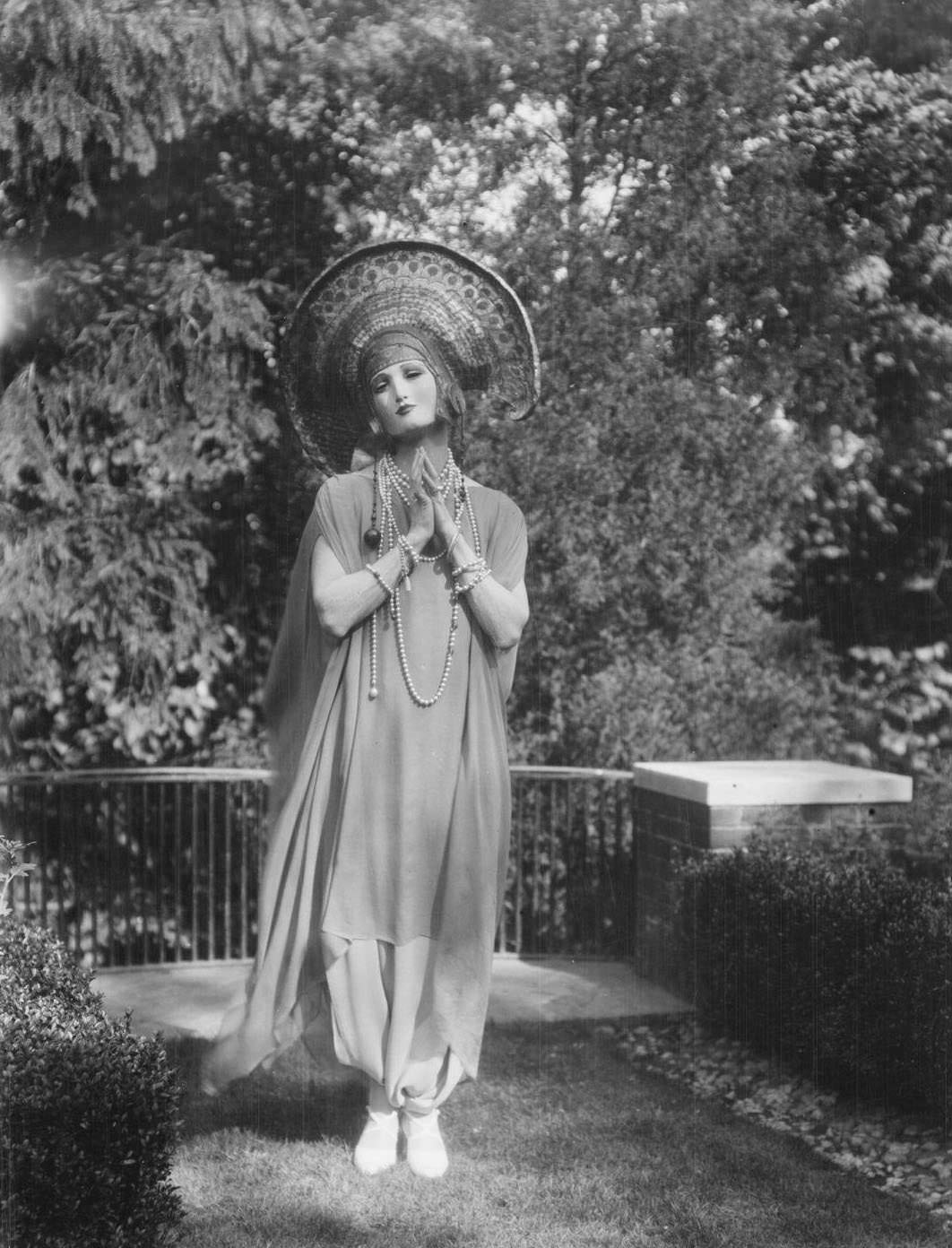
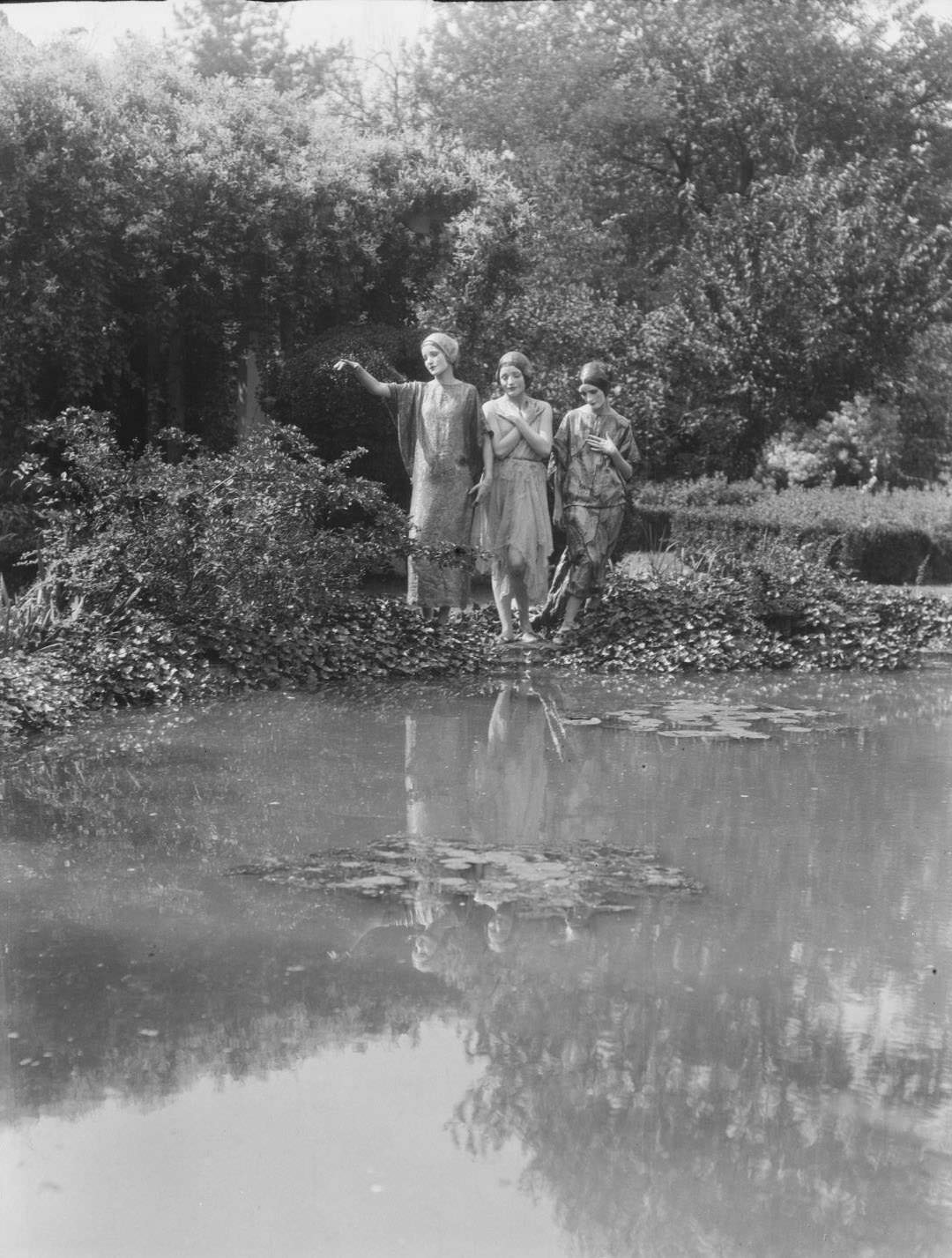
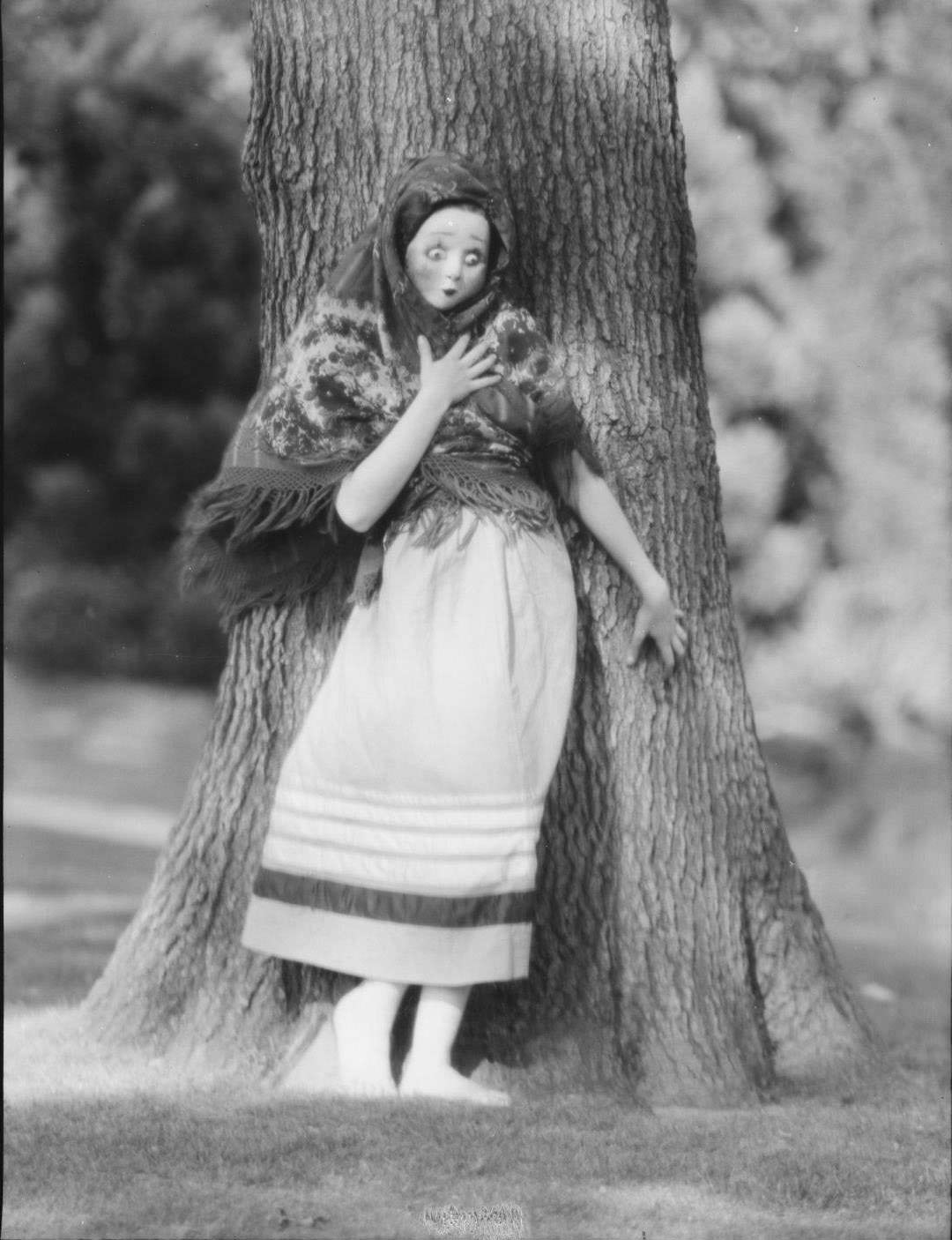
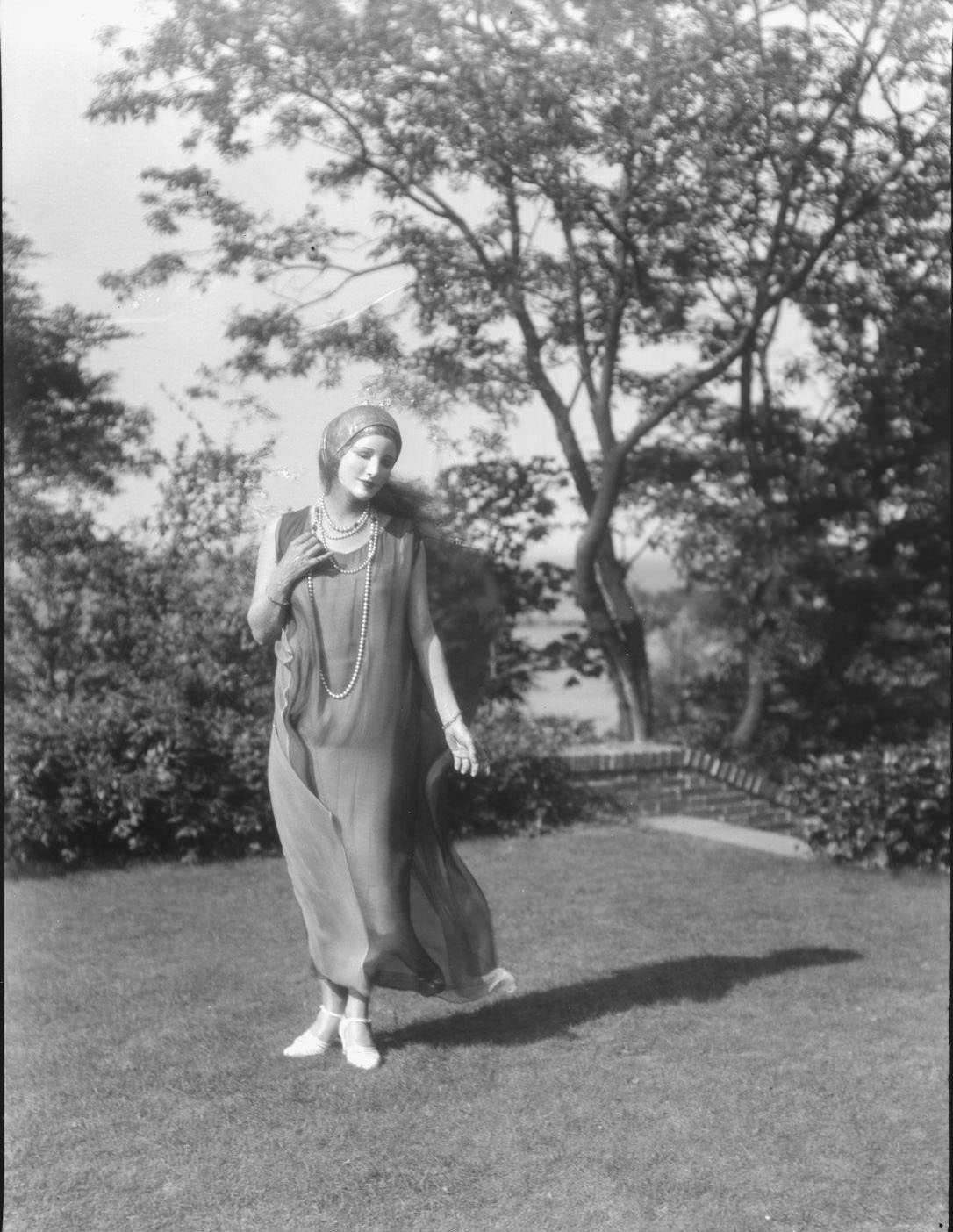
The range of his mask designs was wide. Some were eerily realistic, capturing human expression with fine detail. Others pushed into strange, exaggerated territory that was closer to fantasy than portraiture. Together, they show an artist who was constantly exploring the boundaries of a single craft.
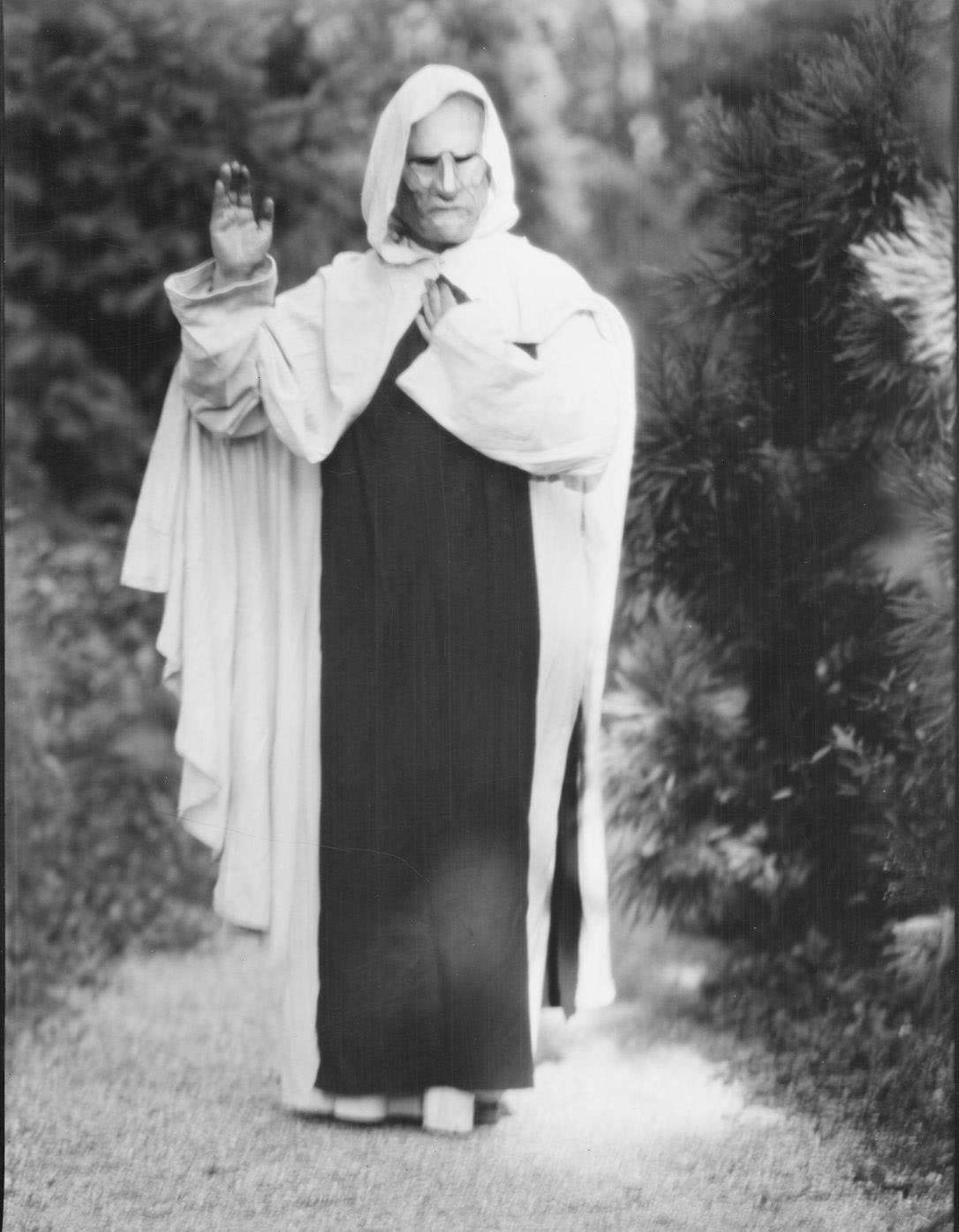
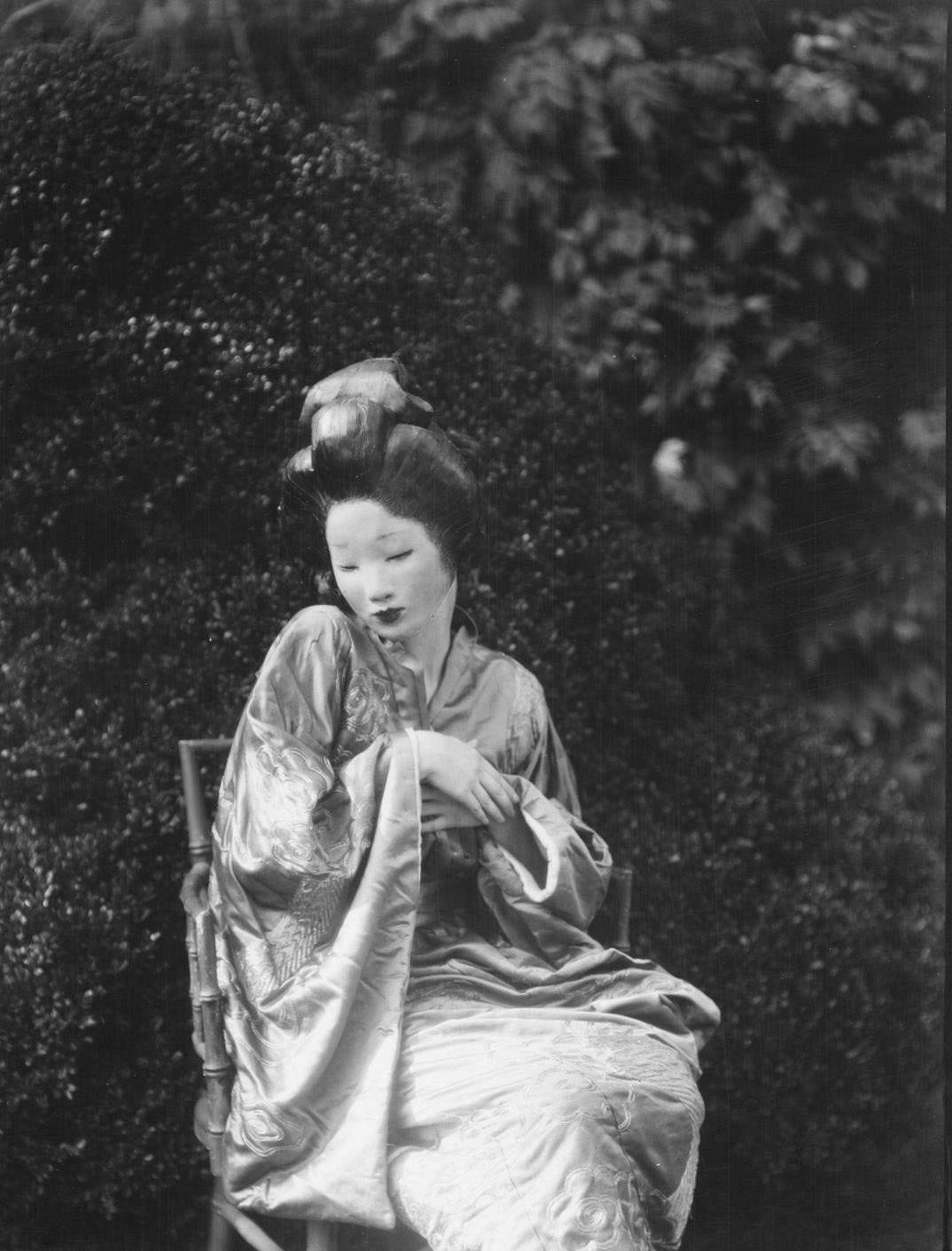
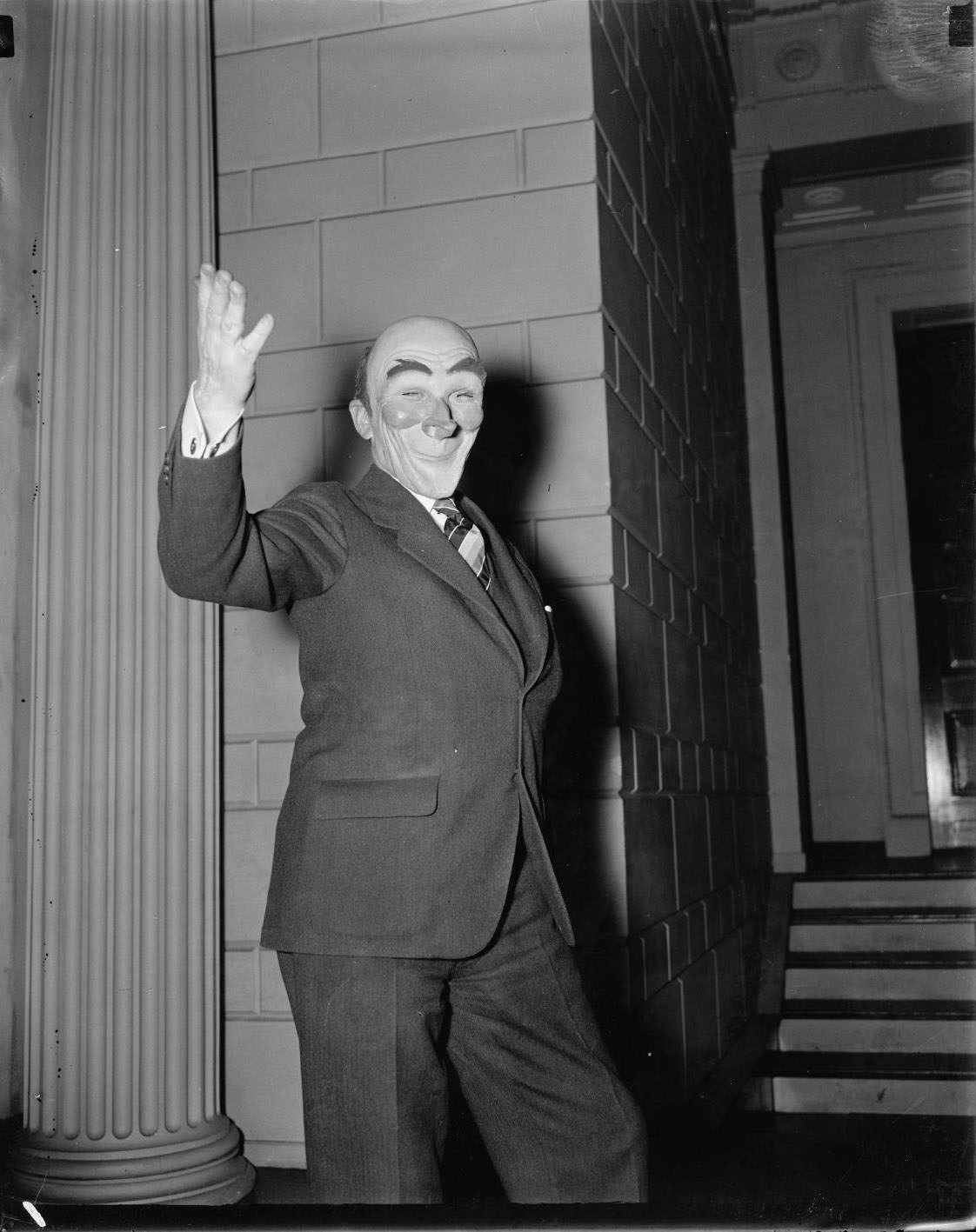
The masks below are drawn from Benda’s most productive period — the 1920s and 1930s — when his style was fully developed and his reputation was at its peak. Each one reflects the careful papier-mâché work and sharp artistic instincts that made him one of the most distinctive designers of his era.