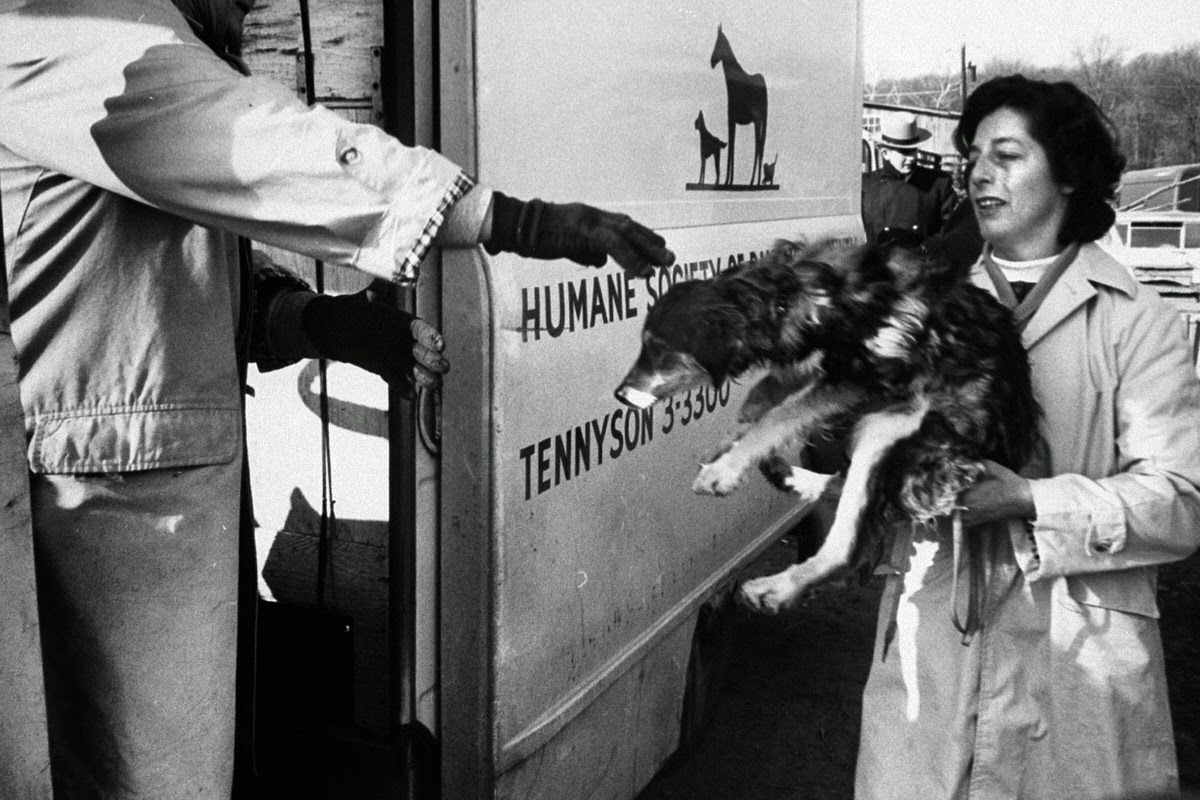
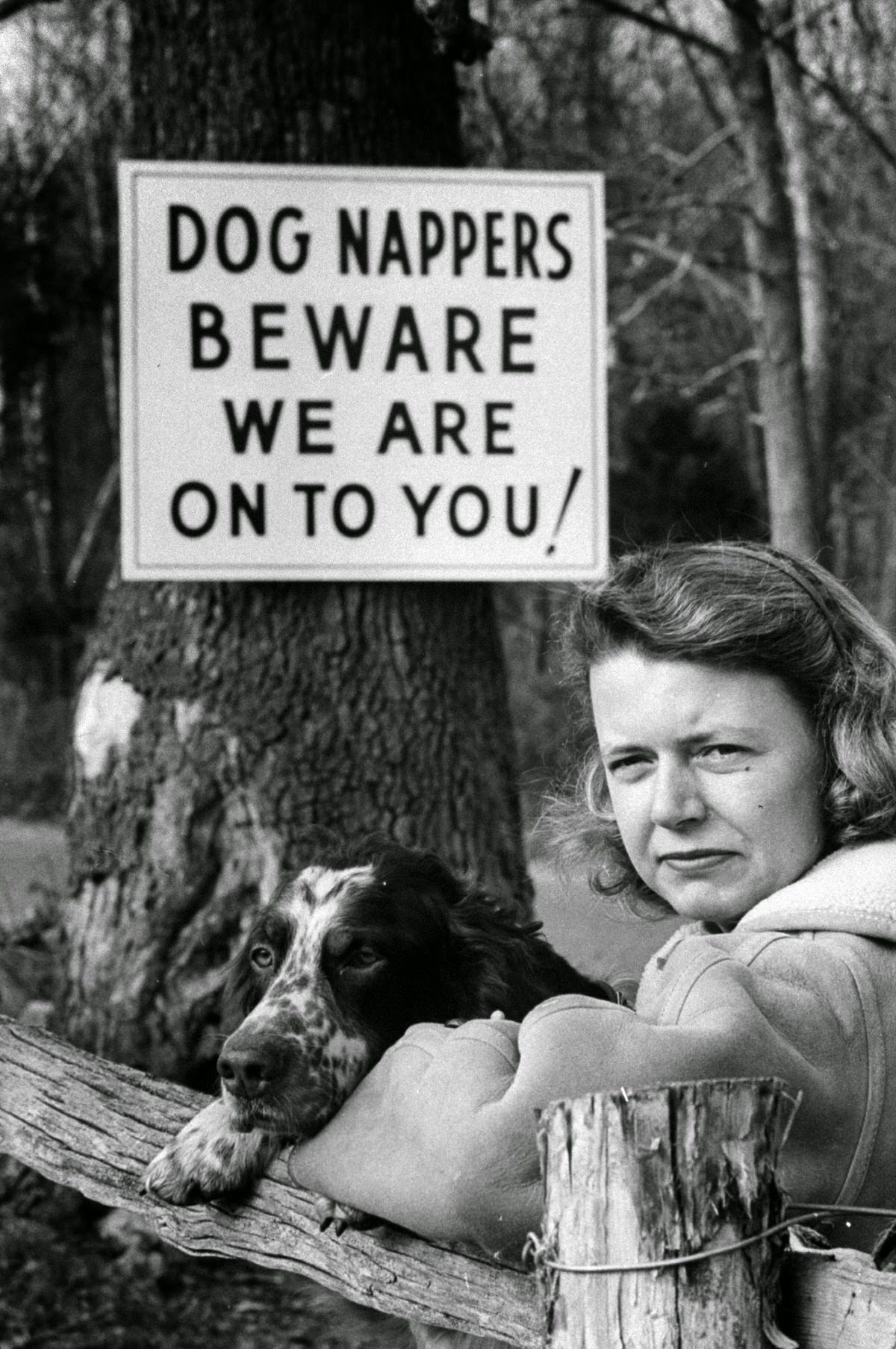
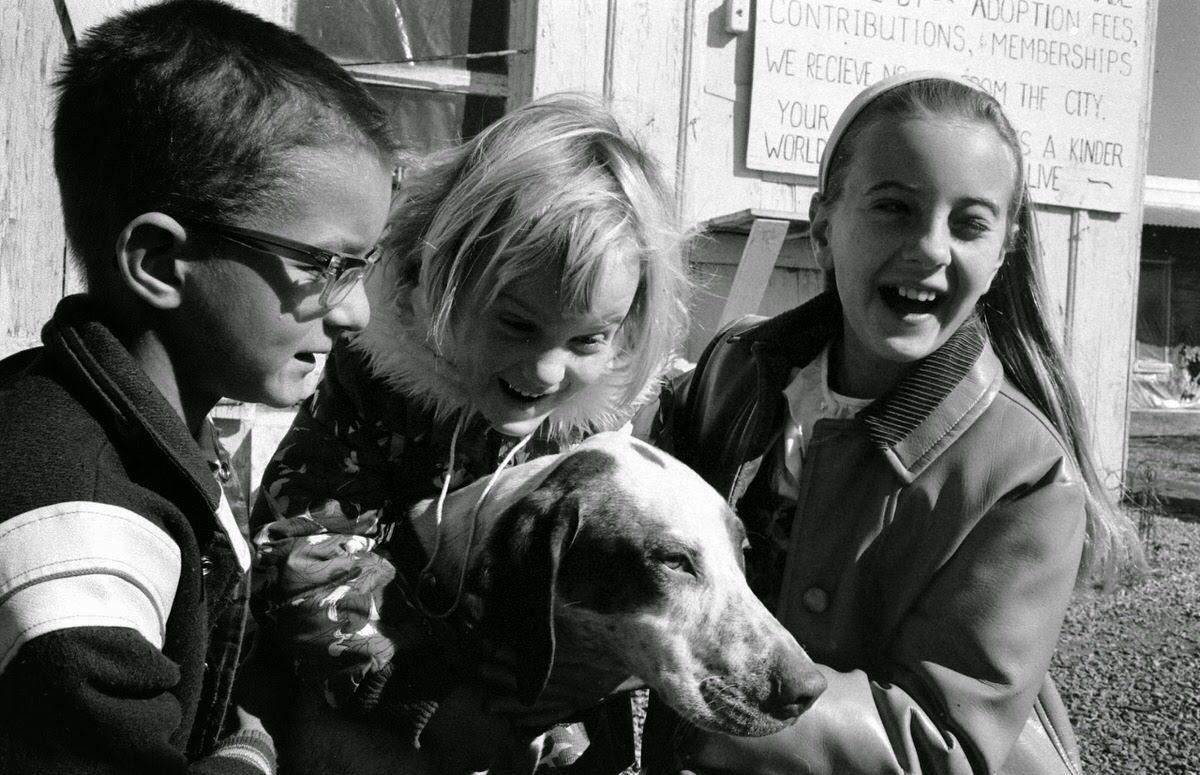
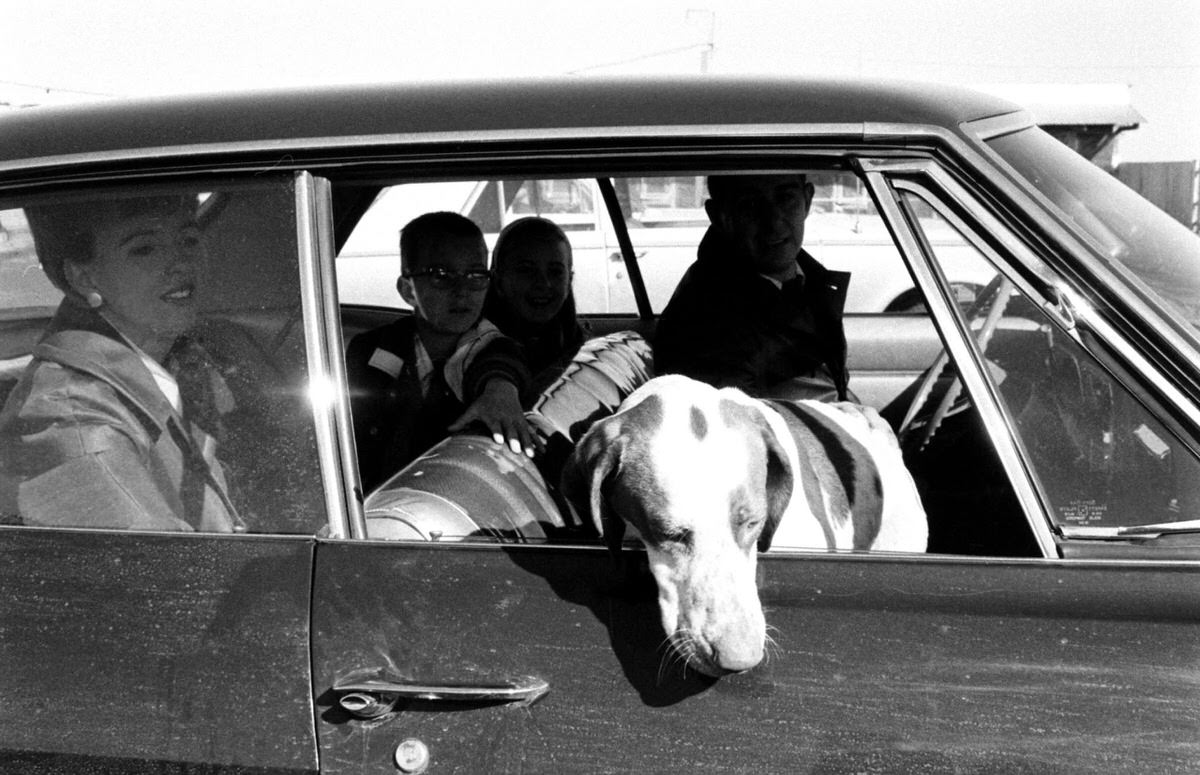
In February 1966, LIFE magazine published an article titled “Concentration Camps for Dogs.” This story exposed a hidden and cruel business across the United States. During this time, medical research labs needed a constant supply of animals for testing. To meet this demand, a group of people known as “dog dealers” operated large, secret holding facilities. These dealers bought and sold dogs for profit without caring for the health of the animals.
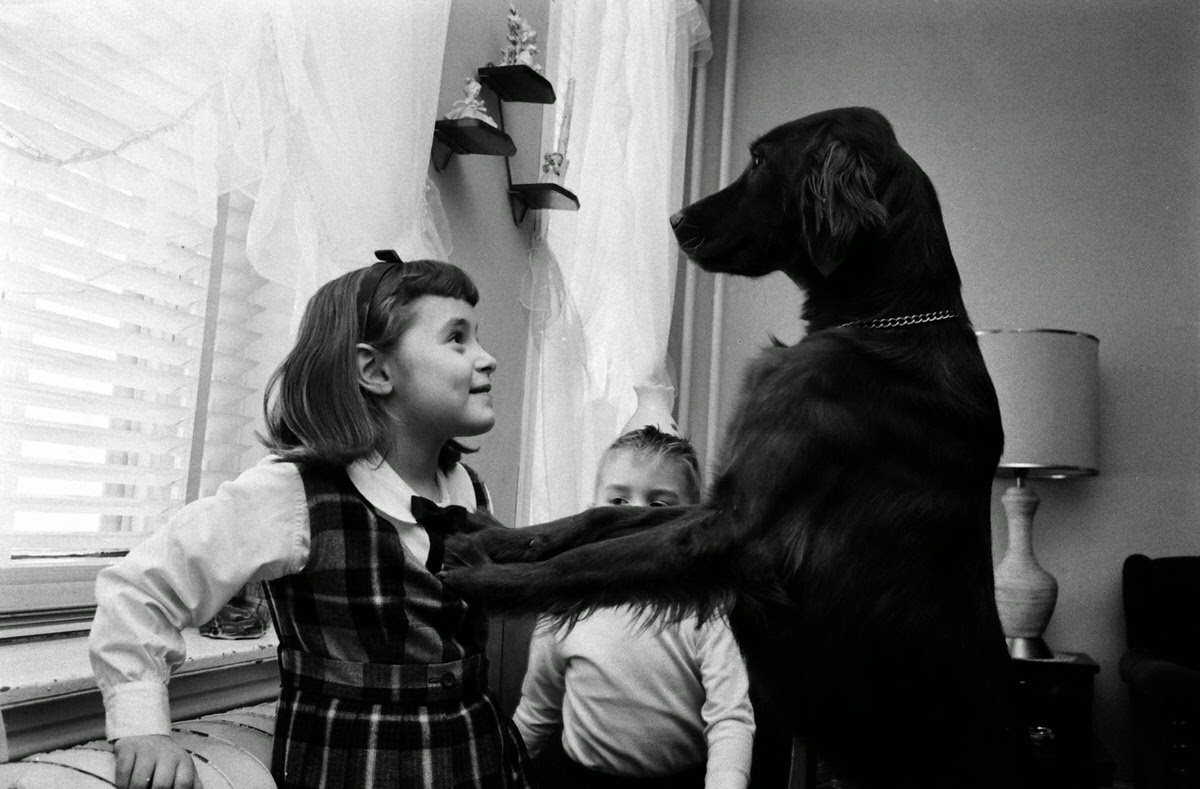
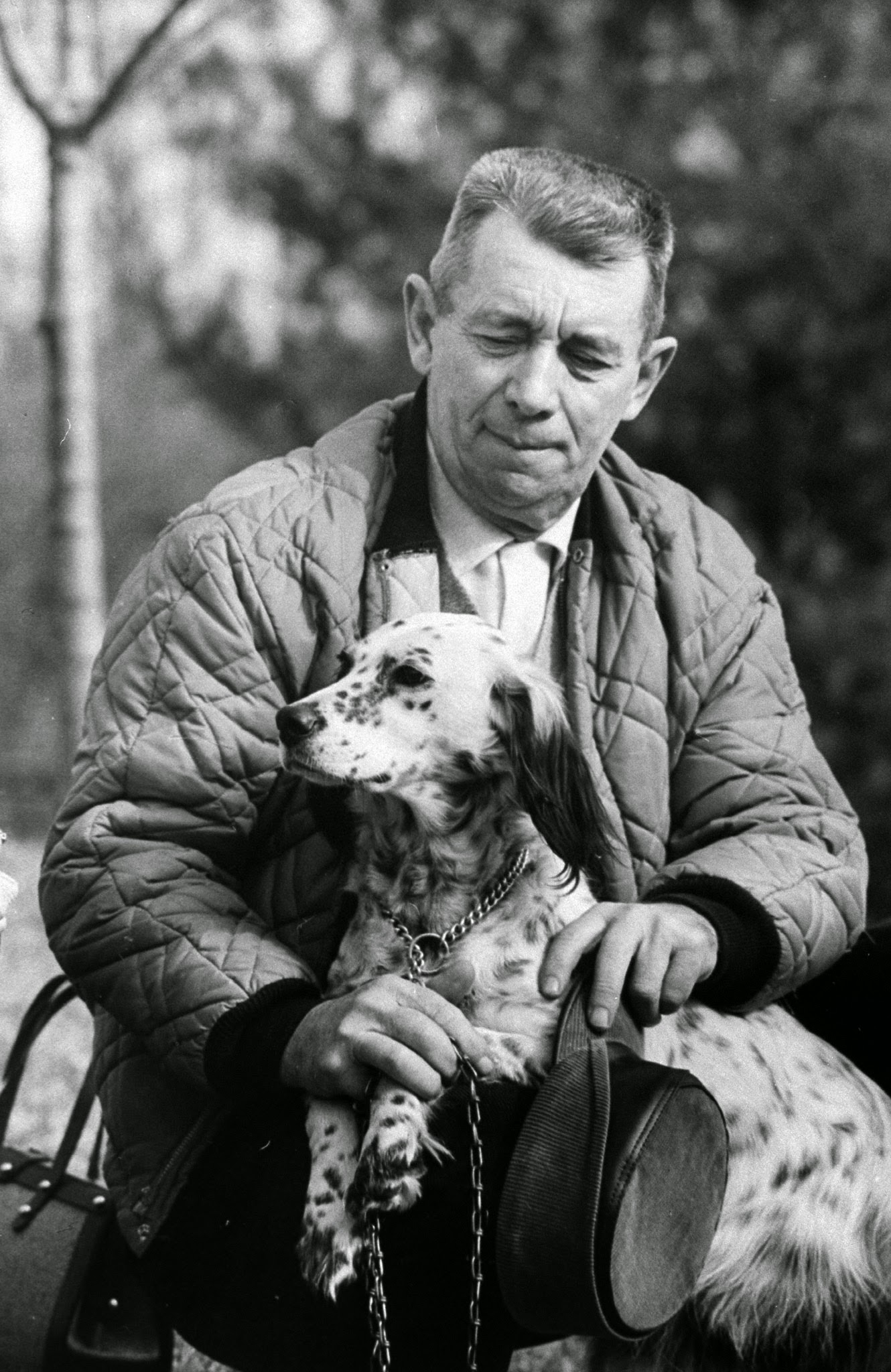
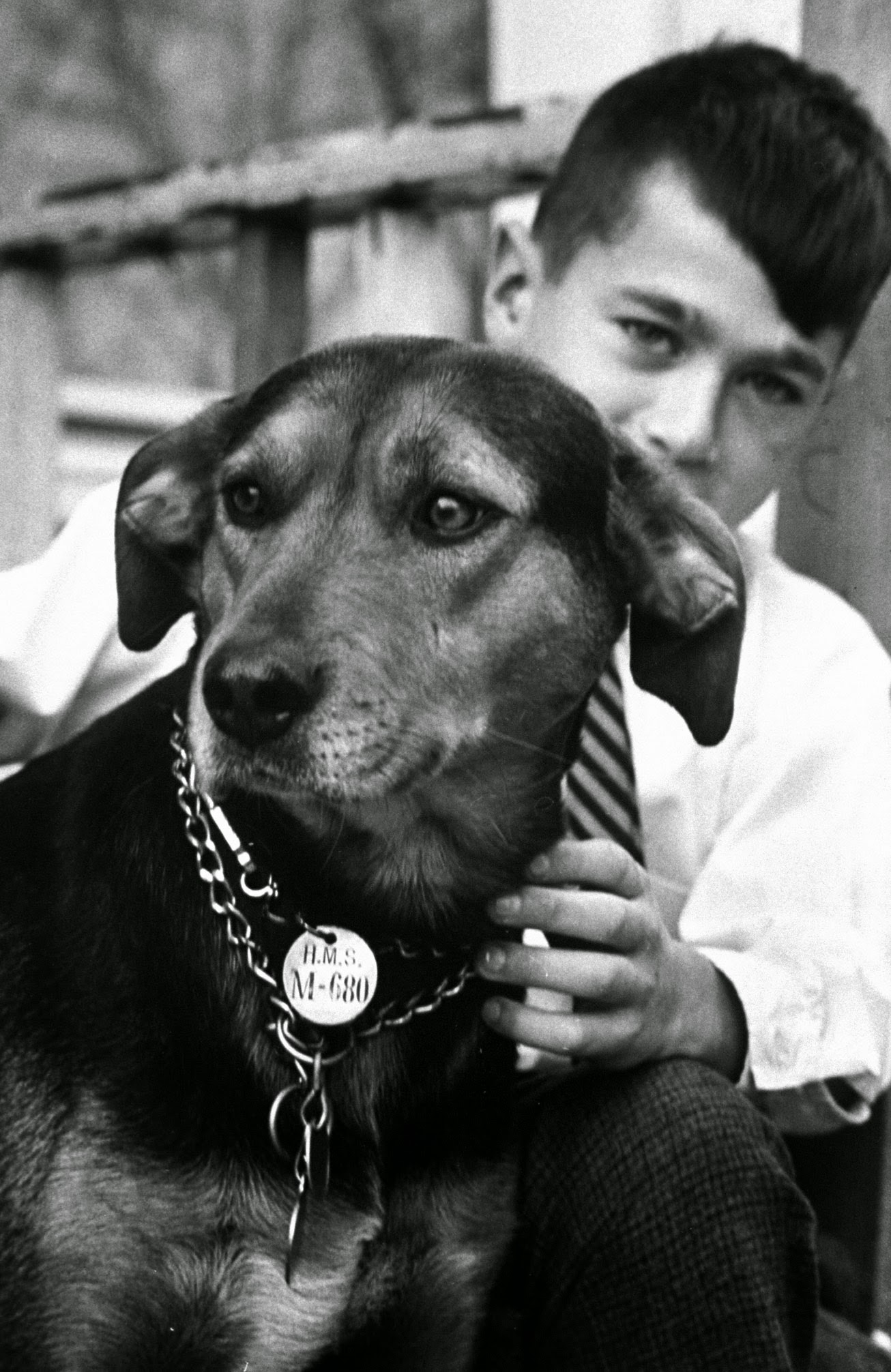
Many of the dogs in these facilities were stolen pets. Thieves drove through residential neighborhoods and snatched dogs from yards and sidewalks. This practice was called “dognapping.” Once a pet was taken, it was sold to a “Class B” dealer for a small amount of money. The dealers kept these stolen pets in crowded pens with stray animals until they had enough to fill a large order for a laboratory.
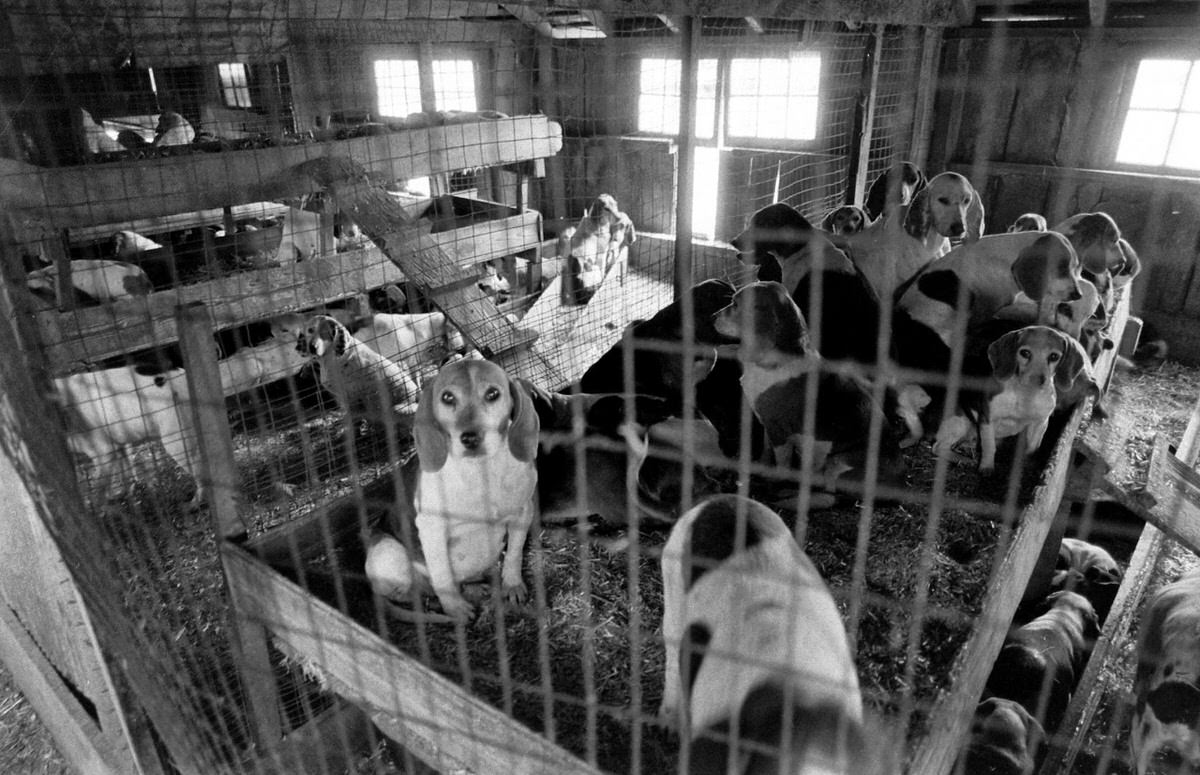
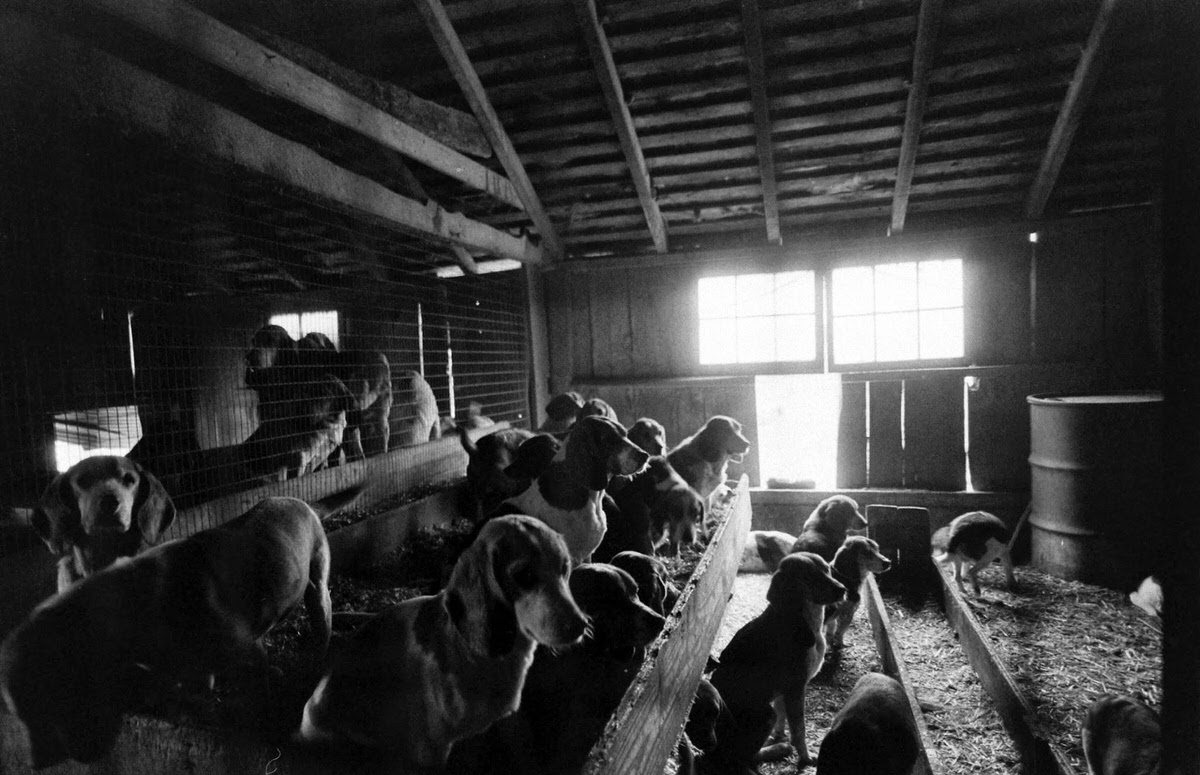
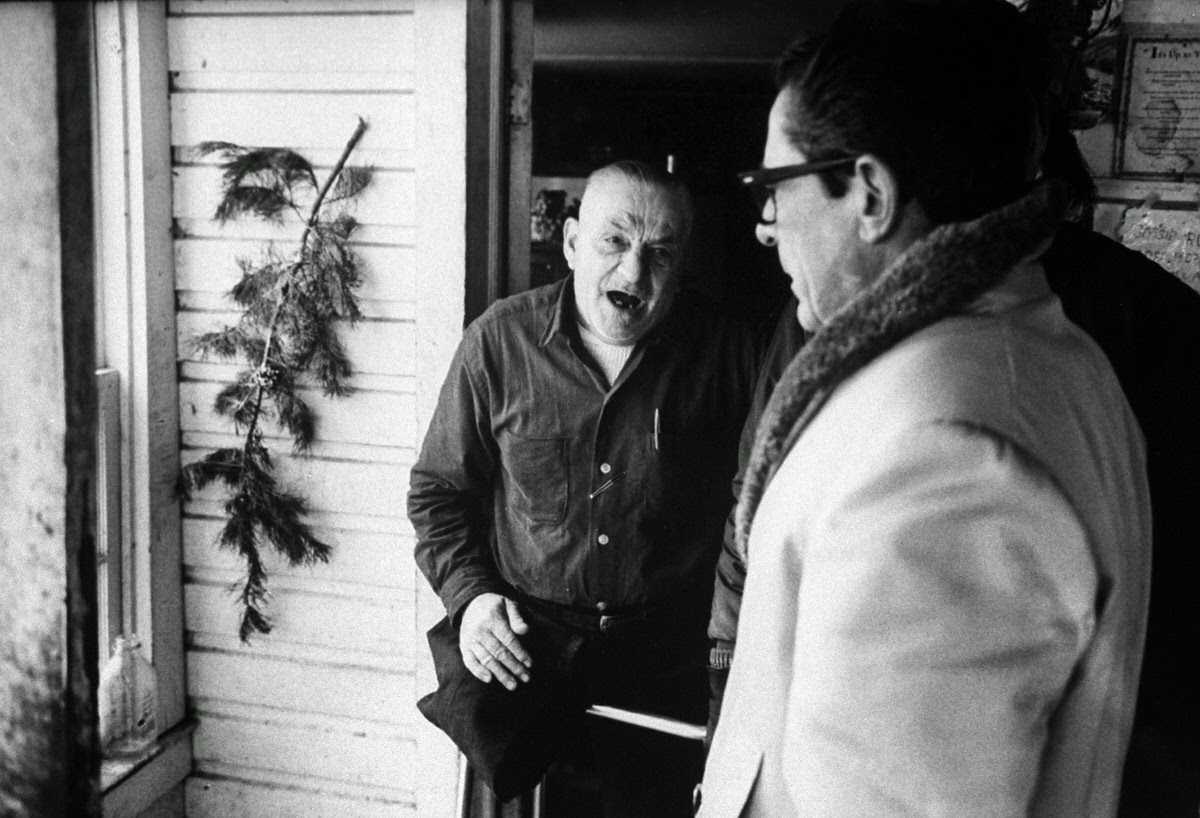
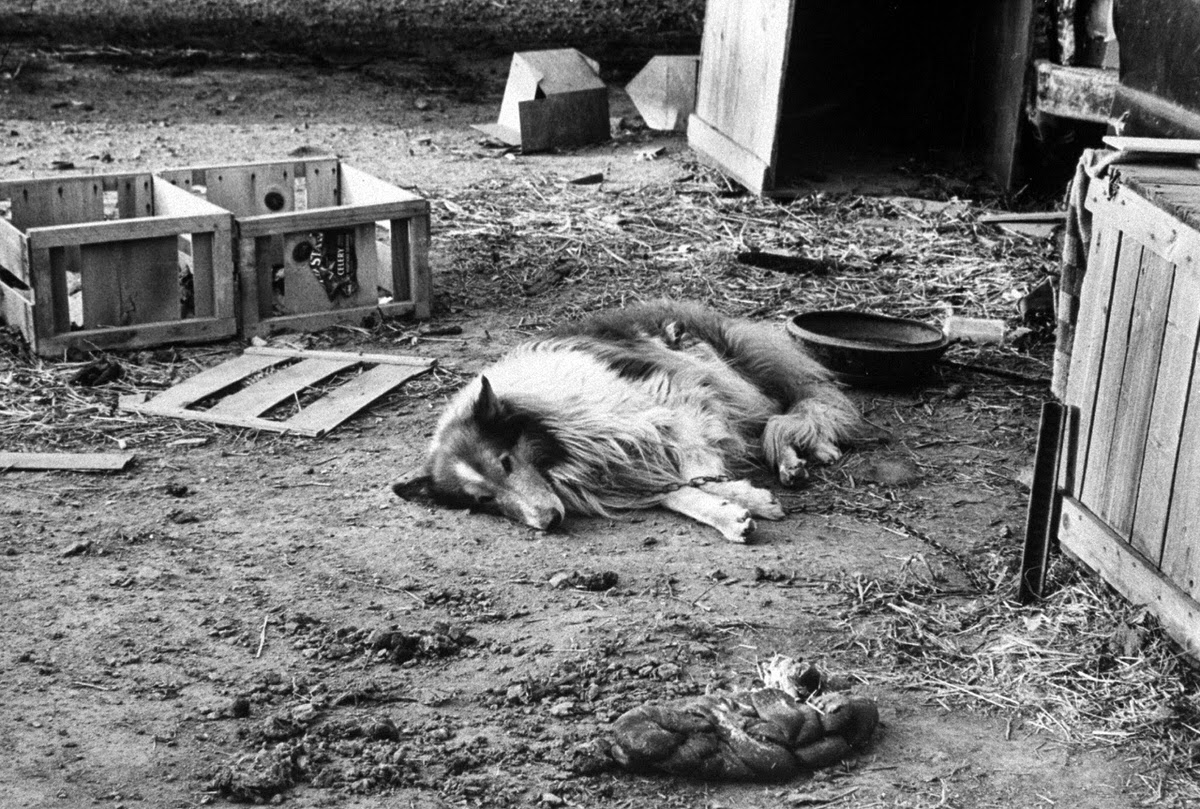
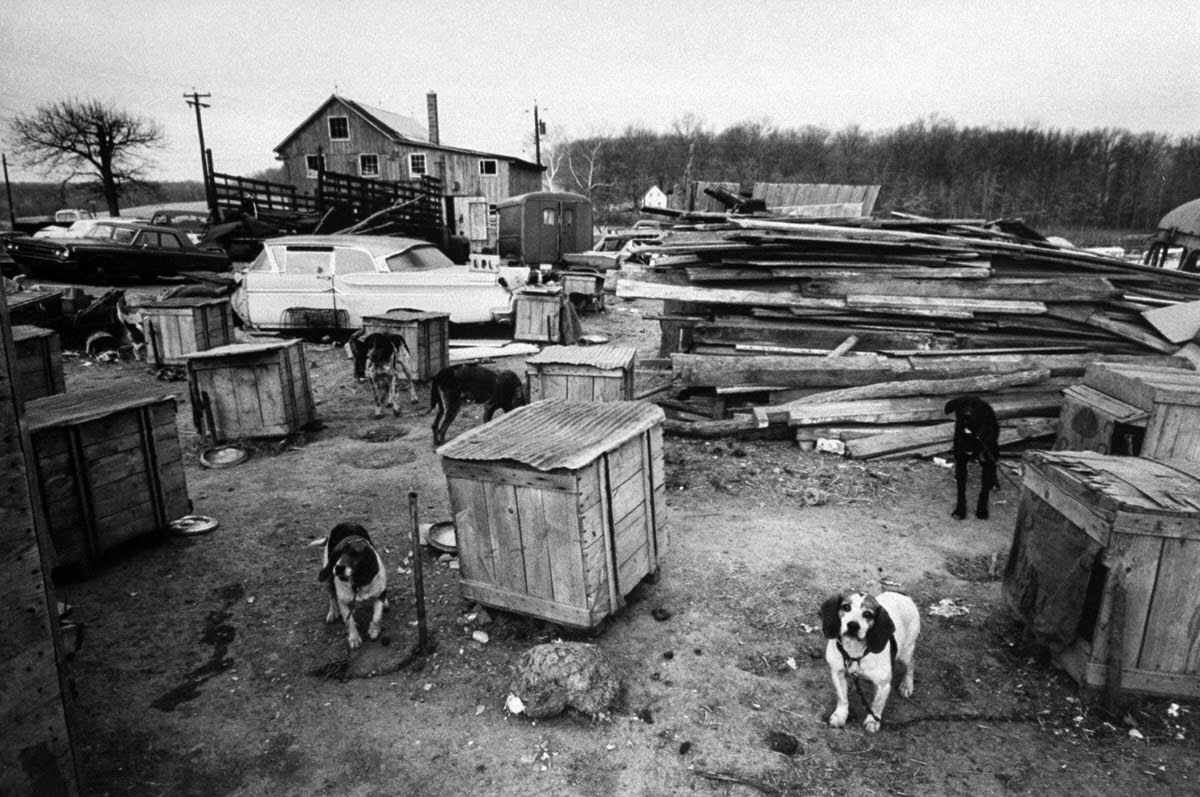
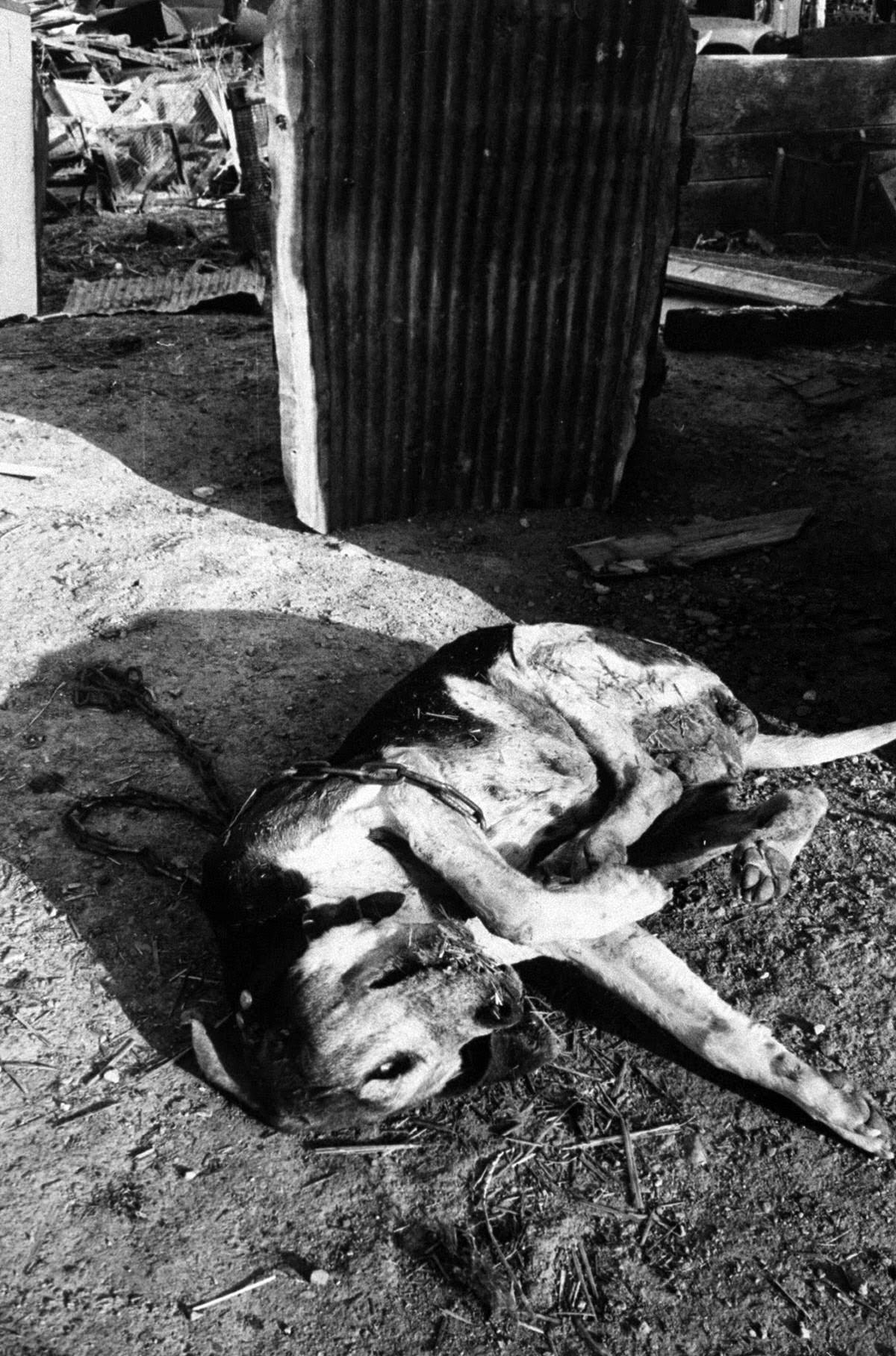
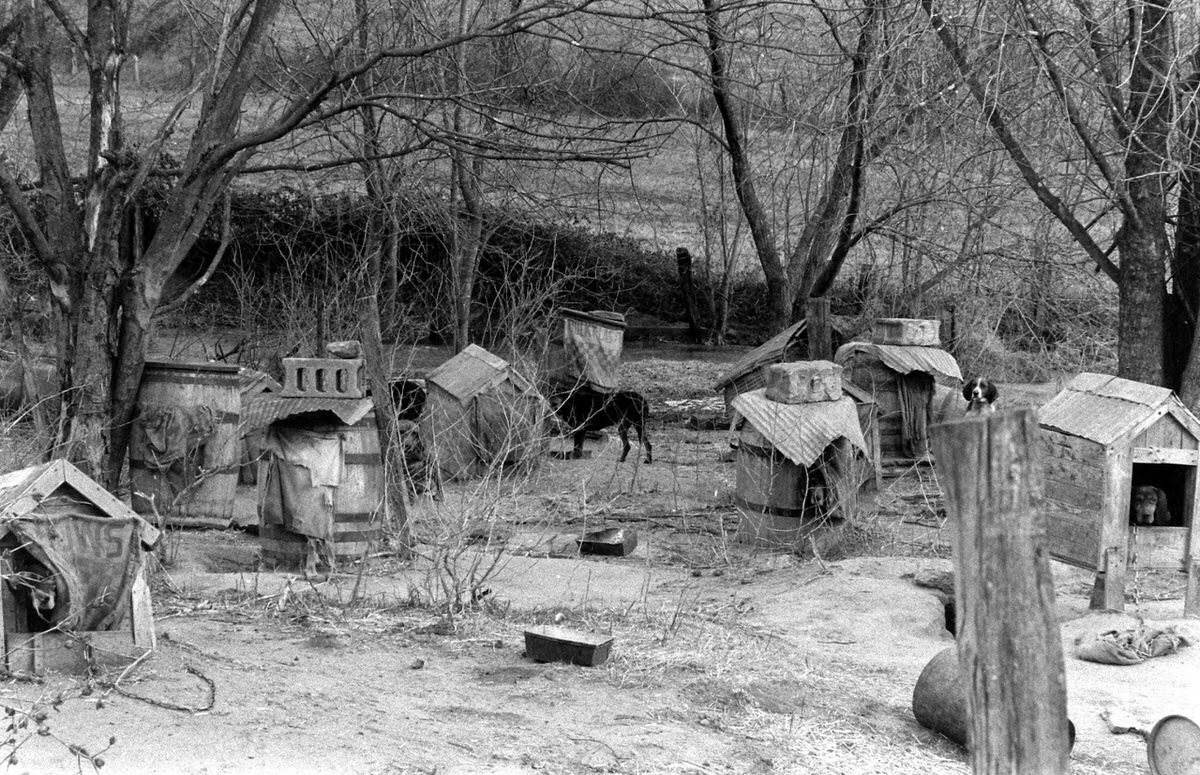
Photographer Stan Wayman visited several of these farms to document the conditions. One of the most famous locations was a farm in Maryland owned by a dealer named Lester Brown. Wayman found dozens of dogs living in filth and extreme cold. The animals were starving, and their ribs were visible through their fur. Most of the dogs did not have clean water to drink or any soft place to sleep. Many suffered from diseases and untreated injuries.
The dealers kept their costs as low as possible to increase their earnings. They fed the dogs the cheapest food available, and sometimes they did not feed them at all for several days. A healthy dog was sold to a lab for roughly fifteen to twenty dollars. Because the dealers spent almost nothing on care, every sale was pure profit. The laboratories that purchased the animals rarely asked where the dogs came from.
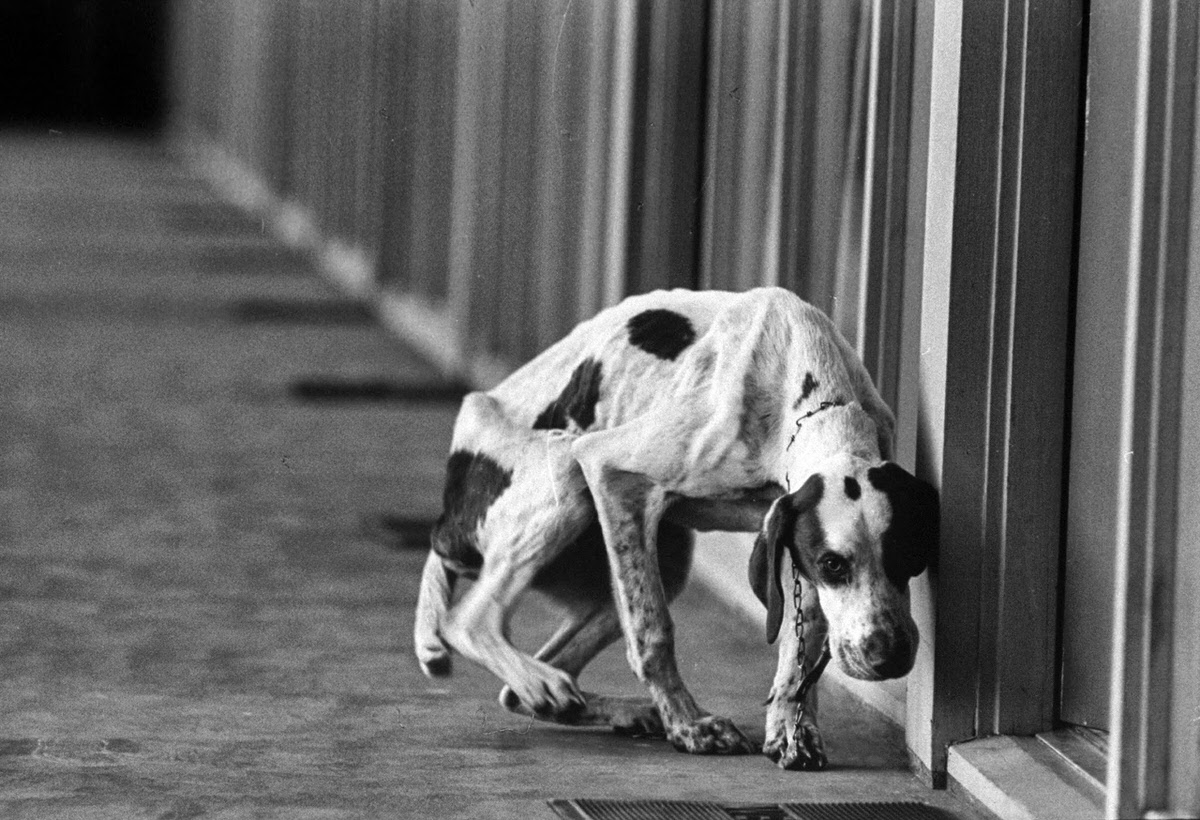
![This woebegone springer spaniel was one of only a handful of dogs in [dog dealer Lester] Brown's inventory of over 100 animals that appeared to be fit. Obviously he had just got there.](https://www.bygonely.com/wp-content/uploads/2026/05/Dogs_Concentration_Camps_1966_2.jpg)
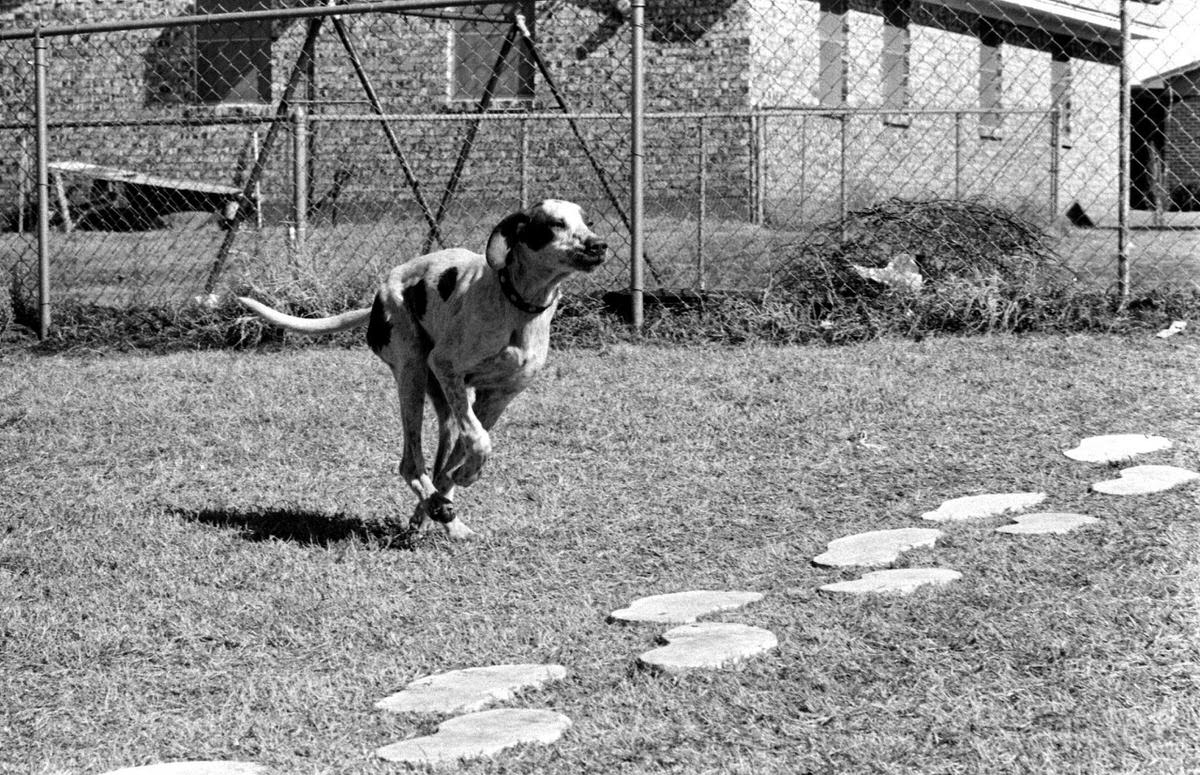
![Skin and bones and not much else is all that is left of this young beagle, staked out in [dog dealer Lester] Brown's yard. Beagles are rated by most dog dealers as a 'hot item.'](https://www.bygonely.com/wp-content/uploads/2026/05/Dogs_Concentration_Camps_1966_4.jpg)
![In a shed behind [dog dealer Lester] Brown's house, dogs, pigeons and other creatures were jammed into filthy coops. The only food in sight was the stale bread piled in a washtub.](https://www.bygonely.com/wp-content/uploads/2026/05/Dogs_Concentration_Camps_1966_9.jpg)