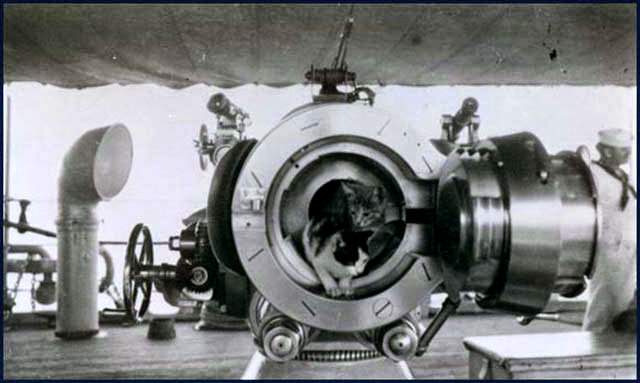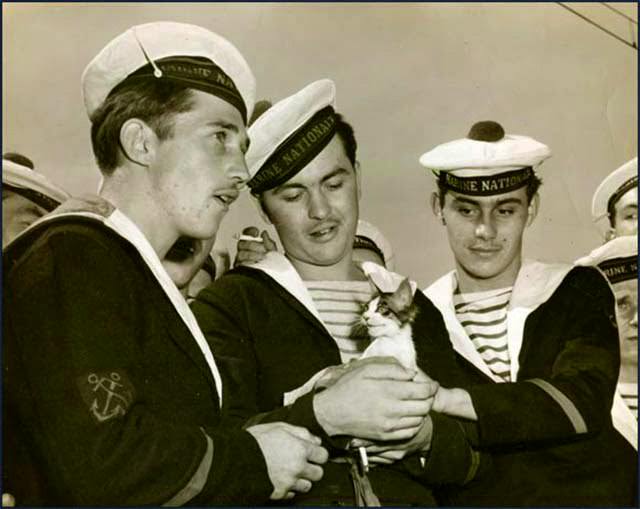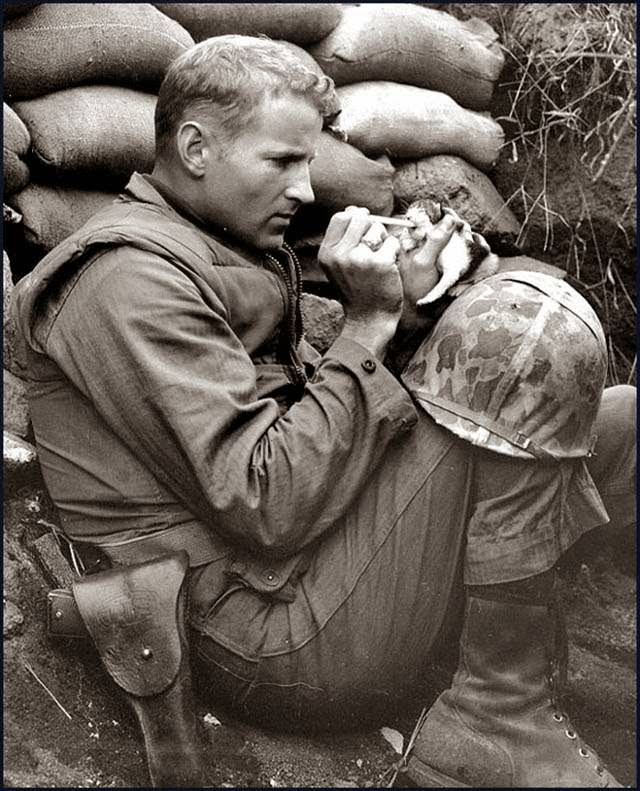

Cats served as essential members of the United States Navy and Coast Guard for over a century. Their primary job was the constant hunt for rats and mice that lived in the dark corners of steel and wooden vessels. These rodents posed a serious threat to the strength of the ship. Rats often chewed through heavy ropes and thick woodwork, which caused mechanical failures at sea. After the introduction of steam power, the danger increased as rodents began gnawing on complex electrical wiring. A single chewed wire disabled vital communication systems or engine controls during a mission.
The presence of cats also protected the food supply for the entire crew. In the confined space of a ship, sailors stored large quantities of grain, flour, and dried meat. Rodents quickly destroyed these stocks by eating the food or polluting it with waste. If a ship lost its food supply while far from a port, the crew faced hunger or disease. Cats provided a natural and highly effective solution to this problem. They patrolled the cargo holds and storage rooms day and night to keep the supplies safe from pests.
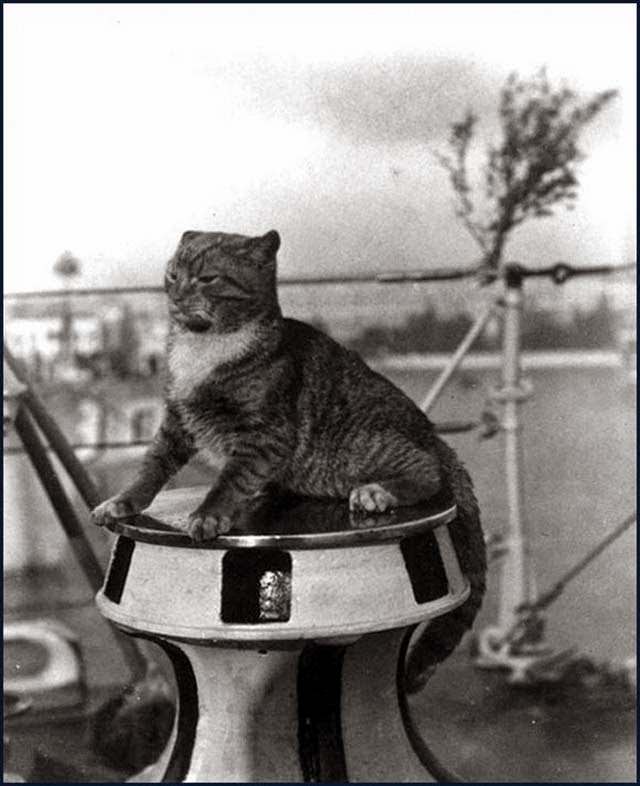
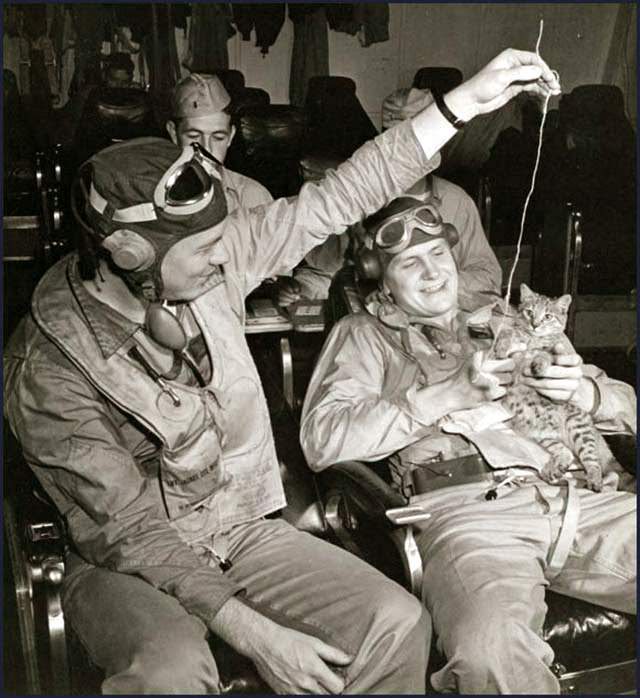
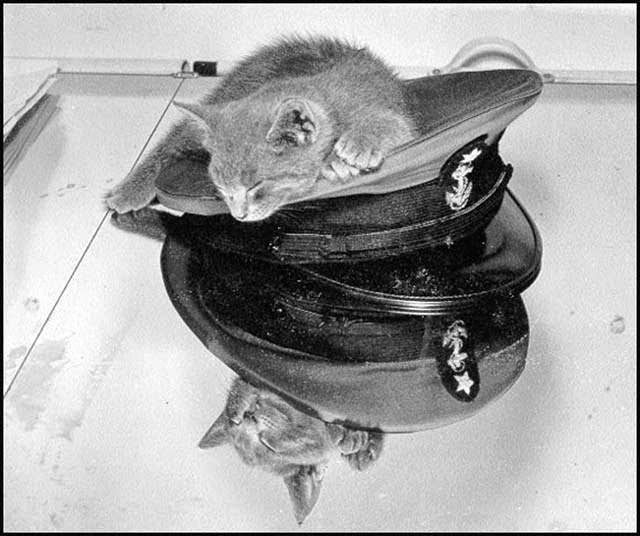
Beyond protecting property, cats were a defense against deadly illnesses. Rats and mice carried diseases that spread rapidly among sailors living in crowded quarters. A single outbreak could make the whole crew sick and force a ship to return to port early. Cats kept the rodent population small, which significantly reduced the risk of infection. Navy personnel often viewed these animals as more than just hunters. Cats became official mascots that helped the sailors feel better during long, lonely trips across the ocean.
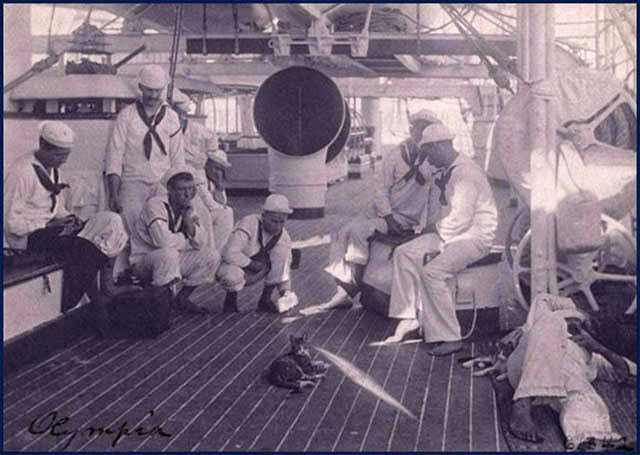
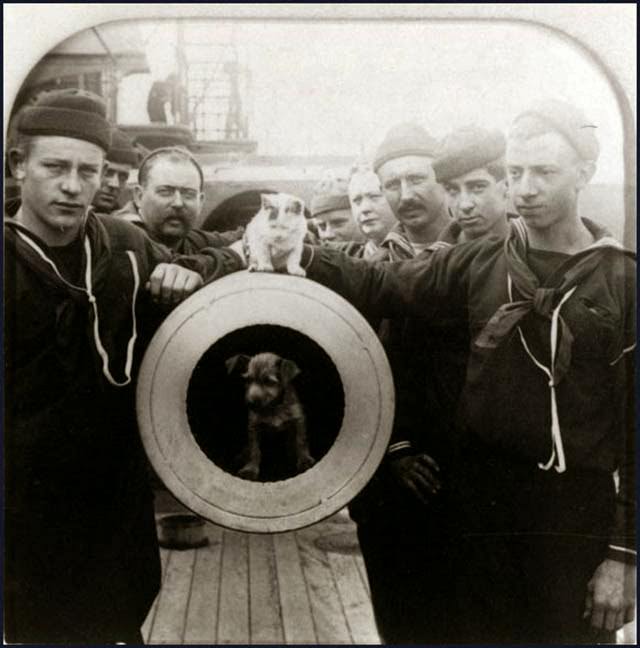
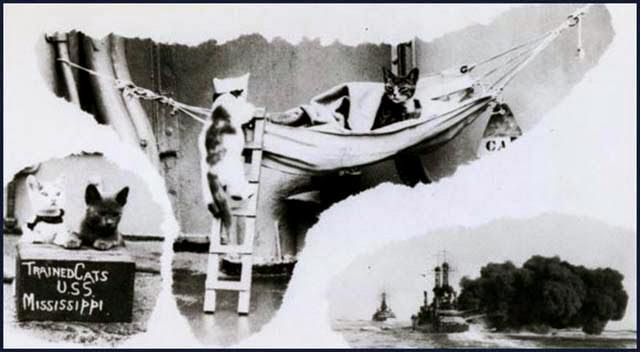
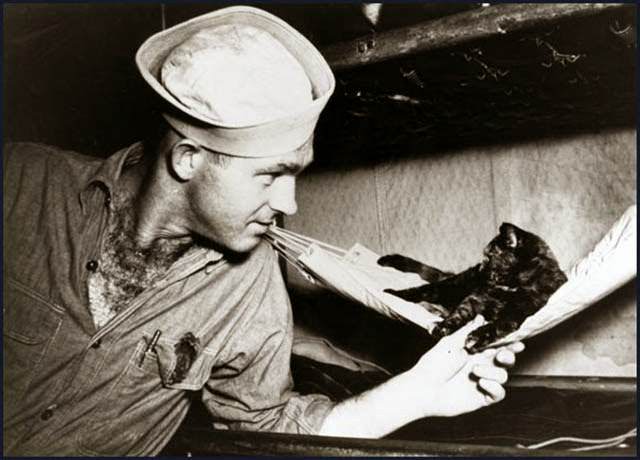
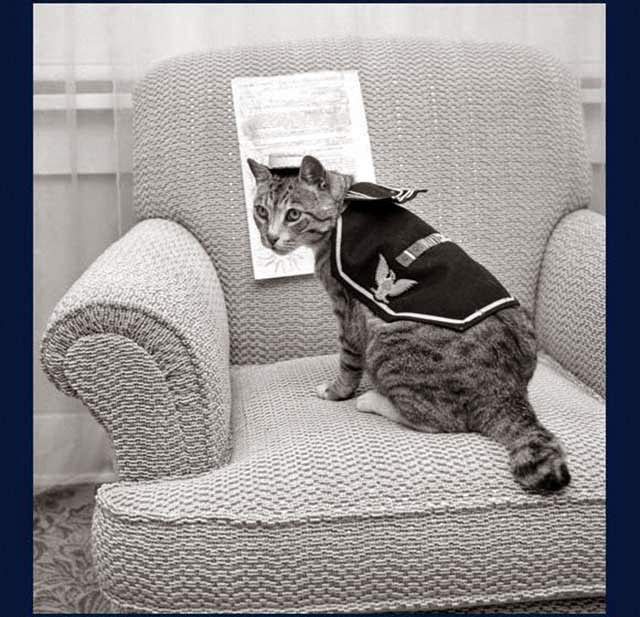
The Navy gave many ship’s cats their own small hammocks and life jackets for safety. Sailors took great care of these animals and shared their own food with them. The bond between the crew and their feline companions was a central part of daily life at sea. These cats lived through storms and battles alongside the men