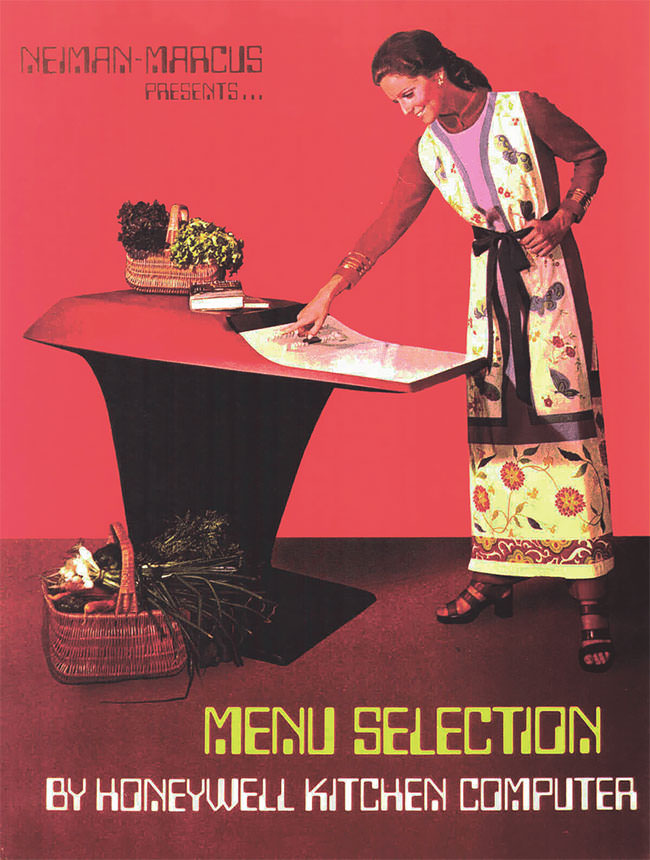
In 1969, Neiman Marcus dropped something extraordinary into its famous holiday gift catalog. Tucked between luxury furs and fine jewelry was the Honeywell Kitchen Computer — officially the H316 Pedestal Model — a bright red, hundred-pound machine priced at $10,000. That figure equals more than $70,000 today. It was marketed as a high-tech domestic assistant that could store recipes and organize daily meal plans for wealthy American households.
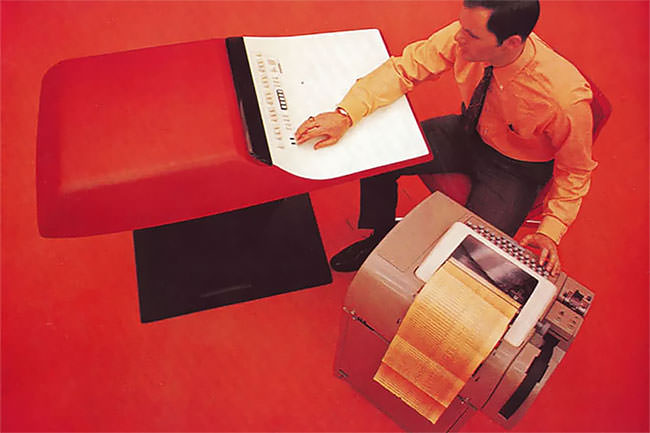
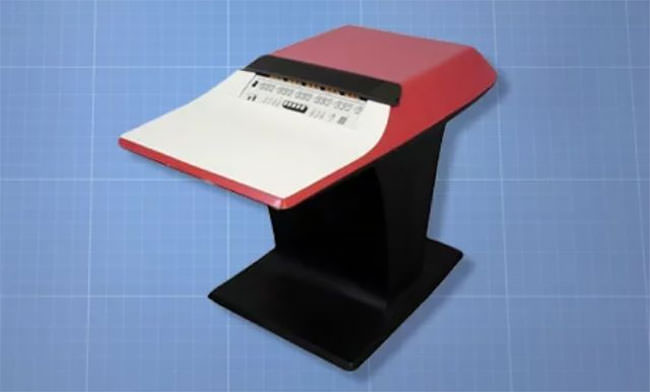
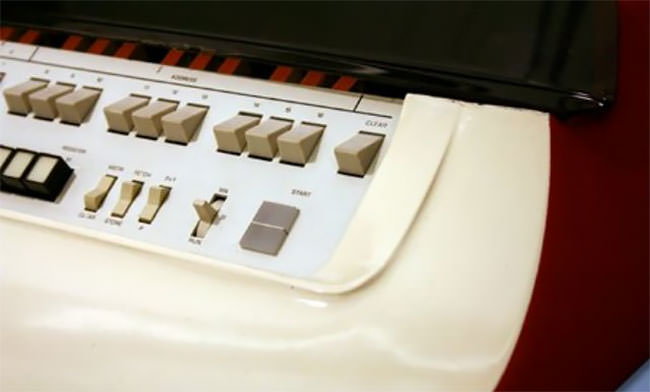
The machine was built on a pedestal base designed to sit alongside upscale kitchen cabinets. Its red exterior was chosen to match contemporary interior design trends. Beneath that sleek shell sat a heavy industrial frame that drew 475 watts of power during operation. This was not a consumer gadget dressed up as a computer — it was a full industrial minicomputer dressed up as a kitchen appliance.
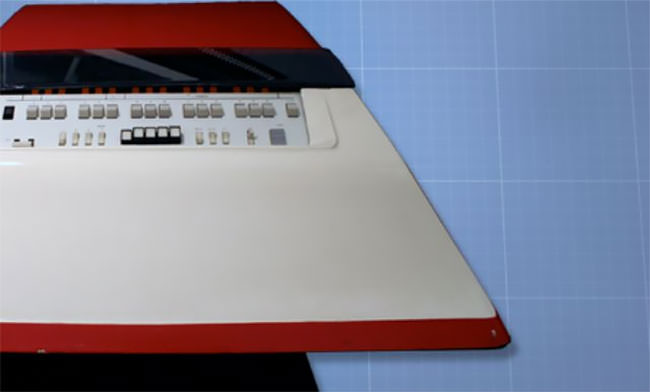
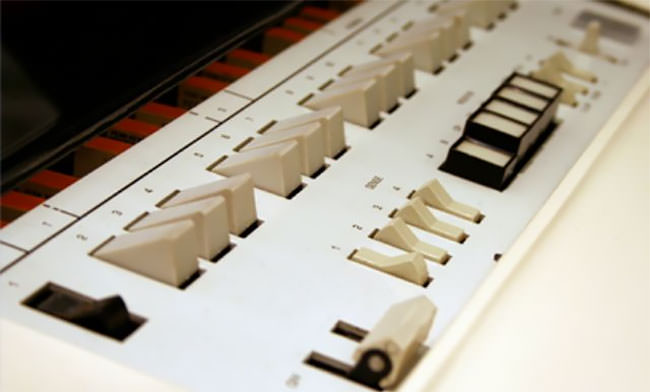
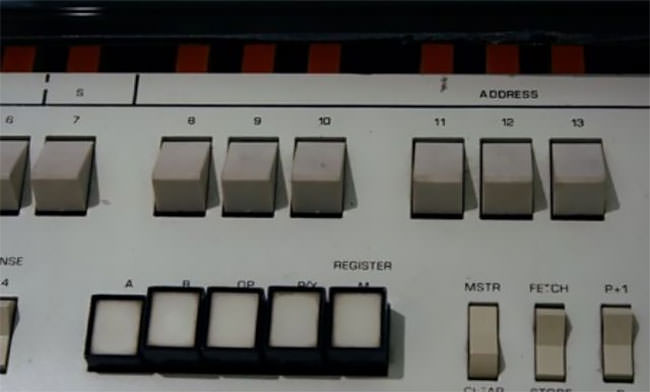
Using the Honeywell Kitchen Computer had nothing in common with flipping through a cookbook. There was no screen, no keyboard, and no way to type in the name of a dish. The entire interface consisted of heavy metal toggle switches arranged across the front panel. Each switch represented a single binary bit — either a one or a zero. To search for a recipe, a cook had to flip multiple switches in a precise sequence dictated by printed reference charts.
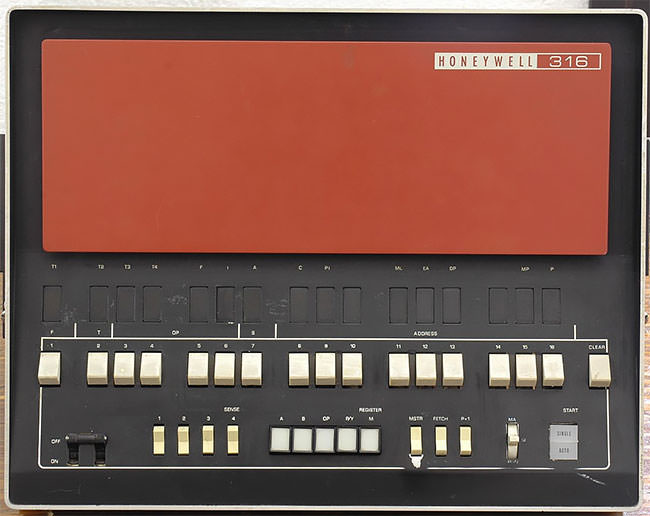
The computer responded to inputs through a panel of small binary light bulbs. These bulbs flashed on and off to display information. Since the system could not show letters or words, the operator had to read the pattern of lit bulbs and manually decode what each pattern meant. Every ingredient — flour, sugar, milk, meat — had its own unique binary code sequence listed in specialized paper reference diagrams. A cook looked up the code, flipped the matching switches, then decoded the lights.
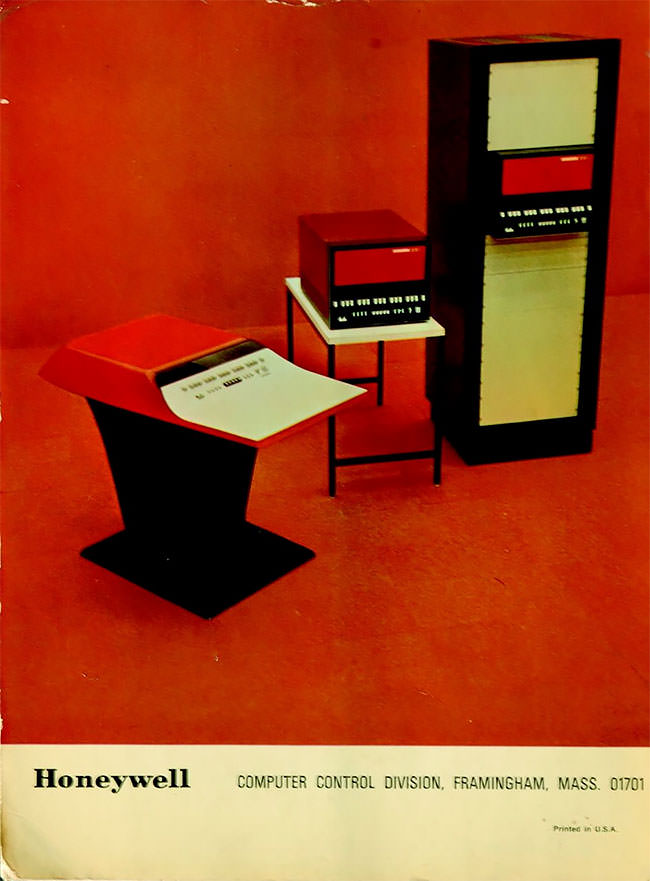
To bridge the gap between industrial computing and kitchen work, engineers mounted a thick wooden cutting board directly onto the top of the cabinet, right beside the toggle switches. The idea was that a cook could chop vegetables on one side while managing binary signals on the other. It was a practical-sounding solution to a problem that most home cooks never had — and never would have.
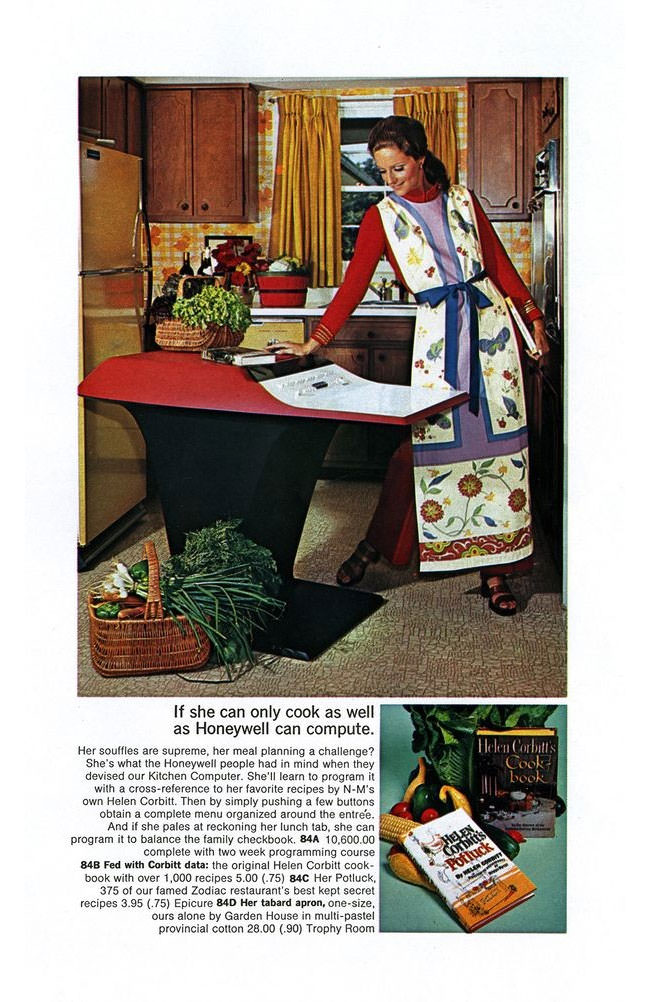
Because the interface was so complex, Neiman Marcus included a mandatory two-week programming course with every purchase. Without completing it, retrieving even a basic dinner suggestion from the system was impossible. Buyers also received a personalized chef’s apron and several thick technical manuals that explained how the machine stored data, processed inputs, and managed recipe listings. Owning the kitchen computer required reading engineering documentation.

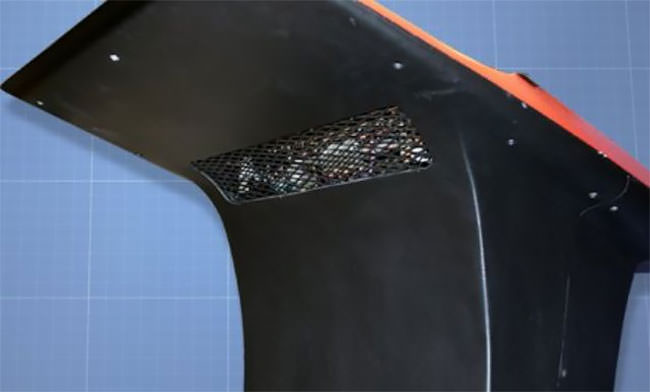
Inside the red cabinet sat a standard Honeywell H316 minicomputer. Its magnetic core memory boards held just four kilobytes of RAM, expandable to sixteen kilobytes. The processor ran at 2.5 megahertz — a fraction of the computing power found in the most basic modern devices. Built-in cooling fans ran continuously to keep the circuit boards from overheating. Removing the rear panel revealed dense wire bundles, heavy power supplies, and thick metal framing.
The promotional campaign for the machine was its own spectacle. Staged advertisements showed models in formal evening gowns operating the control panel inside glamorous, fully appointed kitchens. Neiman Marcus positioned the computer as the ultimate status symbol — proof that a household had arrived at the cutting edge of modern living. The marketing leaned hard into the contrast between 1960s domestic life and the fast rise of digital technology.
Honeywell’s broader goal was to normalize computing by pushing it into everyday domestic chores. The idea was that if a housewife in the suburbs could use a computer to plan dinner, then computers belonged everywhere. The kitchen was chosen as the entry point — the most familiar, non-threatening room in the home.
Neiman Marcus executives never actually expected anyone to buy the machine. The $10,000 price tag and the absurd concept were calculated to generate international news coverage and draw attention to the holiday catalog. The kitchen computer was a publicity stunt, and it worked. Newspapers and magazines across the country covered the story. The catalog itself became a talking point.
Zero confirmed sales were ever recorded. Not a single Honeywell Kitchen Computer was purchased by a Neiman Marcus customer during the 1969 holiday season. The few production models that were actually built never saw use inside a functioning home kitchen. They sat in storage, serving their real purpose — generating headlines — without ever storing a single recipe in active use.
The machine stands as one of the most dramatic examples of early consumer computing gone wrong — or, depending on your view, gone exactly as planned. It revealed a genuine tension in the late 1960s between the fast pace of technological development and the realities of everyday household life. Engineers and marketers were certain that computing power belonged in the home. They just hadn’t figured out how to make it usable yet.
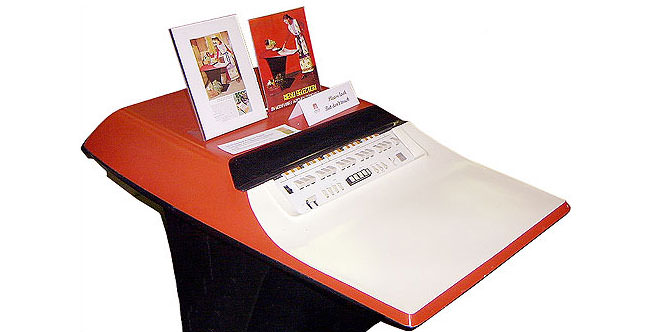
The Honeywell H316 itself was a legitimate piece of hardware. Outside of the kitchen gimmick, the same base model was used in industrial and scientific settings throughout the late 1960s and early 1970s. Its toggle-switch interface and binary light output were standard for minicomputers of that era. The kitchen application was the novelty — the underlying machine was real technology put to an impractical purpose.
Today, the surviving Honeywell Kitchen Computer models are displayed in computer history museums around the world. They sit behind glass as artifacts of a very specific moment — when American industry was convinced that the future of the home was digital, and when a luxury department store was willing to sell a hundred-pound binary machine alongside Christmas ornaments to prove it.